
Maximizing Efficiency And Flavor: The Power Of Pallet Racking In Spices
By Tom Seest
At RackingWorld, we help guide you through selecting warehouse storage systems and racking.
Be sure to read our other related stories at RackingWorld to learn more about warehouse storage systems.
How Do Bulk Spice and Seasoning Suppliers Leverage Pallet Racking?
When you’re dealing with bulk spices and seasonings, you know it’s not just about stacking boxes and calling it a day. The heart of the operation beats in the warehouse, where every pallet tells a story of care, precision, and respect for the product. Pallet rackings aren’t just metal shelves; they’re the unsung heroes that keep the whole supply chain humming without a hitch. They hold the weight of the business, literally and figuratively, making sure everything’s organized, accessible, and safe.
Picture this: sacks of paprika, turmeric, and cumin, each packed carefully, stacked neatly on those steel frames. It’s a test of common sense and experience—how low can you go, how high’s too high, and how to keep things orderly without turning the place into a chaotic mess. Pallet rackings let suppliers maximize every inch of space, saving square footage so they can store more without feeling cramped or risking spoilage. It’s the difference between working in a tight corner and moving freely, getting the job done right every time.
You start to appreciate the ethics behind it too. It’s not just about profits; it’s about respect for the workers who handle those heavy bags day in and day out, ensuring they don’t get injured, keeping the environment clean and organized. And customers deserve the same respect—spices and seasonings stored properly mean the quality stays intact, the aromas stay fresh, and the flavor hits the plate like it should. That’s trust built on steel beams and good judgment.
There’s a quiet authority in knowing your inventory is tracked down to the pallet, easy to rotate and check for freshness. It breeds confidence not just in the buyer but in the team running the floor. You’re not scrambling for products; you’re moving with purpose. And in the world of bulk spices and seasonings, where timing and quality mean everything, that reliability is worth more than gold.
The story of pallet rackings in spice supply isn’t flashy, but it’s real. It’s the backbone, the common thread connecting the farm workers, warehouse staff, drivers, and chefs into one dependable chain. When suppliers leverage these racks effectively, they’re not just storing products—they’re honoring the craft, keeping traditions alive, and serving communities with integrity. It’s a practical, no-nonsense solution that makes all the difference.

How Do Bulk Spice and Seasoning Suppliers Leverage Pallet Racking?
How Do Bulk Spice and Seasoning Suppliers Leverage Pallet Racking?
- Pallet rackings are essential in spice warehouses, providing organized, accessible, and safe storage for bulk spices and seasonings.
- Proper stacking on steel racks maximizes space, prevents spoilage, and maintains order, balancing efficiency and common sense.
- Ethical considerations include protecting workers from injury and maintaining a clean, organized environment.
- Correct storage preserves spice quality, aromas, and flavor, reinforcing customer trust.
- Accurate inventory tracking by pallet enables easy rotation, freshness checks, and efficient workflow.
- Pallet rackings connect the entire supply chain, from farm workers to chefs, supporting reliable operations.
- The system honors the craft of spice supply, preserving traditions and serving communities with integrity.

How Do Bulk Spice and Seasoning Suppliers Leverage Pallet Racking?
Table Of Contents
- How Do Bulk Spice and Seasoning Suppliers Leverage Pallet Racking?
- How Does Pallet Racking Improve Storage Efficiency for Spices?
- How Can Pallet Racking Reduce Damage to Bulk Seasonings?
- What Cost Savings Come From Using Pallet Racking In Spice Warehouses?
- How Does Pallet Racking Support Faster Order Fulfillment?
- What Safety Benefits Does Pallet Racking Offer In Bulk Storage?
- How Do Suppliers Optimize Space with Pallet Racking Systems?
- Conclusion
- Other Resources
- Glossary Of Terms
- Other Questions
- Checklist
How Does Pallet Racking Improve Storage Efficiency for Spices?
When it comes to storing spices, you quickly learn that clutter and chaos don’t just waste space—they waste time, money, and patience. Here’s where pallet racking steps in like the sturdy, no-nonsense workhorse it is. It’s not flashy, but it gets the job done, giving every jar, bag, or box exactly the spot it needs to avoid the dreaded spice scramble. You know the feeling: rifling through piles, hunting for that elusive cinnamon or pepper, losing precious minutes that add up to a hefty cost over time. Pallet racking cuts through that mess with organized rows and solid support, turning your storage area into a smooth-running machine.
Think about it practically: pallet racking makes use of vertical space that would otherwise just hang out empty, mocking you from above. By stacking pallets vertically, you multiply your storage capacity without blowing up your footprint. This means you can stash more spices, keep them fresh, and pull them out fast when orders come flying in. And in a business where freshness equals flavor—and flavor drives sales—that efficiency hits you right in the bottom line. Every inch saved is cash saved, every second shaved off is a faster turnaround, and that’s a recipe for success no matter the size of your operation.
There’s something ethical about pallet racking, too. It’s about respect—respect for the product, respect for the people handling it, and respect for the customers counting on consistent quality. Proper storage reduces spoilage and waste. It’s the difference between losing a shipment of costly saffron because it was crushed in a corner, or delivering that perfect batch every time without fail. Knowing your storage system keeps things safe and sound, without cutting corners, is a quiet kind of pride every operator feels deep down.
Years of watching businesses struggle, then turn it around with pallet racking, tells a story worth listening to. When your spices are neatly arranged, easy to spot, and quick to pick, everyone works a little smoother. No more guessing games or hunchbacks hauling heavy boxes out of a disaster zone. Just steady, reliable flow. The warehouse feels less like a wrestling ring and more like a well-oiled kitchen. And that kind of calm control breeds confidence—not just in the system, but in the people who run it.
Pallet racking might seem like cold, hard metal, but it’s the backbone of a smart storage strategy for spices. It’s the dependable partner that helps you respect your product, respect your time, and respect your bottom line. When you lean on a system that’s proven in the trenches, you’re not just storing spices—you’re building trust, cutting waste, and running your operation like you mean business.

How Does Pallet Racking Improve Storage Efficiency for Spices?
How Does Pallet Racking Improve Storage Efficiency for Spices?
- Pallet racking eliminates clutter and disorganization in spice storage, saving time, money, and frustration.
- It maximizes vertical space, increasing storage capacity without expanding the footprint.
- Efficient organization keeps spices fresh and speeds up order fulfillment, improving business profitability.
- Proper storage through pallet racking reduces spoilage and waste, ensuring consistent product quality.
- Neatly arranged spices create a smoother workflow and reduce physical strain on workers.
- Pallet racking fosters a controlled, efficient warehouse environment that builds confidence in the system and staff.
- It serves as a reliable foundation for respecting products, saving resources, and operating a successful spice business.

How Does Pallet Racking Improve Storage Efficiency for Spices?
How Can Pallet Racking Reduce Damage to Bulk Seasonings?
When it comes to handling bulk seasonings, there’s nothing quite like the trust you build knowing your product arrives fresh and unscathed. Pallet racking plays a quiet but mighty role in that trust. Think about it: these racks are the sturdy backbone holding your goods off the floor, clear of dirt, moisture, and the kind of rough handling that turns bright spices into dusty disappointments. It’s not just about stacking boxes; it’s about respecting the hard work and care that went into cultivating those seasonings.
From a practical standpoint, pallet racking changes the game. It keeps everything organized and accessible, reducing the chances of forklifts bumping into boxes and bruising the goods inside. No one’s got time for damaged product, especially when margins are tight and customers expect perfection in every bag. This system spreads the weight evenly, preventing crushed packages and spills, which means fewer headaches and less waste. It’s like giving your bulk seasonings the safe spot they deserve—a reliable home that honors their value from warehouse floor to shipping dock.
But it’s more than just good business; there’s an ethical responsibility here. When you protect your seasonings properly, you honor the farmers, the processors, and everyone along the supply chain. You’re not just storing product; you’re safeguarding the sweat and soul poured into those flavors. That respect shows in your commitment to quality, reflecting on how you treat the product and ultimately, how your customers perceive your brand.
Experienced pros know that pallet racking isn’t a fancy add-on—it’s a cornerstone of solid warehouse practice. Seeing well-maintained racks filled with neatly stacked pallets is a sign of a business that knows its craft and values its product. It earns respect from suppliers and customers alike, building a reputation that says, “We take this seriously.”
At the end of the day, pallet racking is a simple tool that turns into a powerful ally. It keeps your bulk seasonings safe, your employees confident, and your customers satisfied. It protects your bottom line and your reputation, proving that sometimes, the strongest safeguards come down to solid wood, steel frames, and a common-sense approach to storage.

How Can Pallet Racking Reduce Damage to Bulk Seasonings?
How Can Pallet Racking Reduce Damage to Bulk Seasonings?
- Pallet racking maintains bulk seasonings fresh by keeping goods off the floor, away from dirt, moisture, and damage.
- It organizes products efficiently, minimizing forklift accidents and preventing damaged or crushed packages.
- Proper storage reduces waste and ensures product integrity, supporting tight margins and customer expectations.
- Using pallet racks honors the effort of farmers and processors, reflecting an ethical commitment to quality.
- Well-maintained pallet racking signals professionalism and respect for the product within the warehouse.
- The system builds trust and reputation among suppliers and customers, showing serious dedication to product care.
- Pallet racking protects products, employees, customer satisfaction, and the business’s bottom line through simple, reliable storage.

How Can Pallet Racking Reduce Damage to Bulk Seasonings?
What Cost Savings Come From Using Pallet Racking In Spice Warehouses?
When you’re running a spice warehouse, every square foot and every minute counts. Pallet racking is like the unsung hero in that world—simple, sturdy, and smart. It’s not just about stacking crates; it’s about getting the most bang for your buck while keeping everything organized, safe, and easy to manage. When you line up pallets neatly on racking systems, you’re not just saving space—you’re cutting down on wasted time searching for that rare batch of saffron or that elusive cinnamon stockpile.
Here’s the straight talk: pallet racking lets you load up vertically, freeing up floor space that otherwise collects dust or makes the place look like a maze. More space means you can store more without expanding your square footage, and that saves cold hard cash on rent or real estate—one of the biggest costs for any warehouse. That’s money back in your pocket instead of vanishing into the ether.
Beyond the space, think safety and damage prevention. Spices aren’t cheap—they’re delicate, too. Pallet racking keeps your goods off the floor and away from spills, pests, or accidental knocks. Less loss means less replacement cost, which adds up quicker than you might expect. No one likes dealing with spoiled stock or customer complaints, so it’s also an ethical choice: protecting your product to honor the people who grow and harvest those spices thousands of miles away.
There’s old-fashioned authority in a well-organized warehouse. When your crew sees an efficient system, it sparks pride and steady confidence. They’re not fumbling through piles or risking injury—they’re working smarter, not harder. That boosts productivity, which trims labor costs without cutting corners.
And here’s the part that hits home: the story of a warehouse that got smart about pallet racking. They went from chaos to control, from clueless to confident. The savings on space, damage, and time turned into enough profit to hire an extra hand and finally give the working folks a breather. That’s the kind of no-nonsense, down-to-earth benefit pallet racking brings to the table—turning hard work into smarter work and stretching every dollar the way it deserves to be stretched.

What Cost Savings Come From Using Pallet Racking In Spice Warehouses?
What Cost Savings Come From Using Pallet Racking In Spice Warehouses?
- Pallet racking maximizes warehouse space by enabling vertical storage, freeing up valuable floor area.
- This system reduces time wasted searching for specific spice batches, improving organization and efficiency.
- Saving space translates into lower rent or real estate costs, increasing overall profitability.
- Pallet racking protects delicate spices from damage caused by spills, pests, or impacts, reducing loss and replacement costs.
- A well-organized warehouse boosts worker pride, confidence, and productivity, leading to reduced labor costs.
- The ethical benefit includes honoring the source of spices by minimizing spoilage and customer complaints.
- Implementing pallet racking transforms warehouse operations from chaotic to controlled, enabling savings that allow hiring additional staff and improving work conditions.
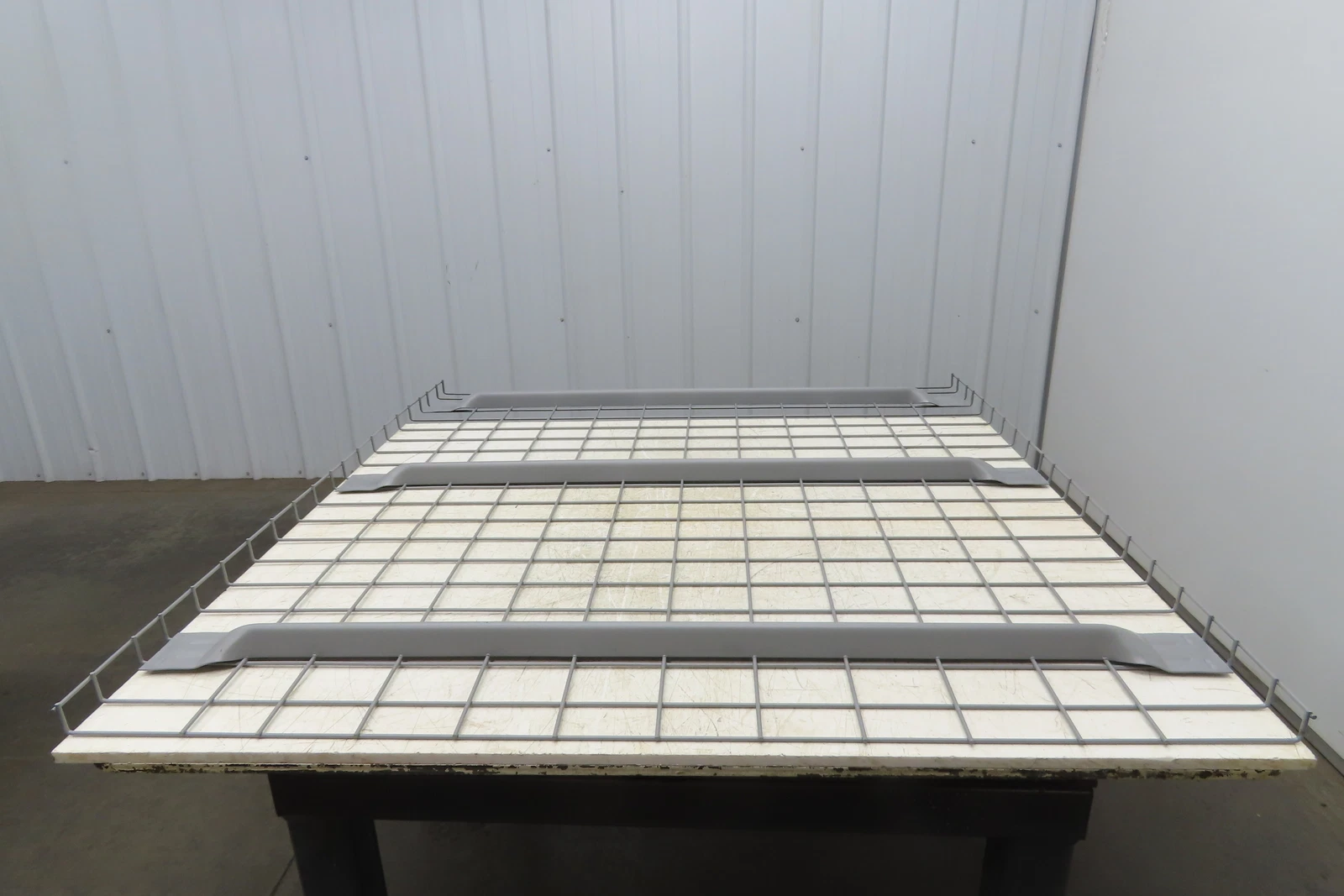
What Cost Savings Come From Using Pallet Racking In Spice Warehouses?
How Does Pallet Racking Support Faster Order Fulfillment?
You ever been in a warehouse where everything’s scattered like the morning after a big party? Finding the right box feels like digging for treasure without a map. That’s where pallet racking steps in, quiet and steady like a good workhorse. It’s not just some metal shelves; it’s the backbone of getting things out the door fast and right. When you stack pallets neatly and logically, every item has its place, and your crew knows exactly where to grab what they need. No more second-guessing, no more time wasted wandering.
From a practical standpoint, pallet racking boosts efficiency because it optimizes space vertically and horizontally. You cram more inventory into less room while keeping everything accessible. That means running fewer footsteps, less forklift zigzagging, and more orders packed and shipped by lunch. It’s common sense paired with muscle—less chaos, more flow. It’s like organizing your tools before a job; when everything’s in arm’s reach, the work gets done quicker and with less sweat.
There’s also the pride factor. When a warehouse runs smooth, with clean aisles and well-organized stock on pallet racks, the team feels it. Morale goes up because folks aren’t fighting clutter or playing hide and seek with inventory. They see their efforts pay off in quicker shipments and happier customers. It’s that simple connection—the company respects their time and tools, and they return the favor with solid work. That mutual respect builds a culture where fast, reliable order fulfillment becomes the norm, not the exception.
Ethically, faster order fulfillment powered by pallet racking means meeting customer expectations honestly. It’s about delivering promises on time, every time, without cutting corners or stressing the crew to the point of burnout. When the system is sound and steady, there’s less chance for errors, which means fewer returns and less waste. That’s good for business, good for workers, and good for customers.
Having seen warehouses small and mighty run on pallet racking, there’s real authority in knowing this system just works. It’s proven day in and day out, no bells and whistles—just straightforward, rugged dependability. If you want to move product faster, keep people sane, and build a workplace that runs like a well-oiled machine, pallet racking isn’t just an option. It’s what you want under your belt.
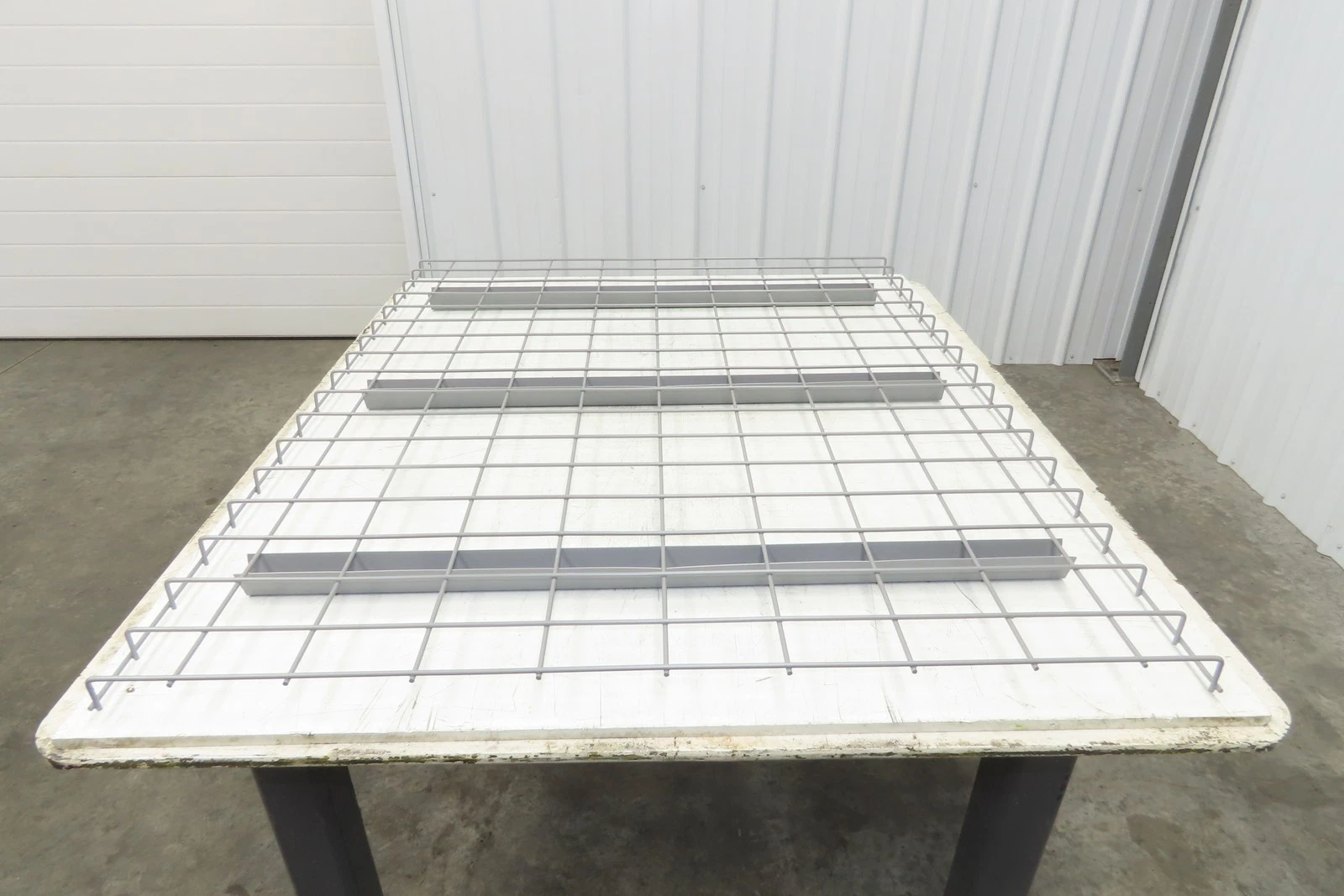
How Does Pallet Racking Support Faster Order Fulfillment?
How Does Pallet Racking Support Faster Order Fulfillment?
- Pallet racking organizes warehouse inventory efficiently, eliminating wasted time searching for items.
- It optimizes space both vertically and horizontally, allowing more inventory to fit in less room while keeping everything accessible.
- Improved organization reduces unnecessary movement, such as forklift zigzagging, speeding up order packing and shipping.
- A clean, organized warehouse boosts team morale by reducing clutter and making work smoother and more satisfying.
- Pallet racking supports reliable, ethical order fulfillment by meeting customer expectations without causing employee burnout or errors.
- The system reduces errors, returns, and waste, benefiting customers, workers, and the business overall.
- Its proven dependability makes pallet racking essential for efficient, fast, and well-managed warehouse operations.

How Does Pallet Racking Support Faster Order Fulfillment?
What Safety Benefits Does Pallet Racking Offer In Bulk Storage?
When you’re standing in a warehouse stacked high with boxes and crates, there’s more on the line than just keeping things neat — it’s about keeping folks safe. Pallet racking isn’t just a fancy name for metal shelves; it’s the backbone of smart, secure storage in bulk operations. It takes the chaos out of the mix and puts safety front and center, and that’s something anyone who’s spent time on the floor instantly understands.
From the ground up, pallet racking cuts down on accidents. When you pile pallets on the floor or haphazardly stack them, you’re asking for trouble — slips, trips, even injuries from falling goods. But with pallet racking, each load gets a proper place, locked into sturdy frames designed to hold weight without wobbling or shifting. That’s real peace of mind, especially when you’re dealing with heavy materials day in and day out. It’s like giving your warehouse a skeleton that’s built tough, reducing the chance of collapse or mishaps that can shut down operations or worse.
And beyond the metal and bolts, it’s about people. Workers know that safe conditions mean jobs won’t get cut short because of an injury, and they won’t have to second-guess the ground beneath their feet. Pallet racking respects the hard work they put in and protects them from wear and tear — it’s not just safety for safety’s sake; it’s respect for the hands that keep things running. When families depend on those paychecks, you’re not just stacking products, you’re stacking responsibility.
It’s also the right thing to do. Businesses that invest in pallet racking demonstrate they care about their team and their community. It’s an ethical choice that speaks volumes: safety isn’t negotiable. That commitment builds a culture where everyone looks out for one another, making work safer every single day. It’s not some corporate checkbox; it’s a common-sense approach that says, “We value people here.”
And let’s be straight about it — pallet racking is proven technology. It’s tested, trusted, and backed by standards that keep the most hectic warehouses ticking without drama. No guesswork, no luck needed. You get a system engineered to hold firm, designed for easy inspections, and maintainable by any hands-on crew worth their salt. That reliability makes it easier to stay ahead of problems before they start.
When you line up pallet racking, you’re not just building shelves; you’re building a safer future, one pallet at a time. It keeps the load steady, the crew uninjured, and the business moving forward. That’s the kind of common-sense solution every bulk storage operation needs.

What Safety Benefits Does Pallet Racking Offer In Bulk Storage?
What Safety Benefits Does Pallet Racking Offer In Bulk Storage?
- Pallet racking is essential for safe, organized storage in bulk warehouse operations, reducing chaos and prioritizing safety.
- Proper pallet racking prevents accidents by securely holding loads in sturdy frames, minimizing slips, trips, and falling goods.
- It protects workers by providing safe conditions that prevent injuries, showing respect for their hard work and livelihood.
- Investing in pallet racking demonstrates a business’s ethical commitment to employee safety and community responsibility.
- The technology is proven, tested, and standardized, ensuring reliable performance without guesswork or risk.
- Pallet racking systems are designed for easy inspection and maintenance by experienced crews, helping prevent issues before they arise.
- Using pallet racking builds a safer future by keeping loads stable, workers safe, and operations running smoothly.

What Safety Benefits Does Pallet Racking Offer In Bulk Storage?
How Do Suppliers Optimize Space with Pallet Racking Systems?
When you step into a warehouse, it’s easy to overlook the quiet hero working behind the scenes: the pallet racking system. This isn’t just metal and bolts stacked high; it’s the lifeblood of efficient storage, the backbone that holds everything together while keeping chaos at bay. For suppliers, making the most out of every inch of space isn’t just a smart move—it’s survival. Pallet racking lets them stack smart, not just tall, turning what once was wasted overhead or crowded floor space into reliable, organized storage.
Think about it: every pallet stored neatly means less time searching, less wasted muscle, and fewer headaches. When racks are well-planned, it’s like having a silent partner who knows exactly where each load belongs, saving hours that add up to dollars at the end of the week. This isn’t guesswork; it’s common sense paired with solid experience—years on the floor teaching you that a good rack system can make a worn-out crew look like pros.
Beyond the numbers and the neat rows, there’s a real trust that grows between suppliers and their customers. Reliable pallet racking means orders don’t get mixed up or damaged. It’s an ethical stand, a promise that what you send out respects the hard work of the truck drivers, warehouse staff, and finally the people waiting down the line. There’s something quietly honorable in making sure every item has its proper place because it shows you care about doing the job right, not just fast.
This space-saving isn’t about squeezing more stuff into every corner recklessly; it’s about creating order that works with your workflow. Suppliers who tailor their pallet racking to their unique needs build a workflow that’s smoother, safer, and more productive. They don’t just store pallets—they set up a system where each person on the team knows what to expect, reducing strain and speeding up the whole operation like a well-oiled machine.
At the end of the day, pallet racking systems are more than just storage solutions—they’re silent partners in the daily grind, trusted tools that give suppliers the confidence to meet demand without sacrificing quality or safety. If you’ve ever worked a warehouse, you know that having the right rack can feel like winning half the battle before it even starts. It’s about respect—for your space, your team, and the people relying on what you move. And that’s a good way to get stuff done right.

How Do Suppliers Optimize Space with Pallet Racking Systems?
How Do Suppliers Optimize Space with Pallet Racking Systems?
- Pallet racking systems are essential for efficient, organized warehouse storage, maximizing space usage and reducing chaos.
- They enable suppliers to stack pallets smartly, converting unused overhead or floor space into reliable storage.
- Well-planned racks save time, reduce physical strain, and improve productivity, acting like a silent partner in operations.
- Reliable pallet racking builds trust by preventing order mix-ups and damage, respecting all workers involved.
- Space-saving through pallet racking focuses on creating order tailored to workflow, enhancing safety and efficiency.
- Customized rack systems improve team coordination, reduce strain, and speed up warehouse processes.
- Pallet racking systems provide confidence to meet demand without compromising quality or safety, reflecting respect for space, team, and customers.

How Do Suppliers Optimize Space with Pallet Racking Systems?
Conclusion
When you’re running a bulk spice and seasoning operation, pallet racking isn’t just some piece of warehouse furniture—it’s the backbone that keeps the whole show running smooth, safe, and efficient. These steel frameworks do more than hold pallets; they hold the weight of the business itself, turning cluttered chaos into an organized dance where every sack of turmeric, cumin, or paprika has its spot, easy to find and ready to move. It’s about making the most of every inch without risking quality or worker safety, and that practical respect pays off in ways you can see and taste.
Stacking spices right means freshness sticks around longer, spoilage takes a back seat, and customers get the flavor they expect without a hitch. That’s ethical in the truest sense—protecting the hard work of the farmers upstream and the craft of those down the line. When every pallet is accounted for and easy to rotate, you’re building trust—from the folks on the floor to the kitchens waiting on their orders. It’s authority born from common sense and hands-on experience, not fancy gadgets or pie-in-the-sky tech.
Pallet racking saves space by making vertical storage work, so you don’t have to spread out and pay through the nose for square footage. More room means more product, less wasted time hunting down a particular spice, and a quicker turnaround on orders. Faster order fulfillment doesn’t just boost the bottom line; it lifts morale. When workers aren’t dodging piles or guessing where something went, they move with purpose and pride, cutting overtime and keeping injuries down.
Speaking of safety, these racks keep those heavy bags off the floor, clear of messes, and neatly lined up to avoid accidents and crushed goods. That’s not just about avoiding costs—it’s about respecting the people who handle those loads day in and day out. A safe warehouse is one where folks go home whole and ready to tackle tomorrow’s grind. It’s a responsibility that every supplier should carry like a badge of honor.
In the end, pallet racking is the honest, no-nonsense solution that turns hard work into smart work. It maximizes space, safeguards product quality, protects workers, cuts costs, and speeds up deliveries—all the essentials wrapped into one sturdy system. It’s the quiet hero behind every successful spice supplier, proving over and over that sometimes the simplest tools, used right, make all the difference.

Conclusion
Conclusion:
- Pallet racking is essential in bulk spice and seasoning operations, providing structure that ensures smooth, safe, and efficient warehouse management.
- These steel frameworks organize spices like turmeric, cumin, and paprika, maximizing space without compromising quality or safety.
- Proper stacking helps maintain freshness, reduces spoilage, and supports ethical practices by protecting farmers and producers.
- Pallet racking enables vertical storage, saving floor space and allowing for more product storage and faster order fulfillment.
- Efficient organization improves worker morale by reducing clutter, speeding up processes, and minimizing overtime and injuries.
- Racks keep heavy bags off the floor and neatly arranged, preventing accidents and damage while respecting worker safety.
- Overall, pallet racking maximizes space, safeguards product quality, protects workers, cuts costs, and accelerates deliveries, making it a vital system for spice suppliers.

Conclusion
Other Resources
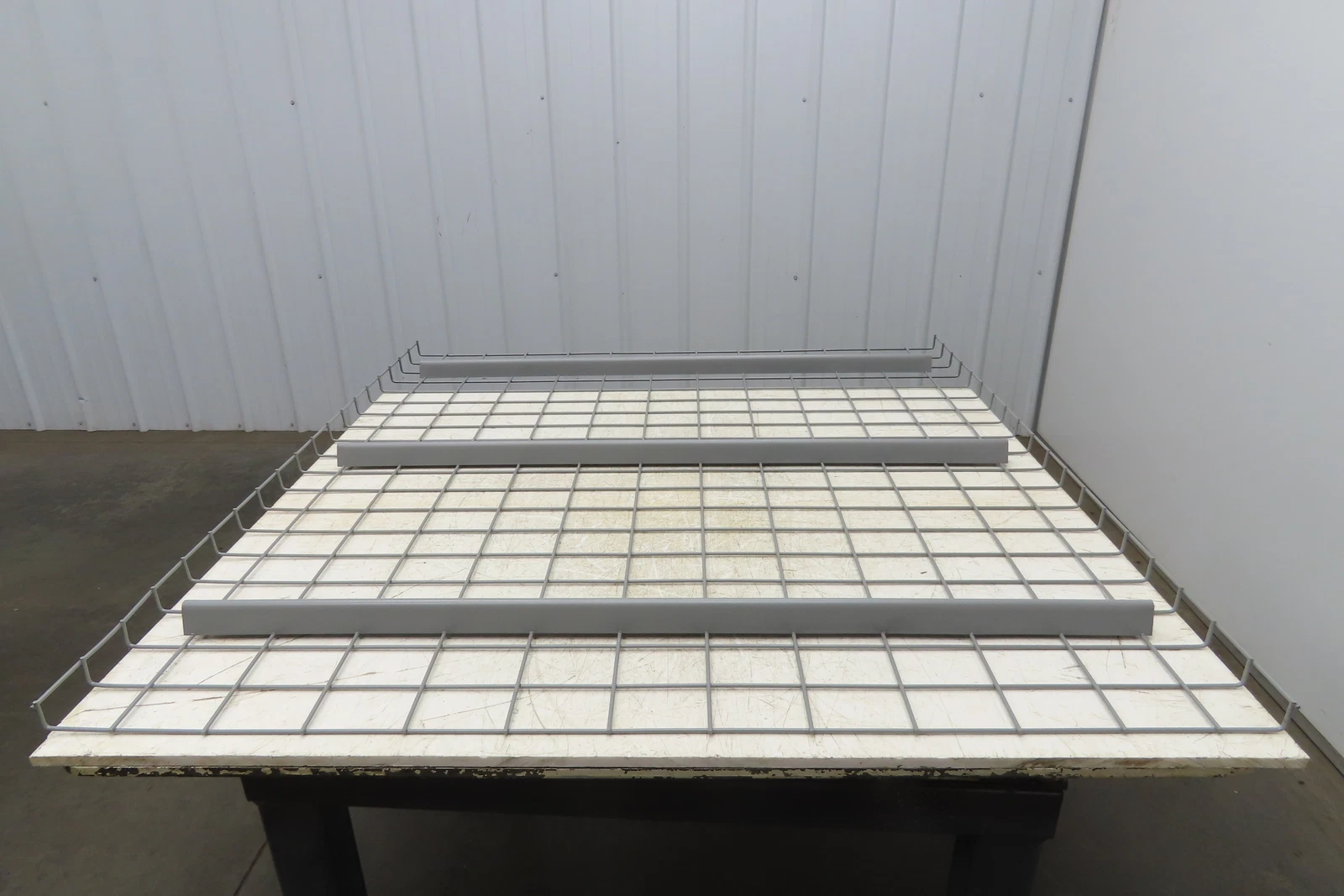
Other Resources
Here is a list of other resources you can review online to learn more:
- Warehouse Racking Layout: The Ultimate Guide – Conger
- Illinois Pallet Racking – Storage Solutions
- CA Wire
- Cantilever Rack Guide: Ordering Cantilever Racking
- Chicago Pallet Racking
- SEMA
- IWLA
- Material Handling Industry
- RMI
- Teardrop Industrial Shelving Rack
- Teardrop Pallet Rack – Ridg-U-Rak
- Illinois Pallet Racking – WPRP
- Teardrop Uprights
- Used Pallet Rack for Sale in Illinois – American Surplus
- Teardrop Racks – Pallet Rack World
- Warehouse Storage Racking in Illinois
- Pallet Rack Systems – New and Used Pallet Racking and Shelving Experts
- Teardrop Pallet Rack – Ridg-U-Rak
- Used Teardrop Pallet Rack – American Surplus
- WERC
Use This Prompt To Get More Resources With Your Favorite Online AI Tool: Please provide me with a list of online articles with their URLs in a bulleted list that I can read regarding How Do Bulk Spice and Seasoning Suppliers Leverage Pallet Racking?
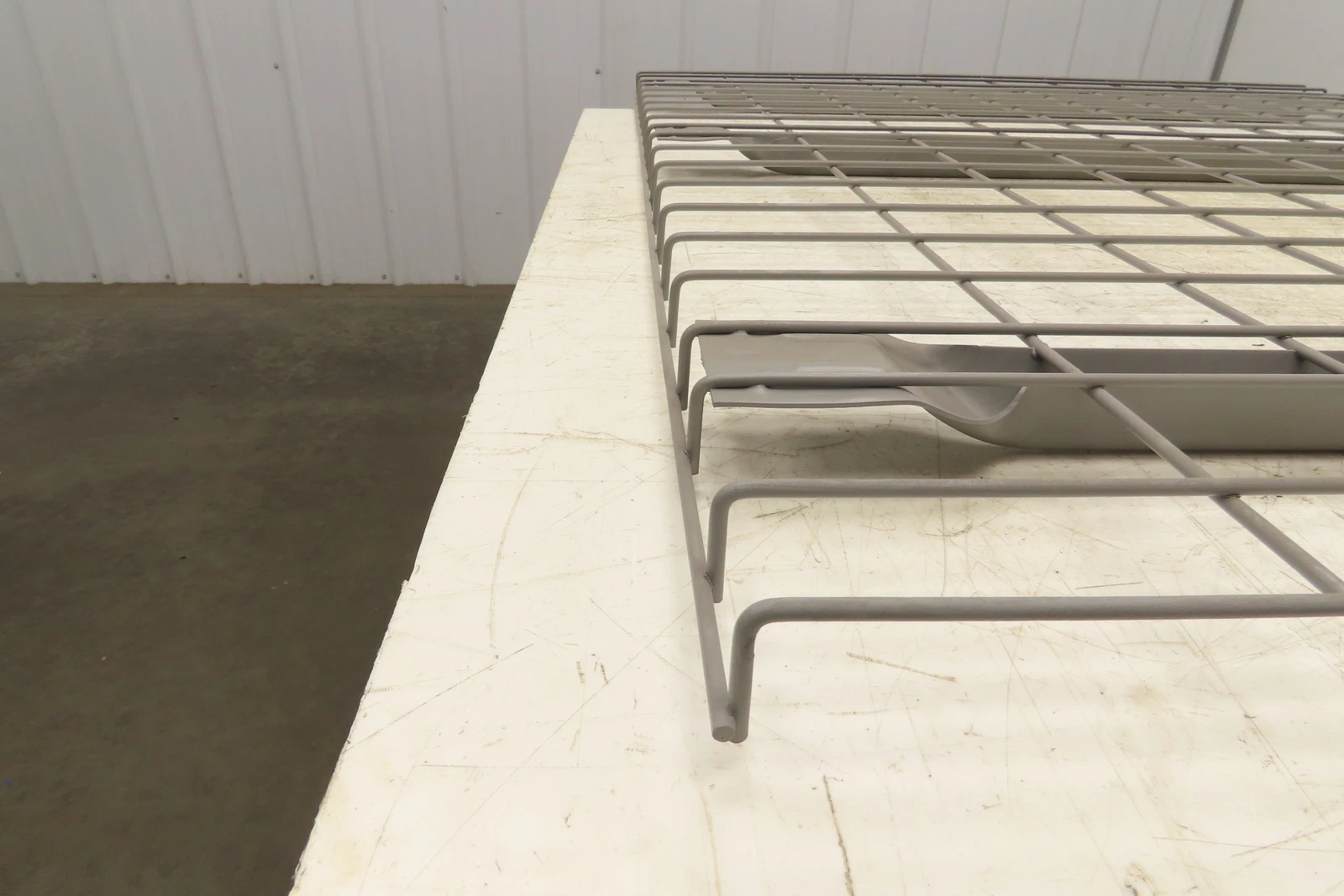
Other Resources
Glossary Terms
How Do Bulk Spice and Seasoning Suppliers Leverage Pallet Racking? – Glossary Of Terms
1. Pallet Racking: A storage system designed to hold palletized goods efficiently in warehouses or distribution centers.
2. Bulk Spices: Large quantities of spices stored and supplied for commercial use or resale.
3. Seasoning Supplies: Ingredients used to enhance the flavor of food, stored in bulk for distribution.
4. Warehouse Efficiency: The optimization of storage and retrieval processes within a warehouse.
5. Inventory Management: The supervision and control of stock levels to meet demand without excess.
6. Space Utilization: The effective use of available storage area to maximize capacity.
7. Load Capacity: The maximum weight that a pallet racking system can safely support.
8. Forklift Accessibility: The ability for forklifts to access and transport pallets stored on racks.
9. Stock Rotation: The process of managing inventory so that older stock is used or sold first.
10. FIFO System: “First In, First Out” method ensuring older inventory is dispatched before newer stock.
11. Pallet Loading: The act of placing goods onto pallets for storage or transport.
12. Vertical Storage: Using height to increase storage capacity by stacking items upward.
13. Racking Configuration: The structural design and layout of a pallet racking system.
14. Aisle Width: The space between rows of pallet racks allowing for equipment movement.
15. Bulk Storage: Storing goods in large quantities without individual packaging or units.
16. Material Handling: The movement, protection, storage, and control of materials throughout the supply chain.
17. Warehouse Safety: Measures and practices to protect workers and inventory in storage areas.
18. Pick and Pack: The process of selecting items from storage and packaging them for shipment.
19. Load Stability: Ensuring that stacked pallets remain secure and do not shift or fall.
20. Stock Visibility: The clarity and easy identification of inventory items on storage racks.
21. Cross-Docking: The direct transfer of products from inbound to outbound transportation with minimal storage time.
22. Supply Chain Efficiency: Optimizing the entire supply process from supplier to customer.
23. Customized Racking: Pallet racks designed to meet specific storage requirements.
24. Bulk Handling Equipment: Tools and machines used to move and store bulk goods.
25. Space Optimization Software: Digital tools that help plan and manage warehouse space.
26. Load Distribution: Evenly spreading weight across racking systems to prevent damage.
27. Inventory Turnover: The rate at which stock is sold and replaced over a specific period.
28. Environmental Control: Managing temperature, humidity, and other conditions to preserve spice quality.
29. Packaging Efficiency: Using packaging methods that maximize space and reduce damage risk.
30. Supply Demand Matching: Balancing stock levels in the warehouse to meet customer orders without surplus.

Glossary Of Terms
Other Questions
How Do Bulk Spice and Seasoning Suppliers Leverage Pallet Racking? – Other Questions
If you wish to explore and discover more, consider looking for answers to these questions:
- What types of pallet racking systems are best suited for bulk spices and seasonings (selective, drive-in, push-back, pallet flow, cantilever)?
- How do different racking systems affect inventory rotation strategies (FIFO vs LIFO)?
- How do you calculate required load capacity per bay, beam, and pallet for spice sacks and drums?
- What floor-to-ceiling height and bay depth configurations maximize storage without compromising safety?
- How should humidity and temperature be controlled within racked storage to preserve spice quality and shelf life?
- What packaging types (bags, sacks, FIBCs, drums, boxes) most influence racking choice and palletization patterns?
- How can racking design minimize cross-contamination and odor transfer between different spice SKUs?
- What sanitation and cleaning protocols are required for pallet racking in food storage environments?
- What food-safety regulations and standards (FDA, FSMA, HACCP) apply to racked spice storage?
- How should pallet racking integrate with WMS, barcode/RFID, and lot-tracking systems for traceability?
- What fire-safety and sprinkler compatibility requirements must be considered when installing racking?
- How wide should aisles be and what forklift clearances are needed for safe, efficient material handling?
- What types of forklifts or handling equipment work best with different racking systems for spices?
- How do you secure loads on racks (stretch wrap, strapping, corner boards) to prevent spills and damage?
- What wire decking, pallet supports, or safety netting options are recommended for food-grade racking?
- How often should racking be inspected, what are common signs of damage, and what are repair best practices?
- What worker training and PPE are required for safe operations around pallet racking?
- How does pallet racking support pest control programs and what design choices reduce infestation risk?
- What are the typical maintenance costs and expected lifespan of commercial pallet racking systems?
- How do you perform a cost-benefit or ROI analysis for installing or upgrading pallet racking in a spice warehouse?
- What financing or leasing options exist for acquiring pallet racking systems?
- How should racking be planned to allow for future growth, SKU proliferation, or seasonal volume spikes?
- What layout strategies improve picking productivity (dedicated pallet locations, zone picking, case vs pallet pick)?
- How can automation (AS/RS, conveyors, pallet shuttles, pick-to-light) integrate with pallet racking for spices?
- What pallet materials (wood, plastic, heat-treated) are appropriate for food-grade spice storage and international shipping?
- How do stacking patterns and maximum stacking height affect pallet stability and product integrity?
- What seismic, wind, or local-code considerations must be addressed when designing racking installations?
- How do lighting, ventilation, and dust control interact with racking layout to protect spice quality?
- How should returns, quarantine, and recalled lots be segregated and managed within a racked warehouse?
- What are best practices for labeling, slotting, and SKU placement on racks to speed fulfillment and reduce errors?
- How can you measure and validate the impact of racking on order fulfillment speed, accuracy, and labor costs?
- What common implementation mistakes should be avoided when introducing pallet racking in a spice operation?
- How do insurance, product liability, and food-safety audit requirements change after installing pallet racking?
- What sustainable or recyclable racking materials and end‑of‑life disposal options are available?
- How do you coordinate racking installation or reconfiguration without disrupting ongoing warehouse operations?
- What sample inspection and quality-control workflows are compatible with high-density racked storage?

Other Questions
Checklist
How Do Bulk Spice and Seasoning Suppliers Leverage Pallet Racking? – A Checklist
Objectives and Metrics
✅______ Define target storage density (percent space utilization).
✅______ Set picking speed goals (orders per hour, lines per hour).
✅______ Establish damage/spoilage targets (≤ X percent write-offs).
✅______ Set inventory accuracy target (≥ 99 percent).
✅______ Track order cycle time (order to ship).
✅______ Baseline KPIs before changes for comparison.
Racking Design and Compliance
✅______ Confirm rack load ratings match pallet weights and SKUs.
✅______ Verify seismic, fire code, and local building compliance.
✅______ Ensure adequate sprinkler clearance and flue space.
✅______ Specify beam levels to fit pallet heights plus lift clearance.
✅______ Anchor all uprights; use row spacers and cross-aisle ties as needed.
✅______ Install end-of-aisle guards, column protectors, and rack signage.
Space Optimization and Layout
✅______ Use vertical space fully while maintaining safe top-of-load clearances.
✅______ Right-size aisles for forklifts and pallet jacks (verify turning radius).
✅______ Place fast movers in the lowest, most accessible bays near shipping.
✅______ Group SKUs by velocity and compatibility (odors, allergens, form).
✅______ Designate clear staging, inbound QC, and outbound lanes.
✅______ Minimize travel by aligning pick paths and logical zone flows.
Rack Type and Slotting Strategy
✅______ Use selective racking for high-access, many-SKU areas.
✅______ Use pallet flow (FIFO or FEFO) for date-sensitive spices.
✅______ Use push-back racking for medium movers with limited SKUs.
✅______ Reserve floor or drive-in only for stable, homogeneous bulk where appropriate.
✅______ Slot by case and pallet dimensions to minimize wasted bay space.
Product Protection and Freshness
✅______ Keep all product off the floor; maintain clean, dry conditions.
✅______ Control temperature and humidity per spice requirements.
✅______ Shield from direct light and prevent cross-contamination from strong odors.
✅______ Apply FEFO lot rotation at the location level.
✅______ Verify packaging integrity (no tears, punctures, or compromised seals).
✅______ Use pallets and dunnage that will not impart odor or contamination.
Pallets, Packaging, and Handling
✅______ Inspect pallets for damage; reject broken decks or stringers.
✅______ Ensure proper pallet overhang (flush within manufacturer limits).
✅______ Secure loads with wrap or strapping; maintain even weight distribution.
✅______ Use slip sheets, corner boards, and top caps for fragile bags and boxes.
✅______ Standardize pallet footprints to fit bays consistently.
✅______ Keep spices clear of moisture sources and chemical storage.
Inventory Control and Traceability
✅______ Label every bay and level with scannable location IDs.
✅______ Capture lot, batch, and expiration dates at receipt.
✅______ Enforce FEFO in the WMS and in physical processes.
✅______ Schedule cycle counts by velocity and risk.
✅______ Maintain pallet-level tracking from inbound to shipment.
Order Fulfillment Speed
✅______ Establish dedicated pick faces for fast movers.
✅______ Implement batch or wave picking where order profiles fit.
✅______ Pre-stage carriers and consolidate by route and dock.
✅______ Set replenishment triggers for pick faces (min/max levels).
✅______ Provide clear signage for zones, lanes, and dock assignments.
✅______ Measure pick path length and reduce backtracking.
Worker Safety and Ergonomics
✅______ Train operators on racking loads, safe travel speeds, and clearances.
✅______ Certify and refresh forklift and pallet jack operators regularly.
✅______ Keep aisles and egress routes clear; mark floors visibly.
✅______ Provide lift assists and ergonomic tools for heavy or awkward bags.
✅______ Install fall protection and netting where required.
✅______ Post and enforce rack load plaques and SOPs.
Housekeeping and Pest Control
✅______ Implement daily sweep and spill response routines.
✅______ Remove shrink wrap, banding, and debris promptly.
✅______ Inspect for pests; maintain a documented IPM program.
✅______ Keep trash and returns areas segregated from food storage.
Inspection and Maintenance
✅______ Daily: Check for rack impacts, leaning, missing bolts, and damaged beams.
✅______ Weekly: Verify anchors are tight; inspect guards and flues.
✅______ Monthly: Audit signage, load plaques, and blocked sprinklers.
✅______ Quarterly: Conduct a formal rack inspection; document and repair or replace damaged components.
✅______ Maintain a no-weld, manufacturer-approved repair policy.
Receiving and Putaway
✅______ Verify counts, lot and expiration dates, and condition at the dock.
✅______ Assign locations based on FEFO and slotting rules.
✅______ Wrap and secure partial pallets before putting away.
✅______ Record location, lot, and quantity at the time of putaway.
Shipping and Quality Checks
✅______ Confirm correct SKU, lot, and quantity at pick and pack.
✅______ Seal and label pallets with shipment and lot information.
✅______ Perform final QC for damage and correct temperature exposure.
✅______ Document chain of custody for traceability.
Continuous Improvement
✅______ Review KPIs monthly; target space, time, and damage reductions.
✅______ Reslot quarterly based on updated velocity data.
✅______ Solicit floor feedback; remove bottlenecks.
✅______ Plan capacity increases with phased rack expansions.
Readiness Sign-Off
✅______ KPIs baselined and dashboards active.
✅______ Layout, rack types, and safety gear installed and verified.
✅______ SOPs trained and posted.
✅______ First audit passed (safety, quality, inventory).
✅______ Go-live scheduled with a contingency plan.

Checklist
At RackingWorld, we help guide you through selecting warehouse storage systems and racking.
Be sure to read our other related stories at RackingWorld to learn more about warehouse storage systems.
0 Comments