
Maximizing Strength, Efficiency, And Sustainability With Pallet Racking
By Tom Seest
At RackingWorld, we help guide you through selecting warehouse storage systems and racking.
Be sure to read our other related stories at RackingWorld to learn more about warehouse storage systems.
How Do Building Materials and Construction Leverage Pallet Racking?
When you’ve been around the grind of construction and building materials like a good while, you come to appreciate straightforward tools that just work—and pallet racking is one of those unsung heroes. It’s easy to overlook, but step onto any job site or warehouse and you’ll see how pallet racking quietly keeps the whole operation humming. It’s the backbone of storing heavy supplies, the quiet muscle that keeps materials organized, safe, and ready when the crew needs them. There’s a kind of rugged reliability in it, the kind that speaks to anyone who’s learned that the right setup can save you headaches, time, and even a few scraped knuckles.
Think about it—building materials aren’t exactly delicate. Lumber, bricks, steel beams—they come in bulky, awkward shapes that don’t just stack neatly on their own. Pallet racking brings order to that chaos. It takes piles of seemingly random stock and turns them into accessible, manageable rows. That means you spend less time digging through a jumbled mess and more time putting those materials to use where they matter. It’s not just practical; it’s smart, efficient, and ultimately a way to respect the hard-earned effort of everyone on site. Making sure tools and materials are well cared for speaks volumes about a team that values their craft and their people.
On an ethical level, pallet racking helps businesses minimize waste and maximize safety. When storage is sloppy, materials get damaged or lost. That’s money down the drain and frustration for everyone involved. The system keeps everything visible and orderly; it prevents accidents and protects workers from hazards like falling loads or cluttered aisles. Using pallet racking sends a clear message that safety isn’t just a box to check on paper—it’s a priority that protects families and livelihoods. It’s a simple step that shows responsible leadership and earns respect from crews who need to know they’re valued.
There’s a lot of trust that goes into choosing the right racking system. You want something that holds steady under serious weight, something that won’t buckle when the pressure’s on. Years of proven design and solid engineering behind pallet racking give you that peace of mind. It’s a no-nonsense solution built from the ground up for tough work. When your storage solution stands firm through frost, sweat, and the daily grind, you gain confidence in your whole operation. And it’s that quiet confidence on site that moves projects forward, keeps deadlines intact, and turns plans on paper into structures that last.
At the end of the day, pallet racking is more than just a metal framework; it’s a partner in getting real work done. It’s the sort of thing you don’t have to think twice about once it’s in place because it just delivers. For anyone dealing with the weight, size, and chaos of building materials, pallet racking offers a straightforward, time-tested answer. It respects the craft, protects the team, and keeps the job moving—no fuss, no nonsense, just solid, dependable support that every builder can count on.
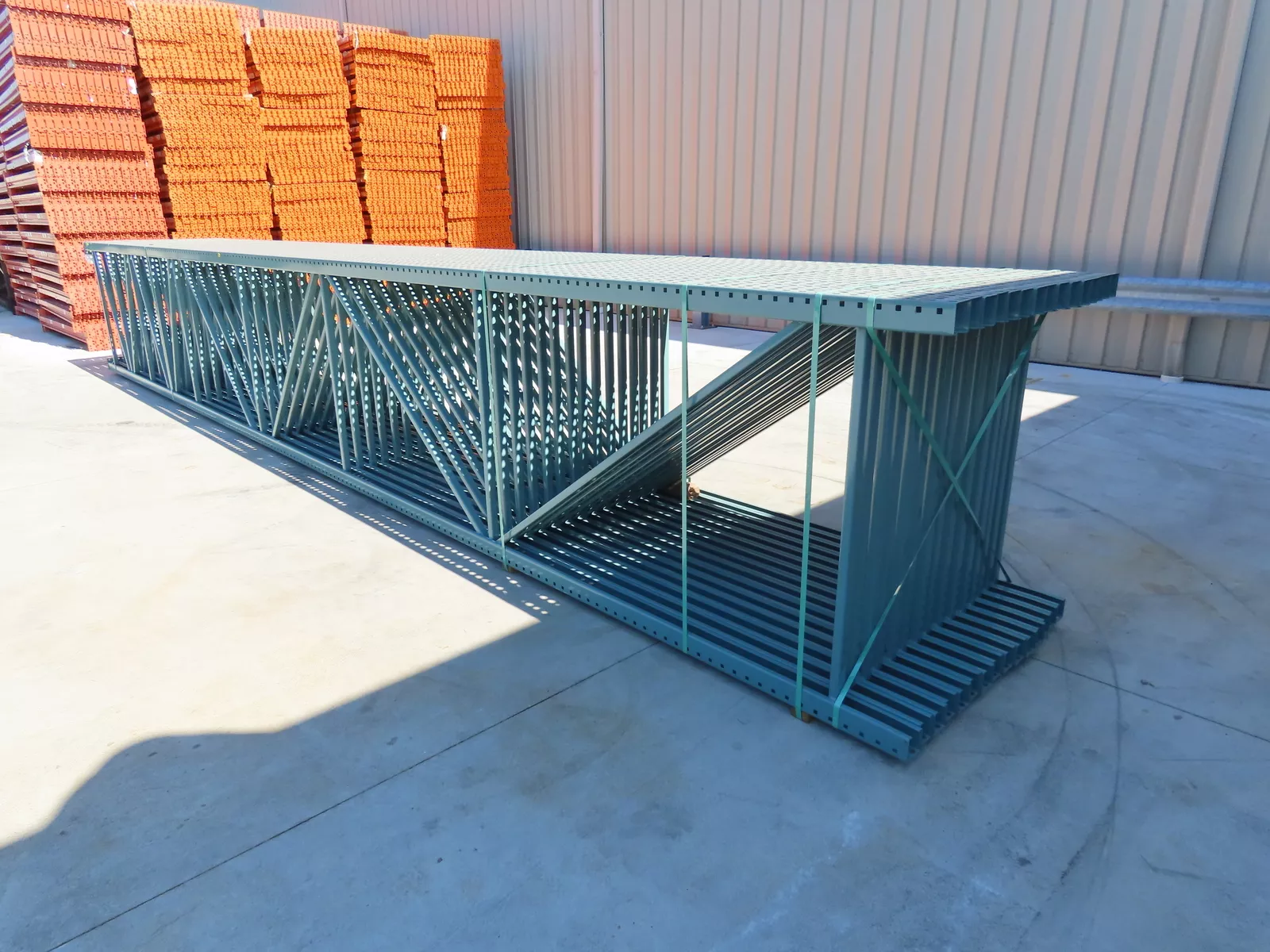
How Do Building Materials and Construction Leverage Pallet Racking?
How Do Building Materials and Construction Leverage Pallet Racking?
- Pallet racking is a reliable, straightforward tool essential for organizing and storing heavy building materials on job sites and warehouses.
- It transforms bulky, awkward materials like lumber, bricks, and steel beams into accessible, well-organized rows, saving time and effort.
- Proper use of pallet racking minimizes waste, prevents material damage, and reduces safety hazards for workers.
- It demonstrates responsible leadership and commitment to crew safety, earning respect from the team.
- The system’s proven design and solid engineering provide confidence that it can hold heavy loads under tough conditions without failure.
- Pallet racking supports smooth operations by helping keep projects on schedule and turning plans into lasting structures.
- More than just a metal framework, pallet racking offers dependable, no-nonsense support that respects the craft and protects the team.
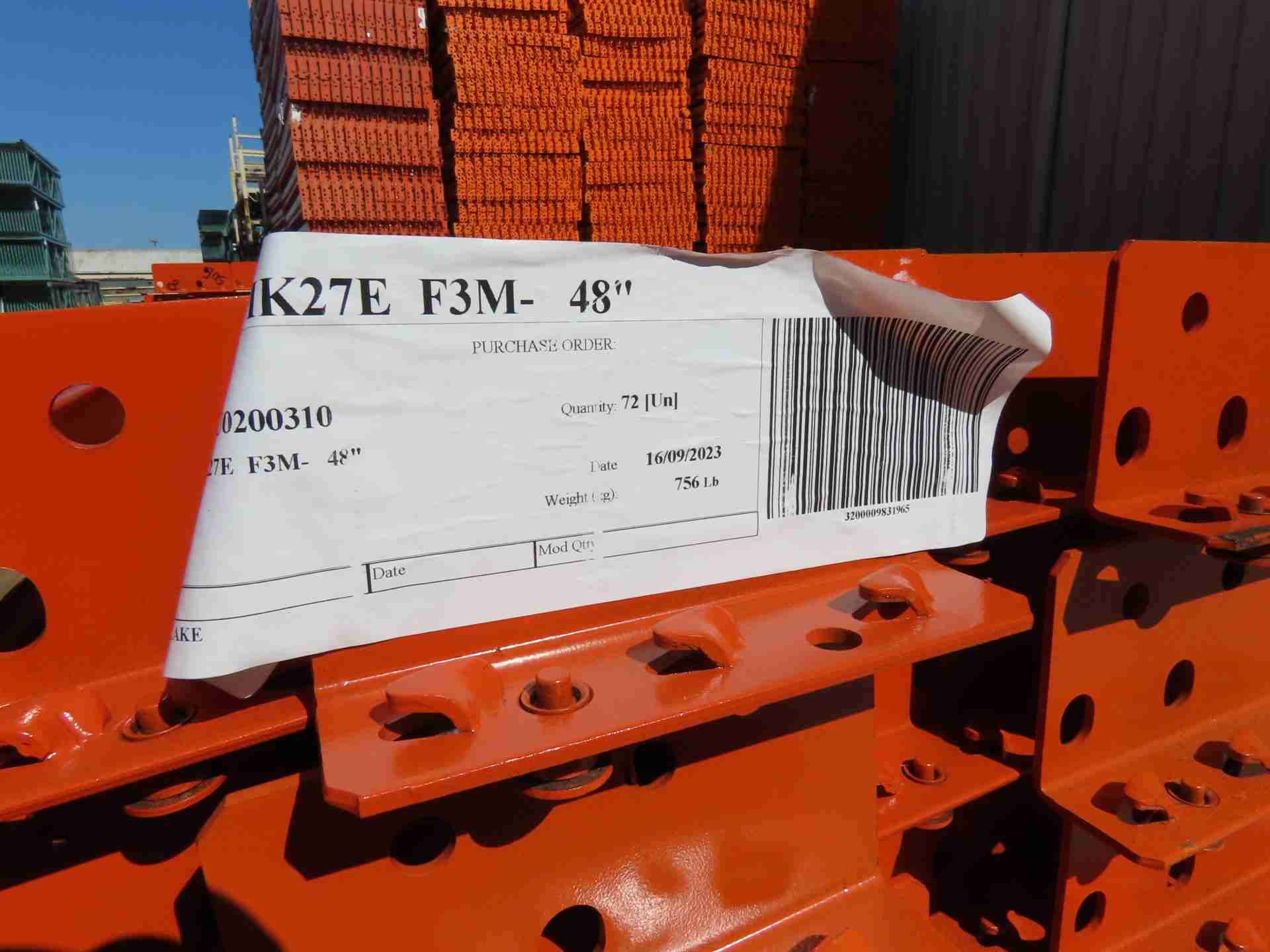
How Do Building Materials and Construction Leverage Pallet Racking?
Table Of Contents
- How Do Building Materials and Construction Leverage Pallet Racking?
- What Makes Pallet Racking Critical In Modern Construction?
- How Does Pallet Racking Improve Materials Handling Efficiency?
- Can Pallet Racking Reduce Construction Waste Significantly?
- Why Trust Pallet Racking for Heavy Load Storage In Buildings?
- How Do Building Materials Benefit From Organized Pallet Racking?
- What Role Does Pallet Racking Play In Construction Safety?
- Conclusion
- Other Resources
- Glossary Of Terms
- Other Questions
- Checklist
What Makes Pallet Racking Critical In Modern Construction?
You don’t have to be a rocket scientist to see that construction sites are chaos personified. Tools everywhere, materials piled high, and people hustling like bees in a hive. In the middle of all that madness stands something people don’t always notice but can’t do without: pallet racking. It’s the unsung hero that keeps the whole operation from falling apart, quietly holding up the weight—not just of steel beams and bricks, but of the entire workflow.
Pallet racking isn’t just about stacking stuff. It’s about order in a world that’s always a few steps away from pandemonium. When you’re working against the clock, trying to get a building off the ground before the weather turns or deadlines crush you, the last thing you want is to waste time digging through a heap of muddled supplies. Pallet racking keeps everything visible, accessible, and ready to move. That’s common sense, pure and simple, but it’s also a powerful productivity tool that can save hours every day.
There’s something honest and straightforward about pallet racking too—no fancy gimmicks, just sturdy steel and good design doing what they’re made for. It’s built to last, built to carry weight, and built to keep people safe. When you consider the sheer scale of materials moving through a job site, it becomes obvious why sloppiness here isn’t just inconvenient; it’s downright dangerous. Knowing your gear is secured and organized means fewer accidents, less stress, and a stronger team focused on building, not scrambling.
Ethically, it’s about respect—respect for the folks on the ground who sweat it out every day, the supply chain making sure materials arrive on time, and the folks who’ll live and work in the buildings being raised. Pallet racking holds a place of trust in that chain, a trust you build with every bolt tightened and every pallet placed just so. It’s not flashy, but in construction, reliability speaks louder than anything else.
If you’ve spent any time on a site, you know that construction isn’t just business; it’s a community. Pallet racking is part of that community—a silent partner that helps everyone do their job better. So when you walk past those racks piled high with everything from drywall to steel studs, remember you’re looking at the backbone of modern construction. It’s the kind of foundation that doesn’t just hold materials—it holds a whole industry on its shoulders.
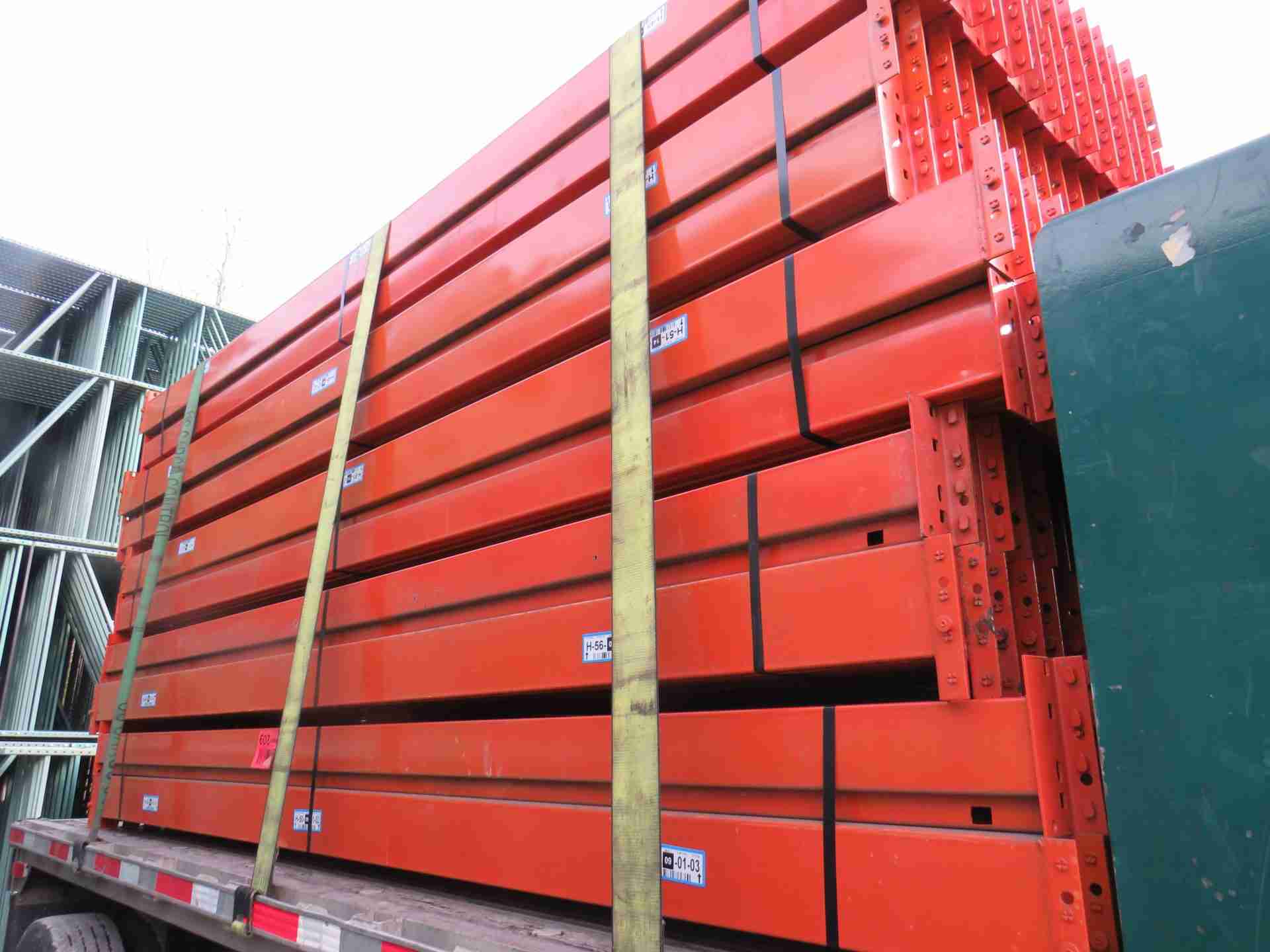
What Makes Pallet Racking Critical In Modern Construction?
What Makes Pallet Racking Critical In Modern Construction?
- Construction sites are chaotic environments where pallet racking plays a crucial but often unnoticed role in maintaining order.
- Pallet racking improves workflow efficiency by keeping materials visible, accessible, and organized, saving significant time daily.
- Constructed from sturdy steel with simple, durable design, pallet racking prioritizes safety and reliability on job sites.
- Properly secured and organized gear reduces accidents and stress, fostering a stronger, more focused construction team.
- Pallet racking embodies respect for workers, the supply chain, and future building occupants by ensuring material trust and stability.
- It serves as a silent but essential partner in the construction community, supporting everyone in doing their jobs better.
- Pallet racking forms the backbone of modern construction, holding not just materials but the foundation of the entire industry.
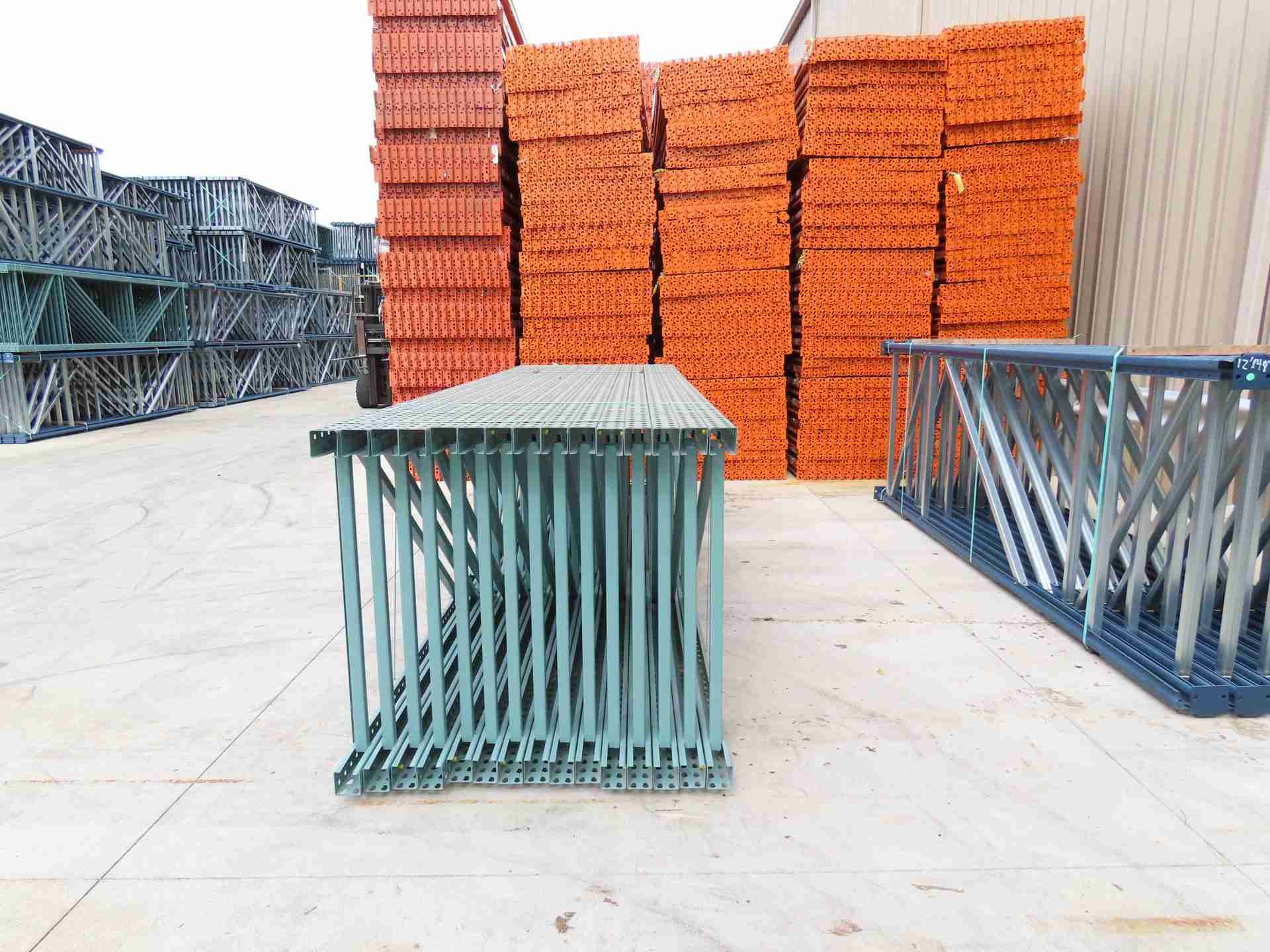
What Makes Pallet Racking Critical In Modern Construction?
How Does Pallet Racking Improve Materials Handling Efficiency?
When you step into a cluttered warehouse, it feels like a battle just to find what you need. Pallet racking changes that whole game. It’s not just about stacking stuff higher; it’s about making sense of the chaos. You know that sinking feeling when you’re hunting through piles, wasting precious time and muscle? Pallet racking turns that stress into smooth workflow—every pallet has its place, every product can be grabbed without backtracking across the floor like a lost hiker.
From a practical standpoint, pallet racking maximizes your square footage and vertical space without turning your warehouse into a maze. It means forklifts can zip through clear aisles, picking and placing pallets with confidence instead of cautious guesswork. Less fumbling, less time wasted, which directly boosts productivity and cuts costs. That’s not just numbers on paper; it’s real hours that get you closer to deadlines and frees the crew from needless strain. You can see the inventory at a glance—no more guesswork or blind spots—which means fewer mistakes, less damage, and better accountability. When your materials flow with fewer hitches, the whole operation hums like a well-oiled machine.
There’s also an ethical side to it. Investing in pallet racking isn’t just about efficiency; it’s about respect for the people doing the work. Nobody wants to wrestle with unstable stacks or reach for goods in awkward spots that risk injury. A well-designed pallet racking system prioritizes worker safety and comfort, proving your commitment to everyone on the floor. That kind of care builds trust and loyalty—a crew that knows their well-being matters will naturally show up ready to work, day in and day out.
This isn’t pie-in-the-sky theory or fancy office talk. Pallet racking is rooted in straightforward solutions crafted by folks who’ve spent their lives hands deep in logistics. It’s common sense made concrete, tested by sweat and grit. It offers a visible order to the daily grind—a tangible boost to efficiency that any team can rally behind. When everything’s in place and easy to access, even the heaviest workloads feel lighter, and the pride in a job well done shines through.
Pallet racking doesn’t just improve materials handling—it transforms it. It’s the backbone of a reliable, safe, and efficient workflow that turns hard work into smart work. And in the end, that’s the kind of upgrade every warehouse deserves.
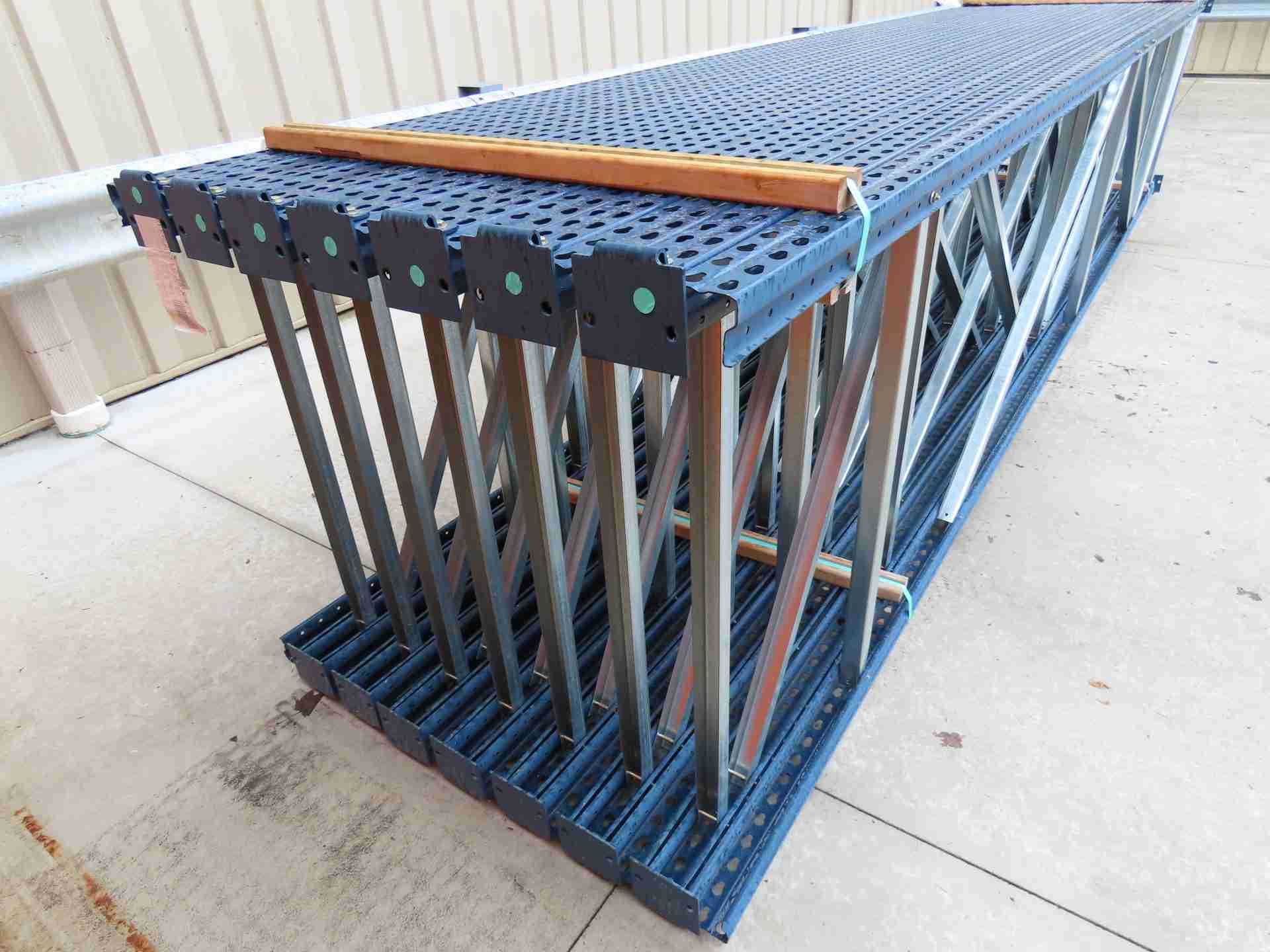
How Does Pallet Racking Improve Materials Handling Efficiency?
How Does Pallet Racking Improve Materials Handling Efficiency?
- Pallet racking transforms cluttered warehouses by organizing pallets and products for easy access, eliminating wasted time and effort.
- It maximizes both square footage and vertical space without creating a confusing maze, allowing forklifts to move efficiently through clear aisles.
- Improved layout reduces errors, damage, and blind spots, enhancing inventory visibility and overall accountability.
- The system boosts productivity and cuts costs by minimizing wasted time and physical strain on workers.
- Pallet racking prioritizes worker safety and comfort, reducing injury risks and fostering trust and loyalty among staff.
- Rooted in practical logistics experience, pallet racking offers straightforward, proven solutions that improve daily operations.
- It creates a reliable, safe, and efficient workflow that transforms hard work into smarter work, upgrading the entire warehouse operation.
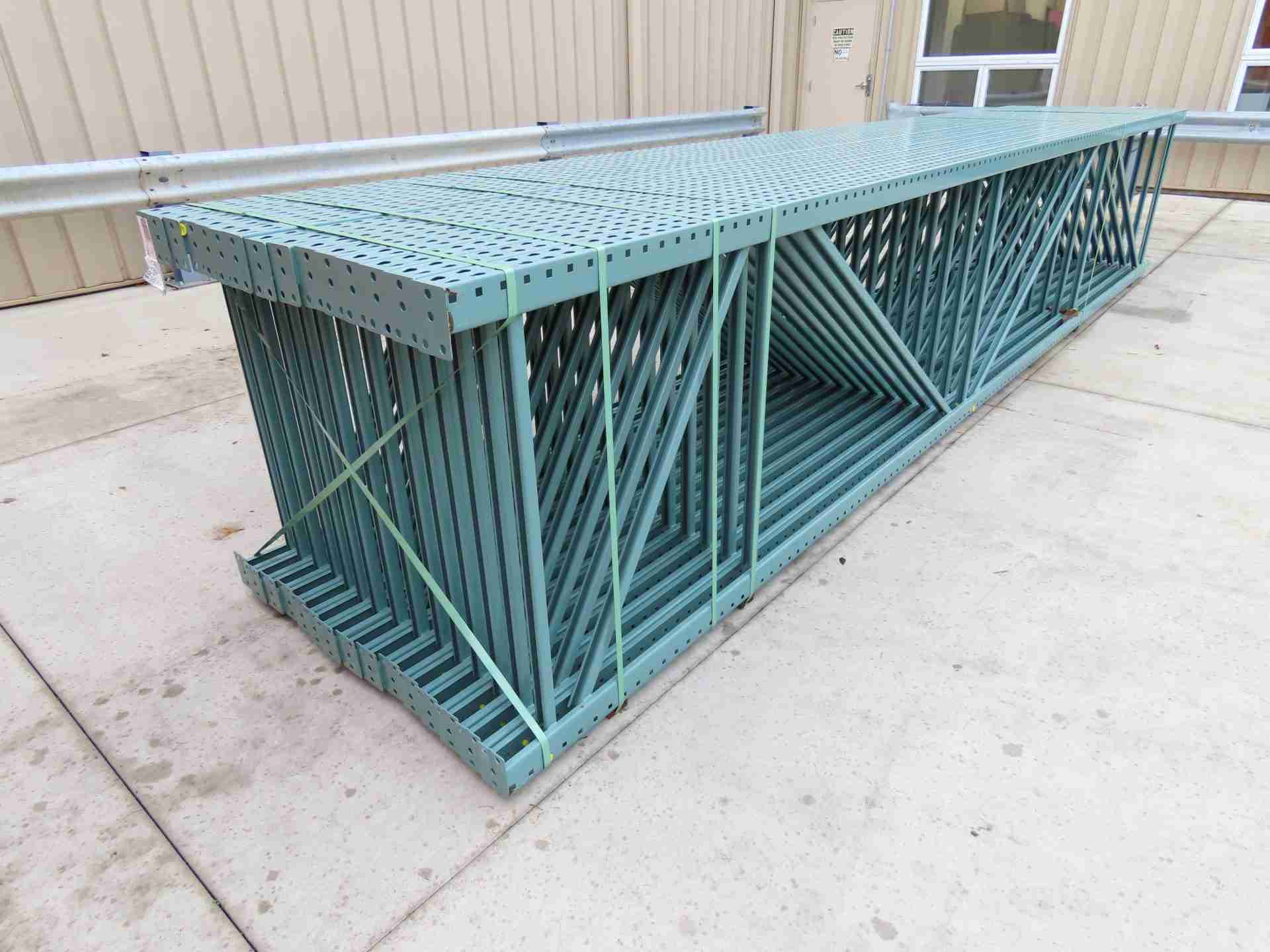
How Does Pallet Racking Improve Materials Handling Efficiency?
Can Pallet Racking Reduce Construction Waste Significantly?
Look, the construction world ain’t no stranger to waste. Every job site looks like a mini landfill half the time—scraps of wood, busted boxes, haphazard piles of materials scattered around like no one’s in charge. It’s frustrating, it’s costly, and frankly, it’s downright careless. That’s where pallet racking steps in, not just as some fancy storage system, but as a no-nonsense tool that can seriously cut down on all that waste piling up in the corner.
When you get down to brass tacks, pallet racking isn’t just about keeping things tidy—it’s about using space and materials wisely. By stacking pallets properly and giving everything a dedicated spot, you stop things from getting damaged or lost. Broken materials mean buying more stuff, which means more waste. So if your materials last longer because they’re stored right, that’s fewer trips to the dumpster and more dollars staying put in your budget.
And this isn’t just common sense; it’s backed by how well-organized sites run smoother and cleaner. When every piece—lumber, bricks, metal—is stored off the ground and protected, you’re playing defense against rot, rust, and accidental breakage. Pallet racking demands a bit of elbow grease upfront to set it up, but the payoff is a site that works smarter, not harder. Workers waste less time hunting for tools or materials buried under junk piles. The job flows better; fewer mistakes get made. That’s the head nodding: efficiency and cost savings you can track.
But it’s more than dollars and cents. Every construction crew I’ve known has a gut feeling about waste—they hate seeing good materials trashed because of poor storage. There’s a respect for the hard work it takes to get those beams, pipes, and panels on site. Doing right by your materials is doing right by your crew and the project itself. Using pallet racking says you care enough to reduce waste, protect resources, and keep the place running clean. That’s an ethical choice, not just a budget line.
Stories from jobs that switched over show it: fewer waste piles, happier crews, even some pride in how neat the yard looks. It creates a kind of silent teamwork, all pulling toward the same goal—getting the job done without trashing the earth or the bottom line. Pallet racking might look simple, but it’s a powerhouse in cutting construction waste. It’s about respect, smart planning, and getting the most from what you got. And who can argue with that kind of sense on a tough day’s work?
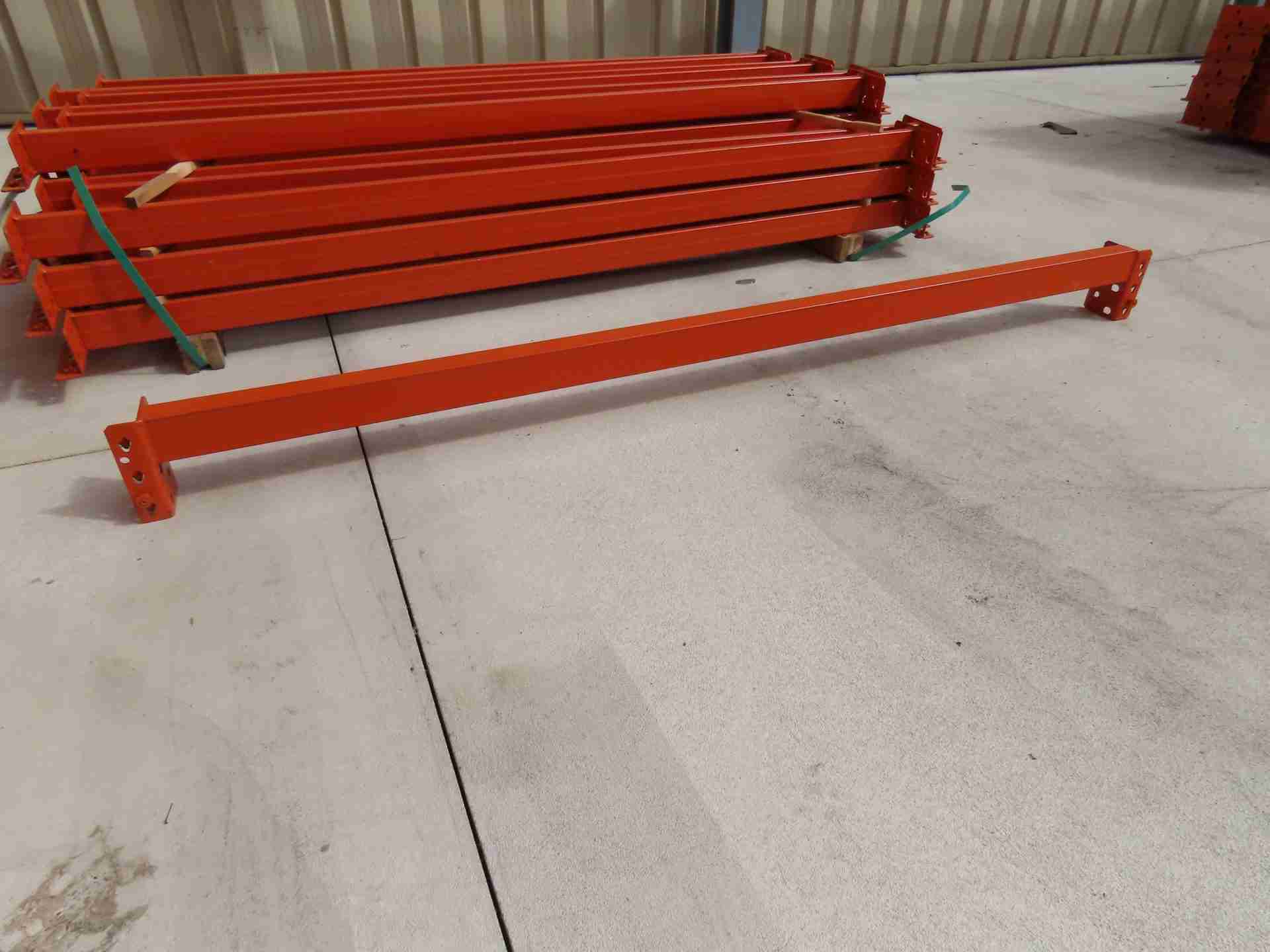
Can Pallet Racking Reduce Construction Waste Significantly?
Can Pallet Racking Reduce Construction Waste Significantly?
- Construction sites often resemble mini landfills with scattered waste, causing frustration, cost, and carelessness.
- Pallet racking reduces waste by organizing materials properly, preventing damage and loss.
- Proper storage extends material life, reducing replacement needs and saving budget money.
- Organized sites run smoother; pallet racking protects materials from rot, rust, and breakage.
- Setup requires effort but improves workflow, reduces mistakes, and saves time for workers.
- Using pallet racking reflects respect for materials, crew, and the project, making it an ethical choice.
- Jobs adopting pallet racking report less waste, happier crews, cleaner sites, and better teamwork.
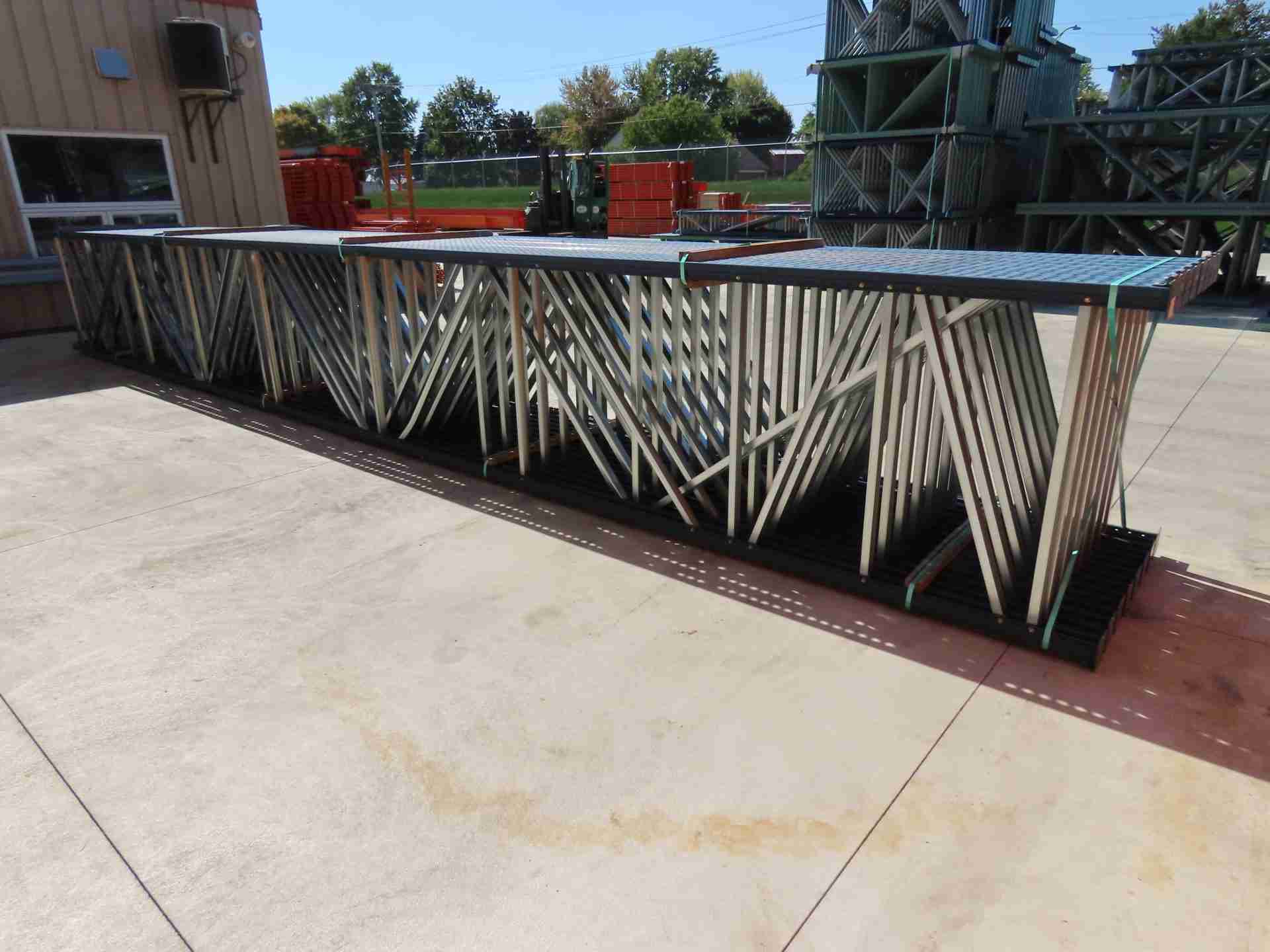
Can Pallet Racking Reduce Construction Waste Significantly?
Why Trust Pallet Racking for Heavy Load Storage In Buildings?
When you’re stacking heavy loads in a building, you need more than just a place to shove boxes. You need pallet racking—a system built tough, built smart, and ready to handle the weight without flinching. It’s the kind of solution that speaks plain truth: no fuss, no fluff, just solid support. You’ve been there—scrambling to find space, worrying if that stack of goods will hold, wondering if the whole thing will come crashing down. Pallet racking takes that worry off your plate. It’s designed for the real world, for the heavy lifting that keeps your business moving.
What makes pallet racking the hands-down choice? For starters, it’s engineered with precision and tested for strength. This isn’t guesswork or makeshift stacking—this is real steel standing firm, built to hold more than your bare eye can see. It’s the backbone of warehouses, the unsung hero in factories, quietly doing its job day after day. And because it’s standardized but customizable, you get a system tailored to your exact needs, fitting whatever awkward or hefty load you toss its way.
Trust builds when things work, plain and simple. With pallet racking, you’re not just investing in metal beams — you’re investing in peace of mind. Knowing your goods are secure means fewer headaches, less downtime, and more breathing room to focus on what really matters. It’s not just about storage; it’s about making your day easier and your work safer. That’s where the confidence kicks in—the kind you get from rolling up your sleeves and seeing steel that won’t quit.
Ethically, it’s about respect—for your people and your property. A secure racking system prevents accidents that can end careers or worse. It shows you care enough to choose the right setup, not just the cheapest. The right pallet racking speaks volumes: you take your business seriously, you look out for your team, and you won’t settle for half-measures.
Pallet racking isn’t just equipment. It’s a trusted partner. It’s the steady, reliable friend holding your operation together when things get heavy. It works quietly, it works hard, and it works for you. When you choose pallet racking, you choose confidence built on experience, strength built on purpose, and storage built to last.

Why Trust Pallet Racking for Heavy Load Storage In Buildings?
Why Trust Pallet Racking for Heavy Load Storage In Buildings?
- Pallet racking provides a strong, smart, and reliable system designed to handle heavy loads safely and efficiently.
- It eliminates worries about space and stability by offering solid support for stacking goods without risk of collapse.
- Engineered with precision and tested for strength, pallet racking is made from real steel to support more weight than visible.
- Standardized yet customizable, it adapts to fit specific storage needs, accommodating awkward or heavy loads.
- Investing in pallet racking ensures peace of mind by securing goods, reducing downtime, and improving workplace safety.
- Using a proper racking system reflects ethical responsibility, protecting employees and property by preventing accidents.
- Pallet racking acts as a dependable partner, providing durable, consistent, and purpose-built storage that supports business operations.

Why Trust Pallet Racking for Heavy Load Storage In Buildings?
How Do Building Materials Benefit From Organized Pallet Racking?
When you’ve been around building materials as long as folks in the trade, you learn quickly that keeping things tidy isn’t just about looking good—it’s about working smarter and safer every single day. Pallet Racking isn’t just some fancy warehouse talk; it’s the backbone that holds everything together when you’re knee-deep in lumber, drywall, bricks, and all the stuff that makes a job site hum. It’s the difference between digging through piles hoping to find what you need or grabbing it clean and quick, saving time, sweat, and headaches.
Think about the kind of mess a busy building supply room can become if left to its own devices. Materials stacked haphazardly become a nightmare—not just for finding what you need but for safety too. When everything has its place on sturdy Pallet Racking, you keep the workplace tidy and the crew safer. No more accidents from falling gear or wasted hours sorting through chaos. That’s good for business, sure, but it’s also good for the folks who show up every day, ready to give it their best without dodging hazards.
There’s something honest, almost sacred, about treating your materials right. They’re not just products; they’re the raw elements of something meaningful—a home, a school, a bridge, a dream built with calloused hands. Pallet Racking honors that by giving those materials respect, keeping them sturdy, dry, and ready to work when the time comes. That respect ripples out to the crew and the customer, building trust that this job’s going down right the first time.
From a practical standpoint, organized Pallet Racking means less waste. Damaged materials cost money and slow projects down, but when pallets and racks do their job, they protect what you need, cutting losses and keeping costs in check. Smart storage means better inventory management too, so you’re not ordering twice what you don’t need or running short when the deadlines hit. That kind of control feels good in your gut—it means you’ve got this under control, no surprises.
When a team sees you’ve invested in proper Pallet Racking, it tells them you take this work seriously—not just the job, but their safety and pride in what they do. That’s the kind of confidence that spreads, making the whole crew tighter, more focused, and ready to handle whatever the day throws. Organized storage isn’t some luxury, it’s the common-sense foundation for getting the job done right, day after day, without drama. And in this line of work, that’s worth everything.
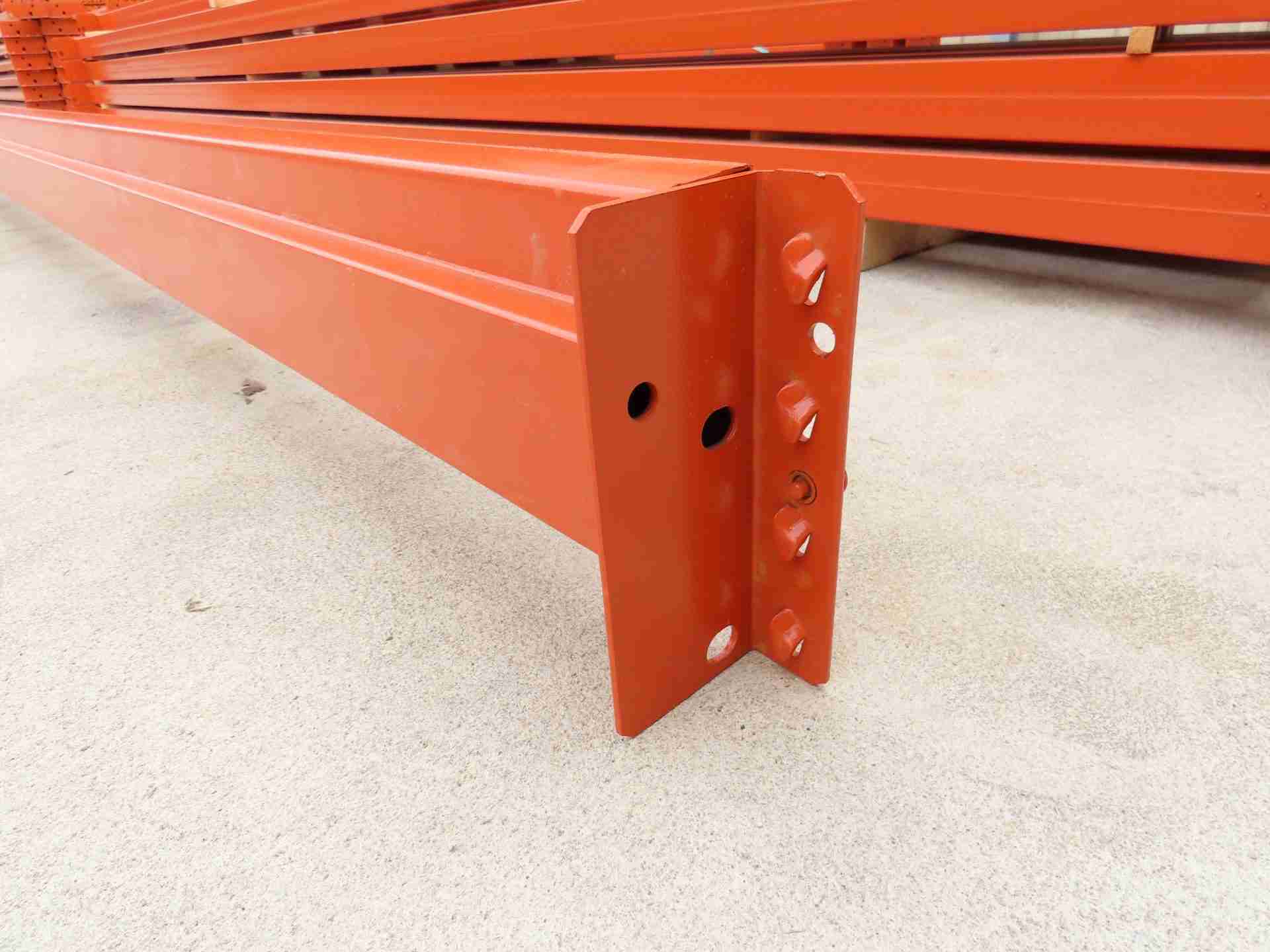
How Do Building Materials Benefit From Organized Pallet Racking?
How Do Building Materials Benefit From Organized Pallet Racking?
- Keeping materials tidy through Pallet Racking improves efficiency and safety on busy job sites.
- Pallet Racking prevents messy, unsafe piles of materials, reducing accidents and lost time.
- Proper storage honors and protects materials, maintaining their quality and readiness for use.
- Organized racking minimizes waste by preventing damage and supports better inventory control.
- Effective storage management cuts costs by avoiding over-ordering and shortages.
- Investing in quality Pallet Racking demonstrates commitment to worker safety and pride.
- Organized storage fosters team confidence and focus, enabling consistent, smooth job execution.

How Do Building Materials Benefit From Organized Pallet Racking?
What Role Does Pallet Racking Play In Construction Safety?
Look, in this line of work, you learn real quick that safety isn’t just some box to check—it’s the lifeline we depend on every day. Pallet racking might seem like just metal shelves stacked high, but it’s a quiet hero in the chaos of construction sites. When those racks are done right, they keep the job organized, sure—but more importantly, they keep folks from getting hurt. Think about it: a misplaced load or a wobbly rack means more than just spilled materials; it can mean broken bones or worse.
Pallet racking holds everything from bricks to steel beams, stuff that weighs a ton. If those racks fail, that weight doesn’t just stay put—it crashes down with a force nobody wants to face. Experience teaches you that properly installed and maintained pallet racking is like a sturdy backbone for construction safety. It supports the heavy loads, spreads the weight, and keeps every piece in its place. That’s not just efficiency talking—it’s responsibility. When you respect how much is riding on those racks, you double down on inspections and proper stacking because people’s lives are more precious than any deadline.
There’s an ethical muscle behind using pallet racking right, too. You want your crew going home the same way they arrived at dawn, not nursing injuries or worse. It’s about looking out for the person next to you, knowing that every bolt tightened, every beam aligned, is one less risk on the floor. Safety rules aren’t just company policy; they’re a pact we all silently agree to. Pallet racking, when chosen and handled correctly, is a solid part of that promise.
Putting your trust in pallet racking means giving everyone a fighting chance—not just to survive but to work smarter, not harder. It streamlines loads and clears walkways, reducing tripping hazards and nasty spills. And when the day’s done, knowing the site’s safer because of solid racks lets you breathe a little easier.
So, every time you see those racks standing firm, remember—they’re more than just metal. They’re a quiet guardian, holding up more than materials. They hold up the whole operation—and the people who make it run. That’s the real bottom line.
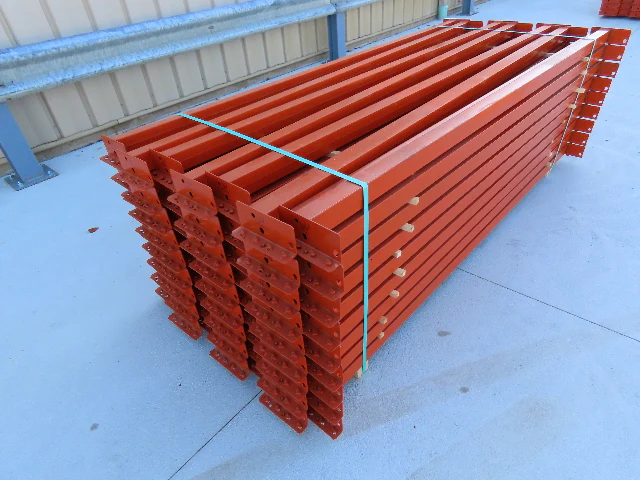
What Role Does Pallet Racking Play In Construction Safety?
What Role Does Pallet Racking Play In Construction Safety?
- Safety in construction relies heavily on properly installed pallet racking to prevent accidents and injuries.
- Pallet racks hold heavy materials like bricks and steel beams, and failure can cause serious harm from falling loads.
- Well-maintained pallet racking acts as a structural backbone, distributing weight safely and keeping the site organized.
- Strict inspections and correct stacking are crucial because human lives outweigh project deadlines.
- Using pallet racking responsibly reflects an ethical commitment to protect workers’ well-being.
- Proper pallet racking improves workflow by clearing walkways and reducing hazards such as trips and spills.
- Pallet racks serve as guardians of safety, supporting both materials and the people who operate the construction site.

What Role Does Pallet Racking Play In Construction Safety?
Conclusion
Pallet racking might not be the flashy star of a construction site, but it’s the steady, reliable workhorse every builder depends on. When you’ve wrestled with lumber, steel beams, and bricks piled high and all over the place, you know the chaos that can bring. Pallet racking cuts through that mess like a sharp blade, turning disorder into order, saving everyone’s backs and patience. It’s not just about stacking materials; it’s about respect—for the tools of the trade, the crew working hard, and the job that needs doing right the first time.
There’s something solid and trustworthy in a good pallet racking system. Built tough and engineered to handle heavy loads without fuss, it’s the kind of gear that doesn’t quit when the pressure mounts. You don’t have to worry about toppling stacks or unexpected accidents because the rack’s holding tight. And that peace of mind? It’s worth its weight in gold on any job site, where every minute counts and safety isn’t negotiable. Choosing pallet racking says you care—not just about the bottom line, but about the people sweating it out day in and day out.
Efficiency gains aren’t just numbers on a spreadsheet—they’re real hours saved, less strain on workers, and a smoother flow from delivery to build. Having everything where it should be, visible and accessible, means less time hunting through junk piles and more time getting the work done. It’s smart planning made simple, creating a setting where workers feel confident and projects move without unnecessary stall. That orderliness also cuts down on waste, because when materials are cared for properly, fewer get damaged or lost. Less waste means fewer headaches, lower costs, and a cleaner site everyone can be proud of.
But the real strength of pallet racking lies beyond the steel. It’s in the ethics of how a job runs: valuing safety, honoring the craft, and showing respect for all hands on deck. These racks don’t just hold up materials—they hold together a whole community’s hard work and trust. They give crews a foundation to build on, literally and figuratively, letting them focus on what matters—turning plans into places where people live and work.
In the end, pallet racking is the quiet backbone of construction: built tough, thought through, and reliable as an old friend. It’s no-nonsense support that keeps the gears turning, the materials safe, and the people ready. When you lean on pallet racking, you’re backing a system proven by grit and common sense—one that honors the work, the workers, and the day’s heavy lifting without a fuss. That’s something worth trusting.
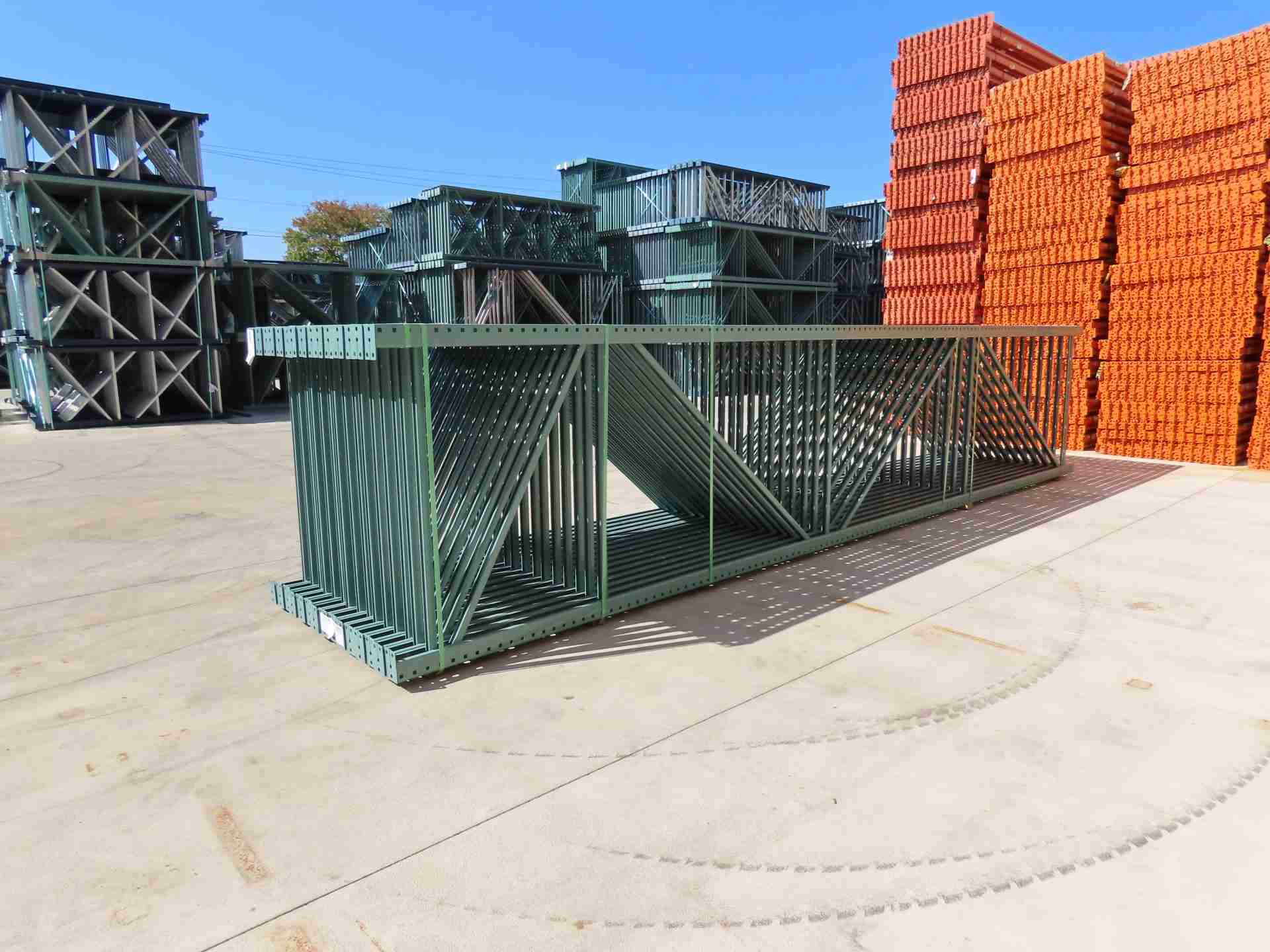
Conclusion
Conclusion:
- Pallet racking is a reliable system that organizes construction materials, reducing chaos and protecting workers’ backs and patience.
- It is durable and engineered to safely hold heavy loads, preventing accidents and providing peace of mind on job sites.
- Using pallet racking improves efficiency by saving time, reducing worker strain, and ensuring materials are accessible and visible.
- Properly stored materials lead to less waste, lower costs, and a cleaner, more orderly work environment.
- Pallet racking supports the ethics of construction by valuing safety, honoring craftsmanship, and respecting the workforce.
- It serves as a foundation that unites the construction community, allowing crews to focus on transforming plans into functional spaces.
- Pallet racking is a dependable, no-nonsense backbone of construction that maintains materials’ safety and keeps projects moving efficiently.
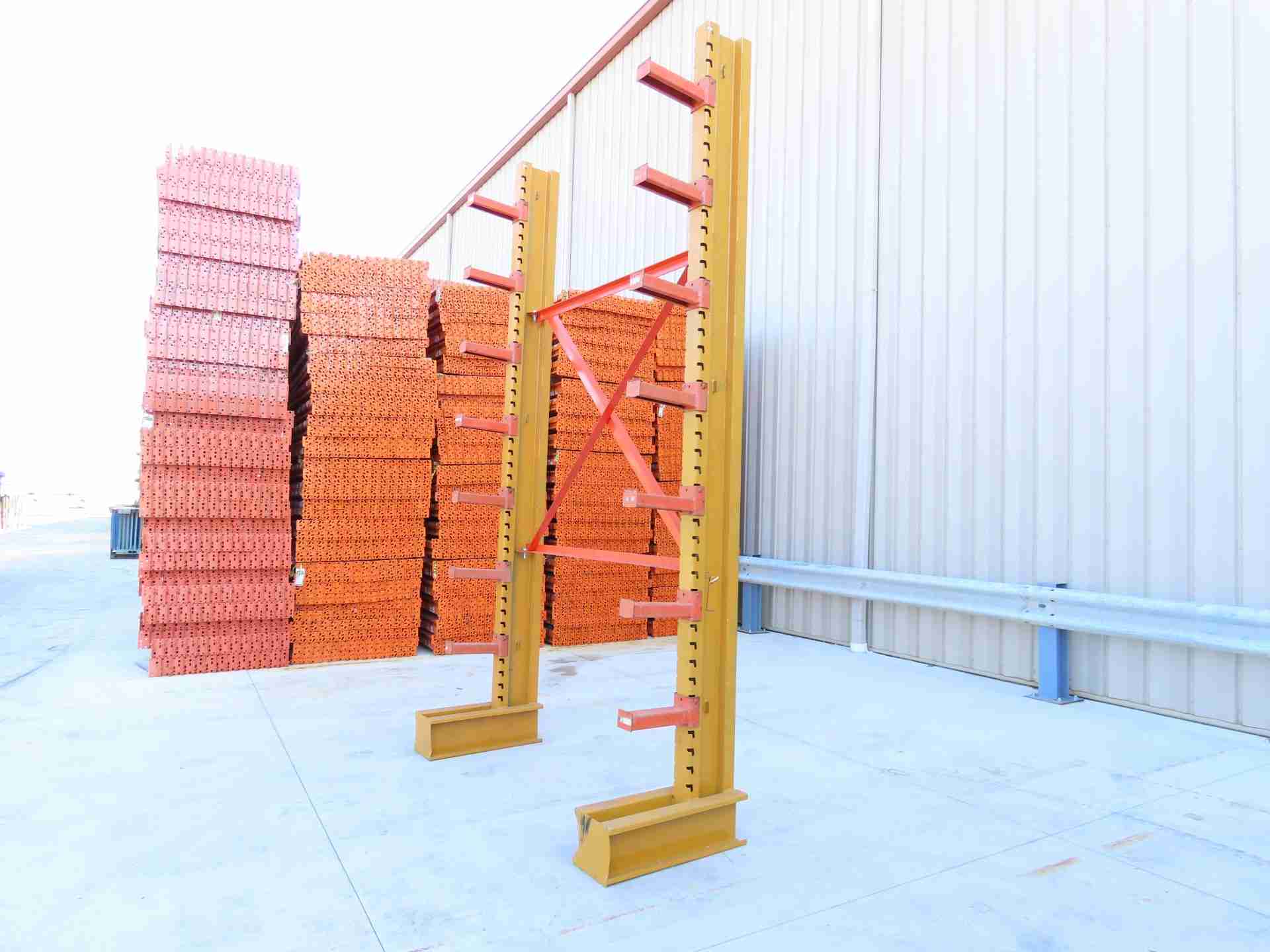
Conclusion
Other Resources

Other Resources
Here is a list of other resources you can review online to learn more:
- Used Pallet Rack for Sale in Illinois – American Surplus
- WERC
- Used Teardrop Pallet Rack – American Surplus
- Warehouse Racks, Warehouse Racking in Stock – ULINE
- IIWS Inc. Rack Installation Illinois & Rack Repairs Illinois
- SEMA
- Pallet Racking systems in Illinois and Great Lakes
- Heavy-Duty Cantilever Storage Racks
- What is Selective Pallet Racking
- American Surplus
- Warehousing Education and Research Council: https://www.werc.org/
- Teardrop Industrial Shelving Rack
- Mustang Material Handling
- Crane Manufacturers Association Of America Inc.
- Selective Pallet Racking Systems – Container Systems
- IWLA
- Bradford Systems
- Logic Material Handling
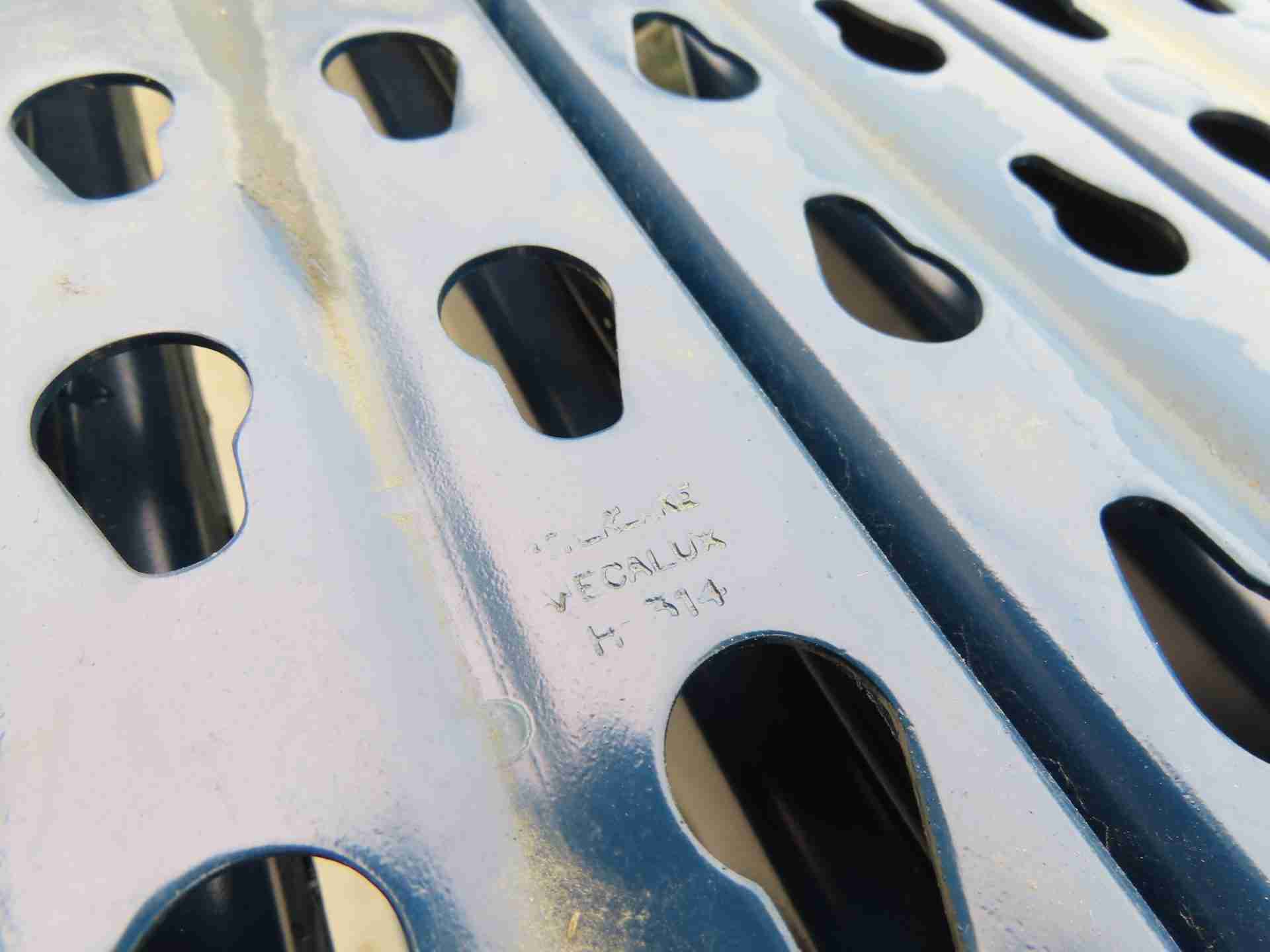
- Teardrop Uprights
- Total Warehouse
Use This Prompt To Get More Resources With Your Favorite Online AI Tool: Please provide me with a list of online articles with their URLs in a bulleted list that I can read regarding How Do Building Materials and Construction Leverage Pallet Racking?
Other Resources
Glossary Terms
How Do Building Materials and Construction Leverage Pallet Racking? – Glossary Of Terms
1. Pallet Racking: Shelving system designed to store materials on pallets vertically and horizontally.
2. Load Capacity: Maximum weight a pallet rack can safely support.
3. Upright Frame: Vertical components of pallet racking that bear loads.
4. Beams: Horizontal supports connecting upright frames to hold pallets.
5. Pallet: Flat transport structure supporting goods in storage or transit.
6. Warehouse Optimization: Efficient use of space and resources in storage facilities.
7. Material Handling: Movement, protection, storage, and control of materials.
8. Storage Density: Amount of material stored per unit of floor space.
9. Selective Racking: Pallet rack type allowing direct access to each pallet.
10. Drive-In Racking: System allowing forklifts to drive into rack lanes for storage.
11. Push Back Racking: Pallet storage system where pallets are stored on carts that move back when new pallets are loaded.
12. Load Distribution: Even allocation of weight across pallet racking components.
13. Structural Integrity: Capability of the system to maintain its intended structure under stress.
14. Safety Factor: Margin included in design to ensure stability under unexpected conditions.
15. Seismic Bracing: Reinforcement added to racks to resist earthquake forces.
16. Fire Resistance: Ability of materials or racks to withstand fire exposure.
17. Galvanization: Coating process to prevent steel from rusting.
18. Modular Design: Construction approach allowing easy assembly and scalability.
19. Forklift Compatibility: Design considerations allowing safe forklift operation near racks.
20. Load Backrest: Vertical panel on racks to prevent loads from falling backward.
21. Cross Brace: Diagonal support for rack frame stability.
22. Pallet Configuration: Arrangement and size specifications of pallets for racking.
23. Warehouse Aisle: Passage between racks for access and movement.
24. Inventory Management: Tracking and control of stock stored on racks.
25. Space Utilization: Effective use of available storage volume.
26. Heavy-Duty Racking: Racking system designed for very large or heavy loads.
27. Cold Storage Compatibility: Materials and designs suitable for refrigerated environments.
28. Installation Efficiency: Ease and speed with which pallet racks can be assembled.
29. Maintenance Access: Design features that allow easy inspection and repair.
30. Load Testing: Procedure to verify the capacity and safety of pallet racking systems.
Glossary Of Terms
Other Questions
How Do Building Materials and Construction Leverage Pallet Racking? – Other Questions
If you wish to explore and discover more, consider looking for answers to these questions:
- What types of pallet racking systems are best for storing different building materials (selective, drive‑in, push‑back, pallet flow, cantilever)?
- How do I determine the required load capacity per beam, level, and upright for my materials?
- How do I calculate floor load capacity and column loads to ensure the building can support the racking?
- What are the relevant standards and regulations (RMI, ANSI, OSHA, local building codes) that apply to pallet racking?
- How should racks be anchored to concrete floors and what anchor types are recommended?
- What seismic, wind, or other environmental design considerations apply to pallet racking installations?
- What are best practices for protecting racks from forklift impacts (column guards, bollards, traffic control)?
- Which rack configurations are best for long, awkward items like lumber, steel beams, and pipes?
- Can pallet racking be used outdoors, and what weatherproofing or coating is required?
- How do aisle width, forklift type, and equipment selection affect racking layout and efficiency?
- How do you optimize racking layout for picking strategies like FIFO, LIFO, or batch picking?
- What measurable waste‑reduction and cost‑saving benefits can pallet racking provide, and how are they tracked?
- What inspection and maintenance schedules should be followed, and who should perform them?
- What training and certification do workers need for safe loading, unloading, and stacking on racks?
- How do you choose beam and frame sizes for very heavy or concentrated loads?
- What are the most common causes of rack failure and how can they be prevented?
- When should damaged racking components be repaired versus replaced, and what are acceptable repair methods?
- What emergency procedures and incident reporting are required if a rack collapse or hit occurs?
- How do pallet racking layouts affect sprinkler coverage and fire code compliance?
- What labeling, load signage, and color‑coding practices improve safety and compliance?
- How can inventory management technologies (RFID, barcode, WMS) be integrated with pallet racking?
- What are typical cost ranges for purchasing, installing, and maintaining pallet racking systems?
- What ROI and payback periods can businesses expect from investing in pallet racking?
- Are used or surplus racks safe to buy, and what inspections should be done before purchase?
- How do pallet size, quality, and condition affect racking safety and storage efficiency?
- How do you safely store mixed materials (heavy, fragile, flammable) on the same racking system?
- What sustainability options exist for racking (recycled steel, modular reuse, lifecycle assessments)?
- How should racks be disposed of, repurposed, or recycled at end of life?
- What warranties, certifications, and insurance requirements should vendors provide?
- How long does installation typically take and what site preparation (floor levelness, lighting) is needed?
- Do pallet racking installations require building permits or structural engineer sign‑off?
- How can existing buildings or mezzanines be retrofitted with pallet racking without major disruption?
- How do you integrate pallet racking with automation (AS/RS, conveyors, robotic picking)?
- What ergonomic considerations reduce worker strain during picking and loading from racks?
- How should racking be arranged and maintained for seasonal conditions (moisture, freezing, heat)?
- What are best practices for managing returned or damaged materials on rack systems?
- How can high‑value materials be secured against theft or unauthorized access on racks?
- How do pallet racking decisions affect insurance premiums and liability exposure?
- What sensor, monitoring, or load‑detection technologies exist to prevent overloading or unsafe conditions?
- Are there real‑world case studies showing improved efficiency, reduced waste, or safety gains from pallet racking?
Other Questions
Checklist
How Do Building Materials and Construction Leverage Pallet Racking? – A Checklist
Goals and Scope
✅______ Define primary use: receiving, bulk storage, staging, picking, or mixed
✅______ List material types and dimensions (lumber, pipe, brick, block, drywall, steel, hardware)
✅______ Document weight ranges per pallet or bundle and handling method (forklift type and attachments)
✅______ Choose inventory flow: FIFO or LIFO
Space and Layout
✅______ Measure building clear height, column grid, door heights, and obstructions (sprinklers, lights, ducts)
✅______ Verify slab thickness, compressive strength, joints, and floor flatness/levelness
✅______ Set aisle widths to match equipment turning radius and load size
✅______ Separate pedestrian paths and forklift aisles with barriers and marked walkways
✅______ Plan staging zones for receiving, kitting, and outbound loads
Rack Specification and Design
✅______ Select rack type(s): selective, double-deep, drive-in/drive-through, push-back, pallet flow, cantilever (for long lumber and pipe)
✅______ Specify beam lengths, profiles, and capacities based on worst-case load
✅______ Specify upright frames, bracing, and base plates per load and seismic/wind zone
✅______ Choose decking: wire deck, timber deck, bar grating, or solid deck as required
✅______ Maintain required flue spaces and pallet overhang allowances
Pallets and Load Interface
✅______ Standardize pallet size(s), condition, and entry (2-way or 4-way)
✅______ Confirm pallet quality supports point loads on beams or decks
✅______ Define load unitizing (banding, stretch wrap, dunnage) to prevent shifting
✅______ Validate forklift tine length and width vs. pallet openings
Safety and Protection
✅______ Install row spacers, cross-aisle ties, and backstops where needed
✅______ Add end-of-aisle guards, column protectors, and rack-end barriers
✅______ Install anti-fall netting or mesh backing in pedestrian areas
✅______ Post load plaques with maximum bay/beam capacities and clearances
✅______ Implement lockout/tagout for damaged components and out-of-service bays
Fire and Code Compliance
✅______ Verify compliance with RMI/ANSI MH16.1 and local building codes
✅______ Coordinate with AHJ on permits, inspections, and seismic anchorage
✅______ Confirm sprinkler design, in-rack sprinklers if required, and maintained flue spaces
✅______ Ensure egress routes, extinguishers, and signage remain unobstructed
Installation and Commissioning
✅______ Use manufacturer-approved components; do not mix without engineering approval
✅______ Level, plumb, shim, and anchor per drawings and torque specifications
✅______ Document anchor type, embedment, and spacing; avoid slab joints where required
✅______ Conduct final inspection and sign-off with PE stamp if required
✅______ Create an as-built drawing set and component inventory
Operations and Workflow
✅______ Define receiving, putaway, relocation, and picking SOPs
✅______ Implement slotting logic (ABC velocity, weight, and handling hazard)
✅______ Set maximum stack heights for floor-stacked and rack-stored items
✅______ Establish clear housekeeping standards (5S) for aisles and bays
✅______ Assign a dedicated return/repair quarantine area
Inventory Control and Labeling
✅______ Label aisles, bays, levels, and positions with durable IDs/barcodes
✅______ Integrate with WMS/inventory system; enable real-time location updates
✅______ Count high-value or critical materials more frequently (cycle counting)
✅______ Track shrinkage, damage, and misplaced items
Waste Reduction and Sustainability
✅______ Store materials off the ground to prevent moisture, rot, rust, and UV damage
✅______ Use decking/dunnage to prevent edge crush and surface damage
✅______ Standardize reusable pallets, bins, and corner protectors
✅______ Create a damaged-material triage: repair, reuse, recycle, or discard
✅______ Track waste tonnage and damage rate; set reduction targets
Training and Culture
✅______ Train operators on rack capacities, safe loading, and proper pallet placement
✅______ Certify forklift operators for site-specific equipment and aisles
✅______ Coach staff on near-miss reporting and hazard identification
✅______ Post quick-reference visuals for do and don’t loading practices
Inspection and Maintenance
✅______ Daily: check aisles, obvious rack damage, loose straps/wrap
✅______ Weekly: inspect beam locks, anchors, column guards, decking
✅______ Monthly: check plumbness, deflection, flue spaces, labels/signage
✅______ After any impact: remove bay from service and assess per damage criteria
✅______ Keep a log of inspections, repairs, and component replacements
Outdoor/Harsh Environment Considerations
✅______ Specify galvanized or coated racks for outdoor or near-coast use
✅______ Provide canopies or covers for weather-sensitive materials
✅______ Ensure site drainage prevents standing water at base plates
✅______ Use UV-resistant wraps and tags; plan wind bracing if needed
Performance and KPIs
✅______ Dock-to-stock time
✅______ Pick time per line and per pallet
✅______ Inventory accuracy rate
✅______ Storage utilization (cube and slot utilization)
✅______ Damage rate and near-miss frequency
Go-Live Readiness
✅______ All load plaques, labels, and signage installed and verified
✅______ SOPs published; team trained and signed off
✅______ Emergency procedures posted and drilled
✅______ Initial cycle count completed and validated
✅______ Contingency plan in place for peak loads and overflow
Ongoing Cadence
✅______ Weekly safety walk and housekeeping audit
✅______ Monthly KPI review and slotting adjustments
✅______ Quarterly rack engineering review and refresher training
✅______ Annual third-party inspection and code compliance check

Checklist
At RackingWorld, we help guide you through selecting warehouse storage systems and racking.
Be sure to read our other related stories at RackingWorld to learn more about warehouse storage systems.
0 Comments