
Maximizing Space, Efficiency, And Safety In Brewing Operations
By Tom Seest
At RackingWorld, we help guide you through selecting warehouse storage systems and racking.
Be sure to read our other related stories at RackingWorld to learn more about warehouse storage systems.
How Do Brewing Facilities Leverage Pallet Racking?
In a brewing facility, space might as well be gold. Every barrel, every sack of grain, every box of bottles needs a spot that’s easy to reach and makes sense — otherwise the whole operation slows down and frustration brews faster than the product itself. That’s where pallet racking comes in, a simple but mighty solution that turns chaos into order, saving time and muscle with a well-thought-out system.
Pallet racking lets breweries stack heavy loads of ingredients and finished products safely and efficiently, making the most of every square inch. It’s not just about piling stuff up; it’s about doing it in a way that keeps things moving—fast, smooth, and reliable. When you’re milling grain at dawn or shipping kegs late at night, you can’t afford to waste time hunting for materials or dodging clutter. Pallet racking gives you that backbone, offering sturdy, reliable storage that stands up to the daily grind.
Beyond the nuts and bolts, there’s a deeper sense of pride and trust tied up in a clean, organized workspace. For folks who craft beer day in and day out, knowing where everything is means the job gets done right — safely, predictably, without the kind of slip-ups that cost time, product, or worse, someone’s wellbeing. Ethical responsibility isn’t just about following the rules; it’s respecting the team and the craft, and pallet racking quietly champions that by minimizing hazards and supporting good workflow.
There’s a real story behind every successful rack in a brewery. The early mornings lugging sacks, the late nights making sure the shipment goes out full and on time, and the long haul of keeping shelves sturdy for years while operations grow. Pallet racking isn’t just steel bolted together; it’s the unsung hero that keeps that story moving forward, keeping all the moving parts connected and working.
Socially, it builds a smoother, more cooperative environment. When everyone knows where things belong and can get what they need without a fuss, it breaks down frustration and builds teamwork. It’s an everyday reminder that the brewery isn’t just a workplace — it’s a small community pushing toward the same goal.
Pallet racking is more than storage. It’s common sense made solid, a practical investment that works hard so brewers can focus on what matters: creating great beer, day after day.

How Do Brewing Facilities Leverage Pallet Racking?
How Do Brewing Facilities Leverage Pallet Racking?
- Space is valuable in a brewery; pallet racking optimizes storage and accessibility, preventing operational slowdowns and frustration.
- Pallet racking enables safe, efficient stacking of heavy ingredients and products, maximizing the use of available space.
- It supports fast, smooth workflow, reducing time wasted searching for materials during critical brewing and shipping times.
- A clean, organized workspace fosters pride, trust, safety, and ethical responsibility among brewery workers.
- Pallet racking is essential for the ongoing success of brewery operations, enduring daily use while supporting growth.
- It promotes cooperation and teamwork by creating a well-organized environment where everyone knows where items belong.
- More than just storage, pallet racking is a practical investment that allows brewers to focus on producing quality beer consistently.
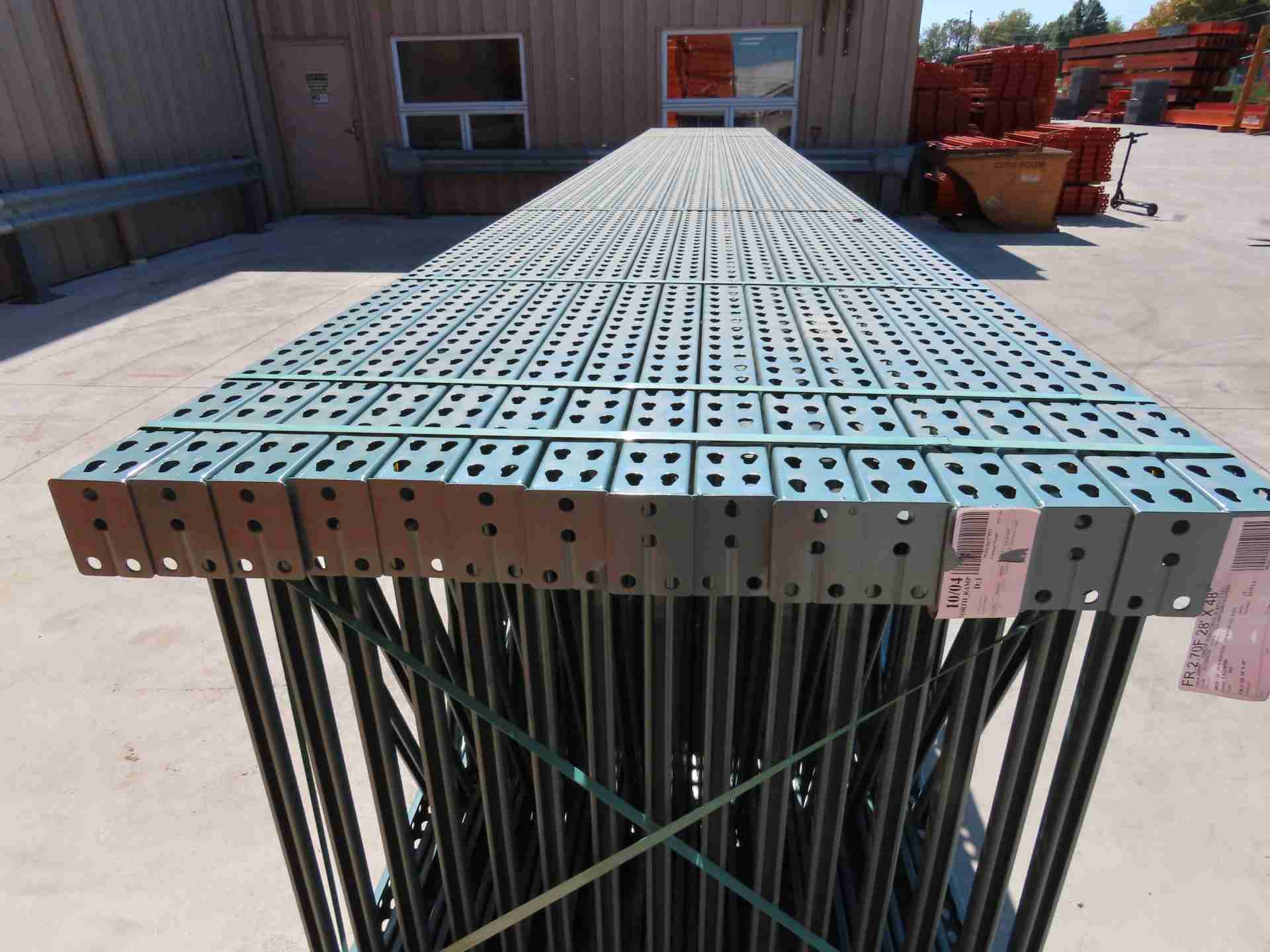
How Do Brewing Facilities Leverage Pallet Racking?
Table Of Contents
- How Do Brewing Facilities Leverage Pallet Racking?
- How Does Pallet Racking Improve Brewery Storage Efficiency?
- How Can Pallet Racking Reduce Damage to Brewing Materials?
- What Cost Savings Come From Using Pallet Racking In Breweries?
- How Does Pallet Racking Support Brewery Safety Standards?
- Can Pallet Racking Increase Brewing Facility Production Capacity?
- How Do Brewers Organize Different Ingredients with Pallet Racking?
- Conclusion
- Other Resources
- Glossary Of Terms
- Other Questions
- Checklist
How Does Pallet Racking Improve Brewery Storage Efficiency?
When you walk into a brewery, what do you see? Rows of barrels, cases of bottles, kegs stacked here and there—sometimes it feels like a jigsaw puzzle where none of the pieces quite fit. That’s where pallet racking steps in, not just as some fancy industrial setup, but as the unsung hero of brewery storage. It’s the straightforward, no-nonsense answer to the chaos that comes with handling bulk brewing supplies day in and day out.
Pallet racking isn’t just about putting stuff on shelves; it’s about using every inch of space smarter. Imagine a brewery floor that no longer looks like a maze but a well-organized grid where each barrel and keg has a spot — easy to grab, hard to knock over. This kind of order doesn’t just save space; it speeds up the whole operation. Whether you’re pulling raw ingredients or shipping finished products, pallet racking cuts down the hunting time and keeps the workflow moving at a steady clip. That momentum means meeting deadlines, keeping customers happy, and nobody behind the counter losing their cool.
There’s an ethical side to this too. Efficient storage means less waste, fewer broken goods, and safer handling. When barrels aren’t piled up haphazardly, there’s less risk of accidents that could injure someone or spill precious product. It shows respect for the hard work poured into every batch—from the brewer’s hands to the delivery driver’s wheels. That respect is part of what builds trust inside the team and with customers alike.
Pallet racking comes with an undeniable authority in the warehouse world—tested, trusted, and proven through years of grime and grind. It’s the backbone behind well-run breweries who know that attention to detail, no matter how mundane, counts in the race to quality and consistency. There’s a story in every shelf—of sweat, late nights, and the pride that comes from doing things right.
For anyone who’s been knee-deep in beer barrels, pallet racking isn’t just equipment; it’s a partner. It listens to the needs of the brewery, adapts to the space, and makes sure the day runs smoother. That reliability inspires confidence and pushes everyone involved to work with purpose. When your storage works, so does your brewery. Pallet racking keeps you on your toes, keeps your stock safe, and keeps the beer flowing.
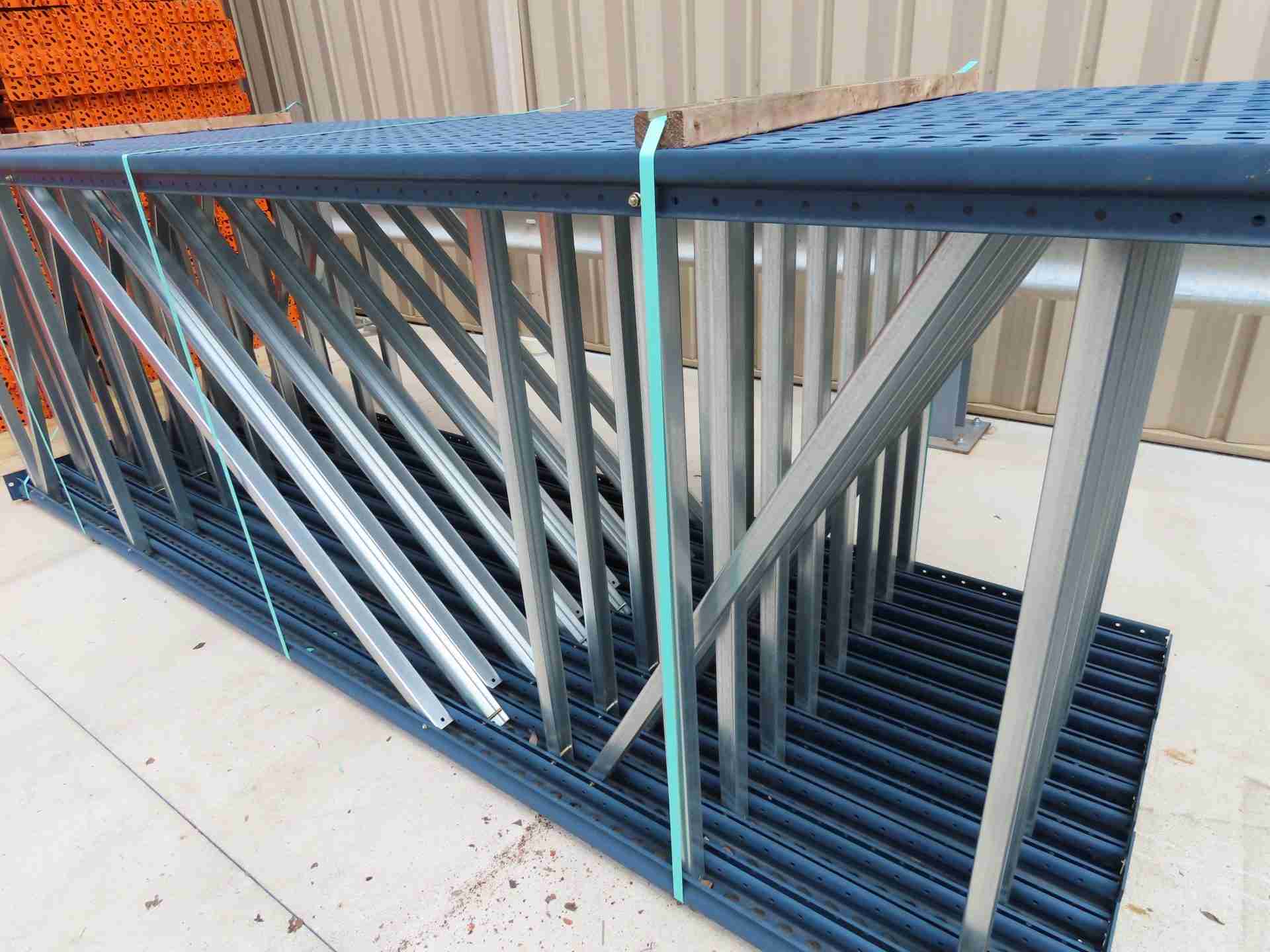
How Does Pallet Racking Improve Brewery Storage Efficiency?
How Does Pallet Racking Improve Brewery Storage Efficiency?
- Pallet racking organizes brewery storage, transforming chaotic spaces into efficient, orderly grids.
- It maximizes space usage, ensuring barrels and kegs have designated spots that are easy to access and stable.
- Improved organization speeds up operations, reducing time spent locating items and maintaining workflow momentum.
- Efficient storage reduces waste, prevents damage, and enhances safety by minimizing accident risks.
- Respect for the brewing process and team is reinforced through careful handling and reliable storage solutions.
- Pallet racking is a trusted, proven system essential for consistent quality and detailed brewery management.
- It adapts to brewery needs, boosting confidence, operational smoothness, and ensuring steady beer production.

How Does Pallet Racking Improve Brewery Storage Efficiency?
How Can Pallet Racking Reduce Damage to Brewing Materials?
When your brewing materials take a hit, it’s more than just lost product—it’s lost sweat, time, and trust. That’s where pallet racking steps in, like the sturdy backbone every brewery needs. It’s not some fancy gadget; it’s plain common sense dressed up in steel and bolts. You stack your barrels, grains, and hops right where they belong, off the floor and away from careless bumps and spills. No more piles teetering like drunk sailors—everything stays put, organized, and easy to reach.
Think about the headaches saved when your malt bags aren’t crushed or your hop pellets aren’t scattered across the warehouse floor. Each ding or dent on a keg doesn’t just lower your yield; it chips away at the pride you take in your craft. Pallet racking reduces that damage by giving materials a safe harbor, protecting them from the chaos of daily operations. That’s more than equipment; that’s respect for the hard work poured into every batch.
It’s the kind of practical solution that makes the daily grind smoother and the bills smaller. Less damage means fewer replacements and less waste. It means you run a tighter ship and don’t have to sweat every shipment like it’s a gamble. Your bottom line feels the difference, and so does your crew, who can trust the setup to hold up under pressure.
Ethically, it’s the right call. You’re careful with your resources—no needless trash piling up because of avoidable damage. You’re thinking about sustainability, about doing right by the environment as well as your business. Reliable pallet racking isn’t just good for the brewery; it’s good for the wider community that depends on it.
When everyone from the warehouse hand to the head brewer sees materials safe and sound, confidence builds like a quiet engine running in the background. This is what running a brewery on respect and reliability looks like, not just for now but for the long haul. Pallet racking isn’t just shelving; it’s the silent partner that keeps your operation steady, your materials intact, and your focus where it belongs—on making excellent beer.

How Can Pallet Racking Reduce Damage to Brewing Materials?
How Can Pallet Racking Reduce Damage to Brewing Materials?
- Pallet racking protects brewing materials from damage, preserving product quality and trust.
- It organizes barrels, grains, and hops off the floor, preventing spills and accidents.
- Reduces material damage and waste, saving costs on replacements and minimizing disruptions.
- Supports sustainable practices by reducing unnecessary waste and honoring resource care.
- Improves workflow efficiency and boosts confidence among brewery staff.
- Acts as a reliable and practical solution that sustains daily brewery operations.
- Functions as a dependable foundation, allowing focus on brewing high-quality beer.
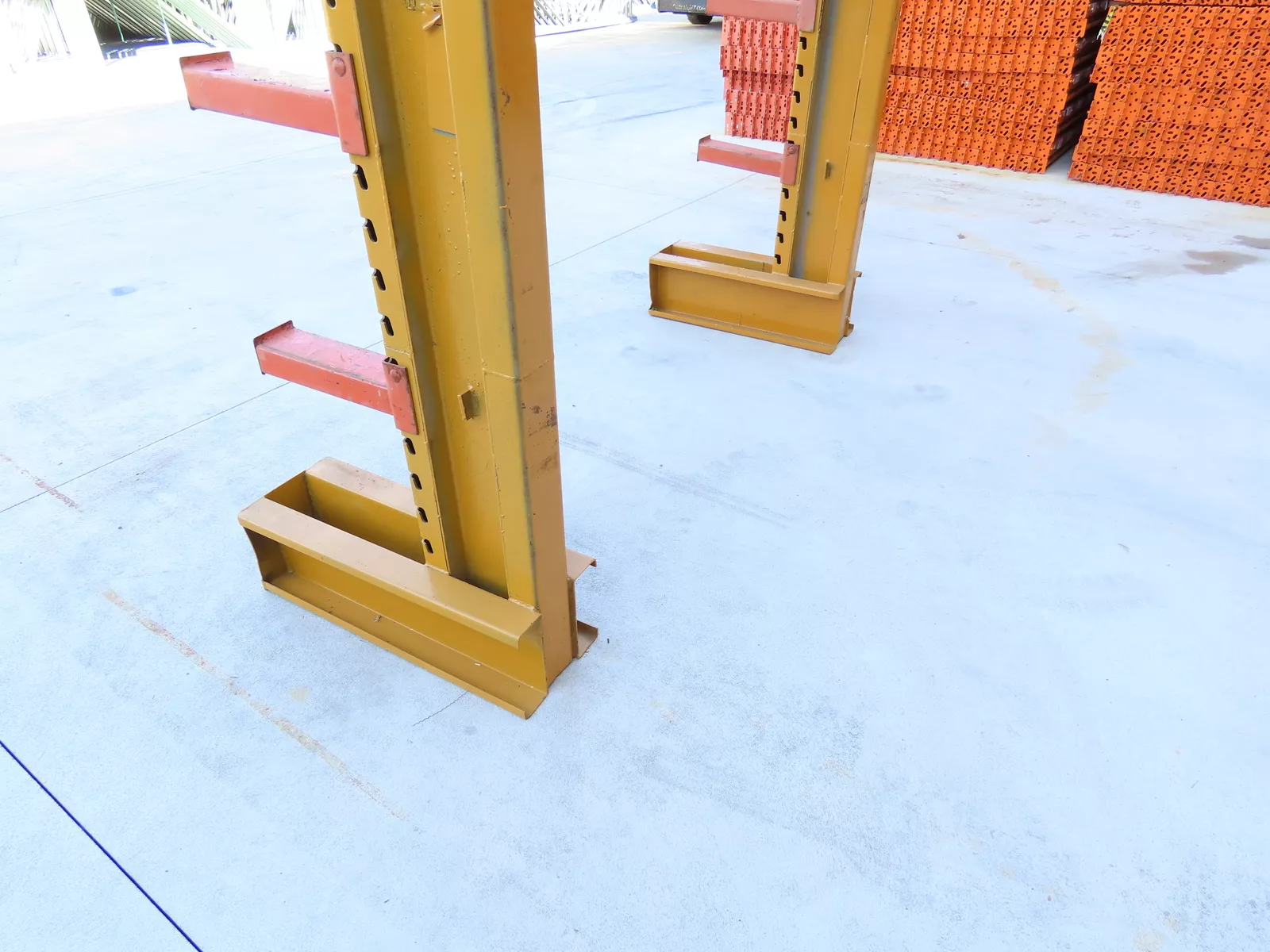
How Can Pallet Racking Reduce Damage to Brewing Materials?
What Cost Savings Come From Using Pallet Racking In Breweries?
When you’re running a brewery, every penny saved counts. Pallet racking isn’t just some fancy storage system—it’s the backbone of keeping your operation lean and mean. Imagine the clutter of barrels, boxes, and kegs scattered everywhere, turning your floor into a maze where people trip, products get damaged, and accidents quietly steal from your bottom line. Pallet racking cuts through that mess like a well-oiled machine, stacking stuff safely and smartly so your space works for you, not against you.
On the surface, it’s easy to see the savings—pallet racking maximizes vertical storage, letting you pack more inventory into the same footprint. That means less money spent on expensive square footage or any need to chase down extra warehouse space. But it’s more than a space saver. With everything neatly organized and accessible, your crew spends less time hunting for goods or moving things twice, which means more hours brewing and less time wasted on the sidelines.
There’s a real dignity in knowing your team can work confidently in a safer, more orderly environment. Pallet racking doesn’t just protect your product—it protects your people. And when your equipment and stock are stored securely off the floor, your losses from damage and spoilage take a nosedive. You’ve probably felt the gut punch of finding that a batch of ingredients went bad or that a keg got knocked over—pallet racking stops that kind of stuff from gnawing at your margins.
From an ethical standpoint, investing in proper storage like pallet racking shows you care about your workforce and your craft. It’s about treating this business—and the folks who keep it running—with respect. It’s not just saving you dollars; it’s building a culture where safety, efficiency, and quality matter. The bosses who roll up their sleeves and set this up aren’t just penny-pinching; they’re making a smart, straightforward choice that pays off every day.
Countless breweries have leaned on pallet racking to keep things moving smoothly. It’s trusted, proven, and straightforward—an unsung hero in the behind-the-scenes story of a successful operation. When you see your space run like a well-thought-out brewery floor, with goods stacked right where they belong and workers moving with ease, you know you’ve made the kind of investment that’s about more than just saving money. It’s about building a business that lasts.
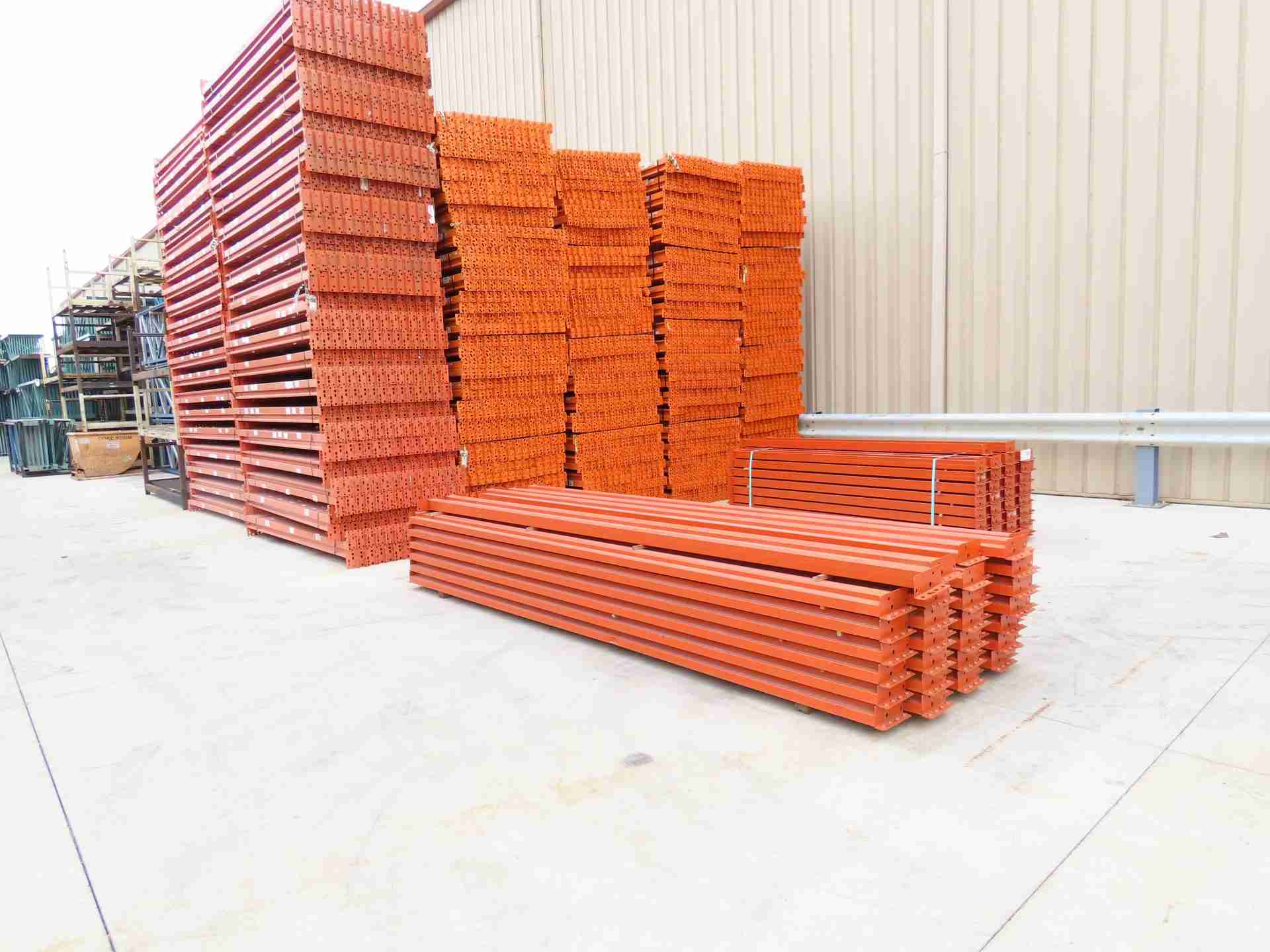
What Cost Savings Come From Using Pallet Racking In Breweries?
What Cost Savings Come From Using Pallet Racking In Breweries?
- Pallet racking is essential for breweries to maintain an organized, safe, and efficient workspace by eliminating clutter and reducing accidents.
- It maximizes vertical storage, allowing more inventory in the same space and reducing costs related to warehouse space.
- Better organization reduces time spent searching for items, increasing productive brewing hours.
- Pallet racking protects both products and personnel by securely storing equipment off the floor, minimizing damage and spoilage.
- Investing in proper storage reflects care for the workforce and promotes a culture of safety, efficiency, and quality.
- Managers who implement pallet racking make a practical decision that benefits daily operations and overall profitability.
- It is a proven, trusted solution that supports the smooth operation and long-term success of brewing businesses.
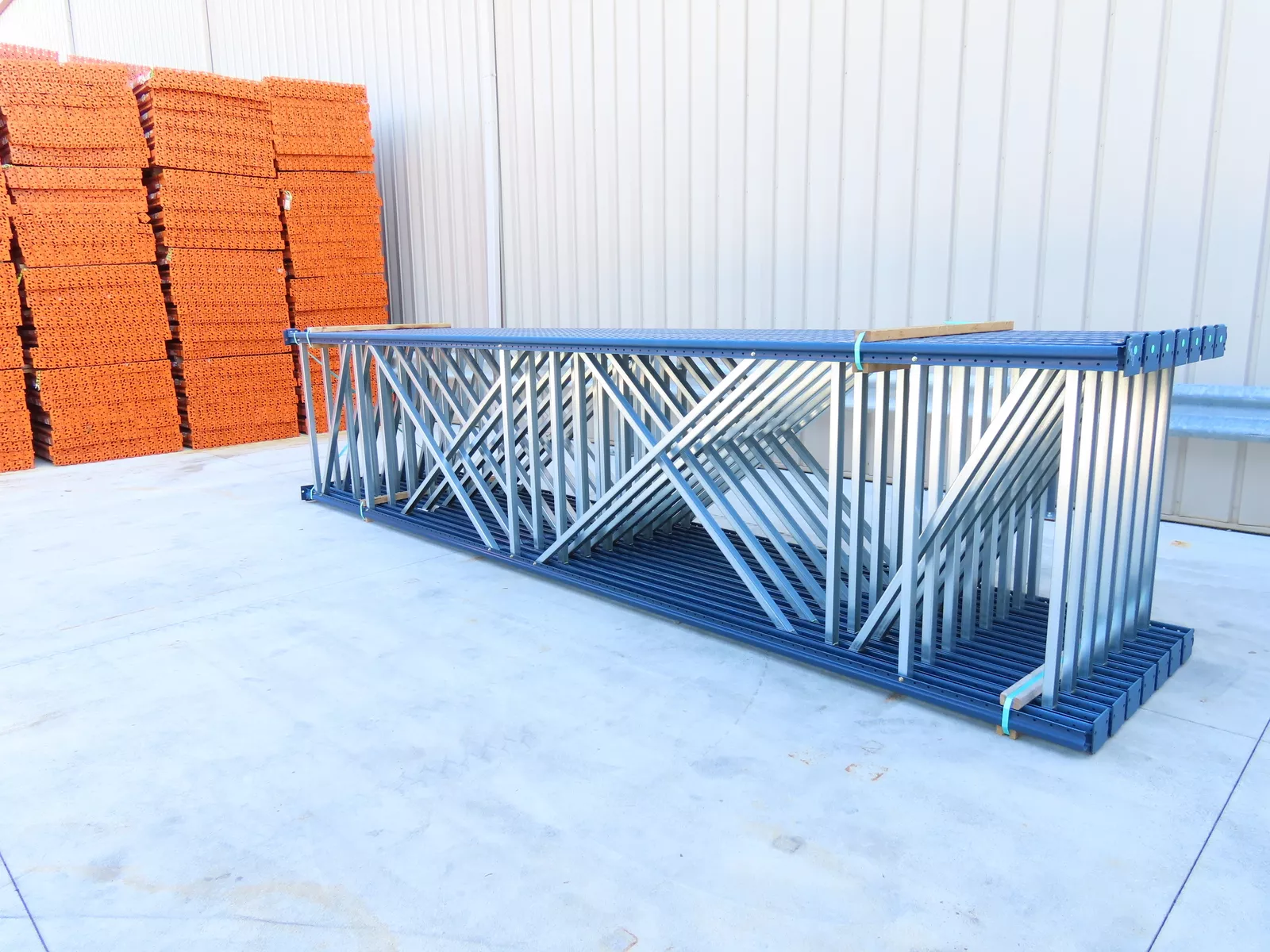
What Cost Savings Come From Using Pallet Racking In Breweries?
How Does Pallet Racking Support Brewery Safety Standards?
When it comes to running a brewery, safety isn’t just a box to check—it’s the backbone that keeps everything flowing smoothly, from the brewery floor to the final product hitting the shelves. Pallet racking plays a big role in this, quietly holding up not just kegs and sacks of grain, but the whole operation’s sense of security and order. You don’t want a stack-up of heavy barrels tipping over in the middle of a busy shift, and properly designed pallet racking stops that kind of disaster before it even gets a chance.
Think about it: breweries deal with heavy inventory, awkward packaging, and a fast pace that can sometimes make safety the last thing on your mind. But those racks? They’re the unsung heroes, engineered to handle weight and keep things tidy. When pallet racking system is solid, you reduce clutter, create clear walkways, and prevent accidents caused by falling items or rushed handling. It’s not just about organizational neatness—it’s about keeping every worker from winding up with a sprain or worse.
From an ethical point of view, investing in good pallet racking systems says you care about your crew’s wellbeing. It’s a straightforward way to show respect for the people who put in the hard work day in and day out. Keeping the work environment safe isn’t just a legal box; it’s about doing right by folks who trust you to keep them out of harm’s way. That goes a long way in building a team where everyone feels looked after, which in turn boosts morale and productivity.
You’ve seen what happens when shortcuts are taken—broken pallets, overcrowded storage, and accidents that could have been avoided with a little foresight. Pallet racking isn’t just a storage tool; it’s a safety net built on practical experience. It’s engineered, tested, and trusted in warehouses and factories across the country because it delivers dependability. When your fittings hold strong, your brewery can weather the busiest days without breaking a sweat or risking injury.
So, when you walk into a brewery and see neat rows of kegs and supplies stacked high but steady on pallet racking, there’s confidence there. Confidence that the place is built on solid, down-to-earth common sense—honest work, done right. That’s the kind of safety that doesn’t just protect your operation; it protects the good people who make your beer something special.
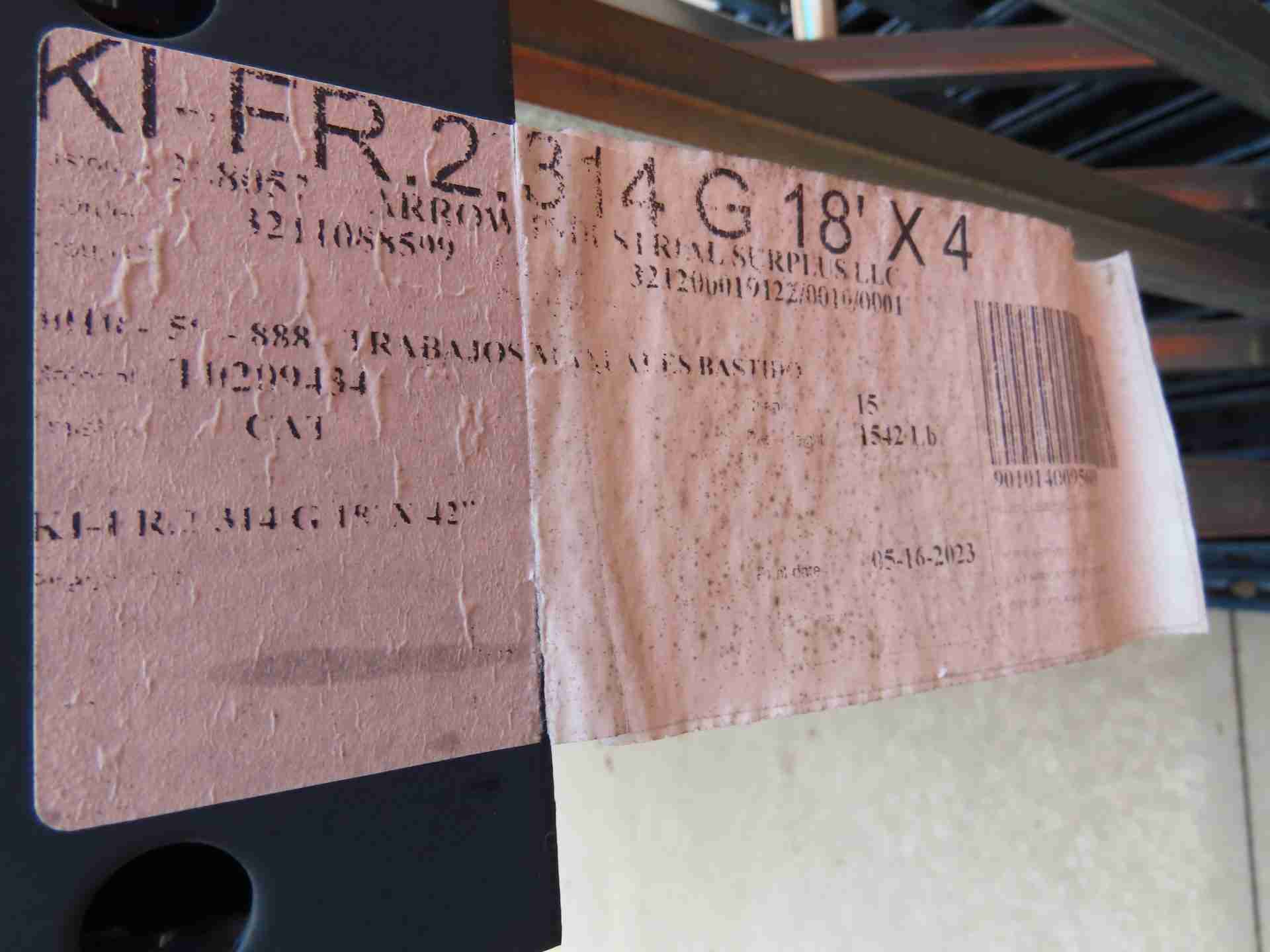
How Does Pallet Racking Support Brewery Safety Standards?
How Does Pallet Racking Support Brewery Safety Standards?
- Safety is essential in breweries, supporting smooth operations from the floor to the final product.
- Pallet racking holds heavy items securely, preventing dangerous tipping or accidents during busy shifts.
- Breweries face heavy inventory and fast pace, making pallet racks vital for reducing clutter and creating safe walkways.
- Investing in quality pallet racking shows ethical commitment to worker wellbeing and respect.
- Safe work environments boost team morale and productivity beyond just meeting legal requirements.
- Properly engineered and tested pallet racks prevent accidents caused by shortcuts like broken pallets and overcrowding.
- Stable pallet racking creates confidence in brewery safety, protecting both operations and employees.
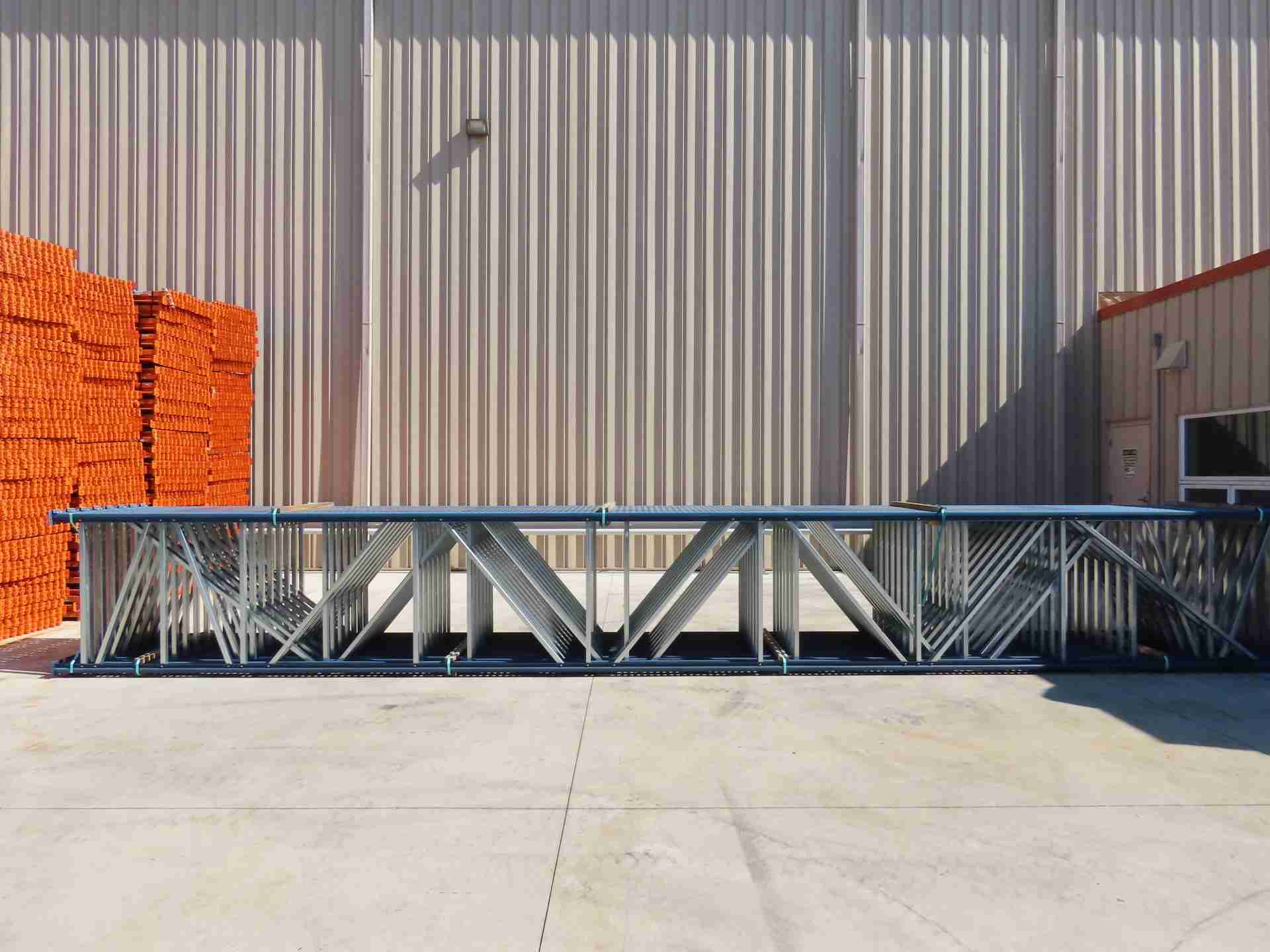
How Does Pallet Racking Support Brewery Safety Standards?
Can Pallet Racking Increase Brewing Facility Production Capacity?
In any brewing facility, every square foot counts. When you’re squeezing production out of a limited space, pallet racking isn’t just a nice-to-have—it’s the backbone that can shift your whole operation into higher gear. It’s like getting an extra pair of hands that never tire, stacking your inventory up instead of out, and freeing up the floor for the real heavy lifting: brewing, packing, and shipping.
Think about it: brewing is a craft, but it’s also a business that needs to move fast. Pallet racking gives you the room to store raw ingredients and finished goods in an organized, accessible way. No more digging through piles or playing a frustrating game of warehouse Tetris. That kind of efficiency doesn’t just save time—it saves headaches and keeps your team focused on what matters, turning out quality brews without tripping over clutter.
There’s an ethical layer here, too. Using pallet racking responsibly means working smarter, not harder, which reduces waste and cuts down on accidents. Neat, stable storage means less damage to materials and a safer environment for everyone rolling up their sleeves in the back. It’s about taking care of your crew and your product with a system that respects the sweat and skill poured into every batch.
The proof is in the day-to-day grind of breweries that rely on pallet racking to scale up. They tell the story without needing flashy sales pitches: tighter operations lead to faster throughput, which leads to happier customers and a healthier bottom line. It’s not moving fast for fast’s sake—it’s moving smart. That’s a lesson you learn after long hours and hard work, not from a corporate manual.
For a brewing facility ready to grow, pallet racking isn’t an add-on; it’s a foundation. It’s about trusting a system that’s been tested in real-world grit, delivering steady, reliable results. When you stack smarter, you brew better. And when you brew better, that’s when real growth starts pouring in.
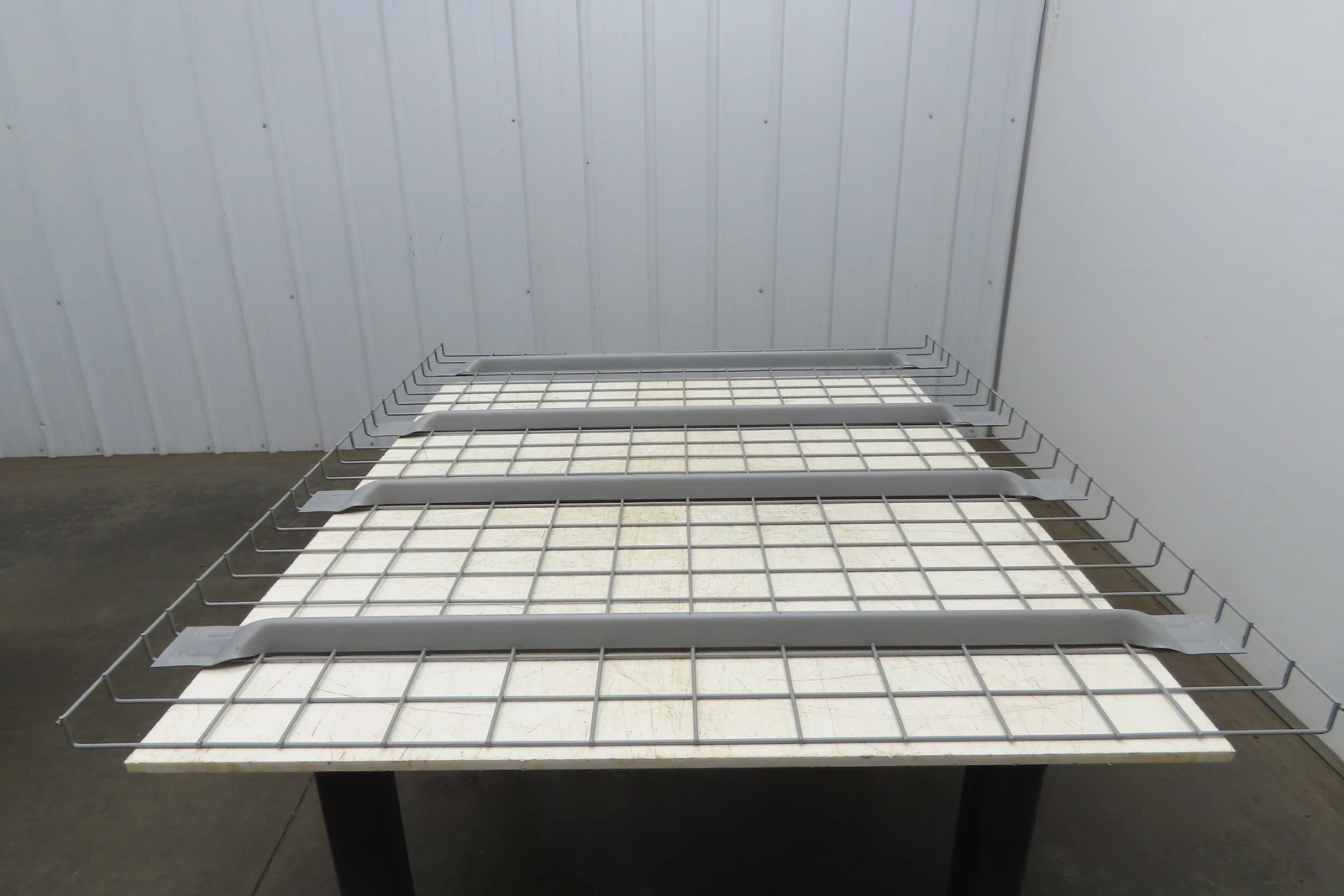
Can Pallet Racking Increase Brewing Facility Production Capacity?
Can Pallet Racking Increase Brewing Facility Production Capacity?
- Pallet racking maximizes limited space in brewing facilities by stacking inventory vertically, freeing floor space for brewing, packing, and shipping.
- It supports fast-moving brewing businesses by organizing raw ingredients and finished goods for easy access and reducing inefficiencies.
- Effective use of pallet racking reduces waste, prevents accidents, and maintains safer working conditions.
- Neat and stable storage minimizes damage to materials and respects the effort behind each batch.
- Breweries using pallet racking achieve tighter operations, faster throughput, happier customers, and improved profitability.
- Efficiency gained from pallet racking comes from smart, practical experience rather than theoretical manuals.
- Pallet racking provides a tested, reliable foundation for growth in brewing facilities, enabling better brewing and business expansion.
Can Pallet Racking Increase Brewing Facility Production Capacity?
How Do Brewers Organize Different Ingredients with Pallet Racking?
When you walk into a brewery, you don’t just see barrels and tanks; you see the beating heart of a craft that demands order as much as creativity. Brewers deal with a lot: bags of malt, hops packed tight, yeast cultures needing careful handling, and a whole host of other ingredients that can get messy fast. That’s where pallet racking comes in—a simple, solid solution that keeps everything in its place so the whole operation flows without a hitch.
Pallet racking isn’t just metal shelves—it’s the backbone of organization for any serious brewer. Those heavy-duty racks take the weight off your shoulders, literally, by stacking pallets of raw ingredients in a way that’s easy to reach but won’t topple over like a house of cards. No more scrambling through piles of sacks at the end of shift or wasting precious brewing time hunting for the right batch of hops. Each type of ingredient has its groove, neatly stored, labeled, and ready for the next brew cycle. The order that pallet racking brings doesn’t just save time and space; it keeps quality intact. When ingredients are piled haphazardly, there’s risk of contamination or spoilage. Organized storage respects the life of these raw materials, making sure every brew starts on the right foot.
There’s a kind of quiet pride in walking through a well-kept warehouse—knowing that behind every rack is a story of sweat, care, and hard-earned craft. The pallets stand steady because someone took the time to think through workflow, safety, and efficiency. That ethic of doing things right, the boots-on-the-ground wisdom that pallet racking embodies, wins trust from team to customer. You feel the confidence radiate through the brewery when everything runs smoothly, from raw ingredient receipt to finished product shipment.
Pallet racking is more than just a storage method; it’s a partner that helps brewers honor the ingredients that make their product unique. It’s about respect for the craft, the people who make it, and the community that drinks it. Every organized rack signals a brewery dedicated to doing its job with heart and grit—knowing that great beer starts with great handling of every single ingredient. That’s common sense you can raise a glass to.
How Do Brewers Organize Different Ingredients with Pallet Racking?
How Do Brewers Organize Different Ingredients with Pallet Racking?
- Pallet racking provides essential organization in breweries, keeping raw ingredients like malt, hops, and yeast neatly stored and easily accessible.
- These heavy-duty racks enable safe, stable stacking of pallets, preventing ingredient piles from becoming disorganized or hazardous.
- Efficient storage saves time by eliminating the need to search for specific batches and prevents contamination or spoilage of ingredients.
- Well-organized warehouses reflect careful planning around workflow, safety, and efficiency, fostering pride among brewery staff.
- Pallet racking symbolizes the commitment to quality, supporting the entire brewing process from ingredient receipt to product shipment.
- This storage system respects the craft, people, and community behind the brewery by ensuring every ingredient is properly handled.
- Organized racks represent a brewery’s dedication to producing great beer through thoughtful, hardworking practices.

How Do Brewers Organize Different Ingredients with Pallet Racking?
Conclusion
At its core, pallet racking is the quiet backbone of any brewery that’s serious about doing things right. It’s the gritty, no-nonsense solution that turns a chaotic floor piled with barrels, sacks, and kegs into a well-run operation where every item has its place. Brewing isn’t just about crafting good beer—it’s about respect for the craft, the people, and the hard work behind every batch. Pallet racking speaks to that respect by offering sturdy, reliable storage that protects ingredients and finished product alike, saving time and cutting down risks on the floor.
When you stack smarter with pallet racking, you’re not just squeezing every inch of space—you’re setting the whole brewery up to run smoother and faster. It’s the practical way to boost production capacity without adding more square footage or chasing costly expansions. This system saves hours spent hunting for supplies, reduces clutter that turns workplaces into hazard zones, and keeps the flow moving steady. And that matters, because in brewing, every minute counts and every accident avoided keeps the team safe and the product intact.
There’s a strong ethical thread woven through this too. Using pallet racking shows a commitment to doing right by your crew, your goods, and the environment. Keeping materials off the floor and out of harm’s way not only cuts costs from less damage and waste but builds a culture of safety and trust. Every reliable rack is a shout-out to the team’s wellbeing—it says you notice their hard work and want to protect what they’ve built.
Beyond the steel and bolts, pallet racking is a partner in the brewery’s story. It’s the steady framework behind those long, hard days spent loading deliveries, checking stock, and shipping orders out on time. It’s the unglamorous hero that keeps the place organized so creativity and craft can flow. When a brewery’s floor is set up right, it’s more than orderliness—it’s a community working together without needless frustration, where pride in the job runs deep.
In the end, pallet racking is common sense made solid. It stands for practicality, respect, and a grounded approach to running a brewery that’s built to last. A well-organized operation where materials are safe, space is maximized, and safety comes first isn’t just more efficient—it’s a place where great beer starts with doing the everyday things right. And that’s something anyone who’s been in the thick of it can raise a glass to.

Conclusion
Conclusion:
- Pallet racking provides sturdy, reliable storage that organizes brewery floors and protects ingredients and finished products.
- It maximizes space efficiently, boosting production capacity without the need for costly expansions.
- By reducing clutter and saving time searching for supplies, pallet racking enhances workflow and safety on the brewery floor.
- Using pallet racking reflects a commitment to the wellbeing of the crew, the quality of goods, and environmental responsibility.
- It builds a culture of safety, trust, and respect by minimizing damage, waste, and workplace hazards.
- Pallet racking supports the brewery’s operations, allowing for smooth handling of deliveries, stock management, and order shipping.
- Ultimately, pallet racking embodies practicality and respect, creating an efficient, safe environment where great beer production begins.
Conclusion
Other Resources
Other Resources
Here is a list of other resources you can review online to learn more:
- Cantilever Rack Configuration & Installation: A Comprehensive Guide – BMH
- Illinois Pallet Racking – WPRP
- Warehouse Storage Racks
- Warehouse Racks, Warehouse Racking in Stock – ULINE
- Selective Pallet Racking Systems
- Warehouse Racking Chicago, IL
- Chicago Pallet Racking
- Pallet Rack Systems – New and Used Pallet Racking and Shelving Experts
- Pallet Racking systems in Illinois, Great Lakes
- Cantilever Rack Guide: Ordering Cantilever Racking
- Rack Manufacturers Institute
- Crane Manufacturers Association Of America Inc.
- Material Handling Safety
- Teardrop Racks – Pallet Rack World
- Interlake
- Pallet Racking systems in Illinois and Great Lakes
- Arrow Industrial Sales
- American Society of Safety Professionals
- NSC
- Pallet Racking 101: A Comprehensive Guide & Options Explained
Use This Prompt To Get More Resources With Your Favorite Online AI Tool: Please provide me with a list of online articles with their URLs in a bulleted list that I can read regarding How Do Brewing Facilities Leverage Pallet Racking?
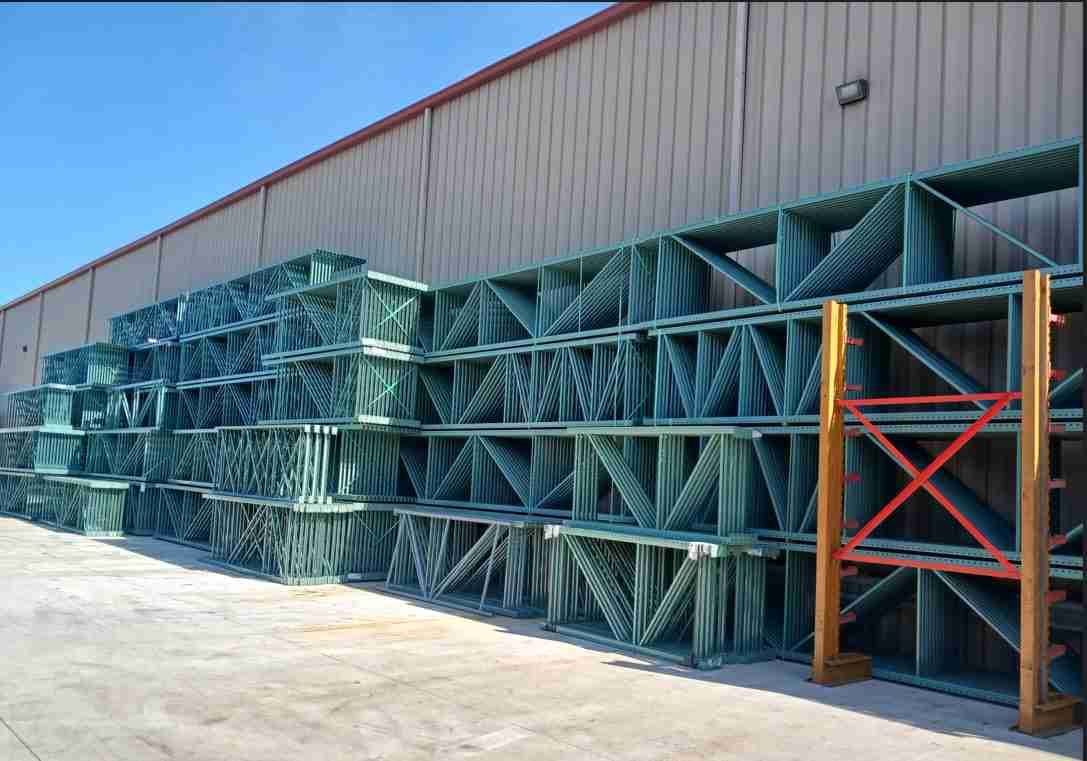
Other Resources
Glossary Terms
How Do Brewing Facilities Leverage Pallet Racking? – Glossary Of Terms
1. Pallet Racking: A storage system designed to hold materials on pallets in horizontal rows with multiple levels.
2. Brewing Facilities: Industrial locations where beer and other fermented beverages are produced.
3. Inventory Management: The process of tracking and controlling stock levels within a facility.
4. Space Optimization: Maximizing the use of available physical space for storage and operations.
5. Load Capacity: The maximum weight that a pallet rack can safely support.
6. Forklift Access: The ability of forklifts to reach and move pallets within the racking system.
7. Vertical Storage: Utilizing upward space by stacking materials on multiple racking levels.
8. Workflow Efficiency: The improvement of operational processes through organized storage solutions.
9. Palletizing: The act of placing goods or materials onto pallets for easier handling and storage.
10. Rack Configuration: The design layout of the pallet racks to fit specific facility needs.
11. Safety Compliance: Adherence to regulations ensuring secure storage structures.
12. Load Stability: The secure placement of goods on pallets to prevent shifting or collapse.
13. Material Handling: The movement, protection, storage, and control of materials within a facility.
14. Space Utilization: The extent to which available storage space is used effectively.
15. Accessibility: Ease of retrieving and storing pallets within the racking system.
16. Inventory Turnover: The rate at which inventory is replaced within a storage system.
17. Custom Racking: Tailored pallet rack designs to meet unique facility requirements.
18. High-Density Storage: Storage techniques that increase capacity by reducing aisle space.
19. Load Distribution: Even spread of weight across pallet racks to maintain stability.
20. Cross-Docking: A practice where incoming materials are directly transferred to outbound transportation with minimal storage.
21. Warehouse Management System (WMS): Software that tracks inventory and storage locations.
22. Bulk Storage: Storing large quantities of similar items in a single area.
23. Pick Efficiency: The speed and accuracy of selecting items from storage.
24. Ergonomics: Designing storage solutions that reduce physical strain on workers.
25. FIFO (First In, First Out): Inventory management principle ensuring oldest stock is used first.
26. Pallet Rack Inspection: Routine checks to ensure rack integrity and safety.
27. Load Bearing Frame: Structural component of racking supporting the weight of pallets.
28. Rack Upright: Vertical column supporting the racking structure.
29. Bay: A single storage area within pallet racking, typically defined by two uprights and beams.
30. Mezzanine: An intermediate floor added to a facility for additional storage space.

Glossary Of Terms
Other Questions
How Do Brewing Facilities Leverage Pallet Racking? – Other Questions
If you wish to explore and discover more, consider looking for answers to these questions:
- What types of pallet racking systems are best suited for different brewery sizes and layouts?
- How much does installing pallet racking typically cost for a small, medium, or large brewery?
- What is the expected payback period or ROI from investing in pallet racking?
- How do you determine the required load capacity and weight limits for racks used with kegs, malt bags, and bottled product?
- What are the floor loading and structural requirements before adding heavy pallet racking?
- How should pallet racking be anchored and braced for seismic or high-wind regions?
- What local, state, or federal regulations and building codes apply to pallet racking in food and beverage facilities?
- How do pallet racking systems integrate with fire suppression, sprinkler, and emergency egress requirements?
- What corrosion-resistant materials or coatings are recommended for humid or cold brewery environments?
- How can pallet racking support sanitary requirements and prevent contamination of ingredients?
- What cleaning and sanitation protocols are needed for racks in breweries handling food-grade materials?
- How should different ingredients (malt, hops, yeast) be segregated and stored to prevent cross-contamination and odor transfer?
- What rack accessories (safety bars, netting, pallet stops, column guards) are essential for brewery operations?
- How do you choose aisle widths and rack configurations to optimize forklift traffic and safe movement?
- What types of forklifts or material-handling equipment pair best with various pallet racking systems?
- How can pallet racking be configured to support FIFO vs LIFO inventory strategies?
- How do you implement labeling, bin locations, and inventory control systems on pallet racks?
- Can pallet racking accommodate non-palletized items, odd-shaped kegs, or bulk bins, and how?
- What maintenance and inspection schedule is recommended to ensure ongoing rack safety and compliance?
- What are the signs of rack damage or fatigue, and when should racks be repaired or replaced?
- How can pallet racking reduce product damage during staging, picking, and shipping operations?
- What pest control and moisture-management strategies should be used around pallet racking?
- How flexible are pallet racking systems for future reconfiguration as production grows or changes?
- What automation options (ASRS, conveyors, pick-to-light) can be integrated with pallet racking?
- How do pallet types (wood vs plastic vs GMA pallets) affect rack selection and safety?
- What insurance or liability considerations change after installing pallet racking?
- Are there tax incentives, grants, or financing options available for warehouse improvements like pallet racking?
- How do you work with rack suppliers and installers to ensure proper design, delivery, and warranty coverage?
- What are best-practice layouts for combining storage, packing, and fermentation spaces while maximizing flow?
- Can pallet racking be used in cold storage or refrigerated environments, and what modifications are needed?
- How do pallet rack systems support recall traceability and lot control in a brewery?
- What worker training and safety protocols should accompany new rack installations?
- How do you plan for spill containment and chemical storage around pallet racking areas?
- Are there case studies or examples of breweries that significantly improved throughput with pallet racking?

Other Questions
Checklist
How Do Brewing Facilities Leverage Pallet Racking? – A Checklist
Planning and Goals
✅______ Storage objectives defined (space, throughput, safety, cost)
✅______ Current cubic and floor space utilization measured
✅______ Baseline KPIs captured (pick time, dock-to-stock, damages, incidents)
✅______ Future growth and seasonal peaks considered
Space and Layout
✅______ Clear height measured and obstructions mapped (columns, doors, utilities)
✅______ Aisle widths planned for equipment turning radius
✅______ Staging, dock, and production buffer zones defined
✅______ Traffic flow mapped for people, forklifts, and pallets
Racking Strategy
✅______ Rack types selected by SKU velocity and handling (selective, drive-in, push-back, pallet flow, cantilever)
✅______ FIFO/FEFO needs matched to rack type
✅______ Reserve storage vs. forward pick areas defined
✅______ Expansion allowances included in the layout
Load and Structure
✅______ Unit load dimensions/weights documented (pallets, kegs, bags, cases)
✅______ Beam elevations set for tallest load plus clearance
✅______ Frame and beam capacities selected with safety margin
✅______ Pallet overhang controlled within rack design
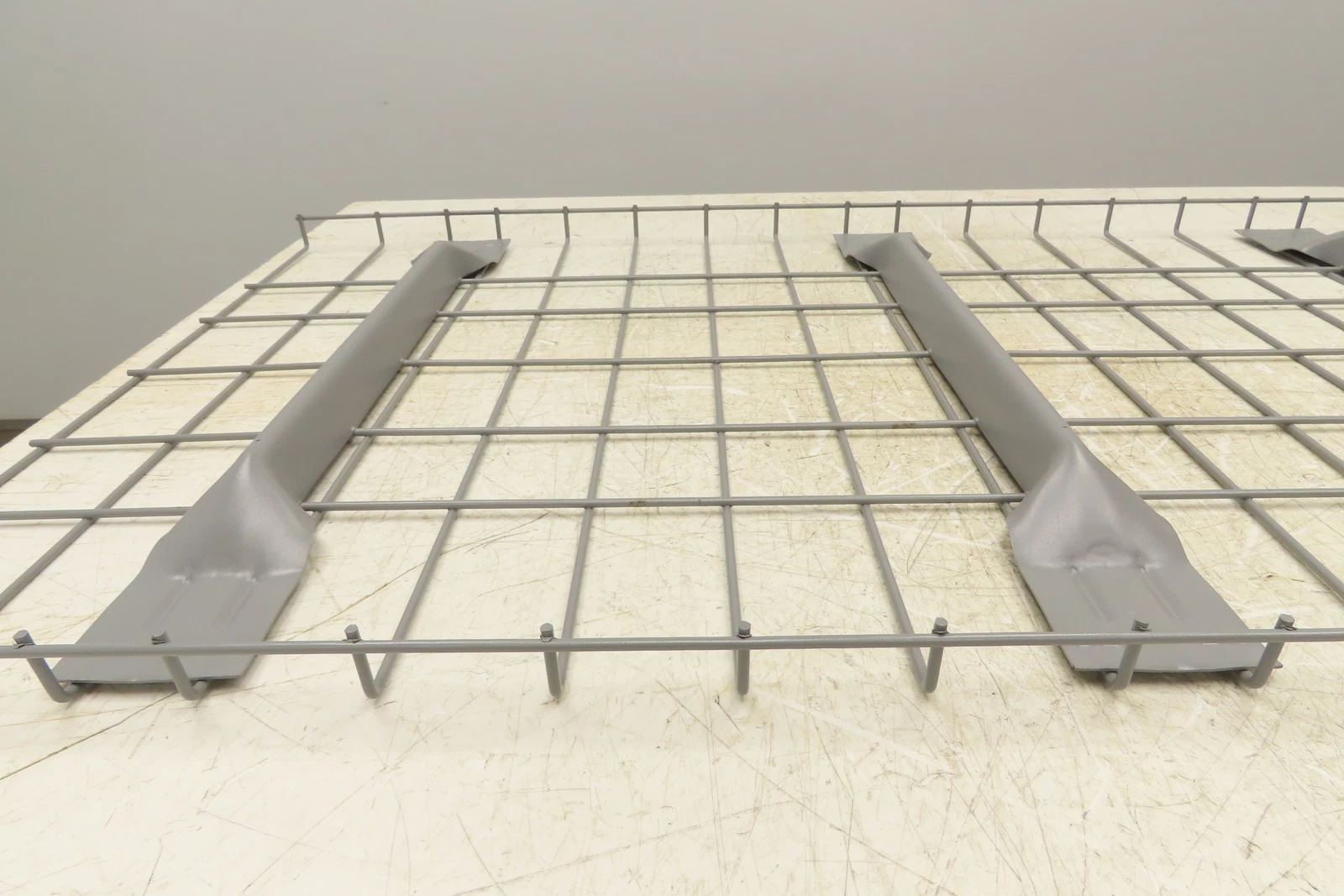
✅______ Wire mesh or solid decking specified where needed (bags and small items)
✅______ Row spacers and back-to-back flue spaces maintained
Floor and Building
✅______ Slab thickness and strength verified for rack point loads
✅______ Base plates and anchors specified per slab and seismic needs
✅______ Building movement joints and drains accounted for
✅______ Roof and sprinkler clearances maintained
Equipment Compatibility
✅______ Forklift and reach truck specifications match aisle width and lift height
✅______ Attachments validated for loads (fork extensions, clamps)
✅______ Charging and fueling areas planned away from racks
✅______ Guardrails or barriers installed at high-traffic intersections
Safety and Protection
✅______ End-of-aisle guards and column protectors installed
✅______ Pallet backstops or safety bars used where needed
✅______ Rack load plaques posted (per bay and level)
✅______ Adequate lighting in aisles and pick faces
✅______ Pedestrian walkways and crossings marked
Fire and Life Safety
✅______ Flue spaces preserved (transverse and longitudinal)
✅______ In-rack and ceiling sprinklers coordinated with layout
✅______ Egress paths kept clear; exit signage visible
✅______ Electrical panel and equipment clearances maintained
✅______ Commodity classification and packaging reviewed
Ingredient Organization
✅______ Dedicated zones for malt, hops, yeast, adjuncts, packaging, finished goods
✅______ Temperature and humidity needs assigned (cold for hops and yeast; dry for grain)
✅______ FEFO for perishables; expiration tracked
✅______ Allergen and contamination risks addressed and segregated
Cold Storage and Environments
✅______ Rack materials and coatings rated for cold and corrosion
✅______ Condensation and ice controls implemented
✅______ Floor, tires, and brakes suitable for cold operations
✅______ Doorways and air curtains configured to minimize moisture intrusion
Damage Prevention
✅______ Pallet quality standard defined and enforced
✅______ Pallet loading patterns standardized; no overhang
✅______ Stretch wrap, slip sheets, and corner boards specified
✅______ Staging lanes marked to prevent double handling
✅______ Decking used under bags and small items to prevent sagging
Operations and Flow
✅______ Putaway and pick paths established
✅______ Forward pick replenishment rules defined
✅______ Cross-dock process defined where applicable
✅______ Batch and wave picking methods documented
Receiving and Shipping
✅______ Dock-to-stock time target set and measured
✅______ Inspection and quarantine locations defined
✅______ Pallet inspection upon receipt procedure in place
✅______ Outbound staging lanes labeled by route or order
Labels and Systems
✅______ Rack locations labeled (aisle-bay-level logic)
✅______ Barcode/QR or RFID integrated with WMS/ERP
✅______ Cycle counting program scheduled
✅______ Unit of measure and lot tracking aligned with locations
Training and SOPs
✅______ Forklift operator certifications current
✅______ Rack loading and unloading SOPs issued and trained
✅______ Spill response and emergency procedures posted
✅______ Housekeeping (5S) standards adopted and audited
Chemicals and Gas
✅______ CIP chemicals stored separately with containment
✅______ CO2 cylinders secured in cages, not in rack bays
✅______ Incompatible chemicals segregated and labeled
✅______ Eyewash and spill kits accessible
Inspection and Maintenance
✅______ Pre-shift visual rack checks performed
✅______ Monthly documented rack inspections
✅______ Annual professional rack audit scheduled
✅______ Damaged components tagged out and replaced (no field welding)
✅______ Fastener torque checks and anchor inspections performed
Housekeeping
✅______ Aisles kept clear; floors free of debris and liquids
✅______ Pallet debris (nails, splinters) removed promptly
✅______ Trash and recycling points established and serviced
✅______ Regular deep-clean schedule maintained
KPIs and ROI
✅______ Space utilization improvement measured
✅______ Order cycle time and pick time reduced
✅______ Damage and loss rate reduced
✅______ Incident rate reduced
✅______ Labor hours per move reduced
✅______ Payback period and ROI calculated
Scalability and Change
✅______ Modular rack design allows add-on sections
✅______ Spare capacity for seasonal peaks reserved
✅______ Plans for new SKUs, packaging, or tank expansions in place
✅______ Change control process for re-slotting or reconfiguration
Go-Live Readiness
✅______ As-built layout verified against plan
✅______ All labels, plaques, and signage installed
✅______ Safety walk completed with corrective actions closed
✅______ Team briefing and startup training completed
✅______ First cycle count and process validation completed
Checklist
At RackingWorld, we help guide you through selecting warehouse storage systems and racking.
Be sure to read our other related stories at RackingWorld to learn more about warehouse storage systems.
0 Comments