
Maximizing Efficiency And Safety: The Backbone Of Bottling Success
By Tom Seest
At RackingWorld, we help guide you through selecting warehouse storage systems and racking.
Be sure to read our other related stories at RackingWorld to learn more about warehouse storage systems.
How Do Bottling Plants Leverage Pallet Racking?
When you step into a bottling plant, what you see on the floor isn’t just rows of glass bottles or humming machines; it’s a finely tuned dance of storage and movement, and pallet racking is the unsung hero holding it all together. Picture it: miles of these steel skeletons, standing firm and steady, stacking pallets high so the plant can keep up with the relentless demand without turning into a chaotic mess. Pallet racking isn’t just metal on metal—it’s the backbone that supports everything from raw materials to finished product ready to roll out the door.
From the heart, pallet racking carries pride. It’s the silent partner of every hardworking soul here, making sure there’s always a place for each carefully bottled case to rest. When a driver pulls up and the clock is ticking, those racks don’t just hold goods—they hold hopes and paychecks. The confidence workers feel knowing that everything is in its place, safe and accessible, helps keep the whole operation humming. It’s the kind of reliability that builds trust—not just in the equipment, but among the people on the floor. That kind of trust doesn’t come easy; it’s earned by steel tested under daily pressure, and by the hands that maintain it like a well-oiled machine.
On the rational side, using pallet racking is pure common sense. Space inside a bottling plant is precious—it’s where every square foot counts. Instead of spreading pallets out on the floor, racking stacks them vertically, squeezing out every inch of usable space without crowding or causing gridlock. It cuts down time wasted looking for materials, reducing the risk of accidents. The layout, designed around pallet racking, is a chess game of efficiency, letting forklifts glide through clear aisles and keep lines running smooth. You save money on warehouse real estate, speed up inventory turnover, and reduce waste—all practical wins you can put dollars on.
Ethically, pallet racking supports responsibility. It helps minimize product damage and ensures a safer workplace, not just a faster one. When heavy pallets are stored properly, no one has to worry about accidents that could injure a coworker. That care reflects an understanding that success isn’t just about output—it’s about looking after the people who make it happen. It’s respect in steel form, standing guard over the workers and the workload alike.
Together, these racks do more than hold bottled goods. They hold a story of grit, precision, and respect—a story every bottling plant knows well because it’s lived every day. Using pallet racking means investing in stability and trust, making the tough work feel lighter, the mess manageable, and the reward worth every drop.
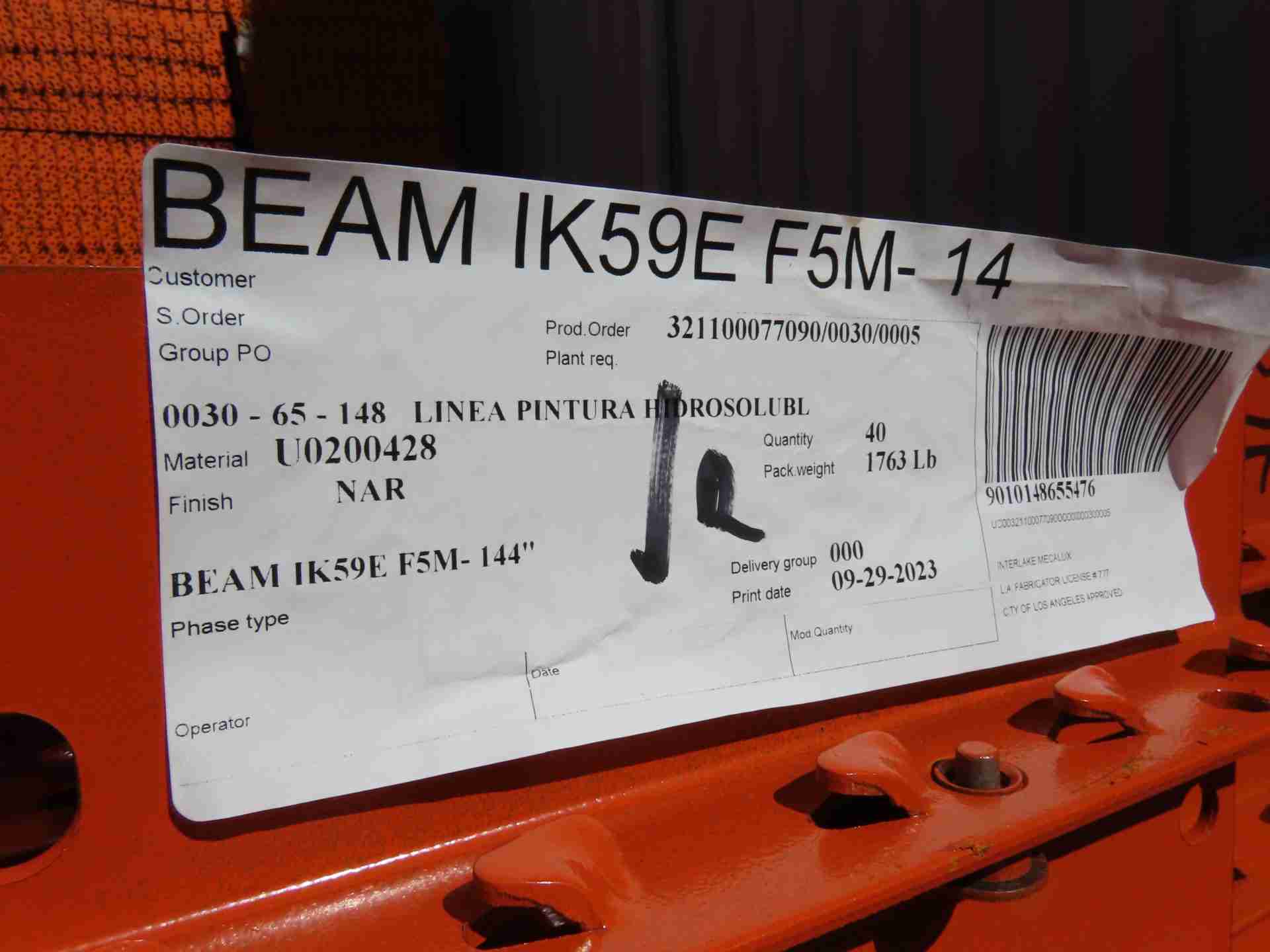
How Do Bottling Plants Leverage Pallet Racking?
How Do Bottling Plants Leverage Pallet Racking?
- Pallet racking is essential in bottling plants, organizing storage and movement efficiently to meet high demand without chaos.
- It supports everything from raw materials to finished products, acting as the backbone of the entire operation.
- Pallet racking provides workers with confidence and trust by keeping goods safe, accessible, and well-maintained.
- Vertically stacking pallets maximizes space, reduces search time, lowers accident risks, and improves workflow efficiency.
- Its design enables smooth forklift movement, speeding up inventory turnover and saving on warehouse costs.
- Ethically, pallet racking promotes workplace safety, minimizes product damage, and shows respect for workers.
- Overall, pallet racking symbolizes stability, precision, and respect, essential to daily bottling plant operations.
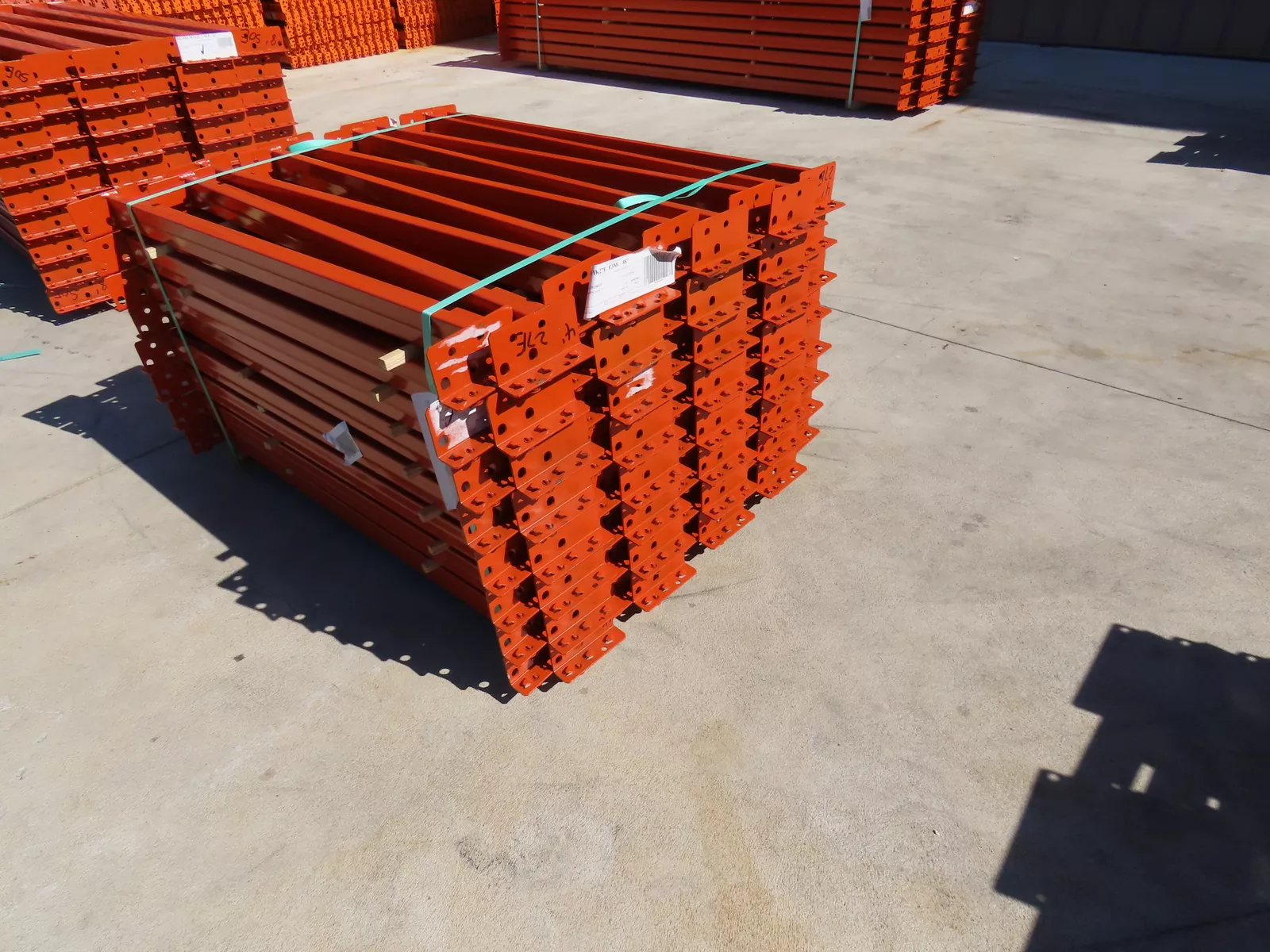
How Do Bottling Plants Leverage Pallet Racking?
Table Of Contents
- How Do Bottling Plants Leverage Pallet Racking?
- How Does Pallet Racking Improve Bottling Plant Efficiency?
- What Safety Benefits Does Pallet Racking Offer Workers?
- How Can Pallet Racking Reduce Storage Costs?
- Why Is Pallet Racking Crucial for Inventory Management?
- How Do Bottling Plants Optimize Space with Pallet Racks?
- What Role Does Pallet Racking Play In Supply Chain Speed?
- Conclusion
- Other Resources
- Glossary Of Terms
- Other Questions
- Checklist
How Does Pallet Racking Improve Bottling Plant Efficiency?
Look, running a bottling plant isn’t about fancy tech or overblown strategies; it’s about getting the job done right, day in and day out. That’s where pallet racking steps in like a dependable workhorse you can count on. When you’ve got stacks of heavy bottles, crates, and raw materials coming in and out, clutter only slows you down. Pallet racking turns chaos into order, making every inch of your workspace do its job without the usual headaches.
Think about the folks on the floor—truck drivers, warehouse workers, machine operators—all of them rely on smooth movement. When pallet racking is set up well, it’s not just about storing; it’s about making the whole process flow easier. Bottles get where they need to go faster, picking times shrink, and breakage drops because pallets aren’t being piled haphazardly or left blocking aisles. It’s the kind of straightforward, practical fix that saves sweat and keeps people safe, which everyone deserves.
There’s an honest, almost old-school pride in knowing your space works as hard as you do. Pallet racking helps businesses respect their staff by cutting down on unnecessary lifting and reaching, allowing workers to focus on what matters—getting product out the door without fuss or injury. When companies invest in smart storage, it sends a clear message that they care about their people and the product. That’s the kind of trust that builds loyalty, both from workers and customers watching the plant hum along without a hitch.
Plus, pallet racking isn’t just a back-of-house perk; it’s the backbone that supports your bottom line. By maximizing vertical space, you don’t need a bigger warehouse, and that cuts overhead. Not wasting time hunting down misplaced items means meeting deadlines more consistently, putting your plant ahead of the competition. It’s the kind of sound, no-nonsense investment that pays dividends, month after month.
This isn’t just storage; it’s a foundation for reliability and pride in craftsmanship. When every bottle is accounted for, safely stored, and easy to handle, the whole plant breathes easier. Pallet racking brings order to the everyday grind, making hard work more manageable and the whole operation tighter. If you want to keep your plant running like a well-oiled machine, this is the sort of honest solution that earns your confidence and keeps your wheels turning.
How Does Pallet Racking Improve Bottling Plant Efficiency?
How Does Pallet Racking Improve Bottling Plant Efficiency?
- Pallet racking simplifies bottling plant operations by organizing heavy bottles, crates, and materials, reducing clutter and increasing workspace efficiency.
- Properly set up pallet racking improves workflow, accelerating product movement, shortening picking times, and decreasing breakage.
- It reduces physical strain on workers by minimizing unnecessary lifting and reaching, enhancing safety and productivity.
- Investing in smart storage demonstrates company care for employees and products, fostering trust and loyalty among staff and customers.
- Maximizing vertical storage space cuts overhead by eliminating the need for warehouse expansion and improves deadline adherence.
- Pallet racking acts as a reliable, practical investment that delivers consistent operational and financial benefits over time.
- It provides a stable foundation for organized, efficient production, helping the plant run smoothly like a well-oiled machine.

How Does Pallet Racking Improve Bottling Plant Efficiency?
What Safety Benefits Does Pallet Racking Offer Workers?
You don’t have to be a rocket scientist to see why pallet racking is more than just metal beams and shelves stacked in a warehouse. It’s a silent guardian that keeps the workplace from turning into a hazard zone. At the end of the day, workers want to clock out without a scratch, and pallet racking plays a big part in making that happen.
First off, pallet racking does the heavy lifting of organization. When things are tidy and inventory is stored properly, there’s less tripping, fewer falling objects, and a whole lot less chaos. That means fewer accidents, fewer injuries, and fewer headaches. Workers can move around confidently, knowing that every pallet is secure and every aisle is clear. It’s not just about stacking stuff up—it’s about stacking safety into the job.
From a practical standpoint, the design of pallet racking is all about support and stability. These systems are built to take weight where it counts, reducing the chances of shelves collapsing or items toppling over. They stand firm even under the strain of heavy loads, which directly protects workers from the danger lurking above. That peace of mind makes it easier to focus on the work instead of watching your back every second.
Ethics come into play here, too. Employers who invest in proper pallet racking show they give a damn about their crew’s welfare. It’s a quiet promise that safety means more than just ticking a box or meeting minimum standards. It’s about respecting the hands that build, move, and deliver. When workers see that kind of care, it fosters loyalty and raises the bar for everyone on the floor.
And then there’s the social proof—fact is, workplaces that use pallet racking effectively are recognized for better safety records. That means fewer insurance claims, less downtime, and a stronger sense of community pride. It’s not just about compliance; it’s about being known as a place where safety isn’t an afterthought but the cornerstone.
Pallet racking turns a messy pile into an organized system that protects the folks who keep the wheels turning. It’s reliable, sturdy, and designed to shield workers from harm. That’s peace of mind anyone can bank on. When the workday ends and everyone heads home safe, that’s the real measure of success.

What Safety Benefits Does Pallet Racking Offer Workers?
What Safety Benefits Does Pallet Racking Offer Workers?
- Pallet racking is essential for workplace safety, preventing hazards and protecting workers from injuries.
- It organizes inventory effectively, reducing tripping hazards, falling objects, and workplace chaos.
- The design emphasizes support and stability, minimizing shelf collapse and protecting workers from heavy loads.
- Employers who invest in pallet racking demonstrate genuine care for employee welfare, fostering loyalty and respect.
- Effective pallet racking contributes to better safety records, fewer insurance claims, and less downtime.
- It transforms disorganized storage into a reliable system, ensuring worker safety and operational efficiency.
- The ultimate goal is a safe work environment where employees can finish their day without injury.

What Safety Benefits Does Pallet Racking Offer Workers?
How Can Pallet Racking Reduce Storage Costs?
Look, we all know that running a warehouse or storage space isn’t just about stacking stuff anywhere and hoping for the best. Pallet Racking comes in like a trusted old workhorse—steady, reliable, and built to make your life easier. When you lay down solid pallet racking, you’re not just installing metal shelves; you’re setting up a system that saves you money, time, and headaches.
From the ground up, pallet racking helps you squeeze every inch out of your space. Instead of boxes sprawled across the floor or piled haphazardly, you get neat rows and columns that make finding and handling goods straightforward. That means less time hunting for inventory and more time getting things out the door. Saving space translates directly into savings on rent and utilities—less square footage wasted, less overhead bleeding out of your wallet.
Think about the folks on the floor, the ones who sweat to keep the operation moving. Pallet racking makes their job safer and smoother. Better organization cuts down accidents and breakage, reduces wear and tear on inventory, and keeps everyone from calling in sick because they strained a back or twisted an ankle. When your team feels good and works safe, the whole operation runs leaner and meaner—keeping costs low and morale high.
On a practical, ethical level, using pallet racking shows you’re running a responsible business. You’re not just shoving goods around; you’re handling products carefully, respecting your workforce, and maintaining standards that build trust with customers and partners. When they see your operation runs clean, efficient, and safe, you’re not just saving money—you’re building a reputation that pays dividends long after the last crate leaves the dock.
This isn’t fancy talk. It’s about real-world results you see time and again. Pallet racking is the kind of common-sense tool that has earned its place in warehouses everywhere because it works. It’s about swapping chaos for order, guessing for certainty, and bleeding cash for making cash. It’s about having confidence that your storage system won’t let you down—because it’s built to hold up under real pressure, much like you.
If there’s one truth that old-timers know in this line of work, it’s that a good pallet racking setup isn’t just equipment. It’s peace of mind, knowing you’re running things smarter, safer, and leaner. That’s how pallet racking cuts costs—a simple solution with solid muscle behind it.

How Can Pallet Racking Reduce Storage Costs?
How Can Pallet Racking Reduce Storage Costs?
- Pallet racking is a reliable system that saves money, time, and reduces operational headaches in warehouses.
- It maximizes storage space by organizing goods into neat rows and columns, improving inventory handling and reducing wasted floor space.
- Better organization enhances worker safety, decreases accidents and product damage, and supports workforce health and morale.
- Using pallet racking reflects responsible business practices, showing care for products and respect for employees while building customer trust.
- It delivers consistent, practical results by replacing chaotic storage with orderly, efficient systems that boost operational confidence.
- A well-designed pallet racking setup is considered essential equipment that ensures smarter, safer, and leaner warehouse management.
- Pallet racking ultimately cuts costs by reducing overhead and improving overall efficiency with a simple but robust solution.

How Can Pallet Racking Reduce Storage Costs?
Why Is Pallet Racking Crucial for Inventory Management?
Look, managing a warehouse isn’t just about stacking boxes and hoping they don’t topple over. It’s about making every inch count while keeping things running smoother than a well-oiled machine. Pallet racking is the backbone of that whole operation. Without it, you’re just drowning in clutter, wasting time hunting down products, and risking your crew’s safety every step of the way. It’s not flashy, but it works like a charm, turning chaos into order – and that’s something every hands-on worker knows you can’t put a price on.
Here’s the thing: when your inventory is organized with pallet racking, you’re not just making life easier for the folks on the floor; you’re also trimming fat off your entire supply chain. Time saved equals money earned. Every misplaced pallet means more time spent searching, delaying shipments, and frustrating customers. Pallet racking keeps inventory visible and accessible, so your team moves with purpose instead of scrambling. That kind of efficiency isn’t just theory—it’s proven every day in warehouses that run at full throttle without missing a beat.
Beyond the dollars and cents, pallet racking speaks to a deeper commitment to safety and respect for the people who make things happen. Stacking pallets haphazardly is an accident waiting to happen. Simple as that. When you invest in solid pallet racking, you’re saying to your crew, “We care about getting the job done right, and we care about you coming home in one piece.” It’s an ethical choice as much as a practical one, and trust me, people notice when their workplace values their well-being. It builds loyalty and pride, two ingredients you can’t buy but that drive any business forward.
Folks who’ve worked with pallet racking swear by it because it’s straightforward, reliable, and stands the test of wear and tear. You get a system that fits your space and workload, not the other way around. It’s like tuning a pickup truck to haul your load — simple, rugged, and exactly what you need to get the job done day in, day out. No nonsense, no fuss, just good solid support for your goods and your goals.
Pallet racking is more than metal beams and bolts. It’s the quiet workhorse that keeps inventory moving, people safe, and profits growing. Ignoring it is like leaving your toolbox at home on a job—sure, you might get lucky, but why risk it? Get your pallet racking right, and you’ll feel it in your bottom line, your team’s morale, and the steady hum of a warehouse firing on all cylinders.
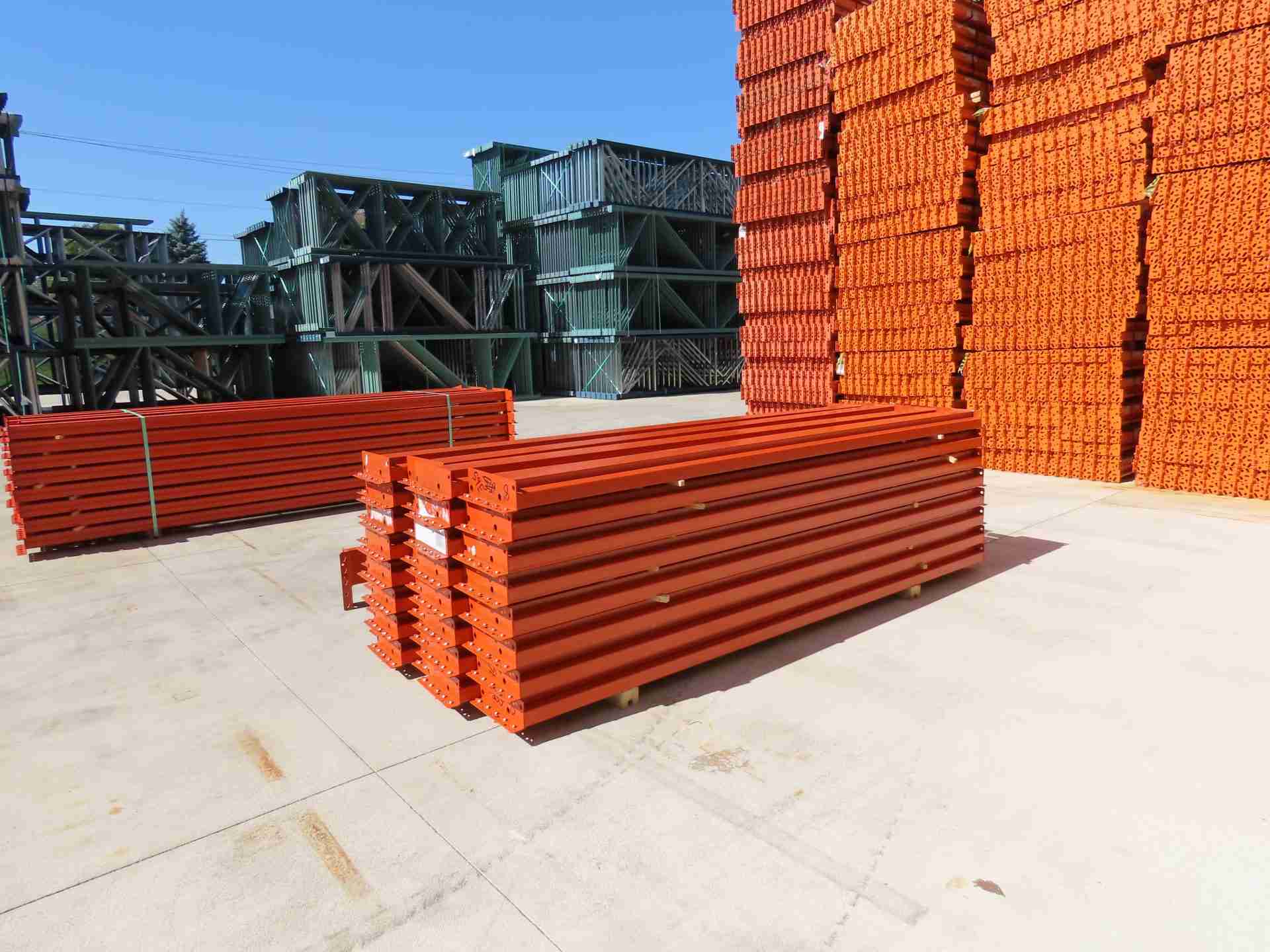
Why Is Pallet Racking Crucial for Inventory Management?
Why Is Pallet Racking Crucial for Inventory Management?
- Pallet racking is essential for efficient warehouse management, transforming clutter into organized space and ensuring smooth operations.
- Organized inventory with pallet racking saves time, reduces supply chain inefficiencies, and prevents shipment delays.
- It improves inventory visibility and accessibility, enabling staff to work purposefully rather than scrambling.
- Investing in solid pallet racking demonstrates a commitment to worker safety and well-being, fostering loyalty and pride among employees.
- Pallet racking systems are reliable, durable, and customizable to fit specific warehouse spaces and workloads.
- It acts as a vital support system that keeps inventory moving, maintains safety, and promotes business profitability.
- Neglecting proper pallet racking is risky and inefficient; having the right system boosts bottom line results, team morale, and operational consistency.
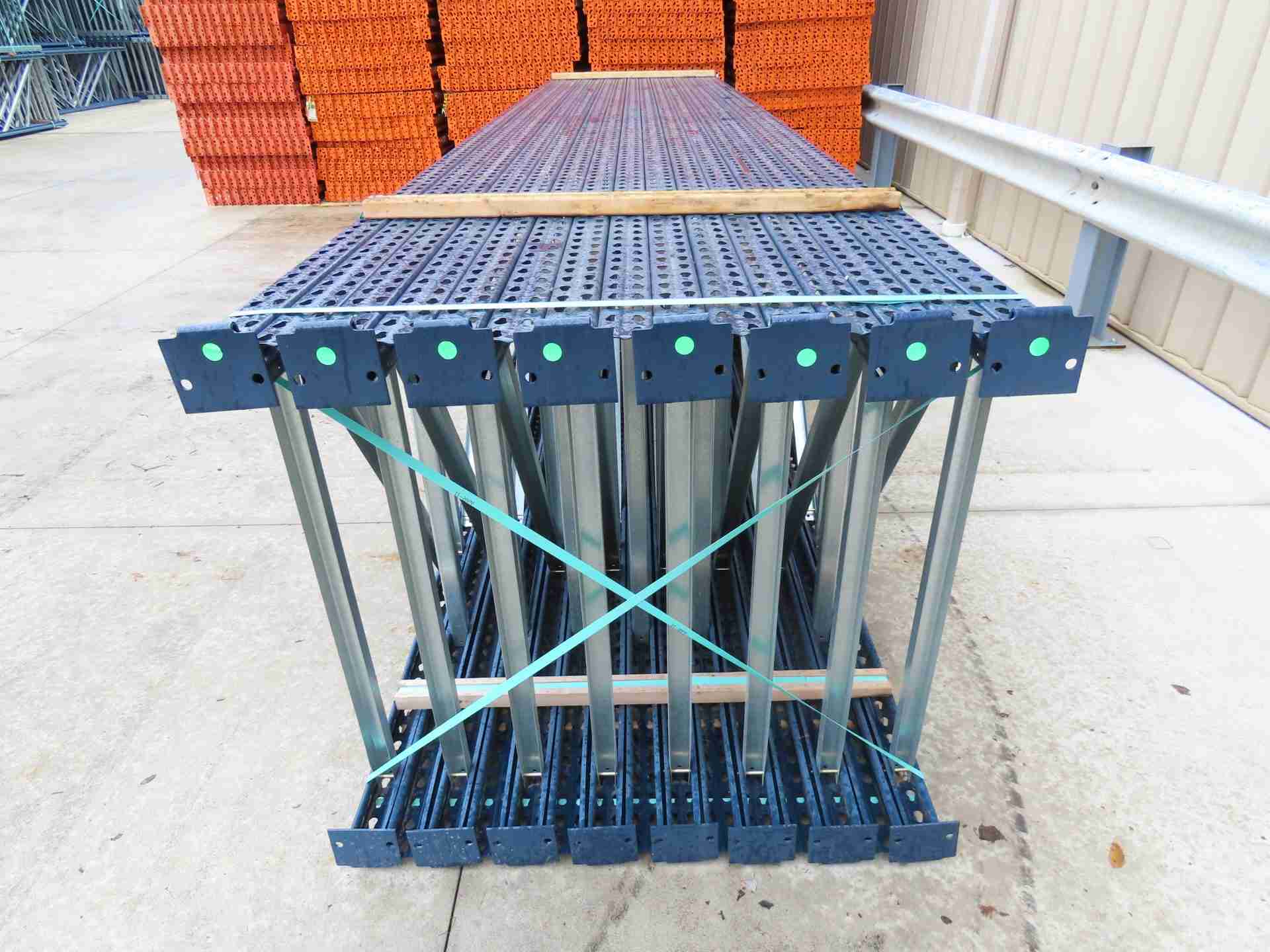
Why Is Pallet Racking Crucial for Inventory Management?
How Do Bottling Plants Optimize Space with Pallet Racks?
When a bottling plant fills up with cases, drums, and bottles waiting to roll out the door, every square inch of floor counts. That’s where pallet racking steps in—like having a second, third, or even fourth floor inside your warehouse without building a thing. You stack smart, you stack safe, and space that once gathered dust or created a maze turns into a smooth-flowing operation.
Think about it: a bottling plant runs on deadlines, schedules, and the constant push of product moving in and out. Pallet racking isn’t just steel and bolts; it’s the backbone holding everything together. It keeps pallets off the floor, protects inventory from damage, and maximizes vertical space. Using those racks right means fewer trips hunting down misplaced stock and more time getting orders fulfilled. That peace of mind—you can’t put a price on it.
This setup respects the sweat and effort of every worker lifting, loading, and tracking inventory. When racks are organized well, it cuts down on accidents and backaches. It’s an ethical move, making the workplace safer and fairer to the folks on the floor who keep the bottling lines humming. Pallet racking does more than store goods; it shows a company cares about its people and products alike.
Reliability and trust go hand in hand here. You want storage that won’t sag, topple, or shuffle under tough conditions. Properly installed pallet racking is proven sturdy and dependable—even when the orders spike or the holiday rush hits. It’s the quiet hero in the background, doing its job while you focus on the bigger picture: getting bottles from the line to the customer without a hitch.
Stories from plants that nailed their pallet racking setup tell the same tale—simpler workflows, cleaner floors, and fewer headaches. It’s a social proof that good storage isn’t fancy; it’s practical and hard-earned. Once you see the difference a solid pallet rack system makes, you start wondering how you ever managed without it.
Optimizing space with pallet racking isn’t just about fitting more stuff in. It’s about respect—for the product, for the people who handle it, and for the business itself. It’s smart, it’s safe, and it’s proven. If you want to keep your bottling plant running smooth and lean, pallet racking is the first step to getting there.
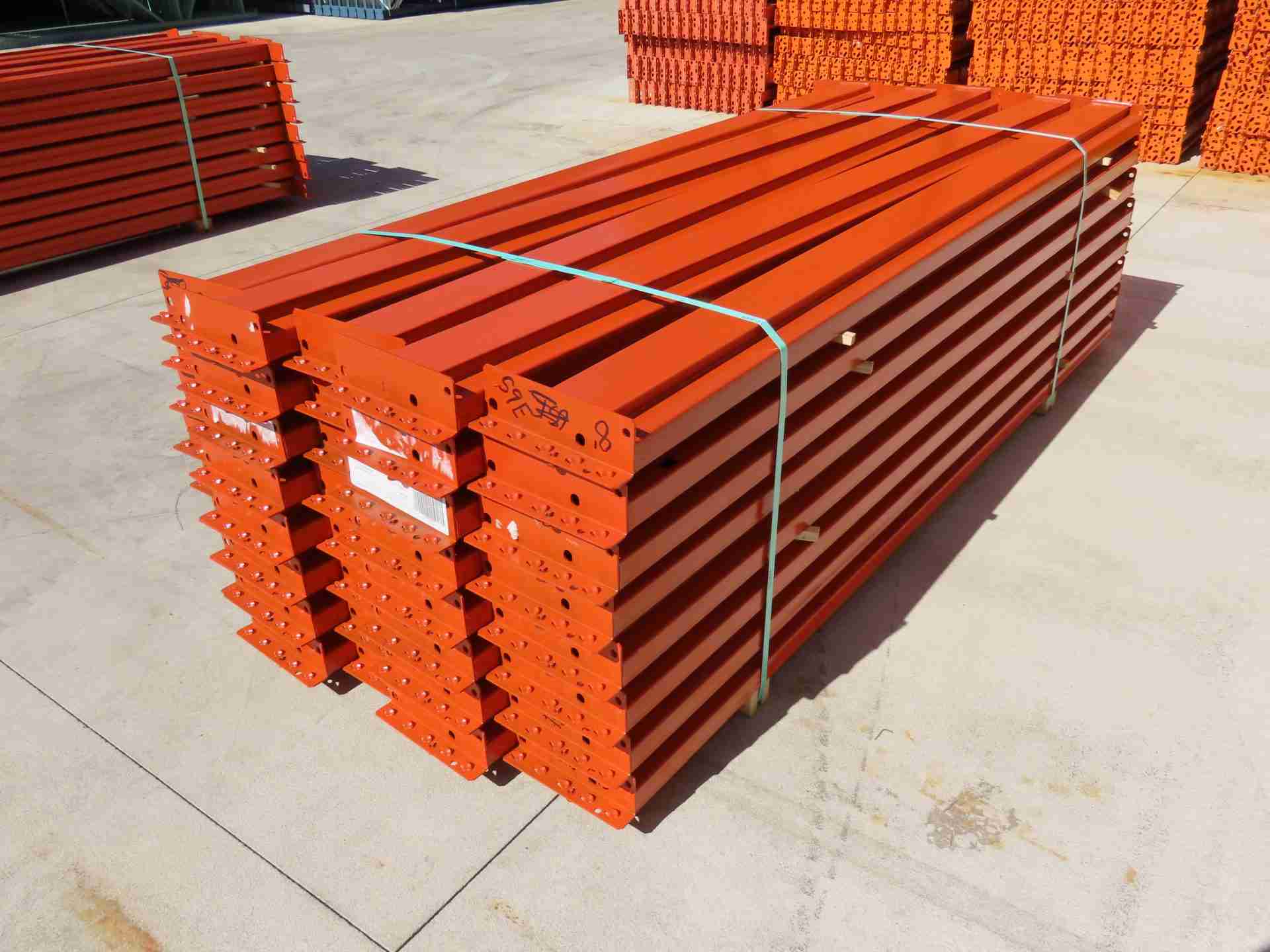
How Do Bottling Plants Optimize Space with Pallet Racks?
How Do Bottling Plants Optimize Space with Pallet Racks?
- Pallet racking maximizes warehouse space by stacking vertically, effectively creating multiple floors without construction.
- It supports smooth plant operations by keeping pallets off the floor, protecting inventory, and reducing time spent searching for stock.
- Organized racks enhance worker safety by reducing accidents and physical strain, demonstrating care for employees and products.
- Properly installed pallet racking is sturdy and reliable, handling demand spikes and heavy loads without risk.
- Successful pallet rack setups lead to simpler workflows, cleaner floors, and increased operational efficiency.
- Good storage reflects respect for products, workers, and the business, contributing to a safer and more efficient environment.
- Implementing pallet racking is a crucial step for maintaining a smooth, lean, and productive bottling plant.

How Do Bottling Plants Optimize Space with Pallet Racks?
What Role Does Pallet Racking Play In Supply Chain Speed?
When you roll up your sleeves and step into a warehouse, the first thing you notice is how everything’s stacked, shelved, and ready to roll. Pallet racking isn’t just some metal skeleton holding boxes—it’s the heartbeat of supply chain speed. You can have the fastest trucks and the smartest software, but if your pallet racking is a mess, you’re just spinning your wheels.
Here’s the straight talk: efficient pallet racking is the unsung hero that keeps products moving right when they need to. It’s about more than just space—it’s about order, accessibility, and trust. When you run a tight ship on the floor with pallet racking that’s easy to navigate, it gives your folks confidence to pick and pack without second-guessing. That matters—because every second saved stacking or finding goods adds up to faster deliveries and happier customers.
From a gut level, think about the folks working the floor. They’re not robots; they feel the stress when items are buried or piled wrong. Good pallet racking is a partner, a reliable ally that cuts down the hassle and lets them do their job proud. It’s the difference between a day wasted chasing inventory and a day where everything clicks. You want your team to trust the system, knowing they’ll find what they need without outsmarting chaos.
On an ethical note, it’s about respect—respect for your workers, your customers, and your business. When pallet racking is designed and maintained well, it reduces accidents, lessens damage to goods, and keeps the pace flowing steady. It’s a simple yet powerful way to show you care about how the supply chain runs, from dock to delivery.
Authority comes from experience. You learn quick that pallet racking isn’t a one-size-fits-all deal. The right setup for your products, your space, your people can slash downtime and smooth out the bumps that slow down operations. Those who get it right are the ones who keep the shelves stocked and the deadlines met.
At the end of the day, pallet racking is the backbone holding up your entire supply chain’s speed. Invest in it, pay attention to it, and it’ll pay you back in trust, efficiency, and smooth running like nothing else. It’s the kind of workhorse you don’t always see, but you sure notice when it’s not there.

What Role Does Pallet Racking Play In Supply Chain Speed?
What Role Does Pallet Racking Play In Supply Chain Speed?
- Pallet racking is essential to supply chain speed, going beyond just holding boxes—it organizes and supports efficient operations.
- Efficient pallet racking ensures order, accessibility, and trust, enabling workers to pick and pack confidently and speeding up deliveries.
- Properly designed racking reduces stress for warehouse workers by preventing misplaced or buried inventory.
- Maintaining pallet racking shows respect for workers, customers, and the business by reducing accidents and product damage.
- Pallet racking solutions must be customized to fit specific products, spaces, and teams for maximum efficiency.
- Correctly set up pallet racking minimizes downtime and smooths operations, helping meet deadlines and keep shelves stocked.
- Pallet racking serves as the backbone of the supply chain, rewarding investment with increased trust, efficiency, and smooth workflow.

What Role Does Pallet Racking Play In Supply Chain Speed?
Conclusion
A bottling plant without pallet racking is like trying to haul a heavy load with a busted trailer—it just doesn’t work. These steel racks aren’t flashy, but depend on them like the seasoned hands who show up rain or shine: steady, reliable, and built to take the weight. They’re the silent backbone that keeps things moving, stacking pallets high so the floor stays clear, workers stay safe, and orders roll out without a hitch. It’s not just metal holding goods; it’s carrying the pride and grit of every person who knows the value of having the right tools at the right time.
Using pallet racking is plain common sense. Space in a bottling plant is tight—every inch counts. By stacking vertically, you turn wasted empty air into usable storage, saving money on rent and cutting overhead. More order means less time wasted hunting for pallets, fewer accidents, and smoother forklift traffic. When the floor’s clear and materials are easy to get at, workers can focus on the job instead of dodging hazards or digging through clutter. That respect for the people doing the work matters; it means fewer injuries and keeps the lines running steady.
Safety isn’t an afterthought with pallet racking—it’s built into the steel. Properly installed racks hold heavy loads firm and steady, cutting the risk of tipping or falling items. Employers who invest in these systems show they care about their crew’s well-being, sending a quiet but powerful message that safety and respect go hand in hand with efficiency. Good storage bumps up morale, builds loyalty, and earns a plant a reputation for doing things right—not just fast.
On top of that, pallet racking is a key player in keeping inventory spot-on and the supply chain humming. When pallets are where they’re supposed to be, picking and packing happen faster, shipments leave on time, and customers stay happy. It’s the difference between scrambling to find stock and moving like a smooth-running machine. It frees up workers from wasted steps and lets them trust the system, which makes the whole operation run leaner, safer, and smarter.
In the end, pallet racking is more than just a warehouse fixture—it’s the no-nonsense solution that holds up the whole bottling plant. It respects the sweat on the floor, the dollars on the line, and the people who make it all happen. Investing in good pallet racking isn’t just buying shelves; it’s building stability, trust, and pride. That’s the kind of backbone every hard-working bottling plant needs to keep the wheels turning and the bottles flowing.
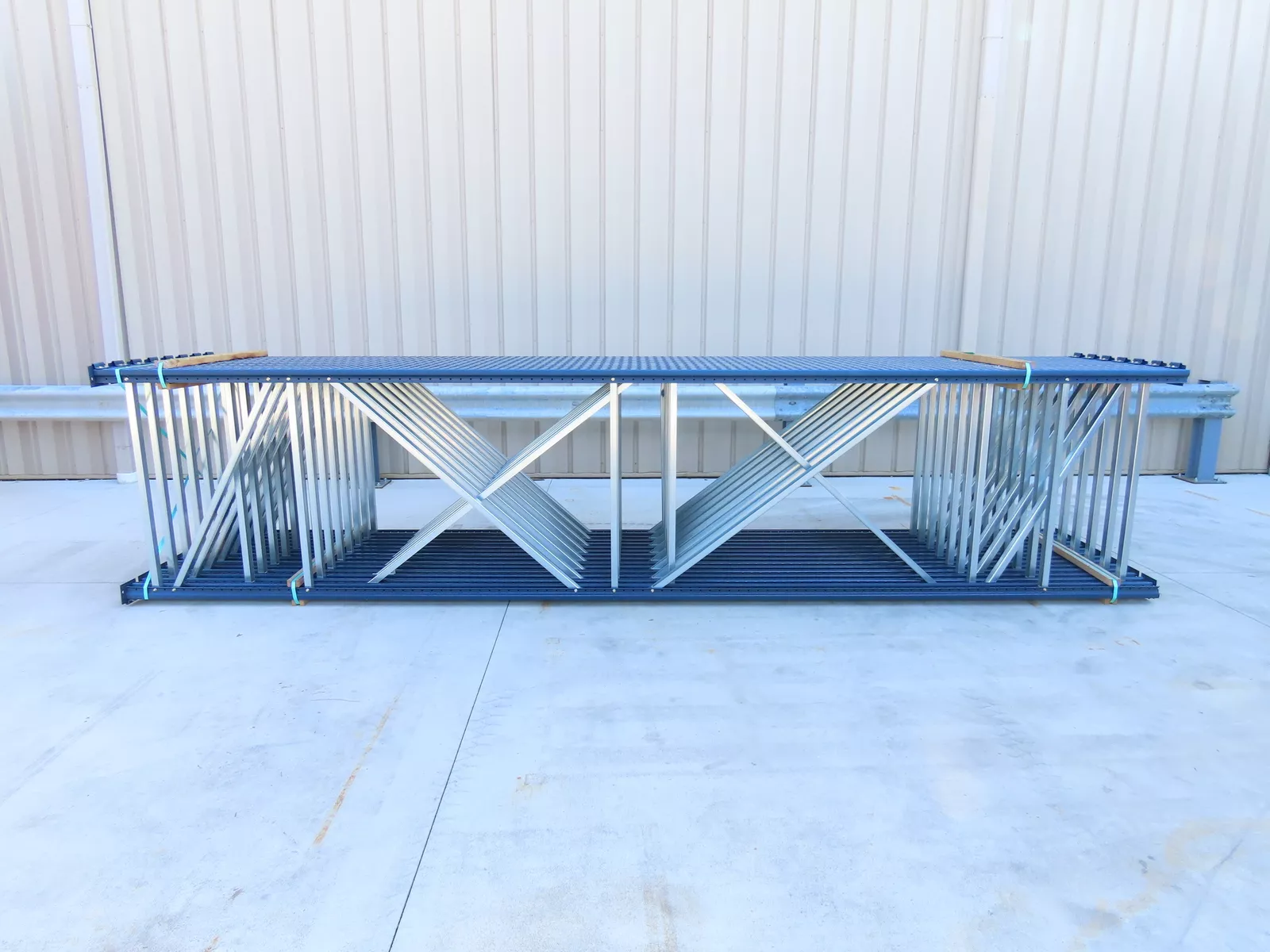
Conclusion
Conclusion:
- Pallet racking is essential in bottling plants, providing steady, reliable support for heavy loads and efficient pallet stacking.
- Vertical stacking maximizes tight space, turning unused air into storage, reducing rent and overhead costs.
- Clear floors and organized materials improve worker safety, reduce accidents, and enhance workflow efficiency.
- Properly installed pallet racks ensure stability, minimizing risks of tipping or falling items and demonstrating employer commitment to safety.
- Effective storage boosts worker morale, loyalty, and the plant’s reputation for combining speed with quality.
- Pallet racking streamlines inventory management and supply chain operations, enabling faster picking, packing, and timely shipments.
- Investing in pallet racking builds stability, trust, and pride, supporting the plant’s overall productivity and success.
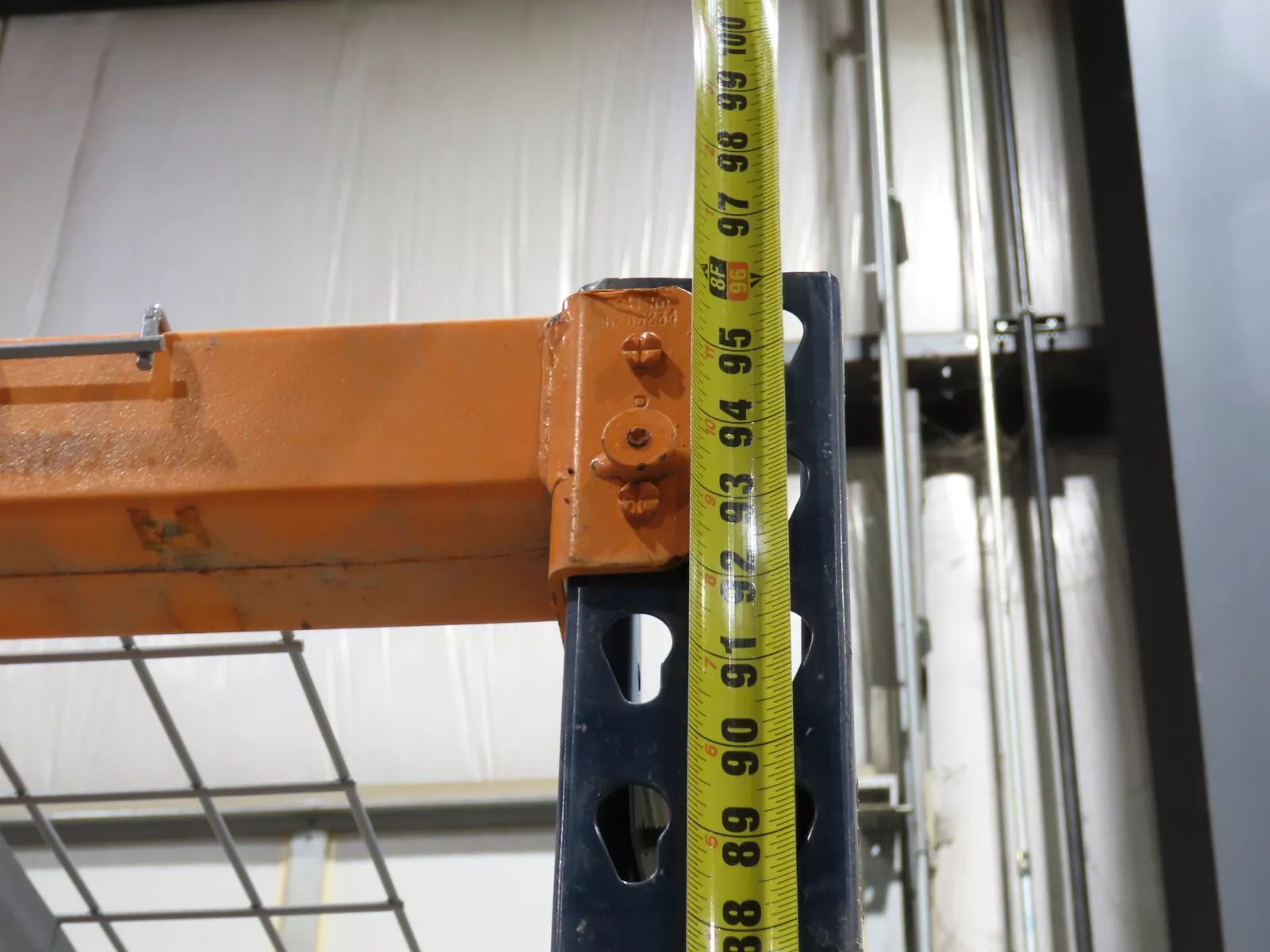
Conclusion
Other Resources

Other Resources
Here is a list of other resources you can review online to learn more:
- IWLA
- Interlake
- Cantilever Racking Specialists – Get the Right Racks
- Racking World
- Cantilever Rack Guide: Ordering Cantilever Racking
- Chicago Pallet Racking
- Mustang Material Handling
- Material Handling Industry
- Bradford Systems
- IIWS Inc. Rack Installation Illinois & Rack Repairs Illinois
- CMMA
- What is Selective Pallet Racking
- IIWS Inc. Rack Installation Illinois & Rack Repairs Illinois
- Logic Material Handling
- American Society of Safety Professionals
- International Warehouse Logistics Association
- Rack Manufacturers Institute
- Heavy-Duty Cantilever Storage Racks
- NSC
- Pallet Rack Systems – New and Used Pallet Racking and Shelving Experts
Use This Prompt To Get More Resources With Your Favorite Online AI Tool: Please provide me with a list of online articles with their URLs in a bulleted list that I can read regarding How Do Bottling Plants Leverage Pallet Racking?
Other Resources
Glossary Terms
How Do Bottling Plants Leverage Pallet Racking? – Glossary Of Terms
1. Pallet Racking: A storage system designed to hold palletized goods in warehouses or plants.
2. Bottling Plant: A facility where beverages are bottled and prepared for distribution.
3. SKU: Stock Keeping Unit, a unique identifier for each product type stored or managed.
4. Warehouse Management System (WMS): Software used to control and manage storage operations.
5. Load Capacity: The maximum weight that a pallet racking system can safely hold.
6. Forklift: A vehicle used to lift and move pallets within the plant.
7. Inventory Turnover: The rate at which stock is cycled through the plant.
8. Just-In-Time (JIT): Inventory strategy that reduces stock levels by receiving goods only when needed.
9. Aisle Width: The space between racks designed to allow forklift maneuvering.
10. Vertical Space Utilization: Maximizing storage by stacking pallets vertically.
11. Selective Racking: A pallet racking system allowing direct access to each pallet.
12. Drive-In Racking: A system that allows forklifts to drive directly into rack lanes to store multiple pallets deep.
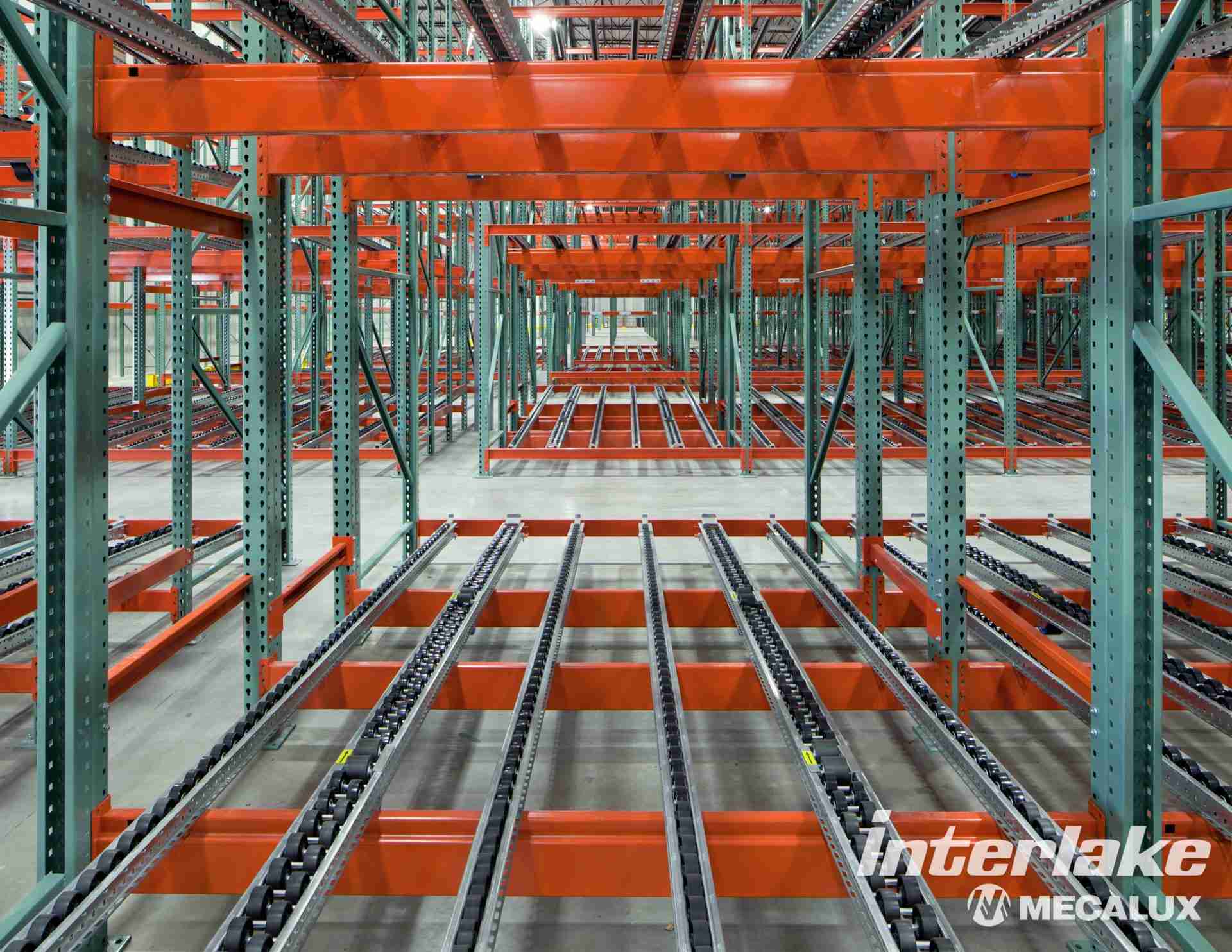
13. Flow Racking: Gravity-based racks allowing pallets to move forward on rollers for FIFO stock rotation.
14. FIFO: First In, First Out inventory method to ensure older stock is used first.
15. LIFO: Last In, First Out inventory method where the newest stock is used first.
16. Load Beam: Horizontal bars that support pallets in racking systems.
17. Upright Frame: Vertical components of pallet racks that support the load beams.
18. Pallet: A flat transport structure used as a base for storing or moving goods.
19. Density Storage: Storage strategy focusing on maximizing space utilization.
20. Cross-Tie: Horizontal braces connecting upright frames for stability.
21. Safety Nets: Protective barriers installed on racks to prevent falling objects.
22. Pick Face: The accessible front of pallet storage where goods are picked.
23. Order Picking: The process of selecting and retrieving items from inventory.
24. Load Integrity: Ensuring pallets and racks maintain structural safety under load.
25. Slotting: Assigning optimal locations for stock within racks based on picking frequency.
26. Cycle Counting: Periodic inventory checks to maintain accuracy without full shutdowns.
27. Rack Inspection: Regular evaluation of racking systems to ensure safety and compliance.
28. Automated Storage and Retrieval System (AS/RS): Mechanized systems that handle pallet storage and retrieval.
29. Cold Storage Racking: Racks designed to withstand low-temperature environments for beverage storage.
30. Bulk Storage: Storing large quantities of uniform products for efficient space use.

Glossary Of Terms
Other Questions
How Do Bottling Plants Leverage Pallet Racking? – Other Questions
If you wish to explore and discover more, consider looking for answers to these questions:
- What types of pallet racking systems are best suited for bottling plants (selective, drive-in, push-back, pallet flow, cantilever, etc.)?
- How do load capacities and weight ratings for pallet racks vary, and how do you determine the right capacity for bottled goods?
- What are the typical costs of purchasing and installing pallet racking, and what factors influence total cost?
- How do you calculate return on investment (ROI) and payback period for a pallet racking installation?
- What are the space planning and layout best practices for maximizing vertical storage while maintaining efficient workflows?
- How do aisle width and rack configuration affect forklift access, throughput, and safety?
- What forklifts and material handling equipment are compatible with different pallet racking configurations (VNA trucks, narrow-aisle, reach trucks, pallet jacks)?
- How does pallet racking integrate with automated systems such as AS/RS, conveyors, AGVs, and picking robots?
- What inventory management strategies work best with pallet racking (FIFO, LIFO, batch storage) in a bottling facility?
- How can pallet racking be used to support faster picking and reduced order cycle times?
- What metrics and KPIs should plants track to measure efficiency gains from pallet racking (picks per hour, storage density, travel time)?
- What safety features and accessories are recommended (column guards, rack protectors, wire decking, pallet stop bars, row spacers)?
- What are the inspection and maintenance requirements for pallet racking, and how often should formal inspections occur?
- How do you handle damaged rack components—repair vs. replacement—and what are the signs a rack needs attention?
- What worker training and certification are required for safe rack loading, unloading, and forklift operation?
- How do building codes, OSHA regulations, fire codes, and local standards impact racking design and installation?
- What fire protection considerations apply when using high-density pallet racking (sprinkler spacing, storage heights, clearances)?
- How do seismic or wind-load considerations change pallet racking design in earthquake-prone regions?
- What considerations exist for food- and beverage-grade storage—sanitation, corrosion resistance, coatings, and cleanability?
- How should pallet racking be specified for cold storage or humidity-controlled environments?
- What types of pallet and load restraints are recommended to prevent bottle slippage and pallet collapse?
- How can racking layouts minimize product damage and breakage specific to glass bottles and fragile packaging?
- What labeling, signage, and load-rating displays should be used to ensure safe and accurate loading?
- How do pallet racking solutions support seasonal demand spikes and flexible storage requirements?
- What are the pros and cons of retrofitting existing rack systems versus installing new systems?
- How do you choose a racking vendor or installer, and what questions should you ask potential suppliers?
- What lead times and project timelines are typical for procurement, delivery, and installation of pallet racking?
- How do racking systems interact with conveyor and dock processes for receiving and shipping bottling plant inventory?
- What software and warehouse management system (WMS) features best complement pallet racking for inventory accuracy and slotting?
- How can slotting and SKU placement strategies be optimized for high-turn SKUs vs. bulk storage?
- What sustainability considerations apply to pallet racking (recycled steel, lifecycle, disposal, reconfiguration)?
- How do you plan for future expansion or reconfiguration of racking as production scales?
- What insurance and liability implications are associated with racking damage or collapse?
- How do you manage cross-contamination and chemical compatibility when storing different types of liquids or cleaning agents?
- What are best practices for spill containment and drainage when storing bottled liquids on pallet racks?
- How long do pallet racking systems typically last, and what determines their service life?
- What case studies or examples show measurable efficiency and safety improvements after implementing pallet racking in bottling plants?
- How do cost-benefit trade-offs compare between high-density systems and more accessible selective racking for daily operations?
Other Questions
Checklist
How Do Bottling Plants Leverage Pallet Racking? – A Checklist
Strategy and Layout
✅______ Racking layout mapped to production flow (raw materials → in-process → finished goods → staging)
✅______ Clear, uninterrupted forklift aisles sized to equipment and load (two-way or one-way defined)
✅______ Dedicated staging lanes at docks for inbound and outbound
✅______ High-velocity SKUs positioned closest to docks and lines
✅______ Traffic patterns posted and enforced (pedestrian and forklift separation)
Rack Design and Capacity
✅______ Rack type matches load profile (selective, drive-in/drive-through, push-back, pallet flow as needed)
✅______ Beam levels and bay spacing optimized for pallet height and product stability
✅______ Manufacturer load plaques visible with maximum bay and beam capacities
✅______ Anchoring and seismic bracing installed per code and site conditions
✅______ Rack protection in place (end-of-aisle guards, column protectors, rub rails)
✅______ Compatible pallets in use; damaged pallets removed from circulation
Safety and Compliance
✅______ Aisles free of obstructions; housekeeping standards applied daily
✅______ Pallets properly seated; no overhang beyond specification
✅______ Top-heavy or fragile loads secured (stretch wrap, straps, corner boards)
✅______ No bent, cracked, or rust-compromised rack components in service
✅______ Lockout/tagout/isolation procedures for damaged bays
✅______ Emergency egress routes and fire extinguishers accessible and clearly marked
Workflow and Throughput
✅______ Pick paths minimized; logical slotting reduces travel
✅______ Replenishment triggers and lanes defined to avoid line stoppage
✅______ Cross-dock process used when appropriate to bypass storage
✅______ Dock-to-rack and rack-to-line travel times monitored and improved
✅______ Congestion points identified and mitigated (wider aisles, one-way flow, staging)
Inventory Management
✅______ Locations labeled and readable (aisle–bay–level; scan-ready)
✅______ FIFO/FEFO enforced for dated beverage inventory
✅______ Cycle counting schedule active; discrepancies tracked to root cause
✅______ WMS/ERP accurately reflects rack locations and capacities
✅______ Quarantine/hold locations segregated and clearly marked
Space Optimization
✅______ Vertical clear height fully utilized within sprinkler and code limits
✅______ Beam elevations right-sized to product mix; dead space minimized
✅______ Slow movers consolidated to higher or remote bays
✅______ Seasonal and surge inventory plan with temporary re-slotting
✅______ Mezzanine or over-dock racking evaluated where appropriate
Cost and ROI
✅______ Pallet positions per square foot measured and trended
✅______ Cost per pallet stored and handled tracked
✅______ Damage and breakage rates monitored; countermeasures in place
✅______ Lease and real estate savings quantified from vertical utilization
✅______ Standard pallets and packaging optimized to rack dimensions
Maintenance and Inspections
✅______ Formal monthly rack inspection checklist completed and logged
✅______ Annual third-party audit of racking condition and capacity signage
✅______ Spare parts on hand (beams, uprights, safety pins, anchors)
✅______ Preventive maintenance for forklifts to protect racks (brakes, mast, forks)
✅______ Incident reports reviewed; corrective actions verified
Training and Culture
✅______ Operators trained on racking limits, load placement, and aisle etiquette
✅______ New-hire and refresher forklift and rack awareness training scheduled
✅______ Visual standards posted (maximum loads, stacking limits, traffic rules)
✅______ Safety observations performed and recognized
✅______ Clear accountability for rack damage reporting
Surge and Resilience
✅______ Peak season plan validated (added shifts, extra staging, overflow)
✅______ Contingency for equipment downtime (backup lift trucks and rental plan)
✅______ Change control for reconfiguring racks (engineering review, updated signage)
✅______ Vendor support contacts current (rack supplier, repair, engineer)
KPIs to Track
✅______ Order cycle time (dock-to-dock) ________
✅______ Pick rate (lines/hour or cases/hour) ________
✅______ Dock turnaround time ________
✅______ Space utilization (% of pallet positions used) ________
✅______ Inventory accuracy (%) ________
✅______ Damage/shrink rate (% or ppm) ________
✅______ Recordable incident rate ________
✅______ Cost per pallet stored and handled ________
✅______ Inventory turnover (turns/year) ________
Sign-Off
✅______ Overall status: Excellent / Adequate / Needs improvement
✅______ Corrective action 1: ______________________________________
✅______ Corrective action 2: ______________________________________
✅______ Corrective action 3: ______________________________________
Checklist
At RackingWorld, we help guide you through selecting warehouse storage systems and racking.
Be sure to read our other related stories at RackingWorld to learn more about warehouse storage systems.
0 Comments