
Maximizing Safety, Efficiency, And Innovation In Biotech Storage Solutions
By Tom Seest
At RackingWorld, we help guide you through selecting warehouse storage systems and racking.
Be sure to read our other related stories at RackingWorld to learn more about warehouse storage systems.
How Do Biotechnology Storage Facilities Leverage Pallet Racking?
In the world of biotechnology storage, Pallet Racking isn’t just about stacking boxes—it’s the backbone that keeps everything running smooth when every detail counts. Out here, it’s not just about saving space; it’s about protecting years of hard work, innovation, and, frankly, hope. When you stack lab samples, vaccines, or sensitive bio-materials, you’re not dealing with just cargo—you’re handling the stuff that could change lives. Pallet Racking does more than hold pallets; it holds trust.
You see, in these facilities, time and temperature aren’t just numbers; they’re lifelines. Properly designed Pallet Racking setups keep everything stable and accessible, making sure nothing gets crushed or misplaced. The racks organize a complex puzzle of delicate products so workers can grab exactly what’s needed—fast and right—without a second thought. When the clock’s ticking on a delivery or when precision means the difference between success and failure, this system carries the weight—literally and figuratively.
It’s the sort of solution born out of experience, plain and simple. Real folks on the ground, facing the daily grind of balancing safety, efficiency, and compliance, swear by it. That’s why the ethical pull here is strong—knowing that well-structured Pallet Racking isn’t just about making a warehouse look tidy; it’s about honoring the responsibility toward the science, the patients, and the communities depending on these stored goods. You build trust not just by words but by every secure pallet resting solid on those racks.
Wearing boots and knowing what it feels like to wrestle with heavy loads, those who work with these racks understand the social dynamic at play, too. They know reliability isn’t a buzzword—it’s what keeps people employed, products safe, and missions on track. It’s a quiet kind of hero in the biotech world, the kind that doesn’t flash or shout but quietly supports every breakthrough waiting on those shelves.
So when you think about how these storage facilities leverage Pallet Racking, think about that sturdy framework keeping a promise not only to the science but to the heart behind it—the faithful hands loading and unloading, the sleepless nights that brought those materials here, and the lives that depend on getting it exactly right. That’s where Pallet Racking earns its keep: not just as a tool, but as a trusted partner in the fight to keep biotech moving forward.
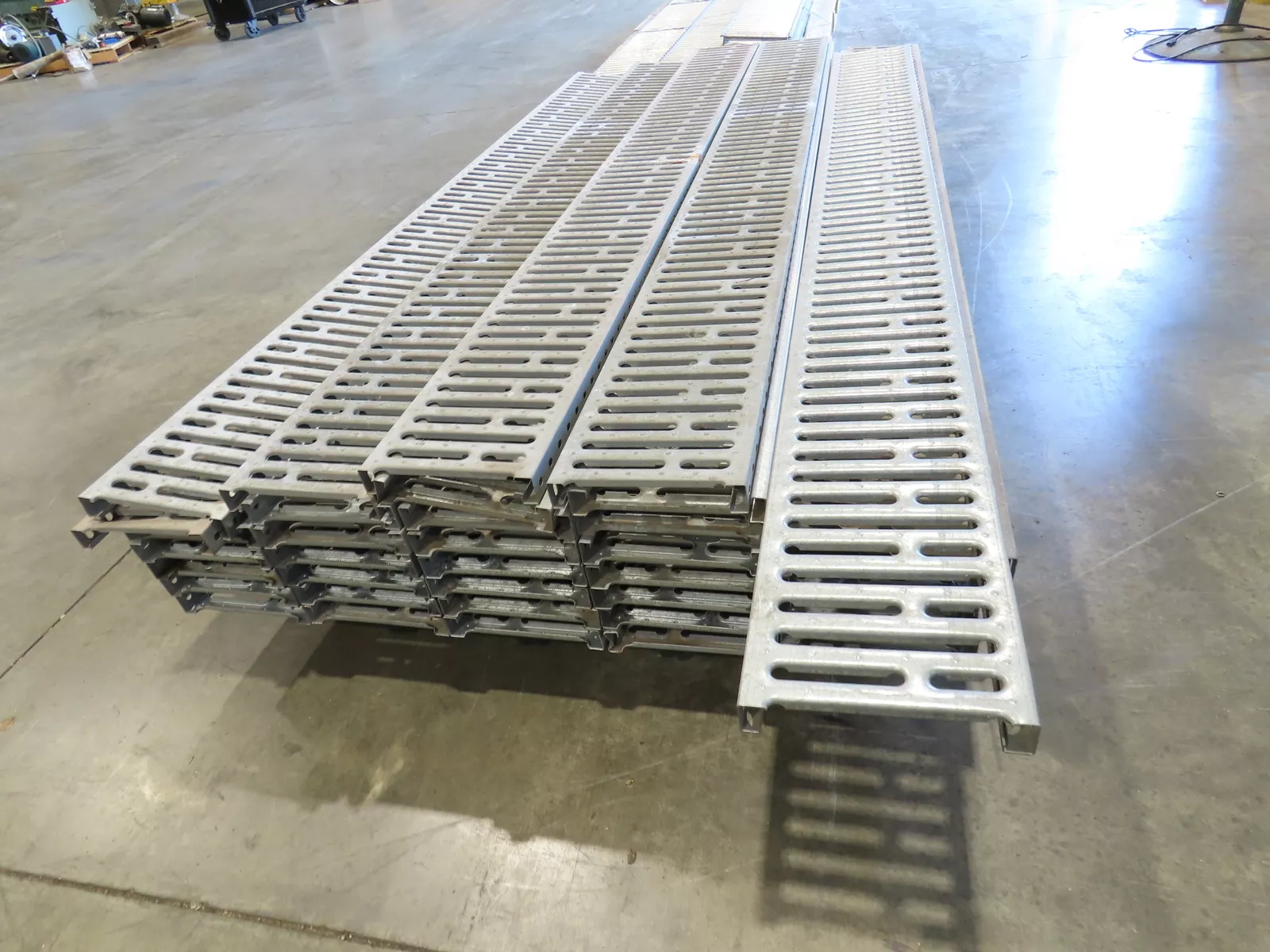
How Do Biotechnology Storage Facilities Leverage Pallet Racking?
How Do Biotechnology Storage Facilities Leverage Pallet Racking?
- Pallet Racking in biotechnology storage is essential for safeguarding valuable lab samples, vaccines, and sensitive bio-materials, not just for saving space.
- Time and temperature control are critical, and well-designed racking systems maintain stability and accessibility to prevent damage or misplacement.
- The system allows workers to quickly and accurately retrieve delicate products, supporting time-sensitive and precise operations.
- The solution is developed from practical experience, balancing safety, efficiency, and compliance in daily facility operations.
- Pallet Racking symbolizes trust and responsibility toward science, patients, and communities relying on properly stored goods.
- Workers understand that reliable racking supports employment, product safety, and successful biotech missions quietly but critically.
- Pallet Racking serves as a foundational partner that upholds the commitment behind scientific progress and life-saving breakthroughs.
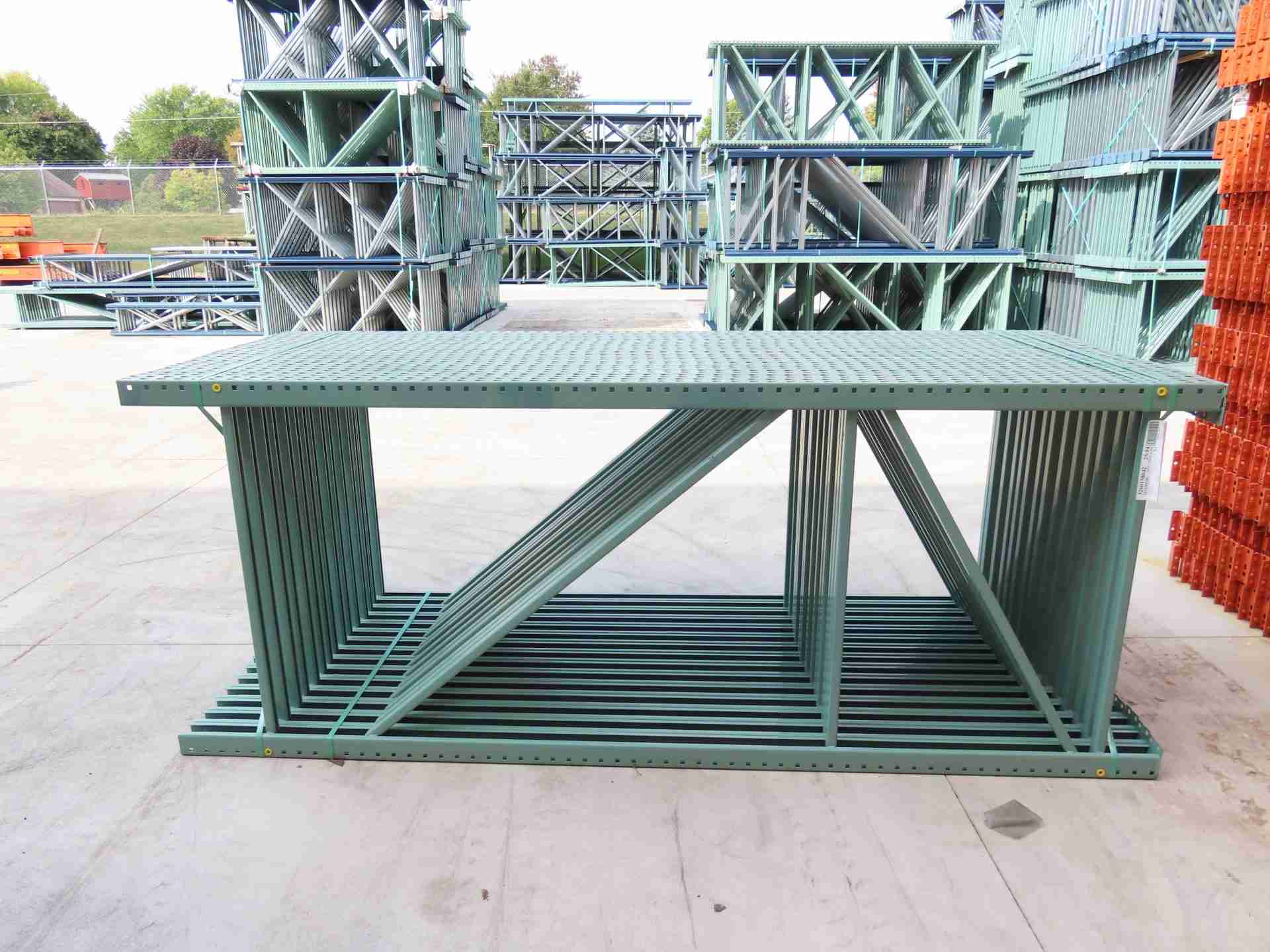
How Do Biotechnology Storage Facilities Leverage Pallet Racking?
Table Of Contents
- How Do Biotechnology Storage Facilities Leverage Pallet Racking?
- What Challenges Do Biotech Storage Facilities Face Daily?
- How Does Pallet Racking Improve Storage Efficiency?
- Can Pallet Racking Ensure Product Safety and Integrity?
- What Role Does Organization Play In Biotechnology Storage?
- How Does Pallet Racking Support Regulatory Compliance?
- Can Pallet Racking Reduce Contamination Risks In Storage?
- Conclusion
- Other Resources
- Glossary Of Terms
- Other Questions
- Checklist
What Challenges Do Biotech Storage Facilities Face Daily?
Running a biotech storage facility isn’t just about stacking boxes on pallet racking and calling it a day. It’s a constant hustle where every inch of space, every flicker of the temperature gauge, and every beep from the monitoring system can mean the difference between life-saving breakthroughs and costly setbacks. The weight of responsibility hits you like a freight train when you realize that what’s sitting on those racks might hold cures, vaccines, or research that could change lives. It’s that kind of pressure that sharpens your focus and keeps you honest.
The day starts early, and the stakes are high. It’s not just a warehouse; it’s a finely tuned ecosystem where conditions have to be perfect—down to the last decimal point of humidity or temperature. Pallet racking systems have to be more than strong and organized; they have to be precise and reliable. A single mishap, like a shift in storage conditions or a damaged box, isn’t just a dropped crate; it’s data lost, samples ruined, and hope deferred. Folks working these floors know the look on someone’s face when a potential breakthrough gets tossed into the trash—it’s a gut punch you never forget.
Working hands-on, you learn that every label peeled wrong or every misplaced package isn’t just an inventory problem; it’s a crack in the chain of trust that researchers and patients depend on. The ethical weight of this work sits heavy. There’s no room for shortcuts or guesswork. Each step demands care, vigilance, and relentless attention. This isn’t just warehousing; it’s a pact with people you’ll never meet but who might rely on what’s carefully stored here to live better, healthier lives.
And in the midst of all this, the technology keeps moving faster than anyone can catch. New regulations, tighter security, and advancements in storage methods mean the team has to stay sharp, always learning, always adapting. This challenges not just your skills but your sense of pride and duty. You’re not just stacking goods; you’re safeguarding hope, one pallet at a time.
At the end of the day, the workers in biotech storage facilities understand the weight of their job. They may not wear capes or get applause, but in their steady hands and clear-headed diligence, they hold the backbone of tomorrow’s medical miracles. That’s something you don’t just build in a warehouse; it takes grit, guts, and genuine respect for the life-saving cargo on those pallet racks.
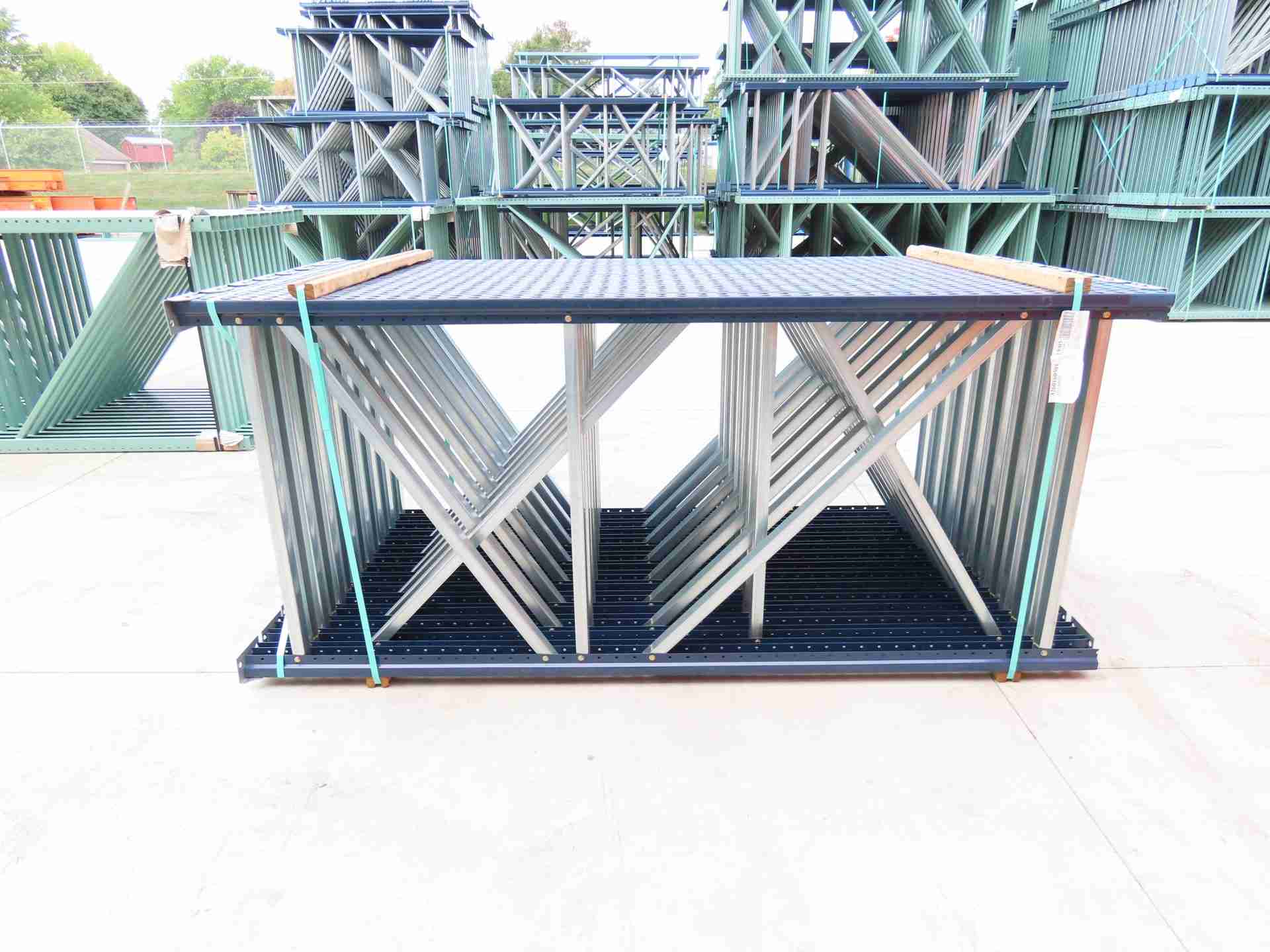
What Challenges Do Biotech Storage Facilities Face Daily?
What Challenges Do Biotech Storage Facilities Face Daily?
- Biotech storage involves meticulous management of space, temperature, and monitoring systems critical to preserving life-saving research.
- The facility operates as a precise ecosystem requiring exact humidity and temperature control to prevent damage to valuable samples.
- Strong, reliable pallet racking systems are essential, with any mishap potentially leading to lost data and ruined samples.
- Attention to detail in labeling and package placement is vital to maintain trust and integrity throughout the storage chain.
- The work carries significant ethical responsibility, demanding vigilance, care, and zero tolerance for shortcuts.
- Continuous adaptation is necessary due to evolving technology, regulations, and security requirements in biotech storage.
- Workers play a crucial role in safeguarding future medical breakthroughs through diligent, respectful handling of biotech materials.

What Challenges Do Biotech Storage Facilities Face Daily?
How Does Pallet Racking Improve Storage Efficiency?
Look, when you walk into a cluttered warehouse, you feel it right in your bones—the wasted space, the pileups, the time spent hunting for stuff that should’ve been easy to grab. Pallet racking changes all that by turning chaos into order with straightforward, commonsense design. It’s not just about stacking boxes; it’s about making every inch count without breaking your back or your budget. When you install pallet racking, suddenly, your storage doesn’t just hold more — it works smarter. That means more inventory on hand, quicker turnaround, and fewer headaches trying to find last week’s shipment amid the mess.
This isn’t some fancy theory either. The pallets sit precisely where they should, organized like tools in a well-run shop. You save time, and time is money down here. It’s that simple. No fumbling. No wasted motion. Pallet racking makes you and your team look sharp because it’s built around real-world challenges, not just blueprints. You start trusting the system because it delivers every day, quietly boosting throughput and reducing errors, even on your busiest, most chaotic days.
There’s a real ethical muscle flex in playing it straight with pallet racking, too. You protect the workers who load and unload those shelves because the system reduces risk of injury—stuff stays put, gear stays steady. It’s about respect for the folks on the ground who keep the wheels turning and the freight moving. When your storage setup has your crew’s back, you’re not just boosting efficiency; you’re showing you care about the people who make the business tick.
Each pallet rack row tells a story, really. You build it steady, stack it safe, and watch how well the place runs. It’s a quiet confidence builder you can see and feel in daily work: less downtime, smoother flows, and employers who know their operation is no accident but a well-oiled machine. Other businesses notice too — when your warehouse hums with order, you’re not just saving space, you’re earning respect in the field. Pallet racking isn’t just a storage solution; it’s the backbone of efficiency, trust, and common-sense success on any floor.
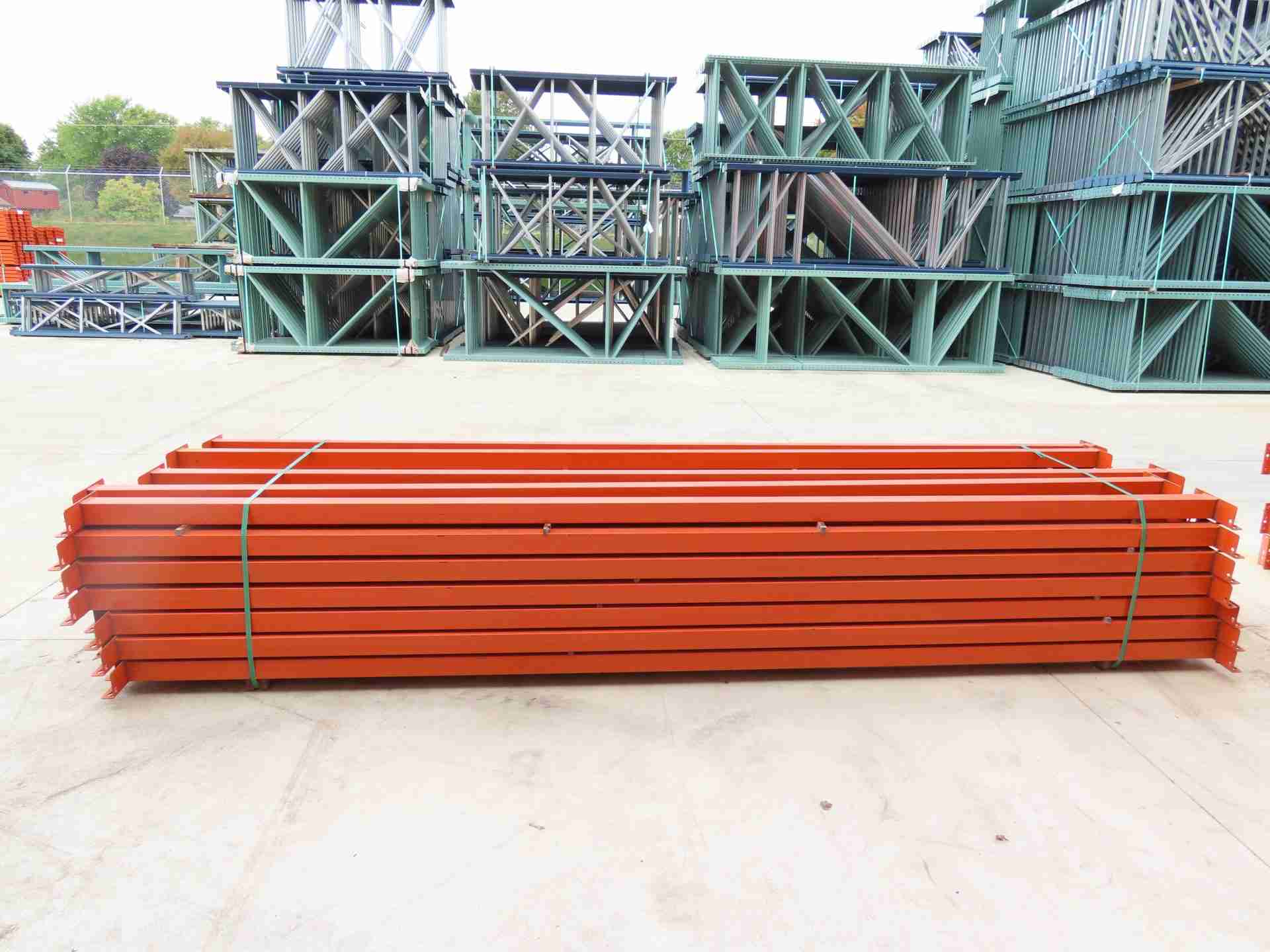
How Does Pallet Racking Improve Storage Efficiency?
How Does Pallet Racking Improve Storage Efficiency?
- Pallet racking transforms cluttered, inefficient warehouse space into organized, easy-to-navigate storage.
- It maximizes storage capacity and improves operational efficiency without high costs or effort.
- Pallets are arranged precisely, reducing time wasted searching and minimizing unnecessary movement.
- The system supports safer working conditions by stabilizing loads and lowering injury risks for workers.
- Built to address real-world challenges, pallet racking consistently enhances throughput and reduces errors.
- Efficient storage setup fosters confidence, smoother workflows, less downtime, and operational reliability.
- A well-organized warehouse earns respect from peers and serves as a foundation of efficiency and trust.
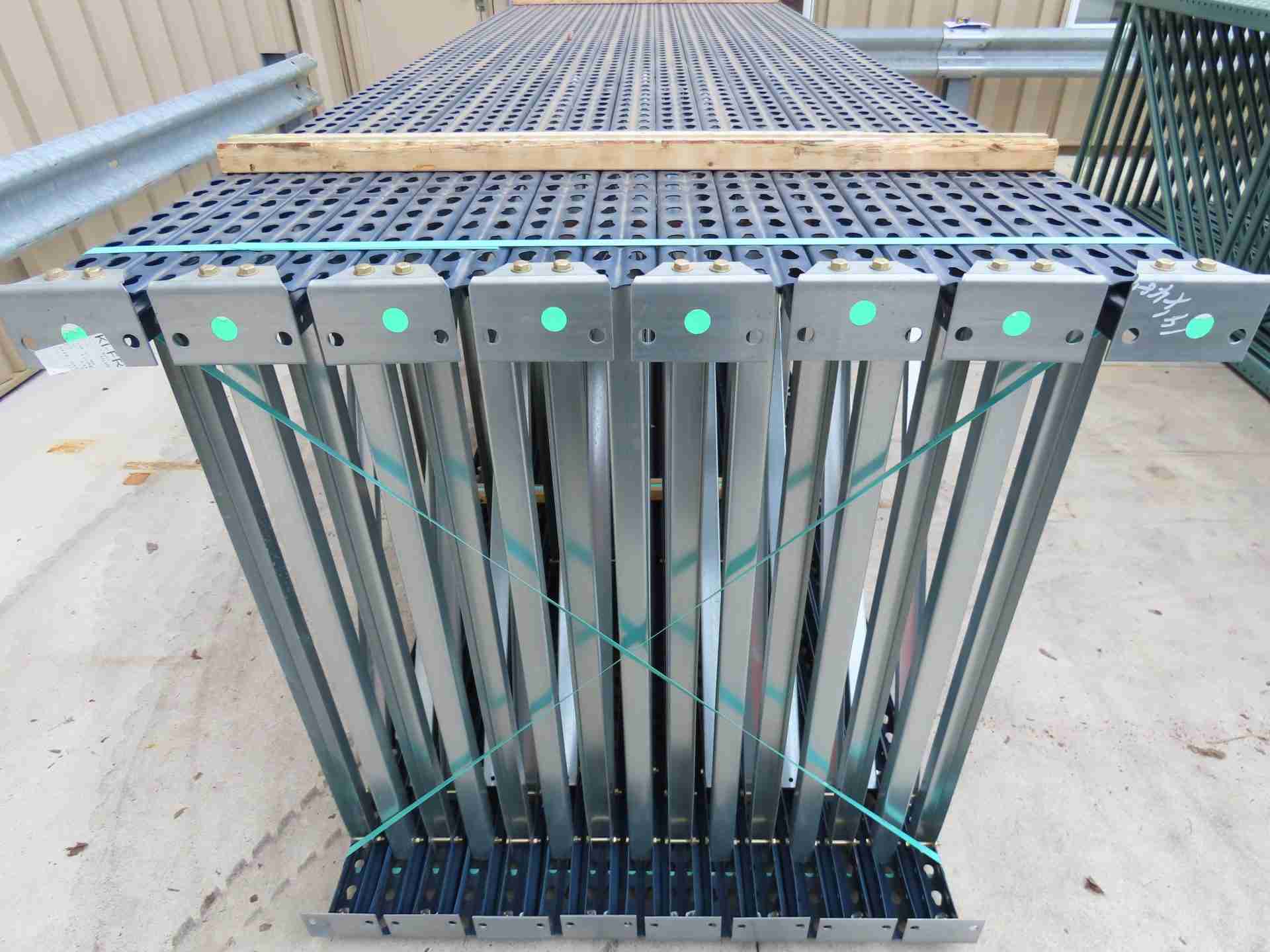
How Does Pallet Racking Improve Storage Efficiency?
Can Pallet Racking Ensure Product Safety and Integrity?
You know, when it comes to keeping your stuff safe in a warehouse or shop floor, pallet racking ain’t just some bulky metal frame collecting dust. It’s the backbone of how you handle and protect your products day in, day out. Picture this: you’ve got stacks of goods—fragile, valuable, or just plain important—and you need them stored right so they don’t end up crushed, broken, or lost. Pallet racking steps up here like a reliable workhorse, making sure everything sits where it should, stable and secure.
From putting together pallet racking with your own hands to watching it bear the weight of pallets after pallets, experience teaches you that it’s not just about slapping metal beams together. It’s about precision, trust, and knowing your gear won’t fail when the pressure’s on. The systems grip those pallets tight, hold them steady, and give your crew clear access without risking a load collapse. That kind of dependability not only keeps products intact but also saves headaches, lost time, and money in the long run.
Beyond just the steel and bolts, pallet racking represents a commitment to doing the right thing. It’s about respect—respect for the products you handle, the people who rely on those products, and the folks working around you day after day. When pallet racking stands strong, it’s a quiet promise that you’re safeguarding quality and integrity. That’s an ethical edge you feel in your gut because it matters to everyone downstream, from the picker on the floor to the customer counting on your delivery.
And don’t forget the social piece: a warehouse or store that uses solid pallet racking signals professionalism, pride, and a culture that cares. It creates a space where teamwork thrives because everyone knows the system holds, and nobody’s walking on eggshells. Pallet racking invites connection in the daily grind—it’s a shared understanding that safety and efficiency belong together.
When you lean on pallet racking, you get a straightforward, no-nonsense solution that tackles chaos head-on. It brings clarity and order, boosting confidence across the board. So yes, pallet racking doesn’t just store products—it defends their safety and integrity with grit, reliability, and a quiet kind of strength you can count on every single day.
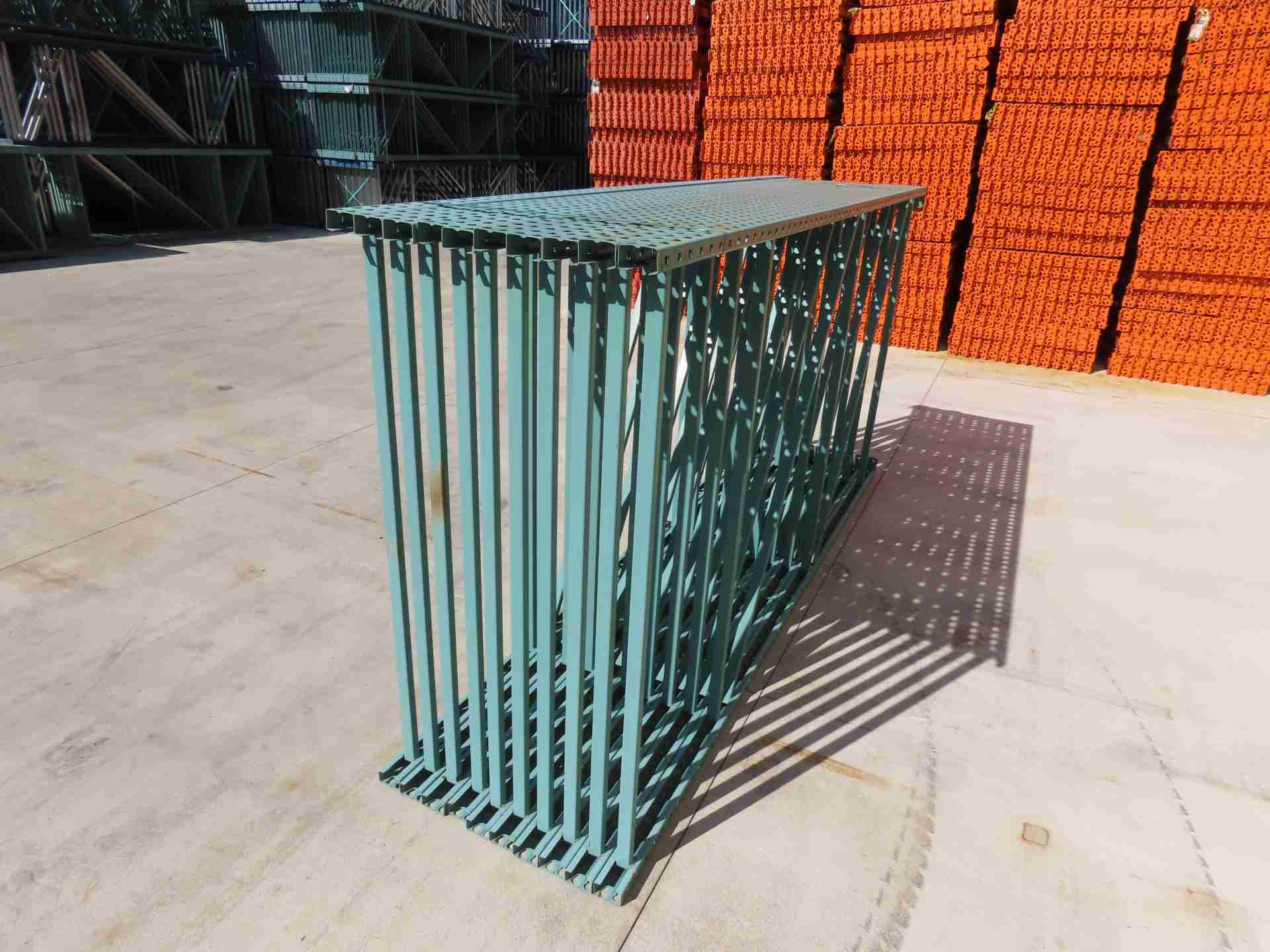
Can Pallet Racking Ensure Product Safety and Integrity?
Can Pallet Racking Ensure Product Safety and Integrity?
- Pallet racking is essential for safely storing and protecting goods in warehouses and shop floors, preventing damage and loss.
- Assembling and using pallet racking requires precision and trust to ensure it securely holds heavy loads without failure.
- Dependable pallet racking saves time, money, and headaches by maintaining product stability and providing clear access.
- It symbolizes a commitment to quality, respect for products, and consideration for workers and downstream customers.
- Solid pallet racking reflects professionalism, pride, and a caring workplace culture that promotes teamwork.
- The system fosters a shared understanding that safety and efficiency are interconnected in daily operations.
- Pallet racking provides an effective, reliable solution that brings order and confidence to material handling environments.
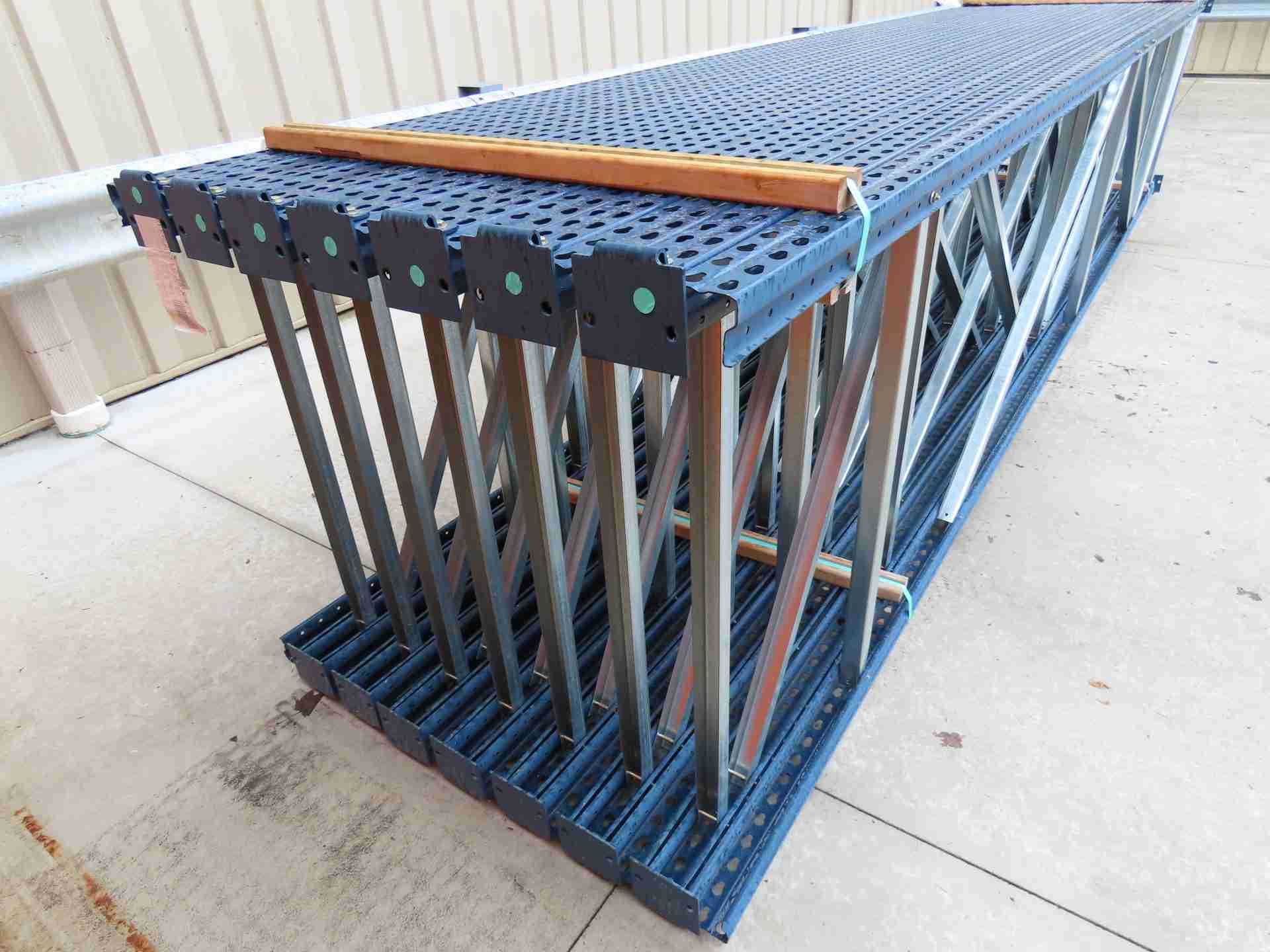
Can Pallet Racking Ensure Product Safety and Integrity?
What Role Does Organization Play In Biotechnology Storage?
You don’t have to be fancy to know one thing: when your biotech materials are all over the place, you’re asking for trouble. It’s like trying to build something solid without a solid plan—waste time hunting, risk contamination, and end up with a mess that nobody wants to touch. That’s where organization earns its keep. It’s the unsung workhorse in biotechnology storage, the quiet partner keeping the whole operation from falling apart.
Take pallet racking, for example. It’s not just a fancy term thrown around in warehouses—it’s the backbone of any well-kept storage space. You stack your materials neat and safe, making the most out of every inch without turning your walkways into a minefield. When your samples are lined up on heavy-duty racks, you can find what you need without second-guessing, and more importantly, you protect those delicate biotech goodies from damage. It ain’t glamorous, but it’s the kind of thing that keeps your data honest and your work moving forward.
At its core, organization in biotech storage is about respect—respect for the science, the work, and the people who depend on it. Every vial or petri dish tells a story, carries information that might one day save a life, or lead to a break in the lab. If you don’t handle these tools with care and order, you’re not just risking inventory losses; you’re risking progress. That’s a weight no one wants to carry, and it’s why a simple system can mean so much.
The best setups come from real hands-on know-how, not just fancy descriptions. Workers on the floor see the chaos before it’s fixed—they know that a good pallet racking system isn’t about being neat for its own sake, but a lifeline in a world where every minute counts. When everyone knows where to find what they need, mistakes drop, confidence climbs, and the whole team pulls together like a well-oiled machine.
You don’t need bells and whistles to understand this truth: good organization turns chaos into clarity, tension into trust. It’s the common-sense bridge between science and safety, a simple step that speaks volumes. If biotech storage is the foundation of discovery, organization is the firm ground it stands on. And that, plain and simple, makes all the difference.

What Role Does Organization Play In Biotechnology Storage?
What Role Does Organization Play In Biotechnology Storage?
- Disorganized biotech materials lead to wasted time, contamination risks, and unusable messes.
- Organization is essential in biotech storage, acting as a crucial support that prevents operational breakdowns.
- Pallet racking is key to efficient storage, maximizing space and protecting delicate samples from damage.
- Proper organization reflects respect for the science, work, and people relying on the materials.
- Mismanagement risks inventory loss and scientific progress, emphasizing the need for simple, effective systems.
- Successful storage solutions come from practical experience and help reduce errors and boost team confidence.
- Good organization transforms chaos into clarity and trust, forming the solid foundation for scientific discovery.

What Role Does Organization Play In Biotechnology Storage?
How Does Pallet Racking Support Regulatory Compliance?
When you’re hauling pallets or stacking boxes in a busy warehouse, it’s easy to overlook the quiet workhorse holding it all together: pallet racking. But here’s the thing—this isn’t just some metal shelving slapped together to catch your goods. It’s the backbone that keeps your operation not only efficient but on the right side of the law. Regulatory compliance isn’t some fancy paperwork nightmare nobody wants to deal with; it’s the safety net that keeps folks from getting hurt and companies from facing hefty fines or worse.
Pallet racking systems are designed with safety codes and industry regulations in mind, making them more than just heavy-duty racks. They act as a built-in safeguard, ensuring loads are stored properly, weight limits are respected, and pathways remain clear. This isn’t guesswork; it’s engineering and standards working hand in hand to avoid accidents that could shutter a business or send someone to the hospital. When your racking meets those requirements, you’re not only ticking boxes—you’re standing behind a promise to your workers and clients that their well-being is taken seriously.
From the ground up, these racks help create order in what could otherwise be a chaotic scene. Picture a warehouse where every pallet’s in its place, no leaning stacks threatening a collapse, no hidden hazards lurking. That kind of order resonates beyond compliance; it builds confidence among employees and visitors alike. People work harder, smarter, and with a bit more peace of mind when they know their gear isn’t about to come crashing down. Pallet racking turns a jumble of inventory into a well-oiled machine, making it easier to follow proper protocols and audits without breaking a sweat.
On the ethical front, investing in proper pallet racking is a quiet act of responsibility — a way to say you care about everyone who pitches in, whether they handle the forklifts or count inventory in the quiet of the night. It’s a reminder that every nail, bolt, and beam is part of a safety culture that holds human life above all else. That’s the kind of respect a company earns, not just from regulators, but from the people who keep it running day after day.
Pallet racking isn’t just steel and spacing; it’s a critical chapter in the story of compliance, safety, and respect. Giving it the attention it deserves means you’re not only following rules—you’re building a legacy of trust, reliability, and care, one pallet at a time.

How Does Pallet Racking Support Regulatory Compliance?
How Does Pallet Racking Support Regulatory Compliance?
- Pallet racking is essential for warehouse efficiency and legal compliance, serving as the backbone of operations.
- These systems are built following safety codes and industry regulations to ensure proper load storage, weight limits, and clear pathways.
- Compliance with pallet racking standards helps prevent accidents, protecting both workers and businesses from harm and financial penalties.
- Pallet racking creates order in warehouses, eliminating hazards like unstable stacks and enabling smoother inventory management.
- Properly maintained racking boosts employee confidence and productivity by ensuring a safer work environment.
- Investing in quality pallet racking demonstrates ethical responsibility and commitment to worker safety and well-being.
- Overall, pallet racking represents a foundation of compliance, safety, and respect that builds trust and reliability within the company.
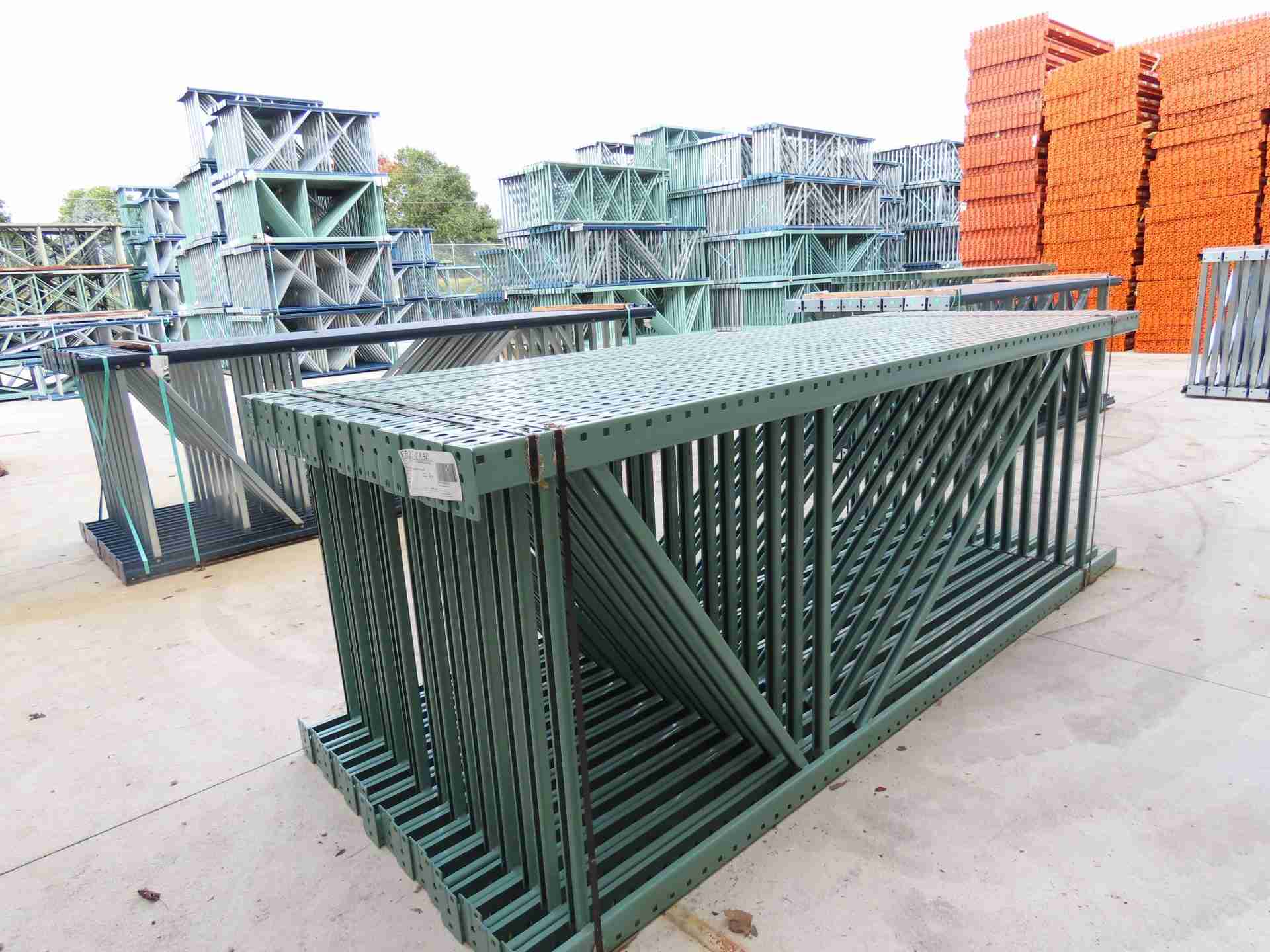
How Does Pallet Racking Support Regulatory Compliance?
Can Pallet Racking Reduce Contamination Risks In Storage?
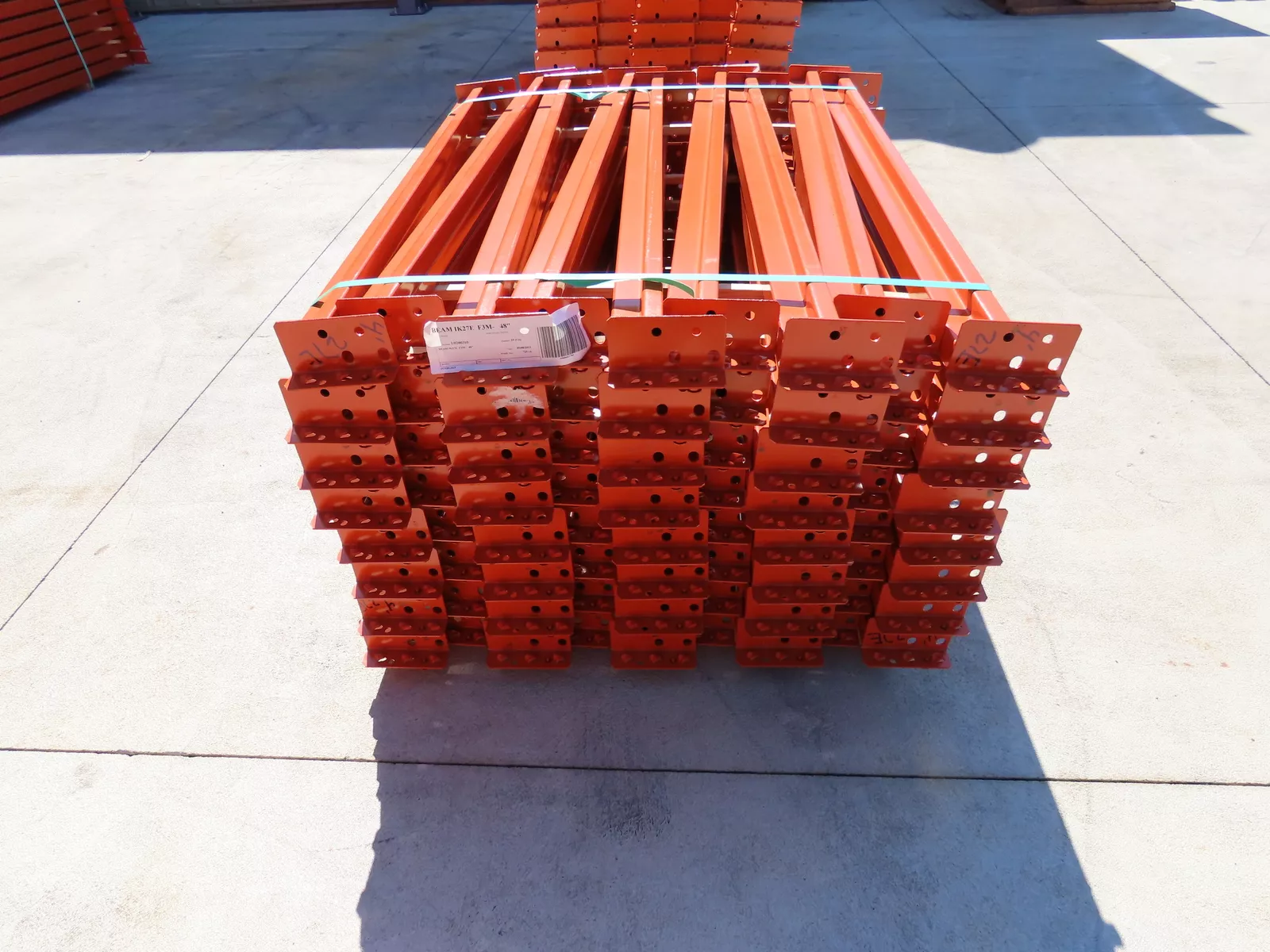
Look, when you’ve been around warehouses or storerooms long enough, you learn that cleanliness isn’t just about looking presentable—it’s about making sure what you store doesn’t get messed up in ways you can’t easily see. Pallet racking isn’t just some fancy metal shelving; it’s a practical tool that keeps your goods off the floor, away from dirt, pests, and spills. When stuff is sitting right on the ground, it’s basically asking for trouble – moisture, dust, or who knows what else creeping in. Pallet racking raises things up, giving air space underneath and making it easier to spot any issues before they become expensive problems.
From a straightforward, bottoms-up kind of thinking, pallet racking cuts down the chance of cross-contamination in ways that make sense. Products stay tidy and separated, not piled up haphazardly where one leaky package can wreck the whole batch. It encourages organized stacking, which means you can rotate stock based on dates, check for damage regularly, and keep things cleaner overall. Those little things add up, and they mean fewer headaches from spoiled goods or health code violations. We’re talking about preventing messes that burden your team physically and mentally, day in and day out.
Ethically, when you use pallet racking to maintain cleaner storage, you’re doing right by everybody – your workers, the customers, the whole supply chain. It’s about owning responsibility for safe, sound storage instead of turning a blind eye. This kind of stewardship builds trust – people want to know that their food, parts, or supplies haven’t been compromised. That trust is currency in any business, especially in storage where someone’s livelihood or safety could depend on proper handling.
The experience proves it: places that invest in sturdy pallet racking systems don’t just look sharper – they perform better. Staff feel safer, inspections go smoother, and you cut out a lot of wasted time chasing down contamination or damage. It’s a no-brainer that aligns good work with good sense.
So, if keeping contamination risks tight and trimming down losses matters to you, pallet racking isn’t just a shelf; it’s a simple, honest solution with the power to change your storage game for the better.
Can Pallet Racking Reduce Contamination Risks In Storage?
Can Pallet Racking Reduce Contamination Risks In Storage?
- Pallet racking keeps goods off the floor, protecting them from dirt, pests, moisture, and spills.
- Elevating products allows air circulation and early detection of potential issues.
- Helps prevent cross-contamination by keeping products tidy, separated, and organized.
- Supports stock rotation and regular damage checks, reducing spoilage and health code violations.
- Promotes ethical responsibility for safe storage, benefiting workers, customers, and the supply chain.
- Builds trust by ensuring products remain uncompromised throughout storage.
- Improves warehouse performance by enhancing safety, facilitating inspections, and minimizing wasted time and losses.

Can Pallet Racking Reduce Contamination Risks In Storage?
Conclusion
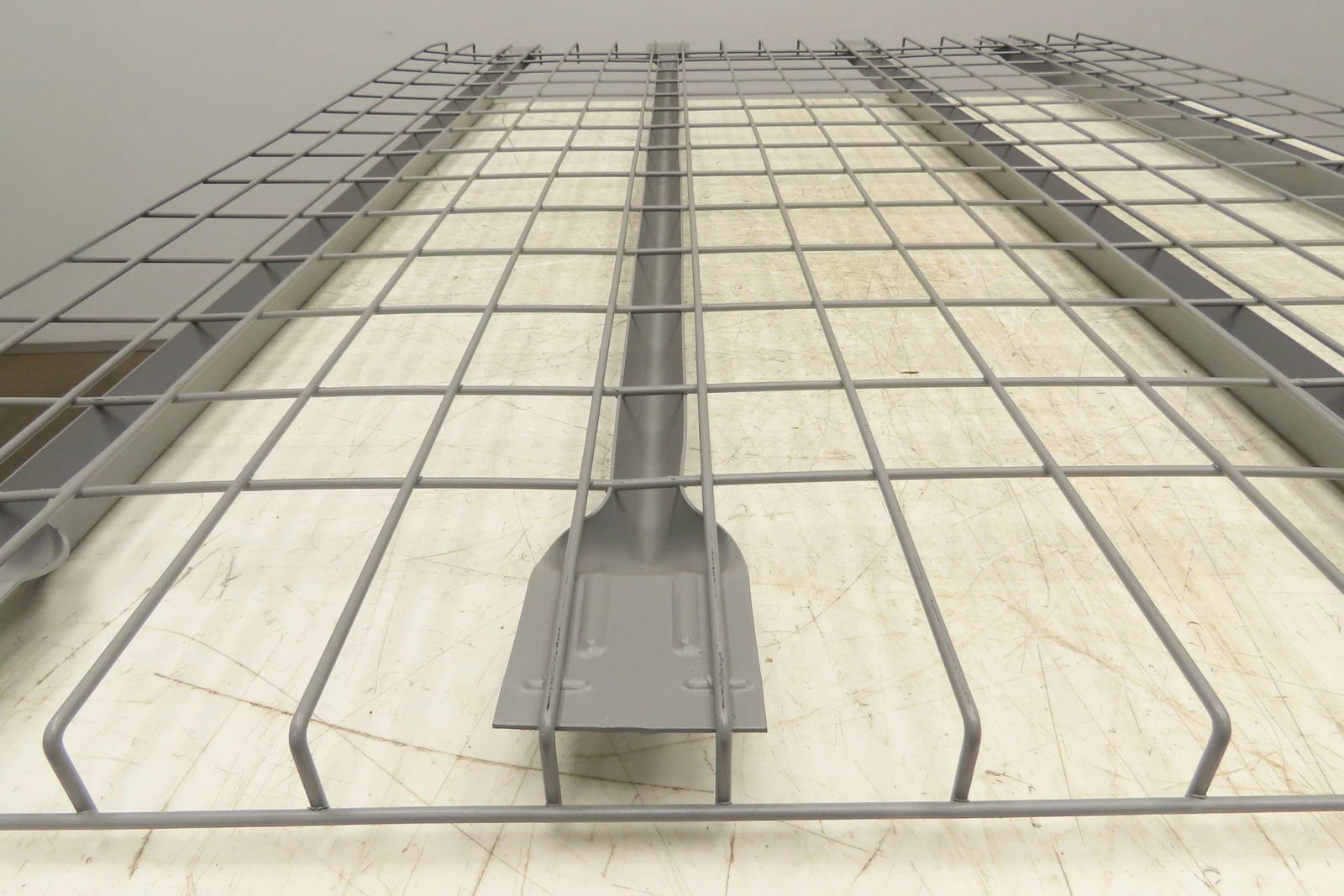
Biotechnology storage isn’t just about warehousing—it’s about safeguarding hope, innovation, and lives hanging in the balance. Pallet racking is the unsung hero in this story, a straightforward tool built for real-world grit and precision. It’s the backbone that keeps everything steady, organized, and reliable when every moment counts. These racks don’t just stack pallets; they hold trust—a trust born from knowing that what’s stored might be tomorrow’s lifesaver. The folks on the ground, boots on the floor, know that pallet racking isn’t some fancy add-on; it’s the difference between smooth operations and costly, heartbreaking mistakes.
Biotech storage facilities face a relentless grind where every inch of space, degree of temperature, and moment’s delay can make or break the chain of discovery. Pallet racking systems tackle this head-on by turning chaos into clarity. They maximize storage without sacrificing safety, cutting wasted time hunting for what’s needed and reducing the risk of damage or contamination. For those working these floors, pallet racking is about respect—respect for the science in every vial, the patients waiting on breakthroughs, and the coworkers hustling to keep it all going without slip-ups. This system isn’t just engineered for efficiency; it’s designed to protect—the products, the people handling them, and the mission driving the whole operation.
Good pallet racking packs a punch beyond mere convenience. It improves storage efficiency by making every inch count, saving hard-earned time and easing the physical toll on workers. It’s reliable because it’s built with the hard lessons of experience, steady under pressure and flexible enough to adapt as biotech storage evolves. Plus, it supports regulatory compliance by meeting safety codes that protect workers and products alike, turning a chaotic warehouse into a well-oiled machine where risks and fines are kept at bay without sacrificing pace or accuracy.
Contamination is the enemy in biotech storage, and pallet racking is a practical line of defense, keeping precious goods off the floor and away from dust, moisture, and cross-contamination. It creates clean, organized spaces where samples stay intact, inspections run smoother, and confidence grows. This simple act of raising pallets represents a deep ethical responsibility—protecting the chain from start to finish and honoring the trust placed in every stored item.
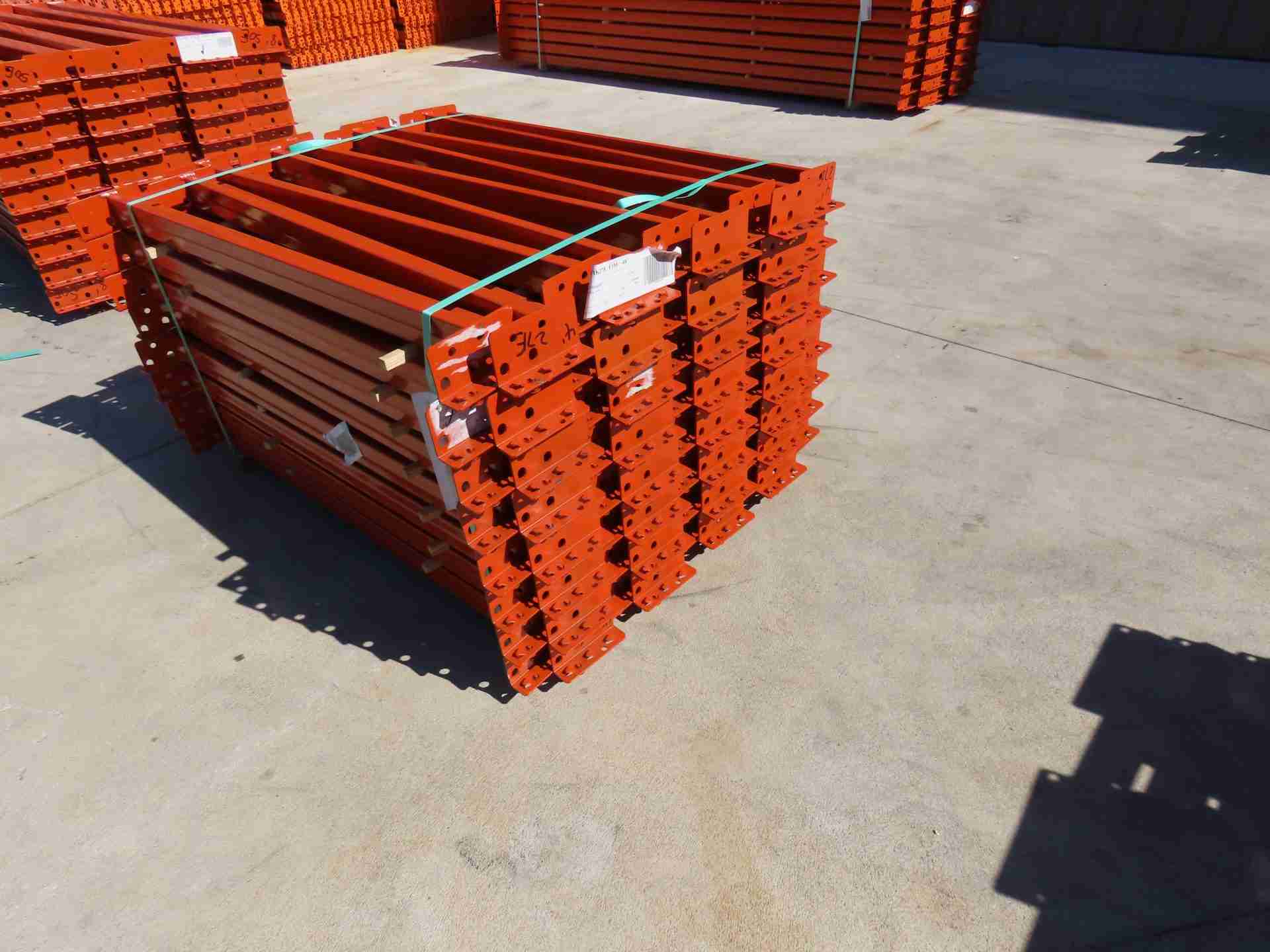
In the end, pallet racking stands as a quiet but mighty partner in biotech storage. It’s a common-sense solution shaped by hands-on know-how, a firm foundation where science can rest easy and progress moves forward. It’s about building a legacy of safety, efficiency, and respect—one solid pallet at a time.
Conclusion
Conclusion:
- Biotechnology storage relies on pallet racking to maintain organization, stability, and reliability, safeguarding critical and potentially life-saving materials.
- Pallet racking maximizes space utilization, enhances safety, and reduces time wasted searching for items, minimizing the risk of damage or contamination.
- These systems improve storage efficiency, ease worker strain, and are built to withstand pressure while adapting to evolving biotech storage needs.
- Pallet racking supports regulatory compliance by meeting safety standards, helping prevent fines and ensuring smooth, accurate warehouse operations.
- By keeping goods off the floor, pallet racking protects against contamination, maintaining sample integrity and facilitating smoother inspections.
- The system embodies a deep ethical responsibility to protect the entire storage chain and honor the trust placed in stored biotech items.
- Overall, pallet racking is a fundamental, practical solution essential for safety, efficiency, and progress in biotechnology storage environments.
Conclusion
Other Resources

Other Resources
Here is a list of other resources you can review online to learn more:
- Warehousing Education and Research Council: https://www.werc.org/
- Selective Pallet Racking Systems
- Teardrop Racks – Pallet Rack World
- What is Selective Racking: Understanding Benefits & Options
- American Surplus
- Interlake Mecalux
- Teardrop Pallet Rack – Ridg-U-Rak
- ASSP
- What is Cantilever Racking? – AK Material Handling Systems
- RMI
- Selective Pallet Racking Systems – Container Systems
- Mustang Material Handling
- Cantilever Racking Specialists – Get the Right Racks
- Wolter
- Interlake Mecalux
- Rack Manufacturers Institute
- Illinois Pallet Racking – Storage Solutions
- Cantilever Rack Configuration & Installation: A Comprehensive Guide – BMH
- Warehousing and Fulfillment
- Teardrop Industrial Shelving Rack
Use This Prompt To Get More Resources With Your Favorite Online AI Tool: Please provide me with a list of online articles with their URLs in a bulleted list that I can read regarding How Do Biotechnology Storage Facilities Leverage Pallet Racking?

Other Resources
Glossary Terms
How Do Biotechnology Storage Facilities Leverage Pallet Racking? – Glossary Of Terms
1. Biotechnology Storage Facilities: Specialized warehouses designed to store biological materials and products under controlled conditions.
2. Pallet Racking: A storage system that uses pallets to hold goods in horizontal rows with multiple levels.
3. Pallet: A flat transport structure that supports goods in a stable fashion while being lifted by a forklift or pallet jack.
4. Controlled Environment: An area where temperature, humidity, and other conditions are regulated to preserve sensitive materials.
5. Temperature Control: The maintenance of specific temperature ranges crucial for storing biotech materials.
6. Humidity Control: The regulation of moisture levels to prevent degradation of biological products.
7. Inventory Management: The process of tracking and managing stock levels within storage facilities.
8. FIFO (First In, First Out): An inventory method where older stock is used before newer stock.
9. LIFO (Last In, First Out): An inventory method where newer stock is used before older stock.
10. Load Capacity: The maximum weight a pallet rack or pallet can safely support.
11. Rack Configuration: The design and layout of pallet racks to optimize space and accessibility.
12. Accessibility: The ease with which stored items can be retrieved from pallet racks.
13. Automation: Use of computerized systems and robotics in managing storage and retrieval.
14. Cold Storage: Storage maintained at low temperatures to preserve biotech materials.
15. Cleanroom: A controlled space with low levels of pollutants for storing sensitive biotech products.
16. Traceability: The ability to track goods through all stages of storage and distribution.
17. Cross-Contamination: Unwanted transfer of substances that can compromise biological samples.
18. Safety Compliance: Adherence to regulations and standards governing biotech storage.
19. Load Stability: The security of palletized goods to prevent shifting or collapsing.
20. Vertical Space Utilization: Maximizing storage capacity by using the height of the facility.
21. Environmental Monitoring: Continuous checking of conditions like temperature and humidity.
22. Load Distribution: Even placement of weight to maintain structural integrity of racks.
23. Ergonomics: The design of storage systems to reduce strain and injury during handling.
24. Seismic Safety: Measures to secure racks and pallets in areas prone to earthquakes.
25. Cold Chain: A temperature-controlled supply chain crucial for biotech products.
26. Inventory Turnover: The rate at which inventory is used and replenished in storage.
27. Pallet Jack: A tool used to lift and move pallets within a warehouse.
28. Forklift: A powered industrial truck used to lift and move pallets on racks.
29. Storage Density: Amount of product stored within a given space.
30. Modular Racking: Pallet racks designed for easy reconfiguration and scalability.

Glossary Of Terms
Other Questions
How Do Biotechnology Storage Facilities Leverage Pallet Racking? – Other Questions
If you wish to explore and discover more, consider looking for answers to these questions:
- What specific types of pallet racking are best suited for biotech materials?
- How do pallet racking systems accommodate temperature-controlled storage (refrigeration and freezers)?
- What load capacity and weight-distribution considerations are critical for biotech pallets?
- How does racking design help prevent contamination and cross-contamination?
- What rack materials and coatings are recommended for cleanability and corrosion resistance?
- How do pallet racks integrate with HVAC and airflow requirements to maintain environmental control?
- What fire suppression and sprinkler compatibility issues affect pallet racking in biotech facilities?
- How do pallet racking systems support regulatory compliance (FDA, GMP, ISO) and audits?
- What validation, documentation, and recordkeeping are required for racking used in regulated storage?
- How often should racking be inspected, tested, and maintained in biotech environments?
- What training and procedures do staff need for safe loading, unloading, and rack interaction?
- How can racking be configured to support FIFO, FEFO, and other inventory rotation strategies?
- How is traceability and inventory control implemented with pallet racking (barcodes, RFID, WMS)?
- What automation options (ASRS, conveyors, robotics) are compatible with various racking types?
- How are cold-chain and cryogenic items handled on pallet racks to maintain integrity?
- What are best practices for labeling, signage, and zone identification on racks for quick retrieval?
- How do seismic, wind, and structural codes influence racking design and anchoring requirements?
- How can racking reduce risks during spills, leaks, or damaged packages?
- What cleaning and sterilization protocols should be followed for racks in biotech storage?
- How do racking layouts impact forklift access, ergonomics, and material-handling safety?
- What physical and cyber security measures are recommended around racked storage areas?
- How is load testing performed, and how are weight limits enforced to prevent overload?
- What modular or scalable racking options exist to accommodate growth or process changes?
- How do racking choices affect energy efficiency and overall operational costs?
- What is the typical installation timeline and operational disruption when retrofitting racks?
- What warranty, certification, and supplier qualifications should buyers require?
- How does racking accommodate hazardous materials, controlled substances, or biosafety levels?
- How are emergency response, containment, and recall procedures supported by rack organization?
- What are the long-term lifecycle, inspection, and replacement considerations for pallet racks?
- How is environmental monitoring (temperature, humidity sensors) integrated with rack locations and WMS?
- How do racking solutions support regulatory inspections and third-party audits in practice?
- What insurance implications and liability considerations relate to rack selection and safety programs?
- How do you manage mixed-compatibility storage (different temperatures, chemistries, or sensitivities) on the same racking system?
- What are the cost-versus-benefit and ROI considerations for investing in advanced racking technologies?
- Are there case studies or performance benchmarks that demonstrate improvements from specific racking upgrades?
Other Questions
Checklist
How Do Biotechnology Storage Facilities Leverage Pallet Racking? – A Checklist
Strategic Intent and Inventory Profile
✅______ Product types and risk classes defined (for example: vaccines, samples, hazardous)
✅______ Environmental ranges per product documented (temperature, humidity)
✅______ Shelf life policy set and enforced (FIFO/FEFO)
✅______ Handling requirements captured (orientation, shock, light sensitivity)
Facility and Environment
✅______ Temperature mapping completed; continuous monitoring in place
✅______ Humidity control and logging implemented
✅______ Backup power for cold storage validated and tested
✅______ Airflow and clearance maintained around racks and equipment
Rack Design and Specification
✅______ Rack type matched to SKU mix and velocity (selective, flow, drive-in, mobile)
✅______ Materials suitable for cold/corrosive environments (for example: galvanized)
✅______ Load ratings calculated; plaques posted at each bay
✅______ Seismic design and anchoring compliant with local code
✅______ Pallet standards defined (size, condition, overhang limits)
✅______ Aisle width matched to material handling equipment
Safety and Product Integrity
✅______ End-of-aisle guards and column protectors installed
✅______ Rack backstops/mesh to prevent push-through installed where needed
✅______ Pallet inspection before putaway (damage, contamination)
✅______ Weight verification prior to placement on beams
✅______ Segregation for hazardous/temperature-sensitive materials
✅______ Spill containment for liquids and absorbents available
Organization and Workflow
✅______ Location schema standardized and visible (aisle-bay-level-position)
✅______ Barcode/RFID integrated with WMS locations
✅______ Defined pick/putaway paths and staging zones
✅______ FIFO/FEFO enforced via process and rack selection (for example: pallet flow)
✅______ Quarantine, returns, and kitting areas clearly designated
✅______ Aisles kept clear; 5S housekeeping practiced
Contamination Control
✅______ All inventory stored off-floor with required clearance
✅______ Cleaning schedule for racks, floors, and touchpoints
✅______ Pest control program active and documented
✅______ Lot/batch segregation rules applied; dedicated racks if required
✅______ SOPs for leaks, breakage, and disposal in place
Compliance and Documentation
✅______ SOPs for storage, handling, and temperature excursions current
✅______ Change control for rack modifications and layout changes
✅______ Qualification/validation files for storage areas (IQ/OQ/PQ) maintained
✅______ Training records current; forklift/operator certifications verified
✅______ Routine rack inspections logged; corrective actions tracked
✅______ GDP/GMP alignment; audit trail accessible
✅______ Required signage posted (load limits, PPE, emergency exits)
Monitoring and Technology
✅______ Calibrated sensors with traceable certificates
✅______ Alarm thresholds set; notification escalation tested
✅______ Data backups for monitoring/WMS; access controls in place
✅______ Redundant or dual sensors in critical zones
Maintenance and Lifecycle
✅______ Preventive maintenance plan for racks and MHE
✅______ Damage criteria defined; tag-out and repair process enforced
✅______ Spare components available (beams, clips, anchors)
✅______ Engineering review after impacts or reconfigurations
Security and Access
✅______ Controlled access to high-value/regulated materials
✅______ Visitor controls and escort policy enforced
✅______ Chain-of-custody records for releases and shipments
Throughput and Efficiency
✅______ Slotting analysis reviewed at least quarterly
✅______ KPIs tracked (pick rate, cycle time, utilization, error rate)
✅______ Peak/seasonal overflow strategies defined
✅______ Ergonomic assessments at pick faces; lift-assist where needed
Emergency Readiness
✅______ Fire protection matched to commodity and rack type (in-rack sprinklers if needed)
✅______ Egress routes clear; lighting/markings adequate (including cold rooms)
✅______ Temperature excursion response kits and SOPs available
✅______ Business continuity plan for outages and equipment failures
Culture and Accountability
✅______ Daily safety huddles and near-miss reporting active
✅______ Stop-work authority empowered across teams
✅______ Visual boards display performance, quality, and safety metrics
Handover and Review
✅______ Annual risk assessment (for example: FMEA) on storage processes
✅______ Management review of audits and continuous improvements
✅______ Vendor qualification for rack suppliers, inspectors, and service providers

Checklist
At RackingWorld, we help guide you through selecting warehouse storage systems and racking.
Be sure to read our other related stories at RackingWorld to learn more about warehouse storage systems.
0 Comments