
Unlock Strength, Efficiency, And Safety: Cantilever Racking’S Impact Explained
By Tom Seest
At RackingWorld, we help guide you through selecting warehouse storage systems and racking.
Be sure to read our other related stories at RackingWorld to learn more about warehouse storage systems.
How Do Angle Iron and Channel Stock Yards Leverage Cantilever Racking?
When you walk into a stock yard stacked high with angle iron and channel, you don’t just see piles of metal; you see the backbone of hard work and smart planning. Cantilever racking turns that potential chaos into order, a no-nonsense solution that respects the grit and sweat behind every beam and bar. Pallet racking systems get a lot of play in warehouses, but when it comes to handling long, awkward pieces like angle iron and channel stock, cantilever racking shines bright—like the dependable workhorse you count on when the job gets tough.
Here’s the deal: angle iron and channel stock aren’t your standard boxed goods. Their length and shape make them a pain to stack safely and efficiently with ordinary racks. Cantilever racking grabs this challenge by the horns, offering open, horizontal arms that hold these long items securely, making loading and unloading faster, safer, and less of a headache. It’s built tough, with steel that can take a hit and a lean, clean design that maximizes space without sacrificing accessibility. This isn’t just about neatness; it’s about respect for the product and the people handling it.
You feel it: the confidence in knowing your steel won’t accidentally tip or fall, the peace of mind that comes from solid engineering backed by experience. When every piece matters to your bottom line, the last thing you want is wasted time or broken materials due to a racking system that’s not up to snuff. Cantilever racks are made to handle the tough shapes and sizes that angle iron and channel bring to the table, saving you money and frustration by doing the job right the first time.
Trust here isn’t given lightly—earned by design that’s stood the test of countless job sites and stock yards. The ethical choice is clear: protect your workers, your materials, and your workflow. A sound racking system that respects those values is more than metal and bolts; it’s a cornerstone of a well-run operation. When everyone from the forklift driver to the floor manager nods at how smoothly things run, you know you’ve made the right call.
At its heart, cantilever racking in these yards is more than a storage solution—it’s a story of grit meeting smart design, of metal arms cradling steel beams in a way that honors the craft behind the materials. It invites trust, reduces risk, and delivers a straightforward, honest answer to how you handle the heavy stuff that keeps your business moving. It’s hands-on, no-nonsense common sense you can bank on.

How Do Angle Iron and Channel Stock Yards Leverage Cantilever Racking?
How Do Angle Iron and Channel Stock Yards Leverage Cantilever Racking?
- Cantilever racking transforms disorganized stock yards of angle iron and channel into orderly, efficient spaces, respecting the hard work behind the materials.
- Unlike standard pallet racks, cantilever racks are specifically designed with open horizontal arms to securely hold long, awkward items like angle iron and channel stock.
- The system facilitates faster, safer loading and unloading while maximizing space and maintaining easy accessibility.
- Built with durable steel, cantilever racks provide stability and prevent tipping or falling, ensuring material safety and minimizing waste.
- Proven design backed by extensive experience makes cantilever racking reliable, protecting workers, materials, and workflow.
- Widely trusted across job sites and stock yards, it supports efficient operations recognized by all levels of staff.
- More than just storage, cantilever racking embodies practical, no-nonsense solutions that honor the craftsmanship of the materials handled.
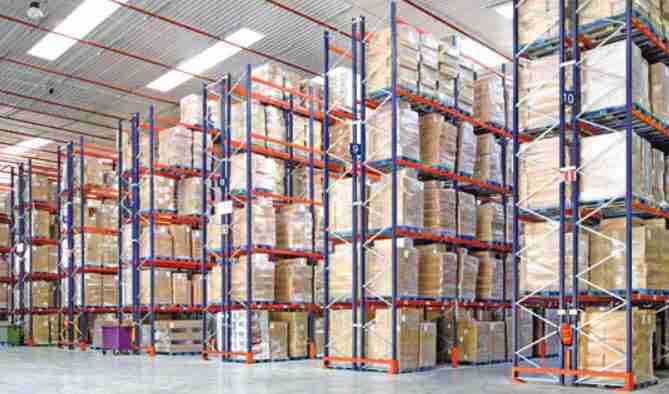
How Do Angle Iron and Channel Stock Yards Leverage Cantilever Racking?
Table Of Contents
- How Do Angle Iron and Channel Stock Yards Leverage Cantilever Racking?
- What Makes Cantilever Racking Ideal for Angle Iron Storage?
- How Does Cantilever Racking Improve Space Efficiency?
- Can Cantilever Racks Support Varying Lengths Of Channel Stock?
- Why Choose Angle Iron Yards for Cantilever Racking Systems?
- Does Cantilever Racking Reduce Damage to Stored Materials?
- What Safety Benefits Do Cantilever Racks Offer In Stock Yards?
- Conclusion
- Other Resources
- Glossary Of Terms
- Other Questions
- Checklist
What Makes Cantilever Racking Ideal for Angle Iron Storage?
When you work around steel all day, you learn pretty quick that not all storage solutions are cut out for every job. Pallet racking has its place, sure, but when it comes to angle iron, cantilever racking steps up like the reliable workhorse it is. It’s built for the kind of heavy lifting and awkward shapes that steel brings to the table—no fuss, no wasted space, just straightforward, tough-as-nails storage.
Here’s the thing: angle iron isn’t neat or easy to handle. It’s long, heavy, and comes in odd sizes that make pallets and boxes look irresistibly simple. Pallet racking, with its beams and decks designed for stacked boxes, can leave you fighting with extra supports or creative balancing acts. Cantilever racks toss that hassle aside because they’re open on one side with arms that hold each piece just right. You grab what you need without shimmying through a maze or risking a finger pinched under a shifting load. Doesn’t sound glamorous, but trust me, this kind of practical design saves you time and sweat every day.
On a gut level, there’s a concrete satisfaction when you walk into a shop, see rows of angle iron lined up solid and organized on cantilever racks, and know the job ahead won’t be a wrestling match. It’s confidence built on experience, a quiet promise that your materials will be where you left them—no mess, no chaos breaking your rhythm or stretching your patience.
Ethically, it’s about respect—respect for the tools, the work, and the people who turn raw steel into something useful. Cantilever racking protects your inventory and the people handling it. It cuts down on injury risks by letting you lift and stack safely. You’re not just storing metal; you’re fostering a workspace where everyone gets home in one piece.
Authority-wise, those who’ve run steel yards and fabricating shops know this isn’t theory — it’s tried and true practice. The best warehouses rely on cantilever because it works without complication. You don’t need fancy gadgets; you just need solid engineering designed with the job in mind.
Cantilever racking for angle iron is a simple, no-nonsense solution that earns your trust every day. It’s about working smarter, lifting safer, and storing better. When the work is tough and the steel is unforgiving, cantilever racking is the backbone that keeps your operation running straight and strong.
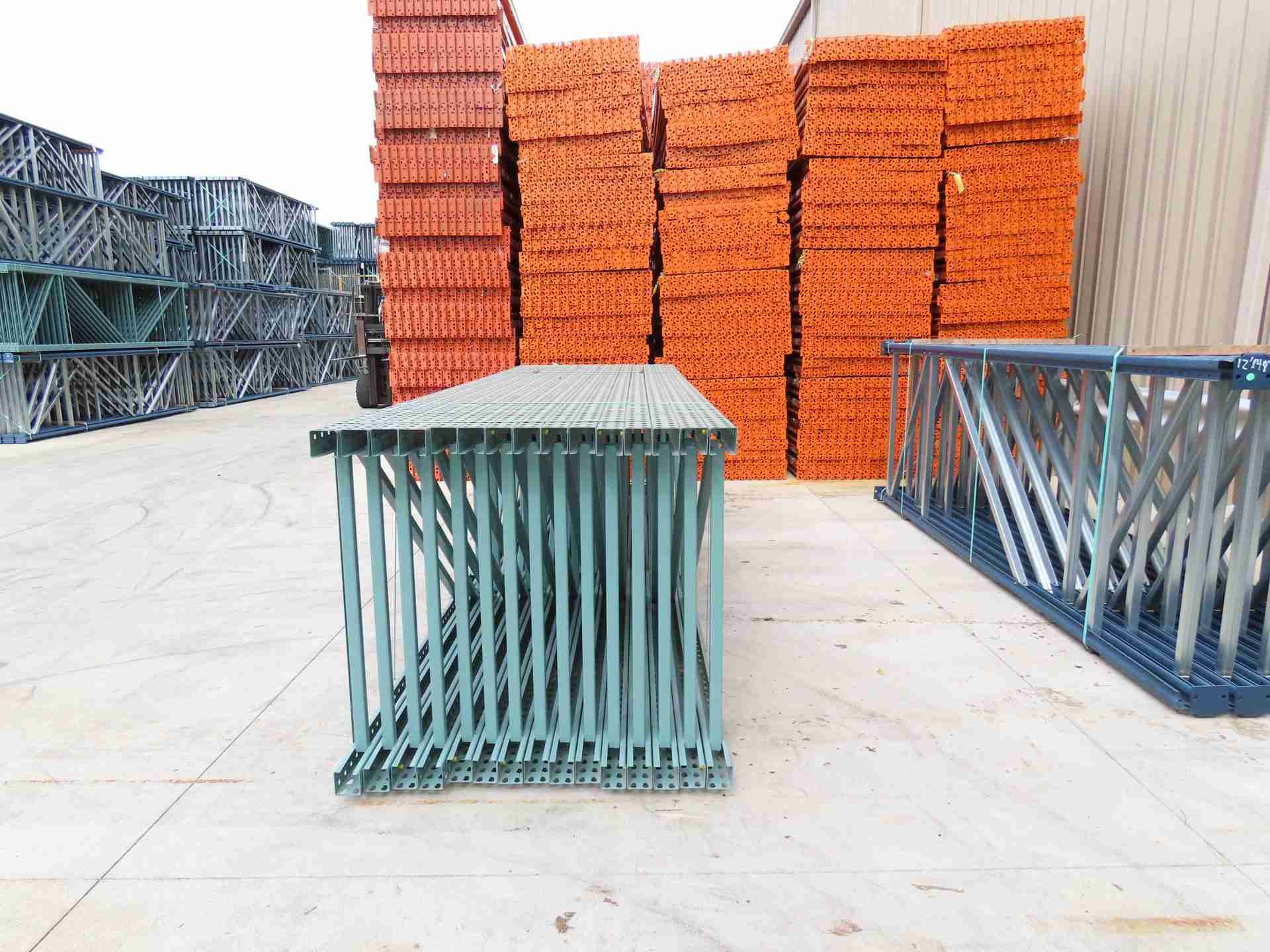
What Makes Cantilever Racking Ideal for Angle Iron Storage?
What Makes Cantilever Racking Ideal for Angle Iron Storage?
- Cantilever racking is ideal for heavy, awkward steel like angle iron, offering durable and efficient storage compared to pallet racking.
- Angle iron’s long, heavy, and irregular shapes make pallet racking impractical, while cantilever racks hold each piece securely and allow easy access.
- Cantilever racks eliminate the need for extra supports or balancing acts, reducing risks like injury and material shifting.
- Organized rows of angle iron on cantilever racks build confidence and streamline workflow by preventing chaos and mess.
- The system respects both the tools and workers by protecting inventory and minimizing injury during lifting and stacking.
- Experienced steel yard and fabricating shop operators endorse cantilever racking as a proven, practical storage solution without unnecessary complexity.
- Cantilever racking supports smarter, safer, and better storage, serving as the reliable backbone in tough steel-handling environments.
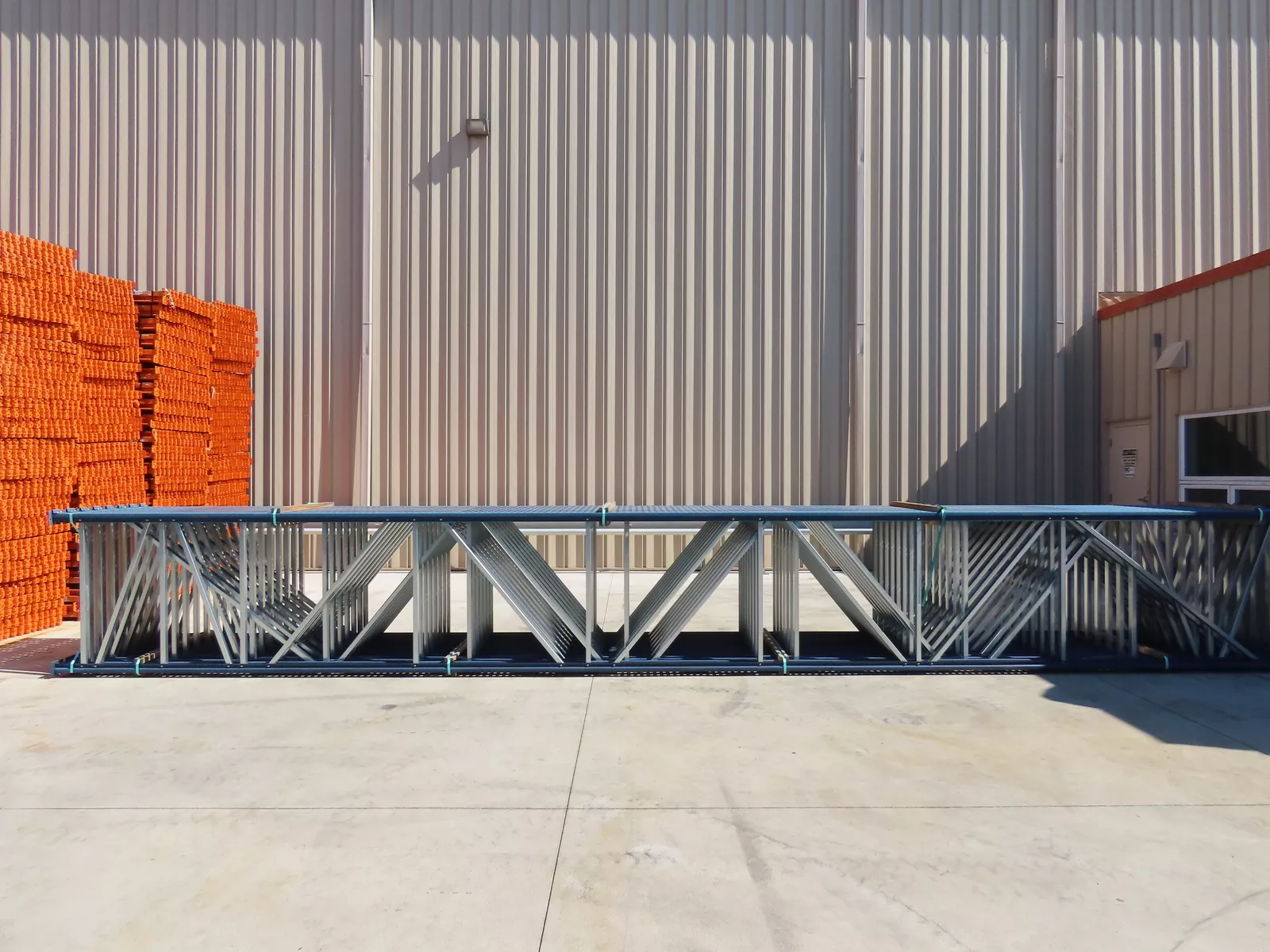
What Makes Cantilever Racking Ideal for Angle Iron Storage?
How Does Cantilever Racking Improve Space Efficiency?
When you’ve been around warehouses and workshops as long as some of us have, you quickly learn that space isn’t just something to fill — it’s the lifeblood of getting the job done right. Cantilever racking steps in here like a trusted old workhorse, turning what seems like a cramped, cluttered mess into a lean, organized powerhouse. Unlike traditional pallet racking that boxes you in with upright frames and shelves, cantilever racking opens up the horizon, letting you stack big, bulky stuff with room to breathe. That means long pipes, lumber, or sheets of metal are no longer wedged awkwardly in tight corners, making every inch count without the hassle.
You see, the magic lies in its design: arms stick out from a single column, no pesky front posts in the way, giving you easy access and flexibility to store oddly shaped or oversized items. From a practical standpoint, that saves time and reduces frustration because you’re not wrestling gear around just to reach the back of a shelf. And who wants to waste hours fumbling with pallets when every minute you save on handling means more gets done? This isn’t just about jamming stuff closer together in a desperate, space-saving scramble; it’s about smartly moving, stacking, and storing to keep workflows smooth and efficient.
On the gut level, imagining your workspace without cantilever racking is like picturing a pickup truck with half the bed missing—there’s just no room to haul what you need, no matter how tough you try. And feeling cramped or disorganized isn’t just physically irritating; it’s a daily grind that wears you down. This system respects the hard work you put into your craft, offering a setup that makes your daily grind easier and your team’s efforts more visible and valued. It’s a small change that shows you care — for your tools, your team, and the job.
There’s something ethical, too, in working smarter with the resources at hand rather than stretching your space until it snaps. Efficient use of space means less waste, fewer hazards, and a cleaner, safer place for everyone to clock in and feel solid about the workday ahead. And when your operation runs smoother, it doesn’t just boost morale; it earns respect from clients and partners who see that you’ve got your act together.
So, if pallet racking has been your trusty baseline, cantilever racking builds on that legacy with a no-nonsense, practical upgrade that’s as rugged and reliable as the folks who run the shop floor. It’s about owning your space, making the most of it, and getting the job done right every single time.

How Does Cantilever Racking Improve Space Efficiency?
How Does Cantilever Racking Improve Space Efficiency?
- Cantilever racking transforms cramped, cluttered spaces into organized, efficient storage areas, especially for bulky items like pipes, lumber, and metal sheets.
- Its design features arms extending from a single column without front posts, allowing easy access and flexible storage of oversized or oddly shaped items.
- This system saves time and reduces frustration by eliminating the need to maneuver around front posts or pallets to reach stored materials.
- Cantilever racking improves workflow efficiency by enabling smart stacking and storage rather than just maximizing space in a cramped way.
- It respects workers’ efforts by making daily tasks easier and making team contributions more visible and valued.
- Efficient space use reduces waste and hazards, creating a cleaner, safer workplace that boosts morale and earns client and partner respect.
- Building on traditional pallet racking, cantilever racking offers a rugged, practical upgrade that helps teams own their space and complete jobs effectively.
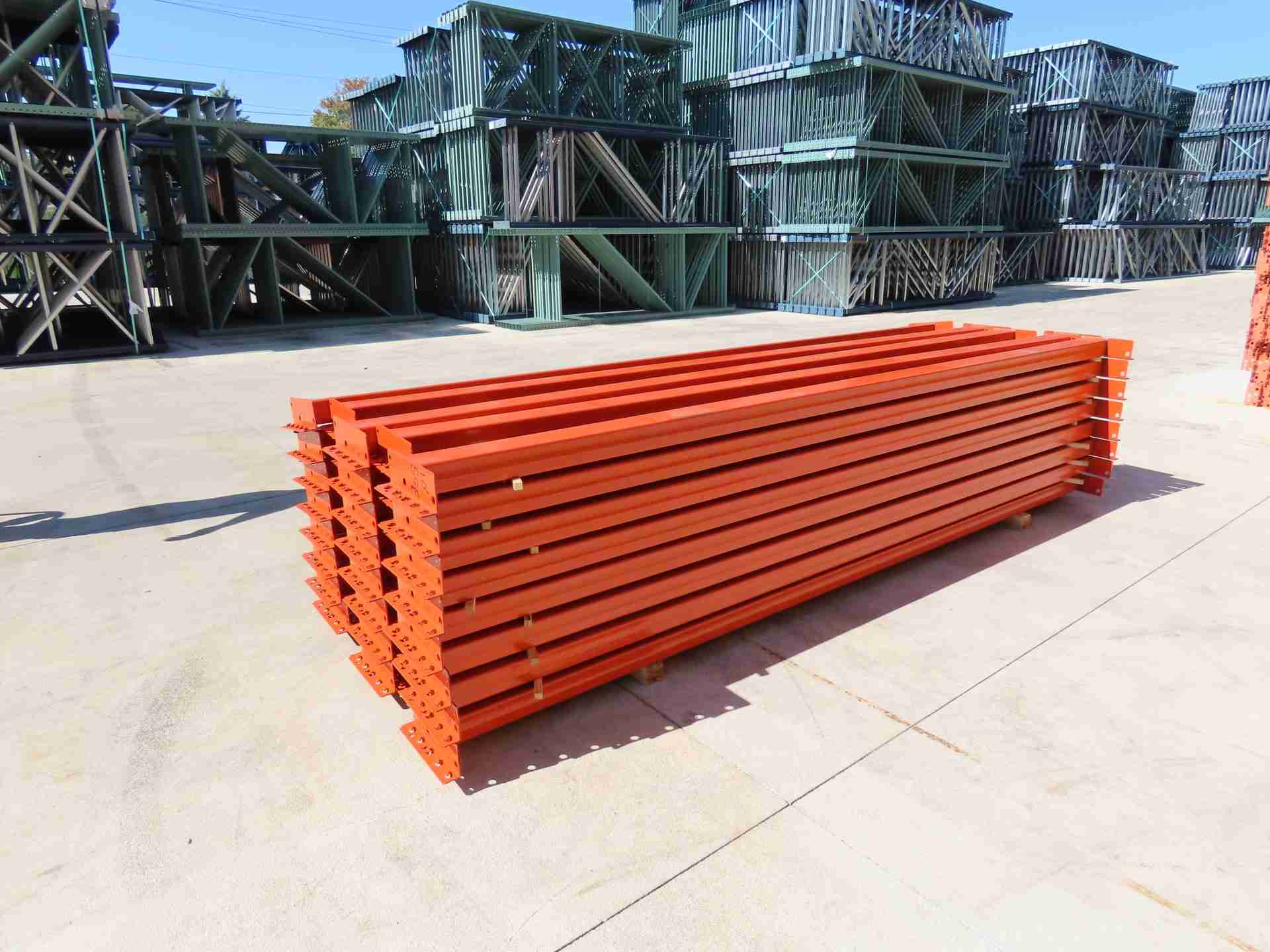
How Does Cantilever Racking Improve Space Efficiency?
Can Cantilever Racks Support Varying Lengths Of Channel Stock?
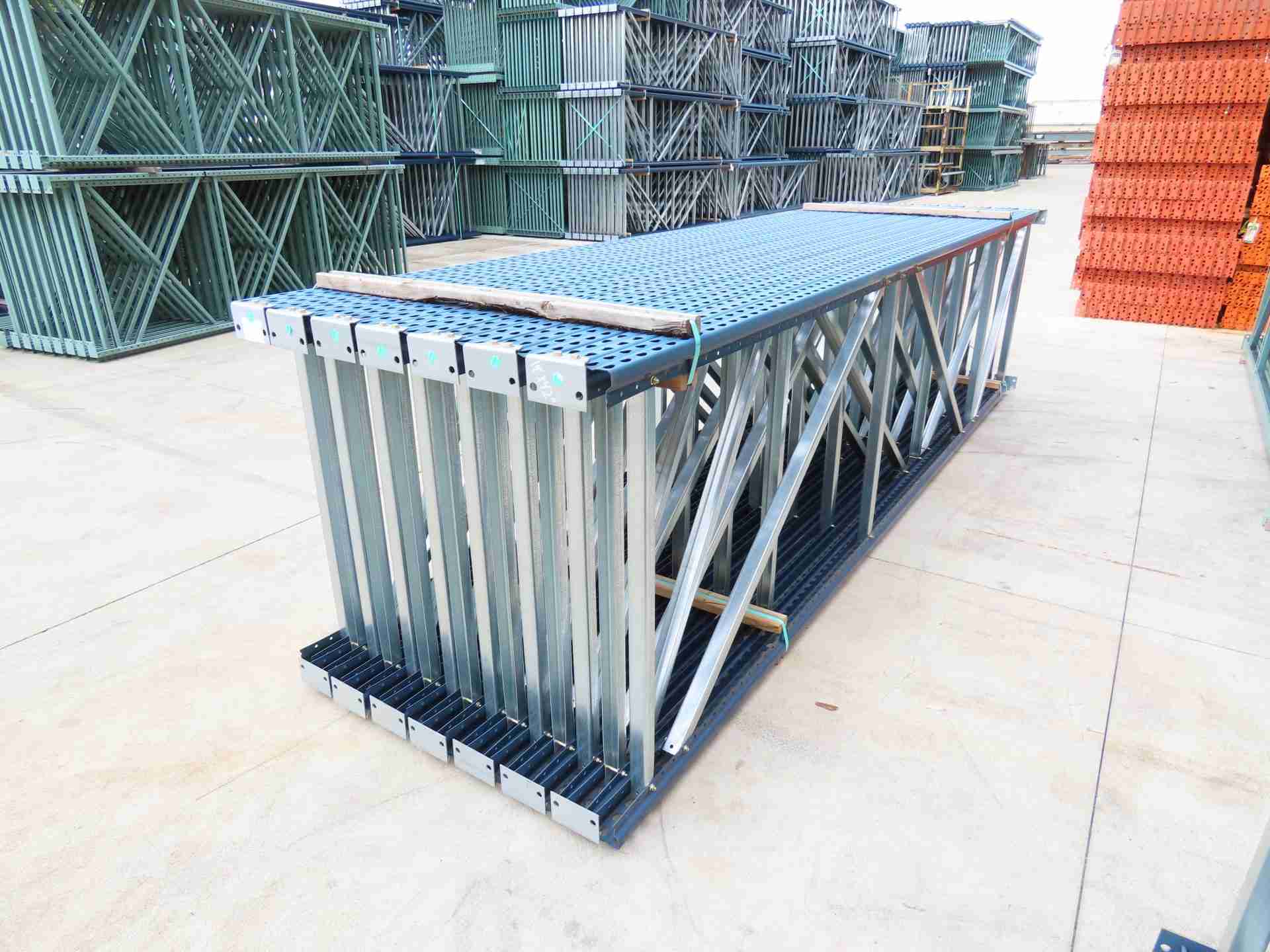
When you’re out on the floor, dealing with channel stock that comes in all sorts of lengths, the last thing you want is a storage system that fights you every step of the way. Cantilever racks step up here, plain and simple. They’re designed with arms that reach out like a carpenter’s steady hand, ready to hold whatever you throw at them—from short bits you need quick access to longer pieces that’ve got their own stubborn personality. Unlike traditional pallet racking, which can box you into fixed dimensions, cantilever racks give you the freedom to stack and organize without bending to the limits of standard shelved storage.
Here’s the thing, though: it’s not just about flinging channel stock onto a shelf and hoping it stays put. Proper engineering in cantilever rack design means they’re built tough to handle the varying lengths and weights, balancing the load like a seasoned welder splicing thick steel—you want that confidence that your stock isn’t going to shift or fall, and maybe take a finger or toe with it. It’s that old-school reliability, where function meets safety, and that’s an ethical choice every business owner should value. Protecting workers, saving time hunting down materials, avoiding costly damage—those aren’t just operational wins, they’re about respecting the work you and your crew put in.
Socially, investing in cantilever racks sends a message down the line: you’re committed to getting the job done right. It’s about trust among teammates, knowing the system won’t buckle when the pressure is on. And confidence? That’s forged in the fire of experience, seeing how these racks stand up day after day, shift after shift. Pallet racking may serve many purposes, but when your channel stock refuses to fit neat and tidy, cantilever racks welcome the irregular lengths with open arms.
Storytelling from the shop floor tells us that no job is one-size-fits-all, so why should your rack be? Cantilever racks are the quiet workhorses behind successful operations, handling the varied, the bulky, and the awkward with straightforward, practical grit. They make managing channel stock as manageable as it should be—organized, accessible, secure—and that’s a rack worth having.

Can Cantilever Racks Support Varying Lengths Of Channel Stock?
Can Cantilever Racks Support Varying Lengths Of Channel Stock?
- Cantilever racks offer flexible storage for channel stock of varying lengths, unlike traditional pallet racking with fixed dimensions.
- Designed with extending arms, they accommodate both short and long pieces for easy access and organization.
- Engineered for strength and load balancing, cantilever racks ensure stock remains secure, enhancing safety and reliability.
- Investing in these racks protects workers, saves time, and prevents costly material damage, reflecting ethical business practices.
- They foster trust and confidence among team members by providing dependable performance under pressure.
- Unlike one-size-fits-all solutions, cantilever racks handle irregular, bulky, and awkward items with practical efficiency.
- These racks improve stock management by making storage organized, accessible, and secure, supporting successful operations.
Can Cantilever Racks Support Varying Lengths Of Channel Stock?
Why Choose Angle Iron Yards for Cantilever Racking Systems?
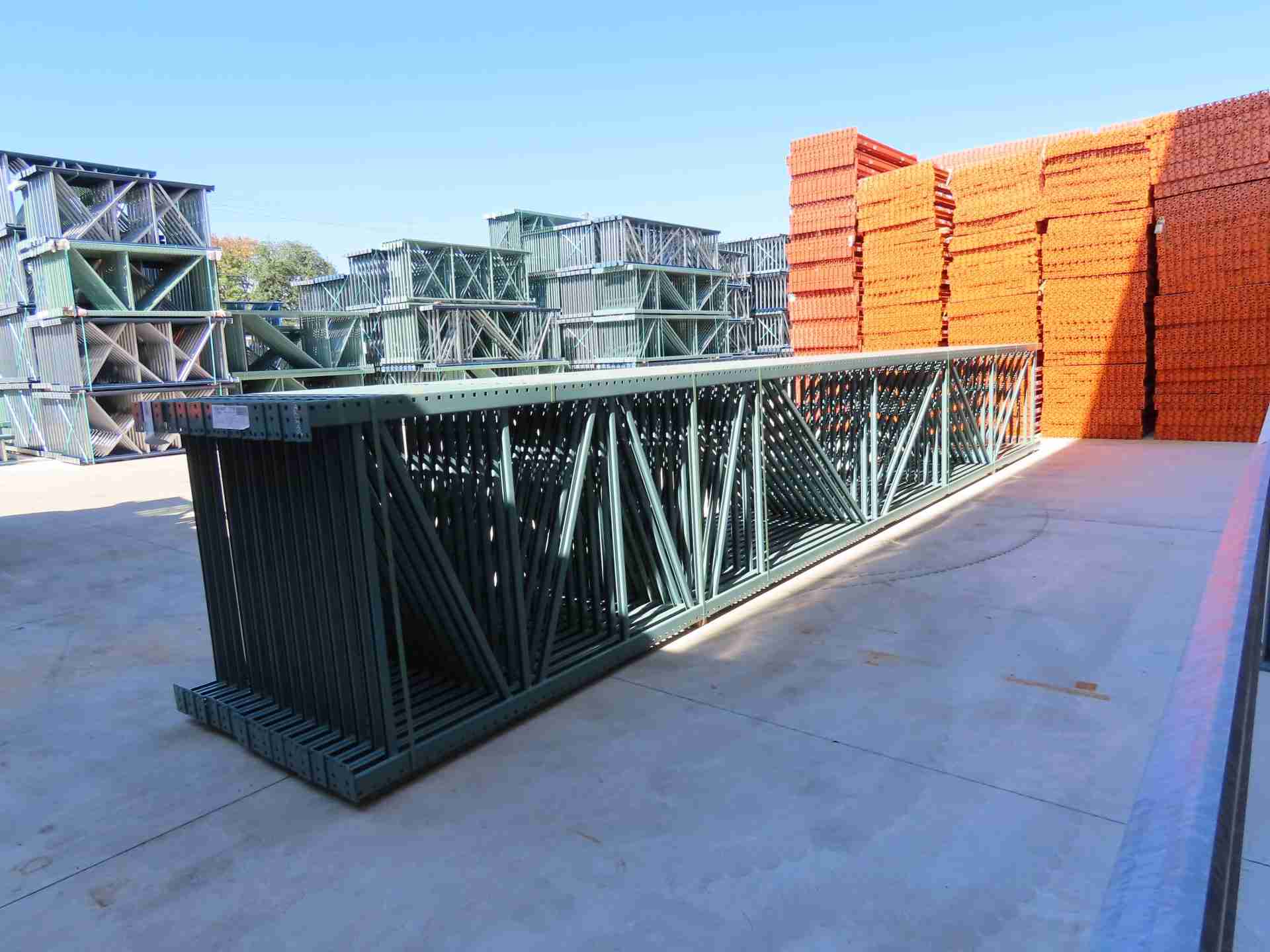
When it comes to setting up a storage system that actually works—sturdy, reliable, and built to last—Angle Iron Yards is the name that stands tall in the cantilever racking game. You don’t just get fancy talk and shiny brochures here. You get real, honest-to-goodness experience forged out of years of hands-on work with steel, sweat, and sometimes a few bruised knuckles. It’s the kind of know-how that comes from understanding the grit behind every warehouse, workshop, or yard, where pallet racking isn’t just an accessory—it’s the backbone of your daily grind.
Choosing Angle Iron Yards means you’re investing in more than just metal beams. You’re tapping into common-sense solutions made by folks who’ve been in the trenches. They know what it takes to hold long, awkward pieces steady without them wobbling into chaos. Their cantilever racking systems stand firm under the kind of stress that would make lesser setups buckle. That means fewer headaches, less downtime, and more time crushing the work that actually matters—because a reliable rack saves you clean-up, re-stacking, and time spent fixing mistakes.
There’s a quiet assurance that comes with working with a company that values honesty over hype. Angle Iron Yards isn’t about overpromising or pushing the flashiest products. They build with solid steel, engineered for strength, and backed by tested performance. When you install their cantilever racks, you’re not guessing if they’ll hold—you’re trusting a system proven to stand up to the weight and wear of everyday use, day after day.
Beyond the nuts and bolts, there’s a sense of respect at play. Respect for your work, your space, and your hard-earned materials that deserve a home that’s safe and accessible. Angle Iron Yards treats every client like they’re part of the family, offering down-to-earth advice and support that makes the whole process easier—and keeps you coming back because the relationship means something real.
If you’ve wrestled with pallet racking systems that don’t quite fit your needs, Angle Iron Yards delivers practical, no-nonsense cantilever solutions built to work for you. It’s not about flash. It’s about grit, reliability, and respect—for your business, your space, and the craft of good, solid storage. That’s why so many who’ve tried it stick with Angle Iron Yards: because when you’re serious about heavy lifting, you need a partner that’s just as serious.

Why Choose Angle Iron Yards for Cantilever Racking Systems?
Why Choose Angle Iron Yards for Cantilever Racking Systems?
- Angle Iron Yards offers sturdy, reliable cantilever racking systems built from years of hands-on steelwork experience.
- They provide practical, common-sense solutions designed to hold long, awkward pieces securely without wobbling.
- Their systems withstand heavy stress, reducing downtime, clean-up, and re-stacking efforts.
- Angle Iron Yards values honesty over hype, using solid steel engineered for strength and proven performance.
- They show respect for clients’ work, space, and materials by offering safe, accessible storage and down-to-earth support.
- Clients receive personalized, straightforward advice and support, fostering long-term relationships.
- Angle Iron Yards delivers no-nonsense, reliable storage solutions for serious heavy lifting needs, earning lasting customer loyalty.
Why Choose Angle Iron Yards for Cantilever Racking Systems?
Does Cantilever Racking Reduce Damage to Stored Materials?
When you’ve been around warehouses and loading docks as long as I have, you start to realize that the real enemy isn’t just time or cost—it’s damage. Those scratches, dents, and broken edges on stored materials aren’t just ugly; they hit where it hurts—in the wallet and the workflow. That’s where cantilever racking steps in like the unsung hero of the storage world. Unlike your standard pallet racking, which can sometimes feel like a tight squeeze boxing in your goods, cantilever gives you open arms and room to breathe, especially when handling long, bulky, or oddly shaped items.
You can almost feel the difference when you walk up to a cantilever rack. There’s an ease in placing your materials down without the fear of smacking into uprights or tight corners. That matters because each bump or nudge adds up—slowly eroding the quality of your goods and the trust customers have in you. With cantilever racking, you cut that risk way down. There’s simply less metal in the way, fewer pinch points, and that means less chance your stuff winds up worse for wear after a busy day’s work.
From a practical standpoint, the design itself is clever and straightforward. Arms reach out like a strong handshake ready to hold your loads safely, no awkward corners or pallets fighting for space. Workers can load and unload with confidence—the kind that comes from knowing you won’t have to fix what didn’t need breaking. And you save on replacing products, repairing damages, and unexpected downtime. That’s common sense working in your favor, plain and simple.
There’s an ethical angle, too. When you store materials with better care, you’re respecting the product, the people who handle it, and the customers who rely on it. It’s about doing your job well, not cutting corners. Using the right kind of racking isn’t just good business; it’s the right thing to do.
Shoot, even the tacit nods from industry experts back this up—cantilever racking has earned its stripes in warehouses nationwide for reducing damage and improving efficiency. It’s a proven method that’s as reliable as the folks stacking those shelves.
At the end of the day, choosing cantilever racking tells a clear story: you want to protect your investment, keep your crew safe and sane, and make your warehouse a place where everything fits just right—no drama, no surprises. It’s not just rack; it’s peace of mind. And in this business, that counts for a lot.

Does Cantilever Racking Reduce Damage to Stored Materials?
Does Cantilever Racking Reduce Damage to Stored Materials?
- Damage to stored materials causes significant cost and workflow disruptions in warehouses.
- Cantilever racking offers an open, accessible alternative to standard pallet racking, ideal for long, bulky, or irregular items.
- Its design reduces contact risks by minimizing metal obstructions and pinch points, protecting goods from damage.
- Workers benefit from easier loading and unloading, reducing repairs, replacements, and downtime.
- Using cantilever racking reflects respect for products, handlers, and customers by promoting better storage care.
- Industry experts recognize cantilever racking for its proven role in reducing damage and boosting warehouse efficiency.
- Choosing cantilever racking protects investments, enhances safety, and creates a well-organized, stress-free warehouse environment.
Does Cantilever Racking Reduce Damage to Stored Materials?
What Safety Benefits Do Cantilever Racks Offer In Stock Yards?
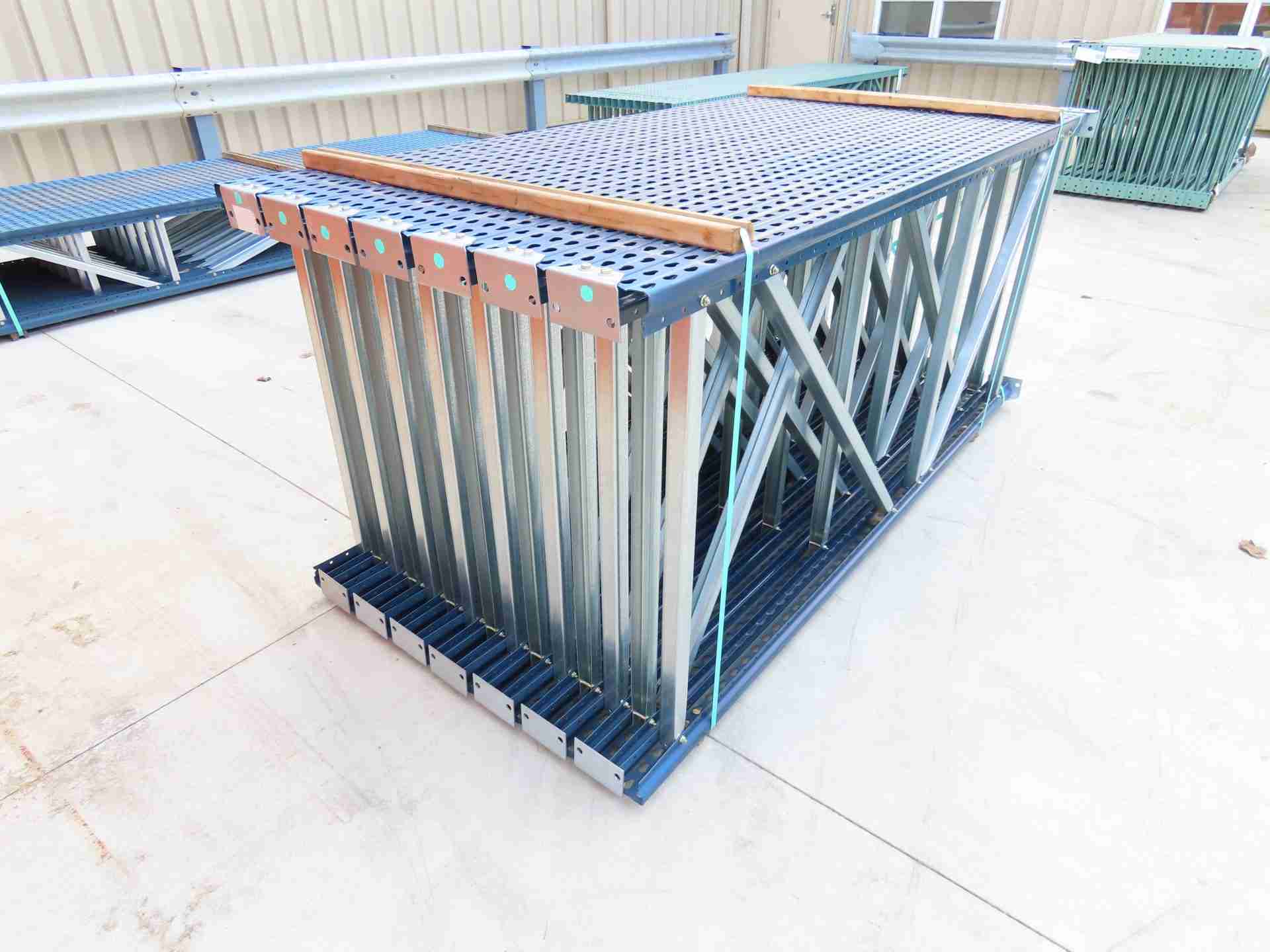
When you’re stacking heavy, bulky gear in a stock yard, safety isn’t just a checkbox – it’s the bedrock of the whole operation. Cantilever racks step into the lineup like the reliable workhorse you didn’t know you needed, delivering safety benefits that hit you in the gut with practicality, earn your trust with solid engineering, and settle the whole crew’s nerves when the clock’s ticking and the job’s grinding.
First off, cantilever racks are a game-changer for organizing those awkward, long, or heavy materials that pallet racking just can’t handle without tipping you into a mess hazard. By keeping everything off the ground and well-supported, these racks cut down on clutter, trip risks, and the chaos that’s an accident waiting to happen. It’s not just about tidy aisles; it’s about protecting the folks who walk those aisles day in and day out.
From a head’s-up point of view, cantilever racks minimize damage to materials and equipment. When heavy pipes, lumber, or steel bars are left lying around or stacked poorly on pallet racking designed for boxes, they invite disasters – think falling loads, crushed goods, or wrenching injuries. Cantilever racks cradle those awkward items securely, holding them upright and steady so you’re not gambling with your team’s well-being or the bottom line.
This is more than just practicality–there’s a straight-up ethical angle here. Every worker heading into the yard deserves equipment that respects their safety. Installing the right kind of rack, a system built with care and tested toughness, sends the clear message that you value people over shortcuts. That kind of commitment builds trust deep and steady. Workers know they’re not just cogs – they’re part of a place that looks out for them.
Authority and experience back this up. You see it every day in yards where the right racking keeps things moving smoothly, accidents low, and morale high. When people see a yard with well-maintained cantilever racks standing strong against weather and wear, they get the message loud and clear: this operation knows what it’s doing, and they take safety seriously.
At the end of the day, cantilever racks do more than hold up materials – they hold up the whole crew’s confidence that they’ll go home safe. That’s the kind of safety benefit worth investing in–because without it, there’s no getting the job done, no living to see the next one.

What Safety Benefits Do Cantilever Racks Offer In Stock Yards?
What Safety Benefits Do Cantilever Racks Offer In Stock Yards?
- Cantilever racks are essential for safely stacking heavy, bulky gear in stock yards, providing practical and reliable support.
- They effectively organize long, awkward, or heavy materials that pallet racking cannot handle, reducing clutter and trip hazards.
- By keeping materials off the ground and well-supported, cantilever racks minimize damage to goods and prevent accidents like falling loads and injuries.
- Installing cantilever racks demonstrates an ethical commitment to worker safety, valuing employees and building trust.
- Properly maintained cantilever racks improve yard operations by reducing accidents, boosting morale, and showing professionalism.
- The racks protect both the equipment and the workers, enhancing overall safety and operational confidence.
- Investing in cantilever racks ensures workers can perform their jobs safely and return home unharmed, supporting long-term productivity.
What Safety Benefits Do Cantilever Racks Offer In Stock Yards?
Conclusion
Cantilever racking isn’t just another storage system—it’s the backbone of order in a world of awkward, heavy steel. When you’re dealing with angle iron and channel stock, you know the usual pallet racks just don’t cut it. These long, unwieldy pieces don’t fit neatly on standard shelves, and trying to make them do so invites chaos, damage, and risk. Cantilever racks throw all that frustration out the window with their open, horizontal arms—simple, tough, and built with one job in mind: hold steel steady, save space, and protect the people handling it.
You walk into a yard lined with cantilever racks and you don’t just see organized stock—you see respect for the work, the tools, and the crews who move that metal day in and day out. There’s a quiet confidence in knowing your inventory won’t tip or fall, cutting down on injuries and costly breakage. That’s more than convenience; it’s an ethical commitment to safety and quality, a promise that the place cares about its people and its product. When every piece counts, a system that keeps it all right where it belongs is worth its weight in sweat.
From a practical standpoint, cantilever racks boost efficiency like nothing else. They clear the clutter, open the aisles, and make space feel bigger without building more walls. Unlike pallet racks, which box you in, cantilever designs offer easy reach and flexibility—no wrestling with awkward lengths or risking fingers in tight spots. That means faster loading, less time wasted hunting down gear, and fewer headaches at shift’s end. The result is a workflow that hums, morale that lifts, and customers who see an operation that’s as sharp as the steel it handles.
Cantilever systems show their real grit by handling channel stock of all sizes. Their design adapts to varying lengths without the struggle or guesswork that comes with traditional shelves. Heavy or long, these racks cradle each piece securely, earning trust not from promises but from proven performance on the shop floor. They’re the unsung workhorses of the yard, built to the kind of solid specs that only come from years walking the walk. Choosing them isn’t fancy—it’s common sense, grounded in real-world needs and respect for hard work.
Speaking of respect, sticking with a trusted system like the one from Angle Iron Yards means getting more than steel and bolts—you get experience forged in grit and honesty. No overblown claims or flash—just rugged reliability that cuts downtime and saves money. That kind of partnership matters when the stakes are heavy and the work demands tough, straightforward solutions.
And here’s the part that counts: cantilever racks don’t just hold material—they protect it. Damage is the silent drain on time and budgets, with every scratch adding up to lost trust and wasted dollars. The open design and secure arms slash those risks, letting you handle stock without fear of denting or dropping it. Workers move safer, materials stay sound, and the whole place runs smoother. It’s practical, ethical, and plain smart.
Safety isn’t an option—it’s the foundation. Cantilever racks clear away hazards, keep clutter down, and hold loads firmly so accidents don’t sneak in. That’s peace of mind on the floor, where every crew member knows the setup cares about getting them home whole. When a yard looks sharp and solid with racks built to hold fast, it sends a loud message: this operation knows its business and respects its people.
In the end, cantilever racking is more than metal and design—it’s a no-nonsense backbone that honors the grit behind the steel. It’s about working smarter, safer, and tougher, every shift, every load. When you trust your racks, you trust your whole operation. And that’s the kind of confidence that keeps the business rolling, long after the dust settles.
Conclusion
Conclusion:
- Cantilever racking is designed to securely hold long, heavy, and awkward steel pieces like angle iron and channel stock, unlike standard pallet racks.
- It promotes organization and safety, reducing the risk of injury and damage while respecting the work and people handling the materials.
- The open, horizontal arm design improves efficiency by clearing clutter, opening aisles, and allowing easy access to materials.
- Cantilever racks adapt to various lengths and sizes of steel stock, offering secure support without guesswork.
- Using trusted cantilever systems ensures rugged reliability, reducing downtime and operational costs.
- The design protects materials from damage, minimizing costly repairs and maintaining material integrity.
- Safety is integral to cantilever racking, providing a hazard-free environment that emphasizes worker wellbeing and operational professionalism.
Conclusion
Other Resources
Other Resources
Here is a list of other resources you can review online to learn more:
- Illinois
- Illinois Pallet Racking – Storage Solutions
- IWLA
- Teardrop Industrial Shelving Rack
- Pallet Racks, Pallet Racking, Pallet Shelves in Stock – ULINE
- Cantilever Racking Specialists – Get the Right Racks
- Arrow Industrial Sales
- Pallet Racking systems in Illinois and Great Lakes
- Cantilever Rack Guide: Ordering Cantilever Racking
- Crane Manufacturers Association Of America Inc.
- Pallet Racking systems in Illinois and Great Lakes
- Chicago Pallet Racking
- Mustang Material Handling
- Pallet Racking systems in Illinois, Great Lakes
- Shipping Boxes, Packaging Materials, Pallet Racking
- Warehousing Education and Research Council: https://www.werc.org/
- Heavy-Duty Cantilever Storage Racks
- What is Selective Racking: Understanding Benefits & Options
- Selective Pallet Racking Systems
- Used Pallet Rack for Sale in Illinois – American Surplus
Use This Prompt To Get More Resources With Your Favorite Online AI Tool: Please provide me with a list of online articles with their URLs in a bulleted list that I can read regarding How Do Angle Iron and Channel Stock Yards Leverage Cantilever Racking?
Other Resources
Glossary Terms
How Do Angle Iron and Channel Stock Yards Leverage Cantilever Racking? – Glossary Of Terms
1. Angle Iron: A steel product shaped in an “L” profile commonly used as a structural support in racks.
2. Channel Stock: A steel section with a “C” shaped profile used for framing and support in racking systems.
3. Cantilever Racking: A storage system with arms extending from a single column, designed to hold long or bulky items.
4. Load-bearing Arm: The horizontal component of cantilever racks that supports stored materials.
5. Upright Column: The vertical structure in cantilever racking that supports the arms.
6. Base Plate: Flat steel plates attached to the bottom of uprights to provide stability.
7. Beam Connector: A fitting used to attach arms or beams to the upright columns.
8. Structural Steel: Steel shaped for construction purposes, such as angle iron and channel stock.
9. Rack Stability: The measure of a racking system’s ability to safely bear loads without tipping or collapsing.
10. Load Capacity: The maximum weight a rack or its components can safely support.
11. Cantilever Arm: A projecting horizontal member used in cantilever racks to hold materials.
12. Cross Brace: Diagonal or horizontal supports connecting uprights for added rigidity.
13. Welding: A fabrication process to join steel components like angle irons or channels.
14. Bolt Connection: Fastening method used to join structural elements in a racking system.
15. Galvanization: Coating steel, such as angle iron or channel stock, with zinc to prevent corrosion.
16. Shelf Support: Components used to hold shelves within racking systems for stored materials.
17. Rack Configuration: The layout design of cantilever racks for optimized storage.
18. Overhead Clearance: The vertical height available above the stored material, crucial in cantilever racking.
19. Arm Extension: The length of the cantilever arm determining the reach of the rack.
20. Structural Integrity: The ability of rack components to withstand loads and stresses.
21. Backstop: An end cap or plate on the cantilever arm to prevent stored items from sliding off.
22. Floor Anchoring: Securing uprights to the floor to enhance rack stability.
23. Load Distribution: The even placement of weight across cantilever arms and uprights.
24. Modular Design: The capability to add or remove components like angle irons or channels for flexible racking.
25. Heavy-duty Racking: Racks designed to support very large loads, usually made from thick steel sections.
26. Corrosion Resistance: The ability of angle iron or channel stock to withstand rust and degradation.
27. Industrial Storage: The use of racking systems in warehouses and factories for organizing materials.
28. Material Handling: The process of moving, storing, and controlling materials within a facility.
29. Structural Frame: The basic framework of cantilever racks, combining uprights, arms, and braces.
30. Load Support Surface: The top surface of the cantilever arm where materials rest during storage.
Glossary Of Terms
Other Questions
How Do Angle Iron and Channel Stock Yards Leverage Cantilever Racking? – Other Questions
If you wish to explore and discover more, consider looking for answers to these questions:
- What are the load capacities per arm and per bay for cantilever racks?
- How do I calculate required arm length, spacing, and bay depth for my angle iron and channel sizes?
- Are cantilever racks suitable for outdoor stock yards and what weatherproofing is needed?
- What are the floor and anchoring requirements for safe installation?
- How do cantilever racks perform in seismic, high-wind, or other extreme conditions?
- What materials, finishes, or coatings are available to prevent corrosion and protect stored metal?
- How often should cantilever racks be inspected and what does a proper inspection include?
- What are common signs of rack damage or fatigue that require repair or replacement?
- Can cantilever arms and columns be adjusted or reconfigured to handle varying lengths and weights?
- What are the upfront and ongoing costs (purchase, installation, maintenance) and expected ROI?
- How long does installation typically take and can installation be phased to avoid downtime?
- Do cantilever rack installations require permits or must they comply with specific building codes?
- What worker training, procedures, or PPE are recommended for safe loading and unloading?
- Are cantilever racks compatible with forklifts, telehandlers, and other material-handling equipment?
- Can cantilever racking be integrated with inventory management, labeling, or barcode systems?
- How should loads be distributed across arms and bays to avoid overstressing components?
- How do I choose between different grades of steel, arm profiles, and manufacturers?
- What warranties, service agreements, and after-sales support should I expect from suppliers?
- Are there modular or expandable cantilever systems available for future growth?
- How do cantilever racks compare with pallet racking for mixed inventories and occasional pallet loads?
- Can cantilever racks be used to store finished or coated metal without causing surface damage?
- What accessories are useful (end stops, dividers, protective bumpers, labels) and when should they be used?
- How do temperature extremes and humidity affect rack performance and stored materials?
- What insurance or liability considerations apply when installing cantilever racking?
- Which industry standards or certifications (e.g., RMI, OSHA) should I verify when buying racking?
- Can existing storage systems be retrofitted to include cantilever arms or is full replacement required?
- What are typical lead times for off-the-shelf versus custom-built cantilever systems?
- How should aisles, traffic patterns, and rack placement be planned for maximum efficiency and safety?
- Are there measurable performance metrics or case studies showing damage reduction and productivity gains?
- How should bent or damaged arms/columns be repaired — on-site straightening, part replacement, or full bay swap?
- What is the expected service life of a properly installed and maintained cantilever rack system?
Other Questions
Checklist
How Do Angle Iron and Channel Stock Yards Leverage Cantilever Racking? – A Checklist
Inventory and Load Profile
✅______ Catalog all profiles (angle, channel) by length, size, and weight per piece or bundle
✅______ Confirm maximum piece length and heaviest bundle weight
✅______ Determine typical order quantities and pick frequencies by length and SKU
✅______ Define load type (uniform vs. point loads) and required arm capacities
✅______ Identify need for mixed-length storage within the same bay or level
Space and Layout
✅______ Measure clear building height, floor area, and column obstructions
✅______ Verify slab load capacity and condition in racking zones
✅______ Set aisle widths for forklifts and side loaders based on equipment specs
✅______ Choose single- or double-sided racks to fit flow and footprint
✅______ Define bay spacing, arm lengths, vertical arm pitch, and number of levels
✅______ Plan overhang limits to avoid flex and aisle intrusion
✅______ Allocate staging zones for safe loading and unloading
Engineering and Compliance
✅______ Obtain PE-stamped drawings per ANSI/RMI MH16.3 (Cantilever Racks)
✅______ Verify seismic, wind, and snow load requirements for the site
✅______ Confirm anchor type, quantity, and edge distances per slab testing
✅______ Ensure fire code compliance (sprinkler clearance, flue spaces, and egress)
✅______ Specify corrosion protection (galvanized or powder coating) as needed
Handling Equipment and Access
✅______ Match rack heights and arm depths to forklift mast and attachment reach
✅______ Validate equipment capacity at lift height with a safety margin
✅______ Define standardized load support (dunnage, spacers) for forks and arms
✅______ Provide clear approach paths and turning radii to every bay
Safety and Damage Prevention
✅______ Install arm end stops or pins and column and base guards where required
✅______ Use saddles or liners for sharp edges to reduce surface damage
✅______ Label safe load capacities visibly at each bay and level
✅______ Set stacking rules (maximum tiers, orientation, and banding/strapping)
✅______ Establish PPE and spotter use for long or awkward loads
✅______ Keep ground-level areas clear; no floor stacking in aisles
Installation and Commissioning
✅______ Verify plumb and level within tolerances; shim bases as needed
✅______ Torque-check anchors and arm and column connections; record results
✅______ Install bracing per drawings; confirm no interference with loads
✅______ Perform load test on representative bays before go-live
✅______ Document as-built layout, capacities, and anchor maps
Operations and Labeling
✅______ Assign locations and create slotting by length/turnover (fast-pick zones)
✅______ Implement barcode and placard labeling for bays, levels, and SKUs
✅______ Standardize receiving inspection, tagging, banding, and dunnage placement
✅______ Define loading and unloading procedures and forbidden practices
✅______ Train operators and supervisors; retain training records
Maintenance and Inspections
✅______ Schedule routine inspections (daily visual, monthly detailed, annual audits)
✅______ Check for bent arms, loose bolts, rust, floor spalls, and damaged anchors
✅______ Remove and tag out compromised components immediately
✅______ Retorque fasteners at a defined interval
✅______ Touch up coatings and replace liners/saddles as needed
Outdoor and Environmental Considerations
✅______ Specify galvanization or heavy-duty coating for weather exposure
✅______ Design for drainage; keep bases above standing water and snow
✅______ Account for wind exposure with bracing and allowable load reductions
✅______ Use UV-rated labels and protected signage
Performance and Continuous Improvement
✅______ Track key metrics: pick time, damage rate, near misses, and storage density
✅______ Audit space utilization; adjust arm spacing and slotting seasonally
✅______ Review incident logs and update procedures and layouts accordingly
✅______ Plan capacity growth with modular bays and arms and spare components
Supplier and Procurement
✅______ Vet suppliers for engineering support, references, and warranties
✅______ Confirm lead times, replacement parts availability, and finish options
✅______ Require certified materials, welds, and traceable QA documentation
✅______ Include installation, training, and inspection services in scope
Permitting and Documentation
✅______ Secure building and fire permits and schedule required inspections
✅______ Maintain manuals, drawings, load charts, and maintenance logs on site
✅______ Post emergency procedures and the rack damage reporting process
Checklist
At RackingWorld, we help guide you through selecting warehouse storage systems and racking.
Be sure to read our other related stories at RackingWorld to learn more about warehouse storage systems.
0 Comments