
Building Stronger Foundations With Cross Braces
By Tom Seest
At RackingWorld, we help guide you through selecting warehouse storage systems and racking.
Be sure to read our other related stories at RackingWorld to learn more about warehouse storage systems.
How Cross Braces Improve Cantilever Rack Rigidity
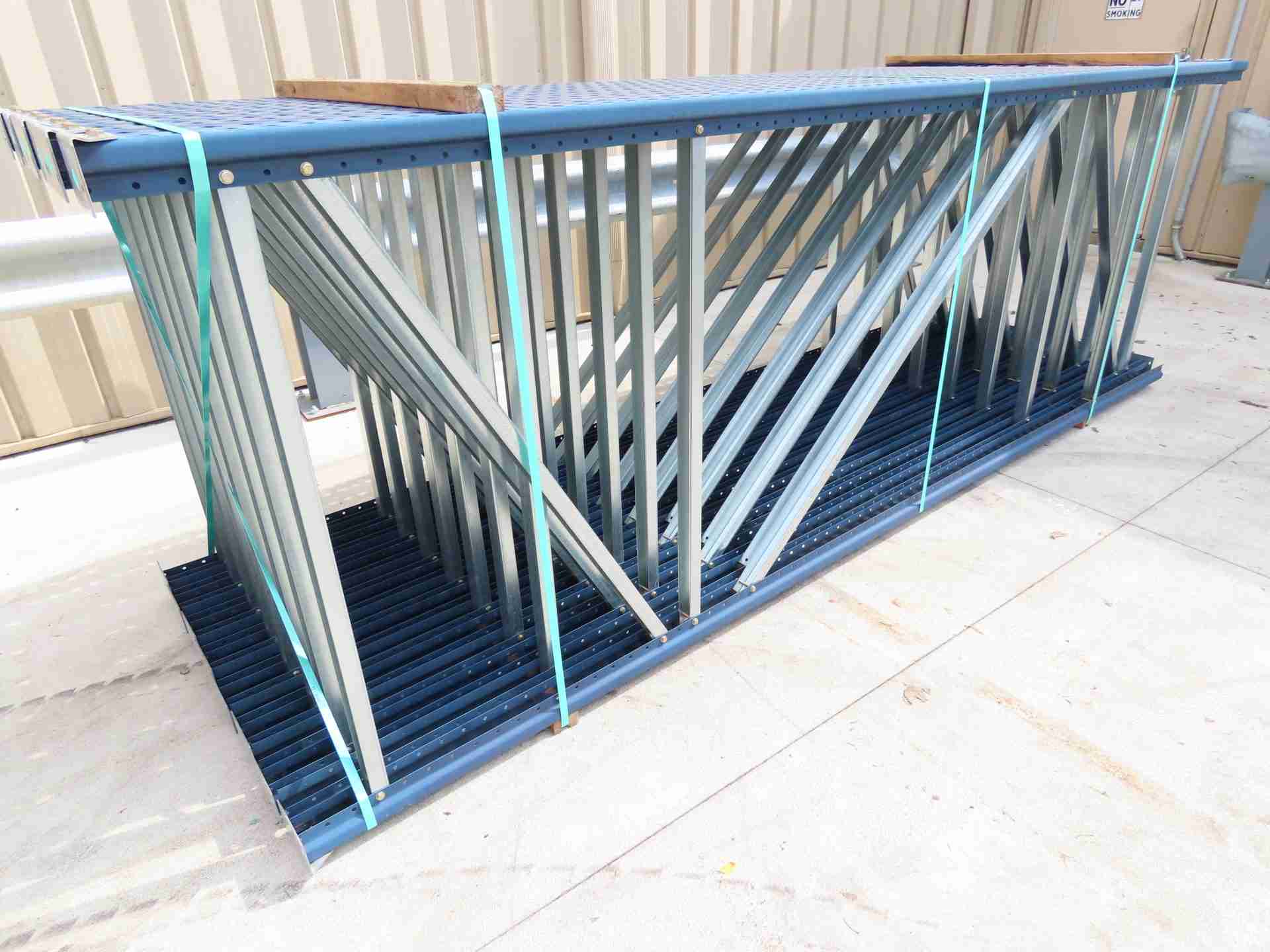
When you walk into a warehouse, the sheer scale of it can be both awe-inspiring and a little intimidating. Rows upon rows of racking stretch out before you, holding countless goods, all relying on a robust support system to keep them safely aloft. And that’s where cross braces come into play. They don’t just look good—though let’s face it, a well-structured rack can be a thing of beauty—they serve a critical function in improving cantilever rack rigidity.
Imagine this: your local hardware store has stocked up on everything from lumber to appliances. Now, picture if every shelf was swaying like a tree in a storm. Not only would that be a recipe for disaster, but it would also spell trouble for your business and belongings. This scenario isn’t just theoretical; it’s a tangible risk in an environment where safety, efficiency, and reliability are non-negotiable.
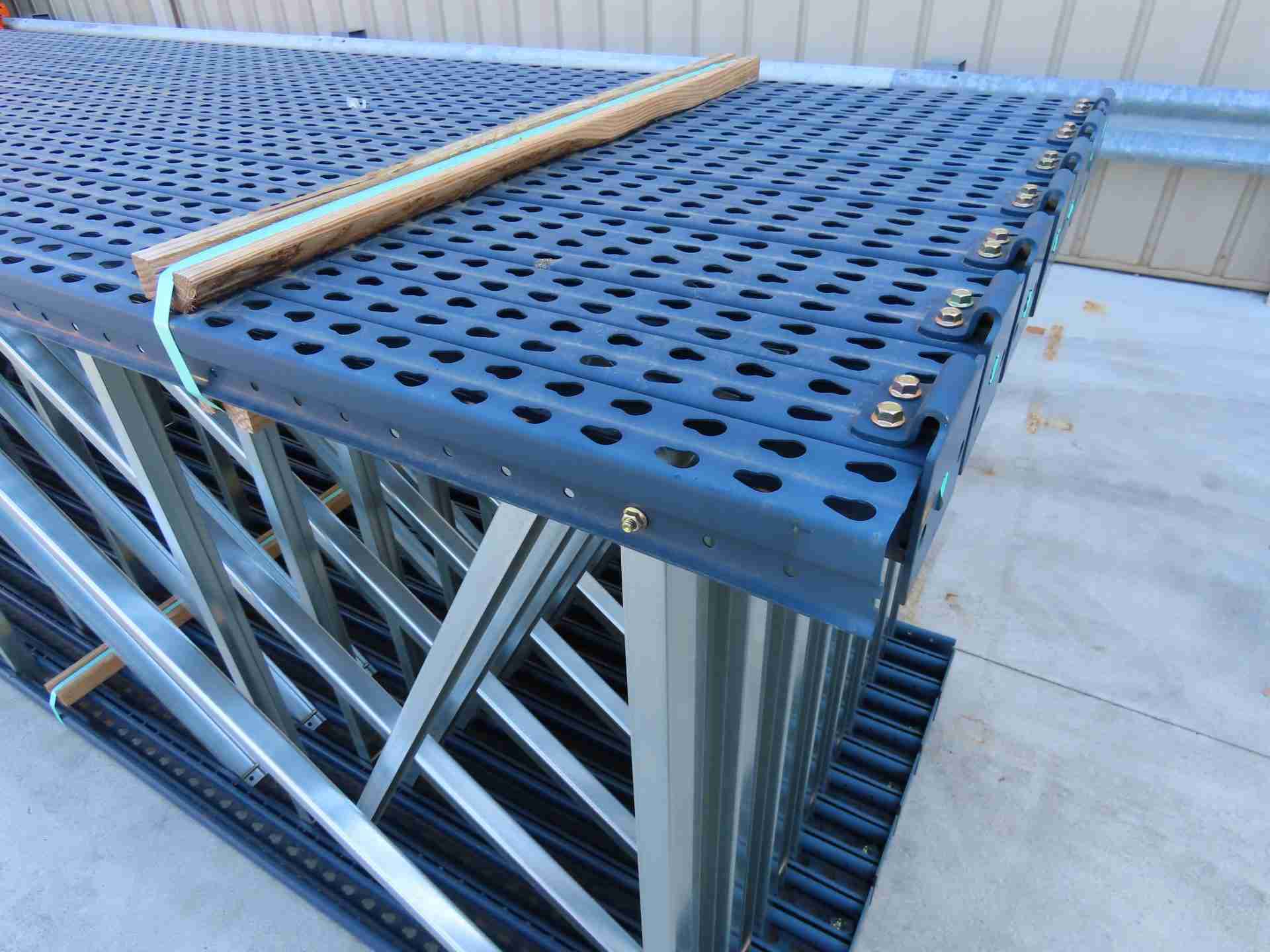
Cross braces are the unsung heroes of racking stability. These metal supports form a critical crisscross pattern, distributing weight across the frame. They absorb forces from shifting loads, unexpected impacts, or even seismic activity. This enhanced rigidity is not just about keeping products in place; it’s about protection. We’re talking about safeguarding investments and livelihoods, the very foundation of countless businesses that rely on proper storage solutions.
Rationally, you can understand that a well-engineered system means fewer accidents, less downtime, and lower operational costs. That’s a no-brainer. But let’s get into the heart of the matter: trust. When you’re using a cantilever rack bolstered by cross braces, you’re not merely stacking items; you’re investing in peace of mind. You’re choosing to protect what matters—your employees, your inventory, and the trust of your customers.
And ethically, it’s your responsibility as a business owner to ensure safe working conditions. Every time one of your workers walks through that aisle, they should feel secure, knowing that the racks above them won’t come crashing down unexpectedly. It’s more than just a workplace; it’s a community, and you have a duty to everyone involved.
So, the next time you look at those cross braces, remember: they are not just structural elements. They are a commitment to safety, a promise of reliability, and a backbone for your operations. Choose integrity. Choose stability. Choose cross braces for a solid, reliable future.
How Cross Braces Improve Cantilever Rack Rigidity
How Cross Braces Improve Cantilever Rack Rigidity
- Warehouses are large spaces filled with goods, requiring robust support systems for safety.
- Cross braces enhance cantilever rack rigidity and contribute to the visual appeal of racking systems.
- Unstable shelves could lead to dangerous conditions, impacting both business and safety.
- Cross braces provide stability by distributing weight and absorbing forces from shifting loads and impacts.
- Proper engineering leads to fewer accidents, reduced downtime, and lower operational costs.
- Business owners have an ethical responsibility to ensure safe working conditions for employees.
- Cross braces symbolize a commitment to safety, reliability, and operational integrity.
How Cross Braces Improve Cantilever Rack Rigidity
Table Of Contents
- How Cross Braces Improve Cantilever Rack Rigidity
- How Do Cross Braces Create a Stronger Foundation for Your Rack?
- What Risks Do Unstable Racks Pose to Your Business Operations?
- Can Cross Braces Save You Money By Preventing Costly Damages?
- How Do You Ensure Safety Standards Are Met with Your Rack System?
- What Benefits Do Cross Braces Provide for Long-Term Durability?
- Conclusion
- Other Resources
- Glossary Of Terms
- Other Questions
- Checklist
How Do Cross Braces Create a Stronger Foundation for Your Rack?
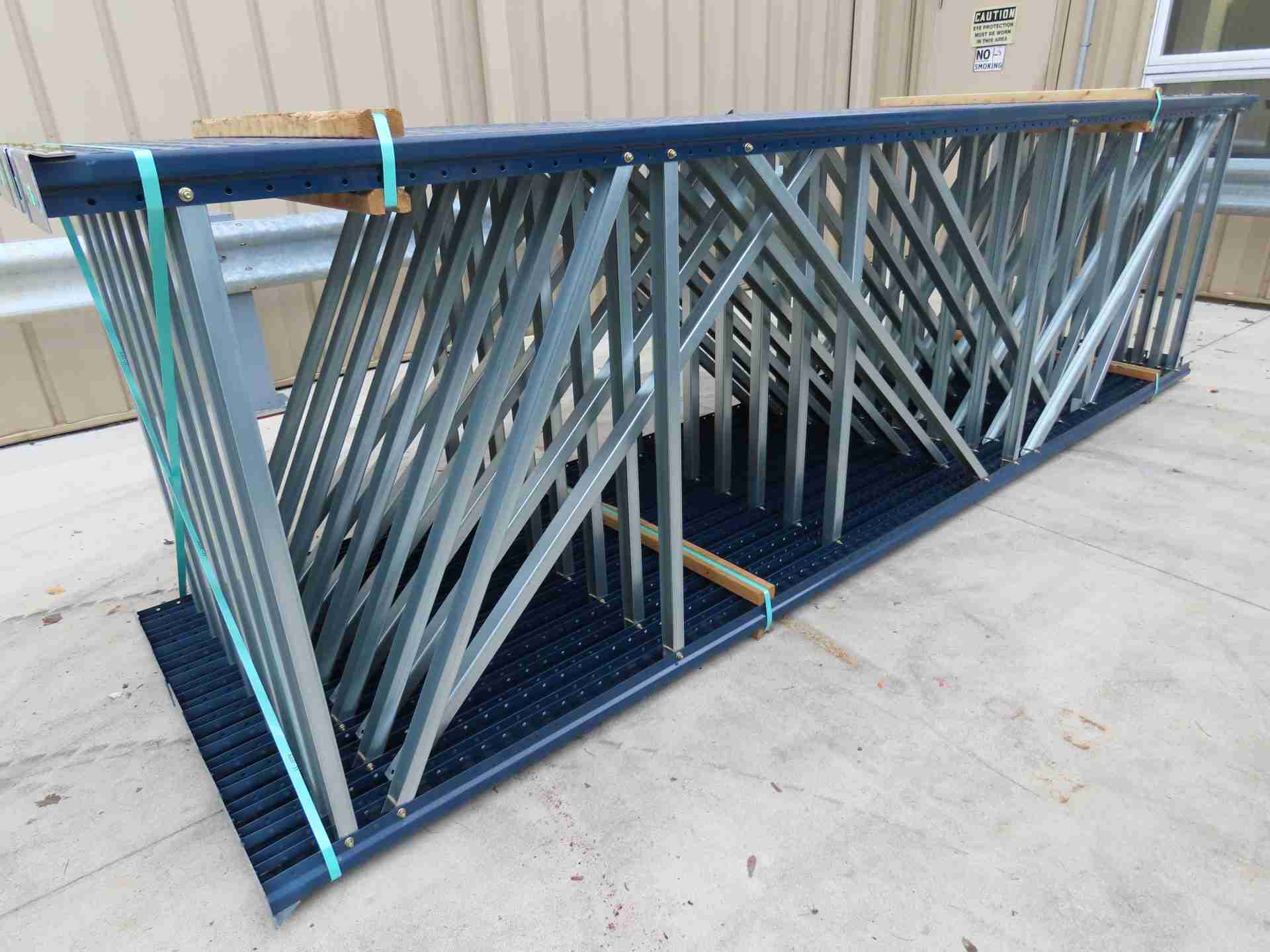
When you step into a warehouse or a garage filled with racking systems, what do you notice? It’s not just the towering shelves lined with products; it’s the silent strength that holds them together. Cross braces may look like simple diagonal metal bars, but they play a crucial role in creating a stronger foundation for your rack, and understanding this can shift how you see every beam and shelf.
Let’s start with the heart. Picture a bustling warehouse—workers moving quickly, machinery humming, and the cadence of productivity echoing against metal and concrete. Now imagine if that racking system were to wobble or fail. Not only would that jeopardize precious inventory, but it risks safety for every individual in that space. Cross braces are the unsung heroes in this environment. They provide stability, acting like a backbone that supports the weight and prevents disaster. Knowing that these braces are there, ensuring that everyone can work safely and efficiently, stirs a sense of pride and responsibility within the workforce.
From a rational standpoint, the design of cross braces is not just a whimsy of engineering; it’s a well-thought-out solution to one of the biggest threats to structural integrity—bending and buckling. By redistributing loads across the frame, these braces counteract the forces that your racking system encounters daily. If you’re investing in racking solutions, you want to know the money spent is grounded in smart decisions backed by physics and principles of engineering. This gives your organization a solid ground, quite literally.
Ethically, when you choose to install cross braces, you’re making a commitment to safety. It’s a choice that shows you care—about your employees, your inventory, and the reputation of your business. This commitment can resonate deeply with your team, fostering a culture built on trust and respect.
Lastly, consider the social aspect. When teams know they are working within a secure setup, camaraderie flourishes. They can focus on collaboration rather than worrying about potential hazards looming over them. Together, they can build processes, innovate their workflow, and achieve more—because they trust the foundation they stand on.
So, the next time you walk through an aisle filled with well-structured racking, remember: it’s not just metal and wood. With cross braces, it’s a fortress built on every heart, mind, and ethical commitment within that space. Invest in your foundation, and watch your entire operation rise with it.
How Do Cross Braces Create a Stronger Foundation for Your Rack?
How Do Cross Braces Create a Stronger Foundation for Your Rack?
- Cross braces are essential for creating a strong foundation in racking systems, preventing wobbling and failure.
- They provide stability, acting as a backbone that supports weight and ensures safety in busy warehouse environments.
- The design of cross braces is a well-thought-out solution that helps counteract bending and buckling forces.
- Investing in racking solutions with cross braces is a smart decision grounded in physics and engineering principles.
- Choosing to install cross braces demonstrates a commitment to safety, showing care for employees and the business’s reputation.
- A secure working environment fosters camaraderie and collaboration among teams, allowing them to innovate and improve processes.
- Understanding the role of cross braces transforms metal and wood racking into a fortress built on trust and ethical commitment.

How Do Cross Braces Create a Stronger Foundation for Your Rack?
What Risks Do Unstable Racks Pose to Your Business Operations?
When it comes to your business operations, the racking systems you rely on play a silent yet crucial role, more than most realize. Unstable racks aren’t just a logistical nuisance; they can be a ticking time bomb that threatens the very heart of your productivity. Imagine a warehouse bustling with activity — employees working hard, machinery whirring, and goods moving swiftly. Now picture that same environment disrupted by a sudden collapse, shelves buckling under the weight of improperly secured loads. The unsettling image of heavy boxes tumbling down can make anyone’s stomach twist in knots, especially if an employee gets hurt or valuable inventory is lost.
From a rational perspective, the financial implications are staggering. Replacing damaged goods and repairing racking systems means diverting funds away from innovation or improvements that could elevate your business. Think about the money wasted on delays, increased insurance premiums, and interrupted workflows that a simple fix could have prevented. You’re not just risking physical assets; you are jeopardizing your credibility with customers and suppliers alike.
Ethically, you have a responsibility to ensure a safe working environment. Your employees trust you to provide the tools and structure they need to be successful — and safe. When racks are unstable, you’re not just compromising safety; you’re betraying that trust. Employees who feel unsafe may become disengaged, moving through their tasks with anxiety rather than focus, hindering your operation’s effectiveness.
Moreover, consider the stories the industry tells. When businesses ignore the signs of racking instability, they often face harsh repercussions. There are countless examples of companies that faced not only the financial fallout but also the reputational damage that comes from workplace accidents. Yet, there are equally important stories of businesses that prioritized their racking infrastructure, invested in reliable systems, and transformed their operations, fostering a culture of safety and efficiency.
Let’s not forget the social side. A safe workplace fosters teamwork and collaboration, creating strong connections among employees. When everyone feels secure, they’re more willing to go the extra mile, fostering a culture where everyone looks out for each other.
Stable racking isn’t just a matter of safety or efficiency — it’s about nurturing a thriving work environment where businesses can flourish and grow. Get it right, and your operation transforms from a chaotic warehouse to a well-oiled machine, making each day a little brighter for everyone involved.
What Risks Do Unstable Racks Pose to Your Business Operations?
What Risks Do Unstable Racks Pose to Your Business Operations?
- Racking systems are essential for business operations, often underestimated in their importance.
- Unstable racks pose significant risks, leading to potential accidents, lost inventory, and employee injuries.
- The financial impact of racking failures includes costs for damages, increased insurance premiums, and disruption of workflows.
- Ensuring safety in the workplace is an ethical responsibility, as it affects employee trust and engagement.
- Ignoring racking stability can result in financial loss and reputational damage, but investing in reliable systems fosters safety and efficiency.
- A safe working environment enhances teamwork and collaboration, encouraging employees to support each other.
- Stable racking contributes to a productive work atmosphere, transforming operations from chaotic to efficient.
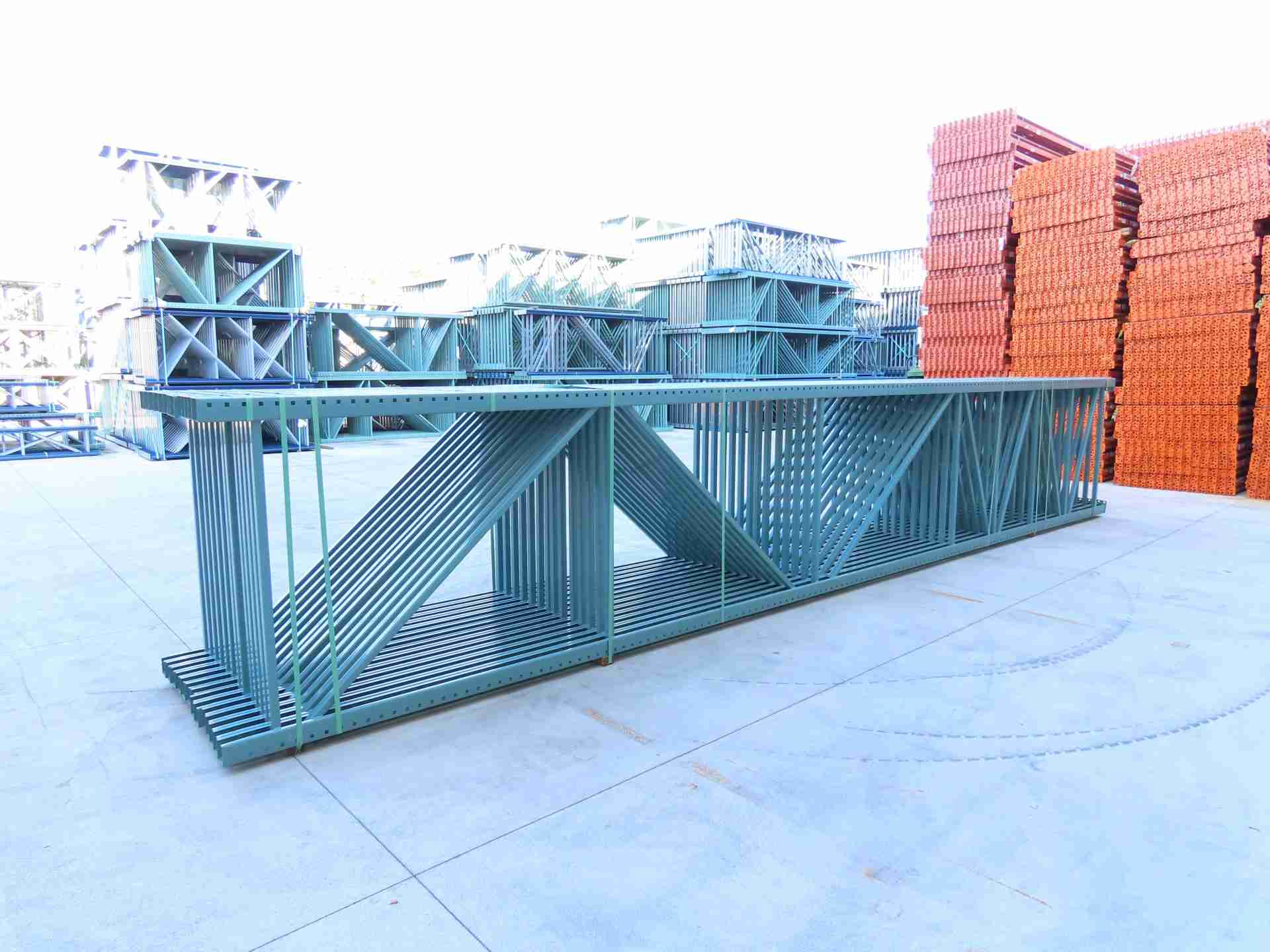
What Risks Do Unstable Racks Pose to Your Business Operations?
Can Cross Braces Save You Money By Preventing Costly Damages?
When you think about cross braces, it’s easy to dismiss them as just another piece of hardware—something to slap on a wall or a structure and forget about. But let’s dig a little deeper, because these unassuming tools might just be the unsung heroes of your home and finances. The truth is, racking forces can wreak havoc on your investments, and that’s where cross braces come in, stepping up like a trusty friend when things start to go sideways.
Imagine standing in your living room, feeling a sudden draft as the walls seem to whisper tales of structural fatigue. It’s an unsettling thought. You’ve poured your heart—and your hard-earned cash—into that house, creating memories in every nook and cranny. Yet, without proper reinforcements like cross braces, those cherished moments could come tumbling down in more ways than one. Racking forces can twist your structure over time, leading to costly repairs or even a complete overhaul. And we’re not talking about minor fixes; we’re talking about financial heartache.
Now, let’s get logical for a moment. Investing in the right support systems today—cross braces, for example—provides a safety net against unforeseen expenses tomorrow. Think of it as putting a few extra dollars into a savings account that you hope never to touch. By preventing potential damages, these braces don’t just protect your investment; they also guard your peace of mind, allowing you to focus on the things that truly matter—family dinners, holiday gatherings, and Sunday football games without the nagging fear of your home crumbling around you.
We often talk about community and responsibility. By choosing to install cross braces, you’re taking a stand, not just for yourself, but also for your neighbors. Strong structures contribute to strong communities, ensuring safety for everyone involved. When you act with integrity and foresight, you inspire others to do the same, creating a ripple effect of diligence that pays dividends beyond financials.
It’s not just about saving money; it’s about ensuring stability in a world that often feels anything but. Investing in cross braces is a declaration that you’re committed to safeguarding your assets and your loved ones. So the next time you think about spending a little more to protect your home, remember: it’s not just an expense; it’s an investment in your future, built on a foundation of trust, strength, and resilience.

Can Cross Braces Save You Money By Preventing Costly Damages?
Can Cross Braces Save You Money By Preventing Costly Damages?
- Cross braces are crucial supports that can be easily overlooked in home construction.
- They help counteract racking forces that can damage structures and lead to costly repairs.
- Investing in cross braces protects not just your home, but also your financial investment.
- Proper reinforcement allows homeowners to focus on family activities without worry.
- Installing cross braces strengthens community safety and inspires responsibility among neighbors.
- They represent a long-term commitment to safeguarding assets and loved ones.
- Choosing cross braces is not just an expense; it’s an essential investment in future stability.
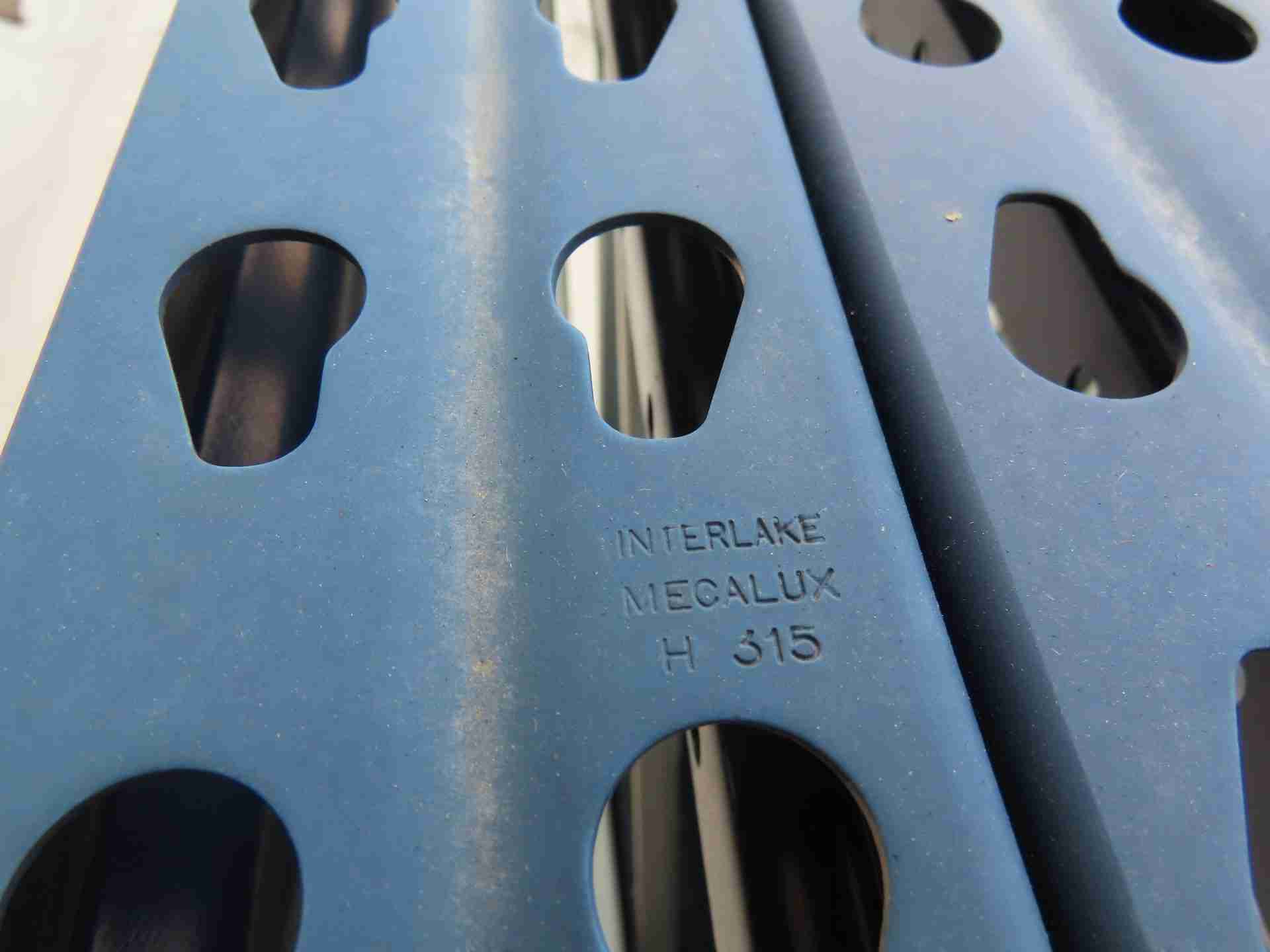
Can Cross Braces Save You Money By Preventing Costly Damages?
How Do You Ensure Safety Standards Are Met with Your Rack System?
When it comes to racking, safety isn’t just a checkbox on a to-do list; it’s the backbone of our operations. Imagine a warehouse bustling with life, the hum of machinery, and workers moving with purpose. Now picture what could happen if that foundation isn’t secure. You don’t just put weight on a shelf; you place trust in every bolt, every beam, and every safety standard you’ve chosen to uphold. This is where ensuring safety standards come into play.
Let’s be real—every set of racking systems is a story waiting to be told. That’s right! Behind every shelf laden with products is a narrative of dedication and responsibility. They support not just the weight of material goods, but also the livelihoods of the people who depend on them. When you elevate safety standards, you’re elevating the whole operation. It’s about ensuring that every worker returns home safe at the end of their shift. That connection ignites an emotional spark in everyone involved because we all know someone out there is counting on us.
First, engage the head: Consistently adhere to industry guidelines and best practices. Consider consulting recognized authorities in rack safety, ensuring your system meets or exceeds their recommendations. Think of the peace of mind that comes from knowing you’ve done your due diligence, both ethically and rationally. Make it a point to apply rigorous inspections and ongoing training, because a well-informed team is an empowered team; they’re the first line of defense in maintaining safety.
Now, the gut: Trust your instincts. Make safety part of your culture. Talk about it openly, discuss it at meetings, and celebrate it when you hit milestones. Share stories of best practices and real-life lessons learned. If someone notices a racking issue, encourage them to speak up. That’s where you foster a deep-rooted social commitment, where every voice matters and every observation can make a difference.
Remember, safety isn’t a destination; it’s a continuous journey. By integrating stringent safety standards into every facet of your racking systems, you cultivate an environment where progress and security go hand in hand. So, handle that gear with care. Engage your team, invest in the right systems, and uphold those standards. Because every time you push the limits of what’s possible, you’re also reinforcing a commitment to safety that resonates throughout the entire organization. Let’s step up, together, and set the standards higher because when we look out for one another, we’re all stronger for it.
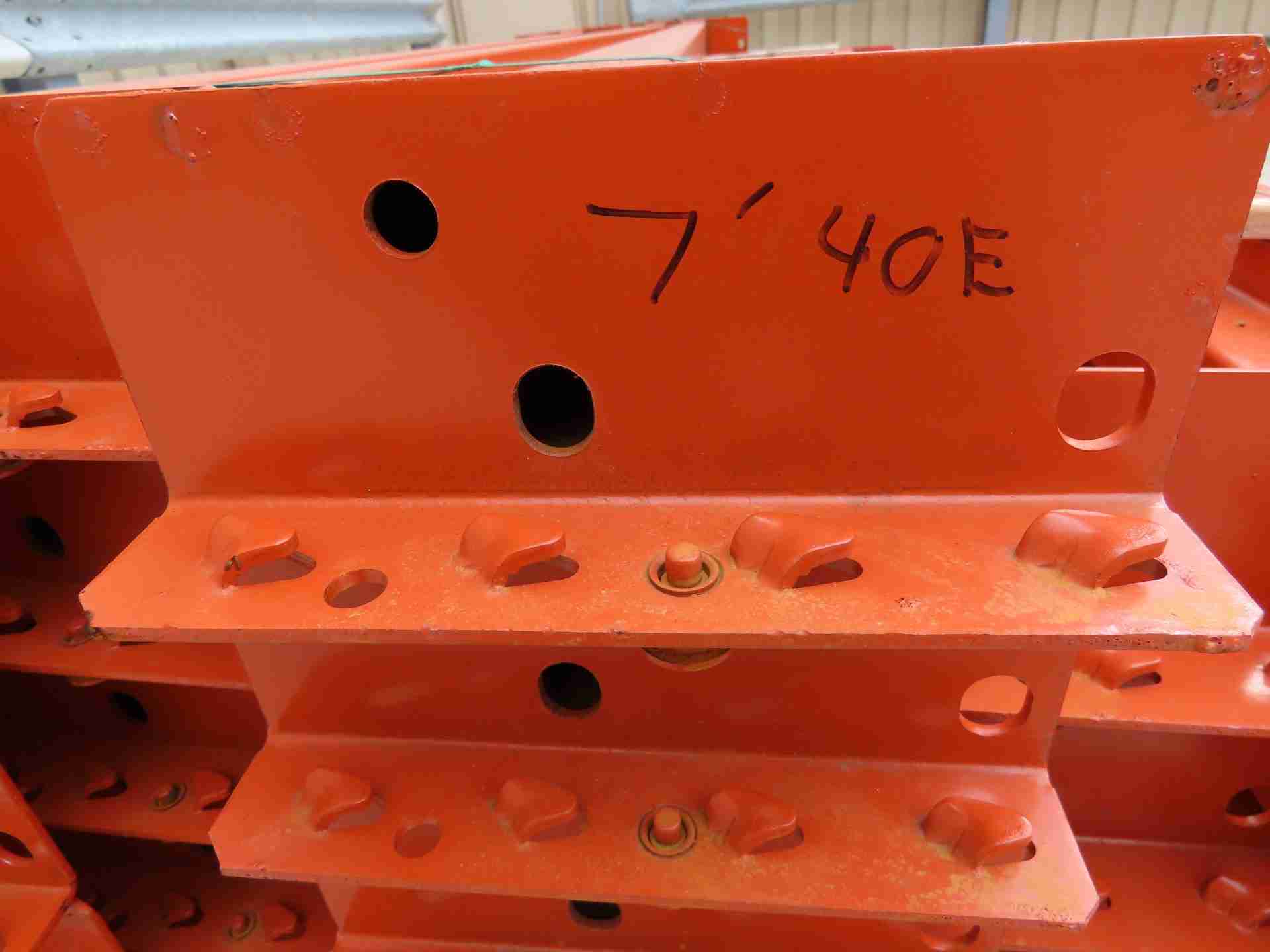
How Do You Ensure Safety Standards Are Met with Your Rack System?
How Do You Ensure Safety Standards Are Met with Your Rack System?
- Safety is fundamental to warehouse operations, ensuring trust in racking systems.
- Every racking system represents a commitment to responsibility and the livelihoods it supports.
- Elevating safety standards enhances overall operations and worker well-being.
- Consistency with industry guidelines and expert consultations is essential for safe racking systems.
- Implement rigorous inspections and ongoing training to empower teams in safety maintenance.
- Foster a culture of safety through open discussions, celebrating milestones, and encouraging feedback.
- Safety is a continuous journey requiring a commitment to uphold high standards in all operations.
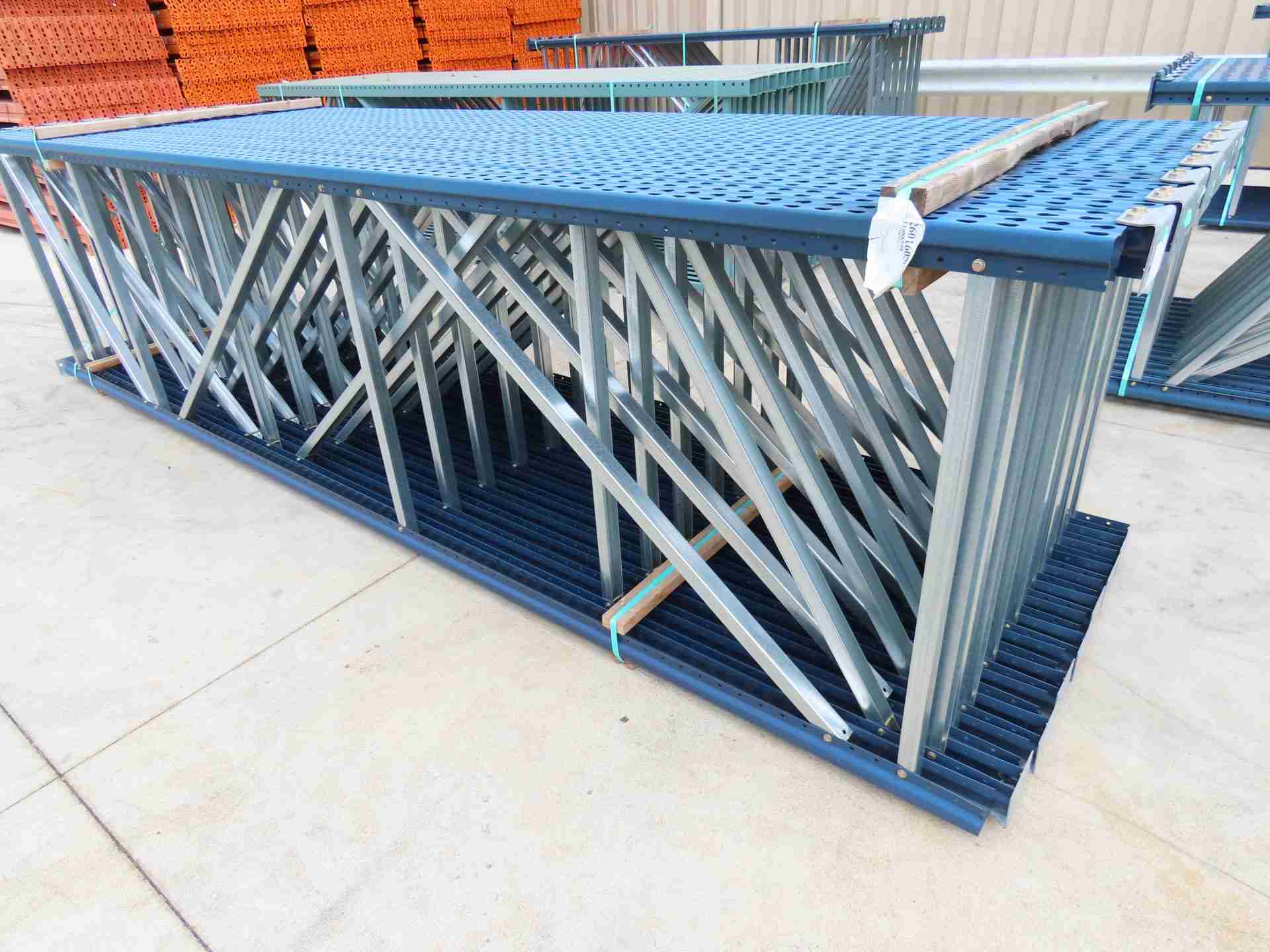
How Do You Ensure Safety Standards Are Met with Your Rack System?
What Benefits Do Cross Braces Provide for Long-Term Durability?
When you think about the framework of your home—those sturdy walls, the roof that stands tall against the fiercest storms—you need to consider how cross braces play a role in ensuring that structure remains resilient over time. Cross braces may seem like an afterthought in the vast equation of home building, but they’re the unsung champions that hold it all together. They work quietly, yet effectively, to resist the racking forces that nature throws our way, especially in seismic zones or high-wind areas.
Imagine the moment you step into your living room after years of wear and tear. A sigh of relief washes over you as you look around and notice things still hold up. That’s the power of durable construction—the kind that promises your home will withstand generations of storms, family gatherings, and everyday life. Cross braces provide that assurance, solidifying your investment and your peace of mind.
Let’s be real for a moment—building a home is not just about erecting walls; it’s about crafting a sanctuary where memories unfold. The emotional weight of every birthday, graduation, and cozy evening spent tucked away from inclement weather is intertwined with the strength of your structure. Cross braces become a crucial part of that emotional tapestry, enhancing resilience and allowing your home to weather the years gracefully.
From a rational standpoint, cross braces are a savvy choice. They distribute forces evenly, minimizing the risk of costly, damaging shifts that could lead to structural failure. Choosing to incorporate these elements is more than just smart engineering; it’s an ethical decision to prioritize the safety and longevity of your loved ones. A structurally sound home isn’t just a roof over your head; it’s a shield against uncertainty.
In the eyes of skilled builders and engineers—those who’ve dedicated their lives to understanding the intricacies of construction—cross braces demand respect. They’re backed by years of knowledge, tested in the field, constantly proving their worth. When you invest in cross bracing, you’re not just checking a box; you’re making a conscious choice to provide your family with stability in an unpredictable world.
So let’s broaden the conversation. When friends and neighbors come over and admire your solid home, they aren’t just admiring a building; they’re witnessing your commitment to durability and foresight. Cross braces serve as a reminder that the best decisions are those made today for the sake of tomorrow. Embrace this added layer of protection, because your home deserves to be as strong as the stories it holds.
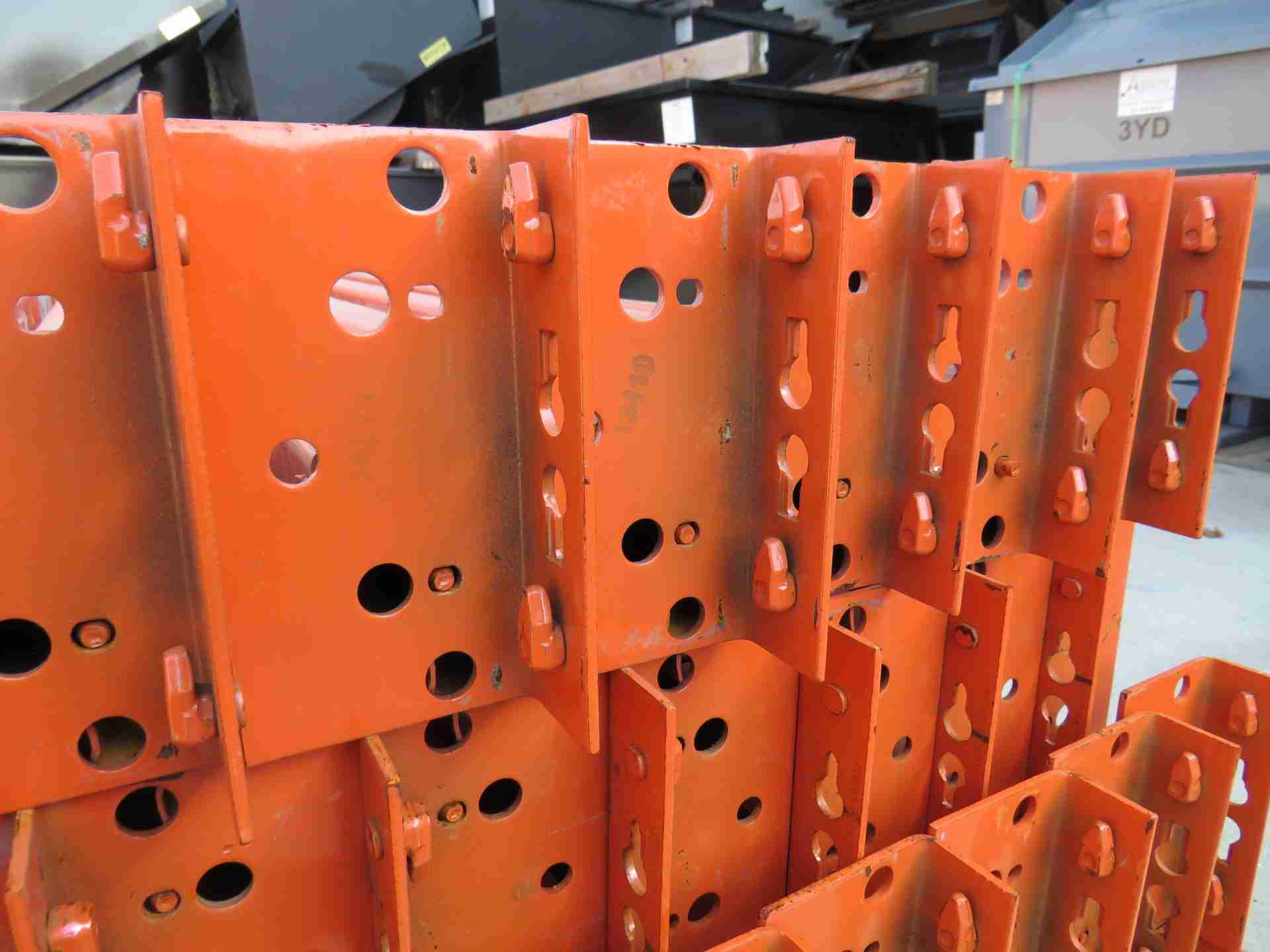
What Benefits Do Cross Braces Provide for Long-Term Durability?
What Benefits Do Cross Braces Provide for Long-Term Durability?
- Cross braces are essential for maintaining the resilience of home structures over time.
- They effectively resist racking forces, especially in seismic zones and high-wind areas.
- Durable construction, aided by cross braces, ensures homes withstand various stresses and wear.
- Cross braces contribute to the emotional significance of a home, enhancing memories and experiences.
- From a rational perspective, they minimize the risk of costly structural shifts and failures.
- Experienced builders recognize the importance of cross braces, highlighting their reliability and proven effectiveness.
- Incorporating cross braces reflects a commitment to safety and foresight for long-term family well-being.
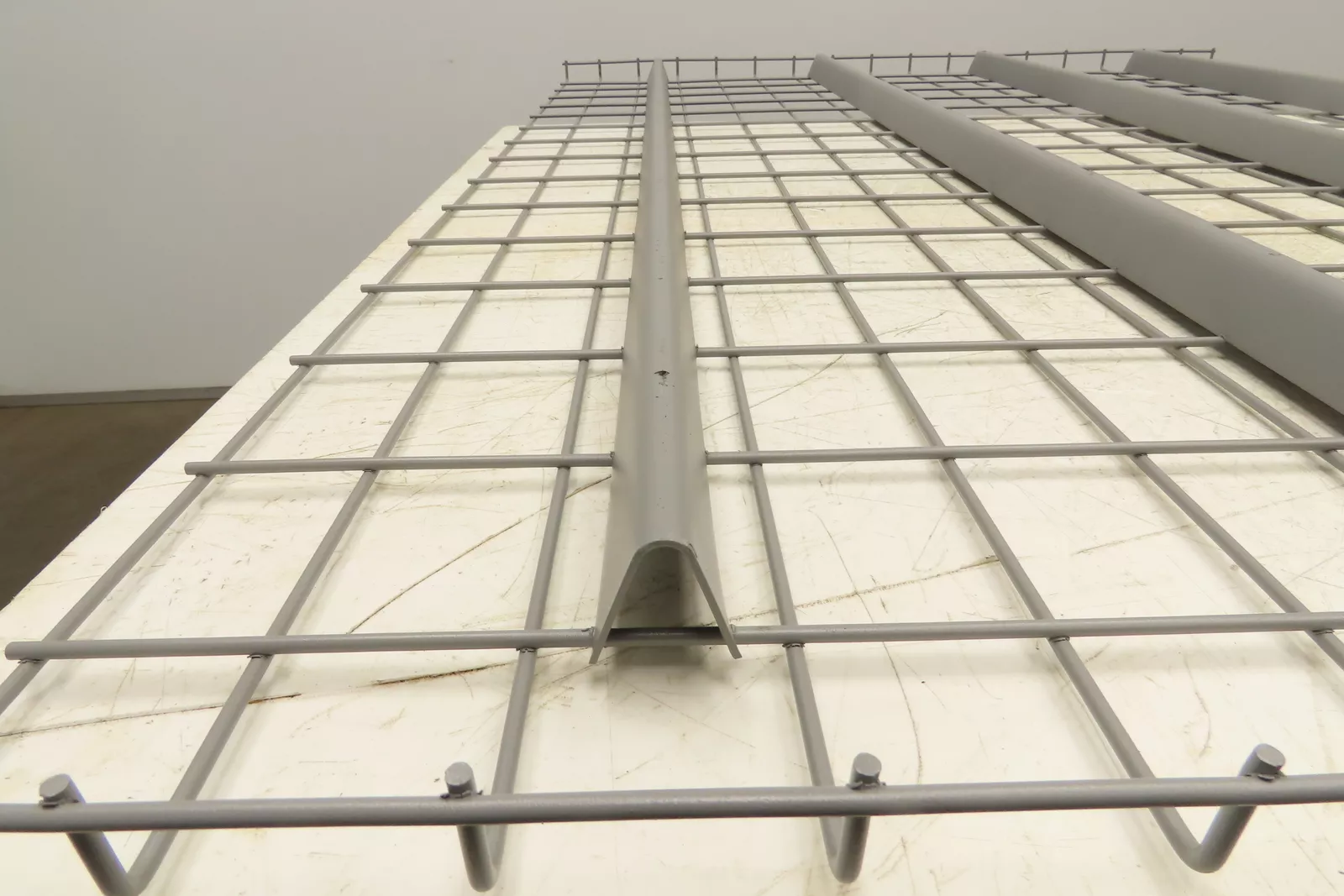
What Benefits Do Cross Braces Provide for Long-Term Durability?
Conclusion
Cross braces are not just metal bars crisscrossing your racking systems; they are the silent sentinels ensuring the safety, stability, and integrity of your warehouse or storage environment. Picture this: you’re in a bustling place filled with products and hard-working individuals. What if suddenly everything started to sway as if caught in a storm, threatening to topple? That unsettling image highlights the intrinsic importance of cross braces and why you should never overlook them.
Rationally speaking, these braces are engineered solutions that counteract bending and buckling, enhancing the rigidity of cantilever racks. They absorb and redistribute forces, safeguarding your valuable goods while preventing accidents that could lead to costly damages or worse, injuries. Investing in cross braces translates into fewer mishaps, decreased downtimes, and ultimately, significant cost savings over time. You’ve put money and effort into your business, so why gamble with the safety of your infrastructure?
Yet, beyond the numbers lies a deeper narrative woven into the fabric of your workplace—trust. Every time an employee moves down an aisle lined with sturdy racks, they’re interacting with your commitment to their safety and well-being. It’s not merely about preventing injuries; it’s about nurturing a community where people feel secure. When cross braces are in use, you’re cultivating a culture of reliability and accountability, demonstrating to your team that their welfare matters.
Ethically, this decision carries weight. As a business owner, there’s a moral obligation to provide a safe working environment. Each worker has a family, friends, and dreams. By investing in reliable support structures, you acknowledge these personal stories and prioritize lives over mere profits.
Moreover, fostering safety breeds team spirit. When employees know they are protected, they can focus on collaboration and innovation without the shadow of potential hazards looming over them. You’re not just building racks; you’re building a thriving ecosystem where camaraderie flourishes, and productivity soars.
Ultimately, the choice to use cross braces isn’t just an operational decision; it’s a declaration of integrity, responsibility, and foresight. They fortify your business from the ground up, transforming racking systems from frames merely holding goods into strong, dependable pillars of your operations. So, as you gaze at those seemingly simple braces, remember: they’re the unwavering backbone of your success, built on trust and commitment to safety. Invest wisely, and watch your operation transcend the ordinary, standing tall in an unpredictable world.
Conclusion
Conclusion:
- Cross braces are essential for the safety, stability, and integrity of warehouse storage systems.
- They counteract bending and buckling, enhancing the rigidity of cantilever racks and preventing accidents.
- Investing in cross braces leads to fewer mishaps, decreased downtime, and significant cost savings.
- Using cross braces fosters a culture of safety, reliability, and accountability in the workplace.
- Business owners have a moral obligation to provide a safe working environment, prioritizing lives over profits.
- Safety encourages team spirit, allowing employees to collaborate and innovate without fear of hazards.
- The choice to use cross braces reflects a commitment to integrity, responsibility, and the overall success of the operation.

Conclusion
Other Resources
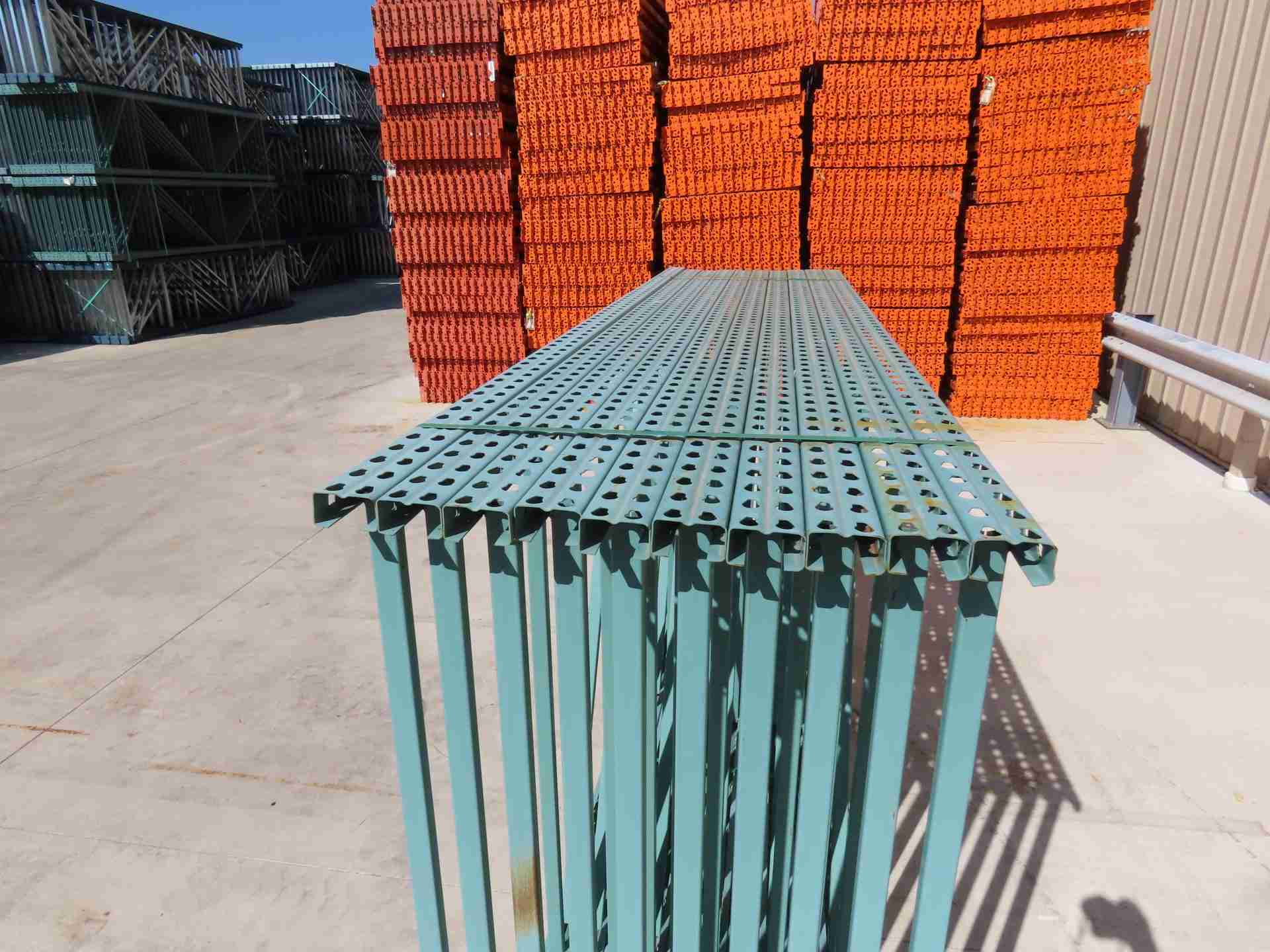
Other Resources
Here is a list of other resources you can review online to learn more:
- Warehouse Storage Racking in Illinois
- Warehousing and Fulfillment
- CA Wire
- Cantilever Racking Specialists – Get the Right Racks
- Arrow Industrial Sales
- Intro to Warehouse Racks & Warehouse Racking Systems – ShipBob
- Warehouse Racking System: Powerful Guide to Optimise, 2024
- Selective Pallet Racking Systems – Container Systems
- Mustang Material Handling
- Heavy-Duty Cantilever Storage Racks
- IIWS Inc. Rack Installation Illinois & Rack Repairs Illinois
- Logic Material Handling
- Selective Racking
- Warehouse Automation
- Teardrop Industrial Shelving Rack
- Cantilever Rack Configuration & Installation: A Comprehensive Guide – BMH
- Illinois Pallet Racking – WPRP
- Storage Equipment Manufacturers’ Association
- American Society of Safety Professionals
- Racking World
Use This Prompt To Get More Resources With Your Favorite Online AI Tool: Please provide me with a list of online articles with their URLs in a bulleted list that I can read regarding How Cross Braces Improve Cantilever Rack Rigidity
Other Resources
Glossary Terms
How Cross Braces Improve Cantilever Rack Rigidity – Glossary Of Terms
1. Cantilever Rack: A storage system characterized by horizontal arms that extend from a vertical structure, used to support goods and materials.
2. Cross Braces: Diagonal supports added between vertical posts of a rack, enhancing structural stability and rigidity.
3. Rigidity: The ability of a structure to resist deformation, ensuring it maintains its shape under load.
4. Stability: The capacity of a rack system to remain balanced and secure, especially when loaded or subjected to external forces.
5. Load Distribution: The way weight is spread across various components of a rack system to reduce stress on any single point.
6. Vertical Supports: The upright posts of a cantilever rack that provide the primary framework and support for the horizontal arms.
7. Horizontal Arms: The protruding beams of a cantilever rack that hold and support the items being stored.
8. Shear Force: An external force acting on a structure that can cause parts to slide past each other, impacting stability.
9. Tension: The pulling force experienced by materials when subjected to a load, affecting the overall strength of the structure.
10. Compression: The pushing force applied to materials that can cause them to buckle under excessive weight.
11. Structural Integrity: A measure of a structure’s ability to withstand its intended load without failing.
12. Bolting: The process of fastening components together using bolts, which can provide additional stability in a rack system.
13. Welding: A method of joining metal parts together, commonly used to enhance the sturdiness of rack frameworks.
14. Material Fatigue: The weakening of a material over time due to repeated loading and unloading cycles, potentially leading to failure.
15. Deflection: The degree to which a structural element bends or deforms under load, often evaluated to assess rigidity.
16. Seismic Resistance: The ability of a rack system to withstand earthquake forces, often enhanced through cross-bracing.
17. Load Capacity: The maximum weight a cantilever rack can safely support, influenced by its design and materials.
18. Bracing Patterns: Specific arrangements of cross braces that optimize stability and strength for different applications.
19. Dynamic Loads: Loads that change over time, such as moving equipment or shifting inventory, requiring stable design features.
20. Static Loads: Constant, unchanging loads placed on a rack, typically easier to manage than dynamic loads.
21. Component Interactions: The relationships and physical forces between various parts of the rack system that determine overall performance.
22. Failure Modes: Potential ways in which a structure can fail, such as buckling, breaking, or bending.
23. Design Specifications: The detailed requirements and standards that govern the construction and performance of a rack system.
24. Safety Factors: Calculated margins added to load capacities to account for uncertainties in design and loading conditions.
25. Environmental Factors: External conditions, like humidity and temperature, that can affect the integrity and performance of storage systems.
26. Installation Quality: The standard of assembly that can significantly impact the effectiveness and longevity of a rack system.
27. Modular Design: A flexible approach to rack construction that allows for easy reconfiguration and expansion.
28. Weight Distribution: The strategic placement of items on a rack to ensure that weight does not exceed individual arm capacities.
29. Inspection and Maintenance: Regular checks and repairs to ensure the ongoing safety and functionality of a rack system.
30. Guidelines and Standards: Regulatory frameworks governing the design and use of cantilever racks to ensure safety and efficiency.
Glossary Of Terms
Other Questions
How Cross Braces Improve Cantilever Rack Rigidity – Other Questions
If you wish to explore and discover more, consider looking for answers to these questions:
- What types of materials are commonly used for cross braces?
- How often should racking systems with cross braces be inspected?
- What are the installation requirements for cross braces?
- How do cross braces compare to other forms of racking support?
- Can cross braces be retrofitted into existing racking systems?
- What specific safety standards are associated with racking systems?
- How do local regulations impact the installation of cross braces?
- What are the signs that a racking system is becoming unstable?
- How do cross braces affect the weight capacity of a racking system?
- What are the costs associated with installing cross braces?
- Are there any maintenance requirements for cross braces?
- How do cross braces impact the overall aesthetics of a racking system?
- What training should staff receive regarding the use of cantilever racks with cross braces?
- Can cross braces also improve efficiency in a warehouse setting?
- What impact do cross braces have on energy efficiency in storage solutions?
Other Questions
Checklist
How Cross Braces Improve Cantilever Rack Rigidity – A Checklist
Checklist for Choosing Cross Braces for Your Cantilever Racks
Emotional Appeals:
_____ Visualize your warehouse environment; imagine the peace of mind knowing that safety is prioritized.
_____ Reflect on the pride that comes from providing a safe workspace for your employees.
_____ Consider the long-term memories created in a stable environment supported by cross braces.
Rational Appeals:
_____ Review documented evidence and studies showing the cost savings from reduced accidents and damage.
_____ List the engineering principles that support the use of cross braces for structural integrity.
_____ Analyze the potential financial losses from unstable racks and compare them to the investment in cross braces.
Ethical Appeals:
_____ Commit to ensuring that all employees have a safe work environment—evaluate current safety standards.
_____ Hold yourself accountable by regularly reviewing and adhering to industry safety guidelines.
_____ Foster a culture of safety and trust within your organization by encouraging open discussions about racking stability.
Authority Appeals:
_____ Research recommendations from industry experts regarding the use of cross braces in racking systems.
_____ Consult with engineers and safety professionals to assess the adequacy of your current racking setup.
_____ Keep records of inspections and quality checks to demonstrate compliance with safety standards.
Narrative Appeals:
_____ Share success stories from other businesses that have invested in cross braces and experienced transformation.
_____ Collect testimonials from employees regarding how cross braces have positively impacted their work environment.
_____ Create a storyline around the journey of maintaining safety in your warehouse, highlighting key milestones of improvement.
Social Appeals:
_____ Engage your team in discussions about the importance of cross braces and their role in overall safety.
_____ Schedule team-building exercises focused on safety culture and collaborative problem-solving around racking systems.
_____ Recognize and celebrate team efforts in maintaining safety standards and improving workplace conditions.
Action Items:
_____ Conduct a thorough evaluation of your current racking systems.
_____ Prioritize immediate implementation of cross braces where needed.
_____ Develop a training program for employees focusing on safety practices and the role of cross braces.
Commitment to Action:
_____ Sign a pledge to prioritize safety and invest in structural integrity today for a better tomorrow.
Checklist
At RackingWorld, we help guide you through selecting warehouse storage systems and racking.
Be sure to read our other related stories at RackingWorld to learn more about warehouse storage systems.
0 Comments