
Maximize Efficiency With Intelligent Shelving
By Tom Seest
At RackingWorld, we help guide you through selecting warehouse storage systems and racking.
Be sure to read our other related stories at RackingWorld to learn more about warehouse storage systems.
How Can You Streamline Picking Processes with Intelligent Shelving?
In the fast-paced world of warehousing and distribution, the efficiency of your picking processes can significantly impact your bottom line. Enter intelligent shelving—an innovation set to revolutionize how businesses manage their inventory and optimize their picking in ways traditional methods simply cannot.
Now, imagine your warehouse outfitted with intelligent shelving systems, designed to enhance visibility and access. Unlike conventional pallet racking, which can lead to guesswork and inefficient retrieval, intelligent shelving uses advanced technology to provide real-time data on stock levels and item locations. For instance, companies like Amazon have invested heavily in automation and intelligent shelving to streamline their operations. They utilize robotic systems that work in concert with smart shelving units, drastically reducing picking times and increasing accuracy.
Consider this: with traditional methods, an employee may spend several minutes searching for an item within a sprawling pallet racking framework. Intelligent shelving, outfitted with sensors and smart tracking technology, ensures that every employee knows exactly where to find each item—fast. The days of running from aisle to aisle are becoming a relic of the past. Instead, your team can pick, pack, and ship with unmatched efficiency.
In current events, many businesses are seeing a surge in e-commerce demands. As we approach the holiday season, the need for rapid order fulfillment is imperative. For those still relying on outdated warehousing solutions, the risk of being left behind is real. Intelligent shelving empowers businesses to meet this demand head-on, transforming the picking process into a well-orchestrated dance of efficiency.
Furthermore, intelligent shelving contributes to reduced operational costs. By minimizing wasted movement, companies can cut down on labor expenses and increase productivity levels. This translates into an impressive return on investment—a key metric that every savvy business leader keeps in mind.
But let’s not forget customer satisfaction; in today’s market, it’s everything. By leveraging intelligent shelving systems, you significantly enhance your ability to fulfill orders accurately and on time. A happy customer is a returning customer, and intelligent shelving plays a crucial role in achieving that loyalty.
In a time when every second counts, adopting intelligent shelving isn’t just a good idea; it’s a strategic imperative that could elevate your business above the competition. If you want to streamline picking processes while improving efficiency and satisfaction, intelligent shelving is the answer. Don’t let paltry pallet racking hold you back—embrace the future and watch your profits soar.
How Can You Streamline Picking Processes with Intelligent Shelving?
How Can You Streamline Picking Processes with Intelligent Shelving?
- Efficient picking processes in warehouses directly influence profitability.
- Intelligent shelving enhances inventory management by providing real-time data on stock levels and item locations.
- Companies like Amazon utilize automation and intelligent shelving to minimize picking times and improve accuracy.
- Smart shelving systems reduce the time employees spend searching for items, transforming operations into more efficient workflows.
- With rising e-commerce demands, intelligent shelving is essential for businesses to meet rapid order fulfillment needs.
- Intelligent shelving lowers operational costs by reducing wasted movement, leading to higher productivity and ROI.
- Improved order fulfillment through intelligent shelving enhances customer satisfaction and loyalty, crucial for business success.
How Can You Streamline Picking Processes with Intelligent Shelving?
Table Of Contents
- How Can You Streamline Picking Processes with Intelligent Shelving?
- How Does Intelligent Shelving Improve Picking Efficiency?
- What Are The Key Features Of Intelligent Shelving Systems?
- How Can Intelligent Shelving Reduce Picking Errors?
- What Technologies Drive Intelligent Shelving Solutions?
- What Are The Cost Benefits Of Implementing Intelligent Shelving?
- How Can Data Analytics Optimize The Picking Process?
- Conclusion
- Other Resources
- Glossary Of Terms
- Other Questions
- Checklist
How Does Intelligent Shelving Improve Picking Efficiency?
In the fast-paced world of logistics and warehousing, where speed and accuracy are paramount, intelligent shelving emerges as a game-changer. Elevating traditional systems like pallet racking, intelligent shelving leverages advanced technology to enhance picking efficiency dramatically. Imagine a warehouse where every item is accurately tracked in real-time, allowing for lightning-fast retrieval. This is not just a vision; it’s the reality that smart shelving systems present.
Consider a scenario where a major e-commerce retailer implements an intelligent shelving solution. By integrating AI and IoT technologies, they track inventory movement with precision. Instead of employing a one-size-fits-all approach with generic pallet racking, their shelves adapt to the fluctuating demands of their products. For instance, fast-moving items are placed at easily accessible levels, while slower-moving stock remains in less-prominent locations. This strategy not only reduces time spent searching for items but also significantly cuts down on labor costs.
A recent report highlighted how intelligent shelving helped an automotive parts supplier reduce picking time by up to 30%. Previously, their reliance on traditional racking led to inefficient workflows and wasted hours. After implementing smart shelving that utilized RFID technology, they experienced a drastic reduction in retrieval times. Suddenly, employees are no longer running back and forth, trying to locate a specific part. Instead, they enjoy a seamless experience where the system informs them of the quickest route to their destination.
Moreover, intelligent shelving can significantly enhance inventory accuracy. Real-time tracking enables warehouses to maintain precise stock levels. Current event data shows that many retailers are investing in technology to mitigate supply chain disruptions caused by unforeseen crises, such as the pandemic. Intelligent shelving provides this agility, allowing companies to adapt and respond to changing market demands swiftly.
In today’s competitive landscape, businesses that adopt intelligent shelving systems enjoy a decisive edge. They not only meet customer expectations but exceed them, ensuring faster delivery times and improved satisfaction rates. Just imagine the power of having a fully optimized warehouse—where every shelf is working for you, ensuring that you can pick, pack, and ship with unparalleled efficiency.
So, ask yourself: Is your warehouse still relying on outdated pallet racking solutions? If so, it’s time to embrace the future of intelligent shelving and unlock the potential for extraordinary picking efficiency. The choice is clear; don’t be left behind while others innovate and thrive.
How Does Intelligent Shelving Improve Picking Efficiency?
How Does Intelligent Shelving Improve Picking Efficiency?
- Intelligent shelving revolutionizes logistics and warehousing by enhancing speed and accuracy.
- Utilizes advanced technology, including AI and IoT, to dramatically improve picking efficiency.
- Real-time tracking allows for quick retrieval of items, adapting to fluctuating product demands.
- Retailers experience reduced labor costs and time saved with optimized shelf placement for fast and slow-moving items.
- Case studies show a reduction in picking time by up to 30% after switching from traditional racking to intelligent shelving.
- Real-time inventory tracking improves accuracy and helps businesses quickly respond to market changes.
- Companies adopting intelligent shelving systems gain a competitive edge, achieving faster deliveries and higher customer satisfaction.
How Does Intelligent Shelving Improve Picking Efficiency?
What Are The Key Features Of Intelligent Shelving Systems?
In today’s fast-paced supply chain landscape, the need for efficiency and precision is more critical than ever. Enter Intelligent Shelving Systems—revolutionary solutions designed to streamline operations, reduce costs, and enhance productivity across various industries. The heart of these systems lies in their unique features, each tailored to tackle modern logistics challenges.
First off, automated inventory management is a game-changer. Imagine walking into a warehouse filled with Pallet Racking, yet everything is organized and accounted for without lifting a finger. Intelligent shelving systems utilize RFID technology and IoT connectivity to track inventory in real time. This means no more time wasted searching for lost items, and no more inventory errors that can cost companies thousands. As we navigated interruptions in supply chains during the COVID-19 pandemic, businesses that adopted such systems saw remarkable improvements in operational resilience.
Secondly, smart picking solutions are transforming how orders are fulfilled. With built-in algorithms, these systems can guide warehouse employees to the most efficient picking paths, effectively reducing labor hours and time spent on each order. Companies like Amazon have invested heavily in robotic shelving systems that dynamically adjust to product demand and optimize picking routes, leading to faster delivery times that keep customers happy in a world where speed is of the essence.
Another standout feature is flexible configurability. Intelligent shelving systems can adapt to different warehouse designs and sizes. Whether you’re utilizing Pallet Racking for bulk storage or compact shelving for smaller items, these systems can be customized to fit your needs. Recent innovations have led to modular designs that allow for swift reconfiguration, making it easy for businesses to scale up as they grow or pivot when market demands shift—something highly relevant in today’s ever-changing economic climate.
Moreover, data analytics and reporting capabilities are indispensable. By harnessing big data, intelligent shelving systems provide insights into inventory turnover rates, seasonal trends, and product performance. This information equips decision-makers with the tools to refine supply chain strategies and boost profitability. As businesses strive for greater agility, having a comprehensive understanding of stock movement can be a significant competitive advantage.
Lastly, let’s not forget the enhanced user experience that these systems bring. User-friendly interfaces and mobile accessibility ensure that employees can manage inventory with minimal training, leading to smoother operations and increased employee satisfaction.
In a world where every second counts and efficiency is non-negotiable, investing in intelligent shelving systems is not just a choice—it’s a necessity. Embrace the future of warehousing today and watch your operational capabilities soar.
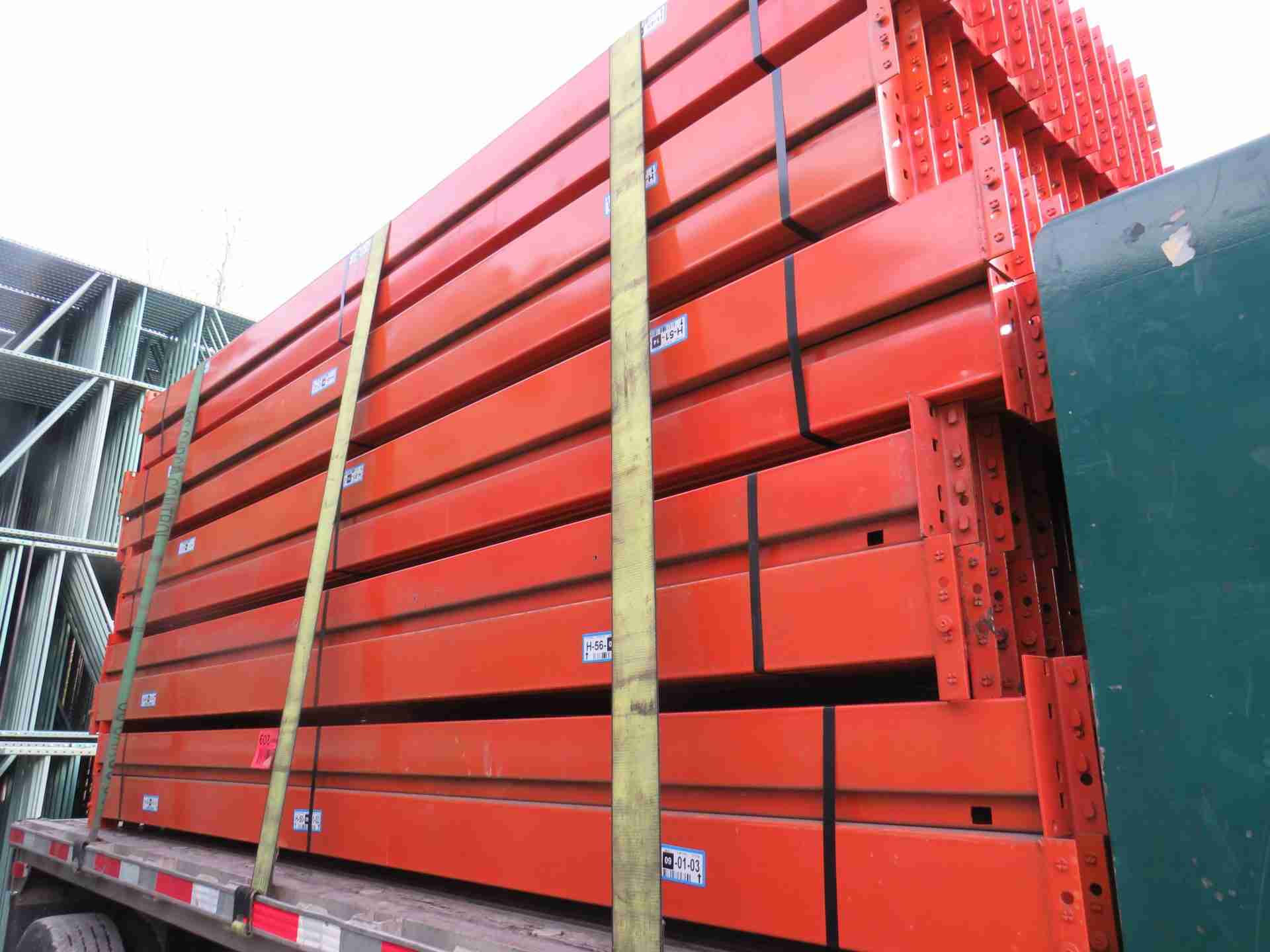
What Are The Key Features Of Intelligent Shelving Systems?
What Are The Key Features Of Intelligent Shelving Systems?
- Intelligent Shelving Systems enhance efficiency, reduce costs, and boost productivity in supply chain operations.
- Automated inventory management utilizes RFID technology and IoT for real-time tracking, minimizing errors and search times.
- Smart picking solutions use algorithms to optimize picking paths, reducing labor hours and improving order fulfillment speed.
- Flexible configurability allows customization to fit various warehouse designs and scalability to adapt to market demands.
- Data analytics provide insights into inventory turnover and product performance, aiding in strategic supply chain decisions.
- User-friendly interfaces and mobile access ensure easy management and training, enhancing employee satisfaction.
- Investing in intelligent shelving systems is essential for staying competitive in a fast-paced, efficiency-driven landscape.
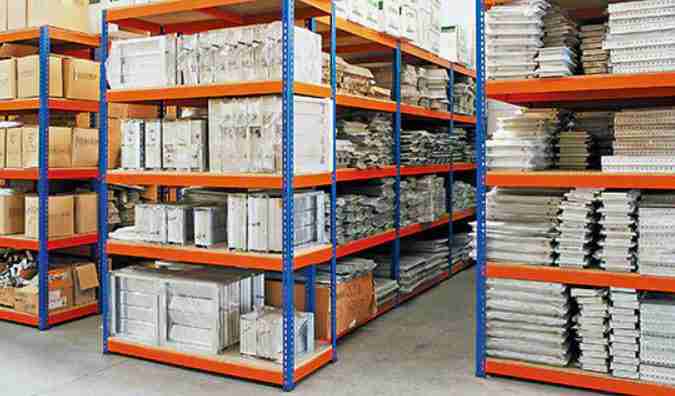
What Are The Key Features Of Intelligent Shelving Systems?
How Can Intelligent Shelving Reduce Picking Errors?
In the fast-paced world of logistics and warehouse management, cutting down on picking errors isn’t just a good idea—it’s a necessity. Intelligent shelving is revolutionizing the way warehouses operate, and it’s time for businesses to embrace the future of inventory management. With innovations occurring at breakneck speed, particularly in the wake of the ongoing supply chain challenges, staying ahead of the curve can make or break your bottom line.
Imagine your warehouse as a finely-tuned machine, where every part works in harmony. Intelligent shelving systems are designed to optimize this experience. By leveraging advanced technology—think AI and robotics—you can streamline your picking processes. Traditional pallet racking setups are often cluttered and inefficient. Workers may waste precious time searching through aisles filled with items, leading to confusion and mispicks. Intelligent shelving addresses this pain point by implementing smart storage solutions that allow for real-time tracking and organization.
Consider a large grocery chain that recently implemented intelligent shelving during the pandemic-induced supply chain shortages. By using real-time inventory management systems integrated into their shelving, they were able to decrease their picking errors by 30%. This didn’t just save time; it saved them tens of thousands of dollars in lost revenue due to misplaced products and customer dissatisfaction. With intelligent shelving, employees could scan QR codes that led them directly to the item’s location within the warehouse, ensuring they picked the right product every single time.
In addition to reducing picking errors, intelligent shelving can adapt to your unique inventory needs. For instance, if your product range changes seasonally—think Halloween costumes or holiday decorations—intelligent systems allow for dynamic reconfiguration. This adaptability means that during peak seasons, you can focus on high-demand items, reducing the risk of errors when time is of the essence.
Moreover, with current technological advancements, these intelligent shelving units can be equipped with sensors that notify managers of low stock levels in real time, enabling proactive restocking and ultimately enhancing customer satisfaction. In an era where consumer expectations are at an all-time high, ensuring accuracy in picking isn’t just a convenience; it’s a competitive advantage.
In summary, employing intelligent shelving in your warehouse operations can substantially reduce picking errors while streamlining overall efficiency. With real-world examples of success and continued advancements in technology, it’s clear that those who adopt intelligent shelving will find themselves leading the pack, not just keeping pace. Your future customers will thank you!
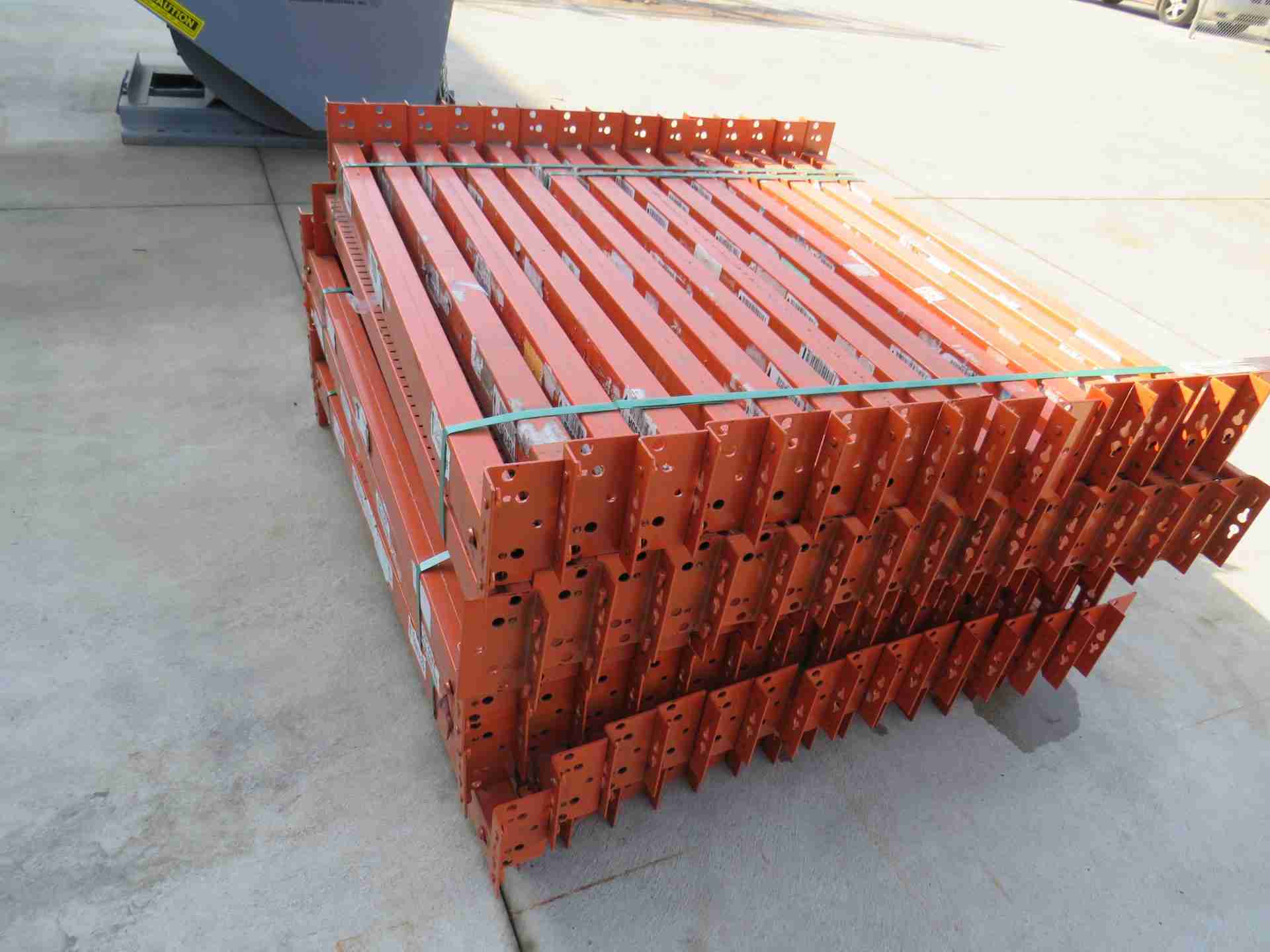
How Can Intelligent Shelving Reduce Picking Errors?
How Can Intelligent Shelving Reduce Picking Errors?
- Reducing picking errors in logistics is essential for business success.
- Intelligent shelving optimizes warehouse operations through the use of advanced technologies like AI and robotics.
- This system improves efficiency compared to traditional pallet racking by streamlining picking processes.
- A grocery chain reduced picking errors by 30% using intelligent shelving during pandemic-related supply chain issues.
- Adaptive shelving systems allow for dynamic reconfiguration to meet seasonal inventory changes.
- Equipped sensors in intelligent shelving notify managers of low stock levels for proactive restocking.
- Embracing intelligent shelving offers significant competitive advantages and enhances customer satisfaction.
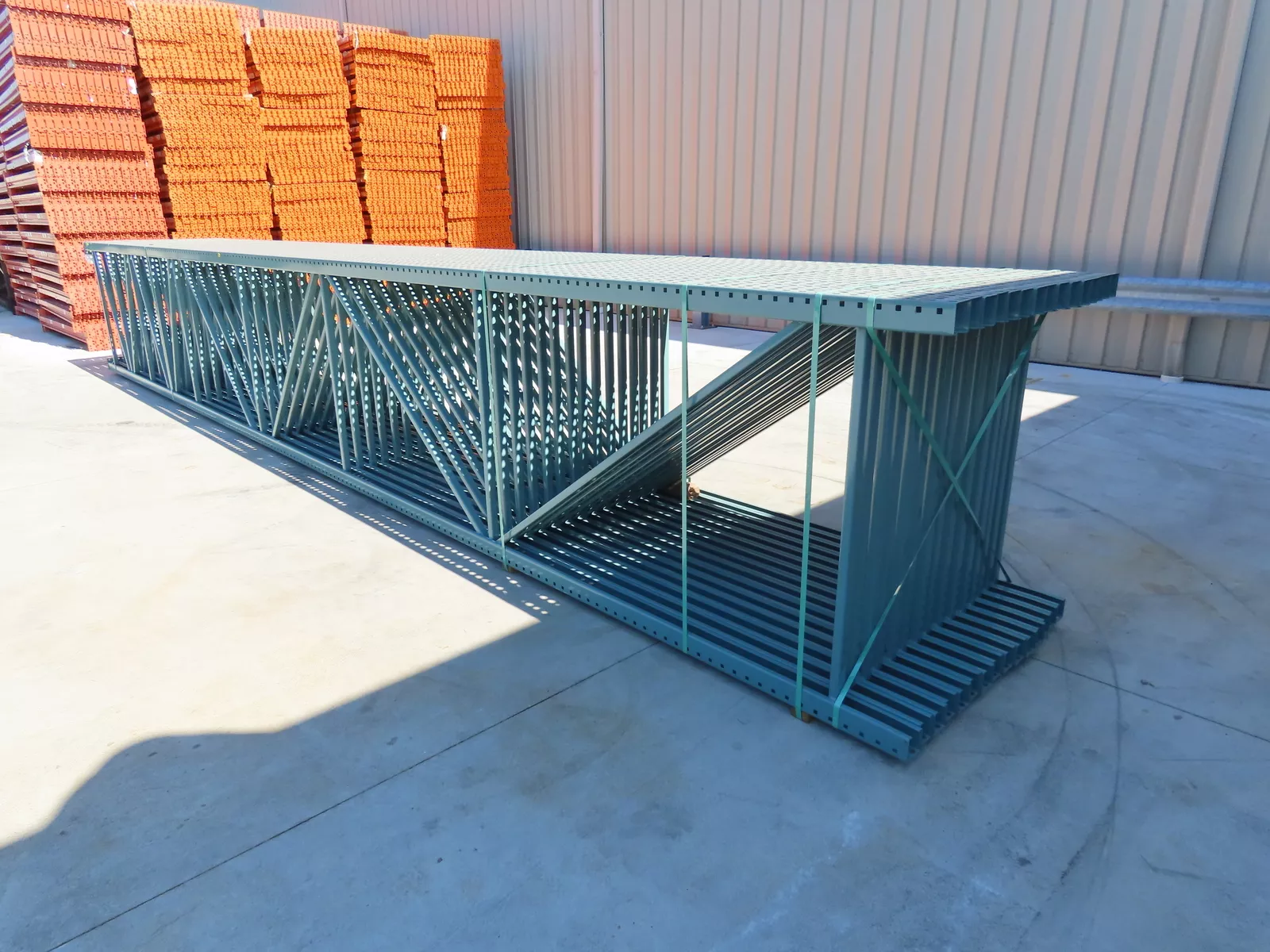
How Can Intelligent Shelving Reduce Picking Errors?
What Technologies Drive Intelligent Shelving Solutions?
In an era where efficiency isn’t just an advantage but a necessity, intelligent shelving solutions are revolutionizing warehouses and retail environments. These cutting-edge systems seamlessly integrate advanced technologies to optimize space, enhance inventory management, and boost overall productivity. Let’s dive into the key technologies that are driving these innovations and why they matter to your bottom line.
Smart Sensors and IoT Integration
At the heart of intelligent shelving solutions are smart sensors that monitor stock levels in real-time. Imagine a scenario where a retailer can automatically track inventory without constant manual checks. With the Internet of Things (IoT) enabling connectivity between shelves and centralized systems, businesses can receive alerts when stock is low, thereby preventing out-of-stock situations that cost sales. Companies like Amazon are leveraging these technologies in their fulfillment centers, using smart sensors to ensure that every inch of space is utilized efficiently.
Data Analytics
In today’s data-driven world, the ability to analyze vast amounts of information is crucial. Intelligent shelving systems utilize big data analytics to understand consumer behavior and predict demand patterns. By analyzing past sales data, businesses can adjust their shelving configurations and stock levels accordingly. This not only maximizes the use of pallet racking systems but also improves the customer experience by ensuring high-demand products are always available. Walmart’s recent investment in predictive analytics showcases the retail giant’s commitment to utilizing data for inventory optimization.
Artificial Intelligence and Machine Learning
Artificial intelligence (AI) and machine learning (ML) revolutionize how businesses interact with their inventory. Intelligent shelving solutions equipped with AI can automatically optimize product placement based on sales trends, seasonality, and even local purchasing preferences. For instance, retailers can utilize AI to determine which products should be front-facing on shelves, increasing visibility and encouraging purchases. Advanced ML algorithms can even forecast future inventory needs, allowing businesses to adapt proactively rather than reactively.
Robotic Automation
Integrating robotic systems into shelving solutions isn’t just a futuristic concept; it’s a reality reshaping the logistics landscape. Automated retrieval systems and robotic arms can assist in loading and unloading products from shelves, making pallet racking processes faster and more efficient. Companies like Ocado are trailblazing this space, employing autonomous robots that navigate complex shelving systems to optimize warehouse operations.
Cloud Computing
Finally, cloud computing serves as the backbone of intelligent shelving solutions, providing the necessary infrastructure for data storage and processing. This technology enables seamless communication between various tools and devices within a business. As warehouses continue to evolve into highly connected environments, leveraging the cloud becomes essential to maintain agility and responsiveness.
Embracing these innovative technologies not only enhances your shelving solutions but also positions your business for sustainable growth in an ever-competitive marketplace. By leveraging smart sensors, data analytics, AI, robotics, and cloud computing, companies are not just enhancing operational efficiency, but also paving the way for future success. Embrace intelligent shelving today and watch your efficiency—and profits—reach new heights.
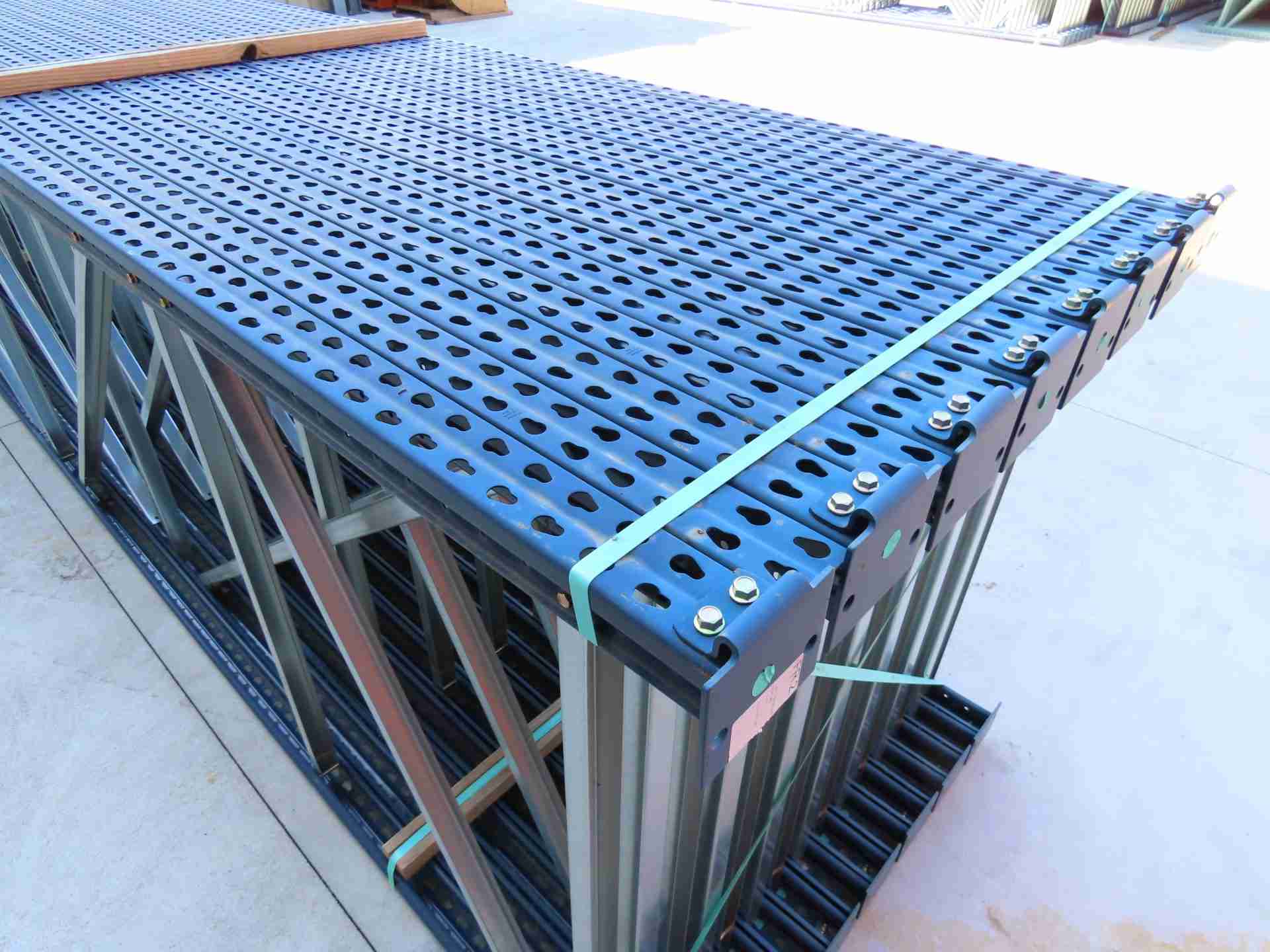
What Technologies Drive Intelligent Shelving Solutions?
What Technologies Drive Intelligent Shelving Solutions?
- Intelligent shelving solutions are transforming warehouses and retail spaces by enhancing efficiency and productivity.
- Smart sensors and IoT integration allow for real-time inventory monitoring and alerts to prevent stock shortages.
- Data analytics help businesses understand consumer behavior and optimize stock levels based on demand patterns.
- AI and machine learning enable automatic optimization of product placement, improving sales and customer experience.
- Robotic automation streamlines loading and unloading processes, increasing efficiency in logistics operations.
- Cloud computing provides essential infrastructure for data communication and processing in intelligent shelving systems.
- Adopting these technologies positions businesses for sustainable growth and improved operational efficiency in competitive markets.
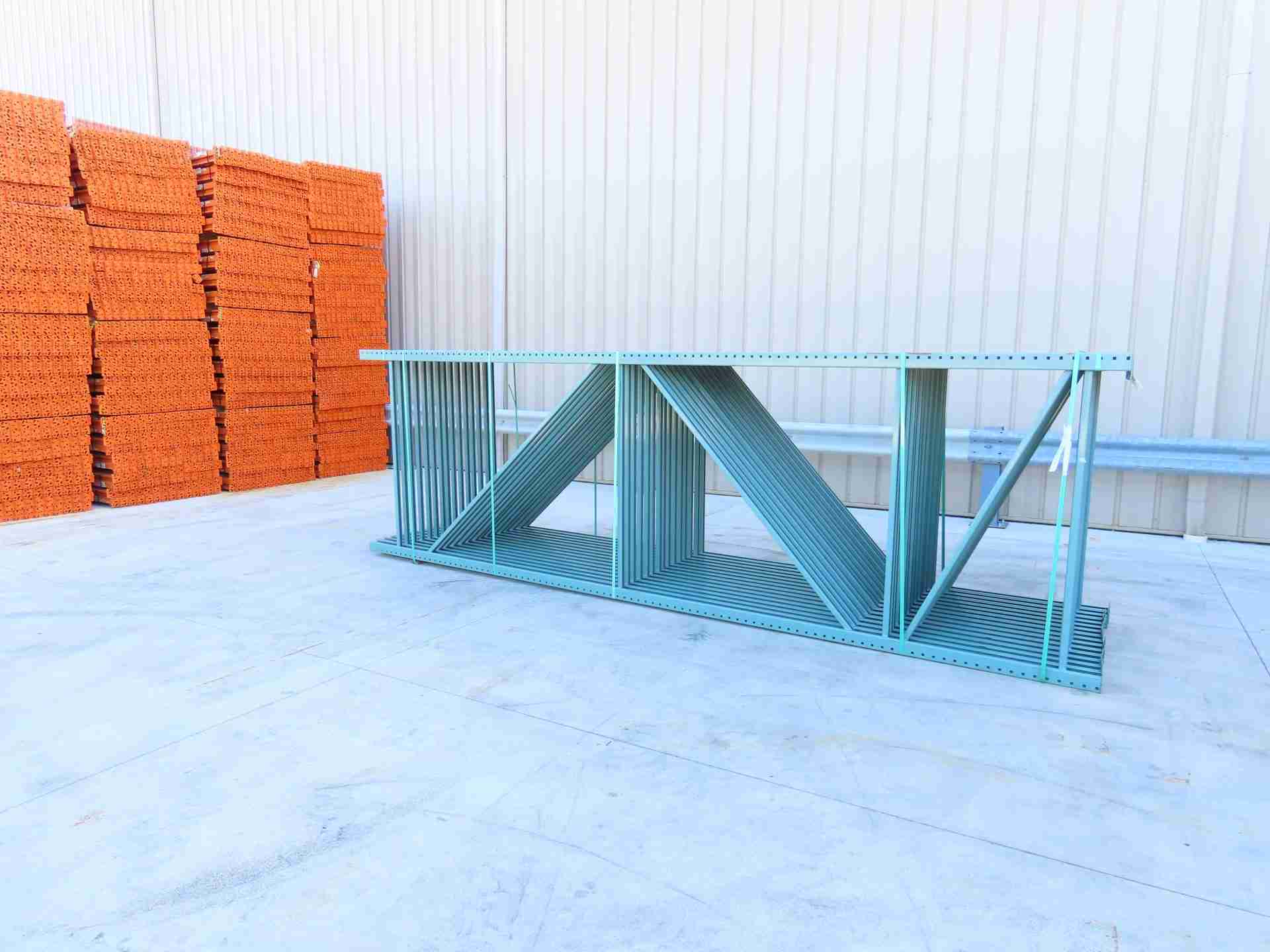
What Technologies Drive Intelligent Shelving Solutions?
What Are The Cost Benefits Of Implementing Intelligent Shelving?
In today’s fast-paced retail and warehouse environments, business leaders are constantly searching for ways to cut costs, increase efficiency, and optimize their operations. One game-changing solution that stands out is intelligent shelving. This innovative approach goes beyond traditional pallet racking systems. It integrates cutting-edge technology, such as sensors and IoT capabilities, to redefine how we manage inventory and space.
Consider this: a recent study revealed that businesses implementing intelligent shelving systems saw up to a 30% increase in efficiency, directly reducing overhead costs. Imagine a warehouse running on traditional pallet racking—items are often misplaced, leading to time-consuming searches for products, increased labor costs, and frustrating customer experiences. Intelligent shelving eliminates these pitfalls through real-time inventory tracking. For example, Walmart, a leader in retail, has recently introduced smart shelving units that automatically alert management when stock levels fall below a set threshold. This proactive approach not only saves costs associated with stockouts but also enhances customer satisfaction through improved product availability.
Furthermore, adopting intelligent shelving systems allows companies to maximize their space usage. In manufacturing environments where every square foot matters, traditional pallet racking may lead to wasted spaces due to static layout designs. With intelligent shelving, businesses can dynamically adjust their layouts based on demand patterns. An e-commerce warehouse that utilized flexible shelving found they could store 20% more products in the same space—translating to higher profitability and a more streamlined operation.
Moreover, let’s not overlook the impact on labor costs. Intelligent shelving systems can reduce the reliance on manual labor by automating processes like inventory counting and replenishment. A logistics company recently reported a 25% decrease in labor hours dedicated to inventory management after implementing an intelligent shelving solution, freeing their staff to focus on more value-added tasks.
Lastly, consider the environmental advantages. By optimizing inventory levels and reducing waste through better management practices, organizations can lessen their carbon footprint, aligning themselves with the growing consumer demand for sustainability.
In summary, the cost benefits of intelligent shelving extend far beyond immediate financial gains. By improving efficiency, maximizing space, reducing labor costs, and supporting sustainability, businesses position themselves for sustainable growth. Embrace this innovative solution now, and watch your operational costs—and profits—soar.

What Are The Cost Benefits Of Implementing Intelligent Shelving?
What Are The Cost Benefits Of Implementing Intelligent Shelving?
- Intelligent shelving integrates technology such as sensors and IoT to enhance inventory management.
- Companies implementing intelligent shelving can achieve up to a 30% increase in efficiency and reduced overhead costs.
- Real-time inventory tracking helps eliminate misplaced items, saving time and labor costs.
- Walmart utilizes smart shelving to proactively manage stock levels, enhancing customer satisfaction.
- Flexible shelving setups can lead to 20% more product storage in the same space, boosting profitability.
- Intelligent shelving reduces labor hours for inventory management by automating key processes, allowing staff to focus on more valuable tasks.
- Optimized inventory management supports sustainability by reducing waste and lowering carbon footprints.
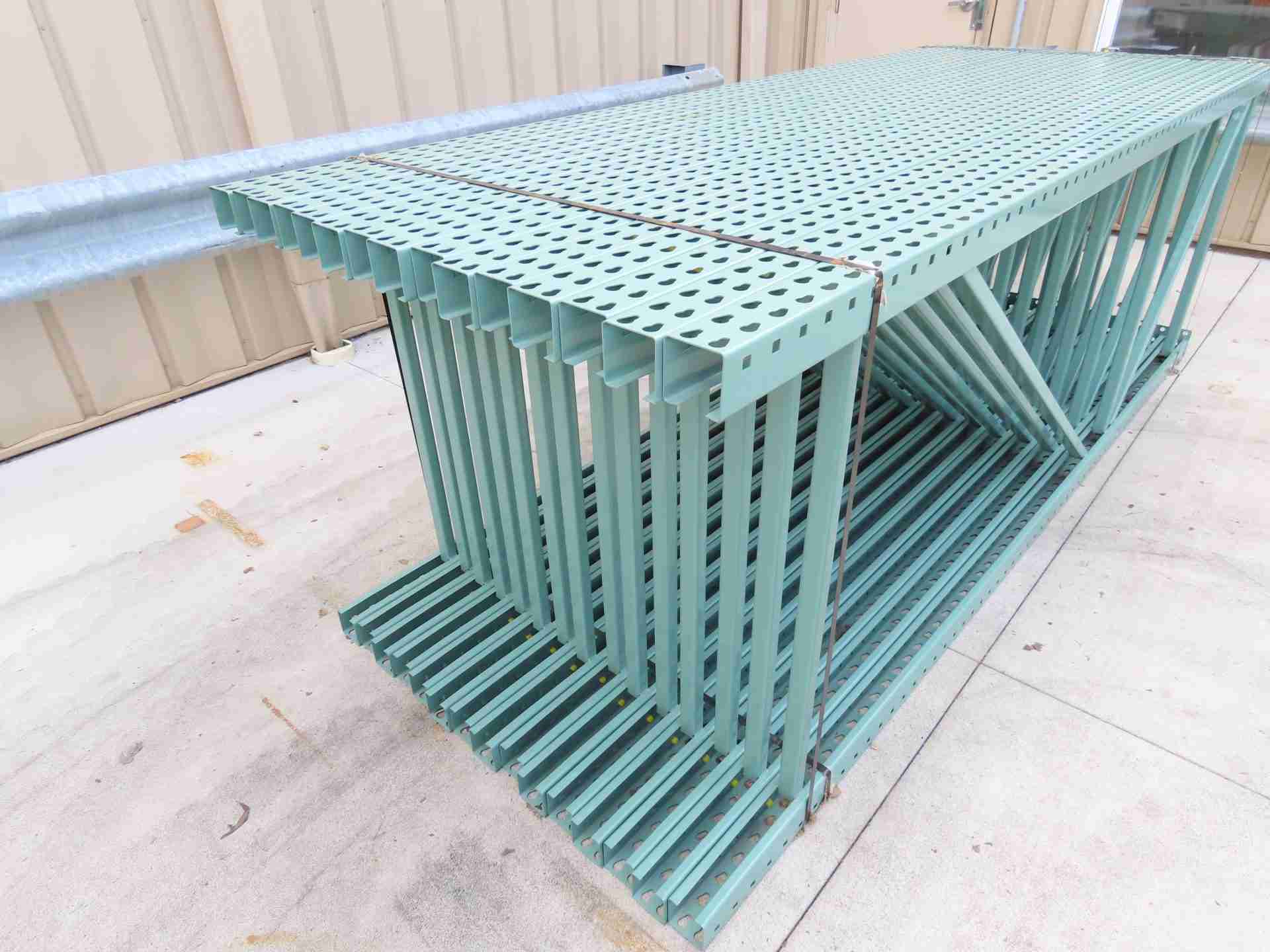
What Are The Cost Benefits Of Implementing Intelligent Shelving?
How Can Data Analytics Optimize The Picking Process?
In the fast-paced world of logistics and warehousing, data analytics is emerging as the unsung hero behind optimizing the picking process. Imagine a bustling warehouse with rows of pallet racking, each shelf bursting with products. The challenge? Efficiently retrieving items to fulfill orders while minimizing time and errors. Enter data analytics.
Data analytics leverages historical data patterns to streamline the picking operations. By analyzing metrics such as order frequency, item popularity, and seasonal demand fluctuations, warehouses can identify trends that drive efficiency. For example, if analytics reveal that certain products have higher turnover rates, companies can adjust their pallet racking layout to place these items closer to the shipping area. This simple yet powerful strategy reduces the time spent navigating the aisles and ultimately boosts productivity.
Let’s consider a major e-commerce player during this holiday season. By utilizing data analytics, they discovered that specific toys became increasingly popular at certain times of the year. Armed with this knowledge, they optimized their pallet racking to ramp up access to these high-demand items well before the holiday rush. This proactive approach allowed them to handle an influx of orders seamlessly, showcasing the profound impact that analytics can have on operational efficiency.
Moreover, analytics can be applied to workforce management within the picking process. By tracking employee performance metrics, such as picking speed and accuracy, managers can identify top performers as well as those needing additional training. For instance, implementing a data-driven coaching program could lead to a 20% improvement in productivity for less efficient staff members. This not only incentivizes employees but also contributes to a cohesive working environment where everyone is pulling in the same direction.
Current events also underscore the importance of data in logistics. The shift toward e-commerce accelerated by the pandemic has forced warehouses to rethink their picking strategies. Companies investing in data analytics are now better positioned to adapt to increased demand and shifting consumer preferences. As a result, they can make informed decisions about inventory restocking, pallet racking layouts, and workforce allocation, ensuring they remain competitive.
Businesses that embrace the power of data analytics not only streamline the picking process but also enhance their overall operational efficiency. By optimizing pallet racking layouts, refining workforce management, and anticipating market trends, organizations can foster an agile environment primed for growth. And in the ever-evolving landscape of warehousing, that advantage is priceless.
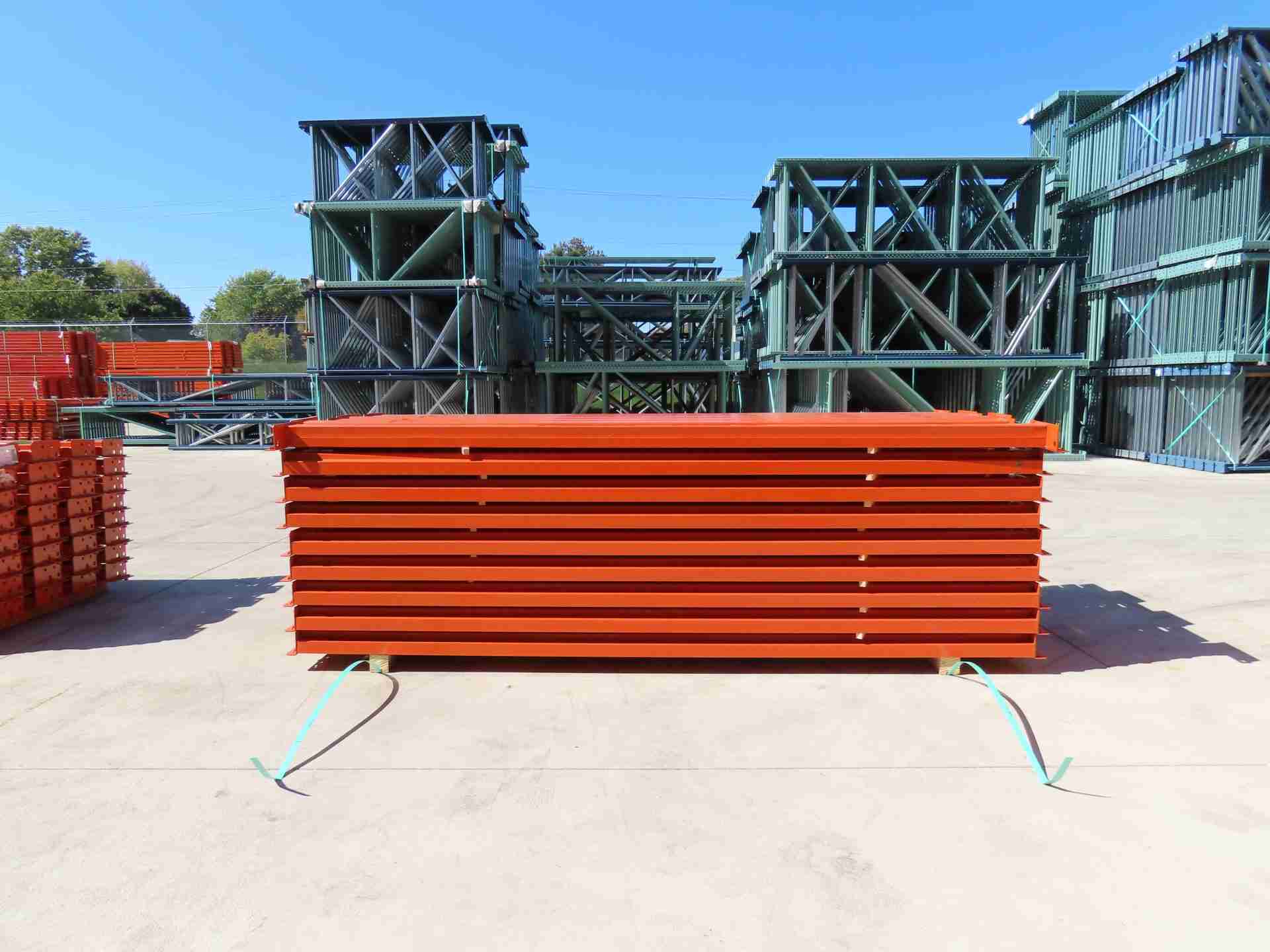
How Can Data Analytics Optimize The Picking Process?
How Can Data Analytics Optimize The Picking Process?
- Data analytics plays a crucial role in optimizing the picking process in logistics and warehousing.
- Analyzing historical data helps streamline operations by identifying trends in order frequency, item popularity, and seasonal demand.
- Companies can improve efficiency by adjusting pallet racking layouts based on product turnover rates.
- Data analytics enabled a major e-commerce player to adjust access to high-demand items ahead of the holiday season.
- Performance metrics can be used to manage the workforce effectively, identifying top performers and those needing additional training.
- The shift towards e-commerce has increased the necessity for warehouses to rethink their strategies and invest in data analytics.
- Embracing data analytics allows businesses to foster agile environments and enhance overall operational efficiency.
How Can Data Analytics Optimize The Picking Process?
Conclusion
In today’s dynamic and competitive logistics landscape, businesses must not only keep pace but also innovate to outperform their competition. If you’re still relying on outdated pallet racking methods, it’s time to reevaluate your strategies. The emergence of intelligent shelving systems offers a solution that can transform how your warehouse operates—producing measurable improvements in efficiency, accuracy, and customer satisfaction.
Intelligent shelving leverages cutting-edge technology, including smart sensors, data analytics, and AI-driven insights, to streamline picking processes. This advanced approach eliminates the guesswork often associated with traditional inventory management, allowing for real-time tracking and optimized product retrieval. No longer will your employees waste precious minutes navigating cluttered aisles; instead, they’ll enjoy swift, accurate picking workflows that boost productivity and minimize labor costs.
Consider the pressing need to adapt to ongoing e-commerce demand—especially as we approach peak retail seasons. Utilizing intelligent shelving isn’t merely an upgrade; it’s an essential operational shift that enables your business to respond nimbly to fluctuating market needs. Real-world examples illustrate that companies implementing these smart solutions have seen dramatic reductions in picking errors—often by as much as 30%—translating to significant cost savings and enhanced customer loyalty.
Moreover, intelligent shelving systems are not a one-size-fits-all solution. They offer the flexibility to adjust layouts dynamically based on your specific inventory needs or seasonal trends, helping you maximize your storage space and capitalize on profitability. With reduced operational costs and the ability to maintain precise inventory levels, the return on investment becomes undeniable.
But perhaps most importantly, the adoption of intelligent shelving directly impacts customer satisfaction. In a world where speed and accuracy dictate market leadership, the ability to fulfill orders correctly and promptly is paramount. Like Amazon, your business could harness these advancements to keep customers coming back, fostering loyalty amongst an increasingly discerning clientele.
The time to act is now. Don’t let your business be left behind in a rapidly evolving landscape. Call Arrow Industrial Sales at (574) 349-6575 today to discover how intelligent shelving can elevate your operational capabilities—and watch your efficiency and profits soar. Embrace the future of warehouse management, and transform your picking processes into a finely-tuned engine of growth and success!
Conclusion
Conclusion:
- Businesses need to innovate to remain competitive in the evolving logistics landscape.
- Intelligent shelving systems offer a transformative solution to outdated pallet racking methods.
- This technology uses smart sensors, data analytics, and AI to optimize picking processes.
- Real-time tracking improves productivity and reduces labor costs, minimizing guessing in inventory management.
- Adapting to e-commerce demand with intelligent shelving is essential for peak retail periods.
- These systems enable dynamic layout adjustments to optimize storage space and enhance profitability.
- Investing in intelligent shelving directly impacts customer satisfaction, fostering loyalty through accurate and timely order fulfillment.
Conclusion
Other Resources

Other Resources
Here is a list of other resources you can review online to learn more:
- Cantilever Racking Specialists – Get the Right Racks
- Rack Manufacturers Institute
- ASSP
- Illinois Pallet Racking – WPRP
- IWLA
- Teardrop Pallet Rack – Ridg-U-Rak
- Pallet Racks, Pallet Racking, Pallet Shelves in Stock – ULINE
- Iowa Illinois Warehouse Racking
- Selective Pallet Racking Systems
- Warehouse Racking Systems: Beginner’s Guide to Rack Systems
Use This Prompt To Get More Resources With Your Favorite Online AI Tool: Please provide me with a list of online articles with their URLs in a bulleted list that I can read regarding How Can You Streamline Picking Processes with Intelligent Shelving?
Other Resources
Glossary Terms
How Can You Streamline Picking Processes with Intelligent Shelving? – Glossary Of Terms
1. Intelligent Shelving: Smart storage systems equipped with technology to optimize picking processes through real-time data.
2. Warehouse Management System (WMS): Software designed to manage warehouse operations, including inventory control and order processing.
3. Automation: The use of technology to perform tasks with minimal human intervention, enhancing efficiency in picking and sorting.
4. Pick-to-Light: A light-based system that guides workers to the correct location to pick items quickly and accurately.
5. Barcode Scanning: The process of reading barcodes to identify items, track inventory, and streamline picking operations.
6. Inventory Optimization: Techniques used to maintain adequate stock levels while minimizing carrying costs and maximizing order fulfillment.
7. Just-in-Time (JIT) Inventory: A strategy aimed at reducing inventory carrying costs by receiving goods only as they are needed.
8. FIFO (First In, First Out): An inventory management approach where the oldest stock is picked first to ensure freshness and reduce waste.
9. LIFO (Last In, First Out): An inventory system where the most recently added items are the first to be picked, often used in specific industries.
10. Dynamic Slotting: The practice of adjusting storage locations based on demand patterns to improve picking efficiency.
11. Multi-Order Picking: A method where multiple orders are picked simultaneously to reduce the number of trips made by workers.
12. Real-Time Analytics: Data analysis conducted as events occur, guiding decisions and improving efficiency in inventory management.
13. Cloud Computing: The delivery of computing services over the Internet, facilitating data access and storage for smart shelving systems.
14. User Interface (UI): The space where user interactions with a device or application occur, crucial for ease of use in picking systems.
15. Ergonomics: The study of designing equipment and workplaces to fit the physical requirements of the workers to reduce fatigue and injury.
16. Pick Accuracy: The rate at which the correct items are picked from shelves, critical for maintaining customer satisfaction.
17. Cycle Counting: An inventory audit technique where a subset of inventory is counted on a specific schedule to ensure accuracy.
18. Lead Time: The total time it takes from placing an order until it is received, impacting the efficiency of the supply chain.
19. Voice Picking: A hands-free picking method using voice commands, allowing workers to pick items efficiently while carrying out other tasks.
20. Augmented Reality (AR): Technology that overlays digital information on the real world, potentially aiding in navigation and picking tasks.
21. Mobile Computing: The use of portable computing devices to facilitate real-time data entry and access during the picking process.
22. Inventory Turnover Rate: A measure of how many times inventory is sold or used in a time period, indicating the efficiency of inventory management.
23. Cross-Docking: A logistics practice where products from suppliers are distributed directly to customers with minimal storage time.
24. SKU (Stock Keeping Unit): A unique identifier for each distinct product and service that can be purchased, important for tracking inventory.
25. Robotic Picking Systems: Automated systems utilizing robots to pick items from shelves, increasing speed and accuracy in the warehouse.
26. Visual Management: Tools and techniques used to communicate critical information at a glance, enhancing workflow in picking processes.
27. Batch Picking: A method that involves picking several orders at once to improve efficiency by minimizing travel time.
28. Cold Storage: Facilities designed to store perishable items under temperature-controlled conditions, requiring special picking processes.
29. Return on Investment (ROI): A performance measure used to evaluate the efficiency of an investment, crucial when introducing new technologies.
30. Sustainability: Practices aimed at minimizing environmental impact, which can influence decisions in shelving and inventory management systems.
Glossary Of Terms
Other Questions
How Can You Streamline Picking Processes with Intelligent Shelving? – Other Questions
If you wish to explore and discover more, consider looking for answers to these questions:
- What specific technologies are used in intelligent shelving systems?
- How does intelligent shelving impact overall warehouse layout design?
- What are the best practices for implementing intelligent shelving in a warehouse?
- How do intelligent shelving systems integrate with existing inventory management software?
- What are some real-world case studies of businesses successfully using intelligent shelving?
- How do costs of intelligent shelving compare with traditional systems in the long run?
- What types of businesses benefit most from intelligent shelving?
- What challenges might a company face when transitioning to intelligent shelving?
- How does intelligent shelving impact employee training and workflow?
- Can intelligent shelving be used in smaller warehouses, or is it mainly for large-scale operations?
- What are the key performance indicators (KPIs) to measure the success of intelligent shelving?
- How can businesses ensure data security with intelligent shelving systems?
- What future trends can we expect in intelligent shelving technology?
Other Questions
Checklist
How Can You Streamline Picking Processes with Intelligent Shelving? – A Checklist
Pre-Implementation Steps
1. Assess Current Picking Processes
_____ Evaluate existing workflow and efficiency levels.
_____ Identify pain points in the current picking process.
2. Research Intelligent Shelving Systems
_____ Investigate available intelligent shelving solutions that integrate with your operations.
_____ Review case studies and performance metrics from similar industries.
3. Set Clear Objectives
_____ Establish specific goals for efficiency, cost reduction, and improved customer satisfaction.
_____ Determine key performance indicators (KPIs) to measure success.
4. Budget Consideration
_____ Outline initial investment costs and potential ROI.
_____ Factor in ongoing maintenance and training expenses.
Implementation Steps
5. Choose Appropriate Technology
_____ Select smart sensors for real-time inventory tracking.
_____ Opt for systems with IoT integration capabilities.
6. Design Warehouse Layout
_____ Customize shelving configurations based on product demand and item popularity.
_____ Incorporate automated inventory management systems.
7. Training & Workforce Adaptation
_____ Provide comprehensive training on using intelligent shelving technology.
_____ Implement coaching programs based on data analytics of employee performance.
Post-Implementation Steps
8. Monitor Operations
_____ Track real-time data for stock levels and picking accuracy.
_____ Evaluate systems through established KPIs.
9. Analyze Data for Continuous Improvement
_____ Utilize data analytics to refine picking paths and inventory management.
_____ Adjust layouts dynamically based on usage trends and seasonal demand.
10. Gather Feedback for Refinement
_____ Regularly solicit input from warehouse staff on system performance.
_____ Create a feedback loop for ongoing adjustments and improvements.
Maintenance & Future Considerations
11. Conduct Regular System Audits
_____ Frequently review the efficiency and accuracy of intelligent shelving systems.
_____ Update technology as needed to maintain competitive advantage.
12. Stay Informed on Industry Trends
_____ Keep up with advancements in warehousing technologies and practices.
_____ Attend industry events or webinars to learn about emerging trends.
This checklist can help businesses effectively implement intelligent shelving solutions, ensuring a streamlined picking process and enhanced operational efficiency.
Checklist
At RackingWorld, we help guide you through selecting warehouse storage systems and racking.
Be sure to read our other related stories at RackingWorld to learn more about warehouse storage systems.
0 Comments