
Optimizing Warehouse Workflows With Cutting-Edge Tech
By Tom Seest
At RackingWorld, we help guide you through selecting warehouse storage systems and racking.
Be sure to read our other related stories at RackingWorld to learn more about warehouse storage systems.
How Can You Revolutionize Warehouse Workflow with New Technologies?
Revolutionize Your Warehouse Workflow with Cutting-Edge Technologies
Are you… exhausted from the chaos often found in warehouse operations? Do you dream of efficiency while watching valuable time and resources slip through your fingers? Imagine walking into a smoothly running warehouse where every item is in its place, every process is seamless, and productivity soars. This transformation is possible, and it begins with the right technologies.
Consider the backbone of your warehouse: Pallet Racking. With sophisticated pallet racking systems, organizing your inventory can be a snap. No more searching endlessly for that one elusive pallet; instead, each item is easily accessible, reducing pick times and streamlining workflow. Smart pallet racking systems equipped with sensors can provide real-time data on inventory levels, giving you the power to make informed decisions on stock management while enhancing efficiency.
But it doesn’t stop there. Automation technologies are paving the way for a more efficient future. Imagine automated guided vehicles (AGVs) gliding through your aisles, transporting materials with precision and speed, allowing your workforce to focus on more strategic tasks. Integrating robotics into your warehouse workflow not only minimizes human error but also ensures that your operation runs like a well-oiled machine.
Then there’s the magic of cloud-based inventory management systems. Picture this: managing your supply chain from anywhere at any time, thanks to real-time data access. You can keep track of stock levels, monitor shipments, and manage logistics right from your smartphone. This level of connectivity fosters trust among team members and between suppliers and clients, promoting a culture of transparency that drives success.
Now let’s address a common concern: the fear of change. Embracing new technologies can feel daunting. However, it’s essential to view this shift as an opportunity for growth. Start small by piloting a new system or integrating a single technology into your operation. You’ll quickly discover that the initial investment pays off in spades—improved accuracy, decreased labor costs, and a safer working environment for your team.
The landscape of warehouse management is evolving, and now is the time to step into the future. Don’t let fear hold you back; seize this opportunity to revolutionize your workflow. By embracing cutting-edge technologies, you can foster an environment of innovation, gain a competitive edge, and build a foundation for sustained growth. Your warehouse deserves it, and so do you. Take the leap today!
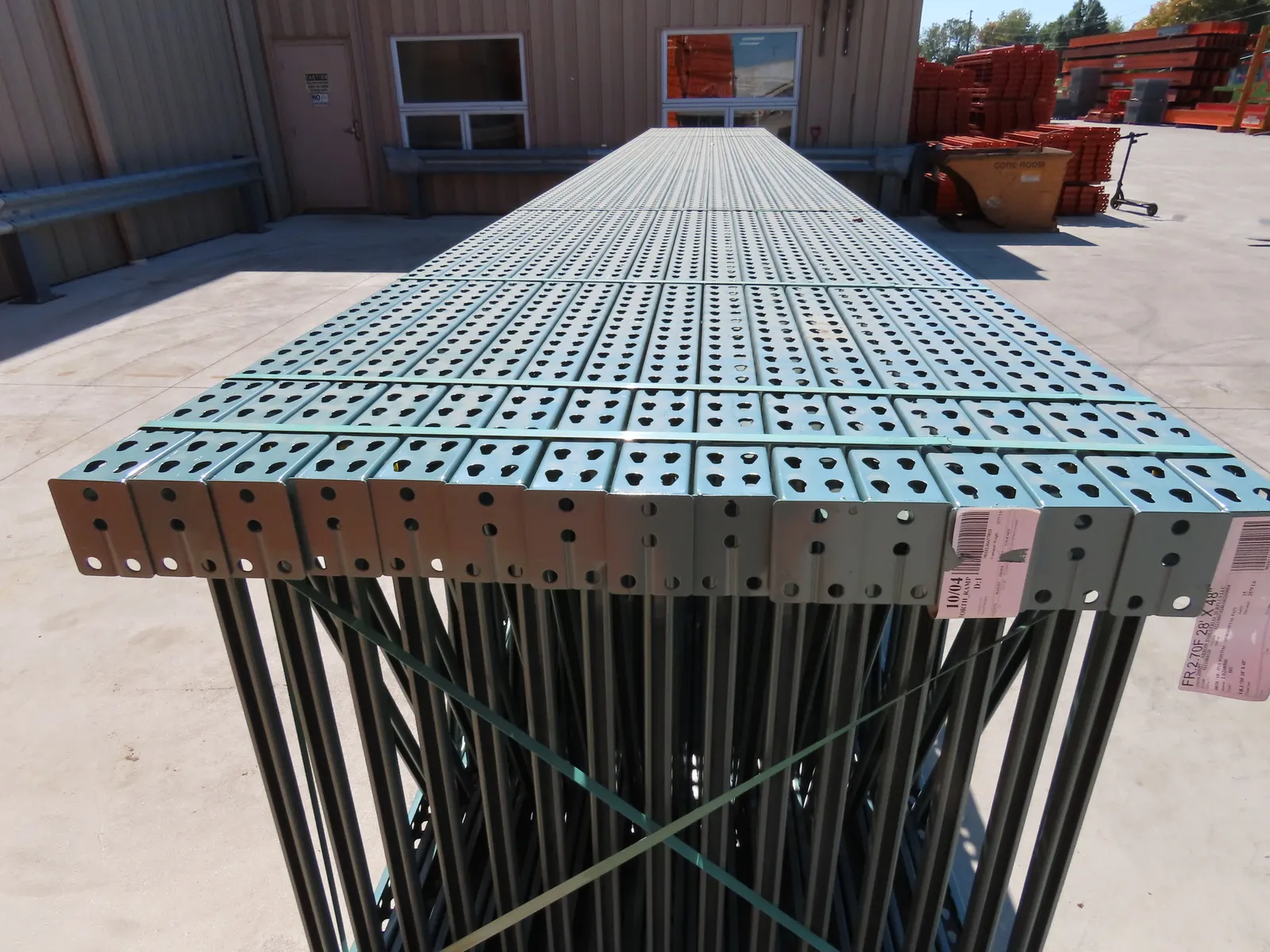
How Can You Revolutionize Warehouse Workflow with New Technologies?
How Can You Revolutionize Warehouse Workflow with New Technologies?
- Transform warehouse operations to enhance efficiency and reduce chaos.
- Utilize sophisticated pallet racking systems for easy inventory organization and accessibility.
- Implement smart pallet racking with sensors for real-time inventory data and informed stock management.
- Incorporate automation technologies like automated guided vehicles (AGVs) to streamline material transport.
- Adopt cloud-based inventory management for real-time access to supply chain data from anywhere.
- Overcome the fear of change by piloting new technologies and starting small for gradual improvement.
- Embrace innovation and cutting-edge technologies to gain a competitive edge and achieve sustained growth in warehouse management.
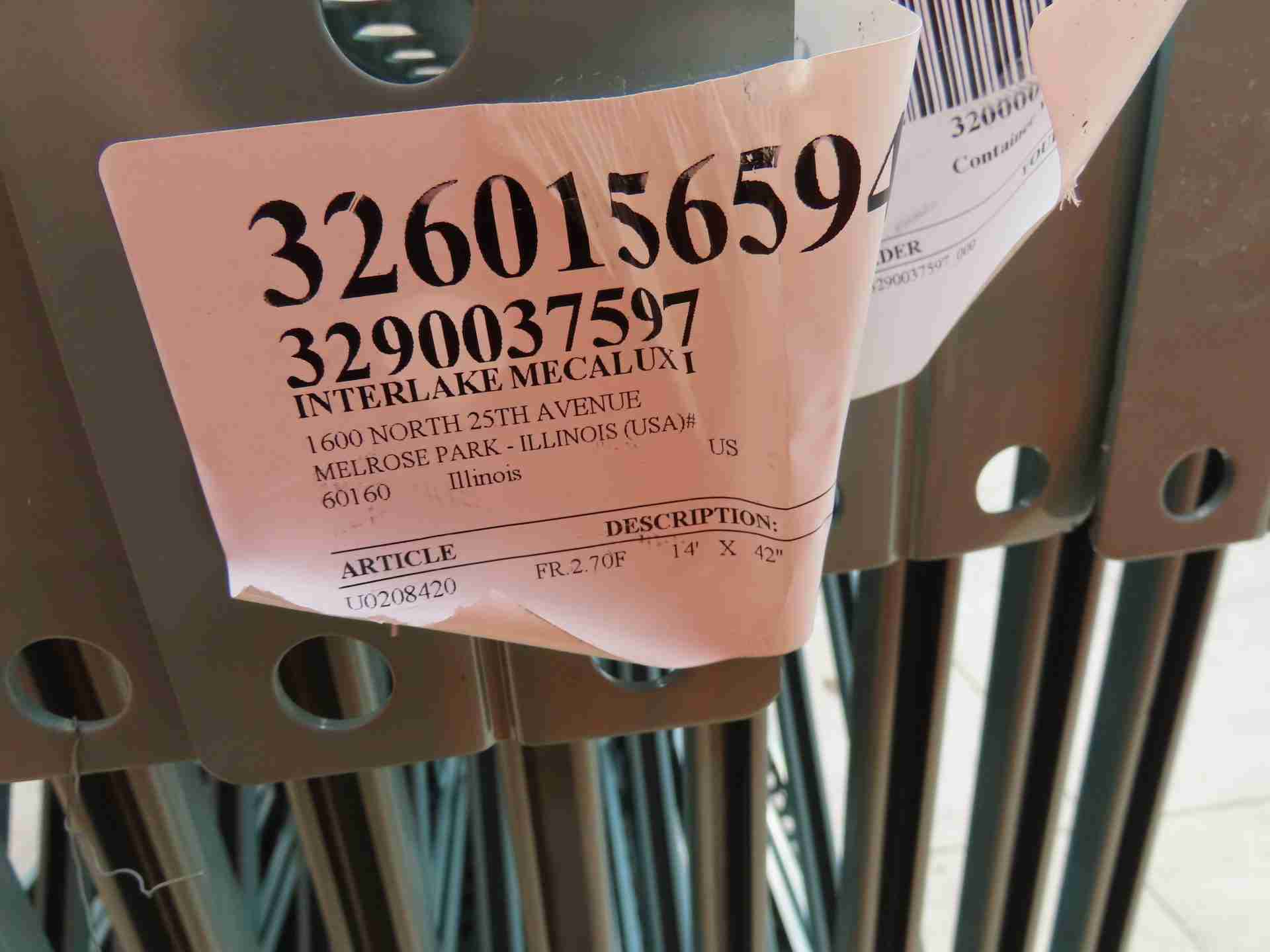
How Can You Revolutionize Warehouse Workflow with New Technologies?
Table Of Contents
- How Can You Revolutionize Warehouse Workflow with New Technologies?
- How Can Automation Improve Warehouse Efficiency?
- What Role Does Ai Play In Logistics?
- How Can Real-Time Data Transform Inventory Management?
- What Are The Benefits Of Using Robotics In Warehousing?
- How Does Cloud Computing Enhance Supply Chain Visibility?
- What Technology Solutions Help Reduce Order Fulfillment Time?
- Conclusion
- Other Resources
- Glossary Of Terms
- Other Questions
- Checklist
How Can Automation Improve Warehouse Efficiency?
Imagine stepping into a bustling warehouse: the unmistakable sounds of activity, the rhythmic hum of machinery, and the undeniable energy of a well-oiled operation. Now picture this thriving environment powered by automation. With the right technology in place, you can transform your warehouse into a beacon of efficiency, ultimately propelling your business forward.
One key area where automation shines is in pallet racking systems. Gone are the days of manual labor and inefficient space management. With advanced automation tools, you can effortlessly maximize the vertical space in your warehouse, ensuring that every square foot is utilized to its fullest potential. Automated systems can manage pallet racking with precision, quickly retrieving and storing goods without the risk of human error. This not only speeds up operations but also reduces the likelihood of costly accidents and damages.
Moreover, consider the inventory management solutions available today. These systems work seamlessly with automated pallet racking to track stock levels in real time, allowing you to maintain optimal inventory without the risk of overstocking or shortages. Imagine the peace of mind you can enjoy when your warehouse runs like clockwork, with every product accounted for and readily available for shipment. It’s a game-changer for your operational efficiency.
The beauty of automation is that it empowers your team to focus on what truly matters: delivering exceptional service and growing your business. With repetitive tasks handled by machines, your employees can devote their energy to creative problem-solving and innovative thinking. Empowering your workforce in this manner fosters a sense of engagement and responsibility—building a culture where everyone is aligned with your mission.
As you take steps toward integrating automation into your warehouse, remember that this isn’t just a transition—it’s an investment in your future. By enhancing your operational capabilities, you’re not simply keeping pace; you’re setting the standard in your industry. With trust in automation and the power it brings, you can improve efficiency manifold, turning challenges into competitive advantages.
Don’t wait for change to happen; seize the opportunity. Embrace automation, optimize your pallet racking, and watch as efficiency transforms your warehouse into a powerhouse of productivity. This is your moment—let it work for you!

How Can Automation Improve Warehouse Efficiency?
How Can Automation Improve Warehouse Efficiency?
- A bustling warehouse environment is enhanced by automation, leading to improved efficiency.
- Automated pallet racking systems maximize vertical space and reduce manual labor.
- Automation minimizes human error, speeding up operations and lowering accident risks.
- Inventory management solutions work with automated systems to track stock levels in real time.
- Automation allows employees to focus on creative problem-solving and innovation.
- Integrating automation is a long-term investment that helps set industry standards.
- Embracing automation transforms warehouses into powerhouses of productivity.
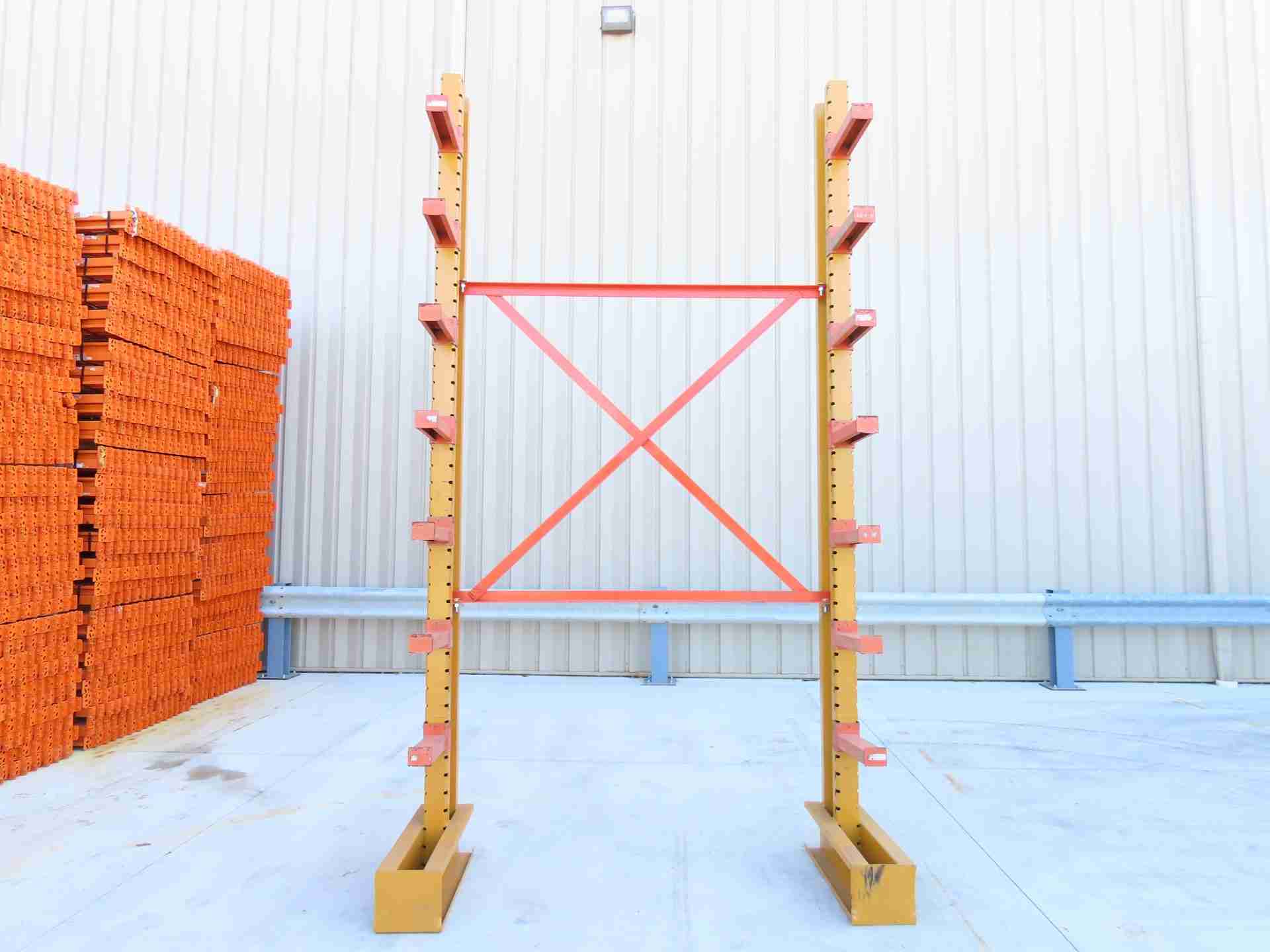
How Can Automation Improve Warehouse Efficiency?
What Role Does Ai Play In Logistics?
What Role Does AI Play in Logistics?
In today’s fast-paced world, the logistics industry stands as a complex web of challenges and opportunities. Enter Artificial Intelligence (AI), the game-changer that is revolutionizing how businesses manage their supply chains and enhance operational efficiency. Imagine a world where every pallet racking system is optimized for space, speed, and accuracy, all thanks to the insightful power of AI. That’s not just a dream; it’s our present reality.
The heart of logistics lies in the ability to ensure things move smoothly, from warehouses to customer doorsteps. AI acts like a highly skilled conductor, orchestrating the various instruments of logistics — from inventory management to route optimization. With AI at the helm, businesses can analyze vast amounts of data in real time, allowing for informed decision-making that reduces delays and improves customer satisfaction. Think of it as having a trusted assistant that never sleeps, always ready to identify the best paths, predict demand fluctuations, and manage resources with precision.
Let’s talk about pallet racking. It’s a crucial part of warehousing that often goes unnoticed until a problem arises. But with the help of AI, these systems can be designed and utilized more effectively than ever before. Advanced algorithms analyze product types, turnover rates, and seasonal trends to customize pallet layouts that maximize space while ensuring quick access to high-demand items. This results in not just a tidy warehouse, but a streamlined operation that saves you time and money.
Imagine confronting the age-old issue of excess inventory. AI has the scent of opportunity, helping you capture data on customer preferences and buying behaviors. This intelligence allows you to make accurate forecasts, thus reducing overstock while ensuring that hot-selling items are always on hand. No more guesswork; just data-driven decisions that keep your warehouse agile and your customers happy.
In an era where trust is paramount, employing AI in logistics puts you ahead of the curve. Clients and partners appreciate the transparency and reliability that AI can bring. It allows you to provide accurate deliveries, reduce errors, and maintain high service levels. So, don’t wait for your competition to leap ahead. Embrace AI now and transform your logistics from a burden into a beacon of reliability and efficiency. Wealth and growth await those willing to adapt!

What Role Does Ai Play In Logistics?
What Role Does Ai Play In Logistics?
- AI is transforming the logistics industry by optimizing supply chains and enhancing operational efficiency.
- It enables real-time data analysis for informed decision-making, reducing delays and improving customer satisfaction.
- AI customizes pallet racking systems for better space utilization and quicker access to high-demand items.
- Advanced algorithms help manage inventory by analyzing customer preferences and buying behaviors.
- AI enables accurate forecasting, reducing excess inventory while ensuring availability of popular items.
- Integrating AI promotes transparency and reliability, leading to improved delivery accuracy and service levels.
- Adopting AI in logistics is essential for staying competitive and achieving growth in the industry.

What Role Does Ai Play In Logistics?
How Can Real-Time Data Transform Inventory Management?
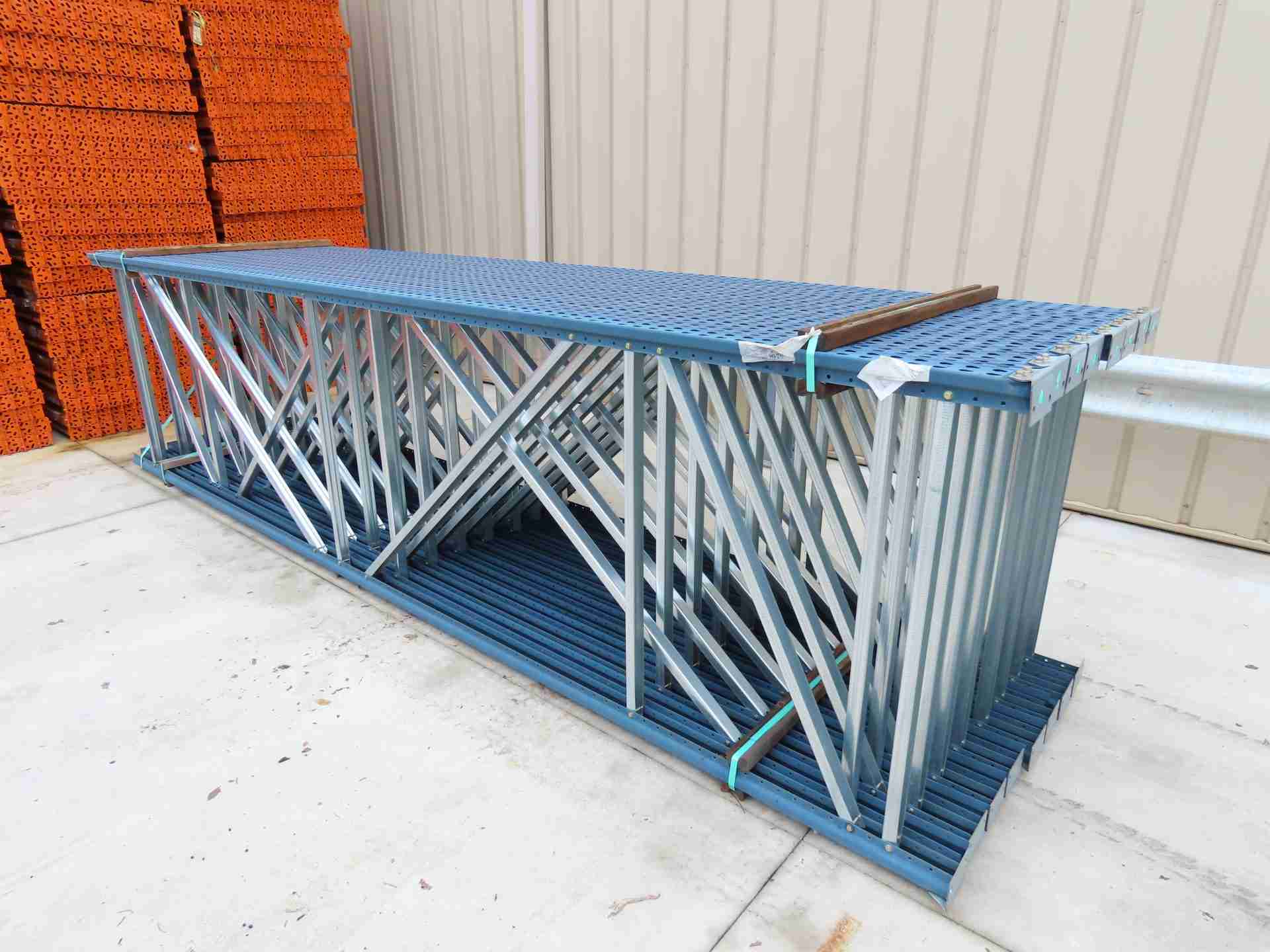
Imagine walking into a warehouse stocked with Pallet Racking filled to the brim with your products. Everything appears organized at first glance, but is it truly optimized for success? This is where real-time data steps in, transforming your inventory management from a guessing game into a finely-tuned symphony of information and action.
Real-time data is more than a buzzword in today’s fast-paced market; it’s the lifeblood of effective inventory management. Picture this: tools that provide you instant access to stock levels, trends, and customer demands. No longer do you have to rely on outdated spreadsheets or guesswork. Armed with up-to-the-minute information, you can make smart decisions that not only streamline your operations but also enhance customer satisfaction.
Think about it—how much time have you wasted on overstocking or struggling to meet demand? With real-time data, you can track the flow of products effortlessly. You’ll learn when to restock, how to better utilize your Pallet Racking, and even when to run promotions based on actual buying patterns. The chaos of managing inventory becomes a chore of orchestration, allowing you to focus on scaling your business rather than merely keeping the lights on.
But the benefits don’t stop there. Real-time data fosters a culture of accountability and responsiveness throughout your entire team. With visibility into inventory levels and movements, your employees can work harmoniously. They’ll know precisely what to prioritize, reducing miscommunication and errors that can siphon profits straight out of your bottom line.
Moreover, let’s talk about loyalty—a currency more valuable than gold. Customers today are spoiled for choice and have zero patience for delays. If they can’t find what they need when they need it, they will look elsewhere. Real-time data means predicting trends and adapting quickly, ensuring you have the right products available at the right time. When your inventory syncs seamlessly with demand, that trust translates into repeat business, transforming casual visitors into loyal customers.
In a world where the wheel of change spins faster by the day, it’s time to leverage real-time data to elevate your inventory management practices. Let’s turn your Pallet Racking into a monument of efficiency, precision, and profit. Your operational future awaits; embrace it now and watch your business thrive.
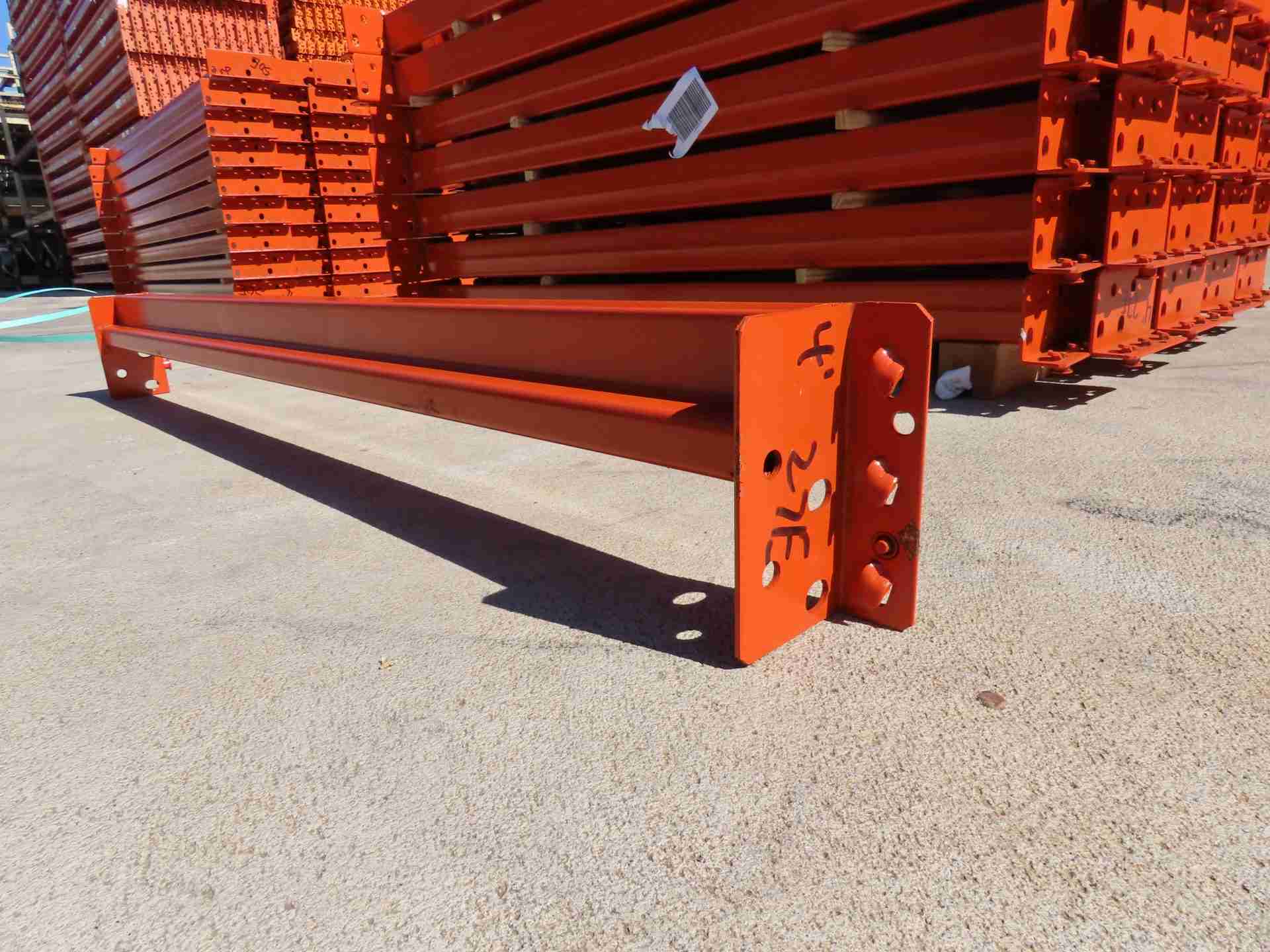
How Can Real-Time Data Transform Inventory Management?
How Can Real-Time Data Transform Inventory Management?
- Real-time data transforms inventory management from guesswork to an optimized process.
- Immediate access to stock levels, trends, and customer demands allows for informed decision-making.
- Helps prevent overstocking and ensures timely restocking based on actual product flow.
- Encourages a culture of accountability and responsiveness among employees through visibility of inventory movements.
- Improves customer satisfaction by ensuring the right products are available when needed.
- Fosters customer loyalty by adapting quickly to trends and demand.
- Embracing real-time data enhances efficiency and profitability in inventory management.
How Can Real-Time Data Transform Inventory Management?
What Are The Benefits Of Using Robotics In Warehousing?
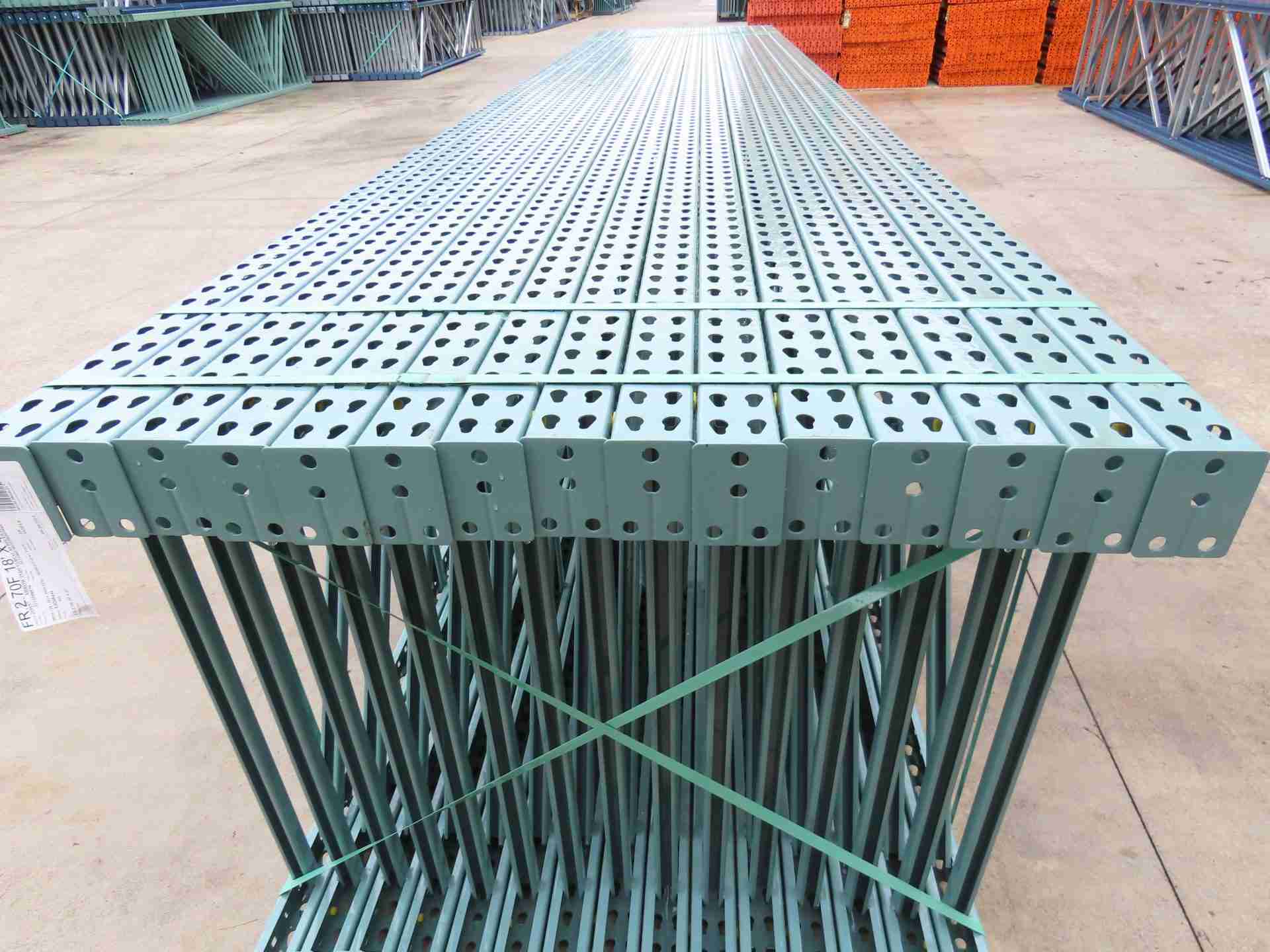
Imagine a bustling warehouse where every item is scanned, sorted, and shipped with incredible precision, all thanks to the magic of robotics. This isn’t a futuristic dream; it’s the reality many successful businesses are embracing today. If you’re looking to streamline your operations and elevate your warehousing game, incorporating robotics could be the golden ticket you need.
First off, let’s talk about efficiency. Traditional warehousing is often riddled with bottlenecks. Labor-intensive processes can leave your team exhausted and your operations sluggish. By leveraging robotics, you can transform your warehousing environment into a finely-tuned machine, optimizing every inch of your space — yes, even your pallet racking! With automated picking systems and mobile robots at the helm, there’s no longer a need to sacrifice speed for accuracy. Your inventory turnover will skyrocket, meaning happier customers and, frankly, a healthier bottom line.
Moreover, robotics can significantly reduce human error. Whether it’s a misplaced item or an incorrect order, each mistake contributes to lost revenue and customer dissatisfaction. Through advanced algorithms and state-of-the-art sensors, robots excel at precision tasks that require a level of detail that’s hard for humans to maintain under the pressures of day-to-day warehousing operations. Trust that your inventory is not only accounted for but also positioned perfectly on your pallet racking systems, maximizing storage capacity.
Now, let’s not forget the safety benefits. Warehouses can be hazardous environments, but robots can take on those risky jobs where heavy lifting and maneuvering through tight spaces is required. By allowing robots to handle dangerous tasks, you protect your employees and create a safer workplace. Happy, healthy employees are not just good for morale; they’re good for business.
Finally, the initial investment in robotics can often pay for itself in time. Consider the energy saved from needing fewer employees or the reduced overhead costs when your operations run seamlessly. In an age where consumer expectations are higher than ever, taking the leap into robotics positions you ahead of the competition.
Using robotics in warehousing is not just about following industry trends; it’s about future-proofing your business. This solution fosters efficiency, accuracy, safety, and ultimately, profitability. Isn’t it time you invested in a smarter way to work? The benefits are evident; roll up your sleeves and seize the opportunity today!
What Are The Benefits Of Using Robotics In Warehousing?
What Are The Benefits Of Using Robotics In Warehousing?
- Robotics are revolutionizing warehousing, offering precision in scanning, sorting, and shipping.
- Incorporating robotics can enhance efficiency, eliminating bottlenecks in traditional labor-intensive processes.
- Automated systems increase inventory turnover, resulting in happier customers and improved profits.
- Robotics significantly reduce human error in order fulfillment, enhancing accuracy and efficiency.
- Robots improve workplace safety by taking on hazardous tasks, protecting employees from injuries.
- The initial investment in robotics can lead to long-term savings through reduced labor costs and increased efficiency.
- Embracing robotics is essential for future-proofing your business and staying competitive in the marketplace.
What Are The Benefits Of Using Robotics In Warehousing?
How Does Cloud Computing Enhance Supply Chain Visibility?
Imagine a world where you can see every facet of your supply chain in real-time—a world where you’re not just reacting to issues but anticipating them before they blossom into disruptions. This is the promise of cloud computing, and it’s transforming supply chain management from a daunting task into a seamlessly orchestrated symphony.
Picture this: You’re at the helm of a vast operation, overseeing everything from procurement to distribution. You’ve invested considerably in infrastructure, yet the labyrinth of logistics keeps you awake at night. With traditional systems, you find yourself bogged down with siloed information and limited access. Enter cloud computing, your beacon of hope. It’s about gaining access to a centralized, robust platform, where data not only resides but flourishes. From sales orders to inventory levels, every crucial piece of information is now at your fingertips.
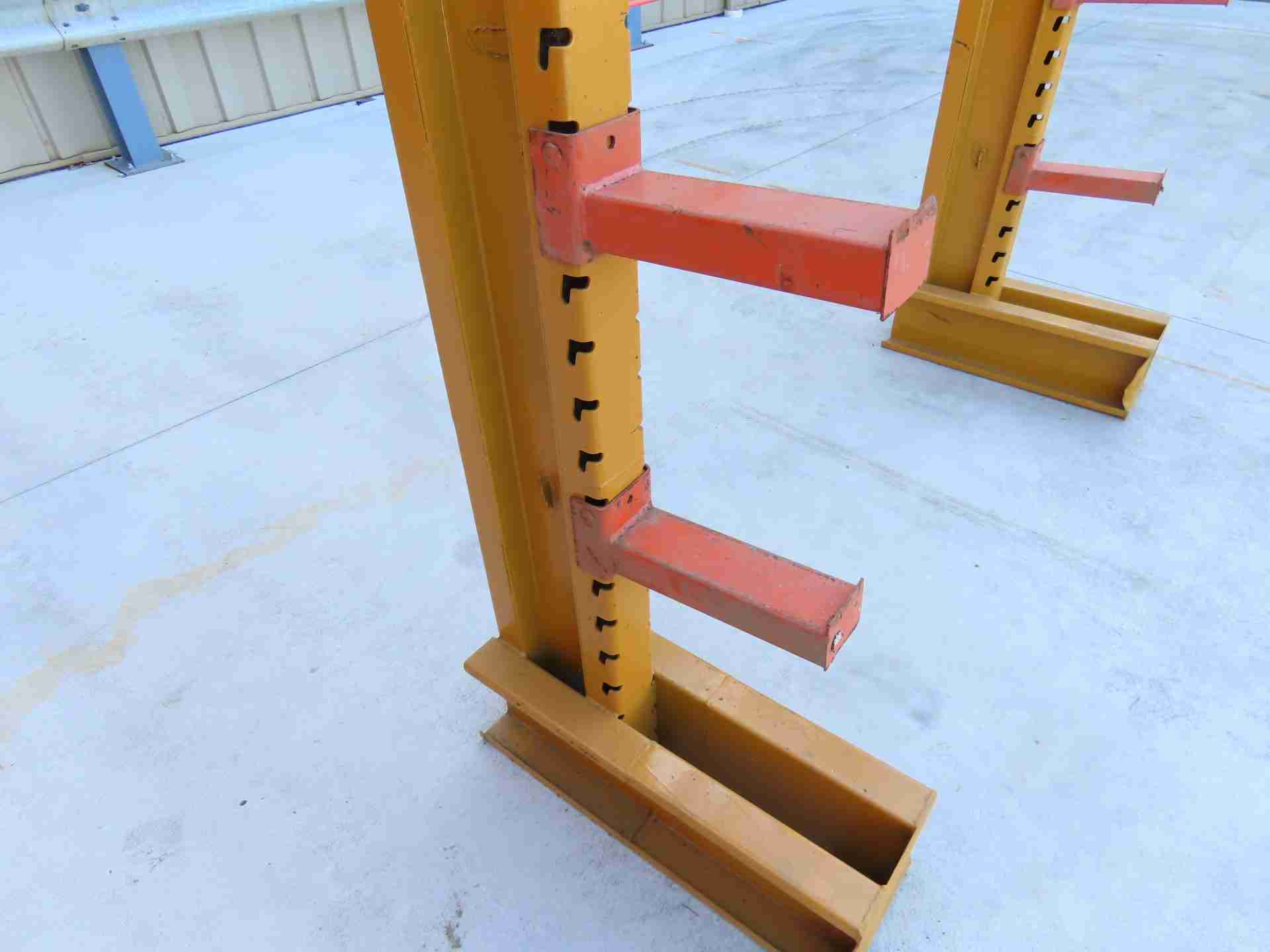
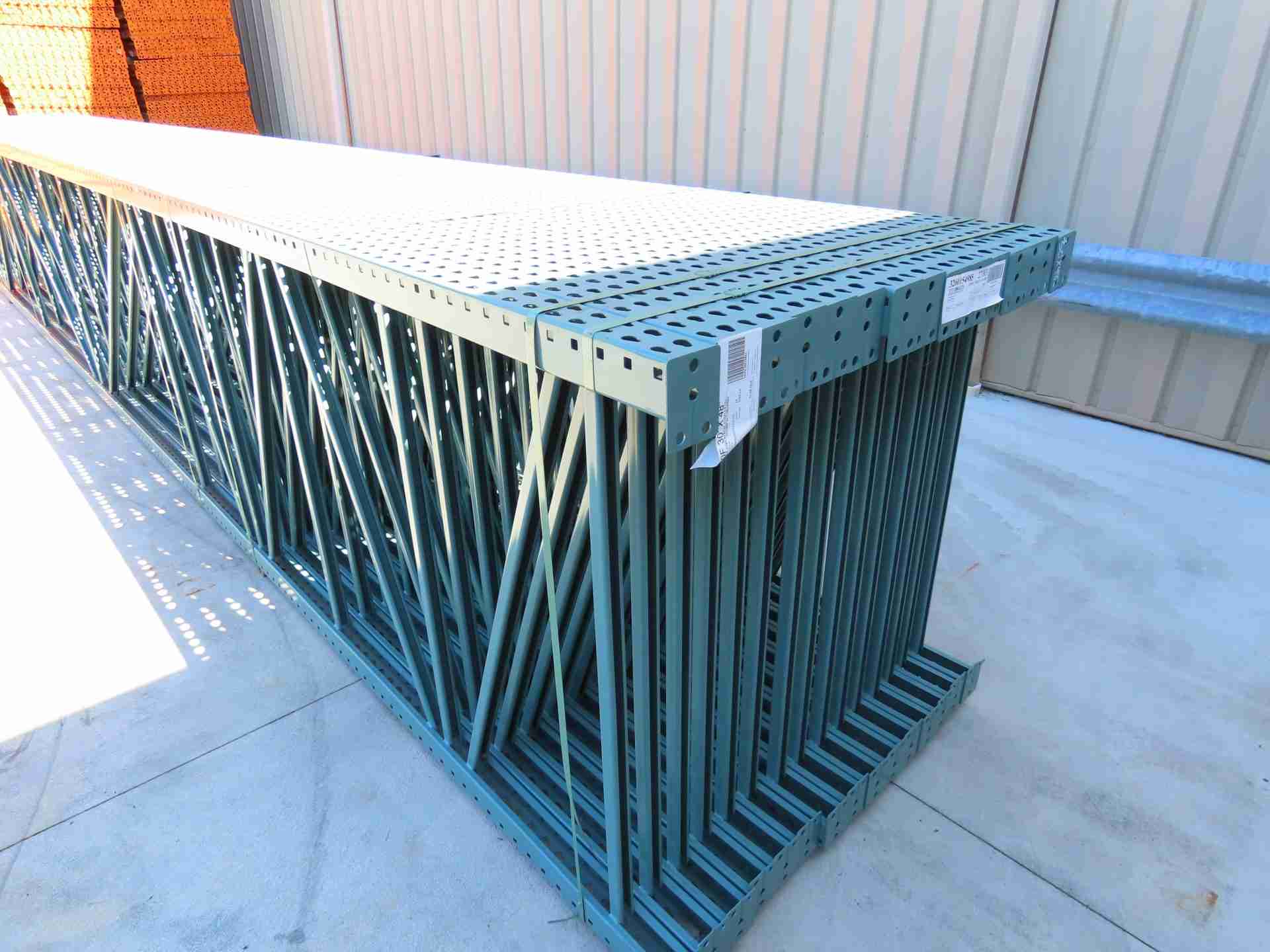
Let’s delve into the tangible benefits. Take pallet racking, an essential component in any warehousing operation. It’s not just about storing goods efficiently; it’s about knowing exactly what’s where and when. With cloud-based systems, you can track the movement of pallets in real-time, ensuring you have a clear view of your inventory. Imagine being able to pinpoint every product’s exact location—no more frantic searches, no more lost items, and zero costly delays. Just rapid fulfillment and satisfied customers.
Supply chain visibility does more than streamline operations; it fosters trust and strengthens relationships with vendors and customers alike. Everyone, from your suppliers to your buyers, benefits from transparency. When all stakeholders know they have the same up-to-date information, it cultivates a culture of collaboration rather than competition. This way, you’re not just surviving in the global marketplace; you’re thriving, building a brand that people trust.
Moreover, proactive decision-making becomes your new norm. No longer are you scrambling to address hiccups in the supply chain; instead, you’re forecasting demand and adjusting your strategies accordingly, all thanks to data analytics powered by cloud computing. The best part? You can do all this from anywhere, be it the office or the comfort of your home.
So, the question is: Are you ready to elevate your supply chain to new heights? Invest in cloud computing today, and watch your visibility soar—transforming not just your operation, but your entire business outlook. Don’t wait for change to happen; shape it yourself.
How Does Cloud Computing Enhance Supply Chain Visibility?
How Does Cloud Computing Enhance Supply Chain Visibility?
- Cloud computing enables real-time visibility into the supply chain, allowing issues to be anticipated rather than reacted to.
- It transforms supply chain management from a challenging task to a well-coordinated process.
- Provides centralized access to crucial information, enhancing decision-making and operational efficiency.
- Real-time tracking of inventory, such as pallet movements, reduces delays and improves fulfillment times.
- Fosters trust and collaboration among stakeholders by providing transparent, up-to-date information.
- Enables proactive decision-making and demand forecasting through data analytics.
- Allows users to manage supply chains from anywhere, enhancing flexibility and responsiveness.
How Does Cloud Computing Enhance Supply Chain Visibility?
What Technology Solutions Help Reduce Order Fulfillment Time?
In the fast-paced world of commerce, where speed and efficiency equate to success, businesses are constantly on the lookout for tools to streamline their operations. Imagine your warehouse operating like a well-oiled machine, where every item is quickly accessible, and every order is filled with lightning speed. That vision can be realized with the right technology solutions—starting with smart storage systems like pallet racking.
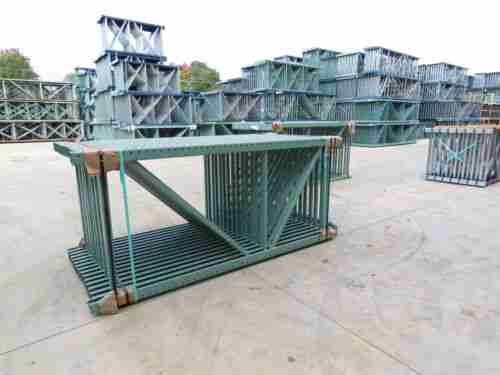
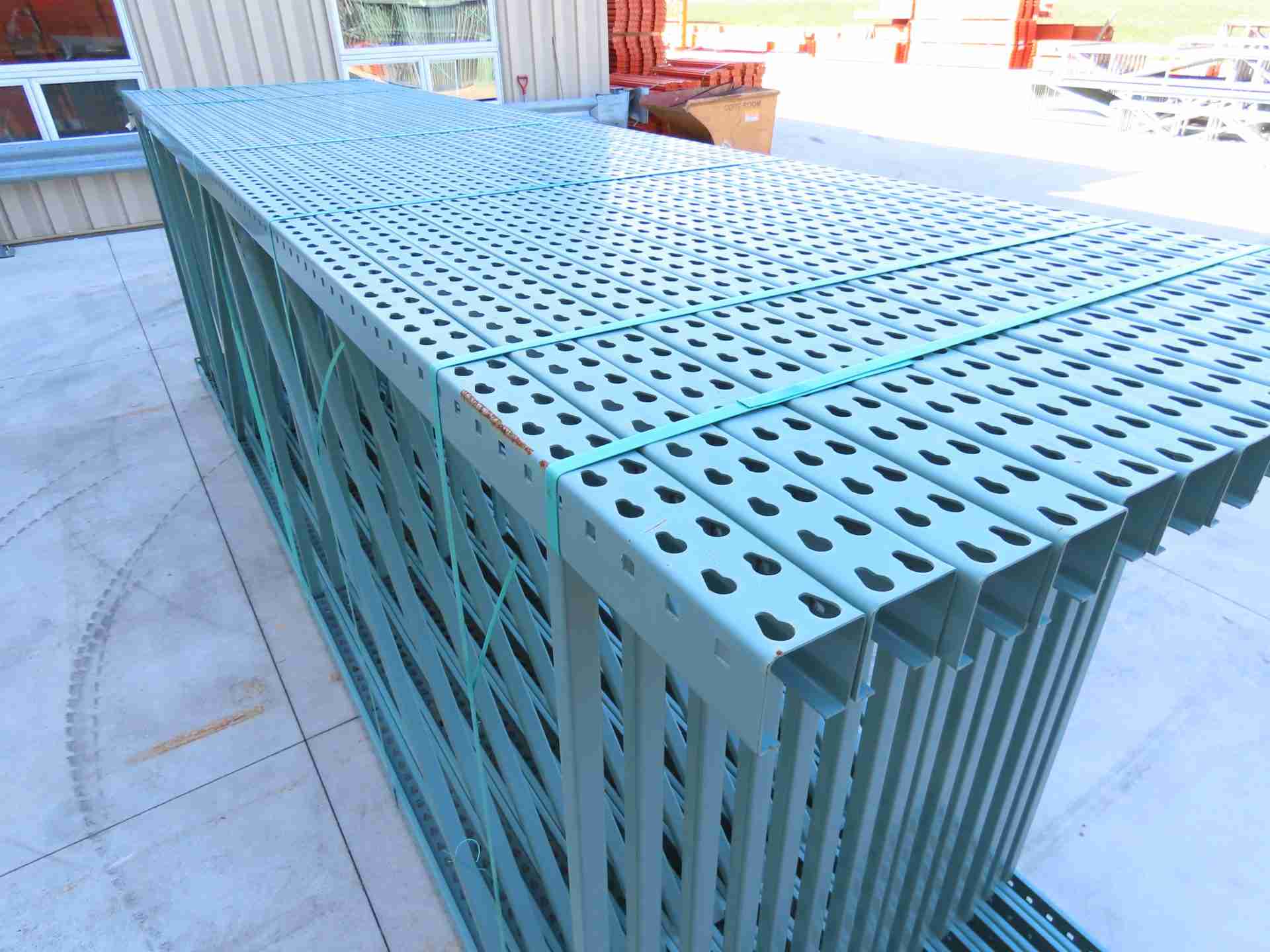
Pallet racking systems can transform how you manage inventory. With adjustable shelving that fits your specific needs, you no longer need to waste precious time searching through cluttered aisles for products. Instead, think of how seamless your operation could be with a well-organized framework, where every SKU has its designated spot. This not only simplifies retrieval but also allows for efficient inventory counts, ensuring you never miss a beat.
Now, let’s take it a step further. Integrating advanced warehouse management systems (WMS) with your pallet racking can significantly enhance your order fulfillment capabilities. A modern WMS leverages real-time data to optimize inventory levels, coordinate picking routes, and manage stock rotations. By automating these processes, you minimize human error and maximize speed. Imagine fulfilling orders in half the time—allowing you to keep your customers happy and your profit margins healthy.
Have you considered the role of automation? Automated picking systems, coupled with your pallet racking setup, propel your fulfillment process into overdrive. Robotic solutions can quickly and accurately retrieve items from high shelves, while smart conveyor belts streamline the movement of products across your warehouse. It’s not just about technology; it’s about elevating your operational efficiency while reducing labor costs.
But let’s talk about the heart of your operation—your people. Empowering your team with training on these technological advancements fosters a culture of efficiency and confidence. Workers equipped with endless knowledge about how to navigate your racked inventory system and utilize WMS tools can truly shine. They become champions of your business’s mission to provide exceptional service.
Investing in technology solutions—starting with pallet racking—can redefine your order fulfillment process. With clear systems, better organization, and smart technological integrations, you can not only meet customer expectations but exceed them. When your operations run smoothly, your business thrives, and so does your reputation. This isn’t just progress; it’s your pathway to lasting success. Get started today, and watch your fulfillment time shrink while your satisfaction rates soar.
What Technology Solutions Help Reduce Order Fulfillment Time?
What Technology Solutions Help Reduce Order Fulfillment Time?
- Businesses seek tools to streamline operations for speed and efficiency.
- Pallet racking systems improve inventory management by providing adjustable shelving and organized storage.
- Using pallet racking simplifies retrieval and allows for efficient inventory counts.
- Integrating warehouse management systems (WMS) with pallet racking can enhance order fulfillment capabilities.
- Automation through picking systems and smart conveyor belts increases speed and reduces labor costs.
- Training employees on new technology fosters a culture of efficiency and confidence.
- Investing in technology solutions can redefine order fulfillment and enhance customer satisfaction.
What Technology Solutions Help Reduce Order Fulfillment Time?
Conclusion
Conclusion: Transforming Your Warehouse with Arrow Industrial Sales
In an era where efficiency is paramount, revolutionizing warehouse workflows with cutting-edge technology is not just an aspiration—it’s a necessity. The evolution of warehouse operations hinges on embracing innovative solutions, and companies like Arrow Industrial Sales are here to guide you on this transformative journey.
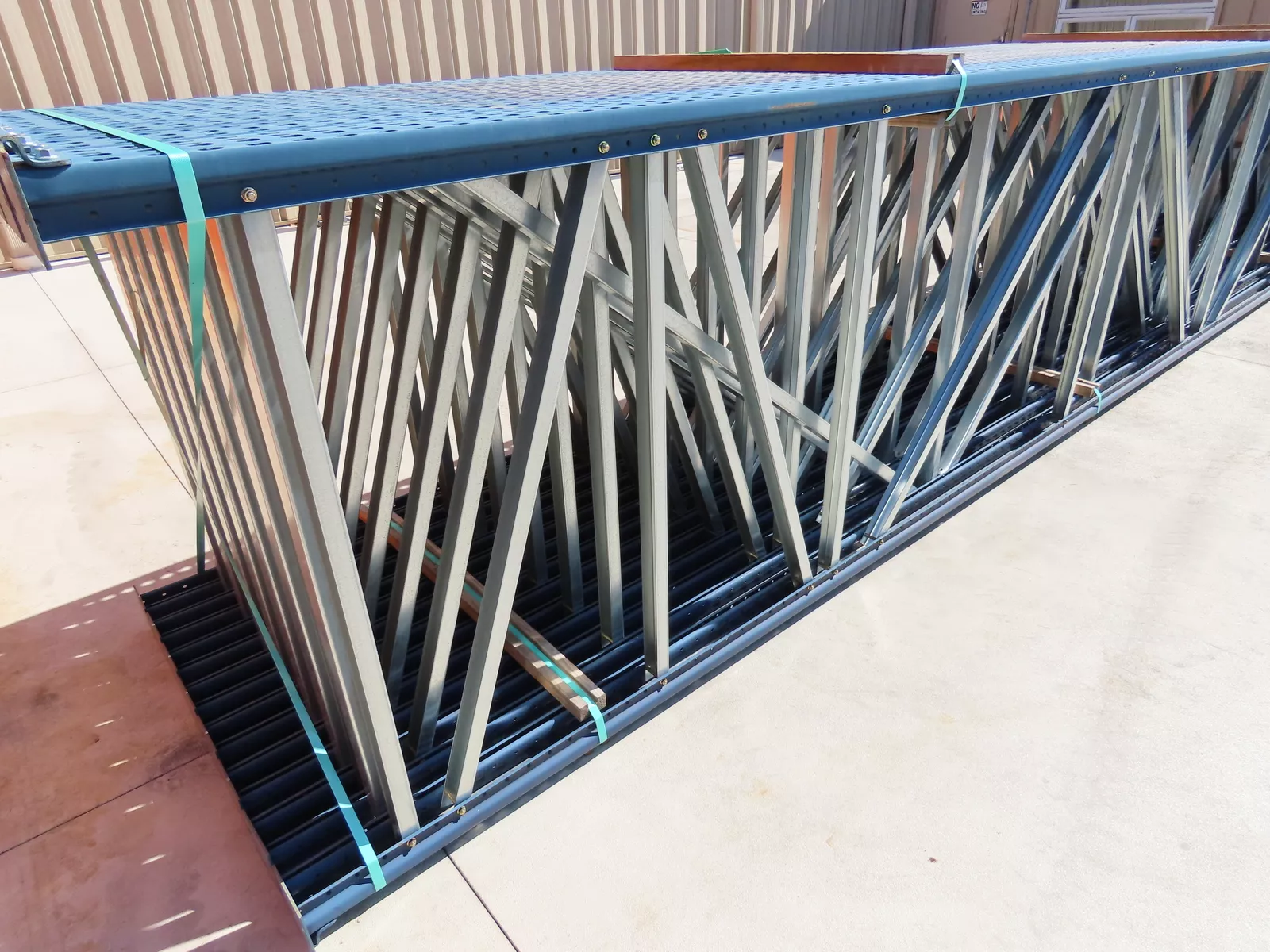
Imagine a warehouse where chaos is replaced by seamless operations. With advanced pallet racking systems that incorporate real-time sensors and cloud-based inventory management, you can eliminate the inefficiencies of the past. Every pallet is accessible and monitored, allowing you to reap the benefits of reduced pick times and enhanced overall productivity. The pain of searching for items is a thing of the past; instead, meticulous organization becomes your new norm.
But the revolution doesn’t stop there. Automation is reshaping how warehouses function, allowing automated guided vehicles (AGVs) and robotics to tackle repetitive tasks with remarkable precision, freeing your workforce to focus on strategic contributions. Picture your operations running like clockwork, with robots optimally managing your pallet racking systems for safety and efficiency. This shift not only mitigates human error but creates a working environment where safety and engagement thrive.
With AI playing a crucial role in the logistics landscape, your predictive capabilities skyrocket. No longer are you merely reacting to demand fluctuations; with data-driven insights, you’ll anticipate trends, manage inventory intelligently, and most importantly, enhance customer satisfaction. Real-time data transforms your operation, empowering you to make agile decisions that keep your shelves stocked and your customers happy.
You might feel apprehensive about adopting new technologies, but each step forward is a step toward growth. Start modestly with a single integrated system, and witness the immediate payoffs—improved accuracy, decreased labor costs, and a heightened level of safety for your team. The time for change is now. Don’t let hesitation hold you back; the future of your warehouse awaits.
As you stand on the precipice of transformation, remember: Arrow Industrial Sales is dedicated to supporting your quest to optimize workflow through advanced technologies. Don’t wait for your competitors to seize this opportunity. Call Arrow Industrial Sales today at (574) 349-6575 for transformative solutions that ensure your warehouse reaches its fullest potential.
Embrace innovation, elevate your operations, and transform your business into a well-oiled machine that thrives. Your journey toward operational excellence starts now.
Conclusion
Conclusion:
- Revolutionizing warehouse workflows is essential for achieving efficiency in operations.
- Arrow Industrial Sales offers innovative solutions like advanced pallet racking systems with real-time sensors.
- Improved organization leads to reduced pick times and heightened productivity.
- Automation, including AGVs and robotics, minimizes repetitive tasks and enhances workplace safety.
- AI integration provides predictive capabilities for better inventory management and improved customer satisfaction.
- Start small with integrated systems to experience immediate benefits like improved accuracy and reduced labor costs.
- Contact Arrow Industrial Sales for support in optimizing your warehouse workflow with advanced technologies.
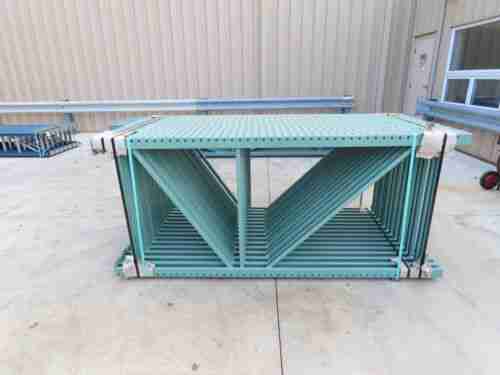
Conclusion
Other Resources
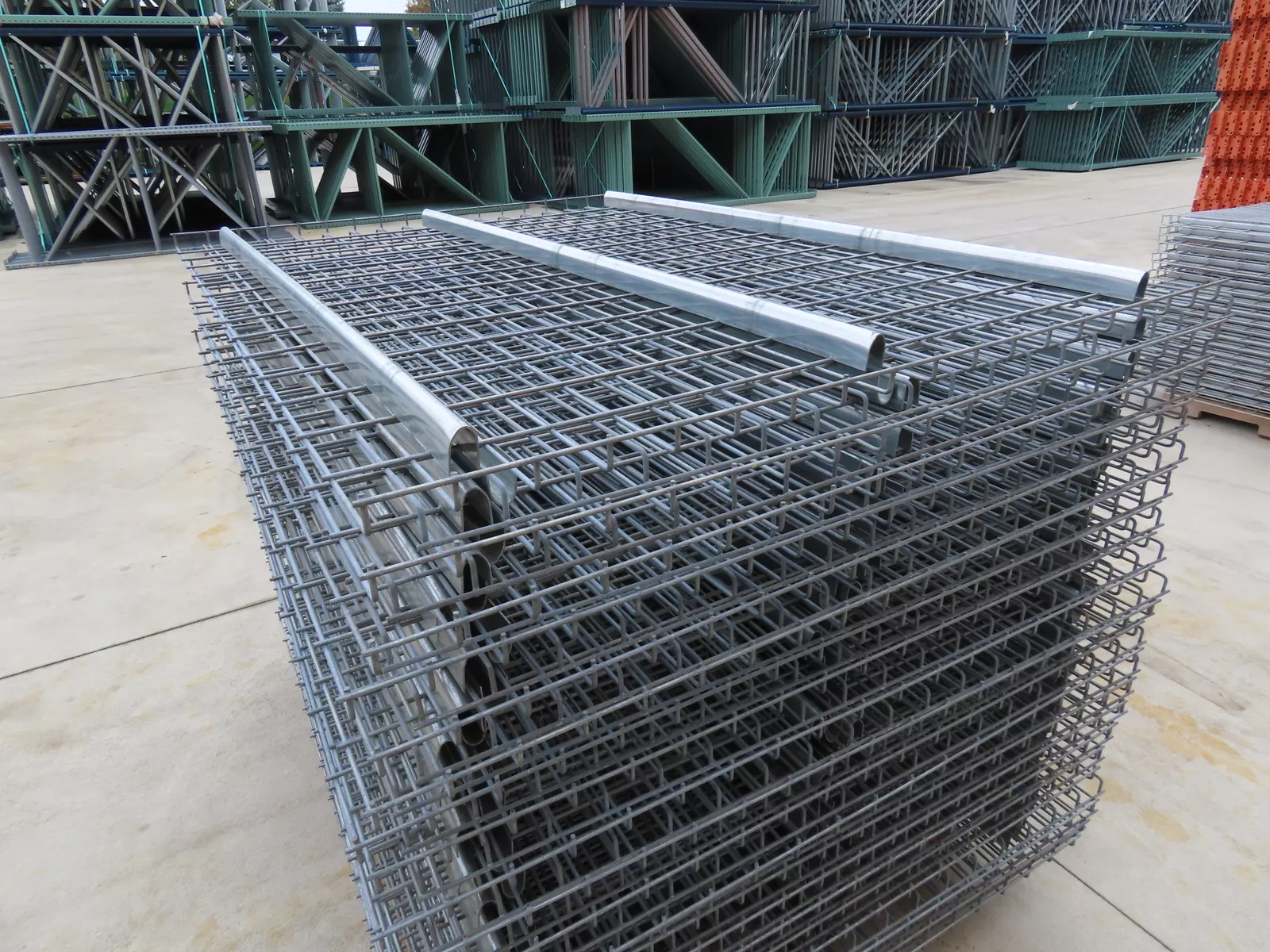
Other Resources
Here is a list of other resources you can review online to learn more:
- Wolter
- Total Warehouse
- Interlake Mecalux
- Interlake Mecalux
- American Society of Safety Professionals
- Heavy-Duty Cantilever Storage Racks
- SEMA
- Warehouse Racking Layout: The Ultimate Guide – Conger
- Teardrop Industrial Shelving Rack
- Teardrop Uprights
Use This Prompt To Get More Resources With Your Favorite Online AI Tool: Please provide me with a list of online articles with their URLs in a bulleted list that I can read regarding How Can You Revolutionize Warehouse Workflow with New Technologies?
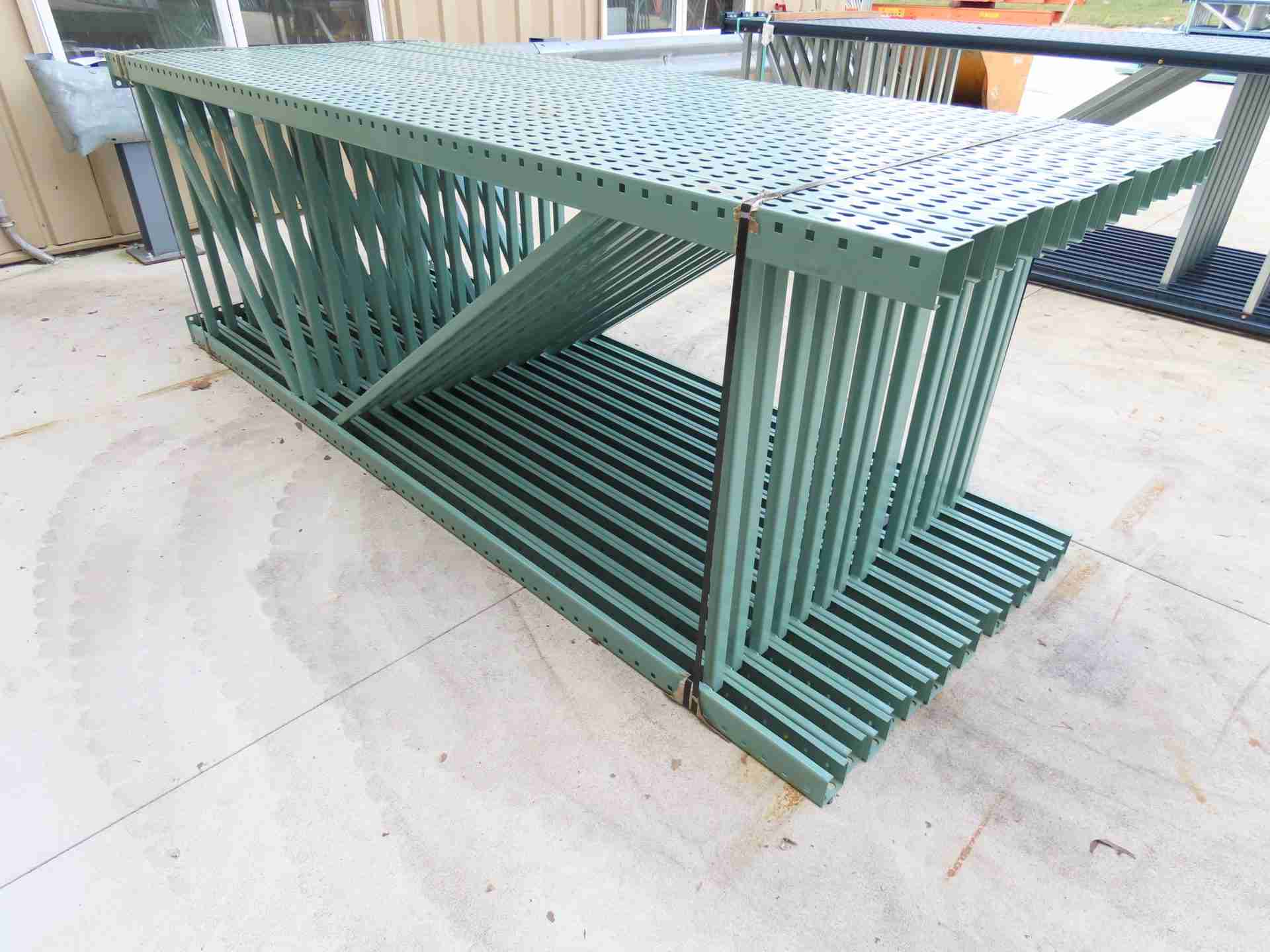
Other Resources
Glossary Terms
How Can You Revolutionize Warehouse Workflow with New Technologies? – Glossary Of Terms
1. Automation: The use of technology to perform tasks with minimal human intervention, improving efficiency and consistency in warehouse operations.
2. Artificial Intelligence (AI): Machine technology that simulates human intelligence to enhance decision-making in inventory management and demand forecasting.
3. Big Data: Large sets of data that can be analyzed to identify trends, optimize warehouse logistics, and improve operational efficiency.
4. Barcode Scanning: A method of identifying products and tracking inventory using barcode technology, facilitating quicker check-ins and check-outs.
5. Cloud Computing: Storing and accessing data and applications over the internet, allowing for flexible and scalable warehouse management systems.
6. Inventory Management System (IMS): Software tools that manage stock levels, orders, and sales data to streamline inventory processes.
7. Internet of Things (IoT): A network of interconnected devices that collect and exchange data, improving visibility and control over warehouse operations.
8. Robotics: The use of automated machines or robots to perform tasks such as picking, packing, and sorting, enhancing speed and accuracy.
9. Pick-to-Light: A technology that uses light displays to guide workers to items that need to be picked, speeding up the order fulfillment process.
10. Voice Picking: A hands-free method where warehouse workers receive verbal instructions through headsets, allowing for increased efficiency during order picking.
11. Augmented Reality (AR): Technology that overlays digital information on the real world, assisting workers with tasks such as inventory management and picking routes.
12. Warehouse Management System (WMS): Software that supports the day-to-day operations of a warehouse, helping manage inventory, labor, and order fulfillment processes.
13. Drone Delivery: The use of unmanned aerial vehicles to deliver goods, which can help streamline logistics and provide faster service.
14. Mobile Solutions: Portable technology devices and applications that allow workers to manage tasks and access data on the go, improving productivity.
15. Self-Service Kiosks: Automated stations that enable customers or warehouse staff to access information or perform transactions independently.
16. Flexible Automation: Systems designed to adapt to different tasks or processes, allowing warehouses to quickly shift operations based on demand.
17. Data Analytics: The process of analyzing raw data to make informed business decisions, optimize workflows, and improve operational efficiency.
18. Predictive Analytics: Techniques used to predict future trends and performance, aiding in inventory forecasting and resource allocation.
19. Order Management System (OMS): Software that tracks and manages sales orders from inception to delivery, integrating with other systems for seamless workflow.
20. Cross-Docking: A logistics practice where incoming goods are directly transferred to outbound shipping with minimal storage time, enhancing efficiency.
21. Fulfillment Center: A specialized warehouse focused on order fulfillment, typically featuring advanced technologies for speed and accuracy.
22. 360-Degree Visibility: The ability to have real-time insights into all aspects of warehouse operations, improving decision-making and responsiveness.
23. Robotic Process Automation (RPA): Technology that uses software robots to automate repetitive tasks, freeing human workers for more complex responsibilities.
24. Smart Shelving: Shelving systems equipped with sensors and IoT technology to monitor stock levels and optimize storage space.
25. Last-Mile Delivery: The final step in the delivery process, focusing on having the products transported to the end customer efficiently.
26. Lean Warehousing: A methodology aimed at minimizing waste and maximizing productivity through continuous improvement practices.
27. Sustainable Practices: Environmentally friendly methods implemented within warehouse operations, such as energy-efficient systems and waste reduction techniques.
28. Material Handling Equipment (MHE): Machinery used to transport, store, and control materials within a warehouse, such as forklifts and conveyor belts.
29. Capacity Planning: The process of determining the warehouse’s production capacity to meet varying demand, ensuring efficiency and cost-effectiveness.
30. Blockchain: A decentralized digital ledger technology that ensures transparency and traceability in supply chain transactions, enhancing security and trust.
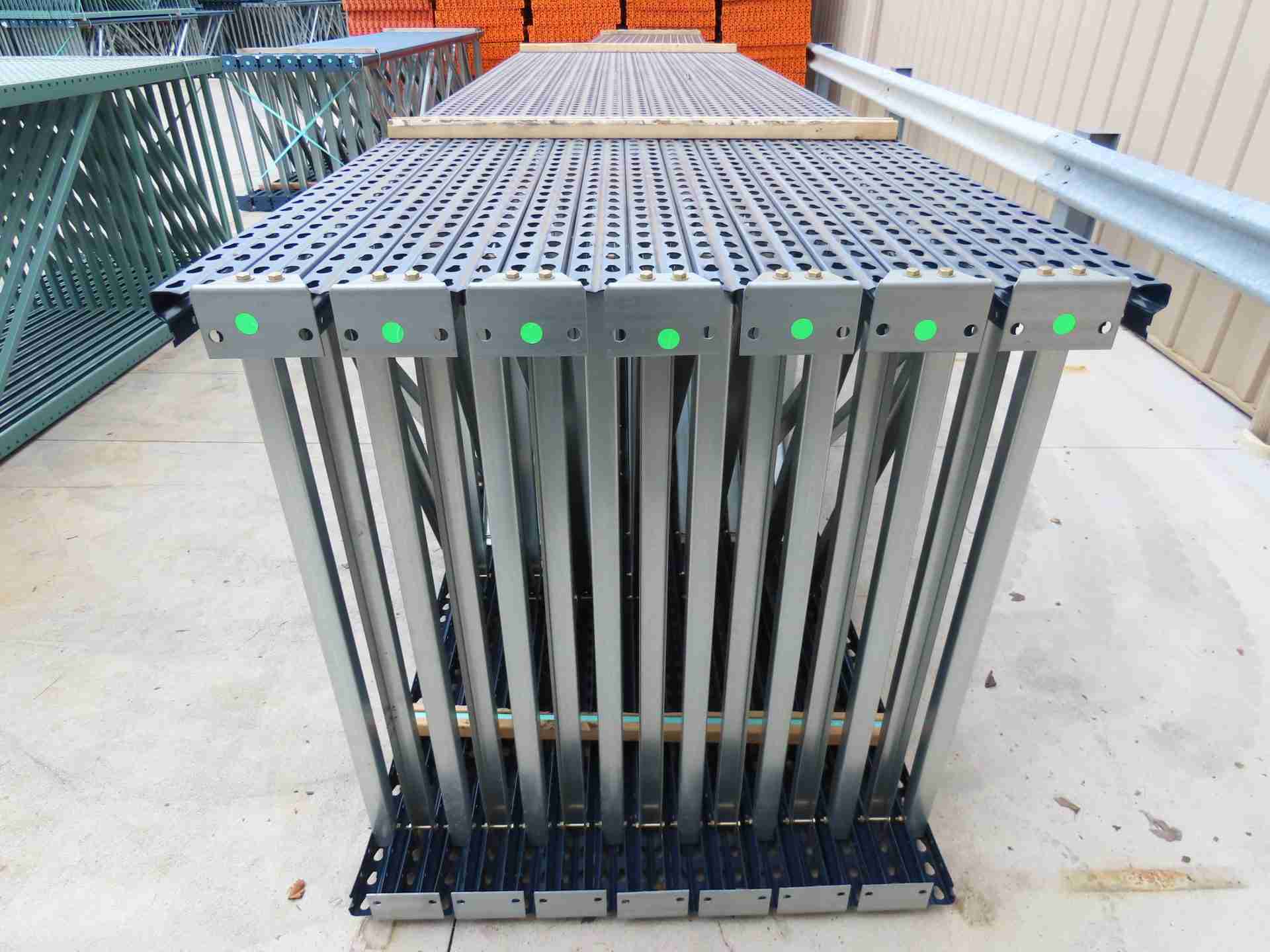
Glossary Of Terms
Other Questions
How Can You Revolutionize Warehouse Workflow with New Technologies? – Other Questions
If you wish to explore and discover more, consider looking for answers to these questions:
- What are the latest technologies available for optimizing warehouse workflows?
- How can businesses measure the effectiveness of new technologies in their warehouses?
- What are some case studies of companies that have successfully implemented automation in their warehousing?
- What challenges might businesses face when transitioning to automated systems?
- How does the integration of AI and machine learning impact inventory management in warehouses?
- What training or skills do employees need to successfully work with new technologies?
- How can real-time data be utilized for better decision-making in logistics?
- What steps can businesses take to overcome resistance to adopting new technologies?
- How do different types of pallet racking systems compare in terms of efficiency and cost?
- What are the potential ROI figures when investing in robotics for warehousing?
- How does cloud computing enhance collaboration across the supply chain?
- What specific technologies can help improve order fulfillment times?
- How do businesses ensure data security when using cloud-based inventory management systems?
- What role does employee feedback play in optimizing warehouse technology solutions?
- Can smaller warehouses also benefit from these cutting-edge technologies?
Other Questions
Checklist
How Can You Revolutionize Warehouse Workflow with New Technologies? – A Checklist
Checklist: Revolutionizing Your Warehouse Workflow with New Technologies
Use this checklist to evaluate and enhance your warehouse operations with cutting-edge technology:
1. Evaluate Current Operations
_____ Assess current workflow processes and identify bottlenecks.
_____ Review current inventory management practices and their effectiveness.
_____ Analyze labor efficiency and employee roles.
2. Implement Smart Pallet Racking
_____ Investigate advanced pallet racking systems with sensor technology.
_____ Ensure that each item within your racking system is easily accessible.
_____ Integrate real-time data monitoring for inventory levels.
3. Incorporate Automation Technologies
_____ Explore the use of Automated Guided Vehicles (AGVs) for material transport.
_____ Consider implementing automated picking systems to reduce manual labor.
_____ Evaluate the integration of robotics to minimize human error.
4. Utilize Cloud-Based Inventory Management
_____ Investigate cloud-based solutions for real-time inventory management.
_____ Ensure team members have access to these systems from various devices.
_____ Foster a culture of transparency and cooperation among team members and suppliers.
5. Leverage Real-Time Data
_____ Implement tools for accessing real-time stock levels and trends.
_____ Train team members on data analysis for informed decision-making.
_____ Establish protocols for timely restocking based on real data insights.
6. Embrace Artificial Intelligence (AI)
_____ Assess AI tools for route optimization and demand forecasting.
_____ Explore AI solutions for analyzing product types and turnover rates.
_____ Utilize AI to enhance supply chain visibility and efficiency.
7. Focus on Employee Training and Engagement
_____ Provide training to employees on new technologies and systems.
_____ Foster an environment that encourages engagement and creativity.
_____ Implement feedback loops to continuously improve processes.
8. Enhance Safety with Robotics
_____ Identify tasks that can be delegated to robotics to minimize risks.
_____ Evaluate ergonomic solutions for reducing manual handling.
_____ Conduct regular safety assessments to ensure a hazard-free environment.
9. Measure Performance Metrics
_____ Establish KPIs to evaluate the success of implemented technologies.
_____ Track improvements in efficiency, accuracy, and order fulfillment times.
_____ Adjust strategies as necessary based on performance data.
10. Stay Updated with Industry Trends
_____ Attend industry conferences and training workshops.
_____ Subscribe to relevant publications and research developments in warehouse technologies.
_____ Network with other warehouse professionals to share insights and best practices.
Conclusion
By following this checklist, you can move towards optimizing your warehouse workflow through innovative technologies, resulting in enhanced efficiency, reduced costs, and elevated customer satisfaction. Start your transformation today!
Checklist
At RackingWorld, we help guide you through selecting warehouse storage systems and racking.
Be sure to read our other related stories at RackingWorld to learn more about warehouse storage systems.
0 Comments