
Maximizing Warehouse Efficiency With Smart Shelving
By Tom Seest
At RackingWorld, we help guide you through selecting warehouse storage systems and racking.
Be sure to read our other related stories at RackingWorld to learn more about warehouse storage systems.
How Can You Optimize Warehouse Space with Smart Shelving Solutions?
In today’s fast-paced world, leveraging technology isn’t just an option—it’s a necessity, especially in the realm of warehouse management. The quest for efficiency can often feel like navigating a labyrinth, but with smart shelving solutions, you can transform your space into a well-oiled machine, maximizing each inch and every pallet.
Let’s Talk Pallet Racking
Pallet racking is the backbone of any warehouse operation. Yet, traditional pallet racking systems may not suffice in an era where agility and space optimization are king. Integrating smart shelving into your pallet racking strategy is where the magic happens. For instance, consider mobile shelving units that adjust their position based on inventory needs. These units allow you to maximize vertical space and ensure that your most frequently accessed items are always at the forefront.
Embrace Modular Designs
One of the most exciting advancements in smart shelving solutions is the modular design. These systems can be reconfigured easily to adapt to your changing inventory needs. For example, a leading pharmaceutical company recently switched to modular shelving in its distribution center, which allowed them to adjust their storage layout quickly in response to seasonal fluctuations in demand. The result? A 30% increase in storage efficiency!
Go Vertical with Smart Technology
As real estate costs soar in urban areas, going vertical is more critical than ever. Smart shelving can be integrated with vertical lifts and automated retrieval systems that allow your team to access items without extensive manual labor. Picture this: A historical increase in e-commerce demands has propelled companies to innovate. Warehouses are utilizing automated guided vehicles (AGVs) alongside these smart shelving units for seamless operations. Imagine the speed and accuracy as these systems work in tandem, bringing forth a new standard in fulfillment efficiency.
Monitor to Optimize
Lastly, harnessing IoT and data analytics can transform how you use your warehouse space. Smart shelving can provide real-time insights into inventory levels, allowing for precise stock management and proactive reordering. Take, for example, a massive retailer that recently adopted smart shelf sensors to track product movement. The results were staggering—a reduction in excess inventory by 25%, freeing up much-needed space for new products.
In a world where every square foot counts, intelligent shelving solutions paired with advanced pallet racking offer more than just storage; they deliver a strategic advantage. Don’t let your warehouse become a relic of outdated practices. Invest in smart shelving solutions today, and watch your efficiency soar to new heights!
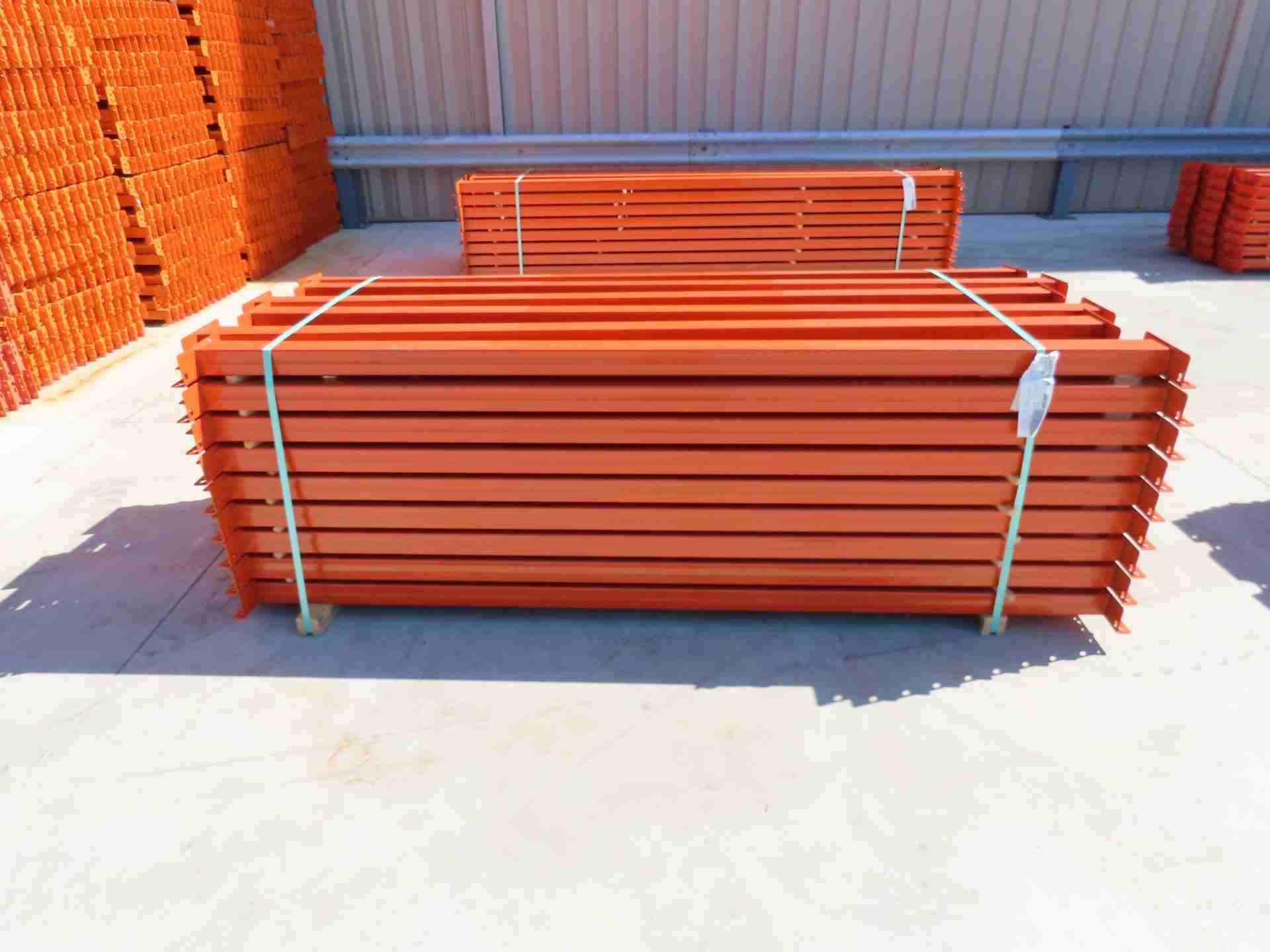
How Can You Optimize Warehouse Space with Smart Shelving Solutions?
How Can You Optimize Warehouse Space with Smart Shelving Solutions?
- Leveraging technology in warehouse management is essential for maximizing efficiency.
- Traditional pallet racking systems may not meet the demands of modern operations; smart shelving integration is key.
- Mobile shelving units optimize vertical space and prioritize frequently accessed items.
- Modular shelving designs allow for easy reconfiguration based on changing inventory needs, resulting in significant efficiency gains.
- Going vertical with smart technology, including vertical lifts and automated retrieval systems, enhances accessibility and reduces manual labor.
- Using IoT and data analytics in smart shelving provides real-time inventory insights, improving stock management and reducing excess inventory.
- Investing in smart shelving solutions can transform your warehouse into a strategic advantage, boosting overall efficiency.
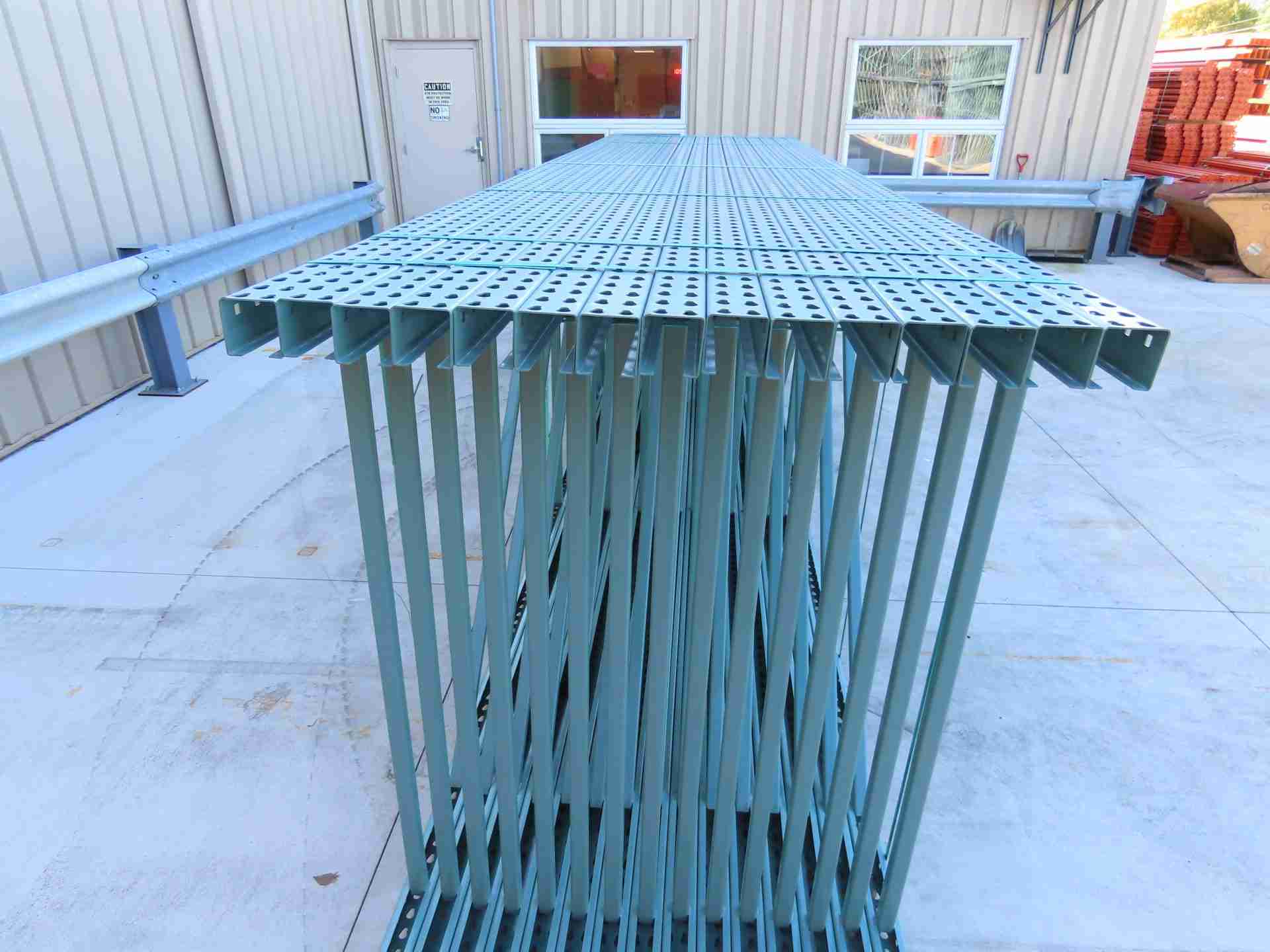
How Can You Optimize Warehouse Space with Smart Shelving Solutions?
Table Of Contents
- How Can You Optimize Warehouse Space with Smart Shelving Solutions?
- What Are Smart Shelving Solutions And How Do They Work?
- How Can Smart Shelving Improve Warehouse Efficiency?
- What Factors Should You Consider When Choosing Smart Shelving?
- What Are The Benefits Of Using Smart Shelving In A Warehouse?
- How Do Smart Shelving Systems Save Space In A Warehouse?
- Can Smart Shelving Integrate With Existing Warehouse Systems?
- Conclusion
- Other Resources
- Glossary Of Terms
- Other Questions
- Checklist
What Are Smart Shelving Solutions And How Do They Work?
In the rapidly evolving world of logistics and retail, staying ahead means embracing innovation. Enter smart shelving solutions. These cutting-edge systems seamlessly blend technology and space management to revolutionize how inventory is stored, retrieved, and managed. If you’re still relying on traditional methods like pallet racking, you may be surrendering competitive edges to those who have already taken the plunge into smart shelving.
At their core, smart shelving solutions utilize an array of technologies, including IoT sensors, RFID tags, and AI-driven analytics. Imagine a warehouse where every inch counts. With smart shelving, every pallet racking unit can communicate its status to central management systems—providing real-time data on stock levels, item conditions, and even predicting when reorders are necessary. This not only optimizes the available space but also enhances accuracy and reduces labor costs.
Consider Amazon’s recent rollout of its autonomous retrieval systems. Their smart shelving practices allow robots to navigate through a complex web of racking to find and retrieve items faster than any human could. This leap into the future means orders are fulfilled quicker, inventory shrinkage is minimized, and shelf space is better optimized. Successful companies know that in today’s market, agility is key. Smart solutions enable businesses to react to market demands instantaneously.
But let’s get down to the nitty-gritty: how does it work? Smart shelving integrates various devices and software platforms. RFID tags track items as they move through the supply chain, giving every stakeholder transparency. IoT sensors monitor environmental conditions, ensuring products are stored under optimal conditions. AI algorithms analyze all this data to identify trends and optimize inventory management dynamically. The result? Smart shelves that pinpoint inefficiencies and suggest improvements, turning your warehouse into a well-oiled machine.
The benefits are particularly glaring in sectors facing rapid change, such as e-commerce and healthcare. With sectors like grocery delivery seeing an explosion in demand, smart shelving maximizes efficiency when every second counts. Visualize loading your delivery trucks with items picked and packed from impeccably organized shelving—no more scrambling to find the right product when customers are waiting.
Smart shelving solutions aren’t just a trendy solution; they are a necessary evolution in inventory management. If you’re still stuck in outdated pallet racking methods, it’s time to reevaluate. The future moves fast—don’t be left behind. Embrace smart shelving today and watch your operational efficiency soar.
What Are Smart Shelving Solutions And How Do They Work?
What Are Smart Shelving Solutions And How Do They Work?
- Smart shelving solutions combine technology and space management to transform inventory storage and management.
- These systems utilize IoT sensors, RFID tags, and AI analytics for real-time tracking and optimization of stock levels.
- Companies using smart shelving, like Amazon, enhance order fulfillment speed and reduce inventory shrinkage.
- Integration of various software and devices allows for transparency and optimal storage conditions through RFID and IoT.
- AI algorithms analyze data to pinpoint inefficiencies and suggest improvements in inventory management.
- Smart shelving is crucial for sectors like e-commerce and healthcare, maximizing efficiency in a rapidly changing environment.
- Transitioning from traditional pallet racking to smart shelving is essential for staying competitive in the logistics and retail market.
What Are Smart Shelving Solutions And How Do They Work?
How Can Smart Shelving Improve Warehouse Efficiency?
In the fast-evolving world of logistics and supply chain management, efficiency is not just a buzzword—it’s a necessity. Enter smart shelving, a game-changing innovation that is revolutionizing how warehouses operate. Unlike traditional storage methods like pallet racking, smart shelving leverages advanced technology to create a fluid, adaptable environment that maximizes productivity.
Imagine this: a bustling warehouse where items are not simply shelved but actively managed. Smart shelving systems integrate automation and real-time data analytics, allowing businesses to optimize inventory, reduce labor costs, and accelerate order fulfillment. Picture a scenario where your pallet racking is augmented with sensors that provide instant feedback on item availability and position. No longer do you have to rely on outdated spreadsheets or time-consuming manual counts; your system is continually updated, significantly reducing the margin for error.
Recent events in the retail sector, especially the surge in e-commerce spurred by the pandemic, underscore the need for efficiency in warehouses. Many retailers, like Amazon, have adopted smart shelving solutions to keep up with escalating demand. When you have the capacity to swiftly adapt to changing consumer behaviors and manage your inventory in real-time, you position your business ahead of the competition.
Take, for instance, the introduction of “smart” bins and shelves that automatically track inventory levels and alert managers when products are running low. Picture a warehouse where employees can scan a QR code on a shelf, instantly pulling up detailed product information, current stock levels, and even reordering options. This capability not only speeds up the picking process but enhances accuracy, reducing the risk of stockouts or overages—an essential factor for maintaining customer satisfaction in today’s market.
Moreover, a smart shelving system can leverage machine learning to forecast demand trends, allowing businesses to make proactive decisions about inventory placement and allocation. This predictive capability means fewer empty spaces on your pallet racking and maximized utilization of available space. In an age where every square inch counts, evolving with smart shelving technology can significantly impact your bottom line.
The integration of smart shelving in warehouses is not merely a technological upgrade; it’s a strategic advantage. As supply chains worldwide continue to adapt to the rapid changes of the 21st century, businesses harnessing the power of smart shelving will emerge as the leaders in efficiency, agility, and customer satisfaction. Don’t let your operation fall behind—invest in smart shelving and watch your warehouse turn into a powerhouse of productivity.
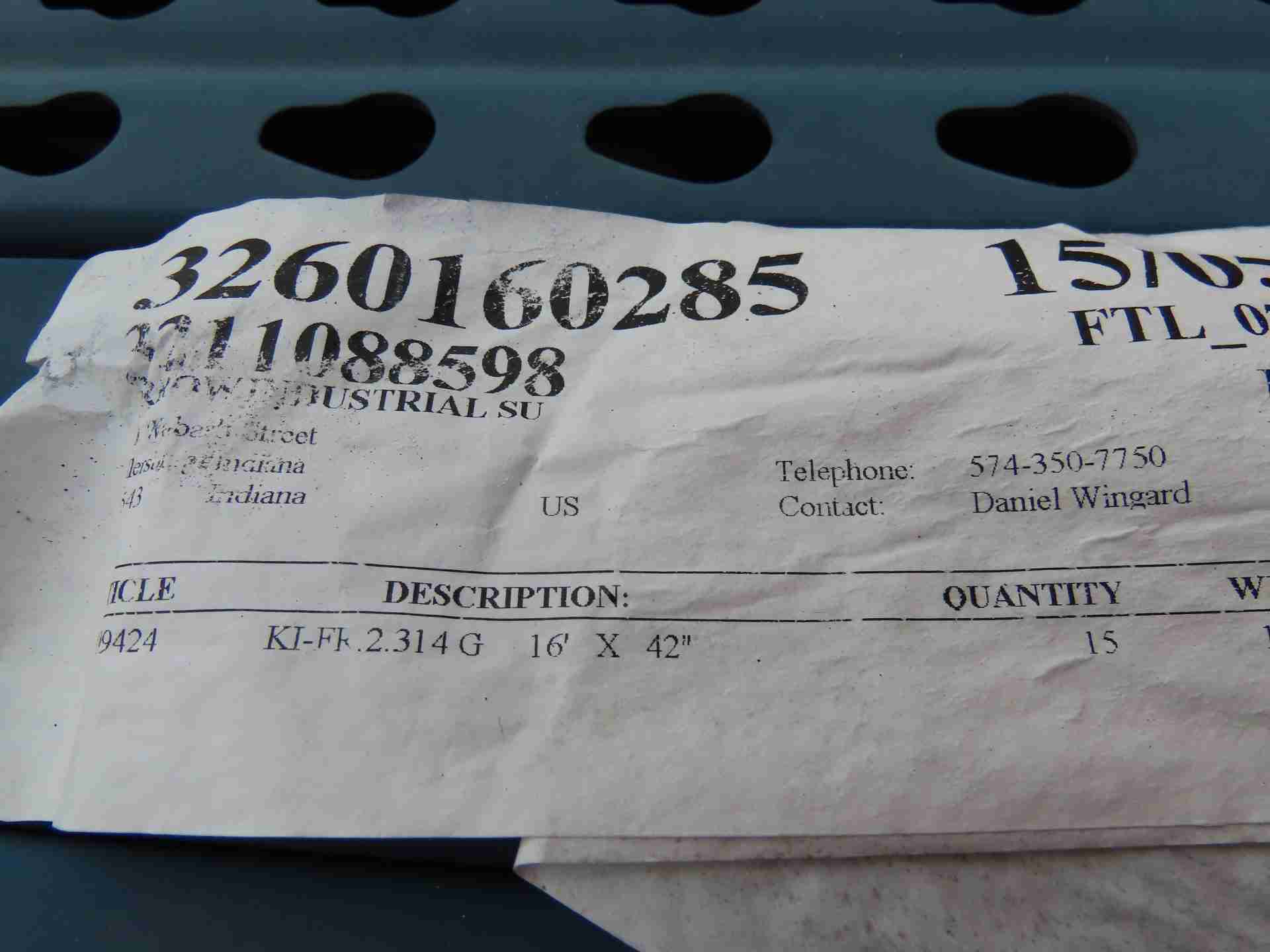
How Can Smart Shelving Improve Warehouse Efficiency?
How Can Smart Shelving Improve Warehouse Efficiency?
- Smart shelving is redefining efficiency in logistics and supply chain management.
- Unlike traditional storage methods, smart shelving utilizes advanced technology for adaptability and productivity.
- Integration with automation and real-time data analytics helps optimize inventory and reduce labor costs.
- Smart shelving systems provide instant feedback on item availability, reducing reliance on manual counts.
- The rise of e-commerce has prompted retailers to adopt smart shelving to meet increasing demand.
- Features like automatic inventory tracking and QR code scanning improve picking speed and accuracy.
- Employing machine learning in smart shelving aids demand forecasting and maximizes space utilization.
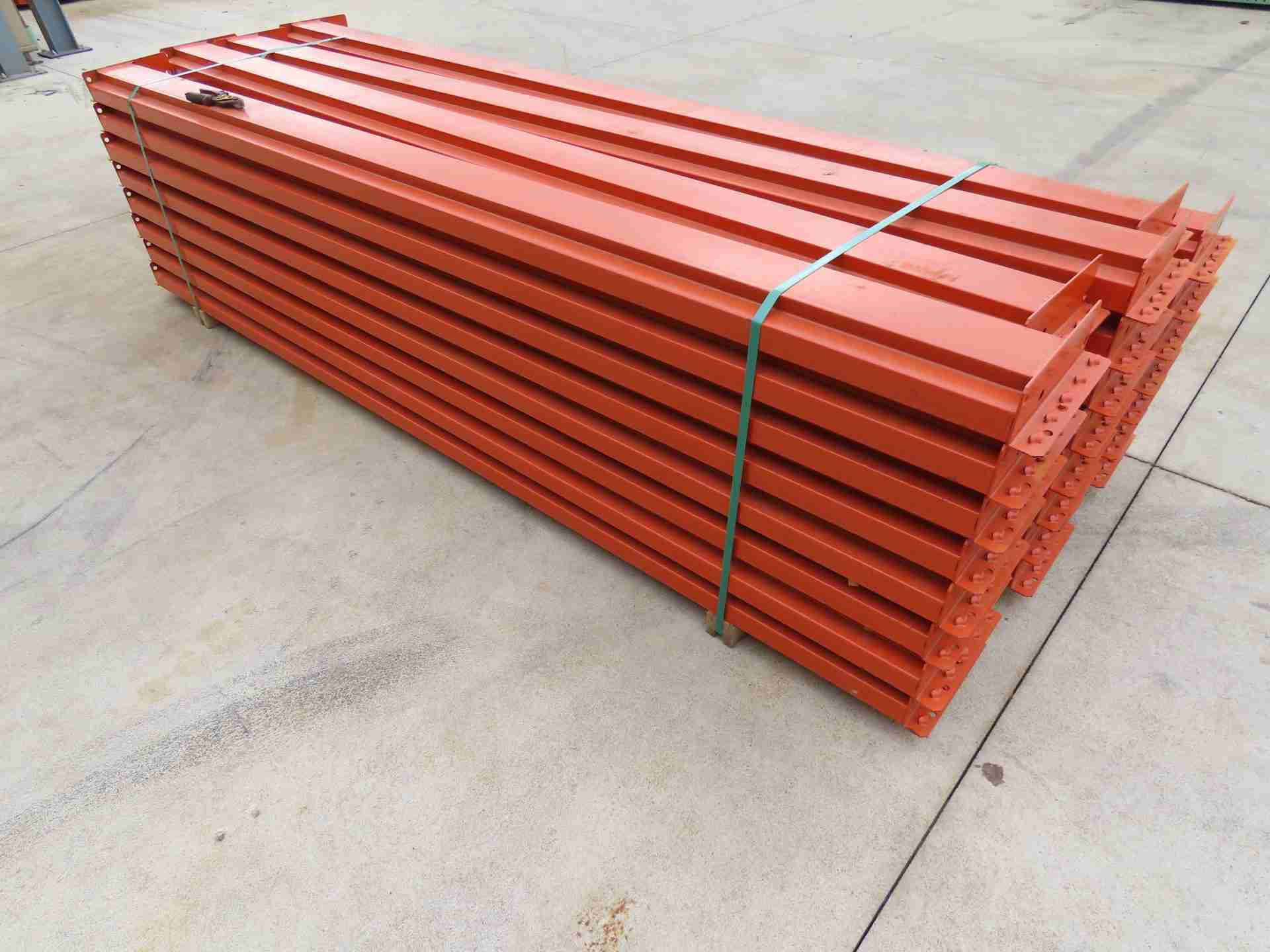
How Can Smart Shelving Improve Warehouse Efficiency?
What Factors Should You Consider When Choosing Smart Shelving?
When it comes to choosing smart shelving solutions, the decision goes far beyond picking a few shelves that look good. It’s about transforming your storage experience into a powerhouse of efficiency and productivity. Here are the crucial factors to consider, ensuring you make an educated decision that aligns with your operational goals.
1. Space Maximization: One of the first questions to evaluate is how the shelving will fit into your existing layout. Smart shelving is designed to optimize every square foot of space. For instance, pallet racking systems allow you to stack inventory vertically, maximizing warehouse storage and making more product accessible. Look for smart shelving options that offer modular designs which can grow or shrink based on your spatial needs.
2. Technology Integration: With the rise of the Internet of Things (IoT), your shelving units must also be technologically equipped. Consider options that provide real-time inventory management through integrated software. For instance, smart shelving solutions can synchronize with your existing logistics software, allowing you to track stock levels effortlessly. Such integration is not just futuristic; it’s essential in a world where businesses strive for lean operations and lower holding costs.
3. Durability and Load Capacity: Assess the durability of the materials used for the shelving. Are they built to withstand the weight of your products? Many businesses are turning to heavy-duty solutions like pallet racking as a dependable option for high-volume storage needs. Choosing the right material can save you headaches—think about how much it would cost to replace a collapsed shelf loaded with inventory!
4. Flexibility and Scalability: Your storage needs will evolve, and your shelving should adapt accordingly. Look for systems that can easily expand or reconfigure without requiring a complete overhaul. For instance, consider a shelving unit that allows for adjustable heights, accommodating various product sizes over time.
5. Ease of Assembly and Maintenance: Don’t underestimate the importance of user-friendly installation. Smart shelving should be intuitive to install and maintain. Complicated setups can deter employees from utilizing the shelving properly, leading to potential inefficiencies. Opt for systems with straightforward assembly instructions and low maintenance requirements.
6. Cost Efficiency: Finally, always weigh the investment against potential returns. Smart shelving is often a long-term investment; ensure to analyze the total cost of ownership, including installation, maintenance, and any technology subscriptions.
As you navigate the rapidly-changing landscape of storage solutions, remember that the right smart shelving can enhance your operational efficiency, contribute to a streamlined flow of goods, and positively impact your bottom line. Choose wisely, and your decision will pay dividends in organization and productivity.
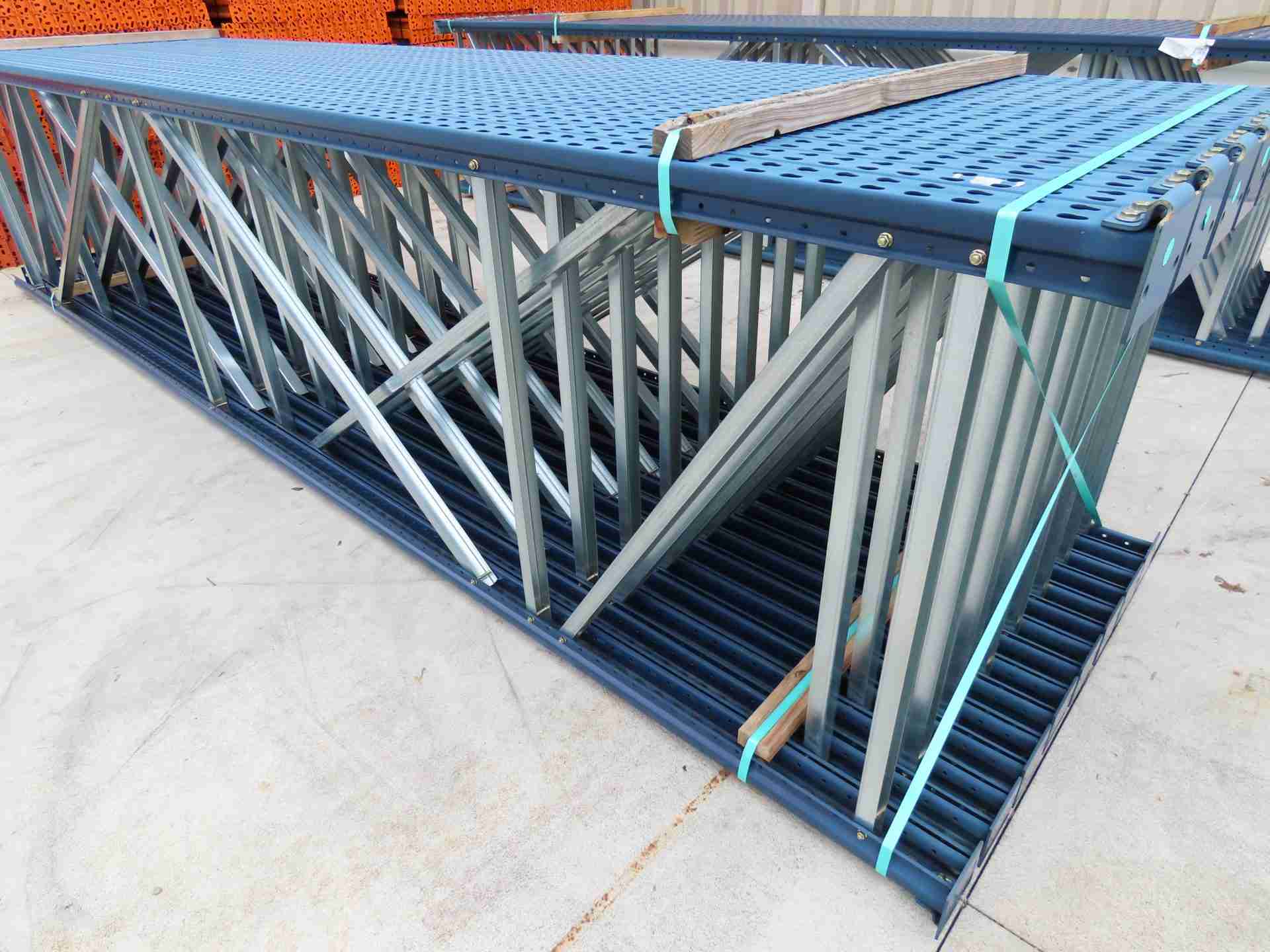
What Factors Should You Consider When Choosing Smart Shelving?
What Factors Should You Consider When Choosing Smart Shelving?
- Space Maximization: Optimize storage by evaluating how shelving fits existing layouts; consider modular designs and vertical stacking options like pallet racking.
- Technology Integration: Select shelving units with real-time inventory management software to streamline stock tracking and align with lean operations.
- Durability and Load Capacity: Choose shelving materials that can withstand product weight to avoid costly replacements due to collapses.
- Flexibility and Scalability: Opt for shelving systems that can adapt to evolving storage needs with adjustable heights and reconfiguration capabilities.
- Ease of Assembly and Maintenance: Look for user-friendly shelving options that are easy to install and maintain, reducing potential inefficiencies.
- Cost Efficiency: Analyze the total cost of ownership to ensure that smart shelving is a worthwhile long-term investment.
- Operational Impact: The right smart shelving enhances efficiency, improves goods flow, and positively affects the bottom line.
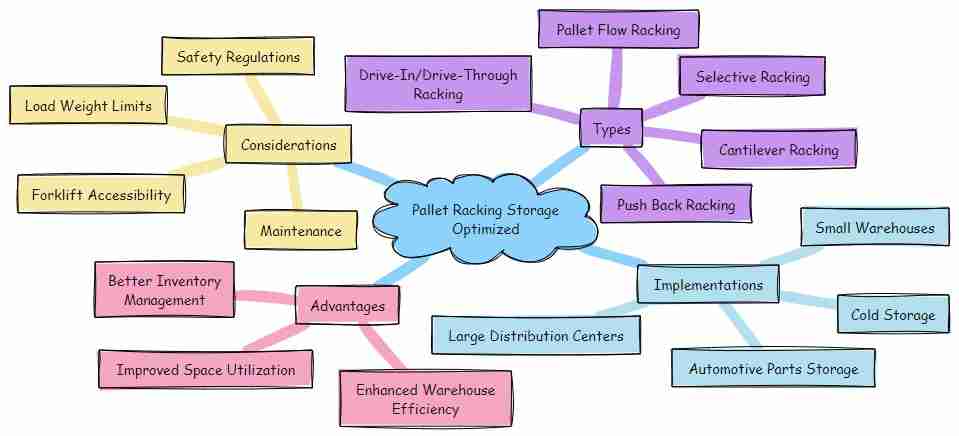
What Factors Should You Consider When Choosing Smart Shelving?
What Are The Benefits Of Using Smart Shelving In A Warehouse?
In today’s fast-paced business environment, warehouses face unprecedented challenges, from increasing customer demand to the pressing need for operational efficiency. Enter smart shelving—an innovative answer to these challenges. By integrating technology into traditional pallet racking systems, smart shelving transforms warehouses into highly efficient, organized ecosystems.
Imagine a warehouse where every product is tracked in real-time. Smart shelving systems come equipped with sensors that monitor inventory levels and locations, providing warehouse managers with immediate visibility into stock availability. This seamless tracking reduces the risks of overstocking or stockouts, allowing for just-in-time inventory management. Businesses can respond faster to market trends, significantly boosting customer satisfaction and retention.
Consider the case of a major retail giant that implemented smart shelving in their distribution centers. By doing so, they decreased their order-picking time by 30%. Their employees could easily access inventory, reducing labor costs and increasing throughput. Instead of relying solely on traditional pallet racking methods, they leveraged technology to enhance their processes, proving that smart shelving isn’t a luxury—it’s a necessity in the modern business landscape.
Another crucial benefit lies in the data-driven insights that smart shelving systems provide. These intelligent systems can analyze patterns and trends, equipping businesses with crucial information for future planning. By understanding which products move quickly and which linger on shelves, managers can optimize stock placement and make informed purchasing decisions. In the age of big data, this application can be a game changer.
Moreover, smart shelving enhances safety within a warehouse. With RFID technology and automated alerts, potential hazards are flagged in real-time. Workers are informed of stock levels and the precise location of industrial goods, minimizing accidents. For instance, during the recent surge in e-commerce demand, warehouses that utilized smart shelving reported fewer incidents of workplace injuries, proving that investment in technology not only boosts efficiency but also protects your most valuable asset—your workforce.
In summary, smart shelving is revolutionizing warehouse management. By combining agility, data analytics, and safety, it streamlines operations and adheres to evolving consumer expectations. As we look to the future, businesses that fail to embrace smart shelving may find themselves lagging behind competitors who recognize the necessity of leveraging innovation in their supply chains. The bottom line is clear: investing in smart shelving is not just about keeping up—it’s about staying ahead.
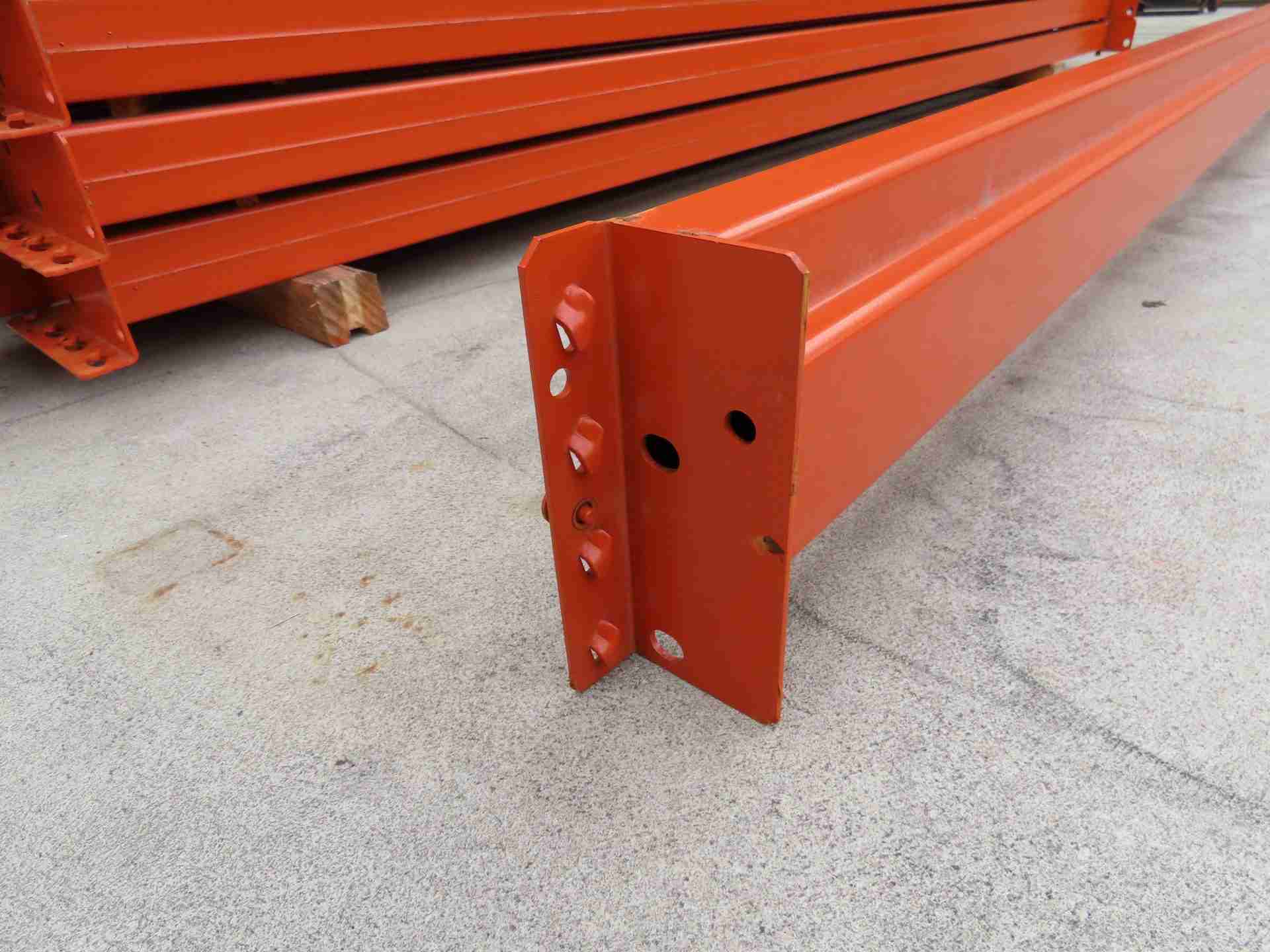
What Are The Benefits Of Using Smart Shelving In A Warehouse?
What Are The Benefits Of Using Smart Shelving In A Warehouse?
- Warehouses face challenges related to rising customer demand and operational efficiency.
- Smart shelving integrates technology into pallet racking systems, enhancing warehouse organization.
- Real-time inventory tracking reduces risks of overstocking and stockouts, enabling just-in-time management.
- A retail giant decreased order-picking time by 30% after implementing smart shelving, improving labor efficiency.
- Smart shelving provides data-driven insights, aiding in stock optimization and informed purchasing decisions.
- Enhanced safety measures, such as RFID technology, help minimize workplace accidents.
- Investing in smart shelving is essential for staying competitive in a rapidly evolving business landscape.
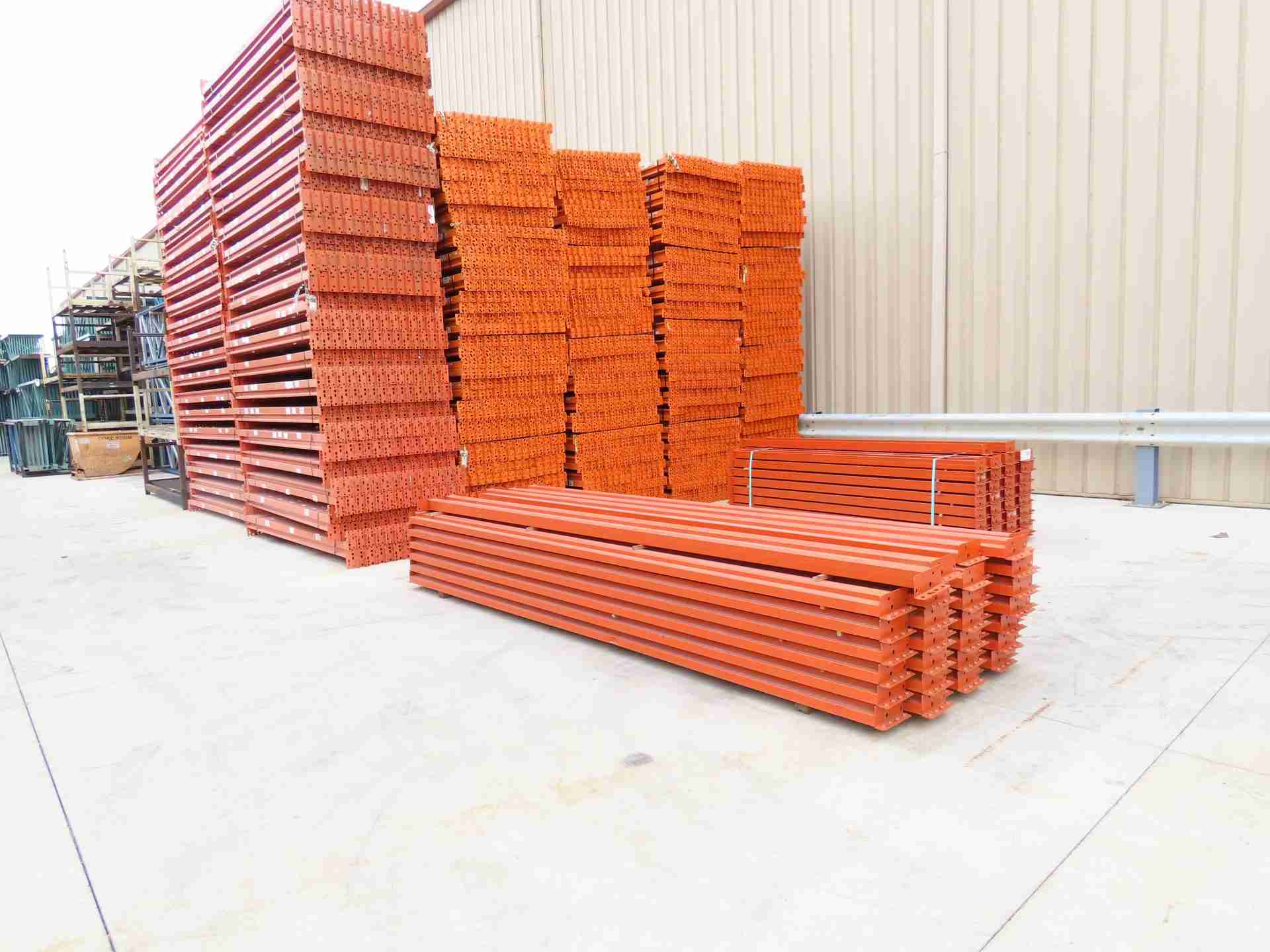
What Are The Benefits Of Using Smart Shelving In A Warehouse?
How Do Smart Shelving Systems Save Space In A Warehouse?
In today’s fast-paced business environment, warehouse efficiency isn’t just desirable—it’s imperative. Smart shelving systems are revolutionizing the way businesses manage their storage, leaning heavily on technological sophistication to maximize every inch of available space. Let’s delve into how these systems outperform traditional methods like pallet racking while offering tangible benefits.
Imagine a warehouse using conventional pallet racking. Each unit can often be a large, fixed space that requires wide aisles for access. This not only takes up valuable real estate but also limits the total storage capacity, leaving you with a significant amount of wasted potential. Enter smart shelving systems—transformative solutions designed to optimize warehouse storage and save space.
At the heart of these high-tech systems is the integration of automation and data analytics. Unlike static pallet racking, smart shelving systems use adjustable shelving and robotic systems to organize inventory dynamically. For instance, when a product is sold or picked, the system can automatically adjust the layout, maximizing vertical and horizontal space usage. Companies like Amazon and Alibaba are leading the charge in this arena, utilizing advanced algorithms to predict storage needs and optimize their vast warehouses for efficiency.
Consider a recent case where a major retail chain implemented a smart shelving system in their distribution center. Within months, they reported a staggering 30% reduction in the floor space required for inventory. This isn’t just a matter of fitting more stuff into the same area; it was about effectively restructuring their entire inventory management process, allowing for quicker access and faster fulfillment.
Additionally, smart shelving systems often incorporate real-time tracking, further enhancing efficiency. Imagine having immediate visibility into stock levels without the need for manual counts. This technology reduces human error, decreases the likelihood of overstocking or stockouts, and contributes to a leaner, more agile warehouse operation.
Furthermore, as sustainability becomes a pressing concern, businesses are recognizing that smart shelving systems can also reduce their environmental footprint. By maximizing storage capabilities, companies can operate smaller warehouses, thus minimizing energy consumption and resource usage.
In summary, smart shelving systems represent a significant leap in warehouse space-saving techniques. By moving beyond outdated pallet racking solutions and integrating automation and analytics, businesses can enhance their operational efficiency and improve their bottom line. Those looking to stay ahead in the competitive marketplace must consider embracing these innovations. After all, in the business world, space is not just a commodity; it’s a competitive advantage.

How Do Smart Shelving Systems Save Space In A Warehouse?
How Do Smart Shelving Systems Save Space In A Warehouse?
- Warehouse efficiency is essential in today’s business landscape, with smart shelving systems leading the way.
- Traditional pallet racking consumes valuable space due to fixed units and wide aisles, leading to wasted potential.
- Smart shelving utilizes automation and data analytics for dynamic inventory organization, maximizing space usage.
- Companies like Amazon and Alibaba implement advanced algorithms for predicting storage needs and optimizing warehouse efficiency.
- A major retail chain reported a 30% reduction in floor space required for inventory after implementing smart shelving.
- Real-time tracking in smart shelving systems enhances efficiency by reducing human error and preventing overstocking or stockouts.
- Smart shelving reduces environmental impact by allowing for smaller warehouses and less energy consumption.
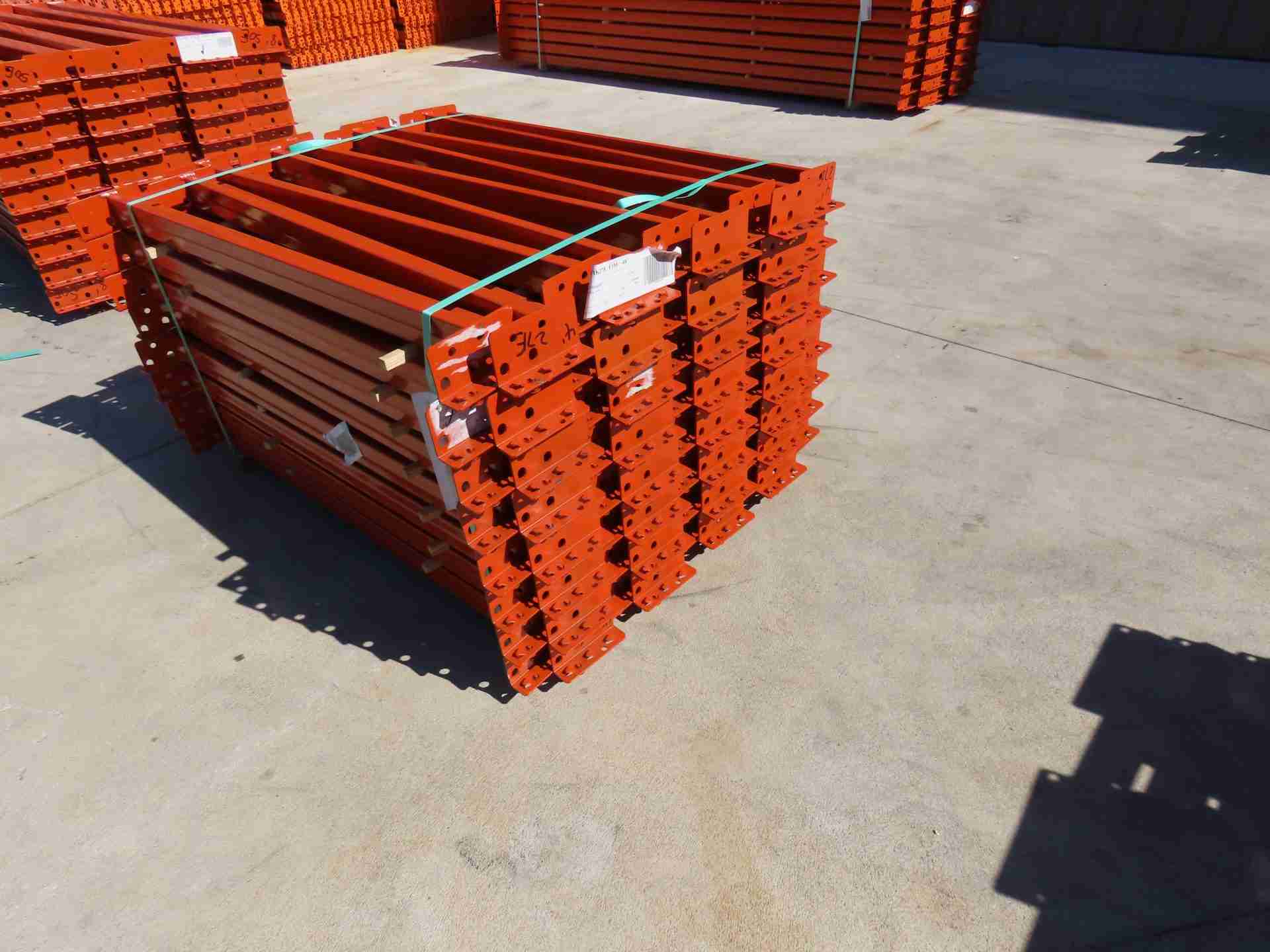
How Do Smart Shelving Systems Save Space In A Warehouse?
Can Smart Shelving Integrate With Existing Warehouse Systems?
In today’s fast-paced logistics and warehousing environment, businesses face mounting pressure to optimize every inch of their operations. Enter smart shelving—a game-changer poised to revolutionize the industry. But as you consider adopting this technology, a critical question arises: Can smart shelving integrate seamlessly with existing warehouse systems? The answer is a resounding yes!
Integration is not just a technological buzzword; it’s the linchpin of operational success. Smart shelving utilizes advanced sensor technology, IoT capabilities, and sophisticated inventory management software to streamline processes. But for organizations that have already invested in solutions like ERP systems or traditional pallet racking, the prospect of introducing smart shelving may seem daunting. However, recent advancements have made compatibility easier than ever.
Take a cue from industry leaders who have successfully merged traditional systems with innovative solutions. For example, Amazon’s fulfillment centers leverage versatile, smart racking systems that automatically adjust to warehouse layout changes. With their systems, they can rapidly reconfigure pallet racking configurations on-the-fly, responding to demand fluctuations with agility. This adaptability is crucial for staying competitive in today’s market.
Moreover, the adaptability of smart shelving systems extends beyond mere storage optimization. Modern smart shelving platforms come equipped with APIs (Application Programming Interfaces) that allow for the fusion of old and new technologies. This means your existing systems can communicate and collaborate with cutting-edge shelving solutions effortlessly. Imagine the potential of integrating smart shelving with barcode scanning or RFID inventory management. This synergy ensures that real-time data capture and visibility become an integral part of your operation, enhancing accuracy and reducing costs.
Let’s also discuss the cost-effectiveness of transitioning to smart shelving. While the upfront investment might raise eyebrows, think of the long-term benefits: reduced labor costs, faster retrieval times, and increased space efficiency. Moreover, as more companies embrace automation in their warehouses—like the recent trend of investing in robotic pickers to work alongside smart racking—the return on investment becomes even clearer.
The integration of smart shelving with existing warehouse systems is not just possible; it’s essential. In an era where efficiency is king, embracing these advancements offers a pathway to streamline operations and remain competitive. So, if you’re looking to future-proof your warehouse, the time to act is now. After all, those who resist change often find themselves left in the dust.
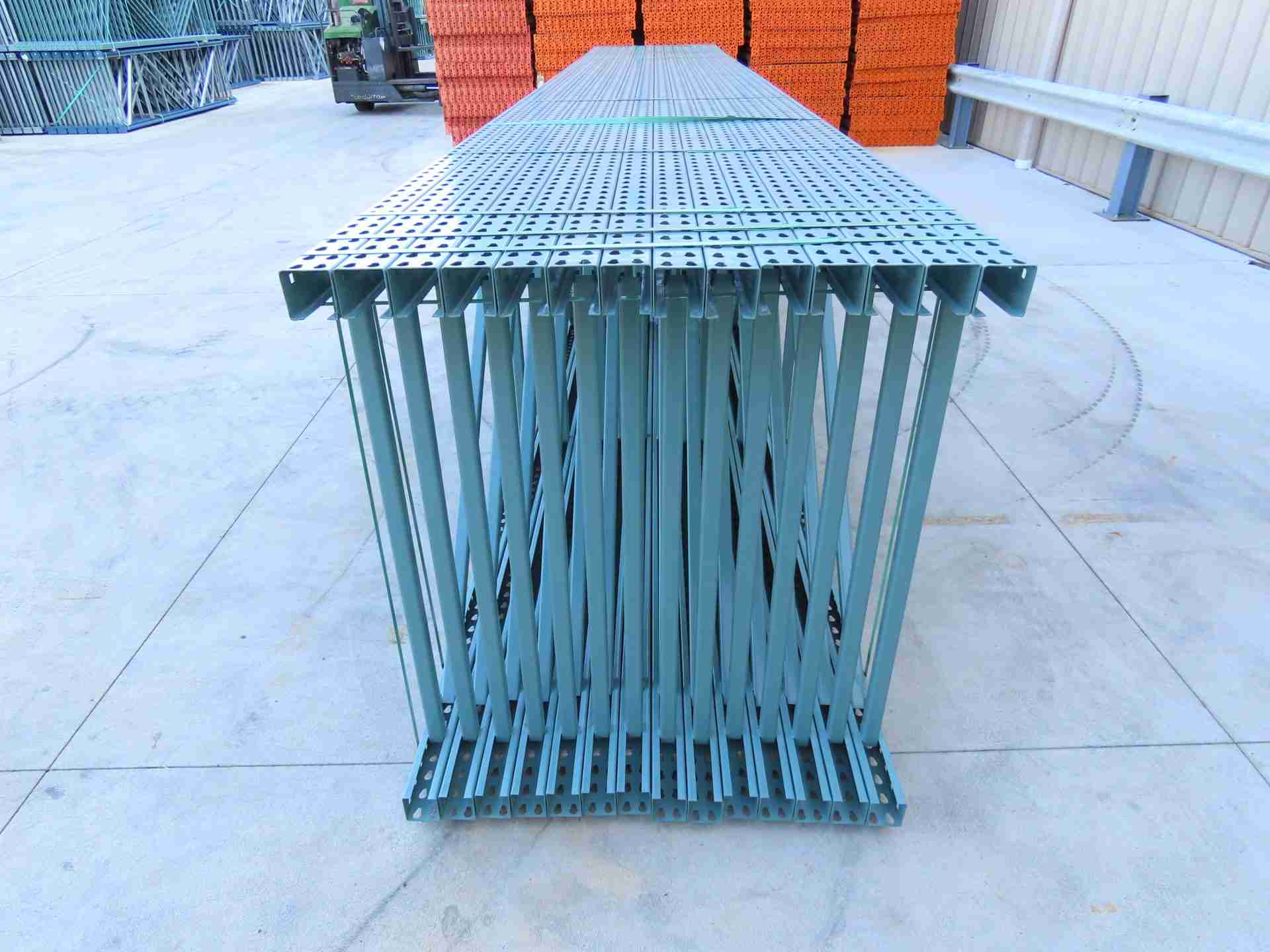
Can Smart Shelving Integrate With Existing Warehouse Systems?
Can Smart Shelving Integrate With Existing Warehouse Systems?
- Smart shelving technology is set to revolutionize logistics and warehousing operations.
- It seamlessly integrates with existing warehouse systems, including ERP and traditional pallet racking.
- Smart shelving combines advanced sensor technology, IoT capabilities, and inventory management software.
- Industry leaders, like Amazon, successfully use versatile smart racking systems that adapt to changing demands.
- Modern smart shelving platforms feature APIs for smooth communication with existing technologies.
- Transitioning to smart shelving can lead to long-term cost savings, reduced labor costs, and increased efficiency.
- Embracing smart shelving is essential for staying competitive and future-proofing warehouses.
Can Smart Shelving Integrate With Existing Warehouse Systems?
Conclusion
As we draw this exploration of smart shelving solutions to a close, it’s evident that optimizing warehouse space through intelligent design and technology is no longer optional—it’s imperative for businesses aiming to thrive in the modern, fast-paced landscape of logistics and supply chain management.
The challenge of inefficient space management can no longer be ignored. With traditional pallet racking systems falling short in adaptability and efficiency, the time has come to embrace the transformative power of smart shelving. These systems do not merely augment your existing infrastructure; they revolutionize it, enabling businesses to maximize vertical space, improve accessibility, and streamline operations.
At the heart of smart shelving solutions are advanced technologies like IoT sensors, real-time data analytics, and automation. These innovations facilitate a level of efficiency unattainable with conventional storage methods. Picture your warehouse not as a static entity, but as a dynamic environment where inventory is not only stored but actively managed. Rest assured that the integration of smart shelving systems will lead to a noticeable decrease in order-picking time, reduced labor costs, and enhanced customer satisfaction. Imagine cutting order fulfillment times significantly while simultaneously improving safety through real-time tracking and alerts.
Adopting smart shelving isn’t just a nod to the future; it’s essential for staying competitive. Real-world case studies, such as those witnessed in major retail giants and e-commerce leaders, illustrate the staggering efficiency gains—think 30% fewer operational burdens as a result of thoughtful integration. Moreover, the flexibility of smart shelving means your system can grow and adapt as your business evolves, allowing you to meet changing demands without significant overhead costs or labor disruptions.
As you weigh the potential benefits, consider that making the switch to smart shelving isn’t merely about adding new shelves; it’s an investment in technological agility, operational efficiency, and ultimately, your bottom line. The prospect of integrating these systems with your existing infrastructure raises not just questions of compatibility but of future-proofing your operations.
Now is the time to act. Don’t let your warehouse fall behind in efficiency and innovation. Call Arrow Industrial Sales at (574) 349-6575 today to discover how you can redefine your space with smart shelving solutions. Ensure your business not only keeps pace with industry changes but leads the charge into a more efficient, profitable future. The opportunity for transformation awaits—take the leap before it’s too late!
Conclusion
Conclusion:
- Optimizing warehouse space through intelligent design and technology is essential for business success in logistics.
- Traditional pallet racking systems are inadequate, necessitating the shift to smart shelving for improved adaptability and efficiency.
- Smart shelving systems enable businesses to maximize vertical space, enhance accessibility, and streamline operations.
- Advanced technologies, including IoT sensors and real-time data analytics, facilitate superior efficiency compared to conventional storage methods.
- Integration of smart shelving leads to reduced order-picking time, lower labor costs, and better customer satisfaction.
- Case studies show that adopting smart shelving can result in a 30% reduction in operational burdens and support business growth.
- Investing in smart shelving is crucial for future-proofing operations and staying competitive in a rapidly changing market.
Conclusion
Other Resources

Other Resources
Here is a list of other resources you can review online to learn more:
- Selective Racking
- Storage Equipment Manufacturers’ Association
- Chicago Pallet Racking
- American Surplus
- Warehouse Storage Racks
- Warehouse Racking Chicago, IL
- IWLA
- Pallet Racks, Pallet Racking, Pallet Shelves in Stock – ULINE
- Arrow Industrial Sales
- IIWS Inc. Rack Installation Illinois & Rack Repairs Illinois
Use This Prompt To Get More Resources With Your Favorite Online AI Tool: Please provide me with a list of online articles with their URLs in a bulleted list that I can read regarding How Can You Optimize Warehouse Space with Smart Shelving Solutions?
Other Resources
Glossary Terms
How Can You Optimize Warehouse Space with Smart Shelving Solutions? – Glossary Of Terms
1. Smart Shelving: Innovative shelving systems that incorporate technology to optimize storage capacity and efficiency.
2. Warehouse Optimization: Strategies and practices aimed at maximizing warehouse space utilization and improving operational efficiency.
3. Vertical Storage: Utilizing height in a warehouse by installing shelving or racks that extend upwards to save floor space.
4. Modular Shelving: Adjustable shelving units that can be reconfigured to fit various items and warehouse layouts.
5. Inventory Management: The process of overseeing stock levels, orders, and deliveries to ensure optimal inventory flow.
6. Space Utilization: A measure of how effectively space is used in a warehouse, often expressed as a percentage.
7. Dynamic Racking: A type of shelving that automatically adjusts to the size and weight of the items being stored.
8. Pallet Racking: A shelving system designed to hold pallets and facilitate easy access to stored goods.
9. Data Analytics: The process of collecting and analyzing data to make informed decisions about warehouse management.
10. Automation: The use of technology to perform tasks with minimal human intervention, improving efficiency in storage systems.
11. Order Picking: The process of selecting items from shelves to fulfill customer orders, often optimized through smart shelving.
12. Barcode Scanning: A method of tracking inventory by scanning barcodes, which improves accuracy and speed in warehousing.
13. Lean Warehousing: A methodology that focuses on reducing waste within warehouse operations while maximizing value.
14. 3D Visualization: Technology that allows warehouse managers to visualize storage layouts in three dimensions for better planning.
15. Ergonomics: The study of designing equipment and workflows to fit the human body, enhancing worker safety and efficiency in warehouses.
16. Custom Shelving: Shelving solutions tailored to specific inventory types or space constraints to improve storage effectiveness.
17. Load Capacity: The maximum weight that shelving units can safely support, critical in selecting appropriate storage solutions.
18. FIFO (First In, First Out): An inventory management method where older inventory is sold or used before newer stock, often facilitated by shelving design.
19. Inventory Turnover: A metric that indicates how often inventory is sold or used over a period, vital for optimizing storage needs.
20. Smart Sensors: Devices used in smart shelving that monitor inventory levels, ensuring optimal stock on hand and reducing waste.
21. Cross-Docking: A logistics practice where incoming goods are directly transferred to outbound transportation, minimizing storage time.
22. RFID Technology: Radio-frequency identification technology employed to track inventory and assets throughout the warehouse.
23. Sustainability: Warehouse practices focused on minimizing environmental impact, often influenced by efficient shelving solutions.
24. Temperature-Controlled Shelving: Specialized shelving that maintains specific temperature ranges for sensitive items like perishables or electronics.
25. Gravity Flow Shelves: Shelving designs that use gravity to assist in moving products to the front of the shelf for easy access.
26. Stock Keeping Unit (SKU): A unique identifier for each distinct product or item in inventory, essential for effective inventory management.
27. Warehouse Management System (WMS): Software that supports the day-to-day management of warehouse operations, integrating with smart shelving solutions.
28. Integration: The process of combining various warehouse systems and technologies to work together seamlessly for better efficiency.
29. User Interface (UI): The means by which users interact with smart shelving systems, emphasizing ease of use for warehouse staff.
30. Return on Investment (ROI): A measure of the profitability of an investment, such as smart shelving solutions, indicating their impact on warehouse efficiency.
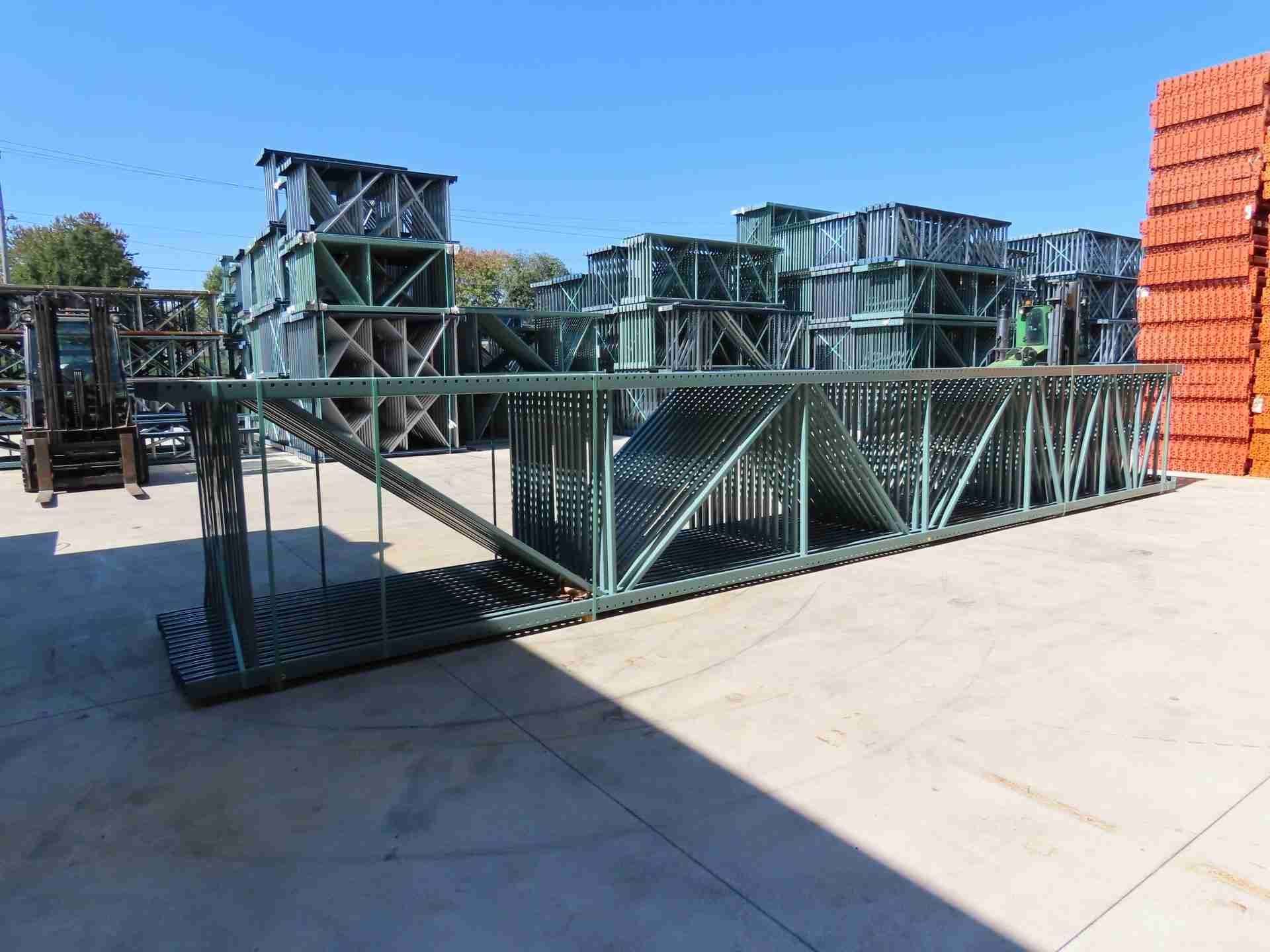
Glossary Of Terms
Other Questions
How Can You Optimize Warehouse Space with Smart Shelving Solutions? – Other Questions
If you wish to explore and discover more, consider looking for answers to these questions:
- What types of smart shelving solutions are available on the market?
- How much do smart shelving solutions typically cost?
- What industries can benefit from smart shelving systems?
- Are there specific smart shelving solutions designed for small warehouses?
- What are the maintenance requirements for smart shelving systems?
- How do I determine the right smart shelving solution for my business needs?
- What are the long-term benefits of investing in smart shelving?
- Can smart shelving help with inventory forecasting?
- What role do IoT and data analytics play in smart shelving systems?
- How do smart shelving solutions enhance workplace safety?
- Are there any case studies demonstrating the effectiveness of smart shelving?
- How can businesses ensure a smooth transition to smart shelving?
- What kind of training is required for employees using smart shelving?
- How do smart shelving solutions impact order fulfillment times?
- Can smart shelving systems be adapted to different product types?
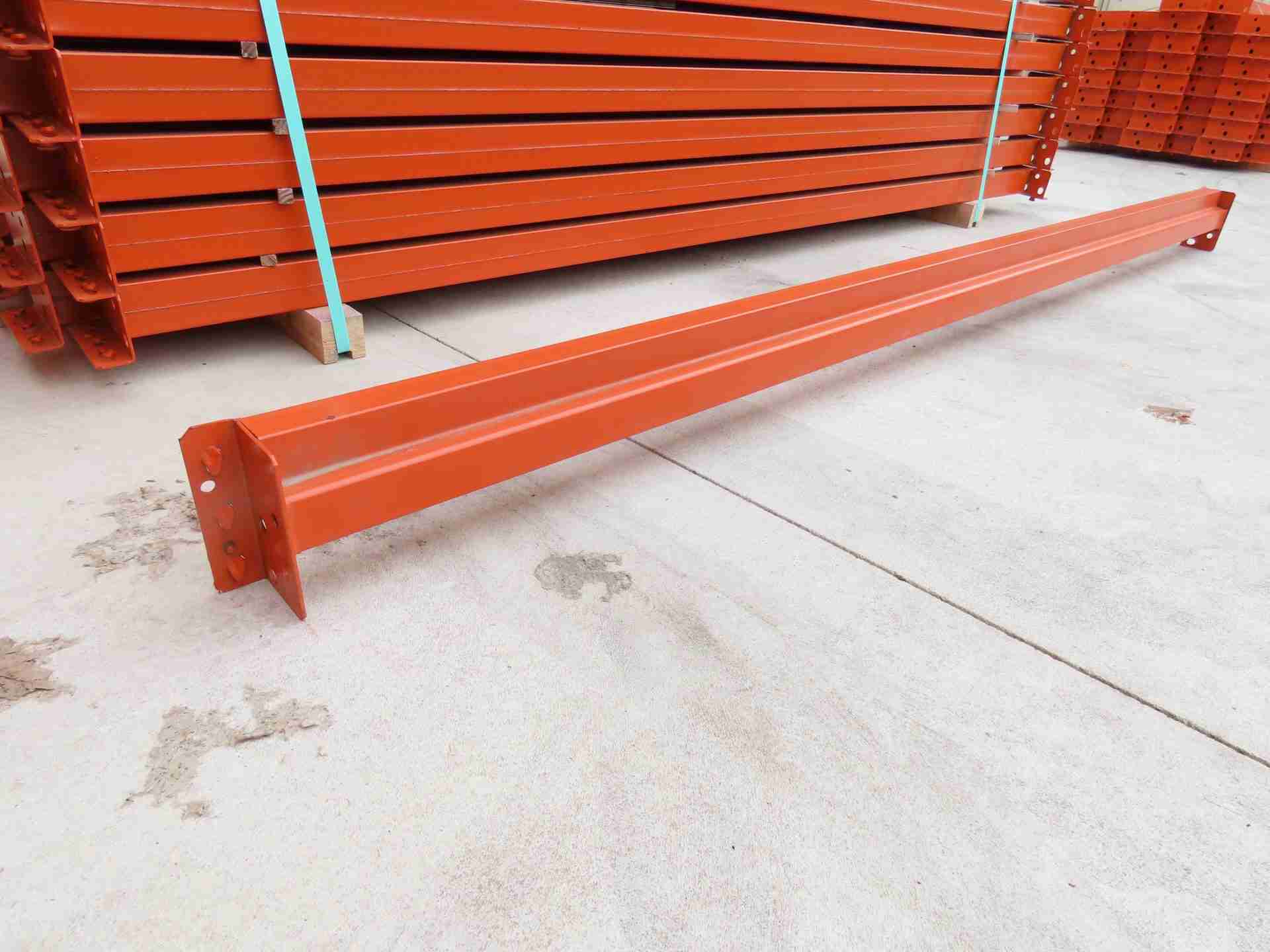
Other Questions
Checklist
How Can You Optimize Warehouse Space with Smart Shelving Solutions? – A Checklist
1. Assess Your Current Warehouse Layout
_____ Evaluate the existing shelving and racking systems.
_____ Identify areas of space that are underutilized.
_____ Consider traffic flow and accessibility to shelving units.
2. Consider Smart Shelving Options
_____ Research innovative smart shelving solutions that fit your needs.
_____ Look for systems that allow vertical stacking to maximize space.
_____ Investigate mobile shelving units that can adjust according to inventory needs.
3. Evaluate Modular Designs
_____ Seek shelving systems that can be easily reconfigured.
_____ Consider how modular designs can adapt to changing inventory levels, e. g. , seasonal variations.
4. Integrate Technology
_____ Ensure the chosen smart shelving integrates with existing warehouse management software.
_____ Explore IoT sensors, RFID tags, and AI-driven analytics for real-time inventory tracking.
_____ Look for systems that can synchronize with logistics software for streamlined operations.
5. Focus on Durability and Load Capacity
_____ Assess the materials used in smart shelving for sturdiness.
_____ Verify load capacities to match the types of products you’ll store.
6. Prioritize Flexibility and Scalability
_____ Choose systems that can expand or be adjusted without major overhauls.
_____ Verify adjustable heights for accommodating various product sizes as needed.
7. Evaluate Assembly and Maintenance
_____ Determine the ease of setup and installation for the chosen shelving units.
_____ Ensure that the shelving requires minimal maintenance and has accessible maintenance protocols.
8. Analyze Cost Efficiency
_____ Calculate the total cost of ownership, including initial investment, installation, and potential technology subscriptions.
_____ Assess potential savings through reduced labor costs and enhanced throughput.
9. Monitor and Optimize Inventory Management
_____ Implement real-time monitoring to manage stock levels effectively.
_____ Use predictive analytics to forecast demands and adjust inventory placement dynamically.
10. Safety Considerations
_____ Ensure that smart shelving includes features for real-time alerts on potential hazards.
_____ Train staff in the safest practices for using automated shelving systems.
11. Plan for Integration
_____ Develop a strategy for integrating new shelving systems into existing warehouse layouts.
_____ Check for API capabilities to ensure seamless communication with current inventory management systems.
12. Review and Adapt Regularly
_____ Schedule regular evaluations of space utilization and efficiency.
_____ Stay updated with advancements in technology that may further enhance storage solutions.
Following this checklist will help you effectively implement smart shelving solutions and optimize your warehouse space for improved efficiency and productivity. Don’t overlook the importance of continual evaluation and adaptation for sustained success!
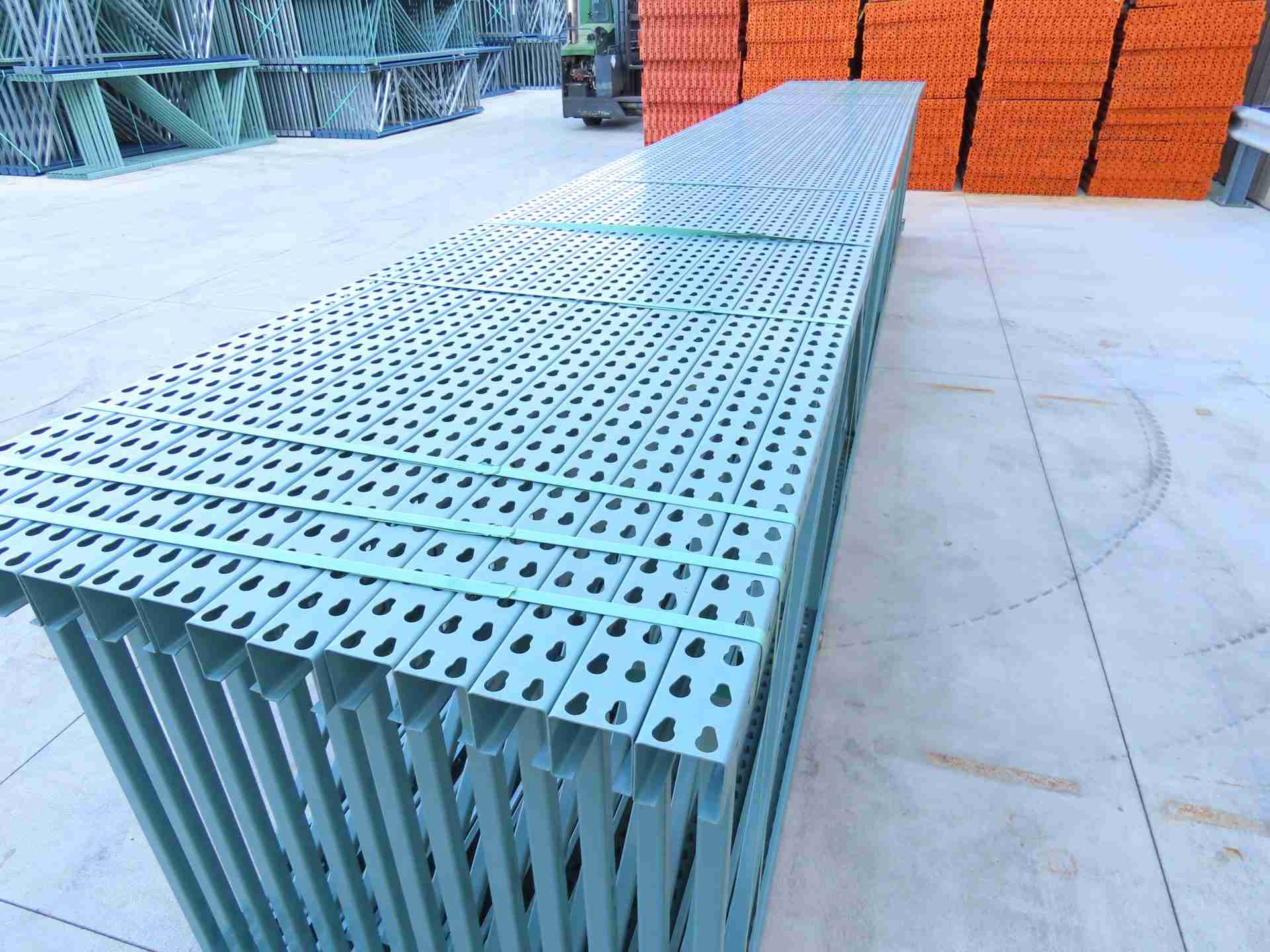
Checklist
At RackingWorld, we help guide you through selecting warehouse storage systems and racking.
Be sure to read our other related stories at RackingWorld to learn more about warehouse storage systems.
0 Comments