
Streamlining Warehouse Operations With Lean Principles
By Tom Seest
At RackingWorld, we help guide you through selecting warehouse storage systems and racking.
Be sure to read our other related stories at RackingWorld to learn more about warehouse storage systems.
How Can You Implement Lean Principles In Warehousing?
In today’s fast-paced world, warehouses are the lifeblood of any thriving business, yet many still operate like they’re stuck in the past. The good news? Implementing lean principles in your warehousing process can not only streamline operations but can significantly boost your bottom line. Let’s explore how you can achieve this, step by step.
First, start with a thorough assessment of your current operations. Gather your team—yes, the very people navigating the aisles every day. Their insights are invaluable! Identify bottlenecks that slow down workflow. Perhaps your pallet racking system is underutilized or poorly organized, leading to wasted time as staff rummage for products. Watch for patterns of inefficiency; you’d be amazed at how small adjustments can lead to massive improvements.
Next, focus on optimizing your layout. Ensure that your pallets are arranged logically for easy access—this minimizes unnecessary movement and accelerates the picking process. Embrace a ‘first in, first out’ (FIFO) approach to inventory management; this keeps things fresh and eliminates the dreaded dead stock. Don’t underestimate the power of visual cues—clear labeling and signage can guide employees swiftly to the right location.
Another critical component is standardizing processes. Create Lean Operating Procedures (LOPs) that outline best practices for tasks ranging from receiving goods to shipping. Involve your team in this process and encourage their feedback. After all, who knows the lay of the land better than those who work on the floor day in and day out? Having clear guidelines builds confidence in your operations, allowing everyone to work with purpose.
And let’s not forget the role of technology. Investing in warehouse management software can track inventory levels in real time, optimize routes within your facility, and enhance overall efficiency. The right tools enable you to make informed, data-driven decisions that propel your business forward.
Lastly, foster a culture of continuous improvement. Lean principles are not a one-off effort; they thrive on ongoing evaluation and adaptation. Encourage your team to always look for ways to enhance processes, whether that’s through monthly meetings or incentive programs. When employees feel they contribute to a shared vision, they’ll rally behind your efforts, creating a sense of ownership and pride.
Implementing lean principles in your warehouse isn’t just about cutting costs—it’s about enhancing the customer experience, boosting morale, and ultimately setting your business up for sustainable success. Get started today, and watch your operations transform before your very eyes!

How Can You Implement Lean Principles In Warehousing?
How Can You Implement Lean Principles In Warehousing?
- Warehouses are essential for business, yet many are outdated.
- Implementing lean principles can streamline operations and improve profitability.
- Begin with a thorough assessment of current operations, involving the team for valuable insights.
- Optimize warehouse layout for easy access and efficiency, adopting FIFO for inventory management.
- Standardize processes by creating Lean Operating Procedures (LOPs) with team input.
- Leverage technology such as warehouse management software to track inventory and optimize routes.
- Foster a culture of continuous improvement, encouraging team feedback and adaptation for long-term success.
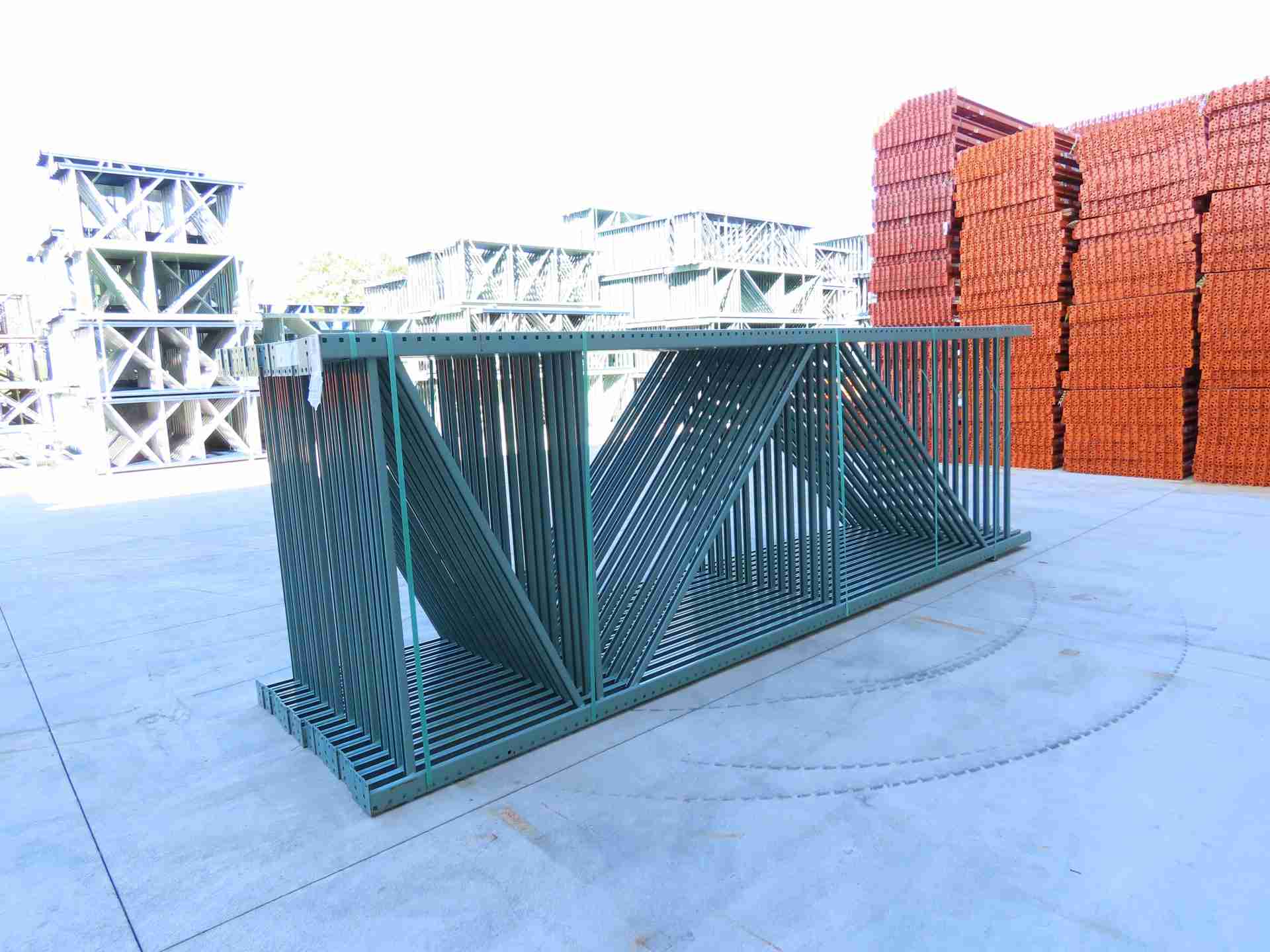
How Can You Implement Lean Principles In Warehousing?
Table Of Contents
- How Can You Implement Lean Principles In Warehousing?
- What Are The Core Principles Of Lean Warehousing?
- How Can I Reduce Waste In My Warehouse?
- What Steps Are Involved In A Lean Implementation?
- How Can I Improve Inventory Accuracy With Lean Practices?
- What Role Does Employee Training Play In Lean Warehousing?
- How Can I Optimize Layout For Lean Efficiency?
- Conclusion
- Other Resources
- Glossary Of Terms
- Other Questions
- Checklist
What Are The Core Principles Of Lean Warehousing?
In the fast-paced world of logistics, efficiency isn’t just a goal; it’s a necessity. Lean warehousing embodies a philosophy that prioritizes minimizing waste while maximizing productivity. Imagine a storehouse not just filled with goods but strategically designed to streamline operations, eliminate redundancy, and enhance speed. At the heart of this transformation lies the core principles of lean warehousing, principles that can revolutionize your operations and ultimately, your bottom line.
First and foremost, Value Stream Mapping is essential. This isn’t just a fancy buzzword; it’s a method for identifying every step in your warehousing process, from receiving inventory to shipping orders. By visualizing these steps, you can pinpoint inefficiencies and eliminate non-value-adding activities, ensuring that your operations run as smoothly as a well-oiled machine.
Next up is Continuous Improvement. Lean warehousing isn’t a one-time fix; it’s a commitment to ongoing enhancement. Fostering a culture where employees feel empowered to share insights and suggest changes can lead to innovative solutions that optimize processes. Think of it as a dynamic feedback loop, ensuring your operation is always evolving and overcoming the inevitable hurdles of warehousing.
Then we have the principle of Standardization. Establishing clear, consistent processes isn’t merely a recommendation; it’s fundamental. In practice, this could mean adopting specific configurations for your pallet racking systems. When everyone knows how to handle inventory, the risks of errors diminish, ensuring that products flow through your warehouse faster than ever before.
Integrate Just-In-Time (JIT) inventory principles to ensure you’re stocking only what you need, precisely when you need it. This not only reduces storage costs but also frees up valuable space for other operations, allowing you to operate within your means while meeting customer demands swiftly.
Lastly, a focus on Cross-Training your workforce cannot be overstated. By ensuring that your team is capable of performing multiple roles, you create a flexible and agile workforce ready to pivot and adapt to any challenges that arise.
Incorporating these core principles into your warehousing operations will not only bring efficiency and productivity but will also foster a culture of respect, trust, and shared goals. As you embark on this journey, remember that every small step towards lean warehousing can yield substantial returns, streamlining your processes while enhancing customer satisfaction. The result? A well-structured, cost-effective operation that sets you apart in a crowded marketplace. Get ready to transform your warehouse into a powerhouse of efficiency!

What Are The Core Principles Of Lean Warehousing?
What Are The Core Principles Of Lean Warehousing?
- Lean warehousing focuses on minimizing waste while maximizing productivity for logistics efficiency.
- Value Stream Mapping is vital for visualizing warehousing processes and identifying inefficiencies.
- Continuous Improvement fosters a culture of feedback and innovation for ongoing operational enhancements.
- Standardization of processes reduces errors and speeds up product flow in the warehouse.
- Just-In-Time (JIT) inventory principles help maintain optimal stock levels, reducing costs and freeing space.
- Cross-Training empowers the workforce to adapt to various roles, enhancing flexibility and agility.
- Implementing lean warehousing principles leads to efficiency, productivity, and improved customer satisfaction.
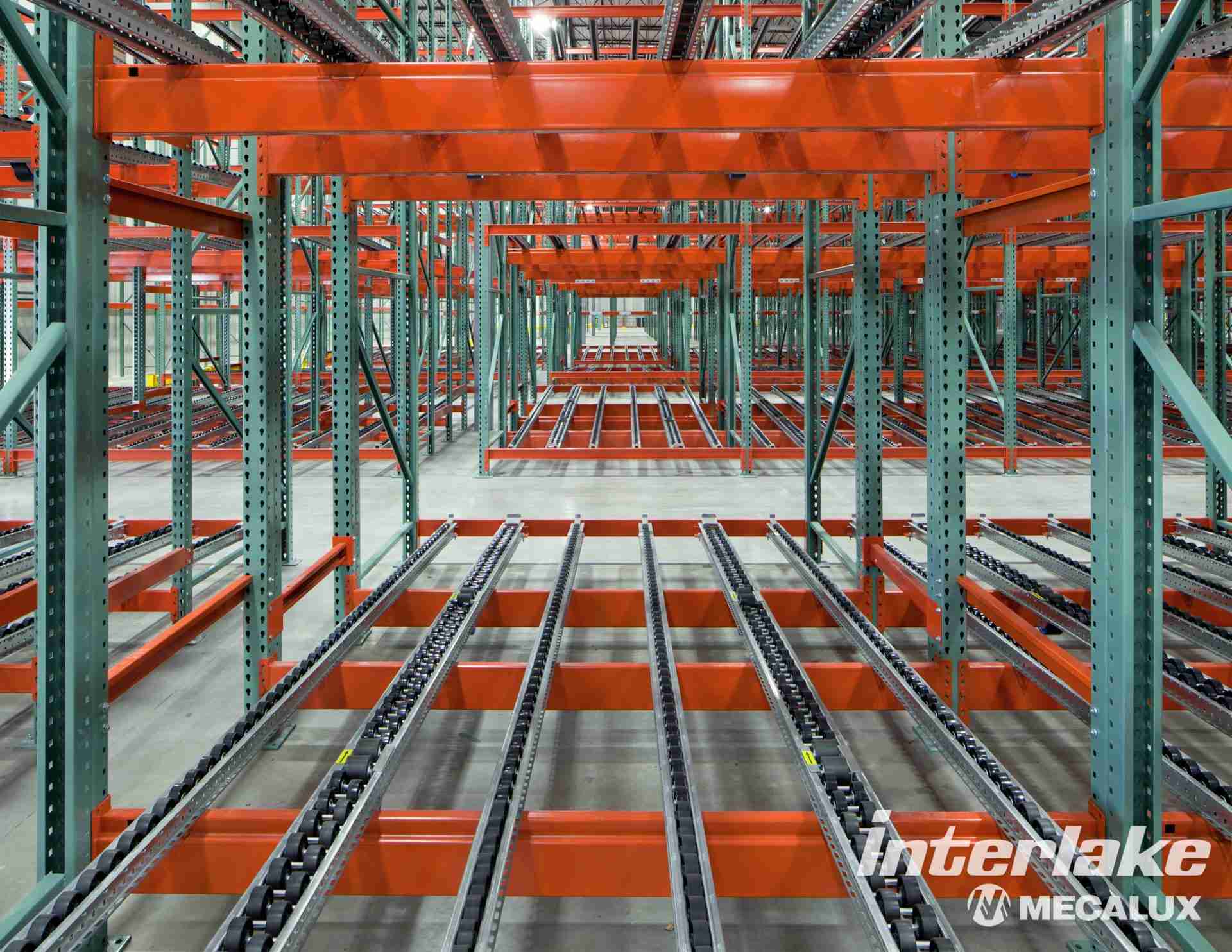
What Are The Core Principles Of Lean Warehousing?
How Can I Reduce Waste In My Warehouse?
If you’re overseeing a warehouse, you might find yourself drowning in a sea of materials, products, and maybe even inefficiencies. But what if I told you that reducing waste in your warehouse is not just possible—it’s essential for boosting your bottom line? Let’s talk about the smarter side of warehouse management, starting with a key player: pallet racking.
Consider the space you’re using. You have pallets filled with inventory, and if they’re not organized right, you risk losing time, money, and sanity. With an optimized pallet racking system, you not only maximize vertical space but also ensure easier access to products. Think of it this way: fewer trips to search for items translates to less time wasted—time that could be spent on broader strategic objectives.
Now, let’s take it a step further. How about implementing a method for tracking inventory? A reliable inventory management system will help you keep tabs on what you have in storage, what’s moving, and what’s just taking up space. When you know exactly what’s on hand, you’re less likely to over-order and create surplus waste. Fewer excess items also mean that your warehouse will look clean and organized—adding a touch of professionalism that can instill confidence in your customers and staff alike.
But let’s not overlook employee training. Empower your team with knowledge about waste reduction practices. A well-informed workforce will be on the lookout for waste. Encourage them to think outside the box; maybe they notice busted pallets that could be repaired instead of tossed away or suggest recycling options for packaging materials. Their insights could transform your operations.
You see, reducing waste in your warehouse isn’t merely about eliminating excess. It’s about cultivating a culture of efficiency and sustainability. With every small change you implement—from optimizing your pallet racking to fostering a proactive team—you send a powerful message: you care about your impact, your way of doing business, and profit.
So, take that first step. Assess your current setup and think about how you can implement smarter systems. Because in the world of warehouse management, reducing waste isn’t just an option; it’s your pathway to greater success and a more sustainable future. Let’s make waste a thing of the past together!

How Can I Reduce Waste In My Warehouse?
How Can I Reduce Waste In My Warehouse?
- Effective warehouse management begins with reducing waste, which is essential for improving profitability.
- Optimizing pallet racking systems maximizes vertical space and increases product accessibility.
- An efficient storage system reduces time spent searching for items, allowing focus on strategic objectives.
- Implementing a reliable inventory management system helps track current stock and avoid over-ordering.
- Maintaining an organized warehouse instills professionalism and confidence in customers and employees.
- Employee training in waste reduction practices empowers staff to identify and suggest improvements.
- Cultivating a culture of efficiency and sustainability leads to a successful and environmentally-friendly warehouse operation.
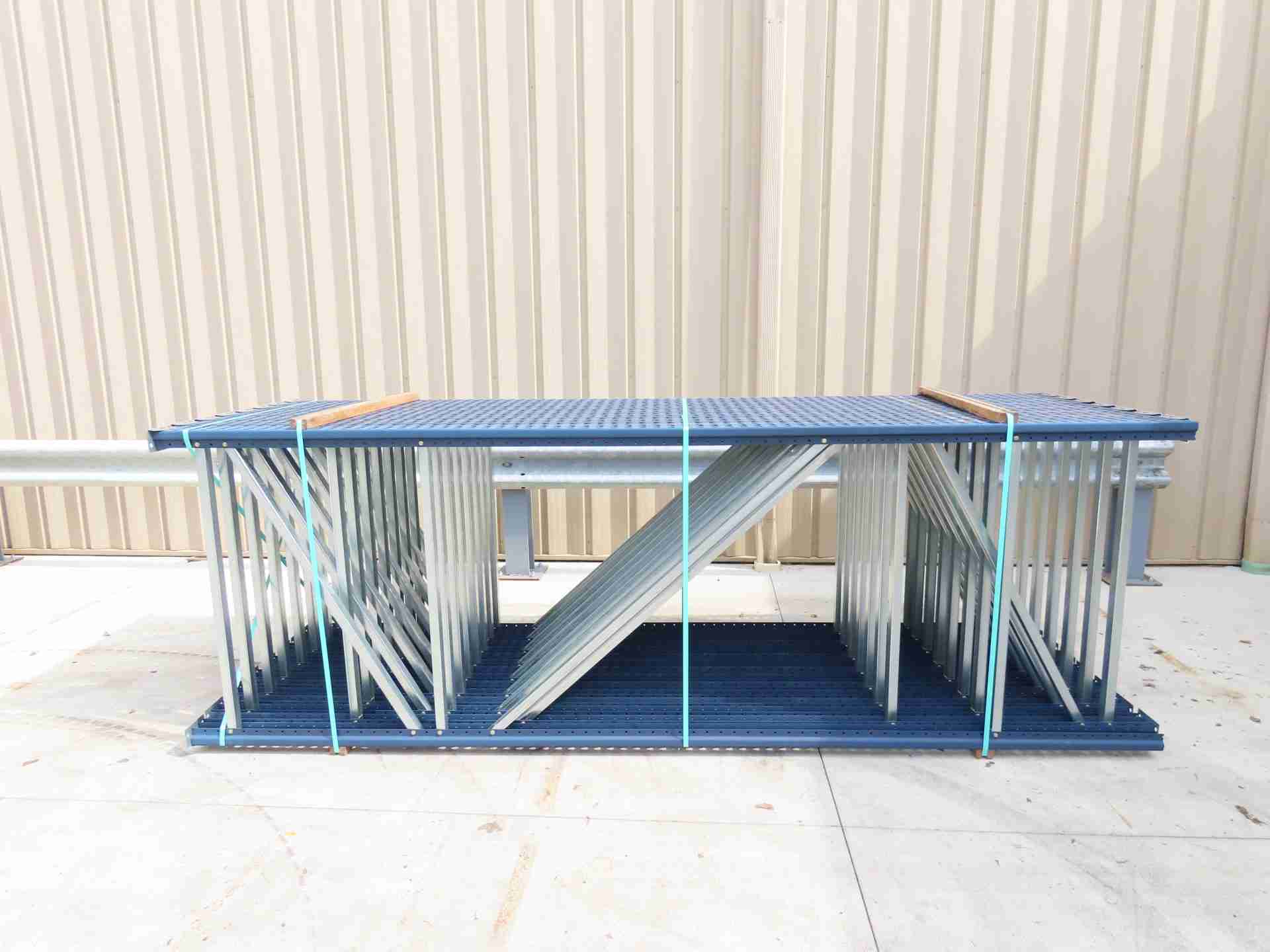
How Can I Reduce Waste In My Warehouse?
What Steps Are Involved In A Lean Implementation?
If you’re like many business leaders, the idea of implementing lean practices might feel overwhelming. After all, how do you transform a complex operation into a streamlined powerhouse? The journey to lean is not just a procedure; it’s a philosophy that every team member needs to embrace. Here’s a breakdown of the essential steps that will put your organization on the path to success—while saying goodbye to unnecessary waste and inefficiency.
First, define your objectives. What are you trying to achieve by moving toward a lean implementation? Increased efficiency? Better quality products? Whatever your goal, it must be crystal clear. Without a defined target, your efforts can easily become misaligned, leading to frustration instead of progress.
Next, gather your team. Lay the groundwork by engaging everyone within your organization. From management to warehouse staff who work with pallet racking, each person plays a vital role in the lean transformation. Soliciting their insights builds trust and encourages a sense of ownership over the process, making it so much more impactful.
Start with a thorough assessment of your current processes. What does your workflow look like? Are there bottlenecks or redundancies? This is where lean tools such as value stream mapping come in handy. Visualize your operation and identify areas where lean principles can apply. This foundational understanding will inform your next steps.
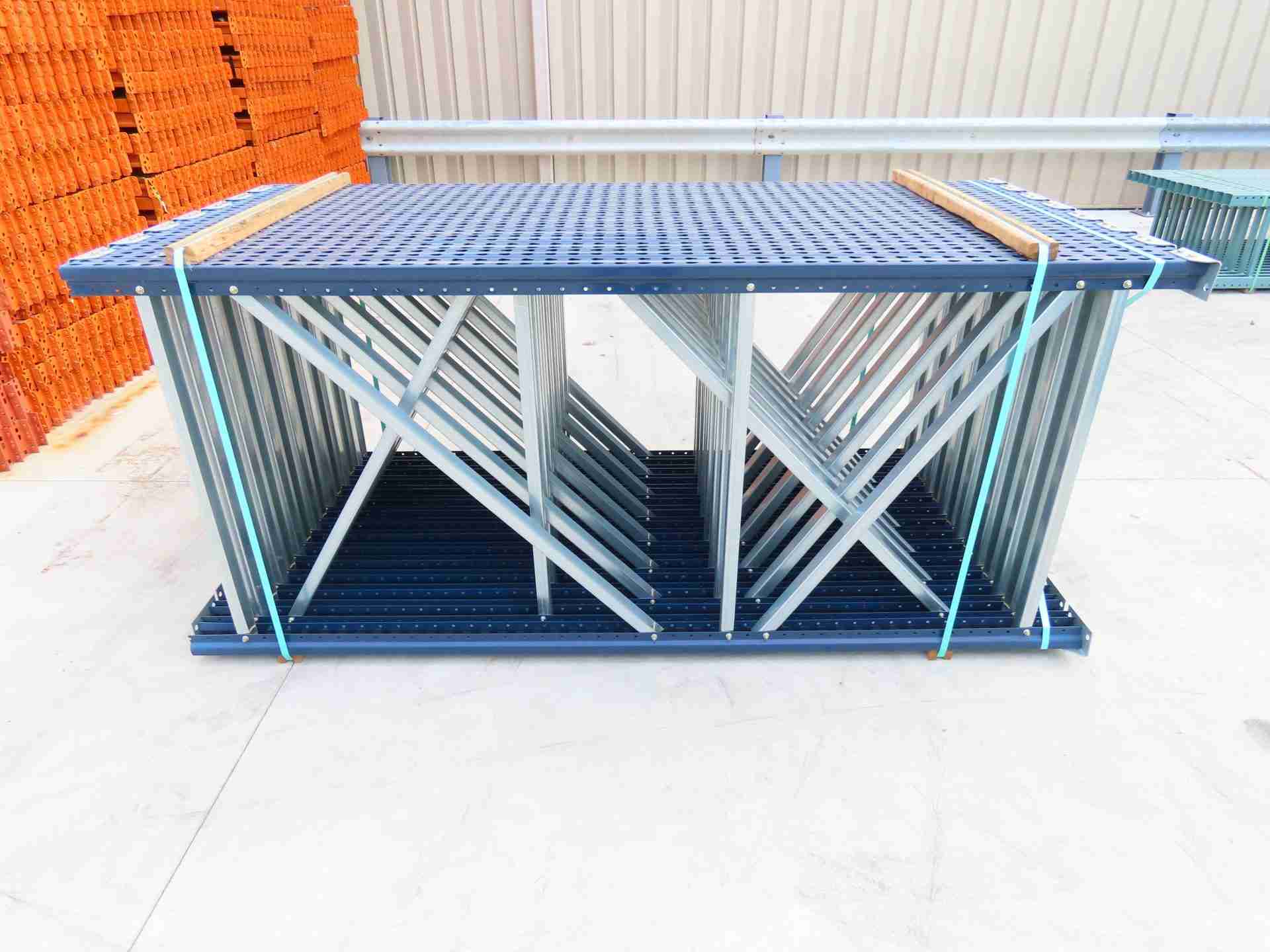
Now, it’s time to pilot your lean practices. Begin small—select a specific area to test your new strategies. For instance, if pallet racking systems are negatively impacting how quickly items are accessed, implement a Kanban system to manage inventory efficiently. Monitor this initial shift closely, gathering data on its impact. This trial phase allows for adjustments before a full-scale rollout.
As you accumulate insights, embrace continuous improvement. Lean is not a one-and-done deal; it’s an ongoing journey. Set regular checkpoints to review your progress and refine your processes further. Encourage your team to identify potential improvements and empower them to act.
Lastly, celebrate your victories. Small wins fuel momentum. Recognize how far you’ve come as a team and reinforce the ongoing commitment to lean principles. As you cultivate a culture of lean thinking, you’ll not only enhance productivity but also build a resilient organization that can swiftly adapt in today’s ever-changing market.
Embark on your lean journey today. Your operational efficiency—and your bottom line—will thank you!
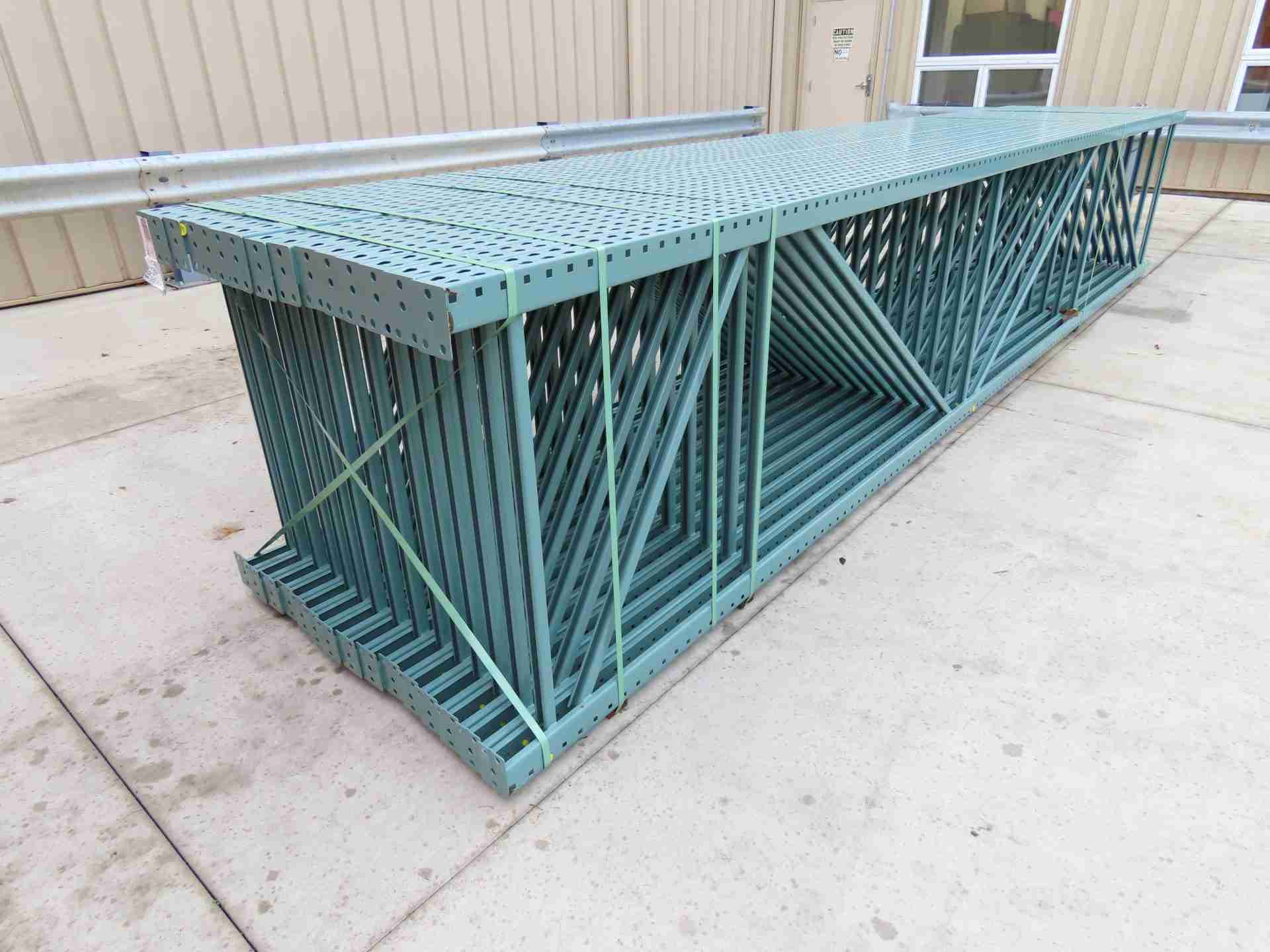
What Steps Are Involved In A Lean Implementation?
What Steps Are Involved In A Lean Implementation?
- Implementing lean practices requires a shift in philosophy, not just a change in procedures.
- Define clear objectives for lean transformation to ensure aligned efforts and avoid frustration.
- Engage all team members in the process to build trust and a sense of ownership.
- Conduct a thorough assessment of current workflows to identify bottlenecks and redundancies.
- Begin with a pilot program in a specific area to test new strategies and gather data.
- Embrace continuous improvement by setting regular checkpoints and encouraging team input.
- Celebrate small wins to build momentum and reinforce commitment to lean principles.
What Steps Are Involved In A Lean Implementation?
How Can I Improve Inventory Accuracy With Lean Practices?
Picture this: your warehouse is a bustling hub of activity, each moving part operating in perfect harmony. Pallet racking brimming with perfectly organized stock, barcodes practically singing as they lead your staff to the right products. Sounds ideal, right? Yet, if you’ve ever faced the chaos of discrepancies in inventory, you know the frustration that comes from guesswork. Fortunately, there’s a solution – lean practices are your ticket to achieving that dream scenario of accuracy and efficiency.
Embracing a lean mindset in your inventory management isn’t just a strategic move; it’s a game-changer. It’s about identifying waste – the time, energy, and resources spent on unnecessary processes. Let’s face it: in today’s fast-paced business world, every second counts. By evaluating your current inventory operations through this lens, you’ll pinpoint areas where inefficiencies lurk, ultimately leading to the streamlining of your processes.
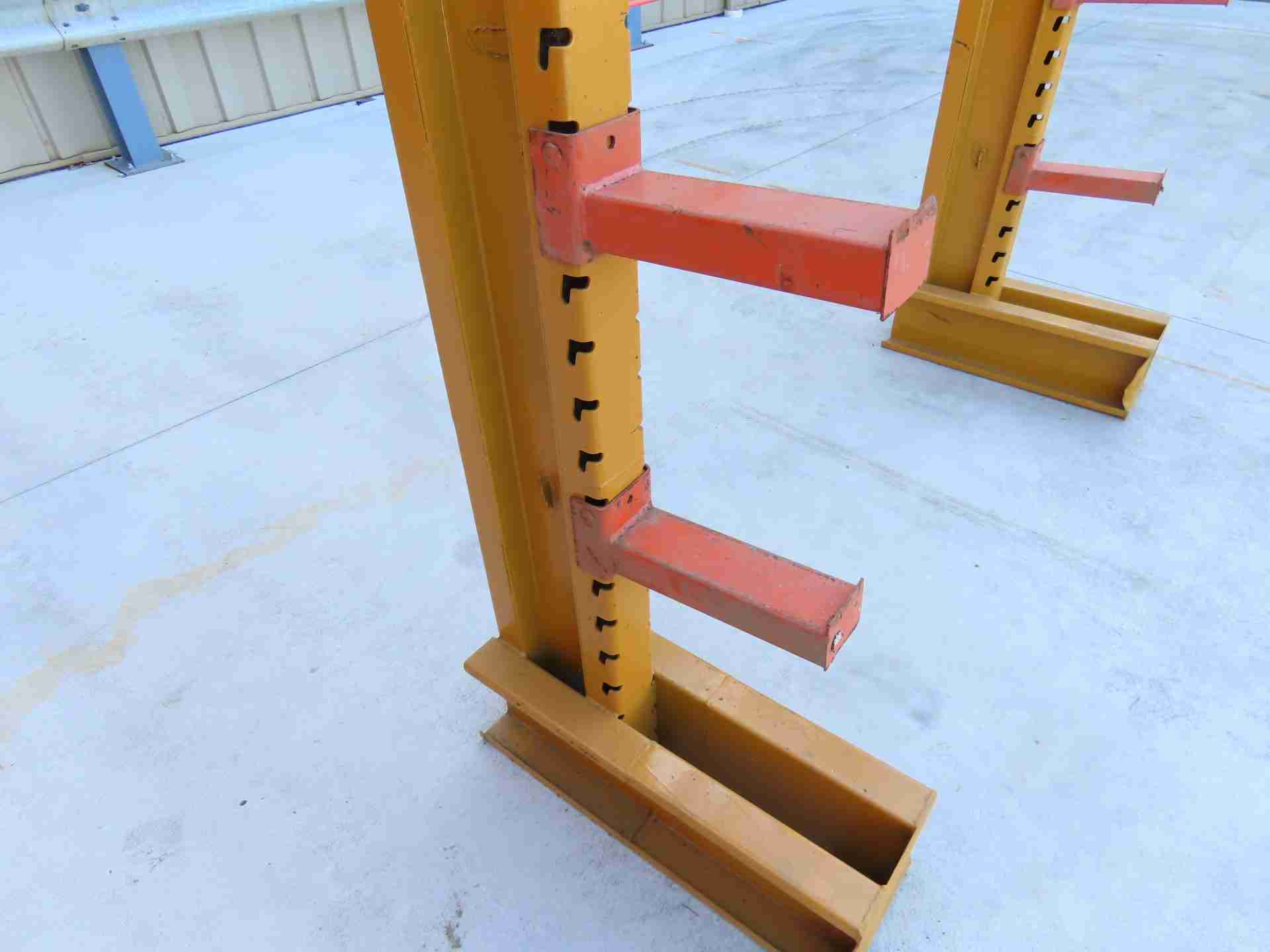
One of the first steps in this journey is to optimize your pallet racking layout. Are your aisles too narrow, leading to time wasted moving back and forth? Is your racking system underutilized, causing clutter and confusion? A strategic overhaul can not only reduce retrieval times but also enhance your team’s ability to maintain accurate counts. When your employees know exactly where to find each item, inventory accuracy naturally follows.
Next, adopting a robust inventory tracking system is crucial. Gone are the days of manual counts and guesswork. Investing in user-friendly technology allows for real-time updates that keep your data current. Imagine your sales staff checking stock levels instantly and making informed decisions from the floor. This kind of system fosters accountability and confidence. There’s nothing like knowing your numbers are accurate to boost morale and streamline operations!
Finally, cultivate a culture of continuous improvement. Regularly solicit feedback from your team. They’re the frontline warriors in the battle for accuracy and efficiency. When employees feel heard and valued, they’re more likely to contribute innovative ideas that can enhance processes.
Incorporating lean practices into your inventory management doesn’t just enhance accuracy; it transforms your entire operation. With a focus on continuous improvement, optimized pallet racking, and cutting-edge technology, you’ll not only see inventory discrepancies shrink – you’ll create a foundation of trust and integrity that your team can rally behind. So, are you ready to take the next step towards inventory excellence? Let’s make it happen together!

How Can I Improve Inventory Accuracy With Lean Practices?
How Can I Improve Inventory Accuracy With Lean Practices?
- Warehouse operations can achieve harmony through organized pallet racking and effective inventory management.
- Lean practices identify and eliminate waste in time, energy, and resources spent on unnecessary processes.
- Optimizing the pallet racking layout can reduce retrieval times and improve inventory accuracy.
- Implementing a robust inventory tracking system with real-time updates minimizes manual counts and fosters accountability.
- Utilizing technology enables sales staff to check stock levels instantly, leading to informed decision-making.
- Encouraging a culture of continuous improvement through employee feedback enhances processes and boosts morale.
- Incorporating lean practices not only improves accuracy but also transforms the entire operation into a trustworthy and efficient system.
How Can I Improve Inventory Accuracy With Lean Practices?
What Role Does Employee Training Play In Lean Warehousing?
When it comes to maximizing efficiency in lean warehousing, employee training is not just a box to tick—it’s a critical investment that pays dividends. Picture your warehouse, filled with rows of perfectly organized pallet racking and streamlined processes. Now, picture your employees navigating that space with skill and confidence, making smart decisions that reduce waste and boost productivity. This transformation doesn’t happen by accident; it requires a solid foundation of training.
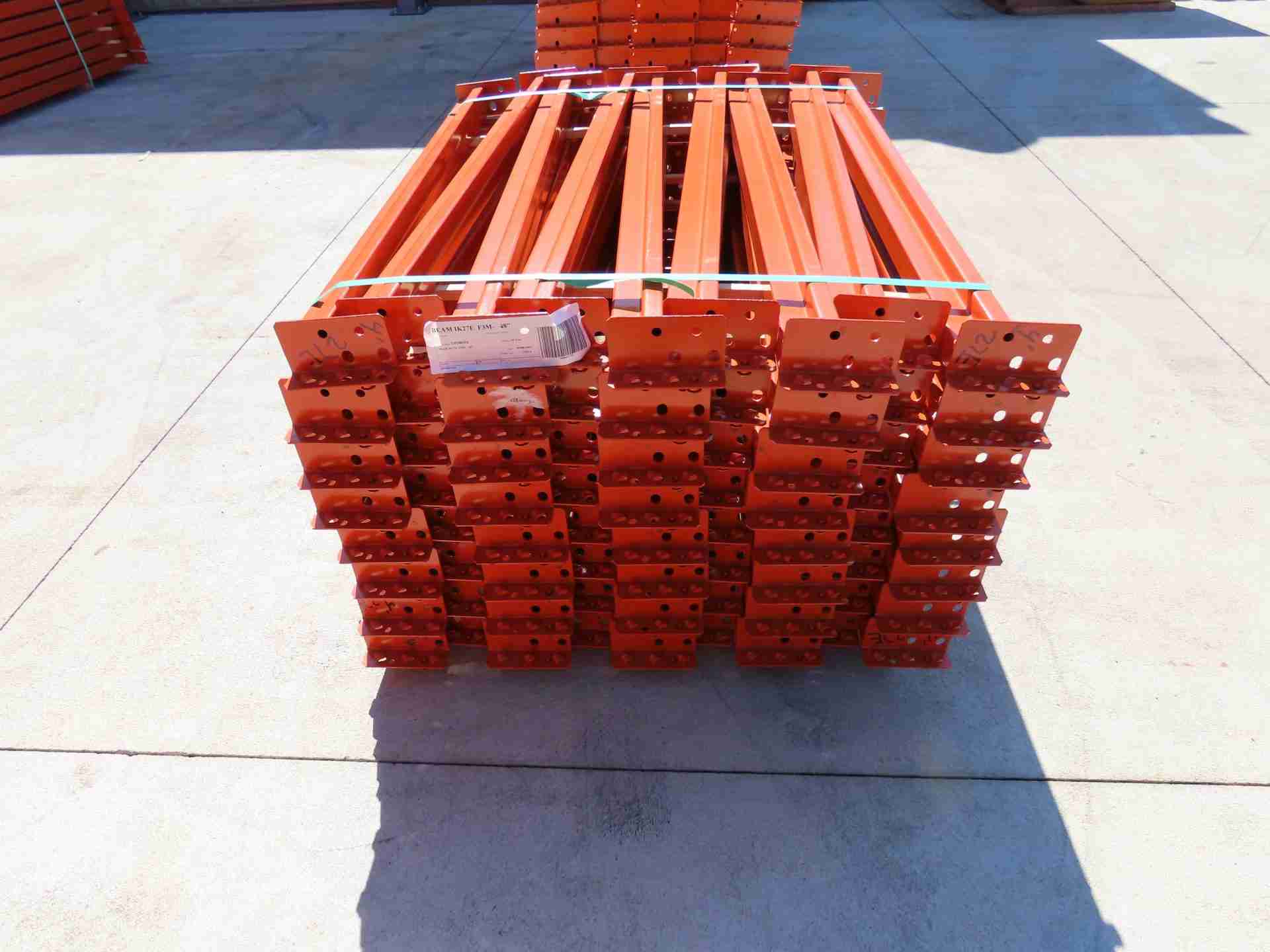
In a lean warehouse, every role plays a pivotal part in the overall success. From the moment a new hire steps through the doors, they should be immersed in an environment where continuous improvement is the cornerstone of their daily activities. Training equips your employees with the knowledge they need to utilize the pallet racking system effectively, ensuring that products are stored and retrieved in the most efficient manner possible. By understanding the layout and design of your warehouse, employees can minimize unnecessary movement, which is one of the key principles of lean thinking.
But let’s go deeper. Training isn’t just about operational tasks; it’s also about instilling a culture. When employees feel empowered with the right knowledge and tools, they aren’t just following routines—they’re actively contributing to the optimization of processes and procedures. They learn to identify bottlenecks and inefficiencies and become champions of lean practices. Your team becomes a cohesive unit, truly invested in the overarching mission of waste reduction, which leads to significant cost savings and increased customer satisfaction.
Moreover, ongoing training reinforces the idea that learning doesn’t stop after onboarding. A commitment to training and professional development fosters a resilient workforce that adapts to changes in demand and market conditions. Investing in your employees’ growth not only cultivates loyalty but also boosts morale. When staff feel valued and equipped, they take ownership of their roles.
And remember, trust is the currency of any successful business. By committing to employee training, you send a clear message: “We care about your development and the smooth operation of our warehouse.” This bond between you and your team translates into a culture of accountability, innovation, and success.
So, if you’re ready to elevate your lean warehousing strategy, start by investing in your most valuable asset: your employees. Embrace training as an ongoing journey, and watch your efficiency soar, one pallet rack at a time.
What Role Does Employee Training Play In Lean Warehousing?
What Role Does Employee Training Play In Lean Warehousing?
- Employee training is a crucial investment for maximizing efficiency in lean warehousing.
- Well-trained employees can navigate warehouses effectively, reducing waste and boosting productivity.
- Training helps employees utilize pallet racking systems efficiently and minimize unnecessary movement.
- Ongoing training fosters a culture of continuous improvement and empowers employees to contribute to process optimization.
- Commitment to professional development improves workforce resilience and employee morale.
- Investing in employee training creates a culture of accountability and innovation, leading to cost savings and increased customer satisfaction.
- Prioritize training as an ongoing journey to enhance lean warehousing strategy and overall efficiency.

What Role Does Employee Training Play In Lean Warehousing?
How Can I Optimize Layout For Lean Efficiency?
Picture this: your team is hustling day in and day out, but instead of smooth operations, you’ve got chaos lurking around every corner. Time gets wasted, morale dips, and profits take a hit. It’s time to take control of your space and transform it into a lean machine. The layout you choose can make or break this efficiency quest, and you hold the key to unlock that potential.
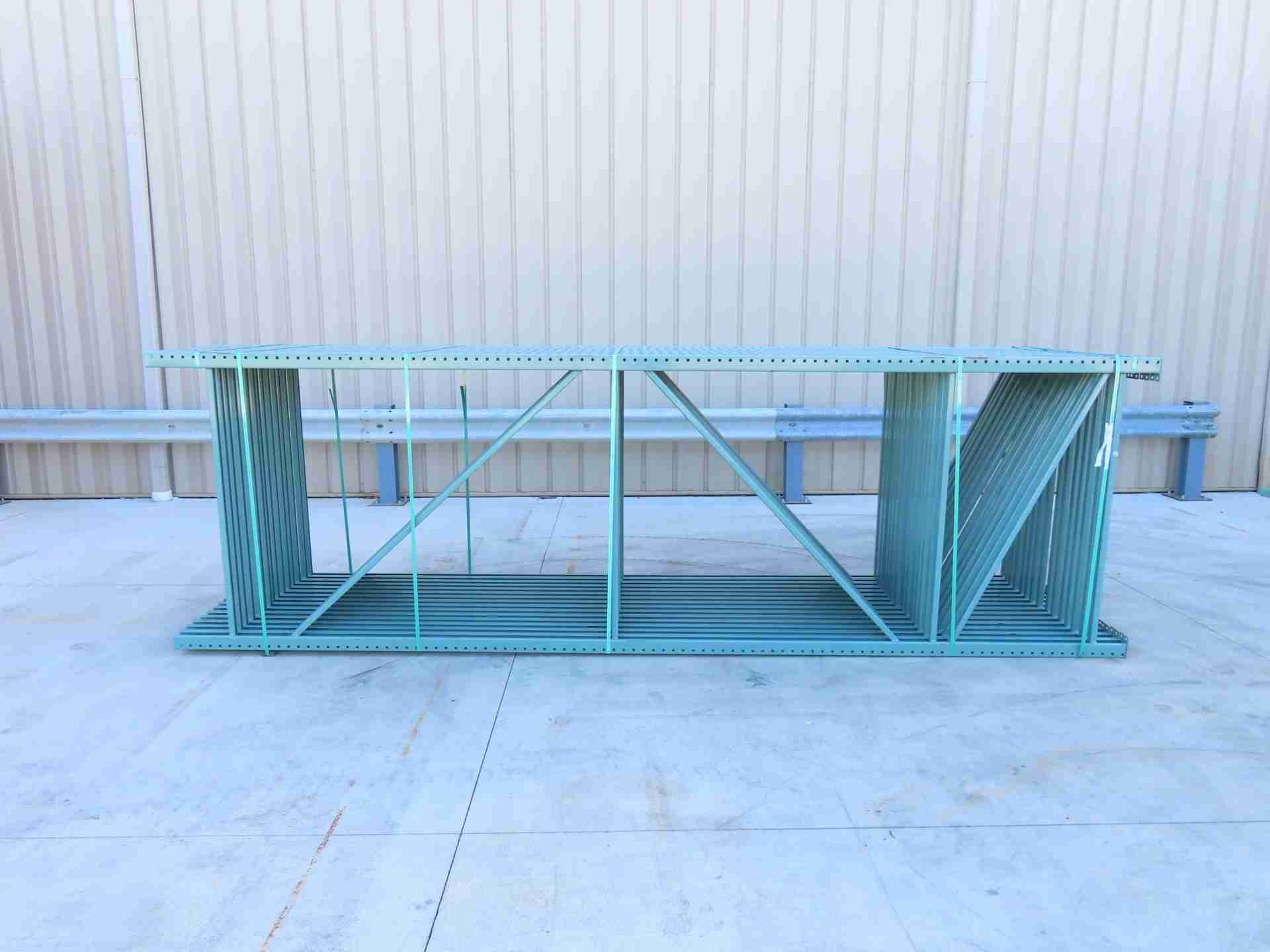
One of the game-changing elements of a smart layout is pallet racking. You might be thinking, “What’s the big deal about some shelves?” Well, imagine a well-organized warehouse where every single item is easily accessible, neatly sorted, and strategically positioned. That is the power of effective pallet racking. By utilizing vertical space, you free up valuable floor area for movement and productivity.
But let’s not stop there. An optimized layout doesn’t just happen by stacking things high and crossing your fingers. It’s about creating logical flow. Picture your operations like a well-choreographed dance: materials need to be received, processed, and shipped without a hitch. This means mapping out a layout that ensures minimum travel distances for your employees. The closer your inventory is to the point of use, the more time and energy you save.
Think of lean efficiency as a commitment to continuous improvement. Engage your team in this process. Collect input on how they navigate the space and where bottlenecks occur. You’ll be surprised how frontline workers can offer insights that’ll help you streamline processes. Their firsthand experience is invaluable, and involving them fosters a sense of ownership and motivation.
Tiles, aisles, and tools should all serve a purpose. Every square foot of your space should be optimized to its fullest potential. Whether you’re utilizing pallet racking systems, mobile shelving units, or designated staging areas, ensure that everything has a place and that it makes sense for the workflow.
Ultimately, the journey to lean efficiency is not a solitary road. As you take these steps to refine your layout, allow yourself to see the bigger vision for what your organization can achieve—a culture of engagement, productivity, and ultimately, profitability. So, roll up your sleeves, engage your team, and start transforming your space today. The dividends will not only be measured in profits but in a reinvigorated spirit that embodies the essence of operational excellence.

How Can I Optimize Layout For Lean Efficiency?
How Can I Optimize Layout For Lean Efficiency?
- Chaos in operations leads to wasted time, low morale, and decreased profits.
- A smart layout, especially with effective pallet racking, can transform your space into a lean machine.
- Effective pallet racking enables better organization, accessibility, and optimal use of vertical space.
- Creating a logical flow in operations, with minimized travel distances, is essential for efficiency.
- Engaging your team in identifying bottlenecks can offer valuable insights for streamlining processes.
- Each element in your workspace should serve a purpose, optimizing every square foot for maximum efficiency.
- Transforming your space fosters a culture of engagement and productivity, leading to greater profitability.
How Can I Optimize Layout For Lean Efficiency?
Conclusion
Conclusion: Transform Your Warehouse with Lean Principles
In a marketplace that demands efficiency and agility, integrating lean principles into your warehousing operations is not merely advisable; it is essential for survival. As we’ve explored, the journey to lean management begins with a critical assessment of your current operations, engaging your team to identify bottlenecks and inefficiencies. By leveraging their insights, you open the door to transformative changes that can significantly enhance workflow and productivity.
Optimizing your layout to facilitate a logical flow is paramount for minimizing wasted movement and reducing retrieval times. The strategic use of pallet racking systems, alongside the adoption of a ‘first in, first out’ approach, ensures that your inventory management process is both streamlined and effective. Moreover, the incorporation of technology, such as warehouse management software, empowers you to make informed decisions in real time, further solidifying your operations’ efficiency.
A culture of continuous improvement becomes your foundation as employees are equipped with knowledge and tools to identify potential enhancements. Regular training not only boosts morale but fosters an engaged workforce committed to eliminating waste and optimizing processes. This dynamic partnership between management and staff creates a resilient organization, ready to adapt to changing market demands.
The core tenets of lean warehousing—Value Stream Mapping, Standardization, Just-In-Time inventory, and Cross-Training—serve as vehicles for sustainable success. Each principle is a stepping stone toward building a robust operation that not only meets but exceeds customer expectations.
As you embark on this transformation, remember: time is of the essence. Competitors are already moving toward lean practices, and the longer you hesitate, the more opportunities you risk losing. It’s time to take action. For tailored solutions, expert advice, and cutting-edge products designed to elevate your warehousing efficiency, contact Arrow Industrial Sales at (574) 349-6575 today. Every moment counts—don’t let this chance slip away. Transform your warehouse into a well-oiled machine and witness the tangible benefits of lean principles in action. Your operational excellence journey starts now!
Conclusion
Conclusion:
- Integrating lean principles in warehousing is essential for efficiency and survival in a competitive marketplace.
- Start lean management with a critical assessment of current operations and engaging your team to identify inefficiencies.
- Optimize warehouse layout to minimize wasted movement and improve retrieval times.
- Utilize pallet racking systems and a ‘first in, first out’ approach for effective inventory management.
- Incorporate technology, such as warehouse management software, for real-time decision-making and enhanced efficiency.
- Foster a culture of continuous improvement through regular training and empowering employees to identify enhancements.
- Embrace lean tenets like Value Stream Mapping, Standardization, Just-In-Time inventory, and Cross-Training for sustainable success.
Conclusion
Other Resources

Other Resources
Here is a list of other resources you can review online to learn more:
- Cantilever Rack Guide: Ordering Cantilever Racking
- Illinois Pallet Racking – Storage Solutions
- National Safety Council
- Illinois
- Pallet Rack Systems – New and Used Pallet Racking and Shelving Experts
- Arrow Industrial Sales
- Interlake Mecalux
- Warehouse Storage Racking in Illinois
- Cantilever Racks Chicago
- Warehouse Racking System: Powerful Guide to Optimise, 2024
Use This Prompt To Get More Resources With Your Favorite Online AI Tool: Please provide me with a list of online articles with their URLs in a bulleted list that I can read regarding How Can You Implement Lean Principles In Warehousing?

Other Resources
Glossary Terms
How Can You Implement Lean Principles In Warehousing? – Glossary Of Terms
1. Lean Principles: A methodology focused on minimizing waste while maximizing productivity, often applied in manufacturing and supply chain management.
2. Value Stream Mapping: A visual tool that outlines the flow of materials and information in a process, helping identify areas of waste and opportunities for improvement.
3. Waste: Any activity or process that does not add value to the customer; often categorized into seven types: overproduction, waiting, transport, extra processing, inventory, motion, and defects.
4. Continuous Improvement: An ongoing effort to improve products, services, or processes through incremental improvements over time.
5. Kaizen: A Japanese term meaning “change for better,” referring to activities that continuously improve all functions and involve all employees from the CEO to the shop floor.
6. 5S: A workplace organization method comprising five phases: Sort, Set in order, Shine, Standardize, and Sustain, aimed at creating an organized and efficient workspace.
7. Just-In-Time (JIT): An inventory strategy that aligns production with demand, minimizing inventory levels and reducing waste.
8. Pull System: A production methodology where the supply chain responds to actual demand rather than forecasted demand, reducing excess inventory and improving efficiency.
9. Kanban: A visual scheduling system that signals when it’s time to reorder or produce more items, facilitating a pull system and enhancing workflow.
10. Standard Operating Procedures (SOPs): Detailed, written instructions designed to achieve uniformity in the performance of a specific function, essential for maintaining quality and improving efficiencies.
11. Lead Time: The total time it takes from the beginning of a process until its completion, crucial for assessing and improving responsiveness in warehousing.
12. Cross-Docking: A logistics practice where products are quickly transferred from incoming trucks to outgoing trucks with minimal handling, reducing storage costs and lead time.
13. Floor Space Optimization: The strategic arrangement of warehouse space to ensure maximum accessibility and efficiency, reducing unnecessary motion and improving workflow.
14. Cycle Counting: An inventory auditing procedure where a small number of items are counted on a specific day, ensuring accuracy and minimizing disruption.
15. Automation: The use of technology and machines to facilitate processes, improving efficiency, accuracy, and speed in warehousing operations.
16. Inventory Management: The supervision of non-capitalized assets (inventory) and stock items, ensuring the right amount of stock is available at the right time.
17. Supplier Relationships: Collaborations with suppliers to improve the flow of materials into a warehouse, focusing on reliability and reducing lead times.
18. Flexible Workforce: A strategy of having workers trained in multiple skills, allowing for adaptable staffing to meet fluctuating demands efficiently.
19. Root Cause Analysis: A problem-solving method to identify the underlying cause of an issue, enabling long-term solutions rather than temporary fixes.
20. Performance Metrics: Quantifiable measures used to evaluate the efficiency and effectiveness of warehouse operations, often focusing on time, cost, and quality.
21. Safety Stock: Extra inventory held to prevent stockouts due to uncertainties in demand or supply; optimizing this is important to Lean principles.
22. Flow: The smooth, uninterrupted progress of work through a process or system, essential for efficient warehouse operations.
23. Batch Processing: The practice of processing a group of items together rather than individually, which can lead to increased efficiency but may also introduce waste if not managed properly.
24. Lean Culture: An organizational atmosphere that promotes Lean principles where employees at all levels are engaged in and committed to improving processes.
25. Work-in-Progress (WIP): Materials that are in the process of being transformed into finished products. Minimizing WIP is a key focus of Lean to reduce lead times.
26. Consolidation: Combining multiple smaller shipments into one larger shipment to optimize transport and reduce costs, aligning with Lean’s waste reduction focus.
27. Employee Engagement: Involving employees in the decision-making processes and encouraging their input on operational improvements, vital for the success of Lean initiatives.
28. Flow Rack: A storage system designed to support the flow of items using gravity, making it easier to access products and reducing handling time.
29. Simulation: The use of models to evaluate different scenarios in warehouse operations, helping visualize changes and their potential impacts before implementation.
30. Benchmarking: Comparing warehouse operations and processes against industry standards or best practices to identify areas for improvement and measure performance.
Glossary Of Terms
Other Questions
How Can You Implement Lean Principles In Warehousing? – Other Questions
If you wish to explore and discover more, consider looking for answers to these questions:
- What are the specific lean principles that can be applied to warehousing?
- How can lean principles impact customer satisfaction in a warehouse setting?
- What technology can support lean practices in warehousing?
- How do you identify and measure waste in warehouse operations?
- What examples of successful lean implementations exist in warehousing?
- How can I train my team on lean principles effectively?
- What challenges might I face when implementing lean in warehousing?
- How can I maintain momentum for continuous improvement in a warehouse?
- What are the cost implications of transitioning to lean warehousing?
- How does cross-training employees contribute to lean warehousing success?
- What role does leadership play in the successful implementation of lean principles?
- How can I set performance metrics to evaluate the success of lean practices?
Other Questions
Checklist
How Can You Implement Lean Principles In Warehousing? – A Checklist
Lean Principles in Warehousing: Implementation Checklist
1. Assessment of Current Operations
_____ Gather team insights from warehouse staff
_____ Identify workflow bottlenecks
_____ Analyze pallet racking organization for underutilization
_____ Observe patterns of inefficiency
2. Optimize Warehouse Layout
_____ Arrange pallets for logical access
_____ Implement First In, First Out (FIFO) inventory management
_____ Use visual cues (labels and signage) for easy navigation
3. Standardize Processes
_____ Develop Lean Operating Procedures (LOPs) for key tasks
_____ Involve team members in the creation and feedback on LOPs
_____ Ensure consistency in handling inventory to minimize errors
4. Invest in Technology
_____ Implement a warehouse management software for inventory tracking
_____ Optimize logistical routes to enhance productivity
_____ Use data-driven insights for decision-making
5. Foster a Culture of Continuous Improvement
_____ Hold regular team meetings to discuss process improvements
_____ Create incentive programs for team members to suggest enhancements
_____ Encourage ongoing feedback and adapt processes continually
6. Focus on Waste Reduction
_____ Optimize pallet racking systems to maximize vertical space
_____ Implement an efficient inventory management system
_____ Provide training on waste reduction practices for employees
7. Define Lean Implementation Steps
_____ Clearly define objectives and desired outcomes
_____ Gather and involve all employees in the transformation process
_____ Conduct detailed assessments and value stream mapping
8. Pilot Lean Practices
_____ Choose a specific area to implement new strategies
_____ Monitor and gather data on pilot results
_____ Prepare for full-scale rollout based on insights gathered
9. Encourage Employee Training
_____ Embed continuous training on lean principles into onboarding
_____ Training on the effective use of systems and workflows
_____ Foster a culture where staff identify and propose solutions
10. Optimize Layout for Lean Efficiency
_____ Assess and adjust racking systems for ease of access
_____ Map out processes for minimum travel distances
_____ Engage employees for feedback on layout and navigational flow
By following this checklist, you can effectively implement lean principles in your warehouse operations, enhance efficiency, reduce waste, and ultimately improve your bottom line. Start your lean transformation journey today!

Checklist
At RackingWorld, we help guide you through selecting warehouse storage systems and racking.
Be sure to read our other related stories at RackingWorld to learn more about warehouse storage systems.
0 Comments