
Maximize Warehouse Safety With Effective Shelving
By Tom Seest
At RackingWorld, we help guide you through selecting warehouse storage systems and racking.
Be sure to read our other related stories at RackingWorld to learn more about warehouse storage systems.
How Can You Ensure Warehouse Safety with Proper Shelving Techniques?
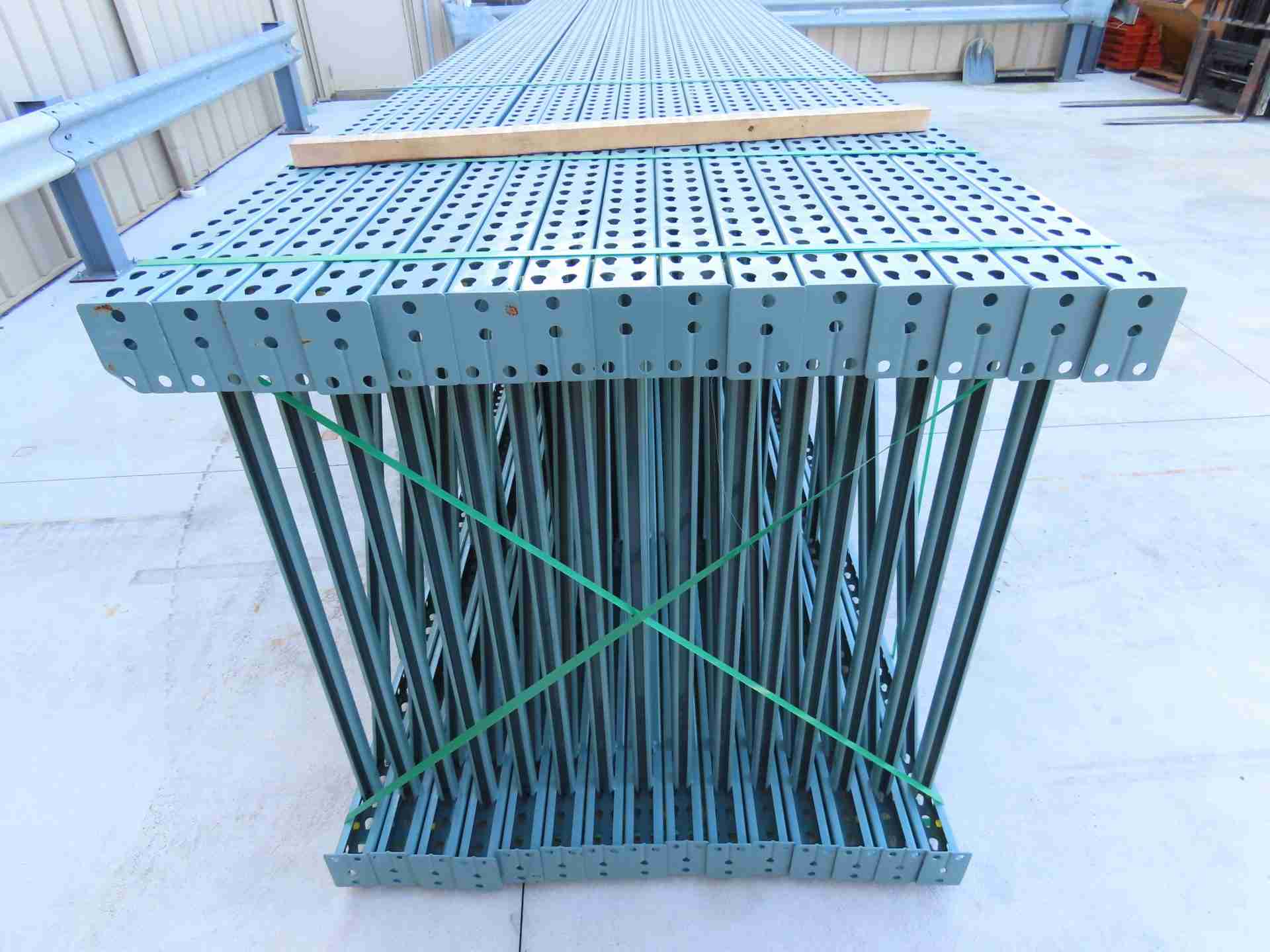
In an era where efficiency and safety are paramount, understanding the significance of proper shelving techniques in your warehouse can be a game changer. When you think about it, the backbone of warehouse organization often stems from systems like Pallet Racking. Utilizing effective shelving strategies doesn’t just prevent accidents—it also enhances productivity and optimizes space!
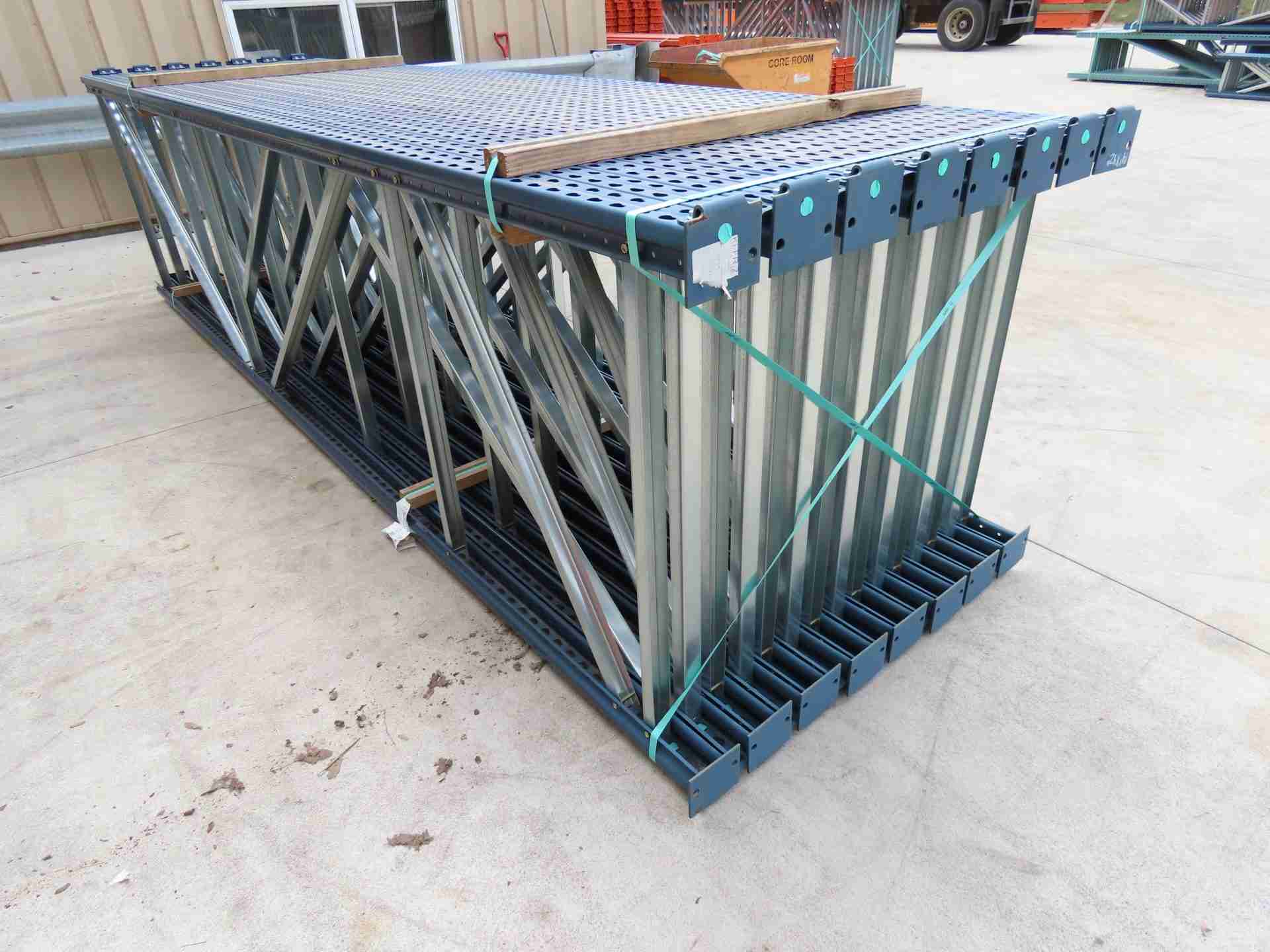
First, let’s dive into Pallet Racking. This innovative system allows for vertical storage of goods, which not only maximizes your floor space but also minimizes the risk of items falling over. Regularly inspecting your pallet racking setup is vital. After all, even the most robust systems can suffer from wear and tear. The Occupational Safety and Health Administration (OSHA) recommends performing visual inspections at least once a year, while some businesses opt for quarterly audits. A recent report highlighted that nearly 25% of warehouse employee accidents stem from improperly maintained pallets. By investing in regular inspections and maintenance, you can drastically reduce liability.
Moreover, ensuring that pallets are not overloaded is essential. Overloading can lead to structural failure and create hazardous conditions. It’s a simple but often overlooked aspect of safety. For instance, a distribution center in Illinois recently made headlines after a pallet collapsed due to overloading, injuring multiple employees and causing significant downtime. The lesson? Knowing and adhering to the weight limit of your pallet racking is crucial.
Training employees on proper loading techniques is another must-have strategy for warehouse safety. Consider implementing regular workshops or training sessions that focus on best practices in handling goods. Engaging your team fosters a culture of safety; plus, when employees feel educated and empowered, they’re more likely to adhere to guidelines. For example, many companies have adopted gamified training programs that not only educate but also motivate workers to prioritize safety.
Finally, a clear labeling system will further augment your shelving efforts. Utilize color-coded labels for different types of products and weight limits, guiding employees and facilitating quick decision-making. This simple enhancement can significantly reduce the likelihood of load errors that lead to accidents.
By strategically implementing advanced shelving techniques like Pallet Racking, coupled with consistent maintenance, employee training, and strong labeling practices, you can lay down a solid foundation for warehouse safety. Remember, in a world where accidents can lead to costly legal battles and lost productivity, prevention is not just more affordable—it’s imperative. Embrace these techniques and transform your warehouse into a safe, efficient space where your team can thrive.
How Can You Ensure Warehouse Safety with Proper Shelving Techniques?
How Can You Ensure Warehouse Safety with Proper Shelving Techniques?
- Proper shelving techniques in warehouses enhance efficiency and safety.
- Pallet Racking maximizes floor space and minimizes the risk of falls.
- Regular inspections of pallet racking are essential; OSHA recommends at least annual checks.
- Overloading pallets can lead to structural failure and hazardous conditions.
- Training employees on proper loading techniques fosters a culture of safety.
- Clear labeling systems with color-coding assist in reducing load errors.
- Implementing these techniques transforms warehouses into safe, productive environments.
How Can You Ensure Warehouse Safety with Proper Shelving Techniques?
Table Of Contents
- How Can You Ensure Warehouse Safety with Proper Shelving Techniques?
- What Are The Key Principles Of Safe Shelving In Warehouses?
- How Can Shelving Height Impact Warehouse Safety?
- What Types Of Shelving Are Best For Weight Distribution?
- How Do You Assess Load Capacity For Warehouse Shelving?
- What Safety Standards Should Be Followed For Warehouse Shelving?
- How Can You Prevent Shelving Collapses In A Warehouse?
- Conclusion
- Other Resources
- Glossary Of Terms
- Other Questions
- Checklist
What Are The Key Principles Of Safe Shelving In Warehouses?
In today’s fast-paced warehousing environment, ensuring the safety of your shelving systems is non-negotiable. When done right, safe shelving not only protects your inventory but can also boost productivity, streamline your operations, and safeguard your workforce. Here we lay down the key principles of safe shelving in warehouses, specifically focusing on robust systems like pallet racking.
1. Understand Load Capacity
The foundation of safe shelving lies in understanding and respecting load capacities. Every shelving system, especially pallet racking, comes with specific guidelines regarding how much weight it can handle. Overloading your racks can lead to catastrophic failures, potentially injuring employees and causing significant inventory loss. For instance, in 2023, a well-known distribution center in California faced severe scrutiny after a pallet racking collapse caused by overlooked weight limits resulted in millions of dollars in damages. Regularly reviewing and adhering to load limits is critical.
2. Invest in Quality Equipment
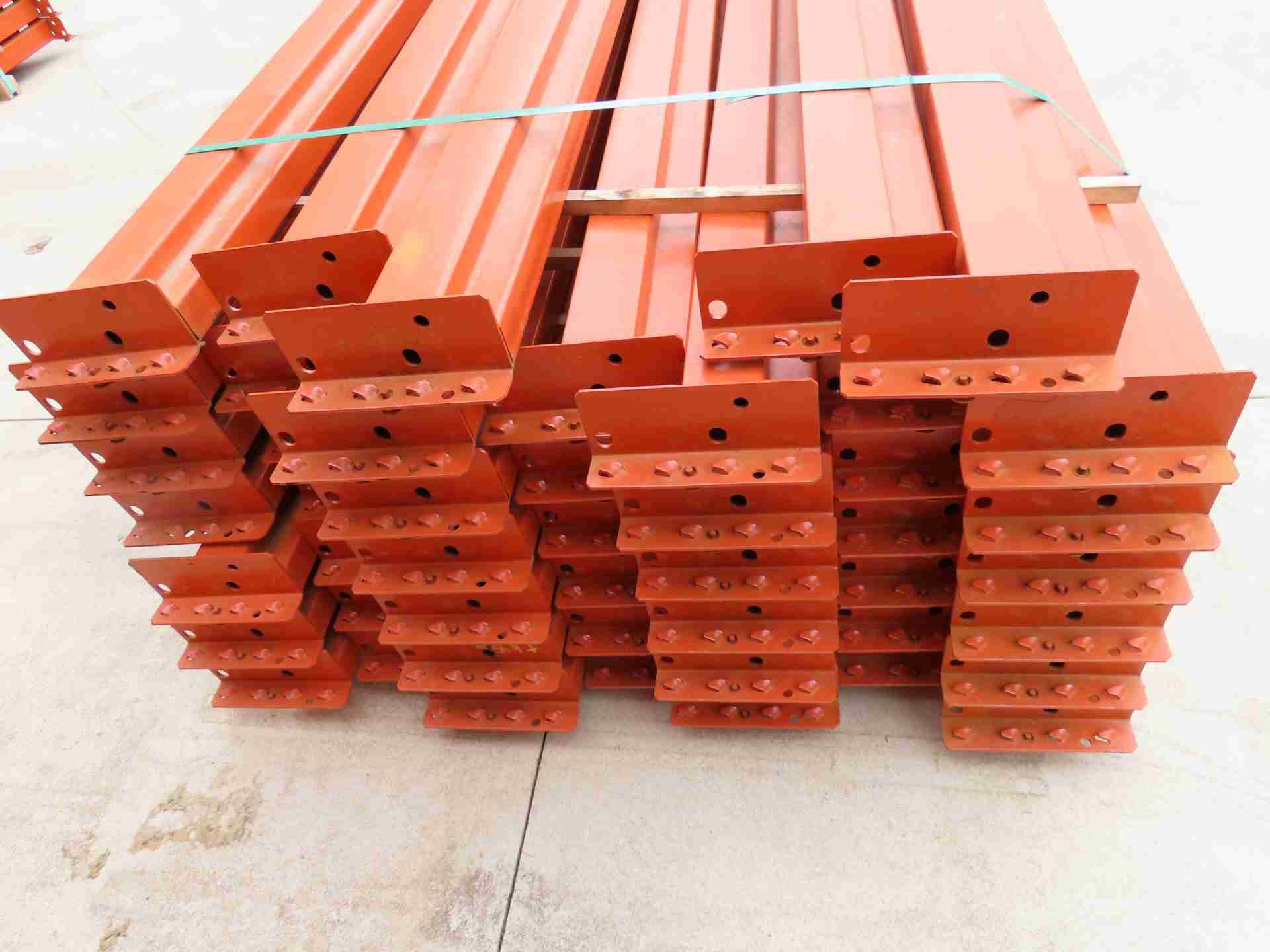
Choosing high-quality pallet racking systems is a must for safety. Cheaper alternatives may save money upfront, but they often compromise safety standards. Investing in heavy-duty, certified pallet racking that meets industry regulations ensures you have a reliable backbone for your warehousing operations. Companies like Crown Lift Trucks are known for their durable systems backed by rigorous testing. When you opt for quality, you’re not just buying shelving; you’re investing in the safety of your workforce and your bottom line.
3. Implement Proper Training
Even the most sophisticated pallet racking systems demand respect and understanding from your staff. Providing comprehensive training on safe shelving practices ensures all employees are aware of safety protocols. For example, during the recent surge in e-commerce demand, failure to train warehouse workers led to a rise in accidents, peppering headlines with horror stories. Safety workshops, video tutorials, and hands-on sessions can prepare your team for safe operations, reducing incidents and fostering a culture of safety.
4. Regular Inspections
Regular inspections of your shelving and pallet racking systems can catch issues before they escalate into dangerous situations. Instituting a routine check-up process can help identify signs of wear and tear, misplaced items, or structural concerns. In a recent survey, over 60% of warehouse managers reported that routine inspections significantly cut down accidents.
By adhering to these key principles, you create an environment where your warehouse can thrive with minimal risk. Remember – safe shelving isn’t just about compliance; it’s about cultivating an operational philosophy that prioritizes the safety of your business, people, and inventory. Secure your shelves, secure your success!
What Are The Key Principles Of Safe Shelving In Warehouses?
What Are The Key Principles Of Safe Shelving In Warehouses?
- Understand Load Capacity: Recognize and adhere to load limits to prevent dangerous failures and damage, as demonstrated by a 2023 incident in a California distribution center.
- Invest in Quality Equipment: Select high-quality, certified pallet racking systems that meet industry standards to ensure safety and reliability.
- Implement Proper Training: Provide comprehensive training for staff on safe shelving practices to minimize accidents, especially during increased workloads.
- Regular Inspections: Conduct routine inspections to identify potential hazards early, with over 60% of managers reporting reduced accidents through this practice.
- Safety is Non-Negotiable: Emphasizing safe shelving protects inventory, boosts productivity, and safeguards the workforce.
- Operational Philosophy: Cultivate a culture that prioritizes safety in all warehousing operations, beyond mere compliance.
- Secure Your Success: A focus on safe shelving contributes to overall business success and minimizes risks.

What Are The Key Principles Of Safe Shelving In Warehouses?
How Can Shelving Height Impact Warehouse Safety?
In the fast-paced world of warehousing, safety is paramount. One critical but often overlooked aspect is shelving height, particularly when it comes to pallet racking. As operational efficiency takes precedence, many warehouse managers may be tempted to stack products higher, seeking to maximize space. However, this misguided approach can lead to serious safety hazards.
Consider this: If your pallet racking system is designed to store goods at excessive heights, you’re setting the stage for accidents waiting to happen. When workers must reach for items located at elevated levels, they may resort to unsafe practices—using makeshift ladders or even climbing on pallets themselves to retrieve products. A recent incident reported in industry news illustrated this stark reality. An employee in a warehouse suffered severe injuries after falling from a dangerously high shelving unit while trying to access a product that could have been stored lower. This incident not only resulted in physical harm to the worker but also triggered costly legal ramifications and lowered morale among the entire team.
Employers have a legal and ethical responsibility to maintain a safe working environment. By prioritizing the correct shelving height in your pallet racking, you bolster your safety measures. Not only does this allow for easier access to goods, but it can also enhance inventory management. For instance, consider the case of a company that rearranged their pallet racking layout to adhere to optimal shelf heights. They observed a remarkable reduction in accidents, along with a 30% improvement in picking efficiency. It’s a win-win scenario.
Moreover, it’s crucial to consider your team’s training. Regular training sessions on safe lifting techniques and the proper use of equipment can help mitigate the risks associated with high shelving. Empower your employees to voice their concerns regarding shelf height and to provide input on improving safety protocols.
Disregarding the implications of shelving height in your pallet racking systems can spell disaster for both employee safety and operational efficiency. Take a proactive approach: design a layout that emphasizes safety and efficiency, ensuring that your workers can access products easily and without risk. After all, when it comes to warehouse safety, an ounce of prevention is worth a pound of cure. Investing in sensible shelving solutions not only protects your workforce but also positively impacts your bottom line in the long haul.
How Can Shelving Height Impact Warehouse Safety?
How Can Shelving Height Impact Warehouse Safety?
- Safety is of utmost importance in warehousing, particularly regarding shelving height in pallet racking.
- Many warehouse managers prioritize operational efficiency, risking safety by stacking products too high.
- Excessively high shelving leads workers to adopt unsafe practices, such as climbing on pallets or using makeshift ladders.
- Real-life incidents highlight the dangers, including severe injuries from falls, legal ramifications, and decreased morale.
- Employers have a legal and ethical duty to maintain safe working environments by optimizing shelving height.
- Adjusting pallet racking layouts to appropriate heights can reduce accidents and improve picking efficiency by up to 30%.
- Regular training on safe practices and encouraging employee feedback can further enhance safety and operational efficiency.

How Can Shelving Height Impact Warehouse Safety?
What Types Of Shelving Are Best For Weight Distribution?
When it comes to optimizing your storage solutions, understanding weight distribution is crucial. The right shelving can improve efficiency, safety, and accessibility within your space. So, what’s your secret weapon? Pallet racking.
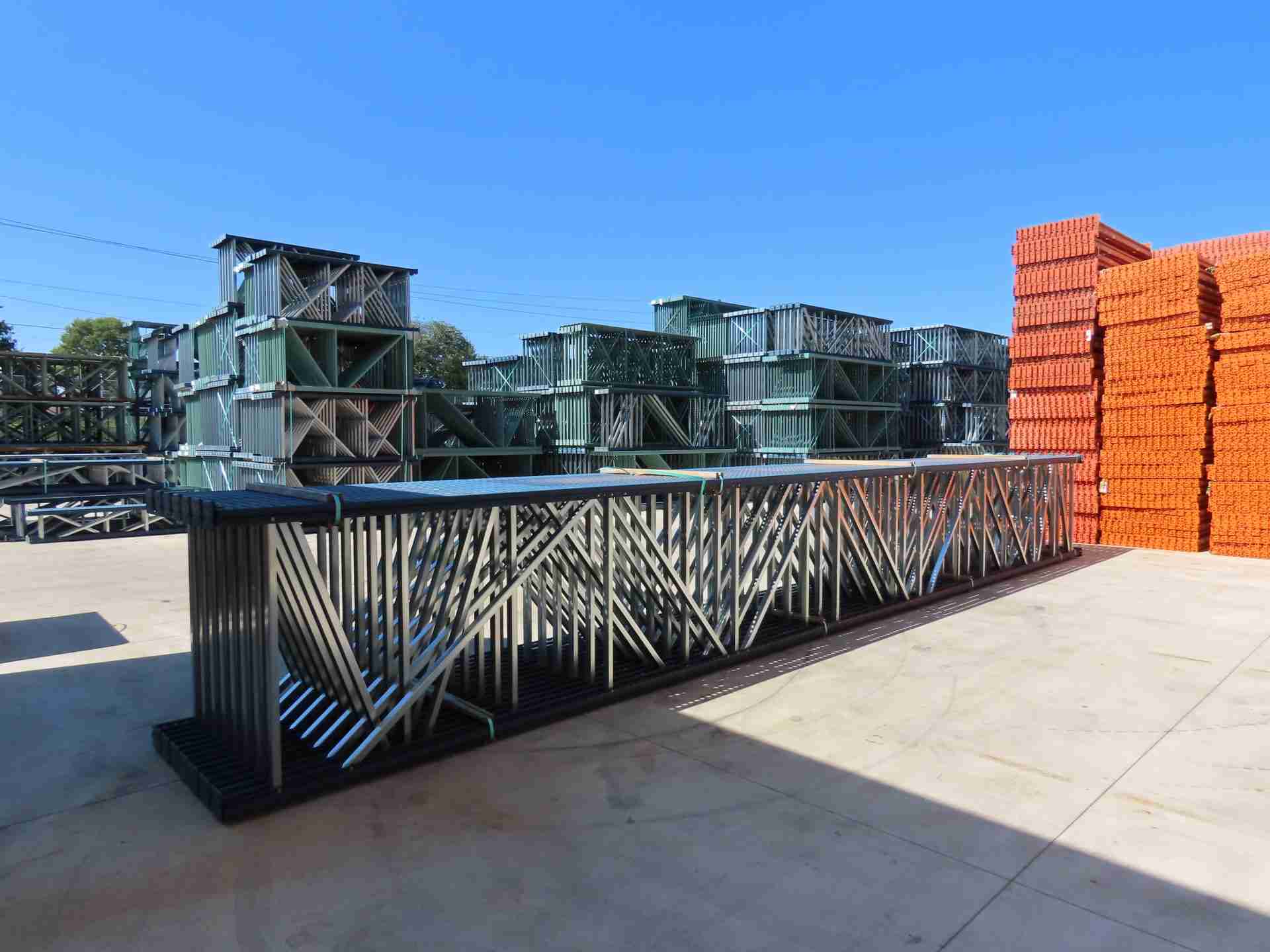
Pallet racking is one of the most effective shelving systems available for managing heavy loads. Designed specifically for warehouse environments, these structures provide sturdy support while maximizing vertical space. Each shelf supports significant weight without compromising the integrity of your storage, allowing you to stack goods seamlessly. However, there are other contenders in the shelving market worth considering.
For businesses dealing with lighter items or those in retail settings, boltless shelving can be a fantastic alternative. This type of shelving employs a simple, modular design that enables easy assembly and adjustment. With minimal hardware required, you can quickly adapt the shelving to accommodate fluctuating inventory levels. Just consider how retailers like Target adapt their layout during holiday seasons to showcase popular products more effectively. Boltless shelving allows them to pivot quickly while ensuring weight is evenly distributed for safety.
Another great option in weight distribution is multi-tier shelving systems. These maximize vertical storage, allowing for efficient use of limited floor space. Perfect for warehouses that require a high-density storage solution, these systems enable businesses to stack items in a way that evenly distributes weight across all shelves. Just look at the recent surge in e-commerce fulfillment centers, where companies are racing to set up efficient, organized storage systems to accommodate skyrocketing online orders. Multi-tier shelving helps them meet their demands without the risk of overloaded shelves that could lead to safety hazards.
Don’t overlook heavy-duty steel shelving either. This shelving is ideal for environments that require long-lasting durability and can withstand substantial weight. Commonly found in industrial settings, heavy-duty steel shelving systems can handle loads that other racks simply can’t. For instance, a manufacturing facility could use this shelving to store tools, parts, or machinery, ensuring everything is safely distributed without the risk of warping or collapsing.
Ultimately, the best shelving for weight distribution depends on your specific needs and the types of items you handle. By leveraging the right shelving solution, like pallet racking or heavy-duty steel systems, you can dramatically improve efficiency while maintaining safety—keeping your operations running smoothly in today’s fast-paced environment. Whether you’re in retail or logistics, let your shelving choices reflect your commitment to safety and efficiency, setting up your business for long-term success.

What Types Of Shelving Are Best For Weight Distribution?
What Types Of Shelving Are Best For Weight Distribution?
- Understanding weight distribution is key for optimizing storage solutions.
- Pallet racking is an effective shelving system for managing heavy loads in warehouse environments.
- Boltless shelving is suitable for lighter items and allows easy assembly and adjustment for retail settings.
- Multi-tier shelving maximizes vertical storage, ideal for high-density storage solutions, especially in e-commerce fulfillment centers.
- Heavy-duty steel shelving provides long-lasting durability and can withstand substantial weight, suitable for industrial environments.
- The best shelving choice depends on specific needs and types of items handled, aiming to improve efficiency and safety.
- Choosing the right shelving can enhance operations and reflect a commitment to safety and efficiency for long-term success.
What Types Of Shelving Are Best For Weight Distribution?
How Do You Assess Load Capacity For Warehouse Shelving?
When it comes to the success of your warehouse operations, understanding load capacity is pivotal. Pallet racking systems are the backbone of efficient inventory management, yet they can become a liability if not utilized correctly. The question that begs to be answered is—how do you accurately assess the load capacity for your warehouse shelving?
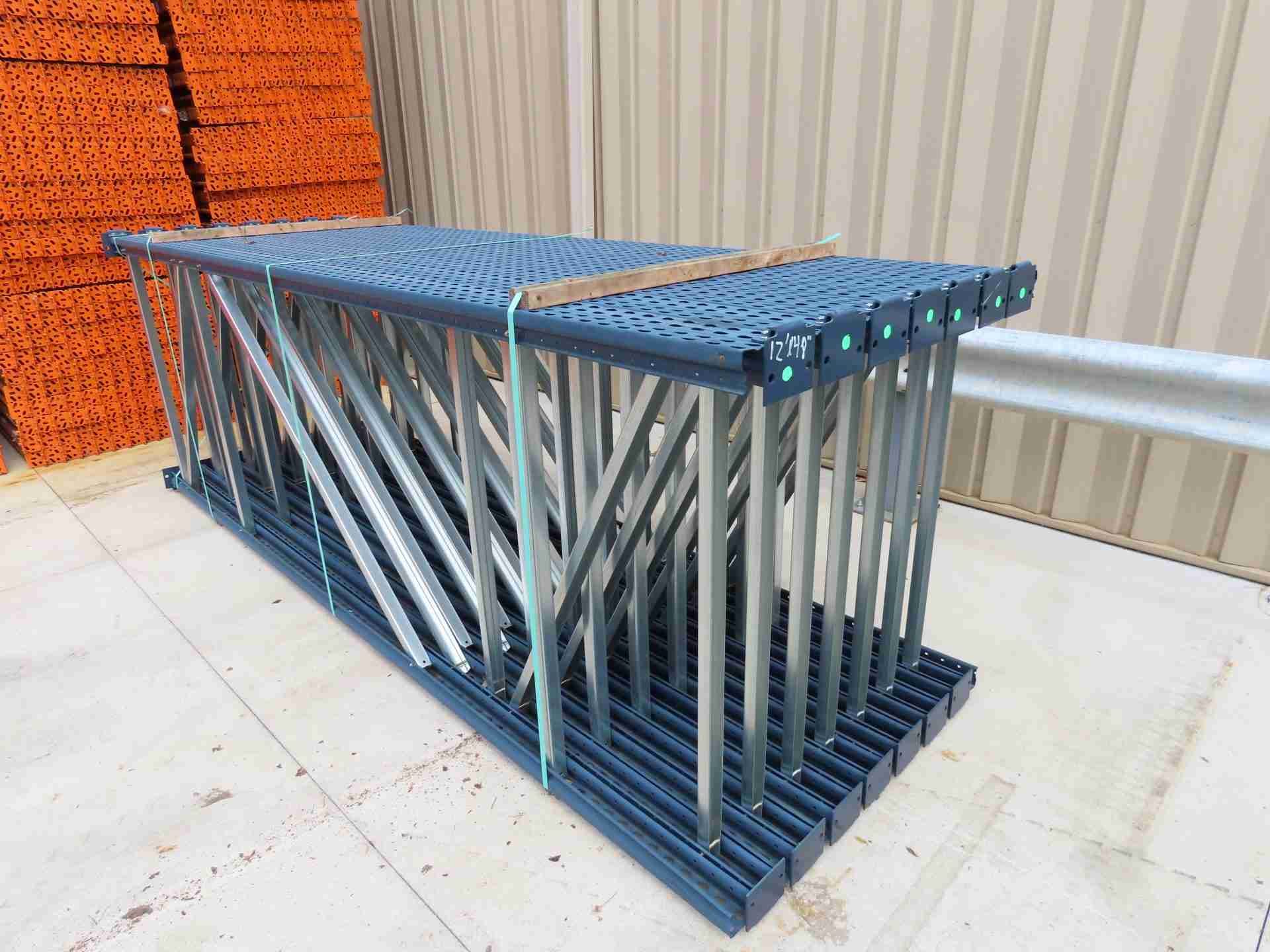
First, you must understand the specific type of pallet racking you are using. Whether you have selective, drive-in, or push-back racking, each has its unique load characteristics. For instance, selective pallet racking allows access to every pallet directly and typically supports heavier loads. In contrast, drive-in racking maximizes storage density but can handle different load capacities based on the height and depth of the pallets.
Consider the Materials
Next, look at the materials that comprise your shelving. Steel is the most common choice for pallet racking because of its durability. However, variations exist, such as cold-rolled vs. hot-rolled steel, which can impact load capacity. A cold-rolled steel shelf may handle 2,000 pounds while a hot-rolled variant may support even more. Knowing the nuances of these materials can offer tremendous leverage in designing an efficient storage system.
Check Manufacturer Specifications
Also, you can’t overlook the manufacturer’s specifications. Each manufacturer provides a load chart that outlines the maximum weight capacity for their racking solutions. These specifications serve as a guideline; however, always consider the dynamic loads introduced by heavy machinery and the potential for impact. For instance, during a recent surge in online shopping, many warehouses transitioned to higher-density storage systems, leading to increased demand—but with it, the risk of overloading.
Perform Regular Inspections
After establishing a baseline load capacity, it’s essential to conduct regular inspections of your storage system. Just as important as the initial assessment, ongoing maintenance can identify issues such as paint deterioration, corrosion, and structural weakness that could lead to a catastrophic failure. Furthermore, with supply chain disruptions that have been prevalent in recent years, staying ahead of potential hazards is critical. Remember, it’s better to prepare than to react when disaster strikes!
Conclusion: Be Proactive
In the ever-evolving landscape of warehousing, where inventory turns faster than any supply chain could anticipate, understanding load capacity for your pallet racking systems is non-negotiable. By examining the right factors—specifications, materials, inspection protocols—you position your business for success, both in safety and efficiency. Taking these steps, not only boosts your bottom line, but also ensures that your operations run like a well-oiled machine.

How Do You Assess Load Capacity For Warehouse Shelving?
How Do You Assess Load Capacity For Warehouse Shelving?
- Understanding load capacity is essential for successful warehouse operations.
- Different types of pallet racking (selective, drive-in, push-back) have unique load characteristics.
- Steel is the most common material for pallet racking; variations like cold-rolled and hot-rolled steel affect load capacity.
- Manufacturer specifications provide crucial load charts that outline the maximum weight capacity of racking solutions.
- Conducting regular inspections is vital to identify potential issues such as corrosion and structural weaknesses.
- Staying proactive in assessing load capacity helps ensure safety and efficiency in warehouse operations.
- Proper management of these factors can enhance business operations and mitigate risk.
How Do You Assess Load Capacity For Warehouse Shelving?
What Safety Standards Should Be Followed For Warehouse Shelving?
In the fast-paced world of warehousing, adhering to safety standards is non-negotiable. Let’s dive into the essential safety measures you should implement for your warehouse shelving, especially for pallet racking systems that are central to your operations.
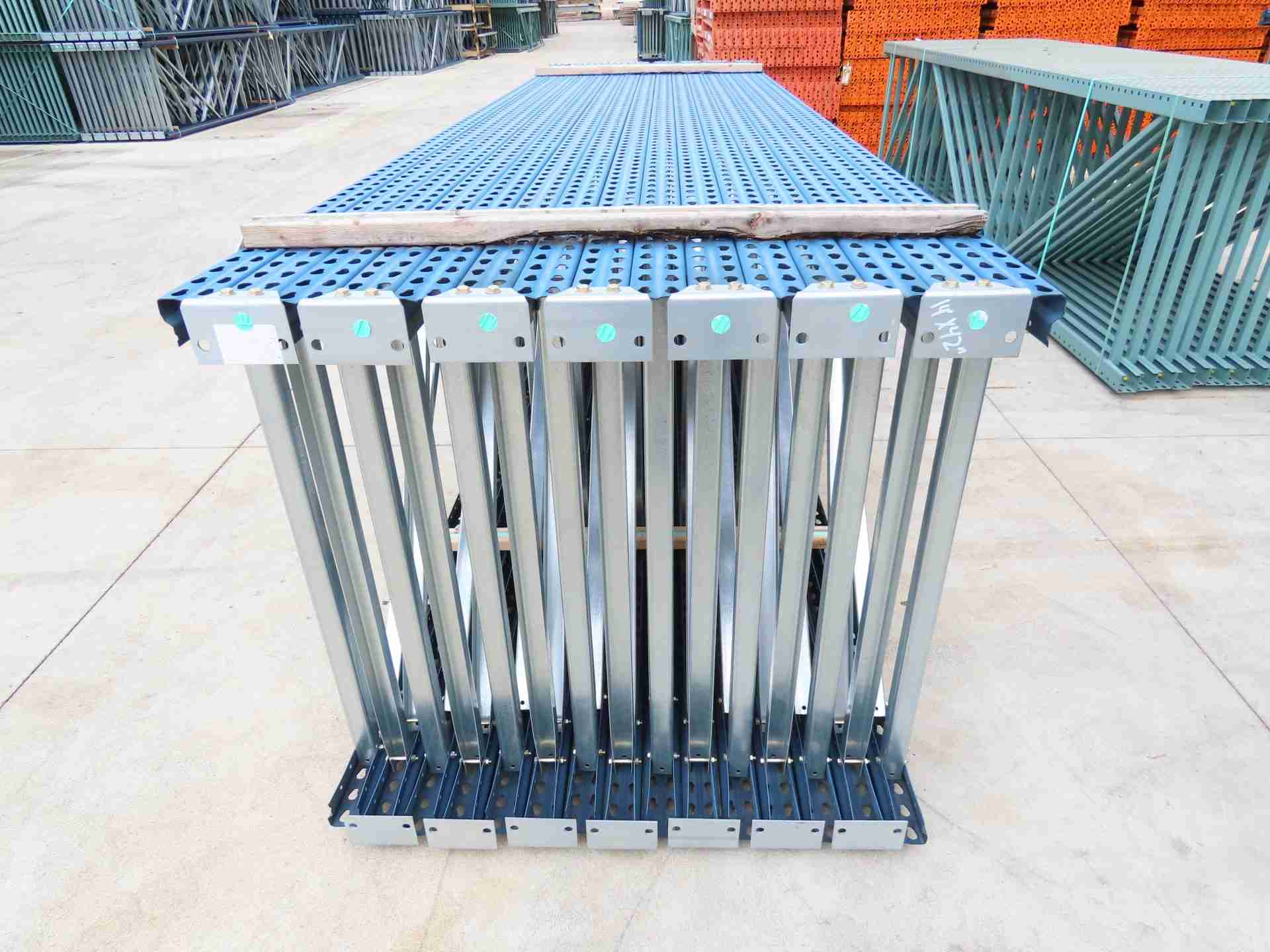
First, consider the ANSI (American National Standards Institute) guidelines for racking systems. Proper installation is paramount. Each pallet racking unit must be level, stable, and anchored to the floor where required. For example, during a recent inspection in a major metropolitan area, several warehouses were cited for improperly installed pallet racking, leading to costly shutdowns and fines. Consistency and precision in installation not only ensure the safety of your staff but also protect your valuable inventory.
Next up is compliance with OSHA (Occupational Safety and Health Administration) standards. Employers must provide a safe working environment, which includes regular training sessions for employees on how to handle materials and operate equipment efficiently. This is vital, especially when heavy loads are involved. As we’ve seen in recent headlines, warehouses that neglect this training face increased incidents, which can lead to high worker’s compensation claims and damaged reputations.
Load capacities are another critical factor in ensuring safety in your pallet racking systems. Overloading racks is a common mistake, yet it’s one that can lead to dangerous collapses. Always refer to the manufacturer’s specifications regarding maximum load limits and never exceed them. A recent trending incident involved a warehouse that suffered a catastrophic collapse due to overloading, affecting both employees and the community at large. Such incidents serve as stark reminders that safety shouldn’t just be an afterthought—it’s an investment in your business’s future.
Regular inspections are also a necessity. Implement a routine check-up schedule for your pallet racking systems to identify issues such as bent frames or compromised supports. This proactive approach is supported by findings from industrial safety organizations, which emphasize that regular inspections can prevent 80% of potential accidents in warehouse environments.
Lastly, promote good warehouse practices by creating an organized environment. Clear tagging of heavy items and ensuring proper accessibility can significantly reduce risks. Use colored tape or signage to highlight load limits directly on the racking system, ensuring continuous awareness among employees.
Adhering to safety standards for warehouse shelving, particularly in pallet racking, is vital. By following ANSI and OSHA guidelines, emphasizing proper installation, maintaining load capacities, conducting regular inspections, and fostering an organized workspace, you’re not only protecting your team but also enhancing your warehouse’s operational efficiency. In today’s competitive landscape, don’t let safety become an afterthought—make it a core value of your business operations.

What Safety Standards Should Be Followed For Warehouse Shelving?
What Safety Standards Should Be Followed For Warehouse Shelving?
- Adhering to safety standards in warehousing, particularly for pallet racking systems, is essential.
- Follow ANSI guidelines for proper installation of pallet racking to ensure stability and safety.
- Compliance with OSHA standards necessitates regular training for employees in material handling and equipment operation.
- Avoid overloading pallet racking systems; always adhere to manufacturer load capacity specifications.
- Conduct regular inspections of racking systems to identify and address potential issues proactively.
- Create an organized workspace with clear tagging and signage to minimize risks and enhance safety awareness.
- Making safety a core value not only protects employees but also improves operational efficiency in warehouses.
What Safety Standards Should Be Followed For Warehouse Shelving?
How Can You Prevent Shelving Collapses In A Warehouse?
In the high-stakes environment of modern warehousing, protecting your assets—both product and personnel—is non-negotiable. Shelving collapses, particularly in pallet racking systems, can be catastrophic. These incidents can lead to significant financial losses, human injury, and disruptions in operations. But fear not; implementing strategic solutions can dramatically minimize these risks.
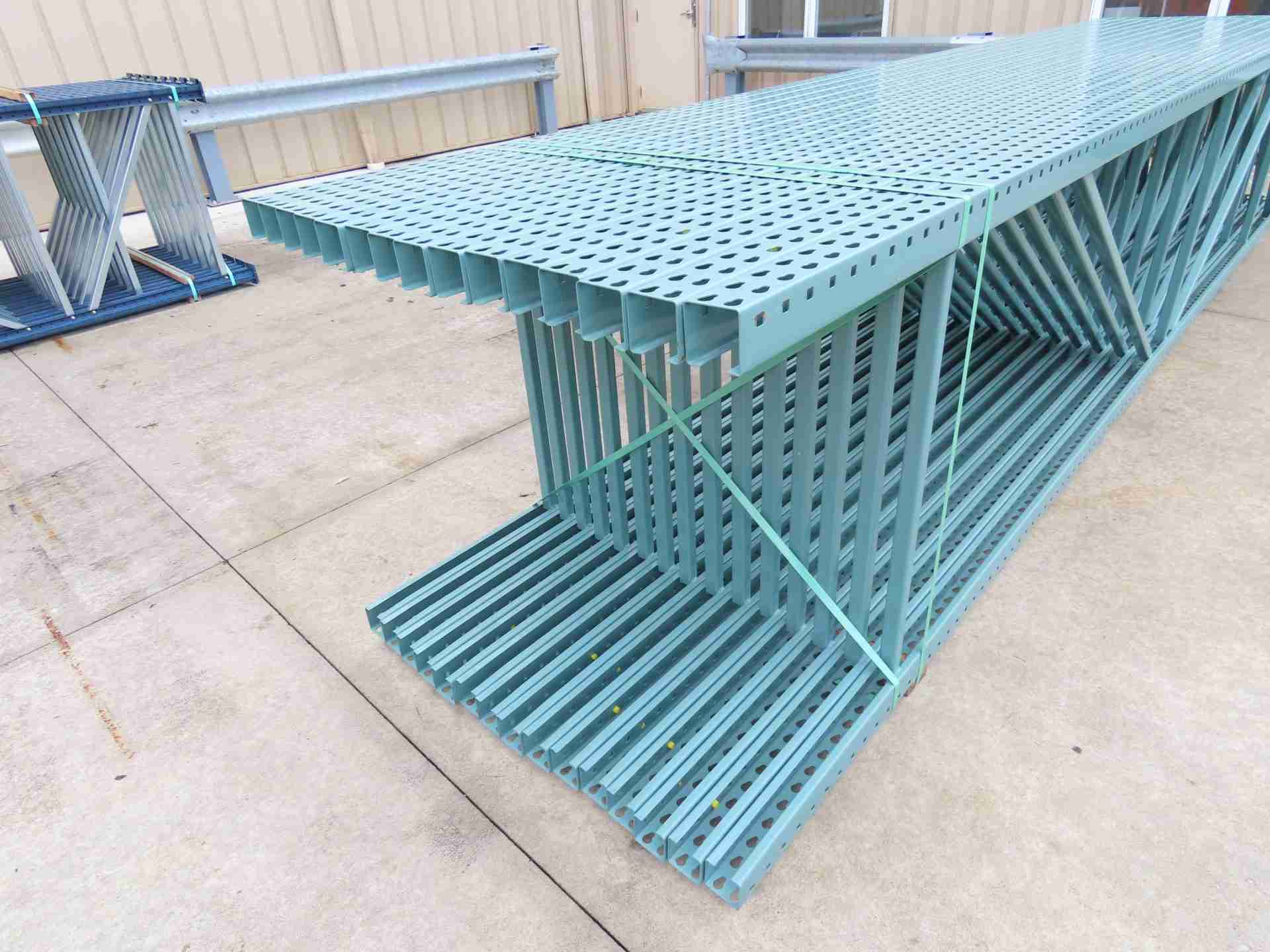
First and foremost, regular inspections of your pallet racking system are essential. Schedule these checks at least quarterly, looking for any signs of wear and tear, such as bent frames or loose bolts. For example, after a massive warehouse collapse in a sector leader last year, it was revealed that lack of routine maintenance was a critical factor in the failure. By staying proactive, you minimize the chances of a catastrophic event triggering safety protocol failures.
Next, ensure your employees are properly trained. Forklift operators and warehouse personnel should be educated on the weight limits of your pallet racking systems. For instance, if a pallet is loaded beyond its capacity—commonly observed in the rush to meet increasing online order demands—you’re not just risking the products; you’re risking lives. Empower your team with the knowledge necessary to make safe loading decisions.
Additionally, consider investing in higher-quality materials and state-of-the-art technology for your racking systems. Upgrading to heavy-duty racking components can improve the structural integrity of your shelving. In today’s fast-paced market, using advanced materials not only enhances safety but improves efficiency, as your team can confidently store and retrieve stock with minimal risk.
Employing load-sensors technology can further boost safety. These sensors can provide real-time data on weight distribution and alert managers to potential overloads before disaster strikes. A recent report from a leading logistics firm underscores how implementing such innovative solutions can lower incidents of collapses by over 40%. Imagine the competitive edge you would gain by minimizing downtime and enhancing your reputation as a safety-first operation!
Lastly, don’t forget about organizational and ergonomic practices. Implement a planogram layout to optimize your storage, ensuring heavier items are stored at lower levels, and lighter items at higher ones. This tactic not only aids in preventing overload but also fosters a more efficient picking process.
Remember, safeguarding your warehouse isn’t just about meeting compliance regulations; it’s about creating a culture of safety and efficiency that attracts both clients and motivated employees. With these strategies, your business can avoid the pitfalls of shelving collapses and set the stage for enduring success.

How Can You Prevent Shelving Collapses In A Warehouse?
How Can You Prevent Shelving Collapses In A Warehouse?
- Protecting assets in modern warehousing is crucial to prevent financial losses and injuries.
- Regular inspections of pallet racking systems are essential; conduct checks at least quarterly to identify wear and tear.
- Proper training for employees, particularly forklift operators, is necessary to ensure safe loading practices within weight limits.
- Invest in high-quality materials and advanced technology to enhance racking systems and improve safety and efficiency.
- Implement load-sensor technology to monitor weight distribution and prevent overloads, potentially reducing collapse incidents by 40%.
- Optimize storage using a planogram layout, placing heavier items lower and lighter items higher to aid safety and efficiency.
- Create a culture of safety and efficiency to attract clients and motivated employees while avoiding shelving collapses.
How Can You Prevent Shelving Collapses In A Warehouse?
Conclusion
In today’s fast-paced warehouse environment, safety isn’t a mere checkbox—it’s the bedrock of efficient operations and employee well-being. As outlined throughout our guide, mastering effective shelving techniques, especially through systems like Pallet Racking, is instrumental in cultivating a safe workspace that enhances productivity.
The imperative of understanding load capacity stands front and center. Knowing the weight limits of your shelving not only prevents dire accidents—like the recent collapse in California—but significantly reduces liability, ultimately safeguarding your bottom line. Regular inspections are vital; they’re not just good practice but an imperative shared by OSHA guidelines. With nearly 25% of warehouse accidents resulting from improperly maintained systems, a proactive approach toward maintenance could mean the difference between operational success and catastrophic failure.
Equally crucial is the role of employee training. Comprehensive workshops bolster your team’s awareness and adherence to safety protocols—transforming them into vigilant guardians of warehouse safety. Imagine empowering your workers with the knowledge and instincts to engage in safe practices and avoid missteps that could endanger themselves or their colleagues. Engaging training sessions, especially gamified ones, can marry safety and morale, fostering a culture where safety is prioritized and celebrated.
And let’s not forget the elegance of a well-structured labeling system. Utilizing color-coded labels for varying product weights doesn’t just help guide your teams but amplifies their efficiency, enabling quicker decisions and reducing the chances of disastrous load errors.
However, the work doesn’t end there. Your operational philosophy should consistently evolve! It’s not just about having a warehouse—it’s about having a safe, thriving ecosystem that nurtures productivity and growth. Whether it’s advancing to higher-quality shelving materials or embracing technology like load sensors for real-time monitoring, each step you take demonstrates a commitment to not only compliance but to the proactive adoption of best practices.
Now is the time to act. Warehouse safety is a continuous journey—one that requires vigilance and commitment. Don’t let your operations stumble into negligence or catastrophe. Take the first crucial step towards optimizing your warehouse safety by reaching out to the experts at Arrow Industrial Sales.
Call us at (574) 349-6575 today! Discover how we can help transform your warehouse into a fortress of safety and efficiency. The stakes are high, and now is the moment to invest in your success while protecting your workforce. Seize the opportunity—make the safety of your products and people your utmost priority. Remember, an ounce of prevention is worth a pound of cure!

Conclusion
Conclusion:
- Safety is essential for efficient warehouse operations and employee well-being.
- Understanding load capacity is critical to prevent accidents and reduce liability.
- Regular inspections, as emphasized by OSHA guidelines, are vital to avoid maintenance-related accidents.
- Employee training, including engaging workshops, helps promote adherence to safety protocols.
- A color-coded labeling system enhances efficiency and minimizes load errors.
- Continuous improvement in safety practices, materials, and technology is crucial for maintaining a safe environment.
- Proactive investment in warehouse safety is necessary to protect both products and workforce well-being.
Conclusion
Other Resources

Other Resources
Here is a list of other resources you can review online to learn more:
- Selective Pallet Racking Systems – Container Systems
- Teardrop Pallet Rack – Ridg-U-Rak
- Material Handling Safety
- Chicago Pallet Racking
- Pallet Racking systems in Illinois, Great Lakes
- Mustang Material Handling
- Heavy-Duty Cantilever Storage Racks
- Cantilever Racks Chicago
- BMH
- Intro to Warehouse Racks & Warehouse Racking Systems – ShipBob
Use This Prompt To Get More Resources With Your Favorite Online AI Tool: Please provide me with a list of online articles with their URLs in a bulleted list that I can read regarding How Can You Ensure Warehouse Safety with Proper Shelving Techniques?

Other Resources
Glossary Terms
How Can You Ensure Warehouse Safety with Proper Shelving Techniques? – Glossary Of Terms
1. Aisle Space: The area between shelving units that allows for safe movement of personnel and material handling equipment.
2. Back bracing: A structural support system added to shelving to enhance stability and prevent tilting or collapse.
3. Capacity: The maximum weight or volume a shelving unit can safely hold without risk of failure.
4. Clearance: The vertical space between the top of the stored goods and the overhead shelving, promoting safe access and preventing interference with sprinkler systems.
5. Cross-aisle access: Pathways that connect different aisles, allowing for quick evacuation and easy access to goods in emergencies.
6. Forklift: A powered industrial truck used to lift and transport heavy loads, essential for managing materials in warehouse settings.
7. Load Distribution: The method of arranging items on shelves to ensure stability and prevent tipping or overloading.
8. Load Limit Signage: Labels or signs indicating the maximum weight that shelves can safely carry, promoting safe storage practices.
9. Pallet Racking: A storage system that uses pallets, allowing goods to be stored vertically and accessed by forklifts.
10. Safety Guards: Protective barriers installed on shelving units to prevent items from falling off and injuring personnel.
11. Shelving System: An organized framework designed to hold and display items in a warehouse, which can include various configurations of shelves and racks.
12. Shelf Life: The length of time a stored item remains suitable for use, influencing how products should be shelved and rotated.
13. Structural Integrity: The strength of shelving or racking systems, ensuring they can bear the weight they support without collapsing.
14. Vertical Space Utilization: The efficient use of height in a warehouse to maximize storage capacity and access.
15. Weight Distribution: The practice of evenly distributing weight across shelving units to reduce the risk of overload and failure.
16. Warehouse Layout: The design of the warehouse space, including shelving placement, which affects flow, safety, and efficiency.
17. Inspection Protocol: A set of procedures for regularly examining shelving and storage systems to identify any potential hazards.
18. Tilted Shelves: An unsafe condition in which shelving is not level, increasing the risk of goods falling and causing injury.
19. Spill Containment: Strategies and tools used to prevent the spread of hazardous materials that may leak from stored products.
20. Emergency Exits: Clearly marked routes for evacuation in the event of a fire or emergency, which must not be obstructed by shelving.
21. Ergonomics: The study of how workers can perform tasks safely and comfortably, influencing shelving height and layout for easy access.
22. Secured Storage: Methods of fastening or locking items in place to prevent movement and ensure safety.
23. Inventory Rotation: The practice of cycling older stock to the front of shelves to minimize spoilage or obsolescence.
24. Labeling Systems: Organized methods for tagging stored items, facilitating quick identification and retrieval while promoting safety.
25. Shelf Adjustment: The ability to modify the height or configuration of shelving to accommodate various item sizes and weights.
26. Environment Control: Techniques for maintaining optimal temperature, humidity, and ventilation in the warehouse to protect stored goods.
27. Training Programs: Educational courses designed to inform staff about safe shelving practices and proper handling procedures.
28. Load-Bearing Capacity: The specific weight limit that a shelf can support while maintaining its structural integrity.
29. Personal Protective Equipment (PPE): Clothing and gear designed to protect warehouse workers from potential hazards while handling goods.
30. Fire Code Compliance: Adherence to local regulations regarding storage methods that ensure safety from fire hazards, including appropriate shelving heights and materials.
Glossary Of Terms
Other Questions
How Can You Ensure Warehouse Safety with Proper Shelving Techniques? – Other Questions
If you wish to explore and discover more, consider looking for answers to these questions:
- What are the most common causes of accidents related to warehouse shelving?
- How often should warehouse shelving be inspected for safety?
- What specific training should be provided to employees regarding shelving safety?
- How can I maintain proper weight distribution on my shelving systems?
- What resources are available for learning more about OSHA and ANSI standards?
- How can technology improve warehouse safety related to shelving?
- What alternative shelving systems are available besides pallet racking?
- How can warehouse layout impact the safety of shelving systems?
- What are the best practices for labeling and marking on shelving units?
- How does shelving height influence the risk of workplace accidents?
Other Questions
Checklist
How Can You Ensure Warehouse Safety with Proper Shelving Techniques? – A Checklist
Safety Standards Compliance
_____ Ensure compliance with ANSI guidelines for racking systems.
_____ Confirm that all racking units are level, stable, and properly anchored.
_____ Adhere to OSHA standards regarding employee training and safety.
Load Capacity Management
_____ Understand and respect the load capacity of your shelving systems, particularly pallet racking.
_____ Regularly check and document the weight limits for all shelves.
_____ Ensure that no pallets are overloaded beyond their specified weight limit.
Inspection Protocol
_____ Schedule regular inspections of shelving and pallet racking systems (recommended annually, quarterly for high traffic areas).
_____ Look for signs of wear and tear, such as bent frames, rust, or loose bolts.
_____ Address any identified issues promptly to prevent accidents.
Employee Training
_____ Conduct comprehensive training for all warehouse employees on safe handling and shelving practices.
_____ Implement regular training sessions, including hands-on practice and workshops.
_____ Share best practices for loading techniques and the proper use of equipment.
Shelving and Weight Distribution
_____ Use high-quality, durable shelving systems that comply with industry regulations.
_____ Choose appropriate shelving types based on the weight and type of products being stored:
_____ Pallet racking for heavy loads.
_____ Boltless shelving for lighter items.
_____ Multi-tier shelving for space optimization.
_____ Heavy-duty steel shelving for industrial applications.
_____ Consider ergonomic practices in shelving layout (e. g. , heavier items at lower levels).
Organizational Practices
_____ Implement a clear labeling system for products and weight limits (e. g. , color-coded labels).
_____ Ensure heavy items are stored securely and at accessible heights.
_____ Foster a clean and organized workspace to minimize hazards.
Proactive Measures
_____ Monitor and adjust shelving layouts based on inventory changes and seasonal demands.
_____ Consider investing in load-sensor technology for real-time weight monitoring.
_____ Encourage employee feedback regarding safety and shelving height concerns.
Emergency Preparedness
_____ Establish emergency protocols in case of accidents involving shelving collapse.
_____ Provide first aid training to employees and ensure easy access to first aid kits.
_____ Reinforce a culture of safety where employees feel empowered to report risks.
By following this checklist, you can ensure that your warehouse shelving techniques prioritize safety, compliance, and operational efficiency. Implement these practices to create a safer work environment for your team.

Checklist
At RackingWorld, we help guide you through selecting warehouse storage systems and racking.
Be sure to read our other related stories at RackingWorld to learn more about warehouse storage systems.
0 Comments