
Tailoring Warehouse Shelving For Unique Requirements
By Tom Seest
At RackingWorld, we help guide you through selecting warehouse storage systems and racking.
Be sure to read our other related stories at RackingWorld to learn more about warehouse storage systems.
How Can You Customize Your Warehouse Shelving for Specific Needs?
In a world where efficiency is paramount, customizing warehouse shelving can be the secret sauce that transforms your operations from mediocre to magnificent. When you think of warehouse shelving, often the mind jumps to generic solutions, but let’s pivot that mindset. Think bespoke, tailor-made for your business.
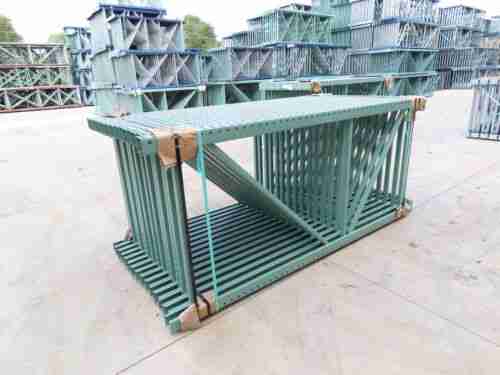
Start with Pallet Racking. This isn’t just about stacking goods; it’s about maximizing vertical space while keeping accessibility front and center. If you’re in the cold storage or pharmaceutical sector, think about refrigerated pallet racking systems that allow you to store items at required temperatures without compromising access. This isn’t just a trend; it’s a necessity in today’s market where the demand for safe, efficient storage is skyrocketing due to the growth of e-commerce and the supply chain disruptions seen in recent years.
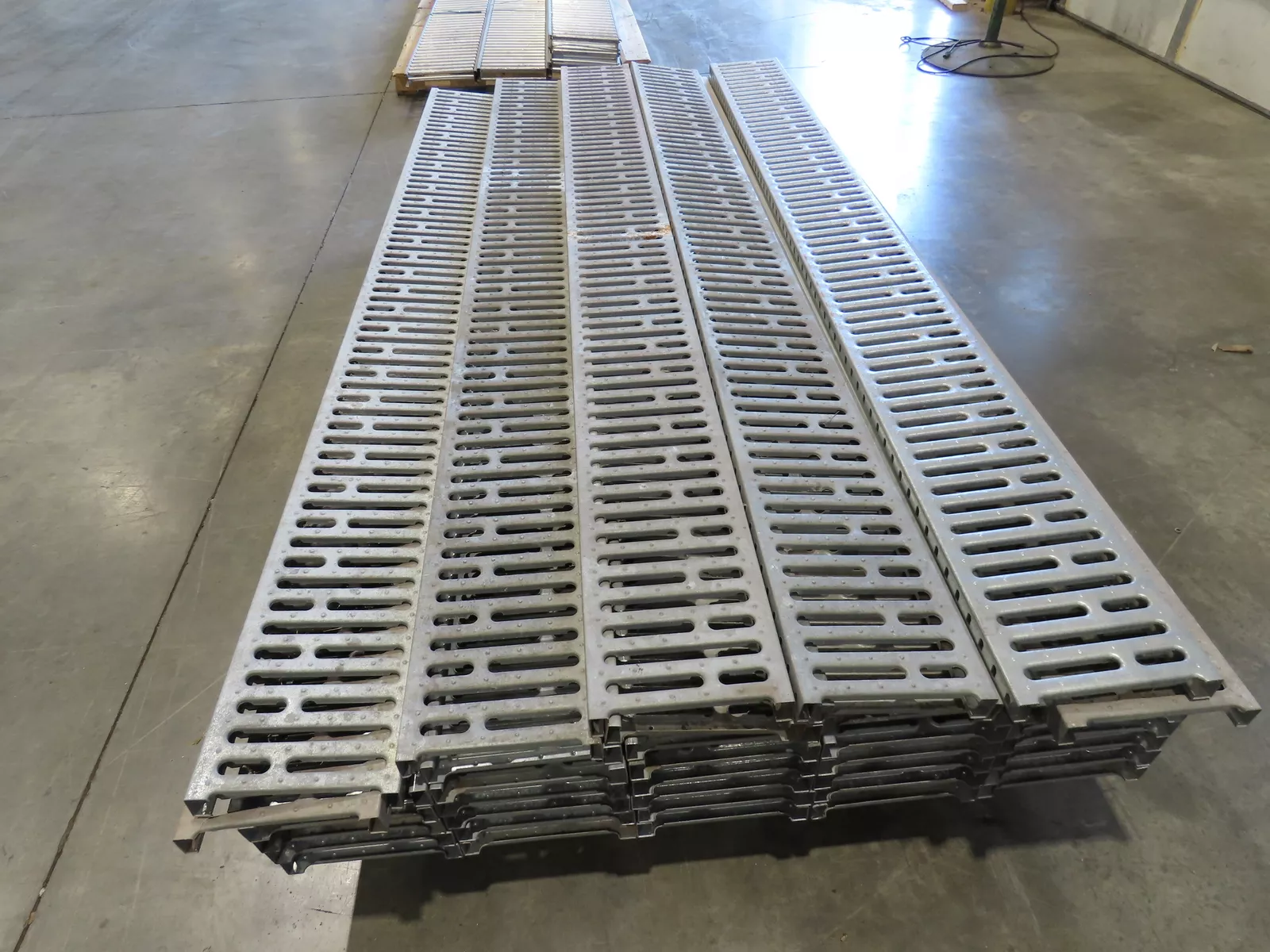
Next, consider adjustable shelving. Why limit yourself to a one-size-fits-all model? Investing in adjustable shelving means you can account for fluctuating inventory levels. For instance, during peak seasons, like holiday sales or back-to-school shopping, having shelves that can easily be raised or lowered to accommodate various product sizes can make all the difference. That’s right—size matters!
Another customization avenue is incorporating modular shelving units. These flexible systems allow you to adapt your layout as your business grows or shifts. Imagine a tech startup needing to store various types of equipment or inventory. Modular units can be rearranged swiftly to accommodate new products, adapting seamlessly to the requirements of an ever-evolving marketplace.
Moreover, integrating technology can take your warehouse shelving to the next level. Equipped with RFID tags or smart sensors, your shelving can track inventory in real-time, alerting you when stock is low or when items need to be restocked. The rise in smart technology adoption, especially post-pandemic, makes this investment not just wise but necessary.
Finally, don’t forget about safety. Customizing your shelving to include safety features, like pallet stops or weight indicators, can prevent accidents and ensure compliance with safety regulations. In an age when workplace safety is under constant scrutiny, demonstrating your commitment to safety can enhance your company’s reputation and reduce liability risks.
In summary, customizing your warehouse shelving is not just a tactical choice; it’s strategic. With options ranging from Pallet Racking solutions to modular and tech-driven enhancements, you can optimize your warehouse for peak performance and profitability. Don’t settle for sameness. Differentiate yourself, elevate your operations, and embrace customization—your bottom line will thank you!
How Can You Customize Your Warehouse Shelving for Specific Needs?
How Can You Customize Your Warehouse Shelving for Specific Needs?
- Customizing warehouse shelving can dramatically improve operational efficiency.
- Pallet racking maximizes vertical space while ensuring accessibility, crucial for sectors like cold storage and pharmaceuticals.
- Adjustable shelving allows for flexibility in accommodating fluctuating inventory levels during peak seasons.
- Modular shelving units offer adaptability for growing and shifting business needs.
- Integrating technology, such as RFID tags and smart sensors, enables real-time inventory tracking and management.
- Incorporating safety features into shelving can prevent accidents and enhance compliance with regulations.
- Customizing shelving is a strategic choice that optimizes warehouse performance and profitability.
How Can You Customize Your Warehouse Shelving for Specific Needs?
Table Of Contents
- How Can You Customize Your Warehouse Shelving for Specific Needs?
- What Are The Benefits Of Customizing Warehouse Shelving?
- How Do I Assess My Shelving Needs?
- What Types Of Shelving Are Available For Customization?
- How Can I Measure My Warehouse Space Effectively?
- What Factors Should I Consider When Designing Shelving Layouts?
- How Can I Incorporate Adjustable Shelving In My Warehouse?
- Conclusion
- Other Resources
- Glossary Of Terms
- Other Questions
- Checklist
What Are The Benefits Of Customizing Warehouse Shelving?
In today’s fast-paced and demanding retail environment, businesses must maximize efficiency to stay competitive. This is where customizing warehouse shelving comes into play, transforming simple storage solutions into pivotal assets that can streamline operations and enhance productivity. Let’s explore the tangible benefits that come with tailored warehouse shelving and how they can revolutionize your operations.
First and foremost, customizing warehouse shelving—like pallet racking systems—allows you to optimize space utilization. Every square foot of your warehouse is valuable real estate. Standard shelves may leave wasted space or fail to accommodate the specific dimensions of your goods, but custom solutions are designed to fit your exact needs. Recently, companies like Amazon have invested heavily in bespoke shelving solutions to store their vast array of products effectively. By analyzing their stock patterns and adjusting their storage capacity, they’ve managed to reduce picking and retrieval times drastically, showcasing the power of customized approaches.
Moreover, custom shelving can lead to improved inventory management. With tailored pallet racking, you can design systems that allow for better visibility and access to your most frequently picked items. This not only speeds up operations but also minimizes the chance of stock discrepancies—something that has become increasingly crucial in our current climate where supply chain disruptions are common. For instance, during the COVID-19 pandemic, companies that adapted their shelving to meet changing inventory demands were able to pivot more readily, ensuring they remained fully stocked on essential items while others faltered.
Additionally, personalized shelving solutions can enhance employee safety. By customizing warehouse shelving, you can ensure that the weight limits and structural integrity are aligned with your specific inventory, reducing the risk of accidents. In industries where compliance with safety standards is paramount, tailored solutions ensure that you meet and exceed regulations—a notable advantage in mitigating potential liabilities.
Finally, custom warehouse shelving can foster scalability. As your business grows, so should your storage capabilities. Opting for racking systems that can be easily adjusted or expanded means you won’t have to start from scratch every time your inventory changes or your business expands. This adaptability is crucial, especially in dynamic markets where agility can make or break your success.
The benefits of customizing warehouse shelving are manifold. Enhanced space utilization, improved inventory management, increased safety, and scalability are just the tip of the iceberg. In a rapidly evolving market, investing in customized shelving solutions isn’t just smart—it’s essential for sustaining your competitive advantage.
What Are The Benefits Of Customizing Warehouse Shelving?
What Are The Benefits Of Customizing Warehouse Shelving?
- Customizing warehouse shelving is crucial for maximizing efficiency in retail operations.
- It optimizes space utilization by fitting specific dimensions and reducing wasted space.
- Companies like Amazon have leveraged bespoke shelving to improve storage and reduce retrieval times.
- Improved inventory management is possible with tailored shelving, enhancing visibility and reducing stock discrepancies.
- Custom shelving enhances employee safety by aligning weight limits and structural integrity with inventory needs.
- It offers scalability, allowing businesses to easily adjust or expand storage capabilities as they grow.
- Investing in custom shelving solutions is essential for sustaining competitive advantage in a dynamic market.

What Are The Benefits Of Customizing Warehouse Shelving?
How Do I Assess My Shelving Needs?
When it comes to optimizing storage and organization, your shelving needs are just as critical as your inventory itself. In a world where time is money and efficiency is king, properly assessing your shelving requirements can give your business the edge it desperately needs. Start by evaluating your inventory—do you have different sizes and weights? Are you dealing with bulk items that require the robust solution of pallet racking? Understanding the nature of your products is the first step in determining how to best utilize your space.
Consider a beverage distributor that recently found themselves overwhelmed with the surge in demand for non-alcoholic beverages—think of the latest trends highlighting health and wellness. They realized their regular shelving just wasn’t cutting it anymore; they needed a more sophisticated system. Transitioning to pallet racking allowed them to maximize vertical space, enabling them to store a greater volume of products without sacrificing accessibility. By taking stock of your product types, you can tailor your shelving solutions to your specific needs.
Next, contemplate the flow of your inventory. Are you frequently moving products in and out? A high-traffic area demands a shelving system that enhances visibility and accessibility. Compact shelving or adjustable racks are excellent choices here. They can easily adapt to changing inventory needs, thanks to their flexibility and scalability. Picture a retail store that pivots to accommodate new online sales or seasonal products; their ability to adjust shelving can significantly impact profitability.
Don’t overlook the importance of layout. How will your shelving interact with other operational spaces, like picking or packing areas? A recent report from an industry expo highlighted that businesses with well-planned shelving layouts increase efficiency by as much as 30%. This makes the case for evaluating how shelving interacts with other business functions—ensuring everyone from the warehouse floor staff to the delivery drivers knows how to navigate the space efficiently.
Lastly, keep in mind the critical aspect of safety. As your shelving needs evolve, so too should your commitment to creating a safe workplace. Compliance with regulations can save you from costly accidents or fines. A well-structured shelving system is not just about space but also ensuring products are stored securely and handled safely.
In summary, assessing your shelving needs is not just a tactical business move; it’s a strategic play for future growth and efficiency. By understanding your inventory, improving layout, and prioritizing safety, you’ll build a strong foundation for your operations—whether it’s with the tried-and-true pallet racking system or a more customized solution. Take a good hard look at your shelving, because success may just be sitting on the shelf waiting for you to grab it!
How Do I Assess My Shelving Needs?
How Do I Assess My Shelving Needs?
- Assess shelving needs as critical as inventory management for business efficiency.
- Understand product types, sizes, and weights to optimize storage solutions.
- Consider pallet racking for bulk items to maximize vertical space and accessibility.
- Choose flexible shelving options like compact or adjustable racks for high-traffic areas.
- Plan shelving layout to enhance interaction with operational spaces, improving overall efficiency.
- Prioritize safety and compliance to prevent accidents and costly fines related to shelving systems.
- Strategically evaluate shelving for future growth and operational strength.
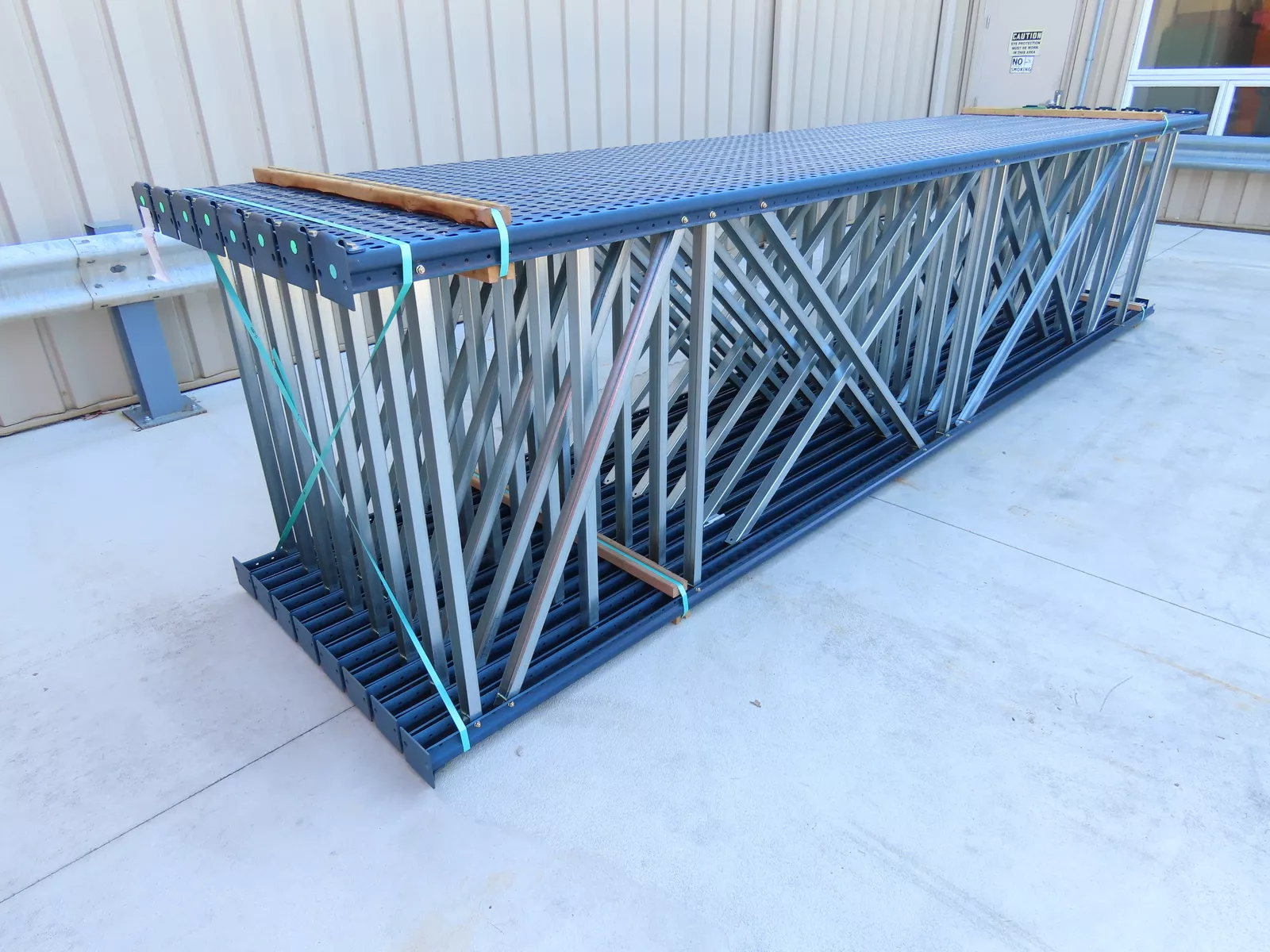
How Do I Assess My Shelving Needs?
What Types Of Shelving Are Available For Customization?
When it comes to shelving solutions, businesses today are incredibly fortunate. The market is brimming with customizable options that cater to various needs and industries. Whether you’re a bustling warehouse, a trendy retail shop, or a cozy library, the right shelving can not only enhance functionality but also turn heads. Let’s explore some of the most impactful shelving types that can be customized to meet your specific requirements.
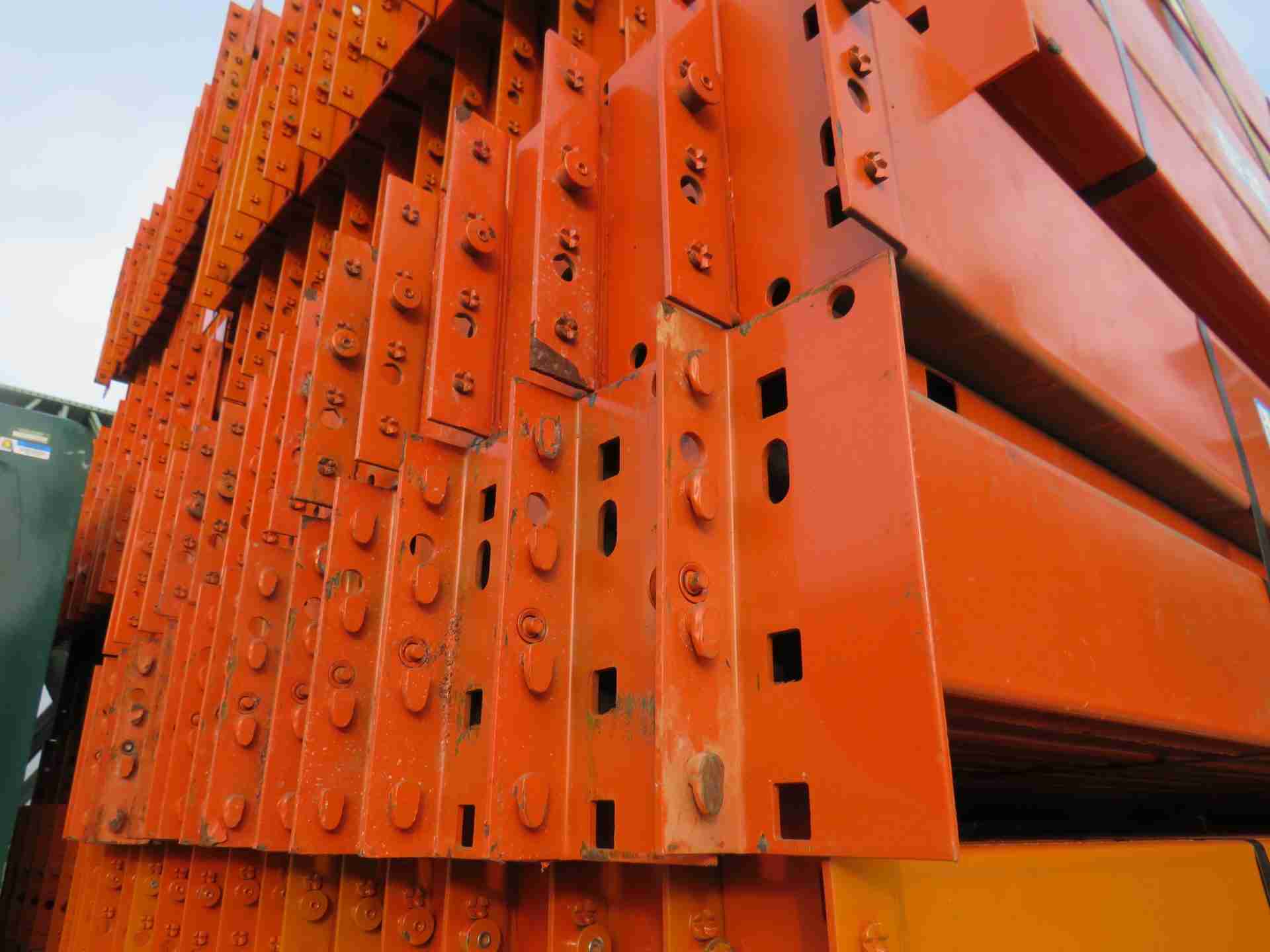
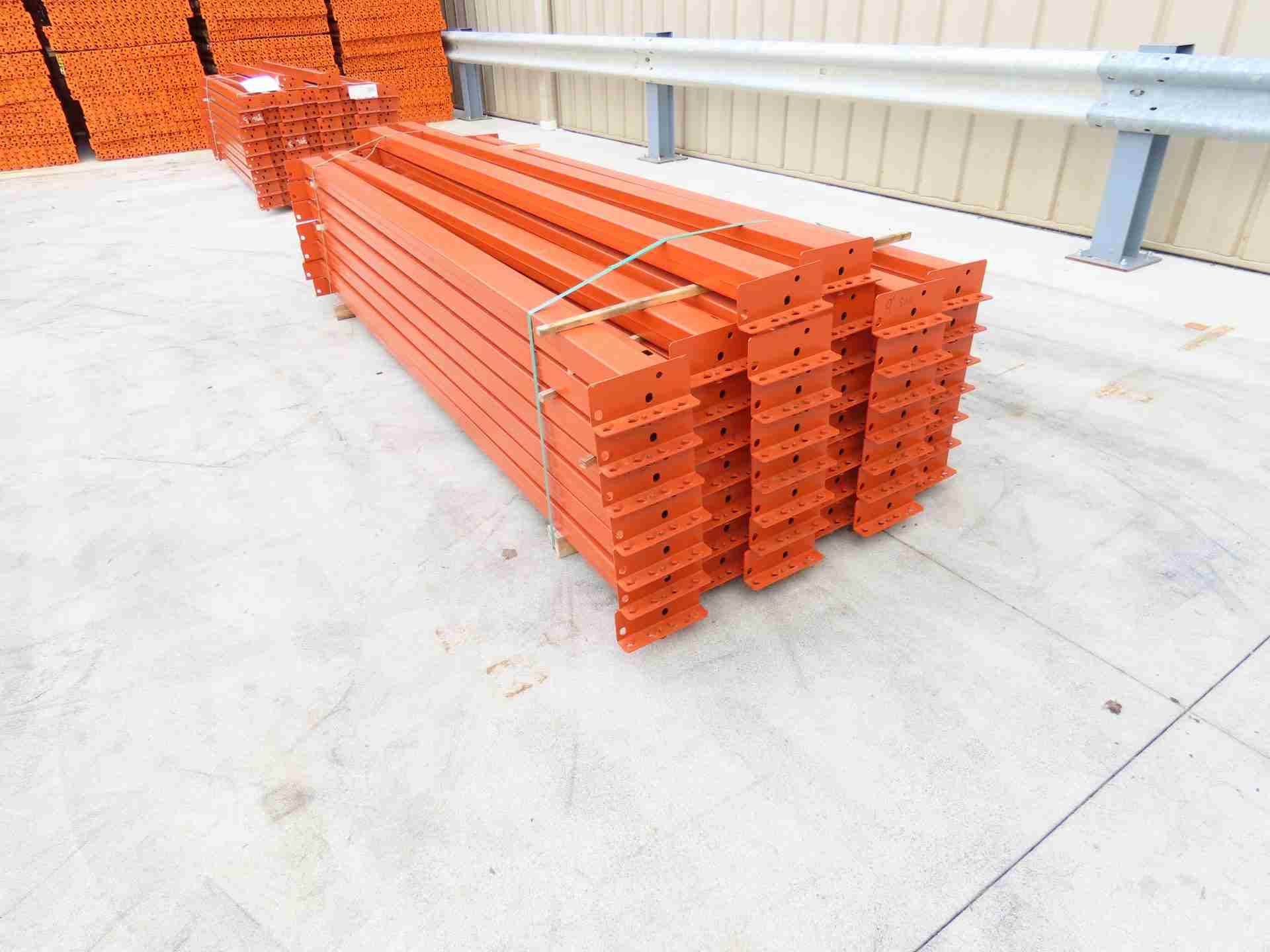
1. Pallet Racking: For those in the warehousing and distribution sectors, pallet racking is a game-changer. This robust solution allows businesses to maximize vertical space and streamline inventory management. Customizing pallet racking can involve adjusting its height to accommodate larger products or incorporating specialized shelving to handle unique item sizes. Recently, many companies have shifted to automation in their warehouses, making agile solutions like adjustable pallet racking more pivotal than ever. With the right configuration, you could increase storage efficiency by up to 30%, giving you a tangible edge over competitors.
2. Modular Shelving: This flexible shelving system adapts effortlessly to your space and needs. Retail environments, in particular, thrive on modular shelving, which can be tailored to fit products of varying sizes and shapes. Popular among boutique shops, modular shelving can be adjusted, expanded, or reconfigured as your merchandising needs evolve. Imagine a boutique transforming its entire layout for seasonal changes—modular shelving makes it possible!
3. Wall-Mounted Shelving: Maximize your space without sacrificing style. Wall-mounted shelves can turn any blank wall into a functional display area. Retailers and home decor businesses often customize these shelves with different materials and finishes to ensure they match the aesthetic of their space. By selecting colors and styles that resonate with current design trends, you can create an inviting atmosphere that calls customers in.
4. Industrial Shelving: As the push for sustainability grows stronger, businesses are now turning to industrial shelving made from recycled materials. These shelves not only provide rugged durability but also demonstrate your commitment to environmental stewardship, appealing to the eco-conscious consumer. Customizations can include specific load capacities and treatments that enhance performance.
5. Specialty Shelving: From museum display cases to library custom racks, specialty shelving caters to unique storage requirements. This kind of shelving allows organizations to showcase their products elegantly while maintaining functionality. Most importantly, it can be crafted in shapes and styles to accentuate your brand or message.
In today’s competitive landscape, the right shelving is not just about storage; it’s a strategic investment. The flexibility and customization options available mean you can find the perfect shelving solution to skyrocket your business potential. Isn’t it time you elevated your storage?
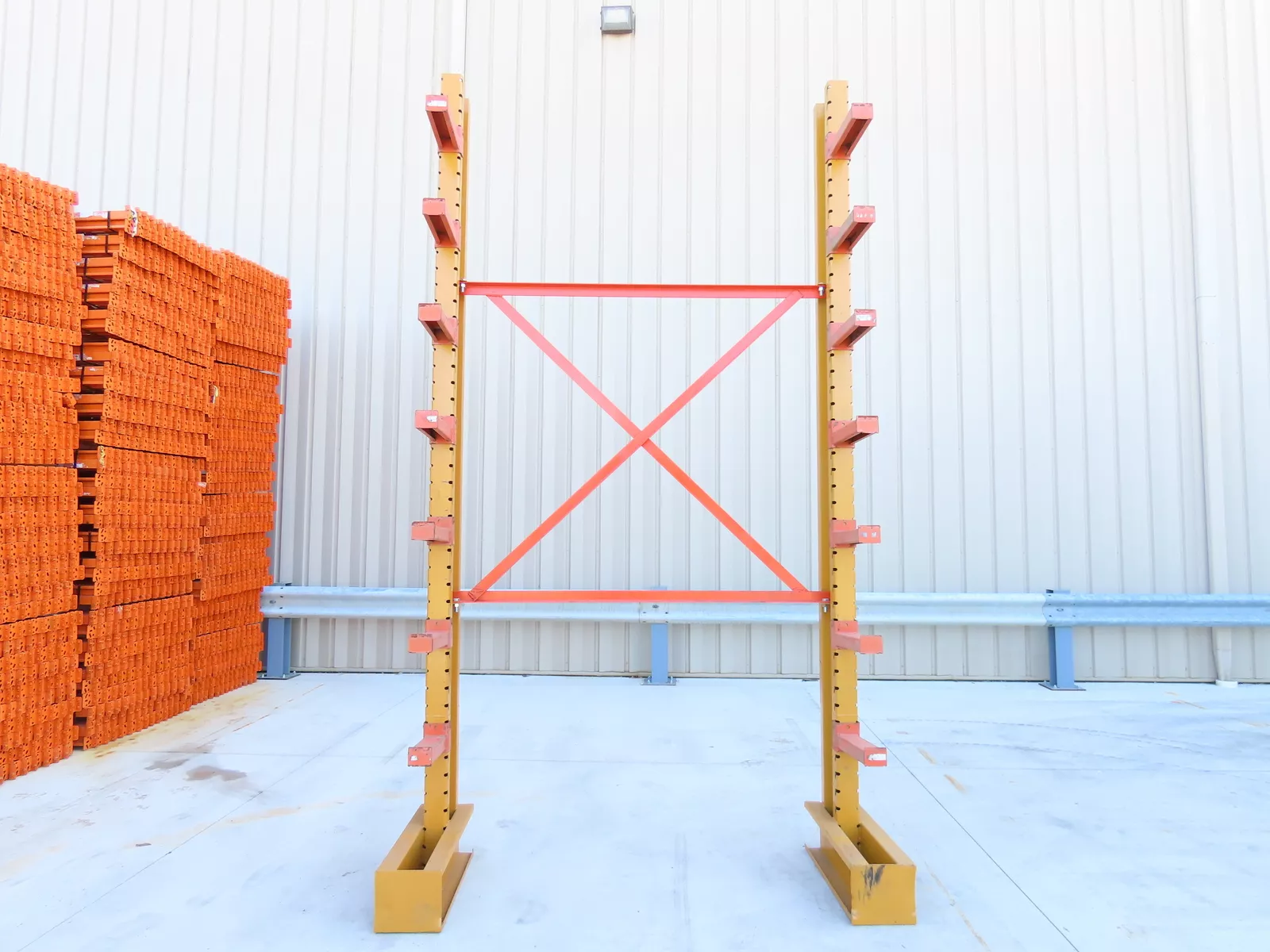
What Types Of Shelving Are Available For Customization?
What Types Of Shelving Are Available For Customization?
- The shelving market offers a variety of customizable solutions for different industries.
- Pallet racking maximizes vertical space and streamlines inventory management, with customization for height and item sizes.
- Modular shelving adapts to changing retail needs, allowing for easy reconfiguration and expansion.
- Wall-mounted shelving transforms empty walls into stylish display areas, enhancing aesthetics and functionality.
- Industrial shelving made from recycled materials supports sustainability while providing durability and performance.
- Specialty shelving addresses unique storage needs, allowing for elegant showcases and brand reinforcement.
- Overall, customizable shelving is a strategic investment that can significantly boost business potential.
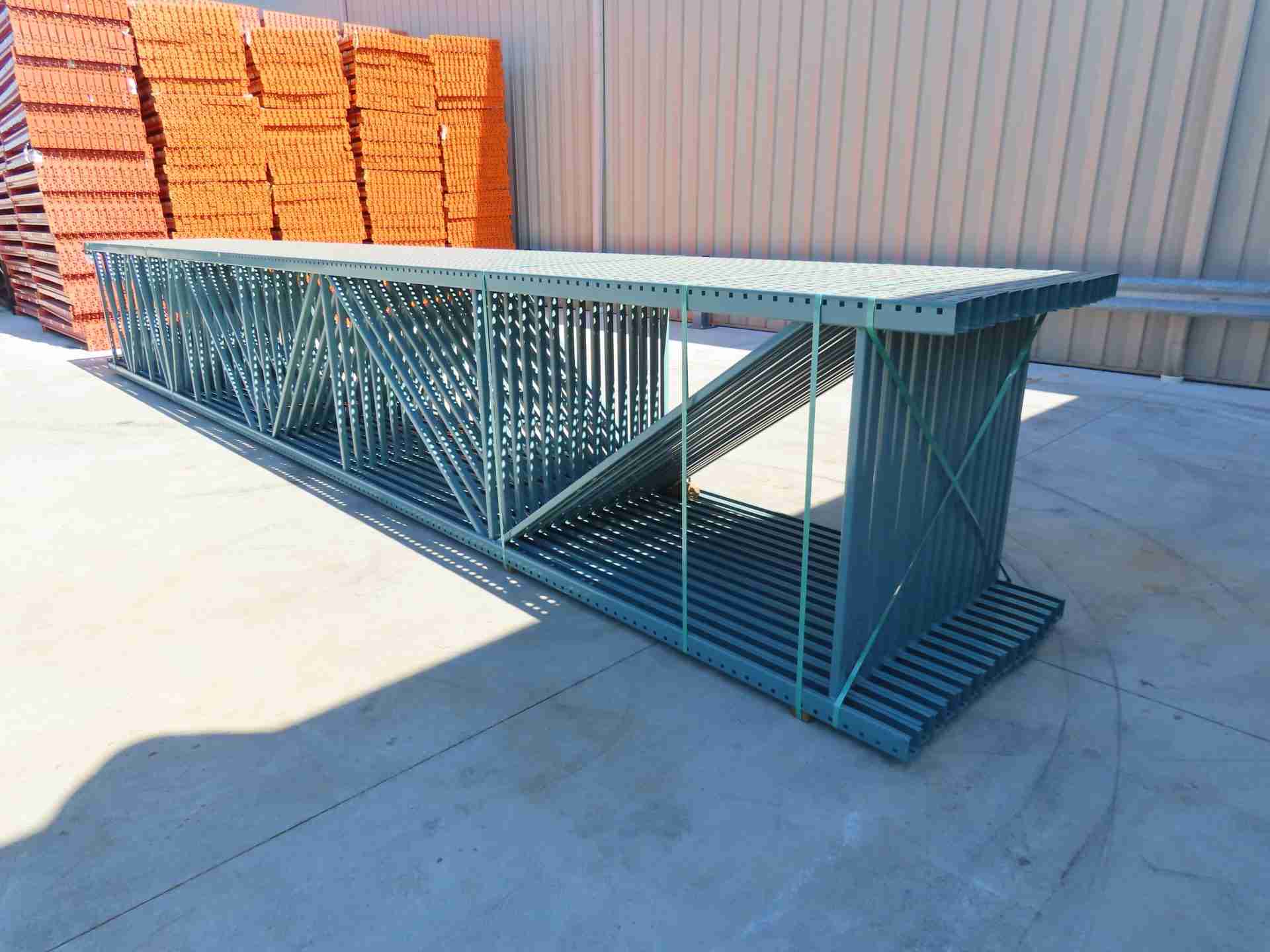
What Types Of Shelving Are Available For Customization?
How Can I Measure My Warehouse Space Effectively?
When it comes to optimizing your warehouse space, measuring effectively is more crucial than ever. It’s not just about numbers; it’s about understanding how you can enhance productivity, reduce costs, and maximize output. With the global supply chain disruptions we’ve experienced over the last couple of years, businesses are redefining their storage strategies to adapt to a constantly changing market landscape. One powerful tool in this endeavor is Pallet Racking.
First, you need to start with a comprehensive inventory of your current space. Measure the total square footage of your warehouse and account for occupied areas versus open space. This gives you a baseline. Next, analyze your workflow—are there bottlenecks? Is there wasted space that could be utilized more efficiently? Identifying these areas can transform your warehouse from merely functional to strategically optimized.
Now, let’s talk specific measurements. When you employ Pallet Racking, you’re not just adding tools to store products; you’re changing how you perceive space. Measure the vertical height of your shelving—this can significantly increase your storage capacity. A well-designed pallet racking system allows you to stack goods higher and generate more storage within the same footprint. For instance, a warehouse that previously used standard shelving units can shift to multi-tier pallet racking, resulting in a potential 30% increase in usable space.
Here’s a practical example. Consider a mid-sized retail company that faced massive shipping delays during holiday seasons. By integrating a new pallet racking system, they could reposition their inventory layout, slashing their pick time by 40%. They realized that by factoring in the height and not just the floor space, they could operate more efficiently, meet customer demands, and improve retention rates, especially vital given the increased competition in online markets.
When measuring your warehouse space, you should also review accessibility. Not only do you need to account for the storage capacity of your Pallet Racking, but you should also ensure that it doesn’t compromise the efficiency of movement within the warehouse. Design a flow that promotes easy access to high-demand products.
With the current surge in e-commerce demand, now’s the time to reassess and rethink your warehouse configuration. Utilize technology—warehouse management systems that track inventory and spaces can provide real-time data, making measurements more dynamic and responsive to changing needs.
Effective measurement of your warehouse space isn’t just a number; it’s a strategic approach that, when implemented correctly, propels your business forward. Use Pallet Racking wisely, harness your space, and watch your operational efficiency skyrocket.
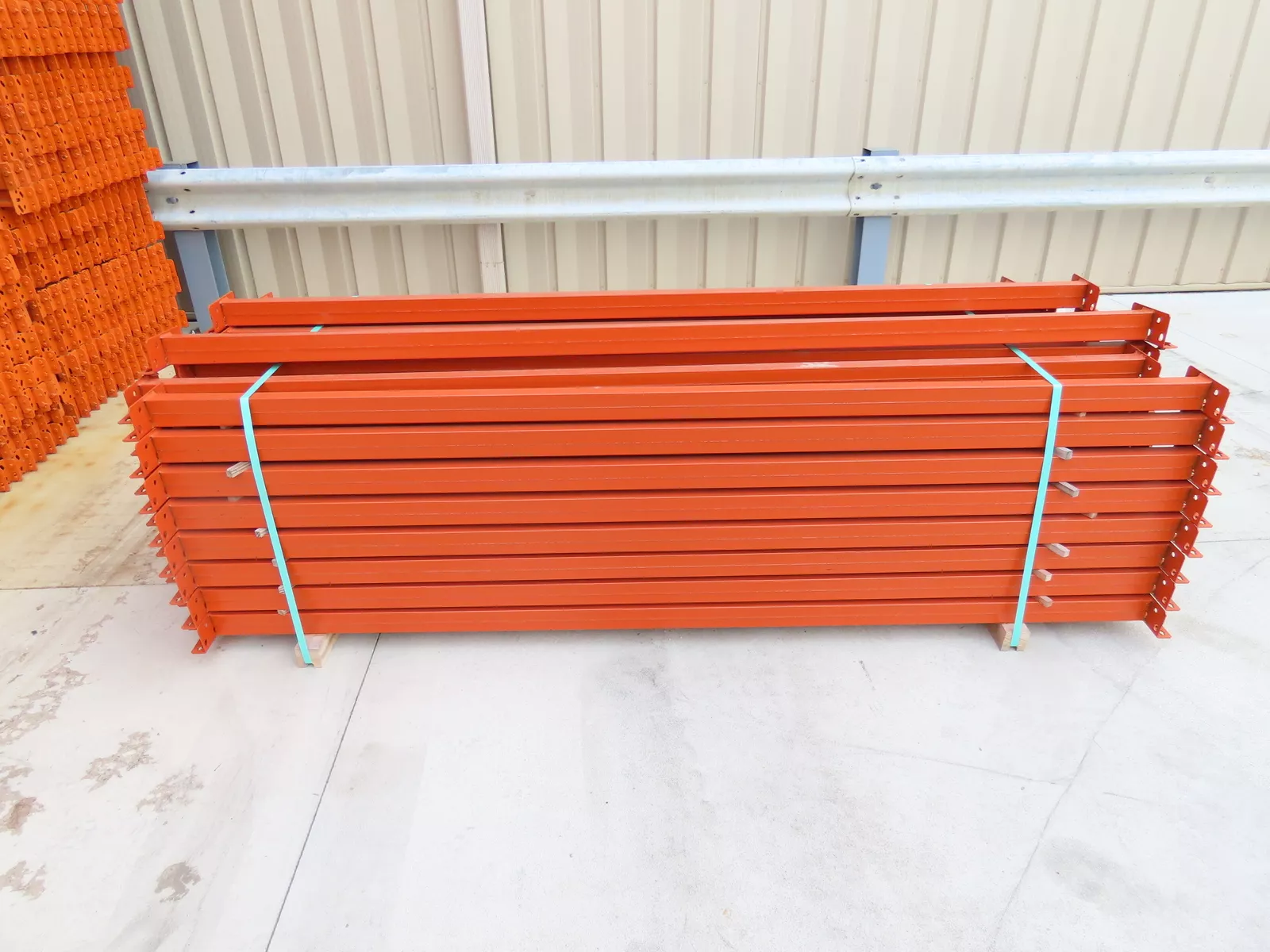
How Can I Measure My Warehouse Space Effectively?
How Can I Measure My Warehouse Space Effectively?
- Effective measurement is crucial for optimizing warehouse space, enhancing productivity, and reducing costs.
- Businesses are adapting storage strategies due to global supply chain disruptions.
- Start with a comprehensive inventory by measuring total square footage and identifying occupied versus open areas.
- Pallet Racking allows for vertical stacking, significantly increasing storage capacity—up to 30% more usable space.
- A practical example shows a retail company cut pick time by 40% by repositioning inventory with a pallet racking system.
- Consider accessibility in warehouse design to ensure efficient movement alongside storage capacity.
- Utilize technology and warehouse management systems for dynamic measurements that respond to changing needs.
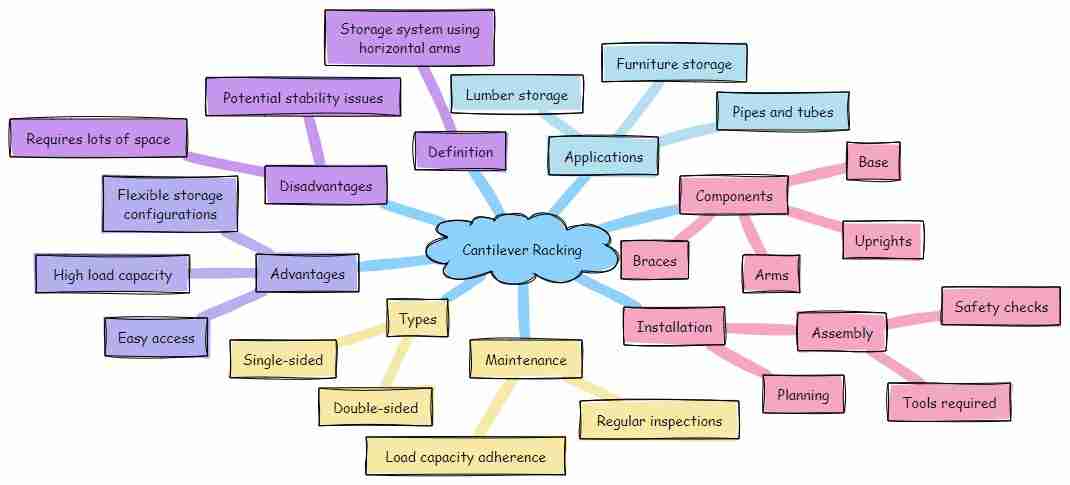
How Can I Measure My Warehouse Space Effectively?
What Factors Should I Consider When Designing Shelving Layouts?
When it comes to designing shelving layouts, one can’t simply rely on aesthetics or the whims of creativity. A strategic approach is indispensable, especially in the current climate of e-commerce and rapid inventory turnover. This is where dynamic shelving solutions, particularly pallet racking, emerge as essential players in the game.
1. Understanding Inventory Flow
First and foremost, consider the nature of your inventory. What items are you storing, and how often do they move? High-velocity items should be easily accessible. For instance, a warehouse specializing in e-commerce must ensure that fast-moving SKUs are front and center in the shelving layout to streamline picking processes. By implementing a well-structured pallet racking system, you can maximize both vertical space and accessibility, reducing the time it takes to fulfill orders.
2. Maximize Vertical Space
Did you know that most warehouses underutilize their vertical space? Investing in high-rise pallet racking can double, if not triple, your storage capacity while keeping your warehouse organized. In these times of rising warehousing costs, every square foot counts. Implementing tapered shelving can also allow for better airflow around products, crucial for temperature-sensitive items like food or pharmaceuticals.
3. Flexibility for Future Growth
The business landscape shifts rapidly—just look at how traditional retail has restructured in the wake of global e-commerce growth. Your shelving layouts should be adaptable. Modular pallet racking systems allow you to reconfigure your storage solutions as your inventory changes. This flexibility ensures that seasonal items or new product lines can easily find their place.
4. Safety Compliance
In today’s regulatory environment, safety compliance is non-negotiable. Shelving layouts must not only accommodate efficient workflows but also adhere to safety standards. For example, pallet racking must be installed at proper heights and distances to prevent accidents and ensure that your team can navigate the space safely. Ensure your designs incorporate aisles that allow for easy access while minimizing the risk of collisions or tip-overs.
5. Technology Integration
Finally, consider how technology can enhance your shelving design. With the rise of automation and advanced inventory management systems, integrating smart shelving layouts can significantly improve efficiency. Technologies like RFID tracking paired with intelligent pallet racking create a seamless inventory management experience that reduces errors and boosts productivity.
By focusing on these key factors and integrating modern solutions, your shelving layouts can evolve into a powerful asset that inherently supports your operational goals while maximizing profitability.
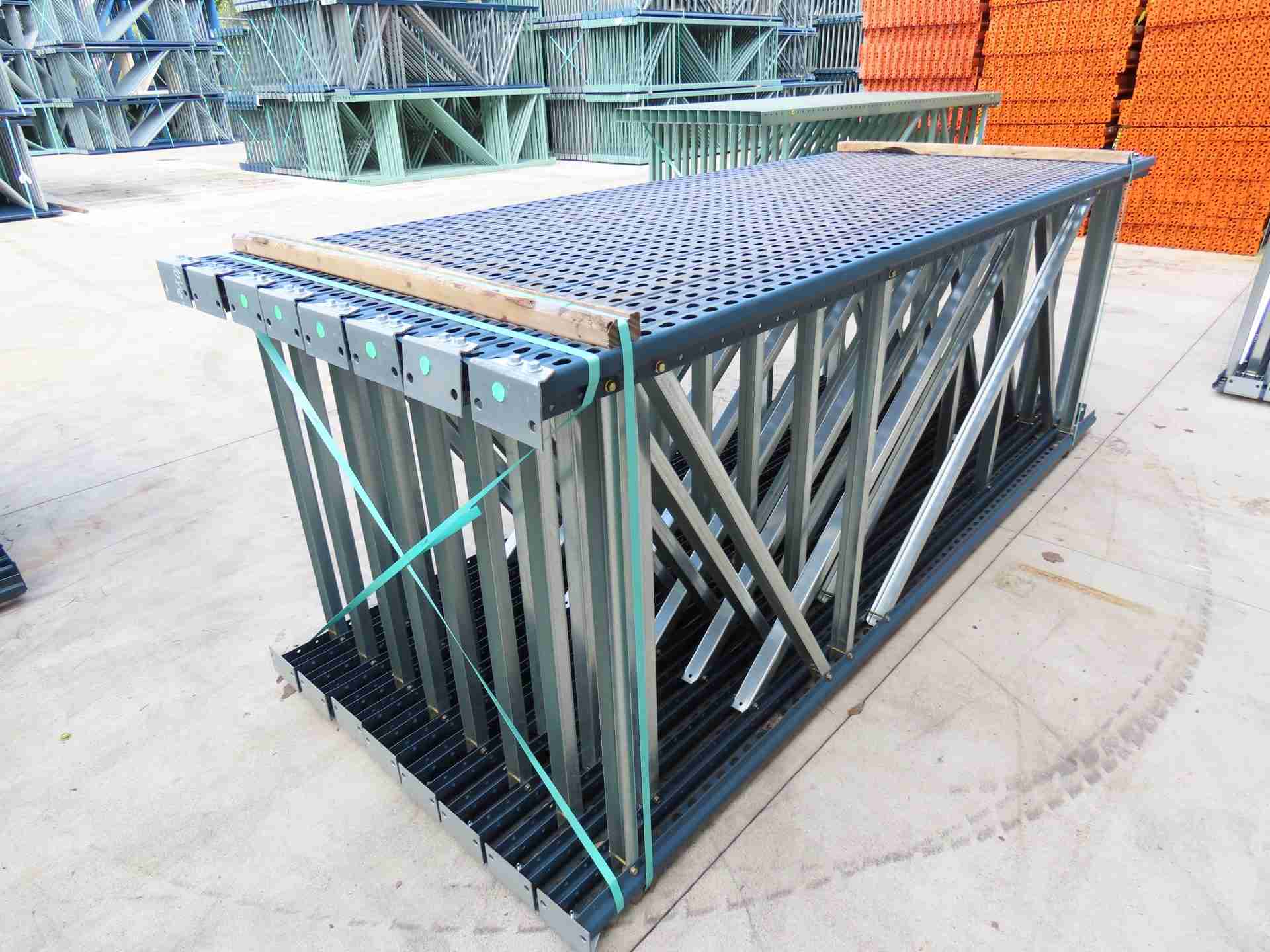
What Factors Should I Consider When Designing Shelving Layouts?
What Factors Should I Consider When Designing Shelving Layouts?
- Strategic shelving design is essential in e-commerce due to rapid inventory turnover.
- Understanding inventory flow is crucial; high-velocity items should be easily accessible to streamline picking.
- Maximizing vertical space with pallet racking can significantly increase storage capacity.
- Flexibility in shelving layouts is important for adapting to changing inventory and seasonal items.
- Safety compliance must be prioritized in shelving designs to meet regulatory standards and ensure safety.
- Integrating technology, such as RFID tracking and automation, can enhance shelving efficiency and reduce errors.
- Modern shelving solutions should align with operational goals to maximize profitability.
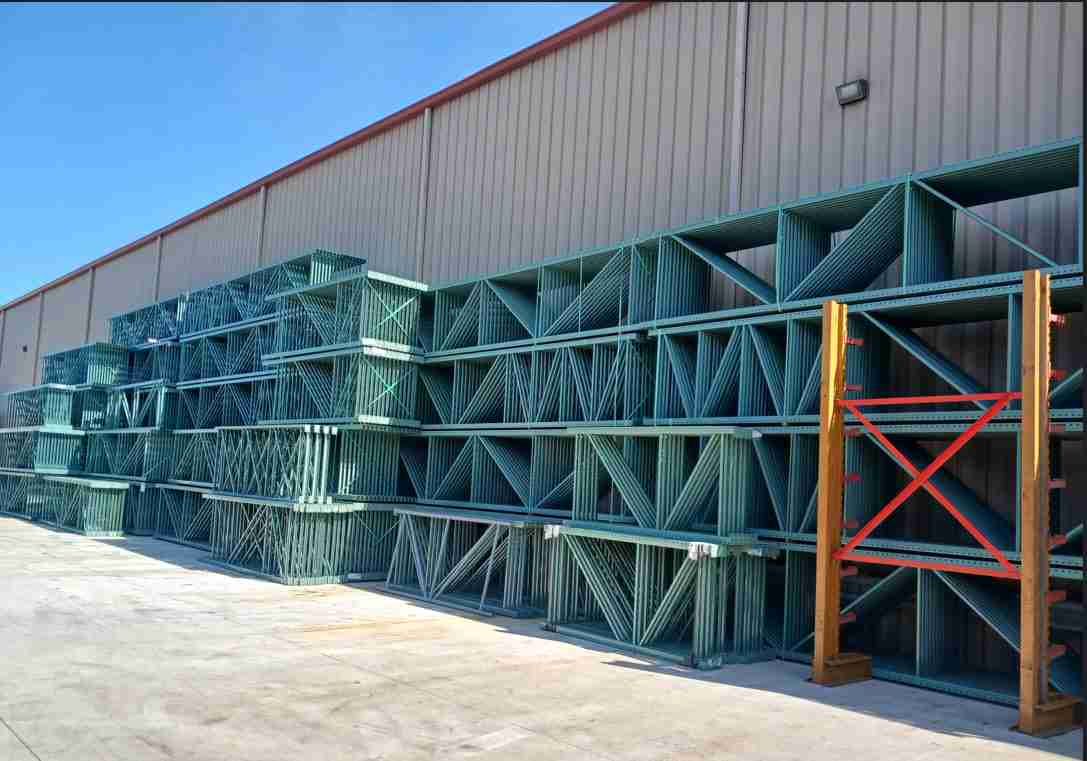
What Factors Should I Consider When Designing Shelving Layouts?
How Can I Incorporate Adjustable Shelving In My Warehouse?
When it comes to optimizing your warehouse space, adjustable shelving is an unbeatable ally. With today’s ever-changing market demands and evolving inventory needs, having a flexible storage solution is not just an advantage—it’s a necessity. One of the smartest ways to incorporate adjustable shelving is by considering how it can seamlessly integrate with your existing pallet racking systems.
Picture this: your warehouse is bustling with activity. Inventory moves in and out at a dizzying pace, and you need a solution that adapts just as quickly. By implementing adjustable shelving alongside your pallet racking, you create an agile storage environment where items are easily accessible and optimally organized. Here’s how you can make it work for you.
1. Assess Your Space and Needs: Start by taking a comprehensive inventory of your warehouse layout and the types of products you store. For instance, if you primarily handle seasonal goods, adjustable shelving can be tailored to accommodate fluctuating stock levels—allowing you to easily reconfigure the layout as demand changes.
2. Layer Your Storage Solutions: Combine adjustable shelving with your pallet racking to take advantage of vertical space. For example, you can use pallet racks for bulkier items and dedicate adjustable shelving units for smaller products. Not only does this maximize storage capacity, but it also enhances picking efficiency. Employees will no longer waste time searching for items tucked away in less accessible locations.
3. Focus on Accessibility: When incorporating adjustable shelving, think about accessibility. An example can be drawn from the recent trends in e-commerce; companies like Amazon are refining their fulfillment strategies by placing fast-moving items on adjustable shelves within easy reach. This allows for quicker order processing, ultimately speeding up overall delivery times.
4. Multi-functional Use: Adjustable shelving isn’t just for storage—it can serve multiple purposes in your warehouse. For example, consider creating dedicated zones within your adjustable shelving area for labeling, packaging supplies, or staging items for shipment. This will contribute to a more streamlined operation and drive efficiency.
5. Evaluate Regularly: Just like any well-run business, reviewing your warehouse’s performance is key. Keep an eye on the traffic patterns; if certain items aren’t moving, it may be time to rethink their placement on your adjustable shelves.
Integrating adjustable shelving into your warehouse can dramatically enhance your operational efficiency, particularly when paired with pallet racking systems. It’s time to think outside the box and make your storage solutions work harder for you. Make the switch today, and prepare to see both productivity and profitability soar.

How Can I Incorporate Adjustable Shelving In My Warehouse?
How Can I Incorporate Adjustable Shelving In My Warehouse?
- Adjustable shelving is essential for optimizing warehouse space in response to changing market demands.
- Integrate adjustable shelving with existing pallet racking systems for a flexible storage solution.
- Assess your warehouse layout and product types to configure adjustable shelving based on seasonal demand.
- Combine adjustable shelving with pallet racks to maximize vertical space and improve picking efficiency.
- Enhance accessibility by placing fast-moving items on adjustable shelves for quicker order processing.
- Use adjustable shelving for multiple purposes, such as labeling and packaging, to streamline operations.
- Regularly evaluate warehouse traffic patterns to optimize item placement on adjustable shelves.
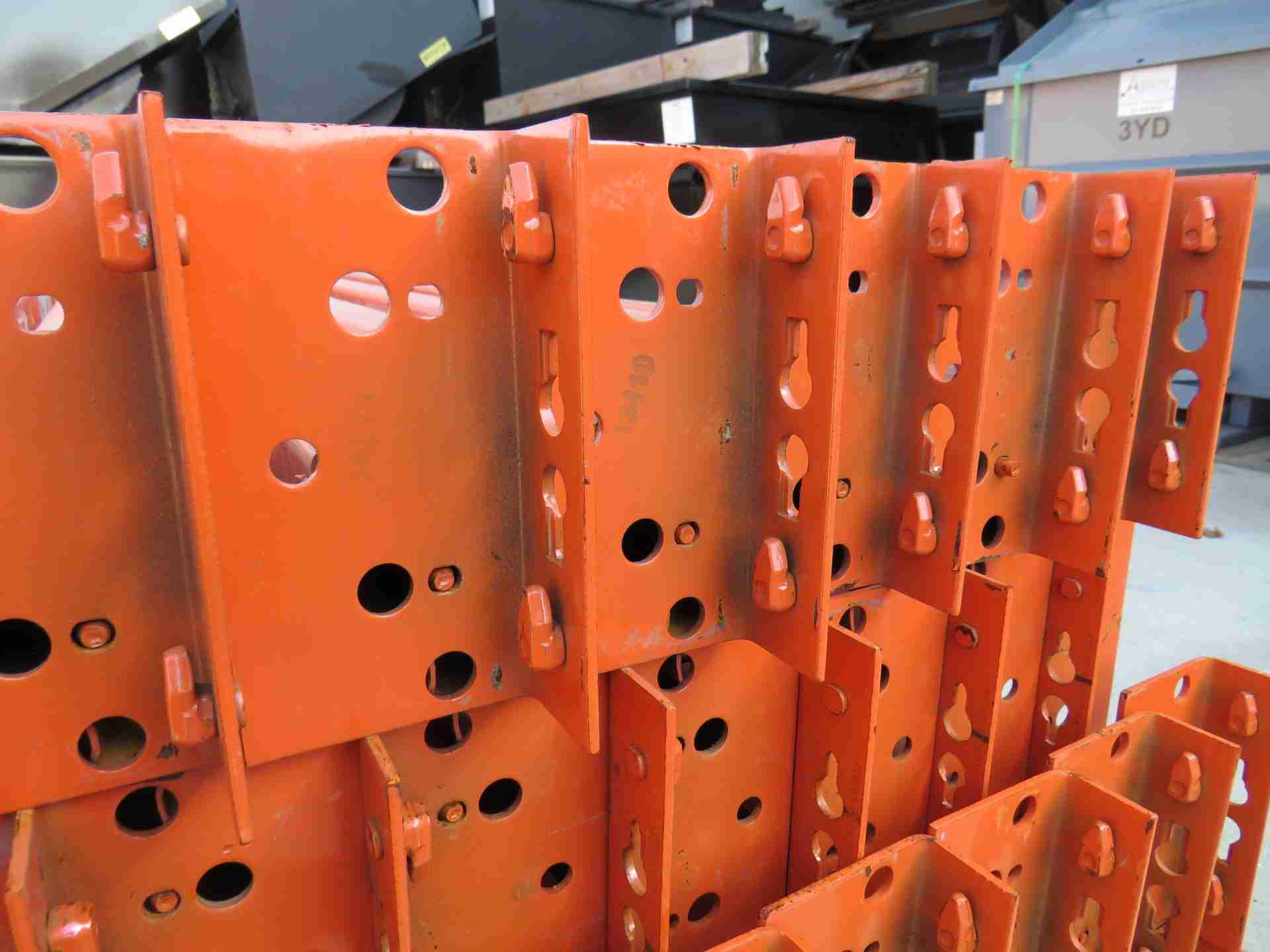
How Can I Incorporate Adjustable Shelving In My Warehouse?
Conclusion
Conclusion: Elevate Your Warehouse Operations by Customizing Shelving Solutions
In a landscape where efficiency dictates success, the value of customized warehouse shelving cannot be overstated. Businesses, particularly those grappling with the intricate demands of today’s volatile market, must rethink their traditional approaches to storage. By embracing tailored shelving solutions, companies can transform mundane storage spaces into dynamic assets that drive productivity and profitability.
Picture this: your warehouse fitted with bespoke pallet racking systems, designed not just to store goods but to maximize every square inch of space while ensuring effortless access. This isn’t science fiction; it’s a necessity. The modern marketplace, propelled by e-commerce and consumer demands for swift fulfillment, requires adaptability. Adjustable shelving that evolves with inventory levels can mean the difference between streamlined operations and costly delays during peak seasons. Companies like Amazon have already paved the way, showcasing how customized shelving can drastically reduce picking and retrieval times.
But customization goes beyond mere accessibility. It entails foresight—foreseeing your business growth and future needs. Storage solutions that are modular and flexible allow for swift reconfigurations, ensuring that as your business evolves, your storage strategies can keep pace. With increased inventory demands, having the right shelving systems easily applied and moved can preserve your operational agility.
And let’s talk about safety—an aspect that can no longer be an afterthought in the workspace. Customized shelving with safety features, such as weight indicators and pallet stops, not only prevents accidents and liability risks but reinforces your commitment to a secure environment for employees. Investing in tailored storage also fosters a reputation as a responsible business, which can be invaluable in today’s scrutiny-laden market.
As we look toward the future, it’s clear: optimizing your storage isn’t just about the “what” but the “how.” Incorporating technology, like smart sensors and RFID tags, into your shelving can elevate your inventory management capabilities to new heights.
So why wait? This is your moment to seize control of your warehouse efficiency. Call Arrow Industrial Sales at (574) 349-6575 today to explore your customized shelving options. Don’t delay—every moment you wait to optimize your space is a moment your competitors could be leveraging to get ahead. Elevate your operations and transform your warehouse into a well-oiled machine that meets the demands of today’s market. Your bottom line—and your peace of mind—will thank you.
Conclusion
Conclusion:
- Customized warehouse shelving enhances operational efficiency, crucial for success in today’s market.
- Tailored shelving maximizes space utilization and facilitates easy access to goods.
- Adjustable shelving adapts to fluctuating inventory levels, reducing delays during peak seasons.
- Modular storage solutions allow for quick reconfigurations in response to business growth.
- Safety features in customized shelving enhance workplace security and minimize liability risks.
- Incorporating technology, such as smart sensors and RFID tags, optimizes inventory management.
- Contact Arrow Industrial Sales at (574) 349-6575 to explore customized shelving solutions and improve warehouse efficiency.
Conclusion
Other Resources
Other Resources
Here is a list of other resources you can review online to learn more:
- What is Selective Pallet Racking
- The Complete Pallet Rack Guide – Simply Rack
- Storage Equipment Manufacturers Association
- Heavy-Duty Cantilever Storage Racks
- Used Teardrop Pallet Rack – American Surplus
- Selective Pallet Racking Systems
- CMMA
- Cantilever Rack Configuration & Installation: A Comprehensive Guide – BMH
- SEMA
- Illinois
Use This Prompt To Get More Resources With Your Favorite Online AI Tool: Please provide me with a list of online articles with their URLs in a bulleted list that I can read regarding How Can You Customize Your Warehouse Shelving for Specific Needs?
Other Resources
Glossary Terms
How Can You Customize Your Warehouse Shelving for Specific Needs? – Glossary Of Terms
1. Aisle Width: The distance between shelving units, important for maneuvering equipment like forklifts or hand carts.
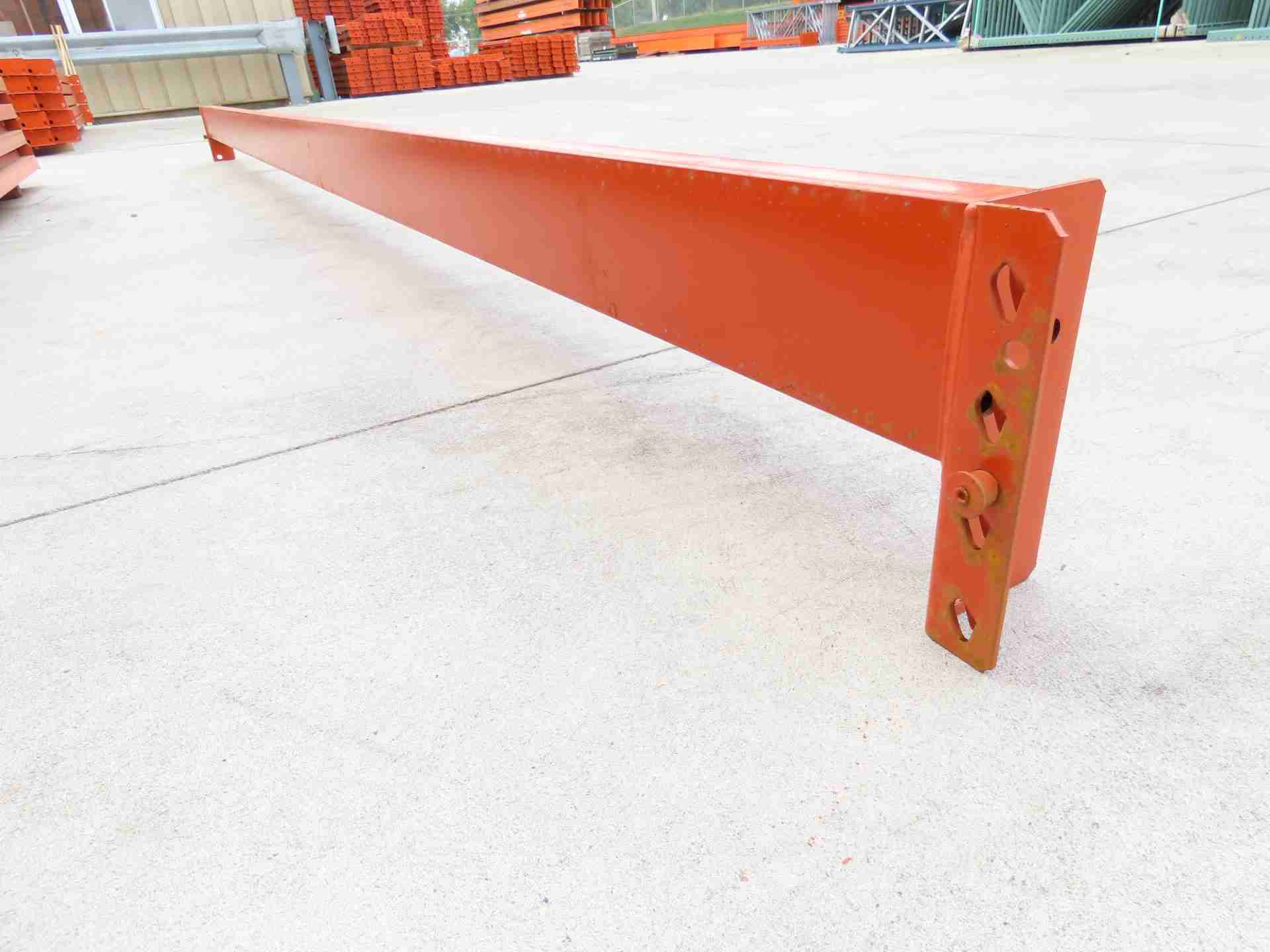
2. Beam: Horizontal components of a shelving unit that support the weight of stored items.
3. Boltless Shelving: A shelving system that can be assembled without nuts and bolts, allowing for easy modifications.
4. Capacity: The maximum weight a shelving unit can safely hold, crucial for ensuring safety and compliance.
5. Clearance Height: The vertical space between the top of an item and the next shelf above, important for accommodating tall items.
6. Custom Shelving: Shelving designed specifically to meet the unique requirements of a warehouse, such as size, shape, or load capacity.
7. Depth: The measurement from the front to the back of a shelving unit, determining how much space will be utilized for storage.
8. Durability: The ability of shelving to withstand wear and tear over time, influenced by materials and construction.
9. Forklift Accessibility: The ease with which forklifts can navigate aisles and reach different shelving units, critical for operational efficiency.
10. Heavy-Duty Shelving: Sturdy shelving designed to hold heavy loads, ideal for warehouses storing bulky items.
11. Interchangeable Components: Parts of shelving systems that can be swapped or replaced to adapt to changing needs.
12. Material Selection: The choice of materials (steel, aluminum, wood, etc. ) based on required strength, weight, and environmental factors.
13. Modular Shelving: A flexible shelving design that allows for the adjustment of configuration and layout as needed.
14. Pallet Racking: A shelving system specifically designed for storing pallets, optimizing space in warehouses.
15. Safety Standards: Regulations that shelving must comply with to ensure the safety of stored materials and personnel.
16. Shelving Height: The vertical measurement of a shelving unit, which determines the amount of vertical storage space available.
17. Shelf Dividers: Accessories used to separate items on shelves, helping with organization and preventing spills.
18. Shelf Load: The weight distribution across a shelving unit, important for maintaining structural integrity.
19. Storage Density: The amount of storage space available within a given area, aiming to maximize efficiency.
20. Static Shelving: Fixed shelving designed to hold items in place without the ability to adjust height.
21. Stock Rotation: Managing inventory in a way that older items are used first, often facilitated by shelving design.
22. Tiers: Different levels of shelving within a unit, allowing for increased vertical storage capacity.
23. Vertical Storage: Utilizing vertical space effectively with shelving to improve storage efficiency.
24. Weight Distribution: The manner in which weight is spread across shelves, crucial for preventing overload.
25. Wire Shelving: A shelving type made of wire grid, known for visibility and airflow, often used in logistics.
26. Custom Coatings: Specialized finishes applied to shelving for protection against corrosion, chemicals, or other elements.
27. Easily Adjustable: Shelving that can be reconfigured with minimal effort, allowing for quick adaptations to store different items.
28. Shelf Bracing: Supports added to shelving units to enhance stability and strength.
29. Load-Bearing: The capability of a shelving unit to support specific weights without compromising safety.
30. Warehouse Layout: The strategic arrangement of shelving systems and aisles in a warehouse to optimize space and workflow.
Feel free to ask for more details on any specific term
Glossary Of Terms
Other Questions
How Can You Customize Your Warehouse Shelving for Specific Needs? – Other Questions
If you wish to explore and discover more, consider looking for answers to these questions:
- What are the costs associated with customizing warehouse shelving?
- How can I determine the best type of shelving for my specific inventory?
- What are the best practices for maintaining customized shelving systems?
- Are there case studies illustrating the effectiveness of customized shelving?
- How do I ensure that my shelving complies with safety regulations?
- What tools or software are available to help design an efficient shelving layout?
- What trends are emerging in warehouse shelving solutions?
- How can I train my staff to effectively use a customized shelving system?
- What are the environmental impacts of different shelving materials?
- How often should I reevaluate my shelving needs as my business grows?
- What are some common mistakes to avoid when customizing shelving?
- How does technology integrate with warehouse shelving solutions?

Other Questions
Checklist
How Can You Customize Your Warehouse Shelving for Specific Needs? – A Checklist
1. Assess Your Current Storage Needs
_____ Evaluate the size and dimensions of your warehouse space.
_____ Review your inventory: sizes, weights, and types of products.
_____ Identify high-velocity items and seasonal products.
2. Explore Different Types of Shelving
_____ Research pallet racking solutions to maximize vertical space.
_____ Consider adjustable shelving for fluctuating inventory levels.
_____ Look into modular shelving for flexibility and adaptability.
_____ Investigate wall-mounted and industrial shelving options.
3. Prioritize Safety and Compliance
_____ Ensure shelving meets safety regulations and standards.
_____ Incorporate safety features like pallet stops or weight indicators.
_____ Design shelving layouts with sufficient aisle space for safe navigation.
4. Optimize Layout and Design
_____ Design a shelving layout that enhances workflow and accessibility.
_____ Utilize vertical space effectively with high-rise pallet racking.
_____ Create dedicated zones for fast-moving or high-demand items.
5. Incorporate Technology
_____ Explore options for integrating smart shelving with RFID tags or sensors.
_____ Utilize warehouse management systems for real-time inventory tracking.
_____ Consider automation tools to improve efficiency in picking and stock management.
6. Enable Flexibility and Scalability
_____ Choose shelving systems that can be easily adjusted or expanded.
_____ Plan for seasonal changes and potential growth in product lines.
_____ Regularly evaluate and adapt shelving configurations based on performance.
7. Regular Monitoring and Evaluation
_____ Monitor traffic patterns and adjust placements for slow-moving items.
_____ Schedule regular assessments of shelving effectiveness and safety.
_____ Revise strategy based on changes in market demand or inventory needs.
8. Engage Employees in the Process
_____ Involve warehouse staff in discussions about shelving layouts and needs.
_____ Provide training on how to use new shelving systems effectively.
_____ Encourage feedback on shelving efficiency and safety.
9. Document and Review Custom Solutions
_____ Create documentation of your shelving solutions and configurations.
_____ Set intervals to review shelving strategies against operational goals.
_____ Adjust the checklist based on the success of implemented solutions.
By following this checklist, you’ll be equipped to effectively customize your warehouse shelving to meet your specific operational needs, enhancing efficiency, safety, and overall productivity.

Checklist
At RackingWorld, we help guide you through selecting warehouse storage systems and racking.
Be sure to read our other related stories at RackingWorld to learn more about warehouse storage systems.
0 Comments