
Applying Buffett’s Tactics To Optimize Warehouses
By Tom Seest
At RackingWorld, we help guide you through selecting warehouse storage systems and racking.
Be sure to read our other related stories at RackingWorld to learn more about warehouse storage systems.
How Can Warren Buffett Strategies Apply to Warehouse Management?
When we think about warehouse management, we often overlook the profound wisdom embedded in Warren Buffett’s investment strategies. Buffett’s principles, rooted in discipline, patience, and a focus on value, can be seamlessly applied to optimize warehouse operations, maximizing efficiency and profitability.
Let’s dive into a crucial component: pallet racking. This system not only maximizes storage space but also enhances accessibility and inventory management—two concepts Buffett himself would champion in terms of value creation. Investing wisely in a robust pallet racking system can lead to significant reductions in operational costs. Consider the current trend toward e-commerce, which is creating a boom in warehousing needs. Companies adapting Buffett’s value principles will prioritize long-term investments in quality pallet racking solutions.
For example, a warehouse that opts for low-cost, flimsy racking may save money upfront, but as inefficiencies compound, operational costs skyrocket. Buffett would encourage a focus on durable materials that will serve the warehouse over the long haul—reducing downtime and improving throughput. This kind of strategic decision-making not only safeguards the bottom line but also aligns with his philosophy of seeking long-term value rather than short-term gains.
Furthermore, consider the ever-evolving demand for flexibility within warehouses. In 2023, we witnessed a significant shift in consumer behavior, driven by the pandemic’s aftershocks and the rise of just-in-time inventory practices. Efficient pallet racking systems allow for reconfiguration based on current needs, echoing Buffett’s adaptability in changing markets. Businesses that embrace agile warehouse designs are not only prepared for fluctuations in demand but can also seize opportunities faster than their competition—an essential strategy in today’s dynamic economic landscape.
Integrating technology into warehouse management aligns with Buffett’s emphasis on staying ahead of the curve. Advanced inventory management software can enhance tracking and optimize the use of pallet racking systems, ensuring that every inch of storage is capitalized effectively. The investment in such technology—and the subsequent training for staff—parallels Buffett’s belief in investing in human capital and continuous improvement.
Ultimately, applying Warren Buffett’s strategies to warehouse management isn’t just about adopting best practices; it’s about fostering a mindset geared towards long-term value creation. By embracing durable solutions like quality pallet racking, investing in technology, and remaining adaptable to changing demands, businesses will position themselves not just for survival but for remarkable growth in an increasingly competitive landscape.

How Can Warren Buffett Strategies Apply to Warehouse Management?
How Can Warren Buffett Strategies Apply to Warehouse Management?
- Warren Buffett’s investment strategies emphasize discipline, patience, and a focus on value, applicable to warehouse management.
- Pallet racking maximizes storage space and enhances inventory management, aligning with Buffett’s value creation principles.
- Investing in robust pallet racking systems can lead to significant operational cost reductions, especially amid growing e-commerce demands.
- Choosing low-cost, flimsy racking may save money initially but can result in rising operational costs over time.
- Flexibility in warehouse design is crucial; efficient pallet racking systems allow for reconfiguration based on current needs.
- Integrating technology, such as advanced inventory management software, can optimize the use of pallet racking and improve operations.
- Emphasizing long-term value creation through durable solutions and adaptability positions businesses for growth in a competitive landscape.
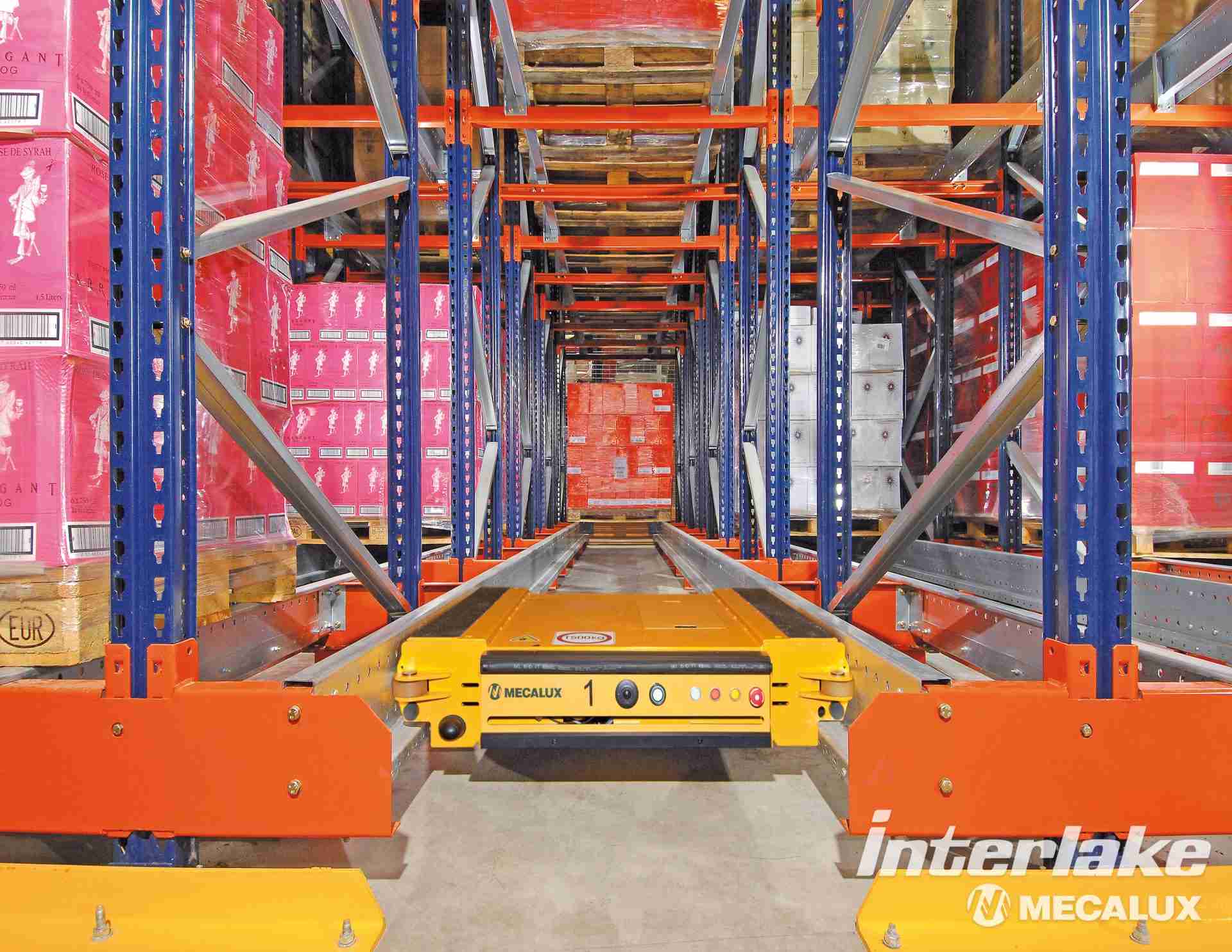
How Can Warren Buffett Strategies Apply to Warehouse Management?
Table Of Contents
- How Can Warren Buffett Strategies Apply to Warehouse Management?
- How Can I Analyze Warehouse Efficiency Like Buffett Analyzes Stocks?
- What Key Metrics Should I Focus On For Warehouse Performance?
- What Cost-Cutting Strategies From Buffett Can Improve My Warehouse?
- What Long-Term Goals Should I Set For Warehouse Management Success?
- How Can I Prioritize Warehouse Investments Like Buffett Does?
- What Is The Role Of Data Analysis In Warehouse Management?
- Conclusion
- Other Resources
- Glossary Of Terms
- Other Questions
- Checklist
How Can I Analyze Warehouse Efficiency Like Buffett Analyzes Stocks?
When we think of warehouse efficiency, many immediately picture a labyrinth of pallet racking systems crammed with inventory, often overlooking the potential for analysis akin to that used by investment magnates. Just as Warren Buffett meticulously scrutinizes the fundamentals of a business, you too can dive into the metrics that drive your warehouse operations. Here’s how to sharpen your analytical eye.
First, start with the fundamentals of your warehouse operations. Just like evaluating a company’s earnings before interest and taxes (EBIT), you need to assess your Warehouse Key Performance Indicators (KPIs). Metrics like inventory turnover rates, order accuracy, and average pick time are just as crucial as company fundamentals. If your inventory fails to turn over efficiently, it’s time to reevaluate your pallet racking configurations and storage methods. High turnover indicates well-managed inventory, while stagnation signals a need for drastic changes.
Next, observe your warehouse layout meticulously. Is your pallet racking organized in a way that maximizes efficiency? The right pallet racking system can reduce the time spent picking and packing orders, thereby boosting overall productivity. For example, employing a selective pallet racking configuration allows for easy access to high-volume items, while drive-in systems can economize space for less frequently picked products. Evaluate whether your layout leads to bottlenecks or smooth workflows, much like how Buffett identifies inefficiencies in corporate strategies.
Moreover, keep an eye on technology trends. The integration of automation and software solutions—be it warehouse management systems or robotics for order picking—can propel your efficiency to new heights. Just as Buffett invests in tech companies that have gaudy growth potential, look for innovations that can streamline your operations. For instance, current advancements in AI-driven analytics can provide insights into inventory forecasting and demand planning, enabling you to manage stock like an investment portfolio.
Remember, every analysis must culminate in action. Use the insights gained to implement change—just as Buffett adjusts his investment strategy based on performance reviews. Whether it’s redesigning your pallet racking setup or investing in automation, take calculated risks to enhance your warehouse efficiency.
In today’s dynamic market, where supply chain challenges are constant, such as the disruptions caused by the pandemic, having a thorough understanding of your warehouse efficiency can offer you a competitive edge. Just as Buffett seeks long-term growth, your endeavor to analyze warehouse efficiency should be an ongoing quest for operational excellence.
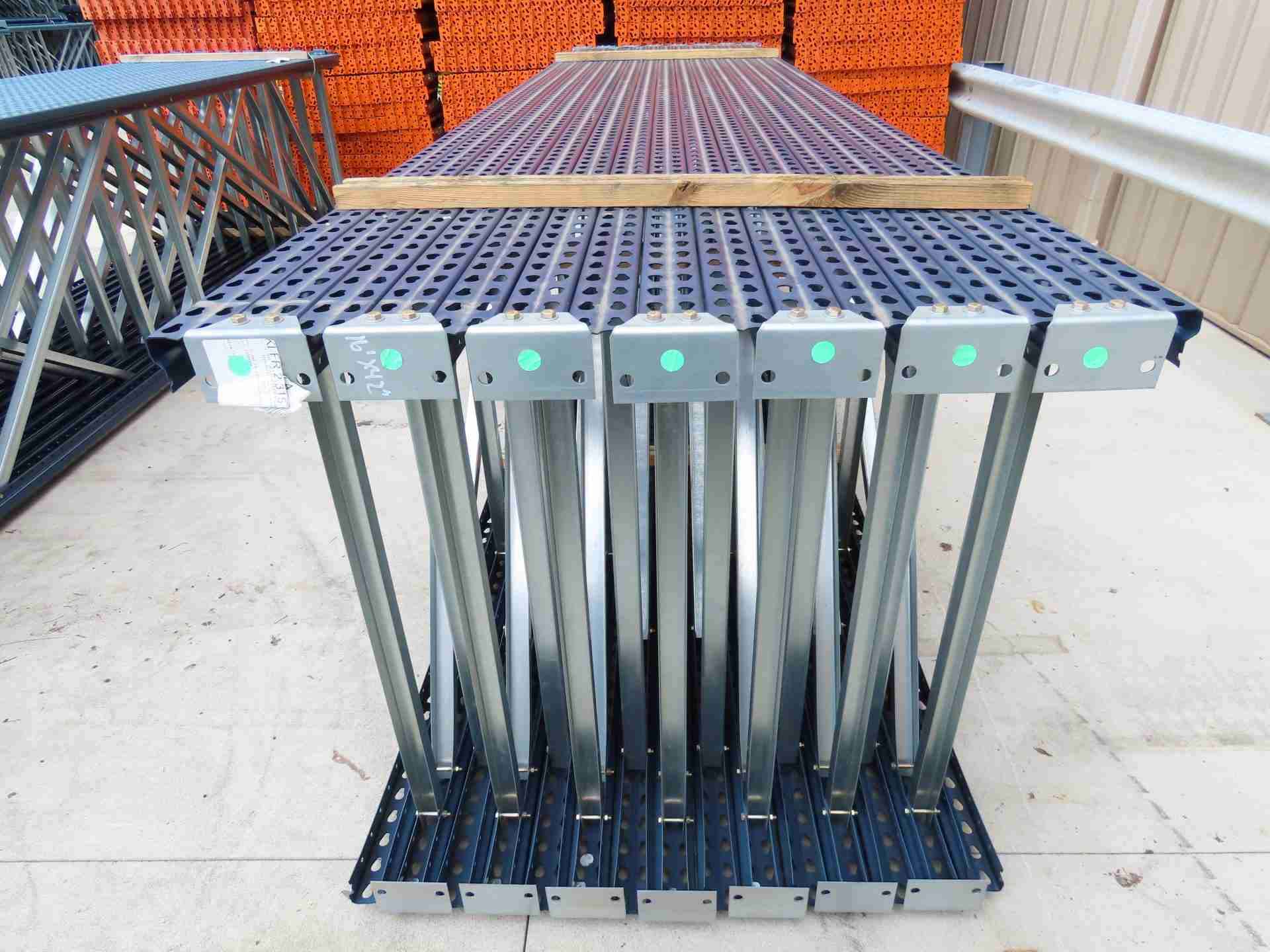
How Can I Analyze Warehouse Efficiency Like Buffett Analyzes Stocks?
How Can I Analyze Warehouse Efficiency Like Buffett Analyzes Stocks?
- Warehouse efficiency is often overlooked; analysis should mimic investment scrutiny.
- Assess Warehouse Key Performance Indicators (KPIs) like inventory turnover and order accuracy.
- A high turnover rate indicates effective inventory management; stagnation requires reevaluation of storage methods.
- Optimize warehouse layout to boost productivity and reduce bottlenecks, much like examining corporate strategies.
- Stay updated on technology trends, including automation and AI-driven analytics, to enhance efficiency.
- Implement changes based on analyses, taking calculated risks similar to adjusting investment strategies.
- Continuous analysis is crucial for maintaining a competitive edge in a challenging supply chain environment.

How Can I Analyze Warehouse Efficiency Like Buffett Analyzes Stocks?
What Key Metrics Should I Focus On For Warehouse Performance?
When it comes to assessing warehouse performance, focusing on the right metrics is akin to targeting your best customers in a marketing campaign. You wouldn’t waste time on leads that seldom convert, and the same applies to your warehouse operations. Knowing which metrics to hone in on can mean the difference between a thriving operation and one that struggles to keep pace with the demands of today’s dynamic market.
One critical metric to track is Order Accuracy. This indicates how many orders are shipped correctly versus the total orders processed. A high order accuracy not only boosts customer satisfaction but reduces the costly returns process. In times where e-commerce is booming, lacking in this area can lead to substantial revenue loss. Imagine an online retailer shipping out Christmas gifts only to get a flood of returns in January—it’s a logistical nightmare that can be easily avoided with a laser focus on metrics.
Next, pay attention to Pallet Racking Utilization. This measures how efficiently your pallet racking systems are being used. Over the past few years, with the rapid evolution of supply chains driven by technology and global events, optimizing space has become crucial. A well-optimized pallet racking system can increase your storage capacity, thereby improving order fulfillment rates and reducing operational costs. An example can be drawn from grocery store warehouses significantly boosting capacity by implementing double-deep pallet racking, allowing them to store more per square foot.
Shipping and Receiving Efficiency is another pivotal metric. This measures the time it takes to receive goods and ship them out. As e-commerce accelerates, speed is of the essence. Companies like Amazon have set the standard for rapid delivery, and your warehouse should strive to meet or exceed these benchmarks. Utilizing automation and streamlining processes can lead to significant time savings here.
Don’t overlook Inventory Turnover Rate. This measures how often inventory is sold and replaced over a specific period. A higher turnover rate indicates strong sales and effective inventory management—essential in a marketplace where trends change almost overnight. In recent months, supply chain disruptions have made it clearer than ever how important this metric is; ensuring that your warehouse doesn’t sit on stagnant stock can save you from losing ground when a new market trend hits.
Finally, consider adopting a KPI dashboard to visualize performance across these metrics. By focusing on these key indicators, you can transform your warehouse from a simple storage space into a powerful engine driving your business forward. In today’s highly competitive landscape, knowing your numbers is not just beneficial; it’s imperative.

What Key Metrics Should I Focus On For Warehouse Performance?
What Key Metrics Should I Focus On For Warehouse Performance?
- Assessing warehouse performance requires focusing on the right metrics, similar to targeting prime customers in marketing.
- Order Accuracy is a critical metric that highlights the percentage of correctly shipped orders versus total orders processed, impacting customer satisfaction and reducing returns.
- Pallet Racking Utilization measures the efficiency of pallet racking systems, essential for optimizing storage capacity and improving order fulfillment rates.
- Shipping and Receiving Efficiency indicates the speed of receiving goods and shipping them out, crucial in an e-commerce-focused market where rapid delivery is expected.
- Inventory Turnover Rate measures how often inventory is sold and replaced, revealing strong sales and effective inventory management, particularly important in a fast-changing marketplace.
- Adopting a KPI dashboard helps visualize performance across key metrics, transforming warehouse operations into a powerful business engine.
- In a competitive landscape, understanding these metrics is imperative for the success of warehouse operations.
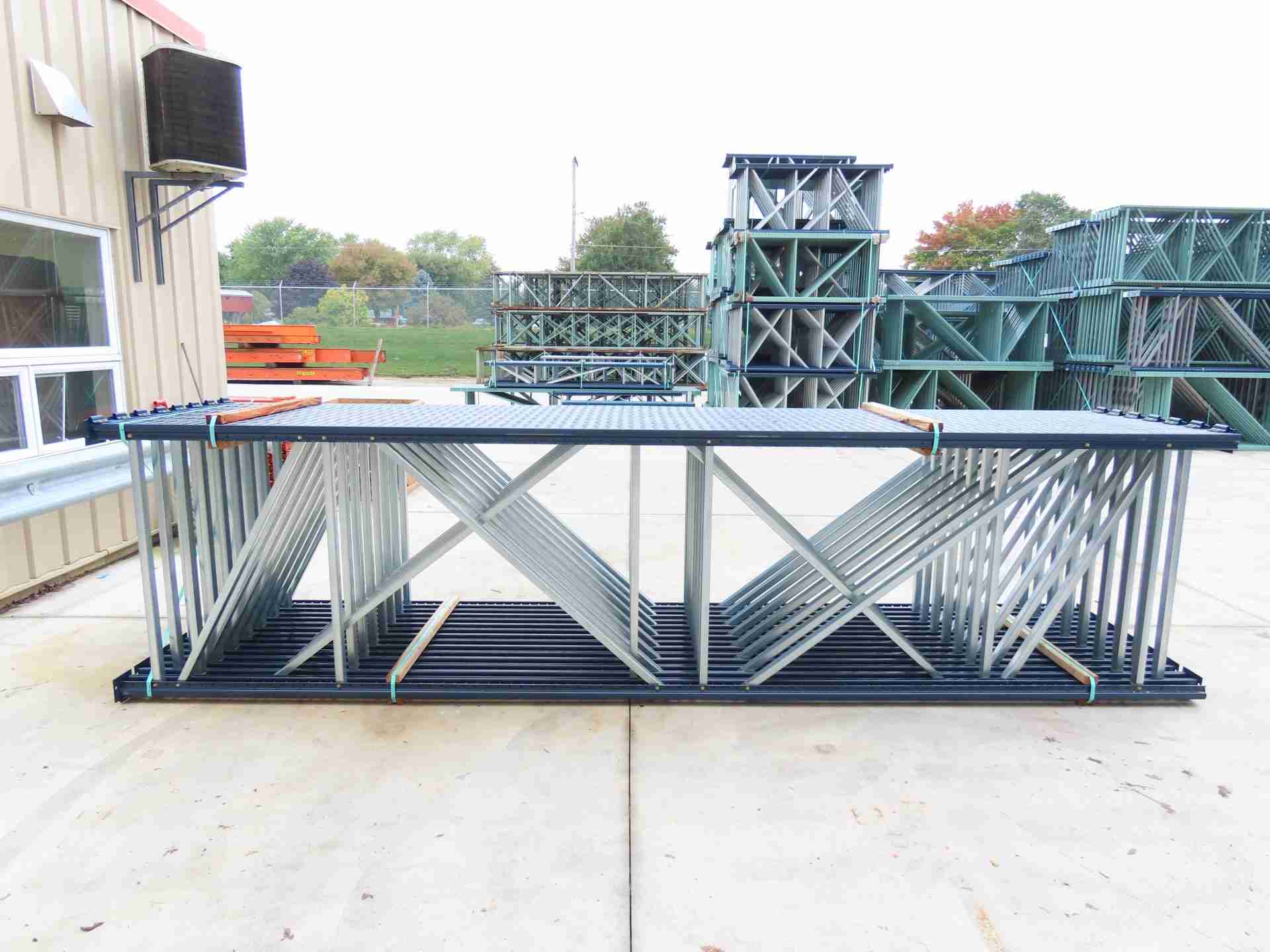
What Key Metrics Should I Focus On For Warehouse Performance?
What Cost-Cutting Strategies From Buffett Can Improve My Warehouse?
In today’s competitive landscape, warehouse efficiency isn’t just about keeping up—it’s about outsmarting the competition. Emulating Warren Buffett’s prudent business strategies can yield significant cost savings while enhancing overall operations. Emphasizing simplicity, judicious investment, and operational transparency can revolutionize your warehouse’s effectiveness.
# Invest Wisely in Infrastructure
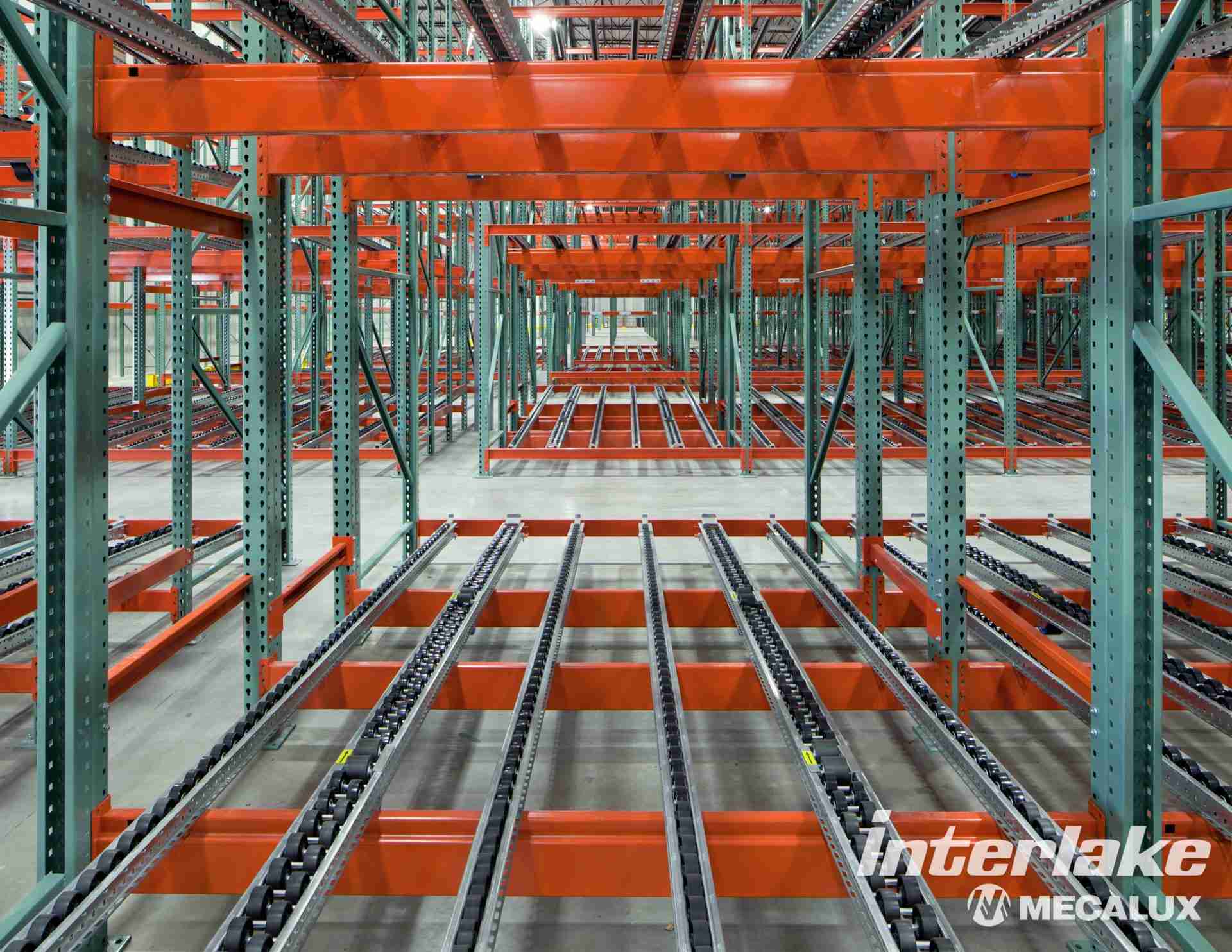
One of Buffett’s core tenets is to invest in quality infrastructure for long-term savings. For instance, consider your pallet racking systems. High-quality racking solutions may require a bigger upfront investment but offer superior durability and better space optimization—two critical factors in maximizing your warehouse’s efficiency. As we navigate supply chain disruptions both locally and globally, the ability to store and retrieve goods efficiently can make or break your bottom line.
Currently, as companies grapple with fluctuating inventory levels, having a reliable racking system allows for quicker adaptations to changing demands. When inventory is optimally stored, you minimize the risk of dead stock—leading not only to space savings but also reduced operational costs associated with handling and lost items.
# Operate with Transparency
Buffett champions transparency in financial reporting as it builds trust and facilitates better decision-making. Applying this principle within your warehouse means maintaining detailed records of operational costs and employee productivity. By employing modern warehouse management systems (WMS), you can monitor real-time data on inventory turnover and labor efficiency. If, for instance, a certain pallet racking configuration isn’t yielding results, transparent analytics empower you to pivot quickly.
As reported by industry experts, 2023 is witnessing automation trends driven largely by data capabilities. Embracing such technologies not only optimizes your operations but also aligns your warehouse management with modern consumers’ expectations.
# Focus on Continuous Improvement
Warren Buffett advocates for a culture of continuous improvement. In your warehouse, —foster a mindset among your staff that encourages feedback and innovation. Host regular meetings to discuss operational challenges and brainstorm solutions. Maybe your team realizes that reorganizing the pallet racking design can streamline picking processes or utilize space in a way that reduces travel time—directly impacting productivity.
In uncertain times, like the ones we currently face with fluctuating economic indicators, implementing tailored cost-cutting strategies inspired by Buffett ensures your warehouse isn’t just surviving but thriving. Remember, it’s not about gutting your operations; it’s about making smart, calculated adjustments that yield significant returns over time. By investing in quality, enhancing transparency, and fostering a culture of improvement, your warehouse will stand resilient against the challenges ahead.
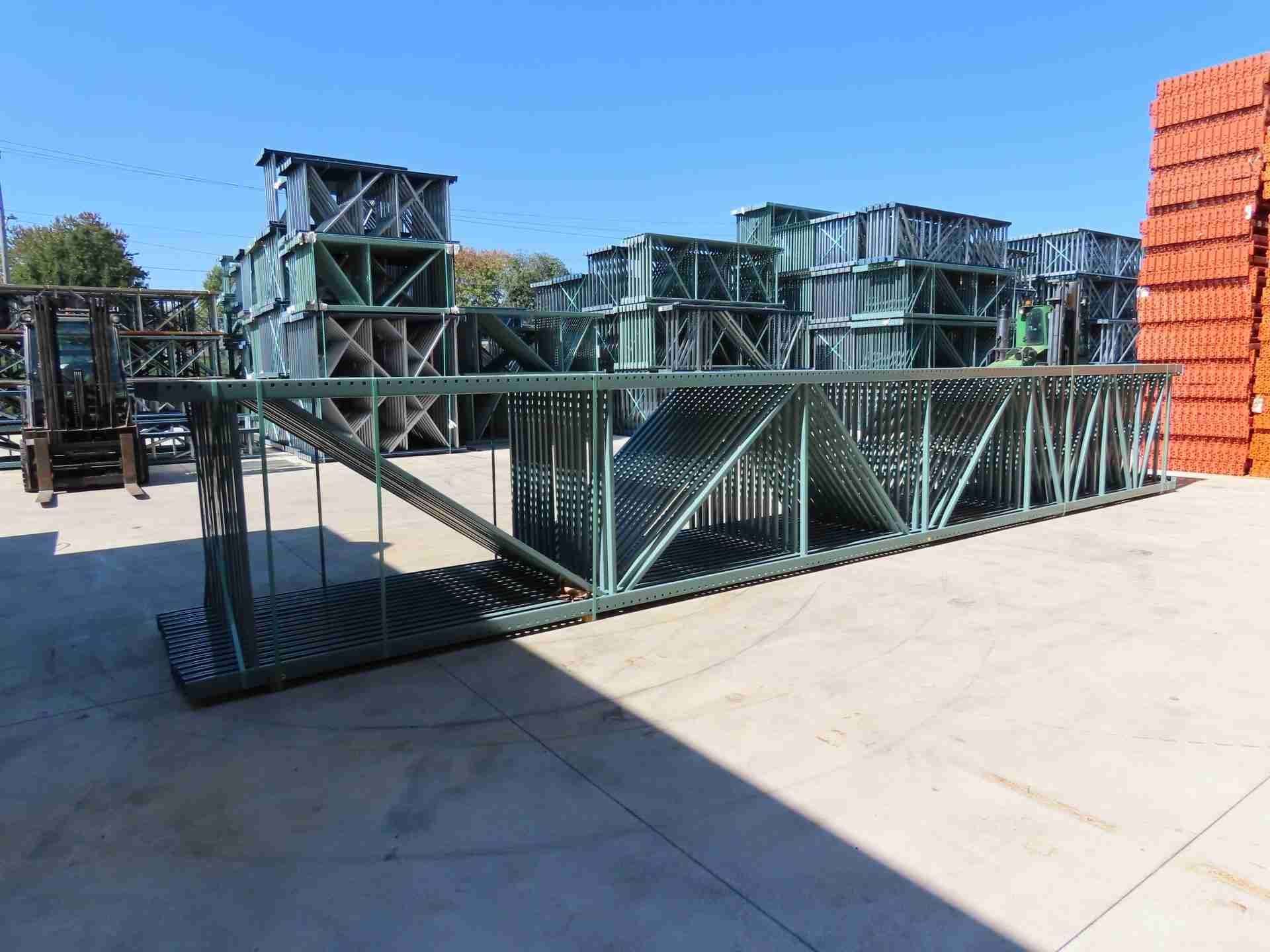
What Cost-Cutting Strategies From Buffett Can Improve My Warehouse?
What Cost-Cutting Strategies From Buffett Can Improve My Warehouse?
- Warehouse efficiency is key to outsmarting competition, following Warren Buffett’s strategies for cost savings and operational enhancement.
- Invest in quality infrastructure, like durable pallet racking systems, to maximize efficiency and adapt quickly to supply chain disruptions.
- A reliable racking system minimizes dead stock, saving space and reducing operational costs associated with handling and lost items.
- Maintain transparency in operational records, leveraging modern Warehouse Management Systems (WMS) for real-time inventory and productivity data.
- Embrace automation trends and data capabilities to optimize operations and align with modern consumer expectations.
- Encourage a culture of continuous improvement among staff through feedback and regular discussions on operational challenges.
- Implement tailored cost-cutting strategies inspired by Buffett to ensure your warehouse thrives in uncertain economic times.
What Cost-Cutting Strategies From Buffett Can Improve My Warehouse?
What Long-Term Goals Should I Set For Warehouse Management Success?
When it comes to warehouse management, setting long-term goals is akin to mapping out your journey to success. Each goal acts as a waypoint, guiding your operation toward increased efficiency, reduced costs, and enhanced productivity. But how do you craft goals that don’t just fill space on a worksheet but propel your warehouse into the future?
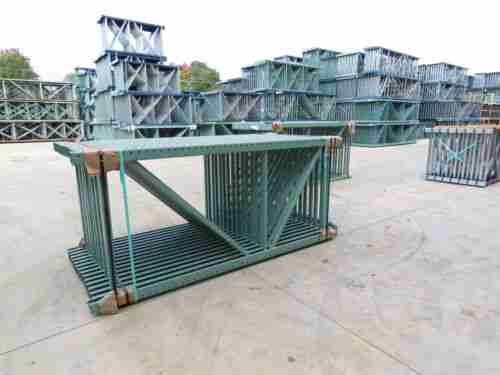
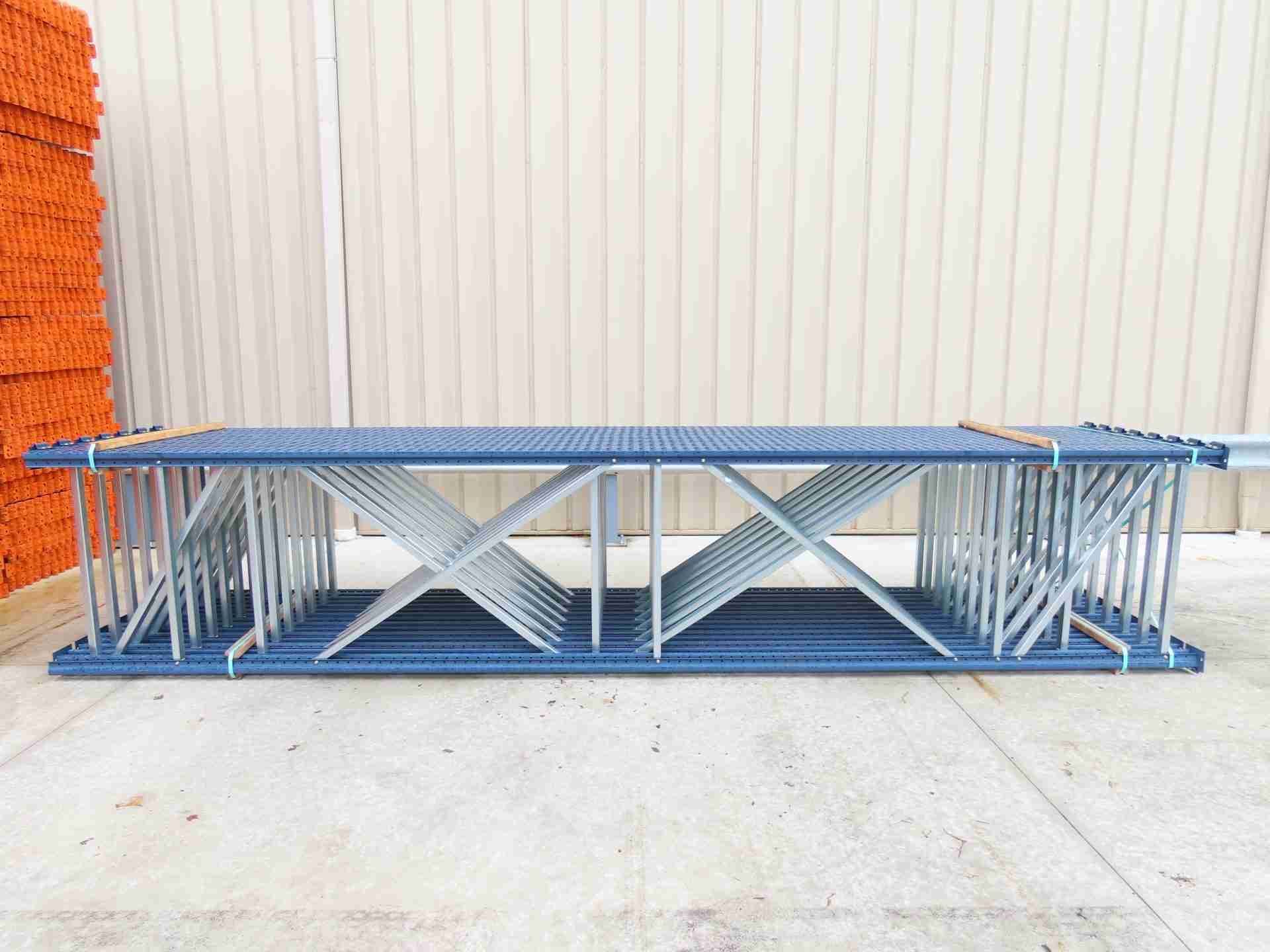
First, you need to focus on optimizing your space. Consider the layout and structure of your warehouse, particularly your pallet racking systems. A well-designed pallet racking configuration can significantly boost your storage capacity while promoting a more streamlined workflow. For example, by switching from traditional racking to a drive-in system, you could improve space utilization by as much as 60%. This isn’t merely theoretical; companies like Amazon have mastered such strategies, demonstrating that maximizing vertical space through intelligent pallet racking can drastically improve your operational efficiency.
Next, invest in technology for better inventory management. The modern warehouse shouldn’t be an island disconnected from the digital world. Embrace automation solutions that integrate with your existing processes. Implementing barcode scanning or RFID systems will not only enhance inventory accuracy but also save precious time in locating products. As warehouses adapt to ecommerce’s explosive growth—exemplified by companies grappling with their supply chain logistics post-pandemic—leaders are recognizing that adopting such tech is no longer optional; it’s essential for survival.
Moreover, prioritize employee training and development. The adage about a company being only as strong as its weakest link rings true in warehouse management. Establishing a culture of continuous learning and skill enhancement among your workforce will pay enormous dividends. For instance, consider regular safety training sessions aimed at maximizing adherence to warehouse regulations while minimizing accidents related to equipment like forklifts or pallet jacks. Remember, fewer accidents lead to fewer disruptions and a healthier bottom line.
Lastly, set specific sustainability goals. With consumers and stakeholders increasingly prioritizing eco-conscious practices, your warehouse can stand out by committing to energy-efficient operations. This might involve retrofitting your pallet racking with clearer labeling to streamline sorting and less waste or investing in energy-saving lighting systems. As major retailers set ambitious targets for reducing their carbon footprint, aligning with these trends can not only enhance your brand image but also create a competitive edge in a crowded marketplace.
By targeting these key areas—space optimization through pallet racking, technology adoption, workforce development, and sustainability—you establish a roadmap for long-term warehouse management success. In this fast-evolving landscape, the stakes are high and the time to act is now.
What Long-Term Goals Should I Set For Warehouse Management Success?
What Long-Term Goals Should I Set For Warehouse Management Success?
- Setting long-term goals in warehouse management is essential for success and efficiency.
- Optimize warehouse space through effective pallet racking systems to boost storage capacity and streamline workflows.
- Invest in technology, such as barcode scanning and RFID systems, for improved inventory management and operational accuracy.
- Prioritize employee training and development to enhance skills and minimize accidents in the warehouse.
- Establish a culture of continuous learning to strengthen workforce capabilities and overall safety.
- Set specific sustainability goals to align with eco-conscious trends and enhance brand image.
- Target key areas for improvement, such as space optimization, technology adoption, workforce development, and sustainability, to create a roadmap for success.
What Long-Term Goals Should I Set For Warehouse Management Success?
How Can I Prioritize Warehouse Investments Like Buffett Does?
Just like Warren Buffett meticulously analyzes investments in companies, you need to take a similar strategic approach toward warehouse investments. It’s not merely about acquiring space or equipment; it’s about recognizing what drives value and creates a robust return on investment.
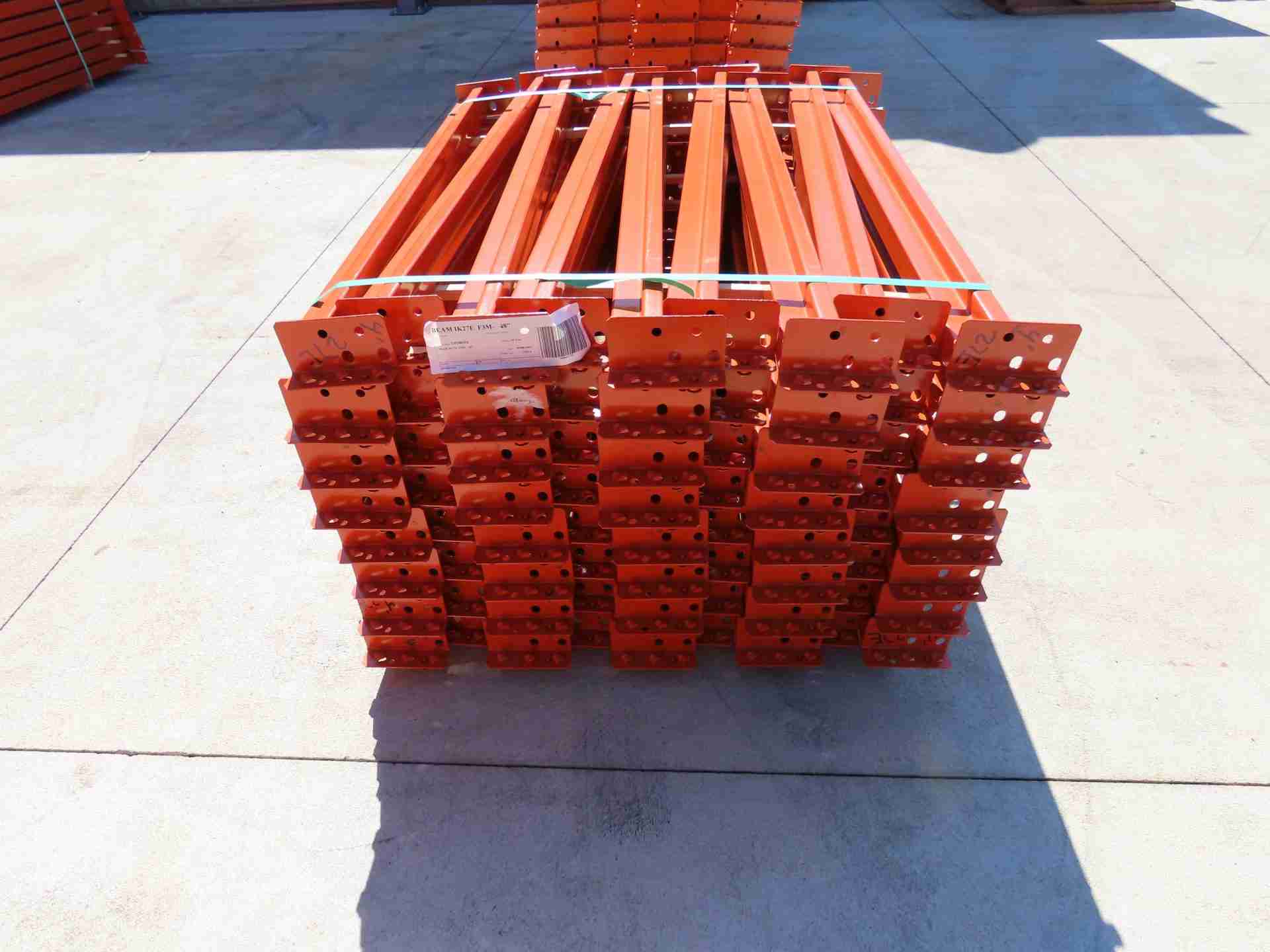
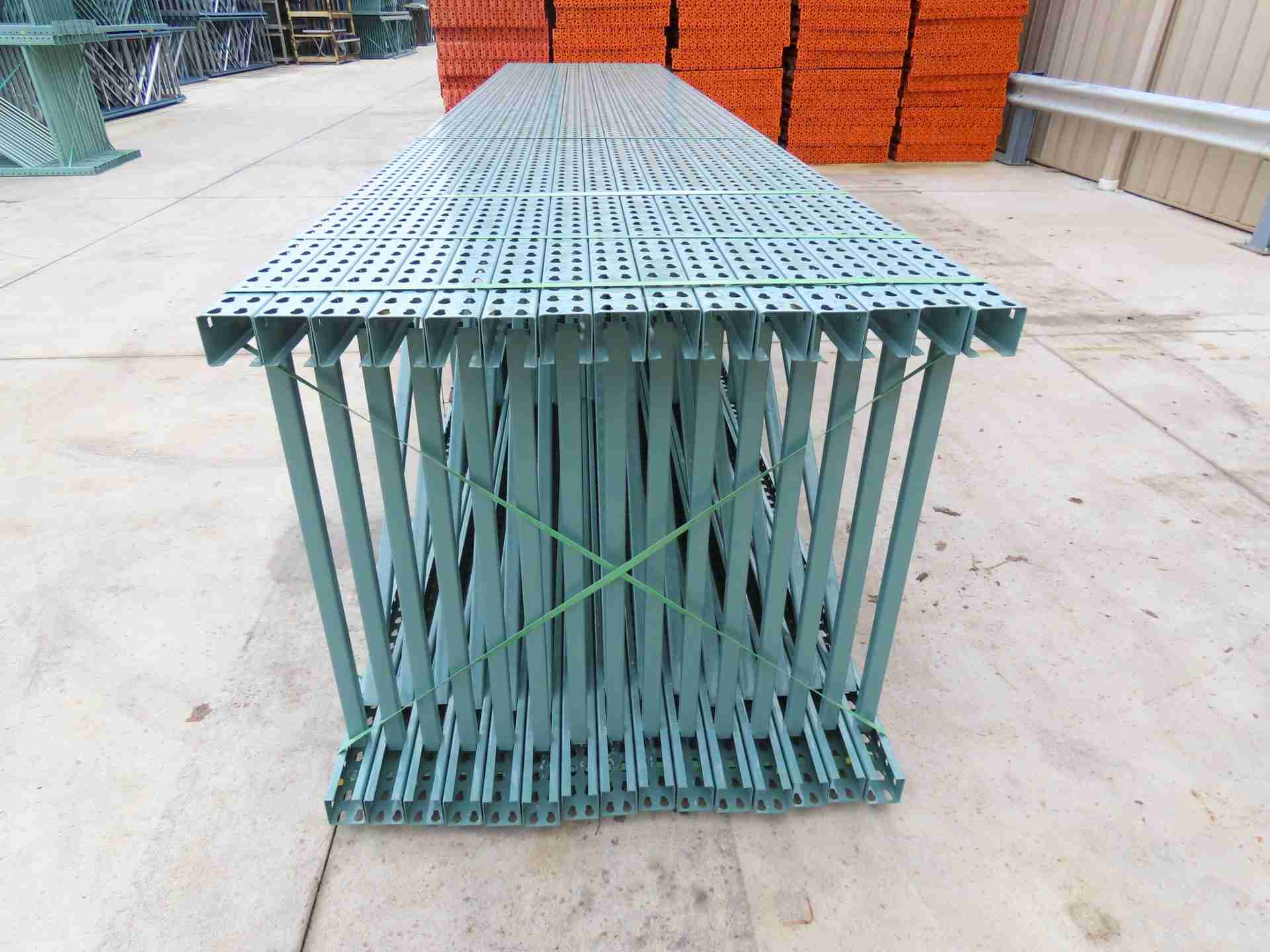
First, prioritize pallet racking, the backbone of any efficient warehouse. Imagine a bustling distribution center, goods stacked high in organized racks, maximizing vertical space while keeping operations efficient. Investing in high-quality pallet racking systems not only enhances storage but also streamlines workflows. The right racking can physically and operationally support your warehouse strategy, much as Buffett looks for operational efficiency in the businesses he invests in.
Consider the recent surge in e-commerce. As consumers shift towards online shopping, warehouses are pressed to adapt. Companies like Amazon have ramped up their logistics networks; to stay competitive, your investments must also evolve. Investing in adjustable pallet racking allows for quick changes in the warehouse layout based on stock sizes and turnover rates. This agility can translate into significant savings, akin to how Buffett seeks companies with adaptable business models.
Next, focus on technology integration. Consider investing in automation for your pallet racking operations, like conveyor systems or robotics. These innovations not only accelerate fulfillment but also reduce labor costs in the long run. For example, automated guided vehicles (AGVs) working in tandem with pallet racking systems can double efficiency, especially in high-demand seasons. As seen with many current leaders in logistics, embracing technology is essential for survival and growth.
Lastly, analyze the total cost of ownership. Buffett embraces businesses that perform well under scrutiny; apply this to your investments. Look beyond the upfront costs of pallet racking and technology; consider maintenance, repair, and potential efficiency gains. For instance, opting for heavy-duty pallet racking might seem costlier initially but can withstand wear and tear much better than a cheaper version. This is a long-term play, maximizing your ROI and aligning with Buffett’s philosophy of durability and investment in quality.
By prioritizing investments in smart pallet racking systems, leveraging automation, and thoroughly analyzing costs, you’re not just building a warehouse—you’re building a foundation for sustainable growth. Remember, cultivating a mindset of astute investment is key, whether you’re buying stocks or shelving systems. Be strategic, be analytical, and watch your warehouse thrive like Berkshire Hathaway.
How Can I Prioritize Warehouse Investments Like Buffett Does?
How Can I Prioritize Warehouse Investments Like Buffett Does?
- Adopt a strategic approach to warehouse investments similar to Warren Buffett’s investment analysis.
- Prioritize high-quality pallet racking to enhance storage efficiency and streamline workflows.
- Invest in adjustable pallet racking systems to adapt to changing stock sizes and turnover rates driven by the rise of e-commerce.
- Integrate technology, such as automation and robotics, to increase fulfillment speed and decrease labor costs.
- Analyze the total cost of ownership by considering long-term maintenance and efficiency gains.
- Invest in durable, high-quality pallet racking systems for maximized ROI, in line with Buffett’s principles.
- Foster a mindset of astute investment to build a strong foundation for sustainable growth in warehouse operations.
How Can I Prioritize Warehouse Investments Like Buffett Does?
What Is The Role Of Data Analysis In Warehouse Management?
In today’s fast-paced business landscape, effective warehouse management is not merely about storage; it’s about strategic optimization. At the heart of this transformation lies the role of data analysis, a game-changing powerhouse that can elevate operations from the mundane to the remarkable.
Let’s paint a vivid picture: imagine a bustling distribution center filled with a diverse array of products. Pallet racking systems tower high, accommodating both short and long-term storage. How do you determine the ideal location for every item? This is where data analysis comes into play. By analyzing sales trends, seasonal demand, and product turnover rates, warehouses can strategically position high-demand items in accessible locations, reducing pick times and driving efficiency.
Consider a company like Amazon, which has redefined the e-commerce landscape with its advanced warehousing capabilities. By applying data analysis on a grand scale, they track customer behavior and inventory fluctuations in real time. A sudden surge in demand for a particular item can trigger automated restocking alerts, ensuring that the pallet racking systems are always optimized. This immediate responsiveness not only satisfies customer needs but also maximizes profitability.
Moreover, the prevalence of smart technologies adds another layer of complexity. Recent advancements in IoT (Internet of Things) have made it possible to collect data from every corner of the warehouse. For example, sensors can monitor the performance of pallet racks and alert management of potential hazards before they escalate. By utilizing this data effectively, warehouses can enhance safety protocols while optimizing space utilization.
Now, let’s pivot to current events. In light of global supply chain disruptions, many businesses are recognizing the need for agility and insight. Data analysis allows companies to forecast potential delays, analyze supplier performance, and make informed decisions about inventory levels. An organization that integrates robust data analysis in its warehouse management is more likely to adapt swiftly to market changes—whether it’s sourcing alternatives or redistributing resources efficiently.
The role of data analysis in warehouse management is indispensable. It’s not just about keeping shelves stocked; it’s about using insights to drive efficiency, reduce costs, and improve service levels. By harnessing the power of data, businesses can turn their warehouse operations into a well-oiled machine, ensuring that every pallet racking system and every product is exactly where it needs to be—maximizing profitability. Don’t let your warehouse linger in the past; embrace the future of logistics with data-driven decisions.
What Is The Role Of Data Analysis In Warehouse Management?
What Is The Role Of Data Analysis In Warehouse Management?
- Effective warehouse management focuses on strategic optimization, not just storage.
- Data analysis plays a critical role in improving warehouse operations by leveraging sales trends and product turnover rates.
- Companies like Amazon utilize real-time data analysis to track customer behavior and manage inventory effectively.
- Smart technologies and IoT advancements enhance data collection, improving safety and space utilization.
- Businesses facing global supply chain disruptions use data analysis to forecast delays and optimize inventory levels.
- Integrating robust data analysis helps organizations adapt swiftly to market changes and manage resources efficiently.
- Data-driven decisions can transform warehouse operations, driving efficiency, cost reduction, and enhanced service levels.
What Is The Role Of Data Analysis In Warehouse Management?
Conclusion
In the ever-evolving landscape of warehouse management, the principles championed by Warren Buffett can be transformative. Just as Buffett meticulously evaluates investments for long-term value, applying this mindset to your warehouse operations is not just advisable; it’s essential for success. The fundamental lesson? Invest in quality over short-term savings. By prioritizing robust pallet racking systems that maximize space and efficiency, you ensure that your warehouse can adapt seamlessly to the growing demands of e-commerce. Choosing durable solutions is akin to Buffett’s focus on the sustainability of the companies he invests in—less downtime, improved throughput, and substantial cost reductions follow smart investment choices.
Furthermore, the ability to analyze performance metrics—much like Buffett reviews a company’s financial health—is vital. Key Performance Indicators (KPIs) such as Order Accuracy and Inventory Turnover provide the clarity needed to make informed decisions. Are your pallet racking configurations optimized for smooth workflows? Engaging in data analysis isn’t just a routine; it uncovers insights to drive operational excellence and allows for agile adaptations to shifting market demands.
As we enter a period where flexibility and technological integration are more critical than ever, businesses that follow Buffett’s lead—remaining adaptable—will stand to gain significant competitive advantages. Investing in advanced technologies like automated inventory systems not only streamlines operations but aligns with the need for rapid response in today’s marketplace, echoing Buffett’s preference for innovation and efficiency.
At Arrow Industrial Sales, we echo these principles, offering high-quality pallet racking solutions designed to cater to your evolving warehouse needs. Don’t wait for your competitors to seize the opportunity—act now. Call Arrow Industrial Sales at (574) 349-6575 for expert advice tailored to fit your unique operational goals. Our dedicated team is ready to assist you in optimizing your warehouse management strategy, ensuring you embody the kind of value-centric approach that Warren Buffett champions. Remember, in today’s competitive landscape, the time for action is now. Together, let’s forge a path toward remarkable growth and profitability for your business.
Conclusion
Conclusion:
- Apply Warren Buffett’s investment principles to warehouse management for long-term success.
- Prioritize quality over short-term savings by investing in robust pallet racking systems.
- Choose durable solutions to reduce downtime, improve throughput, and lower costs.
- Analyze Key Performance Indicators (KPIs) like Order Accuracy and Inventory Turnover for better decision-making.
- Ensure pallet racking configurations are optimized for smooth workflows through data analysis.
- Invest in advanced technologies, such as automated inventory systems, to enhance flexibility and efficiency.
- Contact Arrow Industrial Sales for tailored advice and high-quality pallet racking solutions to optimize your warehouse management.
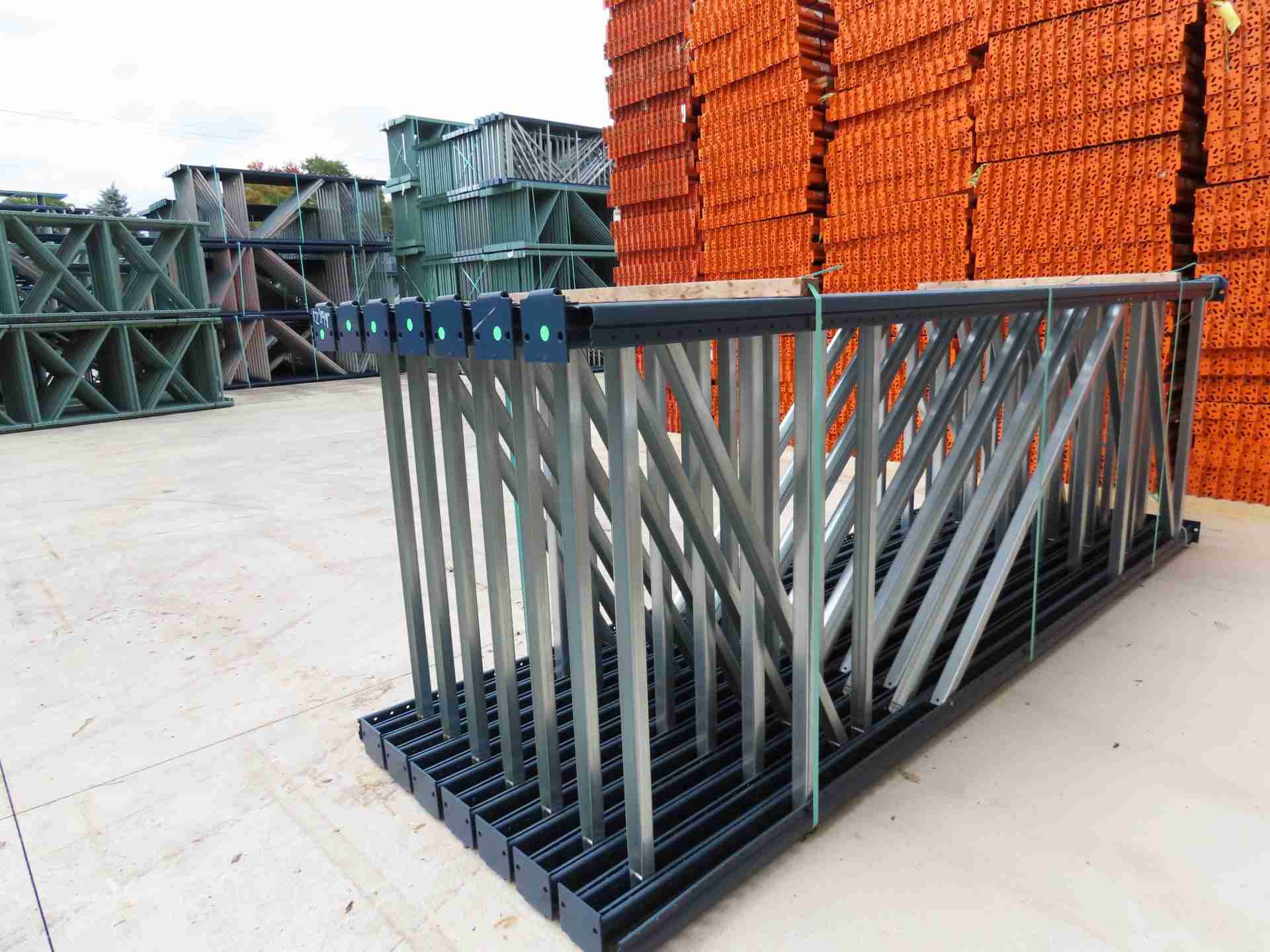
Conclusion
Other Resources
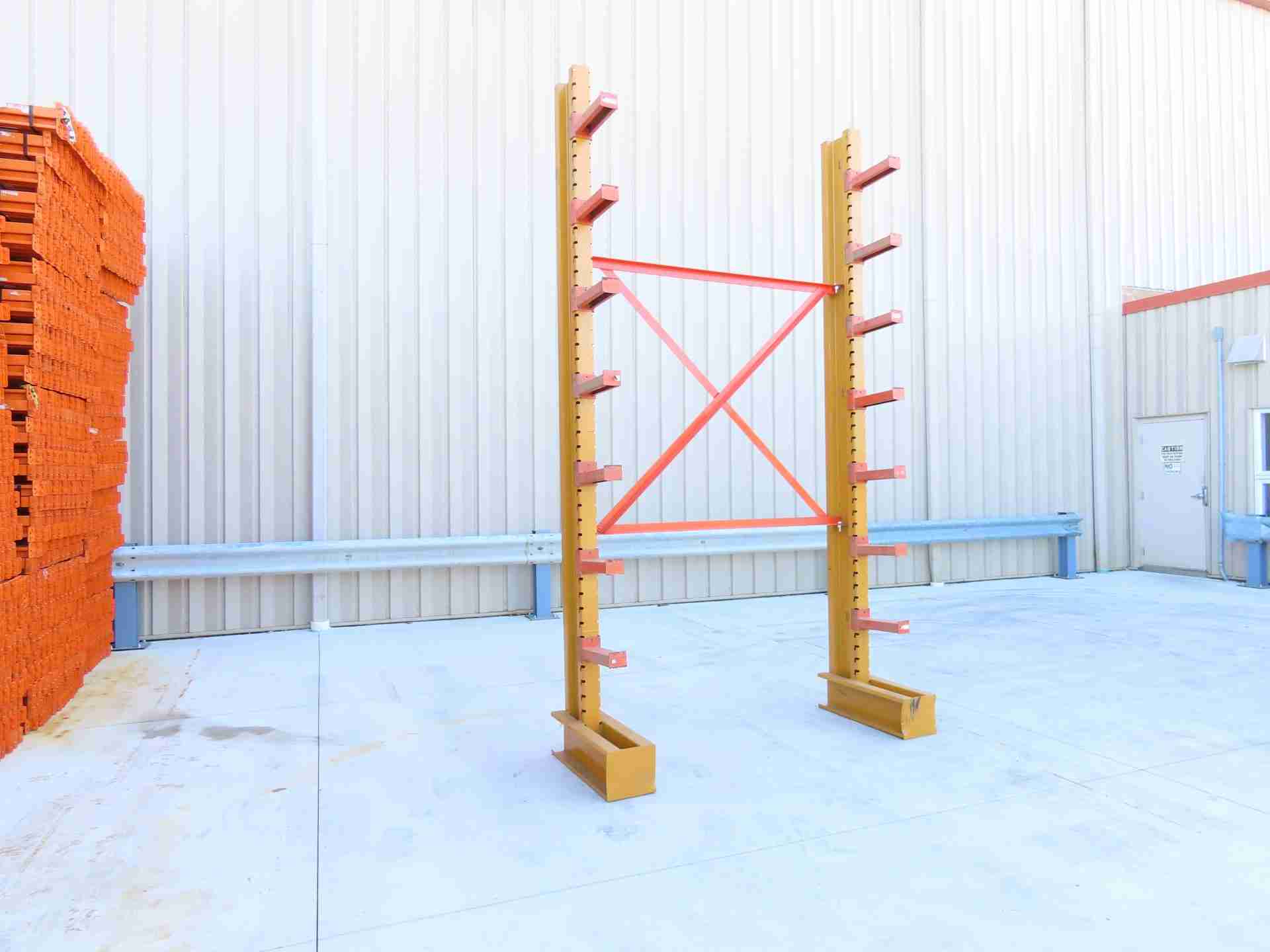
Other Resources
Here is a list of other resources you can review online to learn more:
- Wolter
- CA Wire
- Cantilever Rack Guide: Ordering Cantilever Racking
- American Surplus
- The Ultimate Pallet Racking Guide – Speedrack West
- Selective Pallet Racking Systems – Container Systems
- Teardrop Industrial Shelving Rack
- WERC
- What is Cantilever Racking? – AK Material Handling Systems
- Intro to Warehouse Racks & Warehouse Racking Systems – ShipBob
Use This Prompt To Get More Resources With Your Favorite Online AI Tool: Please provide me with a list of online articles with their URLs in a bulleted list that I can read regarding How Can Warren Buffett Strategies Apply to Warehouse Management?
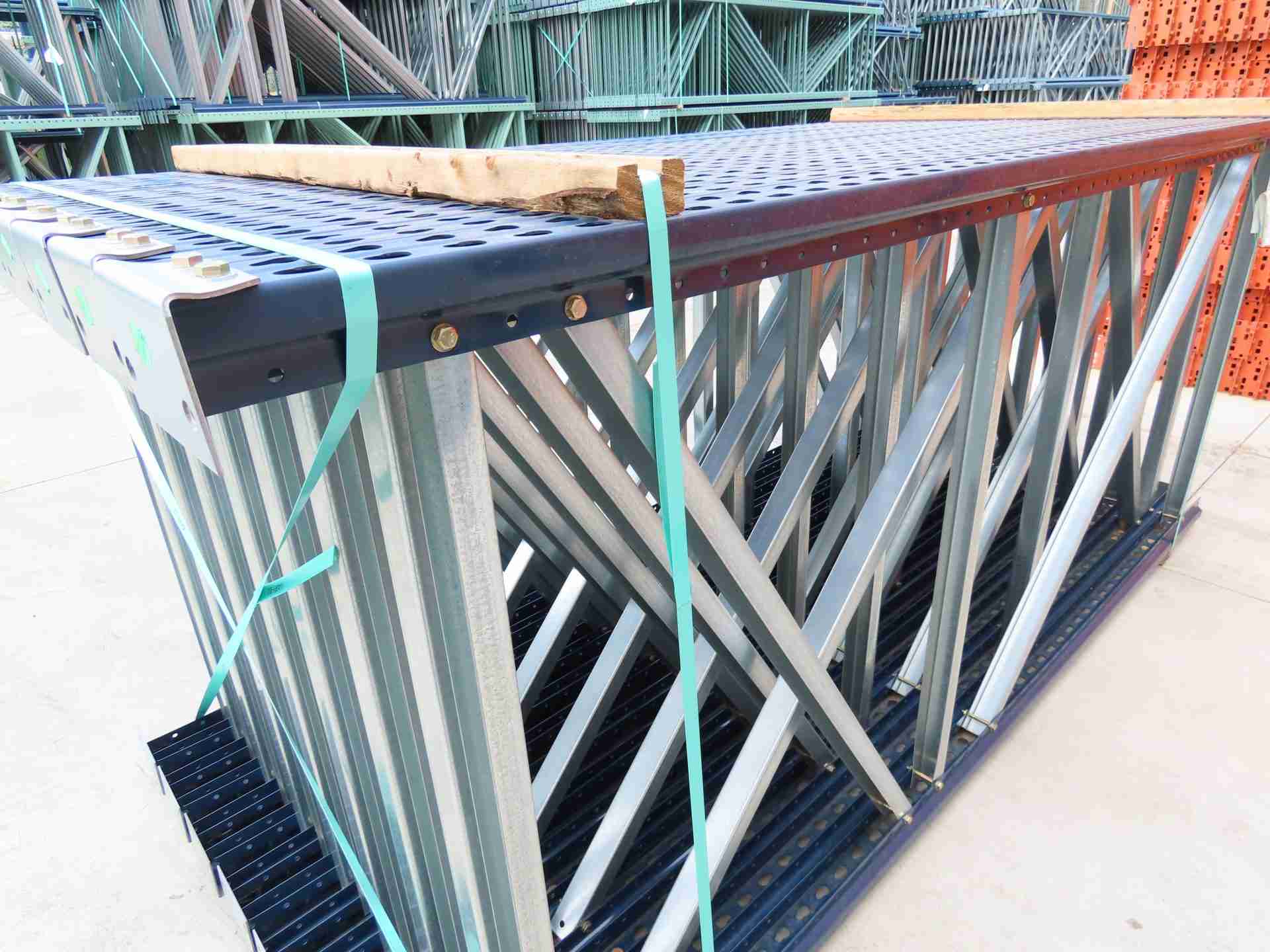
Other Resources
Glossary Terms
How Can Warren Buffett Strategies Apply to Warehouse Management? – Glossary Of Terms
1. Value Investing: An investment strategy that focuses on buying undervalued assets with strong fundamentals, applicable in warehouse management by prioritizing efficient resource allocation.
2. Due Diligence: The process of thorough investigation or audit of a potential investment; in warehousing, it means assessing suppliers and equipment before acquisition.
3. Operational Efficiency: Maximizing outputs while minimizing inputs; in warehouse management this translates to streamlining operations to reduce costs and improve service levels.
4. Risk Management: The identification, assessment, and prioritization of risks; essential in warehouses for mitigating potential losses from disruptions or inefficiencies.
5. Cash Flow: The total amount of money being transferred into and out of a business; monitoring cash flow in warehouse operations ensures sufficient funds for inventory management.
6. Inventory Turnover: A measure of how many times inventory is sold and replaced over a period; optimizing this rate is crucial for efficient warehouse management.
7. Diversification: Spreading investments across various assets to reduce risk; in warehouses, this can mean diversifying suppliers or product lines to mitigate potential disruptions.
8. Supply Chain Optimization: The process of improving supply chain operations to maximize efficiency and minimize costs; applying Buffett’s principles can help streamline this in warehouse management.
9. Market Analysis: An assessment of the market conditions for a particular area; important for warehouses to understand trends and customer demands.
10. Asset Allocation: Deciding how to distribute resources among various assets; in warehouses, this involves intelligently allocating storage space and inventory levels.
11. Cost-Benefit Analysis: A process of comparing the costs and benefits of a decision; this can be applied in warehouses to evaluate technology investments or process changes.
12. Continuous Improvement: Ongoing efforts to enhance products, services, or processes; inspired by Buffett’s approach, this can help warehouses evolve and stay competitive.
13. Strategic Planning: Articulating long-term goals and determining the best approach to achieve them; useful for warehouses to set operational objectives based on market trends.
14. Leadership Principles: Values and skills emphasized by effective leaders; in management, emulating Buffett’s leadership style can enhance warehouse team performance.
15. Performance Metrics: Quantitative measures used to gauge effectiveness; in warehousing, metrics like order accuracy and fulfillment rates guide improvement strategies.
16. Fundamental Analysis: Evaluating a company’s financial health and core strengths; warehouses can assess suppliers based on reliability, cost, and service terms.
17. Operational Risks: Risks that arise from the internal processes of a warehouse; identifying and mitigating these risks can improve reliability and safety.
18. Market Position: A company’s relative standing in the market; understanding this can help warehouses strategize their service offerings and customer engagement.
19. Technology Adoption: The integration of new technological tools; following Buffett’s adaptability, warehouses can implement software for inventory management and tracking.
20. Customer Satisfaction: The measurement of how products meet or surpass customer expectations; maximizing this is crucial for warehouse operations to foster repeat business.
21. Employee Training: Programs aimed at enhancing team skills and knowledge; in warehouse settings, proper training ensures efficient and safe operations.
22. Forecasting: Predicting future market conditions to aid in decision-making; warehouses can use forecasting tools to manage inventory and optimize storage.
23. Competitive Advantage: An attribute that allows a company to outperform its competitors; in warehouses, this could mean superior technology or logistical capabilities.
24. Return on Investment (ROI): A performance measure used to evaluate the efficiency of an investment; warehouses must analyze the ROI of their operational strategies.
25. Lean Management: A method focused on minimizing waste while maximizing productivity; applying lean principles can drastically improve warehouse efficiency.
26. Scalability: The ability to grow and manage increased demand without compromising performance; essential in warehouse management to handle peaks in volume.
27. Sustainability: Practices aimed at minimizing environmental impact; warehouses might adopt sustainable practices to reduce costs and improve public image.
28. Regulatory Compliance: Adhering to laws and regulations; warehouses must ensure compliance with safety and labor laws to avoid legal issues.
29. Negotiation Skills: The ability to reach mutually beneficial agreements; critical in warehouse management for negotiating contracts with suppliers and service providers.
30. Benchmarking: Comparing business processes and performance metrics to industry standards; this helps warehouses identify areas for improvement and set performance goals.

Glossary Of Terms
Other Questions
How Can Warren Buffett Strategies Apply to Warehouse Management? – Other Questions
If you wish to explore and discover more, consider looking for answers to these questions:
- What are the foundational principles of Warren Buffett’s investment strategies?
- How do I choose the right pallet racking system for my warehouse?
- What are the common pitfalls to avoid when implementing warehouse management strategies?
- What technology solutions are essential for modern warehouse operations?
- How can I effectively train my staff on new warehouse technologies?
- What are the best practices for maintaining pallet racking systems?
- How do I create a culture of continuous improvement in my warehouse?
- What role does sustainability play in warehouse management today?
- How can I effectively forecast demand in my warehouse?
- What are the most critical KPIs for measuring warehouse success?
- How do I assess the total cost of ownership for warehouse investments?
- How can I leverage data analysis to improve my warehouse operations?
- What are the latest trends in warehouse management technology?
- How do I ensure my warehouse adapts to e-commerce growth?
- What strategies can I use to enhance order accuracy in my warehouse?
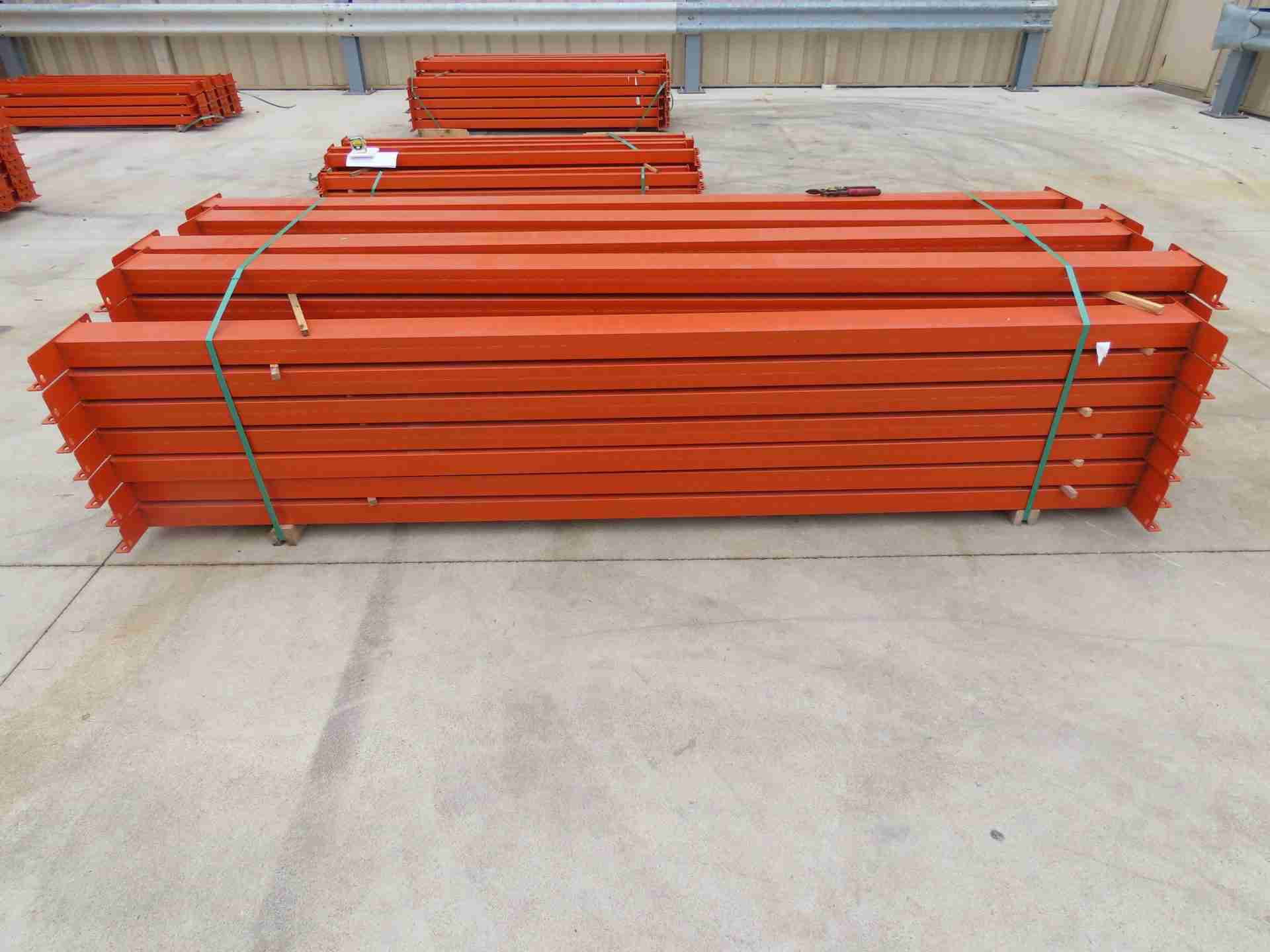
Other Questions
Checklist
How Can Warren Buffett Strategies Apply to Warehouse Management? – A Checklist
1. Invest Wisely in Infrastructure
_____ Evaluate your current pallet racking systems for durability and functionality.
_____ Assess long-term cost benefits versus initial investment costs.
_____ Ensure your racking solutions optimize both space and operational efficiency.
2. Monitor Key Performance Indicators (KPIs)
_____ Track inventory turnover rates.
_____ Measure order accuracy and its impact on customer satisfaction.
_____ Analyze shipping and receiving efficiency metrics.
3. Optimize Warehouse Layout
_____ Review your palette racking configuration for accessibility.
_____ Consider redesigning to avoid bottlenecks and streamline workflows.
_____ Ensure high-demand items are easily accessible to reduce picking time.
4. Embrace Technology Integration
_____ Invest in advanced inventory management software.
_____ Explore automation technologies such as robotics or conveyor systems.
_____ Implement barcode scanning or RFID systems for better tracking.
5. Foster a Culture of Continuous Improvement
_____ Schedule regular team meetings to discuss challenges and brainstorm solutions.
_____ Encourage employee feedback on operational procedures.
_____ Provide ongoing training to improve skill sets and safety awareness.
6. Utilize Data Analysis
_____ Analyze sales data to position high-demand items effectively.
_____ Implement IoT solutions to monitor warehouse performance and safety.
_____ Use predictive analytics for inventory management and demand forecasting.
7. Set Long-Term Goals
_____ Define specific objectives for space optimization and operational efficiency.
_____ Develop a sustainability plan that outlines eco-friendly practices.
_____ Create timelines for achieving established warehouse performance metrics.
8. Enhance Operational Transparency
_____ Maintain detailed records of operational costs and productivity measures.
_____ Use data analytics to improve visibility across your warehouse operations.
_____ Encourage accountability among employees to foster trust and collaboration.
9. Analyze Total Cost of Ownership
_____ Assess long-term maintenance and durability aspects of your investments.
_____ Compare costs of different pallet racking systems and automation technologies.
_____ Ensure the investments align with strategic warehouse management goals.
10. Prioritize Flexibility and Adaptability
_____ Stay ahead of market demands by adopting adjustable pallet racking solutions.
_____ Be ready to pivot your warehouse layout based on shifting consumer behaviors.
_____ Review and update investment strategies regularly to align with new trends.
By following this checklist, you can integrate Warren Buffett’s investment principles into your warehouse management strategy, fostering a culture of efficiency, profitability, and long-term growth.

Checklist
At RackingWorld, we help guide you through selecting warehouse storage systems and racking.
Be sure to read our other related stories at RackingWorld to learn more about warehouse storage systems.
0 Comments