
Empowering Change: Designing Smart Warehouses With Malala Yousafzai’s Inspiration
By Tom Seest
At RackingWorld, we help guide you through selecting warehouse storage systems and racking.
Be sure to read our other related stories at RackingWorld to learn more about warehouse storage systems.
How Can The Malala Yousafzai Story Inspire Smart Warehouse Design?
The inspiring journey of Malala Yousafzai is a testament to the power of resilience and determination. Just as Malala fought against formidable odds for the right to education, businesses today can draw parallels in their pursuit of innovation, especially in smart warehouse design. Lessons from her story can lead to transformative strategies that not only improve efficiency but also foster a culture of adaptability and empowerment within the logistics industry.
When Malala returned to school after her tragic experience, she didn’t just settle for the status quo — she sought to create a better future for herself and those around her. Similarly, warehouse designers and managers should aim for environments that not only maximize efficiency but also inspire their teams. This is where solutions like versatile pallet racking come into play. By implementing adjustable pallet racking systems, warehouses can enhance storage density while allowing for easy adjustments in aisle width and height as inventory needs change. Just as Malala encourages adaptability, so too should your warehouse design be fluid and responsive to market demands.
Moreover, consider Malala’s global outreach efforts. She didn’t stop at her personal journey; she leveraged her platform to advocate for education across the world. In the realm of logistics, this kind of expansive thinking can inspire smart warehouse designs that incorporate technology and sustainability. For example, automating material handling systems not only increases productivity but also reduces the carbon footprint of warehouse operations. Leading companies are adopting robotics to streamline pick-and-pack processes, illustrating that innovation is essential for long-term survival and success, much like Malala’s advocacy for universal access to education is crucial for future generations.
Current trends emphasize the importance of collaborative working environments. In her quest for change, Malala created a global community of supporters. Warehouse spaces can implement open layouts that promote teamwork and communication, akin to how groups unite for a common cause. Integrating modern technology, such as warehouse management systems, can streamline operations, making teams more agile and responsive to customer needs — much like how Malala’s message resonates swiftly in the era of social media.
The Malala Yousafzai story can inspire warehouse leaders to rethink design strategies. By championing adaptability, embracing technology, and building collaborative environments, they can create smart warehouses that not only enhance efficiency but also embody a culture of innovation and empowerment. Just as Malala stands as a beacon of hope, so too can your warehouse shine as a model of modern efficiency and resilience in the face of changing tides.
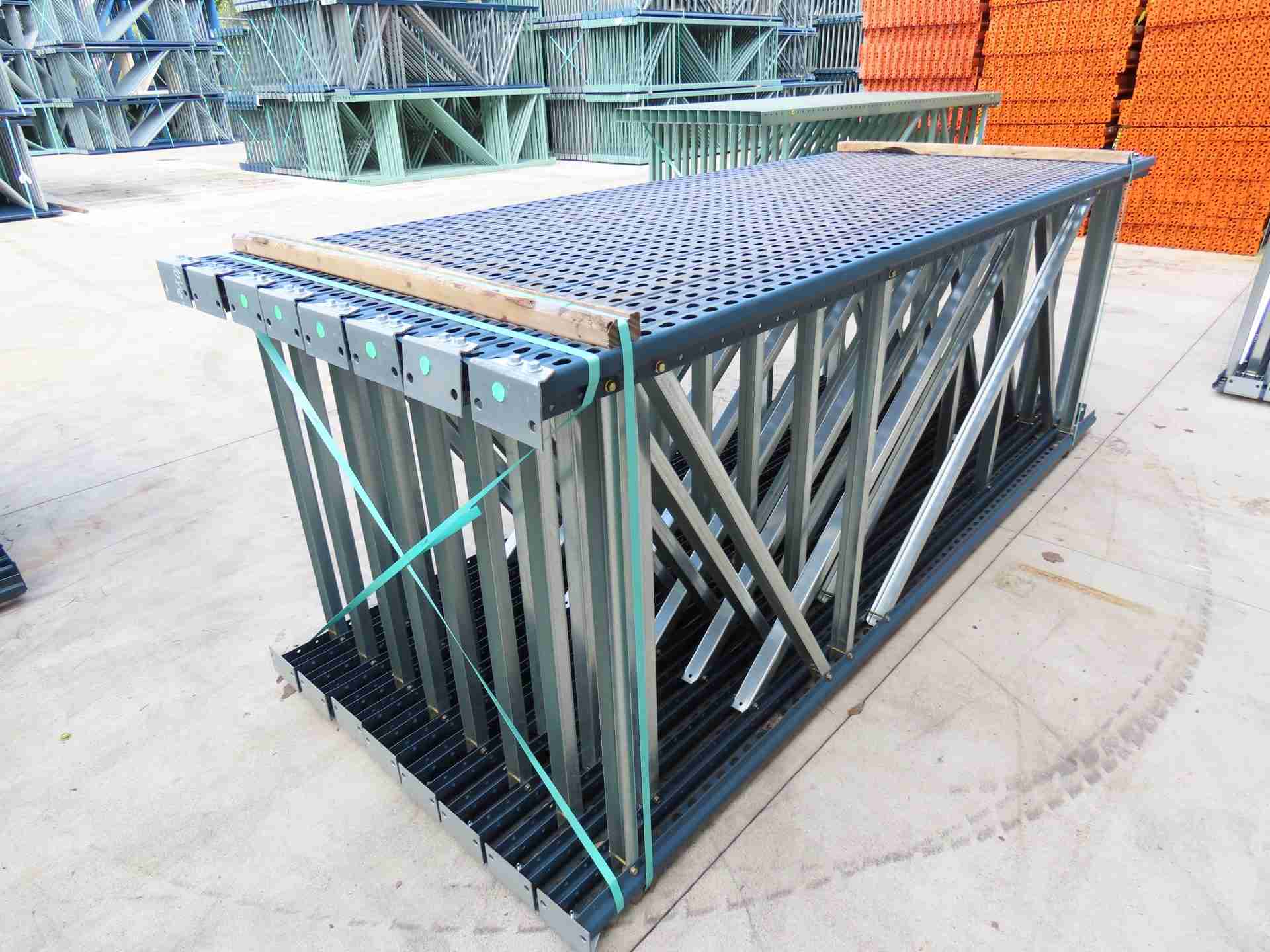
How Can The Malala Yousafzai Story Inspire Smart Warehouse Design?
How Can The Malala Yousafzai Story Inspire Smart Warehouse Design?
- Malala Yousafzai’s journey exemplifies resilience and determination, paralleling the pursuit of innovation in smart warehouse design.
- Her return to school signifies the pursuit of a better future, inspiring warehouse designers to create efficient and motivating environments.
- Implementing versatile pallet racking systems can enhance warehouse efficiency and adaptability to shifting inventory needs.
- Malala’s global advocacy for education reflects the importance of incorporating technology and sustainability in logistics.
- Automation and robotics in warehouses can increase productivity while reducing the carbon footprint, mirroring Malala’s mission for universal education.
- Collaboration is crucial; open layouts in warehouses can foster teamwork, similar to Malala’s efforts in building a supportive global community.
- By embracing adaptability, technology, and collaboration, warehouse leaders can create modern, resilient facilities that embody a culture of innovation.
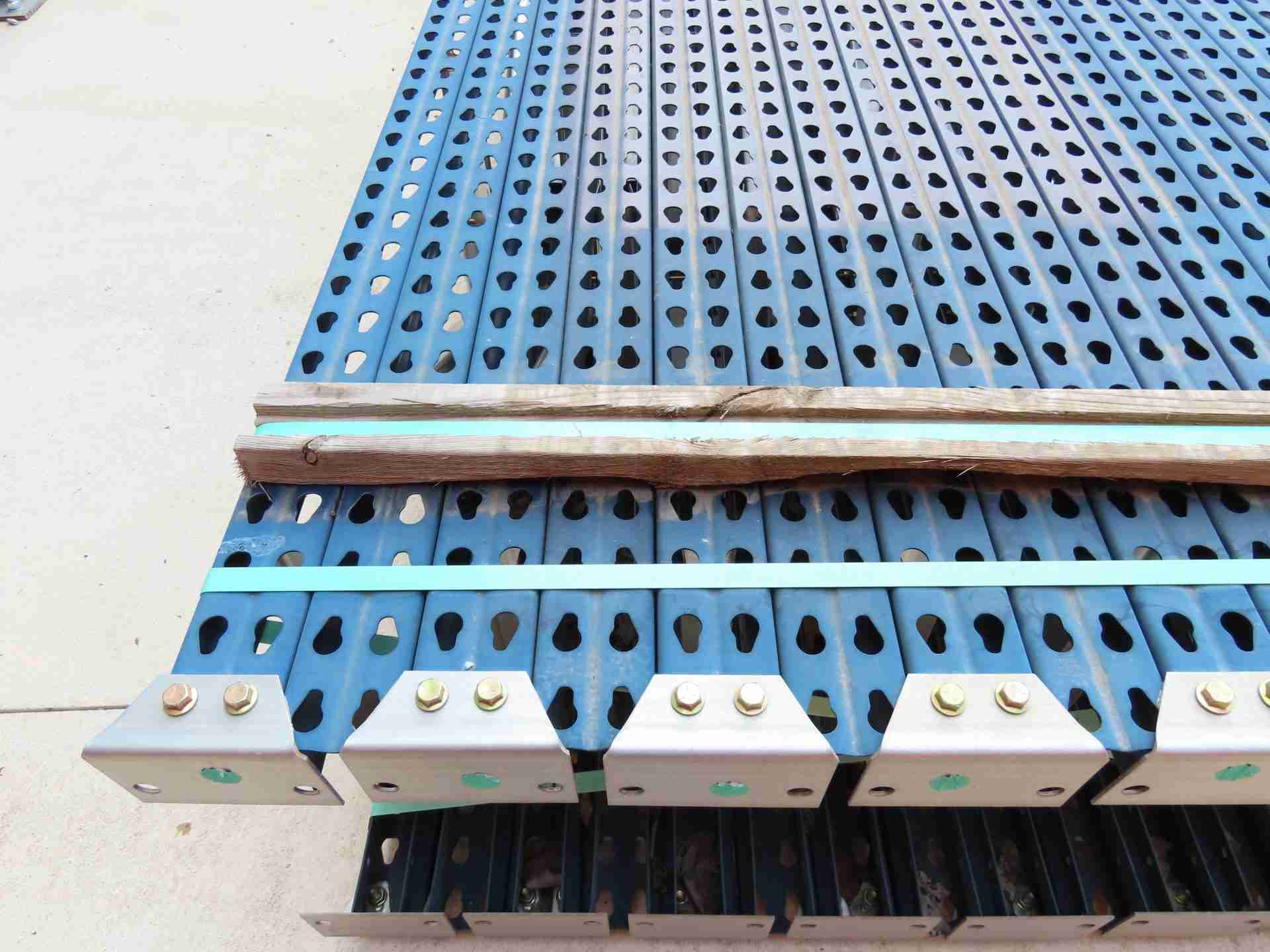
How Can The Malala Yousafzai Story Inspire Smart Warehouse Design?
Table Of Contents
- How Can The Malala Yousafzai Story Inspire Smart Warehouse Design?
- How Can Empathy Shape Warehouse Design?
- In What Ways Does Access To Education Relate To Innovation?
- What Role Does Technology Play In Effective Warehouse Solutions?
- How Can Inclusivity Enhance Warehouse Productivity?
- What Strategies Promote A Culture Of Learning In Warehouses?
- What Sustainable Practices Can Be Inspired By Her Story?
- Conclusion
- Other Resources
- Glossary Of Terms
- Other Questions
- Checklist
How Can Empathy Shape Warehouse Design?
In the fast-paced world of logistics and distribution, the physical layout of a warehouse can either streamline operations or create chaos. Empathy—the ability to understand and share the feelings of others—plays a crucial role in designing efficient warehouses that serve both employees and operational goals.
Consider the typical warehouse. Rows of pallet racking stand tall, ostensibly organized to maximize storage space. But how often do designers pause to consider the end-user—the workers navigating this labyrinth of steel and boxes? An empathetic approach would involve engaging with warehouse personnel regularly. Understand their pain points. For example, if employees struggle to locate specific items in a cramped pallet racking system, not only does productivity suffer, but morale dips as well.
Imagine redesigning the pallet racking system based on employee feedback. By adopting a user-friendly labeling system, positioning frequently picked items within easy reach, and incorporating ergonomic principles into how materials are stored, you not only optimize operational efficiency but also foster a sense of worth among your team. When employees feel that their needs are prioritized, their engagement skyrockets, reducing turnover and improving service quality.
Current events provide a perfect backdrop for this conversation. Amid the ongoing labor shortages in the logistics sector, companies are scrambling to attract and retain talent. By prioritizing empathetic warehouse design—such as creating more spacious aisles, enhancing safety measures, and ensuring adequate breaks—organizations can distinguish themselves in a competitive labor market. Acknowledging the value of employee wellness resonates deeply; it translates into lower turnover rates and a more loyal workforce.
Moreover, modern technology can amplify an empathetic approach in warehouse design. Implementing automated systems to handle heavy lifting can dramatically reduce strain on employees. Additionally, intelligent software can help reconfigure pallet racking layouts based on real-time data, ensuring that storage methods evolve alongside employee needs. This not only improves efficiency but also showcases a commitment to workplace wellness.
Empathy doesn’t just boost morale; it reshapes workplace culture. As companies pivot towards a more human-centric model in response to industry challenges, those that embrace empathetic warehouse design will lead the charge, command respect, and drive performance. By transforming pallet racking from mere storage solutions into dynamic fixtures that prioritize human experience, businesses can create an environment where productivity soars, and employees thrive.
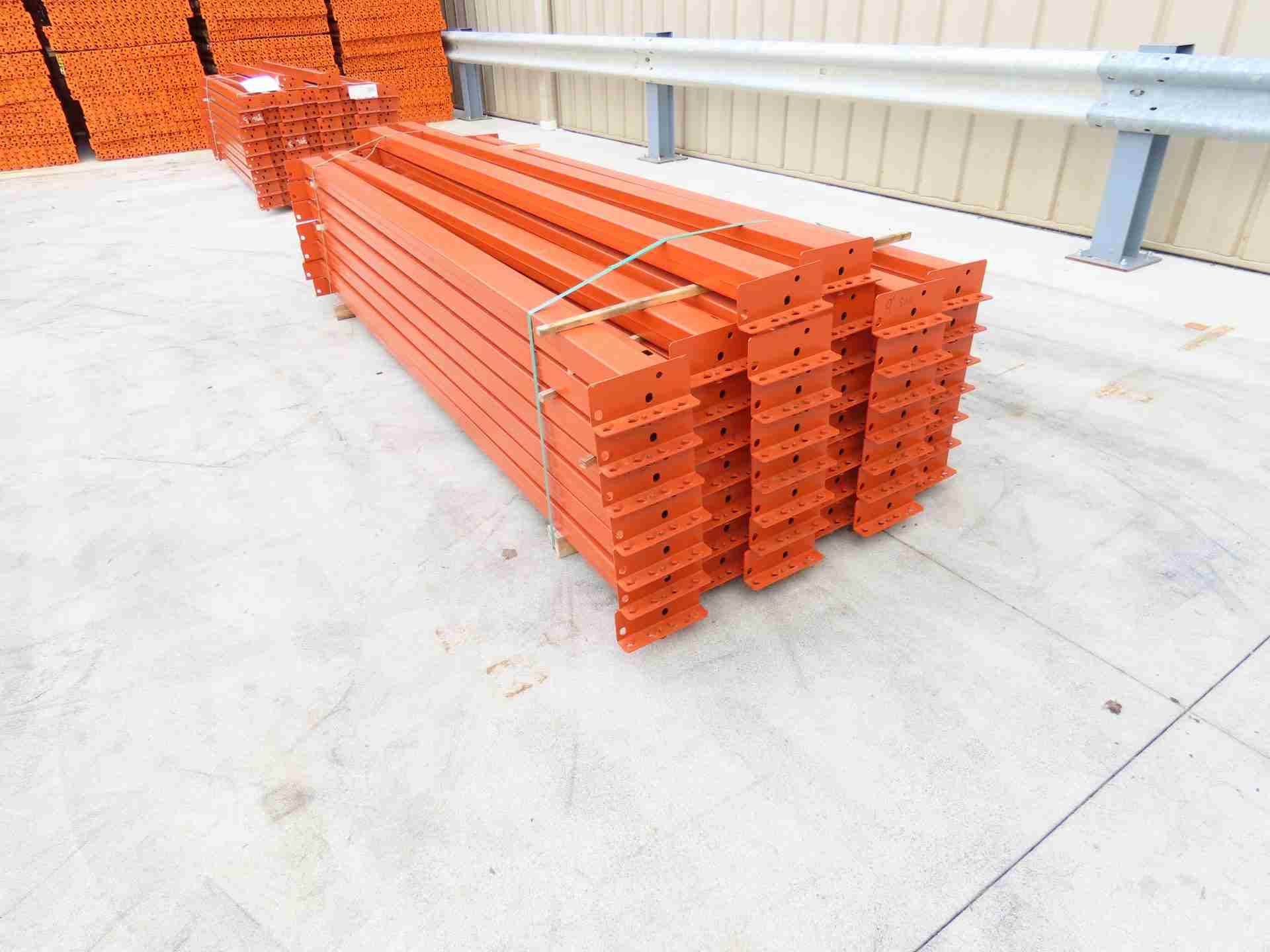
How Can Empathy Shape Warehouse Design?
How Can Empathy Shape Warehouse Design?
- Physical layout of a warehouse significantly impacts operational efficiency and employee satisfaction.
- Empathy is crucial in warehouse design, requiring engagement with workers to understand their challenges.
- Redesigning pallet racking systems based on employee feedback can improve productivity and morale.
- Empathetic design, like user-friendly labeling and ergonomic storage, fosters employee engagement and reduces turnover.
- In the context of labor shortages, creating spacious aisles, enhancing safety, and ensuring breaks can attract talent.
- Modern technology, like automated systems and intelligent software, can support empathetic design by reducing strain on workers.
- Adopting an empathetic approach not only boosts morale but also reshapes workplace culture for better performance.

How Can Empathy Shape Warehouse Design?
In What Ways Does Access To Education Relate To Innovation?
In today’s fast-paced world, access to education is not just a privilege; it’s a gateway to innovation. Imagine a world where individuals are equipped with the skills and knowledge needed to turn their ideas into reality. This is precisely where education plays a transformative role. By breaking down barriers and expanding educational opportunities, we open the floodgates for creative thinking and innovative solutions.
Consider the tech boom we witnessed in the last decade. Companies like Amazon and Google didn’t just emerge out of thin air; they were built on the back of an educated workforce. Education equips individuals with critical thinking skills, problem-solving abilities, and the technical expertise required to innovate. For instance, the rise of e-commerce has dramatically reshaped how we view inventory management. Businesses now use advanced solutions such as pallet racking systems, which are often the result of innovative design concepts taught in universities around the globe.
Moreover, current events such as the push for sustainable energy highlight the necessity of an educated populace. Innovative technologies such as solar panels and wind turbines are the products of skilled engineers and scientists armed with the knowledge acquired from their academic pursuits. Recently, initiatives aimed at incorporating renewable energy education in high schools have emerged, fostering a younger generation of innovators committed to solving pressing climate issues.
Corporate giants understand this connection. They are increasingly investing in educational programs to nurture talent within their communities. Companies like Microsoft and IBM have launched various initiatives to enhance STEM education, recognizing that tomorrow’s breakthroughs depend on today’s learners. They realize that a workforce steeped in education fosters a culture of innovation—one that leads to new products, improved efficiencies, and ultimately, increased profits.
Educational access also empowers marginalized groups, encouraging their participation in innovation. Initiatives aimed at closing the gender gap in STEM fields, like Girls Who Code, are crucial in creating an inclusive environment where diverse ideas can flourish. This diversity of thought is integral to developing groundbreaking solutions, as varied perspectives often lead to creative breakthroughs.
Education is the backbone of innovation. It fuels our industries, drives our economy, and enhances our collective quality of life. By ensuring greater access to education, we are not just investing in individuals; we are investing in a future rich with innovation and potential that can revolutionize our world. The cycle is clear: educated minds lead to inventive solutions, which ultimately contribute to societal progress. The only question is—are we doing enough to foster this essential relationship?

In What Ways Does Access To Education Relate To Innovation?
In What Ways Does Access To Education Relate To Innovation?
- Education is a vital gateway to innovation and necessary for turning ideas into reality.
- The tech boom in the last decade highlights the importance of an educated workforce for companies like Amazon and Google.
- Education provides critical skills such as problem-solving and technical expertise essential for innovation.
- Current emphasis on sustainable energy showcases the need for a knowledgeable populace to develop technologies like solar panels and wind turbines.
- Corporate giants are investing in educational programs, recognizing that a well-educated workforce drives innovation and profitability.
- Education promotes diversity and empowers marginalized groups, fostering an inclusive environment crucial for creative breakthroughs.
- Greater access to education is an investment in future innovation and societal progress, highlighting the essential relationship between education and creativity.
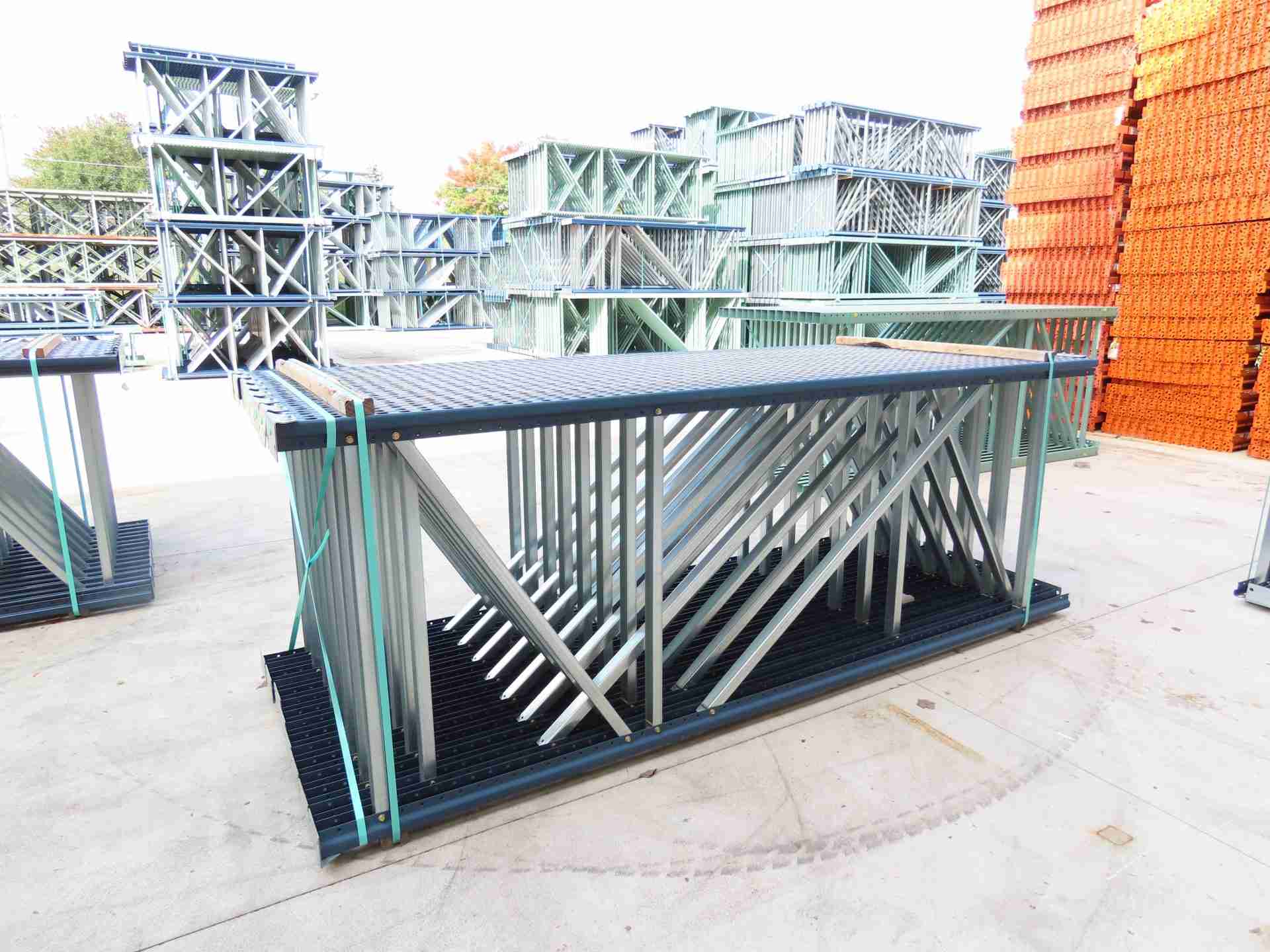
In What Ways Does Access To Education Relate To Innovation?
What Role Does Technology Play In Effective Warehouse Solutions?
In today’s fast-paced business environment, technology is the backbone of effective warehouse solutions. As e-commerce continues to soar and customer expectations rise, the integration of innovative technologies is no longer optional; it’s essential. With a plethora of advancements at our fingertips, businesses can streamline operations, reduce costs, and enhance customer satisfaction, thus solidifying their competitive edge.
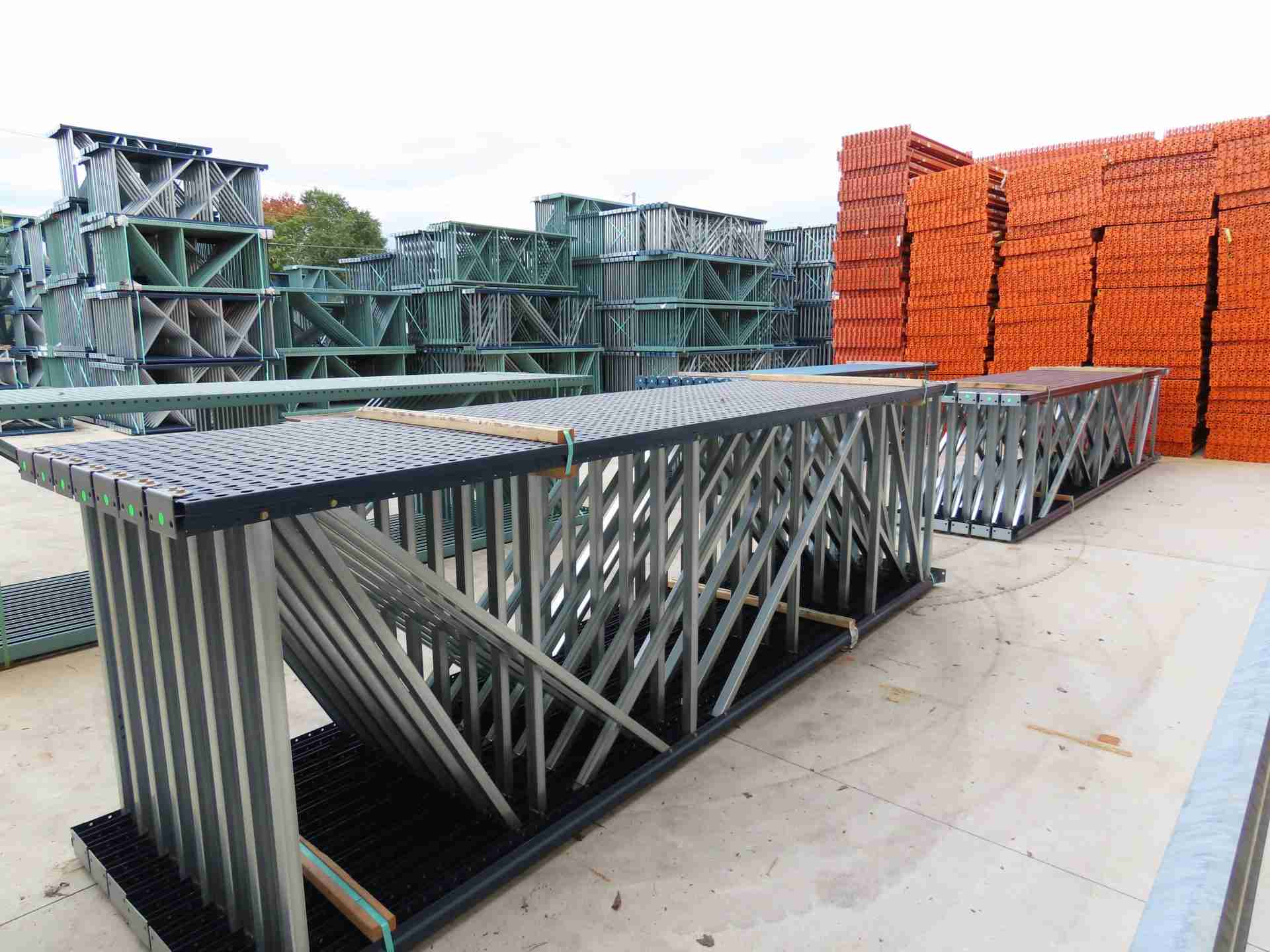
First and foremost, automated systems are revolutionizing the way warehouses operate. For instance, Automated Guided Vehicles (AGVs) transport goods within warehouses, eliminating manual labor and enhancing safety. These systems seamlessly interact with inventory management software, ensuring that pallet racking setups are optimized for space and efficiency. Imagine a warehouse where items are scanned, stored, and retrieved without human interference, dramatically increasing throughput. Real-world success stories abound—Amazon’s fulfillment centers are testament to the power of such automation where speed meets accuracy, fulfilling millions of orders daily.
Moreover, Warehouse Management Systems (WMS) provide unparalleled visibility into inventory levels and locations. This technology enables real-time tracking, which is crucial for maintaining the flow of goods. For example, during the peak of the COVID-19 pandemic, companies that invested in advanced WMS were better equipped to handle inventory disruptions and shifting consumer demands. By employing sophisticated algorithms, these systems optimize pallet racking layouts, resulting in reduced travel time for pickers and making the warehouse operate like a well-oiled machine.
Another pivotal component is data analytics. Leveraging big data allows warehouses to forecast trends and manage inventory levels more effectively. For instance, a retailer might notice an uptick in demand for a specific product based on seasonal trends or market shifts. By analyzing historical data, they can adjust their pallet racking systems accordingly to accommodate this shift, minimizing stockouts and maximizing sales potential.
Additionally, mobile technology has transformed warehousing operations. With handheld devices, workers can access real-time data, scan items, and complete tasks more efficiently. Recent advancements in Augmented Reality (AR) tools can even guide employees to the correct pallet racking locations, further speeding up order fulfillment.
In essence, technology transforms warehouses into agile, responsive entities. Whether it’s through implementing automated systems, utilizing advanced software, or employing data-driven strategies, the integration of technology paves the way for superior warehouse management. By embracing these innovations, businesses not only optimize their operations but also position themselves for sustained growth in an increasingly competitive marketplace. The future is bright for those who harness the power of technology in their warehouses.
What Role Does Technology Play In Effective Warehouse Solutions?
What Role Does Technology Play In Effective Warehouse Solutions?
- Technology is essential for effective warehouse solutions in a fast-paced business environment driven by e-commerce.
- Automated systems, such as Automated Guided Vehicles (AGVs), enhance warehouse operations by reducing manual labor and increasing safety.
- Integration with inventory management software optimizes pallet racking setups, boosting throughput and efficiency.
- Warehouse Management Systems (WMS) provide real-time visibility into inventory, crucial for managing goods flow.
- Data analytics allows warehouses to forecast trends, manage inventory, and adjust operations based on market demands.
- Mobile technology, including handheld devices and Augmented Reality (AR) tools, improves task efficiency and order fulfillment speed.
- Embracing technology enables warehouses to become agile, optimize operations, and sustain growth in a competitive marketplace.
What Role Does Technology Play In Effective Warehouse Solutions?
How Can Inclusivity Enhance Warehouse Productivity?
In today’s competitive landscape, warehouses are beginning to discover that inclusivity is not just a buzzword; it’s a secret ingredient to boosting productivity. When you create a workspace that values diverse perspectives—whether through race, gender, abilities, or backgrounds—you foster an environment ripe for innovative solutions and efficient operations. Especially in the warehousing sector where optimization is crucial, harnessing this diverse potential can yield impressive results.
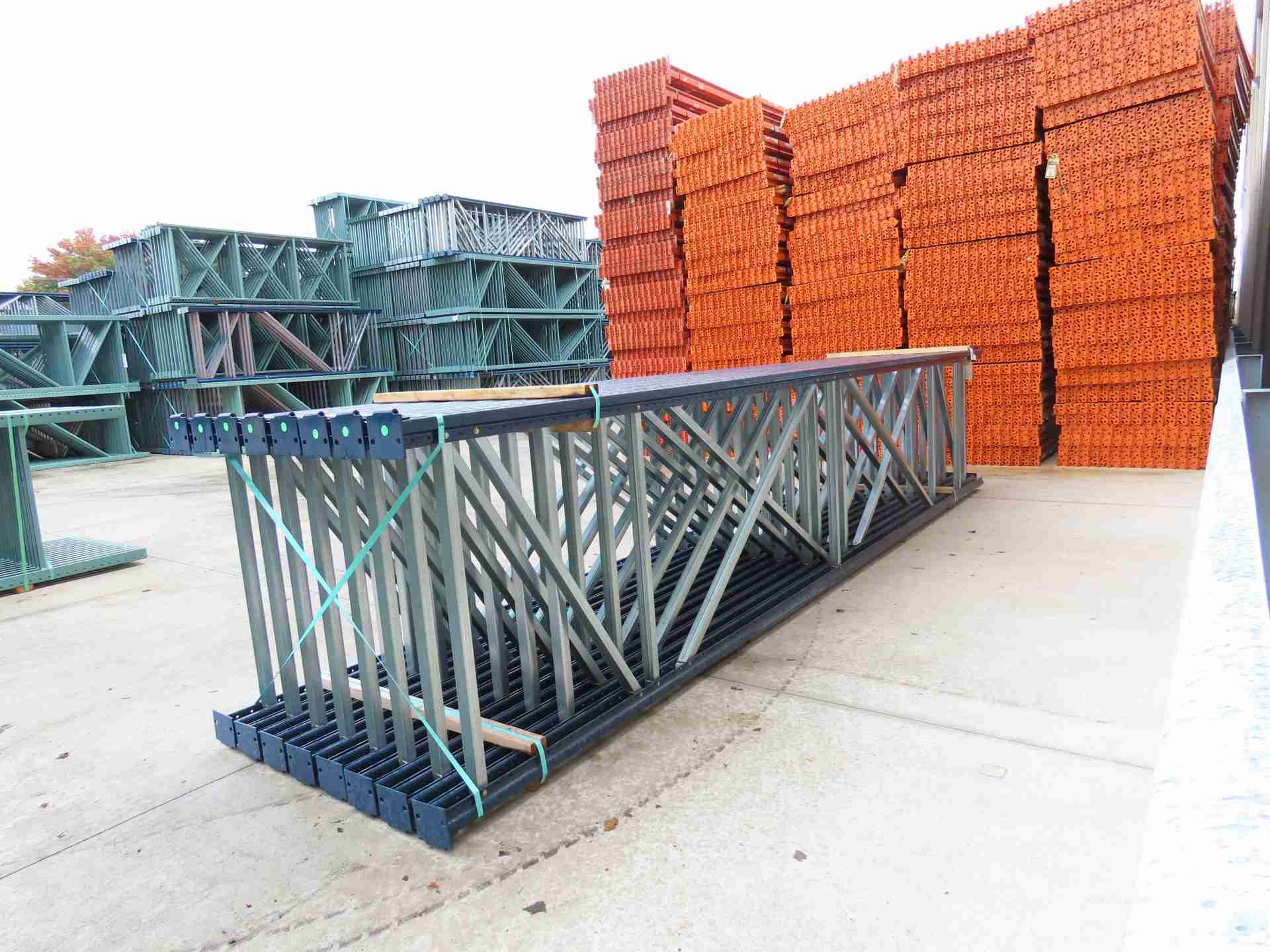
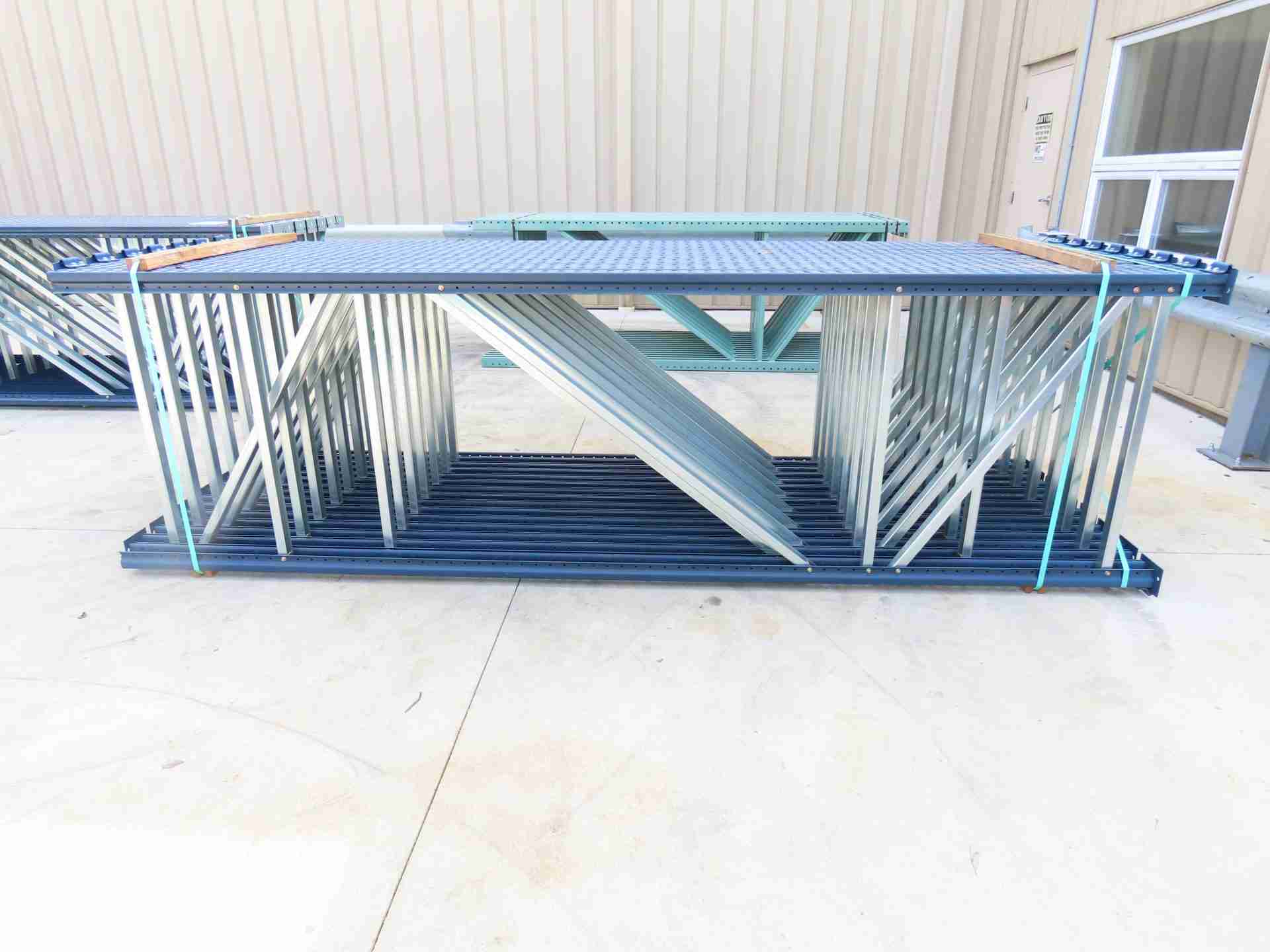
Consider pallet racking systems, a critical feature in warehouse design. When teams involved in the planning and implementation of these systems reflect diverse viewpoints, the results can be transformative. For example, a team that includes voices from various demographics may consider factors that a more homogenous group overlooks—like ergonomic designs that promote safety and efficiency for workers of all sizes and abilities. This more thoughtful approach can lead to better-designed pallet racking layouts that optimize space utilization and improve overall workflow.
Inclusivity can also translate to better employee engagement. Recent studies show that workplaces that prioritize inclusivity report higher job satisfaction, which directly correlates to productivity. In a warehouse, workers who feel respected and valued are more likely to take ownership of their roles, improving accuracy and speed. A happy workforce is a productive workforce, and nothing enhances morale quite like a culture of inclusivity.
Let’s look at what happened in 2022 when a leading logistics firm rolled out an inclusivity initiative aimed at attracting neurodiverse employees. By implementing tailored training programs and creating accessible workspaces—including adaptive pallet racking systems to suit various needs—they not only tapped into a previously underutilized talent pool but also witnessed a sharp increase in operational efficiency. Productivity rose by 15% within the first quarter—an impressive statistic that underscores the value of diverse perspectives.
Incorporating inclusivity isn’t merely a feel-good approach; it’s a strategic move that can lead to tangible gains. Current economic pressures mean that warehouse operators must maximize every square foot of space and every worker’s potential. By embracing inclusivity, you’re not just filling roles; you’re opening doors to a goldmine of ideas and efficiencies that can give your operation a serious competitive edge.
As trends shift and consumer behaviors evolve, the most successful warehouses will be those that recognize the invaluable contribution of inclusive environments. The time to act is now—because when every hand has a voice, every pallet racking configuration becomes a stepping stone to greater success.
How Can Inclusivity Enhance Warehouse Productivity?
How Can Inclusivity Enhance Warehouse Productivity?
- Inclusivity enhances warehouse productivity by valuing diverse perspectives, leading to innovative solutions and efficient operations.
- Diverse teams in planning pallet racking systems consider various factors, resulting in improved ergonomic designs and optimized layouts.
- Prioritizing inclusivity correlates with higher job satisfaction, which directly impacts productivity and worker engagement.
- A case study in 2022 showed a logistics firm achieved a 15% increase in operational efficiency by implementing inclusivity initiatives for neurodiverse employees.
- Creating accessible workspaces and tailored training programs can tap into underutilized talent pools.
- Embracing inclusivity allows warehouse operators to maximize space and worker potential, gaining a competitive edge.
- As consumer behaviors evolve, successful warehouses will recognize the importance of inclusive environments for greater success.
How Can Inclusivity Enhance Warehouse Productivity?
What Strategies Promote A Culture Of Learning In Warehouses?
Creating a culture of learning in warehouses is not just an operational improvement—it’s a competitive advantage that drives efficiency and innovation. The fast-paced environment of modern logistics demands that organizations adapt quickly, and fostering a learning culture can be the secret sauce. Here are some transformative strategies to consider.
1. Invest in Training Programs
Training shouldn’t be a once-a-year event; it should be an ongoing process. Consider adopting a structured employee development program that includes hands-on training for all staff levels. For instance, training sessions on effective pallet racking techniques can significantly reduce accidents and improve space utilization. When employees understand how to maximize their workflow using tools like pallet racking, they’re more likely to take ownership of their work and innovate.
2. Embrace Technology
In our digital age, the traditional pencil-and-paper methods are becoming obsolete. Invest in Learning Management Systems (LMS) to provide employees with training materials that they can access anytime. Companies like Amazon have set the industry standard with their comprehensive onboarding programs that leverage technology to keep their workforce educated on the latest safety protocols and operational practices.
3. Foster Team Collaboration
A culture of learning thrives on collaboration. Encourage teams to share insights and experiences with each other. Through regular meetings or brainstorming sessions, employees can discuss challenges they face on the floor, such as optimizing pallet racking layouts or improving picking methods. This not only empowers your workforce but also leads to innovative solutions that can save time and costs.
4. Celebrate Learning Wins
Recognition can go a long way. When employees successfully apply new knowledge—say, by implementing a new safety measure that reduces incidents related to pallet racking—celebrate that achievement. Whether through an employee of the month program or shout-outs during team meetings, acknowledging these efforts boosts morale, encourages others to learn, and solidifies the importance of education within your culture.
5. Keep Current with Trends
Stay informed about industry trends and changes. For example, as warehouses increasingly shift toward automation and AI, make sure your team is keeping up with these advancements. Offer workshops or invite guest speakers who specialize in cutting-edge warehousing trends to keep your team engaged and educated.
In summary, by investing in training, leveraging technology, fostering collaboration, celebrating wins, and staying updated on industry trends, you can create an environment where learning flourishes. This isn’t just about the bottom line; it’s about building a workforce that is prepared for the future and committed to excellence in every aspect of warehouse operations.
What Strategies Promote A Culture Of Learning In Warehouses?
What Strategies Promote A Culture Of Learning In Warehouses?
- Creating a learning culture in warehouses enhances operational efficiency and serves as a competitive advantage.
- Training should be ongoing, incorporating structured development programs and hands-on training for all staff levels.
- Embrace technology by investing in Learning Management Systems (LMS) to provide accessible training materials.
- Encourage team collaboration through regular meetings to share insights and discuss challenges on the floor.
- Recognize and celebrate learning achievements to boost morale and encourage a culture of education.
- Stay informed about industry trends, including automation and AI, by offering workshops and inviting expert speakers.
- Fostering a learning environment prepares your workforce for future challenges and enhances operational excellence.
What Strategies Promote A Culture Of Learning In Warehouses?
What Sustainable Practices Can Be Inspired By Her Story?
When considering the path to sustainable practices, stories of visionary individuals offer invaluable insights. Her story is a powerful testament to the profound changes one person can inspire through conscious decision-making and innovative strategies. Here are some actionable sustainable practices influenced by her journey that can resonate with both businesses and individuals alike.
First, consider the potential of repurposing existing materials. Just as she transformed an underutilized space into a thriving hub of creativity, businesses across industries can adopt similar principles. For instance, a furniture company could take a cue from her initiatives, utilizing reclaimed wood from old pallets. By embracing concepts like pallet racking, companies can optimize their storage solutions while reducing waste. This not only strengthens logistics but also aligns operations with eco-friendly ideals. Recent trends show that businesses that utilize sustainable inventory practices often see a boost in customer loyalty and brand perception.
Next, community involvement is crucial to fostering sustainable practices. Her commitment to local outreach—encouraging neighbors to join in sustainability efforts—can easily translate into corporate responsibility programs. Companies can launch initiatives that engage their employees and customers in local environmental projects, such as tree planting or beach clean-ups. For instance, the recent surge in support for local farmers’ markets underscores the importance of sourcing produce and products sustainably. Businesses that tie their operations to local agriculture can minimize their carbon footprint while fostering community ties, leading to a win-win scenario.
Moreover, transparency plays a vital role in sustainability. Her story illustrates that demonstrating genuine efforts toward environmental stewardship generates trust and rapport. Businesses can take a page from this approach by openly sharing their sustainability goals and progress with their customers. Annual environmental reports, for example, can detail how pallet racking systems have increased efficiency and resulted in reduced waste. Transparency not only cultivates loyalty but also inspires other organizations to follow suit.
Lastly, embracing technology is indispensable for achieving sustainability goals. Her innovative use of available resources emphasizes the significance of tech in streamlining operations. From blockchain for tracking supply chains to AI in optimizing energy consumption, businesses can leverage modern technology to forge a more sustainable path. The rise of electric vehicles is a prime example, as companies investing in EV fleets demonstrate commitment to reducing emissions and leading the charge toward a cleaner future.
Her story is more than just inspiration—it’s a blueprint for sustainable practices that can enhance both community engagement and corporate responsibility. By adopting these principles, organizations can not only thrive but play an essential role in creating a more sustainable world.

What Sustainable Practices Can Be Inspired By Her Story?
What Sustainable Practices Can Be Inspired By Her Story?
- Visionary individuals can inspire significant changes through conscious decision-making and innovative strategies.
- Repurposing materials, such as using reclaimed wood, can optimize storage and reduce waste in various industries.
- Community involvement fosters sustainable practices, with companies engaging in local environmental projects.
- Supporting local agriculture connects businesses to communities while minimizing carbon footprints.
- Transparency in sustainability efforts builds trust and loyalty among customers and encourages others to adopt similar practices.
- Embracing technology, such as blockchain and AI, is essential for streamlining operations and achieving sustainability goals.
- Adopting these sustainable principles enhances community engagement and corporate responsibility, leading to a more sustainable world.
What Sustainable Practices Can Be Inspired By Her Story?
Conclusion
In our ever-evolving business landscape, the story of Malala Yousafzai serves as a powerful reminder that resilience and innovation can drive meaningful change—lessons warehouse leaders can embody to create adaptive, smart environments. Just as Malala championed education against formidable odds, so too should warehouse managers embrace transformative strategies that prioritize efficiency, collaboration, and inclusivity within their operations.
The journey toward optimizing warehouse design begins with an unwavering commitment to understanding employees’ needs. By engaging with your workforce, you can identify pain points in traditional pallet racking systems and move toward adjustments that promote a user-friendly experience. Imagine the impact of designs inspired by feedback—enhanced productivity, elevated morale, and ultimately a culture where every team member feels valued.
Further emphasizing the need for a proactive approach, it’s crucial to leverage technology. Innovations like automated guided vehicles and warehouse management systems are not just trends; they are instrumental in reshaping how we manage inventory and space. As we look closely at companies that have thrived amidst overwhelming demand, it’s clear that those leveraging advanced tech solutions are leading the charge toward smarter, more responsive warehouses.
Moreover, inclusivity can unlock untapped potential and enhance productivity. Bringing diverse perspectives to the design table not only cultivates innovative solutions but also strengthens team cohesion. A workforce that feels represented is a workforce that thrives.
As we examine the logistics industry today, incorporating sustainability practices influenced by Malala’s vision is paramount. By repurposing materials and minimizing waste through ergonomic pallet racking, your operation can achieve sustainability while simultaneously boosting customer loyalty—because conscious consumers are more inclined to support brands that prioritize the planet.
The stakes are high; those who adapt swiftly can rise above the competition. The call to action is clear: reach out to Arrow Industrial Sales at (574) 349-6575 today. This urgent conversation about transforming your warehouse design can be the turning point for your business. Let’s pioneer a culture of empowerment, technology integration, and sustainable practices that redefine efficiency in search of innovation. Your smart warehouse is just a transformation away—act now to ensure your operation stands resilient and ready for the demands of tomorrow.
Conclusion
Conclusion:
- The story of Malala Yousafzai inspires resilience and innovation in warehouse management.
- Warehouse leaders should prioritize efficiency, collaboration, and inclusivity in their operations.
- Understanding employees’ needs is vital for optimizing warehouse design and enhancing user experience.
- Leveraging technology, such as automated guided vehicles, is crucial for smart warehouse management.
- Inclusivity in design can lead to innovative solutions and improved team cohesion.
- Incorporating sustainability practices can boost customer loyalty and minimize waste.
- Adapting swiftly to change is essential for staying competitive; contact Arrow Industrial Sales for assistance.

Conclusion
Other Resources

Other Resources
Here is a list of other resources you can review online to learn more:
- The Complete Pallet Rack Guide – Simply Rack
- Interlake Mecalux
- Overhead Lifting
- Rack Manufacturers Institute
- American Society of Safety Professionals
- Cantilever Rack Guide: Ordering Cantilever Racking
- New Cantilever Racks and Racking Kits
- Cantilever Racking Specialists – Get the Right Racks
- Pallet Racking systems in Illinois, Great Lakes
- Bradford Systems
Use This Prompt To Get More Resources With Your Favorite Online AI Tool: Please provide me with a list of online articles with their URLs in a bulleted list that I can read regarding How Can The Malala Yousafzai Story Inspire Smart Warehouse Design?

Other Resources
Glossary Terms
How Can The Malala Yousafzai Story Inspire Smart Warehouse Design? – Glossary Of Terms
1. Advocacy: The active support of a cause or idea, exemplified by Malala’s fight for girls’ education, which can inspire warehouse designs that advocate for employee well-being and sustainable practices.
2. Automation: The use of technology to perform tasks without human intervention, crucial for efficient warehouse operations and inspired by the systematic approach of social change.
3. Collaboration: Working together towards a common goal, reflecting how collective effort for education can influence teamwork in warehouse strategies for improved outcomes.
4. Courage: The ability to confront challenges, as demonstrated by Malala, inspiring warehouse leaders to take bold risks in optimizing designs and processes.
5. Diversity: The inclusion of various perspectives, paralleling Malala’s belief in equal education, which can lead to innovative ideas in warehouse layout and functionality.
6. Efficiency: Achieving maximum productivity with minimum wasted effort, akin to Malala’s efficient use of her platform to effect change, inspiring streamlined warehouse operations.
7. Empowerment: Granting individuals authority and control, as Malala empowers young girls, prompting warehouse designs that empower workers with better tools and environments.
8. Innovation: The introduction of new ideas and approaches, reflecting Malala’s innovative advocacy strategies that can similarly drive fresh design concepts in warehouses.
9. Sustainability: Practices that support ecological balance, resonating with the long-term vision of both education and smart warehouse designs focused on minimal environmental impact.
10. Safety: The condition of being protected from harm, critical in both education and warehouse settings, calling for designs that prioritize employee and product safety.
11. Scalability: The capability to grow and adapt, paralleling Malala’s expanding influence that translates into flexible warehouse designs to accommodate changing needs.
12. Strategic Planning: The process of defining a strategy to achieve goals, mirrored in Malala’s strategic advocacy that can inform the planning of efficient warehouse workflows.
13. Technology Integration: The seamless incorporation of technology into operations, akin to Malala’s use of digital platforms to promote education, essential for modern warehouses.
14. User-Centered Design: Designing with the end-user in mind, just as Malala’s story centers on the needs of girls, which can be applied to create optimal warehouse environments for workers.
15. Visionary Leadership: Leaders who inspire and guide toward significant change, as seen in Malala’s role as a youth leader, necessary for driving innovative warehouse initiatives.
16. Work-life Balance: The equilibrium between work responsibilities and personal life, reflecting Malala’s advocacy for education and health, which can inspire humane warehouse practices.
17. Community Engagement: Involvement of stakeholders in processes, similar to Malala’s community-centric approach that can influence collaborative warehouse designs and operations.
18. Resilience: The capacity to recover from difficulties, an essential quality modeled by Malala and needed in warehouse operations to adapt to disruptions.
19. Lean Principles: Approaches focused on minimizing waste, similar to Malala’s efficient advocacy tactics, encouraging streamlined warehouse processes.
20. Data-Driven Decisions: Making choices based on data analysis, inspired by Malala’s research-supported activism, promoting informed warehouse strategies.
21. Flexibility: The ability to adapt to changes, reflecting Malala’s approach to challenges, essential for dynamic warehouse environments.
22. Inclusivity: Ensuring all voices and backgrounds are represented, echoing Malala’s message of equality and fostering a collaborative warehouse culture.
23. Global Perspective: Understanding issues from an international context, paralleled in Malala’s worldwide influence, inspiring global approaches to warehouse efficiency.
24. Skill Development: Encouraging continuous learning and improvement, akin to the educational focus of Malala’s advocacy, which translates to ongoing training in warehouse roles.
25. Resource Allocation: The distribution of resources efficiently, mirroring Malala’s effective mobilization of support, crucial for optimizing warehouse operations.
26. Change Management: The process of guiding individuals through change, reflective of the adjustments needed in warehouses, inspired by transformative stories like Malala’s.
27. Workforce Engagement: The involvement and enthusiasm of employees in their roles, similar to the passion fostered by Malala’s mission, vital for productivity in warehouses.
28. Scalable Solutions: Strategies that can grow effectively, mirroring Malala’s increasing influence, calling for adaptable designs in warehouse operations.
29. Holistic Approach: Considering the complete system rather than isolated components, reflecting Malala’s comprehensive view on education that can apply to integrated warehouse designs.
30. Empirical Evidence: Information gained through observation and experimentation, akin to the research supporting Malala’s claims, essential for making informed design decisions in warehouses.

Glossary Of Terms
Other Questions
How Can The Malala Yousafzai Story Inspire Smart Warehouse Design? – Other Questions
If you wish to explore and discover more, consider looking for answers to these questions:
- What specific examples of smart warehouse design can be inspired by Malala Yousafzai’s story?
- How can warehouse managers implement Malala’s principles of resilience and determination in their teams?
- What are the key components of a culture of adaptability within a warehouse setting?
- How can technology be further integrated into smart warehouse designs?
- What are the most effective ways to gather employee feedback for warehouse design improvements?
- How do current trends in warehouse design reflect the principles of empathy and inclusivity?
- What are the measurable impacts of empathetic warehouse design on employee productivity?
- How can businesses ensure sustainability in warehouse design while maintaining efficiency?
- What role does leadership play in fostering a culture of learning and inclusivity in warehouses?
- How can organizations track progress in implementing innovative warehouse solutions inspired by education access?
- What are the best practices for maintaining open communication in collaborative warehouse environments?
- In what ways can warehouse design help in addressing labor shortages in the logistics sector?
- What are some recent advancements in warehouse technology that can enhance operational efficiency?
- How can inclusive practices be systematically integrated into warehouse operations?
- What specific training programs can promote continuous learning in warehouse staff?
- How can organizations balance between technological advancements and employee wellness in warehouse settings?
Other Questions
Checklist
How Can The Malala Yousafzai Story Inspire Smart Warehouse Design? – A Checklist
1. Embrace Adaptability:
_____ Implement adjustable pallet racking systems to enhance storage density.
_____ Create adaptable layout designs that respond to changing inventory needs.
2. Foster a Culture of Empowerment:
_____ Prioritize team inspiration in warehouse design.
_____ Encourage employee feedback in layout and system decisions.
3. Incorporate Technology:
_____ Automate material handling processes to improve productivity.
_____ Invest in Warehouse Management Systems (WMS) for real-time inventory tracking.
4. Promote Collaborative Spaces:
_____ Design open layouts that facilitate teamwork and communication.
_____ Implement technology that enhances collaboration, such as cloud-based systems.
5. Integrate Empathy in Design:
_____ Regularly engage with warehouse personnel to understand their pain points.
_____ Design user-friendly storage solutions prioritizing employee experiences and needs.
6. Enhance Employee Wellness:
_____ Consider ergonomic designs in warehouse layouts and pallet racking systems.
_____ Create spacious aisles and ensure adequate break areas for employees.
7. Invest in Continuous Learning:
_____ Develop ongoing training programs for employees on operational techniques and safety.
_____ Utilize Learning Management Systems (LMS) for accessible training materials.
8. Utilize Data Analytics:
_____ Leverage big data for inventory forecasting and layout optimization.
_____ Use real-time data to adjust pallet racking systems according to current demands.
9. Emphasize Inclusivity:
_____ Build diverse teams for planning and implementing warehouse designs.
_____ Foster an environment that values diverse perspectives and promotes engagement.
10. Commit to Sustainability:
_____ Implement practices such as repurposing materials and reducing waste in warehouse operations.
_____ Engage in community sustainability initiatives and promote transparency in operations.
11. Celebrate Innovations and Achievements:
_____ Acknowledge and reward employees for innovative ideas and successful changes.
_____ Share successes within the team to boost morale and inspire ongoing improvement.
12. Stay Current with Industry Trends:
_____ Regularly review the latest advancements in warehouse technology and design.
_____ Offer workshops or resources to keep staff updated on best practices and innovations.
By following this checklist, warehousing leaders can cultivate an environment that embodies the spirit of resilience, innovation, and empathy, inspired by Malala Yousafzai’s story.
Checklist
At RackingWorld, we help guide you through selecting warehouse storage systems and racking.
Be sure to read our other related stories at RackingWorld to learn more about warehouse storage systems.
0 Comments