
Streamlining Your Warehouse Shelving With Technology
By Tom Seest
At RackingWorld, we help guide you through selecting warehouse storage systems and racking.
Be sure to read our other related stories at RackingWorld to learn more about warehouse storage systems.
How Can Technology Enhance Your Warehouse Shelving Management?
In today’s fast-paced business landscape, the efficiency of your warehouse shelving management can make or break your bottom line. Technology is the unsung hero that solves inefficiencies, optimizes storage, and increases productivity. Let’s dive into how integrating modern tech can transform your pallet racking systems and streamline your entire operation.
First, consider the power of warehouse management systems (WMS). Gone are the days of manual inventory counts and tedious paperwork. Today’s WMS utilizes advanced algorithms that provide real-time visibility of your stock, enabling you to manage your pallet racking with surgical precision. For instance, a prominent beverage distributor recently adopted a WMS, resulting in a 30% reduction in time spent on inventory management. Imagine what that could mean for your profits.
Next, think about automation and robotics. Automated guided vehicles (AGVs) can navigate the maze of your warehouse, retrieving and storing pallets in your racking system quickly and efficiently. A leading e-commerce giant implemented robotic systems to enhance their pallet racking efficiency, resulting in a staggering 60% increase in order fulfillment speed. This isn’t just a trend; it’s a seismic shift in how we optimize shelving management.
RFID technology is another game-changer in warehouse shelving management. By tagging pallets with RFID chips, businesses can track inventory movement without the need for exhaustive manual scanning. This technology can drastically reduce the likelihood of human error and streamline restocking processes. For example, a major retail chain recently reported that using RFID technology allowed them to achieve 99% inventory accuracy— a feat that is invaluable when managing expansive pallet racking systems.
Cloud computing cannot be overlooked either. With cloud-based solutions, you can access your inventory data anytime, anywhere. This flexibility supports better decision-making and enhances your ability to respond to market demands. For instance, during the recent supply chain disruptions, companies that had adopted cloud solutions were better equipped to adapt their shelving management strategies and maintain uninterrupted operations.
Lastly, data analytics is critical. Technology enables businesses to gather massive amounts of data from their shelving management processes, providing insights that were previously unfathomable. By analyzing patterns in inventory turnover and space utilization, companies can tailor their pallet racking systems to meet evolving operational needs.
Embracing technology in your warehouse shelving management isn’t just an option; it’s imperative for staying competitive in today’s market. Equip your business with these tools, and watch as your operational efficiency skyrockets, your costs plummet, and your profits soar! Your pallet racking system is just the start—let technology lead you into a future of unparalleled success.
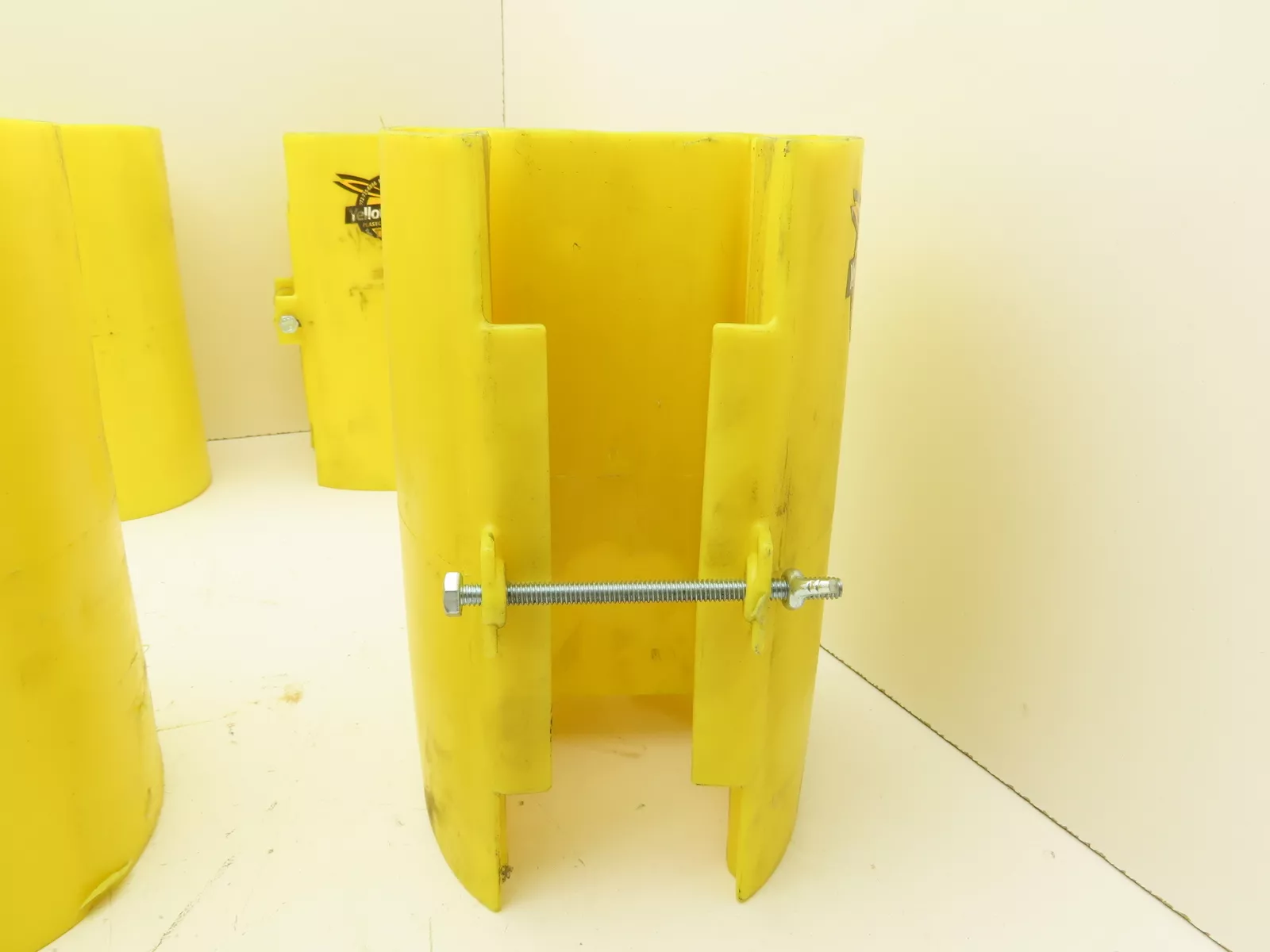
How Can Technology Enhance Your Warehouse Shelving Management?
How Can Technology Enhance Your Warehouse Shelving Management?
- The efficiency of warehouse shelving management is crucial for business success.
- Warehouse management systems (WMS) enable real-time visibility of stock, improving inventory management.
- Automation and robotics, such as automated guided vehicles (AGVs), significantly increase order fulfillment speed.
- RFID technology enhances inventory tracking, reducing human error and improving accuracy.
- Cloud computing allows for flexible access to inventory data, aiding decision-making and responsiveness.
- Data analytics provides insights into inventory turnover and space utilization, optimizing pallet racking systems.
- Integrating technology in shelving management is essential for competitiveness and operational efficiency.

How Can Technology Enhance Your Warehouse Shelving Management?
Table Of Contents
- How Can Technology Enhance Your Warehouse Shelving Management?
- How Can Automation Improve Warehouse Shelving Efficiency?
- What Role Do Inventory Management Systems Play In Shelving?
- How Can Barcode Scanning Streamline Shelving Processes?
- What Are The Benefits Of Using Rfid In Warehouse Management?
- How Can Data Analytics Optimize Shelving Space?
- What Technology Is Best For Tracking Shelf Inventory?
- Conclusion
- Other Resources
- Glossary Of Terms
- Other Questions
- Checklist
How Can Automation Improve Warehouse Shelving Efficiency?
In the world of modern warehousing, efficiency isn’t just a desirable trait; it’s essential for survival. With supply chains increasingly under pressure from e-commerce demands, automation is transforming the landscape of warehouse shelving—most notably with innovations like pallet racking systems. Imagine a warehouse where every item is optimally shelved, easily accessible, and handled with precision. That vision isn’t just a fantasy; it’s achievable through automation.
First, let’s consider the power of automated pallet racking systems. By integrating robotics and intelligent software, warehouses can revolutionize how products are stored and retrieved. Traditional pallet racking can be limiting—space constraints and manual handling can slow down operations significantly. However, sophisticated automated systems maximize vertical space and employ retrieval robots to swiftly move items, reducing the time spent locating products. Take the case of a global retailer that recently reported a 30% increase in efficiency after implementing automated pallet racking. Their robots reduced human error and enhanced inventory accuracy, transforming a cumbersome process into a streamlined operation.
Moreover, automation facilitates real-time inventory management. Using Internet of Things (IoT) sensors, every shelf in your warehouse can be equipped with tracking capabilities. This technology ensures that businesses know what is on each pallet at any given moment—eliminating the guesswork often associated with manual inventory checks. During the COVID-19 pandemic, companies employing such automation found themselves at a pivotal advantage, allowing them to respond quickly to changing customer demands, unlike competitors still relying on outdated methods.
The integration of automation doesn’t stop at shelving. For instance, Automatic Guided Vehicles (AGVs) can navigate through advanced pallet racking systems, transporting goods seamlessly from one point to another. This not only reduces labor costs but also minimizes the risk of injury associated with manual handling. In a new study, warehouses that adopted AGVs and automated pallet racking reported injury rates reduced by 50%, demonstrating that efficiency and safety can coexist when technology is embraced.
Finally, let’s touch on sustainability—an increasingly crucial component for modern businesses. Automated warehouse solutions often lead to energy-efficient operations, with systems designed to minimize waste and optimize resource usage. As companies strive to meet environmental standards, automation offers a pathway to both elevated efficiency and corporate responsibility.
The fusion of automation and warehouse shelving, particularly through the use of advanced pallet racking systems, is not just enhancing efficiency; it’s redefining it. As your competitors scramble to keep up, it’s time to embrace the future and propel your warehousing operations to a new level of performance. Don’t just keep pace; lead the way.
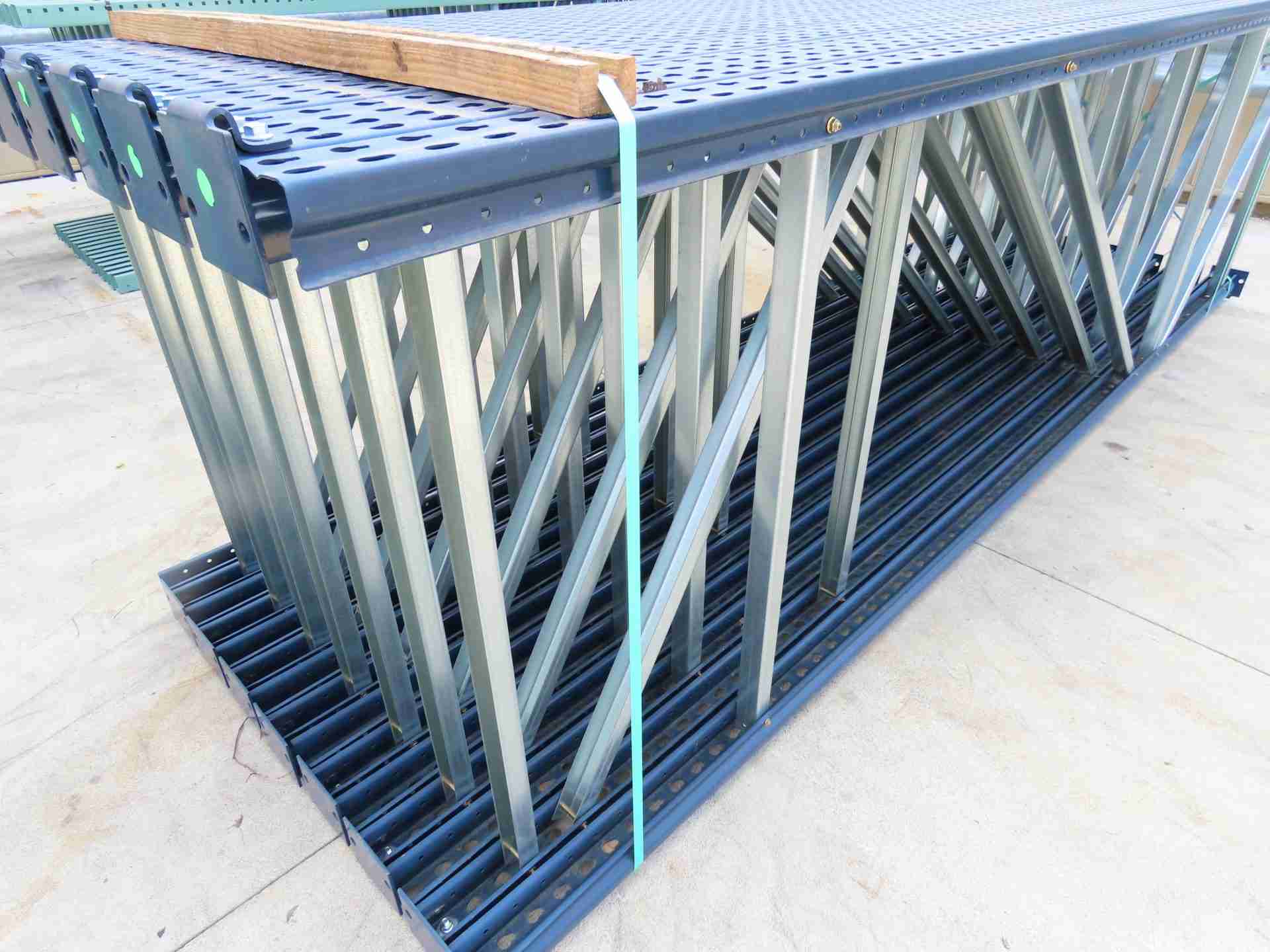
How Can Automation Improve Warehouse Shelving Efficiency?
How Can Automation Improve Warehouse Shelving Efficiency?
- Efficiency is crucial for survival in modern warehousing, especially with growing e-commerce demands.
- Automated pallet racking systems integrate robotics and intelligent software to transform product storage and retrieval.
- These systems maximize vertical space and use retrieval robots to reduce time spent locating products, increasing operational efficiency.
- Real-time inventory management is facilitated by IoT sensors, allowing for precise tracking of items on shelves.
- Automatic Guided Vehicles (AGVs) enhance movement within warehouses, reducing labor costs and injury risks by 50%.
- Automation supports sustainability by optimizing resource usage and minimizing waste in warehouse operations.
- Embracing automation in warehousing not only improves efficiency but also sets businesses apart in a competitive landscape.
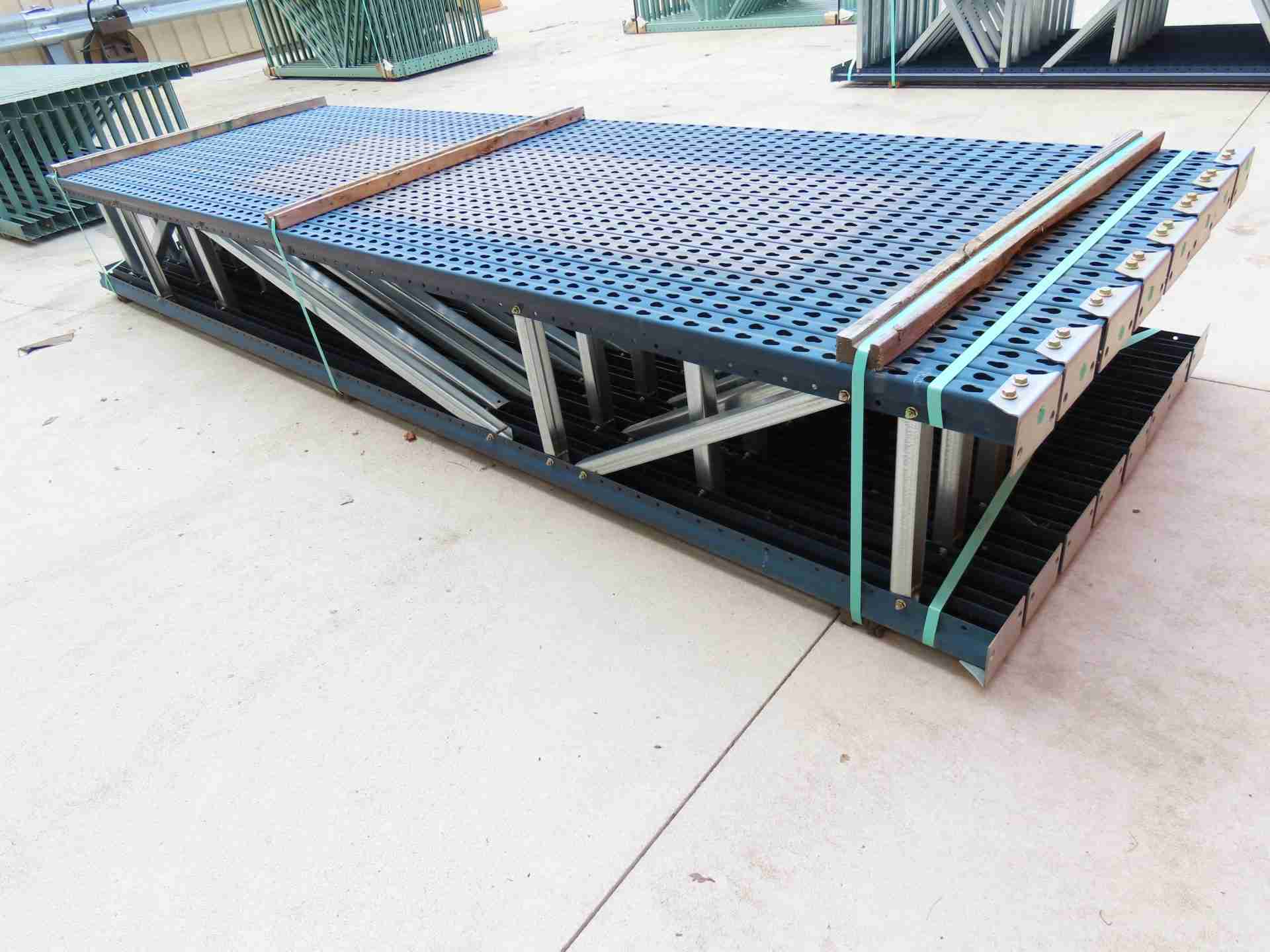
How Can Automation Improve Warehouse Shelving Efficiency?
What Role Do Inventory Management Systems Play In Shelving?
In the bustling world of retail and warehousing, an effective inventory management system can make the difference between chaos and streamlined efficiency. The smarter your inventory management, the more productive your shelving solutions become. Gone are the days of guesswork and disorganization; today’s technologies empower businesses to optimize their shelving with precision.
Imagine a retailer utilizing advanced inventory management software to keep real-time tabs on their stock levels. This system can provide invaluable insights into which products are flying off the shelves and which are gathering dust. For instance, the recent supply chain disruptions globally have highlighted the importance of agility; businesses that can swiftly adapt to stock fluctuations are more likely to maintain a competitive edge. If a product experiences a surge in demand, your inventory management system can trigger an alert, prompting restocking that ensures your pallet racking systems are always optimized.
Consider a large warehouse with pallet racking systems. These structures are ideal for maximizing vertical space and increasing storage capacity. However, without an efficient inventory management system, a warehouse can quickly turn into a labyrinth of confusion. Imagine trying to locate a specific item buried behind layers of products because stock was poorly tracked. This inefficiency not only wastes time but also leads to potential loss in sales due to out-of-stock items or outdated products occupying prime shelving space.
The integration of inventory management systems enables you to organize pallet racking strategically based on real-time inventory data. By adopting a method like the First-In, First-Out (FIFO), businesses can ensure freshness in their offerings, critical in sectors like food and pharmaceuticals. For example, a food retailer can utilize their inventory system to prevent perishables from expiring on the shelf, ultimately boosting customer satisfaction.
Moreover, as we see with the latest advancements in Artificial Intelligence, inventory systems are evolving to predict trends and automate restocking processes. The COVID-19 pandemic underscored the need for adaptability. Companies that embraced smart inventory solutions reacted faster to market changes, ensuring they met customer demands.
In summary, an effective inventory management system is the backbone of efficient shelving practices. By leveraging technology, businesses can normalize operations, optimize pallet racking, and cater to customer needs swiftly. The future belongs to those who stay ahead of the inventory curve—are you ready to join them?
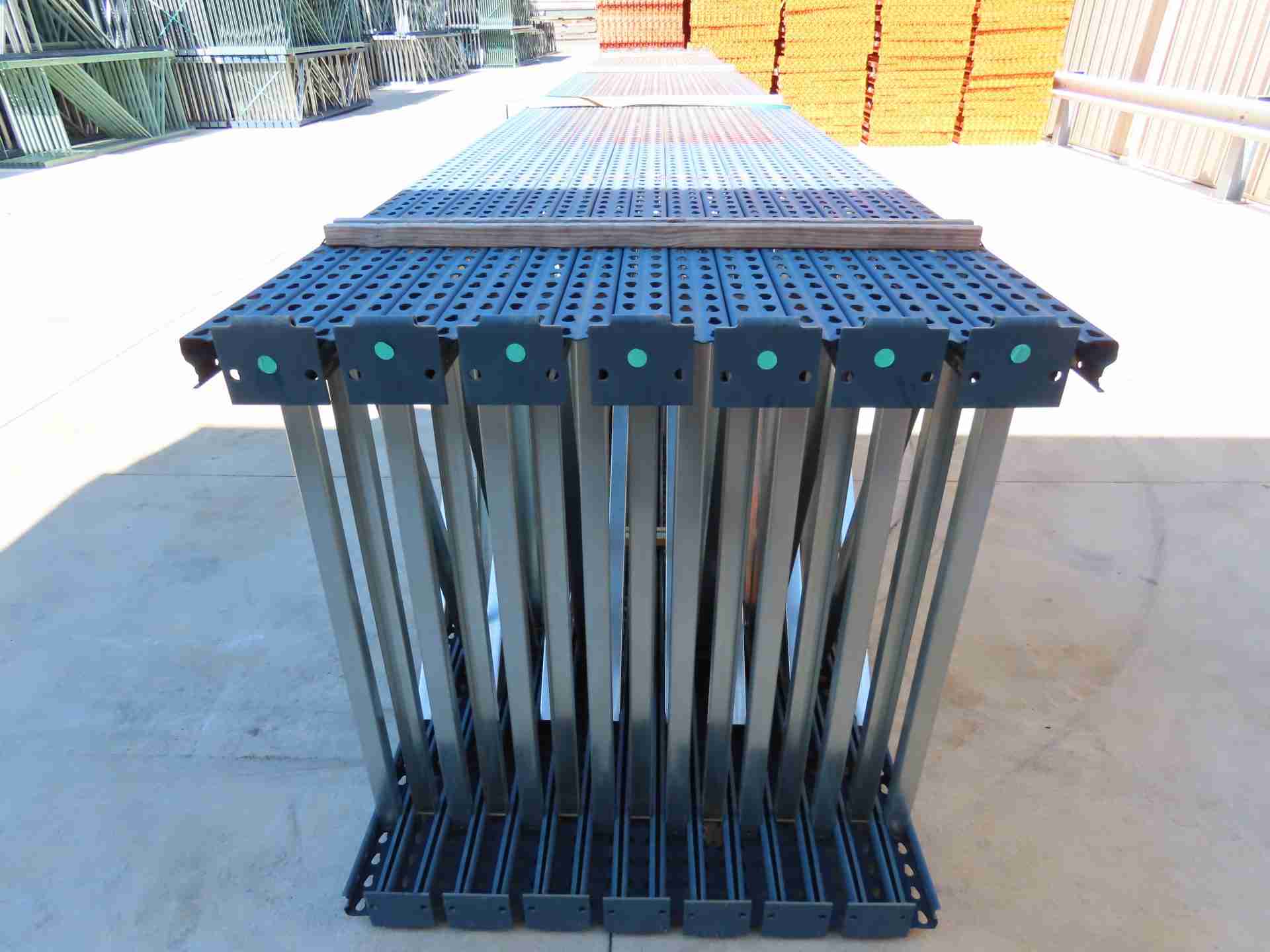
What Role Do Inventory Management Systems Play In Shelving?
What Role Do Inventory Management Systems Play In Shelving?
- Effective inventory management systems are crucial for maintaining efficiency in retail and warehousing.
- Real-time tracking through advanced inventory management software provides insights on product performance.
- Agility in response to stock fluctuations is vital for retaining a competitive edge in the market.
- Pallet racking systems can maximize storage capacity but require efficient inventory management to avoid chaos.
- Organizing racking systems based on real-time inventory data enhances operational efficiency.
- Adopting methods like First-In, First-Out (FIFO) ensures product freshness, particularly in perishable goods.
- Advancements in AI are improving inventory systems, enabling trend prediction and automated restocking.
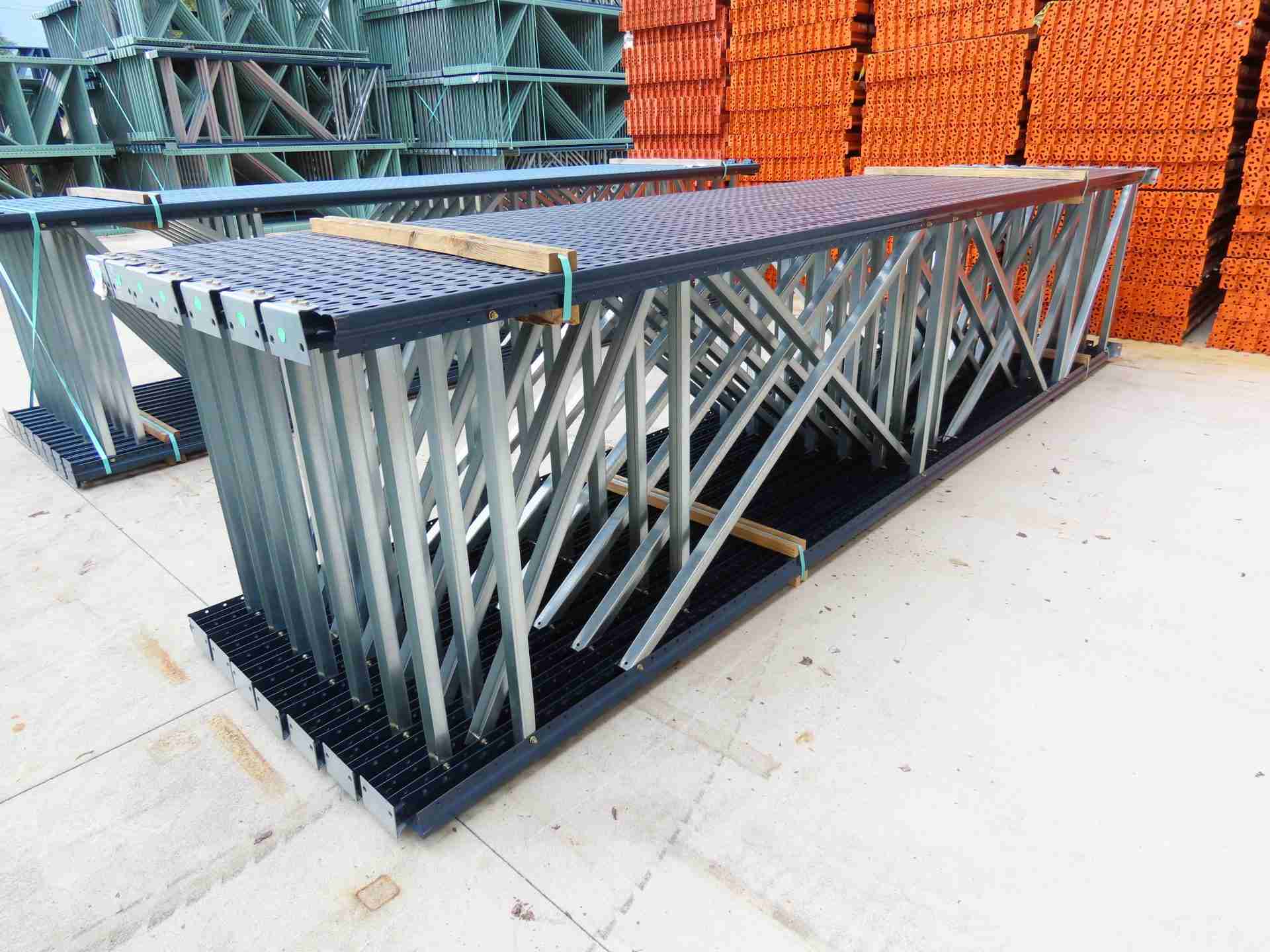
What Role Do Inventory Management Systems Play In Shelving?
How Can Barcode Scanning Streamline Shelving Processes?
In today’s fast-paced, highly competitive market, optimizing shelving processes is vital for efficiency and profitability. Enter barcode scanning—an ingenious solution that not only simplifies inventory management but also revolutionizes the way businesses interact with their storage systems, like pallet racking. By adopting this technology, companies can experience a remarkable transformation in their operational workflows.
Imagine a bustling warehouse where employees spend hours locating products amid chaos. Traditional methods, reliant on manual data entry and paper tracking, are prone to human error. In contrast, by implementing barcode scanning, workers can swiftly scan items as they’re stored or retrieved. Each scanned barcode captures essential information, from product details to storage location, effectively minimizing time spent searching for goods on pallet racking. For instance, major retailers like Walmart have seen significant drops in order-processing times by leveraging these scanning systems, leading to enhanced customer satisfaction.
But the benefits of barcode scanning extend far beyond speeding up operations. In a recent case, a mid-sized distribution center adopted a barcode system, which allowed them to automate their inventory management completely. They reduced the time spent on inventory counts from days to mere hours and decreased the incidence of stockouts, which, in an age where customer expectations are higher than ever, is a game changer. Inventory accuracy became the name of the game, ensuring that pallet racking systems were always optimally stocked and utilized.
Moreover, as we navigate through continued supply chain disruptions—exacerbated by recent global events—real-time tracking of products has never been more crucial. Barcode scanning provides businesses with the capacity to adapt quickly to shifts in demand or inventory shortages. Real-time data gathered through scanned barcodes offers insights into trends and inventory levels, empowering managers to make smart, informed decisions and avoid costly overstock situations.
If you’re looking to streamline your shelving processes, embracing barcode scanning isn’t just an option; it’s a necessity. This technology stands as a linchpin for efficient pallet racking management, delivering speed, accuracy, and ultimately, better customer service. As the industry progresses toward more integrated warehouse solutions, those who harness this innovation will be the frontrunners—cornering the market by meticulously automating and improving their operation strategies and ensuring they are never stuck in chaos again. The question remains: Are you ready to leverage barcode scanning in your shelving processes? The future of your efficiency is at stake.
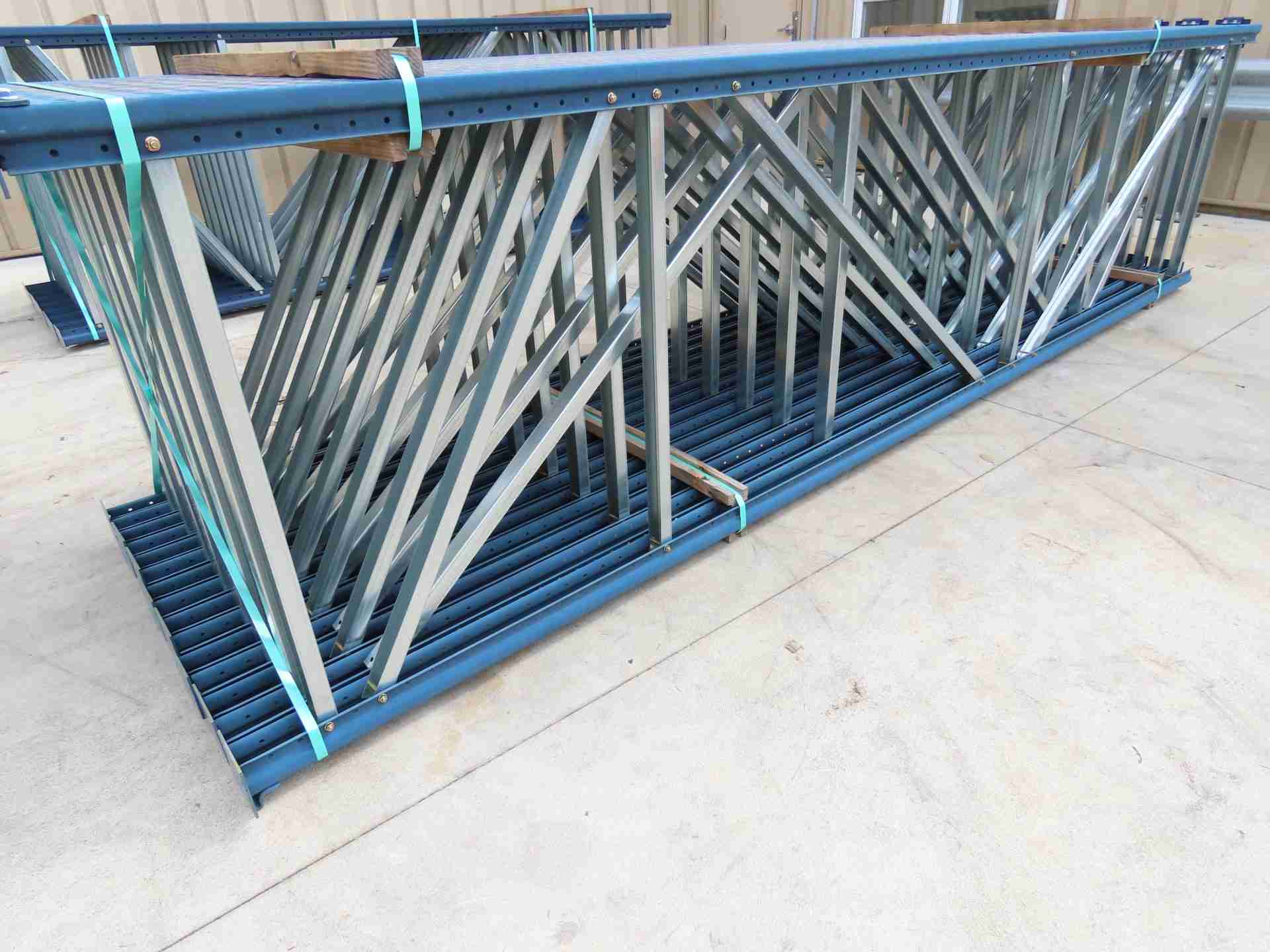
How Can Barcode Scanning Streamline Shelving Processes?
How Can Barcode Scanning Streamline Shelving Processes?
- In today’s competitive market, optimizing shelving processes is essential for efficiency and profitability.
- Barcode scanning simplifies inventory management and transforms interactions with storage systems like pallet racking.
- Implementing barcode scanning allows for rapid scanning of items, reducing time spent searching for goods.
- Major retailers like Walmart have seen reduced order-processing times and improved customer satisfaction from barcode systems.
- A mid-sized distribution center reduced inventory count times from days to hours with barcode automation, enhancing inventory accuracy.
- Barcode scanning enables real-time tracking, helping businesses quickly adapt to demand shifts and avoid stockouts.
- Embracing barcode scanning is crucial for streamlined shelving processes and ensures efficient pallet racking management.
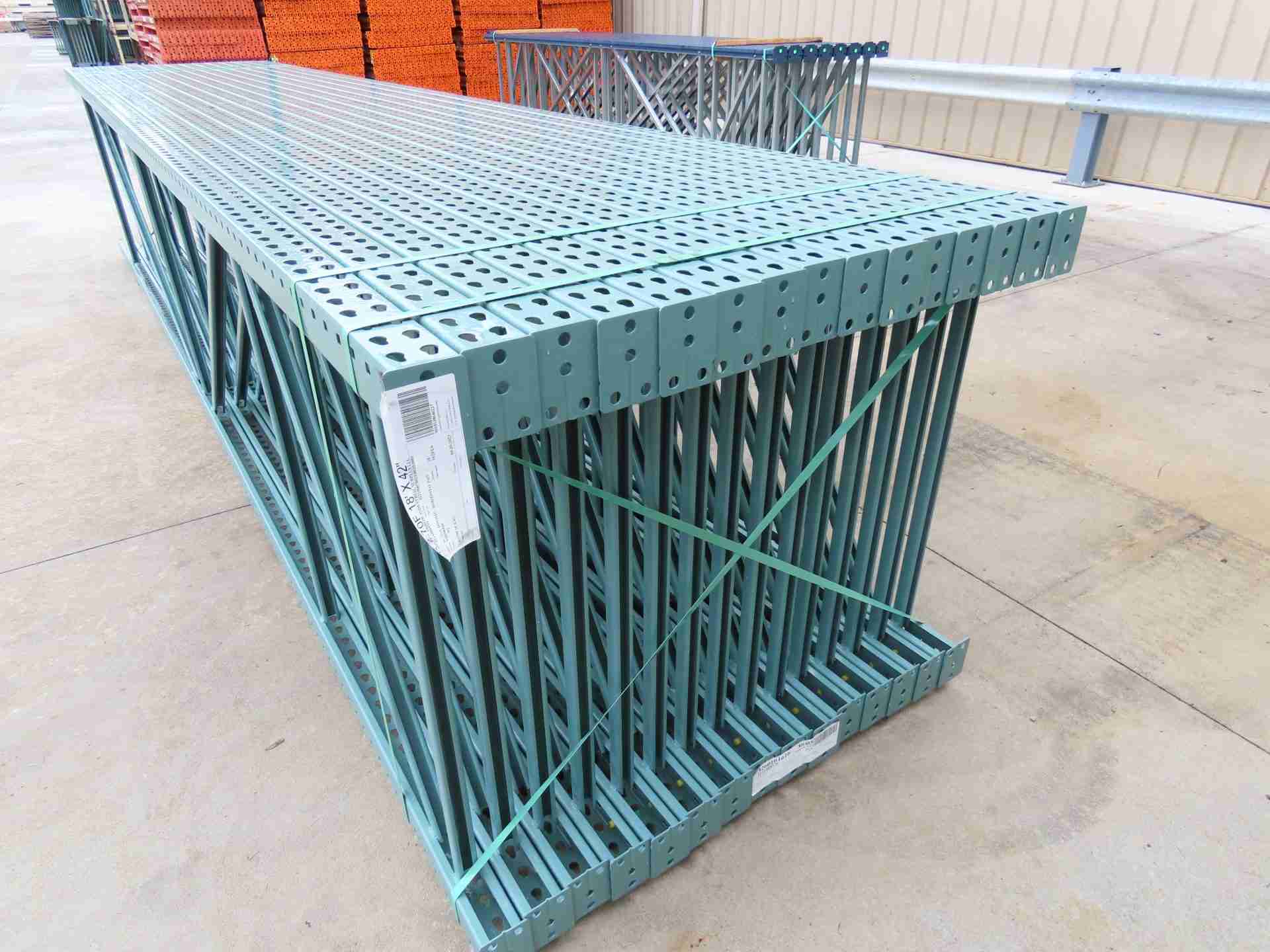
How Can Barcode Scanning Streamline Shelving Processes?
What Are The Benefits Of Using Rfid In Warehouse Management?
In the fast-paced world of logistics and warehousing, efficiency is the name of the game, and RFID (Radio Frequency Identification) technology is the secret weapon that savvy businesses are using to gain a competitive edge. Imagine transforming your warehouse operations from chaotic to seamless—that’s the power of RFID.
First and foremost, RFID dramatically enhances inventory accuracy. Traditional barcoding requires line-of-sight scanning, which can lead to human error and lost productivity. RFID, on the other hand, enables automatic scanning of multiple items at once, even if they are tucked away in intricate pallet racking configurations. This means that your team can manage stock levels with pinpoint precision, reducing overstock and stockouts that can cripple your operations.
Take a look at current events: retailers such as Walmart and Amazon are racing to implement RFID technology across their supply chains. Walmart reported a staggering 15% decrease in inventory discrepancy after adopting RFID. This not only streamlines their inventory management but enhances customer satisfaction as well. With accurate stock information, these giants ensure that products are readily available when customers want them, leading to increased sales and loyalty.
Moreover, RFID simplifies the picking process. Imagine a scenario where your warehouse staff can locate items instantly without sifting through endless rows of pallet racking. RFID tags can be placed on both the items themselves and the shelves they’re stored on, allowing employees to just wave an RFID reader to find what they need. This improvement can reduce order fulfillment times from hours to just minutes.
Let’s not forget about cost savings. Although initial investment in RFID technology may seem steep, the return on investment (ROI) is monumental. By cutting down on labor costs associated with manual inventory counts and enhancing accuracy to avoid costly mistakes, companies are finding RFID systems pay for themselves in just a few months. In today’s economy, where every dollar counts, businesses cannot afford to ignore such a game-changing technology.
In addition to improving operational efficiency, RFID lends itself to enhanced traceability. In a world where consumers are increasingly concerned about product origins and supply chain transparency, RFID offers a comprehensive audit trail, which can be vital for industries like food and pharmaceuticals.
In summary, the benefits of utilizing RFID in warehouse management are more than just impressive; they are pivotal to thriving in today’s market. Whether it’s improving inventory accuracy, speeding up the picking process, or ensuring greater traceability, RFID is not just a trend—it’s a transformation. Don’t get left behind; invest in the future of your warehousing today.
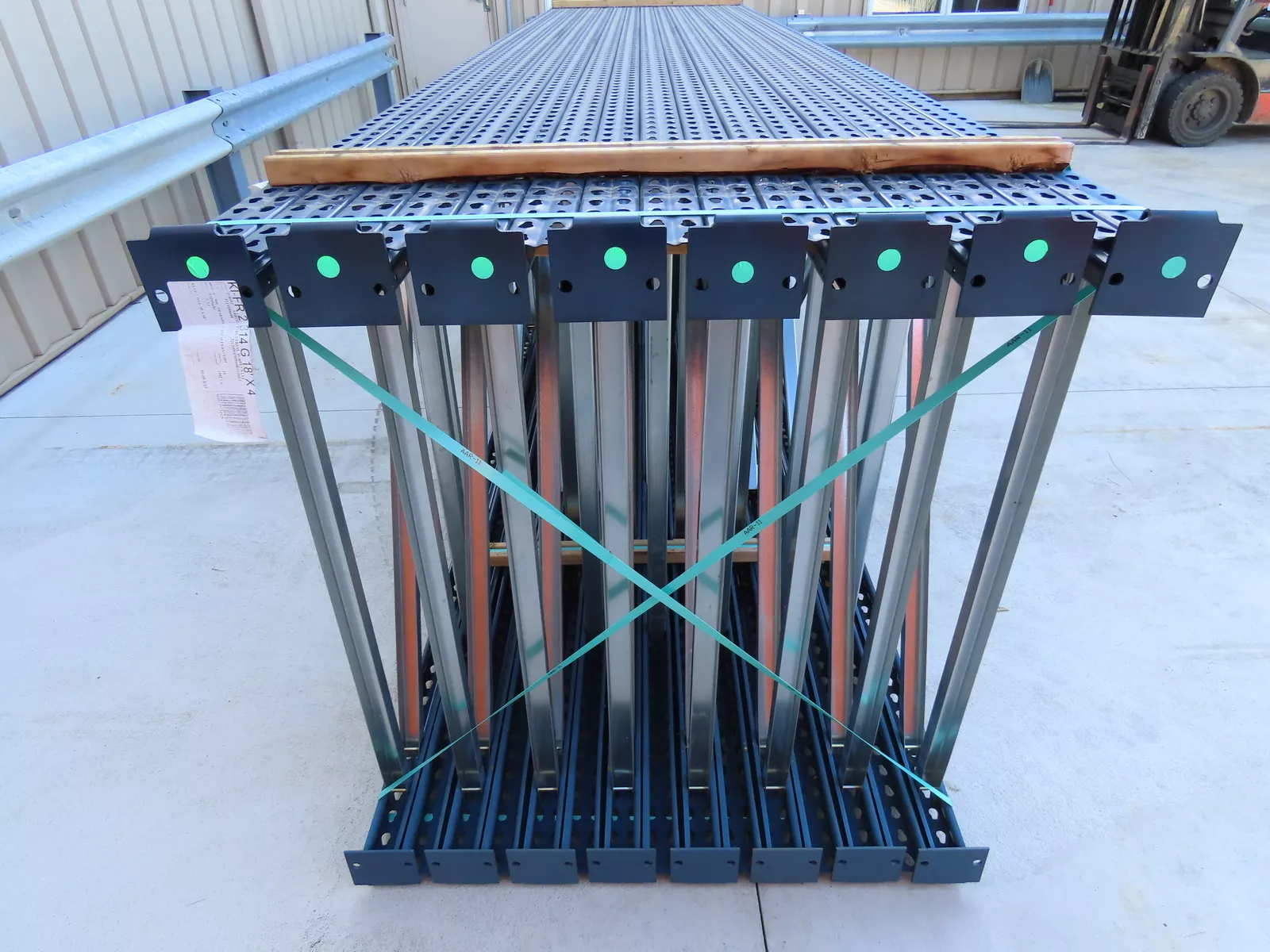
What Are The Benefits Of Using Rfid In Warehouse Management?
What Are The Benefits Of Using Rfid In Warehouse Management?
- RFID technology enhances inventory accuracy significantly compared to traditional barcoding methods.
- Allows automatic scanning of multiple items simultaneously, reducing human error and boosting productivity.
- Retailers like Walmart and Amazon have reported reduced inventory discrepancies and increased customer satisfaction after adopting RFID.
- Streamlines the picking process, allowing staff to locate items quickly without searching through rows of pallets.
- Initial costs of RFID technology are offset by substantial savings on labor and reduced errors, leading to a quick ROI.
- Enhances traceability, providing a comprehensive audit trail essential for industries such as food and pharmaceuticals.
- RFID is a transformative technology that is crucial for maintaining competitiveness in the modern warehousing market.
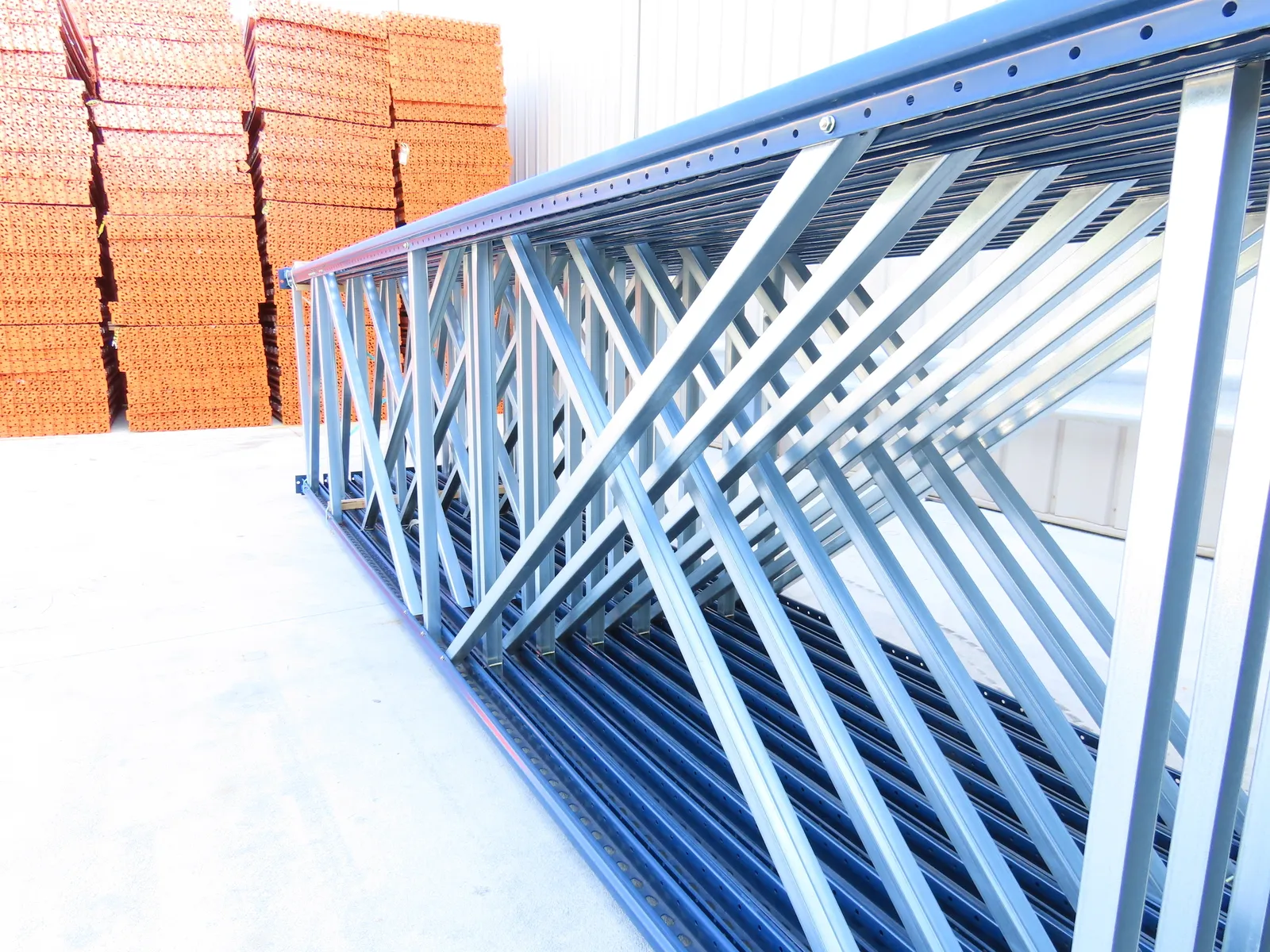
What Are The Benefits Of Using Rfid In Warehouse Management?
How Can Data Analytics Optimize Shelving Space?
In today’s fast-paced retail landscape, your shelving space is more than just a place to store products—it’s a strategic asset that can drive sales and efficiency when optimized effectively. Enter the game-changer: data analytics. With the power of data at our fingertips, savvy retailers are tapping into insights that have historically been overlooked, discovering how to utilize pallet racking and shelving systems to their fullest potential.
Imagine walking into a warehouse filled with fragrances that waft through the air, signaling products stored on neatly arranged pallet racking. Without data analytics, a retailer might mismanage this precious resource, leading to stockouts or, conversely, excessive overstocks of slow-moving items. By employing analytics, businesses can forecast demand more accurately based on historical sales data, seasonal trends, and customer purchasing behaviors. For example, if data indicates that certain products sell more during holiday seasons, retailers can adjust their pallet racking layout to prioritize high-demand items, thus enhancing visibility and accessibility.
Take the recent boom in e-commerce as an example. Many retailers pivoted to accommodate the spike in online orders. Data-driven approaches enabled them to optimize shelving space not just to hold stock but to improve picking efficiency for order fulfillment. Retailers employing automation technologies, like smart shelving systems equipped with AI, can analyze real-time data to adjust their racking strategies dynamically. Imagine a system that reassigns shelf space based on real-time sales data—ensuring that hot-selling items are easily accessible, minimizing labor hours and speeding up deliveries.
Moreover, let’s not ignore the environmental angle. With increased public attention to sustainability, companies that effectively use their shelving space reduce waste both in terms of excess inventory and materials. For instance, a recent case study from a leading grocery retailer illustrated how reanalyzing their data resulted in a 15% reduction in shelf space for low-turnover items. This freed up room for fresh produce, ensuring that customers found exactly what they wanted while also cutting back on waste from spoiled goods.
In summary, data analytics isn’t just a trend; it’s a crucial component for your business strategy. By leveraging it to optimize shelving space and pallet racking, you’re not merely keeping up with the competition—you’re setting yourself apart. Embrace the power of data to turn your shelving systems into high-performance sales engines, driving your profitability to new heights.
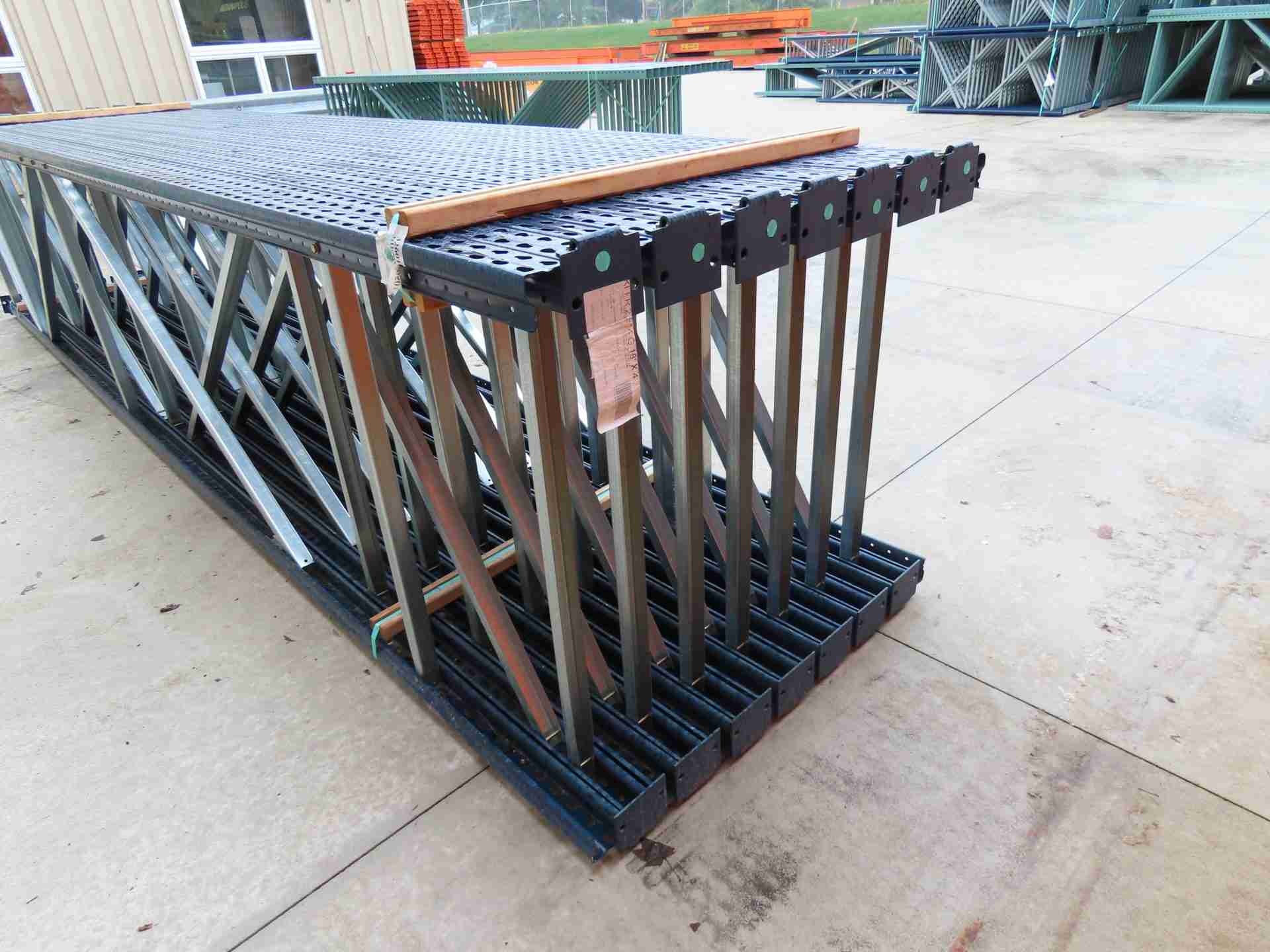
How Can Data Analytics Optimize Shelving Space?
How Can Data Analytics Optimize Shelving Space?
- Shelving space is a strategic asset in the retail landscape that can enhance sales and efficiency when optimized with data analytics.
- Data analytics helps retailers forecast demand accurately by analyzing historical sales data, seasonal trends, and customer behaviors.
- Retailers can adjust pallet racking to accommodate high-demand items, improving visibility and accessibility based on data insights.
- The rise of e-commerce has prompted retailers to optimize shelving for better picking efficiency in order fulfillment.
- Automation technologies and smart shelving systems enable real-time data analysis to dynamically adjust racking strategies.
- Effective use of shelving space supports sustainability by reducing waste from excess inventory and ensuring product freshness.
- Leveraging data analytics positions businesses competitively, enhancing profitability by turning shelving systems into sales engines.
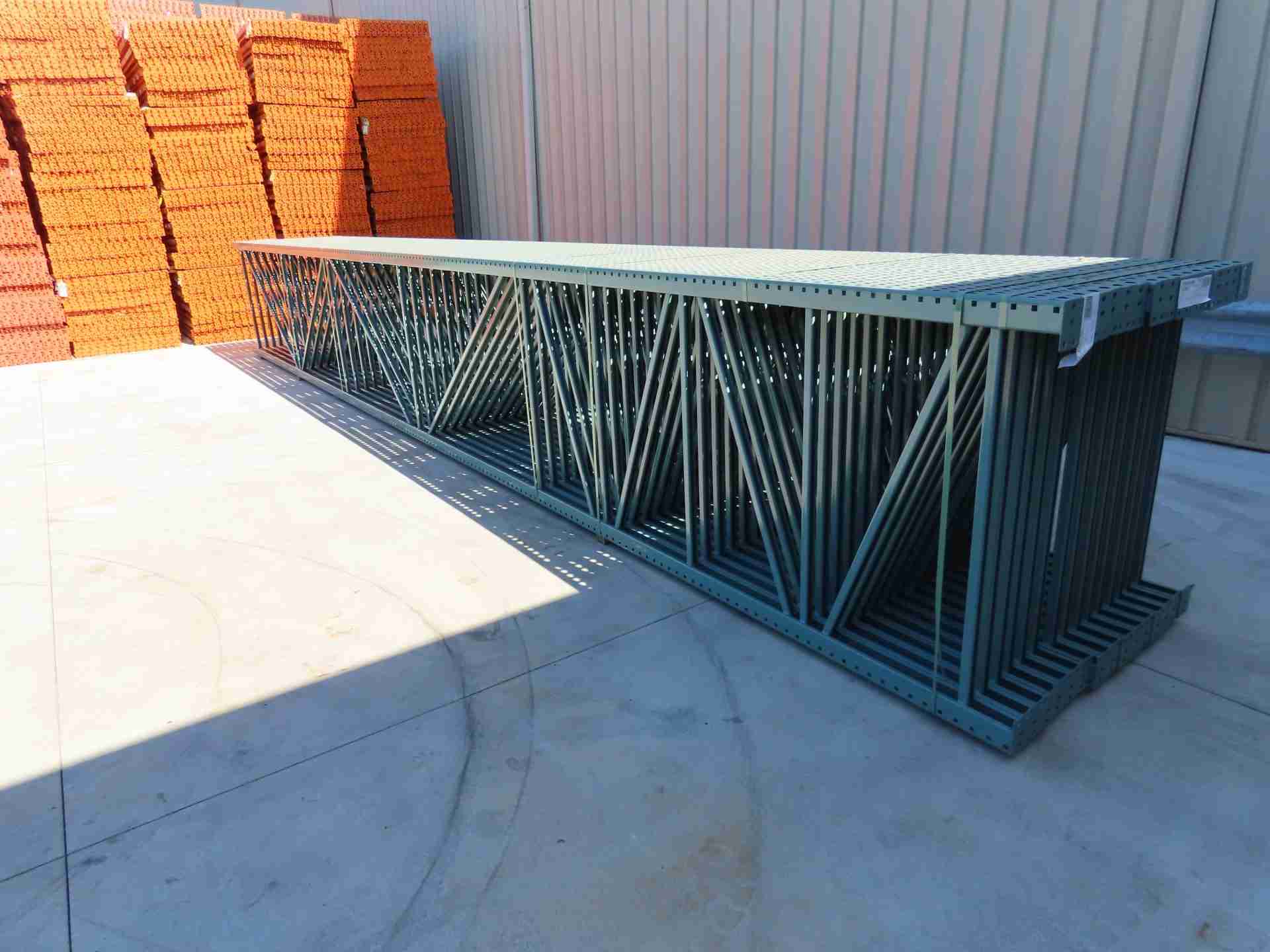
How Can Data Analytics Optimize Shelving Space?
What Technology Is Best For Tracking Shelf Inventory?
In today’s fast-paced retail environment, efficient inventory management is crucial for keeping your customers happy and your shelves stocked. Forget outdated methods—you need cutting-edge technology that marries ease-of-use with real-time insights. So, what’s the best technology for tracking shelf inventory? Let’s dive in.
First up, RFID (Radio Frequency Identification) is a game-changer in the inventory tracking arena. Imagine pallets racked neatly in your warehouse. Using RFID technology, you can track each item’s movement as it enters or leaves your pallet racking, ensuring that you always know what’s in stock. Major retailers like Walmart have already embraced this technology to not only enhance their shelf inventory tracking but also to optimize their supply chain processes.
Next, we have IoT (Internet of Things) solutions that connect devices and sensors to the internet, enabling you to monitor shelf states in real-time. Sensors placed in close proximity to your pallet racking can relay information about stock levels directly to your management software. This real-time data allows for predictive restocking, ensuring shelves are full when customers are shopping, resulting in greater sales opportunities. Take a cue from Amazon, which utilizes such technology to manage its vast inventory effectively, setting a must-follow standard in the industry.
Don’t overlook cloud-based inventory management software. Such platforms integrate advanced analytics, providing valuable insights into your stock’s performance. Imagine having all your inventory data at your fingertips, from stock levels to cold chain management. Companies like Stitch Labs are leading the charge with holistic solutions that allow businesses to streamline operations and better understand consumer behaviors driving sales.
Perhaps most innovative of all is the use of AI and machine learning. These tools analyze past purchasing behavior to suggest optimal stock levels for specific products, minimizing the risk of overstocking and understocking. With recent developments in AI, it’s easier than ever to implement these systems in your inventory management strategy. Retail giants like Target are already employing AI technologies to refine their stocking processes and predict trends.
Lastly, don’t ignore the power of mobile inventory management apps. With smartphone applications, your team can update stock information on the go, which is particularly invaluable for managing shelf inventory. These apps allow staff to check stock levels quickly, conduct audits, and even handle customer inquiries from the aisle itself.
In summary, when it comes to tracking shelf inventory, integrating RFID, IoT solutions, cloud-based software, AI technologies, and mobile apps can position your business for success in a competitive market. By choosing the right mix of technologies, you can ensure that your pallet racking never goes empty and your customers always leave satisfied.

What Technology Is Best For Tracking Shelf Inventory?
What Technology Is Best For Tracking Shelf Inventory?
- Efficient inventory management is vital for customer satisfaction and shelf stocking in today’s retail environment.
- RFID technology enables precise tracking of item movement, adopted by major retailers like Walmart to enhance inventory control and optimize supply chains.
- IoT solutions allow for real-time monitoring of stock levels via sensors, facilitating predictive restocking and maximizing sales opportunities, as utilized by Amazon.
- Cloud-based inventory management software provides advanced analytics for comprehensive insights into stock performance, with companies like Stitch Labs leading this trend.
- AI and machine learning analyze purchasing behavior to optimize stock levels, reducing risks of overstocking and understocking, as seen in Target’s inventory strategies.
- Mobile inventory management apps enable staff to manage stock details on the go, improving the efficiency of tracking shelf inventory.
- Integrating these technologies positions businesses for success by ensuring well-stocked inventory and high customer satisfaction.
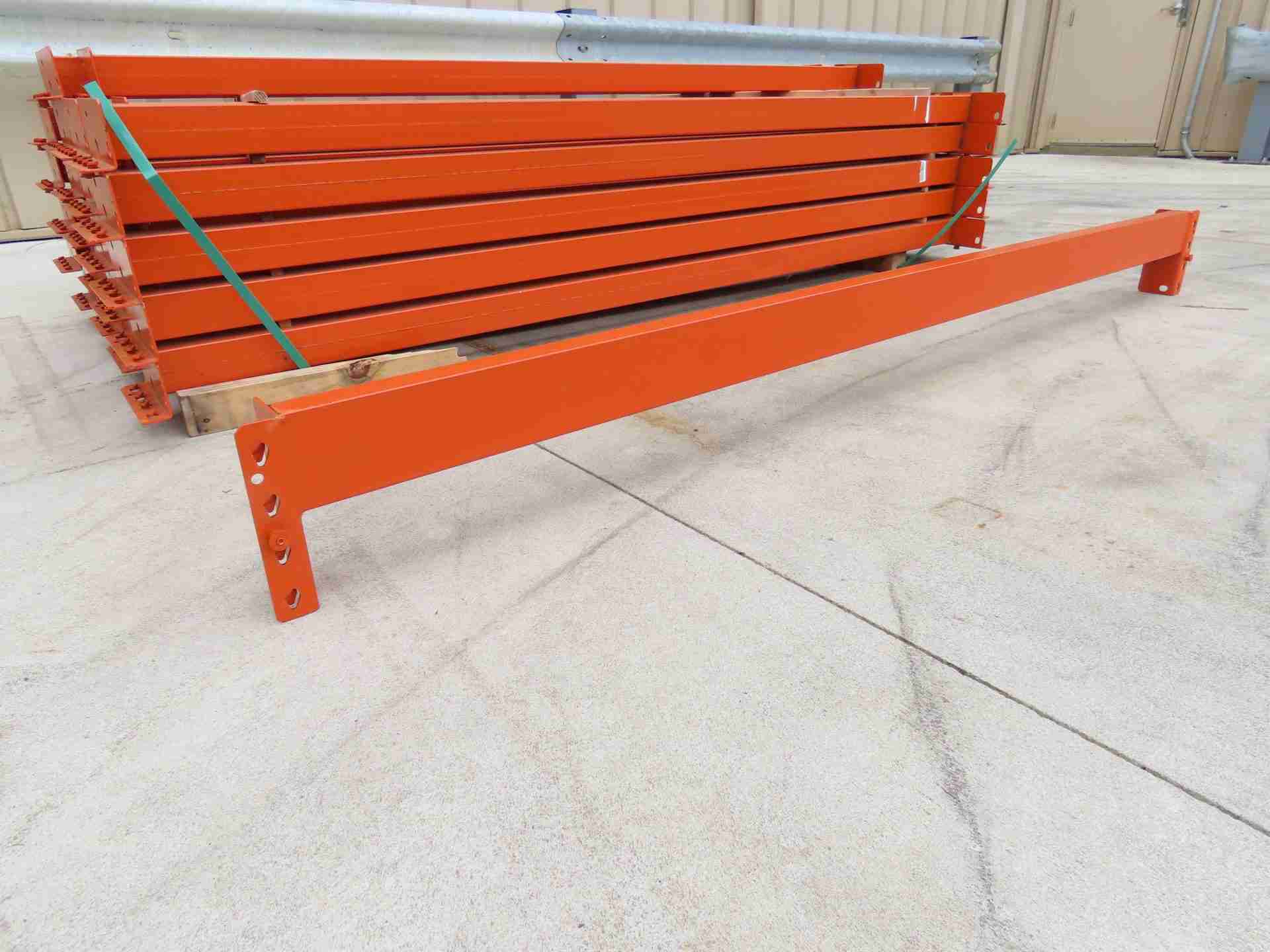
What Technology Is Best For Tracking Shelf Inventory?
Conclusion
In the relentless race for efficiency and profitability, modern warehouse management has found its ally in technology. As firms across various sectors grapple with unprecedented demands, the imperative to optimize warehouse shelving has never been clearer. This is where the dynamic fusion of technology and logistics shines brightest, illuminating a path toward streamlined operations, profound cost savings, and enhanced customer satisfaction.
The crux of effective warehouse shelving hinges on understanding and addressing today’s challenges. Traditional methods, laden with inefficiencies, create bottlenecks that stifle productivity. Enter advanced Warehouse Management Systems (WMS), automation, RFID, and data analytics—technologies that not only resolve these pain points but also elevate operational capabilities to extraordinary heights. The examples showcased reveal the true power of integration; businesses have witnessed staggering 30% increases in efficiency, 60% improvements in order fulfillment speed, and near-flawless inventory accuracy via RFID technology.
Automation stands as a cornerstone of progress, reimagining how products are stored and retrieved within pallet racking systems. With innovations such as Automated Guided Vehicles (AGVs) and IoT sensors, warehouses are transforming into agile environments that respond dynamically to demand shifts. When faced with volatility—be it arising from e-commerce surges or supply chain disruptions—those equipped with technology can adapt swiftly, ensuring that they not only stay afloat but thrive.
Moreover, enhancing inventory management capabilities through barcode scanning and cloud-based solutions further empowers organizations to minimize errors, streamline tracking, and make data-driven decisions. This adaptability is not merely beneficial; it’s essential for maintaining a competitive edge in today’s marketplace.
But don’t just take our word for it—consider the surge in companies proactively turning to these technologies. As you explore your options, remember that every moment spent in uncertainty is a moment your competitors are gaining traction. The technology landscape is evolving rapidly; those who embrace it are positioning themselves as leaders in their respective industries.
The time to act is now. As you reflect on the insights shared in this article, I urge you to rethink your warehouse shelving strategies. Contact Arrow Industrial Sales at (574) 349-6575 today to discover tailored solutions designed to optimize your operations and drive your business to unprecedented success. Don’t let your competition outpace you; leverage technology and transform your warehouse into a powerhouse of efficiency and profitability. Your future awaits!

Conclusion
Conclusion:
- Modern warehouse management is increasingly reliant on technology to enhance efficiency and profitability.
- Advanced Warehouse Management Systems (WMS), automation, RFID, and data analytics address inefficiencies in traditional warehouse methods.
- Businesses using RFID technology have seen up to 30% increases in efficiency and 60% improvements in order fulfillment speed.
- Automation, including Automated Guided Vehicles (AGVs) and IoT sensors, enables dynamic responses to demand changes.
- Enhanced inventory management through barcode scanning and cloud-based solutions reduces errors and improves decision-making.
- Firms adopting these technologies are gaining a competitive edge, highlighting the urgency for others to follow suit.
- For tailored solutions to optimize warehouse operations, consider contacting Arrow Industrial Sales.

Conclusion
Other Resources
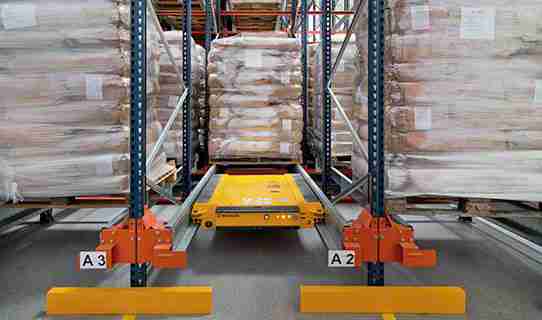
Other Resources
Here is a list of other resources you can review online to learn more:
- International Warehouse Logistics Association
- Selective Rack – Raymond West
- IWLA
- Pallet Rack Systems – New and Used Pallet Racking and Shelving Experts
- The Ultimate Pallet Racking Guide – Speedrack West
- Crane Manufacturers Association Of America Inc.
- Material Handling Industry
- What is Selective Racking: Understanding Benefits & Options
- Warehouse Racks, Warehouse Racking in Stock – ULINE
Use This Prompt To Get More Resources With Your Favorite Online AI Tool: Please provide me with a list of online articles with their URLs in a bulleted list that I can read regarding How Can Technology Enhance Your Warehouse Shelving Management?
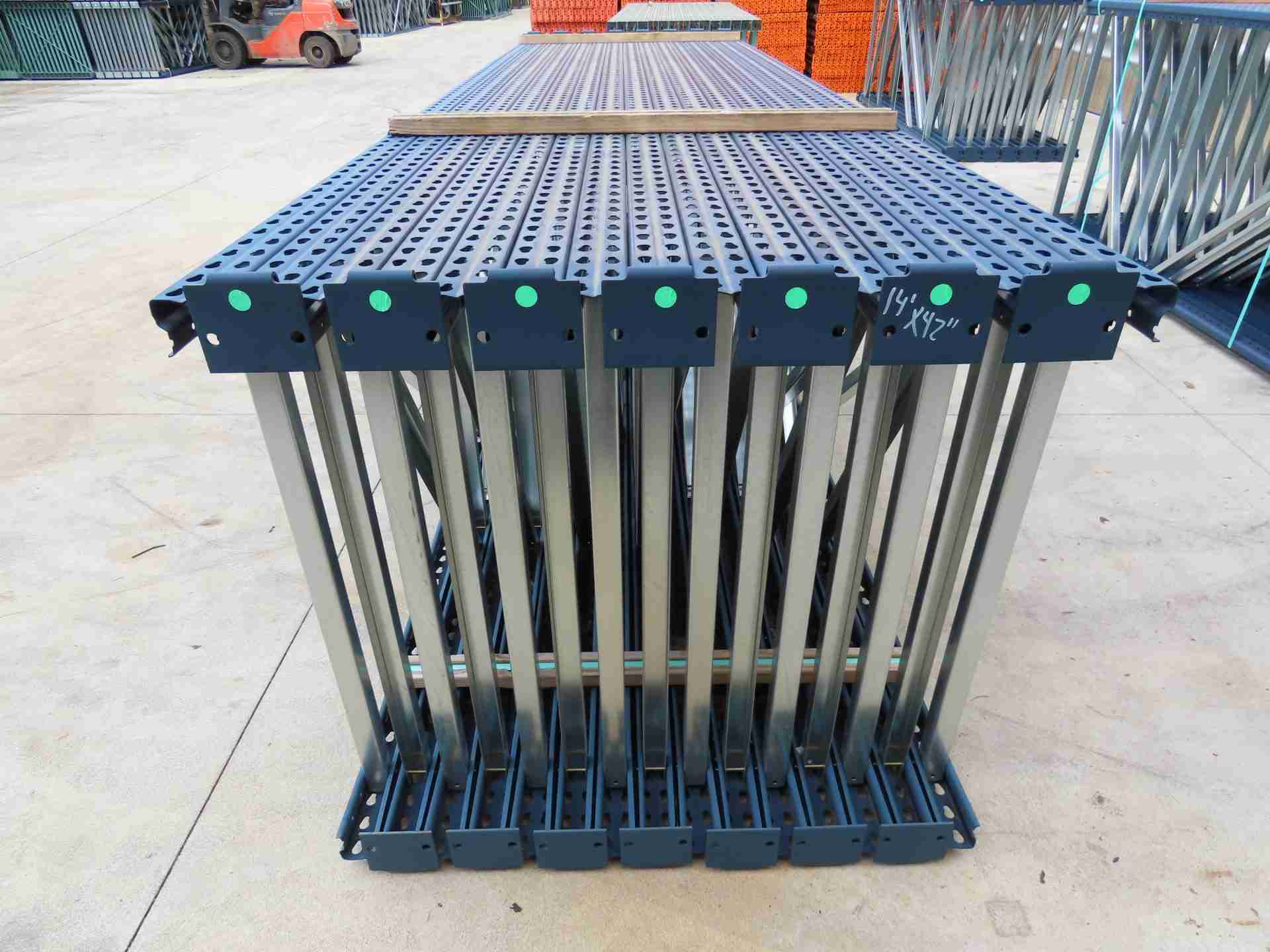
Other Resources
Glossary Terms
How Can Technology Enhance Your Warehouse Shelving Management? – Glossary Of Terms
1. Automation: The use of technology to perform tasks without human intervention, improving efficiency and accuracy in warehouse operations.
2. Barcode Scanning: The use of scanners to read barcodes on products and shelving, facilitating quick tracking and inventory management.
3. Inventory Management: The process of overseeing and controlling stock levels, orders, and deliveries to ensure optimal supply levels.
4. RFID (Radio-Frequency Identification): A technology that uses electromagnetic fields to automatically identify and track tags attached to objects, enhancing inventory control.
5. Warehouse Management System (WMS): Software that helps manage warehouse operations, including inventory tracking, order fulfillment, and shelf management.
6. Pick-to-Light: A technology that uses lights to guide warehouse staff to the correct item location, streamlining the picking process.
7. Automated Storage and Retrieval Systems (AS/RS): Computerized systems that automatically place and retrieve loads from specific storage locations, optimizing space and efficiency.
8. Dynamic Slotting: A method of organizing inventory dynamically based on demand and sales trends to improve picking efficiency.
9. Real-Time Data: Information that is collected and processed immediately, allowing for quick decision-making and operational adjustments.
10. Cloud Computing: The delivery of computing services over the internet, enabling real-time data access and collaboration in warehouse management tools.
11. IoT (Internet of Things): A network of interconnected devices that communicate data to improve warehouse and inventory management processes.
12. Artificial Intelligence (AI): The simulation of human intelligence processes by machines to predict inventory needs and optimize shelving arrangements.
13. Augmented Reality (AR): Technology that overlays digital information in the real world, which can assist warehouse staff in navigation and picking tasks.
14. Mobile Warehouse Solutions: Applications accessed via smartphones or tablets that provide real-time inventory and order management capabilities on the go.
15. Returns Management: The process of handling returned goods, often enhanced by technology for tracking returns and managing inventory.
16. Shelf Life Tracking: Monitoring the expiration dates of products stored on shelves to minimize waste and optimize stock levels.
17. Predictive Analytics: Analyzing historical data to forecast future inventory needs, helping to make informed stocking decisions.
18. Visual Management: Using visual cues, such as color-coded labels or signage, to streamline picking processes and shelving organization.
19. Transportation Management System (TMS): Software that helps plan, implement, and optimize the physical movement of goods, affecting overall warehouse efficiency.
20. Request for Proposal (RFP): A document issued by a warehouse seeking bids from vendors for technology services or shelving equipment upgrades.
21. SOP (Standard Operating Procedures): Established protocols that govern how warehouse tasks are performed, further enhanced by technology for consistency.
22. Cycle Counting: An inventory auditing procedure that counts a portion of the stock in the warehouse on a scheduled basis for improved accuracy.
23. Workforce Management: Technology solutions that help manage employee scheduling, productivity, and performance within the warehouse environment.
24. Material Handling Equipment (MHE): Tools and machinery used to move, store, and control materials within a warehouse; technology enhances their efficiency and safety.
25. Data Integration: The consolidation of data from various sources to provide a comprehensive view of inventory levels and warehouse operations.
26. Optimization Algorithms: Mathematical formulas and models used to identify the most efficient ways to organize shelving and inventory.
27. Electronic Data Interchange (EDI): The transfer of business documents in a standardized electronic format between trading partners, improving communication and accuracy in orders.
28. Labor Management System (LMS): Technology that helps track employee performance, productivity, and schedules for warehouse staff.
29. Cold Storage Technology: Specialized shelving and management solutions for perishable goods, supported by sensors and monitoring systems.
30. Shelf Space Optimization: Techniques and tools used to maximize the utility of shelf space, ensuring products are stored in a way that enhances accessibility and turnover.
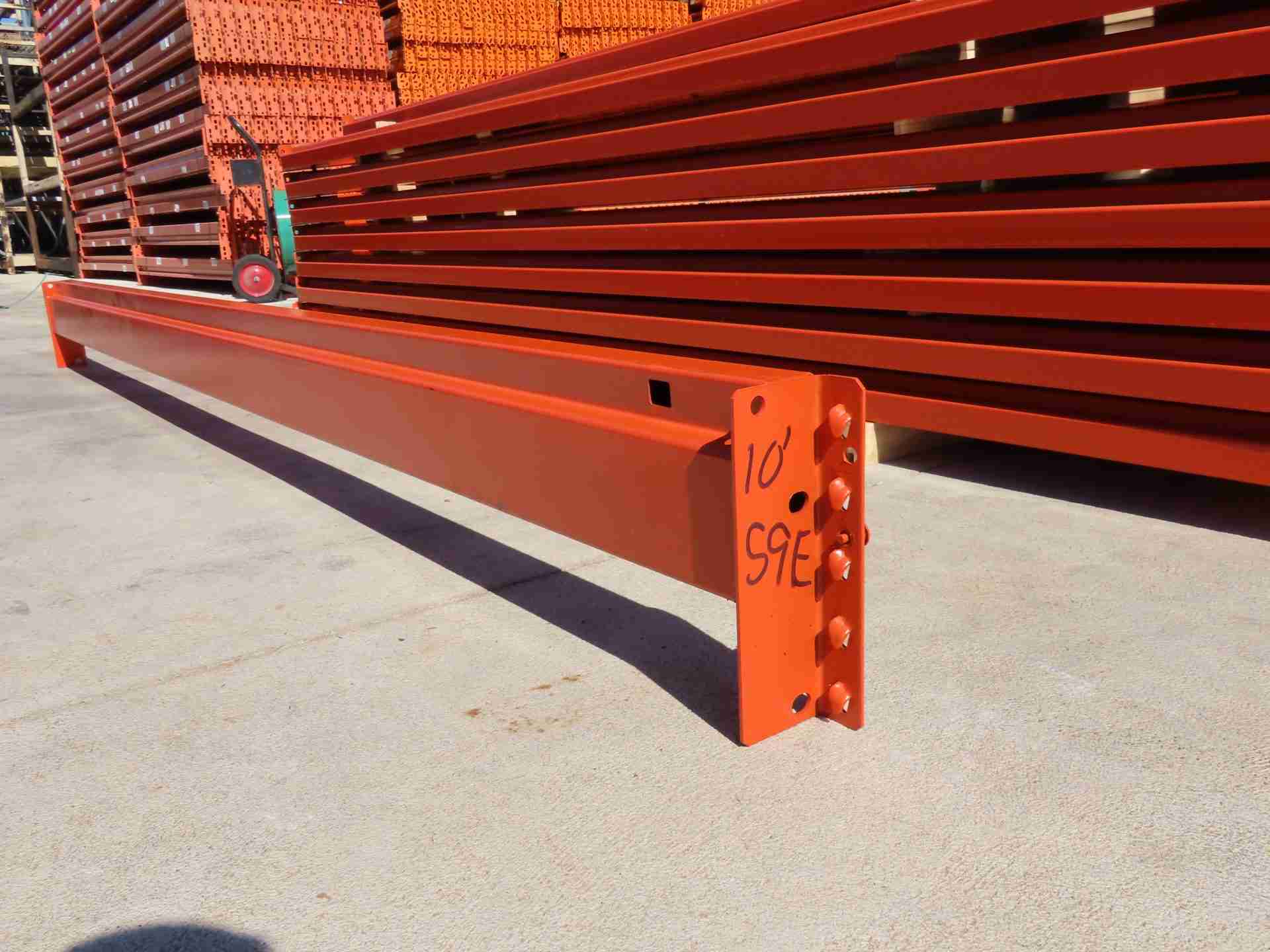
Glossary Of Terms
Other Questions
How Can Technology Enhance Your Warehouse Shelving Management? – Other Questions
If you wish to explore and discover more, consider looking for answers to these questions:
- What are the key features to look for in a Warehouse Management System (WMS)?
- How do automated guided vehicles (AGVs) work in a warehouse setting?
- What are some best practices for implementing RFID technology in warehouse management?
- How can companies assess the ROI of adopting new warehouse technologies?
- What challenges might businesses face when integrating new technologies into their warehouse operations?
- How does data analytics interact with other technologies in warehouse management?
- What are the environmental benefits of automating warehouse processes?
- How can businesses ensure their warehouse staff are trained to effectively use new technologies?
- Which industries benefit the most from advanced warehouse shelving management technologies?
- What future trends should businesses be aware of in warehouse management technology?
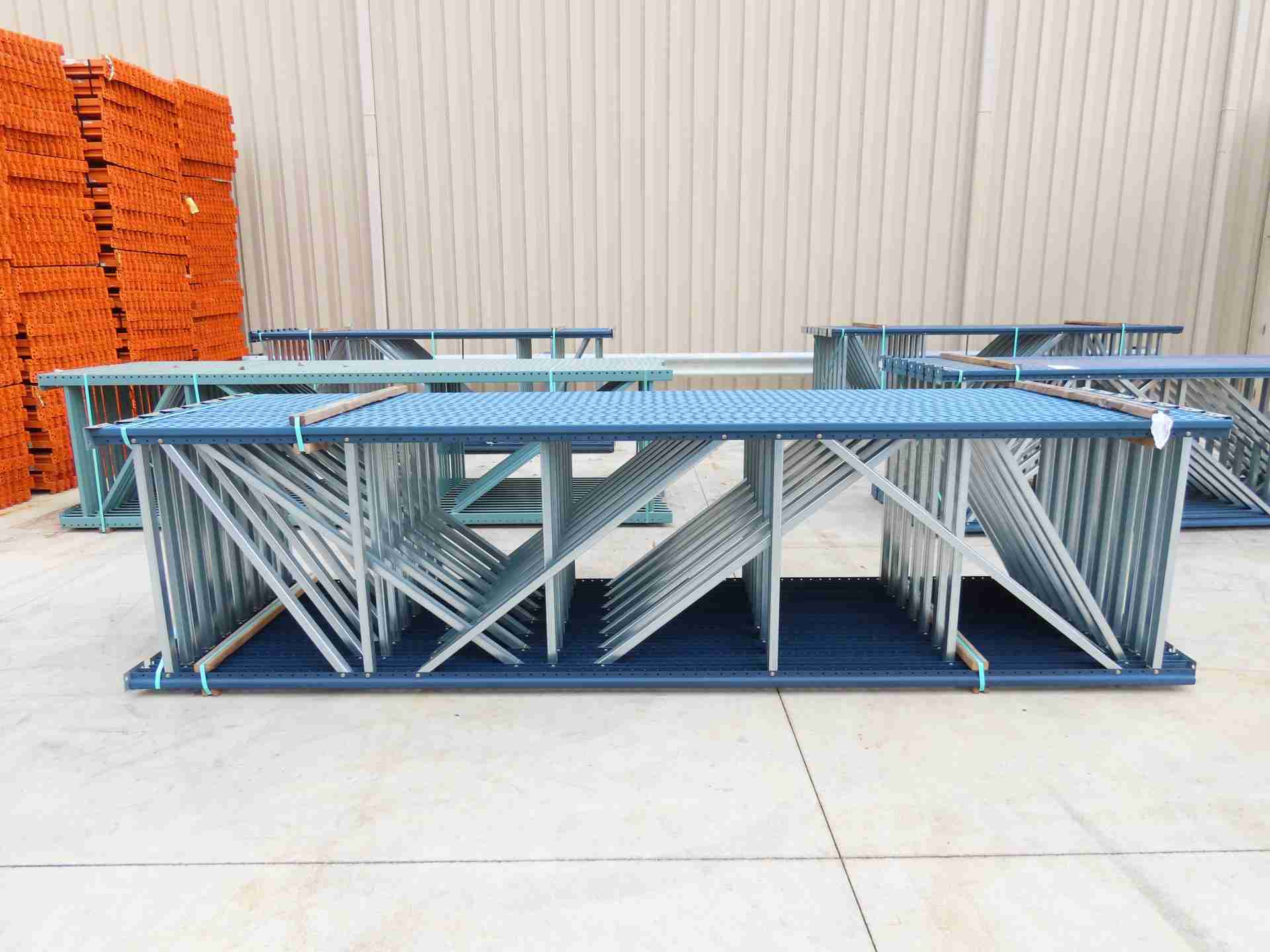
Other Questions
Checklist
How Can Technology Enhance Your Warehouse Shelving Management? – A Checklist
1. Implement Warehouse Management Systems (WMS)
_____ Evaluate and choose a suitable WMS that provides real-time visibility of stock.
_____ Train staff on how to use the WMS effectively.
2. Utilize Automation and Robotics
_____ Research options for Automated Guided Vehicles (AGVs) to streamline pallet retrieval and storage.
_____ Assess the need for automated pallet racking systems to optimize space.
3. Incorporate RFID Technology
_____ Tag pallets with RFID chips for efficient inventory tracking.
_____ Train staff on RFID scanning technology to enhance inventory accuracy.
4. Leverage Cloud Computing
_____ Consider implementing cloud-based inventory management solutions for remote access.
_____ Ensure data security and proper backups for cloud solutions.
5. Utilize Data Analytics
_____ Set up data analytics tools to monitor inventory turnover and space utilization.
_____ Analyze data regularly to inform shelving strategies and operational adjustments.
6. Adopt Barcode Scanning
_____ Implement barcode scanning technology for quicker inventory management.
_____ Train employees on using barcode scanners to reduce human error.
7. Optimize Inventory Management Systems
_____ Choose inventory management software that provides real-time updates and alerts for restocking.
_____ Emphasize methods like First-In, First-Out (FIFO) to maintain product freshness.
8. Monitor Safety Practices
_____ Assess the impact of automation on warehouse safety and efficiency.
_____ Implement best practices to minimize manual handling and reduce injury risks.
9. Ensure Sustainability Practices
_____ Evaluate how automated systems can lead to more energy-efficient operations.
_____ Explore options for minimizing waste through optimized shelving techniques.
10. Use AI and Machine Learning
_____ Investigate AI tools to predict inventory trends and optimize stock levels.
_____ Train staff on utilizing AI insights for better inventory management.
11. Implement Predictive Restocking Solutions
_____ Use IoT solutions to monitor shelf states and facilitate predictive restocking.
_____ Train staff to respond to real-time stock data quickly.
12. Incorporate Mobile Inventory Management Apps
_____ Choose and implement mobile apps for on-the-go inventory updates and audits.
_____ Provide training for staff to ensure they can use mobile technology effectively.
By following this checklist, you can leverage technology to enhance your warehouse shelving management, leading to improved efficiency, accuracy, and profitability. Embrace these innovations to stay competitive in the modern market.
Checklist
At RackingWorld, we help guide you through selecting warehouse storage systems and racking.
Be sure to read our other related stories at RackingWorld to learn more about warehouse storage systems.
0 Comments