
Maximizing Warehouse Efficiency With Strategic Shelving
By Tom Seest
At RackingWorld, we help guide you through selecting warehouse storage systems and racking.
Be sure to read our other related stories at RackingWorld to learn more about warehouse storage systems.
How Can Strategic Shelving Improve Your Warehouse’s Overall Efficiency?
In the ever-evolving landscape of logistics and supply chain management, every inch of warehouse space matters. Enter strategic shelving, a game-changer for businesses looking to maximize their operational efficiency, reduce costs, and ultimately boost their bottom line. One of the most effective storage solutions currently available is pallet racking, which enables you to leverage vertical space, dramatically increasing your storage capacity without the need for expansive floor plans.
Let’s face it—the demands of modern commerce are relentless. With e-commerce booming—growing by nearly 15% in the last year alone—warehouse space is at a premium. Companies face the pressing need to transform cluttered, inefficient storage areas into streamlined environments capable of quick turnover and efficient order fulfillment. Strategic shelving is your answer. Picture integrating well-designed pallet racking systems that elevate your goods, allowing you to utilize vertical space effectively. This isn’t just about holding more products; it’s about elevating your operational agility and speed.
Consider a business that distributes health and wellness products which saw a staggering 30% increase in order volume during the pandemic. By implementing a sophisticated pallet racking system, they managed to not only accommodate the increased inventory but also improved their pick-and-pack efficiency by a whopping 40%. Their team was able to navigate through easily accessible layers of high-demand items, drastically reducing the time spent locating and picking products.
Moreover, with strategic shelving solutions like pallet racking, you can easily adapt to changes in inventory types and sizes. This flexibility is invaluable as market trends shift, like the recent surge in consumer demand for sustainable products. A quick reconfiguration of your shelving can help accommodate diverse product lines, keeping you ahead of the competition while minimizing operational downtime.
Now, let’s not overlook the importance of warehouse safety and compliance. A well-implemented pallet racking system isn’t just about increasing efficiency; it can also contribute to a safer working environment. By organizing your inventory, you reduce the risk of accidents that come from cluttered and chaotic spaces.
Strategic shelving through solutions like pallet racking can significantly enhance your warehouse’s overall efficiency. Don’t settle for subpar storage solutions that limit your potential. Embrace the evolution of your warehouse and watch as improved access, reduced labor costs, and increased throughput lead to a healthier bottom line. After all, in the world of warehousing, the right shelves could very well mean the difference between stagnation and stellar growth.

How Can Strategic Shelving Improve Your Warehouse’s Overall Efficiency?
How Can Strategic Shelving Improve Your Warehouse’s Overall Efficiency?
- Strategic shelving maximizes warehouse space and operational efficiency.
- Pallet racking leverages vertical space, increasing storage capacity without expanding floor plans.
- E-commerce growth demands efficient storage solutions for high turnover and order fulfillment.
- A case study showed a 30% increase in order volume and a 40% improvement in efficiency through pallet racking.
- Strategic shelving offers flexibility to adapt to changing inventory types and market trends.
- A well-implemented pallet racking system enhances safety by organizing inventory and reducing clutter.
- Embracing strategic shelving can lead to improved access, reduced labor costs, and increased throughput.

How Can Strategic Shelving Improve Your Warehouse’s Overall Efficiency?
Table Of Contents
- How Can Strategic Shelving Improve Your Warehouse’s Overall Efficiency?
- How Can Strategic Shelving Optimize Space Utilization In A Warehouse?
- What Are The Key Benefits Of Implementing Strategic Shelving Systems?
- How Does Strategic Shelving Impact Inventory Management And Accuracy?
- What Types Of Shelving Options Enhance Warehouse Efficiency Most?
- How Can Strategic Shelving Reduce Picking And Packing Times?
- What Role Does Shelving Layout Play In Workflow Efficiency?
- Conclusion
- Other Resources
- Glossary Of Terms
- Other Questions
- Checklist
How Can Strategic Shelving Optimize Space Utilization In A Warehouse?
In today’s fast-paced logistics environment, the ability to maximize your warehouse space is not just a luxury—it’s a necessity. Imagine transforming a chaotic storage area into a well-oiled machine, all through the power of strategic shelving. Utilizing shelving methods such as pallet racking can dramatically increase your operational efficiency while reducing clutter.
Picture this: a major retail chain faced a staggering inventory challenge due to an uptick in online orders. By implementing a smart pallet racking system, they stacked inventory upwards rather than outwards. This simple yet profound shift enabled them to reclaim approximately 20% more floor space, which they used for staging incoming goods. Strategic shelving allowed them to achieve a previously unattainable inventory turnover rate. The company’s CEO remarked, “This is not just storage; it’s an extension of our retail space.”
But space optimization doesn’t stop with merely installing pallet racking. Modified layouts can facilitate faster picking times. By analyzing your product flow, you can create a layout that places fast-moving items closer to shipping areas, reducing labor time and increasing productivity. If your warehouse resembles a labyrinth of bureaucracy, consider a recent warehouse modernization trend where businesses commit to identifying slow-moving inventory, relocating top-selling items to the forefront, thereby optimizing both storage and workflow.
Current events in e-commerce only accentuate the significance of efficient space utilization. As companies like Amazon continuously expand their fulfillment capabilities, they are leveraging high-density pallet racking systems coupled with automation technology. These innovations not only conserve space but also heighten accuracy in order fulfillment—a key driver in customer satisfaction.
Moreover, strategic shelving promotes better inventory management. With clear visibility and accessibility provided by pallet racking units, stock levels can be monitored regularly, avoiding overstocking or stockouts. This proactive approach translates into substantial cost savings—allowing for reinvestment in business growth or employee well-being.
Warehouse space is a finite resource that can determine your business’s scalability. Investing in strategic shelving systems, particularly pallet racking, can transform your entire operational landscape. As businesses grapple with the challenges of growth, the mantra should be clear: optimize your space, optimize your profits. A clutter-free warehouse is not just an efficient warehouse; it’s a future-ready powerhouse.
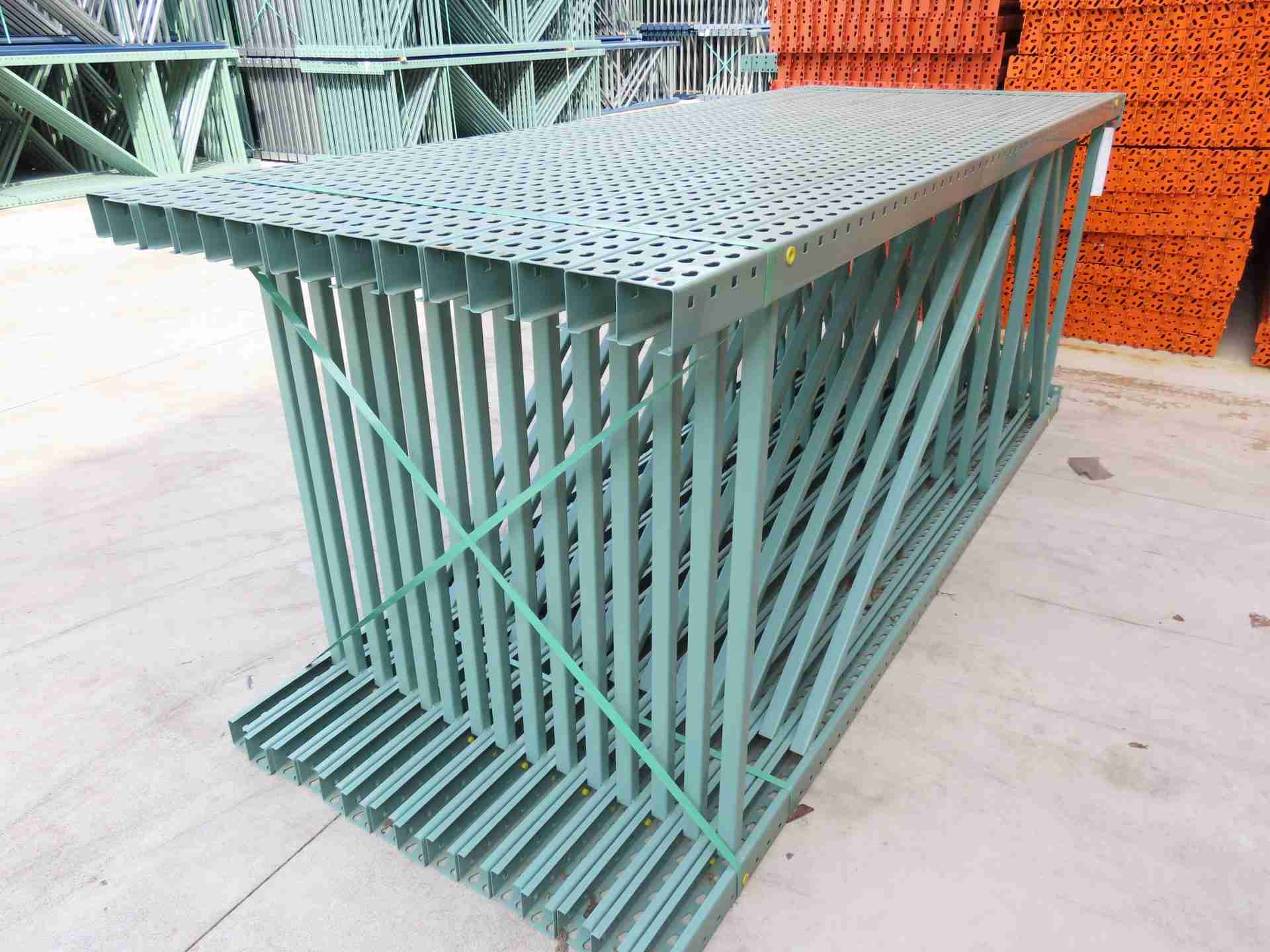
How Can Strategic Shelving Optimize Space Utilization In A Warehouse?
How Can Strategic Shelving Optimize Space Utilization In A Warehouse?
- Maximizing warehouse space is essential in today’s fast-paced logistics environment.
- Implementing strategic shelving methods, like pallet racking, can enhance operational efficiency and reduce clutter.
- A retail chain reclaimed 20% of floor space by stacking inventory upward with a smart pallet racking system.
- Optimizing layout for fast-moving items can reduce labor time and improve productivity in order fulfillment.
- Companies like Amazon utilize high-density pallet racking systems and automation to increase space efficiency and order accuracy.
- Strategic shelving improves inventory management, preventing overstocking or stockouts and leading to cost savings.
- Investing in pallet racking systems enables businesses to scale, with space optimization directly influencing profitability.
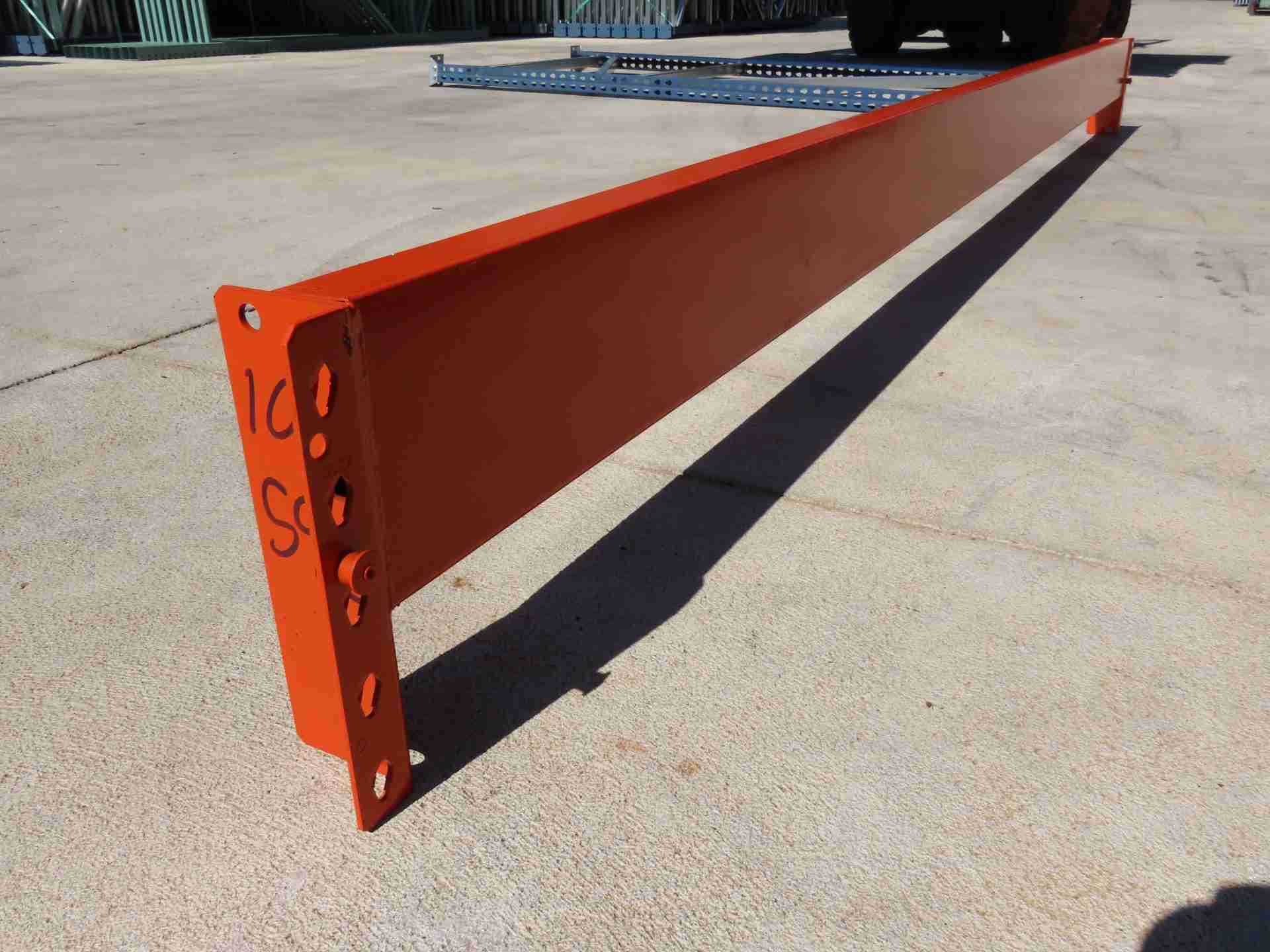
How Can Strategic Shelving Optimize Space Utilization In A Warehouse?
What Are The Key Benefits Of Implementing Strategic Shelving Systems?
In the fast-paced world of warehousing and distribution, businesses must adopt strategies that elevate efficiency and enhance profitability. One surefire way to achieve this is by implementing strategic shelving systems, including crucial structures like pallet racking. This approach pays dividends in numerous ways, ultimately redefining operational effectiveness and driving substantial savings.
Maximized Space Utilization
One of the most immediate advantages of a strategic shelving system is the maximized use of vertical space. In today’s market, where real estate prices continue to climb—especially in urban areas—every square foot counts. Consider the case of a food distribution center in California that faced increasing demand during the pandemic. By integrating state-of-the-art pallet racking systems, they were able to increase storage capacity by over 30%. This optimization meant not only a streamlined operation but also significant cost savings in terms of leasing and overhead.
Enhanced Accessibility and Organization
When products are well-organized and easily accessible on pallet racking systems, employee productivity skyrockets. A well-implemented shelving strategy prevents the chaos that often accompanies disorganized inventory. For instance, an electronics distributor recently reorganized their warehouse using tiered shelving. The result? Employees could locate and retrieve items in half the time, contributing to faster order fulfillment and heightened customer satisfaction—an essential factor in today’s competitive e-commerce landscape.
Improved Safety Standards
Safety is non-negotiable in any warehouse set-up. Strategic shelving systems, including well-designed pallet racking, significantly reduce the risk of accidents. For example, companies that have transitioned to reinforced racking systems have noted a 50% reduction in workplace injuries. The proper configuration minimizes clutter and provides clear access routes, enabling a safer working environment for all employees.
Adaptability to Changing Needs
The business environment is volatile, and adaptability is key. Strategic shelving systems can evolve alongside your business. As trends shift—such as the growing emphasis on sustainability—pallet racking can easily be reconfigured to accommodate new product lines, promote eco-friendly practices, or scale up operations. Take, for example, a clothing retailer that adapted their shelving strategy to include mixed inventory—a blend of traditional inventory alongside sustainable products—effectively capturing the conscious consumer market.
Conclusion
Incorporating systems like pallet racking into your operations isn’t just a warehouse improvement; it’s a strategic investment that pays back in significant ways. By maximizing space, enhancing safety, improving organization, and allowing for flexibility, organizations can set themselves up for long-term success, navigating current and future challenges with confidence. Embrace strategic shelving systems today and watch your efficiency—and your profits—soar.
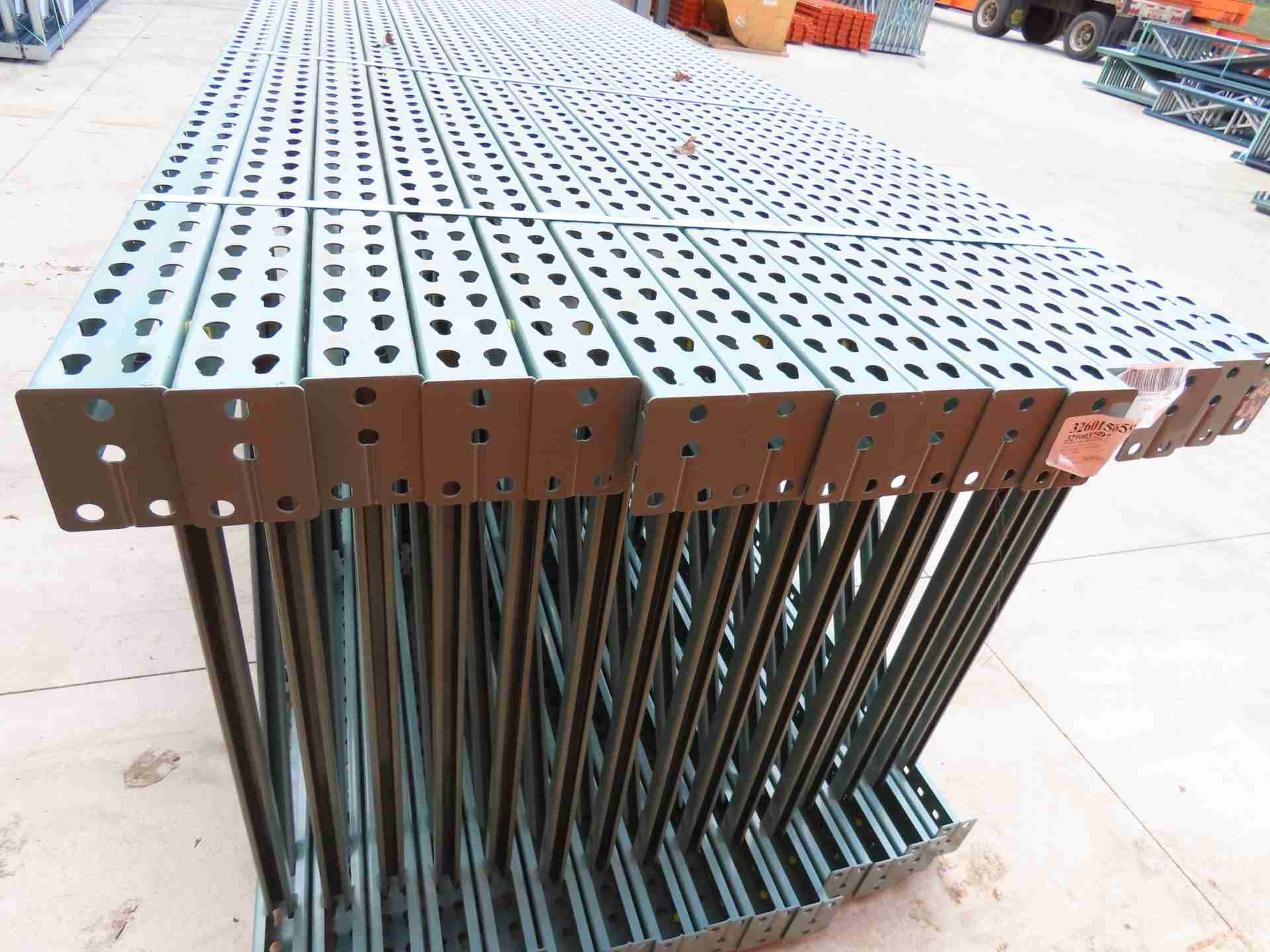
What Are The Key Benefits Of Implementing Strategic Shelving Systems?
What Are The Key Benefits Of Implementing Strategic Shelving Systems?
- Implementing strategic shelving systems, such as pallet racking, enhances efficiency and profitability in warehousing and distribution.
- Maximizes vertical space utilization, crucial in minimizing costs in high-realty markets.
- Improved organization and accessibility lead to increased employee productivity and faster order fulfillment.
- Switching to strategic shelving can significantly reduce workplace injuries by enhancing safety standards.
- Adaptable shelving systems can easily reconfigure to meet changing business needs and consumer trends.
- Investing in shelving systems represents a strategic move for long-term success and operational effectiveness.
- Organizations that embrace strategic shelving can enhance efficiency and increase profits.
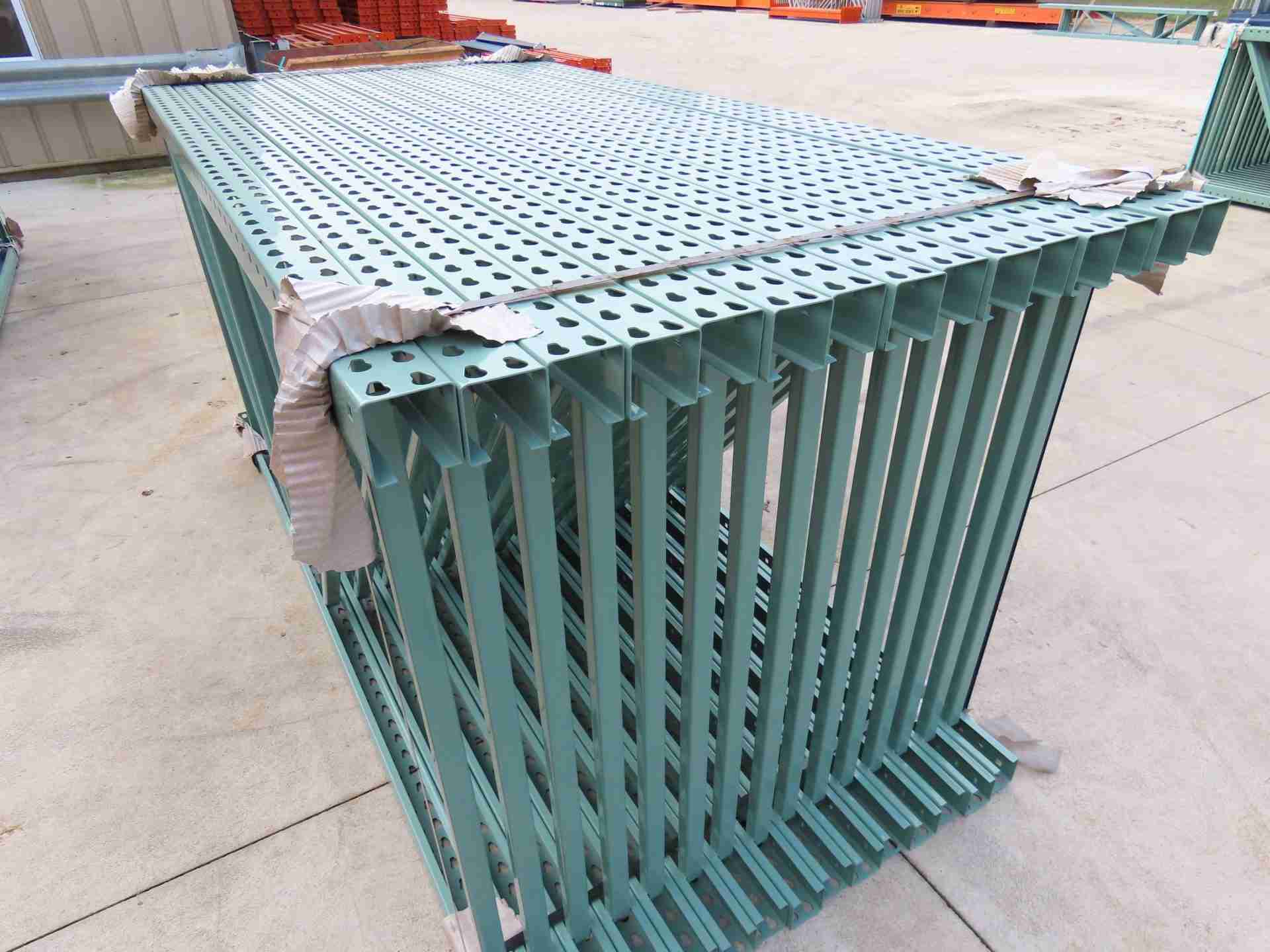
What Are The Key Benefits Of Implementing Strategic Shelving Systems?
How Does Strategic Shelving Impact Inventory Management And Accuracy?
In today’s fast-paced retail landscape, where every second counts and customer satisfaction is paramount, businesses need to hone their inventory management strategies to ensure success. One of the most critical yet often overlooked elements is strategic shelving. Simply put, doing it right means placing products in a manner that enhances accessibility, visibility, and accuracy.
Consider the impact of pallet racking systems in warehouses. When laid out effectively, these structures allow for optimal utilization of vertical space, meaning businesses can store more goods without overwhelming their floor plan. This is a game-changer, particularly for companies that may feel the pressure of rising operational costs. A savvy operation can maximize its inventory capacity while maintaining a streamlined workflow. For instance, look at major retailers like Amazon or Walmart, who have invested heavily in efficient shelving designs to hasten picking processes and minimize errors. In times of disruption—like the recent supply chain crises exacerbated by global events—efficiency in inventory management has become non-negotiable.
Now, let’s examine how strategic shelving influences not just storage but also accuracy. When items are stored in a well-organized manner, locating products becomes a breeze. A well-thought-out shelving strategy minimizes time spent searching for items, which is crucial during peak seasons, like the current holiday rush. For instance, a business that utilizes a color-coded shelving system for quick identification can significantly reduce picking errors, leading to happier customers and fewer returns.
Still, it’s not just about saving time; it’s about preserving profitability. Mistakes in inventory can lead to overstocked items gathering dust or stockouts that force lost sales. Implementing a structured shelving system complemented by technology—think barcode scanning and inventory tracking systems—smashes through these problems, bolstering accuracy and efficiency. Many businesses employing these tactics have seen impressive results. For example, retail chains that adopted automated shelving solutions reported a 25% increase in order accuracy in just a few months.
Strategic shelving is no longer an optional luxury; it’s an imperative in an age where precision meets customer demands. As you contemplate your inventory management approach, remember—effective shelving not only maximizes your space but also fortifies your bottom line. With a little ingenuity and willingness to adapt, your inventory accuracy can soar, propelling your business toward uncharted heights of success.

How Does Strategic Shelving Impact Inventory Management And Accuracy?
How Does Strategic Shelving Impact Inventory Management And Accuracy?
- Strategic shelving enhances inventory management by improving accessibility, visibility, and accuracy.
- Effective pallet racking systems optimize vertical space, allowing for increased storage capacity while maintaining workflow.
- Major retailers like Amazon and Walmart invest in efficient shelving designs to speed up picking processes and reduce errors.
- A well-organized shelving strategy reduces the time spent searching for items, especially during peak seasons like the holiday rush.
- Color-coded shelving systems can significantly decrease picking errors, leading to improved customer satisfaction and lower return rates.
- Structured shelving systems combined with technology, such as barcode scanning, enhance inventory accuracy and efficiency.
- Implementing strategic shelving is essential for profitability and is increasingly critical in meeting customer demands accurately.

How Does Strategic Shelving Impact Inventory Management And Accuracy?
What Types Of Shelving Options Enhance Warehouse Efficiency Most?
In the rapidly evolving landscape of logistics and warehousing, optimizing storage solutions can make a significant difference in efficiency and productivity. One of the most effective ways to achieve this is by investing in well-designed shelving systems, like pallet racking, which can revolutionize your space and streamline your operations.
Pallet racking is a popular choice for many warehouses due to its versatility and ability to maximize storage capacity. This shelving solution allows for vertical storage, enabling warehouses to utilize overhead space effectively. With the recent surge in e-commerce activities fueled by the growing consumer demand for instant gratification, implementing pallet racking can help businesses keep pace with the increasing volume of inventory. For instance, a warehouse converting to a pallet racking system can discover a storage increase of up to 50%, allowing for more product organization and quicker access for order fulfillment.
Beyond pallet racking, consider the use of selective racking systems as another option to enhance efficiency. These systems provide direct access to each pallet, minimizing the time employees spend locating inventory. In industries that rely heavily on fast-moving consumer goods, this method can significantly reduce picking times, helping companies meet tight delivery schedules and satisfy customer expectations.
As we look to the future, innovations like mobile shelving are gaining traction, driven by the demand for greater flexibility and adaptability in storage solutions. Mobile shelving systems allow for increased density while maintaining efficiency, as they can be reconfigured based on fluctuating inventory levels. For manufacturers feeling the pinch from recent supply chain disruptions, adopting such systems can be a game-changer. For example, a mobile racking system might help a manufacturer quickly pivot between different product lines without requiring a costly redesign of the entire warehouse layout.
In addition to these physical shelving options, leveraging technology can enhance the overall functionality of your storage systems. Integrating inventory software with your shelving solutions provides real-time updates on product locations, reducing errors and improving picking accuracy. As companies grapple with increased competition and strive for leaner operations, combining traditional shelving options with cutting-edge technology can deliver a robust solution that drives productivity.
Efficiency in warehousing is no longer just about storage; it’s about maximizing every square foot of your operation. By thoughtfully selecting the right shelving options, businesses can unlock potential savings, enhance workflow, and ultimately, create a more agile and responsive supply chain. Whether you go for pallet racking or embrace the latest mobile systems, the key lies in adapting to your unique operational needs.
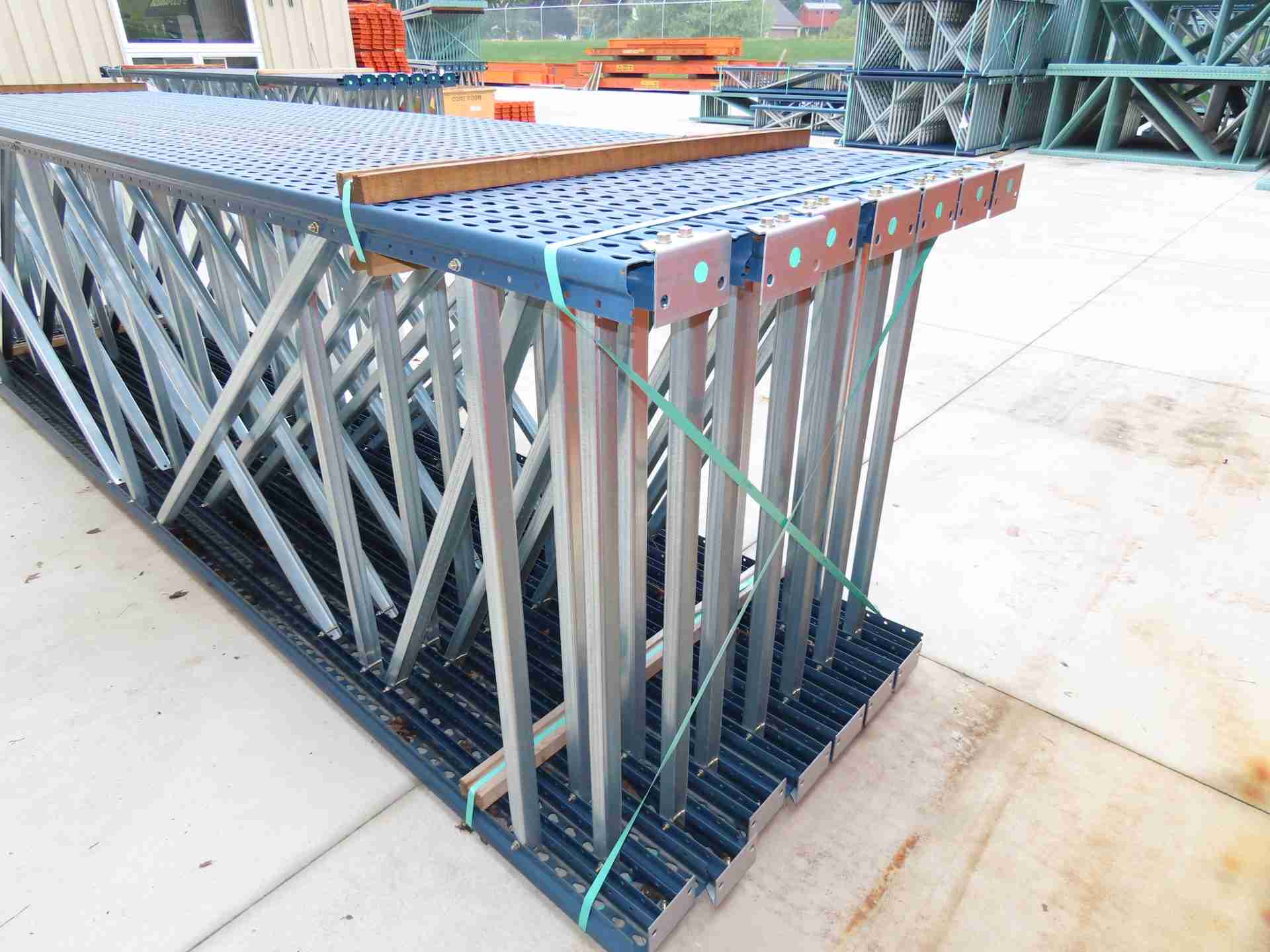
What Types Of Shelving Options Enhance Warehouse Efficiency Most?
What Types Of Shelving Options Enhance Warehouse Efficiency Most?
- Investing in well-designed shelving systems, such as pallet racking, can significantly enhance warehouse efficiency.
- Pallet racking maximizes storage capacity by allowing vertical storage, effectively utilizing overhead space.
- Businesses implementing pallet racking can achieve up to a 50% increase in storage capacity, improving product organization.
- Selective racking systems offer direct access to pallets, reducing time spent locating inventory and improving picking efficiency.
- Mobile shelving systems provide flexibility and adaptability, enabling reconfiguration based on fluctuating inventory levels.
- Integrating inventory software with shelving solutions enhances functionality by providing real-time updates on product locations.
- Choosing the right shelving options helps businesses maximize space, enhance workflows, and create more agile supply chains.

What Types Of Shelving Options Enhance Warehouse Efficiency Most?
How Can Strategic Shelving Reduce Picking And Packing Times?
In today’s fast-paced e-commerce environment, time is money. Every millisecond saved during the picking and packing phase translates directly into increased profitability. One of the most effective methods to optimize these processes lies in strategic shelving, particularly when using pallet racking systems designed for efficiency.
Imagine a busy fulfillment center handling countless orders a day. Traditional shelving can bog down operations, forcing staff to run back and forth across the warehouse floor, wasting precious time. Enter strategic shelving—an art form that transforms mere storage space into a well-orchestrated picking paradise. By implementing pallet racking systems, businesses can create vertical storage that not only maximizes space but also facilitates quick access to frequently picked items.
Consider a recent study published by the Warehousing Education and Research Council (WERC) indicating that warehouses utilizing strategic shelving report a 30% reduction in picking times over those relying solely on conventional shelving methods. This impressive statistic reinforces the importance of location and organization. By placing high-demand products on lower shelves within the pallet racking units, staff can reduce bending and stretching, ultimately speeding up the process.
Let’s draw a parallel with a company that put this strategy to the test: Amazon. The retail giant utilizes a sophisticated warehousing system that employs strategic shelving principles, integrating pallet racking with high-tech inventory tracking. As they optimized their layouts, shipping times plummeted. They’ve set the bar, demonstrating that an efficient shelving strategy isn’t just beneficial; it’s essential for staying competitive.
Moreover, the rise of rapid delivery expectations, especially during events like Cyber Monday, further emphasizes the need for improved picking efficiencies. Retailers that have embraced strategic shelving not only keep their shelves stocked with seasonal items but also cultivate an environment where workers can fulfill demands swiftly. For example, grocery delivery services saw a 200% spike in demand during the recent pandemic. Companies with streamlined picking processes thrived, while those still relying on outdated systems faced enormity.
If you want to cut down on picking and packing times, strategic shelving featuring pallet racking is your solution. By maximizing space and enhancing accessibility, you empower your warehouse to adapt to ever-changing demands, turning your fulfillment center into a well-oiled machine. The goal is simple: a streamlined inventory turns into lightning-fast orders, ensuring your customers keep coming back for more. In a world where efficiency is king, can you afford to lag behind?

How Can Strategic Shelving Reduce Picking And Packing Times?
How Can Strategic Shelving Reduce Picking And Packing Times?
- Time optimization in e-commerce is crucial, as every millisecond saved during picking and packing increases profitability.
- Strategic shelving, especially with pallet racking systems, can streamline operations and improve efficiency.
- Traditional shelving often leads to inefficiencies, causing staff to waste time moving back and forth in the warehouse.
- Research from the Warehousing Education and Research Council (WERC) shows a 30% reduction in picking times with strategic shelving.
- High-demand items should be placed on lower shelves to minimize bending and stretching by warehouse staff.
- Companies like Amazon utilize strategic shelving and pallet racking to enhance warehouse efficiency and optimize shipping times.
- Embracing strategic shelving systems is essential for meeting rapid delivery expectations and adapting to market demands.
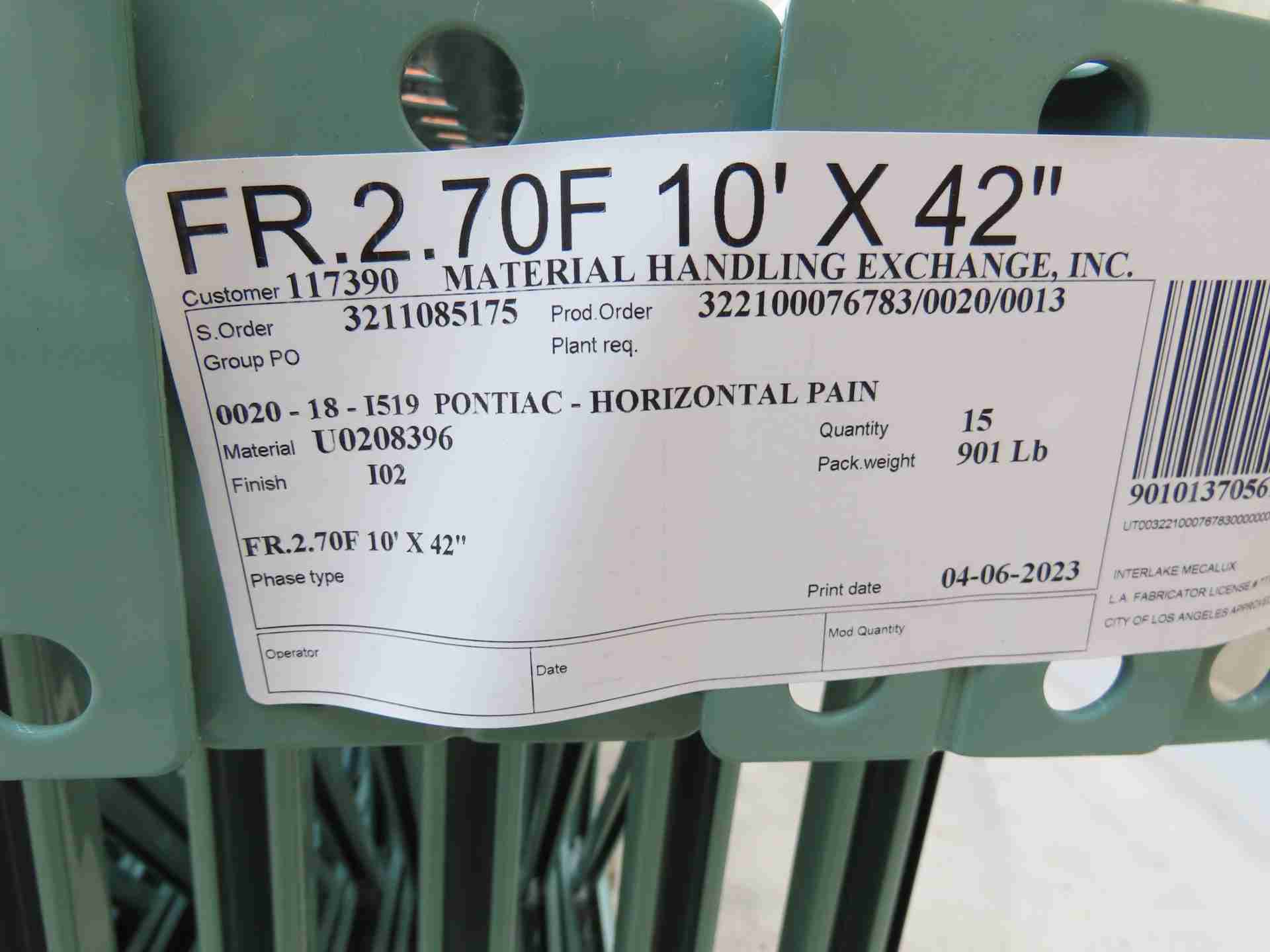
How Can Strategic Shelving Reduce Picking And Packing Times?
What Role Does Shelving Layout Play In Workflow Efficiency?
In the bustling world of warehousing and distribution, every decision counts, especially when it comes to shelving layout. Imagine a well-oiled machine where every cog and gear aligns perfectly; that’s what an efficient shelving layout can do for your operation. It ensures that goods move seamlessly from receiving to shipping, significantly enhancing workflow efficiency.
Consider pallet racking, a popular storage solution that maximizes vertical space while allowing easy access to inventory. A strategically designed pallet racking system not only organizes products but also directs traffic flow. For instance, a layout that places fast-moving items at the front ensures quicker retrieval, effectively reducing pick time. This can mean the difference between a thriving business and one struggling to keep up with demands.
The recent shift towards e-commerce has exacerbated the need for optimized shelving layouts. With online shopping surging, warehouses must adapt to higher volumes and faster turnarounds. A company in the Midwest revamped its shelving strategy by reallocating space for high-demand SKUs right next to packing zones, slashing order fulfillment times by 30%. This simple tweak not only showcased how critical layout choices are but also highlighted the potential for profit in a competitive market.
Moreover, the importance of the right shelving configuration extends to safety and employee satisfaction. A cluttered warehouse with poorly arranged shelving not only hampers productivity but also poses risks for workers. By implementing a systematic approach to shelving—like using adjustable pallet racking — businesses can ensure both safety and efficiency. Workers can easily navigate through aisles without obstacles, reducing the likelihood of accidents and increasing morale.
Seasonal variations, such as the looming holiday rush, demand even more careful planning. Retailers who anticipated this surge by reconfiguring their shelving months ahead enjoyed smoother operations. By dedicating space to seasonal items in a strategic layout, they positioned themselves to respond swiftly to orders. Just imagine the chaos of last-minute adjustments versus the streamlined success of those prepared ahead of time.
In today’s fast-paced world, overlooking the role of shelving layout in workflow efficiency is a mistake no business can afford to make. A thoughtful approach leads to faster operations, happier employees, and ultimately, a healthier bottom line. Whether through pallet racking or other innovative shelving solutions, let your layout work as hard as you do.
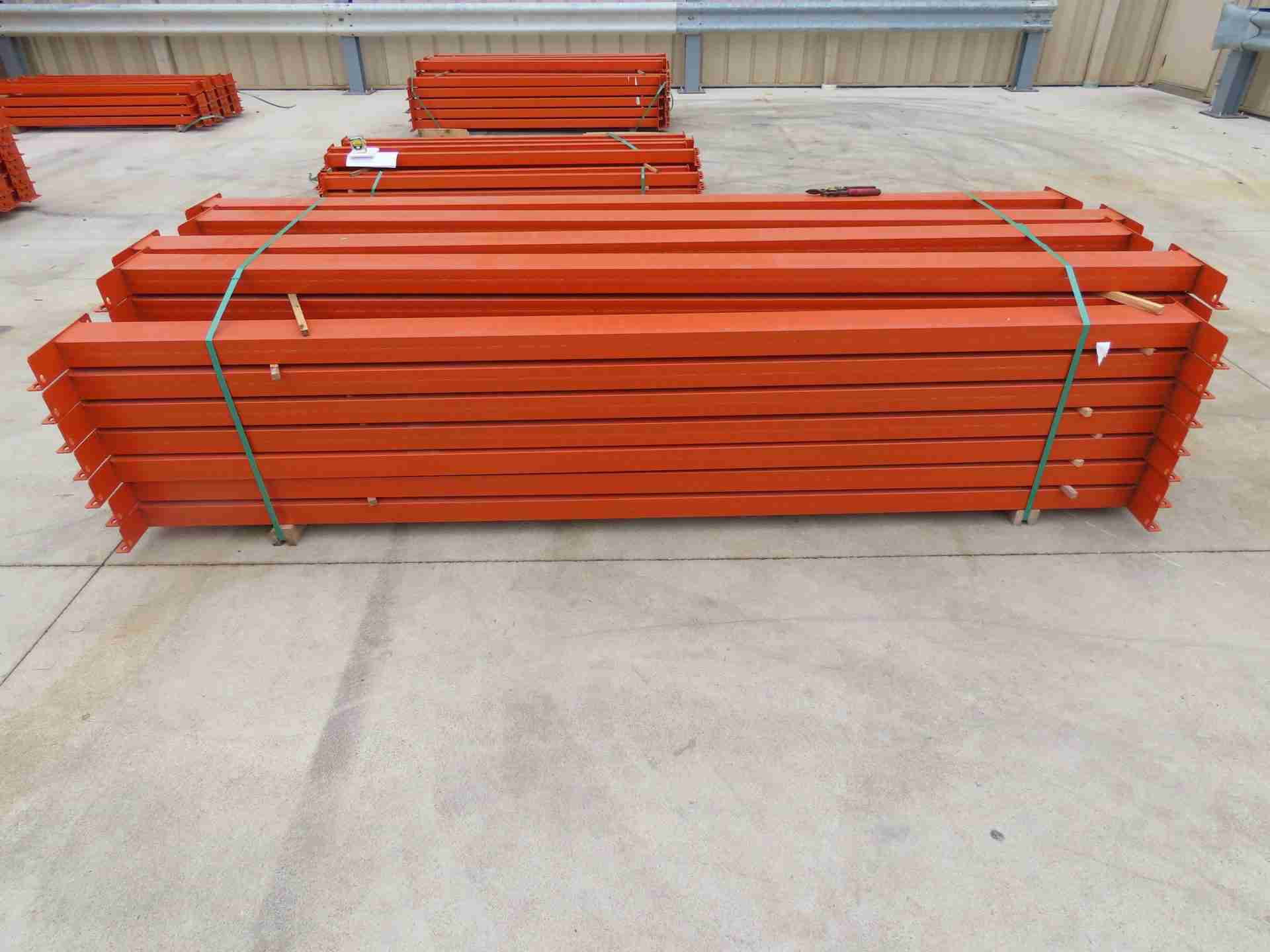
What Role Does Shelving Layout Play In Workflow Efficiency?
What Role Does Shelving Layout Play In Workflow Efficiency?
- Efficient shelving layout enhances workflow in warehousing and distribution.
- Pallet racking maximizes vertical space and organizes inventory for easy access.
- Fast-moving items should be positioned at the front to reduce pick time.
- The rise of e-commerce necessitates optimized shelving layouts to handle increased demand.
- Proper shelving configuration improves safety and boosts employee morale.
- Advance planning for seasonal fluctuations leads to smoother operations and quicker order fulfillment.
- A strategic shelving approach ultimately results in faster operations and a healthier bottom line.

What Role Does Shelving Layout Play In Workflow Efficiency?
Conclusion
Conclusion: Revolutionizing Warehouse Efficiency with Strategic Shelving Solutions
In today’s fast-paced logistics and supply chain environment, the importance of maximizing warehouse efficiency cannot be overstated. Strategic shelving, especially through effective implementations of pallet racking systems, serves as the cornerstone for businesses aiming to thrive. With modern commerce evolving, companies must pivot quickly to meet growing demands—especially in the booming e-commerce sector. Warehouse operations that adopt smart shelving systems can unlock significant advantages that directly translate to profitability.
By prioritizing vertical storage through pallet racking, businesses are not just optimizing their physical space; they are also enhancing their operational agility. Picture it: a health and wellness distributor that reconfigured its storage system to yield a 30% increase in order volume capacity. The right shelving transforms dwindling aisle space into a streamlined fulfillment powerhouse, ensuring that every product is easily accessible and quick to retrieve, which is crucial during peak shopping seasons.
Moreover, companies are discovering that investing in strategic shelving solutions addresses multiple pain points—from safety concerns to operational flexibility. The structured organization of goods not only minimizes clutter, reducing safety hazards, but also curtails labor times associated with finding and picking items. As businesses adapt to recovering market demands, the ability to reconfigure shelving layouts to accommodate shifting inventory types—whether accommodating seasonal merchandise or responding to new market needs like sustainable products—positions them to stay ahead of the competition.
Incorporating systems like pallet racking isn’t simply an upgrade; it’s a strategic imperative that enables companies to convert limited warehousing into efficient, scalable, and profitable operations. Businesses that have embraced these changes report improved accuracy, enhanced customer satisfaction, and dramatic cost savings. Every square foot of your warehouse represents potential—potential that can be maximized through a compelling shelving strategy.
Now is the time to revolutionize your warehousing operations and position your business for long-term success. Don’t let outdated shelving solutions hold you back. Reach out to Arrow Industrial Sales at (574) 349-6575 today and explore how strategic shelving can reshape your efficiency and drive profitability. Your warehouse has untapped potential waiting to be unlocked. Act with urgency, and see how effective shelving can elevate your operations to remarkable new heights!
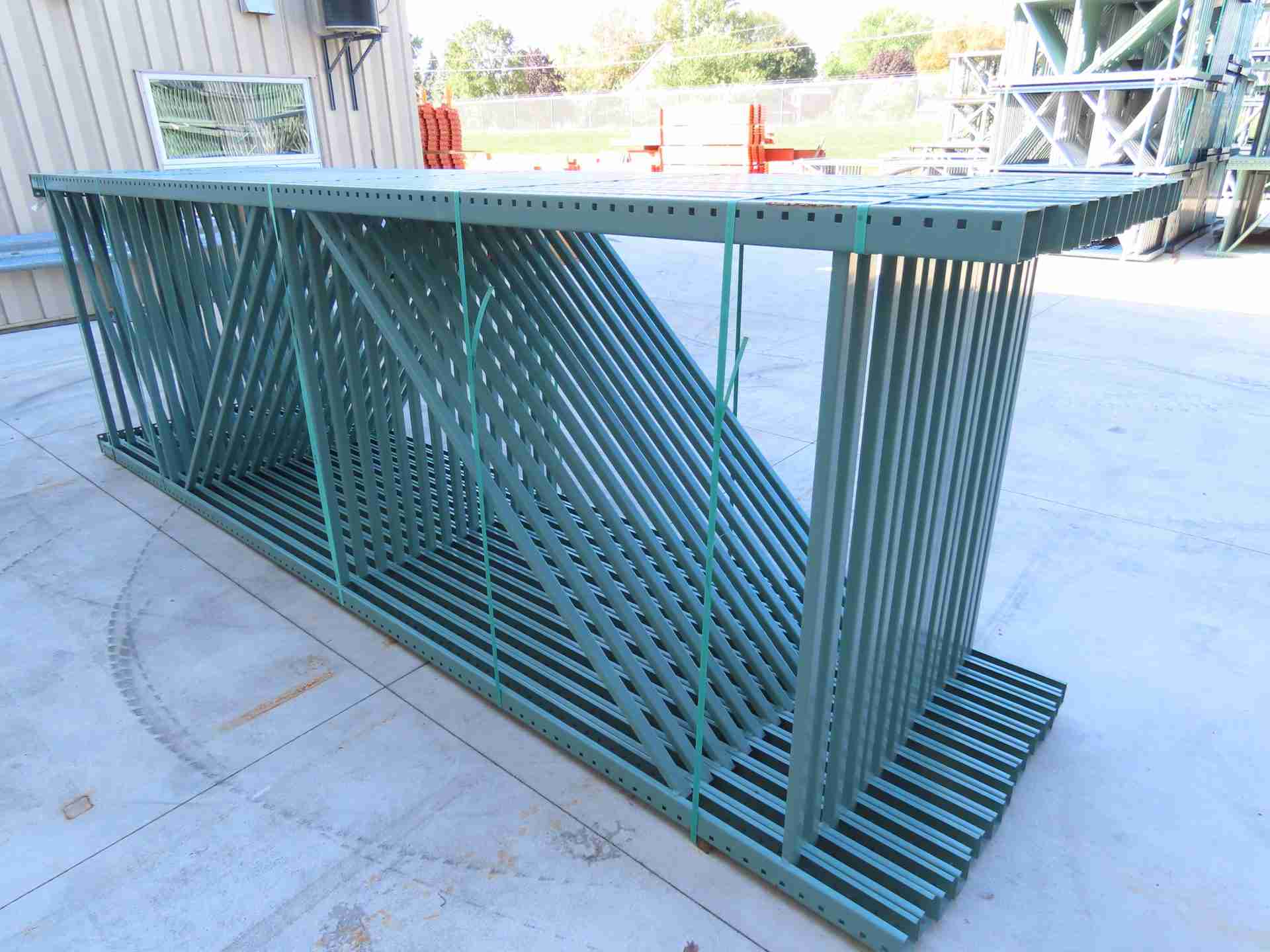
Conclusion
Conclusion:
- Maximizing warehouse efficiency is critical in today’s logistics and supply chain environment.
- Strategic shelving, notably pallet racking systems, is essential for business growth, especially in e-commerce.
- Prioritizing vertical storage enhances operational agility and increases order volume capacity.
- Investing in strategic shelving solutions improves safety, reduces clutter, and cuts labor times in warehouses.
- Flexible shelving layouts allow businesses to adapt to shifting inventory types and market demands.
- Pallet racking systems transform limited warehousing into efficient, scalable, and profitable operations.
- Contact Arrow Industrial Sales at (574) 349-6575 to explore strategic shelving solutions for your warehouse.
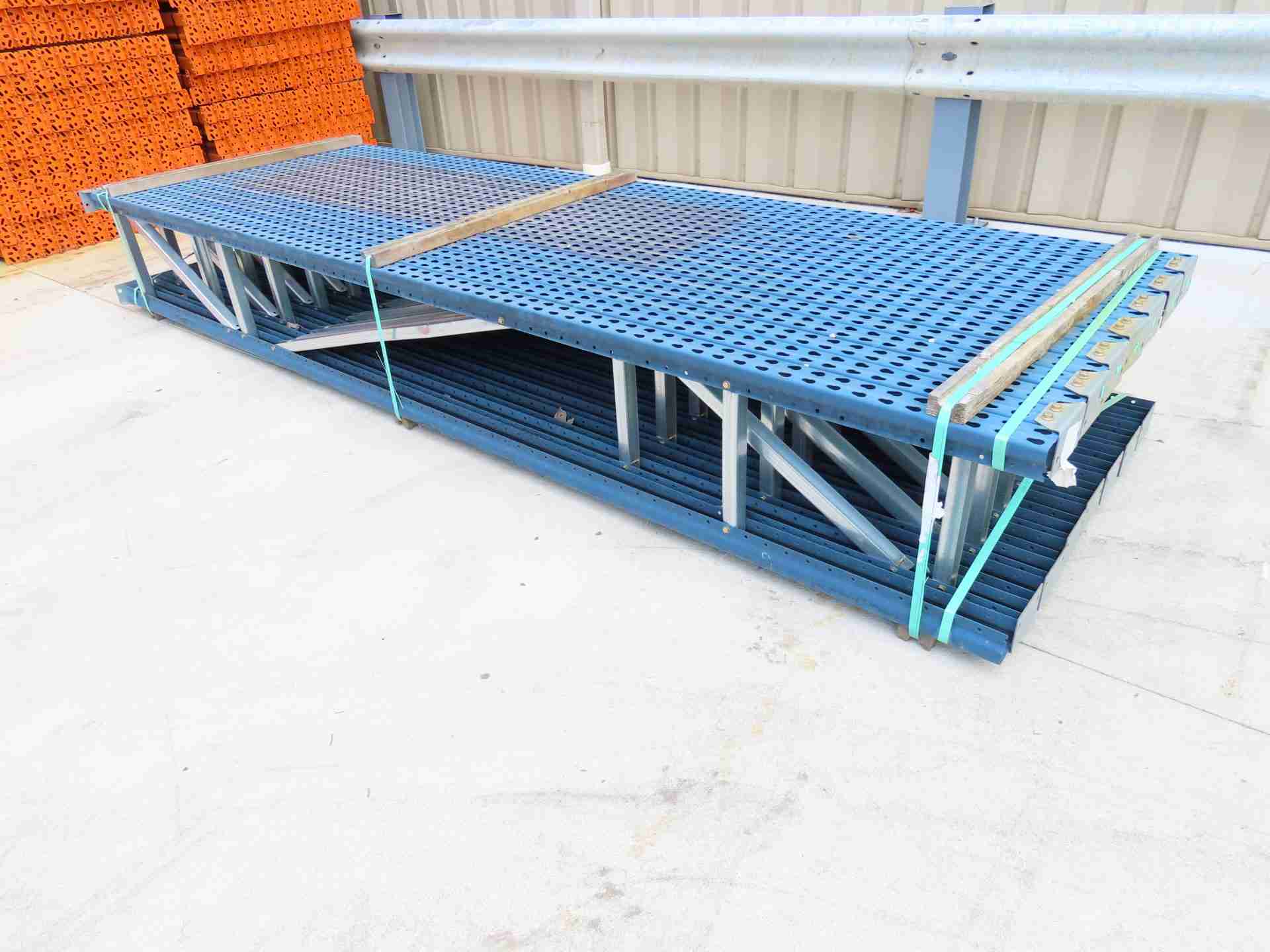
Conclusion
Other Resources

Other Resources
Here is a list of other resources you can review online to learn more:
- Teardrop Uprights
- Warehouse Storage Racking in Illinois
- Warehouse Racking Layout: The Ultimate Guide – Conger
- Selective Racking
- Warehouse Racking System: Powerful Guide to Optimise, 2024
- Warehouse Storage Racks
- Pallet Racking systems in Illinois and Great Lakes
- Logic Material Handling
- National Safety Council
- Illinois Pallet Racking – Storage Solutions
Use This Prompt To Get More Resources With Your Favorite Online AI Tool: Please provide me with a list of online articles with their URLs in a bulleted list that I can read regarding How Can Strategic Shelving Improve Your Warehouse’s Overall Efficiency?

Other Resources
Glossary Terms
How Can Strategic Shelving Improve Your Warehouse’s Overall Efficiency? – Glossary Of Terms
1. Strategic Shelving: A method of organizing shelves to maximize storage, improve item accessibility, and enhance overall operational efficiency.
2. Warehouse Efficiency: The ability of a warehouse to operate with minimal waste, ensuring maximum productivity and speed in handling goods.
3. Layout Optimization: The process of arranging shelves and warehouse items in a way that reduces travel time and increases workflow efficiency.
4. Inventory Management: The supervision and control of the ordering, storage, and use of materials and products to ensure adequate supply without excess.
5. Stock Rotation: A management practice of organizing inventory to ensure that older stock is used or sold before newer stock, typically following FIFO (first-in, first-out) principles.
6. SKU (Stock Keeping Unit): A unique identifier assigned to each product in inventory to track items effectively.
7. Capacity Utilization: The percentage of warehouse space that is actively used for storage compared to the total available space.
8. Accessibility: The ease with which items can be retrieved from their storage locations, crucial for efficient picking operations.
9. Lean Warehousing: A management philosophy that seeks to eliminate waste and improve processes within warehouse operations.
10. Picking Efficiency: The effectiveness of retrieving products from storage during order fulfillment; often measured by speed and accuracy.
11. Dynamic Shelving: A shelving system that allows for flexible item placement to accommodate varying inventory levels and improve accessibility.
12. Static Shelving: Fixed shelving units that do not change position or configuration, typically more limited in flexibility compared to dynamic systems.
13. Pallet Racking: A warehousing system that uses vertical-space utility to store pallets, allowing for higher density storage and easier access.
14. Cross-Docking: A logistics process where incoming goods are directly loaded onto outbound trucks without long-term storage, improving efficiency.
15. Batch Picking: A picking method where multiple orders are picked simultaneously, increasing speed and efficiency.
16. Cycle Counting: An inventory auditing procedure that involves counting a subset of inventory in rotation to ensure accuracy and minimize errors.
17. Warehouse Management System (WMS): Software designed to support and optimize warehouse functionality, helping in inventory tracking and management.
18. First-In, First-Out (FIFO): A stock rotation method where the oldest inventory items are sold or used first to minimize spoilage and obsolescence.
19. Last-In, First-Out (LIFO): An inventory valuation method where the most recently produced or acquired items are sold or used first, often used for perishables.
20. Order Fulfillment: The complete process of receiving, processing, and delivering orders to customers, greatly influenced by shelving strategies.
21. Safety Stock: Extra inventory kept on hand to mitigate the risk of stockouts due to demand fluctuations or supply chain disruptions.
22. Carton Flow Racking: An automated racking system that uses gravity to move cartons to the front for easy picking based on FIFO principles.
23. Bin Storage: A shelving method that uses individual bins to store items, which facilitates better inventory organization and retrieval.
24. Empirical Storage: A storage method based on empirical data to determine optimal shelving arrangements for specific products and order patterns.
25. Ergonomics: The study of people’s efficiency in their working environment, crucial for designing shelving that reduces strain during picking tasks.
26. Load Capacity: The maximum weight or volume that a shelving unit can safely support.
27. Environmental Controls: Systems implemented to manage temperature, humidity, and other factors in a warehouse affecting inventory quality.
28. Vertical Storage Solutions: Utilizing the vertical space in warehouses with various shelving types to maximize storage density.
29. Material Handling: The movement and protection of goods throughout the manufacturing, warehousing, and distribution processes, heavily relying on effective shelving.
30. Data-Driven Decisions: Utilizing analytics and performance data to inform shelving strategies and warehouse layout for improved efficiency.
These terms can serve as a foundation for understanding how strategic shelving techniques contribute to enhancing the overall efficiency of warehouse operations.
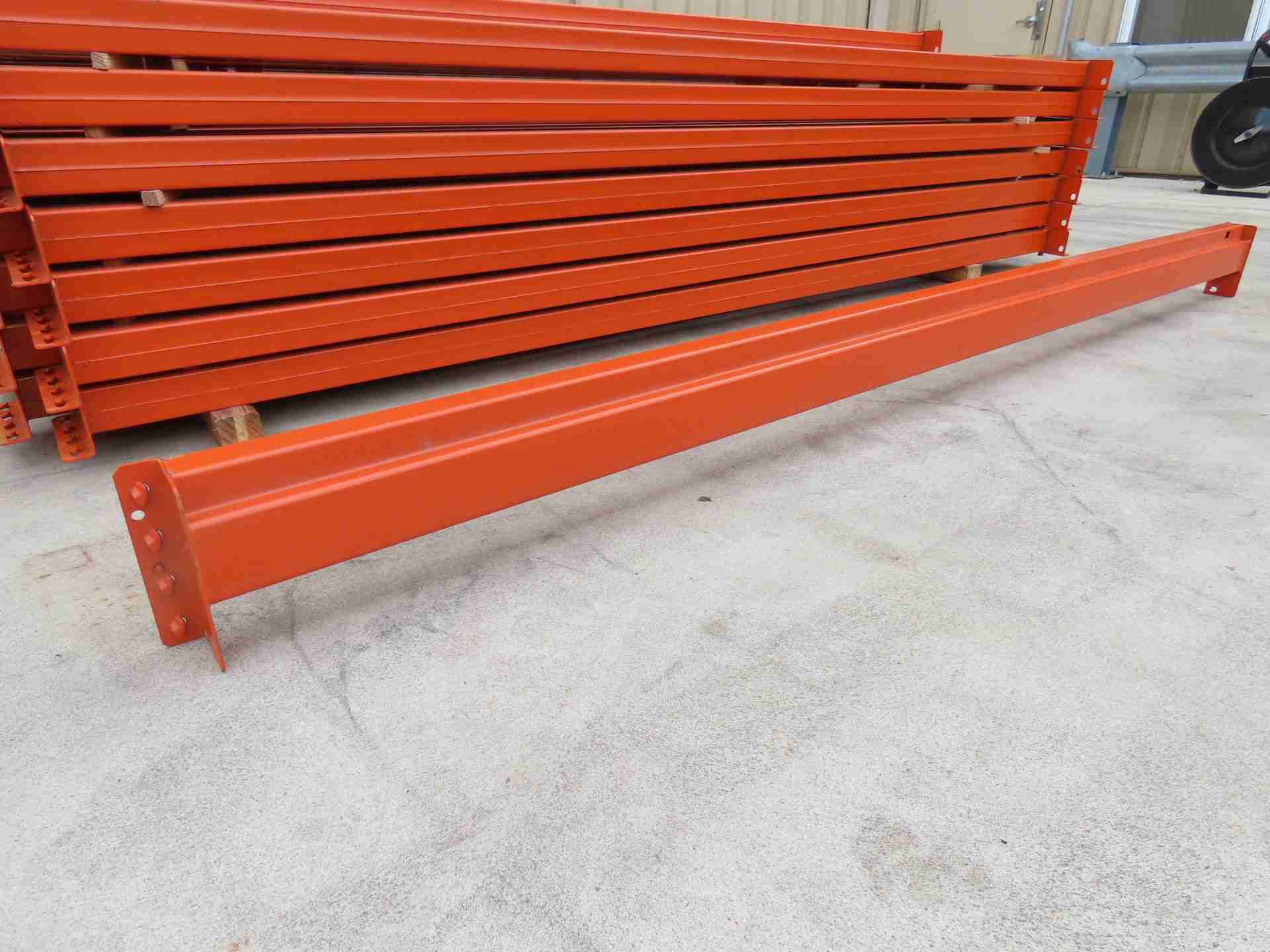
Glossary Of Terms
Other Questions
How Can Strategic Shelving Improve Your Warehouse’s Overall Efficiency? – Other Questions
If you wish to explore and discover more, consider looking for answers to these questions:
- What are the costs associated with implementing strategic shelving systems?
- How can businesses determine the right type of shelving for their needs?
- What are the best practices for maintaining a strategic shelving system?
- How do I train employees to utilize new shelving systems effectively?
- What technologies can be integrated with shelving systems to enhance efficiency?
- What are some common mistakes to avoid when implementing strategic shelving?
- How can strategic shelving be adapted to seasonal inventory changes?
- What impact does strategic shelving have on order fulfillment speed?
- Are there specific industries that benefit more from strategic shelving?
- How does strategic shelving correlate with customer satisfaction and return rates?
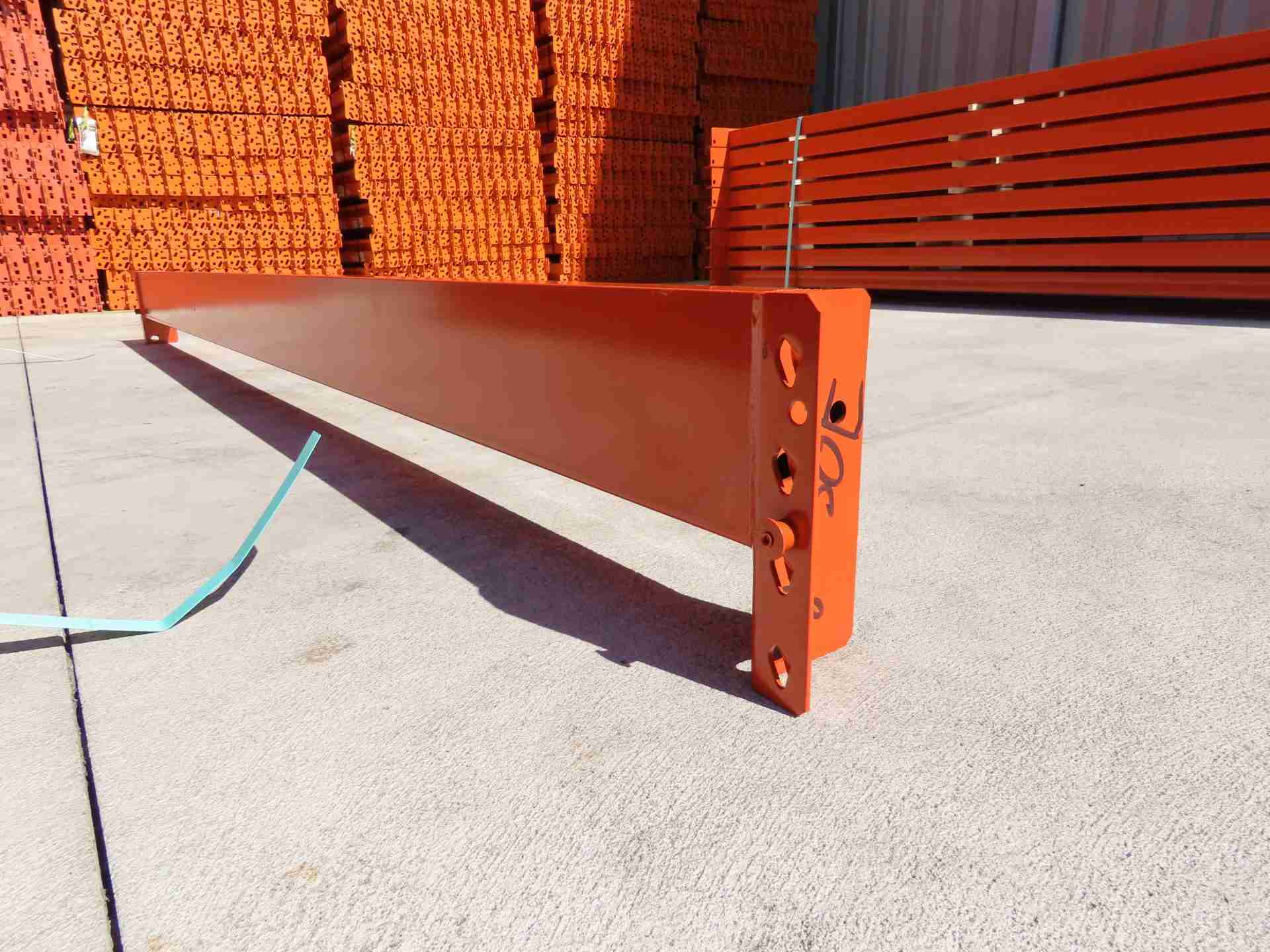
Other Questions
Checklist
How Can Strategic Shelving Improve Your Warehouse’s Overall Efficiency? – A Checklist
Maximizing Your Warehouse’s Storage Capability
1. Assess Your Current Layout
_____ Evaluate the current shelving setup for efficiency.
_____ Identify high-traffic areas and bottlenecks in the workflow.
2. Implement Pallet Racking Systems
_____ Consider adopting pallet racking to leverage vertical space.
_____ Ensure the racking system can be easily adapted to varying inventory needs.
3. Optimize Space Utilization
_____ Analyze and reallocate floor space to better accommodate seasonal or high-demand items.
_____ Redesign shelving layouts based on inventory turnover rates.
4. Enhance Accessibility
_____ Arrange fast-moving items closer to shipping zones for quick retrieval.
_____ Utilize tiered shelving to simplify access to different product categories.
5. Improve Inventory Management
_____ Implement technology such as barcode scanning for real-time inventory tracking.
_____ Maintain clear visibility of stock levels to reduce overstocking or stockouts.
6. Prioritize Safety and Compliance
_____ Ensure access routes are unobstructed and shelving is well-organized.
_____ Regularly inspect shelving systems for structural integrity and safety compliance.
Boosting Picking and Packing Efficiency
7. Minimize Picking Times
_____ Use strategic shelving designs that place frequently picked items at eye level.
_____ Consider a color-coded or label system for quicker identification of products.
8. Train Staff on Best Practices
_____ Provide training on the new shelving systems for maximum efficiency.
_____ Encourage staff to suggest improvements based on their daily experiences.
9. Evaluate Workflow and Employee Satisfaction
_____ Monitor picking times and employee feedback to gauge effectiveness.
_____ Reassess shelving layouts seasonally to adapt to changing inventory needs.
10. Implement a Continuous Improvement Strategy
_____ Regularly review and analyze warehouse metrics for areas needing adjustment.
_____ Stay updated on new shelving technologies and methodologies to keep operations optimal.
Leveraging Technology and Innovations
11. Explore Advanced Shelf Solutions
_____ Investigate mobile shelving options for dynamic inventory needs.
_____ Consider automated shelving systems to reduce manual labor.
12. Maintain Flexibility
_____ Keep room for reconfiguration in case of changing market demands.
_____ Adapt shelving systems to support sustainability initiatives where applicable.
Final Steps
13. Trial Implementations
_____ Conduct pilot tests on new shelving systems before full-scale rollout.
_____ Assess the impact of changes systematically over time.
14. Review Financial Implications
_____ Analyze cost savings and improvements in throughput and efficiency post-implementation.
_____ Ensure that the investment in strategic shelving aligns with your business goals.
15. Gather and Act on Feedback
_____ Collect feedback from employees and revisit operational strategies periodically.
_____ Make adjustments based on real-world findings for ongoing improvement.
Follow this checklist to transform your warehouse into a streamlined, efficient space that maximizes productivity and enhances profitability through strategic shelving solutions.
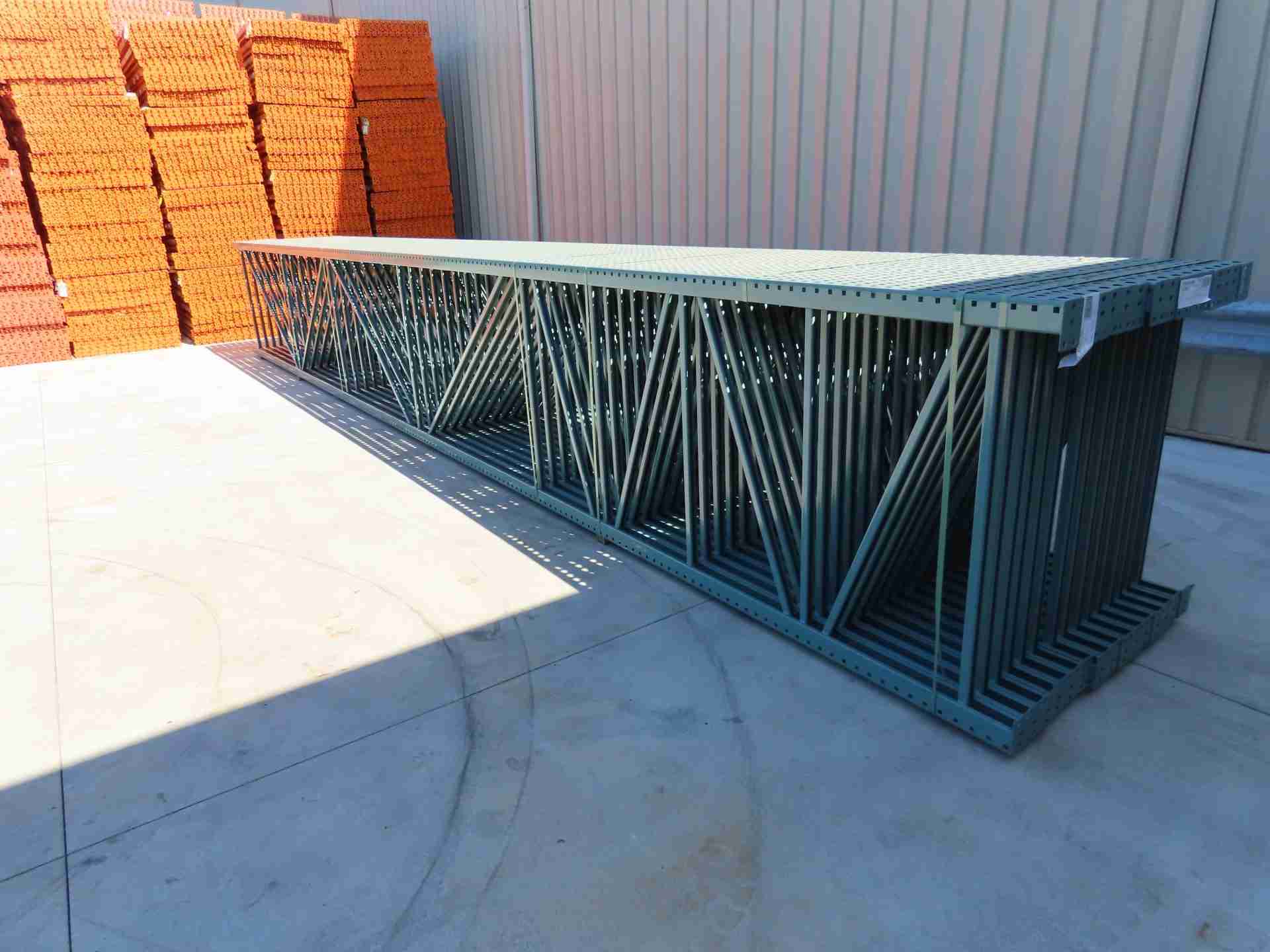
Checklist
At RackingWorld, we help guide you through selecting warehouse storage systems and racking.
Be sure to read our other related stories at RackingWorld to learn more about warehouse storage systems.
0 Comments