
Revolutionizing Warehouse Shelving With Seth Godin Methodology
By Tom Seest
At RackingWorld, we help guide you through selecting warehouse storage systems and racking.
Be sure to read our other related stories at RackingWorld to learn more about warehouse storage systems.
How Can Some Seth Godin Marketing Genius Improve Warehouse Shelving?
In today’s fast-paced economy, where convenience and efficiency dictate customer satisfaction, even warehouse shelving can benefit from a genius marketing overhaul reminiscent of Seth Godin’s principles. By optimizing the storage solutions in warehouses—primarily through effective pallet racking systems—businesses can not only enhance their operational capabilities but also stand out in a crowded marketplace.
Let’s consider a retail scenario: e-commerce giants like Amazon are taking rapid delivery to the next level, responding to consumer demand for immediacy. The backbone of this efficiency is sophisticated warehouse shelving that allows for seamless integration of inventory management systems. Utilizing advanced pallet racking systems not only maximizes space but also minimizes the time spent picking and packing orders. This is where the marketing genius comes into play—how can we turn warehouse shelving into a competitive advantage?
First, think about the messaging you provide to your clients. Instead of solely focusing on the functionality of pallet racking, emphasize how it can translate into faster service times and lower operational costs. Let’s say you’re selling a new kind of pallet racking that allows for double the storage capacity; promote this as helping businesses double their output without the need for physical expansion. This approach shifts the conversation from “how much shelf space do I need?” to “how can I exponentially grow my business with what I have?”
Secondly, mirror the principles of emotional marketing. Consider the current trends in sustainability; businesses are under growing pressure to adhere to eco-friendly practices. Incorporate messaging that your pallet racking systems not only improve efficiency but are made from recycled materials or designed for longevity. Brand your shelving solutions to reflect a commitment to environmental stewardship, which resonates deeply with consumers today.
Finally, leverage digital platforms for outreach. A captivating case study demonstrating the success of a warehouse that implemented innovative pallet racking could attract attention and engender trust. Use video testimonials, infographics, and live demos showcasing the transition from outdated shelving to cutting-edge solutions.
By thinking creatively and strategically about the story behind your shelving solutions, a seemingly mundane subject like warehouse organization can become a powerful symbol of efficiency and innovation. Remember, the goal is to turn every interaction—be it a brochure or an online advertisement—into a compelling invitation for customers to realize the transformative potential of your products.
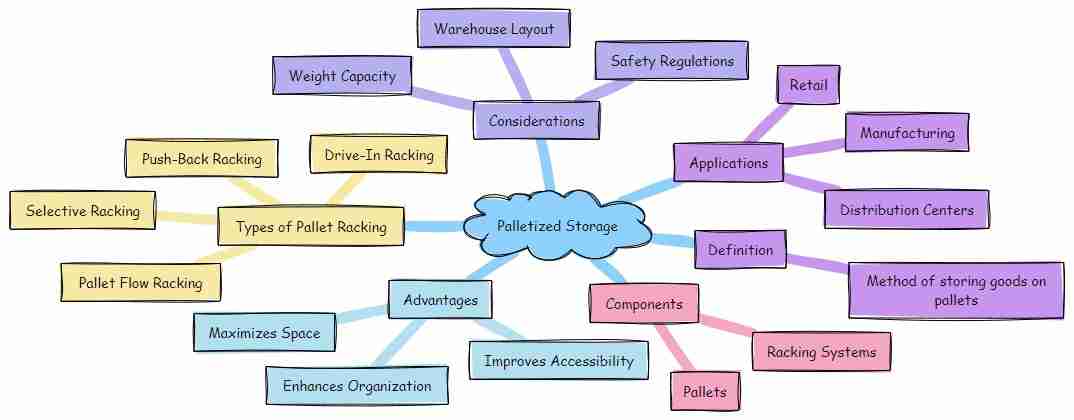
How Can Some Seth Godin Marketing Genius Improve Warehouse Shelving?
How Can Some Seth Godin Marketing Genius Improve Warehouse Shelving?
- The fast-paced economy demands convenience and efficiency, extending even to warehouse shelving marketing.
- Optimizing pallet racking systems enhances operational capabilities and helps businesses stand out.
- E-commerce giants like Amazon respond to consumer demand for rapid delivery through advanced warehouse shelving.
- Effective pallet racking maximizes space and reduces order picking and packing time.
- Shift marketing focus from functionality to how pallet racking can drive faster service and reduce costs.
- Incorporate emotional marketing by emphasizing eco-friendly practices and sustainability in shelving solutions.
- Utilize digital platforms for outreach, showcasing success stories and innovative solutions through engaging content.

How Can Some Seth Godin Marketing Genius Improve Warehouse Shelving?
Table Of Contents
- How Can Some Seth Godin Marketing Genius Improve Warehouse Shelving?
- How Can Effective Shelving Enhance Warehouse Organization?
- What Are The Benefits Of Optimizing Warehouse Space?
- How Can Marketing Principles Apply To Warehouse Management?
- What Role Does Branding Play In Warehouse Shelving Solutions?
- How Can Visual Merchandising Concepts Improve Shelving Efficiency?
- What Innovative Shelving Designs Can Enhance Productivity?
- Conclusion
- Other Resources
- Glossary Of Terms
- Other Questions
- Checklist
How Can Effective Shelving Enhance Warehouse Organization?
In today’s fast-paced business environment, the efficiency of your warehouse operations can make or break your bottom line. One powerful tool that often gets overlooked is effective shelving. By optimizing your shelving solutions, you can dramatically transform your warehouse organization, leading to increased productivity and better inventory management.
Consider the benefits of pallet racking—a popular shelving system that allows for the vertical storage of goods. This method not only maximizes your space but also streamlines the process of accessing products. In an era where e-commerce is booming, the demand for rapid order fulfillment has never been higher. Imagine a warehouse where your employees can easily locate and retrieve items without sifting through cluttered aisles. Implementing a well-planned pallet racking system can help achieve this vision.
Take, for instance, a current trend in retail warehouses leveraging automated storage solutions. Major retailers are adopting high-density pallet racking paired with automated guided vehicles (AGVs), allowing them to maintain inventory levels while significantly reducing downtime. This integration of technology enhances the efficiency of warehouse staff and ensures that customers receive their products as quickly as possible. Companies must adapt to these changes; failure to do so can lead to decreased competitiveness in an industry that’s increasingly driven by speed and accuracy.
But shelving isn’t only about the quantities it can hold; it’s also about accessibility and safety. With a well-organized system, your employees can easily navigate the warehouse without the risks associated with overcrowding or disarray. Shelves that are labeled and arranged logically make it easier to conduct inventory checks and reordering processes, which, in turn, reduces stock-outs and overstock situations. Take it from the recent success story of a logistics company that revamped its shelving process, reporting a 30% reduction in retrieval times after implementing a clear labeling system and reorganized pallet racking.
Moreover, efficient shelving contributes to better employee morale. A clutter-free environment reduces stress and allows workers to focus on their tasks. Happy employees mean higher productivity and fewer mistakes—essential elements for success in any warehouse operation.
So, if you want to stay competitive and maximize your warehouse’s potential, don’t underestimate the power of effective shelving. Invest in systems that not only save space but also create order. Modern solutions like pallet racking can elevate your operations to new heights, ensuring you meet the demands of today’s marketplace with ease and efficiency.

How Can Effective Shelving Enhance Warehouse Organization?
How Can Effective Shelving Enhance Warehouse Organization?
- Warehouse efficiency is crucial for maintaining a strong bottom line.
- Optimizing shelving solutions, such as pallet racking, significantly improves warehouse organization.
- Pallet racking facilitates vertical storage, maximizing space and simplifying product access.
- Retail warehouses increasingly use automated storage solutions paired with automated guided vehicles (AGVs) to enhance productivity.
- Well-organized shelving systems improve accessibility and reduce risks associated with overcrowding.
- Recent successes indicate a 30% reduction in retrieval times with clear labeling and reorganized pallet racking.
- Effective shelving contributes to better employee morale and ultimately higher productivity in warehouse operations.
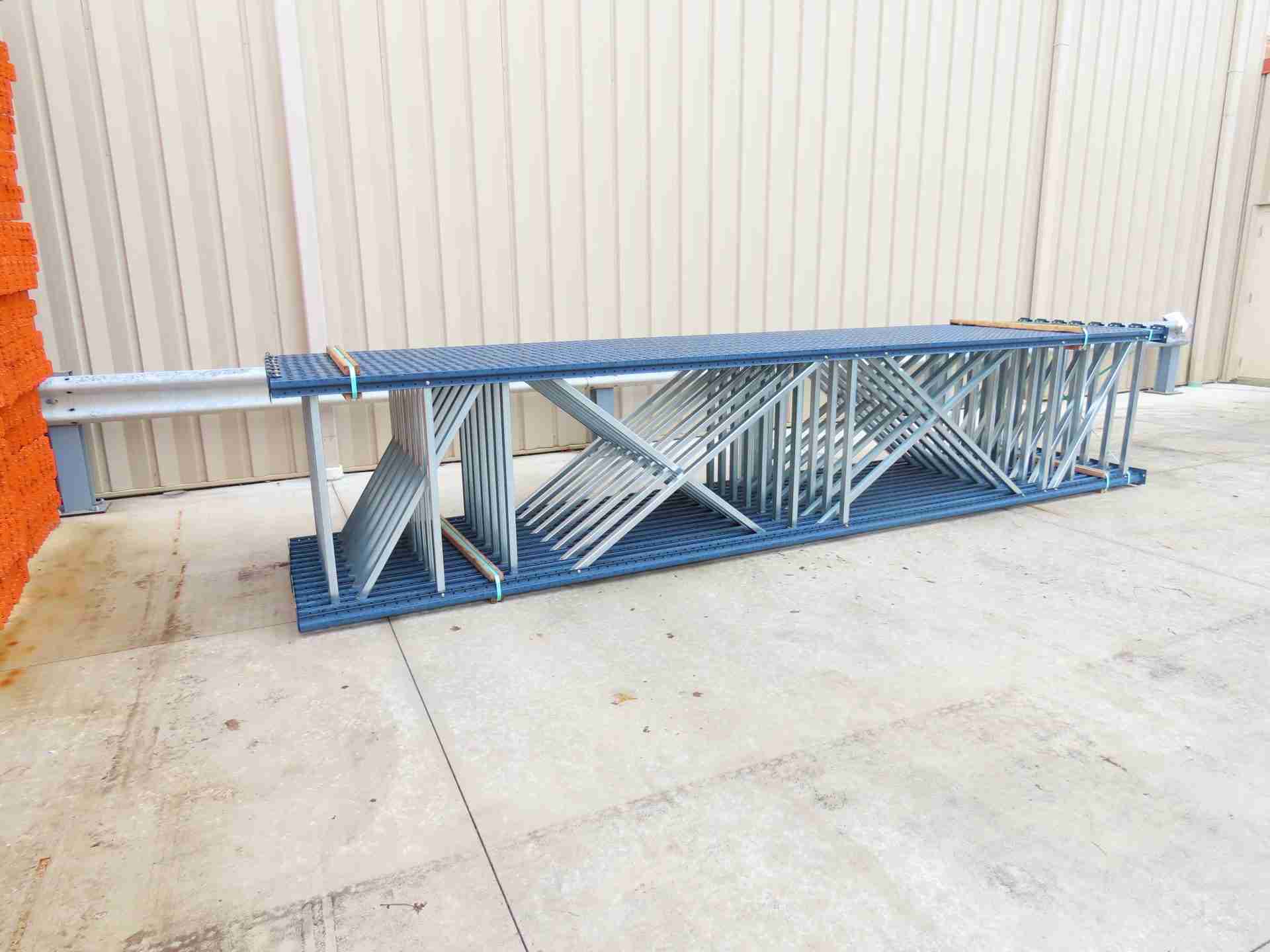
How Can Effective Shelving Enhance Warehouse Organization?
What Are The Benefits Of Optimizing Warehouse Space?
In today’s competitive business climate, the importance of optimizing warehouse space cannot be overstated. Imagine the potential profits locked away in underutilized corners of your facility, just waiting to be unleashed. This isn’t just about tidying up—this is about strategic positioning that can have a tangible impact on your bottom line.
One key method in optimizing warehouse space is through the implementation of pallet racking systems. Not only do these systems allow for effective vertical storage, but they also enhance organization. By utilizing pallet racking, businesses can store more products per square foot, maximizing every inch of their premises. The efficiencies gained through strategic pallet racking can lead to quicker order fulfillment times and ultimately greater customer satisfaction.
For instance, consider a warehouse that shifted to a high-density pallet racking system. By reorganizing their layout, they increased storage capacity by 30% while reducing the time it took workers to locate items by a staggering 50%. This means more time spent on value-added tasks rather than searching for inventory. Such efficiencies are not just numbers on a balance sheet; they translate into real-world savings as labor costs decrease and fulfillment rates skyrocket.
Furthermore, optimizing warehouse space is timely given the current challenges faced in the e-commerce sector. With the ongoing growth of online shopping, companies must adapt their fulfillment strategies to cater to increasing consumer demands. Brands that optimize their inventory storage by implementing advanced technology and innovative systems like pallet racking can improve their operational workflow. This all leads to improved lead times, getting products into customers’ hands faster—an absolute necessity in today’s market.
In addition, optimizing your warehouse space can greatly improve safety and compliance. A clutter-free facility not only reduces accident rates but also ensures that businesses remain in adherence to industry regulations. For instance, proper pallet racking and aisle configurations make it easier to navigate the space, leading to fewer mishaps.
Finally, consider the environmental benefits. By making the most out of your warehouse footprint, you can reduce wasted resources, whether in terms of energy or materials. Sustainable operational practices are increasingly becoming a customer requirement, and businesses that embrace such changes are likely to attract a loyal, eco-conscious clientele.
In summary, optimizing warehouse space through strategic methods like pallet racking not only drives down costs and boosts efficiency but also enhances safety and sustainability—creating a win-win scenario for businesses eager to thrive in the busy marketplace of today. Don’t wait; take action to maximize your space and reap the rewards!

What Are The Benefits Of Optimizing Warehouse Space?
What Are The Benefits Of Optimizing Warehouse Space?
- Optimizing warehouse space is crucial for enhancing profits in a competitive business environment.
- Pallet racking systems allow for efficient vertical storage and improved organization.
- Implementation of pallet racking can lead to a 30% increase in storage capacity and a 50% reduction in item retrieval time.
- Improved warehouse organization results in decreased labor costs and increased fulfillment rates.
- Adopting advanced inventory storage solutions is necessary to meet the demands of the growing e-commerce sector.
- Proper warehouse organization enhances safety and compliance, reducing accident rates and ensuring regulatory adherence.
- Optimizing space can lead to environmental benefits by reducing waste and promoting sustainable practices.

What Are The Benefits Of Optimizing Warehouse Space?
How Can Marketing Principles Apply To Warehouse Management?
When we think of marketing, we often envision persuasive messaging, targeted communications, and brand-building strategies. However, these same principles can be remarkably effective within the realm of warehouse management. The essence of marketing—understanding your audience and providing them with value—can greatly enhance operational efficiency and customer satisfaction in a warehouse setting.
Take, for instance, the concept of Pallet Racking. Just as marketers are constantly segmenting their audiences and tailoring their messages, warehouse managers can segment their inventory. By implementing a strategic pallet racking system, you can categorize and organize products based on sales velocity, seasonal demand, or customer preferences. This targeted approach ensures that your most frequently purchased items are always readily accessible, reducing retrieval times—much like how targeted marketing messages yield higher conversion rates.
Consider the surge of e-commerce during the pandemic, where efficiency in warehouses became a primary concern. Companies that applied marketing principles, such as customer-centric design thinking, were able to adapt quickly. For example, warehouses that re-evaluated their layout based on order frequency, similar to how marketers pivot their campaigns based on consumer engagement metrics, saw improved fulfillment rates and customer satisfaction.
Moreover, leveraging data analytics is a cornerstone of modern marketing, and it has a significant parallel in warehouse management. Just as marketers analyze consumer behavior to optimize campaigns, warehouse managers can utilize data to predict inventory needs and streamline processes. Real-time inventory tracking systems provide insights into what products are moving quickly, allowing for effective forecasting and strategic decisions on pallet racking configurations.
Engaging employees through training and incentives can also draw from marketing strategies. In marketing, we focus on developing brand advocates; in warehousing, we can cultivate a similar environment. By fostering a culture of ownership among warehouse staff—perhaps through gamification of picking and packing processes—you can drive improvements in productivity and morale.
Lastly, communication plays a vital role. Just as marketing teams must communicate effectively with stakeholders, warehouse management must maintain clear channels with suppliers, customers, and inter-departmental teams. A well-organized warehouse is akin to a well-executed marketing campaign—both require clear objectives, strategic planning, and adaptability to changing conditions.
In summary, by applying core marketing principles to warehouse management, organizations can enhance their efficiency and effectiveness, ultimately leading to improved customer satisfaction and bottom-line results. Whether it’s optimizing pallet racking systems or leveraging data for better decision-making, the parallels between these two domains are profound and ripe for exploration.
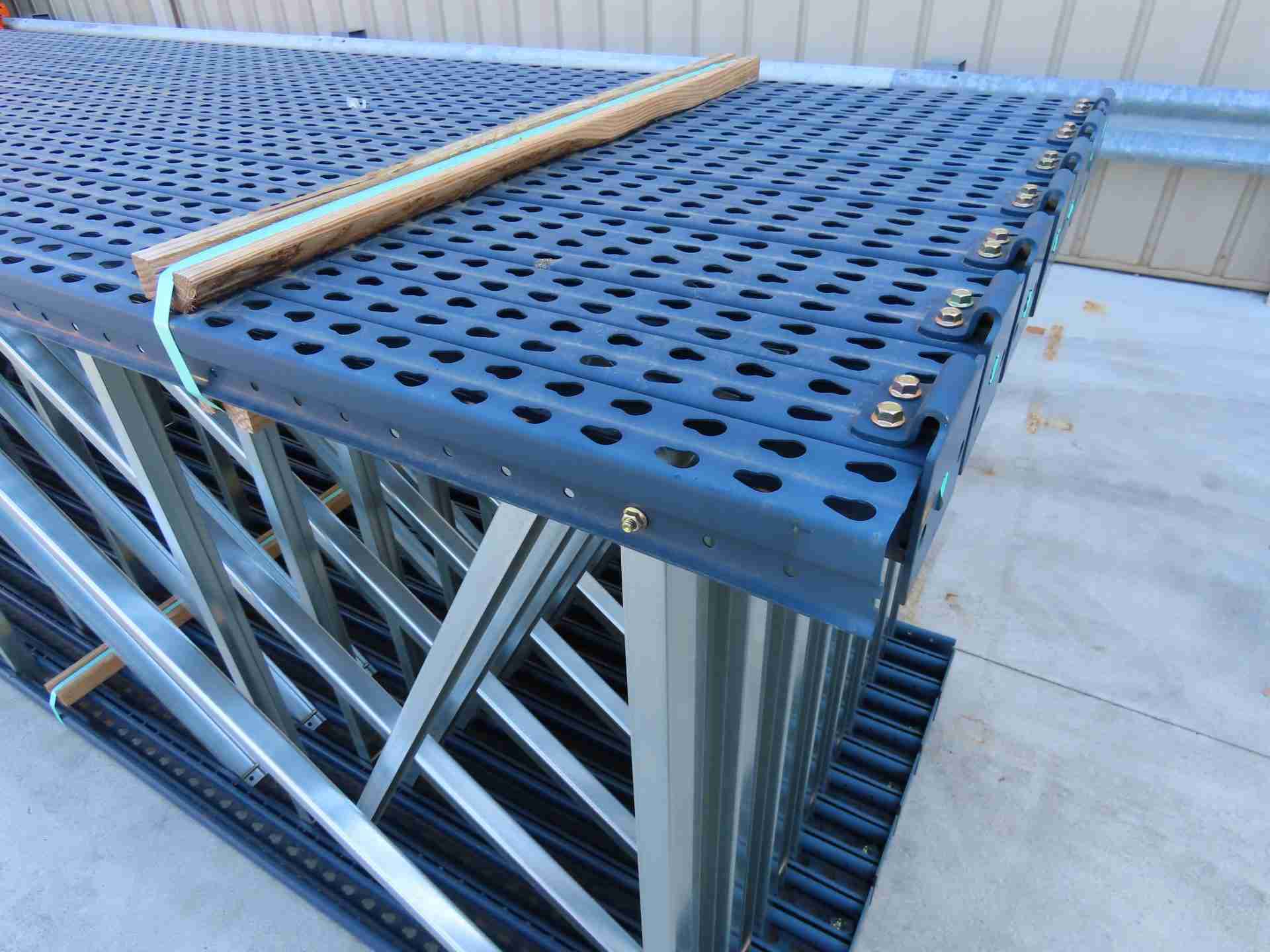
How Can Marketing Principles Apply To Warehouse Management?
How Can Marketing Principles Apply To Warehouse Management?
- Marketing principles enhance warehouse management, focusing on audience understanding and value delivery.
- Implementing strategic pallet racking systems allows for inventory segmentation based on sales velocity, seasonal demand, and customer preferences.
- Warehouse efficiency surged during the pandemic, with companies using customer-centric design thinking to adapt layouts and improve fulfillment rates.
- Data analytics in marketing parallels its use in warehouses, with real-time tracking enabling effective inventory forecasting and strategic decision-making.
- Employee engagement through training and incentives can foster a culture of ownership, boosting productivity and morale similar to brand advocacy in marketing.
- Clear communication channels among stakeholders are vital for both marketing and warehouse management, ensuring strategic planning and adaptability.
- Applying marketing strategies in warehouse operations can improve efficiency, effectiveness, and customer satisfaction, leading to better overall results.

How Can Marketing Principles Apply To Warehouse Management?
What Role Does Branding Play In Warehouse Shelving Solutions?
In today’s competitive marketplace, branding is not merely an afterthought; it’s the backbone upon which strong, trust-inspiring businesses are built. This holds particularly true in the realm of warehouse shelving solutions, where the stakes are high, and operational efficiency is paramount. A strong brand does more than just identify a product; it conveys a promise of quality, reliability, and performance.
Take, for instance, pallet racking systems—a cornerstone for warehouse operations. Companies like Interlake Mecalux and Steel King have leveraged their branding to not only stand out but also to instill trust in their customers. When a business chooses a pallet racking solution, they aren’t just selecting a mechanical structure; they’re opting for security in knowing that their inventory is stored safely and efficiently. These brands have invested heavily in marketing, showcasing their engineering prowess, innovative designs, and commitment to safety. This has positioned them as industry leaders, and the result is a stream of repeat customers who prioritize brand over price.
Consider the current shift towards e-commerce and rapid delivery models. Brands that effectively communicate their value proposition in this context position themselves as essential partners in their clients’ success. For example, a brand that markets a modular pallet racking system, designed for rapid assembly and disassembly, conveys the advantages of flexibility and adaptability—traits that today’s businesses crave. In a world where warehouse space is often at a premium, the ability to efficiently scale operations can make or break profitability. A powerful brand can ensure that customers understand these benefits clearly, guiding their purchasing decisions.
In addition, good branding cultivates emotional resonance. In an industry often dominated by utilitarian design and functionality, branding introduces personality. When pallet racking solutions emphasize sustainability—such as using recyclable materials or energy-efficient manufacturing processes—they resonate with today’s environmentally-conscious purchasers. Brands like AWP (Alamo Warehouse Products) have capitalized on this trend, marketing their shelving systems as not only practical but also part of a larger commitment to responsible business practices.
Ultimately, branding in warehouse shelving solutions does not merely differentiate one product from another; it establishes a narrative around trust, efficiency, and innovation. In an era where competition is fierce and price wars are commonplace, it’s the brands that connect on a deeper level and demonstrate real value that stand to thrive. A strong brand in this sector serves as a lighthouse, guiding businesses not just to products, but to comprehensive solutions that elevate their operations.

What Role Does Branding Play In Warehouse Shelving Solutions?
What Role Does Branding Play In Warehouse Shelving Solutions?
- Branding is essential in the competitive marketplace, particularly for warehouse shelving solutions.
- A strong brand conveys promises of quality, reliability, and performance beyond just product identification.
- Industry leaders like Interlake Mecalux and Steel King have gained customer trust through effective branding of pallet racking systems.
- Effective branding communicates value propositions that align with the rise of e-commerce and rapid delivery demands.
- Brands offering modular pallet racking solutions highlight flexibility and adaptability, crucial for scaling operations.
- Good branding fosters emotional connections, particularly through a commitment to sustainability and responsible business practices.
- Overall, strong branding establishes trust and innovation, helping businesses navigate a competitive landscape.
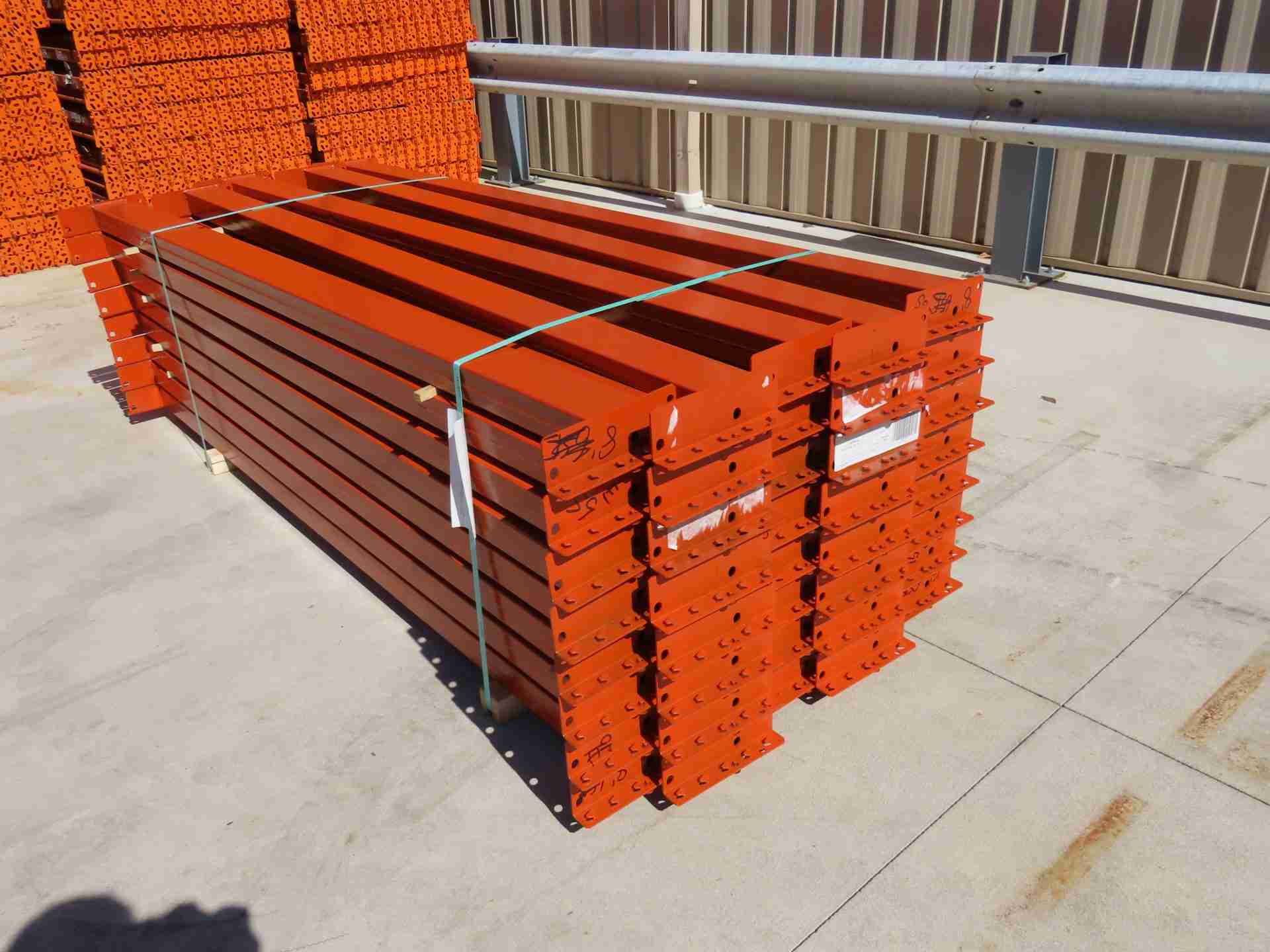
What Role Does Branding Play In Warehouse Shelving Solutions?
How Can Visual Merchandising Concepts Improve Shelving Efficiency?
In the world of retail, where competition is fierce and consumer attention spans are fleeting, the art of visual merchandising is no longer a luxury—it’s a necessity. At the heart of effective retail operations lies one often-overlooked element: shelving efficiency. By implementing strategic visual merchandising concepts, retailers can optimize their shelving systems, capturing consumer interest while maximizing profitability.
One of the most effective tools in this arsenal is pallet racking. This modular shelving solution not only enhances storage capacity but also facilitates the strategic placement of products to create an engaging shopping experience. For example, a grocery store that employs pallet racking can arrange seasonal items at eye level, while bulk products can be stacked higher, optimizing space and improving navigability. The elevation of popular items allows for cross-selling opportunities—placing snacks next to beverages, for instance, can significantly boost impulse buys.
Moreover, leveraging color theory is an essential aspect of visual merchandising that can directly impact shelving efficiency. Consider how different colors evoke specific emotions and can guide consumer behavior. A vibrant, colorful display on a centrally located pallet rack can draw customers in, while a muted, monochromatic scheme on the periphery signals clearance items. This strategic organization not only piques interest but also directs shopper flow, guiding them seamlessly through the store’s layout.
The ongoing evolution of e-commerce shopping has also prompted brick-and-mortar retailers to adapt their visual merchandising techniques. The success of streamlined digital experiences highlights the need for physical retailers to mimic that ease. The implementation of clear signage and categorized pallet racking can greatly enhance the customer journey. Shoppers today expect intuitive layouts and efficient navigation—making visual merchandising an integral part of that equation.
Additionally, current trends such as sustainable merchandising have emerged as key themes in retail strategy. Retailers are now incorporating eco-friendly materials into their shelving designs or emphasizing organic selections through curated displays. This not only appeals to environmentally conscious consumers but also enhances brand loyalty, creating a lasting impression that keeps them returning.
The integration of visual merchandising concepts with shelving efficiency is essential for retailers aiming to thrive in a competitive marketplace. By utilizing pallet racking, incorporating color psychology, and adapting to the evolving retail landscape, businesses can create compelling shopping environments that drive sales and enhance customer satisfaction. The art of merchandising may not always be visible, but its imprint on the consumer’s journey is undeniable.

How Can Visual Merchandising Concepts Improve Shelving Efficiency?
How Can Visual Merchandising Concepts Improve Shelving Efficiency?
- Visual merchandising is essential in retail for capturing consumer attention and maximizing profitability.
- Shelving efficiency is a critical element within effective retail operations.
- Pallet racking enhances storage capacity and facilitates strategic product placement.
- Color theory impacts consumer behavior, with vibrant displays attracting shoppers and muted schemes indicating clearance.
- Brick-and-mortar retailers must adapt visual merchandising to align with the evolving e-commerce landscape.
- Sustainable merchandising trends are becoming important, appealing to eco-conscious consumers and enhancing brand loyalty.
- Integrating visual merchandising concepts with shelving efficiency is key to creating compelling shopping environments.
How Can Visual Merchandising Concepts Improve Shelving Efficiency?
What Innovative Shelving Designs Can Enhance Productivity?
In today’s fast-paced business landscape, maximizing productivity is not just beneficial; it’s essential for survival. One often-overlooked factor that directly impacts productivity is the design and organization of your storage solutions. Innovative shelving designs, particularly in warehouse and retail environments, can dramatically increase efficiency. Let’s explore some cutting-edge shelving solutions that can redefine your workspace.
Consider the effectiveness of Pallet Racking systems. These industrial shelving solutions are designed to optimize the vertical space in warehouses, allowing you to store more products without expanding your footprint. By utilizing pallet racking, businesses can access inventory quickly, reduce picking times, and streamline operations. For instance, in 2023, a major e-commerce company reported a 30% increase in order fulfillment rates after installing a new pallet racking system, showcasing just how impactful these solutions can be.
Next, let’s talk about modular shelving. This versatile design adapts to various needs, whether you’re a small startup or a large corporation. Modular shelving units can be reconfigured as your inventory grows or changes, making them a smart investment for any business. Retail giants like IKEA have successfully employed modular designs to tackle fluctuating inventory, ensuring that every item is easily accessible and effectively displayed. The flexibility of this shelving system means you can adapt your layout without costly renovations, keeping your operations lean and responsive to market demands.
The rise of smart shelving is another trend transforming productivity. With the incorporation of technology, smart shelving units can track inventory levels, monitor item locations, and provide real-time data to staff. Companies like Amazon have started using these advanced systems, which not only enhance efficiency but also minimize errors in order processing. In a recent pilot program, Amazon reported a 40% reduction in manual stock checks by using smart shelving solutions, illustrating how tech-driven designs are not just a trend but a necessity for modern businesses.
Moreover, sustainable shelving options are gaining traction. As businesses prioritize eco-friendliness, shelving solutions made from recycled or responsibly sourced materials are becoming increasingly popular. Not only does this benefit the environment, but it also appeals to the growing consumer base that values sustainability. Brands that incorporate these practices into their operations enhance their image while boosting employee morale.
Innovative shelving designs are more than just a way to store products. They can revolutionize the way businesses operate, streamline processes, and ultimately enhance productivity. Embracing these forward-thinking strategies is not just advisable—it is crucial for any organization looking to thrive in today’s competitive market.

What Innovative Shelving Designs Can Enhance Productivity?
What Innovative Shelving Designs Can Enhance Productivity?
- Maximizing productivity is essential for survival in today’s fast-paced business landscape.
- The design and organization of storage solutions significantly impact productivity.
- Pallet racking systems optimize vertical space in warehouses, increasing inventory access and efficiency.
- Modular shelving adapts to changing inventory needs, allowing for flexible reconfiguration.
- Smart shelving technology tracks inventory levels, enhancing efficiency and reducing errors.
- Sustainable shelving options made from recycled materials appeal to eco-conscious consumers.
- Innovative shelving designs can revolutionize business operations and enhance overall productivity.
What Innovative Shelving Designs Can Enhance Productivity?
Conclusion
In the rapidly evolving landscape of modern business, the efficiency of your warehouse can be the make-or-break factor determining your competitive edge. As highlighted throughout this discussion, the genius of innovative marketing methodologies, particularly those inspired by thought leaders like Seth Godin, can drastically improve warehouse shelving solutions and operational efficiency. Through the lens of effective pallet racking systems, we’ve explored how well-crafted messages can reframe the way businesses view their storage solutions, shifting the focus from mere functionality to strategic advantages that directly impact bottom lines.
Optimizing your warehouse space isn’t just about creating order; it’s about leveraging every inch for maximum productivity, faster order fulfillment, and superior customer satisfaction. Advanced shelving solutions create environments where employees thrive, motivated by decreased clutter and increased accessibility, ultimately leading to improved morale and reduced errors. Brands that embrace advanced concepts like modular shelving and smart storage increase adaptability and streamline operations to meet market demands head-on.
But it doesn’t end with operational efficiency; branding plays a crucial role in fostering trust and loyalty. As we’ve seen, a strong brand promises quality and reliability. By branding your warehouse shelving solutions effectively, you communicate not just the tangible benefits but also articulate a commitment to innovation and sustainability—a powerful message that resonates with today’s eco-conscious consumers.
At Arrow Industrial Sales, we are equipped to help your business harness these insights into actionable strategies. Our industry-leading pallet racking and shelving solutions are tailored to not only maximize storage capacity but also to drive operational excellence. We understand that in the life of warehouse operations, every second counts. Therefore, we prioritize creating systems that reduce retrieval times and improve workflow.
Don’t let your warehouse operations fall behind in a marketplace that values speed and efficiency. Take control of your storage solution strategy today! Reach out to Arrow Industrial Sales at (574) 349-6575. Our expert team is ready to assist you with vital information, innovative shelving options, and tailored solutions to elevate your operations. Act now, as businesses equipped for the future attract customers more effectively and outpace their competition. Optimize, modernize, and revolutionize your warehouse storage with us today!

Conclusion
Conclusion:
- The efficiency of your warehouse is crucial for maintaining a competitive edge in modern business.
- Innovative marketing methodologies, inspired by thought leaders like Seth Godin, can enhance warehouse shelving solutions and operational efficiency.
- Optimizing warehouse space maximizes productivity, accelerates order fulfillment, and improves customer satisfaction.
- Advanced shelving solutions reduce clutter and increase accessibility, boosting employee morale and reducing errors.
- Effective branding of warehouse shelving solutions communicates a commitment to quality, innovation, and sustainability.
- Arrow Industrial Sales offers tailored pallet racking and shelving solutions to maximize storage capacity and drive operational excellence.
- Contact Arrow Industrial Sales to implement effective storage strategies and elevate your warehouse operations.
Conclusion
Other Resources

Other Resources
Here is a list of other resources you can review online to learn more:
- Teardrop Pallet Rack – Ridg-U-Rak
- Cantilever Rack Guide: Ordering Cantilever Racking
- What is Selective Racking: Understanding Benefits & Options
- Cantilever Rack Configuration & Installation: A Comprehensive Guide – BMH
- Teardrop Racks – Pallet Rack World
- Warehouse Racking System: Powerful Guide to Optimise, 2024
- Interlake
- Chicago Pallet Racking
- Warehouse Racking Systems: Beginner’s Guide to Rack Systems
- CMMA
Use This Prompt To Get More Resources With Your Favorite Online AI Tool: Please provide me with a list of online articles with their URLs in a bulleted list that I can read regarding How Can Some Seth Godin Marketing Genius Improve Warehouse Shelving?
Other Resources
Glossary Terms
How Can Some Seth Godin Marketing Genius Improve Warehouse Shelving? – Glossary Of Terms
1. Marketing Genius: A term used to describe a person with exceptional creativity and understanding of marketing strategies that effectively engage and connect with audiences.
2. Warehouse Shelving: The system of shelves used in a warehouse for storage and organization of products, materials, or inventory.
3. Optimization: The process of making a system as effective, efficient, and functional as possible, often through innovative techniques and strategies.
4. Value Proposition: A clear statement that explains how a product or service solves a problem, delivers benefits, or offers value to customers.
5. User Experience (UX): The overall experience a user has when interacting with a product, system, or service, including ease of use, accessibility, and satisfaction.
6. Branding: The practice of creating a unique identity for a product or service through elements like logos, design, messaging, and marketing.
7. Storytelling: The art of using narrative to communicate a brand’s message effectively, engaging customers on an emotional level.
8. Customer Segmentation: The process of dividing customers into groups based on shared characteristics for targeted marketing efforts.
9. Just-in-Time Inventory: An inventory strategy where materials are ordered and received only as they are needed in the production process, reducing excess stock.
10. Cross-Merchandising: The practice of displaying products from different categories together to stimulate purchase behavior and enhance customer experience.
11. Lean Management: An approach to managing warehouse operations focused on minimizing waste and maximizing value through streamlined processes.
12. Visual Merchandising: The practice of designing product displays to attract and engage customers, enhancing the perception of value and encouraging purchases.
13. Supply Chain Efficiency: The optimization of the sequence of processes involved in the production and distribution of goods to minimize costs and improve service.
14. Inventory Management: The supervision of non-capitalized assets (inventory) and stock items to ensure adequate supply while minimizing excess and shortages.
15. Sustainability: The ability to maintain certain activities at a certain rate or level, often referring to environmentally friendly practices in warehousing.
16. Customer-Centric Approach: A business philosophy that prioritizes the needs and preferences of customers in all aspects of operations, including shelving design.
17. Data Analytics: The process of examining data sets to draw conclusions and improve decision-making in areas like inventory and warehouse layout.
18. Interactive Shelving: A shelving system that incorporates technology, allowing customers to engage with products and access information dynamically.
19. Efficient Space Utilization: The effective use of available space to maximize storage capacity and improve accessibility of products in a warehouse setting.
20. Omni-channel Strategy: A marketing strategy that provides customers with a seamless shopping experience across multiple platforms, influencing shelving and inventory decisions.
21. Warehouse Design: The layout and configuration of warehouse space to optimize operations, enhance workflows, and improve overall efficiency.
22. Cycle Counting: A periodic inventory auditing procedure wherein a subset of inventory is counted on a specific day to maintain accuracy in stock levels.
23. Product Placement: The strategic placement of products on shelves to increase visibility and affect purchasing behavior.
24. Engagement Metrics: Measurements used to assess how customers interact with products or marketing materials, informing improvements in shelving and layout.
25. Customer Feedback Loop: A system for gathering customer input and experiences to inform enhancements in services, products, and warehouse shelving.
26. Ergonomics: The study of people’s efficiency in their working environment, applying principles to design shelving that is safe and user-friendly.
27. Mobility Solutions: Tools and strategies to enhance the movement of goods within a warehouse, including mobile shelving units and robotic systems.
28. Showrooming: The practice of examining products in a physical store before purchasing them online, highlighting the need for showcased shelving options.
29. Innovation: The introduction of a new idea, method, or product to improve processes or solutions, such as advanced shelving systems.
30. Supply Chain Resilience: The ability of a supply chain to anticipate and respond to disruptions, ensuring that shelving solutions remain effective under various conditions.
These terms and descriptions should provide a comprehensive overview of how marketing concepts can be integrated into the improvement of warehouse shelving systems.

Glossary Of Terms
Other Questions
How Can Some Seth Godin Marketing Genius Improve Warehouse Shelving? – Other Questions
If you wish to explore and discover more, consider looking for answers to these questions:
- What specific principles of Seth Godin’s marketing can be applied to warehouse shelving?
- How can businesses measure the impact of optimized warehouse shelving on their efficiency?
- What are some examples of successful pallet racking implementations in other industries?
- How do emotional marketing strategies translate into warehouse organizational improvements?
- What are the costs associated with implementing advanced pallet racking systems?
- How do sustainability practices in warehouse shelving affect consumer perceptions?
- What technologies can enhance traditional shelving systems in a warehouse?
- How can companies train employees to efficiently utilize new shelving solutions?
- What role does customer feedback play in developing effective shelving strategies?
- Are there industry standards or regulations that impact warehouse shelving solutions?
- How does effective shelving relate to overall supply chain management?
- What are some common challenges faced when re-organizing warehouse shelving?
- How can visual merchandising enhance consumer experiences in retail warehouses?
- What case studies exist that showcase the effectiveness of innovative shelving designs?
- Can innovative shelving designs be adapted for smaller warehouses or startups?
- What are the long-term benefits of investing in high-quality shelving solutions?

Other Questions
Checklist
How Can Some Seth Godin Marketing Genius Improve Warehouse Shelving? – A Checklist
Understanding the Basics
_____ Assess Current Shelving Systems: Evaluate existing shelving solutions to determine areas needing improvement.
_____ Understand Customer Needs: Identify the needs and pain points of your clients in relation to warehouse efficiency and space management.
Crafting a Marketing Message
_____ Focus on Benefits Over Features: Emphasize how upgraded shelving solutions can lead to faster service times and lower operational costs.
_____ Promote Efficiency: Frame shelving solutions as tools that help businesses grow without the necessity for physical expansion.
Emotional Marketing and Sustainability
_____ Incorporate Sustainability: Highlight eco-friendly materials and sustainable practices in shelving solutions.
_____ Create Eco-Conscious Messaging: Use language that resonates with environmentally aware consumers.
Leveraging Digital Strategies
_____ Use Case Studies: Develop captivating case studies showcasing successful shelving implementations.
_____ Utilize Multimedia: Create video testimonials, infographics, and live demos to demonstrate the effectiveness of your solutions.
Organizational Strategies
_____ Implement Pallet Racking: Use efficient pallet racking systems to optimize space and improve organization.
_____ Develop Clear Labeling Systems: Ensure all shelves are logically arranged and labeled for easy navigation.
Data-Driven Decisions
_____ Analyze Inventory Needs: Use data analytics to predict inventory needs and optimize shelving configurations.
_____ Monitor Performance: Regularly assess key performance indicators to measure the effectiveness of shelving systems.
Employee Engagement
_____ Train Staff: Provide training for employees on the new shelving systems and efficient warehouse practices.
_____ Foster a Positive Environment: Encourage a culture of ownership and accountability among employees.
Branding and Storytelling
_____ Develop a Strong Brand Narrative: Create a brand story that connects your shelving solutions to concepts of trust and reliability.
_____ Highlight Unique Selling Propositions: Clearly communicate what sets your shelving solutions apart from competitors.
Visual Merchandising Concepts
_____ Apply Visual Merchandising Techniques: Implement visual merchandising strategies to enhance shelf displays and improve customer experience.
_____ Evaluate Design Aesthetics: Ensure that shelving designs are not only functional but also visually appealing to shoppers.
Continuous Improvement
_____ Stay Updated on Industry Trends: Continuously research emerging trends in both shelving technology and marketing strategies.
_____ Solicit Feedback: Regularly gather feedback from clients and employees to improve shelving practices and marketing efforts.
This checklist serves as a guide to optimizing warehouse shelving while employing innovative marketing strategies inspired by Seth Godin’s principles. By following these steps, businesses can enhance their operations and stand out in the competitive market.

Checklist
At RackingWorld, we help guide you through selecting warehouse storage systems and racking.
Be sure to read our other related stories at RackingWorld to learn more about warehouse storage systems.
0 Comments