
Streamlining Your Warehouse With Marie Kondo’s Approach
By Tom Seest
At RackingWorld, we help guide you through selecting warehouse storage systems and racking.
Be sure to read our other related stories at RackingWorld to learn more about warehouse storage systems.
How Can Marie Kondo Inspire Your Warehouse Shelving Choices?
In the world of warehousing and inventory management, the concept of organization is essential—not just for aesthetics, but for efficiency and productivity. Enter Marie Kondo, the tidying guru whose principles can be applied to every inch of your storage space. By embracing her philosophy, you can revolutionize the way you think about warehouse shelving, particularly pallet racking, ensuring it sparks joy in your operational workflow.
Marie Kondo’s most famous mantra, “Does it spark joy?” is transformative when applied to the logistics of inventory management. Start with your pallet racking systems. Don’t just shove unsorted items onto the highest shelves—assess each piece of inventory. Does it contribute to your bottom line? Could it be more efficiently stored? By streamlining your selection of products, you’re not just decluttering your physical space; you’re also enhancing profitability. Companies across industries are finding that less clutter translates into fewer mistakes, faster picking, and ultimately, happier customers.
Let’s take a closer look at pallet racking—a versatile solution that can embody Kondo’s philosophy of “less is more.” Adjustable pallet racking systems can lead to a well-organized vertical space, accommodating an array of products from bulk items to smaller parts. The efficiency of this system is akin to a minimalist approach: each shelf serves a purpose and every item has its place. By categorizing products thoughtfully—using Kondo’s joy-sparking criteria—you can create an intuitive layout where employees know exactly where to find or store items, leading to increased speed and reduced frustration.
Furthermore, consider the significance of current events, particularly the ongoing supply chain challenges post-pandemic. As businesses strive to pivot and adapt, having a smart organization system becomes more vital than ever. Lean inventory practices, inspired by Kondo’s ethic of clarity and purposefulness, can help warehouses weather these challenges. Imagine a company benefiting from open shelving combined with effective pallet racking, allowing for quick adjustments as new trends or demands arise.
MMarie Kondo’s approach to tidying can breathe new life into your warehouse storage strategies. By applying her principles to your pallet racking, you not only create an effective system but foster a positive environment for your team and customers alike. After all, an organized space that sparks joy is an organized business poised for success. Embrace this philosophy, and let your warehouse be more than just a storage space—it can be a powerhouse of productivity.
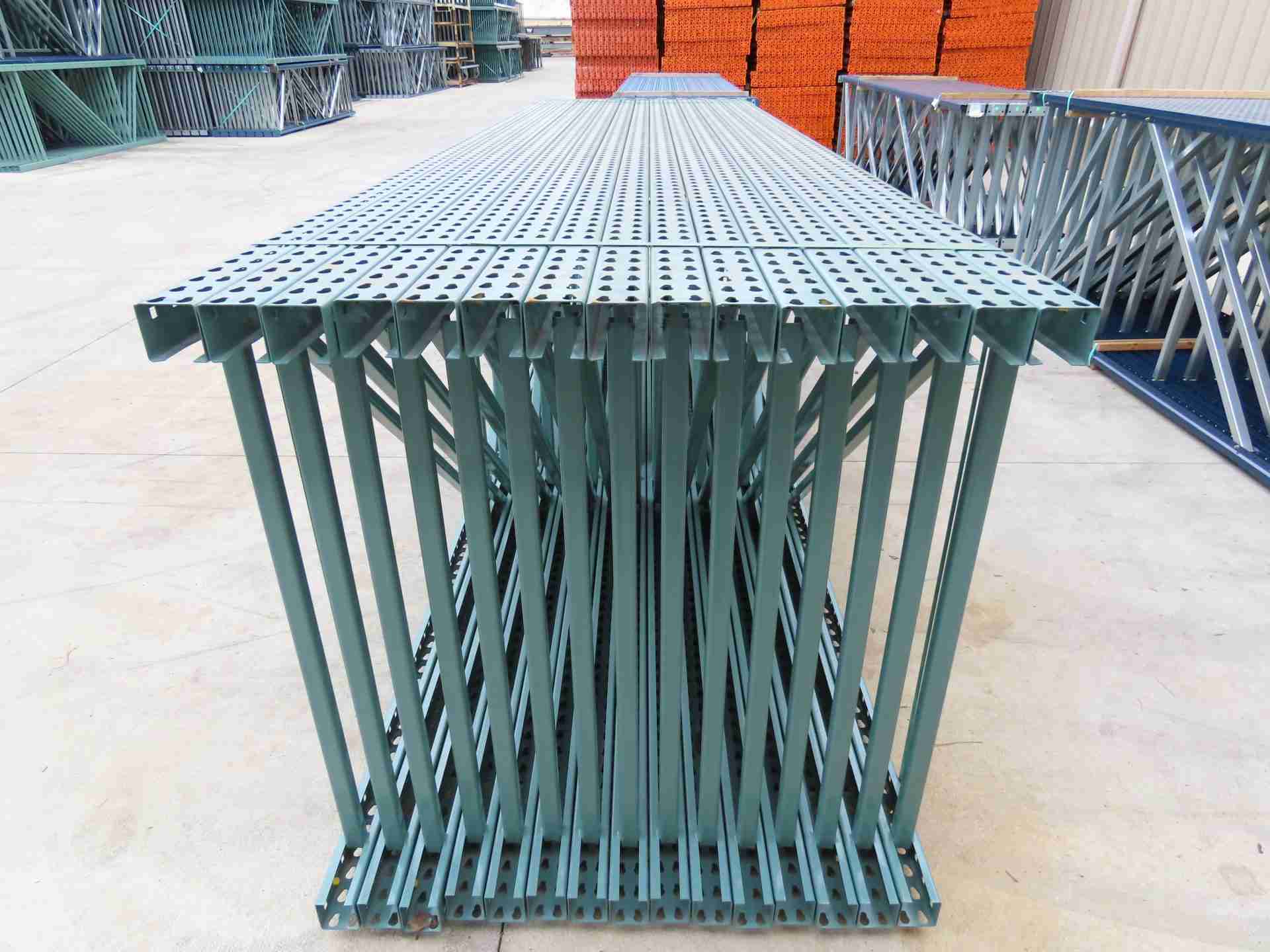
How Can Marie Kondo Inspire Your Warehouse Shelving Choices?
How Can Marie Kondo Inspire Your Warehouse Shelving Choices?
- Organization in warehousing is essential for efficiency and productivity, not just aesthetics.
- Marie Kondo’s tidying principles can be applied to warehouse shelving and pallet racking.
- Her mantra “Does it spark joy?” can transform inventory management by assessing each item’s contribution.
- Streamlining product selection enhances profitability, reduces clutter, and improves operational efficiency.
- Adjustable pallet racking systems represent a minimalist approach, ensuring each item has its place.
- Current supply chain challenges make smart organization systems vital for adapting to changes.
- Applying Kondo’s principles fosters a positive team environment and enhances overall business success.
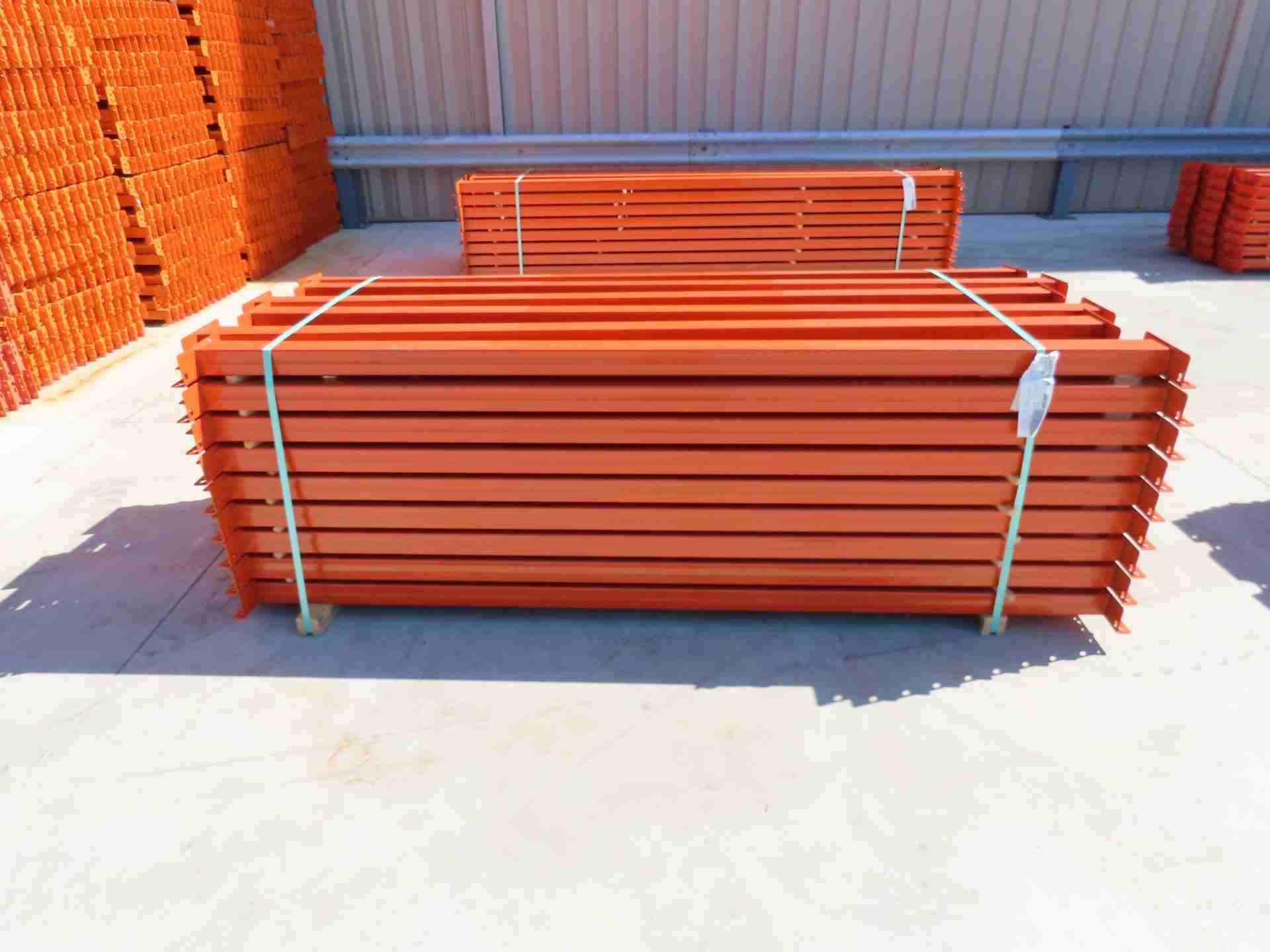
How Can Marie Kondo Inspire Your Warehouse Shelving Choices?
Table Of Contents
- How Can Marie Kondo Inspire Your Warehouse Shelving Choices?
- What Is The Konmari Method And How Can It Apply To Warehouses?
- How Can Decluttering Improve Warehouse Efficiency?
- What Shelving Designs Promote A Minimalist Approach?
- How Can I Decide What Items To Keep Or Discard In A Warehouse?
- What Are The Best Practices For Organizing Warehouse Shelves?
- How Can I Create A Visual Inventory System Inspired By Marie Kondo?
- Conclusion
- Other Resources
- Glossary Of Terms
- Other Questions
- Checklist
What Is The Konmari Method And How Can It Apply To Warehouses?
The KonMari Method, popularized by Marie Kondo, transcends traditional decluttering—it’s a philosophy that champions purpose and joy in every space we occupy. While many associate this method with homes, its principles are equally transformative in the world of warehousing, where efficiency and organization are paramount. So, how can you revolutionize your warehouse operations using the KonMari Method?
First, let’s embrace the core KonMari principles: declutter with intention, organize with joy, and maintain the results. Just as in a home, a cluttered warehouse hampers productivity. Picture a warehouse overflowing with mismatched inventory, shelves overflowing with unnecessary items, and—dare we say—pallet racking systems that are underutilized. These situations not only reduce efficiency but drain the morale of your staff. By applying the KonMari Method, you can turn chaos into clarity.
Start with decluttering. Evaluate every item in your warehouse. Is it essential? Does it spark joy in your operations? For instance, if you find outdated stock that hasn’t moved in months, it’s time to let go. You can utilize current trends, such as donating excess inventory or selling it off through online marketplaces—not only clearing space but also generating revenue, aligning perfectly with sustainable business practices.
Once the clutter is cleared, it’s time to organize. This is where pallet racking systems come into play. Optimize your layout for maximum efficiency. Consider creating zones based on frequency of use—high-traffic items should be easily accessible, while less popular products can be stored further away. By compartmentalizing your space, you enhance workflow and minimize the time employees spend looking for products. For example, if you deal with seasonal items, rearranging pallet racking to adapt to these fluctuations can significantly streamline operations.
Lastly, maintain your results. The key to the KonMari Method lies in continuous mindfulness. Establish routines where employees regularly reassess their spaces, ensuring everything remains organized. Just as homeook adored items are cherished, your warehouse should reflect a curated collection of necessary tools, materials, and inventory that drive your business forward.
In today’s fast-paced, ever-evolving market, metamorphosing your warehouse using the KonMari Method will not only enhance productivity but can transform the spirit of your operations. Seize this opportunity to bring joy and order to your warehouse by harnessing the power of intentional organization. As businesses adapt post-pandemic, embracing such innovative methodologies is not just smart—it’s imperative.

What Is The Konmari Method And How Can It Apply To Warehouses?
What Is The Konmari Method And How Can It Apply To Warehouses?
- The KonMari Method, created by Marie Kondo, emphasizes purposeful decluttering and joy in every space.
- Its principles can greatly benefit warehouse operations, improving efficiency and organization.
- Key principles include decluttering with intention, organizing with joy, and maintaining results.
- Begin by evaluating every warehouse item for necessity and value; outdated stock should be removed.
- Utilize strategies like donating excess inventory or selling online to streamline space and generate revenue.
- Optimize warehouse layout by creating zones based on item usage to enhance workflow efficiency.
- Regular reassessment and maintenance of organized spaces are crucial for sustaining efficiency and morale.
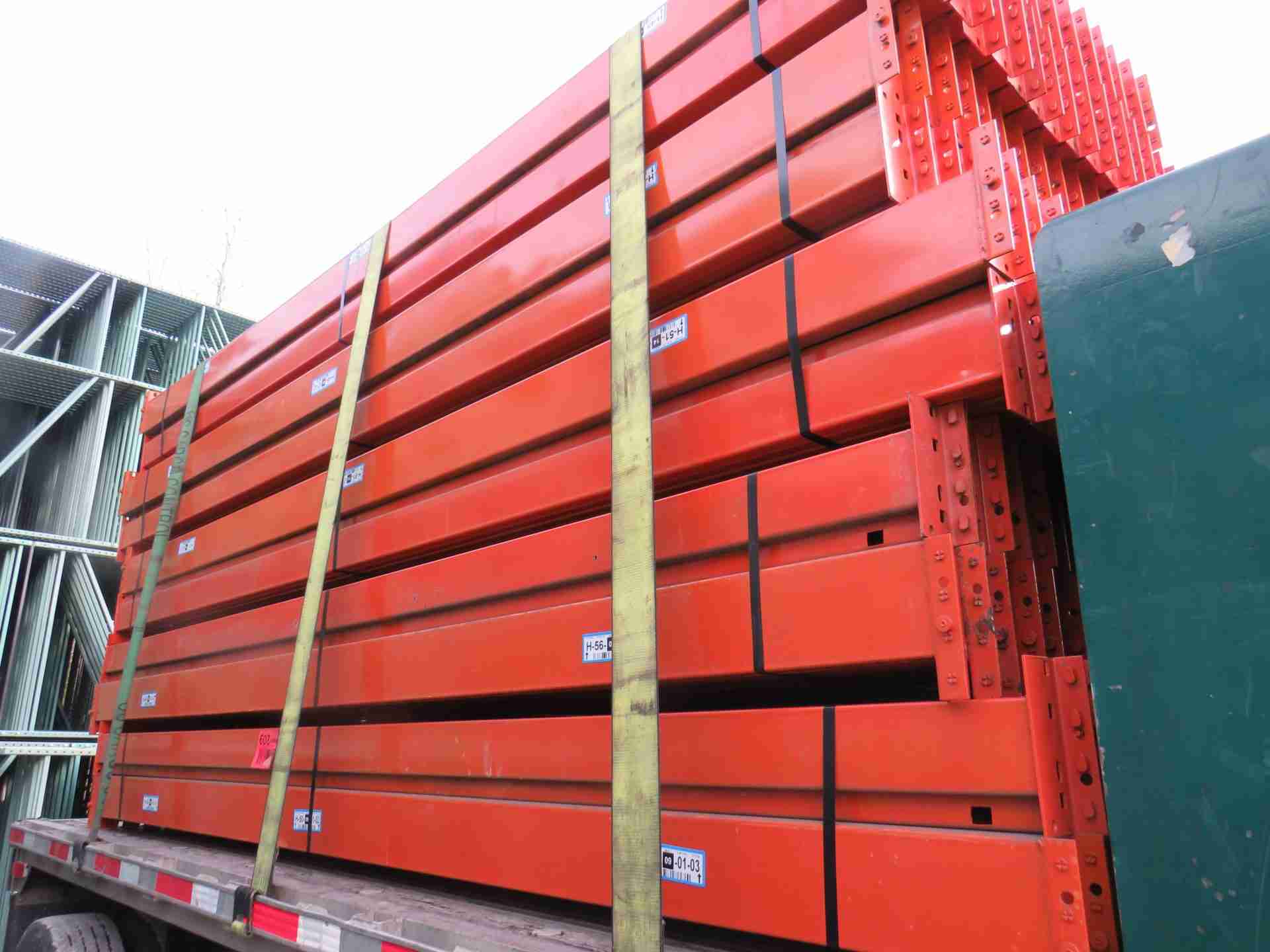
What Is The Konmari Method And How Can It Apply To Warehouses?
How Can Decluttering Improve Warehouse Efficiency?
In a world where efficiency is paramount, warehouses are no exception. At the heart of maximizing output lies a hidden gem—decluttering. Imagine a bustling warehouse, products stacked high on Pallet Racking, with forklifts navigating the aisles like well-choreographed dancers. But what happens when chaos reigns? Inefficiencies emerge, leading to lost time, increased labor costs, and unfulfilled orders. In today’s fast-paced market, where e-commerce giants are redefining shipping norms, maintaining a clutter-free environment is not just advantageous; it’s essential.
Consider the ramifications of cluttered spaces. In warehouses, disorganization can lead to misplaced items, redundant stock, and ultimately, delays in dispatching goods. Picture a scenario where a company has an impressive array of inventory showcased on Pallet Racking—but amidst the clutter, workers struggle to locate popular items. This delay can be the difference between meeting a critical shipping deadline and disappointing customers. In the age of Amazon’s two-day delivery, such oversights are painfully obvious and damaging.
Think about an organization implementing a ‘5S’ methodology—Sort, Set in order, Shine, Standardize, and Sustain. By stripping down unnecessary items and streamlining operations, employees can navigate workflows with ease. For example, a shipping and receiving department that leverages organized Pallet Racking to categorize items by frequency of use will not only reduce the time taken to find products but also enhance the safety of the workplace. Health and safety audits are demanding strict adherence to organized spaces, which means that decluttering isn’t just about efficiency; it’s about compliance.
More recently, amid the supply chain disruptions triggered by global events such as the pandemic, companies that have taken a proactive stance on decluttering have found themselves in a better position to pivot. By removing redundant inventory and focusing on fast-moving stock, businesses have enhanced their agility, maintaining order fulfillment even during volatile times.
Furthermore, decluttering positively impacts employee morale. When workers can efficiently access tools and materials stored neatly, job satisfaction often rises alongside productivity. Happy employees lead to lower turnover rates, saving costs associated with hiring and training new staff.
Decluttering is more than just a neat-freak’s dream; it’s a strategy that can dramatically enhance warehouse efficiency. By optimizing Pallet Racking and maintaining a streamlined environment, businesses not only enhance their operational workflows but also secure their competitive edge in an increasingly demanding marketplace. Don’t just declutter—transform your warehouse into a well-oiled machine ready to tackle any challenge.

How Can Decluttering Improve Warehouse Efficiency?
How Can Decluttering Improve Warehouse Efficiency?
- Decluttering in warehouses is essential for maximizing efficiency and output.
- Disorganization leads to lost time, increased labor costs, and unfulfilled orders in a cluttered environment.
- The ‘5S’ methodology (Sort, Set in order, Shine, Standardize, Sustain) can streamline operations and improve workflows.
- Organized spaces enhance safety and compliance with health and safety audits.
- Proactive decluttering allows businesses to remain agile during supply chain disruptions.
- Improved organization results in higher employee morale, job satisfaction, and reduced turnover rates.
- Transforming warehouses through decluttering enhances operational efficiency and secures a competitive edge in the market.
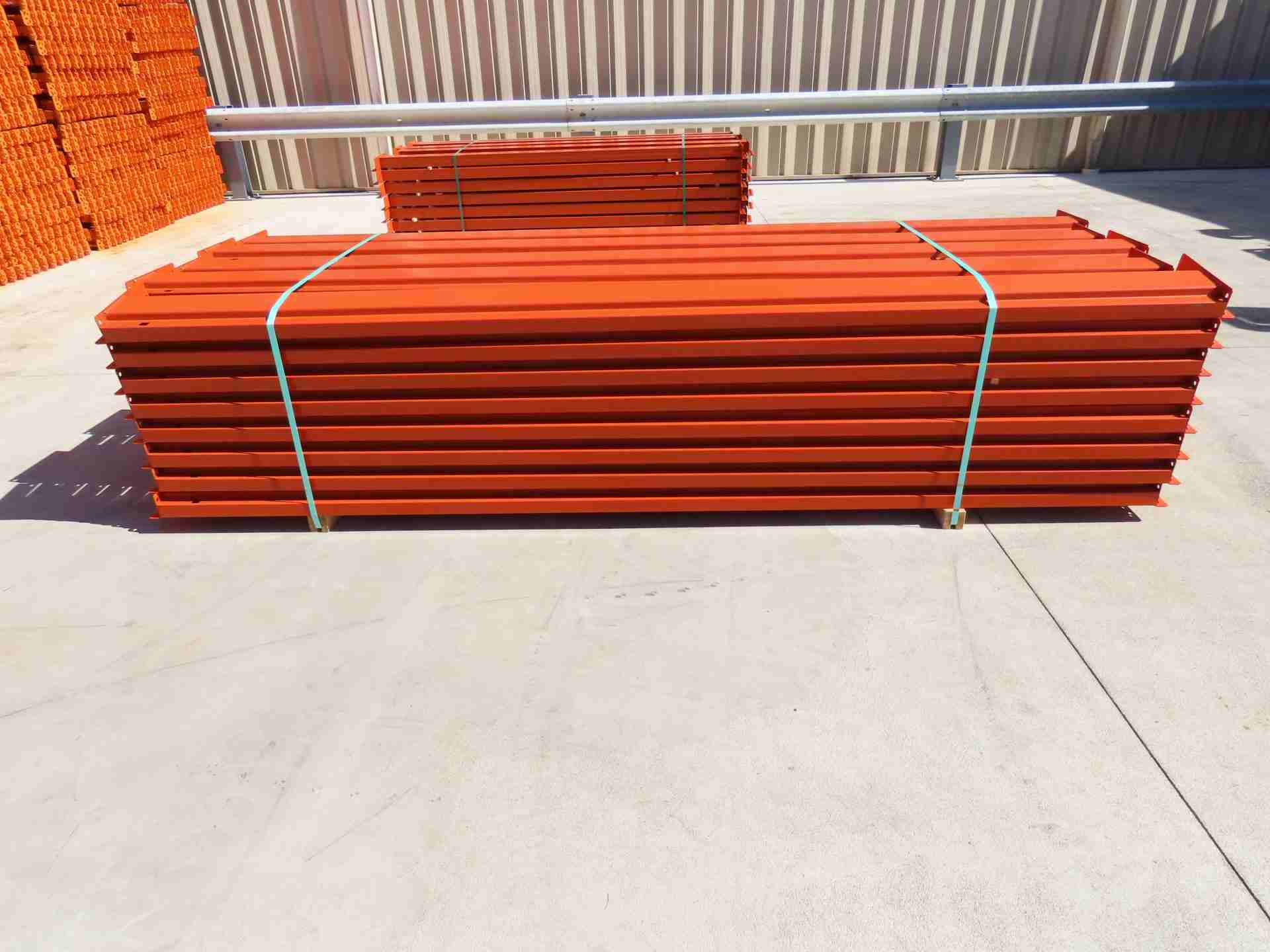
How Can Decluttering Improve Warehouse Efficiency?
What Shelving Designs Promote A Minimalist Approach?
In a world where less truly is more, the craving for simplicity has driven countless home and business owners to embrace minimalism. The right shelving design can not only enhance your space but also promote a tranquil and orderly atmosphere. When it comes to minimalism, certain shelving solutions stand out for their ability to balance utility with aesthetic appeal.
Pallet Racking is a prime example of how you can achieve both function and minimalist design. Originally designed for warehouses, pallet racking systems have found their way into homes and offices as stylish storage solutions. Its clean lines and versatile configurations allow for open spaces that don’t feel cluttered. Instead of hoarding items behind closed doors, you can showcase your favorite books or decorative items effortlessly. The industrial look of pallet racking resonates with contemporary minimalist aesthetics, striking a balance between form and function.
Another powerful contender in the minimalist shelving game is the floating shelf. This design creates the illusion of more space as it removes bulky furniture from the floor, allowing the eye to travel unobstructed. Floating shelves can be installed in any room, from kitchens to living areas, providing an uncluttered platform for essentials or ornaments. They evoke a sense of calmness and serenity, which aligns perfectly with the minimalist philosophy of curated living.
Consider also ladder shelving, which combines style and a relaxed vibe. With its upward-reaching design, ladder shelving draws the eye upward, giving the illusion of taller ceilings—a bonus in smaller spaces. It provides a neat backdrop for plants or art, promoting a sense of zen while offering practical storage. This style speaks directly to the hearts of renters and homeowners who want to enhance their spaces without overwhelming them.
Keeping it current, as people become increasingly conscious of waste—whether from overconsumption or excess materials—sustainable options like reclaimed wood shelving are surging in popularity. These organic designs tell a story and connect us to nature while promoting a less-is-more philosophy.
The best shelving solutions for promoting a minimalist lifestyle create not only physical space but also mental clarity. When you utilize designs like pallet racking, floating shelves, or ladder shelving, you’re not merely organizing; you’re crafting an environment that facilitates peace, productivity, and aesthetic pleasure. Whether you’re a trendsetter or a homebody, integrating minimalist shelving into your space can transform clutter into beauty, making every item count.
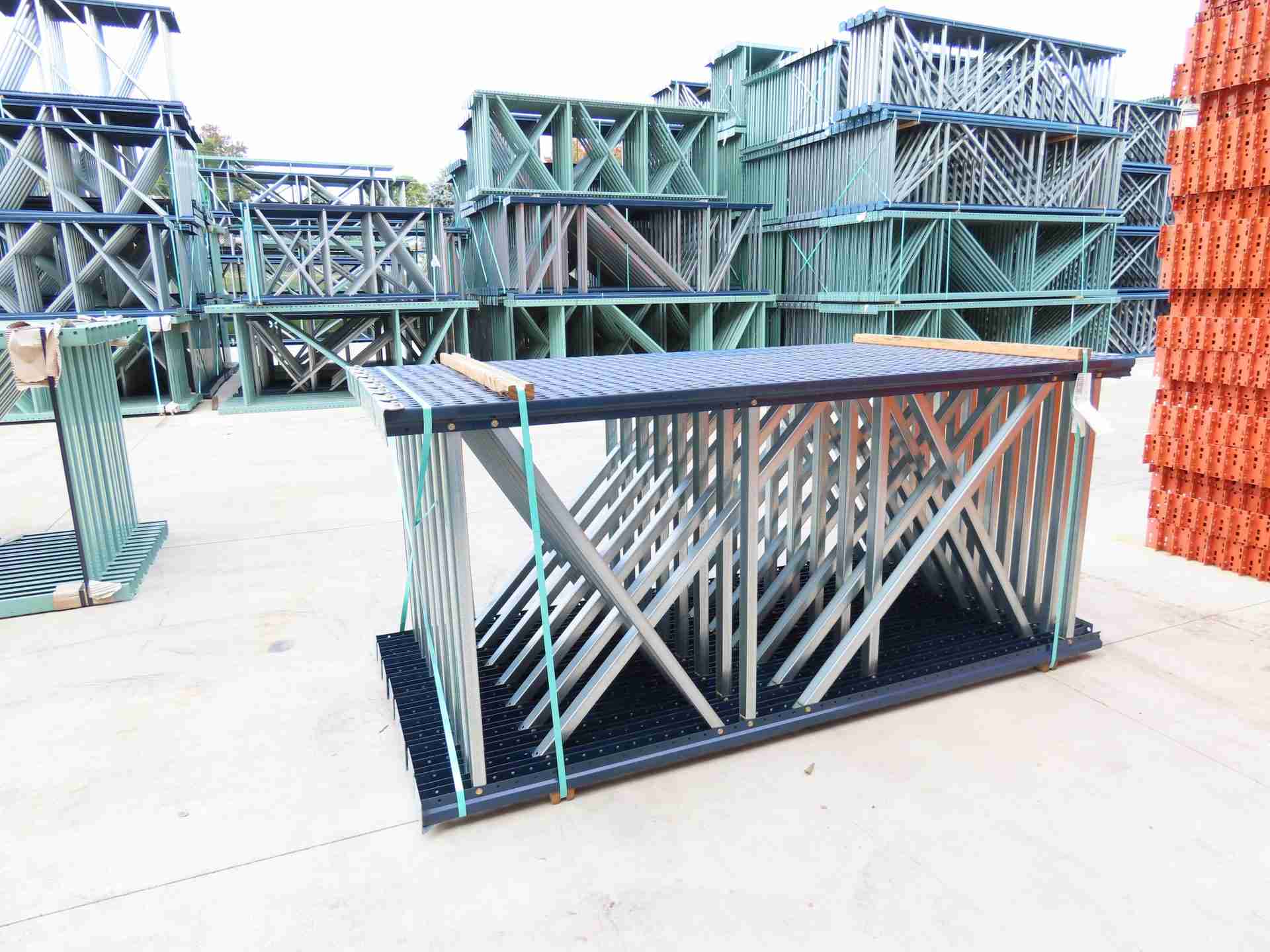
What Shelving Designs Promote A Minimalist Approach?
What Shelving Designs Promote A Minimalist Approach?
- The craving for simplicity has led many to embrace minimalism in homes and businesses.
- Effective shelving design enhances spaces and promotes tranquility and order.
- Pallet racking combines utility and minimalist aesthetic, transitioning from warehouses to stylish home and office storage.
- Floating shelves create an illusion of space by removing bulky furniture, aligning with minimalist philosophies.
- Ladder shelving offers a relaxed vibe, visually enhancing room height and providing practical storage for decor.
- Sustainable options like reclaimed wood shelving are gaining popularity, promoting a connection to nature.
- Minimalist shelving solutions foster both physical space and mental clarity, transforming clutter into beauty.
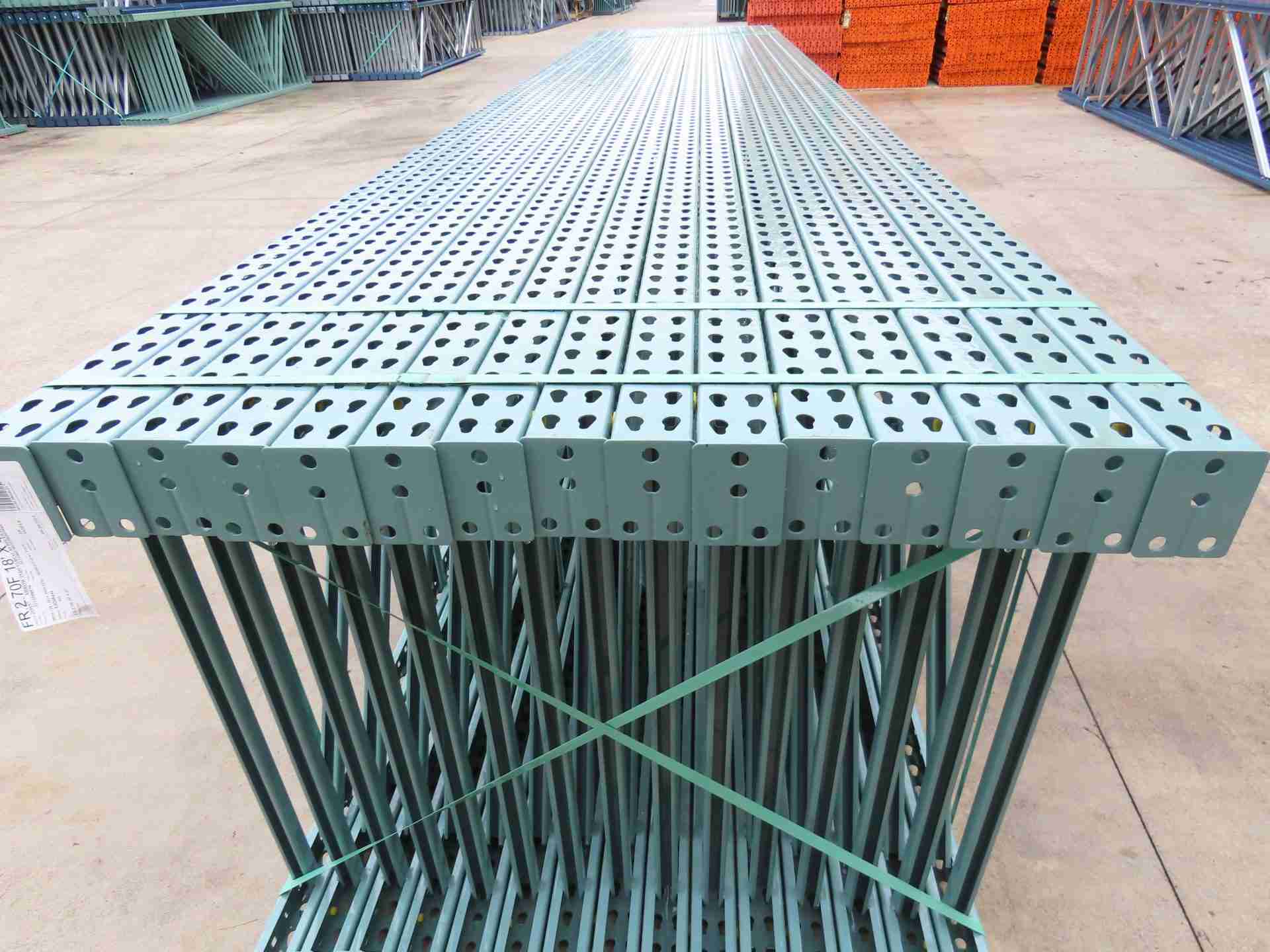
What Shelving Designs Promote A Minimalist Approach?
How Can I Decide What Items To Keep Or Discard In A Warehouse?
Deciding what to keep or discard in a warehouse can feel like navigating a minefield. With the rising pressure to maintain efficiency and maximize profit, especially in an age where supply chain disruptions and economic fluctuations are the norm, making the right choices regarding your inventory is paramount. Let’s get down to brass tacks.
First, evaluate your current inventory against projected demand. Look at data from the last year or so, especially considering the unpredictable effects of the pandemic on consumer behavior. Your slow movers—items that have remained stagnant over time—are prime candidates for the discard pile. If you’re housing outdated electronics or fad products, it’s time to clear the clutter. An example? Many retailers learned this lesson the hard way with seasonal items that no longer appealed to consumers.
Now, consider your operational layout. If your warehouse is equipped with pallet racking, you have a prime opportunity to use vertical space effectively. Ask yourself: are the items stored up high moving quickly, or are they collecting dust? Employ a FIFO (First In, First Out) system. Items that have been hanging around far too long should be on their way to the exit, not just sitting on a shelf.
It might help to conduct a warehouse audit periodically. Include your team in this process to gather insights on what products are truly valuable and which are simply taking up space. Engagement from staff ensures that everyone is on board with the movement toward efficiency. For instance, during recent supply chain disruptions, companies that remained nimble and proactive found substantial savings by eliminating unnecessary stock.
Remember, keeping the right items can also directly impact your bottom line and customer satisfaction levels. Take a good look at sales data and seasonal trends. If, say, you notice that a particular product consistently outpaces others in sales but has limited stock, this signals a clear priority for retention.
Lastly, don’t shy away from reaching out to channels that can absorb excess inventory, be it discounted sales or partnerships. The goal is not merely to declutter but rather to filter out what no longer serves your operation. By being strategic with your inventory choices today, you pave the way for a more profitable tomorrow, where your warehouse becomes not just a storage space but a streamlined powerhouse of productivity.
How Can I Decide What Items To Keep Or Discard In A Warehouse?
How Can I Decide What Items To Keep Or Discard In A Warehouse?
- Evaluating inventory against projected demand is crucial for decision-making.
- Identify slow movers and outdated items for potential discarding.
- Utilize vertical space effectively, especially with pallet racking, and assess item turnover rates.
- Implement a FIFO (First In, First Out) system to manage aging stock.
- Conduct periodic warehouse audits with team involvement for better insights.
- Analyze sales data and seasonal trends to prioritize valuable inventory.
- Consider channels for excess inventory absorption like discounts or partnerships to enhance efficiency.

How Can I Decide What Items To Keep Or Discard In A Warehouse?
What Are The Best Practices For Organizing Warehouse Shelves?
Organizing warehouse shelves efficiently is more than just a matter of aesthetics; it plays a crucial role in operational productivity and cost management. As businesses increasingly face supply chain challenges in the wake of recent global events, from fluctuating consumer demand to achieving faster delivery times, adopting best practices for organizing warehouse shelves such as pallet racking can dramatically enhance efficiency and streamline operations.
Maximize Space with Pallet Racking
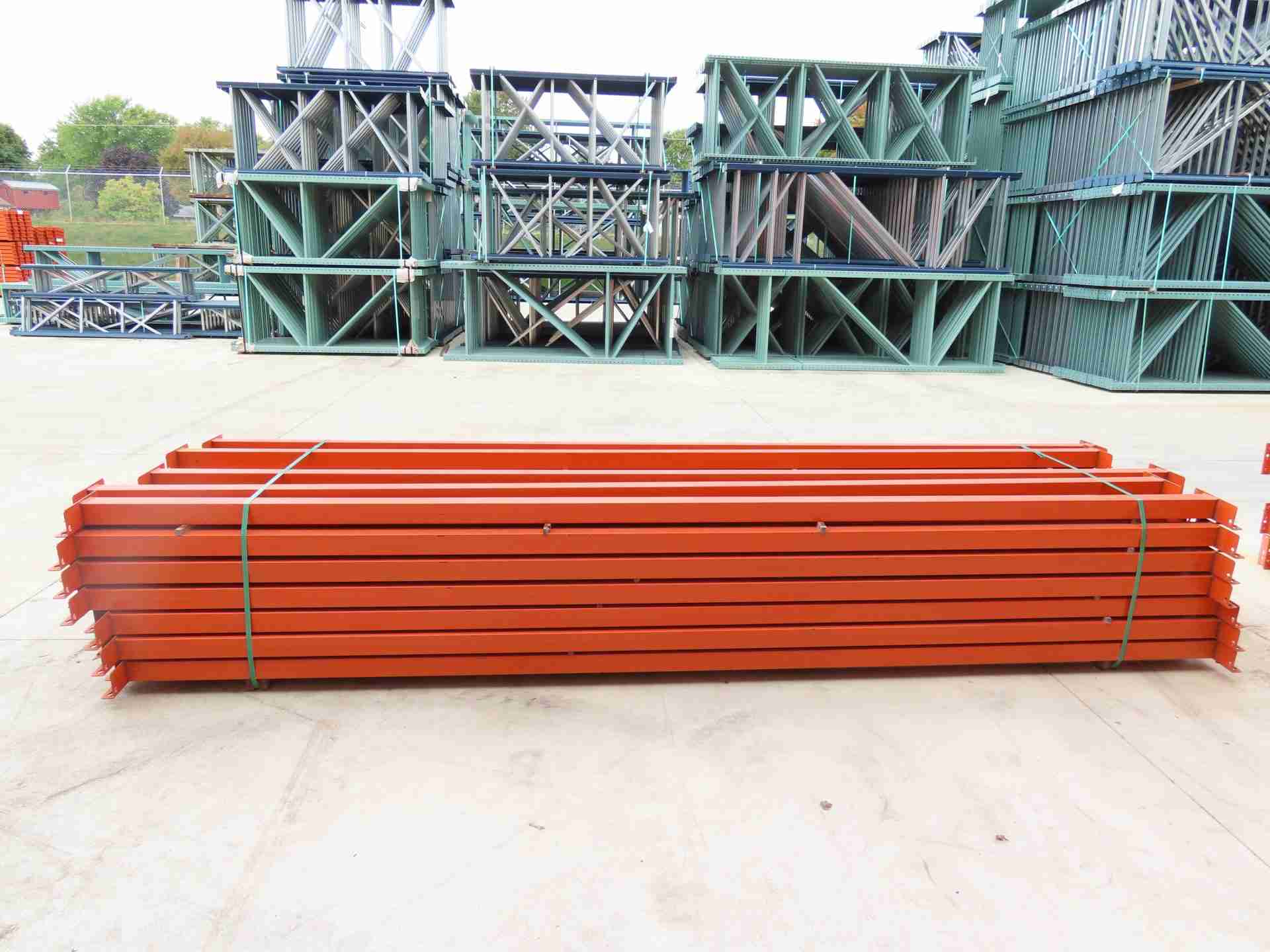
Utilizing pallet racking systems is one of the most effective strategies to optimize your warehouse space. These shelving units allow vertical storage of goods, making it easier to maximize every square foot available. For example, if your warehouse has 10-foot ceilings and you’re currently only using 5-foot-high shelving, you’re wasting valuable storage potential. By incorporating pallet racking that reaches up to 10 feet, you can double your storage capacity without even expanding your physical footprint.
Implement a Logical Layout
Your layout should be methodically planned to ensure quick access to high-demand items while placing slower-moving inventory toward the back. For instance, in a grocery distribution center, placing frequently purchased items like canned goods closer to the loading dock speeds up the picking process and reduces labor costs. Additionally, consider color-coding sections of your warehouse to quickly identify specific categories, allowing team members to navigate with ease and efficiency.
Adopt Inventory Management Systems
Integrating a robust inventory management system with your shelving organization can revolutionize how you track and manage stock. Real-time inventory tracking software can help identify which items are fast-movers and which ones are stagnant. By regularly analyzing this data, you can adjust shelf organization, ensuring optimal placement for quick access. During the pandemic, many businesses that adapted inventory technologies outperformed competitors by maintaining higher service levels and meeting consumer needs promptly.
Regular Audits and Maintenance
Don’t overlook the importance of regular audits and maintenance of your shelves and racking systems. Periodically checking the integrity of your pallet racking ensures not just operational efficiency but also workplace safety. A well-maintained environment discourages workplace accidents, which can derail productivity and incur additional costs.
Smartly organizing your warehouse shelves with practical systems like pallet racking, logical layouts, cutting-edge inventory management, and regular maintenance can foster a more productive and efficient operation. Adopt these best practices to navigate the complexities of today’s market and transform your warehouse into a powerhouse of efficiency.
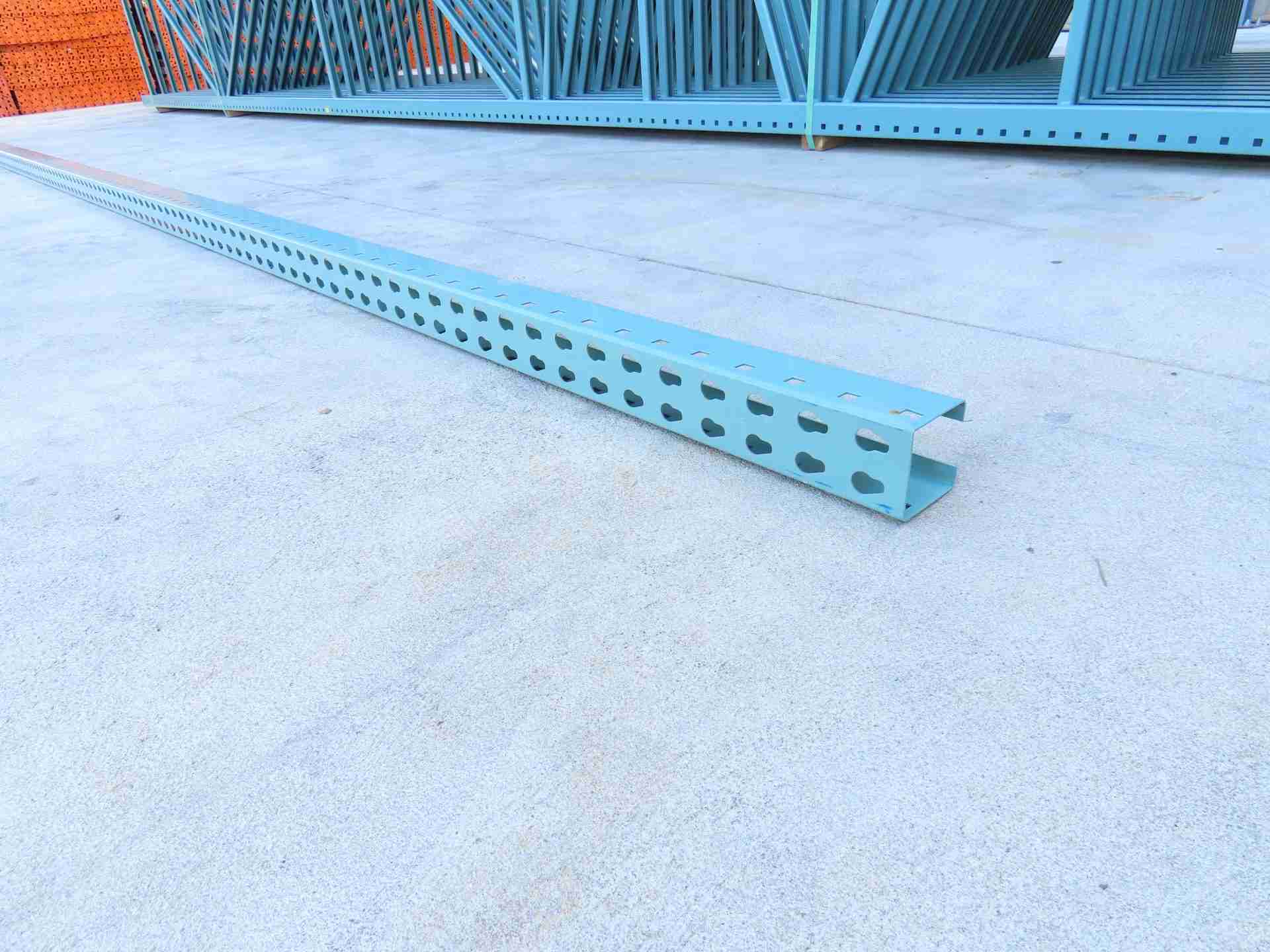
What Are The Best Practices For Organizing Warehouse Shelves?
What Are The Best Practices For Organizing Warehouse Shelves?
- Efficient warehouse shelf organization enhances operational productivity and cost management.
- Pallet racking systems maximize vertical storage, increasing capacity without expanding warehouse size.
- A logical layout ensures quick access to high-demand items while slower-moving items are stored further back.
- Color-coding warehouse sections aids in easy navigation for team members.
- Integrating an inventory management system allows for real-time tracking and optimal shelf organization based on item movement.
- Regular audits and maintenance of shelves ensure operational efficiency and workplace safety.
- Adopting best practices in shelf organization can significantly improve warehouse efficiency in today’s market.

What Are The Best Practices For Organizing Warehouse Shelves?
How Can I Create A Visual Inventory System Inspired By Marie Kondo?
Creating a visual inventory system inspired by Marie Kondo can transform your storage and organization processes, leading to newfound efficiency and clarity in your workspace. Imagine walking into a warehouse where everything sparks joy—and productivity! By leveraging the principles of tidiness and intentionality, you can curate an inventory system that not only looks good but also functions seamlessly.
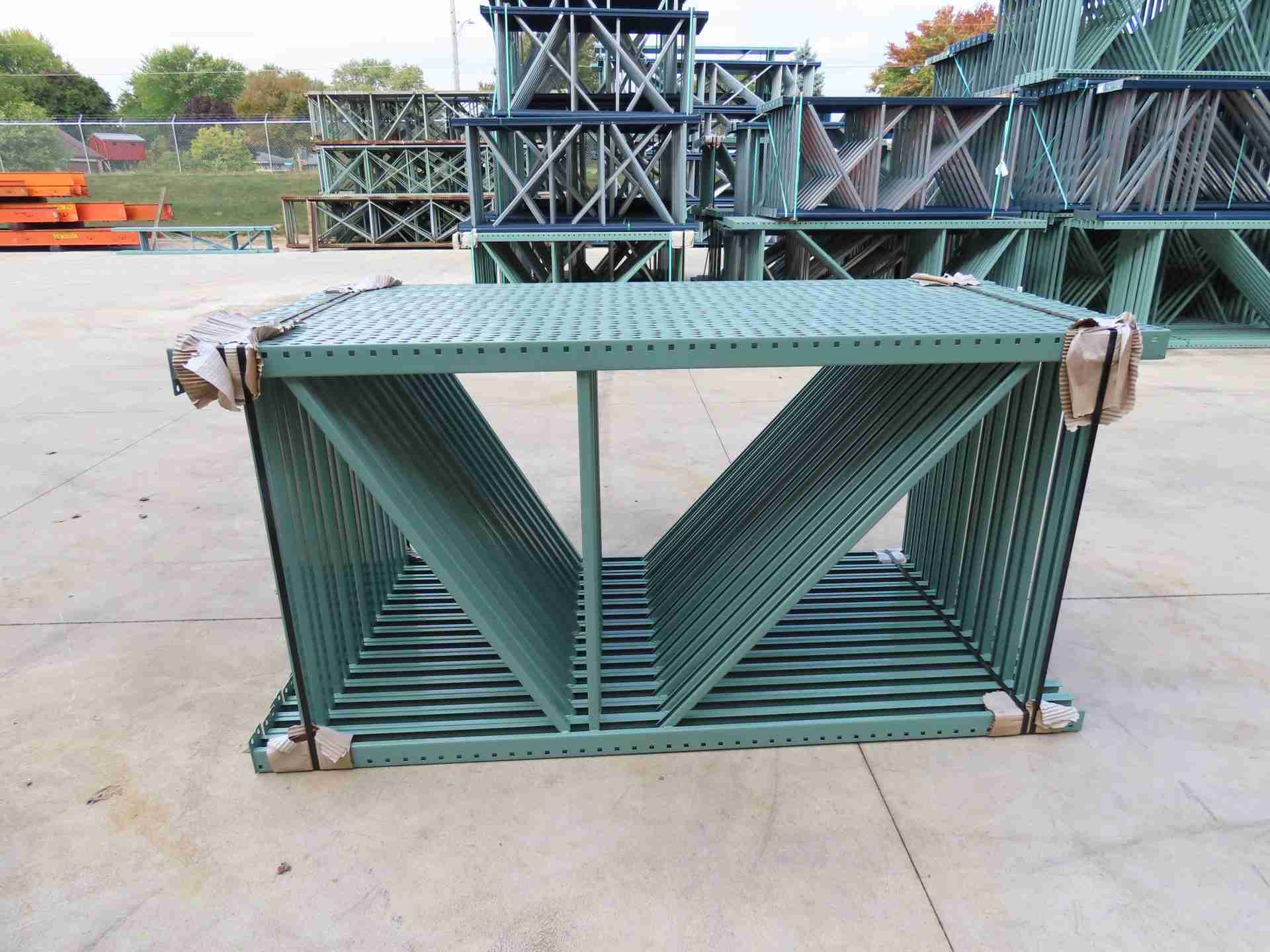
To begin, consider how you organize your goods. Industrial settings often rely on Pallet Racking systems to maximize vertical space. These systems are not just about functionality; they can be aesthetically organized to reflect a clean, orderly environment. Paint your racks in a consistent color scheme that aligns with your brand identity, turning a mundane storage area into an inspiring visual space. Use uniform-sized pallets and label each section with clear, bold typography that resonates with Marie Kondo’s philosophy of easy visibility and access.
Next, invest in high-quality labels and signage. An effective visual inventory system requires clear communication. Use color-coded labels to categorize items by type, seasonality, or importance. For example, if you stock seasonal goods, use bright yellow labels for summer products and deep blue for winter items. This not only declutters your mental space but also makes it visually pleasing.
Furthermore, embrace a “less is more” approach when deciding what to keep. As we continue to face global supply chain challenges, recognizing the essentials and eliminating excess becomes vital. Conduct a thorough audit of your inventory, asking yourself: “Does this truly serve my customers and spark joy in my operations?” Retain only the inventory that meets these criteria, thereby minimizing waste and focusing on quality.
Incorporating technology can dramatically enhance your visual inventory system. Consider using inventory management software that allows for visual tracking of items. Platforms that employ barcode scanning or RFID technology give you an instant view of stock levels, making it easier to maintain organization. This digital element is crucial in today’s fast-paced economy, where visibility can make or break a business.
Lastly, cultivate a routine around this visual system. Just as Kondo suggests practicing gratitude for your belongings, instill a daily or weekly practice of reviewing and reorganizing your inventory. By doing so, you create a culture of respect for your products and workspace, enhancing overall morale.
In summary, by implementing a visual inventory system that incorporates smart shelving like Pallet Racking, clear labeling, and technology, you create a streamlined, joyful environment. The effectiveness of your operations will not only improve but will lead to greater satisfaction for both employees and customers alike.
How Can I Create A Visual Inventory System Inspired By Marie Kondo?
How Can I Create A Visual Inventory System Inspired By Marie Kondo?
- Create a visual inventory system inspired by Marie Kondo for enhanced efficiency and clarity in the workspace.
- Utilize industrial Pallet Racking systems to maximize vertical space while maintaining aesthetic order.
- Organize and label inventory with consistent color schemes and clear typography for easy visibility.
- Invest in high-quality, color-coded labels to categorize items by type, seasonality, or importance.
- Adopt a “less is more” philosophy by auditing inventory and retaining only essential items that bring joy.
- Incorporate technology like inventory management software and barcode scanning for better tracking and organization.
- Establish a routine for reviewing and reorganizing inventory to cultivate respect for products and enhance morale.

How Can I Create A Visual Inventory System Inspired By Marie Kondo?
Conclusion
In an increasingly complex and competitive market, the time for a revolution in warehouse management has never been more urgent. Just as Marie Kondo has elevated the act of decluttering in our homes, her principles can spark a transformative approach in your warehouse shelving choices—especially when implemented through adjustable pallet racking systems. Embracing the KonMari method not only streamlines your operations but also fosters a culture of efficiency and joy in your workplace.
Start by assessing every inch of your warehouse: Which items truly contribute to your bottom line? Is your inventory poised for peak productivity? As you declutter, you’ll discover that a strategic, minimalist approach enables faster processing times, reduces errors, and enhances employee satisfaction. This isn’t mere decoration; it’s a pathway to operational excellence. By thoughtfully categorizing items and leveraging pallet racking, you can optimize vertical space, allowing your team to find what they need swiftly and effortlessly.
Of course, nothing is more vital than embracing a proactive mindset in these challenging times. The recent supply chain disruptions have underscored the importance of agility and smart organizational practices. Businesses that have succeeded have found traction by eliminating excess stock, focusing on lean inventory principles, and ensuring that every item stored holds significant value. The result? A clutter-free environment that not only keeps morale high but also propels profitability.
But taking action is key. From conducting regular inventory audits to committing to a visual inventory system that aligns with Kondo’s philosophies, your next steps will define the future of your operational space. Remember, a well-maintained and organized warehouse is more than a storage facility—it’s a productivity powerhouse that breeds innovation and satisfaction among employees and customers alike.
Ready to embark on a journey of transformation? Now is the perfect time to take stock and implement changes that will streamline your warehousing experience. For expert assistance in selecting and optimizing your pallet racking solutions, reach out to Arrow Industrial Sales at (574) 349-6575. Our team is ready to help you harness the power of organization, efficiency, and joy in your warehouse. Don’t delay—your streamlined future is just a call away!

Conclusion
Conclusion:
- Revolutionizing warehouse management is essential in a competitive market.
- Marie Kondo’s decluttering principles can be applied to warehouse shelving choices.
- Implementing adjustable pallet racking systems can streamline operations and promote workplace efficiency.
- A minimalist approach leads to faster processing times and higher employee satisfaction.
- Emphasizing lean inventory principles and eliminating excess stock enhances profitability and morale.
- Regular inventory audits and a visual inventory system are crucial for maintaining organization.
- Contact Arrow Industrial Sales for expert assistance in optimizing pallet racking solutions.
Conclusion
Other Resources
Other Resources
Here is a list of other resources you can review online to learn more:
- The Ultimate Pallet Racking Guide – Speedrack West
- Teardrop Racks – Pallet Rack World
- International Warehouse Logistics Association
- Warehouse Racking Systems: Beginner’s Guide to Rack Systems
- Chicago Pallet Racking
- Warehousing Education and Research Council: https://www.werc.org/
- Used Teardrop Pallet Rack – American Surplus
- Warehousing and Fulfillment
- Pallet Rack Systems – New and Used Pallet Racking and Shelving Experts
- Cantilever Rack Guide: Ordering Cantilever Racking
Use This Prompt To Get More Resources With Your Favorite Online AI Tool: Please provide me with a list of online articles with their URLs in a bulleted list that I can read regarding How Can Marie Kondo Inspire Your Warehouse Shelving Choices?
Other Resources
Glossary Terms
How Can Marie Kondo Inspire Your Warehouse Shelving Choices? – Glossary Of Terms
1. KonMari Method: A tidying approach developed by Marie Kondo focusing on decluttering based on joy rather than utility.
2. Sparking Joy: The principle of keeping only items that bring happiness or serve a clear purpose.
3. Decluttering: The process of removing unnecessary items to create a cleaner, more organized space.
4. Organizational Harmony: Striving for an aesthetically pleasing and functional arrangement of items in a storage space.
5. Vertical Space: Utilizing the height of a warehouse by installing tall shelving units to maximize storage capacity.
6. Categorization: Grouping similar items together to improve organization and ease of access.
7. Sustainable Shelving: Choosing eco-friendly materials and designs in shelving systems that align with long-term environmental goals.
8. Minimalism: An approach to storage that favors fewer, multifunctional items rather than excess inventory.
9. Aesthetic Appeal: The visual attractiveness of shelving and organization systems, which can enhance employee morale and productivity.
10. Systematic Arrangement: A methodical way of organizing shelves according to specific criteria like size, function, or frequency of access.
11. Inventory Management: The process of overseeing stock levels, which can be made more efficient with effective shelving.
12. Accessibility: Ensuring that items on shelves are easy to reach and retrieve, promoting efficiency in the warehouse.
13. Labeling: The practice of clearly identifying items and categories on shelves for quick identification and retrieval.
14. Adjustable Shelving: Shelving systems that can be altered to fit different sizes and types of inventory.
15. Clean Lines: The aesthetic characteristic of modern shelving designs that contribute to visual organization.
16. Functional Design: Shelving built with practicality in mind, allowing for easy access, safety, and usability.
17. Clear Bins: Transparent storage containers used on shelves to quickly indicate contents while maintaining a clean look.
18. Flow of Goods: The efficient progression of items from receiving to shelving to dispatch, improved by strategic shelving layouts.
19. Ergonomics: Designing shelving with consideration for the physical comfort and efficiency of workers.
20. Color Coding: Using colors to differentiate categories on shelves, enhancing visual organization and speed of locating items.
21. Space Utilization: The effective use of available warehouse space by optimizing shelving and storage methods.
22. Maintenance: Regular upkeep and organization of shelves to ensure ongoing efficiency and inspiration from the KonMari method.
23. Goal-Oriented Storage: Setting specific objectives for shelving layouts that align with overall business efficiency and organization goals.
24. Multi-Functionality: Choosing shelving that can serve more than one purpose, such as holding multiple item types or converting spaces.
25. Flexibility: The ability of shelving systems to adapt to changing inventory needs and warehouse layouts.
26. Recyclable Shelving: Utilizing shelving materials that can be recycled or repurposed, aligning with sustainability goals.
27. Natural Light Integration: Designing shelving arrangements that take advantage of natural light for enhanced workspace ambiance.
28. Visually Clear: The quality of organization that allows a quick overview of a shelf’s contents without clutter.
29. Personalization: Tailoring warehouse shelving choices to the specific needs and preferences of the business and its operations.
30. Efficiency: The overall effectiveness of shelf layouts in speeding up inventory retrieval and optimizing workflow.
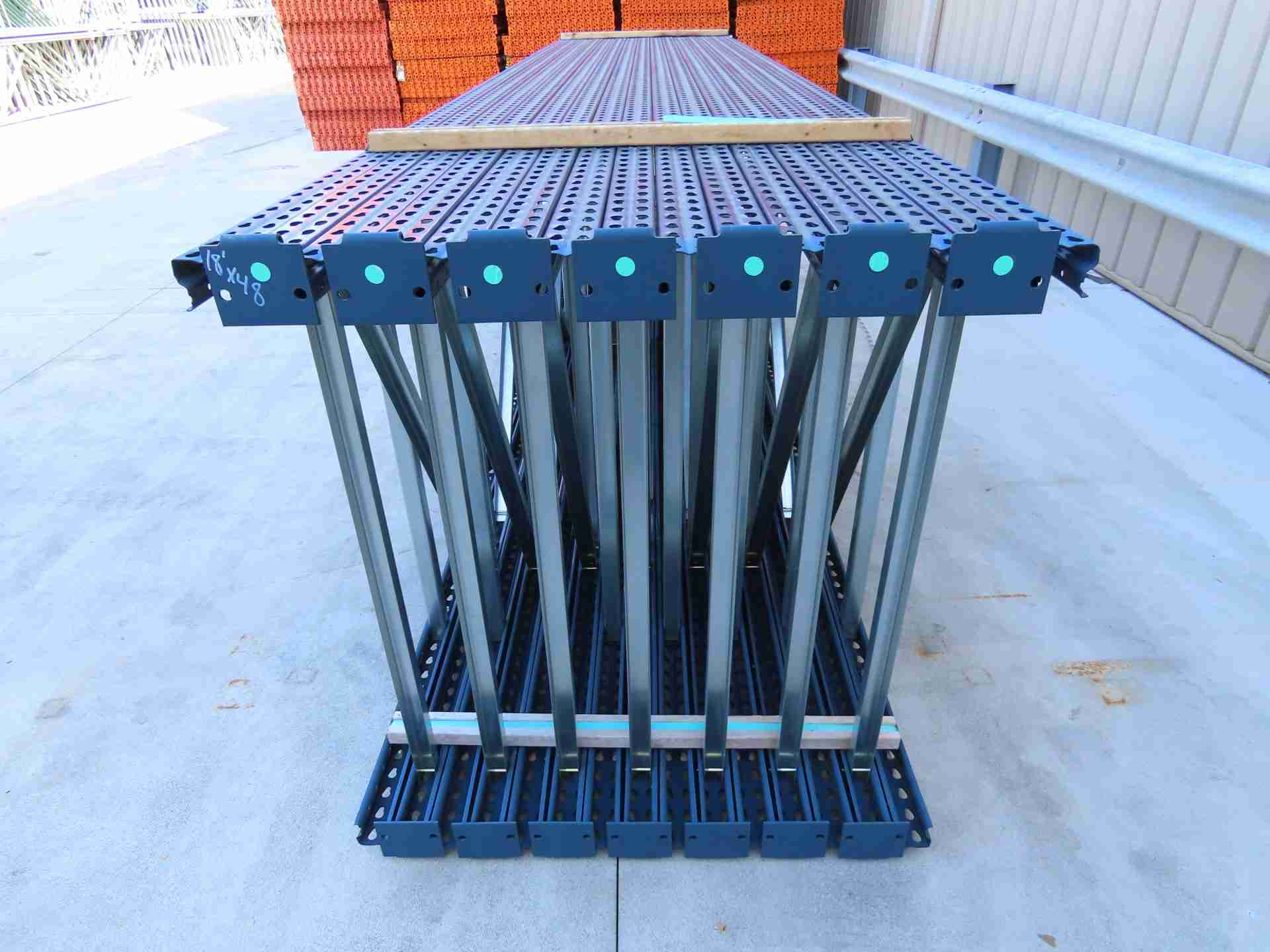
Glossary Of Terms
Other Questions
How Can Marie Kondo Inspire Your Warehouse Shelving Choices? – Other Questions
If you wish to explore and discover more, consider looking for answers to these questions:
- What specific benefits can I expect from applying Marie Kondo’s principles to my warehouse?
- How can I evaluate the efficiency of my current pallet racking system?
- Are there any case studies of companies that successfully implemented the KonMari Method in their warehouses?
- What are some common mistakes to avoid when reorganizing a warehouse using Marie Kondo’s principles?
- How frequently should I reassess the organization of my warehouse inventory?
- What tools or software can assist in maintaining a clutter-free warehouse?
- How can I train my staff to adopt a minimalist mindset in warehouse management?
- What are some industry-specific challenges when implementing these organizational strategies?
- Can Marie Kondo’s approach help with compliance and safety regulations in warehouses?
- How do I create zones in my warehouse for better organization?
- What are some examples of effective labeling systems for warehouse inventory?
- How can I integrate sustainability practices into my warehouse organization?

Other Questions
Checklist
How Can Marie Kondo Inspire Your Warehouse Shelving Choices? – A Checklist
1. Decluttering Strategy
_____ Evaluate each item in the warehouse for necessity and relevance.
_____ Ask yourself: Does this item contribute to our bottom line?
_____ Identify slow-moving items for potential removal or donation.
_____ Conduct annual inventory audits with team engagement.
2. Organizing with Intention
_____ Categorize products based on frequency of use.
_____ Ensure each item has a designated place on your pallet racking system.
_____ Use clear labeling for easy identification and access.
_____ Implement a FIFO (First In, First Out) system for stocked items.
3. Maximizing Space Efficiency
_____ Utilize pallet racking systems for vertical storage optimization.
_____ Consider adjusting shelf heights to maximize ceiling space.
_____ Create designated zones within the warehouse for different product categories.
4. Creating a Visual Inventory System
_____ Use uniform-sized pallets and consistent color schemes for racks.
_____ Implement color-coded labels for quick item identification.
_____ Develop an aesthetically pleasing layout that promotes operational joy.
5. Maintaining Organization
_____ Establish routine checks and maintenance schedules for storage systems.
_____ Regularly update the inventory based on demand and sales data.
_____ Foster a culture of continuous organization with periodic team assessments.
6. Utilizing Technology
_____ Integrate inventory management software for real-time tracking.
_____ Consider barcode scanning or RFID technology for efficient inventory management.
_____ Keep up with technology trends to enhance organizational effectiveness.
7. Employee Engagement
_____ Include team insights in the decluttering and organizing processes.
_____ Train employees on the merits of maintaining an organized workspace.
_____ Encourage a collaborative environment where everyone contributes to tidiness.
8. Evaluating Success
_____ Monitor efficiency before and after implementing changes.
_____ Gather employee feedback on the new systems to identify areas for improvement.
_____ Track customer satisfaction metrics to ensure the changes positively impact service quality.
By following this checklist, you’ll harness the wisdom of Marie Kondo’s tidying philosophy to cultivate a more organized, efficient, and joyful warehouse environment.

Checklist
At RackingWorld, we help guide you through selecting warehouse storage systems and racking.
Be sure to read our other related stories at RackingWorld to learn more about warehouse storage systems.
0 Comments