
Boosting Warehouse Efficiency Through Team Collaboration
By Tom Seest
At RackingWorld, we help guide you through selecting warehouse storage systems and racking.
Be sure to read our other related stories at RackingWorld to learn more about warehouse storage systems.
How Can Collaboration Improve Warehouse Efficiency Among Workers?
Picture this: a bustling warehouse filled with the sound of busy workers moving swiftly between rows of pallet racking, each task humming along in harmony. In these dynamic environments, it’s no longer just about individual performance; it’s about collective prowess. Collaboration can be the secret ingredient that transforms potential chaos into a well-oiled machine, where every worker feels empowered, connected, and driven to achieve common goals.
When teams come together, ideas flow freely. Workers share insights and tips on optimizing space within pallet racking systems, improving inventory management, and reducing errors in order-picking. A warehouse thrives when the knowledge of one individual is multiplied by cooperation. This collective intelligence allows teams to spot inefficiencies and innovate solutions, turning time-consuming processes into streamlined operations. Essentially, collaboration harnesses the diverse strengths of each team member, creating a workforce that tackles challenges with creativity and determination.
But let’s face it: in many warehouses, a lack of communication and siloed efforts lead to duplicated tasks, misplaced items, and wasted time. Imagine the frustration of a worker searching for a product only to discover that another team member inadvertently put it back on the wrong shelf in the pallet racking—investment in teamwork could avert such costly errors. By fostering an environment where collaboration is prioritized, warehouses not only mitigate these pitfalls but also build a culture of accountability and support.
Moreover, collaboration cultivates camaraderie among staff, strengthening interpersonal relationships and boosting morale. When workers feel they’re part of a united team, their engagement and productivity soar. This synergy translates to tangible benefits: faster order fulfillment, improved customer satisfaction, and a safer working environment. It’s a winning scenario where each employee feels valued, resulting in lower turnover rates and a healthier bottom line for the business.
To make collaboration a central component of your warehouse operations, consider implementing regular team meetings, utilizing digital communication tools, and promoting cross-training initiatives. The investment in your people pays off handsomely. After all, a team that collaborates effectively is not just working harder; they are working smarter. When each member understands their role within the larger organizational framework, your warehouse will hum like a finely-tuned instrument, driving efficiency and productivity with every rhythm. Embrace collaboration, and watch your warehouse transform into a beacon of efficiency!

How Can Collaboration Improve Warehouse Efficiency Among Workers?
How Can Collaboration Improve Warehouse Efficiency Among Workers?
- Collaboration in warehouses enhances collective performance and empowers workers towards common goals.
- Team synergy promotes the sharing of insights on space optimization, inventory management, and error reduction.
- Collective intelligence helps spot inefficiencies and innovate solutions, streamlining operations.
- Lack of communication can lead to duplicated tasks and wasted time, which collaboration can help prevent.
- Collaborative environments foster camaraderie, boosting morale and engagement among staff.
- Effective collaboration results in faster order fulfillment, improved customer satisfaction, and a safer workplace.
- Regular team meetings, digital tools, and cross-training initiatives can strengthen collaboration in warehouse operations.
How Can Collaboration Improve Warehouse Efficiency Among Workers?
Table Of Contents
- How Can Collaboration Improve Warehouse Efficiency Among Workers?
- What Are The Key Benefits Of Collaboration In Warehouses?
- How Does Teamwork Enhance Productivity In Warehouse Operations?
- What Tools Can Facilitate Collaboration Among Warehouse Workers?
- How Can Effective Communication Streamline Warehouse Processes?
- What Role Does Leadership Play In Fostering Collaboration?
- How Do Collaborative Practices Impact Employee Morale And Retention?
- Conclusion
- Other Resources
- Glossary Of Terms
- Other Questions
- Checklist
What Are The Key Benefits Of Collaboration In Warehouses?
Collaboration in warehouses is not just a buzzword; it’s the powerhouse behind operational efficiency and profitability. Imagine walking through a bustling warehouse, where every team member communicates seamlessly, transforming chaos into order. In today’s fast-paced market, leveraging collaboration can be your competitive edge. So, let’s dive into the key benefits that make teamwork in warehouse operations indispensable.
First and foremost, improved efficiency reigns supreme. When warehouse teams collaborate effectively, they streamline processes, reduce redundancies, and optimize workflows. Picture workers proactively sharing insights about pallet racking placement – enabling quicker access to products and reducing time spent searching for items. The result? Smoother operations that translate into faster order fulfillment and happier customers.
Next, let’s talk about safety. A collaborative environment fosters open communication about potential hazards, best practices, and equipment handling—like those critical pallet racking systems that can pose risks if not utilized correctly. With each member looking out for one another, the entire team cultivates a culture of safety. This cohesion not only protects your most valuable asset—your workforce—but also fortifies your reputation in the industry.
Moreover, uniting diverse skill sets can spark innovation. Imagine the synergy when a cross-functional team joins forces to reimagine inventory management or to utilize new technologies. Collaboration opens the door to fresh perspectives and problem-solving approaches, ensuring your warehouse adapts to changing market demands. It’s not just about pushing boxes; it’s about pushing boundaries.
Let’s not forget the significant reduction in costs that collaborative efforts can achieve. By sharing insights and resources, teams can eliminate waste and reduce operational expenses. Employees can easily track product movement through smart systems, making it easier to manage space—especially when dealing with varying pallet racking configurations. Every inch of your warehouse can work harder for you, minimizing overhead costs and maximizing profitability.
Finally, collaboration builds trust. Team members who feel connected are more likely to take ownership of their roles and strive for excellence. They develop a common goal, fostering accountability and commitment. When each person knows their part in the big picture, productivity surges as motivation skyrockets.
In sum, collaboration is the secret ingredient that transforms ordinary warehouse operations into extraordinary ones. By embracing teamwork, you not only enhance efficiency and safety but also ignite innovation and reduce costs. Don’t just operate—collaborate, and watch your warehouse thrive!
What Are The Key Benefits Of Collaboration In Warehouses?
What Are The Key Benefits Of Collaboration In Warehouses?
- Collaboration boosts operational efficiency and profitability in warehouses.
- Effective teamwork streamlines processes, reduces redundancies, and optimizes workflows.
- A collaborative environment fosters safety through open communication about hazards and best practices.
- Bringing together diverse skill sets can spark innovation and adapt to market changes.
- Collaboration leads to significant cost reductions by eliminating waste and optimizing resource use.
- It builds trust and accountability among team members, enhancing motivation and productivity.
- Embracing teamwork transforms warehouse operations from ordinary to extraordinary.

What Are The Key Benefits Of Collaboration In Warehouses?
How Does Teamwork Enhance Productivity In Warehouse Operations?
In today’s fast-paced warehouse environments, the old adage “teamwork makes the dream work” has never held more weight. For warehouse operations, where every minute counts and efficiency is paramount, fostering a culture of teamwork can dramatically boost productivity while also creating a more fulfilling work experience for everyone involved.
Picture this: Your warehouse is stocked to the brim with inventory organized on neatly structured pallet racking systems. Each pallet represents an opportunity to fulfill customer needs, but what happens when your team operates in silos? Bottlenecks emerge, errors multiply, and productivity plummets. Enter teamwork—the transformative force that can unlock the potential of your workforce and streamline operations.
When team members collaborate seamlessly, they learn to communicate effectively, share insights, and anticipate one another’s needs. This synergy allows for faster decision-making, enabling the team to manage their inventory efficiently and accurately. Imagine a scenario where one member is swiftly navigating the pallet racking to retrieve items while another is managing shipments. In this harmonious setup, they aren’t just coworkers; they’re partners in success, pushing towards shared goals that drive the entire operation forward.
Moreover, a strong sense of teamwork cultivates a safety-first mindset. When employees trust one another, they feel more empowered to take ownership of their tasks and support each other in maintaining high safety standards. Safety is never a compromise in teamwork; rather, it becomes a shared responsibility that fosters an environment where everyone’s well-being is prioritized. This not only minimizes workplace incidents but also leads to smoother operations and reduced downtime.
Let’s not overlook the impact teamwork has on morale. A motivated team is an efficient team. When employees feel connected and valued as part of a cohesive unit, they’re more likely to go the extra mile to ensure that every product is in its proper place on that pallet racking, each shipment is timely, and every customer is satisfied. It’s about creating pride in their work and a sense of ownership that translates to incredible productivity.
So, if you’re ready to supercharge your warehouse operations, it’s time to invest in building a culture of teamwork. Embrace collaboration, empower your staff, and watch as your productivity soars—transforming your warehouse into a well-oiled machine that meets and exceeds the ever-evolving demands of the market. The future of your operations depends on it. Are you ready to take the leap?

How Does Teamwork Enhance Productivity In Warehouse Operations?
How Does Teamwork Enhance Productivity In Warehouse Operations?
- Teamwork enhances productivity in fast-paced warehouse environments.
- Operating in silos can lead to bottlenecks, errors, and decreased efficiency.
- Effective communication and collaboration among team members lead to faster decision-making and better inventory management.
- A strong teamwork culture fosters a safety-first mindset and shared responsibility for workplace safety.
- Team morale improves when members feel valued, leading to increased individual efforts and pride in their work.
- Building a culture of teamwork transforms warehouses into efficient operations that can meet market demands.
- Investing in teamwork is essential for future operational success in warehouse management.
How Does Teamwork Enhance Productivity In Warehouse Operations?
What Tools Can Facilitate Collaboration Among Warehouse Workers?
In today’s fast-paced warehouse environment, fostering teamwork among employees isn’t just a nice idea—it’s a strategic necessity. The tools that enable collaboration can mean the difference between a disorganized workspace and a well-oiled machine. So, what tools can transform your warehouse workforce into a cohesive unit? Let’s delve into some game-changing options that create harmony among your team and enhance productivity.
First, let’s talk about the backbone of any warehouse: pallet racking systems. These structures don’t just optimize storage but also streamline operations, making it easier for teams to work together. When organized efficiently, pallet racking can minimize the time workers spend searching for inventory, allowing them to focus on collaboration rather than frustration. Imagine your team, seamlessly shifting items and working side by side, all because your racking systems are conducive to both efficiency and teamwork.
Next up are communication tools, which bring people closer even in the bustling activity of a warehouse. From real-time messaging apps to collaborative platforms, having effective channels to share information is key. Workers can quickly address questions, coordinate tasks, and celebrate wins—big and small. When your team feels connected and supported, that camaraderie translates directly to improved performance.
Don’t overlook the significance of training and development programs. Well-trained employees not only feel more confident but also better understand each other’s roles, fostering a collective approach to problem-solving. Training encourages open communication, making workers comfortable enough to lend a hand or share insights. They’re not just colleagues; they’re a team, rallying together to reach common goals.
Technology also plays a pivotal role in building collaboration. Advanced warehouse management systems (WMS) can provide real-time data access, allowing teams to collaborate on inventory management or dispatching tasks fluidly. When workers have the right tech at their fingertips, it empowers them to take initiative, share knowledge, and align their efforts. Think of it as your warehouse’s secret weapon—a toolset designed to enhance efficiency and foster teamwork.
Lastly, don’t underestimate the power of simple social interactions. Regular team meetings, team-building activities, or even casual lunches can create bonds that lead to better collaboration on the job. When workers know one another, they’re more likely to trust each other, share insights, and step up when it counts.
Investing in the right tools and fostering a collaborative culture can turn potential chaos into a symphony of productivity. Embrace these strategies, and watch as your warehouse transforms into a bustling hub of teamwork and success. Isn’t it time to equip your team for greatness?
What Tools Can Facilitate Collaboration Among Warehouse Workers?
What Tools Can Facilitate Collaboration Among Warehouse Workers?
- Teamwork in warehouses is essential for efficiency and productivity.
- Pallet racking systems streamline operations and minimize time spent searching for inventory.
- Effective communication tools help workers coordinate tasks and celebrate achievements.
- Training and development programs enhance employee confidence and understanding of roles.
- Technology such as warehouse management systems (WMS) provides real-time data for better collaboration.
- Social interactions, like team meetings and activities, build trust and improve collaboration.
- Investing in collaborative tools fosters a positive work culture and boosts overall productivity.
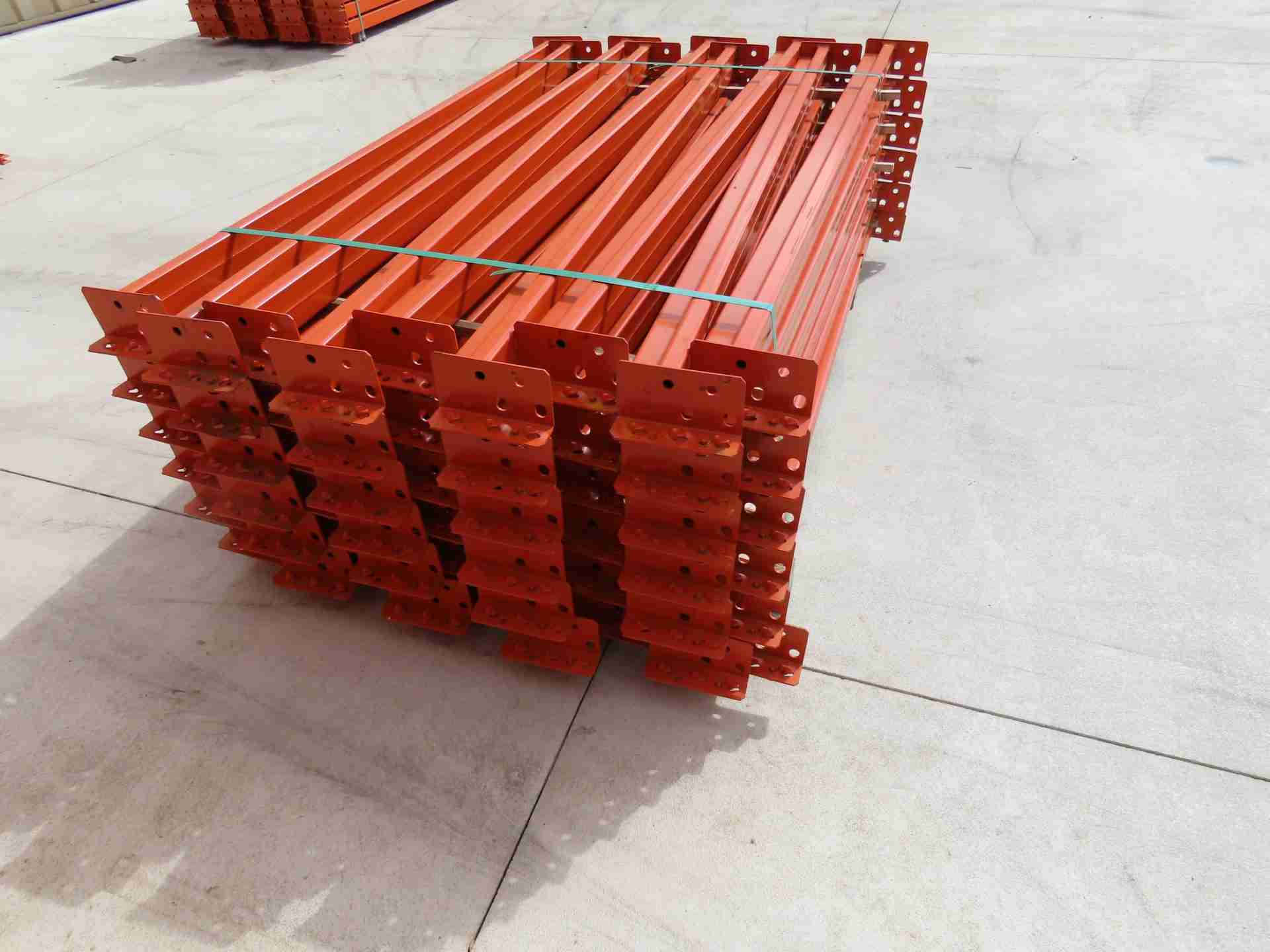
What Tools Can Facilitate Collaboration Among Warehouse Workers?
How Can Effective Communication Streamline Warehouse Processes?
In the bustling world of warehousing, where every second counts and every dollar matters, effective communication emerges as the unsung hero that orchestrates operations with pinpoint accuracy. Imagine a busy warehouse filled with rows of pallet racking, each shelf teeming with products waiting to be picked, packed, and shipped out. Now, picture the chaos that ensues when departments aren’t on the same page—missing inventory, incorrect shipments, or worse, unhappy customers. It’s a scenario that no savvy business owner wants to entertain.
Embrace this: when communication flows seamlessly, your warehouse transforms into a well-oiled machine. Consider how simple it is to implement daily huddles or brief, targeted briefings. These can serve as platforms for team members to share updates, highlight challenges, and map out strategies to tackle potential bottlenecks. By encouraging an environment where information is exchanged freely—whether it’s about a delay in a shipment or the need for additional pallet racking—you empower your staff to act swiftly, avoiding unnecessary hiccups.
Now, let’s talk about technology. In this digital age, leveraging tools such as warehouse management systems (WMS) can elevate your communication to a whole new level. Imagine real-time updates streaming down from team leaders to floor operators, allowing for swift adaptations to changing circumstances. The result? Swift order fulfillment, optimized routes for picking tasks, and a significant decrease in errors that could derail your logistics game.
Moreover, the key to effective communication isn’t merely about relaying messages; it’s about fostering an inclusive culture where every voice is valued. Encourage your employees to provide feedback, whether it’s about the layout of your pallet racking or suggestions for improving workflows. When your team believes their input is integral to the operation, you not only nurture their commitment but also tap into a wellspring of innovative ideas that can lead to increased efficiency.
Let’s not overlook the customer perspective either. When internal communication thrives, your customer service speaks volumes. With accurate inventory counts and fulfillment timelines, you gain the trust of your clients, turning one-time buyers into loyal advocates. The ripple effect of effective communication is undeniable; it feeds into satisfaction, leads to repeat business, and positions your company as a leader in the competitive warehouse sector.
Now is the time to harness the power of effective communication. When you enhance how your team interacts, you unlock the full potential of your warehouse processes. Start today and watch as profits soar, productivity aligns, and trust becomes the cornerstone of your operations.
How Can Effective Communication Streamline Warehouse Processes?
How Can Effective Communication Streamline Warehouse Processes?
- Effective communication is crucial in warehousing to ensure smooth operations and avoid chaos.
- Daily huddles and briefings can facilitate updates, address challenges, and plan strategies among team members.
- Leveraging warehouse management systems (WMS) provides real-time updates for efficient adaptations and order fulfillment.
- Fostering an inclusive culture encourages employee feedback, leading to innovative ideas and improved workflows.
- Strong internal communication enhances customer service, ensuring accurate inventory and fulfillment for client satisfaction.
- Effective communication contributes to customer loyalty and positions a company as a leader in the warehousing sector.
- Improving team interactions can unlock the full potential of warehouse processes, leading to increased profits and productivity.
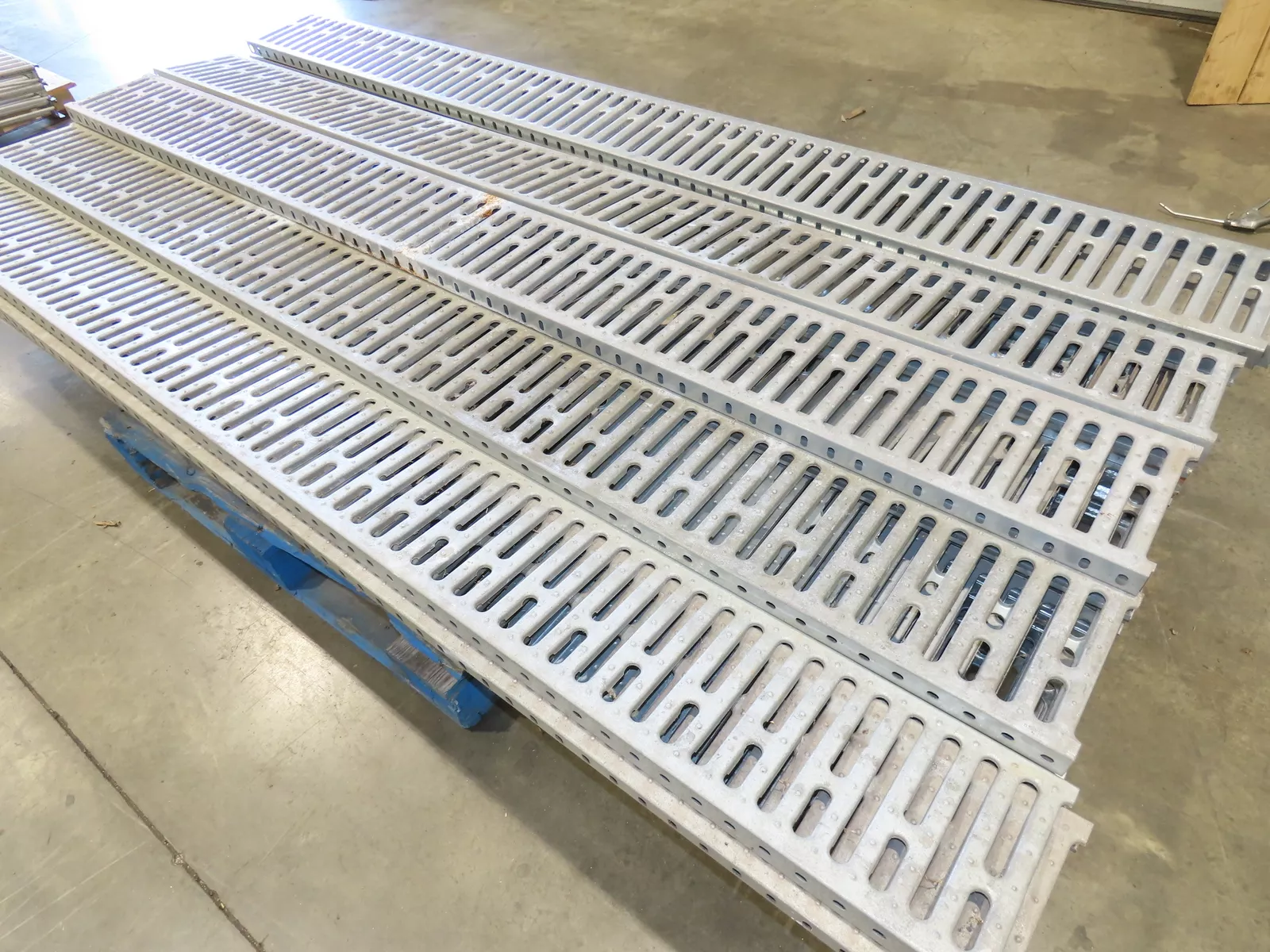
How Can Effective Communication Streamline Warehouse Processes?
What Role Does Leadership Play In Fostering Collaboration?
In any thriving organization, the heartbeat of collaboration lies in effective leadership. Imagine for a moment that your team is a well-oiled machine, each part working harmoniously towards a common goal. This synergy doesn’t happen by chance; it is intricately woven together by leaders who understand the profound impact of their influence. True leadership is about being the guiding light that navigates the often-turbulent waters of teamwork.
Great leaders cultivate an environment where every voice is heard, valued, and empowered. They create a culture that fosters open communication, much like how pallet racking systems maximize storage efficiency while ensuring easy access to every item. Just as a well-organized warehouse enhances productivity, a leader’s commitment to encouraging collaboration ensures that ideas flow freely, and all team members feel supported. When team members feel valued, their investment in the group’s success deepens, resulting in an inspiring ripple effect throughout the entire organization.
Leadership also plays a crucial role in modeling collaborative behavior. Leaders who demonstrate curiosity, authenticity, and approachability set the tone for others to follow suit. They encourage vulnerability—creating a safe space where team members can present their ideas without fear of criticism. This cultivates trust and reduces competition. After all, collaboration isn’t about one person shining brighter than the rest; it’s about leveraging diverse perspectives to achieve greatness as a collective.
Moreover, strong leaders understand the importance of recognizing and rewarding collaboration. They celebrate the milestones the team achieves together, much like the satisfaction of efficiently organized pallet racking that allows for swift achievements in warehousing glory. Acknowledgment can be a game-changer, not only reinforcing the collaborative spirit but also building confidence among team members. When they know their efforts are recognized and appreciated, they’re more likely to take initiative and contribute their best.
Ultimately, effective leadership is the catalyst that transforms groups of individuals into dynamic, collaborative teams. It requires intention, empathy, and a clear vision. Leaders who actively nurture collaboration don’t just drive results; they inspire a culture where innovation thrives, morale soars, and the potential for success expands exponentially. So, if you’re a leader striving for greatness, take a moment to reflect: Are you merely managing people or are you truly inspiring collaboration? The choice is yours—and the benefits could be as revolutionary as the transformation of a cluttered storage space into a flawlessly functional system of pallet racking.

What Role Does Leadership Play In Fostering Collaboration?
What Role Does Leadership Play In Fostering Collaboration?
- Effective leadership is essential for fostering collaboration within organizations.
- Leaders create an environment where every team member feels heard and valued, promoting open communication.
- A supportive atmosphere enhances productivity and encourages idea sharing among team members.
- Leaders model collaborative behavior by demonstrating curiosity, authenticity, and approachability.
- Recognition and celebration of team achievements reinforce collaboration and build confidence.
- Effective leadership transforms individuals into dynamic, collaborative teams through intention and empathy.
- Leaders should reflect on whether they are managing or truly inspiring collaboration within their team.
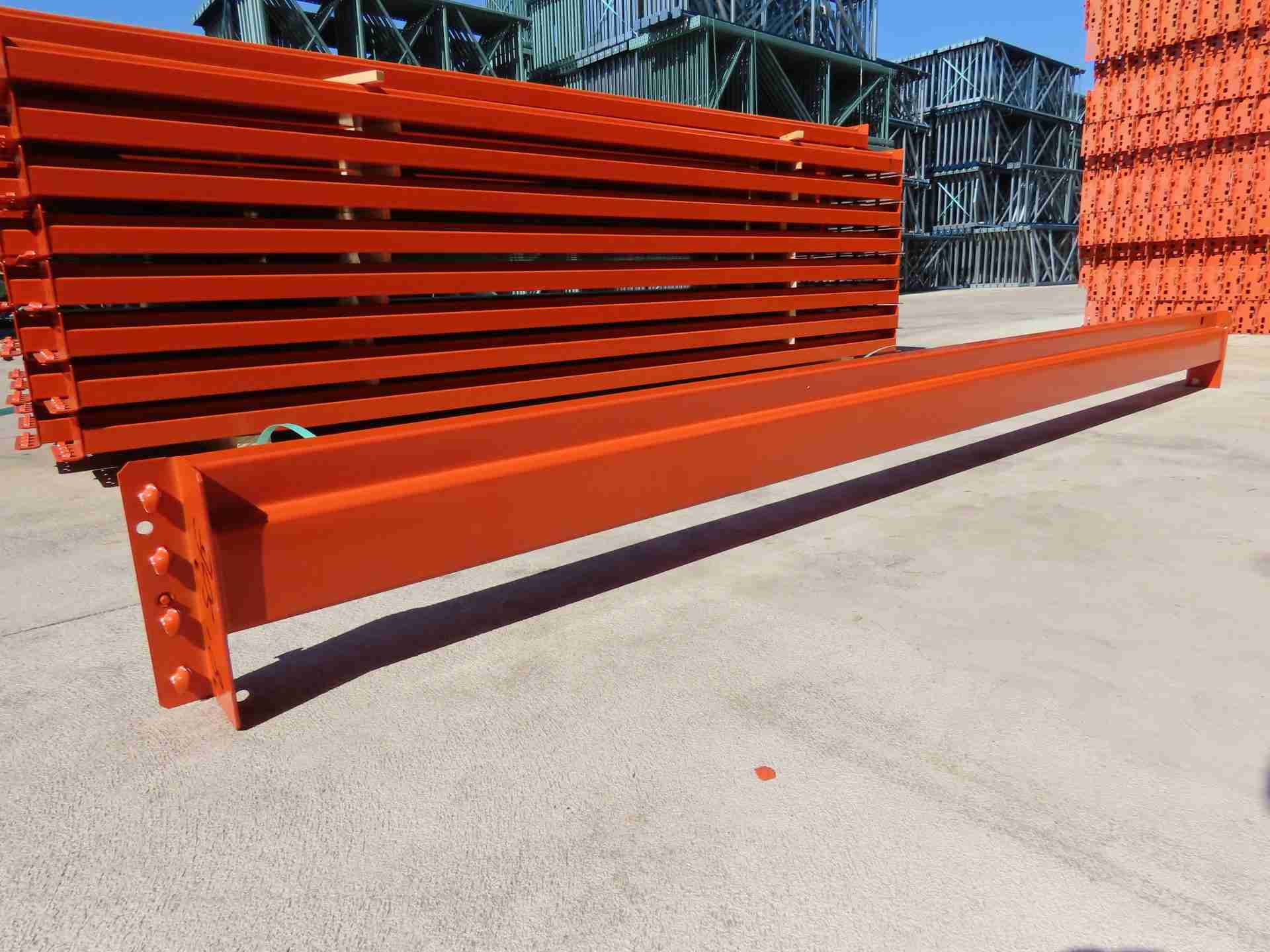
What Role Does Leadership Play In Fostering Collaboration?
How Do Collaborative Practices Impact Employee Morale And Retention?
Picture this: You walk into an office where creativity flows freely, where employees bounce ideas off one another like a well-tuned pinball machine. This is not just a dream workplace; it’s a reality forged through the power of collaborative practices. When businesses embrace teamwork, the ripple effects on employee morale and retention are nothing short of transformative.
Let’s take a step back. What’s at the core of collaboration? Trust. Trust breeds an open atmosphere where every voice feels valued. Remember that time your colleague shared an innovative take on pallet racking? They felt empowered to speak up because their opinion mattered. By prioritizing collaboration, you create a culture where employees don’t just clock in and out; they engage, innovate, and grow. This engagement translates directly into higher morale.
When employees feel connected to their colleagues, they’re more than just coworkers—they form bonds that lead to a sense of belonging. This not only boosts morale but also results in lower turnover rates. Let’s face it: No one wants to leave a job where they collaborate effectively and create lasting impacts, much like the efficiency of a well-organized pallet racking system. Such systems enhance productivity by maximizing space and keeping inventory orderly; similarly, collaborative practices optimize human resources, ensuring everyone is on the same page and moving toward common goals.
Moreover, consider the implications for retention. In a world where talent is highly sought after, organizations that prioritize collaboration see their top performers stick around longer. Why? Because they’re part of something greater than themselves. The more involved employees feel, the more likely they are to remain loyal, just as customers are drawn to brands they trust. It’s an age-old axiom: happy employees equal happy customers.
So, if you’re looking to boost morale and retain your top talent, it may be time to reassess your collaborative practices. Remember that just as pallet racking maximizes efficiency in a warehouse, a collaborative work culture maximizes the potential of your team. And the payoff? A thriving workplace where ideas flourish, relationships strengthen, and everyone feels inspired to contribute.
Now is the time to create an environment where collaboration reigns supreme. Invest in your team, and witness the remarkable outcomes that follow. The path to a vibrant, engaged workforce is right in front of you—take the first step towards a collaborative future today!

How Do Collaborative Practices Impact Employee Morale And Retention?
How Do Collaborative Practices Impact Employee Morale And Retention?
- A collaborative workplace fosters creativity and idea-sharing among employees.
- Trust is essential for collaboration, creating an atmosphere where everyone feels valued.
- Engagement in collaboration leads to higher morale and opportunities for employee growth.
- Strong bonds formed through collaboration contribute to a sense of belonging and reduce turnover rates.
- Collaborative practices optimize human resources and ensure alignment towards common goals.
- Organizations that prioritize collaboration retain top talent by providing a sense of purpose.
- Creating a collaborative culture leads to a thriving workplace with inspired contributions from all team members.
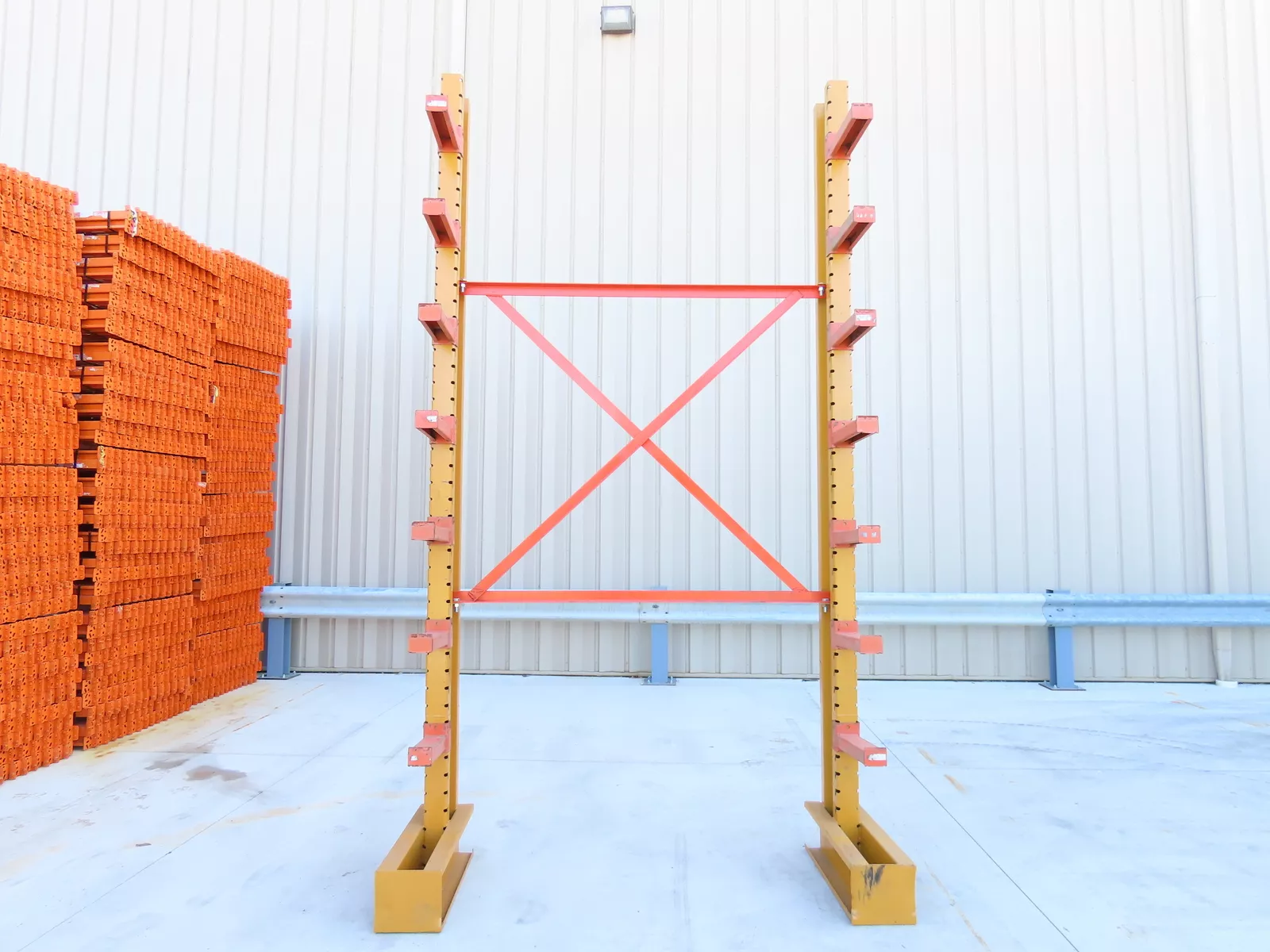
How Do Collaborative Practices Impact Employee Morale And Retention?
Conclusion
In the world of warehousing, adaptability and teamwork are not merely advantageous; they are vital to enhancing efficiency and productivity. As highlighted throughout this article, fostering a culture of collaboration is the cornerstone of transforming your warehouse from a chaotic environment into a model of seamless operations. When workers engage in meaningful collaboration, they not only share vital insights and solutions but also elevate each other’s performance. This synergy translates into improved workflows, reduced errors, and a more engaged workforce.
The undeniable benefits of collaboration extend beyond mere efficiency. They ripple through safety protocols and team morale, reinforcing a culture of accountability and support. When employees establish strong interpersonal relationships, they become more attuned to one another’s needs, enhancing their ability to adapt and innovate in the face of challenges. Picture this: real-time communication about potential hazards or inventory management sets the stage for a safer, more productive workplace. Through effective collaboration, teams turn into empowered units capable of making swift, informed decisions, ultimately leading to increased customer satisfaction and loyalty.
But what happens when there’s a breakdown in communication? Bottlenecks form, errors multiply, and valuable time is wasted—a scenario that can cripple your operations. That’s why investing in the right tools, training, and leadership is critical. From advanced warehouse management systems to team-building initiatives, every element plays a role in creating an environment centered on collaboration. When leaders prioritize encouraging teamwork and celebrate shared successes, they’re laying a foundation that not only enhances productivity but also instills a sense of belonging among employees.
If you want your warehouse to thrive, recognize that collaboration is more than a buzzword; it’s the secret ingredient to unlocking your team’s full potential. Take tangible steps today to cultivate this collaborative spirit—hold regular team meetings, invest in training programs, and leverage technology to streamline communication.
Don’t wait for the chaos to take hold. Elevate your warehouse operations by embracing the power of teamwork! For more insights and strategies tailored to your needs, call Arrow Industrial Sales at (574) 349-6575. Your profitable future awaits, but the time to act is now. Let’s seize this opportunity to transform your warehouse into a beacon of efficiency!
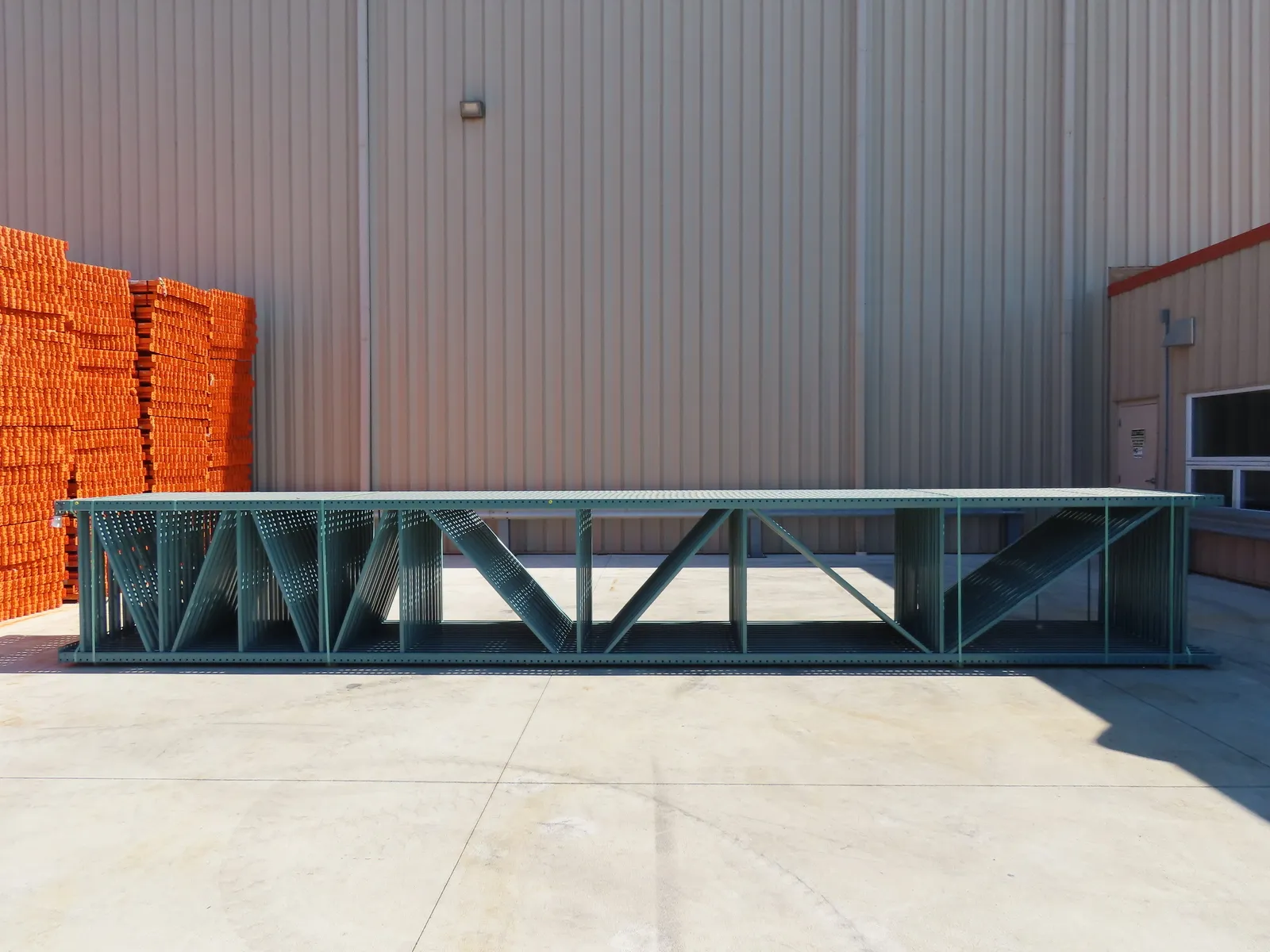
Conclusion
Conclusion:
- Adaptability and teamwork are essential for enhancing efficiency and productivity in warehousing.
- Fostering a culture of collaboration transforms chaotic environments into seamless operations.
- Meaningful collaboration leads to shared insights and elevated performance among workers.
- Collaboration enhances safety protocols, team morale, and a culture of accountability and support.
- Strong interpersonal relationships improve employees’ ability to adapt and innovate.
- Investing in tools, training, and leadership is critical to maintaining effective communication and collaboration.
- Embrace teamwork to unlock your team’s full potential and elevate warehouse operations.
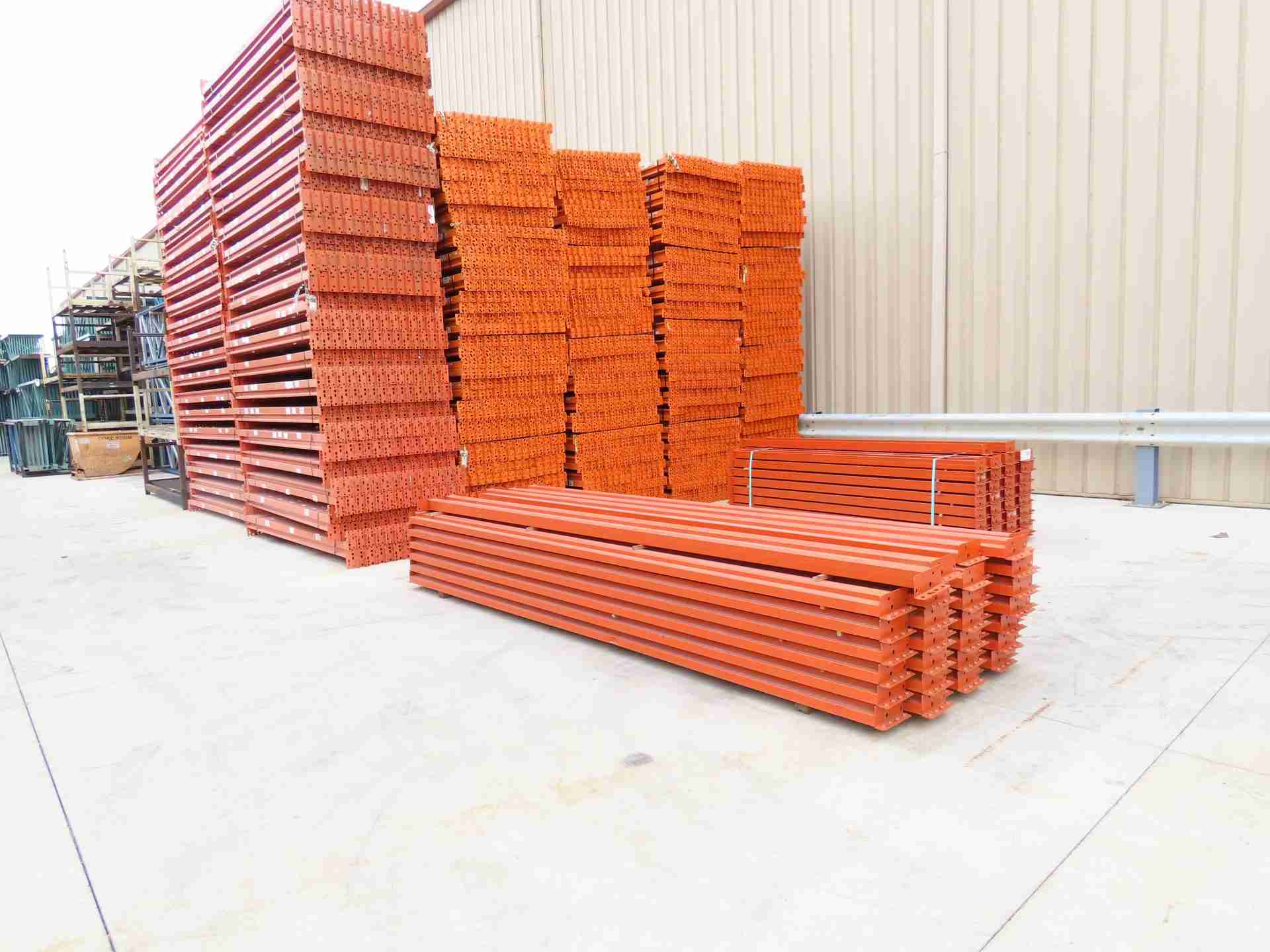
Conclusion
Other Resources
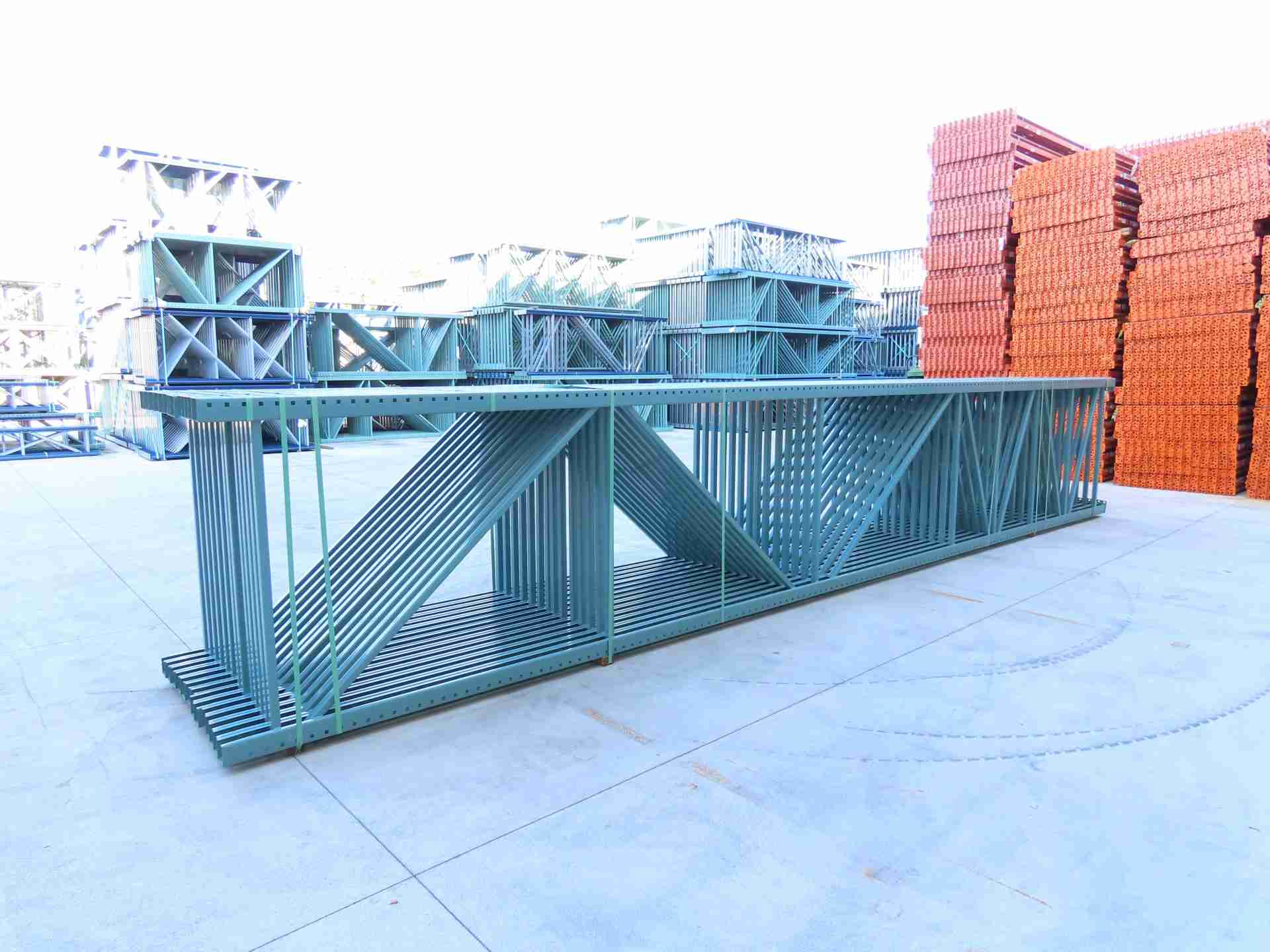
Other Resources
Here is a list of other resources you can review online to learn more:
- Wolter
- Warehouse Storage Racks
- What is Cantilever Racking? – AK Material Handling Systems
- Rack Manufacturers Institute
- Teardrop Uprights
- The Complete Pallet Rack Guide – Simply Rack
- Teardrop Industrial Shelving Rack
- Storage Equipment Manufacturers Association
- Total Warehouse
- Warehouse Racking System: Powerful Guide to Optimise, 2024
Use This Prompt To Get More Resources With Your Favorite Online AI Tool: Please provide me with a list of online articles with their URLs in a bulleted list that I can read regarding How Can Collaboration Improve Warehouse Efficiency Among Workers?

Other Resources
Glossary Terms
How Can Collaboration Improve Warehouse Efficiency Among Workers? – Glossary Of Terms
1. Collaboration: The process of working together to achieve common goals, enhancing communication and teamwork among warehouse staff.
2. Warehouse Management System (WMS): Software designed to support and optimize warehouse functionality and distribution center management, facilitating collaboration and efficiency.
3. Inventory Management: The supervision of non-capitalized assets (inventory) and stock items, crucial for effective collaboration to ensure stock levels are accurate.
4. Lean Principles: Strategies aimed at minimizing waste within manufacturing systems while simultaneously maximizing productivity, promoting collaboration in streamlining processes.
5. Cross-Training: Training employees to perform multiple roles within the warehouse, enabling flexibility and improving team collaboration.
6. Real-Time Data Sharing: Providing immediate access to information, which enhances communication between workers and improves operational efficiency.
7. Team Dynamics: The behavioral relationships between team members, which can greatly affect collaboration and overall warehouse performance.
8. Standard Operating Procedures (SOPs): Documented processes that workers follow; clear SOPs enhance collaboration by ensuring everyone knows their roles and responsibilities.
9. Continuous Improvement: Ongoing efforts to improve warehouse processes, often achieved through collaborative feedback from workers on the floor.
10. Workforce Engagement: The level of commitment and involvement an employee has towards their organization; effective collaboration increases engagement.
11. Communication Tools: Technologies and systems (like chat apps or team management software) that facilitate effective communication among warehouse staff.
12. Task Delegation: Assigning specific responsibilities to team members, which can improve accountability and collaboration in workflow management.
13. Synergy: The concept of combined efforts producing a greater effect than individual efforts, ideal for teamwork in a warehouse setting.
14. Problem Solving: The act of resolving issues that arise in the workplace, where teamwork often leads to faster and more effective solutions.
15. Performance Metrics: Measurements used to assess productivity and efficiency in the warehouse, where collaborative input can lead to better outcomes.
16. Safety Protocols: Established procedures to ensure a safe working environment; collaboration is vital for adherence and continuous improvement.
17. Just-in-Time (JIT): Inventory strategy to increase efficiency and decrease waste by receiving goods only as they are needed, requiring close collaboration between teams.
18. Floor Walks: Regular inspections of the warehouse floor by management teams, fostering communication and collaboration on the ground.
19. Feedback Loops: Systems in place for gathering input from employees on processes and efficiencies, key to improving collaboration and productivity.
20. Conflict Resolution: The methods and processes involved in facilitating the peaceful ending of conflict and re-establishing collaborative relationships.
21. Technology Integration: The incorporation of new technologies into existing systems, enhancing collaboration among employees through shared platforms.
22. Roles and Responsibilities: Clear definitions of individual tasks within the team that enhance clarity and promote effective collaboration in the warehouse.
23. Process Mapping: A visual representation of processes, which can be used collaboratively to improve efficiency and identify bottlenecks.
24. Workload Balancing: Adjusting team tasks to ensure that no employee is overwhelmed, thus enhancing cooperation and overall productivity.
25. Employee Empowerment: Granting workers the authority and responsibility to make decisions; collaboration thrives in empowered teams.
26. Shared Goals: Common objectives set for team performance, encouraging workers to collaborate effectively to achieve them.
27. Team Meetings: Regular gatherings of team members to discuss progress, issues, and strategies for improvement, facilitating collaboration.
28. Mentorship Programs: Initiatives that encourage experienced employees to guide newer staff, fostering a collaborative learning environment.
29. Reward Systems: Incentives for teamwork and collaborative efforts, motivating workers to engage and improve warehouse efficiency.
30. Data Analytics: The process of examining and interpreting warehouse data to identify trends and improve collaborative strategies for efficiency.

Glossary Of Terms
Other Questions
How Can Collaboration Improve Warehouse Efficiency Among Workers? – Other Questions
If you wish to explore and discover more, consider looking for answers to these questions:
- What are some examples of successful collaboration in warehouse settings?
- How can technology facilitate better collaboration among warehouse workers?
- What are some common challenges to effective collaboration in warehouses?
- How can employees be motivated to collaborate more effectively?
- What metrics can be used to measure the effectiveness of collaboration in warehouses?
- How does collaboration impact customer satisfaction in warehouse operations?
- What training programs can enhance collaboration skills among warehouse workers?
- Are there specific industries where collaboration is particularly important in warehousing?
- How can leadership styles influence collaboration among warehouse teams?
- What role does the physical layout of a warehouse play in facilitating collaboration?
Other Questions
Checklist
How Can Collaboration Improve Warehouse Efficiency Among Workers? – A Checklist
Checklist for Improving Warehouse Efficiency Through Collaboration
1. Foster Open Communication
_____ Hold daily team huddles or briefings to share updates and address challenges.
_____ Implement real-time messaging applications or collaborative platforms.
2. Promote Regular Team Meetings
_____ Schedule weekly or bi-weekly meetings to encourage sharing of insights and best practices.
_____ Use these meetings to celebrate team successes and recognize individual contributions.
3. Invest in Training and Development
_____ Provide cross-training initiatives to help team members understand each other’s roles.
_____ Organize workshops on effective collaboration and communication skills.
4. Utilize Technology Effectively
_____ Implement a Warehouse Management System (WMS) for real-time data access.
_____ Use tools that facilitate tracking of product movement and inventory management.
5. Optimize Pallet Racking Systems
_____ Arrange pallet racking layouts to enhance accessibility and minimize search time.
_____ Constantly evaluate and adjust racking systems for maximum efficiency.
6. Create a Culture of Safety
_____ Encourage team members to discuss potential hazards and safety best practices.
_____ Promote a safety-first mindset that holds everyone accountable for their work environment.
7. Encourage Social Interactions
_____ Organize team-building activities or social events to strengthen interpersonal relationships.
_____ Facilitate informal gatherings, like lunches, to build camaraderie among team members.
8. Set Clear Goals and Expectations
_____ Define shared objectives to align team efforts and drive them toward common outcomes.
_____ Ensure each team member understands their role in achieving these goals.
9. Recognize and Reward Collaboration
_____ Celebrate team milestones whether through recognition programs or informal acknowledgments.
_____ Encourage team members to share their accomplishments with the group.
10. Assess Collaboration Effectiveness
_____ Gather feedback from team members on current collaboration practices.
_____ Make adjustments based on insights to continuously improve teamwork dynamics.
11. Leverage Diverse Skill Sets
_____ Create opportunities for cross-functional teams to work on projects.
_____ Encourage innovation through brainstorming sessions that harness collective intelligence.
12. Cultivate Leadership Support
_____ Encourage leaders to model collaborative behaviors, such as active listening and openness to ideas.
_____ Provide leadership training focused on fostering a collaborative team culture.
Conclusion
By prioritizing these practices, you can create a collaborative environment that not only boosts warehouse efficiency but also enhances employee morale and retention. Implement these checklist items to transform your warehouse into a productive and harmonious workspace!
Checklist
At RackingWorld, we help guide you through selecting warehouse storage systems and racking.
Be sure to read our other related stories at RackingWorld to learn more about warehouse storage systems.
0 Comments