
Empowering Mid-Sized Distributors: Strategies For Heartfelt Success
By Tom Seest
At RackingWorld, we help guide you through selecting warehouse storage systems and racking.
Be sure to read our other related stories at RackingWorld to learn more about warehouse storage systems.
Growth Planning for Mid-Sized Distributors
When you’re knee-deep in the day-to-day grind of distribution, it can be easy to lose sight of the big picture. Yet, growth planning is not just a boardroom buzzword; it’s the lifeblood of any mid-sized distributor looking to thrive. Picture your operation: the warehouse buzzing with activity, the steady hum of forklift engines, and rows of Racking Systems stacked high with products ready for shipment. Now imagine that energy amplified, your business flourishing, and your team filled with purpose.
First, let’s tackle the head with facts. The distribution landscape is changing fast, driven by e-commerce and shifting customer demands. Smart growth planning means analyzing market trends and optimizing inventory turnover. It’s about fine-tuning processes and using those Racking Systems not just to maximize space but to enhance efficiency. Look at the numbers – they tell a story about what’s working and where there’s room for improvement. Those figures can guide you to make informed decisions that lower costs and boost profits.
Next, let’s engage the heart. Remember why you got into this business? It was about more than just moving products; it was about community and relationships. Growth doesn’t mean losing that personal touch. In fact, it should deepen it. Invest in your people; provide training that helps your folks grow alongside the business. When your employees feel valued, their dedication translates to better service for your customers, forging a bond that keeps them coming back.
Then, there’s the gut check. Trust your instincts. You’ve navigated challenges before, whether it was a supply chain hiccup or shifting customer preferences. Those experiences have equipped you with practical wisdom. Don’t hesitate to take measured risks, be it expanding a product line, upgrading your Racking Systems, or venturing into new markets. Listen to your team—they’re on the front lines and often have the best insights on customer needs.
Lastly, let’s address ethics. Growth should be sustainable, aiming for long-term success rather than a quick buck. Uphold your reputation by maintaining transparency with your customers and suppliers. Strive to build a company culture based on integrity.
Growth planning doesn’t have to feel daunting. With the right strategy, grounded in your experiences and aligned with your values, you can strengthen your foundation and reach new heights. Embrace the journey with confidence, and remember: every step forward is a step toward building a legacy worth being proud of.

Growth Planning for Mid-Sized Distributors
Growth Planning for Mid-Sized Distributors
- Growth planning is essential for mid-sized distributors to thrive amid changing market conditions.
- Analyze market trends and optimize inventory turnover to enhance efficiency and reduce costs.
- Invest in employee training to foster personal connections and strengthen customer relationships.
- Use practical wisdom from past experiences to navigate challenges and take measured risks.
- Focus on sustainable growth and maintain transparency with customers and suppliers.
- Build a company culture rooted in integrity to support long-term success.
- Approach growth planning with confidence to create a legacy worth being proud of.

Growth Planning for Mid-Sized Distributors
Table Of Contents
- Growth Planning for Mid-Sized Distributors
- What Growth Strategies Resonate with Your Values?
- How Can You Leverage Data Effectively?
- What Role Does Leadership Play In Your Growth?
- Are Your Employees Aligned with Your Growth Vision?
- How Can Innovation Drive Your Distribution Growth?
- What Ethical Considerations Should Guide Your Planning?
- Conclusion
- Other Resources
- Glossary Of Terms
- Other Questions
- Checklist
What Growth Strategies Resonate with Your Values?
When it comes to growing a business, aligning your strategies with your core values isn’t just a nice-to-have; it’s essential. Think about it: when you’re building your company like a racking system in a warehouse, you want sturdy shelves that can hold the weight of your ambitions. Whether you’re a small shop or a larger firm, growth strategies should be constructed with the same care and consideration. Start by evaluating what holds true to your mission and vision. If your value is integrity, for instance, then any growth initiative should be examined under that lens. A strategy that’s ethically sound may not just foster trust with customers but will also create a loyal workforce that believes in what your company stands for.
Next, consider the emotional pull of your choices. People want to feel connected, not just to products, but to the values your brand represents. Growth strategies that resonate deeply often share stories of real impact—be it supporting local economies or ensuring fairness in labor practices. Sharing your narrative can turn your business into a beacon for others who, like you, are striving for meaningful growth. These aren’t just numbers and high-level goals; they’re heartfelt journeys that engage communities and demonstrate a shared vision.
Then there’s the rational angle. Customers and employees alike are looking for solid reasoning behind your strategies. If you’re expanding your services or investing in new technologies, make sure you communicate how these moves not only benefit your bottom line but also resonate with collective values. A transparent approach demystifies your processes and fosters confidence.
Finally, think about the social aspect. Growth isn’t just about making profits; it’s about building a network, creating partnerships, and giving back. Tools such as strong racking systems are a metaphor here. Just as they organize space and provide efficiency, your connections help streamline efforts and distribute resources effectively. By fostering this network, you create a community that uplifts each member—turning individual growth into collective success.
Grounding your growth strategies in values isn’t merely business savvy; it’s an enduring commitment to who you are as a company. In doing so, you inspire those around you, nurturing an environment where action is motivated not just by profit but by purpose.

What Growth Strategies Resonate with Your Values?
What Growth Strategies Resonate with Your Values?
- Aligning growth strategies with core values is essential for business success.
- Evaluate initiatives based on mission and vision, ensuring ethical considerations are met.
- Emphasize the emotional connection between customers and brand values.
- Share impactful narratives that resonate with communities and highlight a shared vision.
- Communicate the rationale behind strategies to build confidence among customers and employees.
- Focus on networking, partnerships, and giving back as key components of growth.
- Grounding strategies in values fosters a purposeful environment rather than solely profit-driven actions.

What Growth Strategies Resonate with Your Values?
How Can You Leverage Data Effectively?
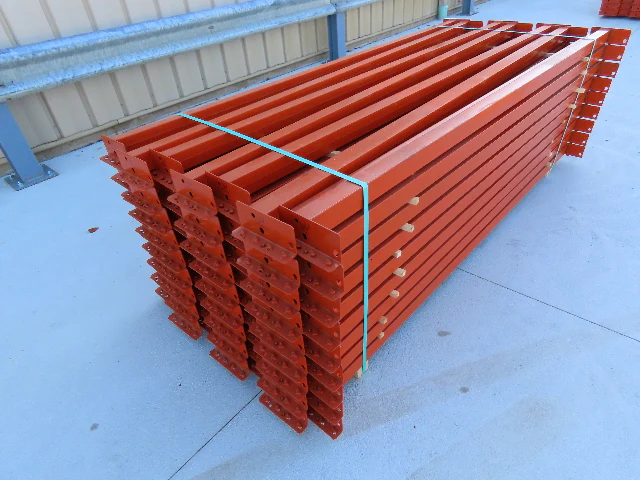
In today’s fast-paced world, data isn’t just numbers on a screen; it’s the lifeblood of any operation. Think about it—when you step into a workshop or warehouse, the layout can either help you thrive or stifle productivity. Enter racking systems. These structures are more than steel; they’re critical decision points guided by data. By harnessing information about inventory flow, space utilization, and employee movement, even the simplest racking systems can transform disarray into a seamless operation.
Picture this: you walk into an organized space where every item has its place, and everything is within arm’s reach. When you leverage data effectively, you’re not just streamlining operations; you’re fostering an environment where your team feels empowered. This is the kind of setup that allows folks to breathe a sigh of relief, knowing they can find what they need without digging through chaos. It’s about creating trust within your team that the right tools are in the right place, allowing them to focus on the task at hand.
On a rational level, data helps identify trends in demand and assists in predicting seasonal fluctuations. It’s not guesswork; it’s calculated moves that save both time and resources. For instance, anticipating demand helps avoid overstocking, which can lead to wasted space on racking systems that could be utilized more effectively. By making informed decisions, you can create a more efficient workflow that resonates with both employees and management alike.
Ethically, the responsible use of data ensures you treat both your time and your resources with respect. Making decisions based on insights shows you value what your team provides. It’s like telling your crew that their input matters; they become partners in the process, not just hands in the workplace.
Narratively speaking, every successful operation has a story of transformation. Data acts as the plot twist that can morph a struggling workspace into a data-driven powerhouse. When data guides decisions, everyone wins, fostering a culture where shared success becomes the story everyone wants to tell.
In a world clamoring for efficiency, let your racking systems tell a tale of rational choices, emotional engagement, and ethical stewardship. When you leverage data effectively, you’re not just improving processes—you’re building a legacy of trust and reliability that lasts.
How Can You Leverage Data Effectively?
How Can You Leverage Data Effectively?
- Data is essential for enhancing operations in workshops and warehouses.
- Racking systems are critical decision points that utilize data on inventory flow and space utilization.
- Effective data use creates organized workspaces, empowering team members by ensuring easy access to tools and resources.
- Data aids in identifying demand trends and predicting seasonal fluctuations to avoid overstocking.
- Responsible data use shows respect for time and resources, valuing team input and fostering collaboration.
- Data transforms operations, turning disorganized spaces into efficient, data-driven environments.
- Leveraging data builds a legacy of trust and reliability within the organization.

How Can You Leverage Data Effectively?
What Role Does Leadership Play In Your Growth?
In the working world, leadership is like the sturdy scaffolding that holds up a construction site. It surrounds you, supports you, and shapes your path forward, just like a well-built racking system in a warehouse organizes and maximizes space. Without that structure, chaos reigns; things get lost, and potential gets buried under disorganization. Leadership provides that essential framework, allowing individuals to thrive, find their footing, and forge ahead, even when the going gets tough.
Think about it this way: every time a leader steps up, they’re not just handing out orders; they’re crafting a vision. They share their insights and wisdom, guiding you like a seasoned worker shows a rookie the ropes. A leader who genuinely cares fosters an environment where you feel valued, and where your contributions matter. That encouragement strikes at the heart, inspiring you to push your limits and aim higher. When you trust your leader, it’s like having a reliable tool in your toolbox—always ready to help you tackle the next challenge.
Rationally speaking, effective leadership is more than just making decisions. It’s about creating a culture that nurtures growth. A good leader recognizes potential in their team and invests in their development. They don’t just point fingers; they lift you up. You gain skills, confidence, and a sense of pride in your work when someone believes in you. That’s the kind of leadership that sticks. It builds trust like a solid bond between fellow workers can withstand the test of time.
Ethically, a leader’s responsibility stretches beyond business results. It’s about doing right by people. When they model integrity and humility, they set an example that resonates throughout the ranks. This sense of responsibility creates a ripple effect; it fosters a community where everyone is encouraged to do their best. It’s social leadership in action, where teamwork becomes second nature, and your growth becomes intertwined with the growth of your colleagues.
As you navigate your career, remember that the right leadership can be a catalyst for profound personal and professional growth. Leadership isn’t merely a role; it’s a journey where trust is built, skills are honed, and relationships are forged. Embrace it, learn from it, and let it guide you through the ups and downs, creating a steady path toward success.

What Role Does Leadership Play In Your Growth?
What Role Does Leadership Play In Your Growth?
- Leadership serves as the crucial framework that supports individuals in the working world, akin to scaffolding at a construction site.
- Effective leaders craft a vision and share insights, guiding team members and fostering an environment of value and contribution.
- Trust in leadership is vital, providing consistent support like a reliable tool in a toolbox.
- Good leaders nurture growth by recognizing potential and investing in team development, rather than merely making decisions.
- Leadership builds trust, which is essential for sustaining strong workplace relationships.
- Ethical leadership goes beyond business outcomes, promoting integrity and responsibility among all team members.
- Right leadership acts as a catalyst for personal and professional growth, guiding individuals through challenges and creating pathways to success.

What Role Does Leadership Play In Your Growth?
Are Your Employees Aligned with Your Growth Vision?
When you walk into a warehouse equipped with racking systems, the sight is more than just metal and shelves; it’s a reflection of the organization’s backbone. Picture a crew, shoulder to shoulder, fully aware of the growth vision. They’re not merely clocking in; they’re investing their heart into the work. This alignment takes time and effort, much like carefully stacking boxes in a racking system. Each piece must fit just right, or the whole operation can come crashing down.
First off, let’s tackle the head part—the rational side of alignment. It’s simple math: when employees understand the company’s goals, they can make choices in their day-to-day actions that drive the business forward. This clarity helps them connect the dots, from optimizing the racking systems to ensuring a smooth flow of goods. When team members see themselves as part of the bigger picture, productivity naturally ramps up — it’s not merely about moving boxes but about moving the company towards that growth target.
Now to hit the gut. There’s a sense of pride in knowing your work matters. When employees feel they’re part of building something substantial, it lights a fire beneath them. Think about it: each time a shipment goes out without a hitch, it’s not just a job well done; it’s a step toward realizing that shared vision. By fostering this sense of ownership and determination, you create an environment where individuals aren’t just on the sidelines; they’re in the thick of it, pushing together for success.
The ethical piece is about honesty and transparency. Employees need to see that leadership isn’t just talking growth but walking the talk. Sharing successes and setbacks encourages an open dialogue. When the company acknowledges challenges without sugarcoating, it builds a foundation of trust. And trust is the glue that holds a team together, allowing everyone to work collaboratively without hesitation.
Lastly, consider the social aspect of alignment. An engaged workforce spreads enthusiasm like wildfire. When one person catches the vision, it’s contagious. Colleagues rally around shared goals, forming bonds that strengthen the entire organization. So, invest in your people, ensure they understand the growth vision, and watch as the racking systems of your business rise to new heights, fueled by collective effort and dedication. With every aligned employee, you’re not just stacking shelves; you’re building a future.

Are Your Employees Aligned with Your Growth Vision?
Are Your Employees Aligned with Your Growth Vision?
- A warehouse with racking systems symbolizes the fundamental organization of a business.
- Employee alignment with company goals enhances daily decision-making and productivity.
- A sense of pride and ownership in work fosters motivation and contributes to the shared vision.
- Honesty and transparency from leadership build trust and encourage open dialogue.
- Addressing both successes and challenges strengthens team cohesion and collaboration.
- An engaged workforce creates a contagious enthusiasm, rallying around shared objectives.
- Investing in employees and their understanding of the growth vision leads to long-term success.

Are Your Employees Aligned with Your Growth Vision?
How Can Innovation Drive Your Distribution Growth?
In the world of distribution, the heartbeat of a business often lies in its ability to adapt and innovate. Let’s take a moment to reflect on the humble racking systems that line our warehouses. These unsung heroes aren’t just metal frameworks; they represent the backbone of efficiency. When you rethink how these systems are utilized, it can transform the entire distribution landscape. Picture this: an innovative racking solution doesn’t just store products; it changes the game by optimizing space and streamlining processes. This doesn’t just make sense—it makes cents.
Every hardened distributor knows that every inch of space saved is money won. By implementing innovative racking systems, you’re not just getting organized; you’re maximizing capacity and reducing costs. It’s about working smarter, not harder, which should resonate with anyone who’s ever spent a long day hauling boxes. When your operations run smoothly and resources are optimized, it speaks volumes to your customers about reliability and commitment. That kind of trust grows a company’s reputation, ultimately translating to growth.
But let’s get real. Change can feel daunting, particularly for those who’ve been doing things a certain way for years. However, using innovative tools doesn’t mean abandoning what works. It’s an evolution rather than a revolution. Leaning on tried-and-true practices while incorporating new solutions allows you to balance legacy with progress. This is about making a promise to yourself and your team that you’re willing to evolve, and in turn, create a culture where innovation is the norm rather than the exception.
Consider also the social aspect of innovation in distribution. When you embrace change and share those successes, you inspire others in your community. It’s the little things—like sharing stories of how a new racking system saved hours of labor on a busy day—that foster connection. These narratives build camaraderie and trust among your peers, showing that innovation isn’t just a corporate buzzword; it’s tangible.
At its core, innovation in your distribution growth is about enhancing lives—not just in the warehouse but for everyone who relies on your services. It’s about creating a future where efficiency reigns and your team feels empowered to thrive. This emotional, rational, and ethical approach isn’t just good for business; it’s a solid step toward a rewarding future for everyone. So, roll up your sleeves, think creatively, and watch as innovation propels your growth forward.

How Can Innovation Drive Your Distribution Growth?
How Can Innovation Drive Your Distribution Growth?
- Adaptability and innovation are crucial for success in distribution.
- Racking systems are essential for efficiency and space optimization in warehouses.
- Innovative racking solutions can maximize capacity and reduce costs.
- Operational efficiency leads to customer trust and enhanced company reputation.
- Embracing change balances traditional practices with new solutions.
- Sharing success stories fosters community connection and trust in innovation.
- Innovation enhances lives and empowers teams, driving future growth.

How Can Innovation Drive Your Distribution Growth?
What Ethical Considerations Should Guide Your Planning?
When it comes to planning, whether for a project or a community initiative, ethical considerations aren’t just the icing on the cake; they’re the foundation you’re standing on. Picture this: you’re in a dusty warehouse, surrounded by racking systems laden with equipment, and each decision you make isn’t just about logistics—it’s about people, integrity, and the future.
First off, think about those whose lives will be impacted by your plans. The workers relying on your decisions need assurance that you’re considering their safety and wellbeing. It’s not just about meeting quotas or deadlines. It’s about recognizing the hands that’ll be pulling the triggers and risking their backs on the racking systems day in and day out. By instilling a sense of pride and respect in your planning, you create an environment where everyone feels valued.
Next, we dive into the nitty-gritty with rational thought. An ethical plan doesn’t just think about the here and now; it forecasts consequences, evaluates risks, and weighs benefits against possible harms. If you’re bringing in new technology, consider its impact not just on efficiency but on the entire workforce. Are these racking systems making life easier, or are they adding more chaos to the fray? It’s an absolutely necessary gut check.
Ethics in planning isn’t a solo affair. It’s about creating connections within your community or team—that social aspect can’t be overlooked. Bring people together, involve them in conversations, and listen. A well-rounded plan has voices from every corner, not just from the top. When everyone’s hands are on deck, you foster trust and collaboration that lifts everyone up. Sharing stories of past successes and failures in the planning stages not only humanizes the process but also sets the tone for future cooperation.
Lastly, integrity matters. In a time when shortcuts seem tempting, it’s essential to adhere to ethical standards. Remember, the reputation of your planning efforts hinges on trust. If your actions speak louder than words, people will follow. So, whether you’re deciding on the height of a racking system or the steps in a project rollout, let each choice reflect honesty and responsibility. This grounded common sense will not only steer your plans toward success but also build a legacy that others aspire to uphold. The heart, head, and gut must work together—planning stitched together with ethical threads creates a fabric of resilience that withstands the tests of time.

What Ethical Considerations Should Guide Your Planning?
What Ethical Considerations Should Guide Your Planning?
- Ethical considerations are foundational in planning for projects or community initiatives.
- Decisions should prioritize the safety and wellbeing of those affected, recognizing their contributions.
- An ethical plan forecasts consequences, evaluates risks, and weighs benefits against potential harms.
- Involvement and communication within the community enhance trust and collaboration in the planning process.
- Sharing past experiences fosters a more humanized and cooperative planning environment.
- Adhering to ethical standards builds trust and enhances the reputation of planning efforts.
- Effective planning requires a balance of heart, head, and gut to create resilient outcomes.

What Ethical Considerations Should Guide Your Planning?
Conclusion
In the demanding world of mid-sized distribution, effective growth planning is paramount. It’s more than just a strategy; it’s the very heart of an operation that thrives amidst constant challenges. The bustling warehouse, where every forklift and racking system plays a critical role, mirrors the organization of a well-oiled machine. For mid-sized distributors, success hinges on acknowledging the evolving landscape shaped by e-commerce and changing consumer expectations. Smart growth planning necessitates a keen understanding of market trends, optimizing inventory, and refining processes for efficiency rather than mere space utilization.
At the core of any successful business lies the emotional connection to its community. Growth is not solely about financial metrics but about enhancing relationships within the team and with customers. This connection is fostered through investing in employees, offering training and development that empower them alongside the business. When workers feel valued, their commitment enhances customer service, creating loyalty that transcends transactions.
Rational decision-making is integral to growth strategies. Effective leaders must examine their choices with a critical eye, identifying solid trends backed by data that inform strategies for expansion and risk-taking. Listening to frontline employees can provide invaluable insights to shape business direction. Moreover, ethical considerations are crucial; sustainable growth should never come at the expense of integrity. Transparency with customers and a culture built on trust not only bolster reputation but also pave the way for lasting impact in the community.
Furthermore, fostering innovation is key to thriving in distribution. Embracing new technologies, such as advanced racking systems, can streamline operations and boost efficiency, ultimately maximizing profitability. This doesn’t mean discarding foundational practices but rather integrating change thoughtfully, creating an environment where innovation becomes a cultural norm.
Leadership plays a critical role in this journey, acting as the framework that supports every individual in the organization. Attentive leaders craft a vision that resonates, facilitating personal growth and building collective trust among the team. Employees aligned with the company’s goals operate with a sense of purpose, transforming their daily efforts into strides toward an inspiring vision.
Ultimately, the path to growth lies in weaving together emotional, rational, and ethical threads. When each decision reflects a commitment to integrity and community, distributors are not just stacking products; they’re building a future brimming with possibilities, cultivating a legacy that inspires trust and encourages collaboration in all aspects of their operations. Focusing on the intersection of heart, head, and gut ensures an approach that is not merely about expansion but about meaningful progress toward a sustainable future.
Conclusion
Conclusion:
- Effective growth planning is essential for success in mid-sized distribution amidst constant challenges.
- Success relies on acknowledging e-commerce trends and changing consumer expectations.
- Emotional connections with the community and investing in employee development enhance customer loyalty.
- Rational decision-making, informed by data and employee insights, drives effective growth strategies.
- Innovation and embracing new technologies can maximize efficiency and profitability in operations.
- Leadership plays a critical role in crafting a vision that aligns employees with company goals.
- A sustainable growth approach focuses on integrity, community, and meaningful progress rather than mere expansion.

Conclusion
Other Resources

Other Resources
Here is a list of other resources you can review online to learn more:
- CA Wire
- Used Teardrop Pallet Rack – American Surplus
- Warehouse Racks, Warehouse Racking in Stock – ULINE
- WERC
- Pallet Racking systems in Illinois, Great Lakes
- NSC
- Teardrop Industrial Shelving Rack
- CMMA
- MHI
- Overhead Lifting
- American Surplus
- Material Handling Safety
- Heavy-Duty Cantilever Storage Racks
- Selective Racking
- Interlake
- Chicago Pallet Racking
- Pallet Racking systems in Illinois and Great Lakes
- What is Selective Pallet Racking
- Selective Pallet Racking Systems
- Selective Racking
Use This Prompt To Get More Resources With Your Favorite Online AI Tool: Please provide me with a list of online articles with their URLs in a bulleted list that I can read regarding Growth Planning for Mid-Sized Distributors

Other Resources
Glossary Terms
Growth Planning for Mid-Sized Distributors – Glossary Of Terms
1. Asset Management: The systematic approach to managing and optimizing a distributor’s assets to improve efficiency and profitability.
2. Benchmarking: Comparing business processes and performance metrics to industry standards to identify areas for improvement.
3. Capacity Planning: The process of determining production capacity needed to meet changing demands for products.
4. Cost Analysis: Evaluating the costs associated with business operations to identify opportunities for cost reduction.
5. Demand Forecasting: Predicting future customer demand to guide inventory and production planning.
6. Distribution Strategy: A plan outlining how products will be delivered to customers, including channels and logistics.
7. Inventory Control: The process of overseeing and managing the ordering, storage, and use of products to minimize costs.
8. KPI (Key Performance Indicator): A measurable value that demonstrates how effectively a company is achieving key business objectives.
9. Market Segmentation: Dividing a broad target market into subsets of consumers with common needs to tailor marketing strategies.
10. Operational Efficiency: The ability to deliver products or services in the most cost-effective manner without sacrificing quality.
11. Order Fulfillment: The complete process from point of sales inquiry to delivery of a product to the customer.
12. Partnership Development: Establishing strategic relationships with suppliers, vendors, or other businesses to enhance capabilities.
13. Product Lifecycle Management: Managing a product’s entire lifecycle from inception through engineering, manufacturing, and distribution.
14. Risk Management: Identifying, assessing, and prioritizing risks followed by coordinated efforts to minimize, control, and monitor the impact.
15. Sales Forecasting: Estimating future sales volumes to inform business operations and financial planning.
16. Supplier Relationship Management: Managing interactions with suppliers to enhance performance and foster collaboration.
17. SWOT Analysis: A strategic planning technique used to identify strengths, weaknesses, opportunities, and threats related to business competition.
18. Technology Integration: Incorporating technology systems and tools into business processes to enhance efficiency and data usability.
19. Value Chain Analysis: Assessing the activities that create value for a product, allowing distributors to optimize each step.
20. Warehousing Solutions: Strategies for effectively managing storage and distribution logistics in a warehouse environment.
21. Workforce Planning: Analyzing and forecasting the talent needs of an organization to ensure it has the right people in place.
22. Customer Relationship Management (CRM): Strategies and technologies for managing all interactions with current and potential customers.
23. Lead Time: The total time it takes from when an order is placed until the product is delivered to the customer.
24. Market Penetration: The strategy of entering a market with the aim of increasing market share within an existing market.
25. Financial Forecasting: Predicting future financial outcomes based on historical data, trends, and economic factors.
26. Logistics Management: The planning and execution of the flow of goods from point of origin to point of consumption.
27. Strategic Alliances: Agreements between businesses to pursue a set of agreed upon objectives while remaining independent organizations.
28. E-commerce Strategy: Approaches for conducting online business, including marketing, sales, and customer service tactics.
29. Continuous Improvement: Ongoing efforts to enhance products, services, or processes through incremental improvements over time.
30. Financial Modelling: Creating a representation of a distributor’s financial performance to evaluate business scenarios and inform decisions.

Glossary Of Terms
Other Questions
Growth Planning for Mid-Sized Distributors – Other Questions
If you wish to explore and discover more, consider looking for answers to these questions:
- What specific growth objectives should a mid-sized distributor set for the next 1, 3, and 5 years?
- Which key performance indicators (KPIs) best measure growth progress for distribution businesses?
- What is the typical ROI and payback period for investments in racking systems and warehouse infrastructure?
- How do you prioritize investments (racking, automation, software, people) with limited capital?
- Which budget and financing options are most appropriate for growth initiatives?
- How should you build a phased implementation plan to scale operations without disrupting service?
- What staffing levels and skill sets are required to support planned growth?
- How do you design training and development programs that align employees with growth goals?
- What incentives and recognition systems most effectively drive employee buy-in and alignment?
- How do you measure and improve employee engagement related to the growth vision?
- Which change-management practices minimize resistance when introducing new processes or technology?
- What specific data sources and analytics tools are most useful for inventory optimization?
- How do you establish a reliable forecasting process to reduce stockouts and overstock?
- Which metrics should guide space utilization and racking configuration decisions?
- What criteria should be used to choose between WMS, ERP, and best-of-breed point solutions?
- How do you ensure smooth integration between warehouse systems and sales/order platforms?
- What cybersecurity and data-governance measures are essential when leveraging operational data?
- When does investing in automation (conveyors, AS/RS, robotics) make financial sense?
- How can small-to-mid distributors pilot new technologies with minimal risk?
- What operational processes yield the biggest efficiency gains in typical distribution centers?
- How do you evaluate and select third-party logistics (3PL) partners or outsourcing options?
- What are best practices for managing omnichannel orders, returns, and last-mile delivery?
- How should pricing, margin management, and product assortment strategies evolve with growth?
- What are common pitfalls when entering new geographic or vertical markets?
- How do you assess market demand and competitive landscape before expanding product lines?
- What legal, regulatory, and safety compliance issues must be considered during expansion?
- How can ethical and sustainable practices be incorporated into growth plans without sacrificing competitiveness?
- What strategies improve supply chain resilience against disruptions and demand shocks?
- How do you balance inventory turnover goals with service-level commitments?
- What benchmarks and industry standards should you use to evaluate performance?
- How can leadership structures and governance evolve to support a larger, more complex operation?
- What succession planning and leadership development approaches reduce single-person risk?
- How do you quantify and communicate the cultural changes needed to support growth?
- Which metrics and feedback loops demonstrate that employees understand and embrace the growth vision?
- How do you evaluate vendors and suppliers for long-term partnership and ethical alignment?
- What negotiation tactics and contract terms protect you during rapid scaling?
- How should you structure pilot programs and experiments to validate growth hypotheses?
- What is an appropriate timeline and milestones for measuring success across initiatives?
- How do you monitor ongoing ROI and adapt investment priorities as market conditions change?
- Which real-world case studies offer relevant lessons for mid-sized distributors?
- How do you manage customer experience and service levels while implementing operational changes?
- What disaster recovery and business continuity plans are necessary during expansion?
- How can distributors measure and report environmental and social impact tied to growth?

Other Questions
Checklist
Growth Planning for Mid-Sized Distributors – A Checklist
Strategic Direction and Values
✅______ Vision, mission, and 3-year growth goals documented and shared
✅______ Core values defined and used as decision filters
✅______ Clear strategic bets chosen (new markets, product lines, services)
✅______ Non-negotiable guardrails documented (what we will not do)
✅______ Success metrics set (revenue, margin, service level, cash)
Market and Customer Insight
✅______ Customer segments defined by needs and profitability
✅______ Voice-of-customer and win/loss insights updated quarterly
✅______ E-commerce and channel shifts reviewed; channel strategy updated
✅______ Competitive landscape and pricing corridors mapped
✅______ Value proposition refreshed for top segments
Data and Metrics
✅______ Single source of truth identified for critical data
✅______ KPI dashboard live (turns, fill rate, OTIF, perfect order rate, order cycle time, dock-to-stock)
✅______ Forecast accuracy tracked; bias and error addressed
✅______ ABC/XYZ classification completed and reviewed quarterly
✅______ Data governance, access, and data quality rules defined
Operations, Inventory, and Racking
✅______ Current and future capacity modeled; constraints identified
✅______ Slotting analysis done; high-velocity SKUs placed optimally
✅______ Racking inspected, certified, and labeled with load ratings
✅______ Layout optimized for flow; pick paths engineered to reduce travel
✅______ Safety stock policy by SKU class tied to service targets
✅______ Cycle counting schedule active; inventory accuracy > 98%
✅______ Obsolete and slow-moving stock plan with clear triggers
✅______ Cross-docking, wave/batch picking, and kitting evaluated
✅______ Preventive maintenance schedule for MHE and racks in place
Technology and Systems
✅______ WMS/ERP mapped to process; gap log and roadmap defined
✅______ Mobile scanning and labeling standardized across shifts
✅______ Real-time location/RFID evaluated where ROI is positive
✅______ EDI/API integrations monitored; error handling in place
✅______ Cybersecurity basics enforced (MFA, backups, patching, training)
Financial Planning and Profitability
✅______ Product and customer profitability measured (including rebates and freight)
✅______ Growth investments modeled with ROI, NPV, and payback
✅______ Cash conversion cycle targets set; DSO/DIO/DPO monitored
✅______ Pricing, discounts, and rebate leakage audited
✅______ Capacity expansion versus outsourcing scenarios compared
Leadership and Culture
✅______ Leadership behaviors defined and demonstrated consistently
✅______ Decision rights and escalation paths clear and visible
✅______ Cadence set (daily huddles, weekly ops, monthly reviews)
✅______ Frontline ideas captured, prioritized, and rewarded
✅______ Recognition tied to values and measurable outcomes
Employee Alignment and Capability
✅______ Growth vision communicated in plain language to all teams
✅______ Role-level line-of-sight to goals documented
✅______ Skills matrix complete; targeted training plan active
✅______ Safety training current; near-miss reporting used
✅______ Engagement pulse measured; actions taken and shared
✅______ Cross-training and career paths visible and supported
Innovation and Continuous Improvement
✅______ Problem backlog prioritized by impact and effort
✅______ 90-day pilots with clear hypotheses and success criteria
✅______ Standard work documented before automation
✅______ Lean/Kaizen events scheduled; savings tracked and verified
✅______ Tech pilots (for example, AMRs and vertical lift modules) evaluated with ROI
Risk and Resilience
✅______ Risk register maintained (supply, labor, IT, compliance, safety)
✅______ Dual/multi-sourcing for critical SKUs in place
✅______ Business continuity and disaster recovery tested
✅______ Safety audits current; corrective actions closed
✅______ Insurance coverage updated for growth and asset changes
Ethics, Safety, and Sustainability
✅______ Code of conduct and supplier standards enforced
✅______ Transparent communication with customers and suppliers
✅______ Fair labor practices verified internally and in the supply chain
✅______ Environmental goals set (waste, energy, packaging) with metrics
✅______ Community involvement plan active and aligned to values
Partnerships and Network
✅______ Supplier scorecards used; quarterly business reviews held
✅______ 3PL/carrier performance tracked; capacity plans aligned
✅______ Strategic alliances identified for new markets and services
✅______ Industry benchmarking and peer forums leveraged
Execution and Review Cadence
✅______ Quarterly growth plan with owners, dates, and budgets
✅______ Monthly KPI reviews with corrective actions tracked
✅______ Post-mortems for major projects; lessons learned logged
✅______ Annual strategy refresh using data and frontline input
Head, Heart, Gut, Ethics Alignment
✅______ Rationale documented for major decisions (Head)
✅______ Impact on people and relationships assessed (Heart)
✅______ Experienced judgment and frontline insight included (Gut)
✅______ Long-term, transparent, sustainable choice confirmed (Ethics)

Checklist
At RackingWorld, we help guide you through selecting warehouse storage systems and racking.
Be sure to read our other related stories at RackingWorld to learn more about warehouse storage systems.
0 Comments