
Unlocking Potential: Smart Forecasting For Sustainable Growth”
By Tom Seest
At RackingWorld, we help guide you through selecting warehouse storage systems and racking.
Be sure to read our other related stories at RackingWorld to learn more about warehouse storage systems.
Growth Modeling Through Pallet Position Forecasting
In the world of warehouse management, every inch counts. Imagine a busy warehouse, bustling with the sound of forklifts zooming between aisles, pallets stacked high, and workers navigating the labyrinth of racking systems. This isn’t just a scene; it’s the heartbeat of operational success. Growth modeling through pallet position forecasting isn’t merely a strategy; it’s the compass guiding us toward efficiency and future success.
When we talk about pallet position forecasting, we’re diving deep into the nitty-gritty of logistics. It’s about predicting where those heavy loads should rest and how they should move. Properly utilized racking systems mean not just saving space but optimizing workflow. It’s about ensuring your team isn’t stepping over one another. Less chaos translates into more productivity—straightforward as that. If you’ve ever spent hours searching for that one critical pallet lost behind stacks of others, you know that frustration all too well. It’s not just about the pallets; it’s about the people who work with them. Their time is valuable, and our job is to make it easier.
Think about the trust that grows from a well-run operation. When a warehouse runs like a well-oiled machine, it fosters camaraderie. Workers feel confident knowing their efforts contribute to something bigger. This isn’t just an abstract idea; it’s a shared experience that transforms the workplace culture. Pallet position forecasting creates clarity, ensuring everyone knows where to find what they need when they need it.
Furthermore, consider the ethics of our practices. Making data-driven decisions means we’re not guessing; we’re strategically planning. It’s a commitment to excellence and accountability, both to ourselves and our stakeholders. This approach sends a message: we take our roles seriously. In a time where every decision can sway the balance of success or failure, choosing to embrace advance growth modeling isn’t just smart; it’s the right thing to do.
People connect through stories, and every warehouse has its tales of triumph and trials. Each well-placed pallet represents hard work, efficiency, and a step toward growth. As we focus on forecasting and racking systems, we’re not just organizing spaces; we’re sculpting futures. We’re investing in a tomorrow that thrives on collaboration, integrity, and hard-earned wisdom. So let’s embrace this journey, ensuring our warehouses aren’t just places of work but thriving communities driving us all forward.
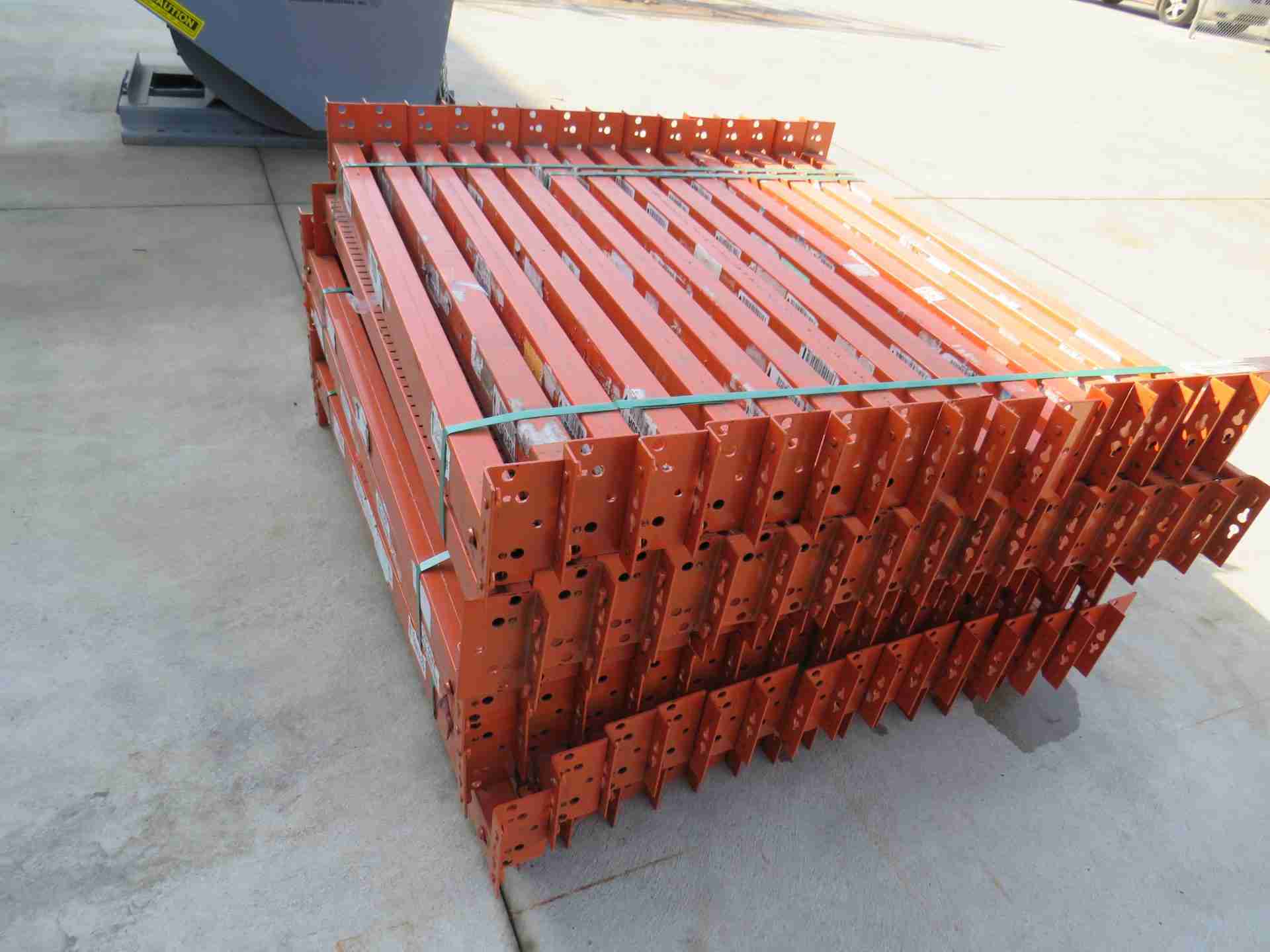
Growth Modeling Through Pallet Position Forecasting
Growth Modeling Through Pallet Position Forecasting
- Warehouse management relies on efficient use of space and workflow optimization.
- Pallet position forecasting is essential for predicting load placement and movement.
- Effective racking systems reduce chaos and increase productivity for warehouse teams.
- A well-organized warehouse fosters trust and camaraderie among workers.
- Data-driven decisions enhance accountability and strategic planning.
- Every pallet represents hard work and contributes to the overall success of operations.
- Investing in efficient practices creates a thriving workplace culture and community.
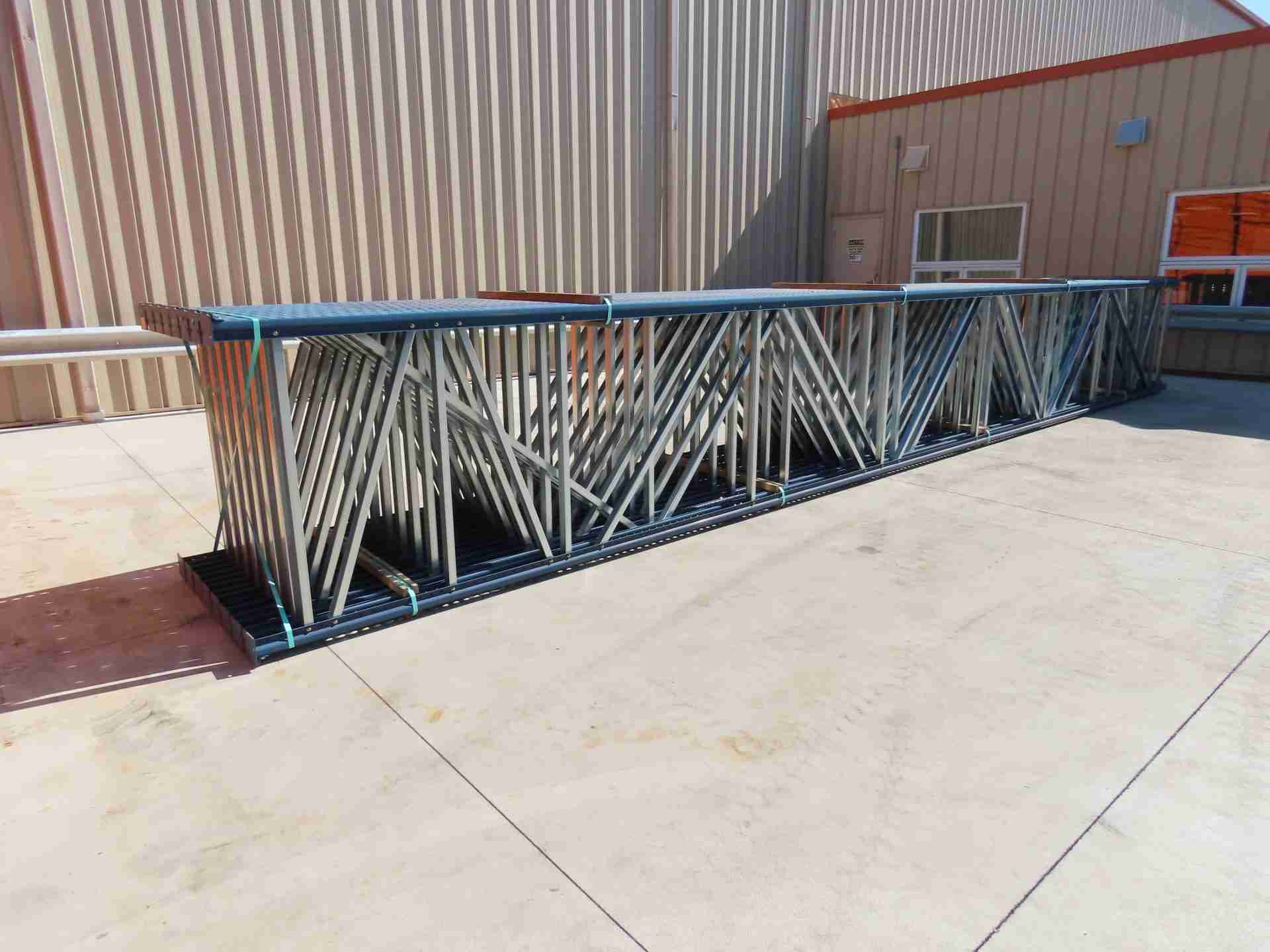
Growth Modeling Through Pallet Position Forecasting
Table Of Contents
- Growth Modeling Through Pallet Position Forecasting
- How Can Pallet Position Forecasting Boost Your Warehouse Efficiency?
- What Is the Impact Of Inaccurate Pallet Positioning on Profits?
- How Do Leading Companies Leverage Growth Modeling Techniques?
- What Ethical Considerations Arise In Pallet Position Forecasting?
- How Can Accurate Forecasting Enhance Supply Chain Sustainability?
- What Role Does Technology Play In Optimizing Pallet Placement?
- Conclusion
- Other Resources
- Glossary Of Terms
- Other Questions
- Checklist
How Can Pallet Position Forecasting Boost Your Warehouse Efficiency?
In the hustle and bustle of warehouse operations, finding that one pallet can feel like hunting for a needle in a haystack. It’s frustrating, time-consuming, and costs money—lots of it. That’s where pallet position forecasting comes into play, turning the chaotic dance of pallets into a well-choreographed routine.
Imagine your racking systems not only holding pallets but also whispering secrets of efficiency. By analyzing data and predicting where each pallet should be, your team becomes like seasoned veterans, effortlessly navigating the warehouse. It’s the difference between running around like headless chickens and moving with purpose, knowing exactly where to go when an order comes in.
From a practical standpoint, think of the reduced labor costs. When employees spend less time searching and more time fulfilling orders, everybody wins. The rational mind appreciates the bottom line: fewer man hours wasted means greater profits. Meanwhile, ethically, you’re fostering a work environment that respects employees’ time and effort—valuing their contributions instead of treating them as mere cogs in a machine.
There’s also an emotional angle here. When workers feel empowered with the right tools and systems, morale skyrockets. Instead of grinding through tedious tasks, they find satisfaction in knowing they’re part of something bigger—an efficient, well-oiled operation. The shared success in hitting targets and meeting customer demands builds camaraderie, turning colleagues into a supportive family that celebrates wins together.
Furthermore, let’s talk about trust. When management embraces such systematized forecasting, it signals a commitment to excellence. Workers understand that the leadership is invested in streamlining processes, reducing strain, and promoting workplace safety. They can depend on this data-driven strategy, leading to increased confidence in their daily tasks.
Lastly, it’s a community effort. Many warehouses are linked to local suppliers and partners, creating a ripple effect. Efficient operations lead to quicker deliveries and happier customers, who might just become your next biggest advocates. When your warehouse runs smoothly, word spreads. Others in the industry take note, and suddenly your operation becomes a benchmark for success—a leader in a competitive landscape.
By harnessing the insights provided by pallet position forecasting, you’re not just improving storage and retrieval; you’re breathing new life into your entire warehouse culture, driving efficiency from the ground up. This is more than logistics; it’s about making every inch of space, every minute of time, and every worker’s effort count.

How Can Pallet Position Forecasting Boost Your Warehouse Efficiency?
How Can Pallet Position Forecasting Boost Your Warehouse Efficiency?
- Pallet position forecasting improves warehouse efficiency by predicting pallet locations.
- Reduces labor costs and man-hours spent searching for pallets, resulting in higher profits.
- Fosters a respectful work environment that values employee contributions.
- Boosts employee morale by providing tools that enhance job satisfaction and teamwork.
- Builds trust between management and workers, indicating a commitment to process improvement and safety.
- Creates a ripple effect in the community, leading to quicker deliveries and happy customers.
- Transforms warehouse culture by maximizing space, time, and employee efforts.
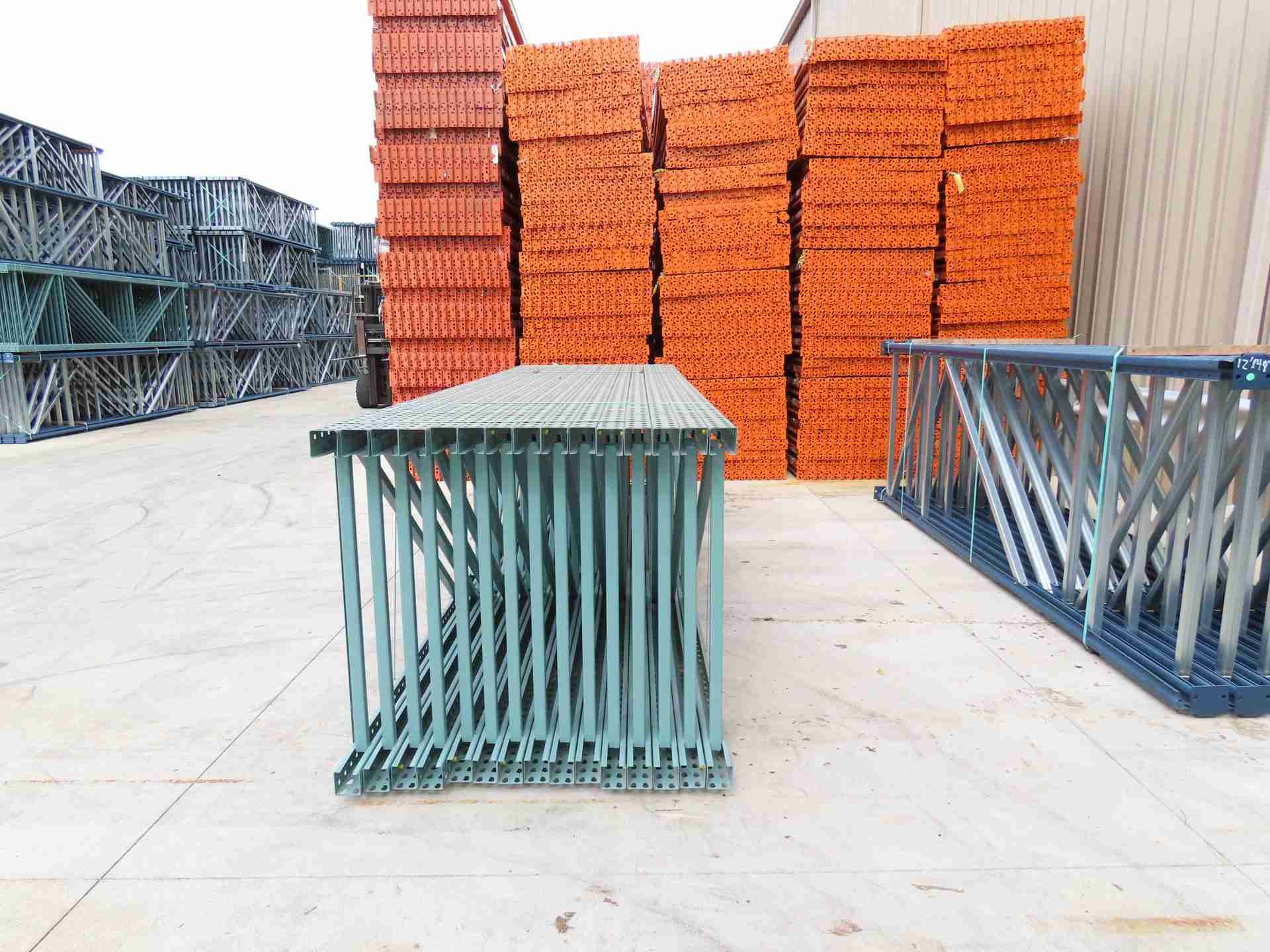
How Can Pallet Position Forecasting Boost Your Warehouse Efficiency?
What Is the Impact Of Inaccurate Pallet Positioning on Profits?
Imagine starting your day in a warehouse where everything’s organized neatly. Racking systems stand in perfect rows, each pallet assigned its rightful place. But as the clock ticks, workers place pallets incorrectly, stacking them haphazardly. This isn’t just a hiccup; it’s a ticking bomb for profits. Each misplaced pallet disrupts the flow and efficiency, a problem that seems small but has ripple effects on the bottom line.
First off, when pallets aren’t accurately positioned, it creates chaos. Staff waste precious time searching for products buried beneath the wrong stacks. A good worker can become frustrated, feeling like they’re swimming against the tide. This frustration impacts morale, leading to decreased productivity and job satisfaction. Workers want to take pride in their job; they want to feel like a well-oiled machine instead of a cog in a faulty system.
From a financial standpoint, it’s like pouring money down the drain. Unscheduled labor costs rise. Inventory losses mount as items get damaged or go missing. It’s not just about dollars and cents; think about missed deadlines and dissatisfied customers. A reliable supply chain is what keeps relationships thriving, but one slip can lead to a break in trust. Consistency matters in this business, and inconsistencies stirred by inaccurate pallet positioning can turn loyal customers into former clients.
There’s also an ethical angle to consider. Inaccurate pallet positioning can lead to overworking employees, asking them to fix problems that should never have existed. This isn’t just about pushing products; it’s about treating your workforce with respect. People deserve to work in environments where systems function smoothly, where they can feel secure and valued.
Consider this: if racking systems are designed to create efficiency, each worker needs to be the keeper of that efficiency. Stories abound of warehouses that turned it all around with simple training and a focus on accurate pallet placement. A culture of diligence fosters visible improvement. When teams take ownership, profits follow, not just in numbers but in the pride of a job well done.
So, let’s get back to the basics. Every pallet positioned incorrectly is a gamble—a risk that costs more than just money. It’s about harmony in the workplace, customer satisfaction, and ethical responsibility. By honing in on accuracy, you’re not just optimizing space; you’re building a legacy of trust and reliability that keeps the gears of industry turning smoothly.
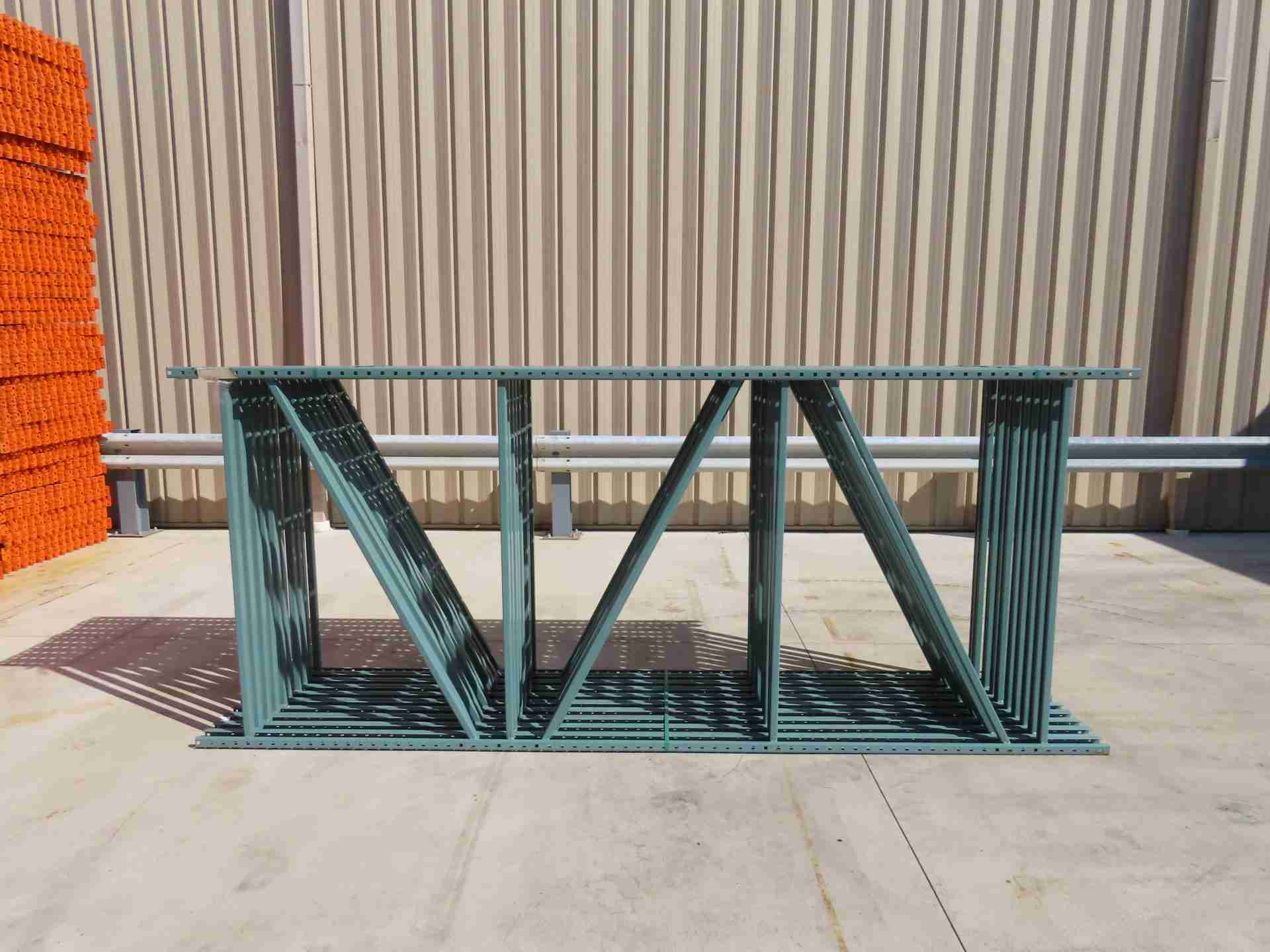
What Is the Impact Of Inaccurate Pallet Positioning on Profits?
What Is the Impact Of Inaccurate Pallet Positioning on Profits?
- Neatly organized warehouses can quickly become chaotic due to incorrect pallet placement.
- Improper stacking leads to time loss as workers search for misplaced products, harming morale and productivity.
- Financial losses accrue from rising labor costs, inventory losses, and customer dissatisfaction.
- Inconsistent pallet positioning can damage customer relationships and trust in the supply chain.
- Ethical concerns arise as workers face overexertion fixing preventable issues.
- Training and a focus on accurate pallet placement can significantly improve warehouse efficiency.
- Maintaining accuracy fosters workplace harmony, customer satisfaction, and a legacy of reliability.
What Is the Impact Of Inaccurate Pallet Positioning on Profits?
How Do Leading Companies Leverage Growth Modeling Techniques?
In today’s tough economic landscape, companies are increasingly turning to growth modeling techniques to stay ahead of the game. By leveraging data-driven insights, businesses can chart a clear path forward, much like the sturdy racking systems that neatly organize warehouses, maximizing space and efficiency. These models aren’t just numbers on a screen; they’re the backbone of strategic decisions that impact jobs, livelihoods, and communities.
Picture a factory floor, where every component is essential, from the smallest screw to the largest machine. Leaders understand that growth isn’t a one-size-fits-all approach. They tailor their strategies, much like a skilled tradesman customizing tools for specific jobs. This personalization builds trust, as employees see their leaders making informed choices that consider both the figures and the team on the ground. When the workforce feels valued, through clear communication and shared goals, morale rises. This sense of belonging fosters a culture where everyone is engaged, working toward a common purpose.
Now, let’s get down to brass tacks. Growth modeling techniques also teach companies to anticipate challenges. Rather than waiting for the storm to hit, they prepare, much like checking equipment before a big job. The ability to predict market shifts empowers companies to act with confidence, giving each employee a sense of security and purpose. This assurance resonates at the gut level, knowing that their work contributes to a greater goal.
Moreover, there’s an ethical angle in using these techniques. Organizations that model growth responsibly show a commitment to long-term success over quick wins. This creates a ripple effect, inspiring other businesses to follow suit, thus elevating the entire industry’s standards. When companies view growth as a marathon rather than a sprint, they’re not just ensuring survival but paving the way for sustainable futures. The narrative of every growth story should highlight community benefits, like job creation and innovation.
Finally, the social element cannot be ignored. Successful companies often share their insights and techniques, helping others to grow alongside them. This fosters a sense of camaraderie in the industry, where everyone learns from each other. Building a community around shared knowledge feels like neighbors helping each other out, rather than fierce competition.
By integrating growth modeling techniques with heart, head, and gut, companies not only drive success but also create lasting relationships based on trust, loyalty, and mutual support. Just like a well-engineered racking system, when each piece is in its right place, the whole operation thrives.
How Do Leading Companies Leverage Growth Modeling Techniques?
How Do Leading Companies Leverage Growth Modeling Techniques?
- Companies are utilizing growth modeling techniques to navigate a challenging economic environment.
- Data-driven insights provide a strategic foundation for decision-making, impacting jobs and communities.
- Tailored strategies build trust between leaders and employees, enhancing morale and engagement.
- Growth modeling helps companies anticipate challenges, allowing proactive rather than reactive measures.
- Responsible growth modeling fosters long-term success, benefiting the industry as a whole.
- Successful companies share knowledge, promoting a collaborative industry rather than competition.
- Integrating growth modeling with ethical practices creates strong relationships based on trust and support.

How Do Leading Companies Leverage Growth Modeling Techniques?
What Ethical Considerations Arise In Pallet Position Forecasting?
Pallet position forecasting isn’t just about crunching numbers or optimizing storage space; it strikes at the heart of how we operate as a community within the supply chain. When we look at racking systems and how they store goods, it should make us think not just in terms of efficiency, but also about the human element involved. Each pallet holds products that serve people’s everyday needs—food, medicines, and materials vital for countless businesses. It’s essential to remember that behind every box, there’s a story, a person that relies on the supply chain to function seamlessly.
The ethical considerations in forecasting demand that we respect these stories. Relying on algorithms to determine pallet positions can sometimes create a disconnect. When companies prioritize profits and efficiency over the human costs of their decisions, they risk alienating both their workforce and their customers. For someone working on the warehouse floor, knowing that their productivity metrics hinge on cold data can feel like they’re just a cog in the machine. By fostering an atmosphere that values every team member’s input, companies can inspire trust and create a more cohesive environment, wherein everyone feels they share responsibility for the end product that reaches consumers.
Think about the ripple effects of poor forecasting. Inaccurate predictions can lead to overstocking or stockouts, affecting both suppliers and customers. If a local grocery store runs out of essential items because the pallets weren’t positioned correctly, it’s not just a lost sale — it’s a family that goes without dinner or a small business struggling to keep its shelves stocked. Ethical forecasting isn’t merely an operational challenge; it’s about ensuring that we meet the needs of our community without excess waste.
Moreover, there’s an authority that comes from transparency in these processes. When companies openly discuss their forecasting techniques and the principles that guide them, it builds confidence. Customers are more likely to support businesses that demonstrate responsibility and ethical consideration in their logistics practices, especially in an age where consumers are increasingly scrutinizing corporate behavior.
Ultimately, engaging in ethical considerations within pallet position forecasting lays the groundwork for a sustainable operation. When firms prioritize the human aspects of their forecasting methods alongside the practicalities of racking systems, everyone benefits—from the warehouse workers to the end consumers—creating an ecosystem that is resilient, trustworthy, and ready to respond to the ever-changing market demands.

What Ethical Considerations Arise In Pallet Position Forecasting?
What Ethical Considerations Arise In Pallet Position Forecasting?
- Pallet position forecasting involves more than just logistics; it is rooted in the human aspect of the supply chain.
- Each pallet contains products essential for daily life, underscoring the need for ethical considerations in forecasting.
- Algorithm reliance can lead to disconnection between companies and their employees or customers.
- Transparency in forecasting processes builds trust with consumers and reflects corporate responsibility.
- Poor forecasting can result in overstocking and stockouts, directly impacting communities and businesses.
- Ethical forecasting helps meet community needs while minimizing waste and inefficiencies.
- Prioritizing human factors in logistics creates a resilient ecosystem beneficial for all stakeholders.

What Ethical Considerations Arise In Pallet Position Forecasting?
How Can Accurate Forecasting Enhance Supply Chain Sustainability?
Accurate forecasting isn’t just about crunching numbers and predicting sales; it holds the key to a more sustainable supply chain, impacting the environment and our communities. Imagine a warehouse bustling with Racking Systems, laden with products that could either be perfectly positioned to meet demand or wasted because of a poor guess. When businesses have the foresight to predict what their customers need, they’re not just keeping profits afloat—they’re minimizing waste. Each wrong turn in inventory means more discarded goods, more resources drained, and a heavier burden on our planet.
Take a moment to think about the families that count on these supply chains. A reliable system means fresh produce on shelves when it’s most needed. It’s about the farmer not having to throw away surplus crops that went unsold. It’s about the truck driver making their deliveries right on time, reducing unnecessary fuel consumption. When we get forecasting right, we get to make decisions that benefit everyone—like selecting Racking Systems that are designed for efficient storage, allowing us to streamline operations and cut down on excess.
Using precise forecasting gives businesses authority over their processes. It demonstrates responsibility and a commitment to ethical practices. This isn’t just about profit margins; it’s a chance to show customers that companies care about more than just their bottom line. They care about their footprint—about how every choice they make today impacts tomorrow.
Narratives abound of companies that turned their fortunes around simply by embracing data-driven decisions. One local business started predicting sales trends with better accuracy and soon discovered pathways to donate surplus food to shelters instead of tossing it. They became a cornerstone in the community, inspiring trust and connection.
In practical terms, this touches our gut. It resonates with our sense of right and wrong. We all want to be part of a solution, rather than contributing to the problem. Sustainable supply chains modeled on accurate forecasts shape a future where commerce aligns with care for the environment and society.
The road to a sustainable future is paved with the wisdom of planning ahead. By using tools that enhance forecasting, we not only protect our resources but also forge a stronger bond with the communities we serve. Let’s embrace this challenge, knowing that accuracy can lead to lasting change—one Racking System, one delivery, and one life at a time.

How Can Accurate Forecasting Enhance Supply Chain Sustainability?
How Can Accurate Forecasting Enhance Supply Chain Sustainability?
- Accurate forecasting is vital for creating a sustainable supply chain, positively impacting the environment and communities.
- Effective prediction helps minimize waste and resource depletion, benefiting both profits and the planet.
- Reliable forecasting ensures essential goods are available, supporting farmers and reducing excess inventory.
- Businesses that embrace accurate forecasting demonstrate ethical responsibility and a commitment to sustainable practices.
- Data-driven decisions can transform companies and foster community trust, as seen in local businesses donating surplus food.
- Sustainable supply chains align with environmental care and societal needs, promoting long-term positivity.
- Investing in forecasting tools paves the way for stronger community bonds and resource protection.

How Can Accurate Forecasting Enhance Supply Chain Sustainability?
What Role Does Technology Play In Optimizing Pallet Placement?
In today’s fast-paced world, the importance of technology in optimizing pallet placement can’t be overstated. It’s not just about moving boxes; it’s about creating an efficient, reliable workflow that can make or break a business. Picture a warehouse bustling with activity. Workers sweat under the fluorescent lights, maneuvering through narrow aisles, all while navigating a labyrinth of racking systems. Now imagine introducing technology to this scene. Suddenly, those workers aren’t just pushing pallets; they’re armed with data-driven insights that revolutionize their approach.
Implementing advanced software for pallet placement allows for precision that manual methods can’t match. This technology takes into account factors like weight distribution, storage requirements, and aisle space, making the best use of every inch of the racking systems. It’s a relief to know that you’re not just stacking pallets haphazardly, but rather creating a methodical, organized layout. This thoughtful arrangement not only maximizes efficiency but also minimizes the risk of accidents — a crucial factor in any warehouse setting where safety is paramount.
Moreover, when employees feel confident in their workspace, productivity tends to skyrocket. Think about it: A workplace where every pallet has a designated spot, where the layout is clear and intuitive. It fosters teamwork and encourages employees to take pride in their environment. There’s nothing quite like the satisfaction of a job well done, and when technology paves the way for that success, it builds trust among the workforce.
On the ethical front, utilizing technology responsibly demonstrates a commitment to sustainability. Efficient pallet placement reduces waste, ensuring that resources are used wisely. This isn’t just good for the bottom line; it’s about making a positive impact on the community and environment. Workers can feel proud knowing their efforts contribute to a larger purpose.
In a world where competition is fierce, leveraging technology in pallet placement gives businesses a competitive edge. It shows potential clients that a company values innovation and efficiency, setting a standard others will strive to meet. The narrative here is one of progress — a story of how technology can transform traditional practices, creating a safer and more productive workplace.
This is about connection and shared experience. Every worker, every manager, can relate to the stresses of a chaotic warehouse. But when technology steps into the ring, it’s like a trusted partner helping you navigate the challenges. And that’s what makes all the difference in optimizing pallet placement, turning a difficult task into a streamlined operation that everyone can rally behind.

What Role Does Technology Play In Optimizing Pallet Placement?
What Role Does Technology Play In Optimizing Pallet Placement?
- Technology optimizes pallet placement, enhancing workflow efficiency in warehouses.
- Advanced software enables precision in pallet placement, considering weight distribution and storage needs.
- Organized pallet layout maximizes efficiency and minimizes accident risks.
- Confidence in the workspace boosts employee productivity and fosters teamwork.
- Responsible use of technology supports sustainability by reducing waste and promoting resource efficiency.
- Leveraging technology provides a competitive edge and showcases a company’s commitment to innovation.
- Technology transforms traditional practices, creating safer, more productive work environments.
What Role Does Technology Play In Optimizing Pallet Placement?
Conclusion
In the world of warehouse management, effective pallet position forecasting is more than just a technical tool; it’s a transformative strategy that enhances operational efficiency and fosters a positive work environment. The heart of a thriving warehouse lies in its ability to organize and optimize space, ensuring that every pallet has a designated spot that maximizes workflow. When utilized correctly, advanced forecasting helps workers navigate their roles with purpose, eliminating the frustrating chaos that often plagues busy facilities. Imagine a scenario where labor hours spent searching for misplaced pallets become a thing of the past. Time saved translates directly to increased productivity and morale, as employees feel valued and empowered in their roles.
Pallet forecasting builds trust within teams, creating a supportive culture where everyone understands their contributions to the bigger picture. By emphasizing clarity in operations, it promotes efficient communication, ensuring workers can quickly access what they need to meet demands. From an ethical perspective, using data to make informed decisions signifies a commitment to accountability and excellence—building trust with employees who see leadership taking their roles seriously. This ethical commitment extends outward, positively impacting relationships with customers and suppliers, reinforcing the idea that efficient operations should respect both people and resources.
Moreover, the potential for community-building through shared knowledge and best practices cannot be understated. When companies leverage growth modeling techniques responsibly, they set benchmarks within their industries, inspiring others to follow suit. This creates a ripple effect, enhancing overall trust and camaraderie. Striving for accuracy in pallet positioning not only mitigates waste but ensures essential items reach consumers when needed, establishing a direct link between logistical efficiency and community impact.
Ultimately, embracing comprehensive pallet position forecasting is not just about enhancing logistical operations; it’s about cultivating a workplace where employees thrive, productivity flourishes, and ethical practices lead to sustainable success. Investing in these systems positions businesses to be not just participants in the market, but leaders who prioritize both profit and purpose. As warehouses evolve into well-oiled machinery, they also transform into communities rooted in collaboration and shared success, paving the way for a future where everyone benefits from improved practices. The journey toward this ideal isn’t just a strategic move; it’s a commitment to aligning work with the human experience, ensuring every pallet—and every person—counts.

Conclusion
Conclusion:
- Effective pallet position forecasting enhances operational efficiency and fosters a positive work environment in warehouses.
- Organized space maximizes workflow by ensuring every pallet has a designated spot.
- Advanced forecasting eliminates chaos, saving time and increasing employee productivity and morale.
- Pallet forecasting builds trust within teams and promotes a supportive workplace culture.
- Emphasizing clarity in operations improves communication and access to necessary resources.
- Using data for decision-making fosters accountability and positively impacts relationships with customers and suppliers.
- Comprehensive pallet position forecasting cultivates a collaborative community and aligns work with the human experience.
Conclusion
Other Resources
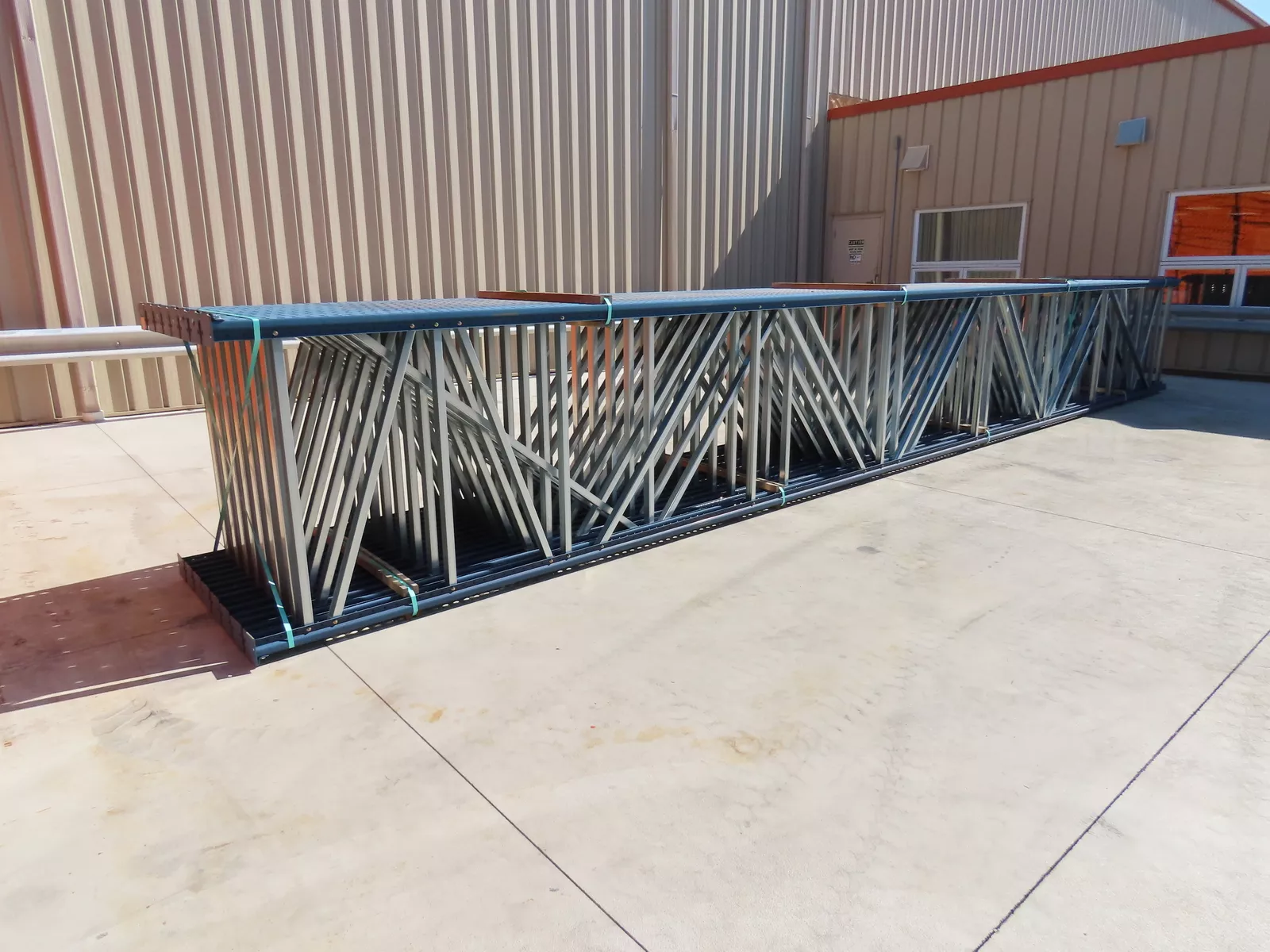
Other Resources
Here is a list of other resources you can review online to learn more:
- Pallet Racking systems in Illinois and Great Lakes
- Selective Pallet Racking Systems
- CMMA
- American Society of Safety Professionals
- Illinois Pallet Racking – Storage Solutions
- Warehouse Racking Systems: Beginner’s Guide to Rack Systems
- SEMA
- Used Pallet Rack for Sale in Illinois – American Surplus
- Pallet Rack Systems – New and Used Pallet Racking and Shelving Experts
- International Warehouse Logistics Association
- Warehouse Racks, Warehouse Racking in Stock – ULINE
- Material Handling Safety
- The Complete Pallet Rack Guide – Simply Rack
- Interlake Mecalux
- Wolter
- Warehouse Storage Racking in Illinois
- Iowa Illinois Warehouse Racking
- Logic Material Handling
- Heavy-Duty Cantilever Storage Racks
- Used Teardrop Pallet Rack – American Surplus
Use This Prompt To Get More Resources With Your Favorite Online AI Tool: Please provide me with a list of online articles with their URLs in a bulleted list that I can read regarding Growth Modeling Through Pallet Position Forecasting
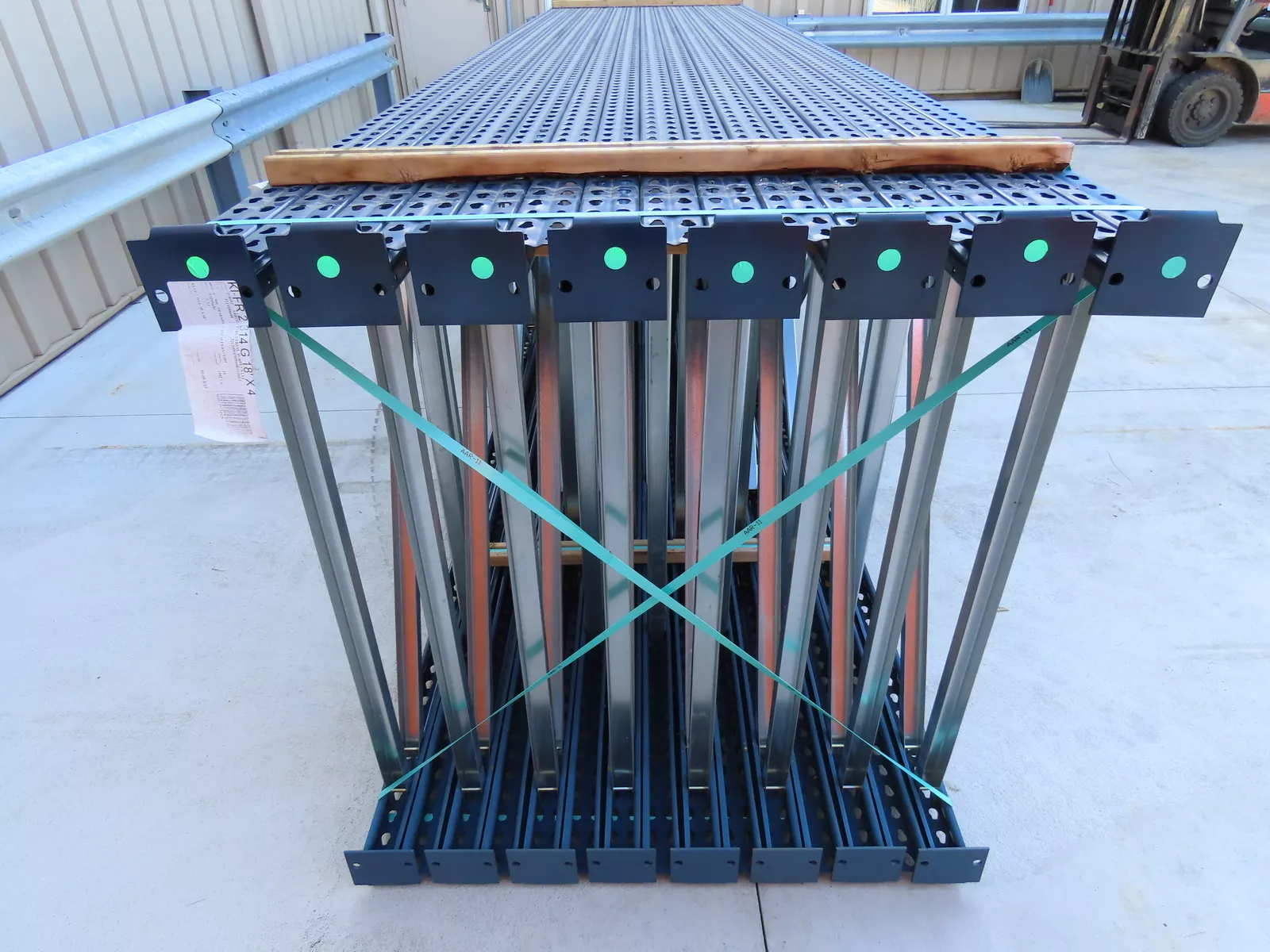
Other Resources
Glossary Terms
Growth Modeling Through Pallet Position Forecasting – Glossary Of Terms
1. Growth Modeling: A statistical technique used to predict future developments based on historical data trends.
2. Pallet Positioning: The strategic arrangement of pallets in a storage or distribution area to optimize space and access.
3. Forecasting: The process of estimating future outcomes based on current and historical data.
4. Supply Chain: A network between a company and its suppliers to produce and distribute a specific product.
5. Inventory Management: The supervision of non-capitalized assets, or inventory, to ensure efficient storage and distribution.
6. Data Analytics: The science of analyzing raw data to discover trends and patterns.
7. Logistics: The detailed coordination of complex operations involving people, facilities, and supplies.
8. Capacity Planning: The process of determining the production capacity needed to meet changing demands.
9. Demand Forecasting: Predicting future customer demand to ensure that products are available when needed.
10. Operational Efficiency: A measure of how well a company converts inputs into outputs, maximizing output while minimizing waste.
11. Inventory Turnover: The ratio showing how many times a company’s inventory is sold and replaced over a period.
12. Lead Time: The amount of time that passes from when an order is placed until it is fulfilled.
13. Warehouse Management: The administration of warehouse operations including inventory control, order fulfillment, and shipping.
14. Flow Optimization: Streamlining processes to reduce bottlenecks and improve efficiency in supply chains.
15. Cycle Time: The total time it takes to complete a task from start to finish.
16. Performance Metrics: Quantifiable measures used to evaluate the success of an organization or of an employee in meeting objectives.
17. Resource Allocation: Distributing available resources in an efficient manner to meet objectives.
18. Data Visualization: The graphical representation of information and data to aid understanding.
19. Market Analysis: The study of market dynamics to inform business strategies and growth opportunities.
20. Cost-Benefit Analysis: A process of comparing the costs and benefits associated with a business decision.
21. Warehouse Layout: The arrangement of physical space within a warehouse to maximize efficiency.
22. Inventory Optimization: The process of determining the optimal inventory level to meet demand and reduce holding costs.
23. Algorithm: A set of rules or processes for solving a problem in a finite number of steps.
24. Simulation Modeling: Using mathematical models to replicate the behavior of systems to predict their performance.
25. Benchmarking: Comparing business processes and performance metrics to the best practices from other organizations.
26. Customer Segmentation: The process of dividing a customer base into groups of individuals that are similar in specific ways.
27. E-commerce: The buying and selling of goods or services over the internet.
28. Analytical Hierarchy Process: A structured technique for organizing and analyzing complex decisions, based on mathematics and psychology.
29. Continuous Improvement: Ongoing efforts to enhance products, services, or processes over time.
30. Sustainability Metrics: Criteria used to measure the environmental, social, and economic impacts of operations.
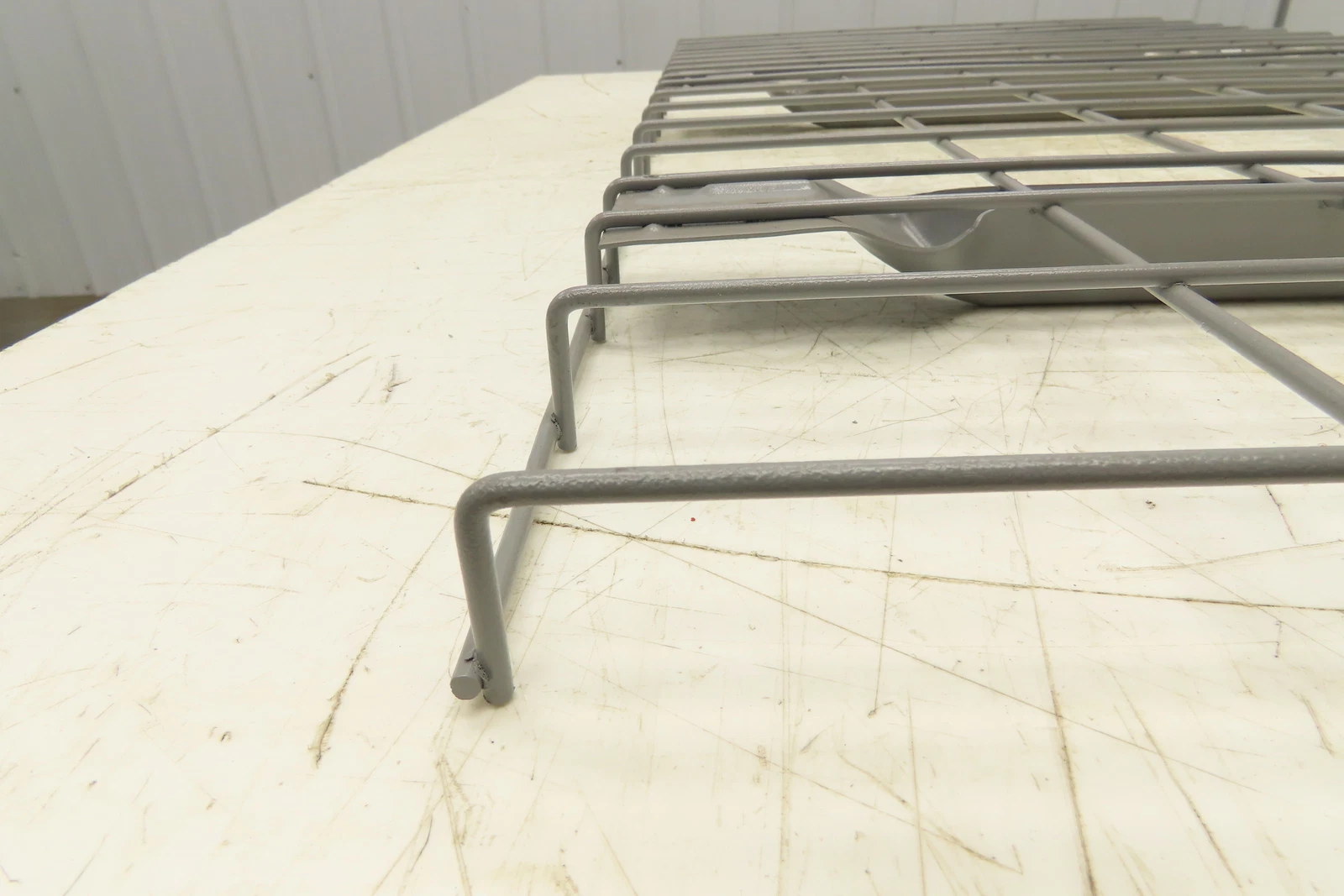
Glossary Of Terms
Other Questions
Growth Modeling Through Pallet Position Forecasting – Other Questions
If you wish to explore and discover more, consider looking for answers to these questions:
- What exactly is pallet position forecasting and how does it differ from traditional inventory management?
- What specific data inputs are required to build accurate pallet position forecasts?
- Which forecasting models (statistical, machine learning, hybrid) work best for pallet positioning?
- How do you measure the accuracy and ROI of pallet position forecasting?
- What are realistic performance benchmarks for pick time, order accuracy, and space utilization after implementation?
- How long does it typically take to implement a pallet position forecasting solution in an existing warehouse?
- What are the upfront and ongoing costs (software, hardware, training, maintenance)?
- How does pallet position forecasting integrate with existing WMS, ERP, and WCS systems?
- What hardware is needed (RFID, barcode scanners, IoT sensors, cameras) and where should it be deployed?
- Can forecasting work in real time, and what latency is acceptable for operational decisions?
- How do you handle exceptions, ad-hoc placements, and human errors in the system?
- What change management and training strategies ensure adoption by warehouse staff?
- How does the system handle seasonal demand spikes, promotions, or sudden supply disruptions?
- What safety and regulatory considerations affect pallet placement recommendations?
- How does pallet forecasting account for product attributes like weight, fragility, temperature sensitivity, and expiry dates?
- Which racking systems (selective, drive-in, pallet flow, push-back) are most compatible with forecasting approaches?
- How do you validate and clean the data used for forecasting to avoid garbage-in/garbage-out?
- What are the privacy and cybersecurity risks associated with the data and systems, and how are they mitigated?
- How does forecasting impact labor planning, scheduling, and staffing levels?
- What are the ethical implications for workforce displacement or performance monitoring?
- How can small or mid-sized warehouses adopt forecasting economically?
- What KPIs should managers monitor to evaluate success (e.g., turns per bay, pick rate, damage rate)?
- Are there published case studies or real-world examples demonstrating measurable benefits?
- What vendor selection criteria should be used when choosing forecasting software?
- How scalable are solutions for multi-site operations or distributed networks?
- How does forecasting interact with cross-docking, returns processing, and reverse logistics?
- What contingency plans are recommended if the forecasting system fails or provides poor recommendations?
- How often should forecasts be retrained or re-parameterized to remain accurate?
- What role do human supervisors play in overriding or fine-tuning automated placement decisions?
- How can forecasting reduce waste and improve sustainability metrics across the supply chain?
- What specific environmental benefits (fuel reduction, lower spoilage) can be expected?
- How are mixed pallets, LTL shipments, and non-standard skids handled by the system?
- What labeling and identification standards (SSCC, GS1, barcode schemes) are recommended?
- How does the system prioritize competing objectives (throughput vs. storage density vs. safety)?
- What pilot project design is recommended to prove value before full rollout?

Other Questions
Checklist
Growth Modeling Through Pallet Position Forecasting – A Checklist
Define Objectives
✅______ Set measurable targets (e.g., reduce search time, travel distance, damages, stockouts)
✅______ Establish service-level goals and acceptable demand variability
✅______ Build a financial case (baseline costs, ROI, sensitivity)
Prepare Data Foundations
✅______ Clean SKU master data (dimensions, weight, handling class, stackability)
✅______ Classify items (ABC/XYZ, temperature/hazard, FIFO/FEFO needs)
✅______ Consolidate order history, seasonality, lead times, and returns
✅______ Validate inventory accuracy and the location master
✅______ Enable data capture (scanners, RFID/RTLS where applicable)
Assess Layout and Racking
✅______ Audit rack types, capacities, slot sizes, aisle widths, and clearances
✅______ Verify load ratings, weight distribution, and seismic and safety requirements
✅______ Map golden zones, pick faces, cross-dock areas, and fast-mover areas
✅______ Identify congestion points and travel bottlenecks
Design Forecasting and Slotting Logic
✅______ Select a forecasting approach (time-series or ML) with seasonality and promotions
✅______ Convert demand forecasts to pallet and slot requirements by period
✅______ Encode constraints (cube, weight, compatibility, temperature, hazmat)
✅______ Define slotting rules (by velocity, family, rotation method)
✅______ Set re-slotting cadence and triggers (velocity change, new SKU, peak)
Standardize Putaway and Retrieval
✅______ Create SOPs for putaway, replenishment, and exception handling
✅______ Prioritize locations (golden zone for fast movers; ends and corners for slow movers)
✅______ Implement a clear location schema and labeling (barcode or RFID)
✅______ Enforce FEFO/FIFO where required (for perishables and date codes)
Enable Technology
✅______ Integrate WMS/WES/TMS with slotting and forecasting tools
✅______ Use a digital twin or simulation for layout and flow testing
✅______ Deploy mobile workflows and real-time tasking
✅______ Set up dashboards for live KPIs and alerts
Develop Workforce Capability and Culture
✅______ Train teams on SOPs, location schema, and safety practices
✅______ Establish feedback loops from operators to planners
✅______ Recognize improvements and reinforce standard work
Embed Ethics and Transparency
✅______ Communicate how data informs workload and safety
✅______ Avoid incentives that encourage unsafe speed or mis-slotting
✅______ Share forecasting principles with employees and partners
Strengthen Sustainability
✅______ Measure and reduce waste, damages, and obsolescence
✅______ Optimize travel paths and loading to cut fuel and energy use
✅______ Plan secondary markets and donations for surplus inventory
✅______ Track CO2e per order and space utilization
Manage Risk and Safety
✅______ Inspect racks, pallets, and aisles on a fixed cadence
✅______ Verify load labeling, overhang limits, and clear egress
✅______ Create contingency plans for stockouts, overstock, and peak surges
Monitor KPIs and Governance
✅______ Track pick and putaway time, travel distance, inventory accuracy, OTIF, damages, labor hours, utilization, stockouts and overstocks, employee morale, and CO2e
✅______ Assign ownership and review cadence; run weekly exception reports
Drive Continuous Improvement
✅______ A/B test slotting and layout changes
✅______ Run post-peak retrospectives and implement learnings
✅______ Refresh forecasts and re-slot to reflect current demand
Execute Rollout Plan
✅______ Pilot in a defined zone with success criteria
✅______ Stage a phased rollout with change control and training
✅______ Communicate updates to suppliers, carriers, and customers

Checklist
At RackingWorld, we help guide you through selecting warehouse storage systems and racking.
Be sure to read our other related stories at RackingWorld to learn more about warehouse storage systems.
0 Comments