
Choosing Wisely: The Impact Of FIFO Vs LIFO On Your Success
By Tom Seest
At RackingWorld, we help guide you through selecting warehouse storage systems and racking.
Be sure to read our other related stories at RackingWorld to learn more about warehouse storage systems.
FIFO Vs LIFO: Designing for the Right System
When we talk about FIFO (First In, First Out) and LIFO (Last In, First Out), it’s not just about inventory; it’s about the lifeblood of our business. Think of it as a racking system in the warehouse of our lives. We’ve all faced tough choices that impact our operations, from handling perishables to managing old stock. In a world that seems to speed up every day, deciding how to manage our resources can feel like the difference between thriving and merely surviving.
Using FIFO means making sure the oldest items move out first, safeguarding freshness, quality, and trust with customers. It’s about doing right by the product and the people relying on those goods. It’s like making sure that the family recipe, passed down through generations, gets served at the dinner table before it’s forgotten. We’re not just moving boxes; we’re moving legacy, promise, and responsibility.
On the flip side, LIFO can be a smart tactic in certain scenarios, where cash flow and tax advantages come into play. Think of it as tucking away things that have a little more time before they’re needed, almost like putting your favorite tools at the back of the shed to keep the work area clear and organized. But it requires diligence; it’s about knowing when to pull the trigger without losing sight of long-term implications.
Balancing these systems is not just a technical decision; it’s one rooted in values. A well-designed racking system reflects our principles, whether it’s the lives we touch or the communities we build. By paying attention to our inventory—like we’d care for our own backyard—we ensure that every decision supports wider sustainability and integrity.
Communities thrive when businesses operate with transparency. Employees feel safer and more valued when they know that the processes in place are designed with consideration and purpose, whether it’s making sure the oldest goods go out first or assessing stock needs smartly. These decisions resonate beyond balance sheets; they create a narrative of trust that builds a solid foundation for any operation.
So, as you ponder your own systems, whether pulling from the front or the back of your stock, remember that each choice shapes not just how things flow but also how we connect with our values, our products, and each other. It’s about keeping not just our shelves stocked, but our principles intact.
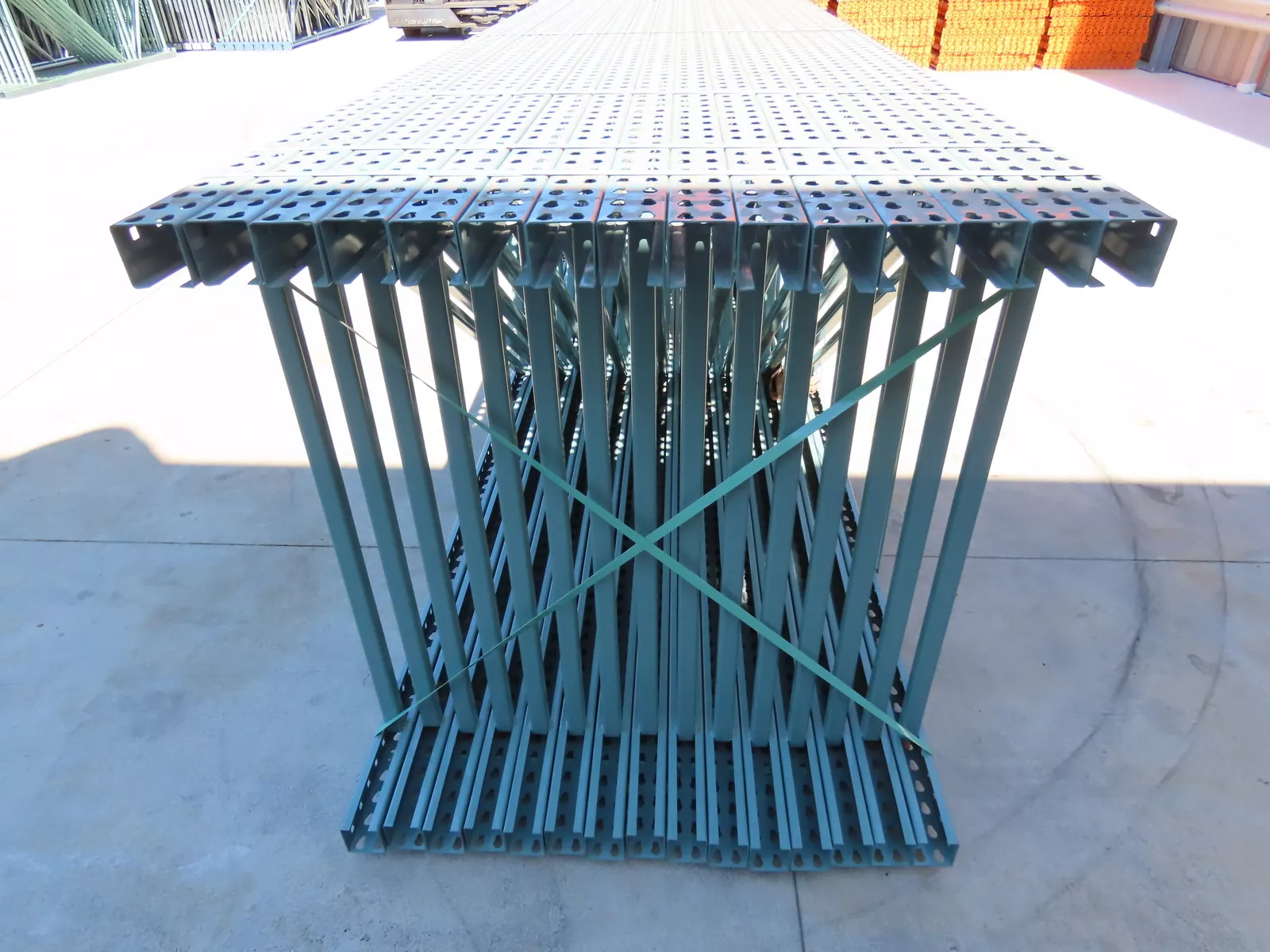
FIFO Vs LIFO: Designing for the Right System
FIFO Vs LIFO: Designing for the Right System
- FIFO (First In, First Out) and LIFO (Last In, First Out) are crucial for business operations beyond just inventory management.
- Using FIFO ensures the oldest products are prioritized, maintaining freshness and customer trust.
- LIFO can offer cash flow and tax benefits by keeping newer stock while ensuring older stock is managed effectively.
- Balancing FIFO and LIFO reflects a company’s values and commitment to sustainability.
- Transparent operations foster trust among employees and customers, contributing to community success.
- Decisions regarding inventory management impact broader narratives of responsibility and integrity.
- Each choice in inventory management shapes connections with values, products, and community relations.
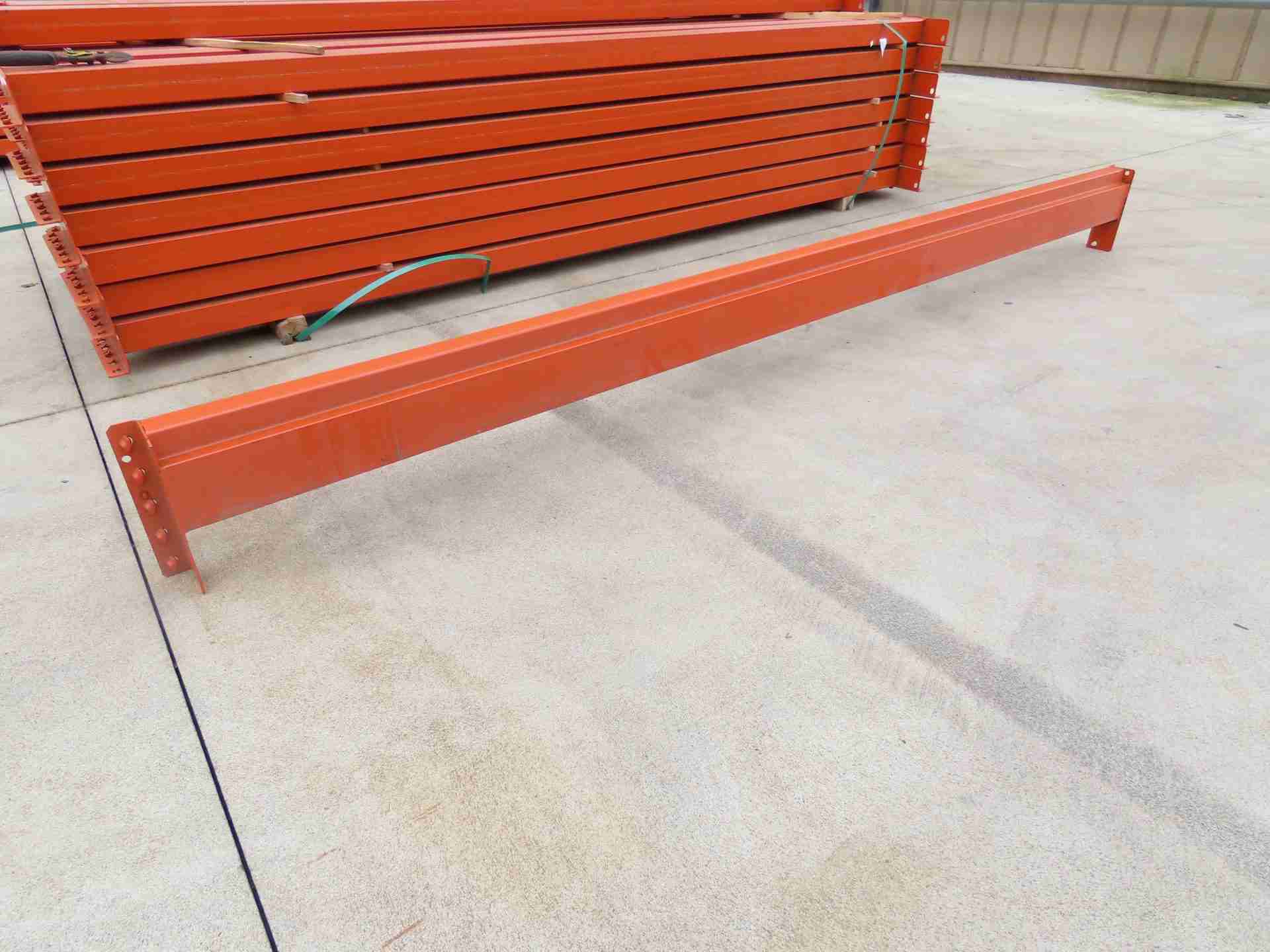
FIFO Vs LIFO: Designing for the Right System
Table Of Contents
- FIFO Vs LIFO: Designing for the Right System
- What Influences Your Choice Between FIFO and LIFO Systems?
- How Does Inventory Cost Impact Your Overall Profits?
- Are You Maximizing Cash Flow with Your Inventory Method?
- What Challenges Do You Face In Choosing Between FIFO and LIFO?
- How Do Market Trends Affect Your Inventory Management Choices?
- What Ethical Considerations Arise with FIFO Versus LIFO?
- Conclusion
- Other Resources
- Glossary Of Terms
- Other Questions
- Checklist
What Influences Your Choice Between FIFO and LIFO Systems?
Choosing between FIFO (First In, First Out) and LIFO (Last In, First Out) inventory systems isn’t just a technical decision; it’s one that echoes throughout a business, shaping its day-to-day operations and long-term future. Picture racking systems in a warehouse—how you store and track your inventory can make a world of difference. There’s something instinctual about FIFO, where the oldest products go out first. It feels fair, like giving the seasoned workers a chance before the fresh faces. This system resonates with the heart, reflecting a respect for the past, for the hard work that went into those older goods.
On the flip side, LIFO might tug at the gut, especially in times of rising prices. When you sell your most recently acquired inventory first, it can look like a smart financial move on paper, offering potential tax advantages. But let’s not kid ourselves; it can come with a cost. It often creates a stockpile of older, potentially obsolete goods lingering in the back of those racking systems, a haunting reminder of what wasn’t sold. The rational side of you might weigh the numbers: cash flow, taxes, and balance sheets. But don’t forget the ethical angle—what happens if those aging products become not just less valuable, but problematic?
Consider the narrative of your business. Choose FIFO, and you’re telling a story of freshness and quality, appealing to customers who crave that assurance in their products. If you’re selling perishables, embracing FIFO can save you from throwing out expired goods, avoiding waste and building trust with your clients. Meanwhile, LIFO may paint a picture of efficiency and pragmatism, catering to those who like the thrill of a good financial strategy. However, it’s an approach that could backfire, casting shadows on your commitment to quality.
Ultimately, your choice between FIFO and LIFO isn’t just about inventory; it’s about the connection you forge with your customers and the realities of your industry. As you stand before those towering racking systems, consider how each choice reflects who you are as a business. You want to inspire confidence and foster relationships, not just stack goods on shelves. Whatever path you choose, let it be one that aligns with your values, resonates with your audience, and feels right deep in your gut.

What Influences Your Choice Between FIFO and LIFO Systems?
What Influences Your Choice Between FIFO and LIFO Systems?
- Choosing between FIFO and LIFO affects daily operations and long-term business outcomes.
- FIFO promotes fairness by ensuring older products are sold first, reflecting respect for past efforts.
- LIFO can provide financial advantages, especially during rising prices, but may lead to obsolete inventory.
- The decision involves not only financial implications but also ethical considerations regarding aging products.
- FIFO enhances customer trust by reducing waste, particularly with perishable goods.
- LIFO may seem efficient, but it risks undermining perceived product quality and brand commitment.
- Ultimately, the inventory choice should align with business values and foster customer relationships.

What Influences Your Choice Between FIFO and LIFO Systems?
How Does Inventory Cost Impact Your Overall Profits?
In the world of business, inventory isn’t just a list of items on a shelf; it’s a lifeline. You might think of it as a racking system where every product, every dollar spent, must earn its keep. The costs tied to inventory—whether it’s holding costs, storage fees, or the downright inefficiency of having unsold goods—stack up quicker than you can say “overhead.” Once those costs pile up, they chip away at profits like a slow leak in a tire. Ignoring them means driving your business into the ground without even realizing it.
Consider the emotional investment. Every piece of inventory reflects countless hours of effort, dreams, and aspirations. We pour ourselves into our businesses, and every product is a promise to our customers. When that promise isn’t fulfilled due to mismanaged inventory costs, it feels personal. It’s not just about dollars and cents; it’s about trust. Customers who once relied on you can quickly turn away if they see you struggling to manage your stock. This isn’t just bad for business; it affects your reputation, something you can’t easily recover.
Rationally speaking, think about the numbers. Inventory ties up cash. If you’re investing heavily in items that aren’t moving, you could miss opportunities elsewhere. It’s like fishing with a full net in a barren pond while the nearby river is teeming with fish. By optimizing your inventory costs, you can free up that capital for more profitable ventures. It empowers you to seize growth opportunities that literally pay off.
There’s also an ethical dimension to consider. Striking a balance between supply and demand isn’t just smart; it’s responsible. Holding onto excess inventory means more waste—whether it’s unsold goods going bad or products going out of style. In a world that’s increasingly focused on sustainability, being mindful of your inventory helps align your business with broader values.
Narratively, think of the “little guy” fighting against the odds. Many small businesses thrive or dive based solely on how they manage their inventory. Each decision ties back to real people relying on jobs, families depending on stability, and communities built around local businesses.
The call to action is clear. Get a grip on your inventory costs, and you’ll not just protect your profits but open doors to new possibilities. Taking control of your inventory is taking control of your future, ensuring you stay ahead of the competition while maintaining the heart of your mission.
How Does Inventory Cost Impact Your Overall Profits?
How Does Inventory Cost Impact Your Overall Profits?
- Inventory is crucial for business operations, serving as a financial lifeline.
- Costs associated with inventory, such as holding fees and inefficiencies, can significantly reduce profits.
- Emotional investment in inventory reflects commitment to customers and fulfilling promises.
- Mismanagement of inventory can lead to customer trust issues and damage to reputation.
- Excess cash tied up in unsold inventory limits opportunities for more profitable investments.
- Balancing supply and demand reduces waste and aligns business practices with sustainability values.
- Effectively managing inventory is essential for small businesses to thrive and ensure community stability.
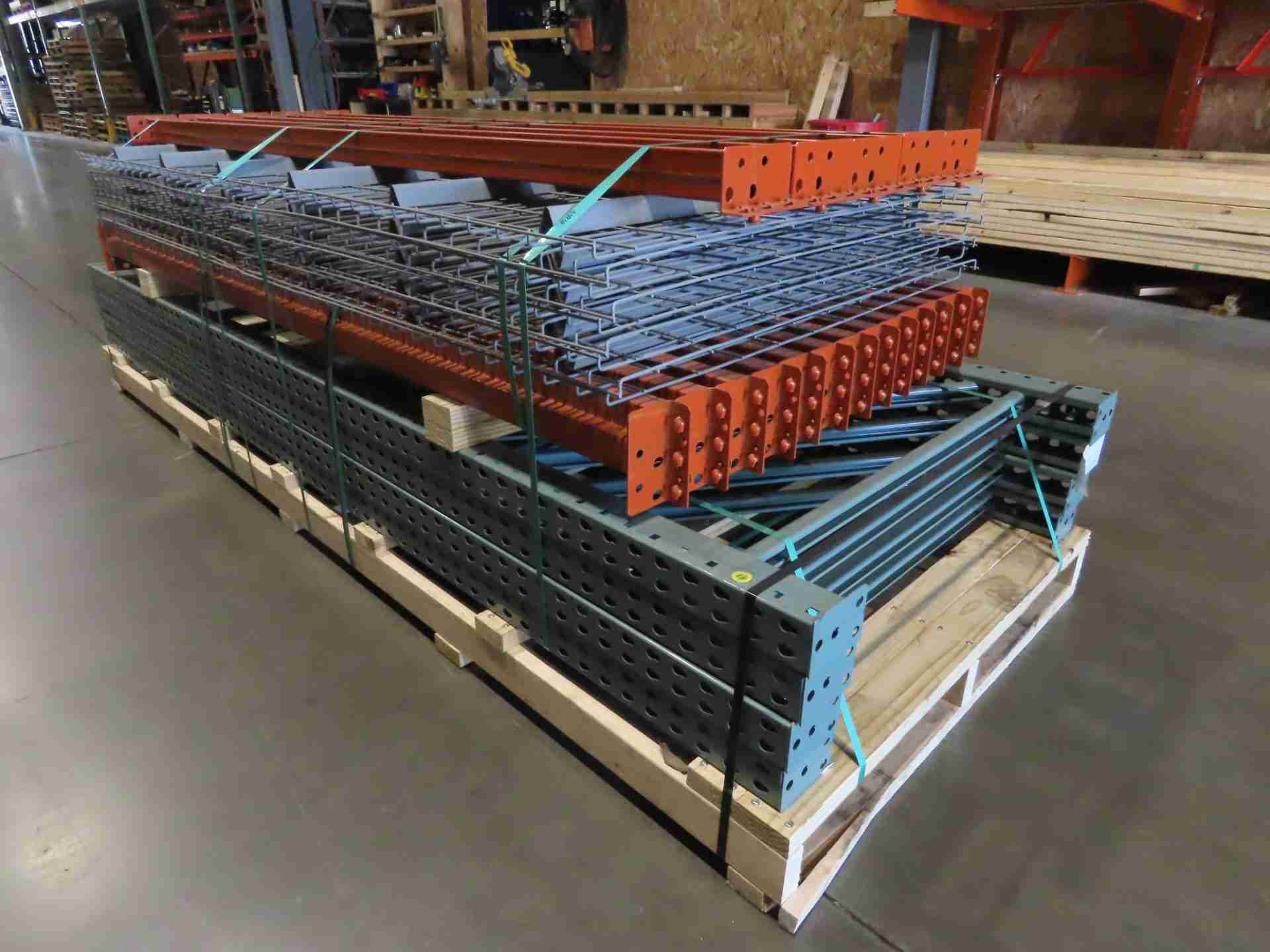
How Does Inventory Cost Impact Your Overall Profits?
Are You Maximizing Cash Flow with Your Inventory Method?
When it comes to managing your business, cash flow dictates your survival. Think of it like breathing; without it, everything starts to shut down. But just like your lungs, sometimes you have to clear the air. One crucial area often overlooked is your inventory method. Are you really squeezing every dollar from what you have on your shelves?
Consider this: You’ve invested hard-earned money into inventory, but it’s collecting dust in your stockroom. Bad news travels fast in business; the longer items sit, the more they lose value. Enter the world of efficient racking systems and inventory methods that keep your products moving. A well-organized racking system isn’t just about neatness; it’s about optimizing space and accessibility, allowing you to find and move stock quickly. Think of it as giving your cash flow room to breathe.
Imagine a scenario where you have hundreds of products lined up like soldiers, but you can’t tell where that high-demand item is without a treasure map. Frustrating, right? That’s where the narrative of your operations becomes crucial. A streamlined inventory system reduces chaos, minimizes anxiety, and gives your team the confidence to focus on sales rather than searching for goods. Trust is built here; the faster you can fulfill a customer’s order, the more they’ll come back, creating loyalty that’s as solid as steel.
Tackling your inventory strategically isn’t just smart; it’s ethical. You’ve got a responsibility to your team and your customers. When you run an efficient operation, you’re respecting everyone’s time and money. You’re contributing to a smooth economic cycle that benefits all parties involved. No one wants to feel like they’re wasting their hard work on endless scrambles for products.
Finally, tap into the wisdom of industry leaders who have walked the tough roads. They’ll tell you—an organized inventory is akin to a well-tended garden. When every item is accounted for and in its place, you’re not just maximizing cash flow; you’re cultivating a thriving business. Let’s face it. Business isn’t just about numbers. It’s about how those numbers affect people, families, and communities. Efficient inventory management transforms your operations into a flowing system—truly creating a win-win for everyone involved.

Are You Maximizing Cash Flow with Your Inventory Method?
Are You Maximizing Cash Flow with Your Inventory Method?
- Cash flow is essential for business survival, acting like breathing for operations.
- Inventory management is crucial; undervalued items lose worth the longer they sit.
- Efficient racking systems enhance organization, optimizing space and accessibility.
- A streamlined inventory system reduces chaos, allowing teams to focus on sales.
- Strategic inventory management respects the time and resources of both team and customers.
- Industry leaders emphasize that organized inventory is vital for maximizing cash flow.
- Business success impacts families and communities, making efficient operations beneficial for all.

Are You Maximizing Cash Flow with Your Inventory Method?
What Challenges Do You Face In Choosing Between FIFO and LIFO?
Choosing between FIFO (First In, First Out) and LIFO (Last In, First Out) can feel like you’re caught in a tug-of-war, fighting against gut instincts and practical realities. This isn’t just about numbers; it’s about making decisions that rippled through every corner of your operations. Picture that racking system in your warehouse, loaded with products. Do you let go of the oldest stock first, or clear out the newest arrivals? The choice can feel like a flip of a coin, but the implications are far deeper.
For those deeply invested, it brings to mind a sense of responsibility. FIFO often paints a picture of freshness—think about those eager customers grabbing the best, recently stocked items off the shelf. This method speaks to a commitment to quality. An ethical standpoint emerges. Keeping products rotating ensures less waste and better customer satisfaction, showing that you care about both your products and your patrons.
On the flip side, LIFO might appeal to your bottom line. In times of rising prices, this method allows you to list the most recently acquired inventory as a cost of goods sold, which can help with cash flow and tax savings. In an unpredictable economy, that’s an appealing choice that can bring comfort to stakeholders. It’s a rational sort of gamble, playing off current market conditions to maximize financial performance.
However, every decision carries weight. There’s a gut feeling in every choice, a tension between what feels right and what seems profitable. What keeps you up at night? Is it the fear of overstock, or a sense of ethical responsibility? These decisions are not made in a vacuum; they reverberate through your team and your reputation.
And let’s not forget the narrative all this creates. Workers in the trenches feel the impact—whether they’re stocking shelves or managing inventory. They see the implications of your strategy unfold in real time. They witness the joy of customers finding fresh, high-quality products or the frustration of wasted goods piling up. Their stories matter, too. A well-implemented FIFO can foster trust among your staff, creating a sense of pride in what they’re doing; while a successful LIFO strategy can give them the confidence that they’re part of something strategic and needed.
Being clear on your choice builds authority within your organization. When you communicate the reasons behind your method, it unites your team, fosters a shared vision, and frames every action within your larger goals. Ultimately, the challenge isn’t merely logistical; it’s about the values you stand for and the legacy you aim to build.

What Challenges Do You Face In Choosing Between FIFO and LIFO?
What Challenges Do You Face In Choosing Between FIFO and LIFO?
- Choosing between FIFO and LIFO affects every aspect of operations.
- FIFO emphasizes product freshness, quality, and ethical responsibility, reducing waste and enhancing customer satisfaction.
- LIFO can improve cash flow and tax savings during rising prices, appealing to financial performance in uncertain economies.
- Decisions between FIFO and LIFO involve a balance between personal intuition and profit motives.
- Employees witness the immediate impact of inventory strategies, influencing their morale and pride in their work.
- Clear communication of inventory methods fosters team unity and aligns actions with organizational values.
- Ultimately, the choice is not just logistical but reflects the company’s core values and legacy.
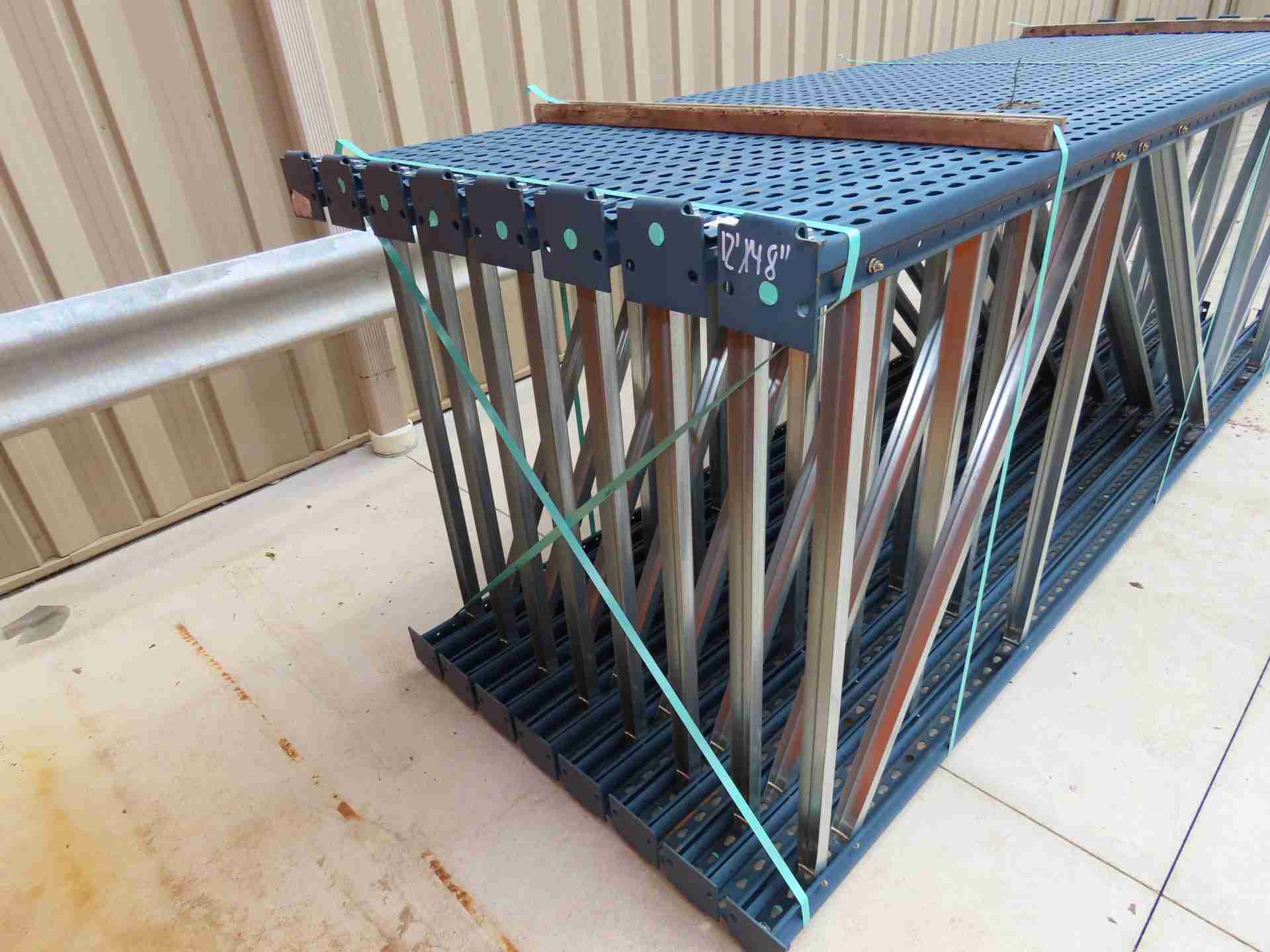
What Challenges Do You Face In Choosing Between FIFO and LIFO?
How Do Market Trends Affect Your Inventory Management Choices?
In the gritty world of inventory management, where every decision can mean the difference between profit and loss, understanding market trends isn’t just a smart move—it’s essential. Market fluctuations can strike like a thunderstorm; one day the sun is shining on your sales, and the next, you’re scrambling to adjust. By paying attention to these trends, you can align your inventory management choices with what your customers want, giving you both a competitive edge and peace of mind.
Think about it: when demand for a product surges, having the right racking systems in place becomes crucial. Those sturdy shelves don’t just hold your goods—they help keep your operation efficient and responsive. A well-thought-out racking system maximizes space, making it easier to adapt to changing market conditions. When you see a rise in demand, the last thing you want is to be caught flat-footed with a cramped warehouse. Instead, having a solid structure allows you to scale up quickly, keeping customers happy and inventory flowing.
But it’s not just about the hard numbers. The emotional weight of missed opportunities can linger, weighing you down and straining customer relationships. When you’re aware of trends and adapt your inventory accordingly, you foster trust with your clientele. You become more than just a supplier; you become their go-to source, the one who understands their needs even before they do. This connection isn’t built on guesswork. It’s about using data and insights to navigate the sometimes-choppy waters of market demands.
And let’s not forget the ethical aspect of inventory management. Overordering means more waste. By honing in on trends, you can make decisions that not only benefit your bottom line but also reflect a commitment to sustainability. It’s about being responsible with your resources, ensuring that whatever’s on those racking systems contributes positively to the community and the environment.
As you move forward, consider your inventory management choices as a canvas painted with insights drawn from market trends. Each brush stroke—whether it’s adjusting stock levels or optimizing your layout—reflects a deeper understanding of both your business and your customers. With the right approach, you can confidently navigate this landscape, making informed choices that resonate on multiple levels while securing your position in the market.
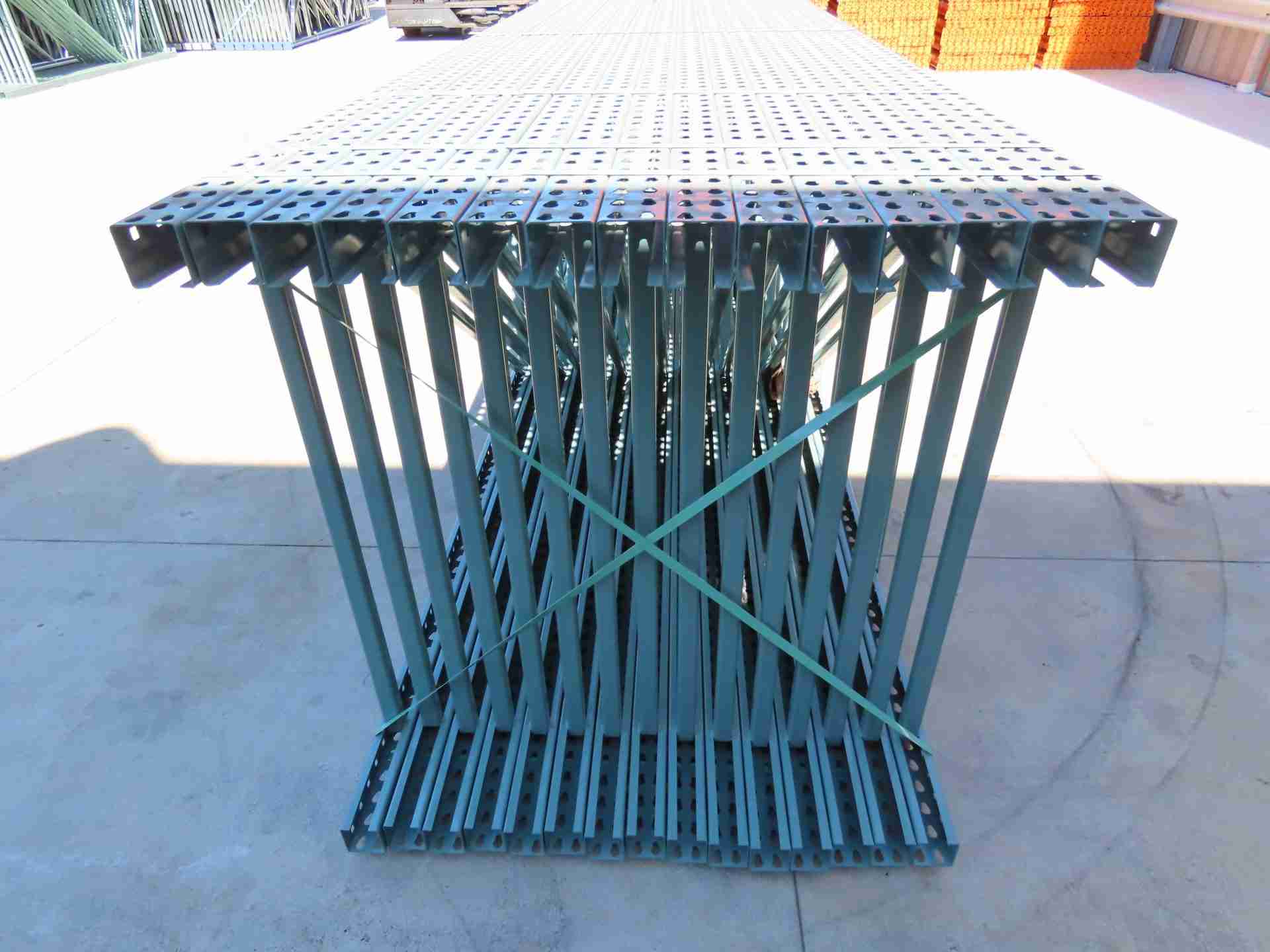
How Do Market Trends Affect Your Inventory Management Choices?
How Do Market Trends Affect Your Inventory Management Choices?
- Understanding market trends is essential in inventory management to maximize profits and minimize losses.
- Market fluctuations require businesses to adjust inventory management choices to meet customer demands.
- Effective racking systems are crucial for efficiently handling surges in product demand.
- Adaptable storage solutions prevent a cramped warehouse and ensure a smooth flow of inventory.
- Awareness of trends fosters trust with clients, enhancing supplier-customer relationships.
- Ethical inventory management practices reduce waste and promote sustainability.
- Data-driven inventory choices enable businesses to meet market demands and secure a competitive edge.
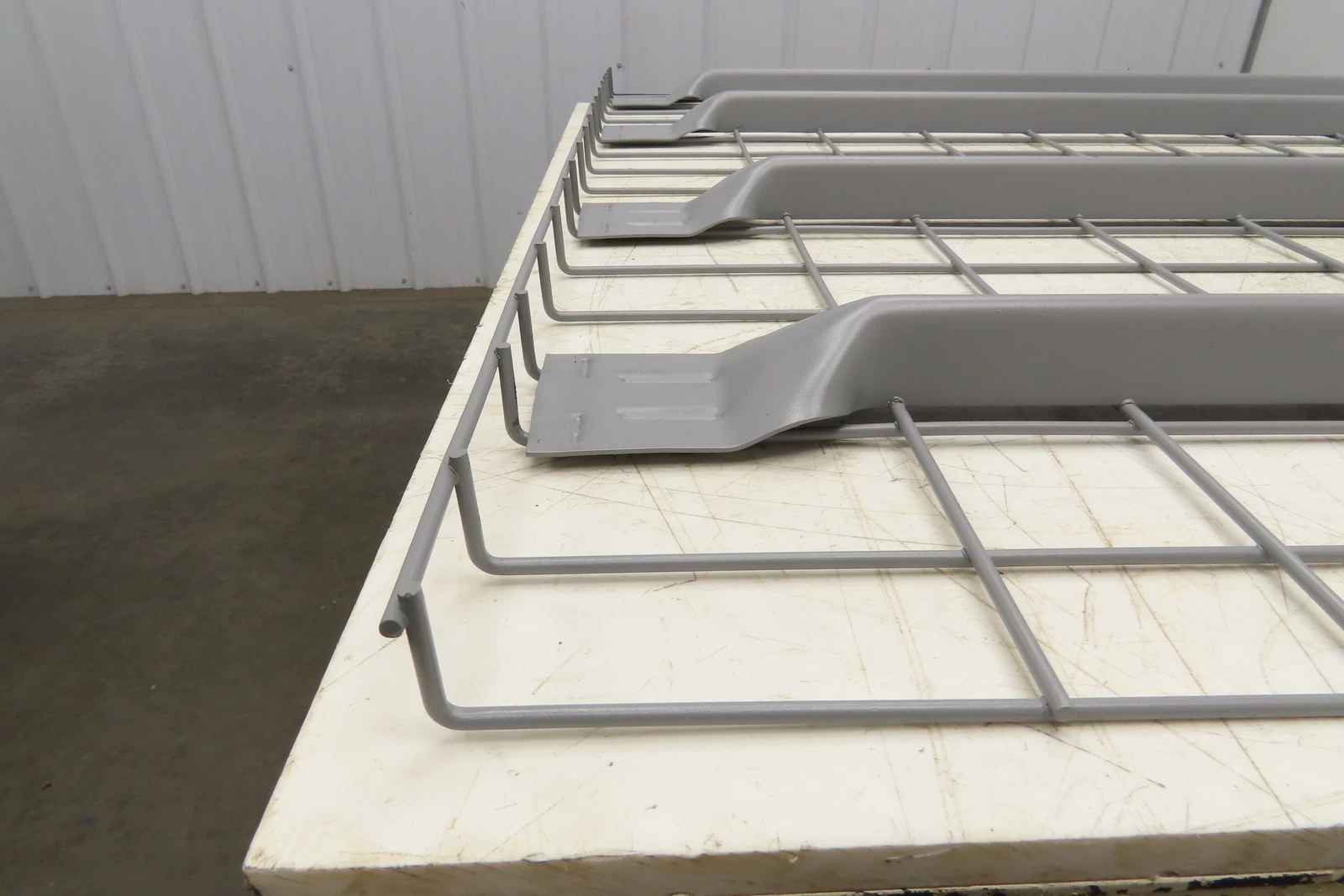
How Do Market Trends Affect Your Inventory Management Choices?
What Ethical Considerations Arise with FIFO Versus LIFO?
What Ethical Considerations Arise with FIFO Versus LIFO?
When it comes to inventory management, the debate over First In, First Out (FIFO) versus Last In, First Out (LIFO) isn’t just an accountant’s puzzle—it’s a question that touches on the very principles of fairness, trust, and responsibility in business. FIFO feels intuitive, like an orderly line where the first in gets served first. It’s about keeping things fresh, minimizing waste, and respecting what was put on the shelf first. This method resonates emotionally because it reflects a basic courtesy we understand: old things should go before the new. It appeals to our sense of justice in handling resources.
LIFO, on the other hand, flips that on its head, prioritizing the newest stock. This method can benefit cash flow during inflation since it allows for higher expenses on more recently purchased items, offering a cushion during leaner times. Yet, it raises eyebrows regarding ethical practices. Holding on to older stock might lead to waste, which goes against principles of sustainability and responsibility. Workers on the ground understand this: waste isn’t just a number; it’s time, money, and resources thrown away, affecting everyone from the warehouse crew to the consumer.
Both methods have their advocates, and therein lies the social pressure. An organization choosing FIFO may signal to its stakeholders a commitment to transparency and integrity, values that build loyalty. Customers expect companies to rely on practices that don’t just benefit the bottom line, but also reflect a responsible stewardship of resources. Conversely, a firm leaning towards LIFO can face scrutiny. The narrative becomes about potential deception and corner-cutting, even if the intention is merely financial efficiency.
It’s about more than just numbers and systems. Whether you’re stacking up goods in Racking Systems or deciding how to value your stock, the choices made in these accounting approaches ripple outwards. They touch real lives, foster connections within communities, and dictate the morale of teams working behind the scenes. By examining the ethical implications of FIFO and LIFO, businesses can cultivate trust and confidence among employees and customers alike, creating a stronger, more responsible community. These decisions, even when rooted in accounting practices, can either uplift or undermine the core values of honesty and integrity we strive to uphold.

What Ethical Considerations Arise with FIFO Versus LIFO?
What Ethical Considerations Arise with FIFO Versus LIFO?
- The FIFO method prioritizes the earliest inventory, promoting freshness and minimizing waste.
- FIFO aligns with principles of fairness, trust, and responsibility in business practices.
- The LIFO method focuses on the newest stock, potentially aiding cash flow during inflation.
- LIFO raises ethical concerns, as it can lead to waste and contradict sustainability goals.
- Choosing FIFO signals a commitment to transparency and integrity, fostering stakeholder loyalty.
- Organizations favoring LIFO may face scrutiny and accusations of deceptive practices.
- Decisions in inventory accounting impact real lives and community connections, influencing overall morale.

What Ethical Considerations Arise with FIFO Versus LIFO?
Conclusion
Choosing between FIFO (First In, First Out) and LIFO (Last In, First Out) inventory systems goes beyond the calculus of accounting; it speaks to deeper values that shape the fabric of a business. These inventory methods embody the essence of our choices, reflecting how we treat our products and our customers. FIFO stands as a symbol of fairness, where the oldest items are prioritized, ensuring freshness and quality. It echoes an ethical responsibility to minimize waste, reminding us of the importance of maintaining trust within our community. Like honoring a family recipe, it conveys a commitment to relaying quality and dependability.
In contrast, LIFO may appeal to the rational mind, especially when cash flow and tax advantages come into play. It allows businesses to sell newer stock first, potentially providing short-term financial relief. However, this approach can accumulate older inventory, highlighting a risk of waste and lost value. The emotional weight of failing to manage stock judiciously can burden both employees and customers, as missteps ripple outwards, undermining trust and profitability.
Navigating these systems isn’t merely about squeezing dollars from each operation. It’s about crafting a narrative around who you are as a business. Decisions surrounding inventory management resonate deeply with employees who reflect on their roles and the company’s commitment to quality. A well-structured warehouse enhances trust, fosters loyalty, and streamlines operations. Recognizing and acting on market trends further shapes inventory choices, driving businesses to adapt swiftly and connect with customer needs.
On an ethical level, the implications of FIFO and LIFO resonate with values that tie closely to sustainability and corporate responsibility. Businesses that prioritize inventory practices aligned with environmental consciousness resonate better with both employees and customers, nurturing a sense of community. It illustrates an integrity that transcends mere numbers on a balance sheet.
Ultimately, the decision between FIFO and LIFO carries weight far beyond practicality; it aligns with the principles that form a business’s identity. As operations grow and change, the choices made today build a legacy that speaks to a commitment to quality, sustainability, and a heartfelt connection to customers. This careful consideration of values will guide future successes and foster enduring relationships that define the community spirit at the core of the enterprise.
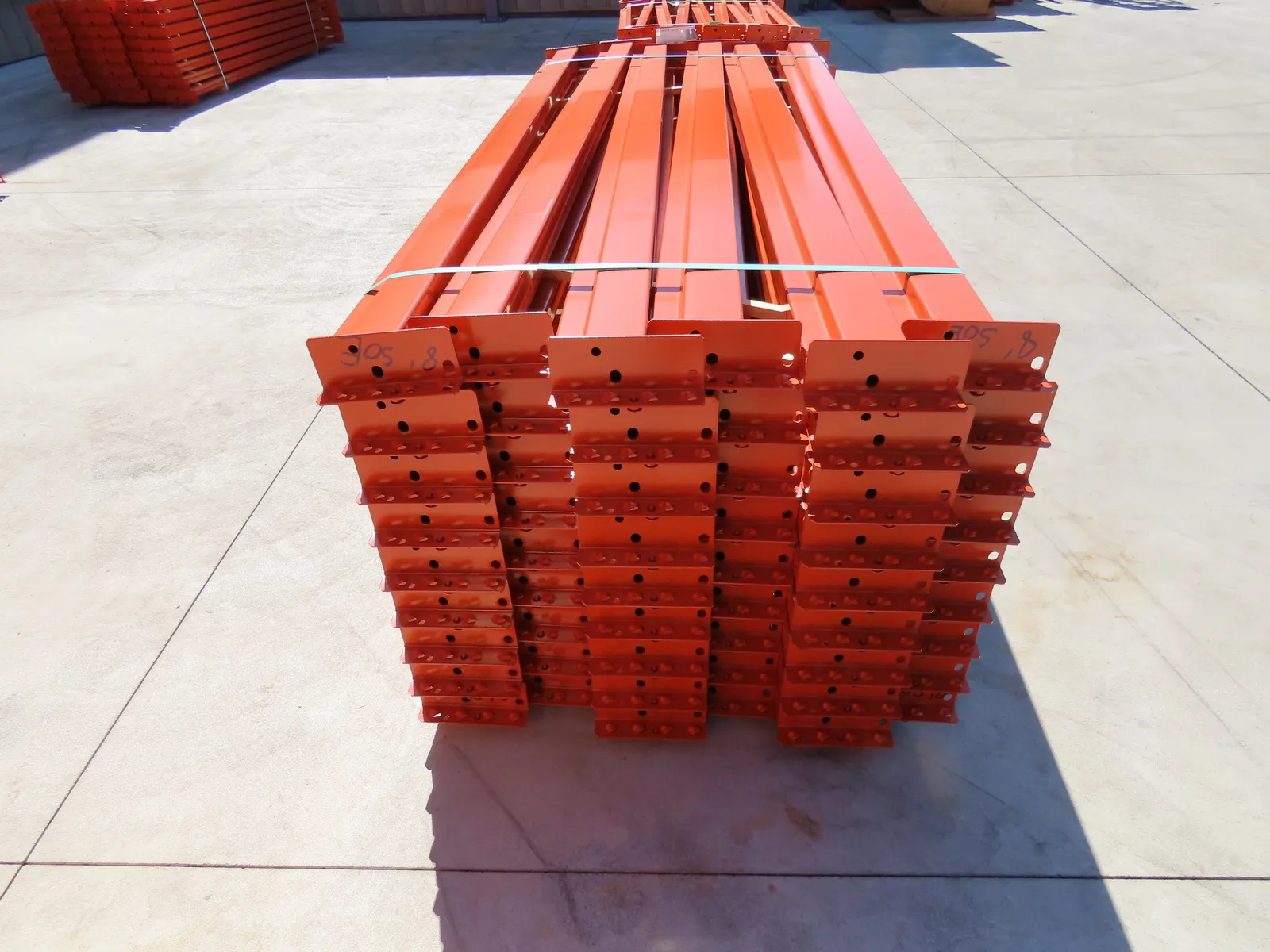
Conclusion
Conclusion:
- Choosing between FIFO and LIFO inventory systems reflects deeper business values beyond accounting.
- FIFO represents fairness, prioritizing older items to ensure product freshness and quality.
- LIFO can provide short-term financial benefits by allowing sales of newer stock first.
- Using LIFO may increase the risk of waste and lost value from accumulating older inventory.
- Inventory management decisions impact employee engagement and customer trust.
- Ethical implications of inventory practices align with sustainability and corporate responsibility.
- The choice of inventory system shapes a business’s identity and legacy, influencing future success.

Conclusion
Other Resources

Other Resources
Here is a list of other resources you can review online to learn more:
- SEMA
- RMI
- Overhead Lifting
- Used Teardrop Pallet Rack – American Surplus
- Rack Manufacturers Institute
- Pallet Racking systems in Illinois and Great Lakes
- Warehouse Racking Chicago, IL
- Storage Equipment Manufacturers’ Association
- Chicago Pallet Racking
- Illinois
- Selective Racking
- CMMA
- Material Handling Safety
- Teardrop Racks – Pallet Rack World
- Warehouse Automation
- What is Selective Pallet Racking
- Pallet Rack Systems – New and Used Pallet Racking and Shelving Experts
- NSC
- IWLA
- Storage Equipment Manufacturers Association
Use This Prompt To Get More Resources With Your Favorite Online AI Tool: Please provide me with a list of online articles with their URLs in a bulleted list that I can read regarding FIFO Vs LIFO: Designing for the Right System
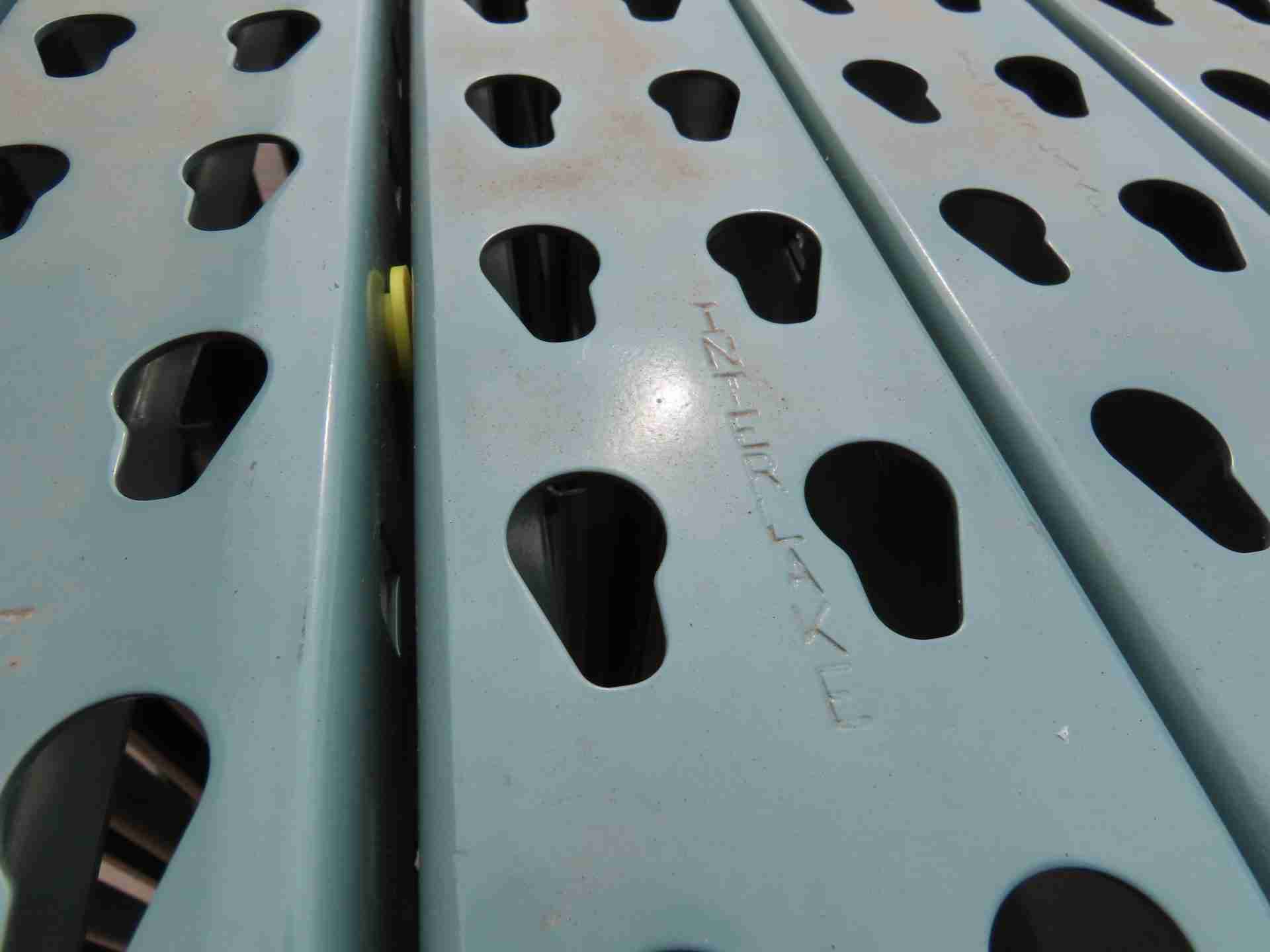
Other Resources
Glossary Terms
FIFO Vs LIFO: Designing for the Right System – Glossary Of Terms
1. FIFO: First In, First Out; an inventory management method where the oldest inventory items are sold first.
2. LIFO: Last In, First Out; an inventory strategy where the most recently produced items are sold before older ones.
3. Cost Flow: The method of tracking the flow of costs in inventory management.
4. Inventory Valuation: The process of assigning value to a company’s inventory.
5. Accounting Period: The span of time over which financial transactions are recorded and reported.
6. Tax Implications: The potential tax consequences of using FIFO or LIFO in inventory accounting.
7. Liquidation: The process of converting assets into cash, often affecting inventory management.
8. Demand Forecasting: Predicting future customer demand to optimize inventory levels.
9. Carrying Costs: The total cost of holding inventory over a period, including storage and depreciation.
10. Obsolete Inventory: Stock that is no longer sellable or useful, often requiring special handling.
11. Stock Rotation: The practice of ensuring that older inventory is sold before newer items to minimize waste.
12. Accounting Standards: Rules and regulations that govern how financial transactions and inventories are reported.
13. Profit Margins: The difference between the cost of goods sold and sales revenue, influenced by inventory methods.
14. Supply Chain Management: The oversight of materials, information, and finances as products move from supplier to customer.
15. Inventory Audit: A review of stock levels to ensure accuracy and compliance with financial reporting.
16. Reorder Point: The inventory level at which new stock should be ordered to prevent stockouts.
17. Just-in-Time (JIT): An inventory strategy that aligns production with demand to reduce excess stock.
18. Lead Time: The amount of time required to replenish inventory after an order is placed.
19. Stock Keeping Unit (SKU): A unique identifier for each distinct product and service that can be purchased.
20. Economic Order Quantity (EOQ): A formula used to determine the optimal order quantity to minimize total inventory costs.
21. Safety Stock: Extra inventory kept on hand to mitigate the risk of stockouts due to demand variability.
22. Cycle Counting: An inventory auditing procedure where a subset of inventory is counted on a specific day.
23. Inventory Turnover: A ratio showing how many times a company’s inventory is sold and replaced over a period.
24. Warehouse Management: The process of overseeing and controlling the operations of a warehouse.
25. Lead Time Variability: Fluctuations in the time taken to receive goods, impacting inventory management.
26. Economic Conditions: The overall state of the economy affecting consumer demand and inventory strategies.
27. Demand Variability: Changes in consumer demand that can affect inventory levels and management strategies.
28. Distribution Centers: Facilities that store inventory and distribute goods to retail locations or customers.
29. Backorder: An order that cannot be filled at the current time due to inventory shortages.
30. SKU Rationalization: The process of reviewing and optimizing the number of SKUs to improve inventory efficiency.

Glossary Of Terms
Other Questions
FIFO Vs LIFO: Designing for the Right System – Other Questions
If you wish to explore and discover more, consider looking for answers to these questions:
- What are the clear definitions and practical differences between FIFO and LIFO?
- Which industries or product types benefit most from FIFO versus LIFO?
- How do FIFO and LIFO affect financial statements, taxes, and reported profits?
- What are the cash-flow implications of choosing FIFO or LIFO?
- How does inflation or deflation change the advantages of each method?
- What legal or accounting standards (GAAP, IFRS) restrict or favor one method over the other?
- How do you implement FIFO or LIFO in existing inventory and warehouse systems?
- What software or ERP features are needed to support FIFO or LIFO effectively?
- How do racking systems and physical layout influence the feasibility of FIFO or LIFO?
- What operational costs (holding, handling, spoilage) change with each method?
- How do FIFO and LIFO impact inventory turnover and obsolescence rates?
- What metrics should be tracked to evaluate whether the chosen method is working?
- How do FIFO and LIFO affect pricing strategy and margins over time?
- What ethical or sustainability considerations should influence the choice?
- How does customer perception and trust vary depending on the inventory method used?
- When is a hybrid or mixed approach appropriate, and how is it managed?
- How do you transition from one method to another without disrupting operations or reporting?
- What are the audit and compliance risks associated with each method?
- How should perishable goods, serial-numbered items, and lot-tracked products be handled?
- What is FEFO (First Expired, First Out) and when should it be used instead of FIFO/LIFO?
- How do supplier lead times and order frequency affect the decision?
- What role does forecasting accuracy play in choosing FIFO or LIFO?
- How do returns, recalls, and quality issues interact with each inventory method?
- What cost-benefit analysis framework can you use to compare FIFO and LIFO for your business?
- How do taxes and local regulations influence the choice in different countries?
- What training and change-management steps are needed for warehouse staff?
- How do automation and robotics influence the practicality of FIFO versus LIFO?
- What real-world case studies show measurable outcomes from choosing FIFO or LIFO?
- How frequently should you review your inventory method decision and what triggers a reassessment?
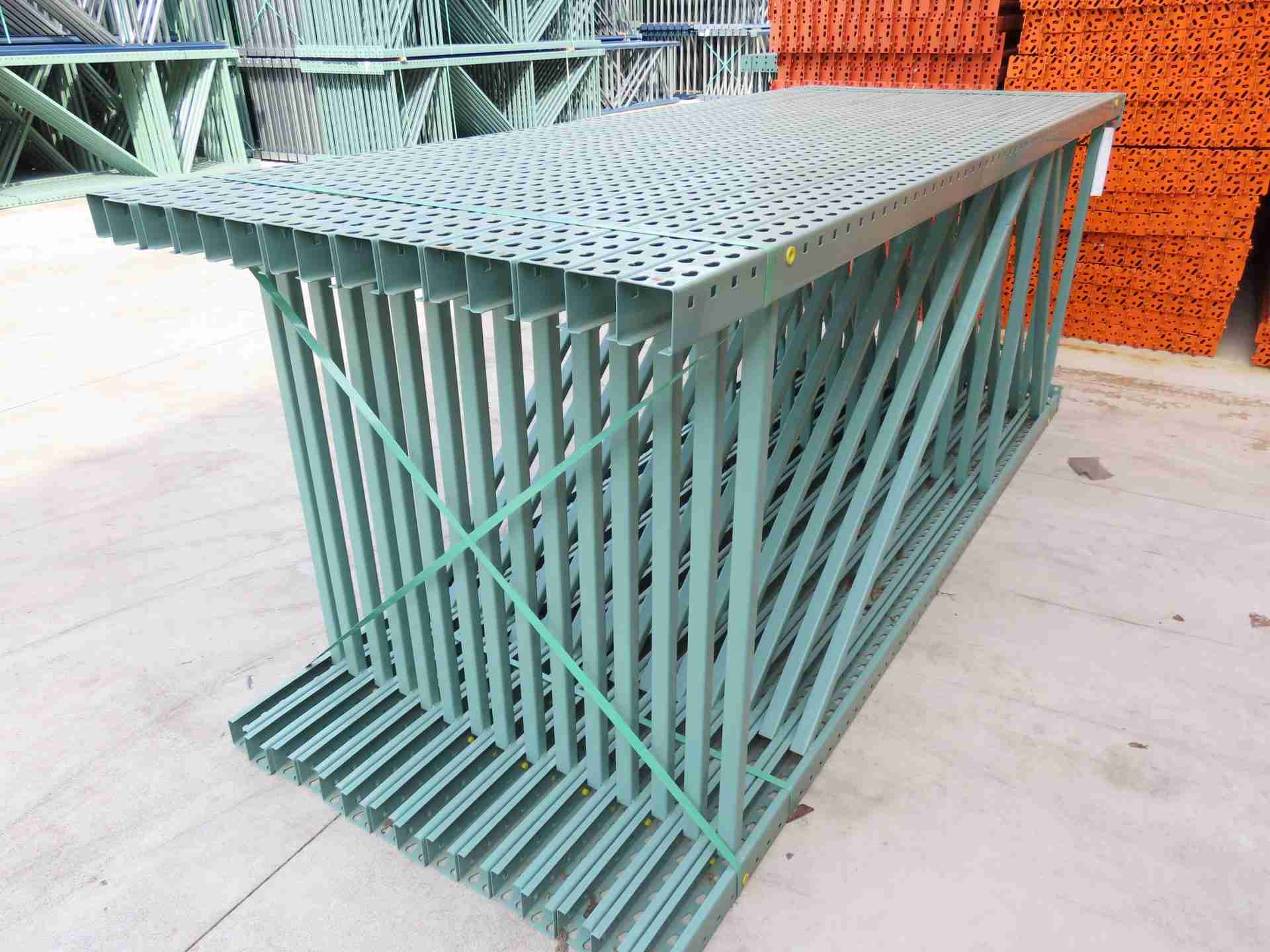
Other Questions
Checklist
FIFO Vs LIFO: Designing for the Right System – A Checklist
Clarify Goals and Values
✅______ Confirm the primary priority (freshness, quality, and trust vs. financial optimization and cash flow)
✅______ Define non-negotiables (sustainability, waste reduction, transparency)
✅______ Align method choice with the brand promise and customer expectations
Product and Portfolio Fit
✅______ Identify perishables or time-sensitive SKUs with expiration or obsolescence risk
✅______ Flag durable, non-perishable SKUs suitable for longer holding
✅______ Assess demand variability, seasonality, and lifecycle stage by SKU
Financial Impact
✅______ Model COGS, gross margin, and net income under FIFO vs. LIFO for current price trends
✅______ Quantify tax timing and impact for each method in your jurisdiction
✅______ Evaluate effects on working capital and the cash conversion cycle
Risk and Waste Management
✅______ Estimate aged and obsolete inventory risk for each method
✅______ Define write-down and write-off triggers and secondary market pathways
✅______ Set FEFO or FIFO rules for dated lots where quality matters
Operations and Racking Systems
✅______ Design pick paths and slotting to enforce the chosen method
✅______ Implement physical cues (date labels, lane flow, gravity racks for FIFO)
✅______ Configure WMS/ERP allocation rules for FIFO, FEFO, or LIFO as applicable
✅______ Establish cycle count cadence with a focus on aging SKUs
✅______ Validate racking safety, accessibility, and space utilization
Market Trends and Demand Signals
✅______ Monitor price inflation and deflation trends impacting COGS
✅______ Use demand sensing (POS and orders) to adjust reorder points and lot sizes
✅______ Review competitor and category trends to prevent overstocking or understocking
Ethics, Brand, and Community Impact
✅______ Document how the method supports product integrity and trust
✅______ Set waste-reduction targets; plan donation and recycling for excess
✅______ Communicate commitments to customers and partners
People and Change Management
✅______ Train warehouse and finance teams on pick and allocation rules and exceptions
✅______ Publish SOPs with visuals at rack locations
✅______ Assign ownership for audits, corrective actions, and KPI reviews
✅______ Communicate the rationale to align stakeholders and morale
KPIs and Monitoring
✅______ Inventory turns and days on hand by SKU
✅______ Aged inventory buckets (30, 60, 90, and 180+ days)
✅______ Stockout rate, order cycle time, and fill rate
✅______ Waste and expiry write-offs and return rate
✅______ COGS accuracy, gross margin, and cash flow from operations
Compliance and Accounting
✅______ Confirm acceptance of the chosen method under applicable standards and regulations
✅______ Document the policy and disclosures; ensure consistent application
✅______ Maintain an audit trail for lot dating, allocations, and adjustments
Decision and Review Cadence
✅______ Select the default method; define exceptions (e.g., FEFO for perishables)
✅______ Set rules for promotions, recalls, and shortages
✅______ Schedule periodic reassessment based on market conditions and values
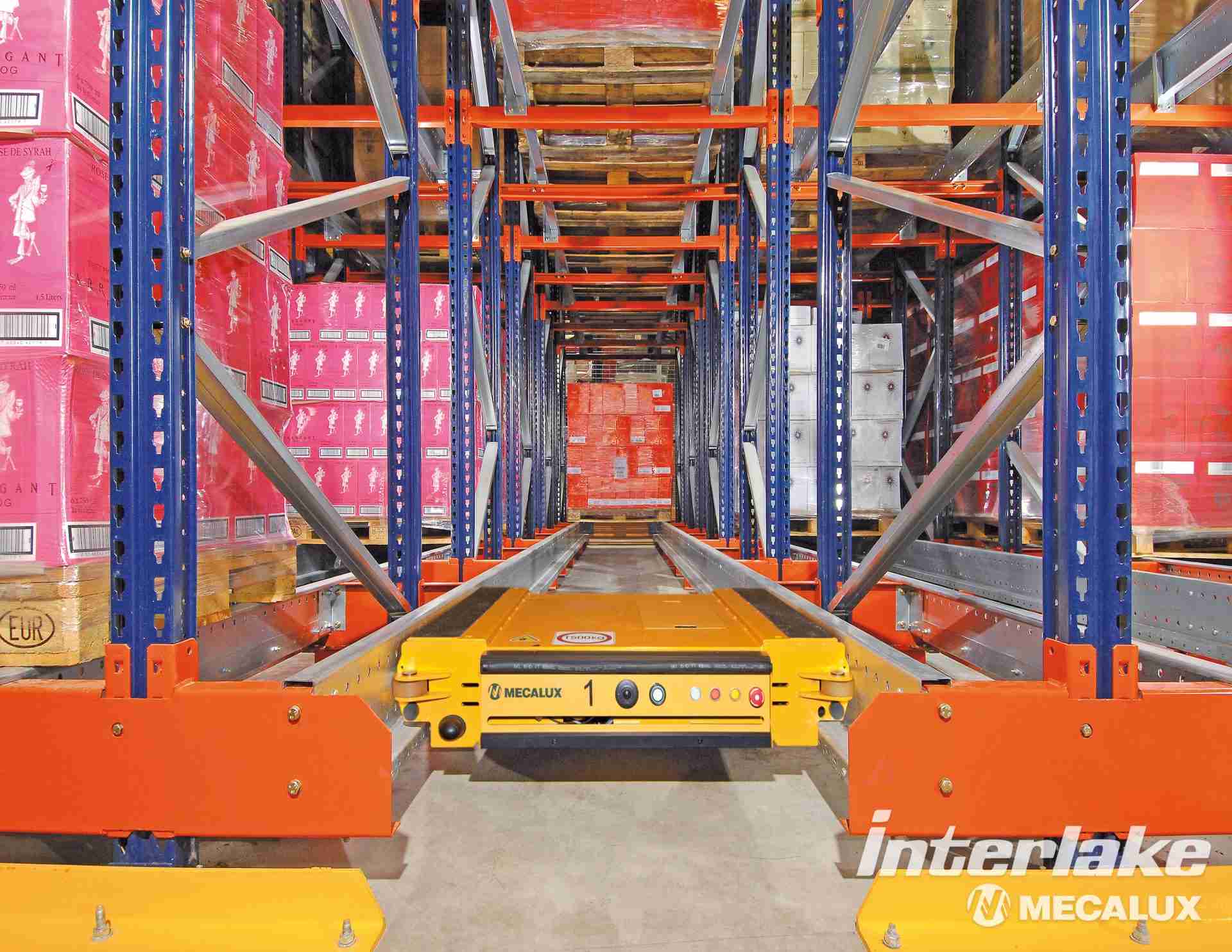
Checklist
At RackingWorld, we help guide you through selecting warehouse storage systems and racking.
Be sure to read our other related stories at RackingWorld to learn more about warehouse storage systems.
0 Comments