
Harmony In Growth: Mastering SKU Expansion With Precision And Purpose
By Tom Seest
At RackingWorld, we help guide you through selecting warehouse storage systems and racking.
Be sure to read our other related stories at RackingWorld to learn more about warehouse storage systems.
Expanding SKU Count Without Expanding Chaos
Expanding SKU Count Without Expanding Chaos
In the world of inventory management, the goal is clear: keep things organized while juggling an ever-growing number of SKUs. Imagine walking into a workshop piled high with tools, each one necessary but jumbled. It’s a bit like dealing with expanding SKU counts; it can feel chaotic without a solid strategy. The key lies in organizing your racking systems to avoid a free-for-all while ensuring efficiency.
Racking systems are more than just shelves; they’re the backbone of a streamlined operation. When you’ve got a multitude of products to manage, investing in the right racking solutions becomes crucial. A well-structured racking system turns chaos into clarity. For example, consider a simple adjustment: implementing vertical storage. By using your space wisely and stacking products strategically, you not only save floor space but also keep everything within arm’s reach.
The emotional weight of a disorganized work environment can be draining. Think about those nights spent wrestling with inventory counts while the clock ticks down. The right racking system can lift that burden. A clean, organized warehouse brings peace of mind, transforming stressful moments into manageable tasks. You know where everything is, and that builds confidence.
Rationally speaking, more SKUs can mean more profit, but only if managed well. Chaos leads to mistakes, wasted time, and lost sales. A focused approach, with your racking systems in place, minimizes errors and maximizes productivity. It’s not about cramming more into the same space; it’s about optimizing what you have. The numbers don’t lie—effective inventory management can boost profit margins significantly when the system is streamlined and dependable.
Ethically, businesses owe it to their teams to create a safe and efficient working environment. An organized space reduces the risk of accidents and allows workers to perform at their best. Everyone should feel equipped to handle their tasks without anxiety over unnecessary clutter.
Lastly, there’s strength in community. Share your insights with peers or local businesses navigating the same struggles. Tap into collective experiences and solutions, helping one another out. By fostering these connections, you create a network of support that can ease the burdens of expanding SKU counts. When we share our strategies and successes with racking systems, everyone becomes better equipped to thrive together in a world of growing complexity.

Expanding SKU Count Without Expanding Chaos
Expanding SKU Count Without Expanding Chaos
- Effective inventory management requires organization amidst increasing SKU counts.
- Racking systems are essential for streamlining operations and maintaining efficiency.
- Implementing vertical storage can optimize space and improve accessibility.
- A well-organized warehouse alleviates stress and enhances confidence in inventory management.
- Proper SKU management minimizes errors, wasted time, and lost sales, boosting profitability.
- Creating a safe workplace is an ethical obligation, reducing risks and promoting productivity.
- Building a supportive community by sharing strategies can help manage expanding SKU challenges.
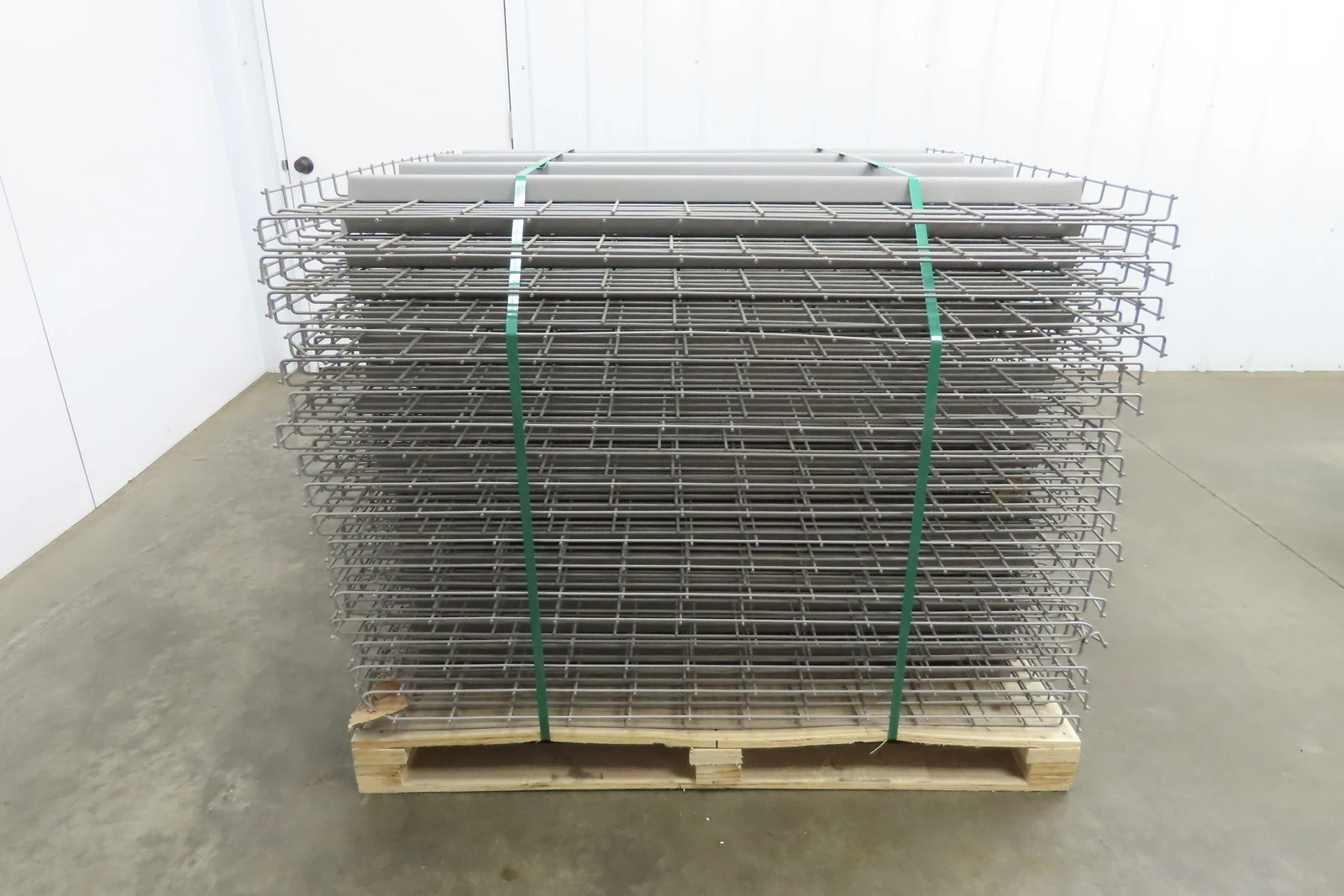
Expanding SKU Count Without Expanding Chaos
Table Of Contents
- Expanding SKU Count Without Expanding Chaos
- What Challenges Arise When Increasing SKU Count?
- How Does SKU Expansion Impact Customer Experience?
- Are You Losing Track Of Popular Products with too Many SKUs?
- How Can We Maintain Quality While Expanding Our SKU Offerings?
- What Strategies Reduce Chaos When Managing a Larger SKU Count?
- How Can Data Analytics Help Streamline SKU Management?
- Conclusion
- Other Resources
- Glossary Of Terms
- Other Questions
- Checklist
What Challenges Arise When Increasing SKU Count?
What Challenges Arise When Increasing SKU Count?
Increasing the SKU count in a warehouse or retail space can feel like deciding to cook a big family meal. You start off with good intentions, aiming to satisfy everyone’s tastes, but soon find yourself overwhelmed by the process. As SKU numbers rise, so do the complexities. Each new item is like adding another ingredient to your recipe—necessary to please customers, but potentially throwing off the balance of your operation.
Racking systems, for instance, become a crucial point of consideration. More SKUs mean more shelves, tighter spaces, and potentially a chaotic system if not managed carefully. Imagine trying to find just the right can of beans buried beneath a mountain of other options. Employees end up wasting time, which translates to lost dollars. Chaos is the enemy of efficiency, and soon, that once-pristine warehouse is a labyrinth of confusion.
The heart gets involved, too. Every product represents a promise made to customers—a commitment to deliver. When inventories are mismanaged, expectations are dashed. Customers may feel frustrated, leaving them with the nagging thought that you don’t understand their needs. Relationships are built on trust, and in a market that thrives on loyalty, every misstep starts to chip away at your integrity.
Rationally, let’s consider the cost implications. More SKUs often lead to increased carrying costs, not just in terms of physical space, but also in inventory management software, staff training, and operational efficiency. Each segment of the supply chain demands more attention, requiring more personnel, longer hours, and additional resources. It’s a slippery slope where the financial burdens can outweigh the anticipated benefits of increased variety.
Ethically, there’s an obligation to your team. When chaos sets in, morale can sink. Workers feel the strain of disorganization, juggling increased pressure without the tools needed to succeed. It’s not just about numbers; it’s about people. Keeping a pulse on team well-being is essential, as disengaged employees can lead to costly mistakes.
Lastly, it boils down to community impact. A business doesn’t exist in isolation; it thrives on human connections. When SKU growth is mismanaged, the story your brand tells suffers. It’s vital to engage customers authentically and keep them part of the narrative. Well-thought-out SKU expansion fosters trust, confidence, and a sense of belonging—creating an experience that customers will rave about to their friends.
Increasing SKU count is about more than just numbers. It’s about the heart of your operation, the strength of your team, and the satisfaction of your customers. Approach it wisely, and the rewards will follow.

What Challenges Arise When Increasing SKU Count?
What Challenges Arise When Increasing SKU Count?
- Increasing SKU count adds complexity to warehouse and retail operations.
- Racking systems become strained with more SKUs, leading to potential chaos and inefficiencies.
- Mismanaged inventories can damage customer relationships and trust.
- Higher SKU counts lead to increased carrying costs, affecting finances and resource allocation.
- Moral and engagement of the workforce may decline due to disorganization and pressure.
- SKU growth must be managed to maintain authentic customer engagement and brand integrity.
- Effective SKU expansion can enhance customer experience and loyalty.

What Challenges Arise When Increasing SKU Count?
How Does SKU Expansion Impact Customer Experience?
SKU expansion fundamentally transforms customer experience, weaving together practical enhancements and emotional connections. Consider the racking systems in warehouses—these are the backbone of any operation, stacking goods up high and making them easily accessible. When a store increases its stock keeping units (SKUs), it isn’t just about cramming more items into shelves. It’s an invitation to customers, a signal that their needs are recognized and valued.
Emotionally, customers want variety; they desire options. Picture a family looking for a particular product. They step into a store and find not just one choice but multiple brands and sizes on the racking systems before them. This abundance breeds excitement and satisfaction. It shows that the store cares enough to curate a selection that accommodates different tastes and preferences, making the shopping experience personal and engaging.
From a rational perspective, sku expansion means better inventory management. When customers see a well-organized racking system loaded with various products, they recognize reliability. They know that if an item isn’t in stock today, it might be tomorrow. This builds trust. A reliable stock signals to customers that the store has a handle on its inventory, allowing them to plan their purchases confidently.
Ethically, offering more choices reflects a commitment to inclusivity. Different customers come with different backgrounds, needs, and preferences. By broadening the sku range, stores acknowledge these diverse requirements, fostering an environment where everyone feels welcome. And it’s not just about choices; it’s about stories. Behind each product lies a narrative—local creators, sustainable practices, or innovative breakthroughs. This connection inspires customers to support brands and retailers that stand for something, forging bonds that go beyond simple transactions.
Socially, there’s an unspoken camaraderie that arises when a customer finds just what they’re looking for. That delight, that shared moment of discovery, encourages word-of-mouth suggestions. People talk. They share stories about the shop with an impressive array of racking systems and the latest products. A store becomes more than just a buying point; it evolves into a community hub where experiences are exchanged.
In short, sku expansion isn’t merely about stock—it’s a heartfelt approach to customer experience that weaves together emotions, practicalities, and community connections. This leads to loyal customers who not only return but also recommend the store to others, creating a thriving, interconnected shopping environment.

How Does SKU Expansion Impact Customer Experience?
How Does SKU Expansion Impact Customer Experience?
- SKU expansion transforms customer experience by enhancing emotional connections and practical improvements.
- Racking systems in stores facilitate easy access to a diverse range of stock keeping units (SKUs).
- Increased SKUs signal to customers that their needs are acknowledged and valued.
- Diverse options create excitement and satisfaction, making shopping personal and engaging.
- Better inventory management builds trust as customers perceive reliability in stock availability.
- Offering more choices reflects a commitment to inclusivity, catering to diverse customer needs.
- SKU expansion fosters community bonds, turning stores into hubs for shared experiences and recommendations.

How Does SKU Expansion Impact Customer Experience?
Are You Losing Track Of Popular Products with too Many SKUs?
Navigating the tangled web of countless SKUs can feel like a maze with no exit. Picture a warehouse, filled from floor to ceiling with products, each one an opportunity and each SKU a potential pitfall. You’re invested in your business, pouring sweat and heart into it daily, yet it’s easy to lose track of what’s moving and what’s gathering dust. It’s a daunting situation, but understanding how to effectively manage your inventory can help reclaim clarity and efficiency.
Managing vast arrays of products isn’t just about numbers; it’s about understanding your customers and what they truly need. Take a moment to consider how overwhelming it can be when faced with a sprawling assortment of items. Customers often find decision-making exhausting. By simplifying your SKU management, you not only streamline your operations but also enhance the customer experience. A more focused inventory means you can cater better to what your clients want, fostering loyalty and trust as they see you prioritizing their needs over a mountain of choices.
Think about the ethical responsibility of your business. Are you using resources wisely? Keeping unnecessary SKUs can create waste—not only of financial resources but also of space and energy. By adopting efficient racking systems, you can maximize storage while minimizing chaos. Fewer, well-organized products lead to less confusion and more trust, which is essential in maintaining a successful enterprise.
Experience often teaches the most valuable lessons. Reflect on moments when you’ve been stumped by an unmanageable stockpile or pulled in too many directions. Bridging the divide between too many products and clarity requires action and a clear strategy. Sharing this experience with your team can foster connection, transforming potential frustration into collective problem-solving.
In a world awash with options, businesses that simplify can stand out. It’s about creating a narrative where customers feel that every product on your shelves serves a purpose. When you take the first step to streamline your offerings, you’re not just improving efficiency; you’re telling your story—the one where quality triumphs over quantity, and clarity paves the path to success. Every choice you make echoes in the future; embracing the value of focused inventory today can inspire confidence among customers and foster a sense of community around your brand.

Are You Losing Track Of Popular Products with too Many SKUs?
Are You Losing Track Of Popular Products with too Many SKUs?
- Navigating numerous SKUs can be overwhelming and impact efficiency.
- Effective inventory management enhances customer understanding and satisfaction.
- Simplifying SKU management streamlines operations and improves customer experience.
- Reducing unnecessary SKUs minimizes waste and optimizes resource use.
- Adopting efficient racking systems maximizes storage and reduces chaos.
- Sharing experiences with team members fosters collective problem-solving.
- Streamlined inventory creates a narrative of quality and clarity, strengthening brand trust.

Are You Losing Track Of Popular Products with too Many SKUs?
How Can We Maintain Quality While Expanding Our SKU Offerings?
How Can We Maintain Quality While Expanding Our SKU Offerings?
Expanding SKU offerings is like adding more tools to a toolbox, but it also comes with a hefty responsibility: ensuring quality doesn’t slip through the cracks. Let’s face it, we’ve all been there, wrestling with the frustration of bringing in new products only to find them lacking. It’s a gut punch, especially when your reputation rests on every item that leaves your warehouse.
First off, think of your Racking Systems. These aren’t just shelves; they’re the backbone of your operation. They need to handle the weight of increased inventory without causing chaos. If your racking is a mess, quality control becomes a nightmare. Invest time into setting up organized systems. A well-structured racking system keeps everything in place, making it easier to monitor stock levels and identify any potential issues before they blossom into bigger problems.
Next, let’s get rational. When expanding your offerings, thorough research is your best friend. Understand what your customers really want. Talk to them, listen to their feedback, and learn from their experiences. This isn’t just about numbers; it’s about connecting with people. Every new SKU should answer a real need rather than just padding the catalog. This approach not only boosts sales but also builds credibility in your brand.
Ethics play an important role. As you grow, remember your roots. Stick to your standards, and never compromise on quality. People can sense when a company is cutting corners. Maintaining high standards builds trust and loyalty. Customers return not just for the product but because they believe your brand stands for something solid.
Storytelling can create bonds. Share your journey as you expand, including the trials and triumphs. Let your customers witness the care and effort that go into every decision. When they see the dedication behind the scenes, they will feel more connected and invested in your growth.
Finally, engage with your community. Leverage social platforms to showcase your new offerings, but keep the conversation human. Highlight customer stories where your products made a difference. A little humor goes a long way, too. When you show the faces behind the brand, people relate.
Maintaining quality while expanding your SKU offerings isn’t just a business strategy; it’s a commitment to your customers and your community. It’s about working tirelessly, staying humble, and always striving to do better. Trust that when you build with integrity, growth will follow.

How Can We Maintain Quality While Expanding Our SKU Offerings?
How Can We Maintain Quality While Expanding Our SKU Offerings?
- Expanding SKU offerings requires a commitment to maintaining product quality.
- Well-structured racking systems are essential for managing increased inventory and ensuring quality control.
- Thorough research and understanding customer needs are crucial when adding new offerings.
- Maintaining high ethical standards promotes trust and loyalty among customers.
- Storytelling about the brand’s journey can enhance customer connection and investment.
- Engaging with the community on social platforms fosters a relatable brand image.
- Building with integrity is key to sustainable growth and customer retention.

How Can We Maintain Quality While Expanding Our SKU Offerings?
What Strategies Reduce Chaos When Managing a Larger SKU Count?
What Strategies Reduce Chaos When Managing a Larger SKU Count?
When you’re staring down the barrel of a larger SKU count, the chaos can feel like an avalanche ready to bury you. The secret to staying upright is in applying simple, tried-and-true strategies that balance emotional resilience with practical know-how. Racking systems are your trusty allies in this journey—they’re not just racks; they’re the backbone of an organized warehouse.
Start with a deep breath and a clear plan. It’s like laying the foundation of a house; without it, everything will crumble. Consider segmenting inventory into categories based on sales trends. Seasonal items? Put them front and center. Slow movers? Tuck them away into corners where they won’t haunt you daily. This kind of rational organizing reduces the frantic scrambling that comes with managing too many SKUs at once.
Next, embrace a narrative that focuses on teamwork. Employees need to feel like they’re part of something bigger than themselves. Create signage that not only identifies where things go but tells stories of the products. Why does this matter? Because when people understand the value behind those pallets and boxes, they become invested. It’s about creating a sense of ownership and pride in their work, which generally leads to a smoother operation.
Involving everyone in decision-making fosters a culture of accountability. When staff feels like they have a voice in how the racking systems are set up or the process of receiving and shipping products, they take on challenges with greater gusto and commitment. This collaborative spirit can break down silos and reduce the chaos that comes from miscommunications.
You can also use technology to your advantage without losing that down-to-earth feel. Simple inventory management software can provide real-time data, illuminating which SKUs fly off the shelves and which ones collect dust. This rational approach aids in forecasting and enables agile adjustments to stocking and shelving, keeping chaos at bay.
Lastly, cultivate an ethical framework where efficiency doesn’t come at the cost of fairness or quality. Treat your employees well, offer training, and respect their input. A motivated team can navigate the complexities of a larger SKU count with confidence.
By grounding your strategies in humility and real-world experience, you’ll not only reduce chaos but also foster an environment where trust and teamwork thrive. Taking ownership of your racking systems and the stories behind the products makes all the difference, transforming what could be a daunting task into a well-oiled machine running smoothly through the everyday hustle.

What Strategies Reduce Chaos When Managing a Larger SKU Count?
What Strategies Reduce Chaos When Managing a Larger SKU Count?
- Implement organized racking systems to enhance warehouse efficiency.
- Segment inventory based on sales trends, prioritizing seasonal items.
- Create engaging signage that tells the story of products to foster employee investment.
- Encourage staff involvement in decision-making to promote accountability and collaboration.
- Utilize technology, like inventory management software, for real-time data and agile adjustments.
- Establish an ethical framework that values employee treatment and training.
- Ground strategies in humility and experience to build a trusting and cooperative environment.

What Strategies Reduce Chaos When Managing a Larger SKU Count?
How Can Data Analytics Help Streamline SKU Management?
Data analytics can be a game changer for SKU management, particularly in the fast-paced, often chaotic world of inventory and logistics. Picture your warehouse with its vast rows of racking systems, every shelf a small world of its own. Now, imagine that world feeling less chaotic, more orderly—a place where every item has a purpose, and every moment counts.
When you harness the power of data analytics, you’re not just crunching numbers; you’re illuminating paths to efficiency. It’s about understanding patterns, identifying trends, and making sense of the chaos. Too often, businesses are hampered by excess inventory or stockouts. Data reveals where products sit idle on those racking systems, gathering dust while something else flies off the shelves. With the right insights, you can adjust orders, optimize stock levels, and ensure that every inch of your space is working hard for you.
That’s the head appeal—using hard facts and insightful metrics to make smarter decisions. But let’s not forget the heart. Behind every SKU is a story, a purpose, and often, a person or community relying on it. Ensuring that your inventory is managed efficiently means keeping supply chains flowing; it means your products get into the hands of those who need them most. Think about the small business owner who counts on you to stock that specific part or a family that relies on those items to get by. By streamlining inventory management with data analytics, you’re helping to keep lives running smoothly.
Ethically, we face responsibilities in business. Sustainable practices, reduced waste, and fair cost management are more important now than ever. By leveraging data analytics, you can make informed decisions that enhance not only profitability but also your ethical footprint in the marketplace. A business that acts responsibly builds trust with its customers and partners, creating a community anchored in mutual respect.
This is where the gut comes in. It’s about instinct. When analytics highlight an issue, it’s a prompt to leap into action before a minor hiccup turns into a major problem. You’re no longer reacting; you’re anticipating, foreseeing. This proactive stance isn’t just a strategy; it’s a commitment to excellence. It fosters a culture of confidence within your team. Trust in data translates to trust in operations.
Implementing effective data analytics for SKU management is not just an operational improvement; it’s a journey. A journey that invites everyone from warehouse staff to executives to engage and connect in making your business a well-oiled machine. Embrace the data, and you’ll discover it’s not just about numbers; it’s about paving the way to a more responsive, responsible, and resilient business.

How Can Data Analytics Help Streamline SKU Management?
How Can Data Analytics Help Streamline SKU Management?
- Data analytics enhances SKU management in inventory and logistics.
- It improves operational efficiency by understanding patterns and trends.
- Excess inventory and stockouts can be reduced through data insights.
- Efficient inventory management supports communities and supply chains.
- Sustainable practices and ethical decision-making are vital in business.
- Proactive use of analytics fosters a culture of confidence.
- Engagement of all staff levels transforms business operations into a cohesive system.

How Can Data Analytics Help Streamline SKU Management?
Conclusion
Expanding SKU counts shouldn’t feel like a chaotic scramble. It’s about finding harmony in growth while grounding the process in solid, straightforward practices. Picture a workshop cluttered with tools; the right organization turns that chaos into clarity. Implementing effective racking systems is crucial. These systems aren’t just shelves; they are the skeleton of a well-run operation, bringing order to variety. Investing time and resources in structured shelving allows you to reclaim valuable space and make everything easily accessible, decreasing frustration and boosting productivity.
Emotional appeal plays a significant role here. A disorganized environment can weigh heavily on workers, creating stress and anxiety, especially when deadlines loom. An organized space fosters confidence and competence, providing peace of mind as tasks become manageable. On a rational level, managing an increased variety of SKUs effectively translates into enhanced profits. Poor organization leads to mistakes, wasted time, and potential lost sales. A methodical approach minimizes errors, streamlines operations, and enhances the bottom line.
The ethical dimension is also paramount—companies owe it to their teams to create safe, organized environments. This not only lowers accident risks but empowers employees to excel without the anxiety that clutter brings. There’s also a social aspect; sharing obstacles and solutions with local businesses fosters community spirit, a vital element for collective resilience in navigating complex SKU expansions.
Increasing SKU counts inevitably brings challenges. It can feel like orchestrating a large family meal—intended to please everyone but often overwhelming. Each new SKU can complicate the landscape further; the mismanagement of products may result in forgotten items and frustrated customers. Customers want assurance that their needs matter, and each misstep can erode trust. Therefore, maintaining focus on customer expectations is essential as it reflects a commitment to understanding their needs.
Moreover, it’s also about quality over quantity. As you grow your offerings, ensuring that each product is thoughtfully selected and meets standards is vital. This guards your reputation and reassures customers of your reliability. Ultimately, keeping a keen eye on your strategies—from inventory management to community engagement—creates a narrative of a dependable business. A focused, thoughtful approach transforms challenges into opportunities, fusing employee engagement with customer loyalty, and paving the way for lasting, meaningful connections in a world of ever-expanding variety.
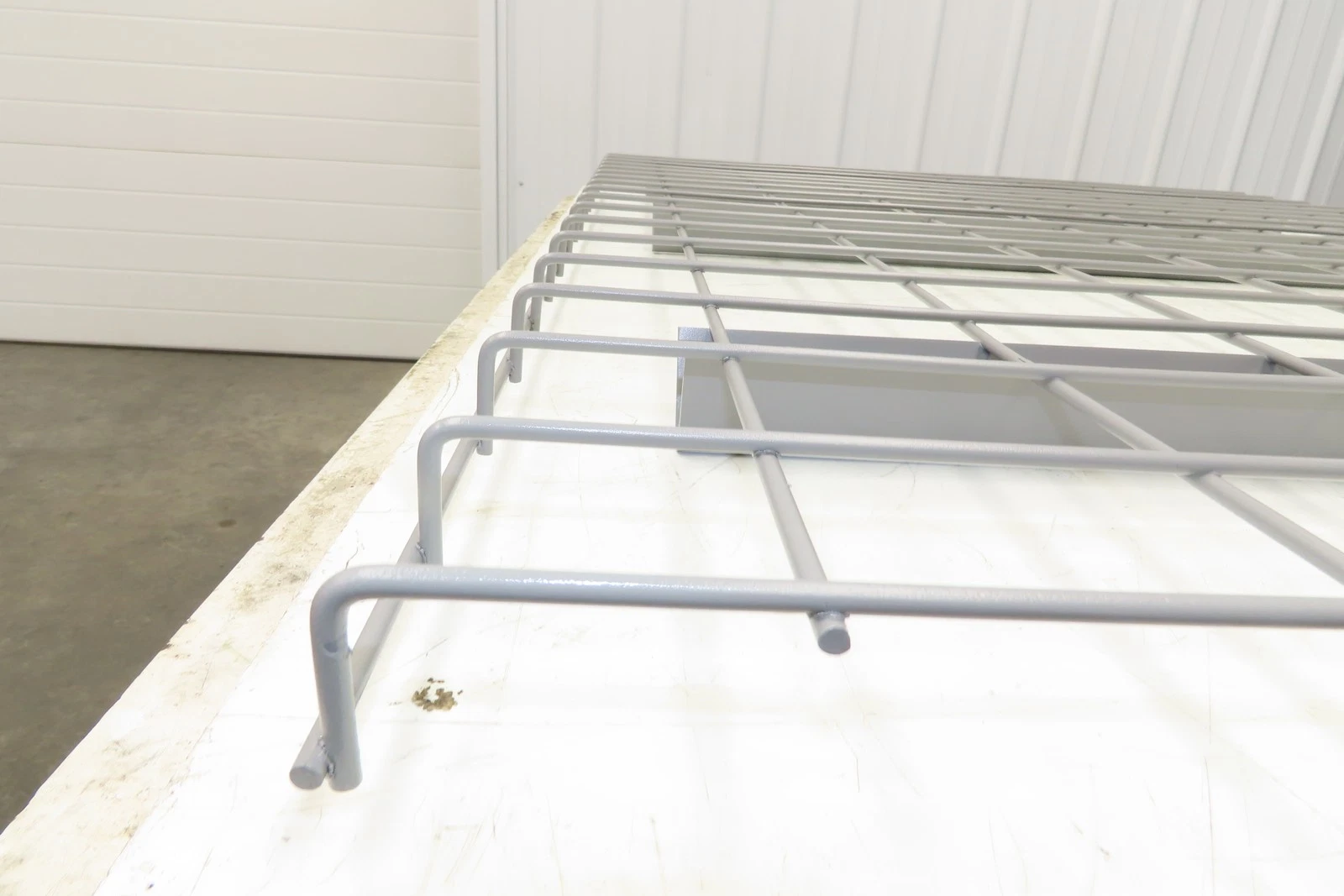
Conclusion
Conclusion:
- Expanding SKU counts should be systematic, not chaotic; organization is key to clarity and growth.
- Effective racking systems are essential for order, accessibility, and maximizing space in operations.
- An organized workspace reduces stress, fosters confidence, and enhances productivity among employees.
- Poor organization leads to mistakes and wasted time, negatively impacting profits and customer trust.
- Creating safe, organized environments is an ethical obligation for companies, reducing accident risks and empowering employees.
- Customer expectations must remain a focus; each SKU must align with their needs to maintain trust and ensure satisfaction.
- Quality should be prioritized over quantity to protect reputation and cultivate lasting connections with customers.

Conclusion
Other Resources

Other Resources
Here is a list of other resources you can review online to learn more:
- Warehouse Racking Systems: Beginner’s Guide to Rack Systems
- Cantilever Rack Configuration & Installation: A Comprehensive Guide – BMH
- Pallet Racking systems in Illinois and Great Lakes
- Illinois Pallet Racking – WPRP
- IIWS Inc. Rack Installation Illinois & Rack Repairs Illinois
- Cantilever Rack Guide: Ordering Cantilever Racking
- Cantilever Rack Guide: Ordering Cantilever Racking
- Material Handling Industry
- Overhead Lifting
- Warehouse Automation
- Warehouse Racks, Warehouse Racking in Stock – ULINE
- Storage Equipment Manufacturers Association
- The Ultimate Pallet Racking Guide – Speedrack West
- Logic Material Handling
- Chicago Pallet Racking
- What is Cantilever Racking? – AK Material Handling Systems
- Pallet Racking 101: A Comprehensive Guide & Options Explained
- Teardrop Uprights
- What is Selective Pallet Racking
- Storage Equipment Manufacturers’ Association
Use This Prompt To Get More Resources With Your Favorite Online AI Tool: Please provide me with a list of online articles with their URLs in a bulleted list that I can read regarding Expanding SKU Count Without Expanding Chaos

Other Resources
Glossary Terms
Expanding SKU Count Without Expanding Chaos – Glossary Of Terms
1. SKU: Stock Keeping Unit, a unique identifier for each distinct product and service that can be purchased.
2. Inventory: The entire stock of goods and materials that a business holds for resale or production.
3. Chaos: A state of confusion and disorder often caused by an overwhelming number of SKUs or processes.
4. Product Line: A group of related products marketed under a single brand that share common characteristics.
5. SKU Rationalization: The process of evaluating SKUs to determine which to keep, modify, or eliminate.
6. Variants: Different versions of the same product, often differentiated by size, color, or features.
7. Stock Management: The practice of overseeing and controlling inventory levels to meet demand.
8. Demand Forecasting: The process of predicting future customer demand to inform inventory decisions.
9. Supply Chain: The entire network of entities involved in producing, handling, and distributing products.
10. Multi-Channel Retailing: Selling products across various platforms, such as online, in-store, and via third-party sites.
11. SKU Proliferation: The rapid increase in the number of SKUs within a product line, often leading to management issues.
12. Cross-Docking: A logistics practice where products are directly transferred from inbound to outbound transportation with minimal storage time.
13. Data Analytics: The process of examining data sets to extract meaningful insights that inform business decisions.
14. Product Lifecycle: The series of stages a product goes through, from introduction to decline.
15. Inventory Turnover: A measure of how quickly inventory is sold and replaced over a specific period.
16. SKU Optimization: Strategies implemented to enhance the performance and management of SKUs.
17. E-commerce: Buying and selling goods or services through the internet.
18. Price Point: The specific price at which a product is offered to consumers.
19. Bundling: Offering multiple products together as a single package to increase sales.
20. SKU Mapping: The process of aligning SKUs with specific categories or attributes for better organization.
21. Fulfillment: The process of receiving, processing, and delivering orders to customers.
22. Just-in-Time (JIT): An inventory strategy that aligns orders with demand to minimize holding costs.
23. Obsolescence: The state of a product becoming outdated or no longer in demand, leading to a decrease in sales.
24. SKU Segmentation: Dividing SKUs into categories based on characteristics such as sales volume or profitability.
25. Return on Investment (ROI): A measure of the profitability of an investment in relation to its cost.
26. Procurement: The process of acquiring goods or services, often involving sourcing and negotiating.
27. Batch Processing: Managing multiple items or orders as a single group rather than individually.
28. SKU Discontinuation: The act of permanently removing a SKU from the product lineup.
29. Performance Metrics: Key indicators used to assess the efficiency and success of inventory management strategies.
30. Lean Inventory: An approach that aims to reduce waste and increase efficiency in inventory management.

Glossary Of Terms
Other Questions
Expanding SKU Count Without Expanding Chaos – Other Questions
If you wish to explore and discover more, consider looking for answers to these questions:
- What is the optimal SKU count for my business size and model?
- How do I decide which SKUs to add, keep, or discontinue?
- What is the best process for SKU rationalization?
- Which metrics identify underperforming or obsolete SKUs?
- How do I perform ABC/XYZ analysis and apply it to racking?
- How should I forecast demand for new or niche SKUs?
- How do I calculate carrying costs and margin impact per SKU?
- What are the capital and operational costs of expanding racking systems?
- How do I determine optimal racking layout and vertical utilization?
- How should pick-paths and slotting change as SKUs increase?
- What labeling, barcoding, or RFID strategy should I use?
- When is RFID worth the investment over traditional barcodes?
- Which inventory or warehouse management software features are essential?
- How do I integrate inventory systems with ERP, POS, and suppliers?
- How can data analytics predict slow movers and fast movers reliably?
- What dashboards and KPIs should I track daily, weekly, and monthly?
- How often should I review SKU performance and make assortment changes?
- How do I set reorder points, safety stock, and lead-time buffers per SKU?
- How do minimum order quantities (MOQs) and supplier lead times affect SKU decisions?
- How should I manage seasonal and promotional SKUs differently?
- How do I allocate SKUs across multiple warehouses or store locations?
- What quality-control checks are needed when onboarding new SKUs?
- How do I maintain product quality and consistency at scale?
- How should receiving, inspection, and quarantine be organized for many SKUs?
- How do I reduce picking and shipping errors as assortments grow?
- What training and change-management practices help staff adapt to more SKUs?
- How can ergonomics and safety be preserved with denser racking and taller storage?
- What regulatory or compliance requirements affect storage of specific SKUs?
- When should I invest in automation (AS/RS, conveyors, pick-to-light) and where?
- How can I pilot automation or new racking layouts with minimal disruption?
- How do packaging variation and product sizing impact racking and slotting?
- What strategies minimize dead stock and enable efficient clearance?
- How do returns and reverse logistics scale with SKU growth?
- How do I price SKUs to reflect increased operational complexity and cost?
- How do I use customer feedback and sales data to guide assortment decisions?
- What are the best practices for supplier collaboration on quantities and lead times?
- How do I forecast space needs for future SKU expansion?
- What sustainability and waste-reduction measures apply when expanding SKUs?
- How should I manage product variants, bundling, and kitting without adding chaos?
- What controls prevent SKU proliferation driven by marketing or sales requests?
- How do I run pilot launches and measure success before full-scale rollout?
- How does customer experience change across channels (online vs in-store) with more SKUs?
- How can promotions and assortment strategies be aligned to avoid stock imbalances?
- What common pitfalls have other businesses encountered when expanding SKUs?
- How should cross-functional teams be organized to own SKU lifecycle and governance?
- How do I phase out SKUs with minimal customer churn and inventory write-offs?

Other Questions
Checklist
Expanding SKU Count Without Expanding Chaos – A Checklist
Strategy and SKU Governance
✅______ Define clear goals for SKU expansion (revenue, service level, market coverage)
✅______ Establish decision criteria for adding or removing SKUs (demand, margin, capacity)
✅______ Create a standardized SKU naming and attribute taxonomy
✅______ Assign ownership for the SKU lifecycle (add, maintain, retire)
✅______ Document a SKU lifecycle roadmap (introduction, growth, maturity, end of life)
✅______ Set a maximum active SKU target per site or channel, where applicable
✅______ Implement a quarterly SKU portfolio review cadence
Racking, Layout, and Space Optimization
✅______ Map current storage capacity and constraints (floor, vertical, weight ratings)
✅______ Implement ABC slotting (A = fast movers closest/lowest; C = slowest higher/farther)
✅______ Use vertical storage and appropriate racking to maximize cubic utilization
✅______ Standardize location IDs and visible aisle/bin labeling
✅______ Maintain clear aisle widths and safe pick zones
✅______ Separate seasonal and overflow areas with defined re-slotting dates
✅______ Post rack load limits and complete routine rack safety inspections
Data, Forecasting, and Analytics
✅______ Forecast demand by SKU, channel, and location with seasonality
✅______ Capture lead times and variability; update safety stock parameters accordingly
✅______ Build dashboards for SKU velocity, service level, and aging
✅______ Use heat maps to analyze pick frequency and re-slot based on data
✅______ Set exception alerts for stockouts, overstock, and forecast error
✅______ Review forecast accuracy and parameter settings on a regular cadence
Inventory Control and Replenishment
✅______ Define a reorder method per SKU (min/max, reorder point, EOQ)
✅______ Set service-level targets and compute safety stock per SKU and location
✅______ Implement disciplined cycle counting with ABC frequency
✅______ Standardize receiving, QA, and putaway processes to correct locations
✅______ Track lots, batches, and expirations where applicable
✅______ Establish a dead and slow stock policy (age thresholds and actions)
Quality and Supplier Management
✅______ Define quality standards and specs for each SKU category
✅______ Implement supplier scorecards (OTIF, quality defects, lead-time reliability)
✅______ Perform incoming inspections with clear acceptance criteria
✅______ Align MOQs and pack sizes to true demand
✅______ Run corrective action process for repeat supplier issues
Operations and Process Discipline
✅______ Document standard work for pick, pack, and ship by method (wave, batch, zone)
✅______ Optimize pick paths; reduce touches and travel
✅______ Define kitting and bundling rules and BOM accuracy
✅______ Establish returns triage (restock, refurbish, scrap) with root-cause capture
✅______ Implement change control for SKU, routing, and layout updates
✅______ Validate capacity plans against peak scenarios before adding SKUs
Technology and Traceability
✅______ Use WMS/IMS with real-time visibility and barcode/RFID scanning
✅______ Integrate WMS with ERP, POS, and ecommerce to keep stock in sync
✅______ Enforce label standards (barcodes, human-readable, location codes)
✅______ Provide mobile scanning for receiving, moves, and counts
✅______ Maintain master data governance (UOMs, dimensions, hazards)
✅______ Back up data and audit logs; restrict edit permissions
People, Safety, and Culture
✅______ Train staff on slotting logic, scanning, and exception handling
✅______ Provide ergonomic equipment and safe picking tools
✅______ Run 5S audits and housekeeping checklists
✅______ Hold daily stand-ups to surface issues and prioritize fixes
✅______ Cross-train teams for flexibility during peaks
✅______ Track and act on near-miss and safety incident data
Customer Experience and Merchandising
✅______ Curate assortment to solve customer jobs to be done
✅______ Prevent choice overload with clear tiers, bundles, and starter sets
✅______ Publish availability, ETAs, and substitution options
✅______ Tag SKUs with customer-facing attributes (fit, use case, sustainability)
✅______ Capture voice of customer and return reasons to inform pruning
Financial Discipline and Ethics
✅______ Calculate carrying cost and space cost per SKU
✅______ Monitor SKU-level profitability and GMROII
✅______ Set targets for inventory turns by category
✅______ Reduce waste through right-sizing, recyclable packaging, and disposition plans
✅______ Ensure ethical sourcing and supplier compliance
Review, Prune, and Continuous Improvement
✅______ Conduct quarterly cut, keep, and coach decisions using data and customer input
✅______ Identify cannibalization and overlap; rationalize variants
✅______ Create end-of-life plans (sell-down, bundles, liquidation)
✅______ Re-slot after major portfolio changes
✅______ Run post-mortems on stockouts and excess; implement fixes
✅______ Share wins and lessons with teams and partners
New SKU Launch Readiness Gate
✅______ Business case approved (demand signal, margin, capacity fit)
✅______ Forecast and safety stock set; lead time confirmed
✅______ Supplier readiness verified (samples, QA, MOQs, OTIF expectations)
✅______ Packaging, dimensions, and hazards confirmed in master data
✅______ Storage location assigned and racking verified for weight and size
✅______ Labels and barcodes generated; WMS and ERP set up and tested
✅______ Content ready (PIM data, images, customer messaging)
✅______ Staff trained on handling, quality checks, and exceptions
Key Metrics to Track
✅______ Service level and fill rate
✅______ OTIF (on time, in full)
✅______ Inventory turns and days on hand
✅______ Stockout and backorder rates
✅______ Pick accuracy and order accuracy
✅______ Order cycle time
✅______ Labor productivity (lines per hour, picks per hour)
✅______ Space utilization (cubic and location occupancy)
✅______ Damage/defect rate and returns ratio
✅______ GMROII and SKU productivity index
✅______ Aged and obsolete inventory value
✅______ Safety incidents and near misses

Checklist
At RackingWorld, we help guide you through selecting warehouse storage systems and racking.
Be sure to read our other related stories at RackingWorld to learn more about warehouse storage systems.
0 Comments