
Maximize Your Crop Yield With Row Spacers: A Comprehensive Guide
By Tom Seest
At RackingWorld, we help guide you through selecting warehouse storage systems and racking.
Be sure to read our other related stories at RackingWorld to learn more about warehouse storage systems.
Everything You Need to Know About Row Spacers
When you’re knee-deep in the grit and grind of gardening or construction, every tool has its purpose—just like row spacers. Imagine standing before a freshly tilled field or a stack of lumber, racking your brain over efficiency. It’s not just about planting seeds or laying boards; it’s about nurturing potential and building a future, one carefully measured inch at a time.
Row spacers are the unsung heroes of these endeavors. They might seem simple, but their role is profound. These little devices calculate the distance between rows, ensuring that plants have room to breathe and that materials have stability. Picture it: a row of vibrant tomatoes standing upright, their roots sprawling freely, or wood panels nestled snugly against one another, lending strength to a structure. When you use row spacers properly, you’re not just organizing; you’re optimizing growth and reinforcing integrity.
Now, let’s get into the heart of the matter. Think of the farmers who rely on every last drop of sunlight and nutrient from the soil. They trust row spacers to create the best environment for their crops. It’s a symbiotic relationship: the farmer invests in the land, and the land gives back. That’s trust in action! Similarly, in construction, the carpenter’s reliance on proper spacing ensures safety and longevity in their projects. It’s assurance that the house won’t just stand but thrive—robust against time and weather.
Ethically, using row spacers aligns with responsible practices. Why waste land or resources when a simple tool can help maximize both? You’re not just looking out for your own bottom line; you’re contributing to a sustainable cycle that can yield benefits for others, too. When you respect the environment—whether it’s a small garden plot or a grand building—you elevate the entire community.
Society rewards those who seek precision and care. By adopting the humble row spacer, you join a lineage of diligent workers who value the foundation of their craft. It’s an invitation to be part of something bigger, to connect with the generations before you, and to prepare for those who will follow. So grab those row spacers—embrace their power—and take your project to the next level. Trust the process, and watch as your hard work blossoms into something magnificent.
Everything You Need to Know About Row Spacers
Everything You Need to Know About Row Spacers
- Row spacers play a critical role in gardening and construction by optimizing spacing for plants and materials.
- They ensure proper distances between rows, allowing plants to grow freely and providing stability in structures.
- A well-placed row spacer can enhance crop yield by maximizing sunlight and nutrient absorption for farmers.
- In construction, row spacers ensure safety and longevity, reinforcing structures against time and weather conditions.
- Using row spacers aligns with ethical and sustainable practices, optimizing resources and land use.
- Adopting row spacers connects users to a tradition of craftsmanship and responsible workmanship.
- Embracing the use of row spacers can elevate projects, allowing hard work to transform into successful outcomes.
Everything You Need to Know About Row Spacers
Table Of Contents
- Everything You Need to Know About Row Spacers
- What Emotional Benefits Do Row Spacers Bring to Your Garden?
- How Can Row Spacers Enhance Your Planting Efficiency?
- Are You Aware Of the Ethical Implications Of Using Plastic Spacers?
- How Do Expert Gardeners Recommend Using Row Spacers Effectively?
- Can the Right Row Spacers Transform Your Gardening Experience?
- Conclusion
- Other Resources
- Glossary Of Terms
- Other Questions
- Checklist
What Emotional Benefits Do Row Spacers Bring to Your Garden?
For many of us, gardening is more than just a hobby; it’s a sanctuary, a place where the chaos of life quietens, giving way to a simpler, more profound connection with nature. Enter row spacers: those unassuming tools that hold the potential to transform not only your garden bed but also your entire gardening experience. So, let’s dig into the emotional benefits these little champions bring.
Picture this: you arrive in your garden after a long day, your mind still racking with the stresses of everyday life. The moment your fingers touch the soil, you realize it’s not just dirt—it’s a canvas for growth, a space for zen. Row spacers create a rhythm in this sanctuary. They guide your plant placements, ensuring that each vegetable and flower has not only its own space but a structured community—with room to breathe. This aligns with our intrinsic desire for order and beauty, ultimately leading to a sense of accomplishment as the rows come to life.
Rationally, these spacers help maximize yield by effectively utilizing every square inch of your garden. More plants in optimal conditions mean more nourishment for you, your family, and your community. Imagine standing over a bountiful harvest, knowing you’ve cultivated this abundance with intention. The emotional uplift is palpable. It’s not just about what you grow; it’s about the roots of that growth—literally and metaphorically.
On an ethical level, using row spacers nurtures a mindset of stewardship. By organizing your garden effectively, you’re respecting your resources. Water and nutrients can be rationed and shared, ensuring that each plant thrives rather than competes viciously against its neighbors. This compassion reflects a greater truth about our responsibility toward nature, lighting a fire within us to care better for our environments.
Narratively speaking, every gardener has a story. These row spacers become silent witnesses to your gardening journey. They mark the path you’ve walked, the lessons you’ve learned about patience and perseverance. In a world hungry for genuine connection, they offer a bond—between you and your plants, your family, and even your neighbors, who’ll surely notice the beauty blossoming in your yard.
So, as you step into your garden sanctuary, consider this: row spacers do more than structure your plants; they cultivate hope, inspire growth, and invite everyone to admire what we can create with a little care. Embrace the journey; let your garden flourish—not just in size, but in purpose.
What Emotional Benefits Do Row Spacers Bring to Your Garden?
What Emotional Benefits Do Row Spacers Bring to Your Garden?
- Gardening acts as a sanctuary, providing a quiet space amidst life’s chaos.
- Row spacers enhance the gardening experience by fostering a structured environment for plants.
- They contribute to a sense of accomplishment by allowing plants to grow in an organized manner.
- Rationally, row spacers maximize yield, leading to more nourishment for families and communities.
- Using row spacers promotes stewardship, ensuring efficient use of resources like water and nutrients.
- They symbolize the gardener’s journey, marking lessons learned about patience and perseverance.
- Row spacers cultivate hope and beauty, encouraging connections within the gardening community.
What Emotional Benefits Do Row Spacers Bring to Your Garden?
How Can Row Spacers Enhance Your Planting Efficiency?
Row spacers—those simple, yet often overlooked pieces of agricultural equipment—have the potential to revolutionize your planting efficiency, and it starts with a fundamental truth: every inch of soil holds promise. Picture this: you’re out in the field, racking your brain over how to maximize yield while minimizing effort. Every seed you drop is not just a seed; it’s a future meal, a source of sustenance, and a story waiting to unfold. With row spacers, you’re not just planting; you’re creating a canvas that can lead to abundance.
Now, let’s talk numbers. When strategizing your planting layout, it’s not just about fitting more seeds into the ground; it’s about optimizing their environment for growth. Row spacers allow for uniform spacing between plants, ensuring each one gets its fair share of sunlight, nutrients, and water. This rational approach minimizes overcrowding, which can lead to disease and competition for resources. It’s basic biology and agricultural science coming together: healthier plants yield better harvests.
Weigh the ethical responsibility farmers have toward the land. Consider how row spacers contribute to sustainable farming practices. By promoting optimal spacing, they help reduce the need for chemical interventions, protecting our fragile ecosystems. It’s not just a choice; it’s a commitment to future generations who will depend on the land you care for today.
Imagine stepping into a field where every plant shines with potential—no wilting, no struggling for survival. It brings a sense of authority to your methods. Others will look to you for insight, knowing your quality yields stem from smarter practices. Their curiosity can inspire deeper community conversations about innovation in agriculture and responsible stewardship of resources.
It’s about connection. When you harness the power of technology and traditional farming wisdom, you foster a community that shares in the triumphs and the challenges. Think of those cozy evenings spent sharing stories with neighbors about the bliss of a bountiful harvest; a shared joy rooted in hard work and a little ingenuity.
Embrace row spacers and let them guide you to your most productive planting season yet. You’re not merely planting crops; you’re nurturing hope—both for your family and for the world. So, gear up and let’s get to work. The soil is waiting.
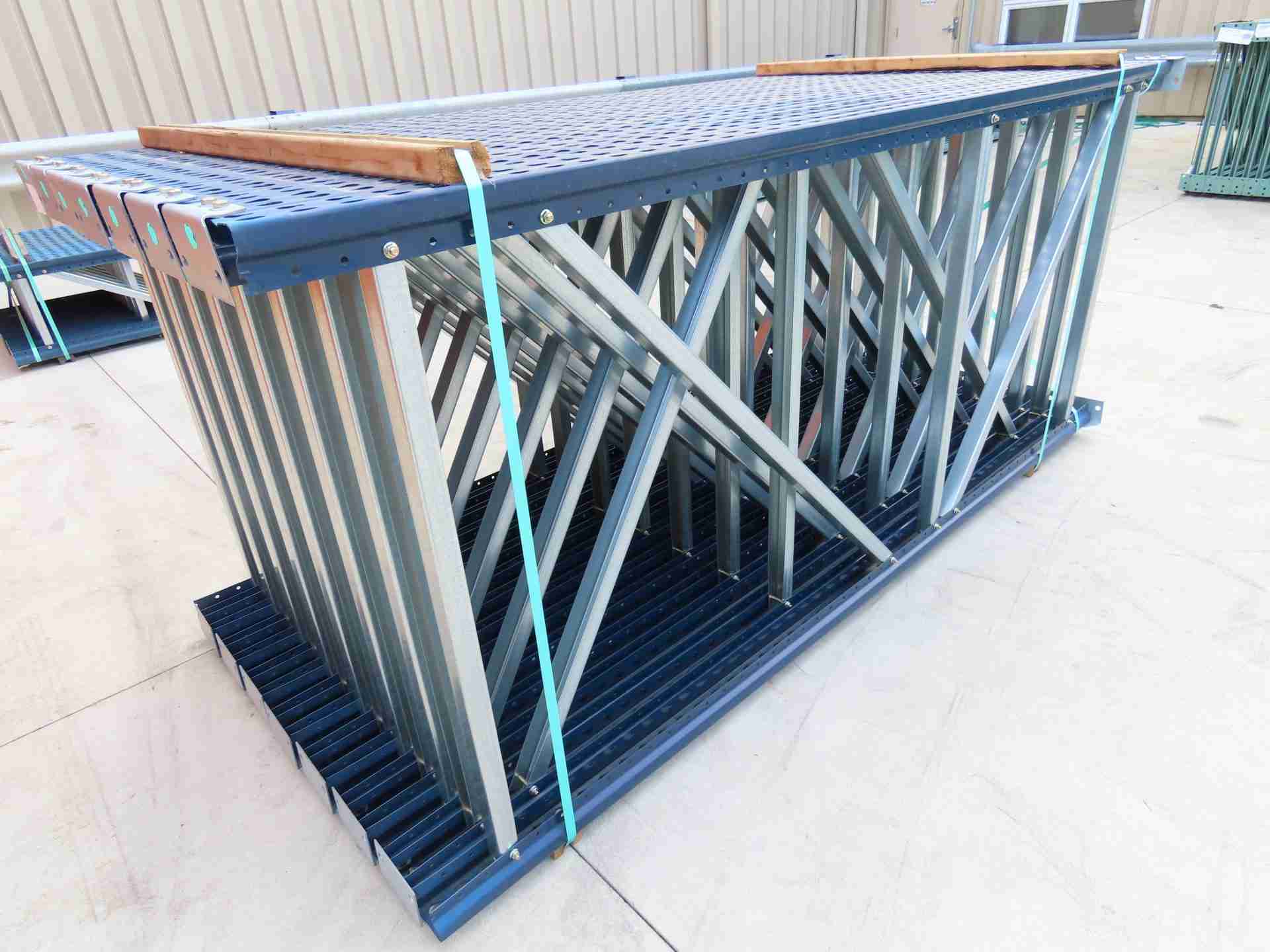
How Can Row Spacers Enhance Your Planting Efficiency?
How Can Row Spacers Enhance Your Planting Efficiency?
- Row spacers are essential yet often overlooked agricultural tools that can enhance planting efficiency.
- Every seed planted represents potential for sustenance and a future meal, making optimal planting crucial.
- Uniform spacing provided by row spacers maximizes sunlight, nutrients, and water access for each plant.
- Proper spacing minimizes overcrowding, reducing the risk of disease and resource competition among plants.
- Using row spacers aligns with sustainable farming practices by decreasing reliance on chemical interventions.
- Implementing row spacers can elevate community discussions on agricultural innovation and resource stewardship.
- Embracing row spacers fosters hope for future harvests, benefiting families and the broader world.
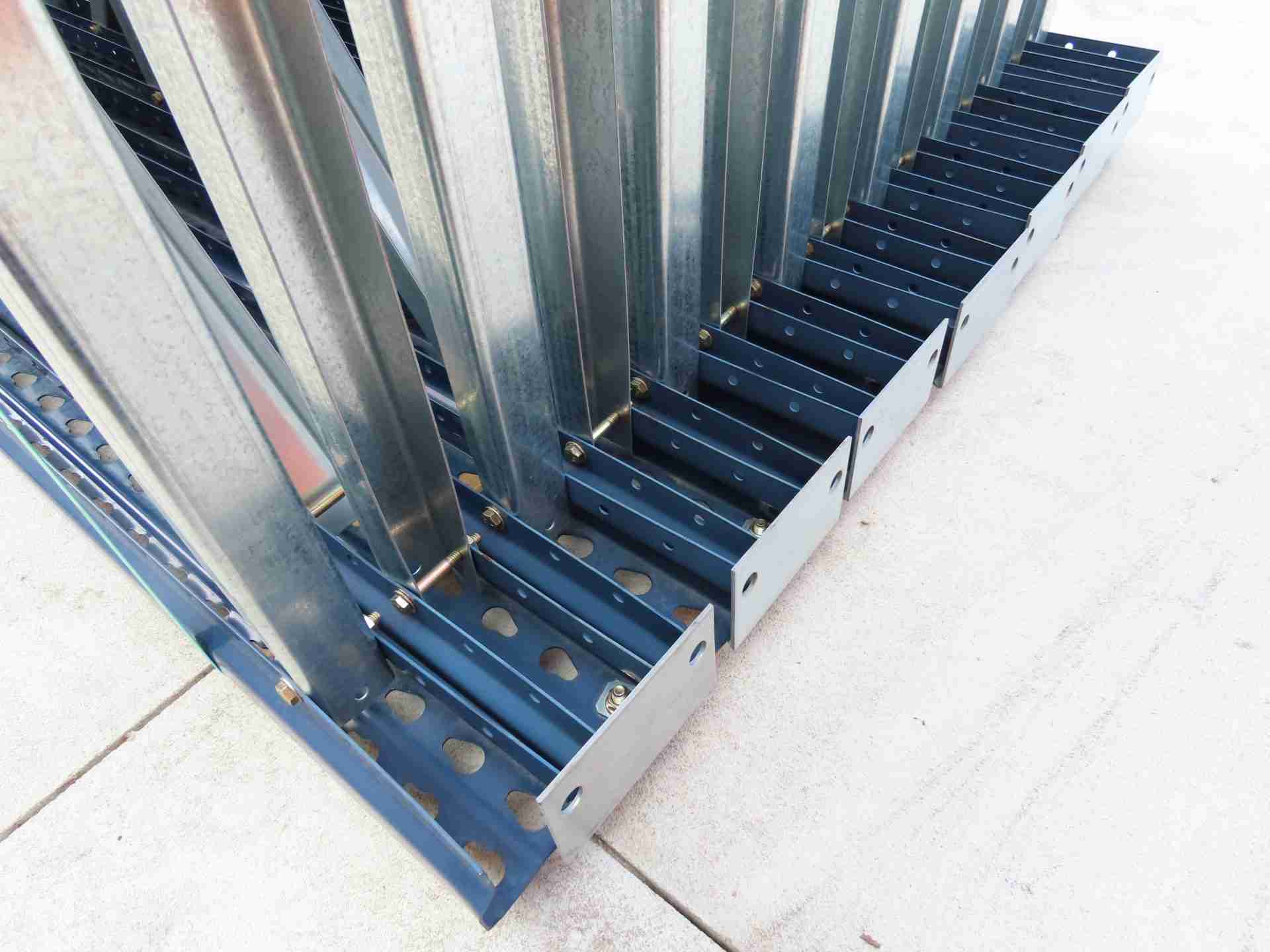
How Can Row Spacers Enhance Your Planting Efficiency?
Are You Aware Of the Ethical Implications Of Using Plastic Spacers?
When you grab a plastic spacer for your DIY project, it might seem like an innocent enough choice. But let’s pause for a moment and consider the implications of that decision. Sure, they make racking everything from shelves to furniture easy, but have you thought about the life cycle of that tiny piece of plastic?
Every year, millions of plastic products end up in landfills and oceans, contributing to an environmental crisis that affects us all. The harsh reality is that while that spacer might hold up your shelf today, it will likely persist in the Earth’s ecosystem for hundreds of years, leaching toxins and breaking down into microplastics that can infiltrate our water supply and food chain. It’s puzzling to think of something so small having the potential for such a big impact on the health of our planet.
But it’s not just about the environment; it’s a moral dilemma too. Each choice we make reflects our values. Using plastic spacers can feel convenient, but it challenges us to weigh our immediate needs against our responsibility to future generations. How do we justify our small conveniences at the expense of the vibrant earth that our children will inherit? Imagine a day when the landscapes are choked with plastic, and toys are made of materials that can’t be recycled or broken down. That’s not a story I want to tell my grandchildren.
Consider the social aspects of our choices as well. When we opt for sustainable materials, we inspire those around us to consider their impact. We become advocates for change, sparking conversations that can ripple throughout our communities. By using alternatives like bamboo or recycled materials, we not only make a statement but also contribute to a growing market that prioritizes ethics over convenience.
So, the next time you reach for that plastic spacer, ask yourself: what are we backing with our choices? Each small action contributes to a larger movement. Let’s lead by example, foster an ethic of sustainability, and inspire others to join us in creating a world that honors both humanity and nature. Trust yourself to make choices that reflect a balance of convenience and conscience, and together, we can build a future worth racking up for everyone.
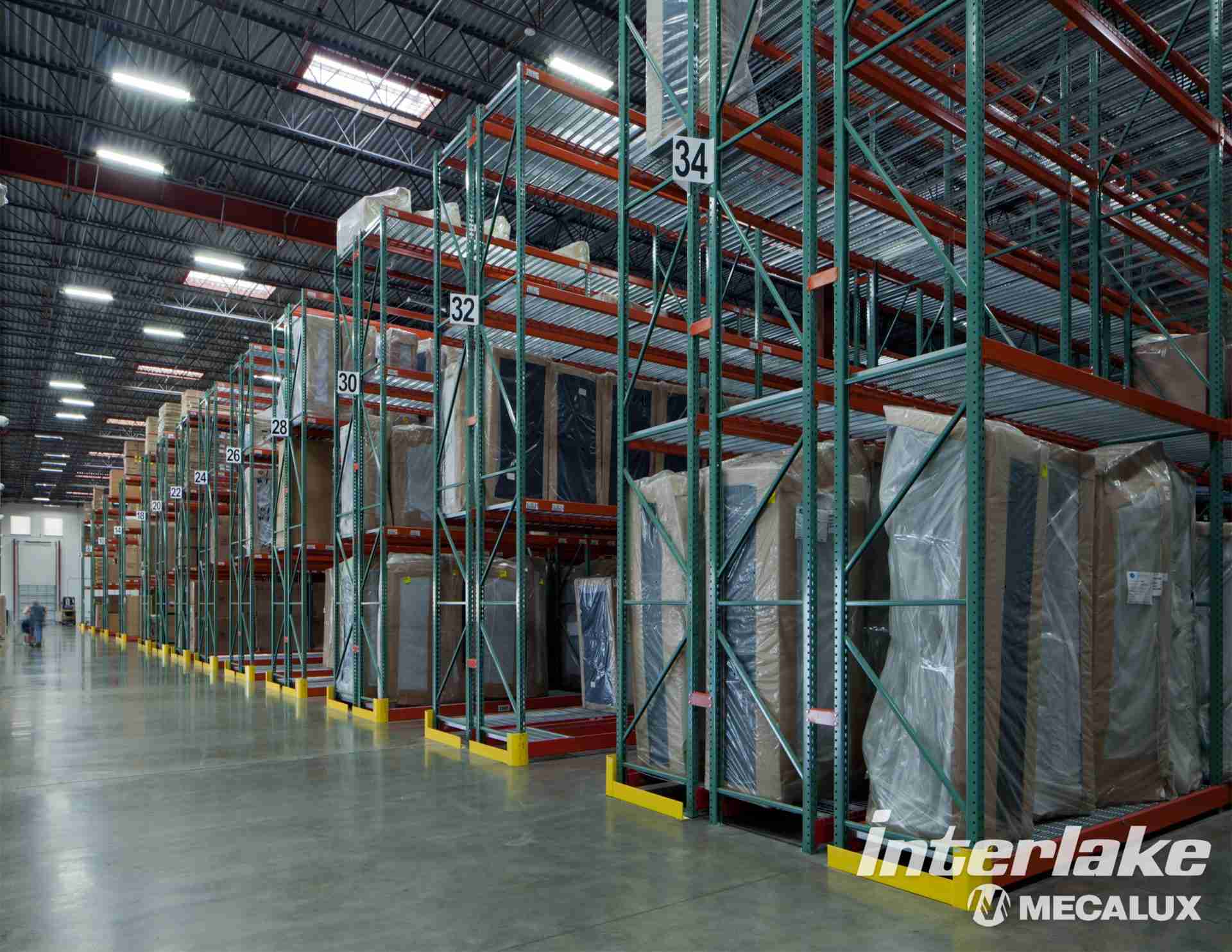
Are You Aware Of the Ethical Implications Of Using Plastic Spacers?
Are You Aware Of the Ethical Implications Of Using Plastic Spacers?
- Plastic spacers may seem harmless but have significant environmental implications.
- Millions of plastic products contribute to landfills and oceans, worsening the environmental crisis.
- Plastic spacers can persist for hundreds of years, releasing toxins and breaking down into microplastics.
- This choice reflects our values and raises moral questions about convenience versus future responsibility.
- Opting for sustainable materials can inspire community discussions and promote advocacy for change.
- Using alternatives like bamboo or recycled materials supports an evolving market that values ethics.
- Each small action contributes to a larger movement towards sustainability and environmental consciousness.
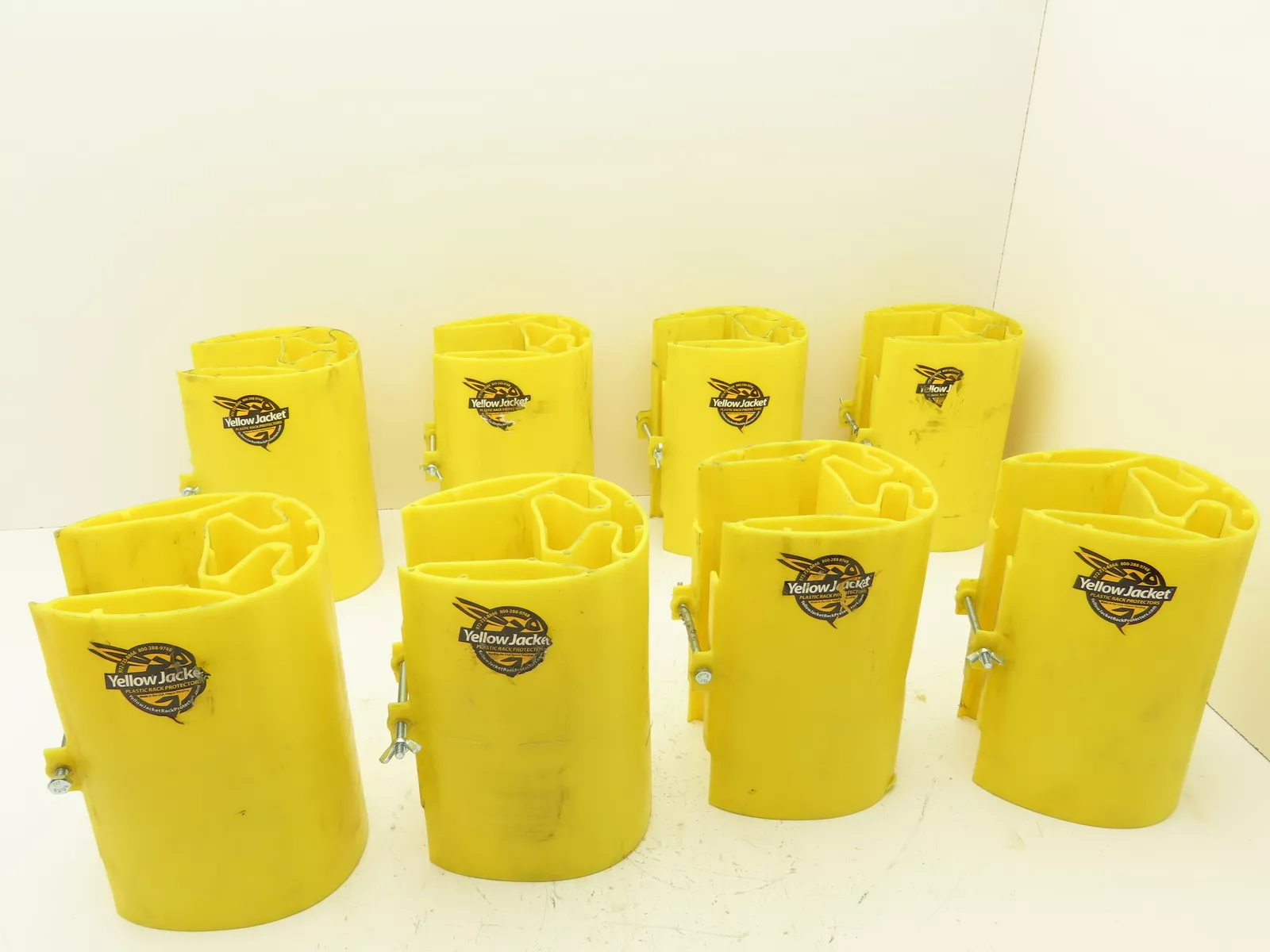
Are You Aware Of the Ethical Implications Of Using Plastic Spacers?
How Do Expert Gardeners Recommend Using Row Spacers Effectively?
When it comes to cultivating a thriving garden, the often-overlooked heroes of successful planting are row spacers. Think of them as the unsung allies, creating a dance floor where your plants can twirl and grow without stepping on each other’s toes. Expert gardeners understand that a little breathing room can transform a garden from a jumbled mess into a harmonious ecosystem. It’s not just about aesthetics; it’s about fostering a vibrant and healthy environment for every seedling.
Using row spacers effectively starts with understanding the unique needs of your plants. Each type of vegetable or flower has its way of reaching for the sun and soaking up nutrients from the soil. By spacing your rows wisely, you give them the freedom to flourish, much like giving a child room to explore. This isn’t merely a gardening tip; it’s an ethical choice for cultivation, maintaining the delicate balance of nature. You’re not just sowing seeds; you’re nurturing future friends—those tomatoes, beans, or vibrant zinnias that will reward your efforts with color and flavor.
Now, let’s get practical. Racking your garden beds with appropriate row spacers—typically 12 to 18 inches for most vegetables—ensures that sunlight, air, and water reach all corners of your greenery. This simple act fosters a more robust yield and reduces competition between plants for essential resources. Picture this: you spend hours raking, watering, and tending to your garden, and then, at harvest time, you stand knee-deep in produce. There’s a profound sense of satisfaction that comes with seeing your hard work pay off, isn’t there?
But it’s not just about the harvest; it’s about the community you’re cultivating. When you share your bounty with friends, neighbors, or a local food bank, you’re fostering connections that nourish not just the body but the soul. Gardening becomes a part of your narrative—a story of resilience, community, and generosity that resonates far beyond your backyard.
So, take a step back and think of your garden as a living entity. With effective row spacers leading the way, you’re not just planting seeds; you’re nurturing relationships with the land and the people around you. The next time you reach for that spacer, remember: this small tool carries the promise of a healthy, vibrant future for both your garden and the community it supports. Embrace it, and watch your garden thrive!
How Do Expert Gardeners Recommend Using Row Spacers Effectively?
How Do Expert Gardeners Recommend Using Row Spacers Effectively?
- Row spacers are essential for creating space in gardens, allowing plants to grow without overcrowding.
- Expert gardeners recognize that adequate spacing transforms a chaotic garden into a harmonious ecosystem.
- Understanding the unique needs of different plants is crucial for effective use of row spacers.
- Spacing rows wisely helps plants reach for sunlight and soak up nutrients, promoting healthy growth.
- Utilizing appropriate row spacers (12 to 18 inches for most vegetables) enhances sunlight, air, and water access.
- Gardening fosters community connections through sharing produce, enhancing both personal and communal well-being.
- Row spacers symbolize a commitment to nurturing relationships with nature and the surrounding community.
How Do Expert Gardeners Recommend Using Row Spacers Effectively?
Can the Right Row Spacers Transform Your Gardening Experience?
When you step into your garden, you enter a world that’s equal parts magic and hard work. You dig your hands into the soil, breathing in the earthy aroma, feeling the pulse of life in every seed you plant. Yet, amidst that tranquility often lies a nagging frustration: unruly rows that spill over, weeds that choke out your seedlings, or plants jostling for space like siblings in the back seat of a car on a long road trip. Enter row spacers—the unsung heroes of your garden.
Picture this: you’re out racking up the soil, and instead of a chaotic landscape, you have neat lines of crops, each with its own sacred space, flourishing in synergy with nature’s rhythm. With the proper row spacers, you can boost your gardening techniques from good to great. This isn’t just about aesthetics; it’s about efficiency and productivity. The right equipment can mean the difference between muddled growth and a bountiful harvest that makes your nerves sing with joy.
Rationally, spacing matters. Each plant needs room to breathe. Too close together, and you’re not just inviting competition; you’re inviting disease and pests into your plot. Not to mention, overcrowding can stunt their growth. With row spacers, you’ll not only help your plants thrive, but you’ll also take some weight off your shoulders, giving you more time to enjoy the fruits of your labor.
But there’s an ethical component to this journey as well. Gardening isn’t just about gathering; it’s about nurturing and respecting the land. By giving each plant its due space, you foster a healthy ecosystem in your garden and in the broader environment. This small act cultivates not just your plants, but a sense of connection to something greater. Each row kept tidy honors the earth and the effort you’ve put in to become a steward of the land.
And it’s not just about the plants—it’s about the community. Imagine sharing gardening tips with neighbors, proudly displaying your organized rows, and encouraging others to join in the joy of growing. Let’s face it: gardening can feel lonely sometimes. But row spacers can help forge a new kinship, connecting fellow gardeners who appreciate the hard work and the rewards it brings.
So, roll up those sleeves, grab those row spacers, and redefine your gardening experience. Trust in the small tools that can make a monumental difference. Who knows? The next great garden saga could very well start with a simple adjustment.
Can the Right Row Spacers Transform Your Gardening Experience?
Can the Right Row Spacers Transform Your Gardening Experience?
- Gardening embodies both magic and hard work, combining tranquility with challenges like unruly rows and weeds.
- Row spacers are essential tools that create order and maximize efficiency in the garden.
- Proper spacing ensures plants have room to grow, reducing competition for resources, diseases, and pests.
- Utilizing row spacers can enhance productivity and lead to a more bountiful harvest.
- The practice of giving each plant adequate space fosters a healthy ecosystem and nurtures respect for the land.
- Gardening involves community; organized rows facilitate sharing tips and connecting with fellow gardeners.
- Embracing row spacers can transform your gardening approach, making a significant difference in your experience.
Can the Right Row Spacers Transform Your Gardening Experience?
Conclusion
In the world of gardening and construction, practical tools like row spacers can elevate our work from ordinary to extraordinary. These seemingly simple devices are the backbone of any successful planting scheme, embodying the philosophy of precision and care. When farmers and gardeners embrace the use of row spacers, they’re not merely organizing their plots; they’re setting the stage for flourishing crops and resilient structures, building an environment where both plants and communities can thrive.
Consider the emotional journey of a gardener after a taxing day—stepping into that sacred space where chaos fades, and connection with nature reigns. Row spacers give shape to that sanctuary, establishing a structured rhythm that not only enhances aesthetics but nurtures a sense of accomplishment. Every thoughtfully spaced row is a small victory; it’s about more than just growing food—it’s cultivating joy, purpose, and connection with the earth. This alignment with nature isn’t merely personal; it resonates with the responsibility we share towards our environment. By using row spacers wisely, we participate in a sustainable cycle that honors resources, allowing us to yield more while consuming less.
The ethical implications of our choices extend beyond personal gain. Opting for sustainable materials and methods can inspire a broader narrative within our communities, sparking vital conversations about stewardship and respect for our ecosystem. It sets a powerful example that resonates beyond our backyards, encouraging others to recognize the impact of their choices.
Moreover, row spacers help us gain authority in our craft. When your garden thrives due to smart spacing, you become a beacon of knowledge, inviting neighbors into conversations about innovative agricultural practices and fostering a sense of kinship among those who value hard work and the joy of cultivation.
But let’s not forget the story we create along the way. Each row spacer marks a chapter in our gardening journey—reminders of challenges faced and triumphs celebrated. They symbolize the potential of every seed sown and every relationship nurtured, connecting us with future generations who will inherit the fruits of our labor. By integrating row spacers into our gardening endeavors, we open the door to a future teeming with growth. Embrace these small yet mighty tools. They offer a path toward not just productivity, but a thriving community grounded in trust, care, and commitment to a shared, sustainable future. Grab those row spacers and transform your planting experience—it’s a journey worth taking, one inch at a time.
Conclusion
Conclusion:
- Row spacers are essential tools in gardening and construction, promoting precision and care in planting schemes.
- Using row spacers transforms gardening into a fulfilling experience, creating structured environments for plants and communities that thrive.
- They enhance the emotional satisfaction of gardening, turning chaotic spaces into sanctuaries that foster joy and accomplishment.
- Embracing sustainable practices with row spacers reflects a commitment to environmental stewardship, promoting resource efficiency.
- Choosing sustainable materials encourages community conversations about ecological respect and responsibility.
- Successful gardening with row spacers builds authority and invites community engagement in innovative agricultural practices.
- Each row spacer serves as a reminder of the gardening journey, connecting past efforts to future generations inheriting the land.

Conclusion
Other Resources

Other Resources
Here is a list of other resources you can review online to learn more:
- Bradford Systems
- Racking World
- Illinois
- CA Wire
- Used Pallet Rack for Sale in Illinois – American Surplus
- Warehouse Racks, Warehouse Racking in Stock – ULINE
- The Complete Pallet Rack Guide – Simply Rack
- Warehouse Automation
- Material Handling Industry
- Arrow Industrial Sales
- Warehousing Education and Research Council: https://www.werc.org/
- Interlake
- Interlake Mecalux
- Rack Manufacturers Institute
- Pallet Racking systems in Illinois and Great Lakes
- Illinois Pallet Racking – Storage Solutions
- ASSP
- What is Selective Pallet Racking
- Warehouse Racking Layout: The Ultimate Guide – Conger
- Selective Racking
Use This Prompt To Get More Resources With Your Favorite Online AI Tool: Please provide me with a list of online articles with their URLs in a bulleted list that I can read regarding Everything You Need to Know About Row Spacers
Other Resources
Glossary Terms
Everything You Need to Know About Row Spacers – Glossary Of Terms
1. Row Spacer: A tool or device used to maintain consistent spacing between rows of plants or materials in gardening, agriculture, or construction.
2. Plant Spacing: The distance between individual plants, which can affect growth, yield, and sunlight accessibility.
3. Soil Aeration: The process of creating small holes in soil to allow air, water, and nutrients to penetrate, promoting healthy root development.
4. Weeding: The act of removing unwanted plants from a garden or field that compete with desired plants for resources.
5. Plant Health: The overall condition of a plant, influenced by factors like spacing, soil quality, water availability, and pest management.
6. Yield Optimization: Techniques applied to enhance the production efficiency and output of crops or plants.
7. Mulch: A covering placed over soil to retain moisture, suppress weeds, and improve soil quality.
8. Compaction: The compression of soil particles, reducing air spaces and negatively affecting plant growth by hindering root expansion.
9. Irrigation: The process of supplying water to plants using various systems to ensure adequate moisture.
10. Crop Rotation: A practice where different crops are grown in succession on the same land to improve soil health and reduce pests.
11. Trellis: A framework designed to support climbing plants, enhancing space utilization and sunlight exposure.
12. Transplanting: The process of moving a plant from one location to another, often requiring careful management of spacing.
13. Biodiversity: The variety of plant and animal life in a particular habitat, which can enhance ecosystem resilience.
14. Spacing Guidelines: Recommended distances between plants or rows based on specific species’ growth habits and environmental needs.
15. Fertilization: The addition of nutrients to soil or plants to enhance growth and yield.
16. Pest Management: Strategies employed to control pests that affect plant health, including physical, chemical, and biological methods.
17. Harvesting: The process of collecting mature crops from the field, which can be influenced by row spacing.
18. Microclimate: A small, localized climate that can differ from the surrounding area and affect plant growth conditions.
19. Row Orientation: The direction in which rows are planted, critical for maximizing sunlight exposure and airflow.
20. Crop Density: The number of plants per unit area, impacting competition, resource use, and yield.
21. Ground Cover: Plants that cover the soil surface to prevent erosion, control weeds, and improve soil health.
22. Composting: The process of recycling organic matter into a soil amendment to enhance soil fertility.
23. Transpiration: The process of water movement through a plant, critical for hydration and nutrient transport.
24. Soil Type: The classification of soil based on texture and composition, influencing water retention and drainage.
25. Sunlight Exposure: The amount of sunlight received by plants, critical for photosynthesis and growth.
26. Growing Season: The period during which conditions are suitable for plant growth, determined by climate and weather.
27. Drip Irrigation: A precise irrigation method that delivers water directly to plant roots, minimizing waste.
28. Seedling: A young plant developed from a seed, which requires specific care and spacing during growth.
29. Spacing Tools: Instruments like rulers or measurement devices used to ensure consistent and accurate plant spacing.
30. Sustainable Practices: Agricultural methods aimed at meeting current needs without compromising future generations, often involving row spacers for improved resource management.

Glossary Of Terms
Other Questions
Everything You Need to Know About Row Spacers – Other Questions
If you wish to explore and discover more, consider looking for answers to these questions:
- What are the different types of row spacers available on the market?
- How do I choose the right row spacer for my specific plants?
- Can row spacers be used in both gardening and construction projects?
- What are the environmental impacts of using row spacers made from various materials?
- Are there any innovative or alternative products that can replace traditional row spacers?
- What common mistakes should be avoided when using row spacers?
- How do row spacers affect plant health and growth long-term?
- What are the best practices for maintaining row spacers over time?
- How do community gardens utilize row spacers for collective gardening efforts?
- What are some success stories or case studies involving the use of row spacers?
Other Questions
Checklist
Everything You Need to Know About Row Spacers – A Checklist
Row Spacers Checklist: Engaging Your Heart, Head, and Gut
Emotional Appeals
_____ Visualize your ideal garden space; how does it feel to see your plants flourishing?
_____ Reflect on the tranquility and connection with nature that gardening provides—how can row spacers enhance this experience?
_____ Share your gardening journey with friends or family; how can row spacers contribute to that narrative?
Rational Appeals
_____ Calculate the optimal spacing for different types of plants; how does this maximize your crop yield?
_____ Assess how uniform spacing can minimize overcrowding and prevent disease.
_____ Document the resources saved by using row spacers effectively—how does this impact your gardening costs?
Ethical Appeals
_____ Consider the environmental impact of your materials; are you using sustainable alternatives when possible?
_____ Reflect on your responsibility as a steward of the land; how do row spacers help you fulfill this role?
_____ Ponder the long-term effects of your gardening practices on future generations—what legacy do you want to leave?
Authority Appeals
_____ Research expert recommendations on row spacing for different crops; how does this knowledge inform your gardening practices?
_____ Seek advice from experienced gardeners in your community; what best practices can you adopt?
_____ Read articles on gardening innovations and the role of spacing in agricultural success; how can this boost your confidence?
Narrative Appeals
_____ Craft a story that connects your gardening efforts to those who came before you; how do row spacers contribute to this lineage?
_____ Share your successes and challenges with neighbors; how can row spacers transform your gardening narrative?
_____ Reflect on the lessons learned from each planting season and how row spacers play a part in your growth as a gardener.
Social Appeals
_____ Join a community gardening group or online forum; how can sharing your experiences with row spacers foster connections?
_____ Discuss the benefits of proper spacing with fellow gardeners; how can this spark conversations about gardening techniques?
_____ Offer to share your harvest with others; how do row spacers enhance your ability to give back to your community?
Checklist
At RackingWorld, we help guide you through selecting warehouse storage systems and racking.
Be sure to read our other related stories at RackingWorld to learn more about warehouse storage systems.
0 Comments