
Optimizing Efficiency And Safety In Rack Design
By Tom Seest
At RackingWorld, we help guide you through selecting warehouse storage systems and racking.
Be sure to read our other related stories at RackingWorld to learn more about warehouse storage systems.
Dynamic Vs. Static Zones In Rack Design
Dynamic vs. Static Zones in Rack Design
Let’s dive into the world of racking—where decisions play a pivotal role and the stakes can be both high and tangible. When it comes to designing storage spaces, the battle between dynamic and static zones is like choosing between a jazz band and a classical symphony. Each has its merits, but the choice may come down to how you want your space to sing.
Static zones are like the sturdy oak trees in a forest; dependable and rooted in place. They provide a solid framework for your materials, making it easy to establish a methodical system that prioritizes organization and efficiency. If you envision a traditional warehouse where items rest peacefully on shelves, static racking is your anchor. However, consider the emotional resonance of those shelves. Imagine the feeling of satisfaction when everything has its proper place, a stark contrast to the chaos of disorganization.
On the flip side, dynamic zones add a rhythm to the dance of storage. Think of them as the agile ballet dancers, gracefully shifting and changing with the needs of the moment. These systems utilize advanced mechanisms, like push-back or flow racks, bringing an element of flexibility to your operation. This is where the heart of your warehouse beats faster—embracing change and adapting to diverse inventory demands. As products come and go, dynamic racking promotes efficiency in a way that static setups simply can’t.
So, what’s the ethical choice? It’s about maximizing space and minimizing waste. Dynamic zones not only promote optimal use of resources but also pave the way for sustainability. They’re an investment in the future, reducing the likelihood of obsolescence in a fast-paced market. You’re not just creating a facility; you’re cultivating an environment that cares for its materials and employees alike.
Let’s not forget the power of narrative. Think of the stories these zones will tell—the bustling activity of a dynamic zone contrasted with the quiet, orderly calm of static racks. Both have their place in the larger story of logistics, each contributing to a well-tuned operation.
Ultimately, the choice between dynamic and static zones is more than mere preference; it’s a reflection of your values and vision. Embrace the journey, and trust that the right choice will transform your racking strategy, ensuring your operation is not just functional, but thriving. Choose wisely and watch as your storage takes on a life of its own.
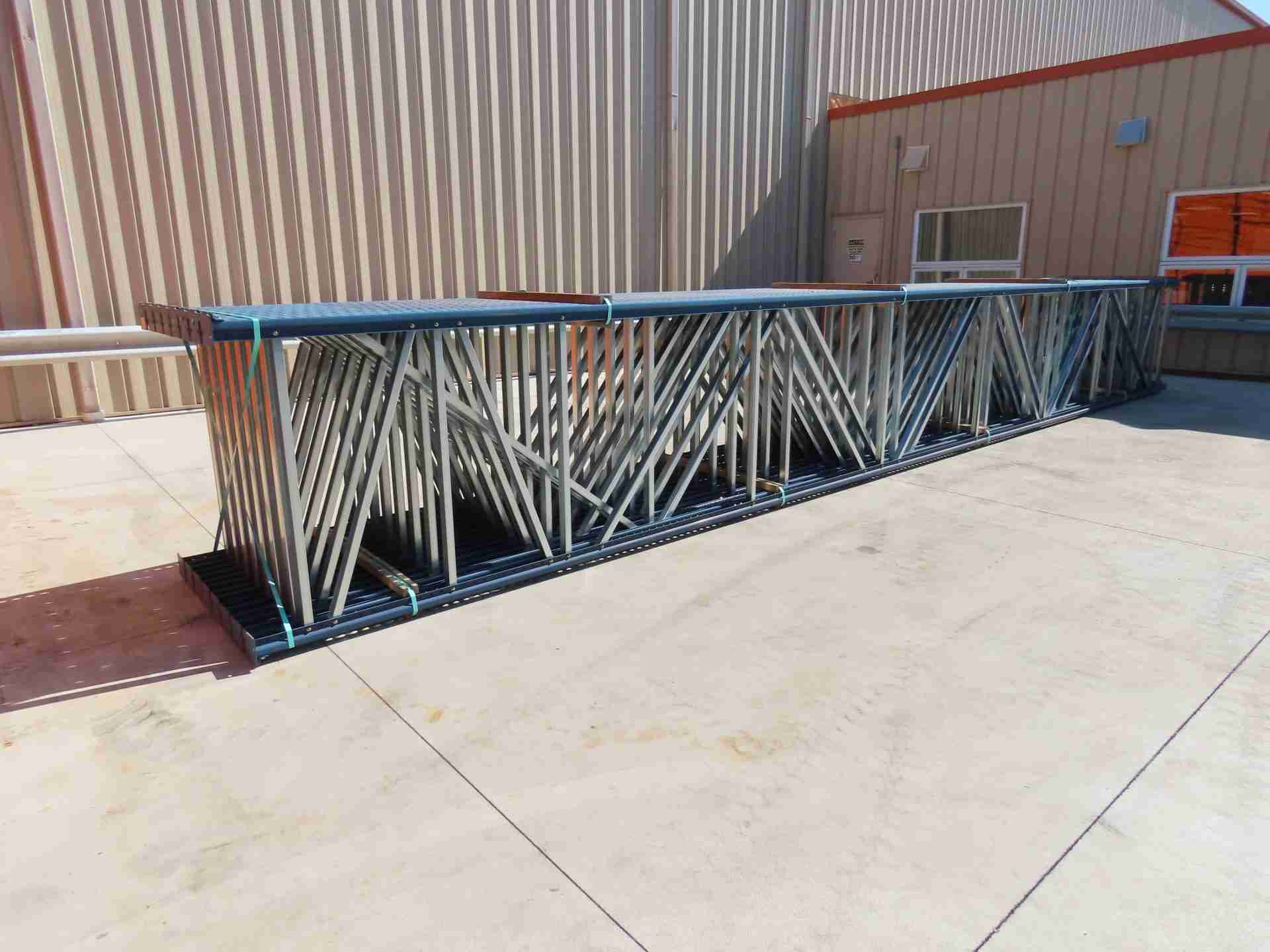
Dynamic Vs. Static Zones In Rack Design
Dynamic Vs. Static Zones In Rack Design
- Rack design decisions significantly impact storage efficiency and organization.
- Static zones provide a dependable and organized framework for materials, likened to sturdy oak trees.
- Static racking ensures methodical systems, fostering satisfaction through order in the warehouse.
- Dynamic zones introduce flexibility and adaptability, resembling agile ballet dancers in storage operations.
- Dynamic racking promotes efficiency, accommodating diverse inventory demands with advanced mechanisms.
- Choosing dynamic zones supports sustainability by optimizing resources and reducing waste.
- The choice between dynamic and static zones reflects organizational values and vision, shaping the future of warehousing.
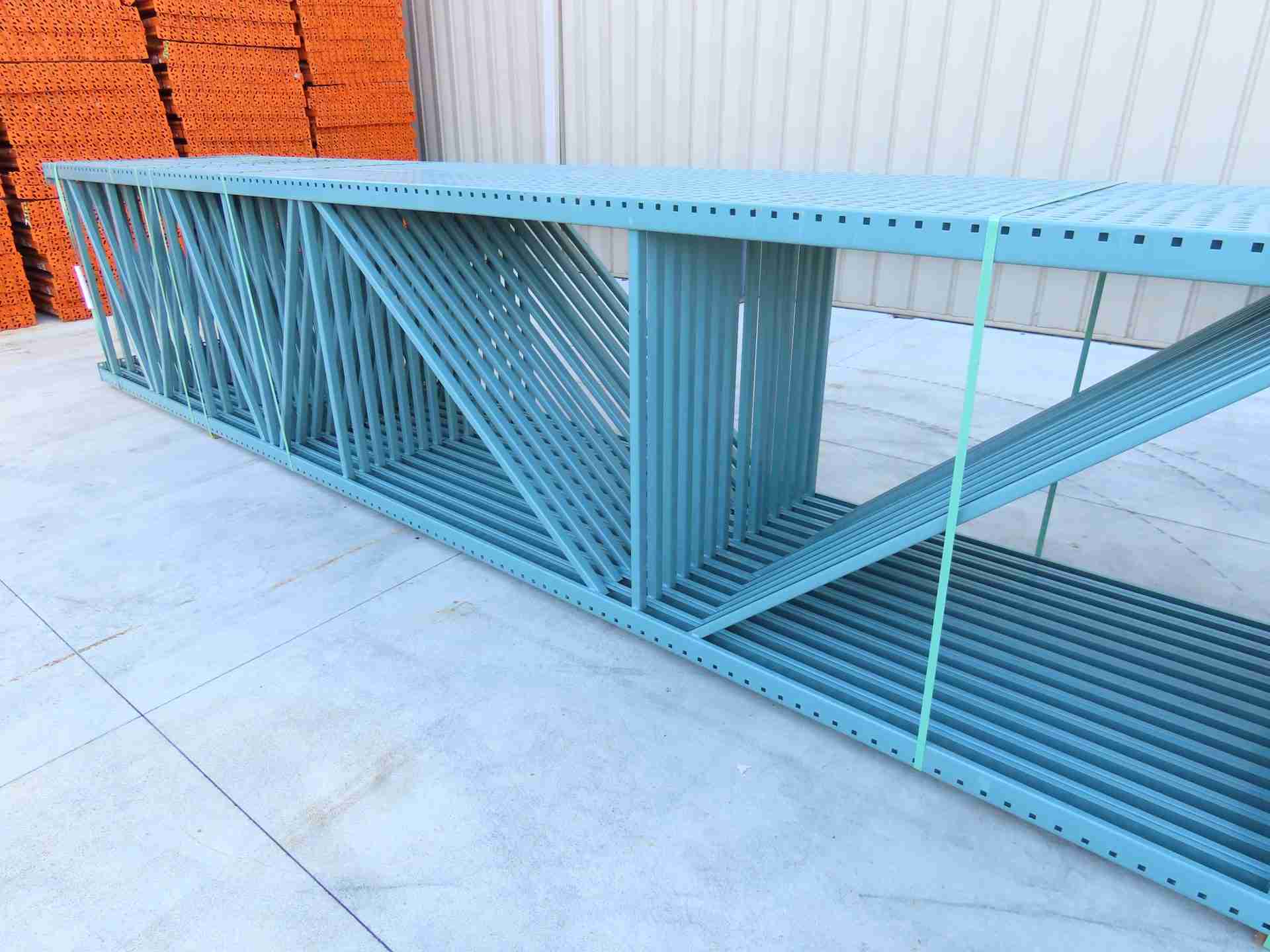
Dynamic Vs. Static Zones In Rack Design
Table Of Contents
- Dynamic Vs. Static Zones In Rack Design
- What Emotional Flexibility Do Dynamic Zones Provide In Rack Design?
- How Do Static Zones Promote Rational Efficiency In Storage Solutions?
- What Expert Insights Are There on the Benefits Of Dynamic Zones?
- How Does Rack Design Storytelling Influence Our Choices Between Zones?
- How Can Dynamic Zones Enhance User Experience Beyond Static Options?
- Conclusion
- Other Resources
- Glossary Of Terms
- Other Questions
- Checklist
What Emotional Flexibility Do Dynamic Zones Provide In Rack Design?
When you think about racking systems in warehouses or workshops, the mind often wanders toward cold metal and practical design. But beneath that unyielding exterior lies something far more dynamic—emotional flexibility. Dynamic zones in rack design do more than just store items; they speak to our innate desire for adaptability and efficiency, forging a connection between the tangible and the transformative.
Consider the chaos of a busy work environment: boxes strewn about, tools misplaced, and time slipping through your fingers. In this fast-paced arena, emotional flexibility becomes a lifeline. Dynamic zones allow for rapid reconfiguration, enabling workers to pivot and react to changing demands. This isn’t just about optimizing space; it’s about fostering a culture of responsiveness that empowers individuals. The beauty of a well-designed rack system resonates with our need for organization, reducing stress and increasing the ebb and flow of productivity.
Now, let’s engage the head: these dynamic zones are engineered with a purpose. Each section of a racking system is intentionally designed to maximize storage efficiency, minimize downtime, and promote safety. All of this translates to more than just immediate benefits; it contributes to a company’s bottom line. Streamlined processes reduce errors, thus building a reputation based on reliability and trust. When businesses invest in a flexible racking solution, they’re not merely purchasing equipment—they’re investing in their people and their future.
Ethically speaking, the choice for adaptable racking solutions is one that reflects a commitment to sustainability. A system that can evolve with your needs reduces waste, as it lessens the frequency of replacements and redesigns. In essence, dynamic racks represent a forward-thinking ethos: one that respects resources and champions ingenuity.
But beyond the numbers and ideals, there are real stories of triumph from those who have embraced these dynamic zones. Picture a once-chaotic storage bay transformed into a streamlined operation, where every item has its place and every worker feels empowered. This is the heartbeat of a vibrant workspace—a place where efficiency meets respect for individual contributions.
As you ponder your own racking decisions, consider not just what you need to store, but the emotional landscape of your workspace. A flexible, thoughtful design doesn’t just hold your inventory; it holds the potential for growth, connection, and success. Swing open those dynamic zones, and watch how your environment—and people—come alive.
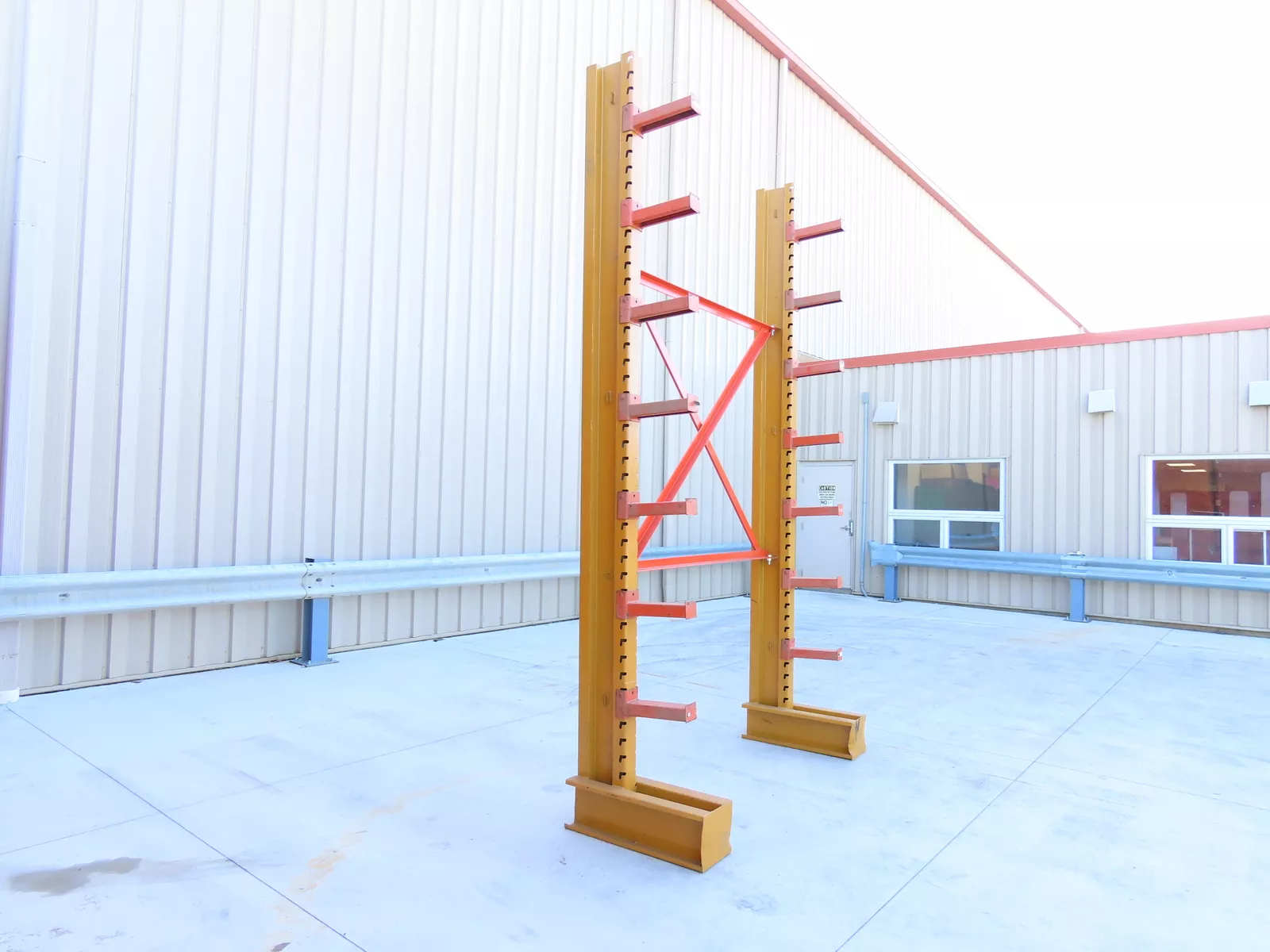
What Emotional Flexibility Do Dynamic Zones Provide In Rack Design?
What Emotional Flexibility Do Dynamic Zones Provide In Rack Design?
- Racking systems represent emotional flexibility beyond their cold metal design, connecting adaptability and efficiency.
- Dynamic zones in rack design facilitate rapid reconfiguration, enhancing responsiveness in busy work environments.
- A well-designed racking system fosters organization, reduces stress, and boosts productivity.
- Each section of a racking system is intentionally crafted to maximize storage efficiency, safety, and minimize downtime.
- Investing in flexible racking solutions enhances company reputation through reliability and trust, benefiting the bottom line.
- Adaptable racking reflects a commitment to sustainability, reducing waste and the need for frequent redesigns.
- Dynamic zones can transform chaotic workspaces into empowered environments, promoting growth and connection.

What Emotional Flexibility Do Dynamic Zones Provide In Rack Design?
How Do Static Zones Promote Rational Efficiency In Storage Solutions?
When you stroll into a warehouse, it’s easy to get lost in the maze of towering structures, a veritable forest of racking, boxes, and machinery. Yet, amid the chaos lies a powerful principle: static zones. These well-defined spaces don’t just serve a functional purpose; they’re the connective tissue of rational efficiency in storage solutions. Picture a home where everything has its place—where your tools, toys, and linens are not just tossed into a box but arranged thoughtfully so you can find them easily. This clarity in organization not only saves time but also reduces stress.
Static zones instill a sense of order that appeals to our rational minds. When items are methodically categorized into designated areas, it eliminates the guesswork. Imagine a mechanic who knows precisely where every wrench belongs. Each time he reaches for the tool he needs, he’s not just saving minutes; he’s wielding confidence. That’s the kind of assurance static zones provide in a vast warehouse setting. It’s about trusting that the right equipment is found exactly where it should be, nurturing not just productivity but peace of mind.
Ethically, we must consider the collection of resources we cradle and the respect we owe our workforce. When we design static zones, we honor the labor that goes into the everyday grind. Employees feel valued when they can navigate their workspace efficiently, reducing frustration and making way for creativity. Imagine standing shoulder to shoulder with your coworkers, empowering one another as you tackle the task at hand, free from the clutter that so often stifles innovation.
The narrative of static zones promotes a story of connection. When everyone understands how to work within the established structure, it fosters a sense of community. Picture a bustling hive of activity, where people collaborate seamlessly. Storage solutions become not just about shelves but about people—teams working together, each member playing an essential role in the larger operation.
On a social level, embracing this rational efficiency through static zones enhances not only the individual’s performance but the entire organization as well. It sets a standard, a badge of honor, for those who operate within it. Efficiency isn’t merely an abstract goal; it’s a collective triumph. By advocating for these static zones, we champion a smarter, more ethical approach to storage, connecting purpose with action. And in this connection, we find wisdom.
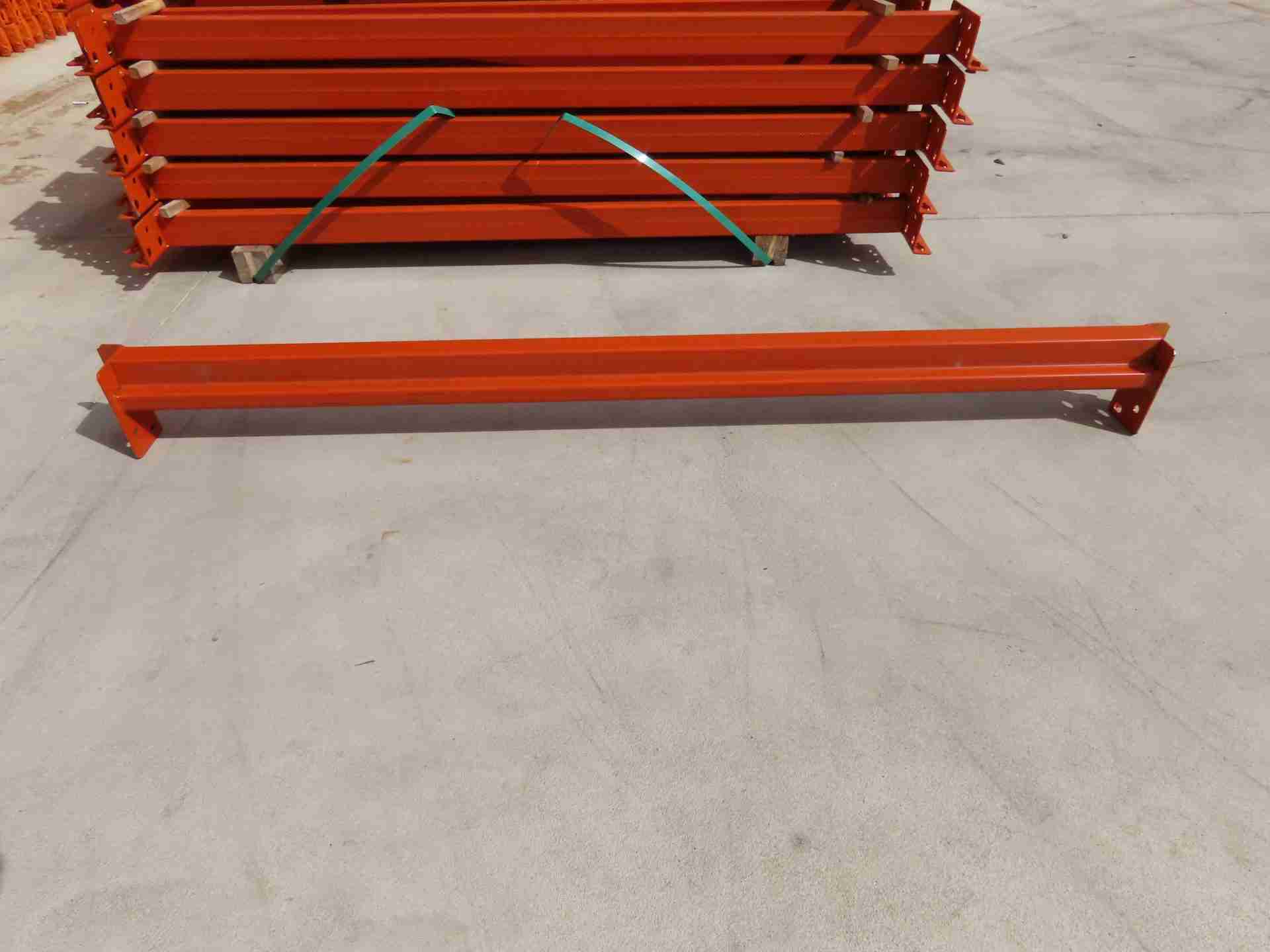
How Do Static Zones Promote Rational Efficiency In Storage Solutions?
How Do Static Zones Promote Rational Efficiency In Storage Solutions?
- Static zones are well-defined spaces in warehouses that enhance efficiency and organization.
- Well-arranged items save time and reduce stress, similar to organizing tools in a home.
- Systematic categorization eliminates guesswork, fostering confidence in finding tools and equipment.
- Designing static zones respects the workforce and enhances employee value and creativity.
- These zones promote a sense of community as teams collaborate more effectively.
- Rational efficiency through static zones enhances individual performance and benefits the entire organization.
- They symbolize a collective triumph and advocate for a smarter, ethical storage approach, connecting purpose with action.
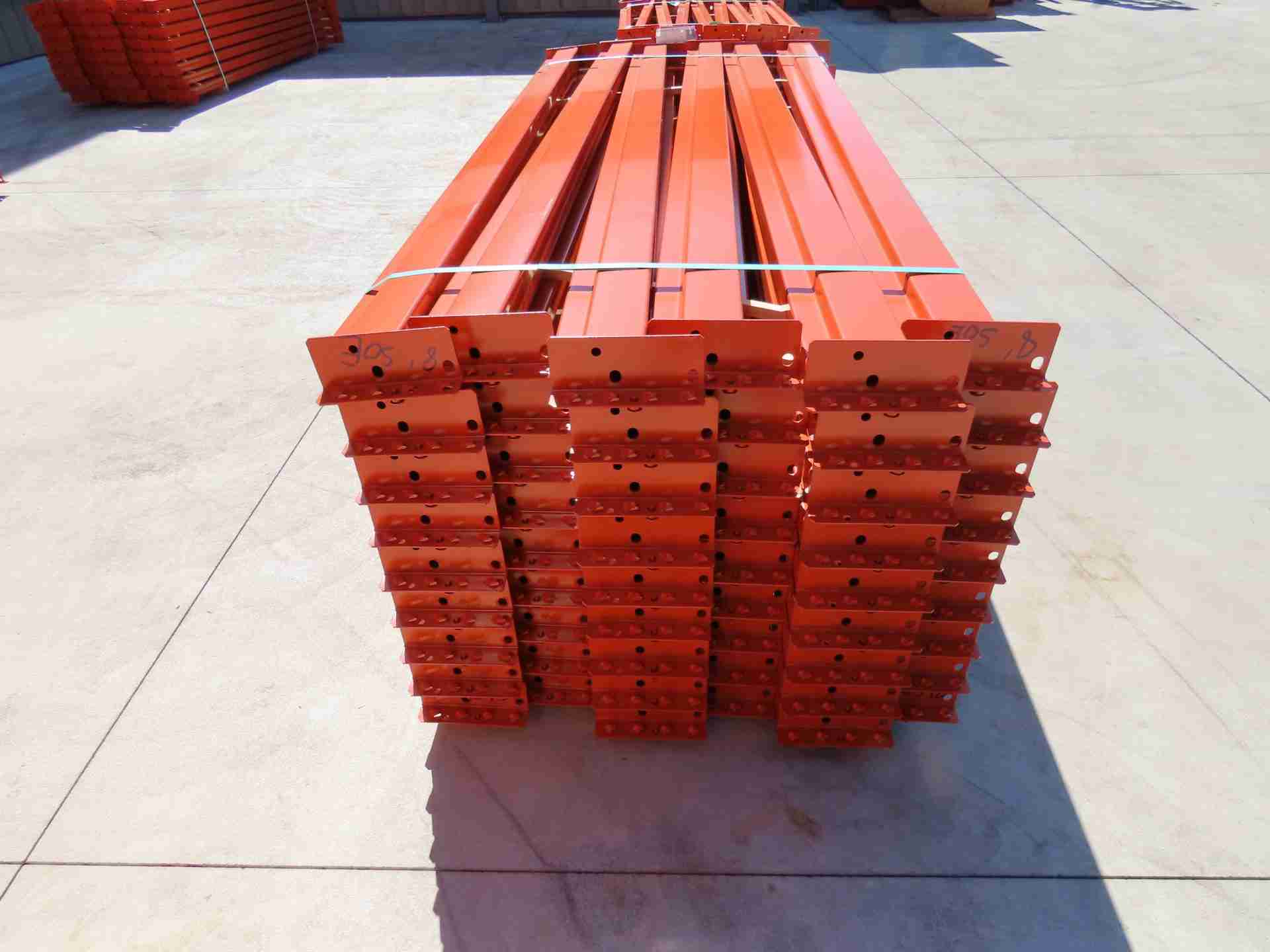
How Do Static Zones Promote Rational Efficiency In Storage Solutions?
What Expert Insights Are There on the Benefits Of Dynamic Zones?
Let’s delve into the world of dynamic zones—the kind of innovation that makes you rethink what’s possible. Picture a space morphing to fit its purpose, echoing the flexibility we crave in a rapidly changing society. Those who have embraced dynamic zones often talk about how these versatile environments can transform not just buildings, but communities and lives.
Emotionally speaking, there’s something deeply satisfying about a space that adapts, even reflecting who we are at our core. Racking your brain to find the perfect balance between creativity and functionality? Dynamic zones hold the key. They’re like a favorite tool in the toolbox, always ready to tackle whatever project comes your way. Whether it’s a classroom that flips into an event space or an office that shifts to a collaborative hub, these areas inspire enthusiasm and engagement.
From a rational standpoint, dynamic zones are a cost-effective solution. No longer do you need to pour resources into rigid, traditional spaces that only serve one function. Instead, you invest in environments that work for you, adjusting as needs change. This fluidity not only maximizes space but also mirrors the adaptability of modern work and learning styles, proving that a little creativity can stretch a budget without cutting corners.
Ethically, there’s a responsibility to create spaces that honor sustainability. Dynamic zones often encourage a reduction in waste—not just materials, but also energy—by ensuring that each area is utilized to its fullest potential. It’s not about sticking to what’s comfortable; it’s about making decisions that benefit both people and the planet.
The voices of experts resonate with authority. Developers, architects, and planners are increasingly advocating for dynamic zones, highlighting case studies where these environments have revolutionized interactions. They share stories of transformation, where a once underused space became a bustling hub of activity, bringing people together and fostering connection.
Socially, these zones pave the way for collaboration and community building. Imagine a neighborhood where everyone thrives because public spaces cater to diverse needs. That’s the magic of dynamic zones—they don’t just adapt; they breathe life. They invite us to come together, share experiences, and find common ground.
Embrace the possibilities. By investing in dynamic zones, you’re not just creating spaces; you’re crafting futures, fueling innovation, and igniting connections. Take that leap, and let’s redefine what our environments can be.
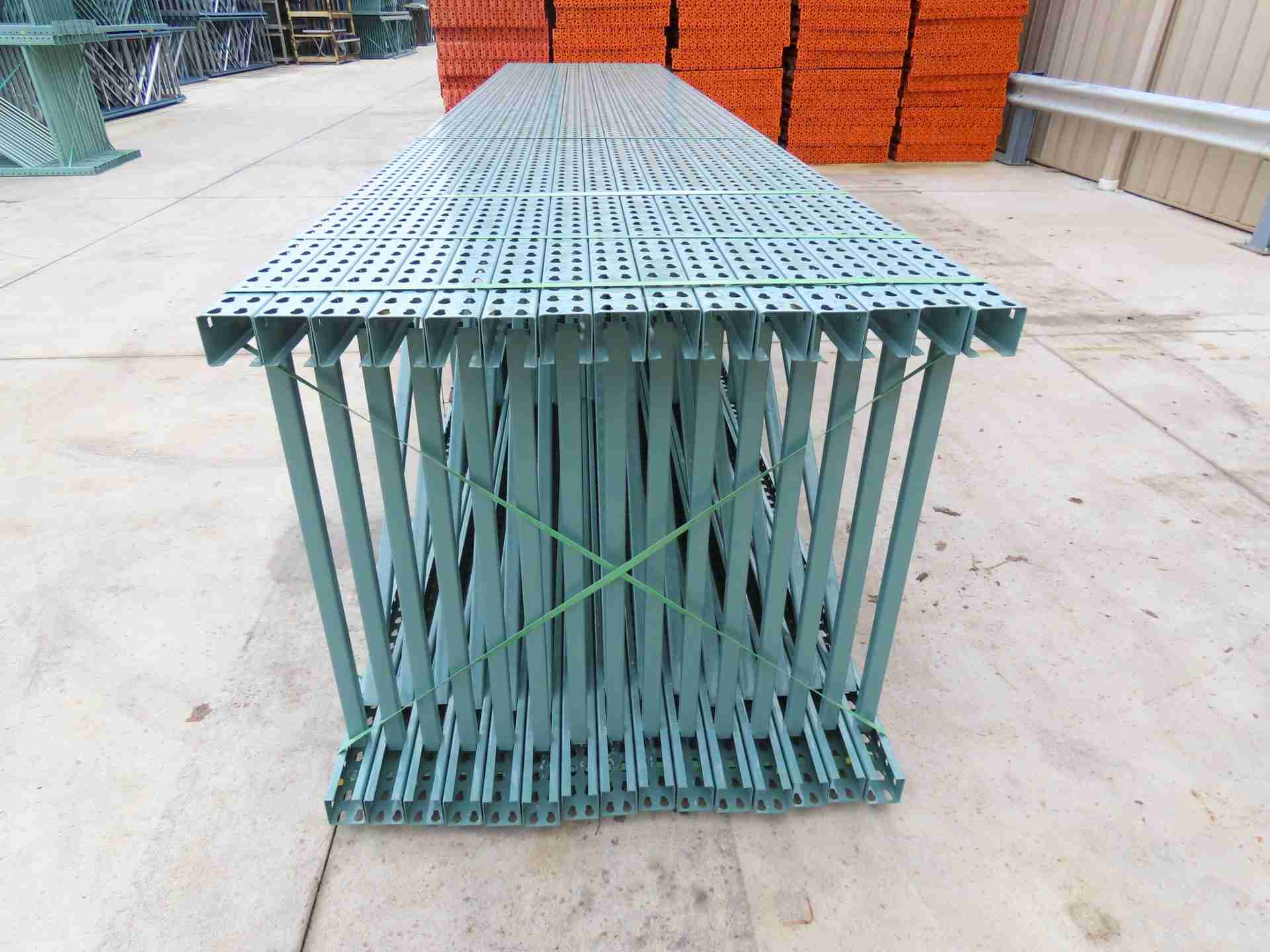
What Expert Insights Are There on the Benefits Of Dynamic Zones?
What Expert Insights Are There on the Benefits Of Dynamic Zones?
- Dynamic zones represent innovative spaces that adapt to their purpose, offering flexibility in a fast-changing society.
- They transform buildings, communities, and lives, reflecting our core identities while striking a balance between creativity and functionality.
- Dynamic zones provide cost-effective solutions by maximizing space and allowing for adaptable environments that reduce resource waste.
- These spaces promote sustainability by optimizing energy and material usage, benefiting both people and the planet.
- Experts, including developers and architects, advocate for dynamic zones, highlighting their ability to revolutionize interactions and foster connections.
- They encourage collaboration and community building, making public spaces that cater to diverse needs and bringing people together.
- Investing in dynamic zones is about crafting futures, fueling innovation, and igniting connections within communities.
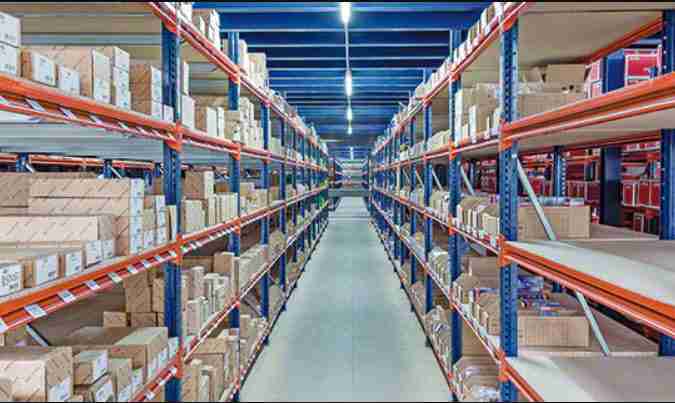
What Expert Insights Are There on the Benefits Of Dynamic Zones?
How Does Rack Design Storytelling Influence Our Choices Between Zones?
When we step into a shopping environment, every single element is designed to guide our experience. The racking—the shelves, the displays, that intricate dance of utility and design—is more than just a necessary component; it tells a story. Think about it. Each rack tells a tale, inviting us to connect not just with the product, but with the very essence of what it represents. It’s a silent yet powerful communicator, echoing values, highlighting themes, and cultivating desires.
Racking influences our choices by appealing to our emotions. Picture a rustic wooden display in a craft store, showcasing handmade candles. The warmth of the material evokes a sense of nostalgia—a longing for simpler times, perhaps—even if we are unaware of it at first. Our instinct pulls us toward what feels familiar, wrapped in the memories of family gatherings, holiday traditions, or a cozy evening at home. It’s storytelling that resonates.
But should we stop at emotions? Not at all. The design of racking serves a purpose greater than aesthetics; it activates our logical minds. Think about how products are grouped or how the lighting draws us in. Strategically placed items speak to our rational sensibilities, guiding us toward decisions. When we see a rack filled with eco-friendly products, it sparks a sense of ethical consideration. We think, “This brand cares about the planet.” The choices before us are shaped not just by our desires but by the principles we uphold.
Moreover, there’s undeniable power in social influence. Our choices can be swayed by what others think—or what we believe they think. A neatly organized rack of best-sellers sends a psychological signal: “This is what everyone loves. You should want it too.” We crave validation, and racking taps into that desire, creating an unspoken bond among shoppers as they navigate through familiar favorites or daring new options.
In this intricate interplay of emotion, logic, ethics, and social dynamics, we see that the racks do more than hold products; they offer a framework for our choices. By understanding the story woven into each display, we can approach our selections with awareness, making choices that resonate with our hearts, fulfill our minds, and align with our values. So the next time you find yourself drawn to a particular zone, take a moment to consider: What story is that rack telling you?
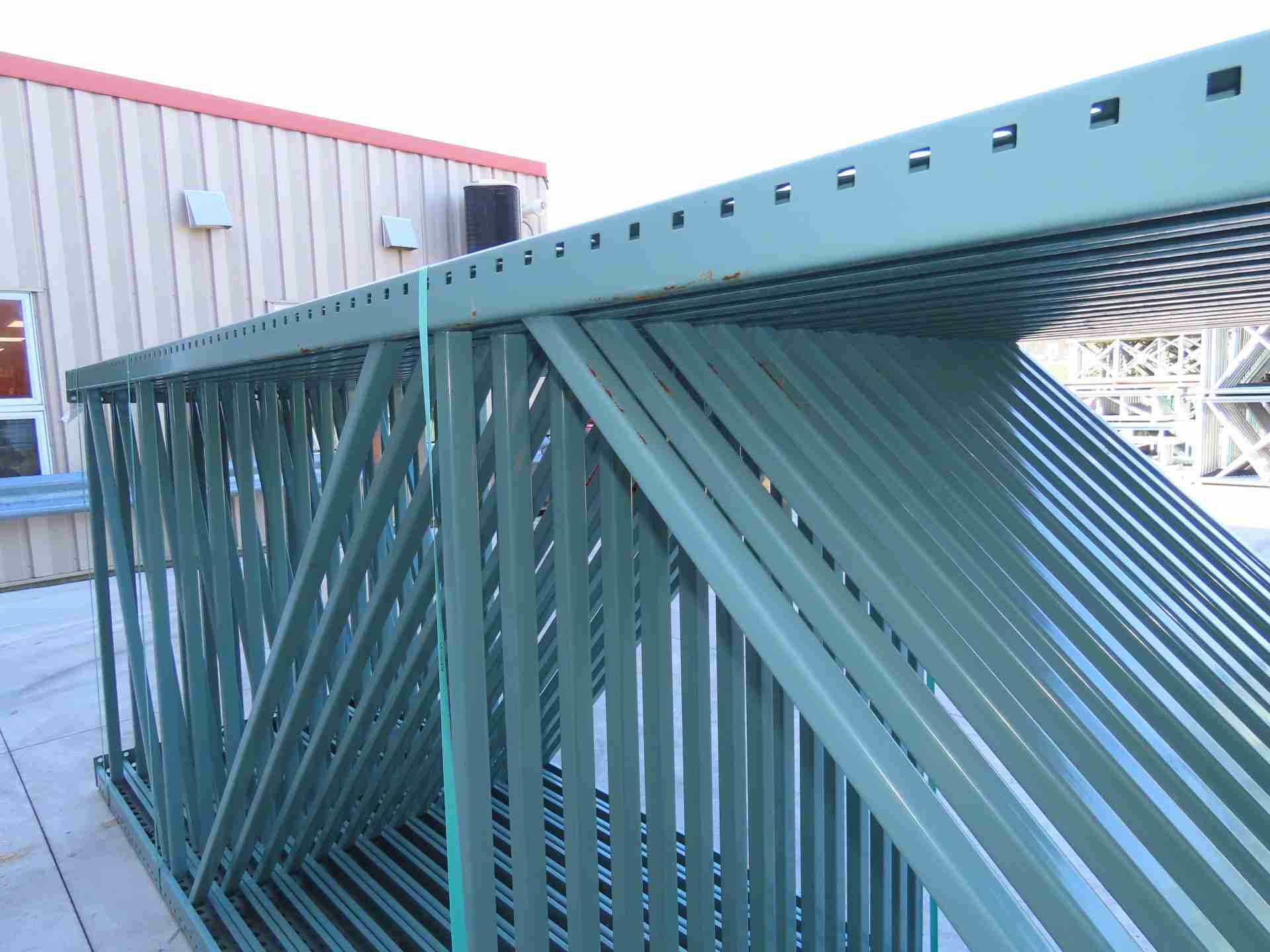
How Does Rack Design Storytelling Influence Our Choices Between Zones?
How Does Rack Design Storytelling Influence Our Choices Between Zones?
- Shopping environments are designed to guide our experiences and tell a story through their elements, such as racking.
- Racking not only showcases products but also evokes emotions, connecting shoppers to memories and familiar feelings.
- Design plays a crucial role in appealing to both emotions and logical reasoning in decision-making.
- Strategic product placement and lighting influence shoppers’ rational choices and ethical considerations.
- Social influence is significant; organized displays of popular items create a desire for validation among shoppers.
- The interplay of emotion, logic, ethics, and social dynamics helps consumers make informed choices that resonate with their values.
- Being aware of the stories behind displays can enhance shopping experiences and personal selections.
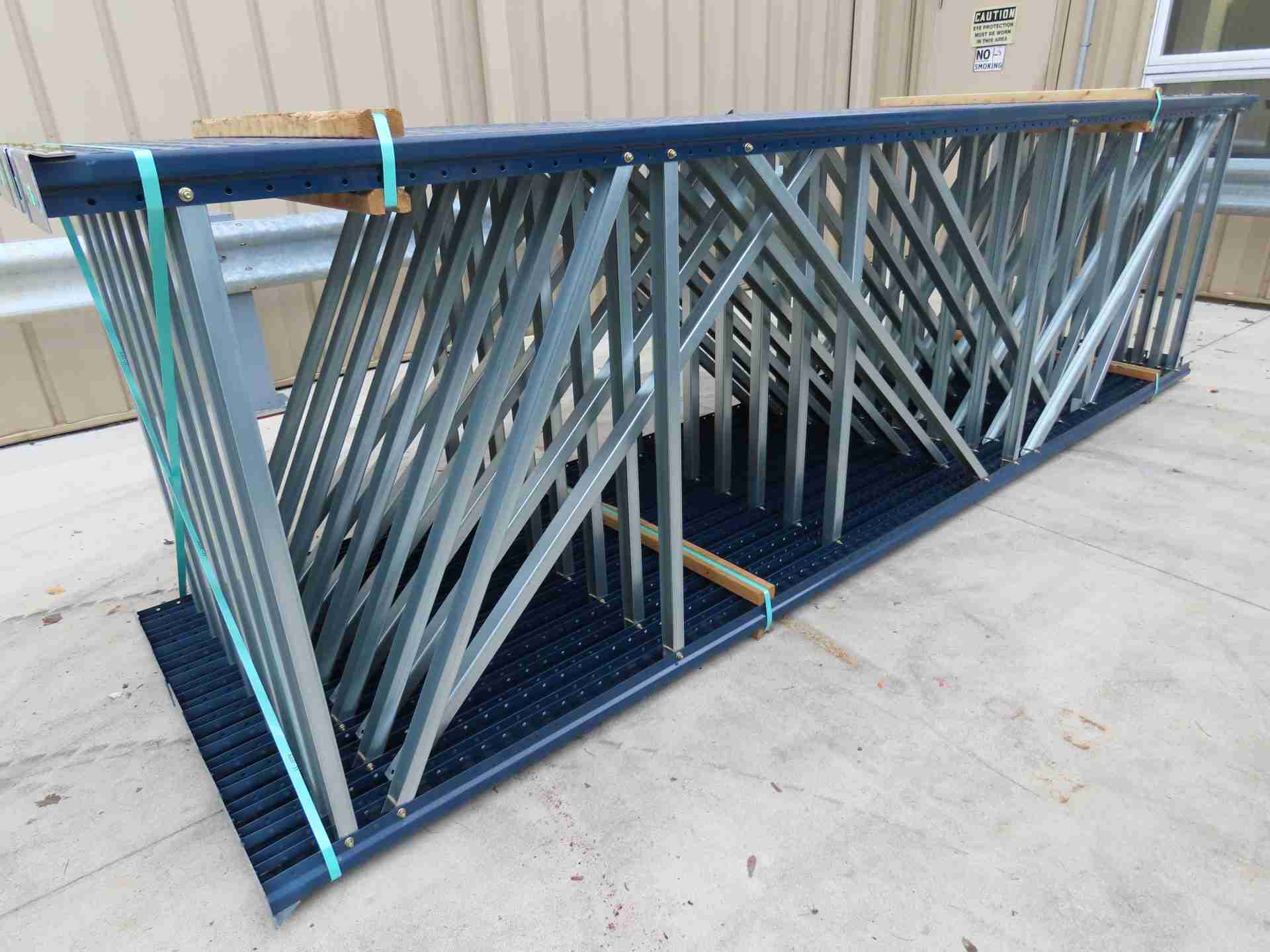
How Does Rack Design Storytelling Influence Our Choices Between Zones?
How Can Dynamic Zones Enhance User Experience Beyond Static Options?
Dynamic zones are revolutionizing the way we experience digital spaces, shaking off the dust of static layouts and breathing life into interactivity. Imagine walking into a room designed just for you, where every corner is tailored to your preferences and every sound echoes your favorite tune. This is precisely the sensation dynamic zones strive to create in our online interactions. They don’t merely serve content; they adapt it—a racking experience that can wipe away frustrations and transform passive browsing into an engaging journey.
Feeling heard matters. When a website or app shifts and adapts to what you value most—maybe the latest advancements in the hobbies you love or reminders for that project you’ve been putting off—it strikes a chord. It ignites both an emotional and rational connection, acknowledging what users genuinely want. Unlike static options that can feel rigid and limiting, dynamic zones foster fluid engagement. This connection isn’t just about preferences; it’s about empowerment. You are the maestro conducting a symphony, and the app responds to your every wave.
The ethical dimensions of dynamic zones also can’t be overlooked. With an emerging conscience around user data, these customizable spaces invite agency while respecting privacy. Users feel like they’re not just numbers; they’re valued. That’s trust in action. As businesses acknowledge this shift, they stand to build strong ethical ties with their audience. Establishing authority comes from offering a tailored experience based on genuine understanding, not guesswork. The world is chaotic enough—having an online experience that flows in harmony reduces friction and enhances clarity.
Consider the stories we share. Dynamic zones allow users to narrate their own journeys, fostering communities around shared experiences and interests. Social connections strengthen as users find common ground in tailored interactions. It encourages bonding over unique perspectives rather than being confined to the narrow offerings of static content.
In a rapidly evolving digital landscape, where attention spans flicker like candles, dynamic zones hold the promise of a more engaging and relatable experience. They invite users to step into the driver’s seat, enhancing satisfaction and loyalty. So, as we rake through options for better engagement, let’s embrace the potential of dynamic zones, bringing heart and mind together for a richer, more connected digital life.
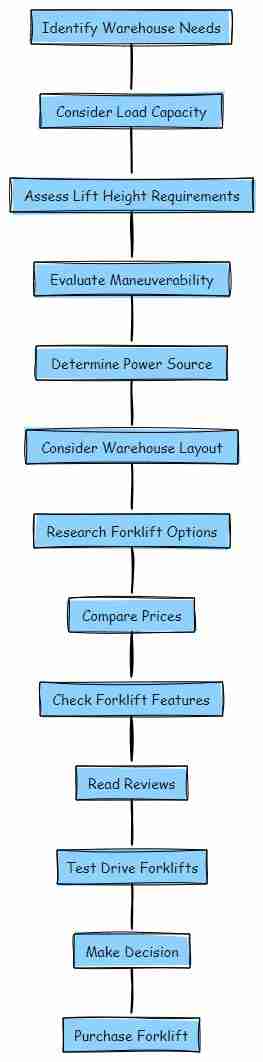
How Can Dynamic Zones Enhance User Experience Beyond Static Options?
How Can Dynamic Zones Enhance User Experience Beyond Static Options?
- Dynamic zones transform digital experiences by replacing static layouts with interactive, personalized environments.
- They adapt content to user preferences, creating engaging online interactions that reduce frustration and enhance enjoyment.
- Dynamic zones foster emotional connections, addressing user needs and preferences in a way that empowers individuality.
- The ethical aspect emphasizes respect for user privacy, allowing users to feel valued and building trust with businesses.
- These customizable spaces enable users to share their own stories, fostering community and social connections around shared interests.
- In a fast-paced digital world, dynamic zones promise a more engaging experience, improving user satisfaction and loyalty.
- Embracing dynamic zones can lead to deeper connections, uniting heart and mind for a richer digital life.
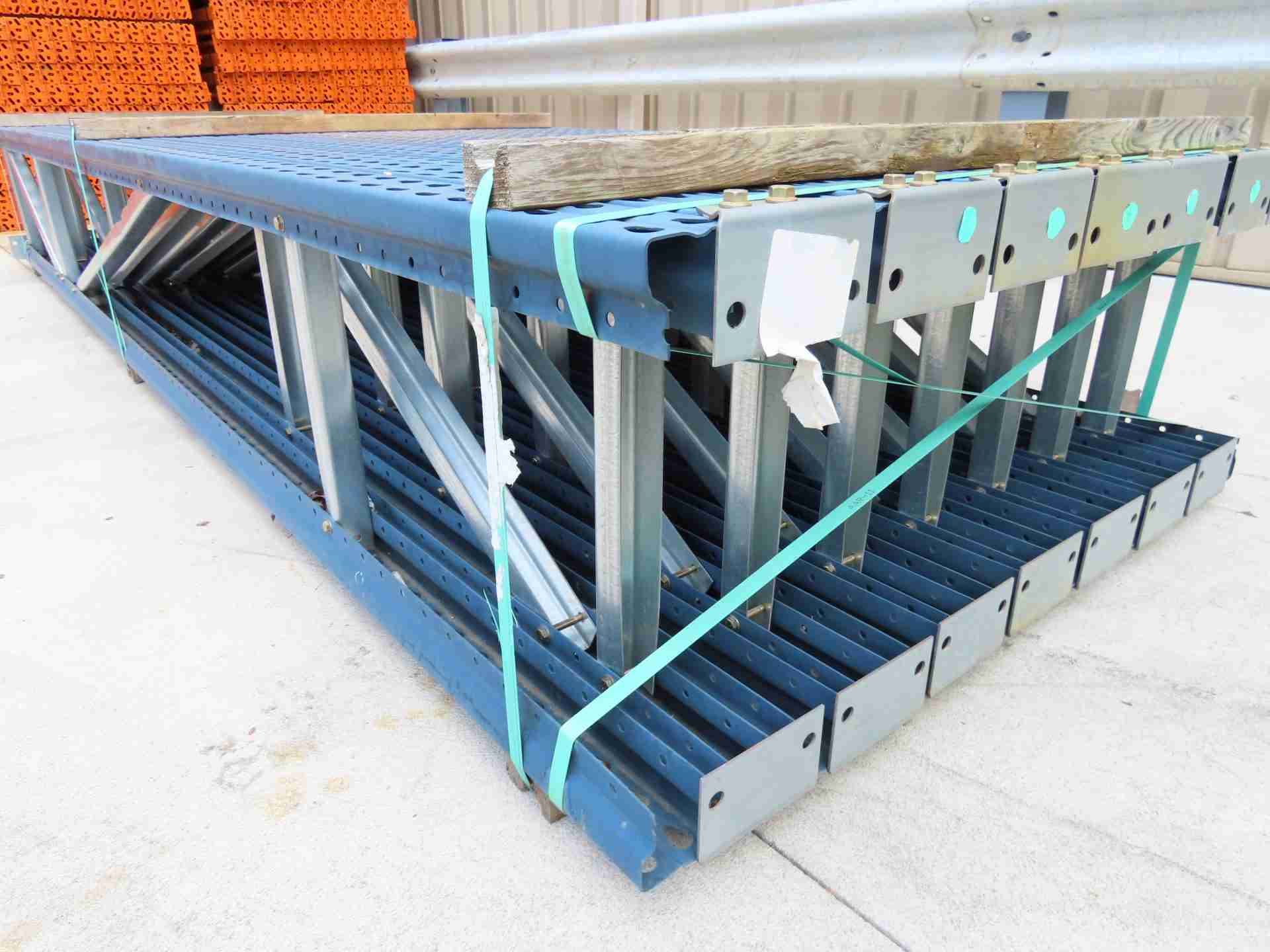
How Can Dynamic Zones Enhance User Experience Beyond Static Options?
Conclusion
In the intricate landscape of rack design, the choice between dynamic and static zones isn’t just a matter of practicality; it’s a profound reflection of our values and aspirations. These decisions chart the course for how we organize spaces that handle our lives and businesses, and the implications ripple far beyond the confines of mere efficiency.
Imagine static zones as steadfast sentinels—like ancient oak trees providing unwavering stability in a forest. They bring clarity and order, allowing you to find what you need when you need it. We can all relate to the satisfaction of a well-organized space, right? It reduces stress and cultivates productivity, making every interaction a little smoother and instilling a sense of confidence in our workflows.
Now, contrast that with the vivacity of dynamic zones. These adaptable structures are like jazz musicians, infusing rhythm into our storage solutions, responding swiftly to the ever-changing demands of inventory and operation. Picture the transformative power of a workspace where flexibility reigns supreme—a place where chaos gives way to collaboration and rapid adaptation, embracing not just efficiency but a culture of empowerment. Dynamic zones invite a level of emotional engagement that static options simply can’t replicate. They turn a storage area into a living, breathing environment that fosters creativity and connection among workers.
But let’s not just get swept away in the poetic flow—there’s a solid rational perspective to consider, too. Dynamic zones optimize space utilization and reduce waste, echoing our ethical duty to sustainability. In investing in these systems, businesses aren’t merely purchasing equipment; they’re committing to a future that respects both resources and people. This not only enhances the operation’s bottom line but also builds a sense of community and collaboration—encouraging workers to contribute and thrive.
As we weigh the merits of these approaches, think about the narratives we craft in our work environments. Every choice resonates within a larger story of logistics, efficiency, and teamwork. It’s up to us how that story unfolds. Do we opt for the reliable solace of static zones or the invigorating pulse of dynamic zones? Each path offers its unique rewards, but ultimately leads us to the same destination: a thriving ecosystem where materials and people find their rightful place.
So, as we stand at this crossroads in rack design, let’s make choices that not only reflect our operational goals but also resonate with our shared human experience. Embracing dynamic zones can redefine productivity, enhance connections, and breathe life into our environments. The decision isn’t just about racks; it’s about how we choose to engage with our space, our work, and each other. Let’s make those choices count.
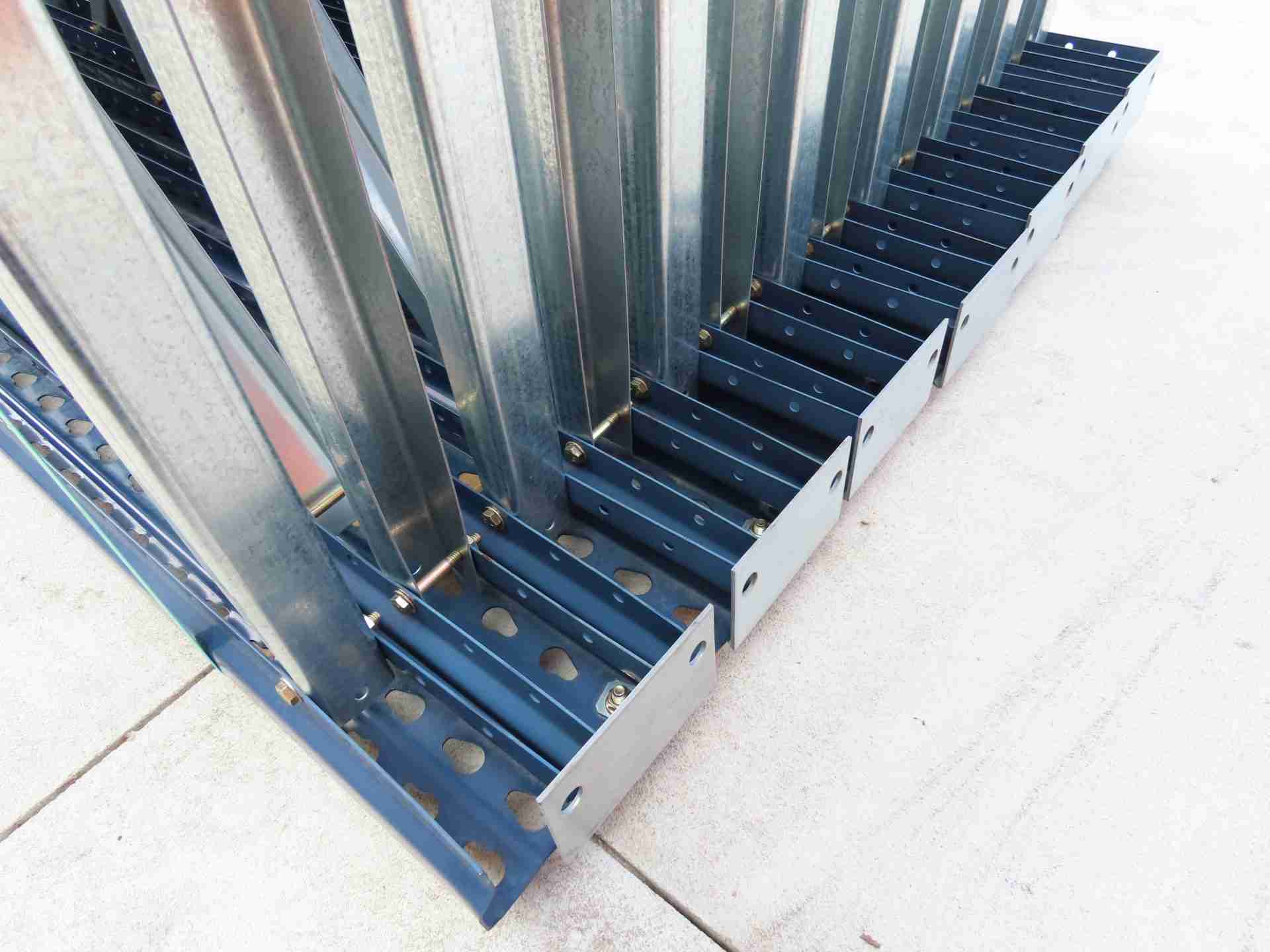
Conclusion
Conclusion:
- The choice between dynamic and static zones in rack design reflects our values and aspirations.
- Static zones provide stability, clarity, and order, enhancing organization and reducing stress.
- Dynamic zones are adaptable, fostering creativity and collaboration in response to changing demands.
- Dynamic zones optimize space utilization and promote sustainability, aligning with ethical business practices.
- Investing in dynamic systems builds community and collaboration among workers, enhancing productivity.
- Every choice we make in rack design contributes to the larger narrative of logistics, efficiency, and teamwork.
- Embracing dynamic zones can redefine our work environments and how we engage with each other and our spaces.

Conclusion
Other Resources
Other Resources
Here is a list of other resources you can review online to learn more:
- Pallet Racking systems in Illinois and Great Lakes
- Selective Pallet Racking Systems – Container Systems
- Interlake
- NSC
- Warehousing and Fulfillment
- Illinois Pallet Racking – WPRP
- Teardrop Uprights
- Heavy-Duty Cantilever Storage Racks
- Selective Pallet Racking Systems
- Warehouse Racks, Warehouse Racking in Stock – ULINE
- Mustang Material Handling
- Pallet Rack Systems – New and Used Pallet Racking and Shelving Experts
- Material Handling Industry
- What is Selective Pallet Racking
- Wolter
- Warehouse Racking Chicago, IL
- Teardrop Industrial Shelving Rack
- BMH
- Shipping Boxes, Packaging Materials, Pallet Racking
- Teardrop Industrial Shelving Rack
Use This Prompt To Get More Resources With Your Favorite Online AI Tool: Please provide me with a list of online articles with their URLs in a bulleted list that I can read regarding Dynamic Vs. Static Zones In Rack Design

Other Resources
Glossary Terms
Dynamic Vs. Static Zones In Rack Design – Glossary Of Terms
1. Dynamic Zones: Areas in a rack designed for flexible and changing storage needs, allowing for easy reconfiguration.
2. Static Zones: Fixed areas in a rack that are assigned specific purposes or items, typically not changed often.
3. Rack Design: The process of organizing, structuring, and constructing a storage system for optimal use of space and efficiency.
4. Load Capacity: The maximum weight that a rack can safely hold, which is crucial for both static and dynamic zones.
5. Accessibility: The ease with which items tucked away in both dynamic and static zones can be reached and retrieved.
6. Shelf Height: The vertical distance between shelves in a rack, impacting both storage density and accessibility.
7. Modularity: The ability to combine different components in a rack system, promoting adaptability in dynamic zones.
8. Inventory Turnover: A measure of how quickly stock in a static zone is sold and replaced, influencing design considerations.
9. Utilization Rate: The percentage of rack space used compared to total available space, important for assessing efficiency.
10. Pathway Design: The layout of aisles and walking space around racks, affecting the workflow in dynamic zones.
11. Load Handling: Methods and equipment used to move goods in and out of static or dynamic zones, such as forklifts or pallet jacks.
12. Zoning: The practice of dividing storage areas into specific sections based on item categories or usage frequency.
13. FIFO (First In, First Out): Inventory management method ensuring older stock is used before newer stock, relevant in dynamic zones.
14. LIFO (Last In, First Out): A method where the most recently added items are the first to be retrieved, applicable to certain static zones.
15. Ergonomics: The study of designing workspaces to fit human needs, impacting the layout of both dynamic and static zones.
16. Space Optimization: Strategies employed to maximize the use of rack space, improving overall storage efficiency.
17. Flow Rack: A type of dynamic storage solution that allows items to flow in and out easily, enhancing picking processes.
18. Pallet Racking: A system used to store goods on pallets, common in static zones for heavy or bulk items.
19. Vertical Storage: Utilizing vertical space in a rack to increase storage capacity, important in both design types.
20. Cross-Docking: A logistics practice where incoming goods are directly transferred to outbound transportation, affecting layout decisions.
21. Safety Standards: Guidelines and regulations ensuring that rack systems are built to prevent accidents and injuries.
22. SKU (Stock Keeping Unit): A unique identifier for each distinct product, relevant when creating dynamic or static zones.
23. Picking Efficiency: A measure of how quickly items can be collected from racks, crucial for dynamic zones.
24. Inventory Management System: Software or tools used to track stock levels, orders, and deliveries in rack storage areas.
25. Lean Warehousing: A methodology aimed at minimizing waste and maximizing productivity, influencing rack design.
26. Storage Density: The amount of product stored in a given volume, a key consideration in both dynamic and static zones.
27. Environmental Control: Managing factors like temperature and humidity in storage areas, particularly relevant for sensitive goods.
28. Automation: The use of technology to automate storage and retrieval processes, enhancing efficiency in dynamic zones.
29. Safety Stock: Extra inventory kept on hand to mitigate stockout risks, relevant in both dynamic and static zones.
30. Reconfiguration: The process of altering the layout or setup of a rack system to accommodate changing needs, central to dynamic zones.
Glossary Of Terms
Other Questions
Dynamic Vs. Static Zones In Rack Design – Other Questions
If you wish to explore and discover more, consider looking for answers to these questions:
Other Questions
Checklist
Dynamic Vs. Static Zones In Rack Design – A Checklist
Checklist for Optimizing Rack Design: Dynamic vs. Static Zones
Emotional Appeals:
_____ Reflect on the feelings evoked by your current storage system. Does it inspire satisfaction or frustration?
_____ Consider how a well-organized static zone may contribute to a sense of peace and order in the workplace.
_____ Visualize the energy and adaptability of a dynamic zone. How could it foster a more responsive work culture?
Rational Appeals:
_____ Evaluate the efficiency of your current racking system. Are items easy to locate and access?
_____ Analyze the potential cost benefits of switching to dynamic zones. Will increased flexibility lead to reduced operational costs?
_____ Think about how a clear organization (static zones) can minimize time spent searching for tools or materials.
Ethical Appeals:
_____ Assess the sustainability of your current storage solution. Does it prioritize resource conservation and waste reduction?
_____ Make a commitment to choose racking systems that respect the environment and your workforce.
_____ Reflect on how a well-designed storage space can honor employee contributions and enhance their work experience.
Authority Appeals:
_____ Research case studies or expert opinions on the benefits of dynamic versus static racking systems.
_____ Seek insights from industry leaders about innovations in rack design and the positive impact on operations.
_____ Follow best practices endorsed by experts to align your storage strategy with proven methodologies.
Narrative Appeals:
_____ Craft a story around your workspace transformation. How do dynamic zones change daily operations and team interactions?
_____ Think about the journey of how your organization could evolve from static limitations to embracing dynamic possibilities.
_____ Share success stories from other businesses that have transitioned to dynamic racking systems.
Social Appeals:
_____ Consider the communal impact of your racking choice. How will it foster teamwork and improved collaboration?
_____ Encourage team feedback about storage solutions. How do they perceive the advantages or disadvantages of current systems?
_____ Engage your employees in the decision-making process. How can their experiences enhance the effectiveness of storage design?
Utilize this checklist to thoughtfully evaluate and optimize your rack design, ensuring it resonates with your values and enhances both efficiency and user experience.
Checklist
At RackingWorld, we help guide you through selecting warehouse storage systems and racking.
Be sure to read our other related stories at RackingWorld to learn more about warehouse storage systems.
0 Comments