
Maximizing Efficiency And Compatibility In Warehouse Operations
By Tom Seest
At RackingWorld, we help guide you through selecting warehouse storage systems and racking.
Be sure to read our other related stories at RackingWorld to learn more about warehouse storage systems.
Do Local Racks Work with Your Warehouse Tech?
In the ever-evolving landscape of supply chain management, the question that keeps many savvy warehouse managers awake at night is: “Do local racks work seamlessly with my existing warehouse tech?” The answer can be more intricate than you might think, but it’s crucial for enhancing efficiency and maximizing ROI.
Consider pallet racking, the backbone of most warehouses. It’s vital for not only storage but also for optimizing workflow. However, the integration of pallet racking with advanced warehouse management systems (WMS) is often overlooked. A stellar warehouse tech setup can drive productivity through the roof—but only if it complements your physical infrastructure.
Let’s grab an example from a retailer that recently faced this challenge. A prominent e-commerce company decided to upgrade its warehouse tech with cutting-edge inventory management software. Though they had a robust pallet racking system installed, it was designed for a different era, with no real-time data syncing capabilities. The result? Inventory inaccuracies skyrocketed, leading to out-of-stock scenarios and unhappy customers. They quickly realized that their local racks weren’t working in harmony with their high-tech ambitions.
Now, in the current atmosphere of supply chain disruption, as seen during the pandemic, operational flexibility and adaptability have never been more critical. Tighter integration between your pallet racking system and warehouse tech can effectively mitigate these challenges. Modern WMS solutions that support RFID technology ensure that every inch of your pallet racking is utilized efficiently, allowing for dynamic slotting and proper spacing between racks based on real-time demand.
Imagine your warehouse utilizing smart pallet racking that communicates with your tech stack. As soon as an item is picked, the system updates inventory levels instantly. This not only streamlines operations but also enhances safety, as real-time updates can prevent overloading racks—a serious concern that can lead to catastrophic failures.
Local racks tied to your warehouse tech will undoubtedly boost productivity, reduce labor costs, and improve order fulfillment rates. However, choosing the right pallet racking that’s flexible enough to accommodate upgrades in technology is essential. Beware of obsolete systems that will hinder your operational growth rather than support it.
In today’s market, marrying your local pallet racking with advanced warehouse tech isn’t just an option; it’s imperative. Investing in interoperability today will yield dividends in efficiency, customer satisfaction, and ultimately, your bottom line. Keep an eye on industry trends, and don’t just think about racks—think about how they can elevate your entire supply chain strategy.
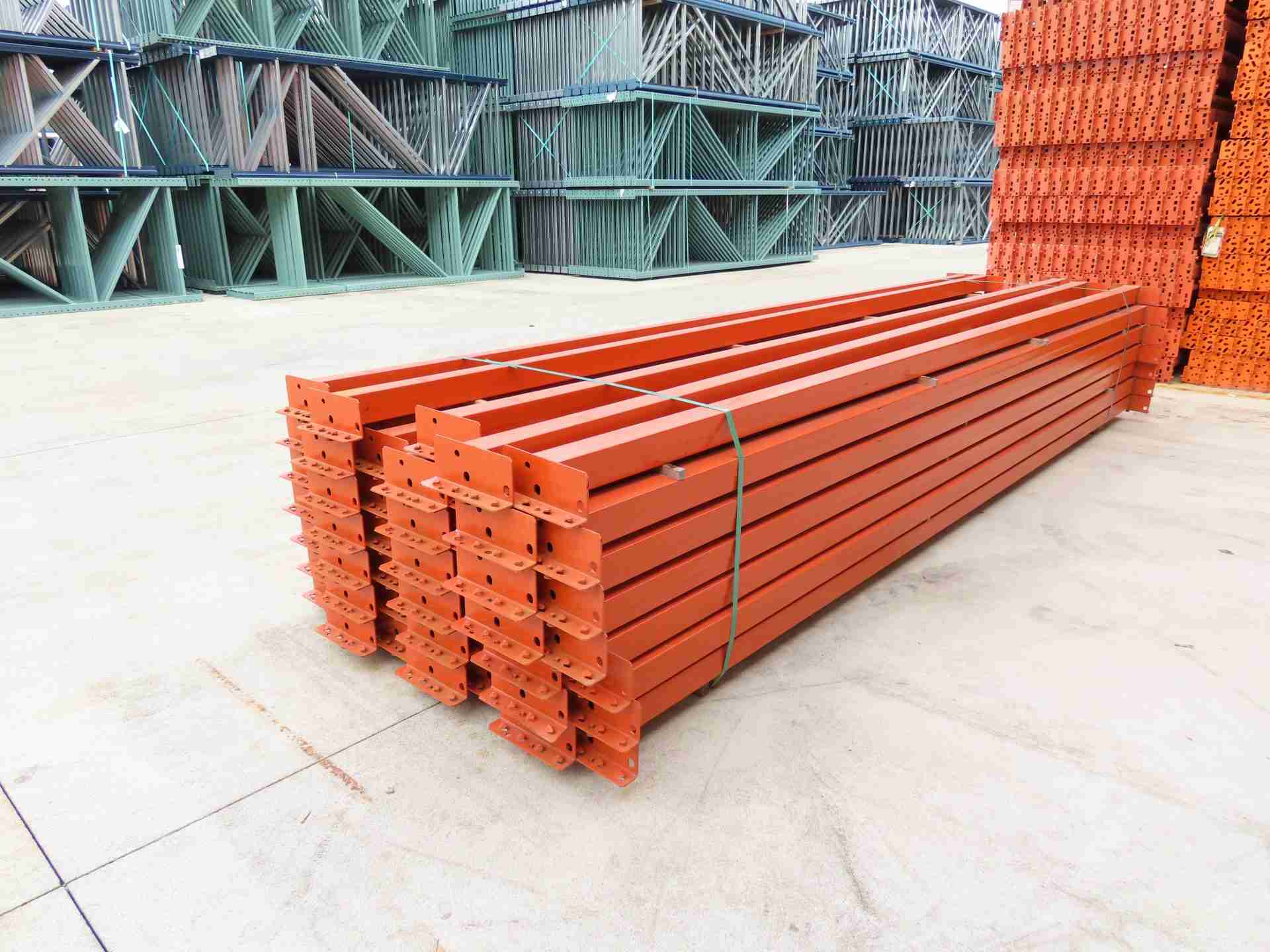
Do Local Racks Work with Your Warehouse Tech?
Do Local Racks Work with Your Warehouse Tech?
- Supply chain management increasingly questions the compatibility of local racks with existing warehouse technology.
- Pallet racking is essential for storage and workflow optimization, yet often lacks integration with warehouse management systems (WMS).
- An example from a prominent e-commerce company highlights the consequences of outdated pallet racking leading to inventory inaccuracies.
- Operational flexibility is critical in the current climate, as disruptions in supply chains have been exacerbated by the pandemic.
- Modern WMS solutions with RFID technology enhance pallet racking efficiency by enabling dynamic slotting based on real-time demands.
- Smart pallet racking systems providing instant inventory updates improve operations and safety by preventing rack overloads.
- Interoperability between pallet racking and warehouse tech is essential for boosting productivity and overall supply chain strategy.
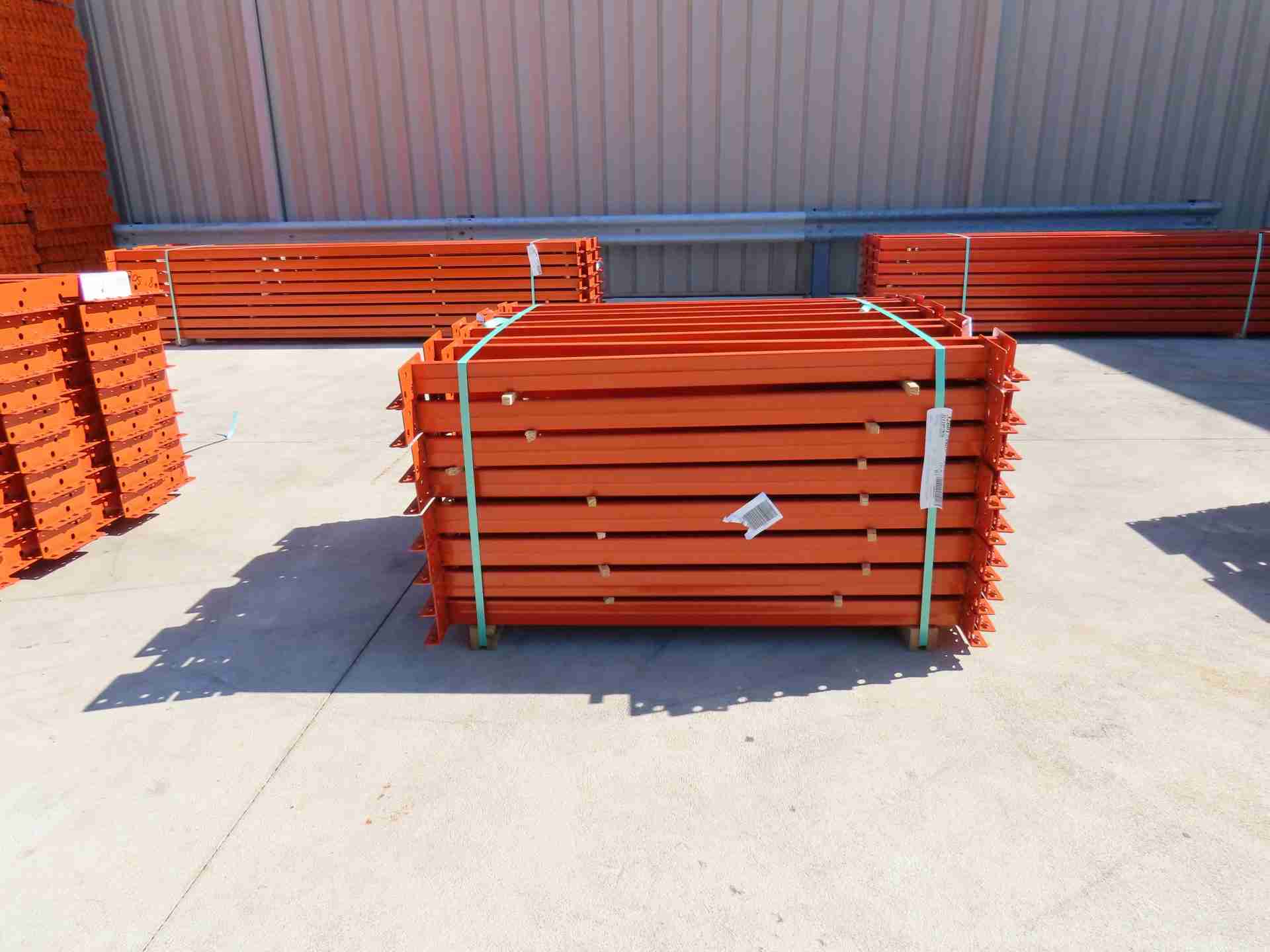
Do Local Racks Work with Your Warehouse Tech?
Table Of Contents
- Do Local Racks Work with Your Warehouse Tech?
- What Are Local Racks In Warehouse Management?
- How Do Local Racks Improve Efficiency?
- What Types Of Warehouse Tech Integrate With Local Racks?
- Are Local Racks Cost-Effective Solutions For Warehouses?
- Can Local Racks Optimize Space Utilization In Warehouses?
- What Are The Common Challenges With Local Rack Systems?
- Conclusion
- Other Resources
- Glossary Of Terms
- Other Questions
- Checklist
What Are Local Racks In Warehouse Management?
In the fast-paced world of warehouse management, efficiency is king. As businesses grapple with rising operational costs and the insatiable demand for speed, understanding the various storage systems is vital. Enter local racks—critical components that redefine how inventory is stored and accessed.
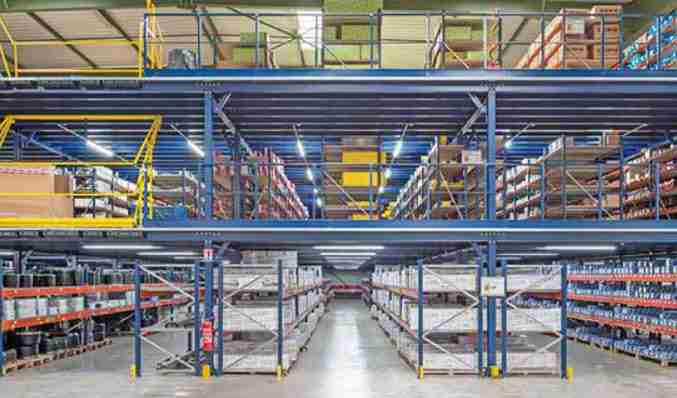
Local racks, often synonymous with pallet racking, serve as the backbone of organized, efficient warehouses. Think of them as structured shelving systems designed to accommodate palletized goods, enabling warehouses to optimize space and streamline processes. Picture a modern distribution center: rows of local racks towering high, each compartment filled with inventory and ready for swift retrieval. In today’s e-commerce landscape, where consumer expectations are higher than ever, having an effective local rack system has never been more imperative.
To illustrate, consider a recent surge in online shopping brought on by the global pandemic. Retailers and wholesalers alike had to adapt rapidly. Companies like Amazon doubled down on their warehousing capabilities, utilizing local racks to handle increased inventory volumes. The smart deployment of pallet racking allowed these businesses to maintain order and accessibility, ensuring that they could meet customer demands without compromising efficiency.
So, what makes local racks so indispensable? Their adaptability and scalability stand out. Imagine a company experiencing seasonal spikes in demand, such as a toy retailer during the holidays. Local racks can be easily reconfigured or expanded to accommodate higher volumes without the need for extensive renovations or costly overhauls. This dynamic feature helps businesses remain flexible, ready to pivot in response to changing trends and market conditions.
Moreover, local racks enhance workplace safety. By organizing inventory systematically, they minimize the risk of accidents associated with cluttered aisles and misplaced goods. Visualize a scenario where a warehouse worker can quickly locate a product rather than sifting through a chaotic mess—this not only saves time but also reduces the likelihood of costly mishaps.
Local racks, synonymous with pallet racking, are far more than just storage solutions; they are strategic assets that empower enterprises to thrive in a volatile market. In an age where agility and precision dictate success, embracing local racks isn’t merely a choice—it’s a necessity for businesses committed to staying ahead of the competition. If you want to streamline operations and meet customer expectations efficiently, investing in local racks is your next best move.
What Are Local Racks In Warehouse Management?
What Are Local Racks In Warehouse Management?
- Local racks, also known as pallet racking, are vital for efficient warehouse management.
- They serve as structured shelving systems for organizing and storing palletized goods.
- Effective local rack systems are critical for meeting high consumer expectations in e-commerce.
- Companies like Amazon have successfully adapted their warehousing capabilities using local racks during the pandemic.
- Local racks are adaptable and scalable, allowing businesses to respond to seasonal demand spikes without major renovations.
- They enhance workplace safety by reducing clutter and improving inventory organization.
- Investing in local racks is essential for businesses aiming to streamline operations and stay competitive.
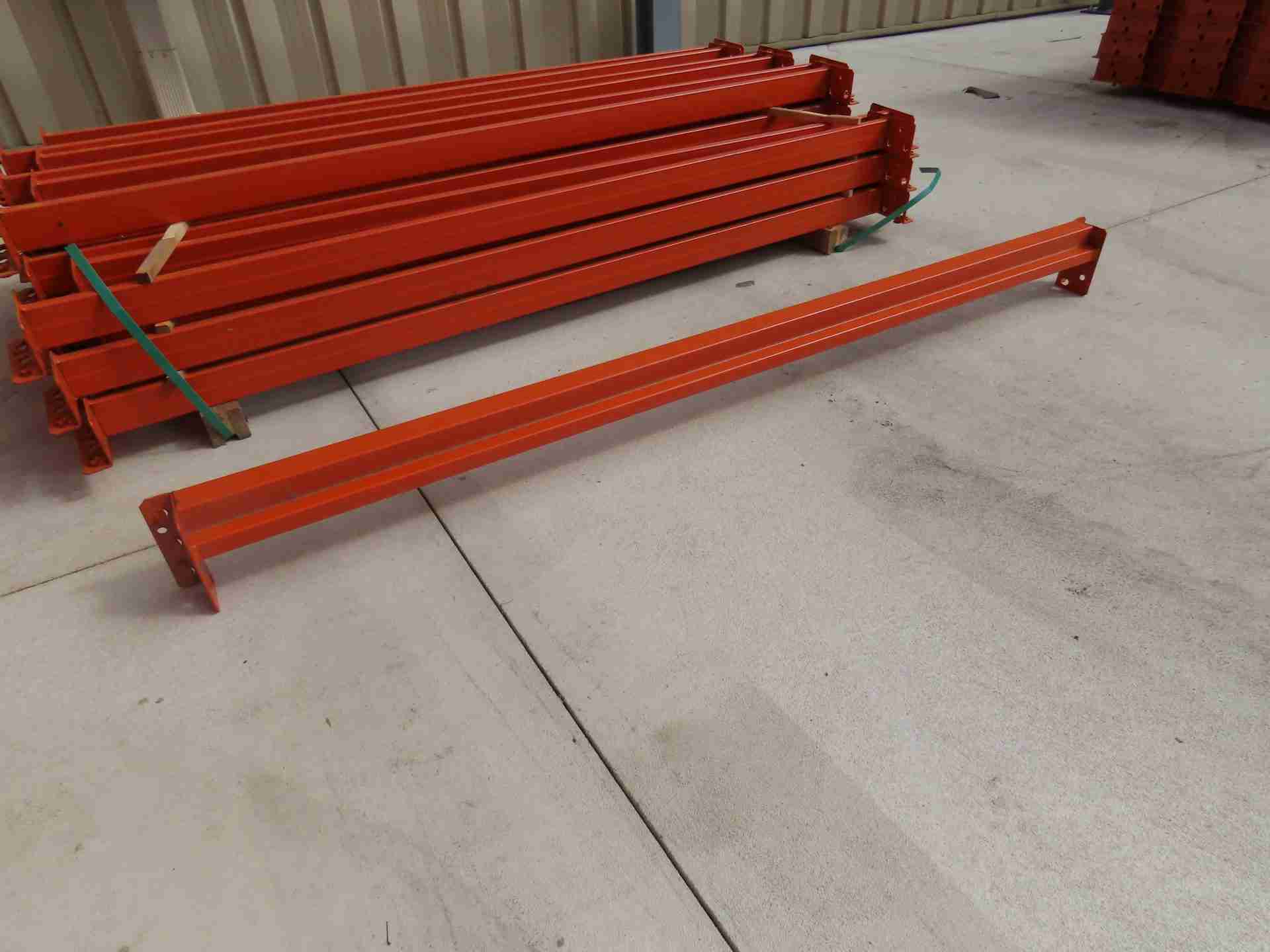
What Are Local Racks In Warehouse Management?
How Do Local Racks Improve Efficiency?
In today’s fast-paced business environment, efficiency isn’t just a goal; it’s a necessity. One of the most transformative investments a company can make is in its warehousing operations, particularly through the implementation of local racks such as pallet racking systems. But how do these solutions genuinely boost productivity and streamline operations?
Firstly, consider space utilization. A well-designed pallet racking system enables warehouses to maximize vertical space. This is particularly crucial in regions facing rising real estate costs. For instance, companies in urban centers like San Francisco are increasingly turning to vertical storage solutions, helping them sidestep high rents while keeping their inventory organized. By increasing the vertical storage space, businesses can store more without renting additional square footage, directly impacting the bottom line.
Secondly, local racks not only optimize storage but also enhance order picking efficiency. Imagine a cluttered warehouse where employees spend excess time navigating aisles stacked high with random inventory. Now envision a facility equipped with a strategically designed pallet racking system. With clear, organized sections housing specific products, team members can execute picking tasks at lightning speed. This organized structure reduces time spent searching for items and accelerates the overall order fulfillment process. Retail giants like Amazon have harnessed similar storage systems to maximize their order processing speed during peak seasons, proving that efficiency can significantly boost sales.
Moreover, implementing a local racks system supports better inventory management. When products are systematically arranged, tracking them becomes more straightforward. Companies that have adopted advanced pallet racking systems can now use innovative inventory management software to integrate real-time data, resulting in fewer errors and faster inventory turnover. For instance, during the recent supply chain disruptions, businesses equipped with efficient local racking solutions have been quicker to adapt. They manage their stock levels effectively, ensuring that they meet customer demand without overstocking or running into supply shortages.
Finally, consider the ergonomic benefits. Modern local racks are designed with the user in mind. A well-structured pallet racking system minimizes heavy lifting and awkward movements, leading to a safer workplace. This is especially pertinent as businesses strive to adhere to updated health regulations and prioritize employee wellbeing.
Local racks, particularly pallet racking systems, aren’t just another warehouse upgrade; they are a game changer. From space optimization to enhanced efficiency and safety, investing in these systems means investing in the future of your business. In a world where every second counts, don’t let disorganization hold your company back. Embrace change, invest wisely, and watch your efficiency soar.
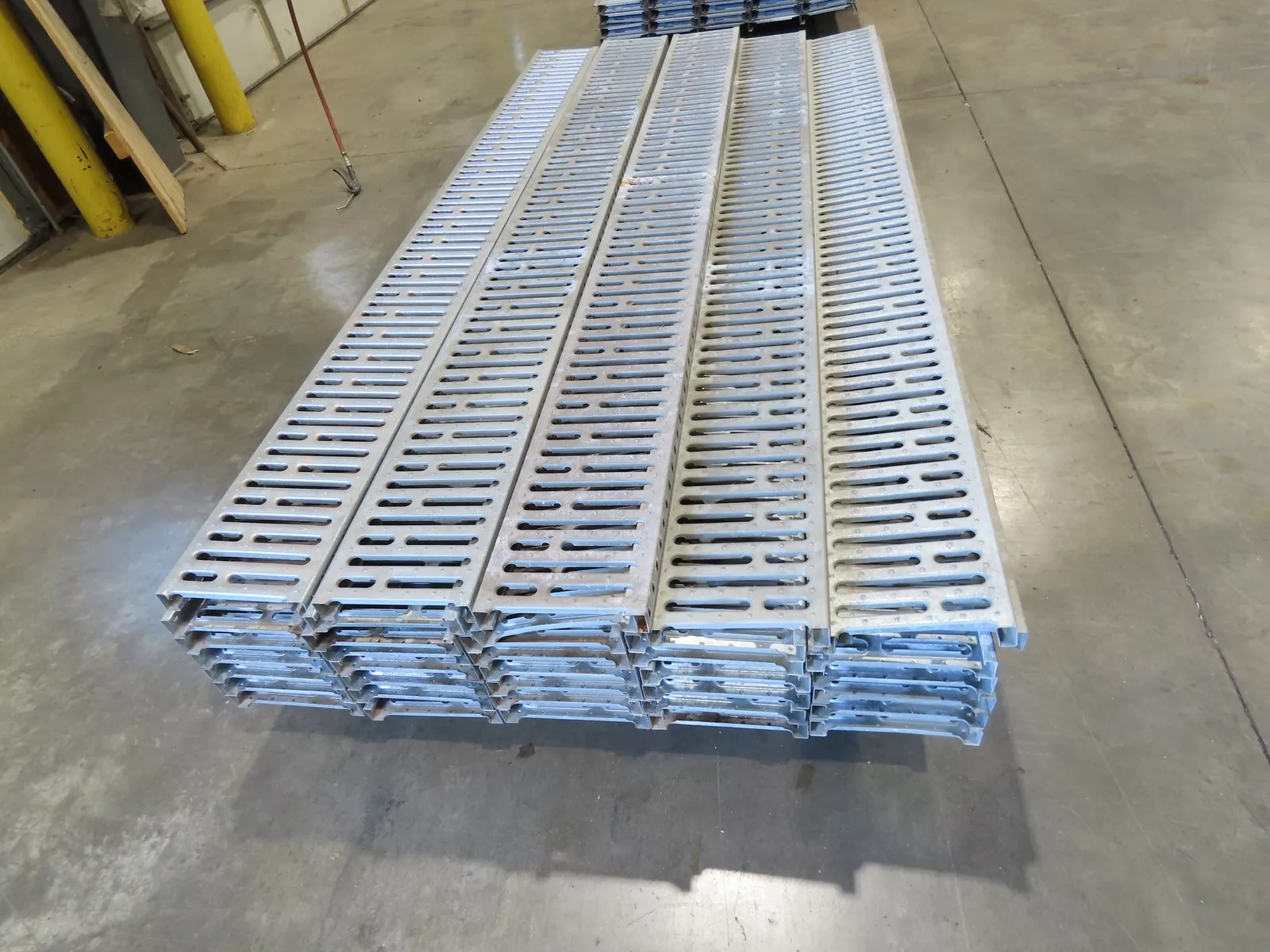
How Do Local Racks Improve Efficiency?
How Do Local Racks Improve Efficiency?
- Efficiency is a crucial necessity in today’s fast-paced business environment.
- Investing in local racks, such as pallet racking systems, transforms warehousing operations.
- Pallet racking systems maximize vertical space, crucial for companies in high-rent urban areas.
- Organized local racks enhance order picking efficiency by reducing search time for items.
- Adopting pallet racking supports better inventory management and integration of real-time data.
- Modern local racks provide ergonomic benefits, reducing heavy lifting and improving workplace safety.
- Investing in local racks is essential for boosting efficiency and ensuring business success.
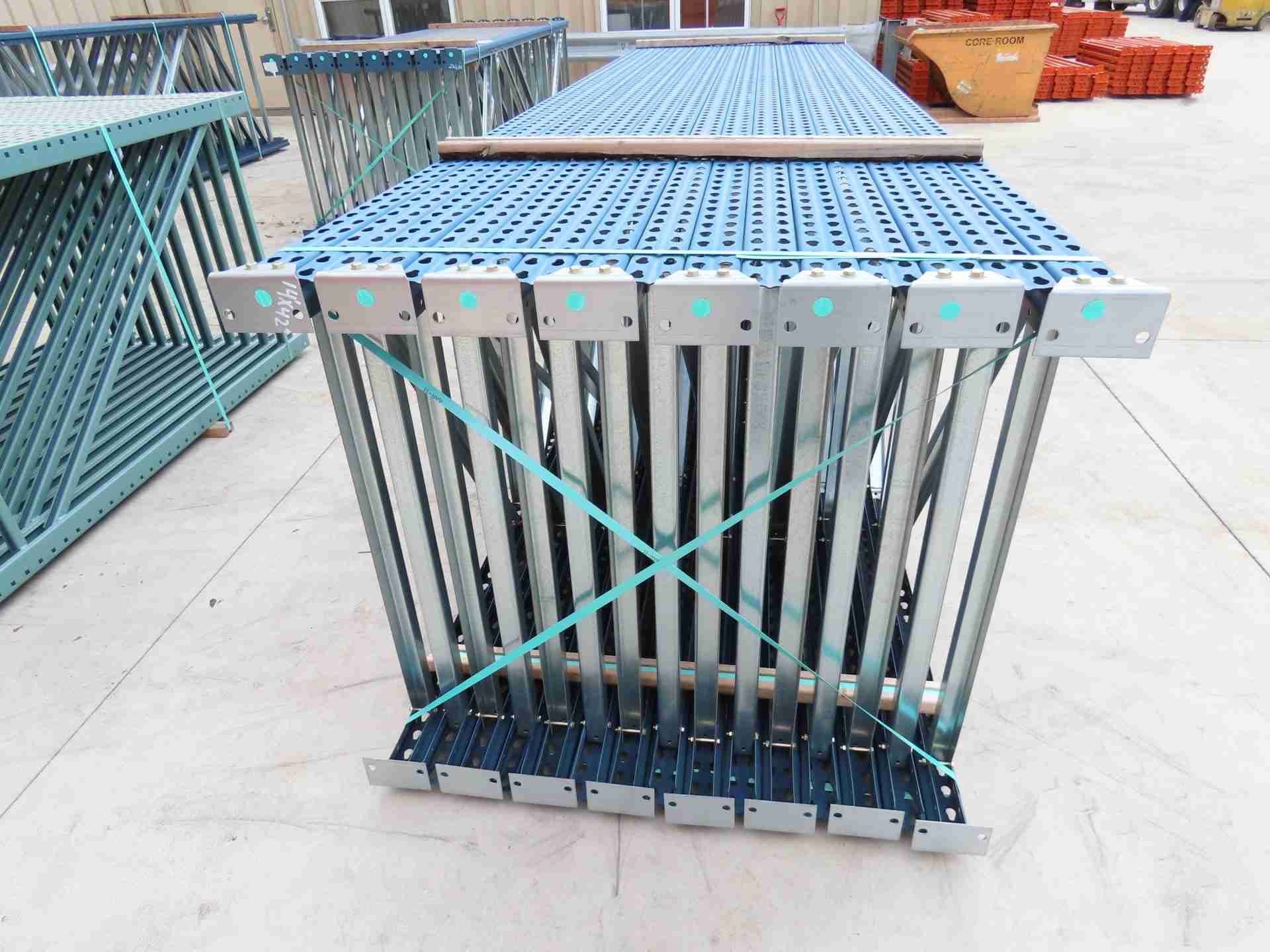
How Do Local Racks Improve Efficiency?
What Types Of Warehouse Tech Integrate With Local Racks?
In the rapidly evolving landscape of logistics and supply chain management, integrating the right technology into your warehouse can be a game changer. As businesses strive for efficiency and scalability, understanding which types of warehouse tech complement local racks—specifically, pallet racking—becomes paramount.
Pallet racking systems are the backbone of any functional warehouse. They allow you to maximize vertical space, accommodate various products, and streamline inventory management. But as technology improves, it’s imperative that these racks evolve alongside to meet modern demands. Here are several technologies that can seamlessly integrate with your local pallet racking systems to optimize operations:
1. Warehouse Management Systems (WMS):
A robust WMS can act as the brain of your warehouse, ensuring that your pallet racking layouts are effectively utilized. Modern WMS solutions track inventory levels, manage order fulfillment, and enhance picking accuracy. For example, consider a retailer that recently adopted a WMS to coordinate operations in tandem with their existing pallet racking. They reported a 20% reduction in labor costs and a significant increase in order accuracy, leading to improved customer satisfaction.
2. Automated Guided Vehicles (AGVs):
Imagine a fleet of AGVs gliding seamlessly through your aisles, expertly navigating around your pallet racks to transport goods. AGVs can automate the movement of pallets, reducing labor and optimizing pick times. Companies like Amazon have long invested in this technology, yielding substantial operational efficiencies during peak seasons.
3. RFID and Barcode Systems:
Incorporating RFID or barcode scanning technology into your inventory processes means you can track goods as they move through your pallet racking system. This real-time visibility reduces inaccuracies and eliminates the headaches associated with misplaced items. Recent advancements in RFID technology allow for faster scanning and can even enhance the integration with your existing racks, making inventory checks a breeze.
4. IoT Devices:
Internet of Things (IoT) devices can provide real-time data on the condition of products stored in your pallet racking systems. By monitoring temperature, humidity, or potential tampering, businesses can ensure product quality and compliance with regulatory standards, particularly in sectors like food and pharmaceuticals.
5. Robotics and Articulated Arms:
Robotic systems designed for palletizing and depalletizing can dramatically increase throughput. These machines can be integrated with your pallet racks to automate repetitive tasks while ensuring precision. Leading logistics firms investing in robotics are seeing dramatic gains, especially during the current supply chain challenges faced globally.
As supply chains adapt to an increasingly digital world, integrating innovative technologies with pallet racking systems is no longer optional—it’s essential. By leveraging these modern solutions, businesses can unlock efficiencies, reduce costs, and stay ahead in today’s competitive market. Make the leap into the future of warehousing today!

What Types Of Warehouse Tech Integrate With Local Racks?
What Types Of Warehouse Tech Integrate With Local Racks?
- Integrating technology into warehouses can enhance efficiency and scalability.
- Pallet racking systems are essential for maximizing vertical space and streamlining inventory management.
- Warehouse Management Systems (WMS) can optimize pallet racking layouts and improve order accuracy.
- Automated Guided Vehicles (AGVs) automate pallet movement, reducing labor and improving pick times.
- RFID and barcode systems provide real-time visibility of goods, minimizing inaccuracies in inventory management.
- IoT devices monitor product conditions, ensuring quality compliance, particularly in sensitive sectors.
- Robotics and articulated arms automate repetitive tasks, increasing throughput and addressing supply chain challenges.
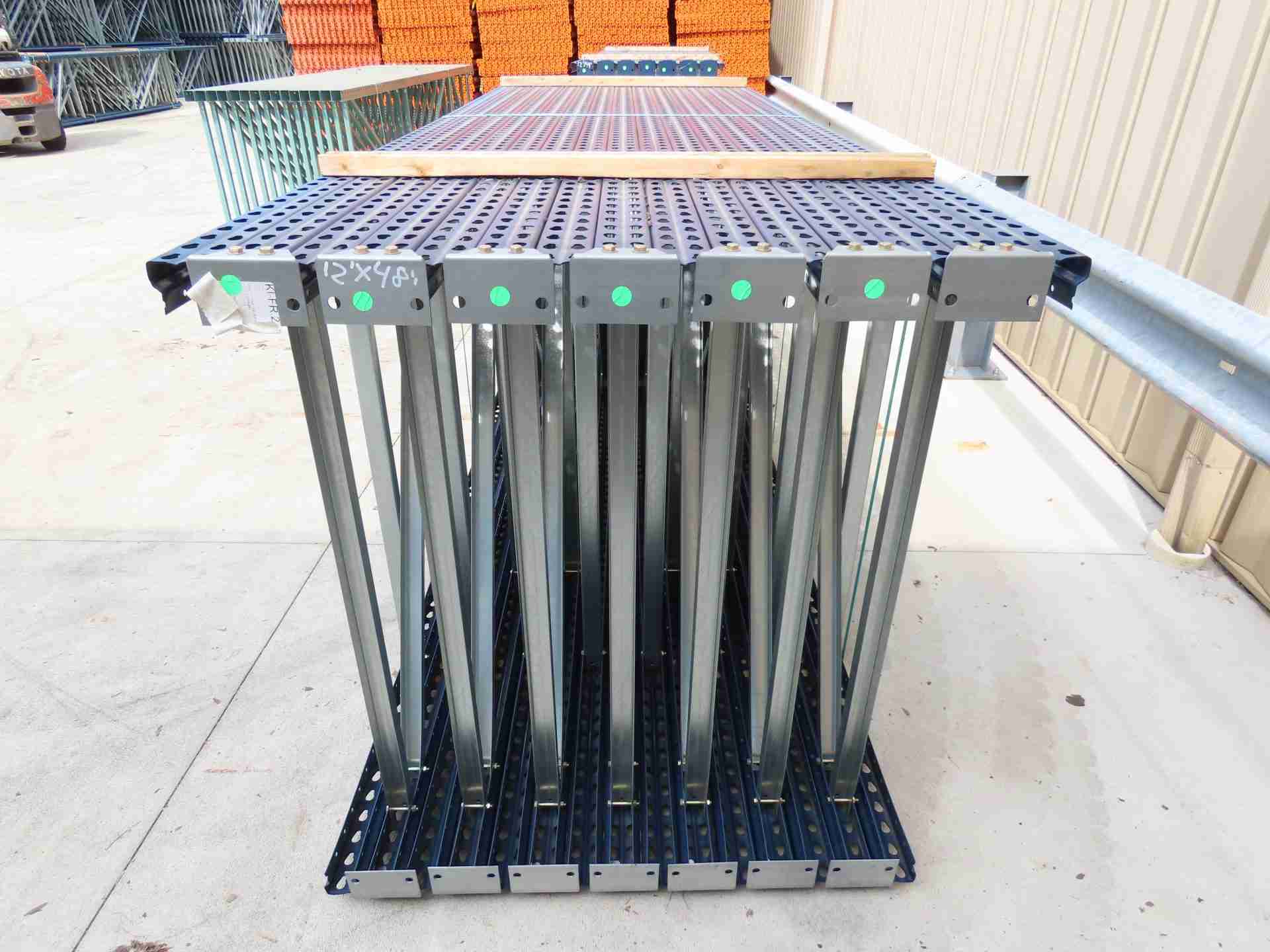
What Types Of Warehouse Tech Integrate With Local Racks?
Are Local Racks Cost-Effective Solutions For Warehouses?
When it comes to optimizing warehouse space, the buzzword “cost-effective” often looms large. Amidst fluctuating supply chain conditions and ongoing inflationary pressures, businesses are eager to find practical solutions that maximize value without skimping on quality. Enter local racks—an increasingly appealing option for warehouses looking to enhance operational efficiency while minimizing overhead costs.
Pallet racking has traditionally been the gold standard for maximizing vertical storage. However, local racks have emerged as a formidable alternative that can challenge the conventional wisdom. Let’s break down why local racks may be the savvy choice for your warehouse.
First, consider the cost savings. With local racks, warehouses can drastically reduce shipping and handling costs. Imagine you’re managing a distribution center in, say, New Jersey, where many suppliers are just a stone’s throw away. By investing in local racks sourced from nearby manufacturers, you can dodge the expensive shipping fees that often accompany pallet racking systems imported from overseas. Allegiant Supply’s recent report indicates that businesses using local sources for storage solutions have saved as much as 30% in logistics costs this year alone.
Moreover, local racks can be tailored to fit specific needs. Customization is often a downside of conventional pallet racking, which typically comes in universal sizes. With local vendors, you can work closely with the manufacturers to create a solution that perfectly matches your unique space requirements and inventory types. For example, if your warehouse specializes in handling smaller, varied products, adjustable local racks can optimize vertical space more effectively than standard pallet systems.
Flexibility in design isn’t the only advantage. Local racks also boast faster lead times for delivery and installation. In a world where time equals money, this advantage cannot be overstated. You might be juggling fluctuating inventory levels due to these unpredictable supply chain disruptions; having racks delivered quickly means rapid adaptation to market demands.
Furthermore, local racks contribute to sustainability efforts, an increasingly important factor in corporate decision-making today. Sourcing locally reduces transportation emissions and supports local economies, aligning your business with eco-conscious values that resonate with modern consumers. Companies like EcoRack have seen a surge in demand for locally sourced racks, particularly from businesses committed to sustainability.
As businesses navigate the complexities of warehouse management, local racks present not just a cost-effective alternative but a smart, strategic choice. Whether you’re interested in slashing transportation costs, customizing your storage solutions, or boosting your green credentials, local racks could be the way forward in optimizing your warehouse for the demands of today and tomorrow.

Are Local Racks Cost-Effective Solutions For Warehouses?
Are Local Racks Cost-Effective Solutions For Warehouses?
- Local racks are a viable option for warehouses aimed at maximizing space and reducing costs amidst inflation and supply chain challenges.
- They significantly lower shipping and handling costs, especially when sourced from nearby manufacturers, with potential savings of up to 30% in logistics costs.
- Local racks offer customization options tailored to specific warehouse needs, unlike traditional pallet racking which typically has standard sizes.
- These racks provide flexibility in design, allowing for quicker adjustments to meet fluctuating inventory levels.
- Faster lead times for delivery and installation help businesses adapt rapidly to market demands.
- Using local racks supports sustainability by reducing transportation emissions and benefiting local economies, aligning with eco-conscious consumer values.
- Local racks represent a smart strategic choice for optimizing warehouse operations through cost reduction, customization, and sustainability initiatives.
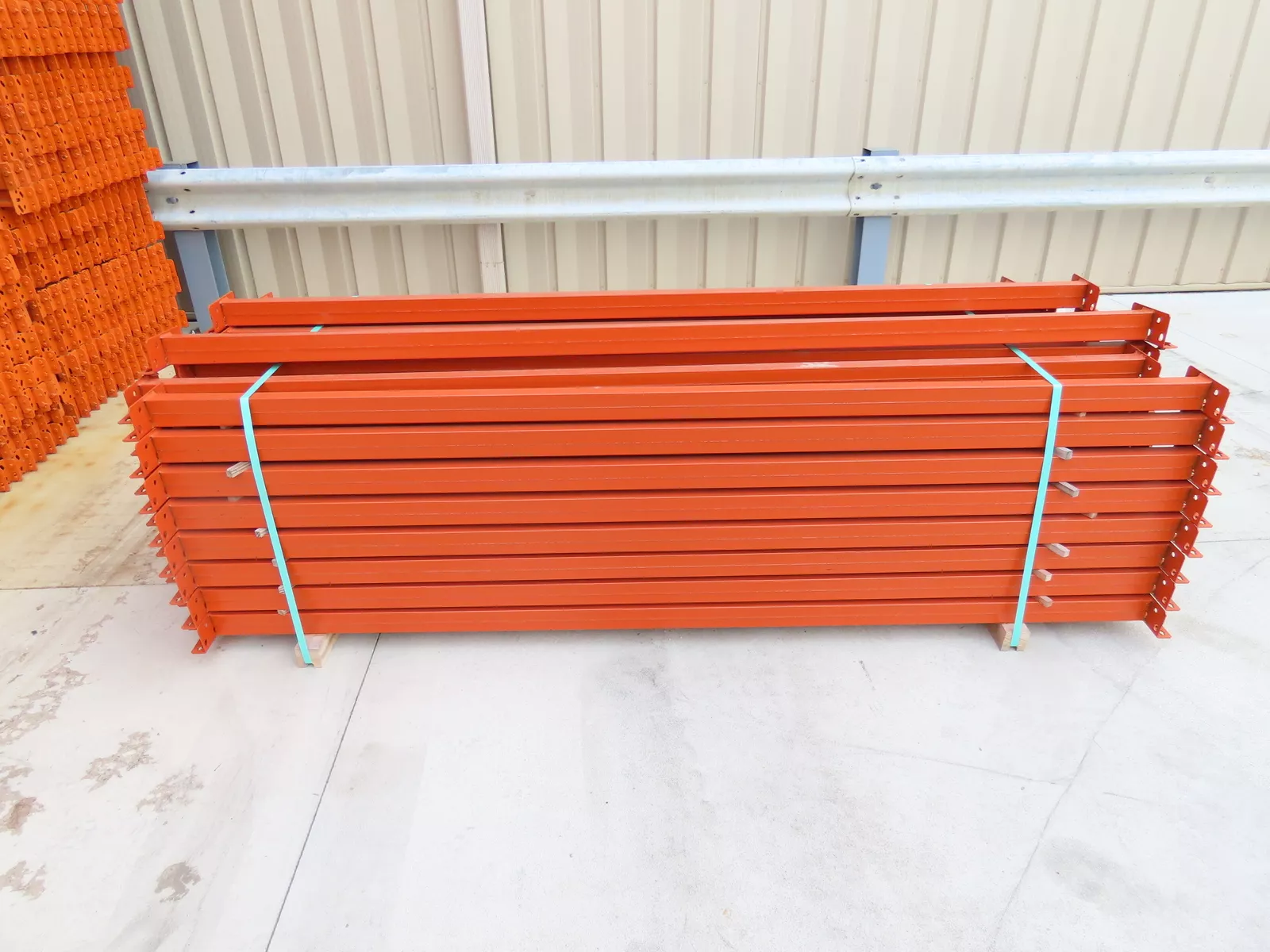
Are Local Racks Cost-Effective Solutions For Warehouses?
Can Local Racks Optimize Space Utilization In Warehouses?
In the fast-paced world of logistics and warehousing, every square foot of space counts. Enter local racks—an innovative solution that has emerged as a game-changer in optimizing space utilization. Let’s dive into how pallet racking systems can elevate your warehouse efficiency and profitability.
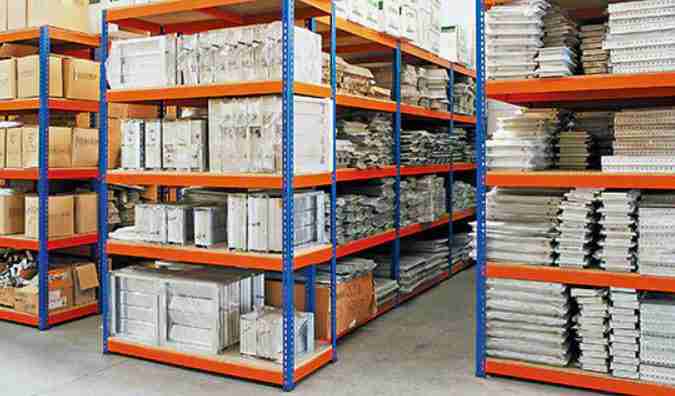
Take a moment to consider the shifting dynamics in e-commerce. With the recent surge in online shopping, driven by factors like convenience and an ever-expanding consumer base, warehouses are under unprecedented pressure to maximize their storage capabilities. Local racks, particularly pallet racking, provide a robust answer to the challenge of limited warehouse space. By utilizing vertical space with pallet racking, businesses can store more inventory without the need for costly expansions.
Think about it: Imagine a scenario where a warehouse implements a sturdy pallet racking system. By converting unused vertical space into storage space, a warehouse could potentially increase its inventory capacity by a staggering 50%. This adjustment not only enhances space utilization but also significantly improves order fulfillment rates, a critical factor in meeting customer expectations in today’s competitive landscape.
Consider the current developments in the supply chain sector. Companies that embrace technologies such as automation and smart shelving alongside local racks are finding themselves better positioned to adapt quickly to market shifts. For example, during last year’s disruptions in shipping and delivery, warehouses equipped with efficient pallet racking systems were often able to pivot faster than their competitors, ensuring that they could accommodate fluctuating inventory levels without missing a beat.
Local racks can also be custom-designed to fit varied warehouse layouts and product types. Whether it’s adjustable pallet racking for heavy loads or selective racking for increased accessibility, businesses can tailor their storage solutions to match their unique needs. This adaptability ensures that warehouses are not just storage facilities but strategic hubs that drive overall profitability.
The investment in pallet racking is not just an expense—it’s a strategic move toward future-proofing your warehouse operations. Given the current market trends, where storage demands are rising, embracing these local racks is akin to securing your competitive edge. The question isn’t whether you can afford to invest in pallet racking, but rather if you can afford not to.
Local racks can undeniably optimize space utilization in warehouses, enabling businesses to thrive amidst constant change. It’s time to assess your current storage solutions and consider how pallet racking could revolutionize your operational efficiency and bottom line. Make the shift today, and watch your warehouse transform!
Can Local Racks Optimize Space Utilization In Warehouses?
Can Local Racks Optimize Space Utilization In Warehouses?
- Local racks, particularly pallet racking systems, optimize space utilization in logistics and warehousing.
- The surge in e-commerce has increased pressure on warehouses to maximize storage capabilities.
- Pallet racking allows businesses to utilize vertical space, potentially increasing inventory capacity by up to 50%.
- Efficient pallet racking improves order fulfillment rates, crucial for meeting customer expectations.
- Integration of automation and smart shelving with local racks enables quicker adaptation to supply chain disruptions.
- Custom-designed local racks can fit varied warehouse layouts and accommodate different product types.
- Investing in pallet racking is a strategic move necessary for maintaining a competitive edge in the market.
Can Local Racks Optimize Space Utilization In Warehouses?
What Are The Common Challenges With Local Rack Systems?
When optimizing warehouse efficiency, one frequently overlooked component is the local rack system — specifically, pallet racking. While these systems form the backbone of many businesses, their challenges can lead to staggering costs and inefficiencies if not recognized and addressed early on.
First and foremost, safety is a paramount concern. The risks associated with improperly maintained pallet racking systems can pose significant dangers to employees and inventory alike. For instance, a poorly secured stack of pallets can topple, resulting in injuries and costly disruptions to operations. In 2022, a high-profile incident at a distribution center led to a substantial lawsuit due to negligence related to safety protocols and inadequate inspections. The lesson? Regular inspections and maintenance of the racking system not only foster a safer working environment but also mitigate potential legal ramifications.
Another primary challenge is space optimization. Many businesses underestimate the visual impact of a well-designed pallet racking system. A disorganized warehouse can lead to wasted space, which drains profits. Recently, companies have turned to innovative racking solutions, like dynamic pallet racking, which adjusts to accommodate seasonal inventory fluctuations. By investing in smarter local rack systems, businesses can improve inventory flow while maximizing available space, avoiding the dreaded scenario of overhead storage nightmares.
Moreover, inventory management becomes increasingly complex as a business grows. A typical problem with local rack systems is the lack of integration with modern technologies. For example, if your pallet racking isn’t aligned with an advanced warehouse management system, you may find yourself in a perpetual state of inventory mismatches. An inadequate racking system can lead to challenges in locating items and result in missed sales opportunities or delayed shipments. Think about it — in today’s fast-paced market, every second counts. If your racking system hinders your efficiency, your competitors will soon leave you in the dust.
Lastly, it’s critical to understand the financial implications tied to local rack systems. Many businesses invest heavily in their initial setup without considering long-term costs like maintenance, reconfiguration, or potential obsolescence. The economic turbulence seen in recent years has forced many companies to tighten their budgets, highlighting the necessity of evaluating whether your local rack system continues to serve its intended purpose.
While pallet racking is essential for warehouse efficiency, overlooking the common challenges associated with local rack systems can result in operational inefficiencies, safety hazards, and financial losses. By addressing these issues proactively, you set the stage for a thriving business that can adapt and outperform competitors in an ever-evolving market landscape.
What Are The Common Challenges With Local Rack Systems?
What Are The Common Challenges With Local Rack Systems?
- Pallet racking systems are crucial for warehouse efficiency but often overlooked for their challenges.
- Safety is a major concern; poorly maintained systems can lead to injuries and expensive legal issues.
- Regular inspections and maintenance are essential for fostering safety and reducing legal risks.
- Space optimization is vital; disorganized warehouses waste space and profits.
- Innovative racking solutions, such as dynamic pallet racking, can improve inventory flow and maximize available space.
- Integration with modern technologies is necessary to avoid inventory mismatches as businesses grow.
- Long-term costs associated with local rack systems, like maintenance and potential obsolescence, should be evaluated regularly.
What Are The Common Challenges With Local Rack Systems?
Conclusion
In the hyper-competitive world of supply chain management, the synergy between local racks and warehouse technology acts as a potent catalyst for operational excellence. As we navigate through unprecedented market demands and fluctuations, the question looms large: Are your local racks in harmony with your existing warehouse technology? The clear answer is that they must be.
Local racks, particularly pallet racking systems, are no longer just static storage solutions; they are pivotal in driving efficiency and enhancing workflow. With the rise in online shopping and evolving consumer expectations, the ability to optimize space and streamline operations through effective local rack systems has become non-negotiable. Imagine harnessing the full potential of your warehouse by maximizing vertical space and ensuring that every inch aligns with the latest warehouse management systems (WMS). The benefits extend beyond mere storage; real-time data integration not only improves inventory accuracy but also enhances safety by preventing overloading—an essential factor in safeguarding both employees and assets.
However, it would be a grave mistake to think of local racks merely as a replacement for traditional systems. They should be viewed through the lens of strategic investment, an opportunity to tailor your infrastructure to meet current and future demands. As businesses adapt to a rapidly changing environment, integrating advanced technologies like RFID systems, Automated Guided Vehicles (AGVs), and IoT devices takes your warehouse into the realm of smart operations. The result? A streamlined approach that significantly boosts productivity while curtailing labor costs.
But here’s where urgency comes into play. With supply chain disruptions looming, waiting to enhance your local rack systems means risking inefficiency, lost sales, and dissatisfied customers. The marketplace makes no room for indecision when your competitors are swiftly adapting to take advantage of these capabilities.
In this journey towards warehouse optimization, ask yourself: Are your local racks ready to support the advanced technologies of tomorrow? Are you taking the necessary actionable steps to integrate these systems effectively?
Don’t let disorganization and outdated infrastructure stifle your growth. Call Arrow Industrial Sales at (574) 349-6575 today! Your warehouse deserves the best—because when local racks work hand-in-hand with cutting-edge tech, your operational landscape transforms into a powerhouse of efficiency and profitability. Act now, and reap the benefits of a synchronized, future-ready warehouse environment.
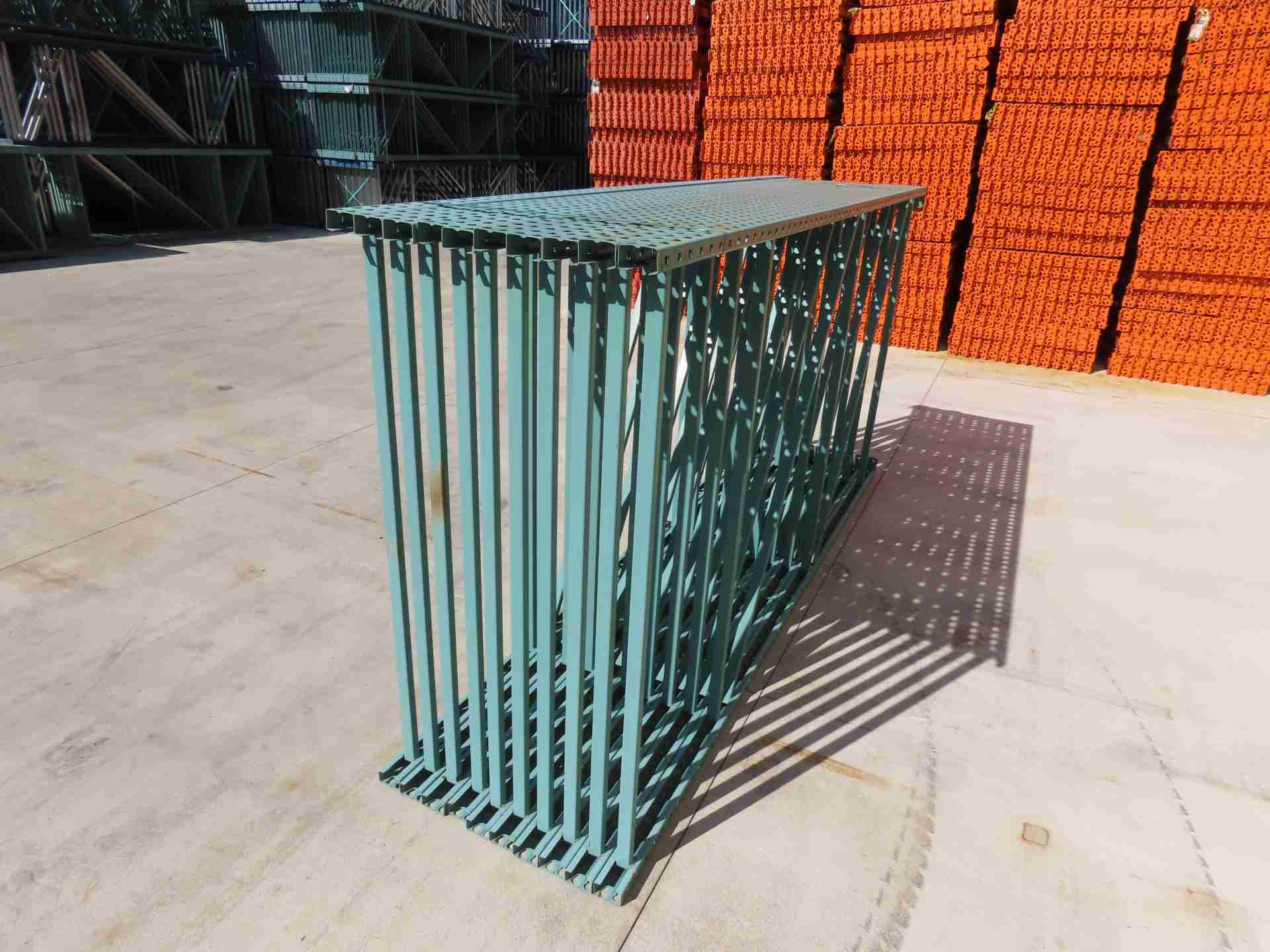
Conclusion
Conclusion:
- Local racks and warehouse technology are essential for operational excellence in supply chain management.
- Pallet racking systems play a key role in enhancing efficiency and workflow in warehouses.
- Optimizing space and integrating with warehouse management systems (WMS) is crucial due to rising online shopping demands.
- Real-time data integration improves inventory accuracy and safety, preventing overloading.
- Local racks should be seen as strategic investments rather than mere replacements for traditional systems.
- Integrating advanced technologies like RFID, AGVs, and IoT enhances productivity and reduces labor costs.
- To avoid inefficiency and customer dissatisfaction, businesses must act quickly to improve their local rack systems.

Conclusion
Other Resources
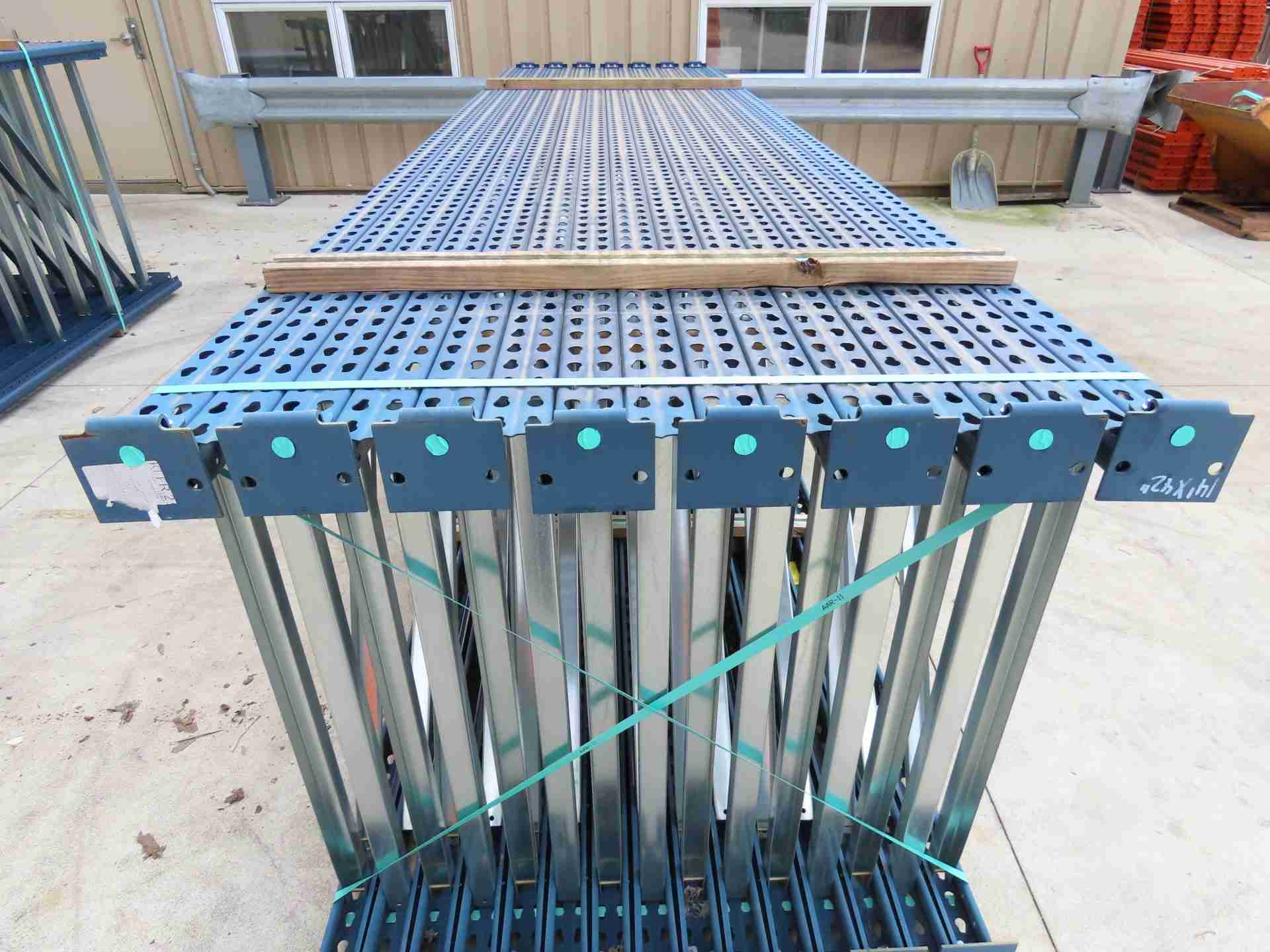
Other Resources
Here is a list of other resources you can review online to learn more:
- WERC
- Used Pallet Rack for Sale in Illinois – American Surplus
- Cantilever Rack Guide: Ordering Cantilever Racking
- Illinois
- Mustang Material Handling
- Warehouse Racking Layout: The Ultimate Guide – Conger
- Pallet Racking 101: A Comprehensive Guide & Options Explained
- Storage Equipment Manufacturers Association
- Selective Racking
- BMH Equipment LLC
Use This Prompt To Get More Resources With Your Favorite Online AI Tool: Please provide me with a list of online articles with their URLs in a bulleted list that I can read regarding Do Local Racks Work with Your Warehouse Tech?
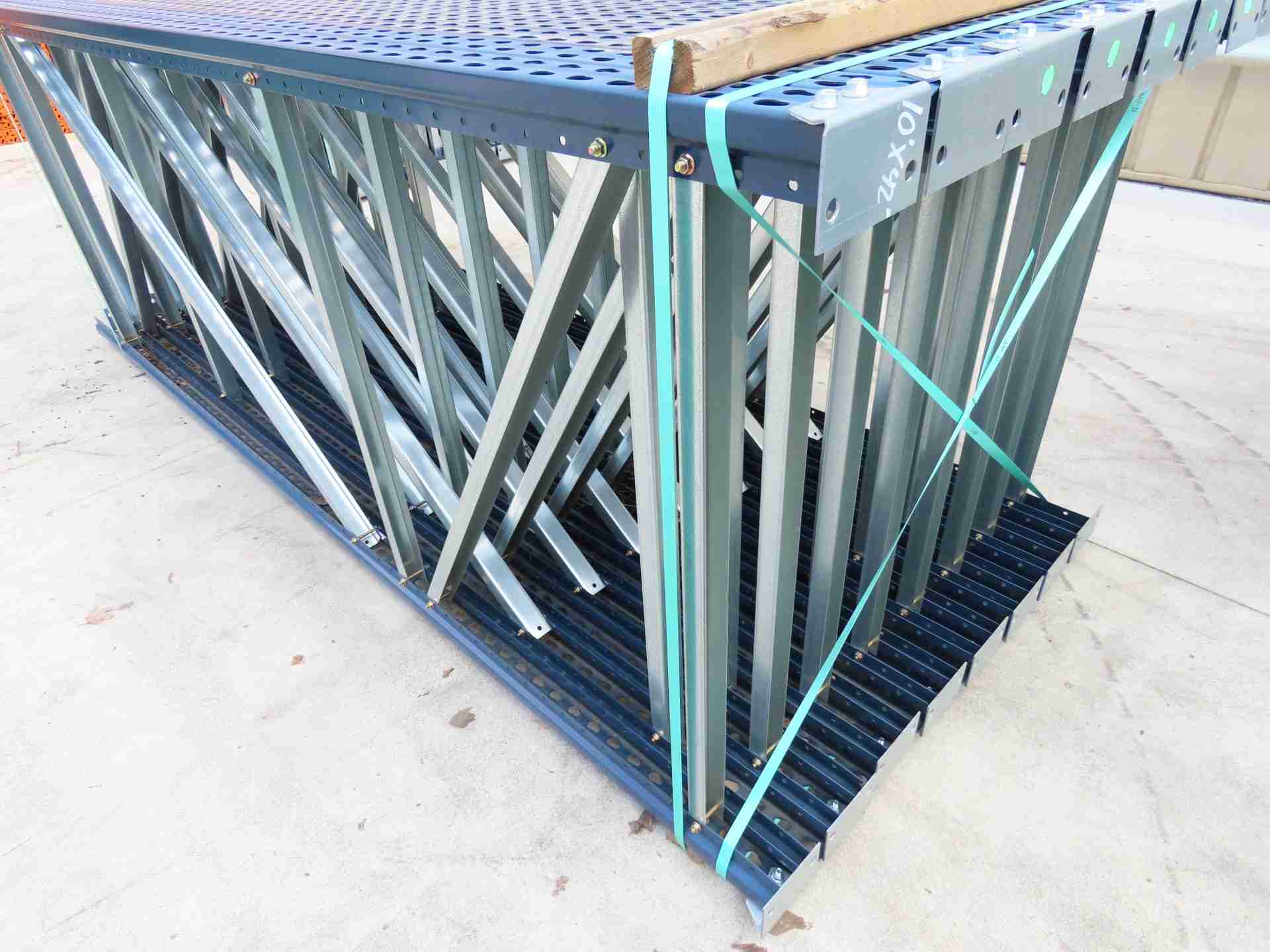
Other Resources
Glossary Terms
Do Local Racks Work with Your Warehouse Tech? – Glossary Of Terms
1. Local Racks: Storage solutions located within a warehouse, designed to hold inventory close to the point of use or retrieval.
2. Warehouse Technology: Various tools and systems used to manage and optimize warehouse operations, including software and hardware solutions.
3. Inventory Management: The process of tracking and controlling stock levels, orders, and deliveries within a warehouse.
4. Integration: The process of bringing together different systems or components to work cohesively in a warehouse environment.
5. RFID (Radio-Frequency Identification): A technology used to automatically identify and track tags attached to objects, enhancing inventory control.
6. Barcode Scanning: A method of scanning printed barcodes for inventory tracking, facilitating faster check-ins and check-outs.
7. Warehouse Management System (WMS): Software designed to optimize warehouse operations by tracking inventory, managing labor, and monitoring warehouse performance.
8. Automation: The use of technology to perform tasks with minimal human intervention, often improving efficiency in warehouse operations.
9. Pick-and-Pack: A process whereby items are picked from local racks and packed for shipment to fulfill customer orders.
10. Asset Tracking: The method of monitoring physical items throughout a warehouse to prevent loss and optimize stock levels.
11. SKU (Stock Keeping Unit): A unique identifier for each distinct product and service that can be purchased, used for inventory management.
12. Order Fulfillment: The complete process of receiving, processing, and delivering customer orders, from picking items off racks to shipping.
13. Cycle Counting: A periodic method of auditing inventory levels by regularly counting a subset of items in the warehouse.
14. Real-time Data: Information that is updated instantly as transactions occur, crucial for effective inventory management.
15. Supply Chain Management: The management of the flow of goods and services, including all processes that transform raw materials into final products.
16. Cross-Docking: A logistics procedure where incoming goods are directly transferred to outgoing shipping with minimal storage time.
17. Pallet Racking: A storage system designed to hold palletized goods, often used in conjunction with local racks for efficient space utilization.
18. Load Capacity: The maximum weight that can be safely stored or held on a local rack without risking structural integrity.
19. FIFO (First In, First Out): An inventory management approach where the oldest stock is sold first, ensuring inventory freshness.
20. LIFO (Last In, First Out): An inventory management method where the most recently stocked items are sold first.
21. User Interface (UI): The space where user interaction with warehouse technology occurs, which can affect how local racks are utilized.
22. Data Analytics: The process of examining raw data to draw conclusions and improve warehouse operations and inventory management.
23. Maintenance: Regular servicing and repair of local racks and warehouse technology to ensure proper functionality and safety.
24. Environmental Controls: Systems that maintain optimal conditions in the warehouse for sensitive inventory, affecting local rack operations.
25. Cloud Storage: Utilizing remote servers to store and manage warehouse data, enabling access from various locations and devices.
26. Training Program: Initiatives designed to enhance employees’ skills in operating local racks and integrating them with warehouse technology.
27. Vendor Management: The process of managing supplier relationships to ensure timely deliveries and quality of goods stored on local racks.
28. Capacity Planning: Anticipating future inventory requirements to better manage local rack space and warehouse technology.
29. Order Picking Strategies: Methods employed to efficiently retrieve items from local racks, including wave picking and zone picking.
30. Performance Metrics: Key performance indicators used to evaluate the effectiveness of inventory management and local rack usage in the warehouse.
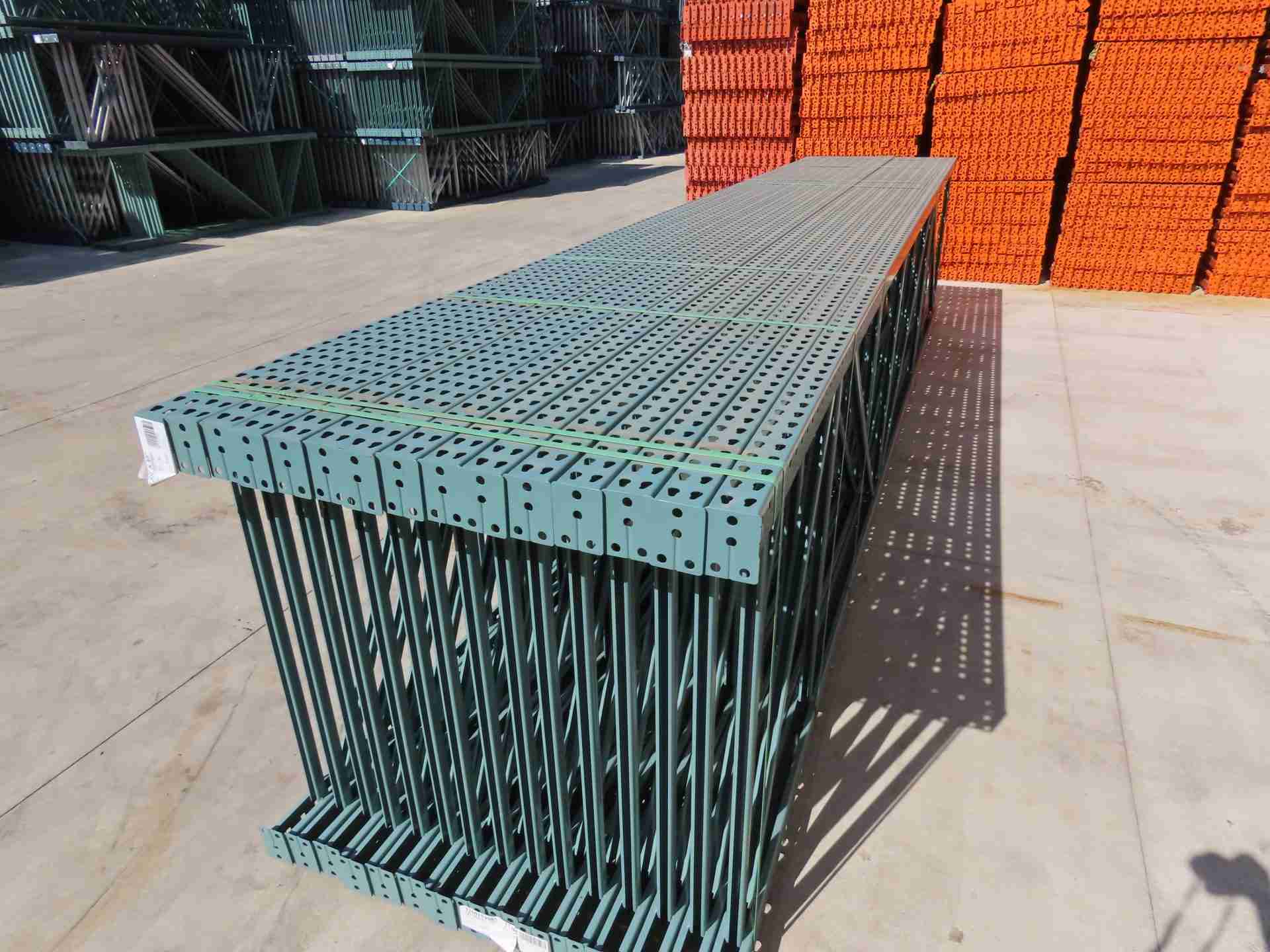
Glossary Of Terms
Other Questions
Do Local Racks Work with Your Warehouse Tech? – Other Questions
If you wish to explore and discover more, consider looking for answers to these questions:
- What are the differences between local racks and traditional pallet racking systems?
- How can I assess the compatibility of my current warehouse tech with local racks?
- What factors should I consider when choosing local racks for my warehouse?
- How do local racks impact the overall layout of my warehouse?
- What maintenance practices are essential for local racks to ensure safety and efficiency?
- Can local racks be customized for specific types of inventory?
- What are the leading brands or manufacturers of local racks?
- How do local racks compare in terms of cost with other storage solutions?
- What are the safety regulations I need to consider with local rack systems?
- How can training employees to use local racks optimize warehouse operations?
- What innovative technologies can enhance the functionality of local racks?
Other Questions
Checklist
Do Local Racks Work with Your Warehouse Tech? – A Checklist
Checklist: Assessing Compatibility of Local Racks with Warehouse Tech
Purpose: This checklist will help warehouse managers evaluate their local rack systems in conjunction with their existing and future warehouse technologies to ensure maximized efficiency and compatibility.
1. Evaluate Current Rack System
_____ Assess the age of the current pallet racking system.
_____ Determine if the existing racks have real-time data syncing capabilities.
_____ Check for compatibility with advanced Warehouse Management Systems (WMS).
2. Analyze Warehouse Tech Integration
_____ Identify what type of Warehouse Management System (WMS) is currently in use or planned for implementation.
_____ Evaluate if Automated Guided Vehicles (AGVs) can be integrated within the layout of the local racks.
_____ Assess if RFID or barcode scanning technologies can be implemented with current racking.
_____ Consider if IoT devices can supplement rack performance monitoring.
3. Optimize Space Utilization
_____ Measure the vertical storage capacity being utilized by current local racks.
_____ Determine if the current setup allows for dynamic slotting based on inventory demand.
_____ Evaluate whether the racks can be easily reconfigured to adapt to seasonal or fluctuating inventory levels.
4. Consider Cost-Effectiveness
_____ Analyze potential cost savings from shipping locally sourced racks versus imported options.
_____ Estimate any customization costs to adapt local racks to specific inventory needs.
_____ Review potential reduction in labor costs through improved order picking efficiency.
5. Ensure Workplace Safety
_____ Conduct regular inspections to ensure racks are maintained properly.
_____ Verify that safety protocols are in place to prevent accidents related to pallet stacking and racking.
_____ Assess ergonomic features of racks to ensure worker safety during movement and inventory access.
6. Review Future-Proofing Strategies
_____ Research current industry trends related to racking systems and technology advancements.
_____ Determine if the current racking system can adapt to emerging technologies effectively.
_____ Assess long-term maintenance and potential obsolescence of the existing racking system.
7. Identify Training Needs
_____ Ensure staff training programs include sessions on using integrated tech with local racks.
_____ Provide updates on any new technologies being employed within warehousing operations.
_____ Review ongoing safety training specific to using local rack systems.
8. Monitor Performance Metrics
_____ Track inventory turnover rates regularly.
_____ Evaluate order fulfillment accuracy and speed.
_____ Monitor safety incidents related to racking to prevent recurring issues.
Conclusion: Use this checklist to guide your evaluation and enhance the capabilities of your warehouse operations by aligning local racking systems with advanced technology solutions. Regularly revisiting this checklist will help maintain compatibility, efficiency, and safety in your warehouse settings.
Checklist
At RackingWorld, we help guide you through selecting warehouse storage systems and racking.
Be sure to read our other related stories at RackingWorld to learn more about warehouse storage systems.
0 Comments