
Quality Showdown: Local Racks Vs. Big Brands
By Tom Seest
At RackingWorld, we help guide you through selecting warehouse storage systems and racking.
Be sure to read our other related stories at RackingWorld to learn more about warehouse storage systems.
Do Local Racks Match Up to Big Brand Quality?
In today’s competitive marketplace, businesses are constantly searching for cost-effective yet reliable storage solutions. When it comes to pallet racking, the discussion often boils down to whether local racks can deliver the same quality as big name brands. This question isn’t just theoretical; it reflects a critical decision that can impact inventory management, safety, and the bottom line.
Let’s break it down: big brands certainly have an established reputation. Companies like Steel King and Interlake Mecalux have been providing durable and efficient pallet racking systems for decades. Their systems are engineered to meet rigorous safety standards and are often backed by comprehensive warranties. Purchasers of these systems can rest easy knowing that they are investing in a product that has stood the test of time.
However, local manufacturers are increasingly challenging this notion. Small or regional companies often offer customized solutions that are tailored to meet specific needs. For instance, a local racking supplier may create a bespoke system that optimally utilizes your warehouse space without the one-size-fits-all limitations of larger brands. This flexibility can result in greater storage efficiency and ultimately, increased productivity.
Moreover, local racking companies often excel in customer service. With a reduced corporate bureaucracy, these manufacturers can provide quicker responses, personalized consultations, and more hands-on support. Imagine needing urgent modifications or repairs; a local provider can often act faster than a large brand bogged down by layers of management.
In recent events, the supply chain disruptions resulting from global events have highlighted the vulnerabilities of relying solely on overseas manufacturers. Local racking manufacturers have become more appealing due to their ability to deliver products faster and more reliably, helping businesses manage their inventory more effectively during uncertain times.
Cost is another key factor. While big brands might boast high quality and reliability, local racks frequently come at a lower price point. This doesn’t mean lower quality; it merely reflects the absence of hefty marketing expenses and brand premiums. Businesses can often get great deals while supporting local economies.
Ultimately, each business needs to assess its unique requirements. Are you seeking a system that’s proven over time, or one that’s crafted specifically for your operational quirks? Local racks can offer comparable quality, especially when considering the advantages of customization and superior service. So, before defaulting to a big-name brand, take a moment to evaluate the local options available—they just might surprise you!
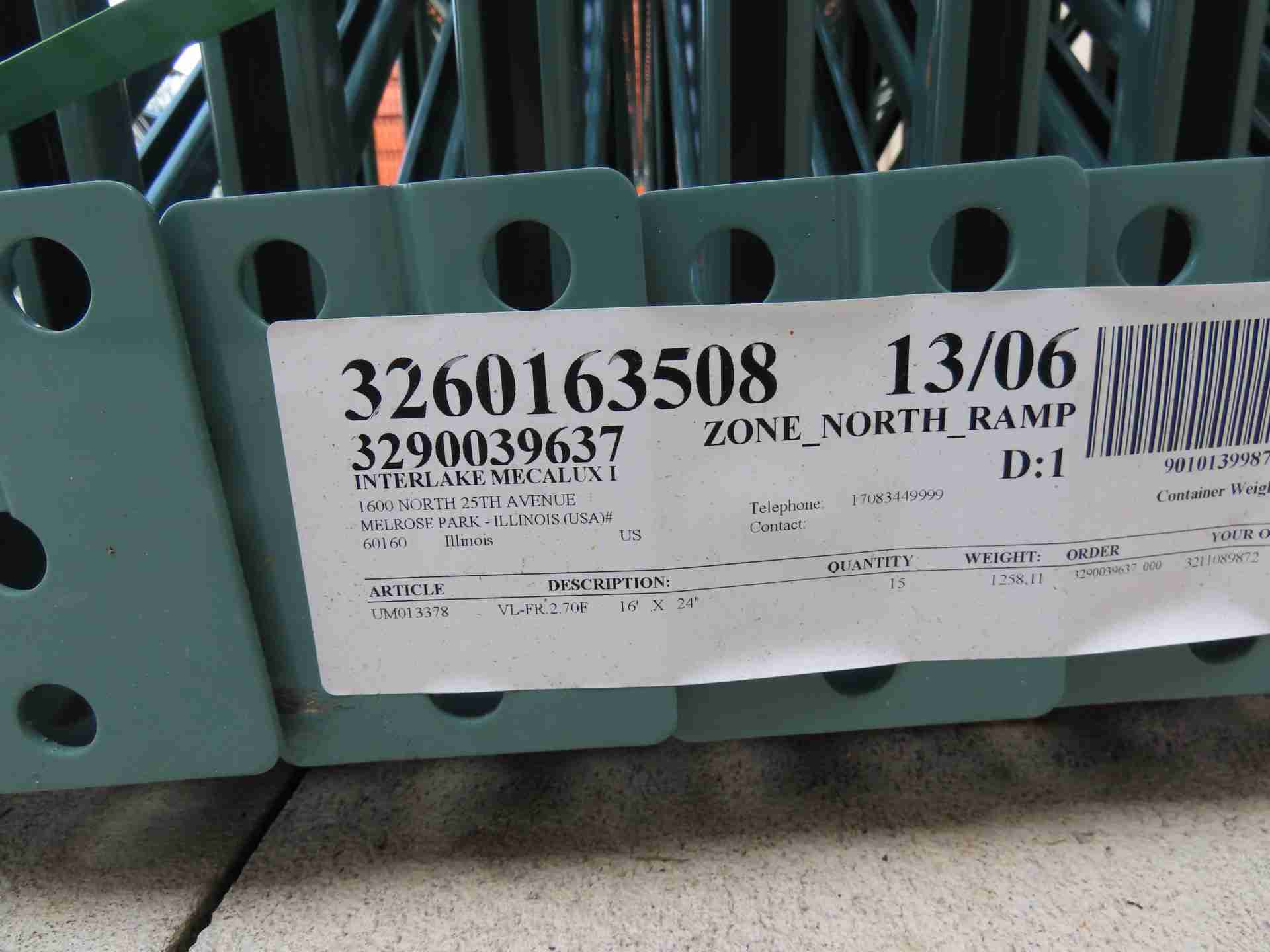
Do Local Racks Match Up to Big Brand Quality?
Do Local Racks Match Up to Big Brand Quality?
- Businesses are seeking cost-effective and reliable storage solutions in a competitive marketplace.
- Big brands like Steel King and Interlake Mecalux have established reputations for durable and efficient pallet racking systems.
- Local manufacturers offer customized solutions tailored to specific warehouse needs, increasing storage efficiency.
- Local racking companies often provide superior customer service with quicker response times and more personalized support.
- Supply chain disruptions have made local racking manufacturers more appealing for faster and more reliable product delivery.
- Local racks often come at a lower price point, allowing businesses to obtain quality products while supporting local economies.
- Each business should evaluate its unique needs before choosing between established brands or local options, as local racks can offer comparable quality.
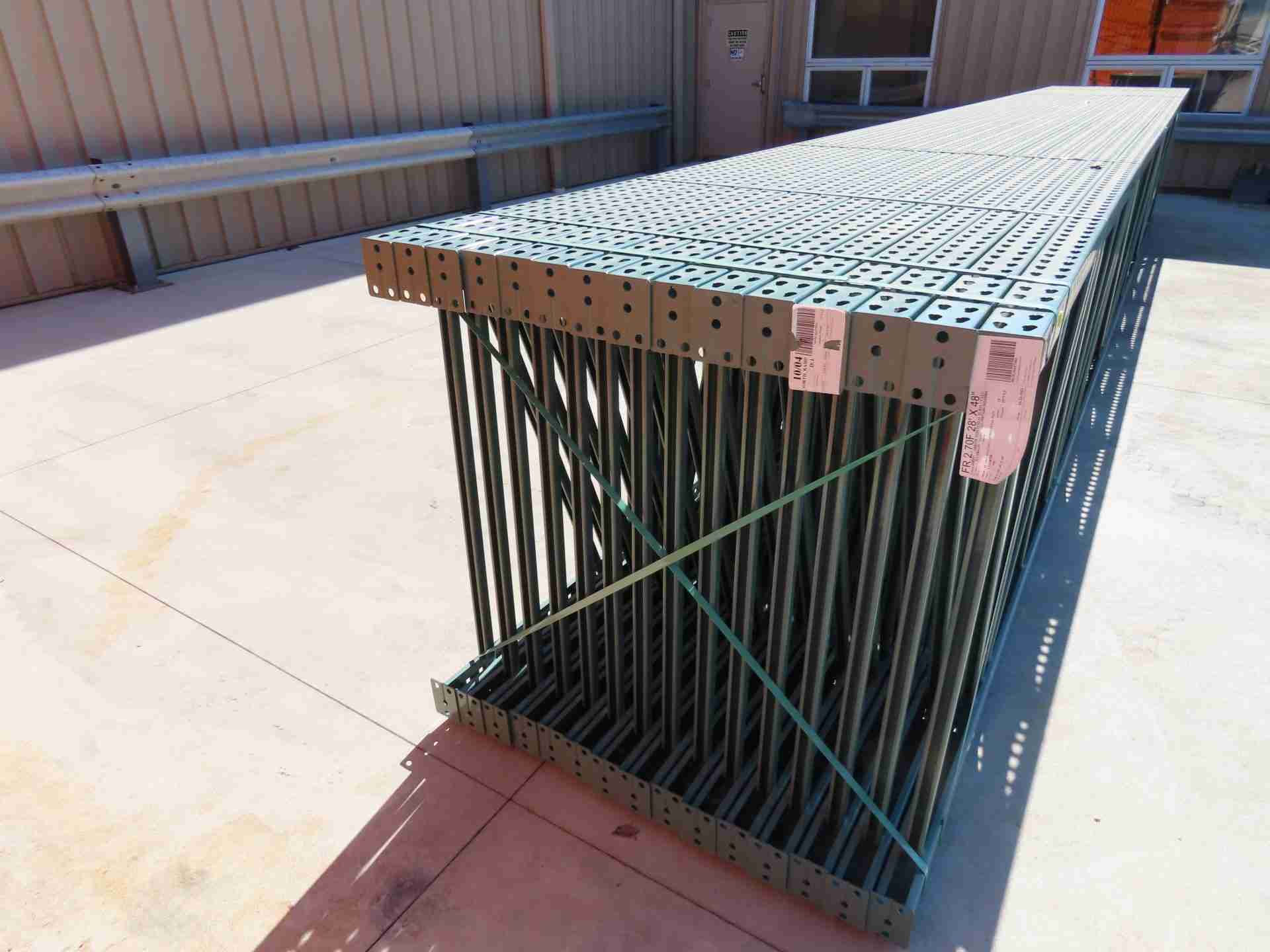
Do Local Racks Match Up to Big Brand Quality?
Table Of Contents
- Do Local Racks Match Up to Big Brand Quality?
- Is The Price Difference Between Local And Big Brand Racks Justifiable?
- How Do Local Racks Compare In Durability To Big Brand Options?
- What Are The Specific Features Of Local Racks Versus Big Brand Ones?
- Are Local Racks Customizable For Unique Needs Like Big Brands?
- How Does Customer Service Differ Between Local Racks And Big Brands?
- Conclusion
- Other Resources
- Glossary Of Terms
- Other Questions
- Checklist
Is The Price Difference Between Local And Big Brand Racks Justifiable?
In the bustling world of logistics and warehousing, the terms “local” and “big brand” often spark fervent debates, especially concerning investments like pallet racking. As businesses contemplate their storage solutions, the question arises: is the price difference between local manufacturers and established big brands truly justifiable? The answer is nuanced and rooted in various factors that any savvy business owner must consider.
Let’s begin with perceived value. Established brands carry a reputation that can be enticing. Their pallet racking systems are often touted for their durability, safety certifications, and proven track records. For example, a nationwide company might promote racks that withstand extreme conditions, which is a compelling selling point for industries like food and beverage or pharmaceuticals. Recent supply chain disruptions and heightened regulatory scrutiny mean that businesses must prioritize reliability in their storage solutions, making these brand-name products appealing despite their higher price tag.
Conversely, local manufacturers often offer distinct advantages that big brands can’t match. Consider the flexibility of customization and customer service. Local businesses can adapt their pallet racking systems quickly to meet a client’s specific needs, potentially saving time and money in the long run. A small warehouse that needs a tailored approach can find local options that can be adjusted in real time, avoiding the long lead times often associated with big brands. With the current economic landscape shifting—especially as inflation continues to affect import prices—local companies often provide competitive pricing without compromising quality.
Furthermore, supporting local brands can lead to community goodwill and brand loyalty, which can be potent marketing tools in practice. Recent trends show consumers increasingly favor businesses with a local footprint. A company that invests in its community is not just a corporate entity; it becomes part of a larger narrative that customers can rally behind.
That said, buying power plays a significant role here too. Big brands benefit from economies of scale, allowing them to offer warranties and extensive service networks. However, if the cost of ownership—factoring in installation, maintenance, and transport—reveals that localized options stand out as the more economical choice, then the price differential becomes less justifiable.
Ultimately, the decision is not purely about the initial price tag. It’s about the broader implications of quality, service, and local economic support that each choice offers. So, when comparing local and big brand pallet racking systems, approach the conversation armed with the right questions and a clear understanding of what matters most to your business.
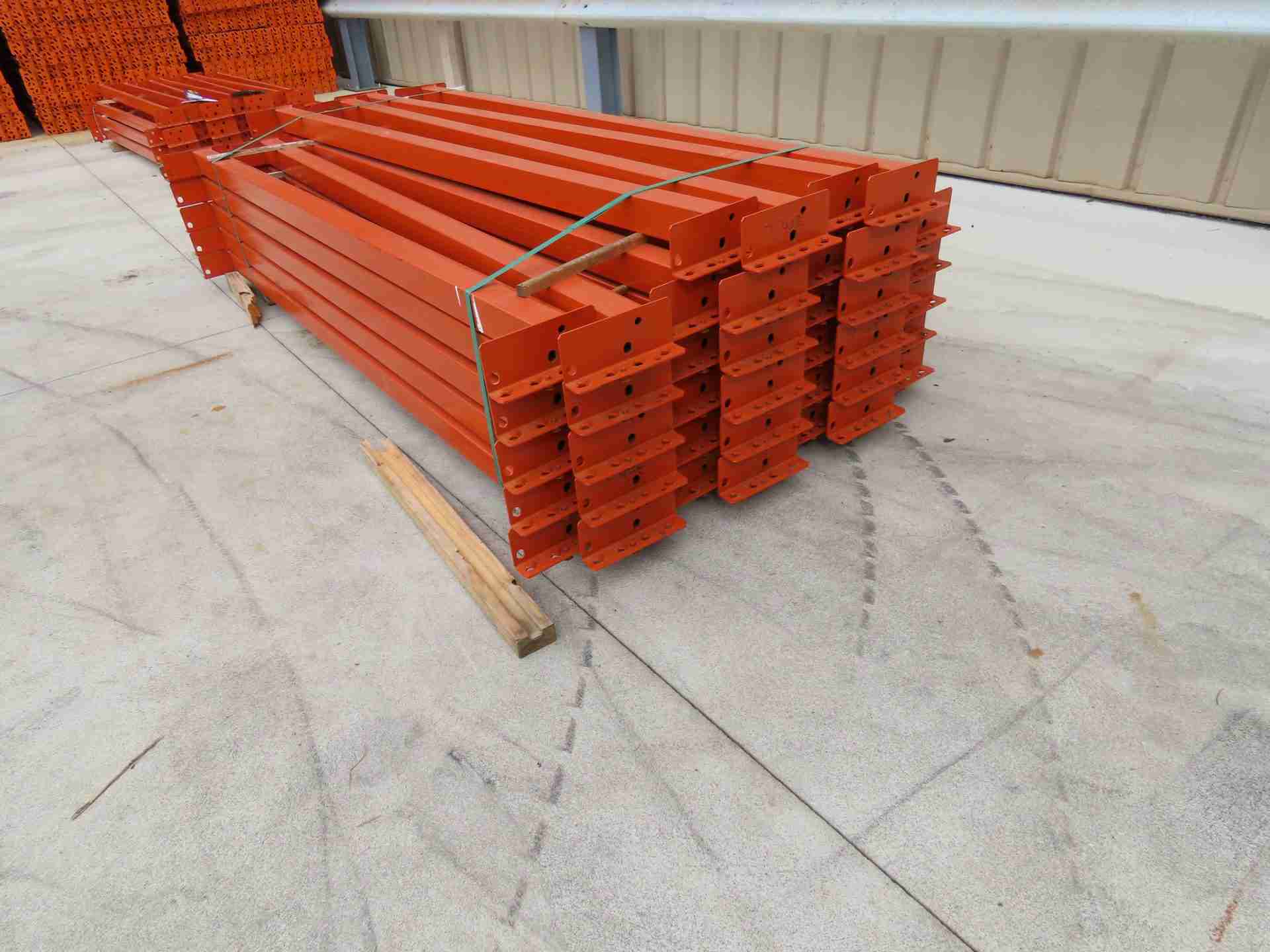
Is The Price Difference Between Local And Big Brand Racks Justifiable?
Is The Price Difference Between Local And Big Brand Racks Justifiable?
- The debate over “local” versus “big brand” pallet racking hinges on investment justification in logistics and warehousing.
- Established brands are known for durability, safety certifications, and proven track records, making them appealing despite higher costs.
- Local manufacturers provide advantages such as customization flexibility and better customer service, often with quicker response times.
- Supporting local businesses can foster community goodwill and brand loyalty, aligning with consumer trends favoring local investments.
- Big brands leverage economies of scale, offering warranties and extensive service networks that can enhance perceived value.
- Considering the cost of ownership—including installation, maintenance, and transport—is vital in evaluating the true value of storage options.
- The decision should involve more than price; it should consider quality, service, and local economic support relevant to the business’s needs.
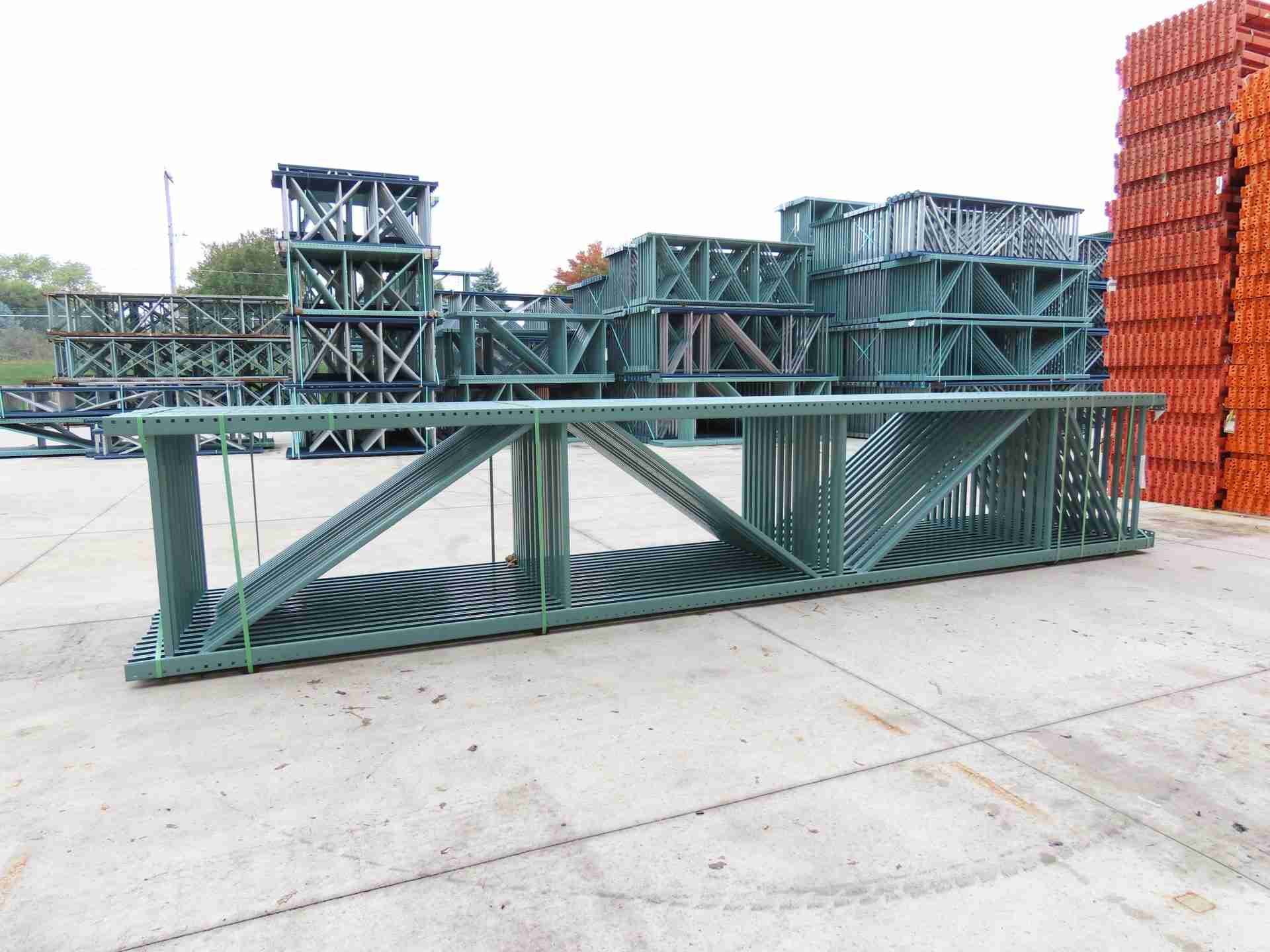
Is The Price Difference Between Local And Big Brand Racks Justifiable?
How Do Local Racks Compare In Durability To Big Brand Options?
When it comes to pallet racking systems, the question of durability often arises, especially for businesses deciding between local manufacturers and big-name brands. It’s a critical consideration, as the right shelving can make a difference between seamless operations and costly disruptions.
Big brand pallet racking solutions often boast years of industry credibility and extensive testing, promising longevity and the kind of durability that can withstand the rigors of heavy-duty warehousing. For instance, a leading global brand may provide multiple safety certifications that assure buyers of their racks’ resilience. However, are these claims always backed by user experience?
Local manufacturers, on the other hand, may not have the same level of visibility but often excel in providing customizable solutions tailored specifically to your operational needs. Take, for example, a regional racking company that specializes in steel construction using higher gauge materials than their big-brand counterparts. This can enhance the strength and load-bearing capacity of the racks—critical features for any busy warehouse.
In current events, consider the ongoing supply chain challenges that have forced many businesses to rethink their inventory strategies. With many big brands struggling with delays and limited stock, local racking manufacturers have stepped up, often delivering products faster and accommodating urgent requests. This quick turnaround can be a game-changer, especially in industries reliant on just-in-time inventory.
Moreover, local brands often focus on maintaining strong relationships with their customers. If issues arise with a local rack, companies can typically receive prompt responses, troubleshooting, or adjustments directly from the manufacturer. Comparatively, big brands might leave you navigating call centers and automated systems, which can feel impersonal and frustrating during urgent situations.
Another compelling point to consider is that purchasing from local suppliers can enhance community ties and boost your local economy. Companies are increasingly leaning into sustainability, and choosing local options often means a lower carbon footprint regarding transport emissions. Plus, the added bonus of a simplified supply chain further reinforces the durability and reliability of locally sourced pallet racking.
While big brands come with a legacy of durability, local racking options offer customization, responsiveness, and community support that can prove invaluable. Depending on your specific needs, it often pays to look beyond the names you recognize and consider the competitive edge that local manufacturers can provide. Make an informed choice, and ensure the future of your operations remains robust and agile.
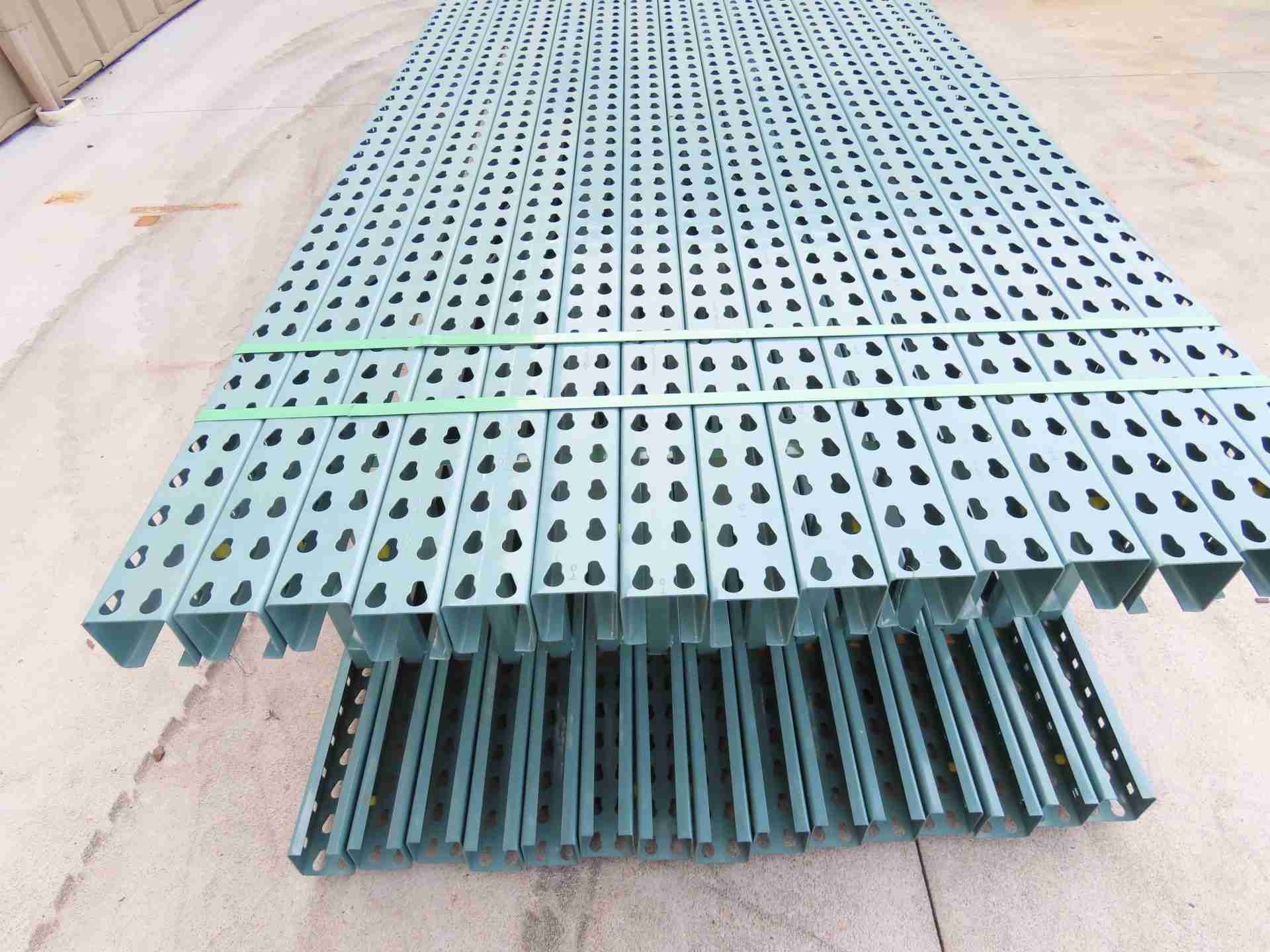
How Do Local Racks Compare In Durability To Big Brand Options?
How Do Local Racks Compare In Durability To Big Brand Options?
- The durability of pallet racking systems is crucial for seamless operations versus costly disruptions.
- Big brand solutions offer industry credibility, extensive testing, and safety certifications for longevity.
- Local manufacturers provide customizable racking options, often using stronger materials than big brands.
- Current supply chain challenges have led to faster delivery and more availability from local manufacturers.
- Local suppliers prioritize responsive customer service, ensuring timely support for urgent issues.
- Purchasing from local businesses can enhance community ties, reduce carbon footprints, and simplify supply chains.
- Choosing between big brands and local options depends on specific operational needs and potential competitive advantages.
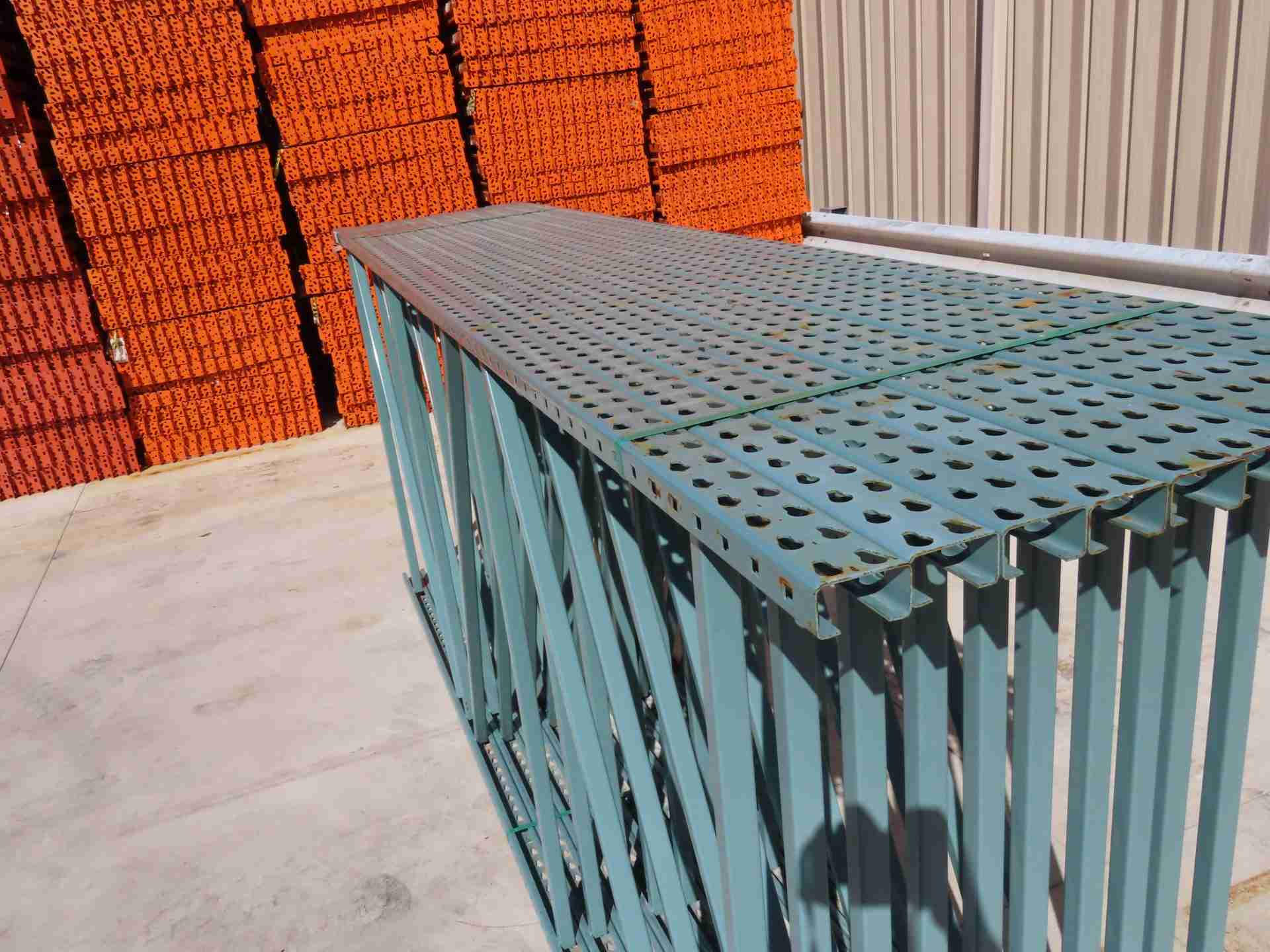
How Do Local Racks Compare In Durability To Big Brand Options?
What Are The Specific Features Of Local Racks Versus Big Brand Ones?
When it comes to maximizing warehouse space and optimizing storage solutions, the choice between local racks and big brand pallet racking systems can significantly impact your bottom line. But what sets these two options apart? Let’s dive in.
Customization: Local rack manufacturers often pride themselves on tailoring products to fit specific customer needs. If you run a niche business and require a unique shelving solution, local providers can create customized pallet racking that meets the dimensions and weight capacities you require. In contrast, big brands may offer a one-size-fits-all solution that rarely takes into account the unique challenges of your operation. For example, during the recent supply chain disruptions, local manufacturers were able to pivot quickly, creating specialized racks for businesses needing to store excess stock without waiting for long lead times.
Cost Efficiency: When it comes to pricing, local racks often come out on top. While big brands carry the weight of marketing, advertising, and distribution costs—an expense that can add up to your investment—local manufacturers typically have lower overhead costs. This means they can offer competitive pricing without compromising on quality. Additionally, by buying locally, you are likely to save on shipping costs and lead times, further optimizing your operational budget.
Quality and Quality Control: Local manufacturers often take pride in their craftsmanship. With a hand in every stage of the production process, they ensure that their pallet racking meets rigorous standards. Contrast this with big brands, where products can sometimes slip through quality checks due to the scale of production. In today’s climate, where supply chain visibility and product reliability are paramount, knowing exactly where your pallet racking comes from can provide peace of mind.
Customer Support: One often-overlooked advantage of choosing local racks is the level of service you receive. Local companies tend to offer more responsive, personalized customer support. They know the ins and outs of their products and can assist with installation or modifications swiftly. Conversely, big brands may have a more bureaucratic approach, with with long wait times for customer service or less personalized interaction.
Community Impact: Additionally, by opting for local suppliers, you support your local economy. Investing in local racks not only benefits your business but also your community. This aspect is becoming increasingly important to consumers today, who prefer to support businesses that reflect their values.
To sum up, whether you prioritize customization, costs, quality control, customer service, or community impact, local racks often deliver advantages over big brand alternatives. After all, when it comes to storage solutions like pallet racking, your choice can make all the difference in achieving operational excellence.
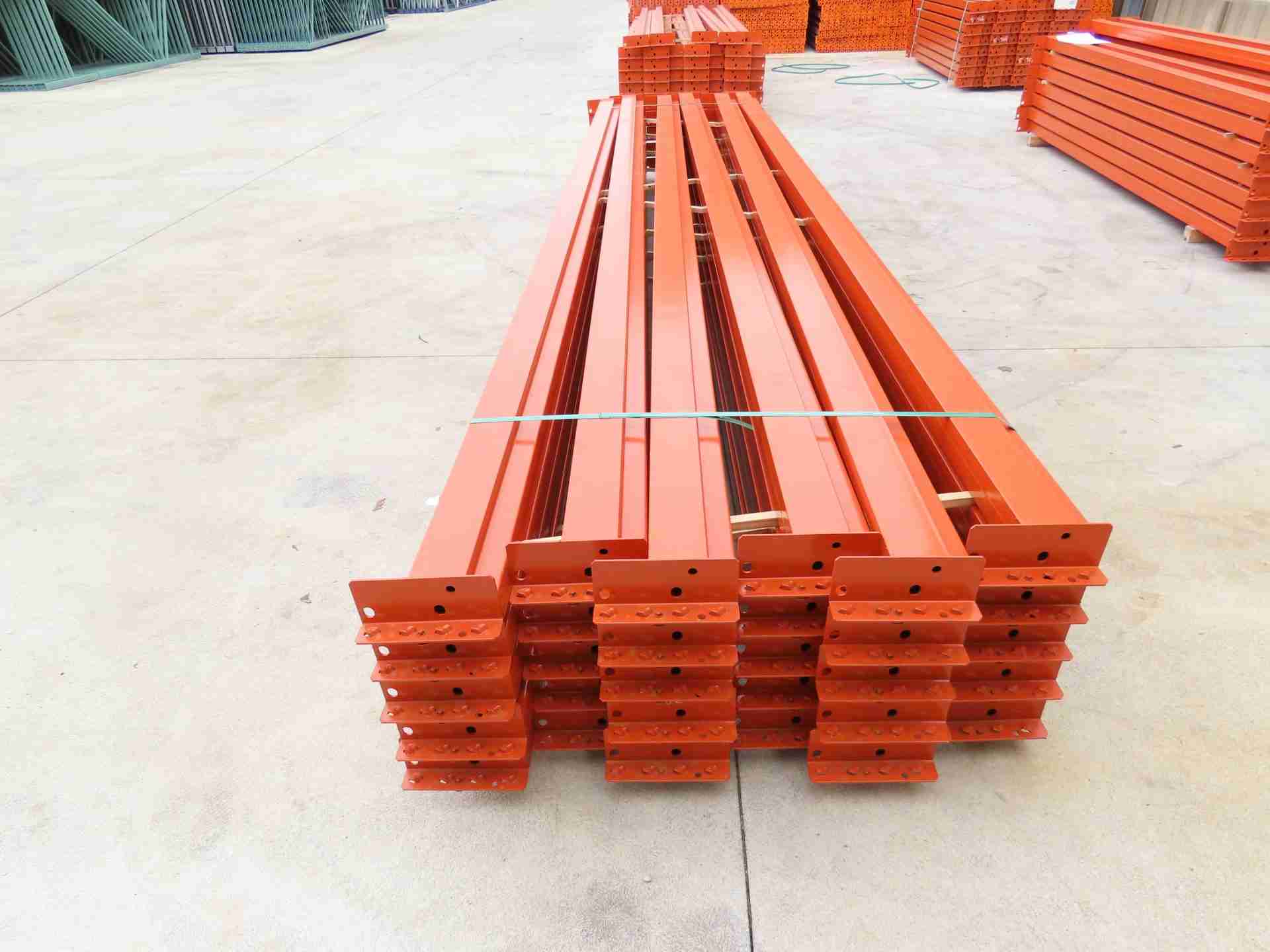
What Are The Specific Features Of Local Racks Versus Big Brand Ones?
What Are The Specific Features Of Local Racks Versus Big Brand Ones?
- Customization: Local rack manufacturers offer tailored solutions to meet specific customer needs, unlike big brands’ one-size-fits-all options.
- Cost Efficiency: Local racks often have lower overhead costs, leading to competitive pricing without compromising quality, plus savings on shipping.
- Quality and Quality Control: Local manufacturers prioritize craftsmanship and maintain rigorous standards, enhancing reliability.
- Customer Support: Local companies provide more personalized and responsive customer support compared to potentially bureaucratic big brands.
- Community Impact: Supporting local suppliers bolsters the local economy and aligns with consumer preferences for ethical purchasing.
- Operational Excellence: The choice between local racks and big brand alternatives can significantly affect overall warehouse efficiency.
- Adaptability: Local manufacturers can quickly adapt to unique business needs, especially during challenges like supply chain disruptions.
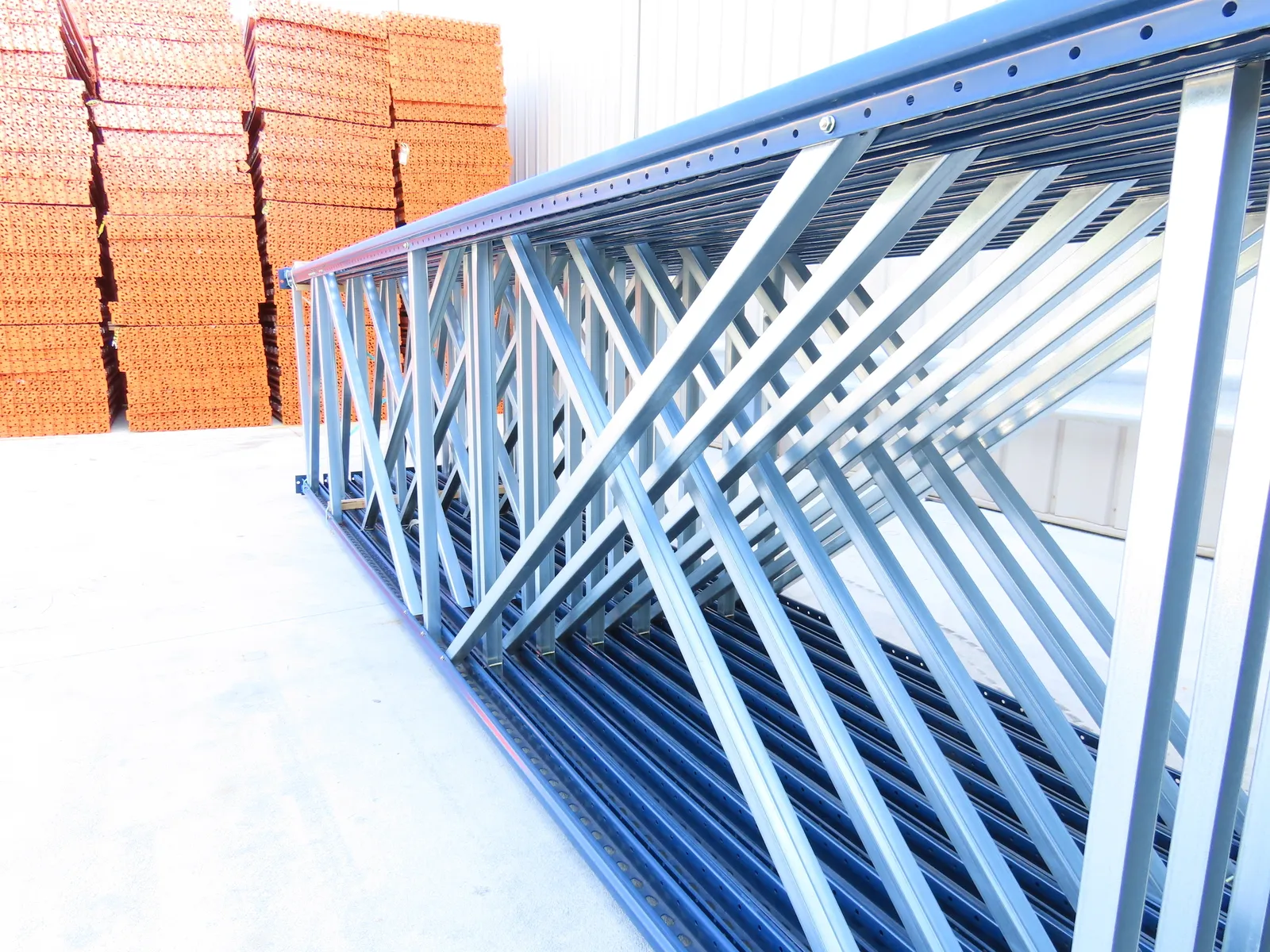
What Are The Specific Features Of Local Racks Versus Big Brand Ones?
Are Local Racks Customizable For Unique Needs Like Big Brands?
When it comes to optimizing warehouse space, pallet racking systems are an essential component for businesses of all sizes. But a common question arises: can local racks be customized to meet unique needs like those big-name brands we hear about in the industry? The answer is a resounding yes!
Imagine walking into a leading warehouse operated by a Fortune 500 company, with its perfectly organized rows of high-density pallet racking. You might assume that such efficiency comes from an expensive, one-size-fits-all solution tailor-made for only the largest corporations. However, local racking solutions can offer the same level of customization and efficiency to smaller operations without the hefty price tag.
Take, for example, a local furniture retailer that recently pivoted to online sales, much like many businesses during the COVID-19 pandemic. They quickly realized that their existing pallet racking was insufficient for handling a surge in inventory. By working with a local racking supplier, they were able to design a customized system that maximized the vertical space in their warehouse while accommodating the unique shapes and sizes of their products. As a result, not only could they box shipments quickly, but they could also reduce retrieval times—a critical factor in keeping customers satisfied.
Similarly, consider grocery stores that faced supply chain disruptions in recent years. Local racking solutions provided them the agility to adapt swiftly to changing demands. By reorganizing their racks to include cold-storage options, these stores could pivot toward stocking more fresh produce and essential items. This kind of flexibility is a hallmark of local racking providers who can offer personalized solutions unmatched by larger corporations.
Customization options for local racks span a wide range, including adjustable shelving heights, additional safety features, and specialized designs for unique product lines. Whether you’re managing perishable goods or niche consumer products, local racking suppliers can help craft a system that optimizes your operation based on the specific requirements you face.
In a world where efficiency and adaptability are paramount, it’s clear that local racking solutions can rise to the occasion, providing the scalability and customization that equally match that of big brands. When you think about it, the key isn’t always how large your company is; instead, it’s about how well you can tailor your systems to meet your unique needs. So don’t overlook the power of local racks—they just might be the secret ingredient you need for success!
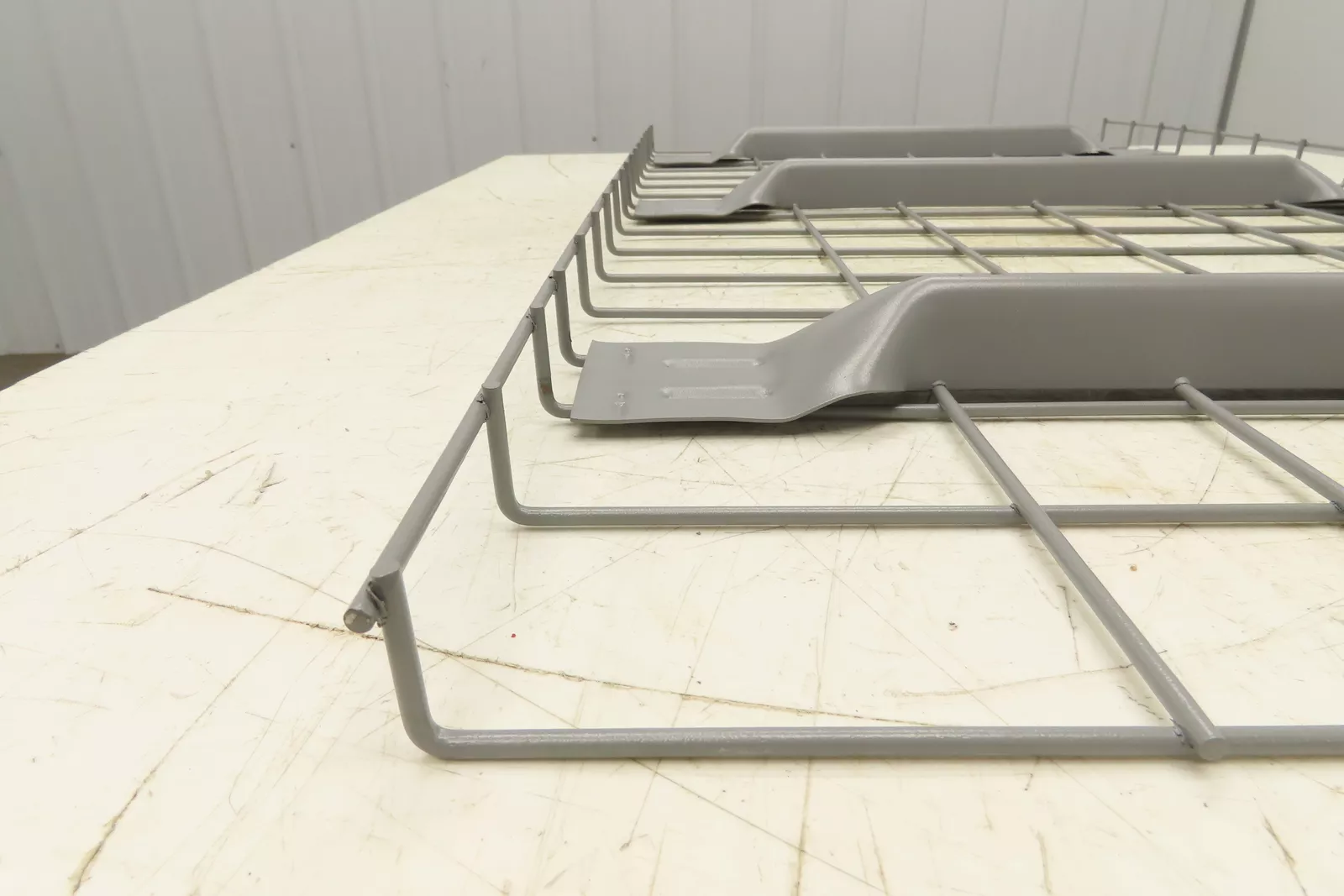
Are Local Racks Customizable For Unique Needs Like Big Brands?
Are Local Racks Customizable For Unique Needs Like Big Brands?
- Pallet racking systems are crucial for optimizing warehouse space for businesses of all sizes.
- Local racks can be customized to meet unique needs, similar to solutions used by larger corporations.
- Smaller operations can achieve high efficiency without the high costs associated with major brands.
- An example includes a local furniture retailer that redesigned their racking system to handle increased online sales inventory.
- Grocery stores utilized local racking solutions to adapt to supply chain disruptions, enabling them to offer fresher products.
- Customization options for local racks include adjustable shelving heights and specialized designs for different product types.
- Local racking solutions provide scalability and flexibility that can match or exceed those of larger brands.
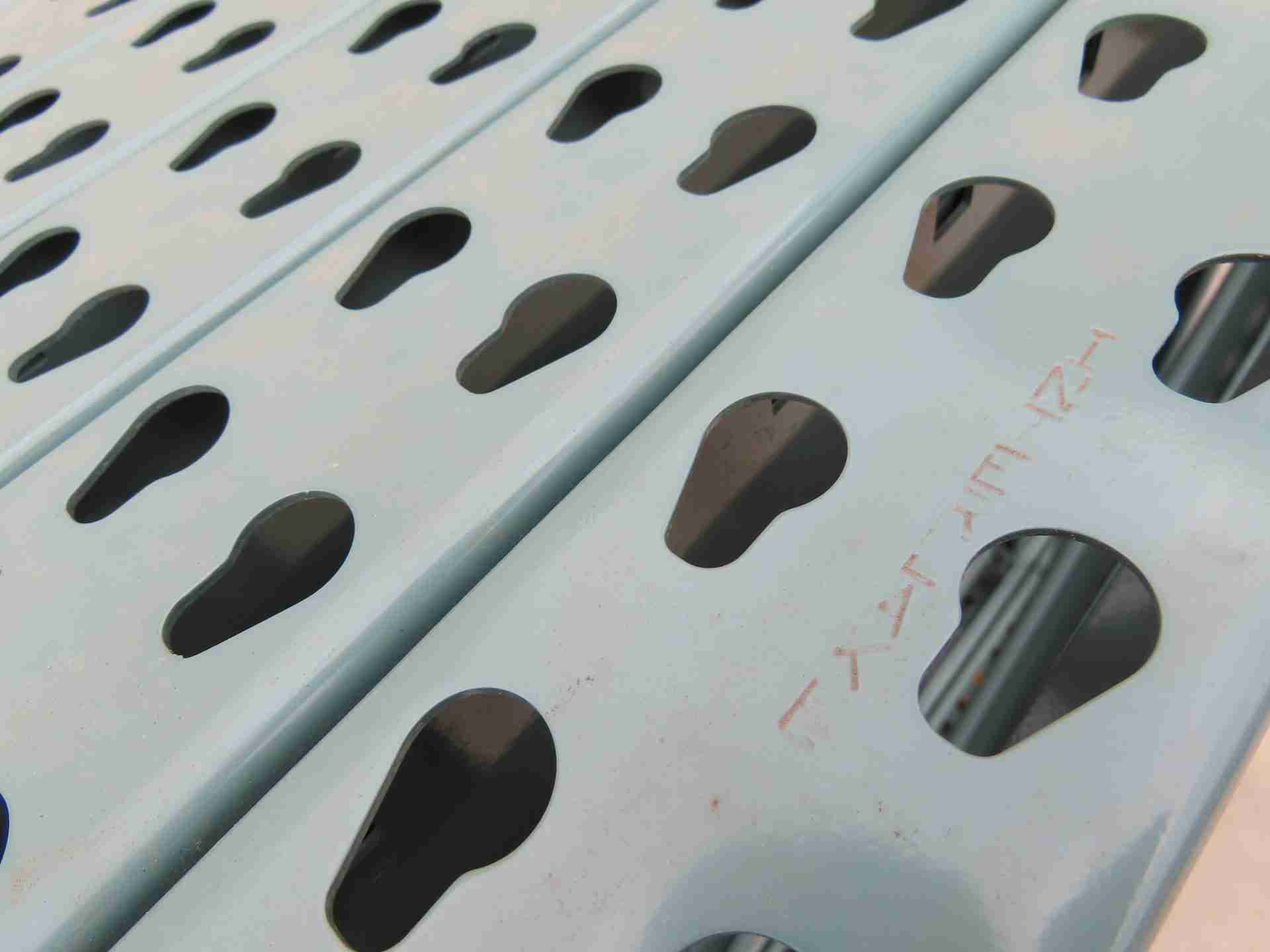
Are Local Racks Customizable For Unique Needs Like Big Brands?
How Does Customer Service Differ Between Local Racks And Big Brands?
In today’s rapidly evolving market, the customer service landscape varies widely between local racks and big brands, especially within sectors like pallet racking solutions. Understanding these differences can significantly impact your purchasing experience and ultimately, your business’s operational efficiency.
Local racks businesses often thrive on personalized service. For instance, if you’re in the market for a pallet racking system suitable for your warehouse, a local provider might send a representative directly to your facility. They’ll assess your space, identify specific needs, and tailor a solution that aligns perfectly with your layout and inventory. This level of engagement fosters trust and often leads to a stronger relationship. Consider a recent success story where a small racking company near Austin, Texas, provided customized racking solutions for a growing e-commerce firm. The personal touch—complete with site visits and follow-ups—enabled the firm to optimize their storage space and boost order fulfillment speed.
On the other hand, big brands often focus on efficiency and scalability, which can sometimes come at the expense of service. These major players may offer a breadth of products, including various models of pallet racking, often backed by warranties and industry certifications. However, due to the sheer volume of their transactions and standardized processes, interactions might lack the personal touch that local businesses provide. A leading global racking manufacturer recently faced criticism for lengthy response times and impersonal customer support, prompting them to initiate a redesign of their service model. While they aim to streamline help through chatbots and automated systems, customers frequently express a longing for the responsiveness of local competitors that can address their problems with nuance and agility.
Moreover, during recent events such as the supply chain disruptions caused by the pandemic, the differences in service levels became more pronounced. Local businesses had the ability to pivot quickly, offering alternative solutions and inventory sources, thus demonstrating a level of flexibility that larger corporations struggled to match due to their rigid infrastructures.
Ultimately, the choice between local racks and big brands boils down to your business needs and preferences. Do you value personalized consultation and flexibility? Local racks might be your best bet. Want a vast selection and a potentially lower price point? A big brand may suit you better. Each option presents distinctive advantages that can significantly affect your operations and satisfaction in the long run. So, consider the nuances closely when making your decision.
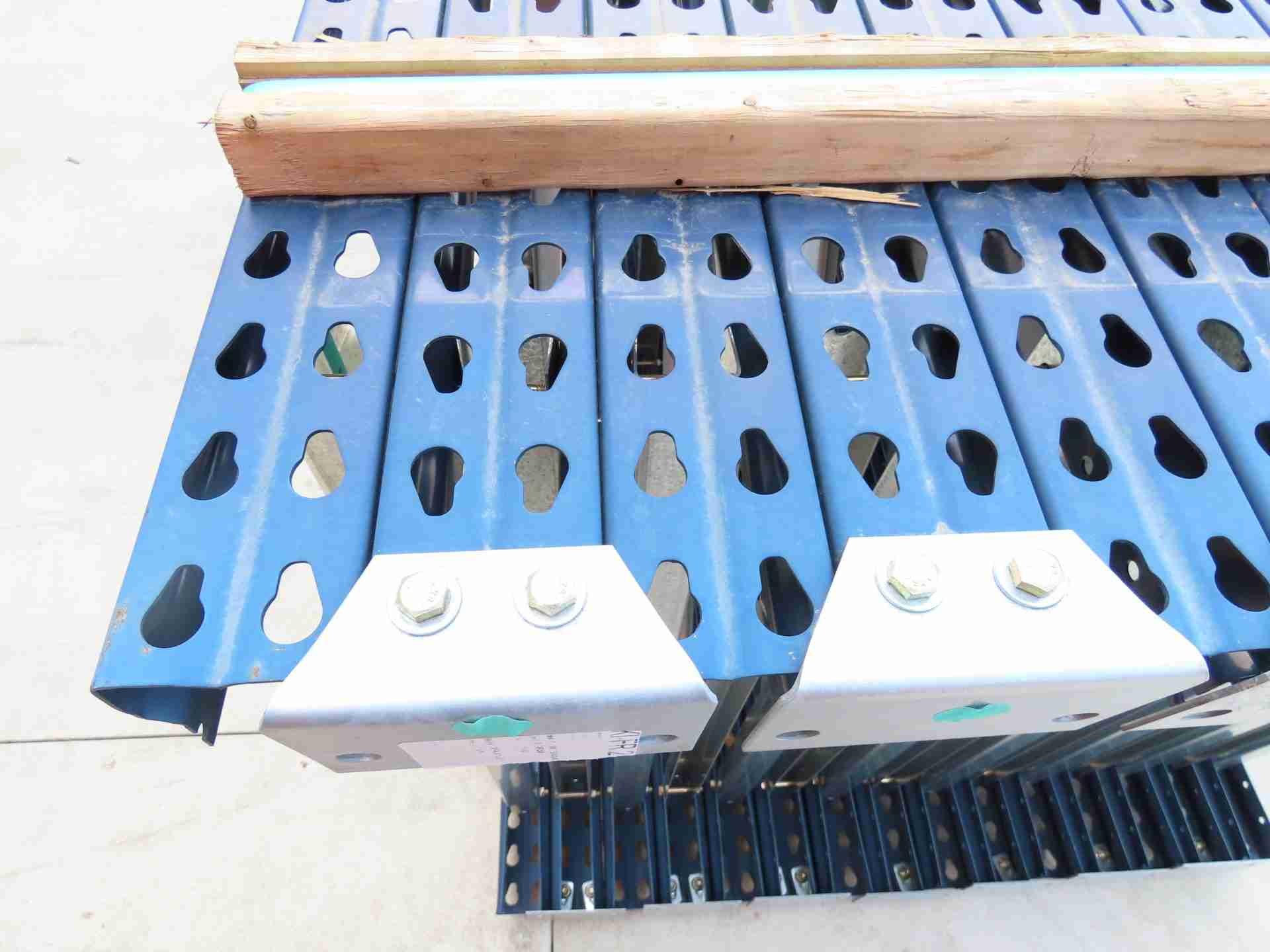
How Does Customer Service Differ Between Local Racks And Big Brands?
How Does Customer Service Differ Between Local Racks And Big Brands?
- The customer service landscape differs significantly between local racks and big brands in pallet racking solutions.
- Local racks businesses emphasize personalized service, often providing on-site assessments to tailor solutions for clients.
- A success story highlights a small racking company in Texas that optimized storage for an e-commerce firm through customized solutions.
- Big brands focus on efficiency and scalability but may lack the personal touch, leading to criticisms of slow response times.
- Industry criticism prompted a leading global racking manufacturer to improve its service model using chatbots and automated systems.
- Local businesses demonstrated greater flexibility during supply chain disruptions caused by the pandemic compared to larger corporations.
- Choosing between local and big brands depends on individual business needs, with local racks offering consultation and flexibility versus big brands providing variety and lower prices.
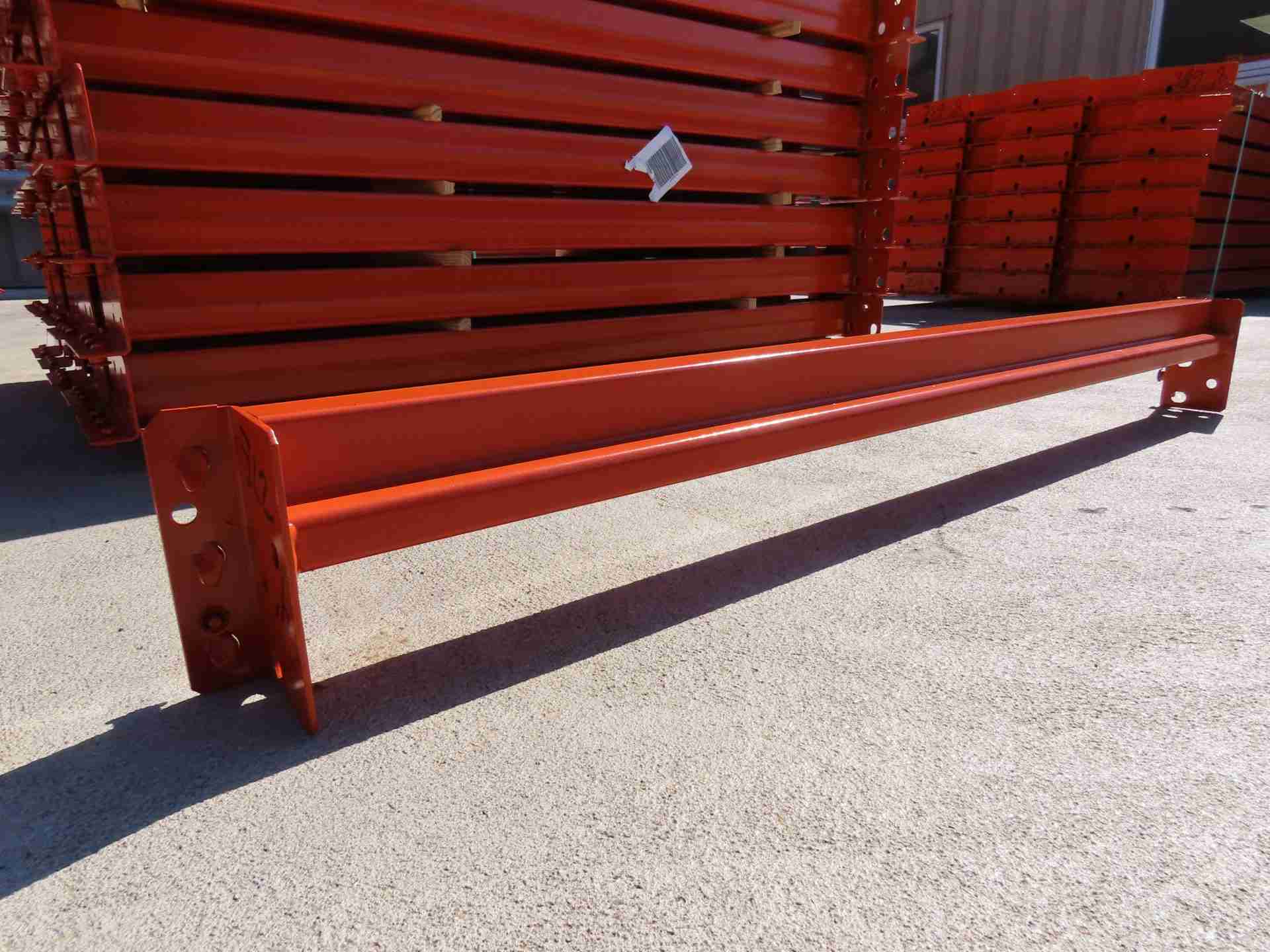
How Does Customer Service Differ Between Local Racks And Big Brands?
Conclusion
Conclusion: The Local Racks vs. Big Brands Showdown
As we wrap up this enlightening debate on whether local racks measure up to big brand offerings, it’s essential to pivot our focus to what truly matters for your business: value, efficiency, and trust. While established names like Steel King and Interlake Mecalux have earned their reputations over decades, local rack manufacturers are emerging as formidable contenders, proving that size doesn’t always dictate capability—even in the competitive realm of pallet racking solutions.
In the discussions we’ve had, it becomes abundantly clear that local racks offer a tantalizing blend of customization, cost efficiency, and unparalleled customer service. For businesses looking to fine-tune their storage operations, local options provide tailored solutions that can adapt in real-time, addressing unique challenges without the red tape often found with bigger companies. The flexibility that local manufacturers present is a game-changer. Imagine receiving immediate modifications and hands-on support—something that can be crucial when urgency is paramount.
Moreover, the interplay of price and quality cannot be overlooked. Local racks frequently come with a friendlier price tag, helping you optimize your budget without sacrificing quality. This financially astute choice not only benefits your bottom line but also supports the local economy, fostering community goodwill—something today’s consumers are increasingly passionate about.
Let’s not forget the pressing reality of recent supply chain disruptions. Local racking suppliers have proven their mettle by delivering quicker, more reliable solutions, offering much-needed agility in uncertain times. With a clear pathway toward sustainability, investing in local racks not only enhances your operational capabilities but also contributes to lower carbon footprints through simplified logistics.
As you ponder your next steps in upgrading your pallet racking systems, don’t default to established brands without exploring local alternatives. Your ideal solution may very well lie closer to home, offering not only functionality but also a partnership that bolsters your operational success.
For tailored advice and solutions that resonate with your unique operational needs, don’t hesitate to reach out to Arrow Industrial Sales at (574) 349-6575. Act now—because the right choice in pallet racking could very well be the competitive advantage you’ve been searching for! Let’s prioritize your operational efficiency and community impact today.
Conclusion
Conclusion:
- The debate on local racks vs. big brands emphasizes value, efficiency, and trust for businesses.
- Established brands like Steel King and Interlake Mecalux remain strong contenders, but local manufacturers are also proving their capabilities.
- Local racks offer customization, cost efficiency, and superior customer service.
- They provide immediate modifications and support, essential for urgent operational needs.
- Local options often have a lower price point while maintaining high quality, benefiting budgets and local economies.
- Local suppliers have shown greater agility in response to recent supply chain disruptions.
- Investing in local racks promotes sustainability and could be the competitive advantage businesses need.
Conclusion
Other Resources
Other Resources
Here is a list of other resources you can review online to learn more:
- Teardrop Pallet Rack – Ridg-U-Rak
- Warehouse Racking Systems: Beginner’s Guide to Rack Systems
- National Safety Council
- What is Selective Pallet Racking
- Chicago Pallet Racking
- Storage Equipment Manufacturers Association
- Intro to Warehouse Racks & Warehouse Racking Systems – ShipBob
- Pallet Racking systems in Illinois and Great Lakes
- Bradford Systems
- Arrow Industrial Sales
Use This Prompt To Get More Resources With Your Favorite Online AI Tool: Please provide me with a list of online articles with their URLs in a bulleted list that I can read regarding Do Local Racks Match Up to Big Brand Quality?
Other Resources
Glossary Terms
Do Local Racks Match Up to Big Brand Quality? – Glossary Of Terms
1. Local Racks: Racks produced by regional manufacturers, often emphasizing local sourcing and craftsmanship.
2. Big Brands: Well-known companies with a significant market presence, typically characterized by extensive marketing and established reputations.
3. Quality Control: The processes undertaken to ensure that products meet specified standards and perform as expected.
4. Material Composition: The types and quality of materials used in construction, which can significantly affect durability and performance.
5. Craftsmanship: The skill and quality of work put into creating a product, often associated with local manufacturers.
6. Durability: The ability of a product to withstand wear, pressure, or damage over time.
7. Price Point: The specific cost at which a product is sold, often compared between local and big brand options.
8. Warranty: A guarantee provided by a manufacturer regarding the conditions under which a product can be repaired or replaced.
9. Aesthetic Appeal: The visual attractiveness of a product, which can influence consumer preferences.
10. Sustainability: The environmental impact of the production process and the extent to which materials are sourced ethically.
11. Functionality: The practical use of a product and how well it performs its intended tasks.
12. Consumer Perception: The beliefs and attitudes that customers have toward a product or brand, which can influence purchasing decisions.
13. Market Research: The process of gathering, analyzing, and interpreting information about a market, including local versus big brand comparisons.
14. Value for Money: A measure of the effectiveness of a product relative to its cost, taking into account both quality and performance.
15. Brand Loyalty: The tendency of consumers to continue buying the same brand due to positive experiences and perceived quality.
16. Product Innovation: The development of new or improved products, which can differentiate local racks from big brands.
17. Supply Chain: The network of production, processing, and distribution that brings a product to market, which can differ significantly between local and big brands.
18. Customization: The ability to tailor products to meet individual customer specifications, often more prevalent in local offerings.
19. Lead Time: The amount of time it takes from placing an order to receiving a product, which can vary between local and big brands.
20. Brand Equity: The value that a brand adds to a product or service, often based on consumer perceptions and loyalty.
21. Performance Metrics: Standards used to evaluate the effectiveness and quality of a product, such as load capacity for racks.
22. Manufacturing Process: The methods and techniques used to produce a product, which can influence quality and cost.
23. Customer Reviews: Feedback provided by users of a product, which can greatly impact the reputation of both local and big brand products.
24. Product Testing: The process of evaluating a product’s performance under various conditions to ensure quality and reliability.
25. Return Policy: The terms under which customers can return products, often reflecting the confidence a brand has in its quality.
26. Endorsement: Support for a product given by a celebrity or expert, which can heavily influence consumer trust in big brands.
27. Market Trends: The general direction in which consumer preferences are moving, which can affect local versus big brand competition.
28. Economies of Scale: The cost advantages that big brands often have due to large-scale production, which can impact pricing and profitability.
29. Community Impact: The effect that local businesses have on their surrounding community, including economic and social benefits.
30. Personal Experience: Direct interactions and experiences consumers have with products, which can shape their perceptions of quality and brand preference.
Glossary Of Terms
Other Questions
Do Local Racks Match Up to Big Brand Quality? – Other Questions
If you wish to explore and discover more, consider looking for answers to these questions:
- What specific qualities do big brand racks have that local racks might lack?
- Are there case studies or testimonials supporting the effectiveness of local racks?
- How do warranty and service agreements compare between local and big brand racks?
- What types of businesses typically benefit more from local racks?
- What are the potential risks of choosing local racks over big brands?
- How do lead times for delivery differ between local manufacturers and big brands?
- Can local racks meet international safety standards as well as big brands?
- Is there a significant difference in the longevity of local racks versus big brand racks?
- What are the environmental impacts of choosing local racks compared to big brands?
- Are there specific industries that should prioritize big brand racks over local racks?

Other Questions
Checklist
Do Local Racks Match Up to Big Brand Quality? – A Checklist
1. Customization
_____ Does the supplier offer tailored solutions specific to your operational needs?
_____ Can adjustments be made easily to accommodate unique products or space configurations?
_____ Are there options for adjustable shelving heights and additional safety features?
2. Cost Efficiency
_____ Have you compared the total costs, including installation and transport, between local and big brand options?
_____ Are there potential savings in shipping costs by choosing a local supplier?
_____ What is the projected long-term value based on the initial cost?
3. Quality and Durability
_____ Does the local manufacturer provide materials of equal or higher quality compared to big brands?
_____ Are there certifications or proven track records that ensure durability?
_____ Can you source information about user experience with local racks?
4. Customer Service
_____ Does the local provider offer personalized consultations and quicker response times?
_____ Is face-to-face engagement available for assessments and modifications?
_____ What is the reputation of the supplier in terms of follow-up assistance and support?
5. Community Impact
_____ Are you aware of the economic benefits of supporting local businesses in your area?
_____ Does the local supplier reflect your company’s values in terms of sustainability and community involvement?
6. Supply Chain Considerations
_____ Have you assessed the potential benefits of local manufacturing in terms of reliability and speed of delivery?
_____ How do global supply chain disruptions affect your preferences for local versus big brand options?
7. Long-Term Relationships
_____ Are you looking for a supplier that can adapt to changing needs over time?
_____ Is there a willingness from the local company to grow with your business?
8. Overall Flexibility
_____ Does the local rack solution offer the flexibility needed for changing inventory demands?
_____ Are there options for future modifications without significant downtime or investment?
Use this checklist to guide your evaluation process and make an informed decision that best suits your operational needs!
Checklist
At RackingWorld, we help guide you through selecting warehouse storage systems and racking.
Be sure to read our other related stories at RackingWorld to learn more about warehouse storage systems.
0 Comments