
Ensuring Your Pallet Racks Measure Up
By Tom Seest
At RackingWorld, we help guide you through selecting warehouse storage systems and racking.
Be sure to read our other related stories at RackingWorld to learn more about warehouse storage systems.
Do Local Pallet Racks Meet Industry Standards?
When it comes to streamlining warehouse operations and maximizing space, pallet racking systems are an essential investment. However, not all pallet racking solutions are created equal. For business owners seeking to optimize their storage capabilities, the question must be asked: do local pallet racks meet industry standards?
First, let’s understand what “industry standards” really means in this context. These are the benchmarks set by relevant regulatory bodies and standards organizations that dictate safety, usability, and efficiency in warehouse environments. In the United States, the American National Standards Institute (ANSI) provides guidelines for pallet racking systems, ensuring they can withstand heavy loads while guaranteeing the safety of workers. If your local pallet racking supplier is not adhering to these standards, you may be placing your team—and your inventory—in jeopardy.
A prime example of the necessity of compliance can be found in recent news regarding warehouse safety. Several major retailers have been scrutinized for improper racking systems that led to accidents and significant product loss. With supply chain disruptions ongoing due to factors like the pandemic and labor shortages, the importance of safe, reliable pallet racking cannot be overstated. Investing in local pallet racks that adhere to ANSI and OSHA standards not only protects your employees but also enhances the longevity of your equipment.
In fact, local suppliers often provide advantages that national chains cannot, such as personalized service, local expertise, and faster response times. However, it is critical to perform due diligence. When considering a local pallet rack provider, ask about their sourcing process, certifications, and whether their solutions are rigorously tested to meet industry standards.
Consider a recent case with a local supplier in the Midwest who successfully helped a regional distribution center increase their storage capacity by implementing heavy-duty pallet rack systems that not only met but exceeded safety standards. This transformation improved operational efficiency by 40%, showcasing that local providers can be at the forefront of innovation when they comply with industry standards.
Ultimately, equipping your warehouse with reliable, standard-compliant pallet racking can save time, reduce costs, and enhance safety. So before making your next investment, don’t just focus on the cost. Vet your suppliers thoroughly to ensure the local pallet racks you choose meet or exceed industry standards. Because when safety and efficiency intersect, your business is set to flourish.

Do Local Pallet Racks Meet Industry Standards?
Do Local Pallet Racks Meet Industry Standards?
- Pallet racking systems are crucial for streamlining warehouse operations and maximizing space.
- Industry standards define safety, usability, and efficiency benchmarks for racking systems, primarily set by the ANSI.
- Non-compliance with these standards can jeopardize worker safety and inventory integrity.
- Recent incidents at major retailers highlight the necessity of adhering to proper racking systems to prevent accidents.
- Local pallet rack suppliers can offer advantages such as personalized service, local expertise, and quicker response times.
- Due diligence is essential—ensure local suppliers meet ANSI and OSHA standards and rigorously test their solutions.
- Reliable, standard-compliant pallet racking can lead to significant operational improvements and cost savings.
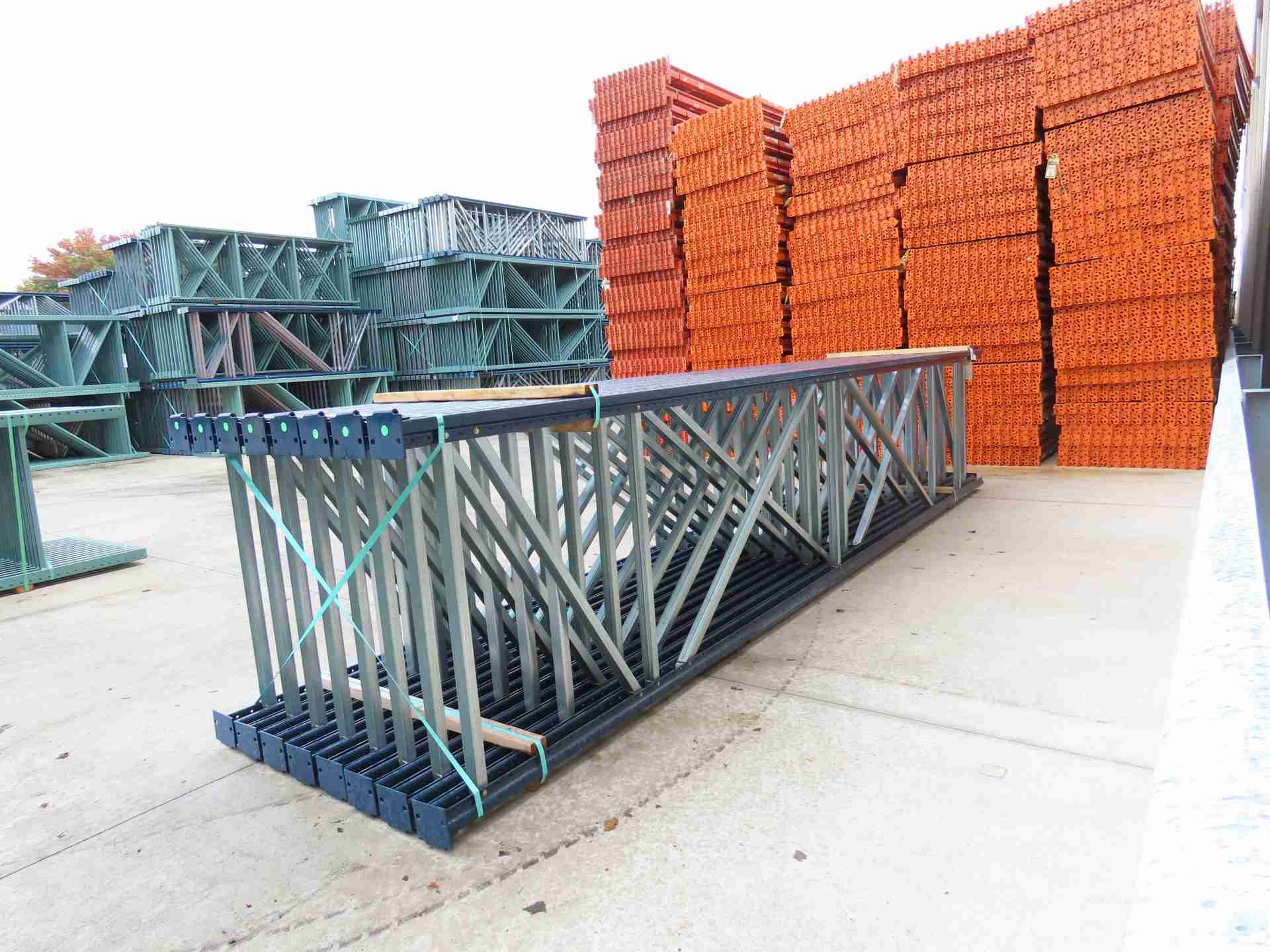
Do Local Pallet Racks Meet Industry Standards?
Table Of Contents
- Do Local Pallet Racks Meet Industry Standards?
- Are There Certifications For Pallet Rack Manufacturers?
- What Inspection Processes Are Required For Pallet Racks?
- How Do Seismic Zones Affect Pallet Rack Installation?
- What Load Capacities Should Be Considered For Pallet Racks?
- How Often Should Pallet Racks Be Inspected For Safety Compliance?
- What Are Common Issues With Non-Compliant Pallet Racks?
- Conclusion
- Other Resources
- Glossary Of Terms
- Other Questions
- Checklist
Are There Certifications For Pallet Rack Manufacturers?
In today’s fast-paced, safety-conscious industrial landscape, the demand for high-quality pallet racking systems continues to soar. Every savvy business owner recognizes that investing in reliable pallet racking isn’t just smart—it’s essential. But how do you know if your chosen pallet rack manufacturer meets the rigorous safety and quality standards the industry demands? The answer lies in certifications.
Certifications for pallet rack manufacturers serve as a critical benchmark, ensuring that the products they create not only meet but exceed the minimum safety regulations established by governing bodies. These certificates are more than mere paperwork; they are a testament to a manufacturer’s commitment to quality and safety. For instance, manufacturers holding certifications from recognized standards organizations such as the Rack Manufacturers Institute (RMI) or the American National Standards Institute (ANSI) provide assurance that their pallet racking systems are built to endure. With recent reports indicating a rise in warehouse accidents due to inadequate safety measures, organizations looking to safeguard their employees should prioritize manufacturers with these certifications.
Furthermore, the International Organization for Standardization (ISO) also plays a pivotal role. ISO certification mirrors a company’s dedication to operational excellence and continuous improvement. When a pallet rack manufacturer holds an ISO certification, it confirms their processes are streamlined, efficient, and responsive to customer needs—all critical factors in today’s competitive market. For example, a recent survey of logistics professionals found that companies that engage ISO-certified suppliers were 30% less likely to report issues related to equipment failures.
But it doesn’t stop there. The best pallet rack manufacturers are also frequently involved in ongoing education and training to stay ahead of industry changes and challenges. Look for those who participate in programs that reinforce their commitment to safety, such as the Occupational Safety and Health Administration’s (OSHA) safety training initiatives. Their engagement can speak volumes about their dedication to fostering a safer work environment—key for businesses managing complex inventory systems.
So, when navigating the waters of pallet racking solutions, choose wisely. Investigate the certifications of the manufacturers you consider. Not only will this protect your investment, but it will bolster your reputation as a responsible business owner dedicated to safety and quality. By only opting for certified pallet racking manufacturers, you can ensure your warehouse operates smoothly and safely, allowing you to focus on what truly matters: growth and sustainability in an ever-evolving market.
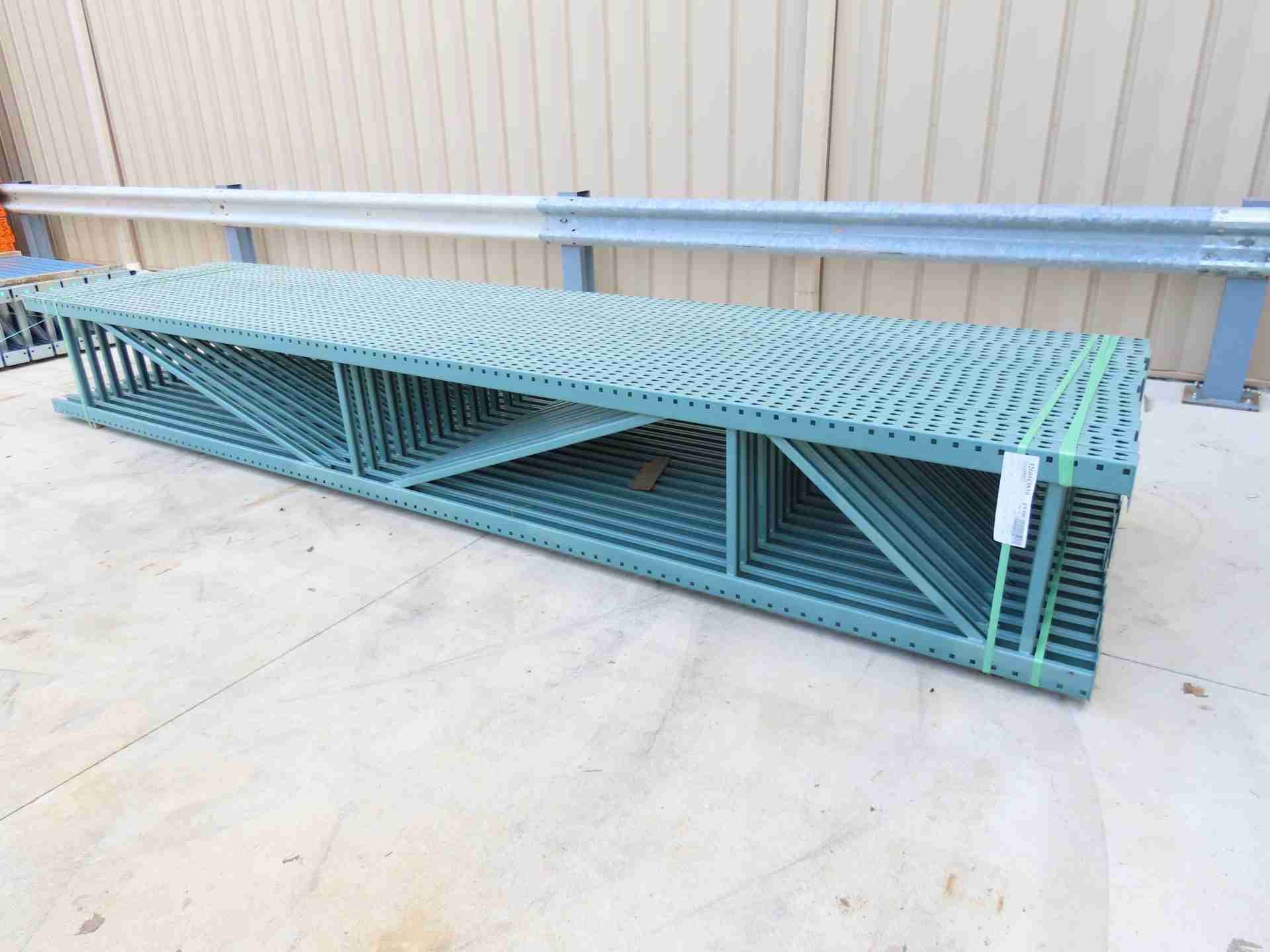
Are There Certifications For Pallet Rack Manufacturers?
Are There Certifications For Pallet Rack Manufacturers?
- The demand for high-quality pallet racking systems is increasing in today’s industrial landscape.
- Certifications are essential to verify that pallet rack manufacturers meet safety and quality standards.
- Manufacturers with certifications from organizations like RMI or ANSI offer assurance of durable products.
- ISO certification indicates a company’s commitment to operational excellence and customer responsiveness.
- Companies engaging ISO-certified suppliers report 30% fewer equipment-related issues.
- Ongoing education and training in safety measures, such as OSHA initiatives, are crucial for manufacturers.
- Choosing certified manufacturers enhances business reputation and ensures smooth, safe warehouse operations.
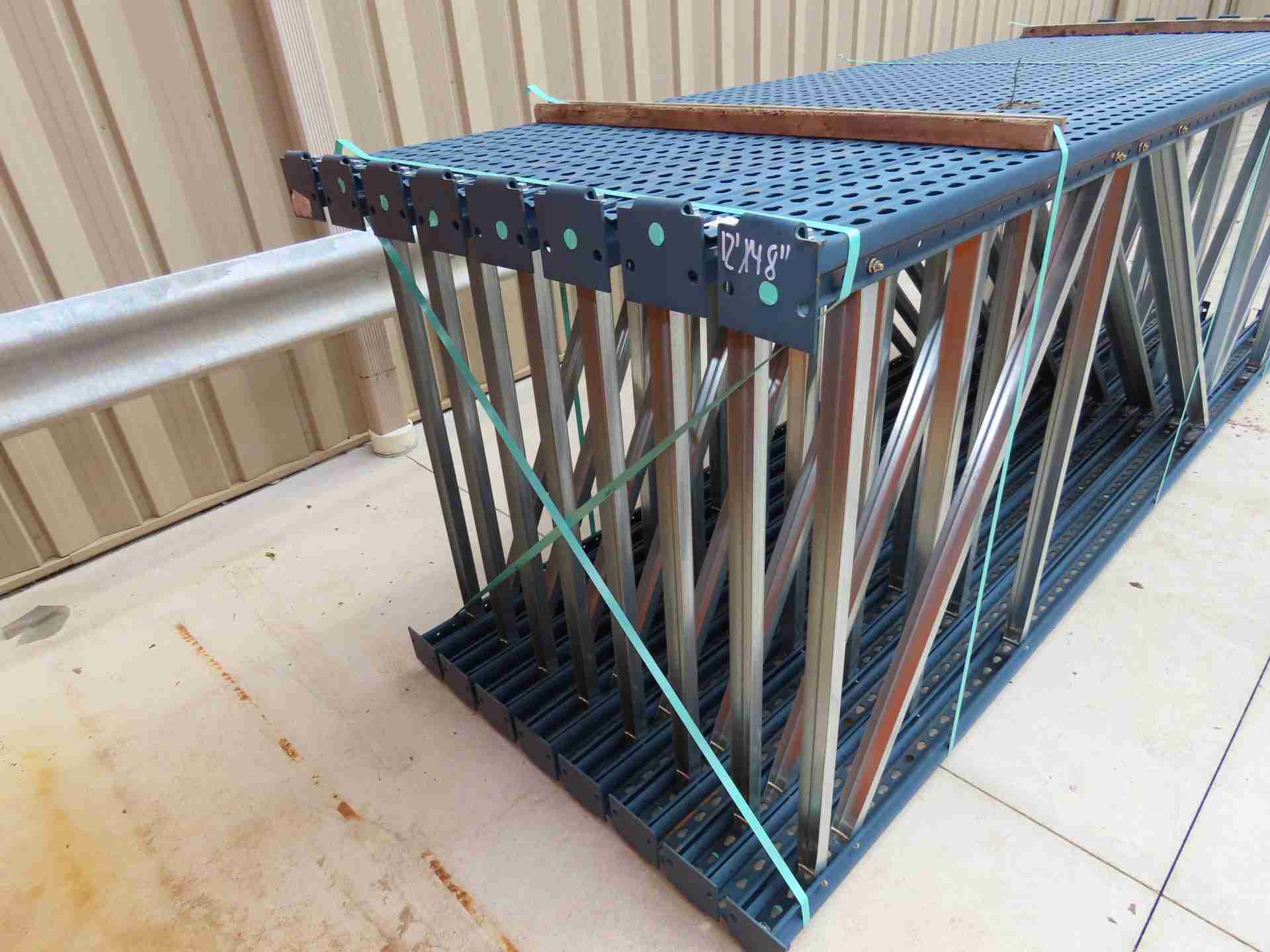
Are There Certifications For Pallet Rack Manufacturers?
What Inspection Processes Are Required For Pallet Racks?
When it comes to warehouse efficiency and safety, ensuring that your pallet racking systems are in impeccable condition is vital. The integrity of your storage solution can directly impact workload productivity and minimize the risk of accidents caused by rack failure. Regular inspections of your pallet racking should never be an afterthought; rather, they should be a cornerstone of your operational strategy.
A comprehensive inspection process begins with understanding the different components of pallet racks, including beams, uprights, and connectors. Each part plays a critical role in maintaining the structural integrity of your setup. Consider integrating monthly inspections to assess visible signs of wear, corrosion, or damage. Visual inspections may seem basic, but they can unveil critical issues before they escalate into costly repairs or, worse, liability claims.
For instance, let’s take a look at a recent incident where a warehouse explosion caused by faulty pallet racking triggered a significant overhaul of safety protocols across the industry. Stories like this underscore the pressing need for rigorous inspection processes now more than ever. Here are some inspection steps that can safeguard your operation:
1. Visual Inspection: Regularly check the racking system for any signs of damage such as bent beams or excessively worn connectors. Ensure that the racks are plumb and level, a step often overlooked but essential for their stability.
2. Load Testing: Periodically verifying the load capacity of your pallet racking is critical. Make sure that the load does not exceed the rated capacity and that the weight distribution is even. It only takes one miscalculation to turn a safe environment into a hazardous one.
3. Utilizing Technology: Innovative solutions such as RFID tags and weight sensors can serve as your first line of defense. These technologies can help ensure that every pallet placed in storage meets the specifications for safety and stability.
4. Employee Training: Equip your team with the knowledge to spot potential issues. Regular training sessions focused on the inspection processes not only empower employees but create a culture of safety within your organization.
5. Documentation: Keep meticulous records of all inspections, findings, and any actions taken. This documentation not only helps in tracking issues over time but also serves as a valuable asset during audits or insurance claims.
Effective inspection processes for pallet racking are not just about compliance; they are about creating a safe and efficient work environment. Don’t wait for the warnings to show up; take proactive measures today to protect your warehouse’s lifeblood—your pallet racking system. Investing time and resources in performance inspections today ensures efficiency and safety for tomorrow.

What Inspection Processes Are Required For Pallet Racks?
What Inspection Processes Are Required For Pallet Racks?
- Maintaining pallet racking systems is crucial for warehouse efficiency and safety, directly affecting productivity and accident risk.
- Conduct regular inspections as a foundational element of operational strategy, focusing on components like beams, uprights, and connectors.
- Integrate monthly visual inspections to identify wear, corrosion, or damage, potentially preventing costly repairs and liability claims.
- Recent industry incidents highlight the need for rigorous inspection processes to enhance safety protocols.
- Key inspection steps include visual checks for damage, load testing to verify capacity, and ensuring proper weight distribution.
- Employ innovative technologies like RFID tags and weight sensors to monitor safety and stability effectively.
- Provide employee training on inspection processes and maintain meticulous documentation to track issues and aid in audits or claims.
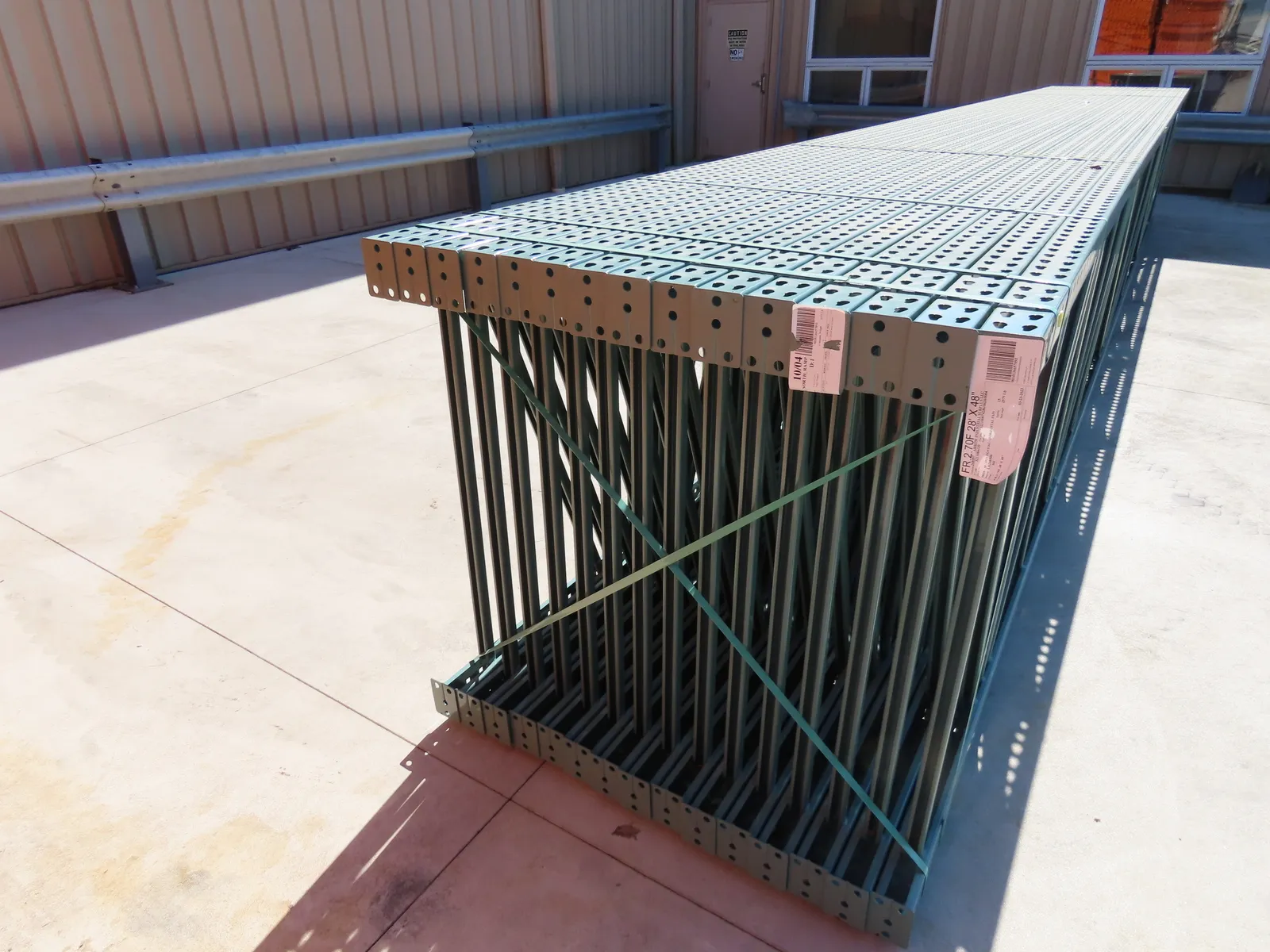
What Inspection Processes Are Required For Pallet Racks?
How Do Seismic Zones Affect Pallet Rack Installation?
When it comes to pallet racking, understanding the seismic zones of your location can mean the difference between a robust investment and a perilous risk. The recent earthquakes in places like Turkey and Syria have spotlighted the urgency of assessing seismic risks in warehousing and distribution operations. Imagine a massive earthquake shaking your facility; without proper design considerations, your pallet racking could become a catastrophic failure, turning your inventory into a dangerous liability.
Seismic zones are classified on a scale that reflects the likelihood of an earthquake occurring in that region. Areas classified as high-risk zones must adhere to stricter regulations for pallet rack installation to withstand seismic activity. But what does this mean for business owners? Incorporating seismic design into your pallet racking system isn’t just a regulatory issue; it’s a business imperative.
Take, for example, a distribution center in California, situated in one of the highest seismic zones. The business opted for a standard pallet racking system that lacked the necessary reinforcements. During a moderate earthquake, the racking failed, leading to significant product loss and even endangering the safety of employees. In contrast, another warehouse in the same zone chose to invest in seismic-rated pallet racks, complete with cross-bracing and sway braces. When the ground shook, their racks stood firm, preserving both employee safety and product inventory.
Every responsible business owner knows the adage: It’s better to be proactive than reactive. By investing in seismic-compliant pallet racking now, you can save yourself from future headaches. Consider the booming e-commerce market, where warehouses are under more pressure than ever to maintain efficiency and safety. Not only can a solid pallet racking system safeguard your assets, but it can also enhance your operational efficiency—reducing downtime and increasing productivity.
Moreover, manufacturers and suppliers today are increasingly offering seismic-rated designs, allowing companies to tailor their pallet racking systems precisely to their seismic risk profile. As a case in point, a recent project in Japan resulted in successfully integrating high-tech solutions into traditional racking systems, keeping both safety and storage capacity in mind.
So, don’t treat your pallet racking choice as an afterthought. Assess your seismic zone, understand its implications for your installation, and invest accordingly. With the right pallet racking strategy, you not only protect your business but also position it for growth in an uncertain world. Your future depends on it!
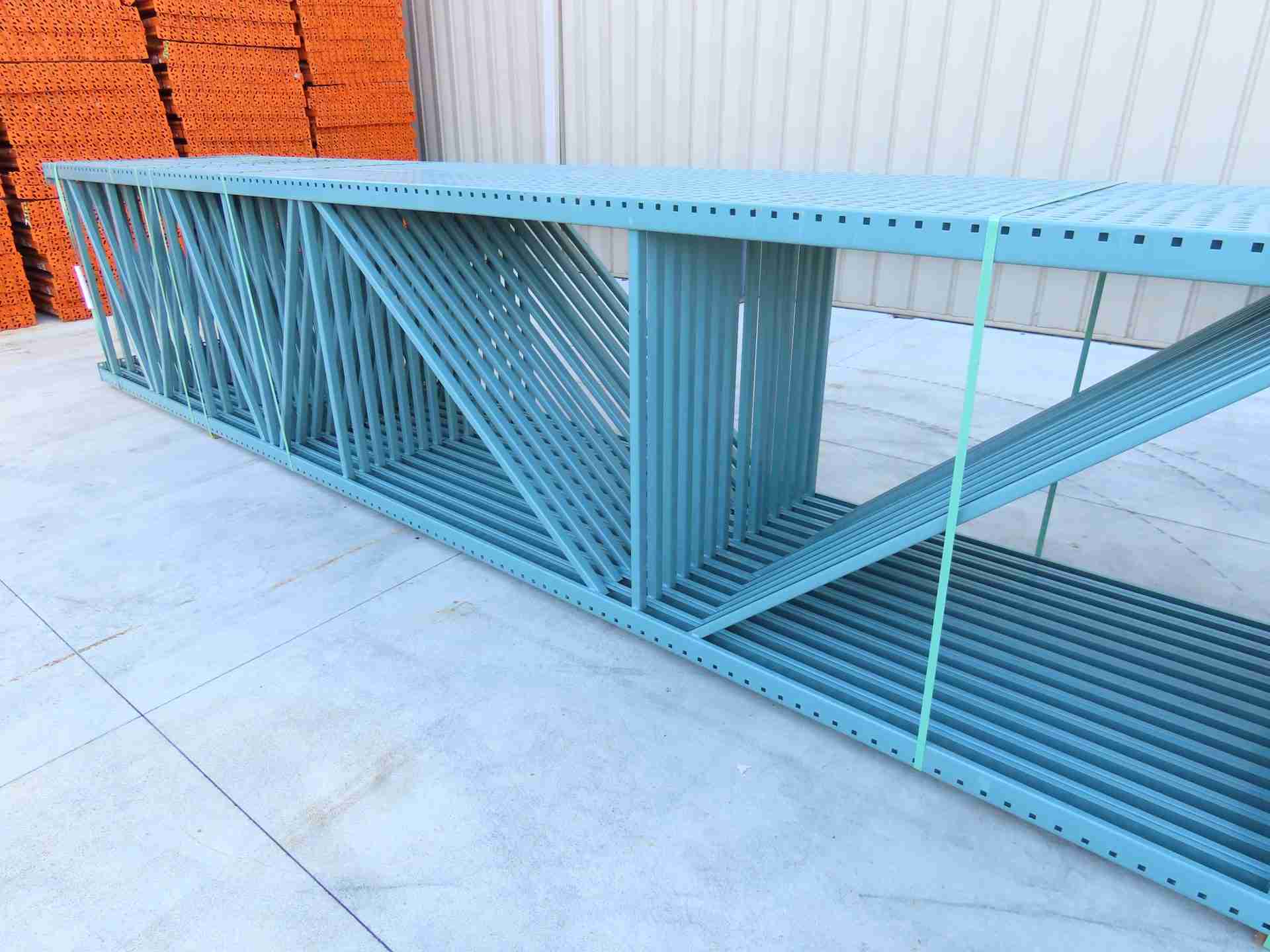
How Do Seismic Zones Affect Pallet Rack Installation?
How Do Seismic Zones Affect Pallet Rack Installation?
- Understanding seismic zones is crucial for pallet racking investment, influencing risk and safety.
- Recent earthquakes highlighted the importance of assessing seismic risks in warehousing operations.
- High-risk seismic zones require stricter regulations for pallet rack installation to ensure safety during earthquakes.
- Examples show that investing in seismic-rated pallet racks saves inventory and protects employee safety during earthquakes.
- Proactive investment in seismic-compliant racking enhances operational efficiency and reduces downtime.
- Manufacturers are increasingly offering tailored seismic-rated designs, integrating advanced solutions for safety and capacity.
- Business owners must assess seismic risks and invest wisely in pallet racking to protect their operations and ensure future growth.
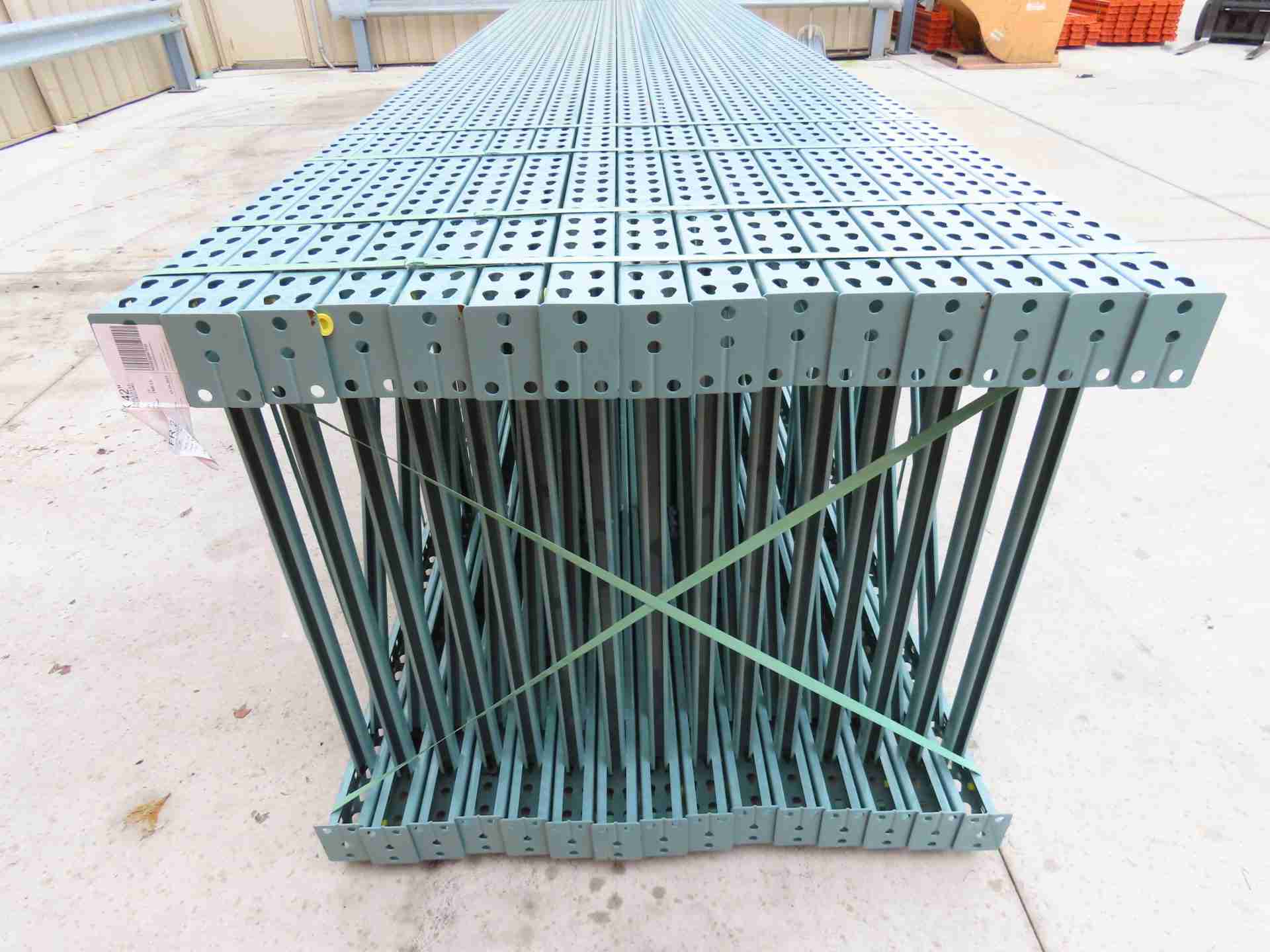
How Do Seismic Zones Affect Pallet Rack Installation?
What Load Capacities Should Be Considered For Pallet Racks?
When it comes to maximizing space and efficiency in your warehouse, *pallet racking* plays a pivotal role. However, understanding the load capacities you opt for is non-negotiable. You see, just as you wouldn’t buy a sports car without knowing how fast it can go, you shouldn’t invest in *pallet racking* systems without comprehending their load limits.
First, consider the type of products you’ll store. Heavy-duty items, like industrial machinery, require racks specifically designed to handle significant weight, whereas lighter consumer goods can be stored on more moderate solutions. For instance, if you’re dealing with various electronics, you need racks that can support not just weight but also the fragility of the items. Choosing racks with specific load capacities ensures that your inventory remains intact and your operation runs smoothly.
Next, think about the total weight per shelf. A common mistake is assuming that the overall capacity of a rack applies uniformly across all levels. This isn’t the case! Each shelf generally has its own load capacity, so always check individual specifications. Recent regulatory changes in the warehouse storage industry aim to enhance safety and efficiency, meaning now is the perfect time to reassess your current *pallet racking* setup.
Then, factor in dynamic load considerations. Think about it: a fully loaded forklift moving inventory can create sudden shifts in the weight distribution. This can lead to potential disaster if your racking isn’t designed to accommodate the strain of sudden movement. If you are in the cold storage business, remember that temperatures can impact weights and even the structural integrity of some materials. Choosing racks made of robust, temperature-resistant materials can save you from costly mistakes in the long run.
Finally, don’t underestimate the value of consulting with experts in your industry. With the recent uptick in e-commerce, businesses are scrambling to optimize their warehouse operations. Guidance from professionals can not only enhance safety but also help tailor *pallet racking* systems based on current trends and innovations.
In summary, knowing the load capacities for your *pallet racking* is vital to your operational success. From the type of products you house to the dynamic load they endure, each factor plays a role in determining the right racking system. Consider the present landscape of your industry and prepare your warehouse to meet both current and future demands. After all, a well-informed investment today can yield exponential returns tomorrow.

What Load Capacities Should Be Considered For Pallet Racks?
What Load Capacities Should Be Considered For Pallet Racks?
- Pallet racking is essential for maximizing space and efficiency in warehouses.
- Understanding load capacities is crucial before investing in pallet racking systems.
- Products stored affect the type of racks needed: heavy-duty items require stronger racks than lighter items.
- Each shelf in a racking system has its own load capacity; not all levels share the same weight limit.
- Dynamic load considerations are important; sudden weight shifts from moving inventory can pose risks.
- Consulting industry experts can enhance safety and optimize racking systems for current trends.
- Being informed about load capacities ensures operational success and prepares warehouses for future demands.

What Load Capacities Should Be Considered For Pallet Racks?
How Often Should Pallet Racks Be Inspected For Safety Compliance?
In the fast-paced world of warehousing and logistics, pallet racking systems are the backbone of efficient inventory management. However, they come with a heavy responsibility: ensuring safety compliance. The question isn’t just about installation and use; it’s about regular inspections designed to safeguard your employees and your bottom line.
So, how often should these systems be inspected? The consensus among safety experts and regulatory guidelines suggests that a thorough inspection should occur at least once a year. However, depending on your operation’s scale and complexity, you may need to ratchet up that frequency to quarterly or even monthly evaluations. A well-planned inspection routine can help prevent costly accidents and maintain compliance with OSHA regulations, which are more crucial than ever in today’s environment.
Take, for example, a recent incident in a large distribution center that highlighted the importance of regular inspections. A failure to catch signs of wear and tear on a critical pallet racking system led to a catastrophic collapse, injuring several employees and shutting down operations for weeks. The fallout wasn’t just about the physical damages; the company faced hefty fines, lawsuits, and a significant blow to their reputation. This serves as a compelling reminder that regular inspections aren’t just a box to tick; they provide peace of mind and protect your company’s valuable assets.
But inspections don’t solely depend on a fixed schedule. You should also conduct them after any significant change in your operations—like a surge in inventory, modifications to racking configurations, or even after extreme weather events. Keeping a watchful eye on your pallet racking systems can help you catch issues before they escalate.
Consider employing trained internal staff or bringing in a third-party safety consultant who specializes in warehouse compliance. They can offer fresh insights and identify potential blind spots that your team may overlook. Additionally, maintaining an accessible inspection log can foster a culture of safety while providing a clear record should any disputes arise.
In a world where compliance and safety are paramount, regular inspections of your pallet racking systems are non-negotiable. Make this a part of your operational foundation—not just an annual task but a core component of your safety culture. Remember, the cost of prevention is always less than the price of failure. Act now, ensure safety, and protect your greatest assets—your employees and your business.
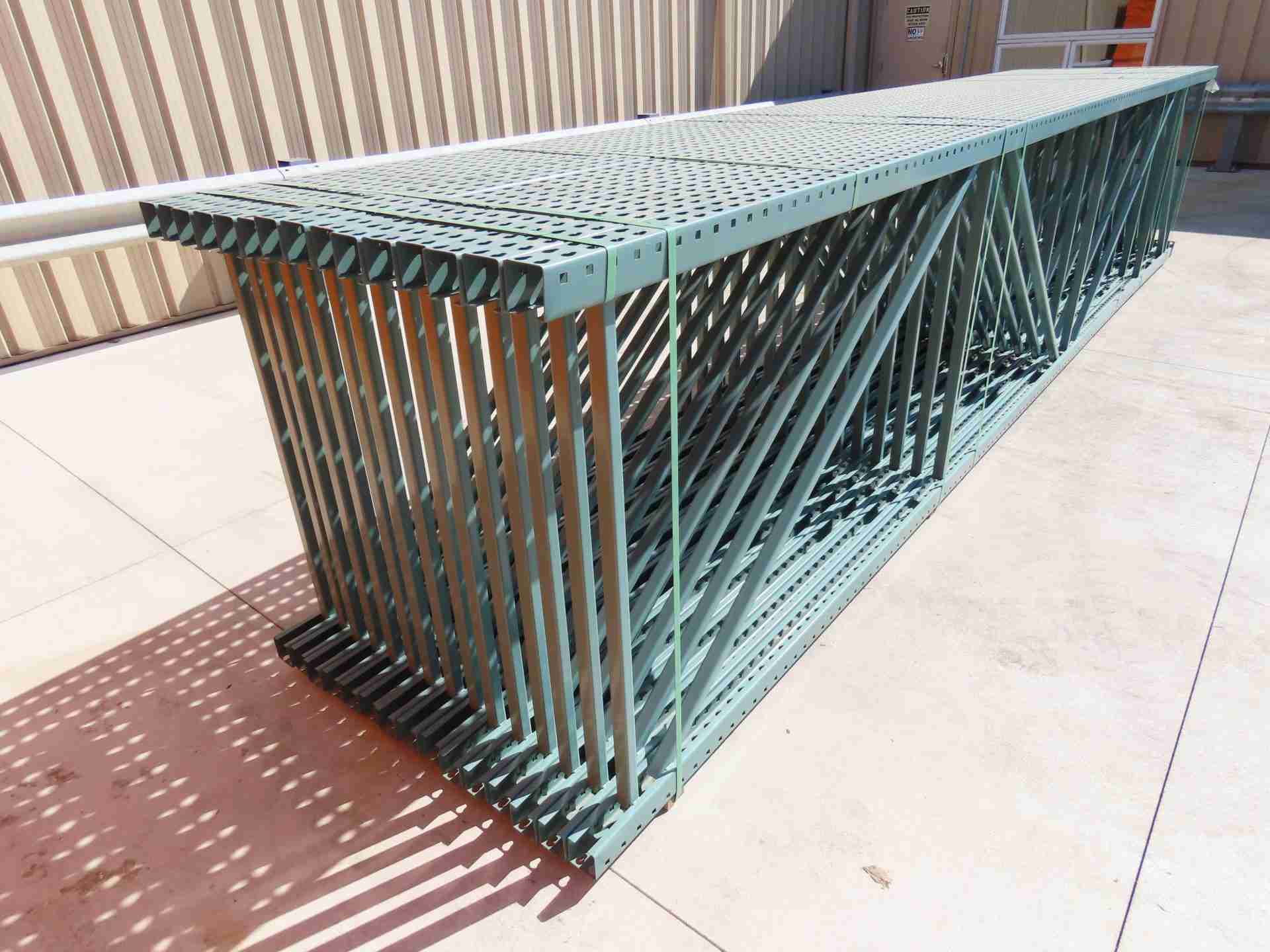
How Often Should Pallet Racks Be Inspected For Safety Compliance?
How Often Should Pallet Racks Be Inspected For Safety Compliance?
- Pallet racking systems are essential for efficient inventory management in warehousing and logistics.
- Regular inspections are crucial for safety compliance, not just installation and use.
- Safety experts recommend inspections at least once a year; more frequent checks may be necessary for larger and more complex operations.
- A recent incident demonstrated the severe consequences of neglecting inspections, including injuries, operational shutdowns, fines, and lawsuits.
- Inspections should also be conducted after significant operational changes or extreme weather events.
- Utilizing trained internal staff or third-party safety consultants can enhance inspection effectiveness and identify overlooked issues.
- Maintaining an inspection log promotes a culture of safety and provides documentation for potential disputes.

How Often Should Pallet Racks Be Inspected For Safety Compliance?
What Are Common Issues With Non-Compliant Pallet Racks?
In the fast-paced world of warehousing and distribution, the efficiency of your operations hinges on effective organization and storage solutions. Pallet racking is a crucial component of this equation. However, when your pallet racking systems fail to comply with safety regulations and industry standards, the repercussions can be dire. Let’s dive into some common issues you might face when operating non-compliant pallet racks.
1. Safety Hazards
At the forefront, safety is a significant concern. Non-compliant pallet racks can lead to accidents that endanger employees. For instance, a failure to adhere to load-bearing requirements may result in structural collapse, putting lives at risk. Recent news stories have shown warehouses that underestimated load capacities experiencing catastrophic failures, leading to severe injuries and costly lawsuits.
2. Increased Liability
Non-compliance opens the floodgates for legal trouble. Businesses can be held liable for injuries that stem from improper pallet racking practices. Imagine a scenario where a worker is injured because a rack gave way under an overloaded pallet. Not only could this lead to hefty insurance claims, but the cost of downtime and loss of reputation can spiral out of control. In today’s litigious environment, maintaining compliance isn’t just smart; it’s essential.
3. Wasted Investment
Investing in pallet racking systems is a significant financial commitment. When these systems are non-compliant, you may find yourself needing to replace or retrofit them far sooner than expected. For instance, a warehouse that opted for cheaper, non-compliant racks may ultimately face higher costs due to accidents, associated repairs, or even retrofitting fines. As a warehouse owner or manager, it’s crucial to see compliance as not just an expense but a necessity for long-term savings and operational efficiency.
4. Inefficiencies in Operations
Lastly, consider how non-compliance can lead to operational inefficiencies. If your pallet racking solutions cannot safely support your inventory levels, you may need to reorganize frequently, disrupting workflow and leading to lost productivity. Current events in supply chain disruptions highlight the need for resilient systems that can withstand regulatory scrutiny while ensuring seamless operations.
Addressing compliance issues with your pallet racking systems is not merely a box to check; it’s a pivotal element for any successful warehouse operation. Don’t fall into the trap of cutting corners. Invest wisely, prioritize safety, and ensure your pallet racking systems conform to all applicable guidelines. Your bottom line—and your team—will thank you for it.
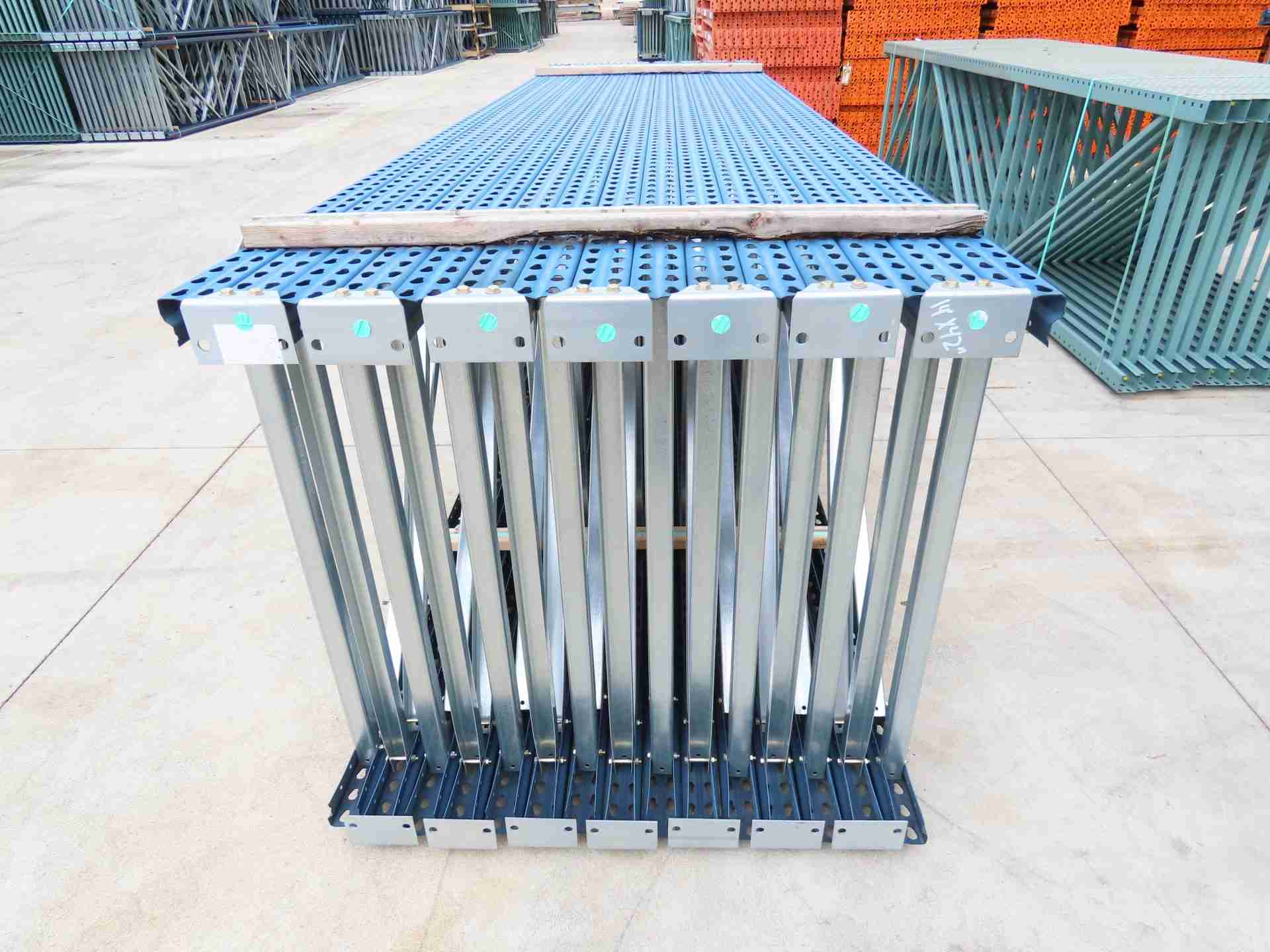
What Are Common Issues With Non-Compliant Pallet Racks?
What Are Common Issues With Non-Compliant Pallet Racks?
- Effective organization and storage solutions are essential for efficient warehousing and distribution.
- Non-compliant pallet racks pose significant safety hazards, risking employee accidents and injuries.
- Businesses face increased liability for injuries due to improper pallet racking, resulting in legal and financial repercussions.
- Investing in non-compliant pallet racking can lead to wasted investments, requiring costly replacements or retrofits.
- Operational inefficiencies may arise from non-compliant systems, disrupting workflow and decreasing productivity.
- Compliance with safety regulations is crucial for long-term savings and operational efficiency in warehouse management.
- Prioritizing safety and compliance in pallet racking systems is vital for the success of warehouse operations.

What Are Common Issues With Non-Compliant Pallet Racks?
Conclusion
In today’s competitive industrial landscape, making informed decisions about pallet racking systems is not just a good practice; it’s a strategic necessity. With costly mistakes looming on the horizon—such as workplace accidents, significant liabilities, and regulatory fines—understanding the compliance landscape surrounding pallet racking has never been more critical. As highlighted throughout this article, adhering to industry standards set by organizations like ANSI and OSHA is essential for safeguarding your employees and preserving your valuable inventory.
Ask yourself: Does your business conduct regular inspections of its pallet racks? Are your local racking solutions compliant with both regional and national safety regulations? By prioritizing these questions, you’ll not only protect your workforce but also enhance operational efficiency and load capacity, ultimately leading to genuine cost savings. A thorough understanding of load capacities, seismic considerations, and the importance of certified manufacturers can help you avoid pitfalls that could put your organization at risk.
Moreover, remember that investing in compliant local pallet racks provides benefits beyond safety—it offers personalized service, quicker response times, and a tailored approach to your specific operational needs. In fact, many local suppliers stay ahead of the curve by actively engaging in ongoing training and certification, ensuring their products meet the highest standards of quality and safety.
Don’t let another moment pass. Take action now to ensure your warehouse operates not just effectively, but safely. Competitive advantages are everywhere, but they can turn into liabilities if you overlook the fundamentals of compliance and safety. For immediate assistance and to explore compliant pallet racking options, do not hesitate to call Arrow Industrial Sales at (574) 349-6575. Our experts are ready to equip you with the solutions that meet or exceed industry standards.
Investing in your pallet racking systems today will foster a culture of safety and efficiency that can propel your business forward, mitigating risks while ensuring you maintain compliance. Remember, when safety and operational efficiency converge, the opportunities for growth are limitless. Make the smart move now—your team’s safety and operational success depend on it!
Conclusion
Conclusion:
- Informed decisions about pallet racking systems are essential in today’s competitive industrial landscape.
- Understanding compliance with industry standards from organizations like ANSI and OSHA is critical for employee safety and inventory protection.
- Regular inspections and adherence to safety regulations enhance operational efficiency and lead to cost savings.
- A thorough understanding of load capacities, seismic considerations, and certified manufacturers can mitigate organizational risks.
- Investing in compliant local pallet racks provides benefits such as personalized service, quick responses, and tailored solutions.
- Neglecting safety fundamentals can turn competitive advantages into liabilities, emphasizing the need for compliance and safety focus.
- Contact Arrow Industrial Sales for assistance in finding compliant pallet racking options that meet or exceed industry standards.
Conclusion
Other Resources
Other Resources
Here is a list of other resources you can review online to learn more:
- Warehouse Racking Chicago, IL
- American Surplus
- New Cantilever Racks and Racking Kits
- Cantilever Rack Guide: Ordering Cantilever Racking
- National Safety Council
- CA Wire
- Interlake Mecalux
- Chicago Pallet Racking
- Overhead Lifting
- IIWS Inc. Rack Installation Illinois & Rack Repairs Illinois
Use This Prompt To Get More Resources With Your Favorite Online AI Tool: Please provide me with a list of online articles with their URLs in a bulleted list that I can read regarding Do Local Pallet Racks Meet Industry Standards?
Other Resources
Glossary Terms
Do Local Pallet Racks Meet Industry Standards? – Glossary Of Terms
1. Pallet Rack: A storage system designed to support structured storage of materials, typically pallets, in warehouses and distribution centers.
2. Industry Standards: Established guidelines and specifications aimed to ensure quality, safety, and efficiency in manufacturing and materials handling.
3. Load Capacity: The maximum weight that a pallet rack system can safely support, determined by factors such as design, materials, and engineering.
4. Structural Integrity: The ability of a pallet rack to maintain its strength and stability under load without collapsing or bending.
5. Rack Inspection: Regular evaluation of pallet rack systems to ensure compliance with safety regulations and to identify any potential hazards or damage.
6. Safety Regulations: Legal requirements set forth by governing bodies that dictate how products and systems, including pallet racks, should be constructed and maintained.
7. OSHA (Occupational Safety and Health Administration): A U. S. government agency that regulates workplace safety and health, including the standards for pallet racks.
8. ANSI (American National Standards Institute): An organization that oversees the development of voluntary consensus standards for products, services, and systems in the U. S. , including warehouse equipment.
9. Rack Design: The architectural and engineering specifications that determine how a pallet rack is constructed to handle specific load requirements.
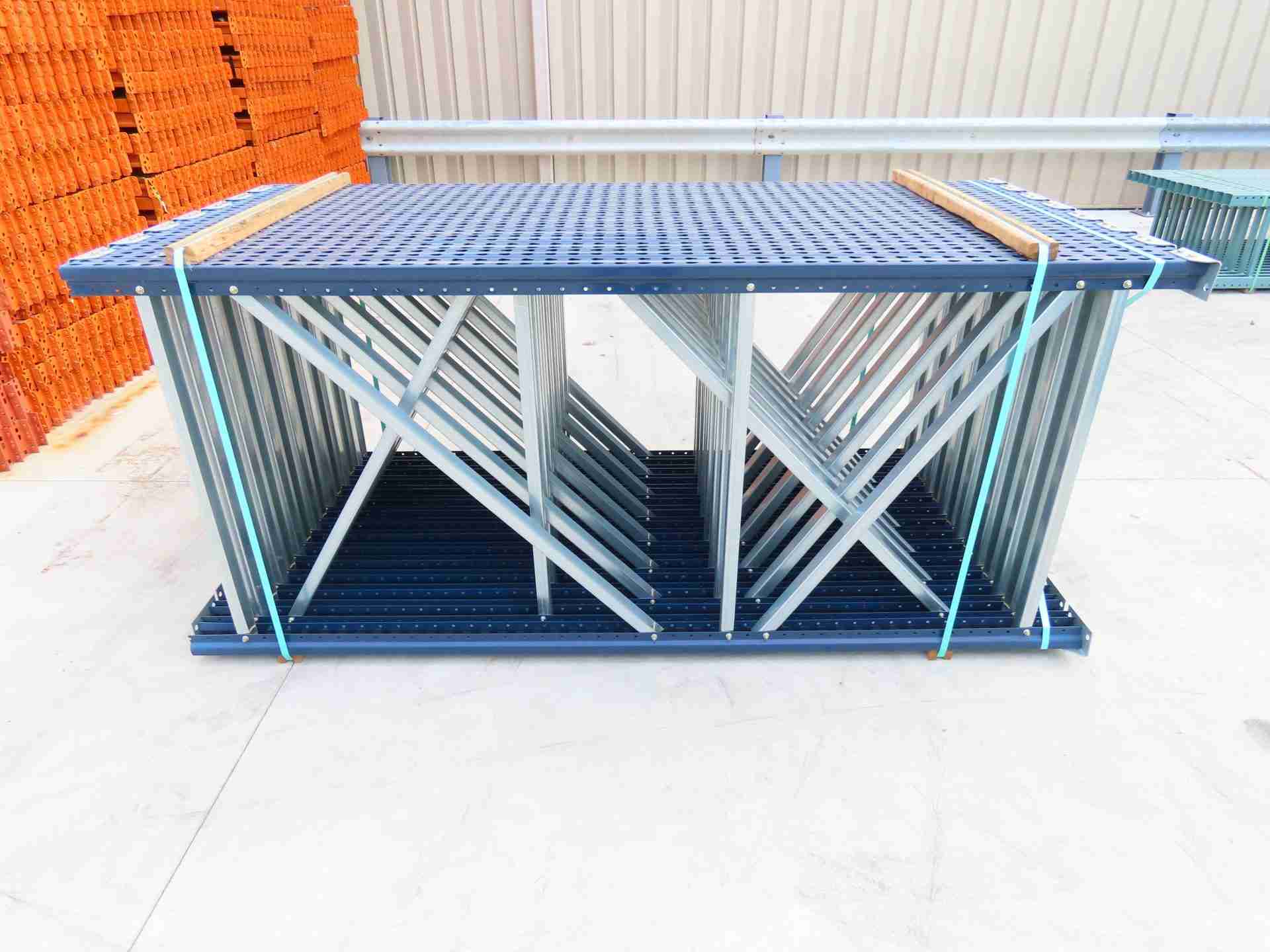
10. Upright Frames: The vertical structures of a pallet rack that provide support and stability, often made of steel.
11. Crossbars: Horizontal bars between upright frames that help support the loads and enhance the structural integrity of the rack.
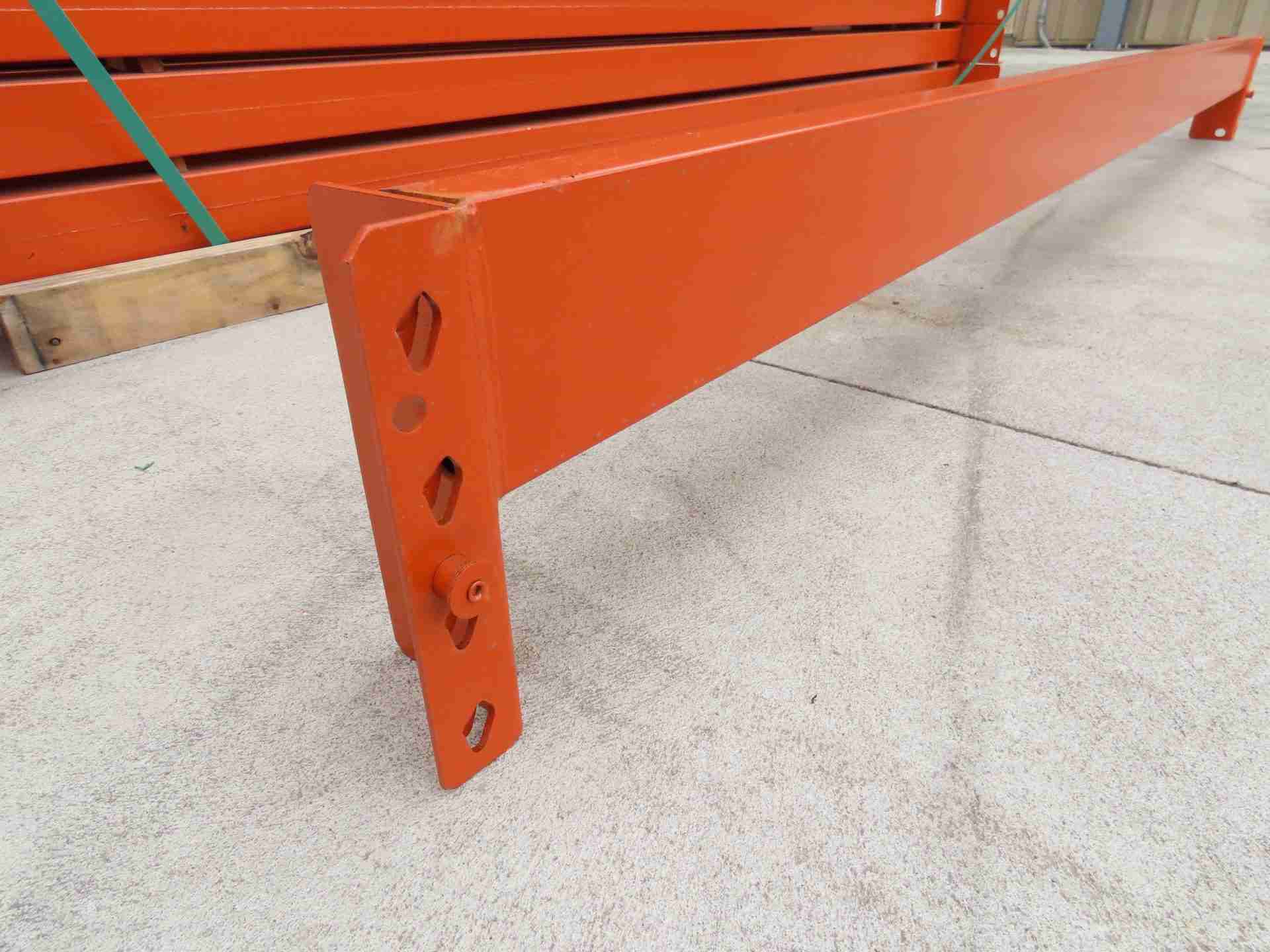
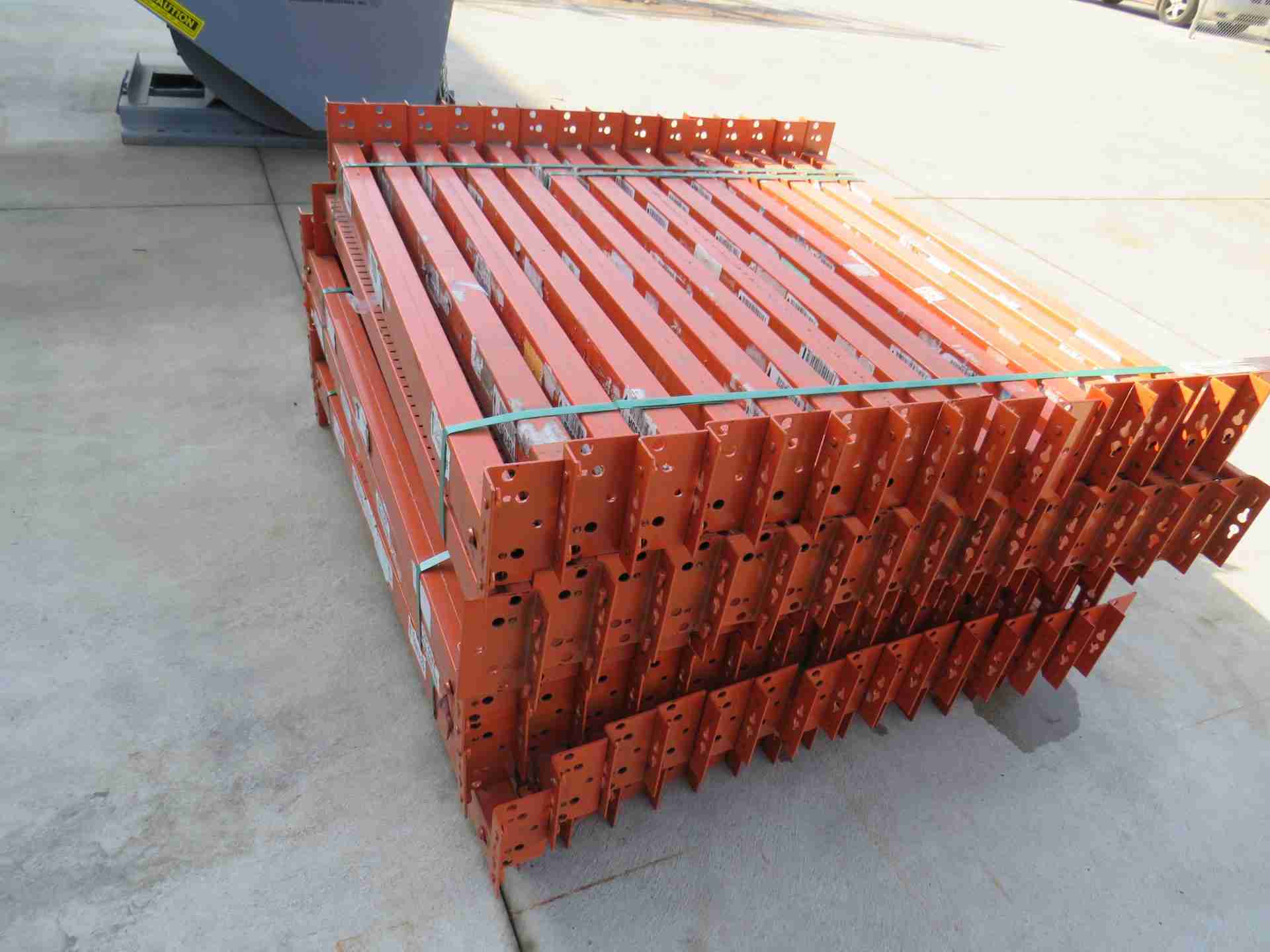
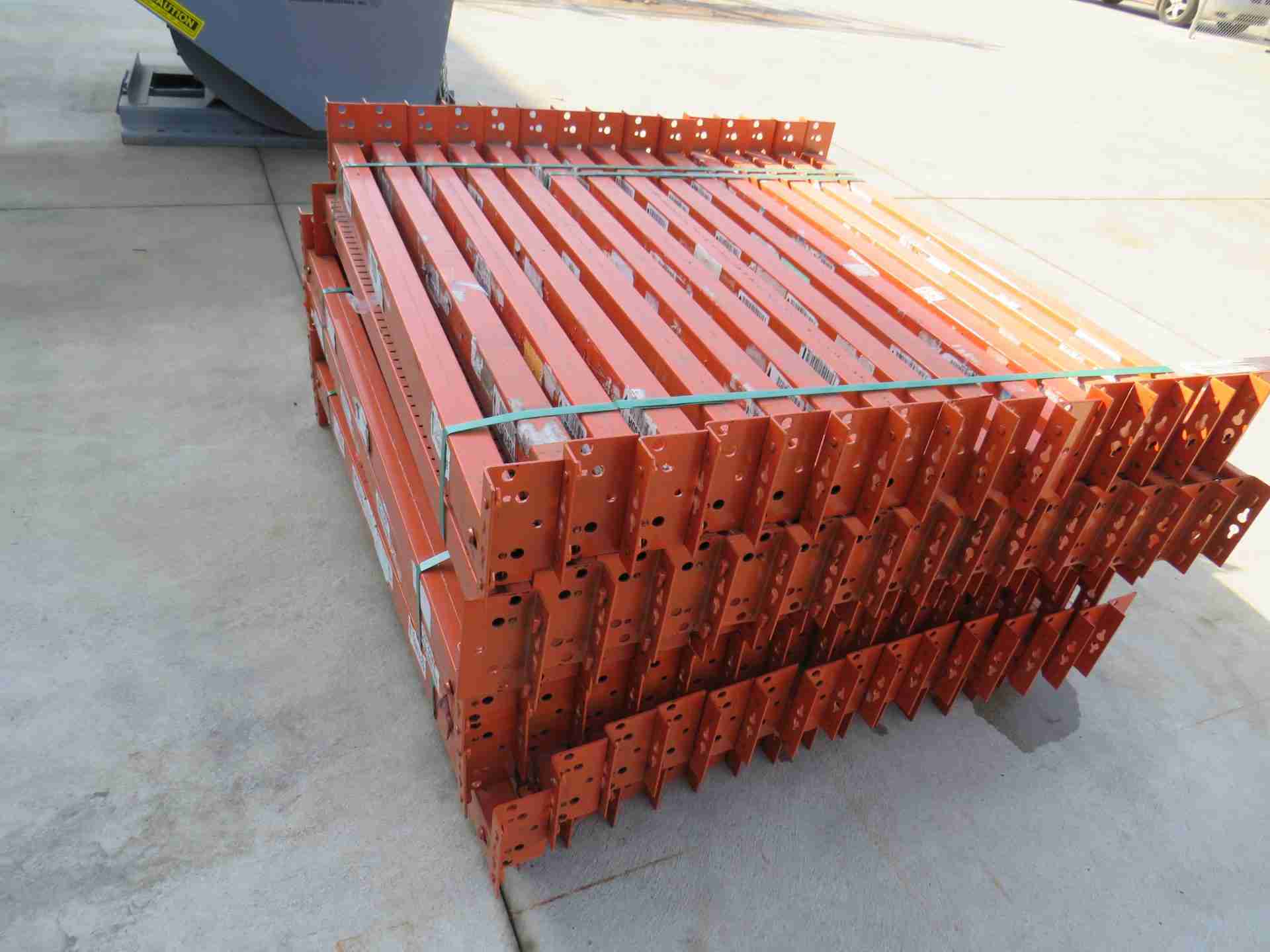
12. Beam: The horizontal support component of a pallet rack where pallets are placed, designed to distribute loads evenly.
13. Adjustable Racking: Pallet racks that can be modified in height and configuration to accommodate different types of products and storage needs.
14. Selective Racking: A type of pallet rack system that allows direct access to each pallet, offering the greatest flexibility in storage operations.
15. Double-Deep Racking: A pallet storage system that allows for the storage of pallets two deep, maximizing space but potentially reducing access speed.
16. Drive-In Rack: A high-density storage option that allows forklifts to drive into the rack system, suitable for storing large quantities of similar items.
17. FIFO (First In, First Out): An inventory management method ensuring that the oldest stock is sold or used first, often facilitated by specific rack designs.
18. Safety Cables: Additional supports or restraints used to enhance the stability of racks and prevent tipping or collapse.
19. Load Spreader: A device or component that distributes weight across a wider area of the rack beam to prevent overload in specific locations.
20. Pallet Type: The size and configuration of pallets (such as standard, euro, or block pallets) that must be compatible with the racking system.
21. Dunnage: Material used to protect products in storage as well as assist with load stabilization within the racks (e. g. , wood or foam inserts).
22. End-of-Aisle Protection: Features added to the ends of rack aisles to protect the infrastructure from potential impacts by forklifts or other equipment.
23. Weight Distribution: The manner in which weight is spread across the rack to prevent concentrated loads that could cause failure or structural issues.
24. Manufacturer’s Guidelines: Instructions provided by the manufacturer for installation and usage of the pallet rack to ensure compliance with safety standards.
25. Aisle Width: The space between rows of racks that allows for sufficient maneuverability of forklifts and personnel.
26. Rack Row or Bay: A series of pallet racks lined up in a row, often designated for specific inventory types.
27. Preventative Maintenance: Regular maintenance tasks performed to ensure that pallet racks remain in compliance with safety standards and operational efficiency.
28. Compliance Audit: A systematic examination of a facility’s palleting systems and processes to ensure adherence to industry standards and regulations.
29. Load Labeling: Identification tags or labels placed on racks indicating load limits and other important safety information.
30. Serious Injury Prevention: Safety measures and strategies implemented to minimize risks and injuries associated with pallet rack usage, including employee training and proper equipment operation.
Glossary Of Terms
Other Questions
Do Local Pallet Racks Meet Industry Standards? – Other Questions
If you wish to explore and discover more, consider looking for answers to these questions:
- What are the specific ANSI and OSHA standards for pallet racks?
- How can I find local pallet rack suppliers who meet industry standards?
- What are the common types of pallet racking systems available?
- How do I perform a risk assessment for my warehouse’s pallet racking system?
- What are the consequences of using non-compliant pallet racks?
- What maintenance practices should I follow for pallet racks?
- How can technology improve pallet rack safety and compliance?
- What training is recommended for employees using pallet racking systems?
- Are there case studies about successful pallet rack implementations?
- How do changes in supply chain dynamics affect warehouse racking choices?
- What are the signs that indicate a pallet rack needs to be replaced?
- How do different industries impact the choice of pallet racking systems?
- What guidelines exist for customizing pallet racks for specific inventory types?
- How do I prepare for a safety inspection of my warehouse’s pallet racking?
Other Questions
Checklist
Do Local Pallet Racks Meet Industry Standards? – A Checklist
Before Purchasing Pallet Racks:
1. Verify Certifications:
_____ Check if your supplier holds certifications from industry organizations like ANSI, RMI, or ISO.
_____ Ensure the manufacturer has a track record of meeting safety and quality standards.
2. Understand Local Regulations:
_____ Research local and state regulations regarding pallet racking systems.
_____ Confirm compliance with specific building codes relevant to your area.
3. Assess Load Capacities:
_____ Evaluate the types of products to be stored and their respective weights.
_____ Check load capacities for each shelf and ensure they meet your needs.
4. Inquire About Testing Procedures:
_____ Ask your supplier about the testing protocols for ensuring the safety and durability of their racks.
_____ Verify if the racks have been rigorously tested for weight limits and structural integrity.
5. Consider Seismic Zone Requirements:
_____ Determine your facility’s seismic zone classification and understand the necessary design specifications.
When Choosing a Local Supplier:
1. Evaluate Supplier Reputation:
_____ Look for testimonials or case studies of local suppliers that have successfully installed compliant racking systems.
_____ Assess their customer service, response times, and expertise.
2. Inspect Return Policies and Warranties:
_____ Understand the return policy and warranty coverage provided by the supplier.
_____ Ensure they offer support in case of non-compliance issues.
Post-Purchase Actions:
1. Implement Regular Inspection Routines:
_____ Establish a schedule for monthly or quarterly inspections of pallet racks.
_____ Train employees on how to recognize signs of wear and damage.
2. Conduct Visual Inspections:
_____ Regularly check for issues such as bent beams, uneven shelving, or signs of corrosion.
3. Utilize Load Testing:
_____ Verify that weight distribution is even and within specified limits during regular inspections.
4. Document Inspections and Findings:
_____ Keep a detailed log of all inspections, repairs, and maintenance actions taken on racking systems.
5. Stay Informed About Updates in Regulations:
_____ Subscribe to industry updates and newsletters to keep abreast of changes in safety regulations and best practices.
In Case of Issues:
1. Address Non-Compliance Promptly:
_____ If compliance issues arise, develop an action plan for necessary changes or upgrades.
_____ Stay proactive in implementing solutions to avoid legal liabilities and safety risks.
2. Evaluate Incident Reports:
_____ Respond to any incidences related to rack failure promptly to prevent future occurrences.
Using this checklist will ensure that your pallet racks are compliant with industry standards and regulations, enhancing safety and efficiency in your warehouse operations.

Checklist
At RackingWorld, we help guide you through selecting warehouse storage systems and racking.
Be sure to read our other related stories at RackingWorld to learn more about warehouse storage systems.
0 Comments