
Transforming Storage Solutions: A Heartfelt Approach To Inventory Control
By Tom Seest
At RackingWorld, we help guide you through selecting warehouse storage systems and racking.
Be sure to read our other related stories at RackingWorld to learn more about warehouse storage systems.
Designing Storage to Reduce Inventory Drift
When it comes to managing inventory, the right storage solutions can make all the difference. Think about a typical warehouse floor with rows of racking systems. It’s not just a bunch of metal shelves holding boxes; it’s a lifeline for a business that relies on organization and efficiency. A well-thought-out racking system can mean the difference between smooth sailing or a chaotic mess. And let’s face it, nobody wants to dig through piles of stuff just to find one item.
Imagine a scenario where everything you need is in its proper place. That’s not just a dream; it’s a tangible reality achievable through smart storage design. Racking systems help create a visual roadmap for where products belong. This layout not only enhances the speed of picking but also reduces the chances of cross-contamination in your inventory. You wouldn’t want a batch of fresh goods getting mixed in with older ones, right? It’s about respecting the quality of what you’re storing and ensuring you’re passing along the best to your customers.
There’s an ethical side to this as well. Efficient storage practices lead to less waste. When inventory drifts, items can end up forgotten, expired, or even disposed of prematurely. By investing in proper racking systems, businesses take a stand against wastefulness. It communicates a message of responsibility, ensuring that resources are utilized to their fullest. This isn’t just a smart financial decision; it’s a step towards sustainability.
But let’s not forget the human element. The folks on the floor — they deserve to work in an environment that makes their jobs easier. When storage systems are designed with their input and experience in mind, it cultivates a sense of ownership. Workers who feel connected to their tasks are more productive and engaged. They’re not just moving boxes; they’re part of a larger mission. And that camaraderie reflects in the overall morale of a team.
These systems aren’t just a backend solution; they engage the heart, head, and gut of everyone involved. Trust builds over time when employees find that their input helps streamline operations and reduce mistakes. When you foster an atmosphere where everyone feels valued and heard, you create a ripple effect that improves not only inventory management but also workplace culture. A thoughtfully designed storage system is more than a practical necessity; it’s a commitment to excellence in every facet of business.
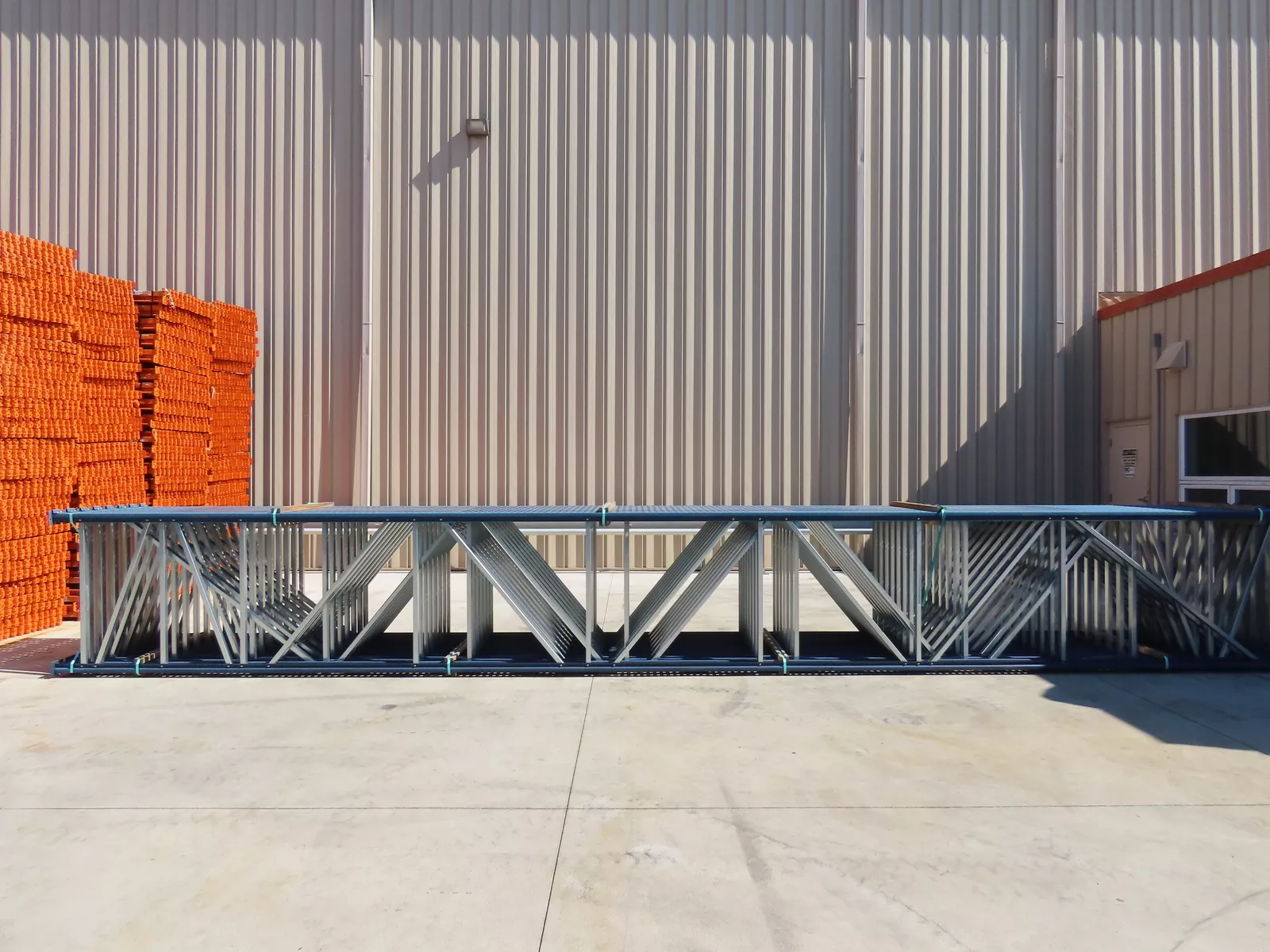
Designing Storage to Reduce Inventory Drift
Designing Storage to Reduce Inventory Drift
- Effective storage solutions are crucial for efficient inventory management.
- Well-designed racking systems facilitate organization and reduce chaos in warehouses.
- Racking systems create a visual roadmap for product placement, enhancing picking speed and minimizing cross-contamination.
- Investing in efficient storage practices reduces waste and supports sustainability efforts.
- Involving employees in storage system designs fosters ownership and boosts productivity.
- Creating an inclusive environment improves workplace morale and team camaraderie.
- A thoughtfully designed storage system is essential for operational excellence and resource utilization.

Designing Storage to Reduce Inventory Drift
Table Of Contents
- Designing Storage to Reduce Inventory Drift
- What Strategies Can Prevent Inventory Drift In Storage?
- How Does Inventory Drift Impact the Bottom Line?
- What Emotional Toll Does Excess Inventory Cause?
- Are There Ethical Implications Of Poor Storage Design?
- How Can Storage Solutions Be Designed for Efficiency?
- What Metrics Help Monitor Inventory Levels Effectively?
- Conclusion
- Other Resources
- Glossary Of Terms
- Other Questions
- Checklist
What Strategies Can Prevent Inventory Drift In Storage?
Effective management of inventory drift in storage is crucial for any business aiming to optimize efficiency and reduce waste. One key strategy is implementing robust racking systems. These systems are not just about storing goods; they create an organized environment that keeps items accessible and visible, reducing the chances of products getting lost or forgotten. Imagine walking into a warehouse where everything is neatly arranged, making it easy to find what you need without sifting through piles of misplaced items. Racking systems can turn that vision into reality.
Routine inventory audits are another essential tactic. It’s about developing a habit, like checking your oil before a long drive. Regularly scheduled audits help catch discrepancies early, allowing for timely corrections. This proactive approach not only boosts confidence among team members but also builds a culture of accountability. When everyone knows that regular checks are part of the routine, they’re more likely to take ownership of their responsibilities.
Training your team adequately is foundational. Knowledge is power, after all. Equip your staff with the skills to handle stock efficiently and understand the importance of proper inventory management. When workers feel competent and informed, they’re invested in maintaining an organized workspace. This is not just about having a checklist; it’s about fostering a sense of pride in their work. When a team believes in what they’re doing, they’re more likely to take the extra step to ensure inventory is accurate and reliable.
Emphasize clear labeling and documentation. Picture the frustration of trying to find a specific item without a clear path to it. Proper labeling means that no one has to play detective. It cultivates a smoother workflow and reduces miscommunication among team members. This simple act of labeling not only appeals to common sense but also instills a sense of order and ethical responsibility in managing stock.
Lastly, consider engaging with other businesses or industry groups on best practices. Sharing experiences can spark innovative ideas that might work wonders in your own operations. The collective wisdom of a community can lead to breakthroughs in how to manage inventory effectively.
By integrating these strategies, you can mitigate inventory drift and create a systematic process that resonates with both the heart and the head. It’s about making a commitment to excellence in every aspect of storage management, leading to a healthier bottom line and a more harmonious workplace.

What Strategies Can Prevent Inventory Drift In Storage?
What Strategies Can Prevent Inventory Drift In Storage?
- Effective management of inventory drift is essential for optimizing business efficiency and reducing waste.
- Implementing robust racking systems creates an organized environment, making items accessible and reducing the risk of loss.
- Routine inventory audits help catch discrepancies early, fostering a culture of accountability and ownership among team members.
- Proper training equips staff with skills for efficient stock handling and emphasizes the importance of inventory management.
- Clear labeling and documentation streamline workflow and reduce miscommunication, promoting order in stock management.
- Engaging with other businesses and industry groups can lead to innovative ideas and best practices in inventory management.
- Integrating these strategies fosters a commitment to excellence in storage management, contributing to improved operational outcomes.
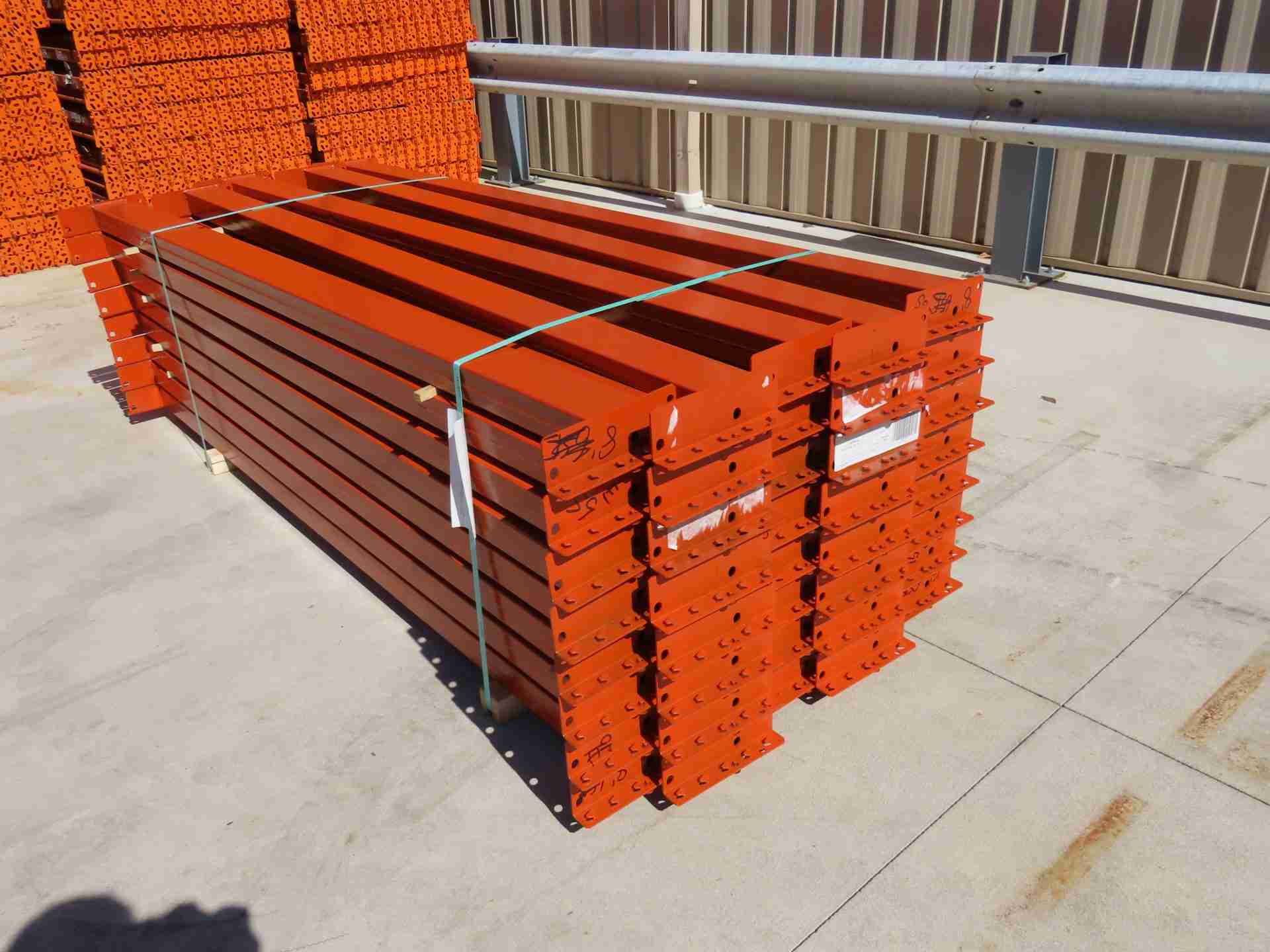
What Strategies Can Prevent Inventory Drift In Storage?
How Does Inventory Drift Impact the Bottom Line?
Inventory drift can feel like a slow leak in a tire; it might not seem urgent at first, but ignore it long enough, and you’ll be stuck on the side of the road, costing you time and money. When we talk about inventory drift, we’re referring to the discrepancies between what shows up on the books and what’s really on the shelves. This isn’t just about numbers; it’s about the reality of running a business where every product counts.
Picture a warehouse filled with rows of racking systems, each filled with boxes that are supposed to hold value. It’s not just about the stuff you’re selling; it’s about the trust you build with your customers. If your inventory isn’t accurate, you’re not just looking at lost revenue; you’re risking the entire reputation of the business you’ve worked so hard to build. Customers expect reliable service, and when they order a product that’s not there, it’s not just a box that’s misplaced but trust that evaporates faster than a summer rain.
On a more emotional level, think of the employees who rely on a well-managed inventory system. Their jobs, their livelihoods depend on knowing exactly what’s on hand. Inventory drift can lead to chaos, pushing employees into scrambling to find solutions instead of focusing on their customer service and the quality they pride themselves on. No one wants to be a part of a ship that’s taking on water, especially when the crew is trying its best to keep things afloat.
Rationally speaking, the numbers don’t lie. Inventory drift can lead to overstocking, which ties up cash flow, or understocking, which means losing sales. Both scenarios hit the bottom line hard. Managers and owners must understand the metrics, leveraging technology to maintain accurate records. It’s about adopting a disciplined approach to inventory management, implementing tracking solutions, and recalibrating whenever discrepancies pop up.
Ethically, there’s a responsibility to ensure accuracy. Running a business isn’t just about profit; it’s also about integrity. A good company stands behind their products, ensuring that what they claim to have is indeed sitting on those racking systems.
Keeping an eye on inventory drift isn’t just good for business; it nurtures loyalty, builds employee morale, and ensures that the foundations of the organization remain strong. When the numbers stack up, the whole operation stands taller, ready to face whatever challenges come next.

How Does Inventory Drift Impact the Bottom Line?
How Does Inventory Drift Impact the Bottom Line?
- Inventory drift refers to discrepancies between recorded and actual inventory, affecting business operations.
- Inaccurate inventory can lead to lost revenue and damage to customer trust and business reputation.
- Employees rely on accurate inventory management for their job security and customer service quality.
- Inventory drift can cause overstocking, impacting cash flow, or understocking, leading to lost sales.
- Managers must utilize technology and maintain disciplined inventory tracking to address discrepancies.
- Ethical responsibility emphasizes the importance of ensuring inventory accuracy for business integrity.
- Monitoring inventory drift fosters customer loyalty, boosts employee morale, and strengthens the organization.

How Does Inventory Drift Impact the Bottom Line?
What Emotional Toll Does Excess Inventory Cause?
Excess inventory doesn’t just clutter your warehouse; it clutters your mind and your spirit. Imagine walking into that storage area filled to the brim with products that aren’t selling. Each rack, stacked high with items that should be turning a profit, instead feels like an anchor dragging you down. That’s an emotional weight that can’t be easily dismissed.
From a financial standpoint, those racking systems that once held promise are now simply holding back your business. Cash tied up in stagnant stock is like a noose around your operations, stifling growth and innovation. You start questioning every decision you’ve made, feeling the sting of worry about how to clear that inventory without taking a huge hit. The stress builds, impacting not just you but your entire team. When your employees see the excess inventory weighing you down, it can breed a sense of hopelessness, diminishing morale.
Ethically, it’s a struggle too. You want to be responsible with your resources, to do right by your customers and your community. But with unused products piling up, it feels like you’re wasting not just money, but also the potential to do better. You start pondering the stories behind those products. What dreams did they represent? How many lives could they have improved if they had found their way into the hands of people who needed them?
Narratively, think about the journey that brought those goods to you. Each item has a story, an intention, but now they sit silently, collecting dust instead of adding value. This situation isn’t just a business challenge; it’s a personal one. As you look at those racks, you’re not just seeing products—you’re seeing lost opportunities, unmet needs, and the essence of what you set out to do.
Socially, there’s a broader impact too. Excess inventory can lead to layoffs or budget cuts, affecting the livelihoods of your employees and their families. It creates a ripple that extends beyond your business, eroding the trust between you and the community you serve. They depend on you for more than just goods; they look to you as a leader, a reliable partner. When your space is filled with items that no one wants, it can feel like a betrayal of that trust.
In every sense—emotionally, rationally, ethically, and socially—excess inventory is a burden. But recognizing this challenge opens up the opportunity to take action. Each day you confront this issue is a step toward regaining control, fostering a healthier workspace, and reigniting the passion for why you started in the first place. Embrace the challenge; turn those racking systems into a beacon of change rather than a source of despair.

What Emotional Toll Does Excess Inventory Cause?
What Emotional Toll Does Excess Inventory Cause?
- Excess inventory creates emotional and mental burdens, impacting clarity and morale.
- Tied-up cash in stagnant stock restricts business growth and innovation.
- Employee stress and hopelessness can rise in response to excess inventory, affecting team dynamics.
- Ethically, unused products represent wasted resources and unfulfilled potential.
- Every item has a story, now lost as they collect dust rather than serve their intended purpose.
- Social consequences include potential layoffs and eroded community trust, impacting both employees and customers.
- Addressing excess inventory presents an opportunity for transformation and renewed passion in business.

What Emotional Toll Does Excess Inventory Cause?
Are There Ethical Implications Of Poor Storage Design?
In the world of storage design, particularly concerning racking systems, the ethical implications of poor planning often get overlooked. Imagine a warehouse where products are stacked haphazardly, unable to catch the eye of the worker rushing by. An employee faces the daunting task of retrieving an item buried beneath a mountain of disorganized stock. This not only leads to frustration and wasted time but also raises a crucial question: at what point does negligence in storage design become an ethical issue?
When racking systems are poorly designed, it’s not just a matter of inefficiency; it can lead to accidents, injuries, or worse. Picture a scenario where an unstable shelf tips over because of inadequate design. The repercussions ripple through families, touching lives well beyond the warehouse walls. Addressing these design failures isn’t just a logistical challenge; it’s a matter of ensuring safety for those who work day in and day out in these spaces. Workers deserve an environment that prioritizes their well-being, reflecting respect and responsibility toward their efforts.
Rationally, the cost of poor design can be staggering. Disorganization can lead to lost products, missed deadlines, and ultimately, a hit to the bottom line. A well-thought-out racking system not only optimizes space but also improves workflow, enhancing productivity and profits. It’s common sense: when we invest time and resources into creating a functional storage design, everyone stands to gain.
On an ethical level, there’s a duty of care that comes with designing spaces where people work. This isn’t just about compliance with safety regulations; it’s about fostering a culture that values every worker’s contribution. By advocating for robust racking systems, we champion the well-being of coworkers, build morale, and inspire accountability within our teams.
Socially, poor storage design can erode trust among employees and management. When workers feel their safety is an afterthought, it cultivates a toxic atmosphere. Conversely, a well-planned racking system conveys that leadership listens, cares, and is committed to creating a safe working environment. This fosters camaraderie and a sense of belonging.
Everyone in the supply chain plays a role in advocating for ethical storage practices. Whether you’re a warehouse manager or a worker just trying to do your job right, understanding the implications of racking systems can lead to transformative change. A commitment to better design uplifts not only the efficiency of a workspace but also the human spirit within it.
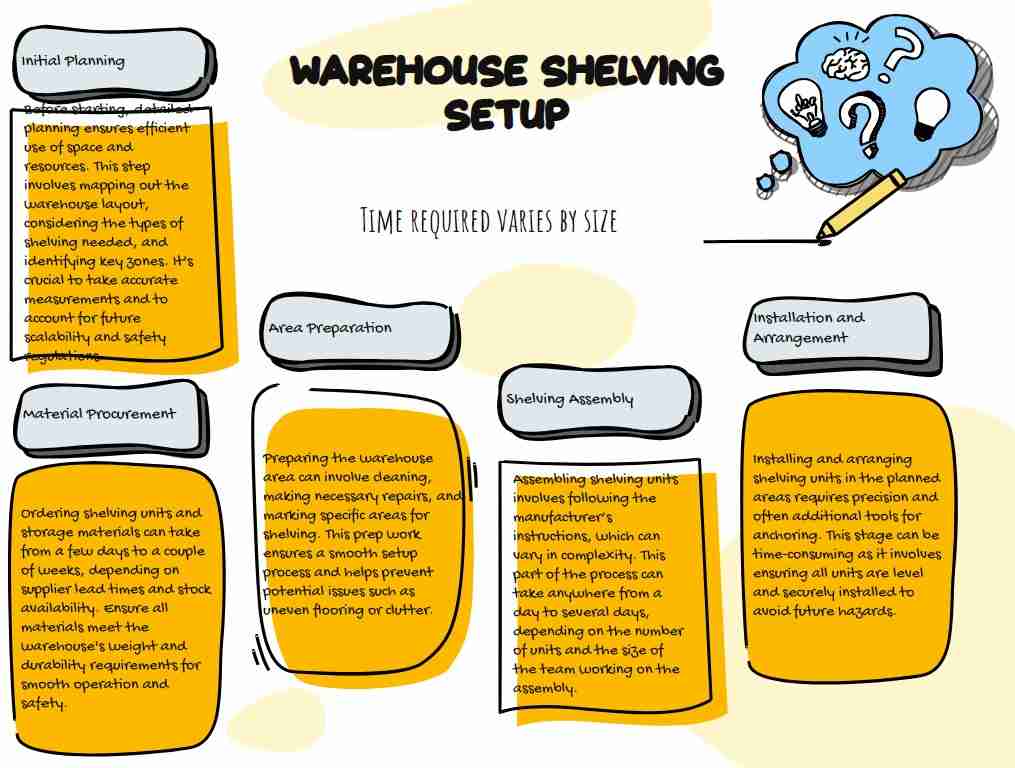
Are There Ethical Implications Of Poor Storage Design?
Are There Ethical Implications Of Poor Storage Design?
- Poorly planned racking systems in warehouses pose ethical concerns and safety risks.
- Disorganized storage leads to frustration, inefficiency, and potential accidents.
- Negligence in storage design can impact worker well-being and safety.
- The financial costs of poor design include lost products and decreased productivity.
- Ethical design fosters a culture of care, respect, and accountability among workers.
- Good storage design enhances trust and morale between employees and management.
- All stakeholders in the supply chain must advocate for responsible storage practices.

Are There Ethical Implications Of Poor Storage Design?
How Can Storage Solutions Be Designed for Efficiency?
When we talk about storage solutions, it’s not just about stacking boxes or throwing things into a corner. It’s about creating a system that works hard for you, much like a well-oiled machine in a workshop. You want your space to feel like a buddy that’s got your back, allowing you to find what you need in seconds instead of hunting for hours. A smart approach to designing storage solutions can foster a sense of relief and satisfaction, transforming chaos into order.
First off, let’s dig into the types of racking systems. These aren’t just shelves; they’re the backbone of an efficient storage setup. Think of racking like blocks in a game—when you stack them just right, you see the bigger picture. Choosing the right racking systems based on what you’re storing and how often you access it can save time and frustration. When things are organized and easy to reach, there’s a flow to your work that can lift your spirits. You’re not just saving space; you’re reclaiming precious time and mental bandwidth.
Emotionally, there’s a connection here. Every time you waste a minute digging through clutter, it eats away at your peace of mind. A well-planned storage system offers more than just functionality; it promises a smoother, more enjoyable experience. The stress of disorganization can weigh heavily on you, but imagine the comfort of knowing everything has its place. It’s like coming home to a cozy living room, where everything feels just right.
On the rational side, consider the cost-effectiveness of efficient storage solutions. Investing in a quality racking system might seem like a considerable expense up front, but it pays for itself. Think about the hours lost to inefficiency; that time could be used to generate income or simply enjoy life. There’s a value in efficiency that goes beyond dollars and cents.
Ethically, creating an effective storage environment promotes responsibility—not just towards your space but toward your work and your team. A clean, organized place fosters a culture of respect and pride. When everyone pitches in to maintain order, it creates a sense of community and shared ownership.
Finally, there’s the storytelling aspect. Picture a warehouse where the floors are clean and the racking systems are lined up like soldiers, ready to serve. It’s not just about storage; it’s about empowerment. Each time you streamline your space, you’re setting the stage for success. This isn’t just good practice; it’s a call to action for anyone looking to transform their workspace into a hub of efficiency. Embrace the change, invest in smart solutions—and watch as your space and your productivity flourish.
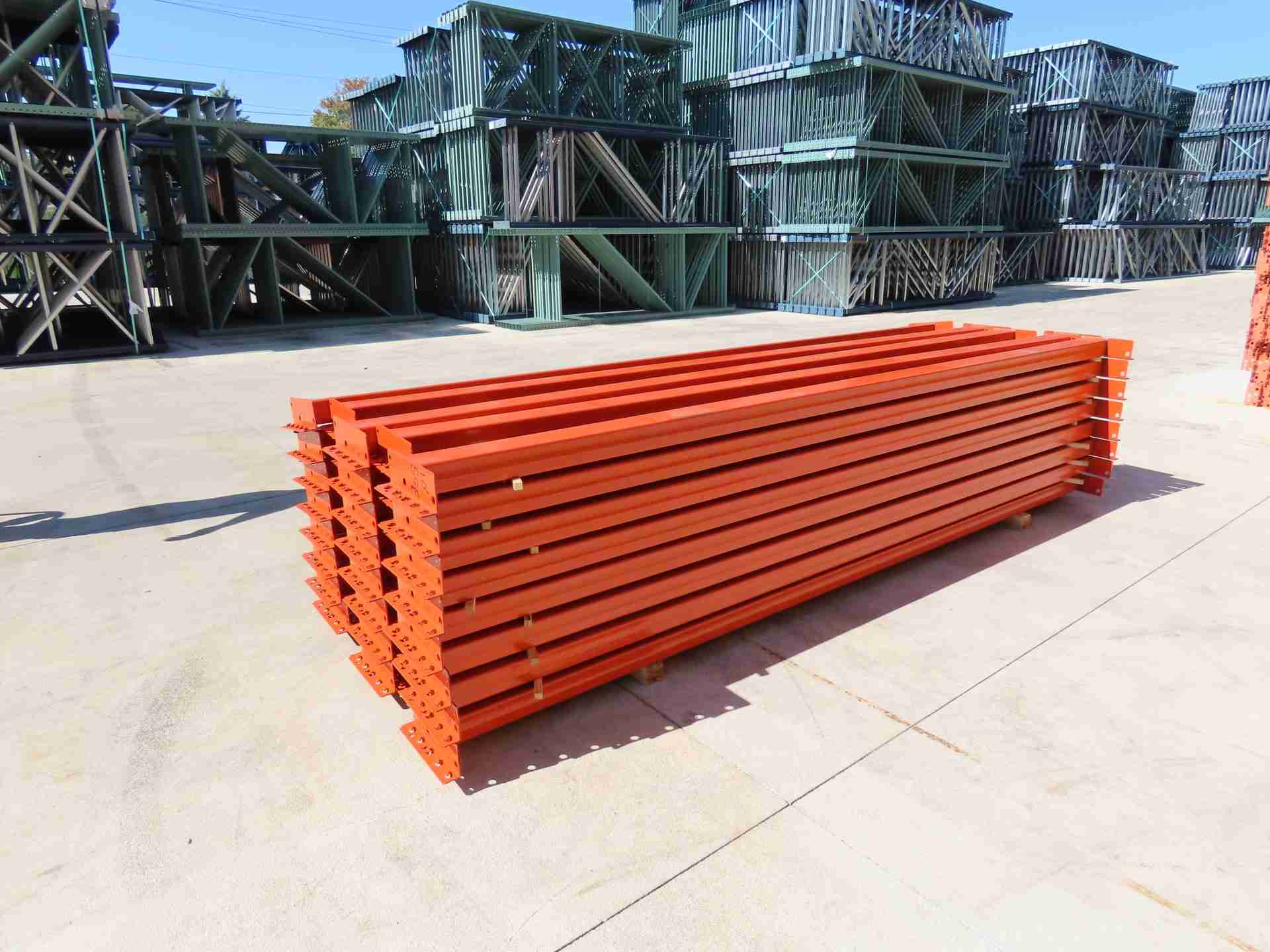
How Can Storage Solutions Be Designed for Efficiency?
How Can Storage Solutions Be Designed for Efficiency?
- Effective storage solutions create systems that enhance efficiency and organization.
- Choosing the right racking systems maximizes space and accessibility, saving time.
- A well-organized environment contributes to peace of mind and reduces stress.
- Investing in quality storage can lead to significant long-term cost savings.
- Efficient storage fosters responsibility, respect, and a sense of community among teams.
- Streamlined spaces empower users and facilitate productivity in a workspace.
- Smart storage solutions transform chaos into order, enhancing overall satisfaction.

How Can Storage Solutions Be Designed for Efficiency?
What Metrics Help Monitor Inventory Levels Effectively?
When it comes to keeping a business running like a well-oiled machine, monitoring inventory levels effectively is the backbone of operations. You might be thinking, “What numbers do I really need to look at?” Let’s break it down in a way that makes sense, using common sense and experience.
First off, consider your turnover rate. This metric tells you how quickly your inventory is moving. A high turnover rate is what you want—it means products are flying off the shelves, not gathering dust. When goods sit too long, they can become outdated or, worse, take up precious space in your racking systems. If your racking is stuffed with items that aren’t selling, it’s time to assess your stock depth and circulation.
Now, look at your stock-to-sales ratio. This isn’t just numbers on a spreadsheet; it’s about balance. Too much stock compared to sales can choke your cash flow and burden your bottom line. Knowing this ratio helps you dodge the pitfalls of overstocking and ensures you’re not left with more inventory than you can handle. Real-world experience teaches us that each misplaced item can lead to lost revenue and missed opportunities.
Next up is understanding your lead time. This is the time it takes to get more goods when you need them, and it’s crucial for planning. A long lead time means you’re playing a game of catch-up with your stock. Keeping an eye on this metric ensures you’re not left scrambling for products when customers are waiting. The ethical side of this is knowing your customers depend on you to deliver what they want, when they want it.
Then there’s the backorder rate—a telltale sign of how well you’re managing demand. If your backorders keep stacking up, it’s time to delve into why. This isn’t just about numbers; it’s about customer satisfaction and trust. Customers remember how quickly you fulfill their needs or how often you leave them hanging. A low backorder rate shows you’re in control, building a connection with your clientele based on reliability.
Lastly, keep in mind your average days of inventory on hand. This simple measure surfaces how long it takes to sell your stock. The longer items linger, the more risk you take. It’s all about knowing when to sell and when to clear out the old to make way for the new, creating a space that’s efficient and profitable.
Adopting a solid understanding of these metrics not only aids in making savvy business decisions but also fosters trust. When you confidently manage your inventory, you’re not just protecting your stock; you’re safeguarding your reputation.
What Metrics Help Monitor Inventory Levels Effectively?
What Metrics Help Monitor Inventory Levels Effectively?
- Monitoring inventory levels is essential for effective business operations.
- Turnover rate indicates how quickly inventory is sold; a high rate is desirable.
- Stock-to-sales ratio helps balance inventory and sales, avoiding cash flow issues.
- Lead time is crucial for planning and ensures timely product availability for customers.
- Backorder rate reflects demand management and customer satisfaction.
- Average days of inventory on hand shows how long stock takes to sell; longer periods increase risk.
- Understanding these metrics aids in decision-making and protects reputation.
What Metrics Help Monitor Inventory Levels Effectively?
Conclusion
Designing effective storage solutions to mitigate inventory drift is essential for any thriving business. Imagine a warehouse, not as a chaotic jumble of boxes, but as an intricate puzzle where every piece fits perfectly into place. When storage systems, like racking, are thoughtfully designed, they become more than mere infrastructure; they transform into a lifeline for efficiency and accountability. By implementing a clear organization strategy, businesses can ensure that every item is easily accessible, reducing the frustration of searching through disarray.
An organized racking system lays out a visual guide, facilitating swift picking and minimizing the risk of mixing fresh and older inventory, which safeguards product quality. This isn’t just a practical concern; it’s an ethical stance. Consciously managing inventory helps prevent waste, ensures responsible utilization of resources, and promotes sustainability. Every item that goes unsold represents not only lost revenue but also unfulfilled potential for customer satisfaction.
The human aspect cannot be overlooked either. Workers benefit immensely in an orderly environment where their expertise is respected. Involving employees in the design process fosters ownership and boosts morale, enhancing productivity and engagement. When they see their input valued, it nurtures a sense of community. This shared commitment to the task enhances workplace culture, leading to fewer mistakes and a shared sense of pride in the organization.
Furthermore, effective inventory management practices contribute directly to a company’s financial health. Monitoring metrics like turnover rates and stock-to-sales ratios can prevent costly overstocking or stockouts. These figures paint a clear picture of performance, helping to maintain a healthy cash flow. A disciplined approach promotes both trust and loyalty among customers, who expect dependable service.
Excessively cluttered inventory places not just a strain on profitability but on employee morale as well. Unused goods weigh down operations, breeding frustration and cynicism. Addressing these challenges opens avenues for regaining control and establishing a streamlined operation. Every step taken to reduce inventory drift represents a commitment to not only operational excellence but also to the ethical stewardship of resources and community trust.
Embracing better storage solutions transforms not only the physical space but also the spirit within the workforce. It’s about taking tangible action that leads to improved efficiency, employee satisfaction, and a stronger bottom line. Investing in smart design isn’t merely a strategic choice; it’s a clarion call for anyone aiming to turn their business into a beacon of efficiency and respect.

Conclusion
Conclusion:
- Effective storage solutions mitigate inventory drift, essential for business success.
- Thoughtfully designed racking systems enhance efficiency and accountability.
- Clear organization strategies improve item accessibility and reduce search frustration.
- Organized racking visually guides inventory management and safeguards product quality.
- Involving employees in the design fosters ownership, morale, and productivity.
- Monitoring inventory metrics supports financial health and prevents costly overstocking.
- Streamlined operations and better storage solutions enhance employee satisfaction and profitability.

Conclusion
Other Resources

Other Resources
Here is a list of other resources you can review online to learn more:
- BMH Equipment LLC
- Arrow Industrial Sales
- Warehouse Storage Racks
- MHI
- Rack Manufacturers Institute
- Teardrop Industrial Shelving Rack
- Used Teardrop Pallet Rack – American Surplus
- Racking World
- What is Selective Racking: Understanding Benefits & Options
- Mustang Material Handling
- Logic Material Handling
- BMH
- Pallet Rack Systems – New and Used Pallet Racking and Shelving Experts
- Warehouse Racking Chicago, IL
- RMI
- New Cantilever Racks and Racking Kits
- CA Wire
- Selective Rack – Raymond West
- NSC
- Warehouse Automation
Use This Prompt To Get More Resources With Your Favorite Online AI Tool: Please provide me with a list of online articles with their URLs in a bulleted list that I can read regarding Designing Storage to Reduce Inventory Drift

Other Resources
Glossary Terms
Designing Storage to Reduce Inventory Drift – Glossary Of Terms
1. Inventory Drift: The discrepancy between recorded inventory levels and actual stock on hand, often due to inaccuracies in tracking or management practices.
2. Design Principles: Fundamental guidelines used to create effective storage solutions that enhance functionality and efficiency.
3. Layout Optimization: The strategic arrangement of storage units to maximize space utilization and improve accessibility.
4. Space Utilization: The effective use of available storage space to minimize waste and maximize storage capacity.
5. Stock Accuracy: The degree to which the recorded inventory matches the physical inventory, reflecting effective management practices.
6. FIFO (First In, First Out): An inventory management method where the oldest stock is sold first to prevent obsolescence.
7. LIFO (Last In, First Out): An inventory management method where the most recently added stock is sold first, typically for cost accounting purposes.
8. Inventory Management System: Software or processes used to track inventory levels, orders, sales, and deliveries to optimize stock levels.
9. Barcode System: A method of inventory tracking that uses barcodes to identify and manage stock efficiently.
10. Digital Inventory: An electronic system that records inventory data, improving accuracy and accessibility of stock information.
11. Lean Inventory: A strategy that focuses on minimizing waste and reducing excess stock while maintaining efficiency in operations.
12. Safety Stock: Extra inventory held to mitigate the risk of stockouts and ensure customer demand is met.
13. Pull System: An inventory management approach that triggers stock replenishment based on actual consumption rather than forecasts.
14. Supply Chain Visibility: The ability to track products throughout the supply chain, improving transparency and efficiency.
15. Order Fulfillment: The process of receiving, processing, and delivering customer orders, influenced by storage design.
16. Just-In-Time (JIT): An inventory strategy that aligns orders from suppliers directly with production schedules to reduce holding costs.
17. Inventory Turnover: A measure of how many times inventory is sold and replaced over a period, indicating efficiency.
18. Reorder Point: The inventory level at which a new order should be placed to replenish stock before it runs out.
19. Slotting: The strategic placement of products within a storage system to enhance picking efficiency and accuracy.
20. Cross-Docking: A logistics practice where incoming goods are directly loaded onto outbound vehicles, reducing storage time.
21. Stock Keeping Unit (SKU): A unique code assigned to each product to facilitate tracking and management in inventory systems.
22. Demand Forecasting: The process of predicting future customer demand to plan inventory levels accordingly.
23. Warehouse Management: The process of operating and controlling warehouse activities, ensuring efficient inventory flow.
24. Inventory Aging: The assessment of how long stock has been held in inventory, which helps identify slow-moving items.
25. Batch Picking: A picking method where multiple orders are collected simultaneously to improve efficiency in order processing.
26. Cycle Counting: An inventory auditing procedure that involves counting a portion of the inventory regularly to ensure accuracy.
27. Bulk Storage: The method of storing large quantities of goods in a way that maximizes space and reduces handling.
28. Inventory Reconciliation: The process of comparing physical inventory counts to recorded levels to identify discrepancies.
29. Obsolete Inventory: Stock that is no longer sellable due to being outdated or damaged, impacting storage efficiency.
30. Storage Density: The measure of how much inventory is stored in a given space, influencing efficiency and design decisions.

Glossary Of Terms
Other Questions
Designing Storage to Reduce Inventory Drift – Other Questions
If you wish to explore and discover more, consider looking for answers to these questions:
- What are the most common root causes of inventory drift?
- How do you measure inventory drift quantitatively?
- What KPIs should I track to know if my storage design is working?
- What is an acceptable inventory accuracy rate for my industry?
- How often should I perform cycle counts or full audits?
- What is the ROI of replacing or upgrading racking systems?
- How much does a typical racking system installation cost?
- Which racking types (pallet, flow, cantilever, push-back, selective) are best for different product mixes?
- How do I choose between barcode, RFID, or other tracking technologies?
- How do warehouse management systems (WMS) integrate with racking and tracking hardware?
- What are best practices for labeling and documentation to reduce mispicks?
- How should storage be organized for FIFO, LIFO, or FEFO requirements?
- What controls prevent cross-contamination or mixing of batches/lots?
- How do I design storage for perishable, hazardous, or temperature-sensitive goods?
- What safety standards and regulations apply to racking design and installation?
- How do poor storage designs increase safety risks and liability?
- What load capacities and clearances must be considered for racking?
- How often should racking be inspected and maintained?
- What are the common signs of racking failure or unsafe installations?
- How can ergonomic design reduce worker fatigue and errors?
- How do you involve floor staff in the storage design process effectively?
- What training programs work best to improve inventory handling and accuracy?
- How do you create accountability and ownership among staff for inventory accuracy?
- What change management steps are needed when introducing new storage systems?
- How can small businesses implement improvements on a limited budget?
- What are quick wins to reduce drift without major capital investment?
- How do you run a pilot project for new racking or inventory technology?
- What monitoring dashboards and alerts are most useful for real-time drift detection?
- How can analytics and machine learning help predict and prevent inventory drift?
- How should lead times and reorder points be adjusted based on storage layout?
- What replenishment strategies minimize misplacement and stockouts?
- How do returns and reverse logistics affect inventory accuracy?
- What disposal, donation, or liquidation strategies reduce excess inventory ethically?
- How can you repurpose excess stock to avoid waste while protecting margins?
- What role does supplier collaboration play in preventing drift?
- How do seasonal demand and promotions affect storage planning?
- How should SKUs be clustered or zoned within racking to maximize picking efficiency?
- What are slotting analysis and slot optimization, and how do they reduce drift?
- How do you design aisles, traffic flows, and pick paths to limit mistakes?
- What technology supports hands-free picking (voice, pick-to-light) and what are the benefits?
- How do you balance density (space utilization) with accessibility to reduce errors?
- What are common implementation timelines for storage redesign projects?
- What permits, certifications, or third-party inspections are needed for racking upgrades?
- How does inventory drift translate into financial impacts like shrinkage, carrying costs, and lost sales?
- How do you calculate the carrying cost of excess inventory accurately?
- What insurance or compliance implications arise from poor storage practices?
- How do you set thresholds for acceptable drift and trigger corrective actions?
- What corrective workflows should be in place when audit discrepancies appear?
- How do you investigate and root-cause persistent inventory discrepancies?
- What role does physical security (locks, cameras, access control) play in preventing shrinkage?
- How can standard operating procedures (SOPs) reduce human error on the floor?
- How should packing, labeling, and receiving processes be designed to minimize misplacements?
- What metrics indicate improvements after a storage redesign (before/after benchmarks)?
- How do you scale storage systems as a business grows or SKU counts increase?
- What are trade-offs between automation (AS/RS, conveyors, robots) and manual racking solutions?
- What is the total cost of ownership for automated storage versus traditional racking?
- How do you integrate ERP, WMS, and inventory control processes to reduce drift?
- How does data quality and master data management affect inventory accuracy?
- What are best practices for lot, batch, and serial number traceability in storage design?
- How do you manage hazardous materials storage to meet safety and regulatory requirements?
- What environmental controls (HVAC, humidity, pest control) are required for sensitive goods?
- How can sustainability goals be met through storage design and inventory reductions?
- What are real-world case studies or examples of companies that reduced inventory drift successfully?
- How do you choose vendors and contractors for racking and warehouse improvements?
- What warranties and post-installation support should you expect when buying racking systems?
- How do returns, refurbishing, and disposition workflows fit into the storage layout?
- What incentives or KPIs motivate employees to maintain inventory accuracy?
- How can cross-docking and just-in-time strategies reduce on-site inventory and drift?
- What are the legal and ethical considerations when disposing of expired or unsellable stock?
- How do you ensure continuous improvement of storage systems over time?
- What checklist should be used during receiving, putaway, and picking to minimize drift?
Other Questions
Checklist
Designing Storage to Reduce Inventory Drift – A Checklist
Layout and Racking Design
✅______ Profile SKUs by dimensions, weight, velocity, and handling needs
✅______ Select racking matched to SKU profiles (selective, pallet flow, carton flow, cantilever, mezzanine)
✅______ Place fast movers near dispatch; slot slow movers higher or farther to reduce travel
✅______ Implement FIFO or FEFO lanes for dated or lot-controlled items
✅______ Create dedicated zones for quarantine, returns, rework, and hazardous items
✅______ Post rack load ratings; verify anchoring, plumb, and damage-free condition
✅______ Maintain clear aisle widths and defined travel paths; use one-way flow where practical
✅______ Standardize location schema (zone-aisle-bay-level-position) and map all bins
Labeling and Visual Management
✅______ Label locations with human-readable IDs and scannable codes (barcodes or QR)
✅______ Ensure product labels include SKU, description, unit, lot/batch, and dates
✅______ Use color-coded status tags (available, hold, damaged, expired)
✅______ Post large, legible signage and floor markings; eliminate label shadowing
✅______ Provide posted slotting maps and pick paths at workstations
✅______ Apply rotation or date labels to prevent mixing old and new stock
Receiving, Putaway, and Picking
✅______ Use ASNs to pre-assign locations and streamline receiving
✅______ Verify counts, condition, and lot and date at receiving; record variances immediately
✅______ Enforce standard putaway rules; respect FIFO/FEFO and compatibility constraints
✅______ Time-box dock-to-stock; avoid ad hoc staging in random areas
✅______ Use directed picking with scan confirmations for pick, pack, and ship
✅______ Separate incompatible items to prevent cross-contamination
Inventory Controls and Audits
✅______ Run cycle counts by ABC class with blind counts
✅______ Investigate variances same day; apply root-cause analysis and corrective actions
✅______ Lock locations during counts to prevent movement
✅______ Maintain adjustment authorization levels and audit trails
✅______ Schedule full physical inventory at a defined cadence if needed
✅______ Track inventory accuracy by location and SKU
Metrics and Monitoring
✅______ Monitor inventory turnover by category on a monthly cadence
✅______ Track stock-to-sales ratio; right-size depth by category
✅______ Measure supplier lead time and variability; set buffers accordingly
✅______ Review backorder rate and fill rate weekly
✅______ Calculate days of inventory on hand by category
✅______ Track shrinkage rate and cycle count compliance
People, Training, and Culture
✅______ Train all staff on SOPs, scanning, rotation, and labeling standards
✅______ Involve floor staff in layout and slotting changes
✅______ Post clear work instructions and visual aids at point of use
✅______ Recognize accuracy, safety, and improvement contributions
✅______ Provide structured onboarding and regular refreshers
Safety and Ethics
✅______ Inspect racks routinely; tag and repair damage promptly
✅______ Install rack protection, anti-tip devices, and required fall protection
✅______ Keep aisles and exits clear; ensure adequate lighting
✅______ Provide ergonomic tools and enforce safe lift limits
✅______ Capture and act on near-miss and safety feedback
✅______ Meet cleanliness and contamination-prevention standards where applicable
Housekeeping and 5S
✅______ Apply Sort, Set in Order, Shine, Standardize, Sustain in all areas
✅______ Remove obsolete or damaged packaging; keep floors and bays clean
✅______ Use standard containers, labels, and color codes
✅______ Complete end-of-shift restore-to-standard checks
Technology and Data
✅______ Use a WMS or inventory system with location control and real-time scanning
✅______ Enforce scans at receive, move, count, pick, and ship
✅______ Set min/max or reorder points tied to demand and lead time
✅______ Configure alerts for expiries, holds, and low stock
✅______ Maintain clean master data (SKU, unit, dimensions, lot settings)
Excess Inventory and Sustainability
✅______ Review slow and non-movers monthly; re-slot, reprice, or liquidate
✅______ Use promotions, bundles, or returns to vendor when viable
✅______ Donate suitable goods before expiration; document for audit
✅______ Track carrying costs and space utilization tied to excess stock
✅______ Address root causes via forecast, MOQ, and purchasing policy reviews
Collaboration and Continuous Improvement
✅______ Hold weekly huddles to review accuracy, safety, and KPIs
✅______ Benchmark practices with peers or industry groups
✅______ Maintain a visible improvement backlog with owners and due dates
✅______ Conduct post-variance reviews and share learnings across teams
✅______ Align purchasing, sales, and operations via an S&OP cadence

Checklist
At RackingWorld, we help guide you through selecting warehouse storage systems and racking.
Be sure to read our other related stories at RackingWorld to learn more about warehouse storage systems.
0 Comments