
Empowering Growth: Storage Solutions For Sustainable Success
By Tom Seest
At RackingWorld, we help guide you through selecting warehouse storage systems and racking.
Be sure to read our other related stories at RackingWorld to learn more about warehouse storage systems.
Designing Storage Systems That Scale with Revenue
Designing storage systems that scale with revenue isn’t just a matter of picking the right shelves or throwing up some racks; it’s about building a framework that grows seamlessly alongside your business. Think about it like this: your racking systems are the backbone of your operations, and if they can’t adapt to your needs, they’ll hold you back like an anchor in the water.
When you look at your warehouse filled with rows of neat, organized racking systems, it should represent more than just storage; it should symbolize the very heartbeat of your business. Each section is a promise to meet demand and an embodiment of your commitment to efficiency. A well-designed storage system not only optimizes space but also enhances workflow, which can lead to improved morale among your workers. When they see everything in the right place, it sparks pride in their work and fosters a sense of ownership.
Consider the numbers: an effective storage design scales with your revenue. If your systems can adjust as you bring in new products or expand your inventory, you end up saving time and money in the long run. That’s the beauty of investing in adaptable racking systems; they’re not just a cost line item, they are an investment in your future success.
And let’s not overlook the ethical side of things. By fostering an environment where your team can work efficiently, you’re not just looking out for your own interests; you’re advocating for their well-being. A setup that minimizes strain and maximizes accessibility shows your employees that you respect them and their time.
As you consider your storage design, think of it as crafting a story of progress. It’s about laying down the chapters that illustrate how each move forward contributes to a larger narrative of growth and innovation. Share those success stories with your team, celebrate the little wins that come from an efficient storage design, and watch your culture thrive alongside your business.
So, whether you’re just starting or in the thick of expansion, remember this: a scalable storage system isn’t just about the physical space; it’s about building a foundation that embodies your work ethic, nurtures your team, and celebrates every step along the road to success.

Designing Storage Systems That Scale with Revenue
Designing Storage Systems That Scale with Revenue
- Designing scalable storage systems requires a framework that grows with the business.
- Racking systems serve as the backbone of operations, influencing overall efficiency.
- A well-designed system symbolizes commitment to demand fulfillment and boosts employee morale.
- Effective storage designs save time and money by adapting to new products and inventory expansions.
- Investing in adaptable racking is an investment in future success, not just a cost.
- Creating an efficient work environment promotes employee well-being and showcases respect for their time.
- Scalable storage should be part of a larger narrative of growth and innovation, celebrating successes along the way.

Designing Storage Systems That Scale with Revenue
Table Of Contents
- Designing Storage Systems That Scale with Revenue
- What Are the Emotional Impacts Of Clutter on Our Lives?
- How Can Scalable Storage Enhance Productivity In Businesses?
- What Ethical Considerations Arise In Storage System Design?
- How Do We Balance Functionality and Aesthetics In Storage Solutions?
- What Are the Long-Term Cost Benefits Of Effective Storage Systems?
- How Can Storage Systems Support Sustainable Business Practices?
- Conclusion
- Other Resources
- Glossary Of Terms
- Other Questions
- Checklist
What Are the Emotional Impacts Of Clutter on Our Lives?
What Are the Emotional Impacts of Clutter on Our Lives?
Clutter has a sneaky way of creeping into our lives, often disguised as a few extra boxes shoved in the corner or a pile of clothes that just needs to be sorted. But those seemingly innocuous items can have a profound emotional impact. When you walk into a space that’s overflowing with stuff—whether it’s old magazines stacked high or a muddle of tools in the garage—it can weigh on the heart like a heavy load. Each item tells a story, but over time, those stories morph into a cacophony of stress and anxiety.
Emotionally, clutter can create a lingering sense of unease. You might feel overwhelmed when you walk into your living room, constantly reminded of the sorting you’ve yet to do. This constant barrage can make you feel like a failure, tightening the grip of self-doubt. It’s as if each piece of clutter is a small voice whispering that you’re not quite measuring up. Over time, this can lead to feelings of depression and hopelessness, as the mess amplifies mental fatigue, making it harder to focus on what truly matters.
Rationally, it’s clear that our environments influence our minds. A clean, organized space fosters clarity and productivity. When we tackle the clutter—be it through racking systems for our tools or organizing that wardrobe—we take back control of our surroundings, and in turn, our thoughts. Cleaning up isn’t just about aesthetics; it’s about clearing the mental fog that follows us around. Each item we let go of is like shedding a weight. We start to feel lighter, and it’s no coincidence that as we simplify our spaces, we often find clarity in our lives.
Ethically, we owe it to ourselves and those we live with to create an environment that promotes well-being. Our homes should be a sanctuary, not another source of stress. Clutter impacts our families too. Think about the message it sends when kids see parents overwhelmed by piles of belongings. By facing our clutter, we create a healthier model for the next generation, showing them the importance of intentional living.
Stories of overcoming clutter can inspire trust and connection. Consider the neighbor who decided to tackle their garage, installing racking systems to bring order to chaos. Their journey echoes the experiences of many. When we share these narratives, we realize we’re not alone in the struggle. Clutter isn’t just a physical issue; it’s an emotional battle that connects us all. Taking that first step to declutter not only transforms our spaces but also nourishes our spirits. When we clear out the mess, we make room for what really matters—our dreams, our relationships, and our peace of mind.

What Are the Emotional Impacts Of Clutter on Our Lives?
What Are the Emotional Impacts Of Clutter on Our Lives?
- Clutter can create a profound emotional burden, often manifesting as stress and anxiety.
- It fosters a lingering sense of unease, making individuals feel overwhelmed and inadequate.
- The presence of clutter may lead to mental fatigue and impact focus on important aspects of life.
- A clean and organized space promotes clarity and productivity, aiding mental well-being.
- Confronting clutter encourages intentional living, benefiting both individuals and their families.
- Sharing stories of decluttering can build connections and inspire others facing similar challenges.
- Decluttering allows individuals to prioritize personal peace, fostering healthier relationships and aspirations.

What Are the Emotional Impacts Of Clutter on Our Lives?
How Can Scalable Storage Enhance Productivity In Businesses?
In today’s fast-paced business landscape, having a robust, scalable storage solution isn’t just a nice-to-have; it’s essential. Picture a warehouse with racking systems that stretch for miles—each shelf neatly organized, ready to support your company’s growth. When you have the right storage in place, you’re not only saving time; you’re also creating an environment where your team can thrive.
Think back to a time when you were buried under clutter—papers stacked high, supplies tossed carelessly. It’s a scene all too familiar in many workplaces. The stress of disorganization can sap energy and dampen motivation. Now imagine transforming that chaos into order. With scalable storage, you create a streamlined operation where items are easy to find, allowing employees to focus on what they do best, rather than waste hours digging through mountains of disarray.
This isn’t merely about efficiency. It’s about building trust within your team. When people can quickly and easily access what they need, they feel empowered. You foster a culture where everyone’s contribution matters, and productivity skyrockets. If your workers know they can rely on a solid infrastructure, their confidence in the workspace—and in themselves—grows.
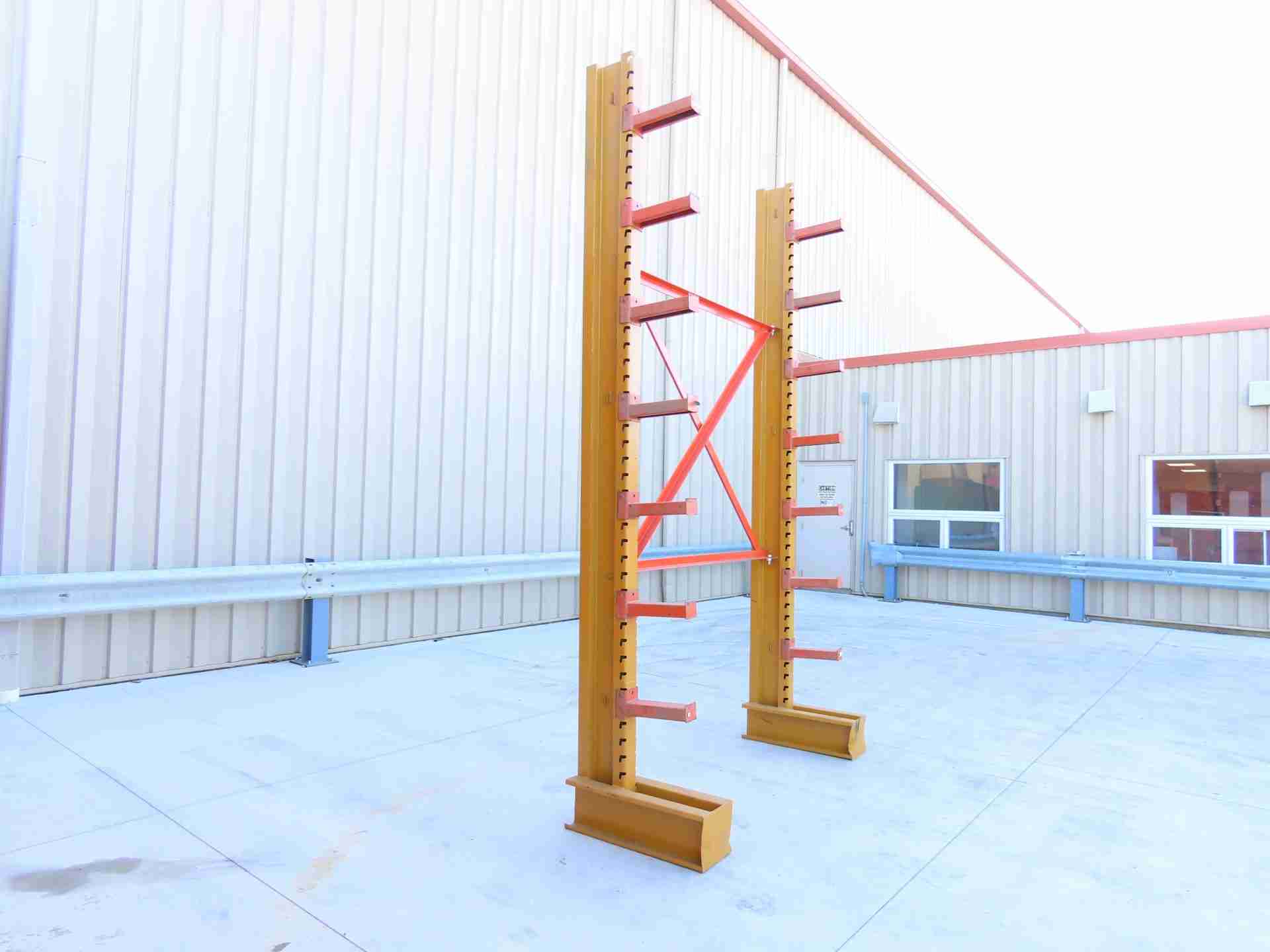
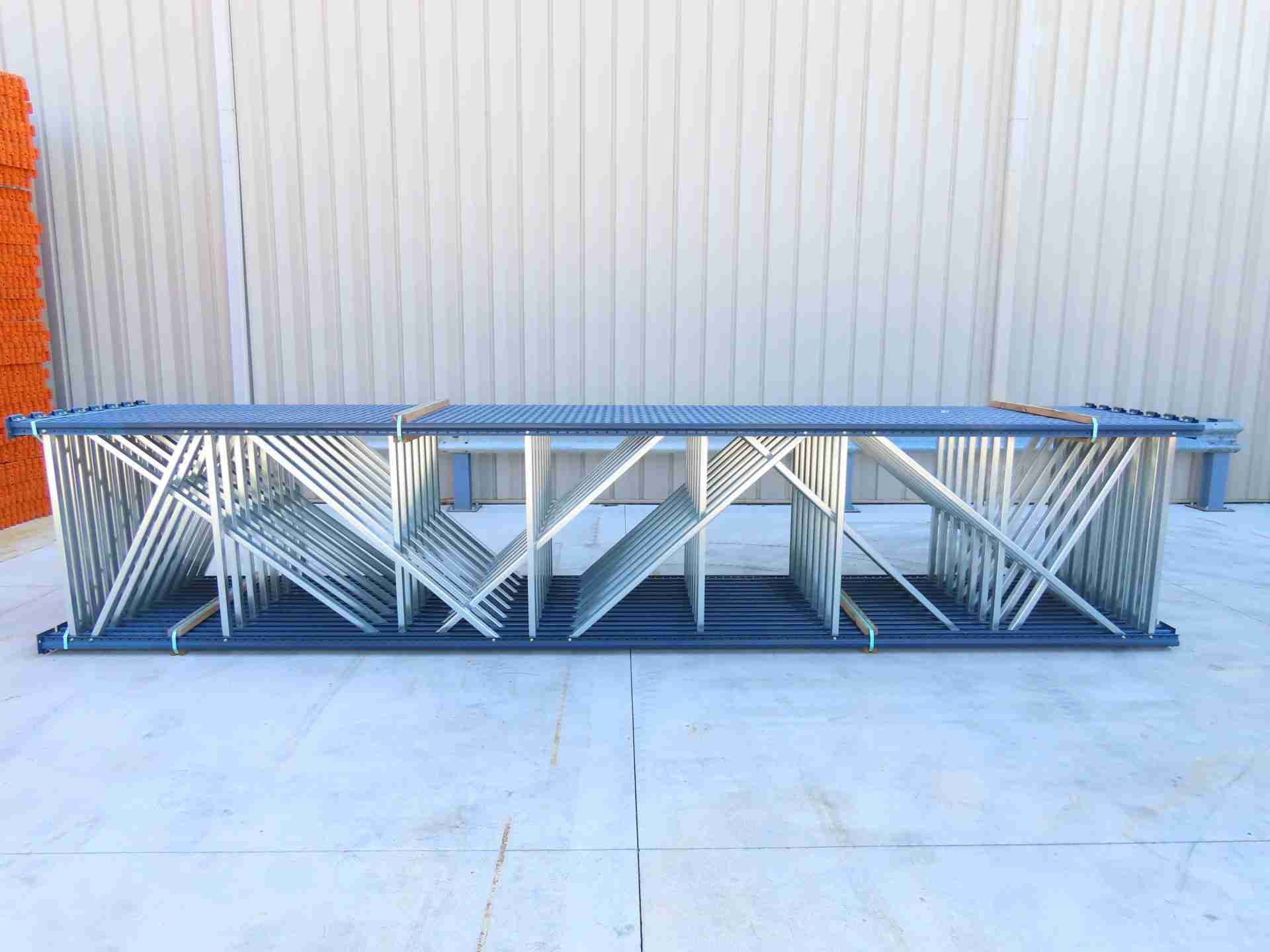
Racking systems can take on many forms, each tailored to meet specific business needs. Whether it’s pallet racks to hold heavy equipment or smaller shelving units for parts and tools, these structures are the backbone of an organized space. Imagine a crew working diligently, knowing that everything they need is right where it should be. That’s not just good management; that’s smart business.
Moreover, as your company expands, so can your storage solutions. The beauty of scalable storage systems is in their adaptability. You can add or modify racking systems as your inventory grows, preventing the stress that comes with a sudden lack of space. It’s a practical way to safeguard your investment and ensure that business doesn’t come to a halt when things start moving fast.
Ultimately, the heart of improved productivity lies in a simple truth: when people feel organized and supported, they work harder and smarter. Investing in scalable storage reflects a company’s commitment to its workforce and its goals. This creates a ripple effect, knitting a tighter bond among colleagues, resulting in a more engaged and productive team. It’s a choice that pays off in more ways than one, shaping not just a workspace, but the very culture of the company.
How Can Scalable Storage Enhance Productivity In Businesses?
How Can Scalable Storage Enhance Productivity In Businesses?
- Robust, scalable storage solutions are essential in today’s fast-paced business environment.
- Organized storage saves time and fosters a thriving work environment for teams.
- Disorganization can hinder motivation and energy among employees.
- Scalable storage enables streamlined operations, allowing faster access to resources.
- Trust and empowerment among employees increase when they can easily access necessary tools.
- Racking systems can be customized to fit specific business needs and inventory levels.
- Investing in scalable storage creates a more engaged team and positively impacts company culture.
How Can Scalable Storage Enhance Productivity In Businesses?
What Ethical Considerations Arise In Storage System Design?
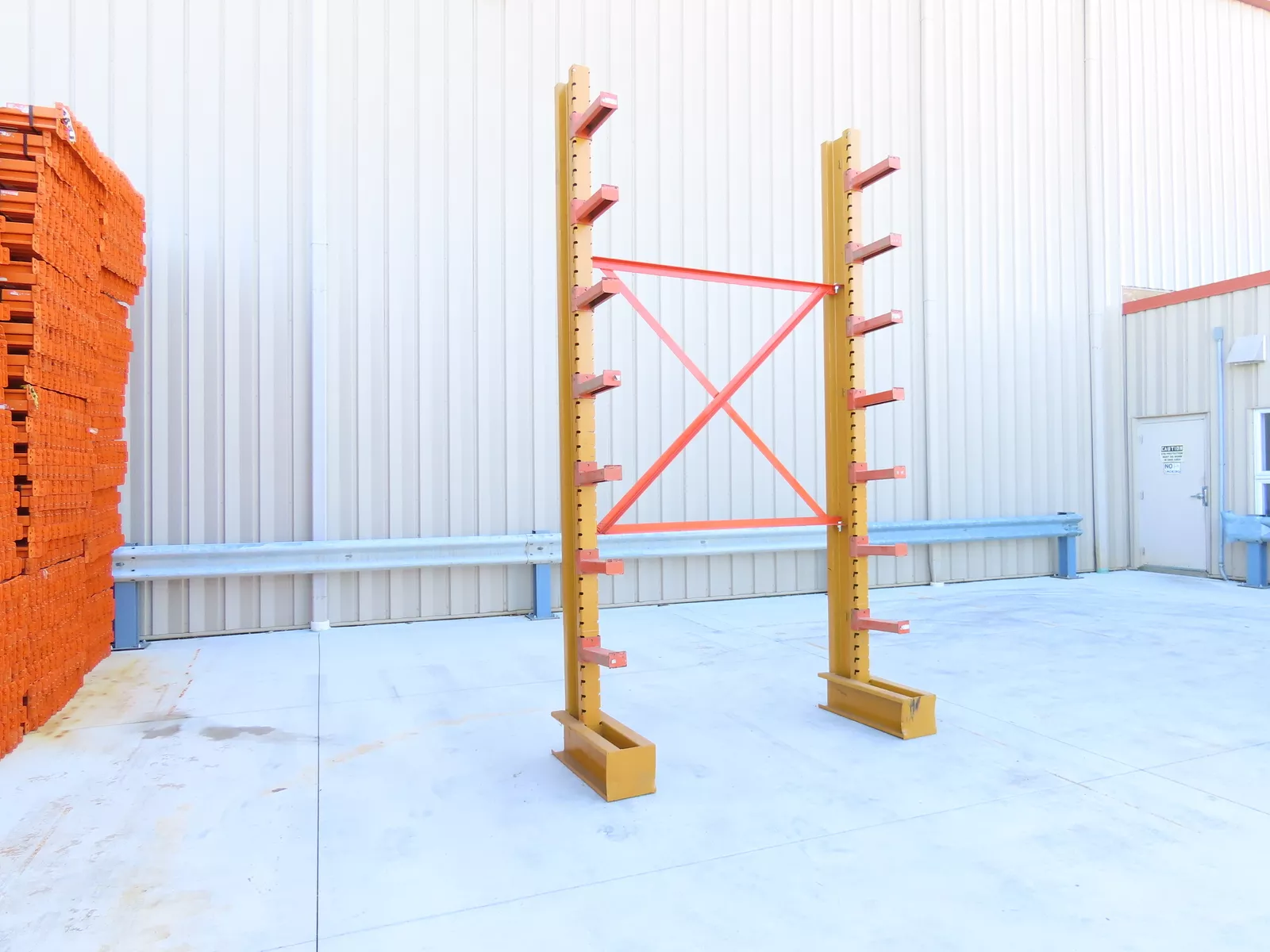
When it comes to storage system design, particularly in warehouses or distribution centers, the heart of the operation lies beyond just the racking systems. It’s about the people behind those systems — the workers relying on them to do their jobs safely and efficiently. A well-thought-out storage layout ensures that we’re not just stacking items high but creating an environment where employees can operate with confidence. This isn’t just common sense; it’s about respect for labor.
Rationally speaking, ethical considerations intertwine with safety protocols. Poorly designed racking systems can lead to accidents, injuries, and even fatalities. By choosing robust and reliable materials, designers bear a moral responsibility. Every crossbeam, every slot should be built with quality that withstands the daily grind of heavy lifting and quick movements. This isn’t just an investment in infrastructure; it’s an investment in human lives and livelihoods.
On a deeper level, there’s a narrative woven into these choices. Imagine a worker, a father or mother, clocking in each day knowing that their workplace has been designed with care, putting their well-being at the forefront. It creates a culture of trust; workers know their employers value safety and ethical standards. That trust translates into higher morale and productivity, fostering a harmonious relationship between management and staff.
The social aspect also plays a role here. Creating an equitable workplace often means ensuring all voices are heard in the design process. How can we improve our storage systems to reflect the needs of those who use them? Incorporating feedback leads to storage solutions that not only meet efficiency standards but also resonate with the daily realities of the workforce.
Moreover, accountability is essential. When companies become more transparent about their storage system design processes, they cultivate a sense of community. Sharing stories about how the team addressed a safety concern or improved a racking system gives everyone a stake in the operation’s success.
Ultimately, good storage system design isn’t just about moving boxes; it’s about lifting spirits, safeguarding lives, and creating a reliable framework that binds the team together. Ethical considerations in design are about acting responsibly, making choices that resonate on all levels — heart, head, and gut. These choices lay a foundation for trust that drives action, inspires commitment, and transforms not just the workplace but also the fabric of the community that supports it.

What Ethical Considerations Arise In Storage System Design?
What Ethical Considerations Arise In Storage System Design?
- Storage system design in warehouses prioritizes worker safety and efficiency, beyond just racking systems.
- Well-thought-out layouts create an environment for employees to operate confidently, reflecting respect for labor.
- Ethical considerations are integral, as poorly designed systems can lead to accidents and injuries.
- Designers have a moral responsibility to use robust materials that ensure safety in heavy lifting scenarios.
- A workplace designed with care fosters trust, leading to higher morale and productivity among employees.
- Incorporating feedback from workers helps create equitable, efficient storage solutions that address their needs.
- Transparency in the design process builds community and accountability, enhancing operation success and employee engagement.
What Ethical Considerations Arise In Storage System Design?
How Do We Balance Functionality and Aesthetics In Storage Solutions?
Balancing functionality and aesthetics in storage solutions comes down to understanding that both aspects are crucial to creating spaces that work for us and reflect who we are. Imagine stepping into a workshop or garage cluttered with mismatched bins and haphazard piles of tools. It feels chaotic, doesn’t it? Now picture that same space transformed with organized racking systems that not only hold everything securely but also add a touch of style. It’s a simple shift that can breathe life back into our workspaces, making them not just functional, but also pleasing to the eye.
When we think about storage, the instinct is often to shove everything into the farthest corner, out of sight. But what if we learned that a well-organized space can actually elevate our mood and productivity? Racking systems are more than just metal or wood; they’re the backbone of a system that provides ease. They embody the belief that we can have our cake and eat it too—meaning we can store that hefty drill set and still have a space that feels inviting.
Let’s not forget the social aspect. A clean, organized space speaks volumes. When friends or family come over, having tidy storage solutions allows us to take pride in our workspaces. It’s like wearing a clean shirt to a gathering; it shows we care. And in a world increasingly saturated with choices, standing out ethically means opting for sustainable materials and practical designs that benefit us without costing the Earth. Choosing ethically made racking systems speaks of values, of respecting resources while simultaneously enhancing the environment we live in.
Stories matter, and every project starts with one. Think of the satisfaction that comes from opening a well-organized cabinet, reaching for the exact tool needed without digging through cumbersome clutter. Not just mere convenience, but a small victory! It’s those victories that put a spring in our step and give us the confidence to tackle the next project.
Ultimately, the journey to balance functionality and aesthetics isn’t just about choosing racking systems; it’s about investing in yourself and your space. The right storage solution doesn’t just hold things; it nurtures creativity, invites calm, and offers a sense of ownership in your surroundings. Embrace the idea that storage can be a conversation piece, working to enhance both your lived experience and the space around you.

How Do We Balance Functionality and Aesthetics In Storage Solutions?
How Do We Balance Functionality and Aesthetics In Storage Solutions?
- Balancing functionality and aesthetics is essential for creating effective and reflective spaces.
- Organized racking systems offer both security and style, transforming chaotic workspaces.
- A well-organized space can elevate mood and productivity, moving beyond mere storage.
- Clean and tidy storage solutions enhance pride during social interactions.
- Choosing sustainable and ethical materials for storage reflects personal values and environmental respect.
- Organized storage provides convenience, serving as small victories that boost confidence.
- The right storage solutions nurture creativity and ownership, enhancing overall lived experiences.

How Do We Balance Functionality and Aesthetics In Storage Solutions?
What Are the Long-Term Cost Benefits Of Effective Storage Systems?
When it comes to running a business, the storage solutions you choose can make or break your operation. Think about it: every foot of space matters. Racking systems can maximize vertical space and allow for better organization. This isn’t just about keeping things tidy; it’s about efficiency. Imagine the lost time spent digging through a cluttered warehouse for that one crucial part. It’s frustrating and downright costly. Each minute wasted is money slipping through your fingers, and an organized system keeps you focused on what really matters—serving your customers.
Now, let’s get to the heart of it. Picture a small business owner pouring their savings into a dream, only to see that dream become a chaotic warehouse filled with disarray. With effective storage systems in place, this owner isn’t just managing space; they’re nurturing their passion. An efficient racking system can help turn that dream into reality. A well-organized environment fosters a sense of pride and ownership. Workers feel valued when they can find what they need without chasing their tails, which leads to increased morale and productivity.
On a rational level, we all know that the upfront costs of investing in storage solutions can be daunting. However, consider the long-term benefits. Effective systems reduce waste, minimize damage to goods, and decrease the likelihood of injuries from cluttered aisles. The numbers tell a compelling story: fewer accidents mean lower insurance claims and happier employees. Not to mention, the enhanced productivity directly contributes to the bottom line.
Ethically, businesses carry the responsibility of creating safe and efficient workplaces. When employers invest in reliable storage systems, they are showing care for their teams. It creates a culture of respect and trust—employees know their safety is valued, and they are more likely to put their best foot forward in return.
From a narrative perspective, think about how success stories often share a common thread: preparation and organization. Companies that excel are ones that have harnessed the power of effective storage solutions. They don’t just operate; they thrive.
Finally, on a social level, being recognized as a well-organized, efficient operation can become a differentiator in a crowded market. Customers trust businesses that appear in control; it creates a sense of reliability. Investing in effective racking systems resonates beyond mere dollars and cents—it’s about fostering trust in products, people, and processes that inspire loyalty and support.

What Are the Long-Term Cost Benefits Of Effective Storage Systems?
What Are the Long-Term Cost Benefits Of Effective Storage Systems?
- Storage solutions are crucial for business efficiency and organization.
- Racking systems optimize vertical space, reducing clutter and saving time.
- Effective storage fosters employee morale and productivity by allowing easy access to needed items.
- Investing in storage systems can lead to long-term benefits like reduced waste and fewer injuries.
- Reliable storage solutions demonstrate a commitment to employee safety and create a culture of respect.
- Successful businesses often leverage effective storage to thrive, rather than just survive.
- A well-organized operation builds customer trust and differentiates a business in the market.

What Are the Long-Term Cost Benefits Of Effective Storage Systems?
How Can Storage Systems Support Sustainable Business Practices?
In the bustling world of business, sustainability often feels like a daunting challenge, but it doesn’t have to be. It’s as simple as looking around at the tools we use every day, particularly our storage systems. Take racking systems, for example. These aren’t just metal structures piled high with products; they’re the backbone of a smarter, greener operation. Picture a warehouse where every inch of space is optimized, where inventory flows seamlessly, and waste is minimized. That’s the heart of sustainability—working smarter, not harder.
Emotionally, we all want to be part of something bigger than ourselves. Knowing that our businesses can play a role in protecting the planet might just be the spark that ignites change. When storage systems are designed to maximize efficiency, they not only reduce costs but also minimize the carbon footprint. Each rack positioned perfectly means less energy wasted and more resources saved. That’s a win for the environment, but it’s also a win for the bottom line. It feels good to know that we’re doing our part while still keeping the lights on.
From a rational standpoint, embracing sustainable storage solutions isn’t merely a feel-good tactic; it’s a business imperative. Companies that invest in efficient racking systems often see a return that encompasses more than just financial gains. Reduced operational costs and enhanced productivity are critical drivers. When you can store more within less space, it cuts down on energy use and labor hours. Cutting waste and increasing efficiency isn’t just good practice—it’s the smart play in an increasingly competitive market.
Ethically speaking, consumers are now more aware than ever of the impact businesses have on the environment. Adopting sustainable practices signals to customers that a company cares about the planet. This ethical stance can foster loyalty, encouraging buyers to choose brands with proven commitments to sustainability. All it takes is a little nudge—like upgrading to modern racking systems that make waste reduction feasible, not just a distant dream.
Stories of businesses transforming their spaces through smart storage systems are popping up everywhere, showcasing the power of community and collaboration. These aren’t just isolated cases; they’re the rising tide that’s lifting sustainability efforts across industries. When businesses come together to share their successes, it builds a sense of social responsibility that resonates deeply within communities.
Ultimately, investing in sustainable storage systems isn’t just about profit—it’s about purpose. It’s about knowing we have the power to create a better world, starting right in our warehouses. Those racking systems are more than just storage; they’re a step toward a future where business and sustainability walk hand in hand.

How Can Storage Systems Support Sustainable Business Practices?
How Can Storage Systems Support Sustainable Business Practices?
- Sustainability in business can be simplified by optimizing everyday tools like storage systems.
- Efficient racking systems enhance space utilization, improve inventory flow, and minimize waste.
- They help reduce costs and carbon footprints, benefiting both the environment and financial performance.
- Investing in sustainable storage solutions yields operational cost savings and boosts productivity.
- Consumers increasingly prefer businesses with sustainable practices, fostering brand loyalty.
- Success stories of businesses utilizing smart storage highlight community collaboration and social responsibility.
- Investing in sustainable storage reflects a commitment to purpose, contributing to a greener future.

How Can Storage Systems Support Sustainable Business Practices?
Conclusion
Designing storage systems that grow with a business is crucial for successful operations. It’s like the backbone of a thriving enterprise; if your storage can’t adapt, it becomes a burden. A well-organized warehouse, filled with effective racking, symbolizes not only the commitment to efficiency but also represents a promise to meet customer demand. Each section of storage isn’t just a space—it’s a motivational tool that enhances workflow and boosts morale, leading to a sense of pride among workers who can easily find what they need. Investing in scalable storage means saving time and money as inventory expands, further underscoring the idea that these systems are investments in future success, rather than mere expenses.
On the emotional side, clutter creates a weighty feeling that can linger, affecting overall well-being. Organizing one’s environment leads to clarity and focus, allowing individuals to feel more in control of their lives. This isn’t just about aesthetics; it’s about creating a home or workplace that nurtures mental health. By fixing disorganization, we also set up a healthy example for the next generation, showing them the importance of living intentionally.
From a productivity standpoint, a well-structured storage system enhances team output. When employees can access tools and materials easily, they feel empowered and trusted, improving overall morale and fostering a culture of support. This translates to a workplace where everyone feels their role is vital, ultimately leading to high productivity.
Ethically, it’s important to consider the safety and well-being of those who use these storage systems. Design should prioritize accessibility and minimize the physical strain on workers. Being transparent about ethical design practices fosters trust and encourages cooperation, reinforcing a sense of community within the workplace.
When merging functionality with aesthetics, organized storage reflects pride and respect for one’s space, contributing positively to the atmosphere. Ethically sourced storage solutions can also enhance a business’s image, promoting environmental responsibility.
Long-term, effective storage systems yield cost benefits through reduced waste and increased safety, proving to be invaluable investments in any business’s future. They build a culture of efficiency, trust, and pride among employees, fostering both personal and business growth.
Integrating sustainability into storage design is more than just a trend; it’s a way to reduce costs, foster loyalty, and promote community engagement. Smart storage solutions reflect a business’s commitment to a better world, using resources wisely while creating effective and inviting workspaces.

Conclusion
Conclusion:
- Organized storage systems are essential for successful business operations and must be adaptable to growth.
- A well-structured warehouse enhances efficiency and reflects a commitment to meeting customer demand.
- Effective storage serves as a motivational tool, improving workflow and employee morale.
- Clutter negatively impacts emotional well-being, while organization fosters clarity, control, and intentional living.
- A well-designed storage system boosts productivity by enabling easy access to tools and materials.
- Safety and ethical considerations in storage design foster trust and community within the workplace.
- Integrating sustainability into storage design reduces costs, promotes loyalty, and reflects social responsibility.

Conclusion
Other Resources

Other Resources
Here is a list of other resources you can review online to learn more:
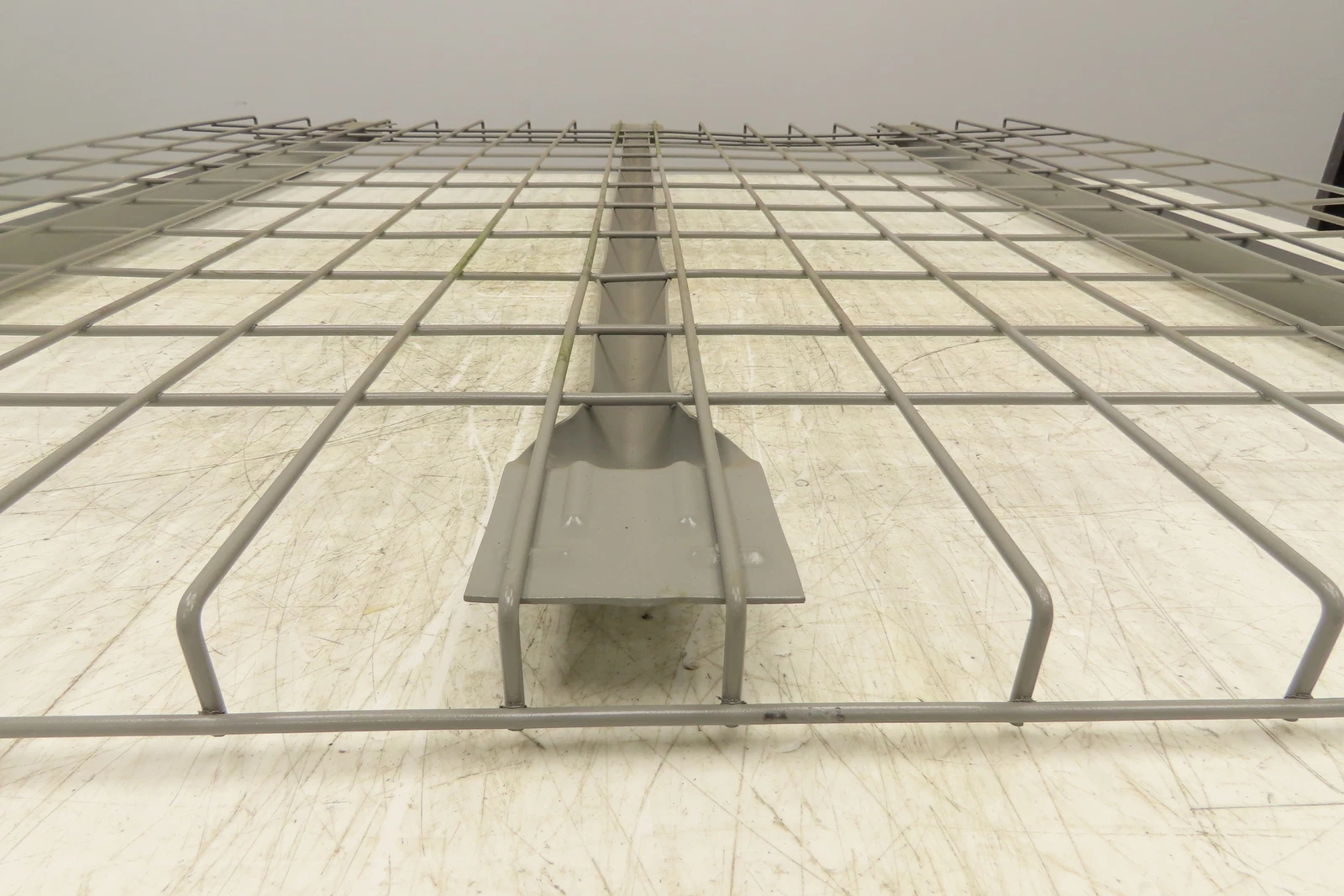
- Heavy-Duty Cantilever Storage Racks
- Warehousing Education and Research Council: https://www.werc.org/
- Pallet Rack Systems – New and Used Pallet Racking and Shelving Experts
- Teardrop Industrial Shelving Rack
- Material Handling Industry
- NSC
- Warehouse Racking System: Powerful Guide to Optimise, 2024
- ASSP
- Iowa Illinois Warehouse Racking
- BMH
- Teardrop Racks – Pallet Rack World
- Overhead Lifting
- Interlake Mecalux
- Illinois Pallet Racking – Storage Solutions
- BMH Equipment LLC
- Chicago Pallet Racking
- Illinois Pallet Racking – WPRP
- Rack Manufacturers Institute
- Storage Equipment Manufacturers Association
- American Surplus
Use This Prompt To Get More Resources With Your Favorite Online AI Tool: Please provide me with a list of online articles with their URLs in a bulleted list that I can read regarding Designing Storage Systems That Scale with Revenue
Other Resources
Glossary Terms
Designing Storage Systems That Scale with Revenue – Glossary Of Terms
1. Scalability: The capability of a storage system to handle growth in data and user demand without performance degradation.
2. Data Redundancy: The duplication of data to ensure reliability and availability in case of failure.
3. Performance: The speed and efficiency with which a storage system processes data requests.
4. Latency: The delay between a request for data and the delivery of that data by the storage system.
5. Throughput: The amount of data processed by a storage system in a given time frame.
6. Load Balancing: The distribution of data storage and retrieval requests across multiple resources to optimize performance.
7. Archiving: The process of moving inactive data to cheaper, long-term storage solutions.
8. Compression: The technique of reducing file size to save storage space and improve performance.
9. Deduplication: The elimination of duplicate copies of data to optimize storage efficiency.
10. Tiered Storage: A storage architecture that categorizes data based on access frequency to optimize cost and performance.
11. Data Migration: The transfer of data from one storage system to another, often during system upgrades.
12. Cloud Storage: A model of data storage where digital data is stored on remote servers accessed via the internet.
13. On-Premises Storage: Storage solutions physically located within an organization’s facilities.
14. Hybrid Storage: A combination of on-premises and cloud storage solutions that leverage the benefits of both.
15. Fault Tolerance: The ability of a storage system to continue operating despite failures in some components.
16. Snapshot: A point-in-time copy of data, used for backup and recovery purposes.
17. Encryption: The process of encoding data to prevent unauthorized access.
18. API (Application Programming Interface): A set of protocols for building and integrating software applications, facilitating storage access.
19. Virtualization: The creation of a virtual version of storage resources, allowing multiple operating systems or applications to run on the same hardware.
20. RAID (Redundant Array of Independent Disks): A data storage technology that combines multiple disk drives for redundancy and performance.
21. Metadata: Data that provides information about other data, aiding in data management and retrieval.
22. Capacity Planning: The process of forecasting future storage needs based on business growth and data trends.
23. Business Continuity: Strategies for maintaining operations and minimizing downtime in the event of a storage failure.
24. Backup: A duplicate copy of data stored separately to prevent loss in case of a hardware failure.
25. Network Attached Storage (NAS): A storage device connected to a network allowing data access for multiple users and devices.
26. Object Storage: A storage architecture that manages data as objects, allowing for scalability and easier access to large data sets.
27. Data Governance: The management of data availability, usability, integrity, and security within an organization.
28. Storage Area Network (SAN): A high-speed network that provides access to consolidated block-level data storage.
29. Operational Efficiency: The effectiveness of a storage system in minimizing costs while maximizing output and performance.
30. Resource Allocation: The process of assigning available storage resources to meet current and future demands efficiently.
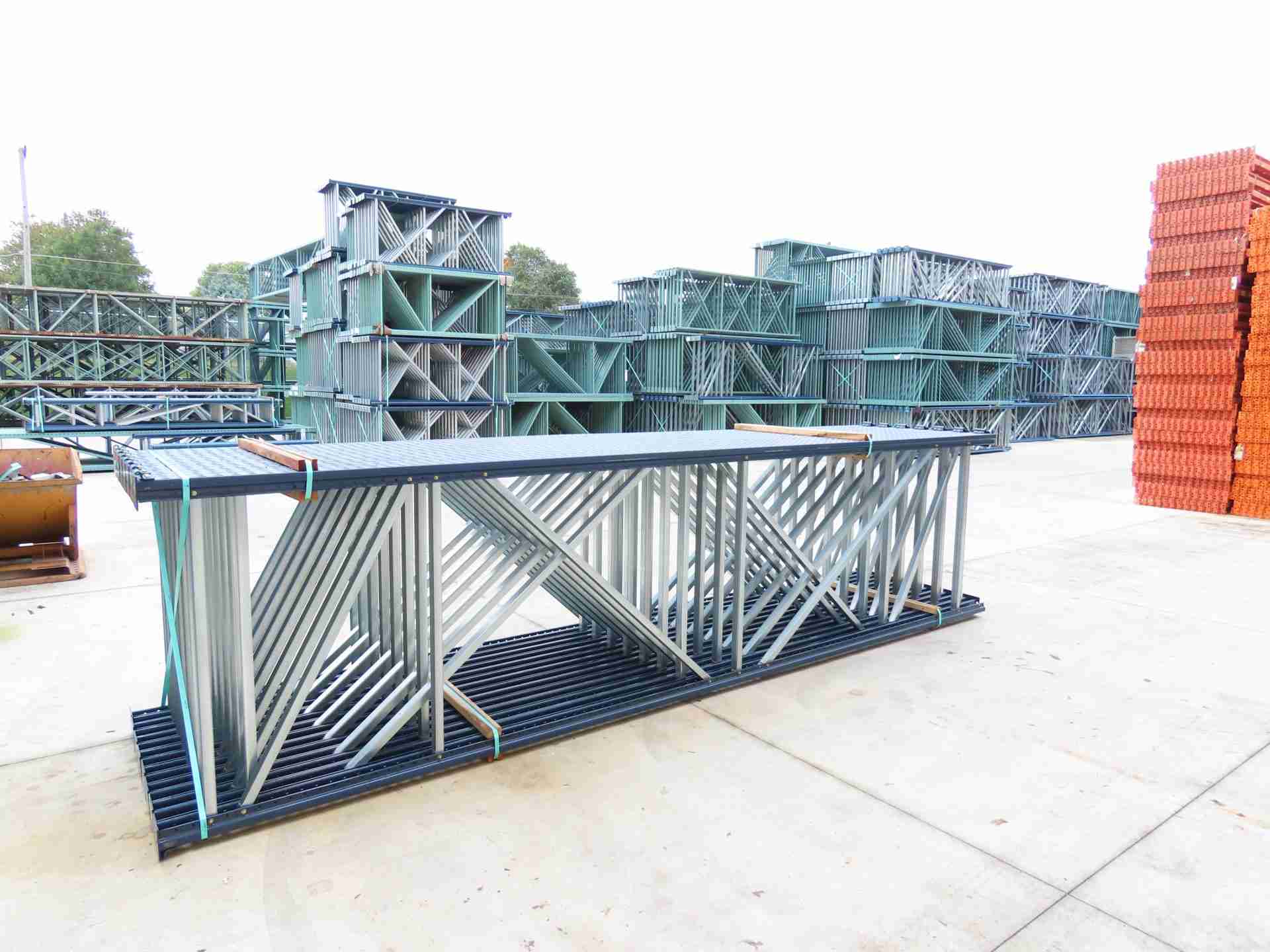
Glossary Of Terms
Other Questions
Designing Storage Systems That Scale with Revenue – Other Questions
If you wish to explore and discover more, consider looking for answers to these questions:
- How do I estimate current and future storage needs based on projected revenue?
- What methods can I use to forecast when to expand storage capacity?
- How do I calculate the ROI and payback period for a racking system investment?
- What key performance indicators (KPIs) should I track to measure storage system effectiveness?
- How do scalable storage solutions integrate with inventory management systems and WMS software?
- Which types of racking (pallet, cantilever, mobile, mezzanine, AS/RS) are best for different product mixes?
- What are the upfront and ongoing costs (installation, maintenance, inspections) for each racking option?
- How can I phase installation or expansions to minimize operational disruption?
- What safety standards, building codes, and industry regulations apply to warehouse racking in my region?
- What load ratings, clearances, and floor reinforcement requirements should I verify before installation?
- How often should racking be inspected and what does a proper inspection checklist include?
- What common failure modes do racking systems experience and how can they be mitigated?
- How do racking choices affect insurance premiums, liability, and compliance risk?
- What ergonomic design features reduce worker strain and improve picking efficiency?
- How can storage layout and slotting strategies improve pick rates and reduce travel time?
- What are best practices for labeling, barcoding, and RFID integration within racking systems?
- How do automation options (conveyors, AGVs, AS/RS) influence racking design and costs?
- When is it more cost-effective to retrofit existing racking versus replacing it with a new system?
- How scalable are modular racking systems and at what point does expansion become inefficient?
- What maintenance routines maximize racking lifespan and reduce the risk of accidents?
- Which materials and manufacturing practices offer the best balance of durability and sustainability?
- Are there tax incentives, grants, or financing options for investing in energy-efficient or sustainable storage?
- How can I quantify the environmental benefits (energy, material savings, carbon reduction) of optimized storage?
- What certifications or sustainability standards should I consider (e.g., for supplier sourcing or facility rating)?
- How do storage decisions impact waste, product damage rates, and return handling costs?
- How should I design storage for seasonal demand, peak periods, or promotional surges?
- What are common supplier selection criteria and how do I evaluate vendor reliability and service offerings?
- What warranty, spare-parts support, and service-level agreements should I require from racking vendors?
- How do I plan for hazardous materials, climate-controlled goods, or other special storage requirements?
- What fire protection, egress, and emergency-access considerations must be integrated into storage design?
- How can I balance functionality and aesthetics in customer-facing or showroom storage areas?
- What measurable impacts on employee morale and retention have organizations seen after improving storage?
- How do improved storage systems translate into measurable productivity gains and reduced labor costs?
- What metrics demonstrate reduced downtime and faster order fulfillment after storage upgrades?
- How do racking and storage choices influence supply chain resilience and lead-time management?
- What are realistic lead times for procurement and installation of different racking systems?
- How do I budget for hidden costs such as floor repair, permit fees, and temporary relocation during installation?
- Should I use in-house installers or certified third-party installers, and how do I evaluate installers?
- How do I train staff and manage change when introducing new storage systems and workflows?
- How can storage systems support circular-economy practices like reuse, remanufacturing, or recycling?
- What are the cybersecurity and IT considerations when connecting storage hardware to WMS and automation?
- How do storage solutions differ for small businesses versus large enterprises, and what are scalable strategies for each?
- What case studies or real-world examples show companies scaling storage in line with revenue growth?
- How do I estimate cost per square foot (or cubic foot) for different racking strategies and compare options?
- What exit or resale value can I expect from racking systems if I relocate or downsize?
- How do international expansions change storage design requirements due to differing codes and supplier markets?
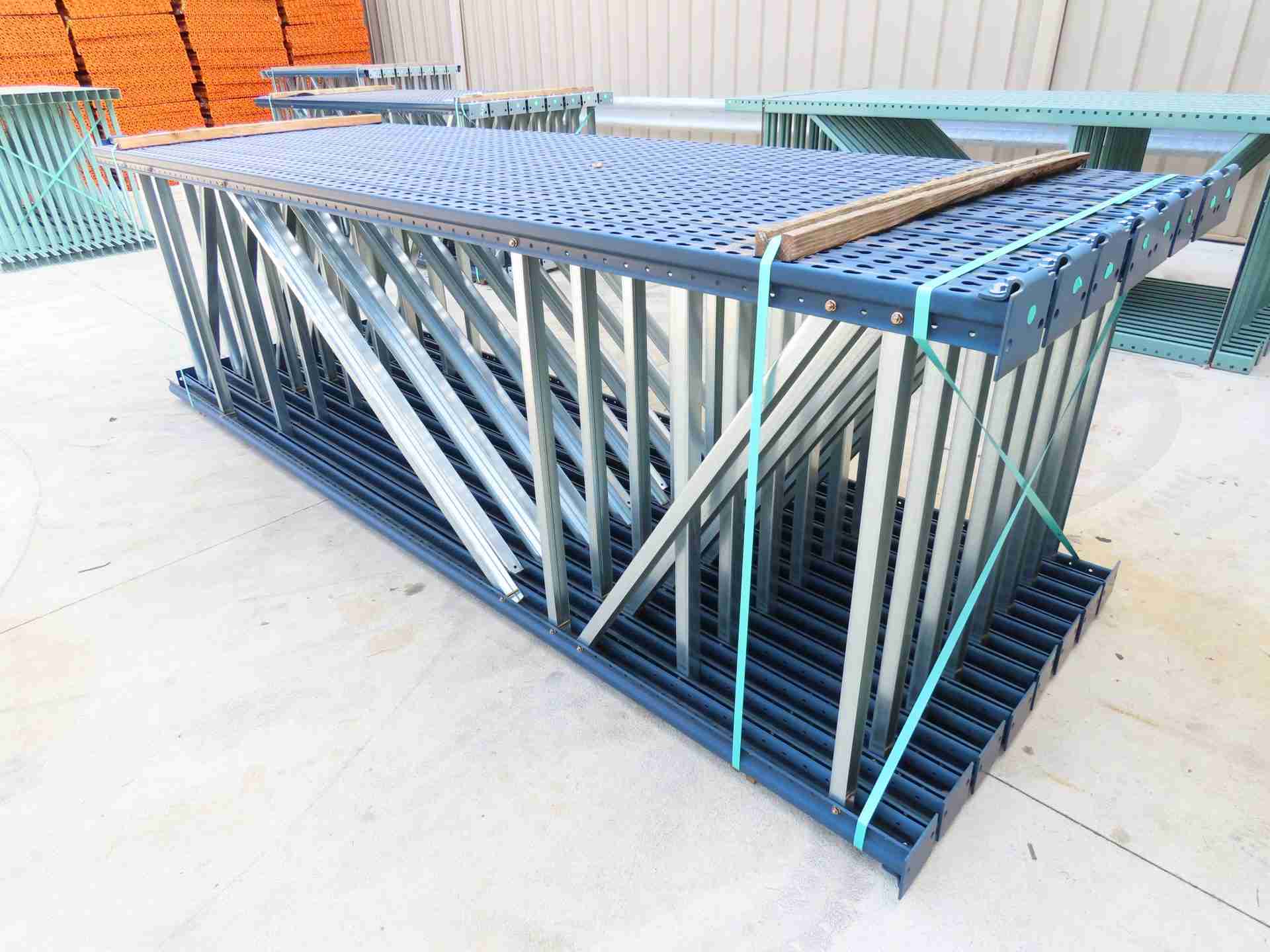
Other Questions
Checklist
Designing Storage Systems That Scale with Revenue – A Checklist
Strategy and Revenue Alignment
✅______ Define revenue milestones that trigger storage expansions or reconfigurations
✅______ Map product and SKU growth projections to space, equipment, and labor needs
✅______ Align storage strategy with service-level targets (fill rate and order cycle time)
✅______ Establish a capacity headroom target (e.g., 15–25%) to absorb demand surges
✅______ Set clear decision rules for when to add bays, levels, or new storage zones
Space and Inventory Assessment
✅______ Audit current space utilization (cube and floor) and identify dead zones
✅______ Segment inventory by velocity (A/B/C) and handling characteristics
✅______ Quantify dead stock and obsolete items for removal or liquidation
✅______ Define maximum safe vertical utilization based on clear height and codes
✅______ Right-size storage media to item dimensions to minimize empty air
System Design and Modularity
✅______ Select modular racking with adjustable beams and add-on bays
✅______ Standardize bay widths, beam heights, and decking to simplify changes
✅______ Reserve expansion points in layout for future aisles or zones
✅______ Use a mix of media (pallet rack, carton flow, shelving, mezzanine) by need
✅______ Design for knock-down, relocation, and reuse of components
Workflow and Accessibility
✅______ Define receiving-to-putaway paths that avoid cross-traffic
✅______ Set aisle widths for lift equipment and pedestrian safety
✅______ Implement clear slotting logic (fast movers closest to pick/pack)
✅______ Establish pick-path sequencing to reduce travel
✅______ Apply standardized bin locations with readable labels and signage
Clutter Reduction and 5S
✅______ Implement 5S (Sort, Set in Order, Shine, Standardize, Sustain)
✅______ Create a red-tag area for disposition of excess or obsolete items
✅______ Schedule routine purge cycles for packaging, returns, and scrap
✅______ Provide dedicated homes for tools, consumables, and MRO supplies
✅______ Maintain clear, obstruction-free egress and work zones
Safety and Ethical Design
✅______ Verify rack load ratings and engineer-of-record documentation
✅______ Conduct formal load calculations for beams, frames, and anchors
✅______ Install rack protection (end-of-aisle, column guards, guides)
✅______ Implement an inspection and repair program with documented intervals
✅______ Involve frontline workers in hazard identification and design feedback
Ergonomics and Morale
✅______ Set ergonomic pick heights (waist-to-shoulder for fast movers)
✅______ Provide lift assists or work-positioners for heavy or awkward items
✅______ Ensure adequate lighting and low-glare work surfaces
✅______ Use visual management boards to share wins and status
✅______ Track morale via quick pulse checks tied to workspace conditions
Aesthetics and Wayfinding
✅______ Use consistent color-coding for zones, racks, and equipment
✅______ Post simple, durable maps at key decision points
✅______ Keep sightlines open to reduce cognitive load and errors
✅______ Standardize label formats (font, size, orientation)
✅______ Maintain a clean, orderly appearance to reinforce pride and trust
Technology and Data
✅______ Integrate WMS or inventory tools with location control
✅______ Enable barcode/RFID for rapid, error-resistant transactions
✅______ Track core KPIs (dock-to-stock, pick rate, accuracy, damage rate)
✅______ Monitor space utilization and cube yield by zone
✅______ Use data to trigger proactive re-slotting and layout tweaks
Cost and ROI
✅______ Build a total cost of ownership model (CapEx, installation, maintenance)
✅______ Quantify time savings and labor productivity impacts
✅______ Estimate damage and injury reduction benefits
✅______ Compare lease vs. buy and phased investment options
✅______ Set payback and IRR thresholds for expansions
Sustainability
✅______ Optimize cube to reduce building footprint and energy use
✅______ Select durable, repairable, and recyclable rack components
✅______ Implement LED lighting and, where possible, daylighting
✅______ Reuse packaging and standardize right-sized cartons or totes
✅______ Track waste diversion and energy intensity per order
Change Management and Training
✅______ Create a simple playbook for new processes and locations
✅______ Train teams on safe use, inspections, and housekeeping
✅______ Pilot changes in a contained area before scaling
✅______ Communicate the “why” and celebrate quick wins
✅______ Establish a feedback loop for continuous improvements
Maintenance and Continuous Improvement
✅______ Schedule preventive maintenance for racks and equipment
✅______ Conduct quarterly audits for layout drift and clutter
✅______ Revisit slotting with seasonality and new product introductions
✅______ Keep a spare-parts kit for rack repairs and labels/signage
✅______ Review KPIs monthly and adjust targets as you scale
Risk and Compliance
✅______ Confirm permitting and seismic/wind compliance as applicable
✅______ Maintain updated egress, fire protection, and clearances
✅______ Document training, inspections, and corrective actions
✅______ Ensure vendor certifications and warranties are on file
✅______ Prepare surge and contingency plans for peak periods
Customer and Brand Impact
✅______ Link storage improvements to order accuracy and lead-time goals
✅______ Use tidy, professional spaces to build visitor and partner confidence
✅______ Capture before/after stories to reinforce culture and values
✅______ Align packaging and staging with brand standards
✅______ Share performance gains internally to sustain momentum
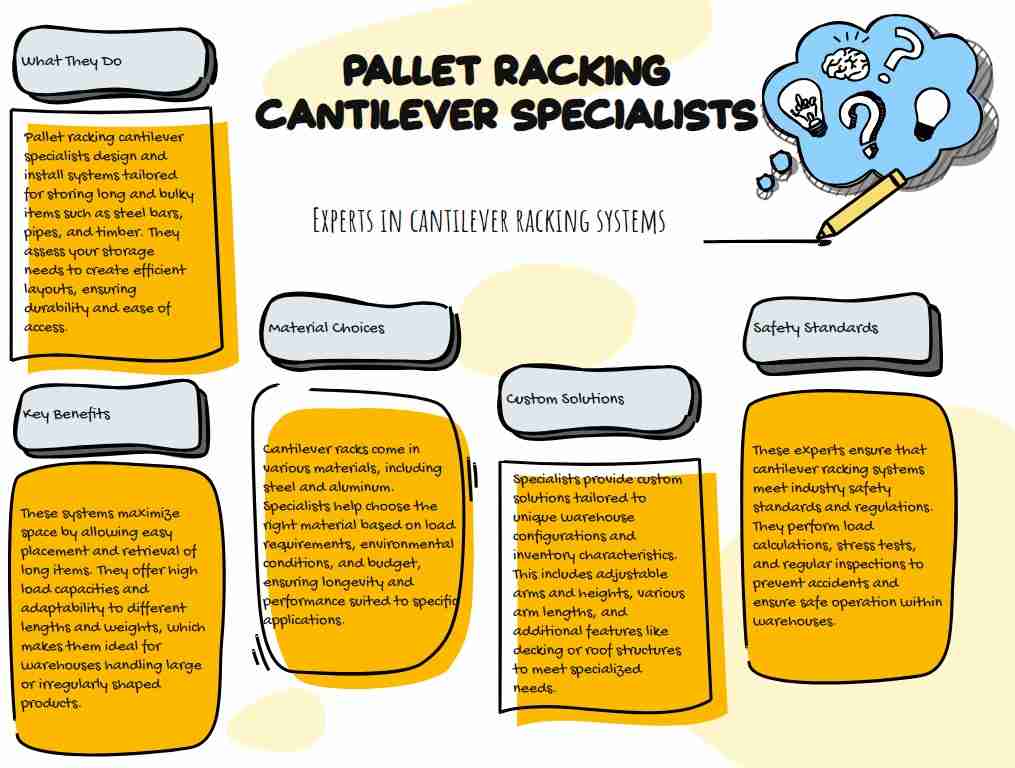
Checklist
At RackingWorld, we help guide you through selecting warehouse storage systems and racking.
Be sure to read our other related stories at RackingWorld to learn more about warehouse storage systems.
0 Comments