
Creating Transparent Systems For Trust And Accountability
By Tom Seest
At RackingWorld, we help guide you through selecting warehouse storage systems and racking.
Be sure to read our other related stories at RackingWorld to learn more about warehouse storage systems.
Designing Storage for Traceability
In the world of warehouses and distribution centers, traceability isn’t just a fancy buzzword; it’s the backbone of operations. When goods flow through racking systems, having a system in place that allows you to track each item’s journey is not just smart—it’s essential. Picture this: you’ve got a row of racking systems filled to the brim, each shelf packed with products waiting to move out the door. One day, a customer calls in with a concern about a defective item. You want to help, but can you trace that product back to its origins? This is where thoughtful design comes in.
The heart of effective traceability lies in the structure of your storage. Good racking systems must not only be built for holding weight but also for holding information. Each label, barcode, or RFID tag tells a story; it’s not just about where an item is, but where it’s been. A well-planned layout lets you navigate through complexities with ease, offering clear visibility into inventory levels, locations, and history. It’s the kind of clarity that cultivates trust—both between you and your product and between you and your customers.
Let’s be real: when a warehouse runs smoothly, it reflects on the people who work there. This isn’t just about aesthetics; it’s about creating an environment where every worker knows their role in the bigger picture, contributing to a system that’s reliable and efficient. When your team feels confident in the traceability of items, they can advocate for the quality of what they’re moving. There’s a sense of pride in knowing that each person, whether they’re stocking shelves or managing the inventory, is playing a pivotal role in the supply chain.
The value of traceability goes beyond functionality. It’s about ethics and accountability. Customers today are asking questions—they want to know where their products come from and how they’re handled. By designing storage solutions that emphasize traceability, you’re not just playing it smart; you’re signaling that you stand behind your products.
Investing in effective storage design isn’t just a logistical decision; it’s a commitment to integrity, efficiency, and ultimately, the customer experience. So, ensure your racking systems are set up not only to support the weight of your inventory but also to carry the weight of your promises.

Designing Storage for Traceability
Designing Storage for Traceability
- Traceability is essential in warehouse operations, allowing tracking of each item’s journey.
- Effective storage design incorporates systems for holding both goods and information.
- Labels, barcodes, and RFID tags provide visibility into inventory history and locations.
- A smooth-running warehouse enhances employee confidence and pride in their roles.
- Traceability reflects a commitment to ethics and accountability in product handling.
- Customers demand transparency about product origins and handling practices.
- Investing in storage design supports both operational efficiency and customer experience.
Designing Storage for Traceability
Table Of Contents
- Designing Storage for Traceability
- Why Is Traceability Essential for My Storage Solutions?
- How Can I Enhance Product Safety In Storage?
- What Are the Key Regulations Affecting Traceability?
- How Can Better Storage Improve My Business Operations?
- What Emotional Impacts Arise From Inadequate Traceability?
- Are My Storage Systems Prepared for Recalls?
- Conclusion
- Other Resources
- Glossary Of Terms
- Other Questions
- Checklist
Why Is Traceability Essential for My Storage Solutions?
In the heart of every warehouse or storage facility, there’s a real, tangible rhythm to the work. You’ve got racking systems that reach toward the ceiling, filled with inventory that keeps businesses running. But without traceability, that rhythm can quickly turn into chaos. Think about it: you pull a part from your racking system, and suddenly you can’t remember where it came from or how many you have left. Panic sets in. It’s not just about losing track of items; it’s about disrupting the flow of work that drives profits and builds trust with customers.
Traceability helps to keep your operations smooth; it’s like a well-oiled machine. When you implement solid systems that allow you to track items from the moment they enter your racking systems to the moment they leave, you gain peace of mind. You know where everything is, so when a client calls with a question, you’ve got the information at your fingertips. This builds confidence, not just in your systems but in the very essence of your business. Employees feel empowered when they can quickly find what’s needed, doing their jobs better and feeling valued in return.
On another level, accurate traceability fosters an ethical work environment. It means accountability. If something goes wrong, you can easily pinpoint the issue and address it without finger-pointing and confusion. By owning up to mistakes and learning from them, you’re nurturing a culture of trust. This isn’t just good for business; it’s good for the people who work for you. They’re more likely to stick around when they see that their employer values transparency and integrity.
Let’s not forget the narrative that traceability builds. Every time you scan an item, you’re telling a story of efficiency and reliability. Customers love knowing their products are managed well, and that story transforms into loyalty. Being reliable becomes part of your brand’s identity.
Lastly, consider the social implications. When your systems are in order, it doesn’t just impact your business; it affects the whole community. Local suppliers and customers depend on you. Your commitment to traceability ensures that everyone in the supply chain can trust that they’ll get what they need when they need it. It’s about building those connections—showing that you care about quality, efficiency, and the people you serve.
Traceability isn’t just a checkbox to tick off; it’s a foundation that supports everything you do. It strengthens your operations, empowers your team, and creates lasting relationships with your customers. A solid traceability system makes sure you’re not just following trends, but setting standards in reliability and trustworthiness in the industry.
Why Is Traceability Essential for My Storage Solutions?
Why Is Traceability Essential for My Storage Solutions?
- Warehouse operations rely on effective racking systems filled with inventory.
- Traceability prevents chaos and maintains workflow, directly affecting profits and customer trust.
- A solid traceability system increases efficiency and provides quick access to information for clients.
- Accurate traceability fosters accountability and an ethical work environment.
- Transparency and integrity in operations enhance employee retention and job satisfaction.
- Traceability builds a narrative of reliability that strengthens customer loyalty.
- Commitment to traceability positively impacts the entire community and supply chain relationships.
Why Is Traceability Essential for My Storage Solutions?
How Can I Enhance Product Safety In Storage?
When it comes to enhancing product safety in storage, it’s more than just rules and regulations; it taps right into the heart of doing the job right for the people who rely on you. Picture this: you’re at a warehouse where everything is stacked high, the racking systems seeming like a game of Jenga. One miss step, and things can come crashing down. Making sure those products are stored safely isn’t just about avoiding a mess; it’s about protecting your team and anyone who might venture near those shelves.
First off, let’s talk about racking systems. These frameworks are the backbone of your storage space. Investing in high-quality, sturdy racking systems means that you’re not just cutting costs; you’re ensuring that every box, pallet, and container is secure. Think of it as setting a solid foundation for your house. A well-structured racking system keeps everything organized and minimizes the chances of accidents. Disorganization breeds chaos, and chaos breeds danger.
Now, on the rational side, regular inspections of those racking systems can save time and money in the long run. A small crack in a beam today could lead to a serious failure tomorrow. By staying ahead of the game with routine checks, you’re taking a logical step that protects not just your inventory but also your reputation. No one wants to be known as the company that cuts corners.
As you dig deeper into safety, remember the ethical side of things. You owe it to your employees—and their families—to cultivate an environment where safety is prioritized. When your team knows you’re looking out for them, it builds morale and instills loyalty. Communication is key; involve everyone in the conversation about safety practices. When workers feel like their voices matter, it fosters a sense of community.
Moreover, sharing stories of near-misses or success with safety can make it relatable. It’s not just policies on paper; these are real situations that can profoundly affect lives. Tie in personal anecdotes of how implementing safety measures changed the game for your team.
Finally, let’s not forget social responsibility. When your operation shines in safety, it sends a clear message to clients and the broader community that you’re committed to doing things the right way. You’re not just storing products; you’re setting a standard. It’s about pride in the work you do and the environment you create, ensuring that when customers come to your door, they feel confident leaving their products in your care.

How Can I Enhance Product Safety In Storage?
How Can I Enhance Product Safety In Storage?
- Enhancing product safety is vital for protecting both team members and visitors in storage environments.
- Sturdy racking systems are essential for secure storage and organizational integrity.
- Regular inspections of racking systems can prevent serious failures and save costs in the long run.
- Establishing a safety-focused culture improves employee morale and loyalty.
- Open communication about safety practices fosters a sense of community among workers.
- Sharing personal safety stories makes safety protocols more relatable and impactful.
- Demonstrating commitment to safety enhances company reputation and client trust in operations.
How Can I Enhance Product Safety In Storage?
What Are the Key Regulations Affecting Traceability?
In an industry where every bolt and beam counts, regulations surrounding traceability aren’t just rules; they’re lifelines for safety and integrity. They ensure that when you pull a part from a rack, whether it’s a piece of machinery or a construction component, you can trace its history back to its origins. Think about it: a racking system that holds an entire assembly line in place is only as strong as the credibility of its components. Without traceability, you’re just placing your faith in luck.
At the heart of these regulations sits the commitment to quality. Take the automotive industry, for instance. When a manufacturer recalls a vehicle because of a faulty part, it’s a direct response to traceability protocols that track every component back to its source. This isn’t merely about compliance; it’s about protecting lives. Knowing where that part came from, how it was made, and who was responsible for its quality creates a bond of trust between manufacturers and consumers.
Rationally, regulations like ISO 9001 or the FDA’s requirements for critical infrastructure keep the wheels turning smoothly. They push companies to maintain meticulous records, ensuring that if something goes awry, the issue can be pinpointed and resolved quickly. This systematic approach not only protects consumers but also saves businesses from costly lawsuits and reputational damage. A solid traceability process strengthens the bottom line while fostering an ethical obligation to do right by one’s customers.
From a narrative perspective, every product has a story woven into its existence. Imagine a steel beam, forged in a hot mill, passing through various stages of hands, transporting it from a factory to a construction site. Regulations help tell that story, providing transparency and reassurance. When a tradesperson installs that beam, they’re not just putting a piece of metal in place; they’re ensuring safety for countless workers who will stand under it.
Socially, consumers today demand accountability. They want brands that stand by their products, and regulations around traceability make this possible. When a company showcases its adherence to these rules, it builds trust, a rare commodity in today’s market. By fostering a culture that celebrates compliance, businesses can inspire confidence among their clientele.
In an era where the stakes are high, embracing these key regulations isn’t just a checkbox; it’s a testament to a company’s integrity and professionalism. It’s a handshake agreement with every consumer, promising that the products they use and rely on are not just strong but also anchored in trustworthiness and safety.
What Are the Key Regulations Affecting Traceability?
What Are the Key Regulations Affecting Traceability?
- Regulations on traceability are essential for safety and integrity in industries relying on components.
- Traceability allows identification of a part’s history, ensuring reliability and accountability.
- Traceability protocols, as seen in the automotive industry, enhance consumer trust and safety.
- Compliance with standards like ISO 9001 helps maintain meticulous records for quick issue resolution.
- A strong traceability process mitigates risk of lawsuits and protects company reputation.
- Regulations provide transparency about a product’s journey, reinforcing safety during installation.
- Adherence to traceability builds brand trust, crucial in a consumer-driven market.
What Are the Key Regulations Affecting Traceability?
How Can Better Storage Improve My Business Operations?
Effective storage solutions are the backbone of any thriving business. Imagine walking into a warehouse where every racking system is custom-fitted to your needs. Products are neatly organized, easily accessible, and there’s a place for everything. It’s not just a matter of aesthetics; it’s about creating a flow that empowers your team. When employees don’t spend precious hours searching for items, they can focus on what truly matters—providing excellent service and driving productivity.
Investing in better storage doesn’t just organize your space; it’s a strategic move that impacts your bottom line. Consider the cost of inefficiency. Every minute wasted searching for misplaced inventory is money slipping through your fingers. A robust racking system can streamline operations, reducing labor costs and inventory errors. You’re not only saving time; you’re improving the accuracy of your orders, which keeps customers happy and returning for more.
But let’s not overlook the ethical side of things. A well-organized facility is a safer facility. When things are stored properly, hazards are minimized. You’re taking responsibility for the well-being of your team. That can’t be overstated. Employees feel valued when they work in an environment where their safety is prioritized, leading to higher morale and lower turnover rates. A racking system that ensures safety while maximizing space fosters a workplace culture grounded in respect and care.
Think of the stories you hear around the water cooler—the tales of long hours spent battling a cluttered workspace or the triumph of finding the last piece of inventory just in the nick of time. By investing in smart storage solutions, you shift those narratives. Instead of frustrations, your team shares successes. They talk about how they tackled challenges together, all thanks to a tidy and efficient environment.
Finally, there’s a social aspect to this. Customers notice when their orders are fulfilled accurately and promptly. Word gets around, and a reputation for reliability strengthens your brand. When people see how you operate behind the scenes with effective storage, it builds trust. They know that you’re committed to quality and efficiency, and that inspires them to choose your business over others.
In short, better storage isn’t just an operational upgrade; it’s a commitment to quality, safety, and reliability that resonates with everyone involved, from employees to customers. Investing in an efficient racking system is investing in your business’s future.

How Can Better Storage Improve My Business Operations?
How Can Better Storage Improve My Business Operations?
- Effective storage solutions enhance organization and accessibility in warehouses.
- Improved storage increases employee productivity by reducing time spent searching for items.
- Investment in storage systems can significantly impact financial performance by reducing inefficiencies.
- A well-organized facility minimizes hazards, promoting workplace safety and employee morale.
- Smart storage reduces inventory errors, ensuring customer satisfaction and repeat business.
- Reliable fulfillment boosts brand reputation and builds customer trust.
- Overall, investing in storage systems reflects a commitment to quality, safety, and operational excellence.
How Can Better Storage Improve My Business Operations?
What Emotional Impacts Arise From Inadequate Traceability?
When we think about inadequate traceability, it’s easy to get lost in the numbers and processes. But let’s peel back the layers and consider the emotional weight it carries for folks on the ground. Picture this: a warehouse full of Racking Systems teeming with products but lacking the means to track their journey. Imagine the stress bubbling up in the team; one misplaced item could derail production, leaving workers scrambling and wondering if their hard work will amount to nothing.
It starts with anxiety—employees feel the sting of uncertainty when they can’t locate a critical component. They’re driven by a sense of pride in their work, wanting to ensure everything runs smoothly. When that traceability chain breaks, it’s not just a logistical issue; it’s a gut punch to their sense of accomplishment. Workers might think, “Did I miss something? Am I to blame?” This emotional turmoil can simmer into disenchantment and disengagement, undermining the teamwork that’s so vital for success.
From a rational standpoint, consider the broader implications. Inadequate traceability can lead to costly mistakes and inefficiencies. Money goes down the drain when losses accumulate from misplaced products or delayed shipments. But beyond the numbers, there’s a human cost. Families depend on these jobs; livelihood hangs in the balance. When businesses overlook the importance of traceability, they aren’t just cutting corners—they’re risking people’s hopes and dreams.
The ethical implications are equally significant. Businesses thrive on trust—trust between the company and its employees, between suppliers and customers. When traceability falters, that trust erodes. Imagine a customer waiting for a much-anticipated delivery, only to discover it’s lost in the shuffle, all because of inadequate tracking. Frustration sets in, and suddenly the connection that was there turns into skepticism.
Stories of real people losing their jobs because a company skimped on proper systems are all too familiar. They serve as a stark reminder that traceability doesn’t just protect assets; it safeguards destinies. Each link in the supply chain contributes to a larger narrative—one that connects aspirations to realities. Ensuring proper traceability fosters accountability, builds trust within teams, and resonates across the entire industry. It’s a call to action for businesses to invest in their systems and, ultimately, in their people. When you invest in traceability, you’re not merely ticking a box; you’re fortifying the backbone of every operation and preserving the hope that comes with a job well done.
What Emotional Impacts Arise From Inadequate Traceability?
What Emotional Impacts Arise From Inadequate Traceability?
- Inadequate traceability creates emotional stress for employees, leading to anxiety and uncertainty.
- A lack of tracking can disrupt production and diminish workers’ sense of accomplishment.
- Issues with traceability result in costly mistakes and inefficiencies for businesses.
- The human cost of poor systems affects employees and their families, impacting livelihoods.
- Eroding trust occurs between companies and employees, as well as between suppliers and customers.
- The consequences of inadequate traceability can lead to job losses, emphasizing its importance.
- Investing in traceability strengthens operations and preserves employee morale and hope.

What Emotional Impacts Arise From Inadequate Traceability?
Are My Storage Systems Prepared for Recalls?
When it comes to storage systems, think about the last time you faced a crisis. A product recall can hit hard, not just for your bottom line, but for your reputation and trustworthiness. You want to ensure your racking systems are ready and reliable, prepared for any fallout that might come your way. The reality is, neglecting this crucial area can lead to chaos that could have been avoided with some foresight and preparation.
Picture this: you receive word that a product you’ve stored is under scrutiny. Panic sets in. You start scrambling through your inventory, hoping your racking systems haven’t turned into a tangled mess of boxes and confusion. But what if you had organized your warehouse with recaps in mind? A solid plan means even in the toughest times, you can confidently pull data, track items, and ensure everything is where it needs to be. It’s about more than physical storage; it’s about knowing your product history and having the peace of mind that, come what may, you’re ready.
Having trust in your storage systems isn’t just a business requirement; it’s an ethical commitment to your customers. They rely on you to keep their purchases safe and secure. If a recall hits, they expect you to act responsibly and swiftly. A well-structured racking system allows you to manage inventory efficiently, reducing the risk of errors and delays. Customers appreciate transparency, and when they see you handling recalls with ease, it fosters a sense of loyalty. You’re not just a supplier; you’re a partner in their experience.
Let’s look at the human aspect. You’ve built your business from the ground up, working day and night to provide for your family and community. The thought of letting down your loyal customers or, worse, jeopardizing someone’s safety should cut to the core. Investing in your racking systems is an investment in the people who trust you. It’s about protecting what you’ve built, fostering relationships that matter, and showcasing that you stand by your products.
In a world that often feels chaotic, having your storage systems prepared for recalls is a step towards steady ground. It instills a sense of confidence, enabling you to face challenges head-on and assuring your team that they can rely on their leadership. Don’t wait for a recall to take action. Strengthen your racking systems today—your future self and your customers will thank you.
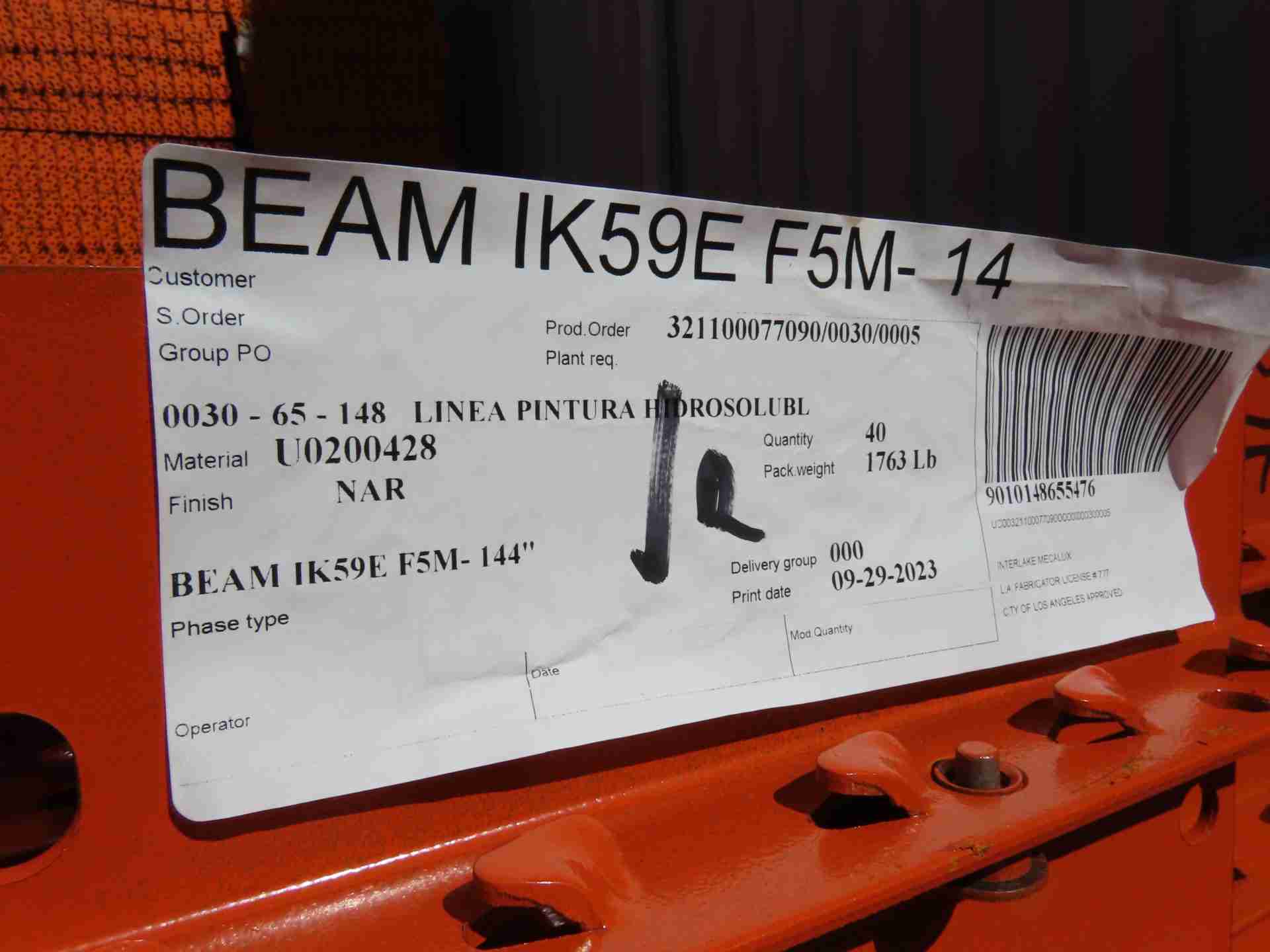
Are My Storage Systems Prepared for Recalls?
Are My Storage Systems Prepared for Recalls?
- Product recalls can significantly impact both finances and reputation.
- Prepared and reliable racking systems can mitigate chaotic situations during emergencies.
- Organized warehouses facilitate easy tracking and retrieval of inventory during crises.
- Trust in storage systems is an ethical obligation to customers, ensuring their purchases are safe.
- Efficient inventory management through structured systems reduces errors and delays.
- Investing in racking systems supports customer relationships and business integrity.
- Proactive preparation strengthens confidence and leadership within the organization.

Are My Storage Systems Prepared for Recalls?
Conclusion
In the realm of warehouses and distribution centers, traceability serves as the crucial framework ensuring that operations run smoothly and effectively. It’s more than just a process; it’s integral to trust and accountability. Each item in a racking system carries a story that begins from its origin to its final destination. This system doesn’t just track products; it tracks the commitment to quality and service. Employees working under effective traceability systems feel empowered, knowing they play vital roles in maintaining operational excellence. Their confidence in identifying and managing inventory translates into a stronger bond with customers, who appreciate knowing where their products come from.
A well-designed storage solution not only enhances efficiency but cultivates an ethical responsibility within the workforce. It promotes a culture of accountability where issues can be swiftly identified and solved, fostering a supportive environment from the floor to management. As mistakes are openly addressed, trust within teams grows, reinforcing employee morale and loyalty.
The narrative surrounding traceability is one of reliability. Each scanned item reinforces a company’s dedication to meticulous standards, which resonates deeply with customers seeking trustworthy brands. As they witness the tangible outcomes of effective storage, loyalty is built, benefiting both the business and its clientele. Socially, robust traceability frameworks help local suppliers and communities thrive, further embedding the warehouse into the fabric of the neighborhood.
On another front, considering product safety is essential for any storage system. Adequately preparing for product recalls not only mitigates risk but also protects the reputation of the business. When products are stored with safety and order, it demonstrates respect for employees and customers alike. It reflects a commitment to sound practices, enhancing workplace morale and safety. Employees work better in environments where organization and responsibility shine, positively affecting retention. The stories of team triumphs rooted in well-organized systems cultivate a culture of success.
Finally, inadequate traceability can lead to emotional distress among workers, creating anxiety and disengagement as they grapple with uncertainty and inefficiency. It’s vital to recognize the human aspect; poor systems can derail lives, disrupt trust, and diminish the joy of work. Embracing effective storage practices ultimately transforms operations into dependable environments where quality and integrity are paramount. Investing in these systems isn’t merely logistical; it’s a heartfelt commitment to the people involved, ensuring that everyone, from employees to customers, feels valued and secure.
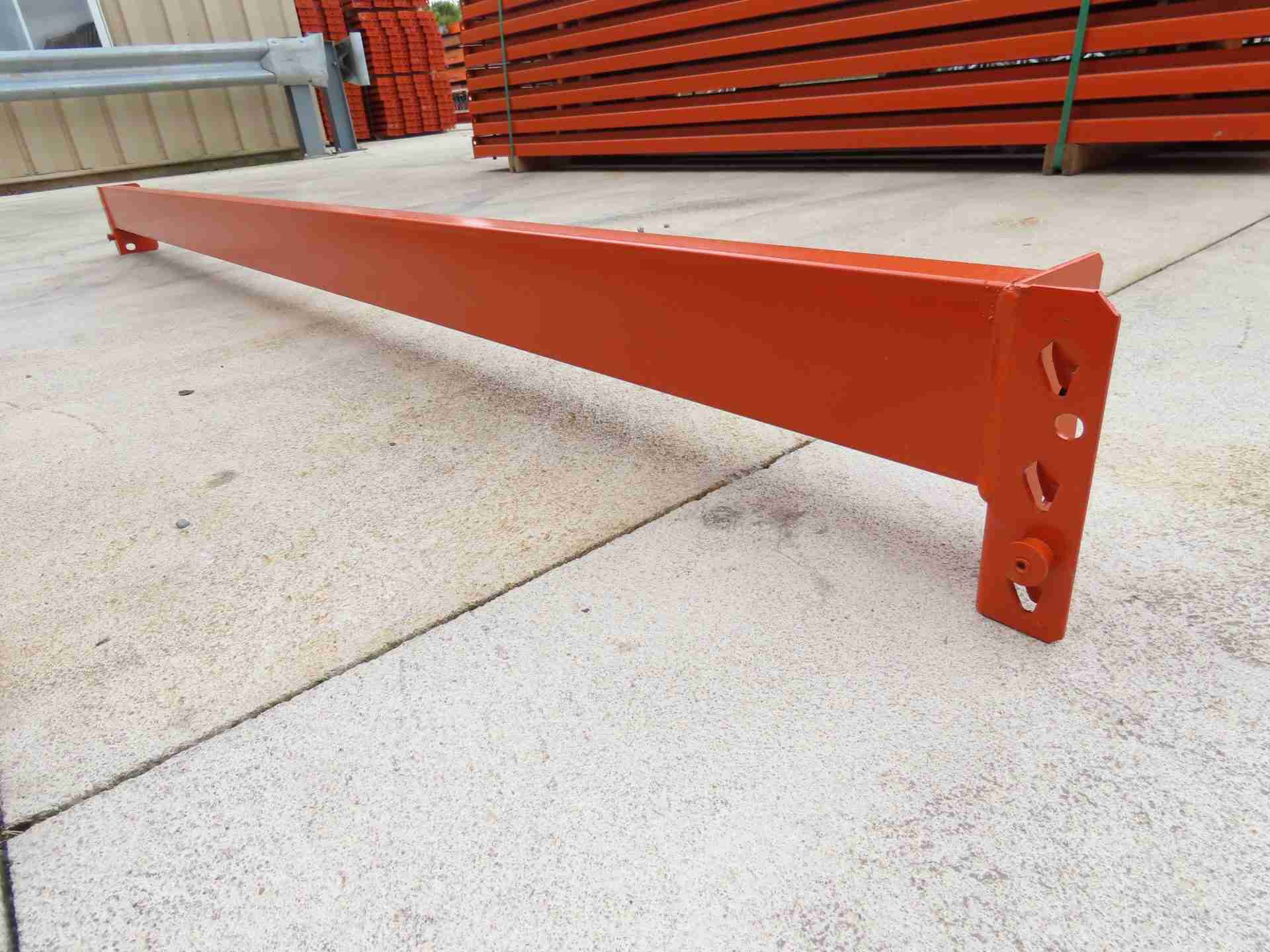
Conclusion
Conclusion:
- Traceability is essential for smooth and effective operations in warehouses and distribution centers.
- It fosters trust and accountability, tracking each item’s journey from origin to destination.
- Employees feel empowered and confident under effective traceability systems, strengthening customer relationships.
- A well-designed storage solution enhances efficiency and promotes a culture of accountability.
- Robust traceability frameworks support local suppliers and communities, embedding warehouses in their neighborhoods.
- Product safety is critical; effective systems prepare for recalls and protect the company’s reputation.
- Poor traceability can cause employee distress; effective practices create dependable environments where quality and integrity thrive.

Conclusion
Other Resources

Other Resources
Here is a list of other resources you can review online to learn more:
- Material Handling Safety
- Warehouse Racking Systems: Beginner’s Guide to Rack Systems
- Teardrop Uprights
- Teardrop Pallet Rack – Ridg-U-Rak
- What is Selective Pallet Racking
- Warehouse Racking Chicago, IL
- Storage Equipment Manufacturers Association
- Interlake Mecalux
- Crane Manufacturers Association Of America Inc.
- Warehouse Storage Racking in Illinois
- MHI
- Iowa Illinois Warehouse Racking
- Pallet Racking systems in Illinois and Great Lakes
- Warehousing Education and Research Council: https://www.werc.org/
- Cantilever Racks Chicago
- SEMA
- The Complete Pallet Rack Guide – Simply Rack
- Selective Rack – Raymond West
- Shipping Boxes, Packaging Materials, Pallet Racking
- IIWS Inc. Rack Installation Illinois & Rack Repairs Illinois
Use This Prompt To Get More Resources With Your Favorite Online AI Tool: Please provide me with a list of online articles with their URLs in a bulleted list that I can read regarding Designing Storage for Traceability
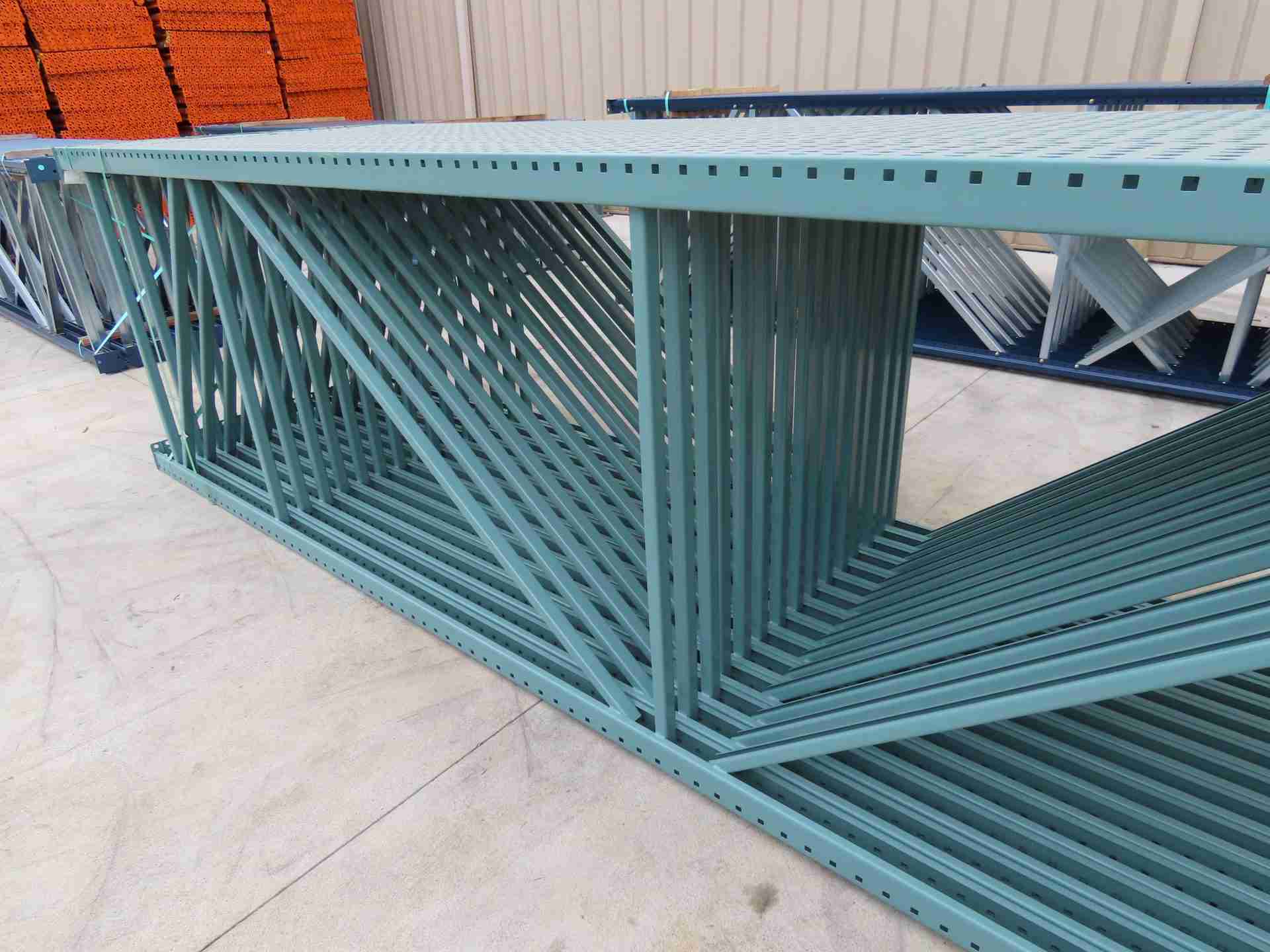
Other Resources
Glossary Terms
Designing Storage for Traceability – Glossary Of Terms
1. Asset: An item of value that is tracked for traceability.
2. Barcode: A machine-readable code used to identify products and track inventory.
3. Data Integrity: The accuracy and consistency of data over its lifecycle.
4. Digital Twin: A virtual representation of physical assets for real-time tracking and analysis.
5. Inventory Management: The process of ordering, storing, and using a company’s inventory.
6. Labeling: The act of providing information on products that aids in identification and traceability.
7. Logistics: The planning and execution of the movement and storage of goods.
8. Metadata: Data that provides information about other data, enhancing traceability.
9. Packaging: The technology of enclosing or protecting products for distribution and use.
10. Quality Control: Procedures to ensure that products meet required specifications.
11. RFID: Radio-frequency identification technology used to automatically identify and track tags attached to objects.
12. SKU: Stock Keeping Unit, a unique identifier for each distinct product and service.
13. Supply Chain: The entire system of production, processing, and distribution of goods.
14. Traceability: The ability to verify the history, location, or application of an item by means of documented recorded identification.
15. Storage Solutions: Various systems and technologies designed to optimize space and organization.
16. Tracking System: A system used to monitor the location and status of items throughout their lifecycle.
17. Warehouse Management: The process of efficiently managing warehouse operations to enhance traceability.
18. Data Capture: The process of collecting and converting information into a usable format.
19. Standard Operating Procedure (SOP): Established procedures that guide operations to improve consistency and traceability.
20. Digital Record: An electronic version of a document that stores information for tracking and compliance purposes.
21. Compliance: Adhering to regulations and standards related to traceability and storage.
22. System Integration: The process of combining different systems to work together for efficient data sharing.
23. Lifecycle Management: The process of managing the entire lifecycle of a product from creation to disposal.
24. Automated Systems: Technologies that operate processes with minimal human intervention to enhance efficiency.
25. Inventory Auditing: The regular examination of inventory to ensure accuracy and accountability.
26. Data Visualization: The graphical representation of information and data to enhance understanding.
27. Risk Management: The identification and mitigation of potential risks in storage and traceability processes.
28. Interoperability: The ability of different systems to work together and share information seamlessly.
29. Electronic Record Keeping: The digital maintenance of records to support traceability efforts.
30. Optimization: The process of improving a system to make it as effective as possible, particularly in resource management and traceability.
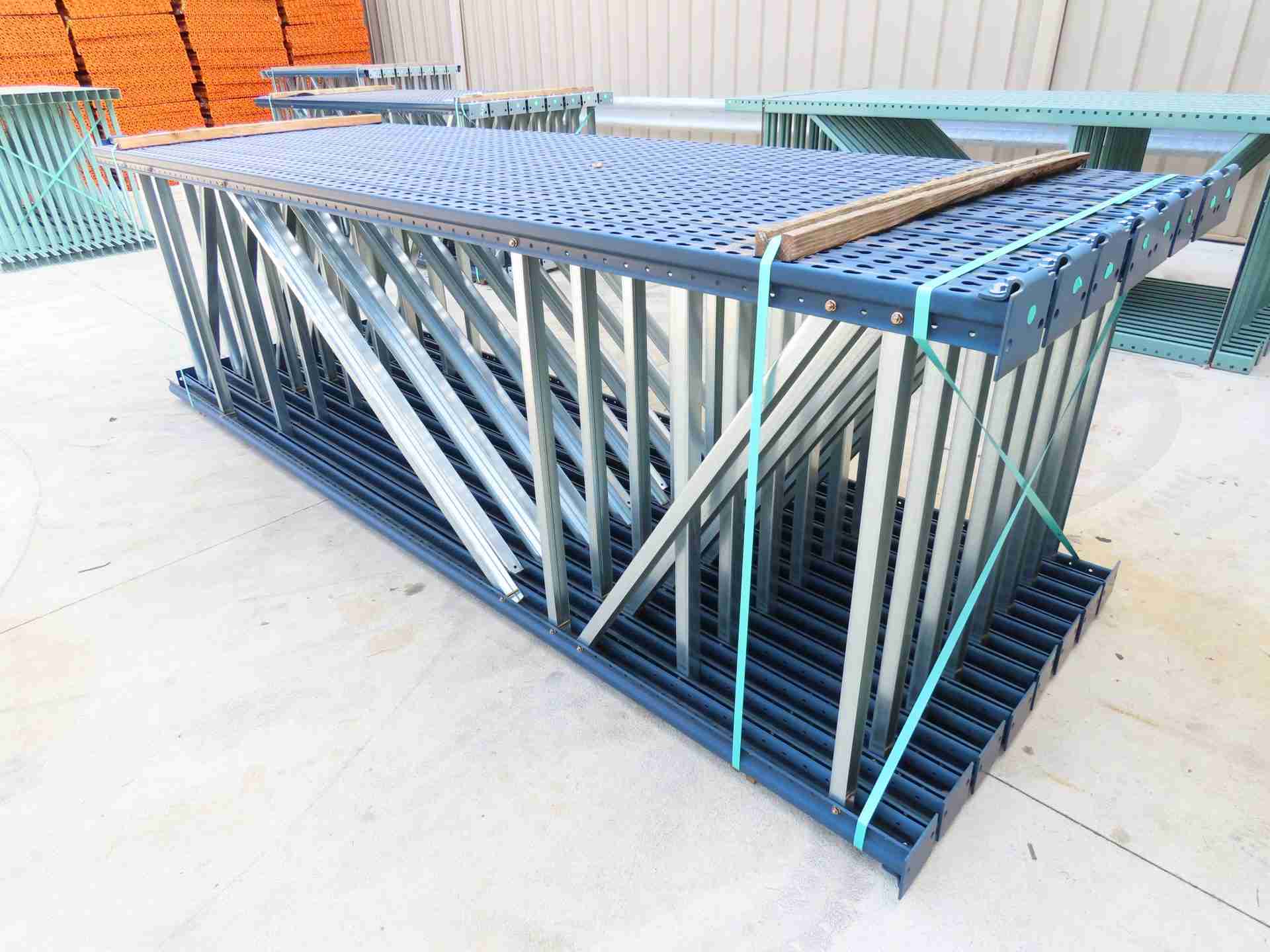
Glossary Of Terms
Other Questions
Designing Storage for Traceability – Other Questions
If you wish to explore and discover more, consider looking for answers to these questions:
- What specific data fields should be captured for each item to ensure complete traceability?
- Which identification technologies (barcode, RFID, NFC, IoT sensors) are most appropriate for my operation and why?
- How do I choose between barcode and RFID for different product types and storage environments?
- What are the best practices for labeling products, pallets, and rack locations?
- How should racking layout and zone design be structured to support efficient traceability workflows?
- How do I integrate traceability data with my existing WMS, ERP, or other business systems?
- What are the common implementation pitfalls and how can they be avoided?
- How much will implementing a traceability system cost and what is the expected ROI timeframe?
- How long does a typical traceability rollout take, from planning to full operation?
- What level and frequency of staff training are required to maintain accurate traceability?
- How often should racking structures and traceability hardware (scanners, readers) be inspected and maintained?
- What regulations and standards affect traceability in my industry and geographic region?
- How do I handle traceability for mixed pallets, partial picks, repackaging, or kitting?
- How should returns, refurbishments, and quarantine inventory be tracked for traceability?
- What are the step-by-step procedures for executing a recall using the traceability system?
- How long should traceability records be retained and what privacy/retention policies apply?
- How can I ensure chain of custody and detect/prevent tampering, counterfeiting, or data manipulation?
- What cybersecurity controls are necessary to protect traceability systems and stored data?
- How can automation (AS/RS, conveyors, robotics) be leveraged to improve traceability accuracy?
- Which KPIs should I track to measure traceability effectiveness (e.g., inventory accuracy, trace time, recall response time)?
- How do I scale traceability practices when expanding facilities, SKUs, or seasonal volume?
- How do I maintain traceability across multiple sites, suppliers, contract manufacturers, and 3PL partners?
- What audit and validation processes should be in place to verify traceability compliance?
- What labeling and tracking solutions work best for small, irregularly shaped, or high-value items?
- How is traceability handled for temperature-sensitive or hazardous materials?
- What responsibilities should suppliers take for upstream traceability, and how do I enforce them?
- How can process standardization and SOPs reduce human error in traceability workflows?
- Which industry standards (GS1, ISO 9001, ISO 22000, etc.) should I adopt for consistent traceability?
- Are there real-world case studies or examples showing successful traceability system implementations in similar businesses?
- How should I test and validate the traceability system before full deployment?
- How can traceability data be used for analytics, root‑cause investigations, and continuous improvement?
- What legal, regulatory, or insurance implications arise from inadequate traceability?
- How should I budget for ongoing traceability costs like tags, labels, hardware refreshes, software subscriptions, and support?

Other Questions
Checklist
Designing Storage for Traceability – A Checklist
Strategy and Governance
✅______ Define the scope of traceability (unit, case, pallet; lot/batch/serial level).
✅______ Document end-to-end product genealogy requirements (supplier → location → customer).
✅______ Establish written SOPs for receiving, put-away, moves, picking, packing, shipping, and returns.
✅______ Implement change control for processes, labels, systems, and layouts.
✅______ Assign ownership for traceability, safety, and recalls with clear roles and escalation paths.
Storage Design and Layout
✅______ Create a standardized location schema (zone–aisle–bay–level–position) and post it.
✅______ Ensure racking is designed for both load capacity and information visibility (label space, scan lines).
✅______ Designate dedicated areas for quarantine, returns, rework, and quality hold.
✅______ Enable clear travel paths and logical product family zoning to reduce handling and errors.
✅______ Apply 5S principles to keep locations clean, labeled, and consistent.
Identification and Data Capture
✅______ Assign unique IDs to all locations, bins, racks, and equipment.
✅______ Use standardized barcodes (e.g., GS1) for items, cases, pallets, and locations.
✅______ Deploy RFID where real-time, hands-free tracking adds value.
✅______ Verify labels are durable, scannable from working distance, and resistant to the environment.
✅______ Define mandatory scan points: receiving, put-away, relocations, cycle counts, picking, packing, and shipping.
Inventory Controls
✅______ Enforce FIFO/FEFO rules and support them with layout and WMS logic.
✅______ Record lot/batch/serial at first touch and maintain through every move.
✅______ Perform risk-based cycle counting (ABC) with variance investigation and root cause.
✅______ Segregate incompatible, regulated, or allergen products.
✅______ Track and reconcile inventory adjustments with approvals and audit trails.
Safety and Racking Integrity
✅______ Post load ratings and safe working limits on each rack or shelf.
✅______ Schedule and document routine racking inspections; repair or lock out damaged components.
✅______ Maintain safety clearances, anchor points, and impact protection (end-of-aisle guards).
✅______ Train staff on safe stacking, weight distribution, and equipment operation.
✅______ Keep floors clear; prevent overhangs and unstable loads.
Regulatory and Customer Requirements
✅______ Map applicable standards (e.g., ISO 9001, sector-specific, customer mandates) to processes.
✅______ Define record retention periods for traceability and quality documents.
✅______ Capture supplier COAs and lot information and link to received inventory.
✅______ Validate that recall and trace processes meet contractual and regulatory expectations.
IT Systems and Data Management
✅______ Integrate WMS/ERP with scanners and RFID for real-time updates.
✅______ Ensure every movement creates an auditable transaction.
✅______ Back up traceability data with tested recovery procedures.
✅______ Control user permissions; require electronic signatures where needed.
✅______ Monitor data quality (duplicate lots, orphan inventory, mislabeled locations).
People and Culture
✅______ Train all roles on traceability steps, why they matter, and how to execute them.
✅______ Empower employees to report issues, near misses, and labeling defects.
✅______ Reinforce accountability with coaching and visible performance feedback.
✅______ Recognize teams for accuracy, safety, and successful audits or recalls.
Product Quality and Handling
✅______ Define acceptance criteria at receiving; reject or quarantine nonconforming goods.
✅______ Record environmental conditions where required; monitor sensitive areas.
✅______ Use tamper-evident seals and document chain of custody when necessary.
✅______ Standardize packaging and palletization for stability and scan accessibility.
Supplier and Customer Connectivity
✅______ Require ASNs with lot/serial data from suppliers; verify on receipt.
✅______ Communicate ship-level lot/serial details to customers on documents or EPCIS where applicable.
✅______ Track returns (RMA) with original lot/serial and disposition outcomes.
Recall Readiness
✅______ Maintain a current recall playbook with roles, scripts, and decision criteria.
✅______ Keep up-to-date contact lists (internal, suppliers, customers, regulators).
✅______ Prebuild query/report capability to trace forward and backward by lot, serial, or date range.
✅______ Conduct mock recalls at least twice per year; measure time to identify, locate, and isolate.
✅______ Document lessons learned and implement CAPA for gaps found.
Performance and Continuous Improvement
✅______ Track KPIs: inventory accuracy %, pick accuracy %, order cycle time, trace time, mock recall time, and damages per 1,000 picks.
✅______ Review KPI trends and audit results in management meetings.
✅______ Implement CAPA for recurring errors (mis-scans, mislabels, location errors).
✅______ Benchmark processes and technology periodically for upgrades.
Trust and Transparency
✅______ Publish a clear traceability and safety statement for employees and customers.
✅______ Be prepared to share product origin and handling history upon request.
✅______ Align traceability practices with company values of integrity and accountability.
Checklist
At RackingWorld, we help guide you through selecting warehouse storage systems and racking.
Be sure to read our other related stories at RackingWorld to learn more about warehouse storage systems.
0 Comments