
Ensuring Precision: Empowering Lives Through Accurate Design
By Tom Seest
At RackingWorld, we help guide you through selecting warehouse storage systems and racking.
Be sure to read our other related stories at RackingWorld to learn more about warehouse storage systems.
Designing for Scan Accuracy
In the world of logistics and warehousing, racking systems are the backbone of efficient operations. Getting the design right isn’t just about aesthetics or fitting everything into a space; it’s about ensuring that every item is scanned accurately and swiftly. Picture a bustling warehouse, where every second counts. A well-designed racking system can mean the difference between losing hours to misplacement and keeping things running like a finely-tuned machine.
Let’s be honest; nobody likes a chaotic workspace. When products are organized and easy to locate, it not only boosts productivity but also morale. Workers feel empowered when they don’t have to hunt high and low for items. Every time a barcodescanner beeps successfully, there’s a satisfaction that ripples through the team. It’s a small victory that fosters a sense of camaraderie and shared purpose. Those little wins add up, building a culture of efficiency and collaboration.
From a rational standpoint, precision matters. Misplaced items lead to delays, unhappy customers, and ultimately, lost revenue. Designing with scan accuracy in mind means considering factors like the height of racking systems, the spacing between shelves, and the layout of the warehouse itself. A system that’s too cramped or haphazard can frustrate even the most diligent workers. Instead, focusing on clear pathways and logical arrangements helps ensure that scanning is a quick, straightforward process.
Ethically, there’s a duty to provide a safe and efficient working environment. A racking system that minimizes the chance for error not only enhances productivity but also reduces stress. It’s not just about the bottom line; it’s about creating a space where employees can thrive. When workers know they can trust their environment and the tools at their disposal, it inspires confidence and pride in their work.
Stories from the warehouse floor highlight the importance of thoughtful design. Take a moment to consider the team who faced endless headaches due to poorly designed racking systems. They reshuffled and rethought the layout, leading to a noticeable decrease in scanning errors. Their experience reflects a broader truth: when systems are thoughtfully designed with real-world challenges in mind, they can transform operations.
So let’s get practical. In the next project, prioritize scan accuracy in your racking system design. It’s about more than just practical needs; it’s about building trust, fostering a sense of pride, and paving the way for success, one accurate scan at a time.
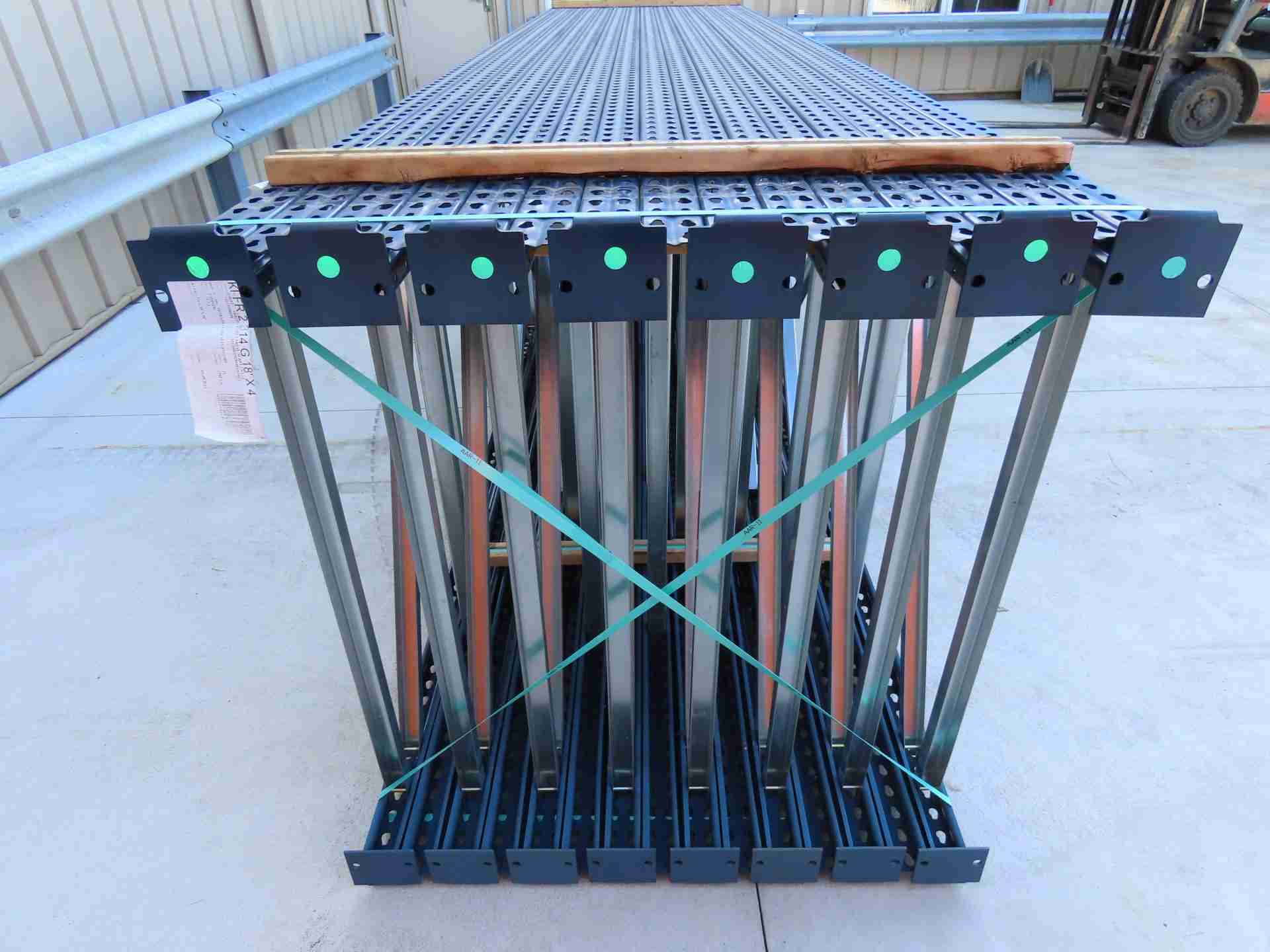
Designing for Scan Accuracy
Designing for Scan Accuracy
- Racking systems are essential for efficient logistics and warehousing operations.
- Effective design enhances item scanning accuracy, reducing time lost to misplacement.
- Organized workspaces improve productivity and morale among workers.
- Misplaced items result in delays, dissatisfied customers, and revenue loss.
- Design should focus on scan accuracy through strategic height, spacing, and layout.
- A well-designed racking system fosters a safe, efficient environment and employee confidence.
- Prioritizing thoughtful design can significantly improve operational outcomes and reduce errors.

Designing for Scan Accuracy
Table Of Contents
- Designing for Scan Accuracy
- How Do You Feel About Scan Errors?
- Can Improving Scan Design Reduce Anxiety?
- What Design Features Enhance User Confidence?
- How Does Accuracy Affect Your Decision-Making?
- Are You Willing to Pay More for Higher Scan Accuracy?
- What Ethical Considerations Arise In Scan Design?
- Conclusion
- Other Resources
- Glossary Of Terms
- Other Questions
- Checklist
How Do You Feel About Scan Errors?
In the world of logistics and warehousing, scan errors can feel like a punch to the gut. Picture a bustling warehouse where racking systems are meticulously organized, and every item has its place. You check the scanner, and instead of the familiar beep echoing reassurance, there’s silence—just a glaring display that tells you something’s gone awry. The frustration bubbles, and it’s not just about the mistake; it’s the potential ripple effect on a day’s work.
The heart of the issue lies in the human element. Each scan error represents a moment lost, a customer disappointed, or a schedule thrown off track. It’s about more than numbers; it’s about the people relying on that efficiency. We’ve all been there, that sinking feeling when an incorrect item is pulled or the wrong location is logged. The error isn’t just a number; it stands in the way of achievement and pride in a job well done. It can feel personal when your hard work is undermined by something as trivial as a miscalibrated scanner or a simple oversight.
Rationally, we know that errors happen. We operate in a high-pressure environment where speed is key, and the stakes are high. But the ethical side of the equation also requires us to recognize that each scan error can lead to greater ramifications—lost trust, misplaced inventory, and unhappy customers. It’s these small mistakes that erode the integrity of our systems. They challenge us to do better and demand more from ourselves and our tools.
Engaging with the reality of scan errors engages us on every level. It’s not just about data; it’s about accountability and teamwork. When errors happen, they showcase the need for open communication and continuous training among staff. Our collective experience shapes how we handle these hiccups, emphasizing a culture of support rather than blame. Stories of overcoming these setbacks become shared learning moments, reinforcing the importance of diligence and attention to detail.
Every scan, successful or not, is part of a broader narrative. It’s the experience of workers who have learned to adapt and improve systems, tweaking the racking systems to prevent repeat errors. When we come together, share stories, and find solutions, we foster a community built on trust, resilience, and a commitment to excellence. That’s where real progress lies. And that’s how we turn scan errors from frustrating setbacks into opportunities for growth.

How Do You Feel About Scan Errors?
How Do You Feel About Scan Errors?
- Scan errors in logistics and warehousing disrupt operations and create frustration.
- Each error affects schedules, customer satisfaction, and team morale.
- Errors highlight the importance of human accountability and efficiency in high-pressure environments.
- Continuous training and open communication among staff are crucial to minimizing errors.
- Experiencing setbacks fosters a supportive culture that emphasizes learning and improvement.
- Workers adapt and improve systems to prevent future errors, showcasing resilience.
- Turning errors into opportunities promotes a community focused on trust and excellence.

How Do You Feel About Scan Errors?
Can Improving Scan Design Reduce Anxiety?
Imagine standing in a sterile room, surrounded by the hum of machines, knowing that a scan is about to reveal the secrets of your body. Anxiety creeps in, as real as the stark fluorescent lights above. But what if improving scan design—think of the racking systems that hold everything in order—could shift this experience from one of dread to one of calm?
First, let’s consider the emotional side. When faced with the daunting unknown of a scan, the human heart races. We are wired to fear what we cannot see. A thoughtful, compassionate approach to scan design can help ease these fears. Simple touches, like comfortable seating, soothing colors, and engaging infographics that explain the process, make a world of difference. When patients feel understood and cared for, the grip of anxiety begins to loosen. The racking systems of the scan room aren’t just storage; they’re part of a larger narrative where each element serves to comfort rather than restrict.
Now, think rationally. Better scan design is not just about aesthetics; it’s about results. Research shows that anxiety can skew results, leading to unnecessary follow-ups or misdiagnoses. A well-designed space can help patients relax, allowing for more accurate scans. This isn’t merely a theory; it’s backed by data from countless studies. By minimizing anxiety, healthcare providers can enhance patient outcomes, showing a commitment to quality care that reflects a deeper ethical responsibility to those they serve.
The authority of healthcare institutions hinges on the trust they build. When a patient walks into a well-organized, thoughtful space, they feel that their health matters. The racking systems that display equipment neatly demonstrate professionalism and care—it’s a subtle yet powerful message that they’re in good hands. By fostering a welcoming environment, facilities signal their dedication, inspiring confidence in their services.
Lastly, there’s a profound social element to this. We all share the experience of fear when it comes to health. A heartfelt story from one patient to another can be the difference between sleepless nights and peaceful days. By sharing feedback on their positive experiences in improved scan environments, patients create a community of support.
In short, improving scan design allows healthcare facilities to connect on a deeper level. It acknowledges fear, provides rational solutions, and builds a trusting community. When we prioritize humane design, we not only enhance the clinical experience but also nurture the very human spirit that brings us together in times of vulnerability.

Can Improving Scan Design Reduce Anxiety?
Can Improving Scan Design Reduce Anxiety?
- Improving scan design can transform patient anxiety into calm through thoughtful environment changes.
- Comfortable seating, soothing colors, and informative infographics help alleviate fear during scans.
- Anxiety can negatively affect scan results, leading to missed diagnoses or unnecessary follow-ups.
- Well-designed spaces promote relaxation, resulting in more accurate diagnostic outcomes.
- A welcoming atmosphere builds patient trust in healthcare institutions, reinforcing their professionalism.
- Sharing positive experiences from improved environments fosters a supportive community among patients.
- Prioritizing humane design enhances clinical experiences while addressing patient vulnerabilities.
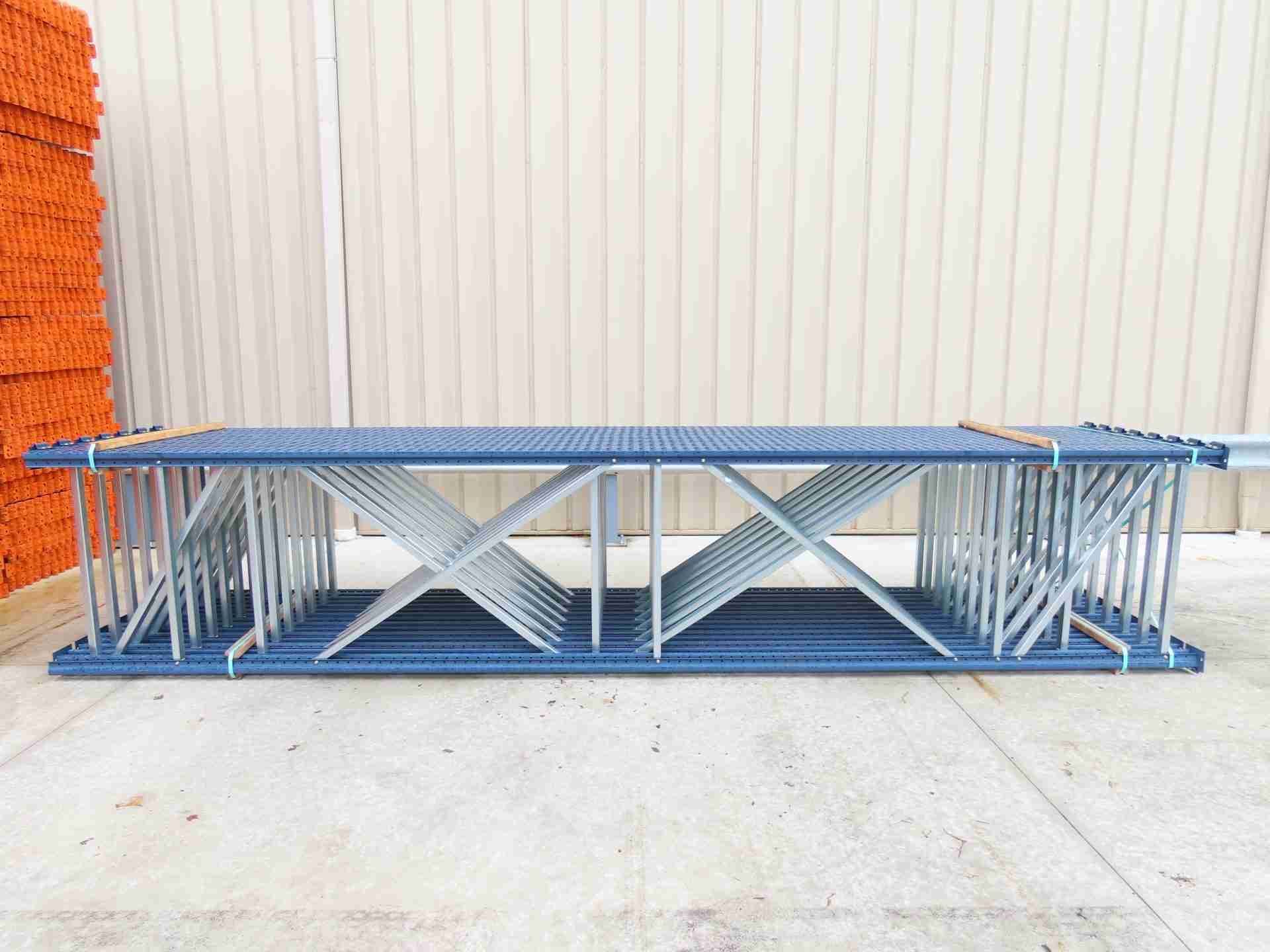
Can Improving Scan Design Reduce Anxiety?
What Design Features Enhance User Confidence?
When you step into a workspace or home where racking systems are designed well, there’s an immediate sense of order. You can see it in how items are stored, how easy it is to find what you need, and how safe everything feels. The best designs don’t just look good; they function seamlessly, like a well-oiled machine. Good design features create a sturdy backbone, inspiring confidence in users who rely on them daily.
Consider the layout. A layout that’s intuitive makes all the difference. When you can pinpoint where things are without having to search high and low, you feel in control. This direct access speaks to the gut; it’s about knowing that when you need something, it’s exactly where it should be. The simplicity of this user experience builds trust in the system—it’s like following the scent of fresh bread, leading straight to the bakery.
Now, let’s talk about durability. A racking system built with robust materials shows that it’s in it for the long haul. Users gain confidence knowing their belongings are safe, whether it’s heavy machinery or cherished family heirlooms. Ethically, when manufacturers prioritize quality, it feels right. You want to work with folks who care about what they’re crafting, not just cutting corners to save a buck.
Authority comes into play too. When the designs reflect industry standards, users feel they are backed by expertise. This isn’t just a bunch of metal and paint; it’s engineered by professionals who understand what works in the real world. There’s comfort in knowing you’re not alone, that trusted voices have made these systems reliable.
Then, every small detail counts. Rounded edges, soft finishes, and labels that don’t fade can forge a connection. These elements show that someone thought about you in the design. For instance, when you can stack items neatly but still have easy access, it’s like a friend offering a helping hand. It’s all about fostering community—everyone benefits from a well-organized space.
Finally, sharing stories about how these systems have transformed workspaces or homes can inspire action. When people see real-life examples, it makes the idea of investing in quality racking systems feel not just sensible but necessary. It’s about walking in someone else’s shoes—understanding their struggles and celebrating their triumphs, all thanks to thoughtful design features that enhance user confidence.
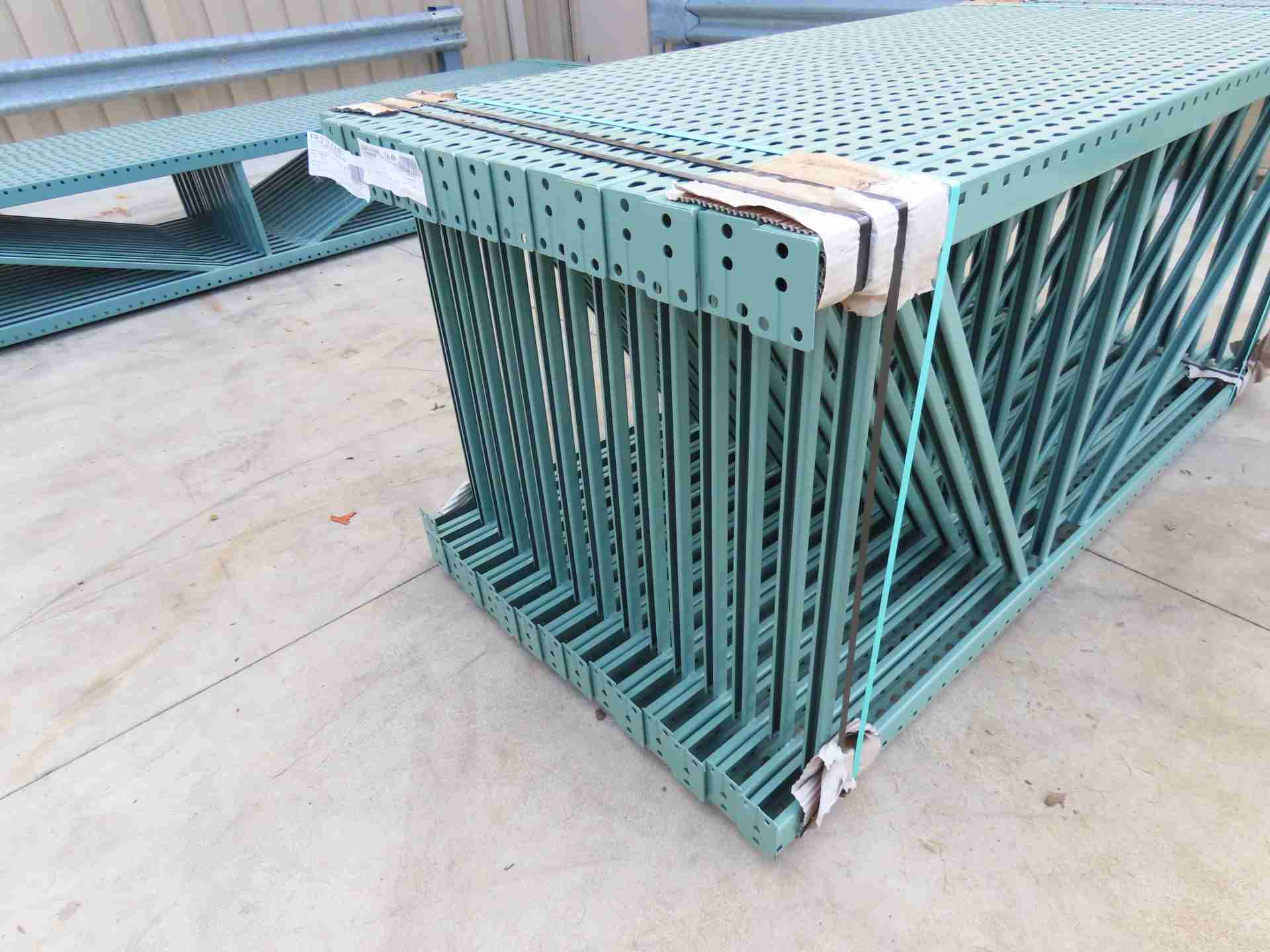
What Design Features Enhance User Confidence?
What Design Features Enhance User Confidence?
- Well-designed racking systems create an immediate sense of order in spaces.
- Intuitive layouts facilitate easy access and control over stored items, enhancing user experience.
- Durability and robust materials ensure safety and longevity of the racking systems.
- Designs reflecting industry standards instill confidence, backed by professional expertise.
- Attention to small details, like rounded edges and clear labels, enhances user connection.
- Sharing success stories about racking systems can motivate others to invest in quality solutions.
- Thoughtful design fosters a sense of community and enhances overall user confidence.

What Design Features Enhance User Confidence?
How Does Accuracy Affect Your Decision-Making?
When it comes to decision-making, accuracy is the bedrock on which we build our choices. Picture a seasoned mechanic assessing the racking systems in a busy warehouse. They don’t just glance at the shelves; they measure, they calculate, and they consider the weight each level can bear. This attention to detail isn’t just about numbers—it’s about ensuring safety, efficiency, and trust in the work being done. If they miss a detail, the consequences can be dire. An accurate assessment means reliable decisions that uphold the integrity of the entire operation.
Accuracy speaks to the heart of our daily lives, too. Think about the moments when you’ve had to make a choice based on conflicting information. The pang of frustration when details don’t match up can leave you feeling adrift. Few things inspire confidence more than knowing you’ve got your facts straight. People are drawn to those who demonstrate clarity and precision in their thinking, like the reliable neighbor who always fixes things right because they pay attention to detail. This sense of reliability fosters a community where individuals can make decisions based on shared respect and trust.
On the rational side, consider the data-driven world we operate in today. Accurate data informs everything from what we eat to how we invest our savings. When we base our decisions on solid facts rather than gut instinct alone, we navigate through life with greater confidence. A tradesperson deciding on which tools to purchase for a job, or a family weighing options for their first home, both need trustworthy, accurate information to succeed. It’s not just numbers and stats; it’s about real lives and futures.
Ethically, we owe it to ourselves and our communities to strive for accuracy. Think of the impact of misinformation spread in a tight-knit neighborhood about a local store’s safety. It could cause harm—loss of business, unnecessary stress, or even accidents. By committing to accuracy in our choices, we uphold not just our own integrity but that of those around us.
As we navigate the complexities of the choices life throws at us, remember that just like the racking systems that store our goods, our decisions need to be well-supported and anchored in accuracy. This foundation fosters mutual respect and understanding, leaving us all better equipped to thrive in our shared environments. When accuracy guides our decisions, it not only enriches our lives but also strengthens the bonds we share within our communities.

How Does Accuracy Affect Your Decision-Making?
How Does Accuracy Affect Your Decision-Making?
- Accuracy is fundamental for reliable decision-making.
- Attention to detail ensures safety, efficiency, and trust.
- Reliable information builds confidence and fosters community respect.
- Data-driven decisions are vital for everyday choices and future planning.
- Striving for accuracy upholds personal and community integrity.
- Misinformation can lead to harm and stress within communities.
- Accurate decisions strengthen communal bonds and enhance overall well-being.

How Does Accuracy Affect Your Decision-Making?
Are You Willing to Pay More for Higher Scan Accuracy?
When it comes to the nuts and bolts of running a warehouse or distribution center, accuracy can make or break your operation. You’ve invested in Racking Systems to maximize storage, and you know every inch counts in your tight space. But let’s consider the value of investing a little more upfront for higher scan accuracy. This isn’t just about numbers; it’s about peace of mind.
Picture this: a day when your team is buzzing, pulling orders, and everything runs like clockwork. Then, an incorrect scan leads to a shipment of the wrong product heading out the door. You feel it deep in your gut—the kind of dread that starts in the pit of your stomach and spreads to every corner of your day. The call backs, the returns, the inevitable hit to customer trust; it’s a mess that could have been avoided. When you think about it, a small investment in better technology could save you from the headache and expense of mistakes that ripple through your entire operation.
You’ve worked hard to establish a reputation for reliability. Ethically, it’s your responsibility to your customers, your team, and yourself to deliver on that promise. Higher scan accuracy isn’t just a luxury; it’s part of a commitment to doing your job right. It’s about making sure that every order that leaves your warehouse is correct, keeping your customers coming back instead of searching for alternatives.
Being practical means looking at the long game. While the upfront cost might raise an eyebrow, think of the return on investment. Increased efficiency, fewer errors, and happier customers. And remember, word of mouth is powerful. When your clients see that you deliver every time, they share their experiences. Socially, you’re building trust. You’re not just a supplier; you’re a partner who cares about quality just as much as they do.
Let’s cut to the chase: offering to pay a little more for higher scan accuracy isn’t just smart; it’s responsible. You’re not just buying technology; you’re investing in a smoother operation, happier employees, and loyal customers. You’re ensuring that your hard-earned reputation remains intact, one accurate scan at a time. So, ask yourself, is it worth a few extra bucks for the assurance that you’re getting it right? The answer is clear.

Are You Willing to Pay More for Higher Scan Accuracy?
Are You Willing to Pay More for Higher Scan Accuracy?
- Accuracy is crucial for the effective operation of warehouses and distribution centers.
- Investing in higher scan accuracy contributes significantly to operational peace of mind.
- Incorrect scans can lead to costly errors, affecting customer trust and satisfaction.
- A small investment in technology can prevent extensive headaches and financial losses.
- Maintaining a reliable reputation is ethically essential for customer relationships.
- Higher scan accuracy enhances efficiency and promotes positive word-of-mouth marketing.
- Investing in technology is a commitment to smooth operations and customer loyalty.

Are You Willing to Pay More for Higher Scan Accuracy?
What Ethical Considerations Arise In Scan Design?
When diving into the world of scan design, there’s a lot more at play than just the technical specs. Imagine the very machines that dissect data, revealing truths about our world—those are made possible by thoughtful design. It’s not just nuts and bolts; it’s about people’s lives and the choices we make. Consider the racking systems that hold those machines steady and organized. If they aren’t designed right, it can lead to inefficiencies and safety hazards that affect not only the workflow but the well-being of the workers too.
Ethically, we must ask ourselves: who benefits from this design? The ideal scan setup should not only cater to efficiency but also prioritize accessibility. Think about those who may struggle to use complex systems. It’s easy to overlook this in the pursuit of innovation. A humble, user-friendly design fosters inclusivity, enabling everyone to engage with technology meaningfully. This is a call to arms for designers and engineers alike—to ensure no one is left behind due to oversights in accessibility or usability.
There’s also an emotional thread to consider. Each scan and rack is more than just data; it represents patients seeking answers about their health. Scanning systems should be approached with compassion, understanding that behind every computation, there’s a human story. When we manipulate data without regard for the reality it represents, we risk losing sight of our most critical component: people.
And then there’s the matter of responsibility. As professionals involved in the design and implementation of these systems, there’s a moral duty to uphold quality and ethics. Shortcuts might save time today but could lead to catastrophic failures tomorrow. Trust earned through transparency and quality design can lead to lasting relationships with those who rely on these systems.
Let’s not forget the social impacts. The implications of scan design ripple out into the community. When systems are robust and trustworthy, it fosters confidence not just among consumers but also within the industry itself. People want to feel secure in the technologies they use; building that trust encourages not just adoption but also a partnership between provider and user.
As we tread the line between innovation and ethics in scan design, we must ground our approach in humility and common sense. By recognizing these considerations, we honor the craftsmanship of our field, bringing about solutions that resonate with the hearts, heads, and guts of all involved.
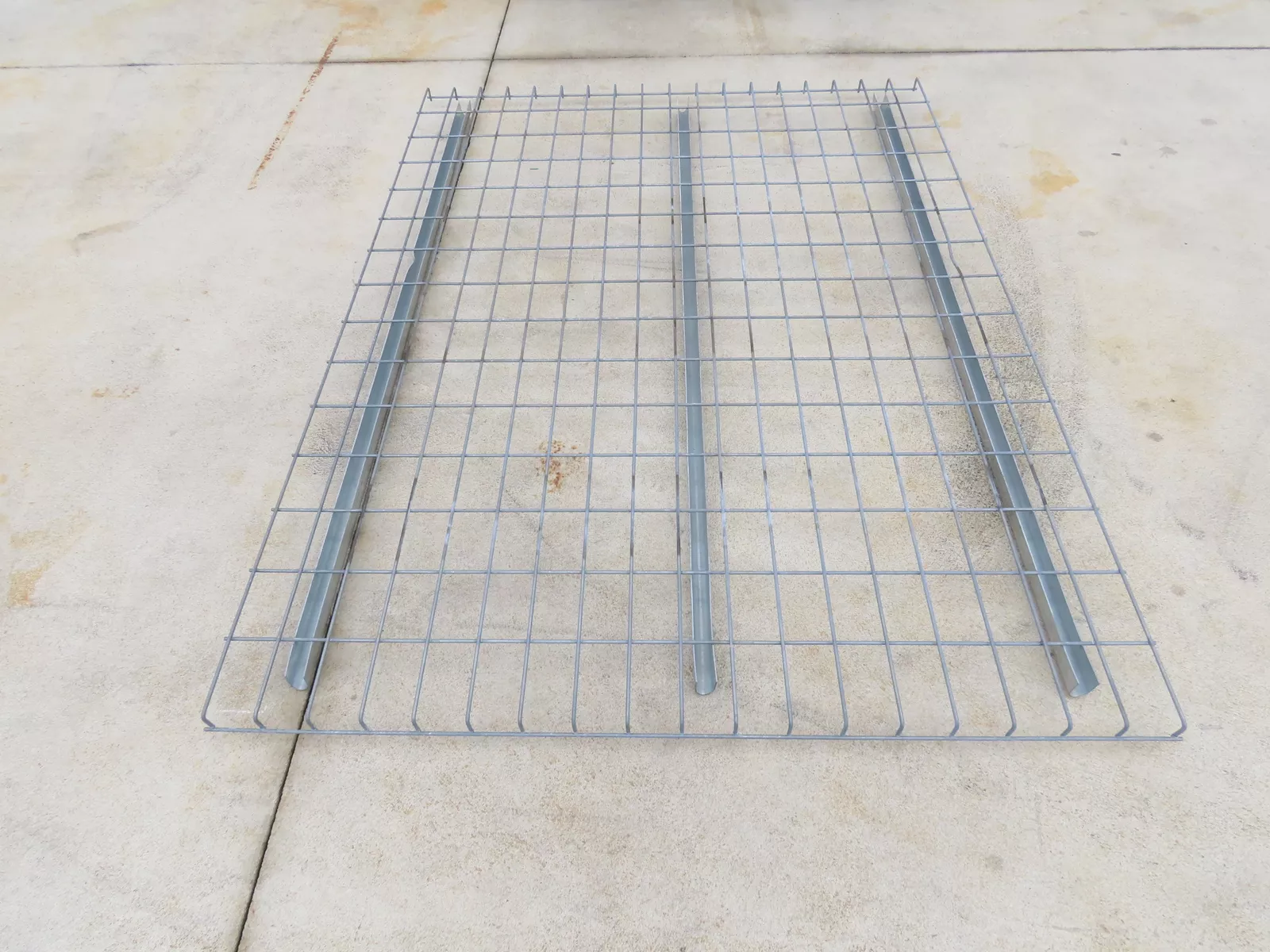
What Ethical Considerations Arise In Scan Design?
What Ethical Considerations Arise In Scan Design?
- Scan design goes beyond technical specifications, focusing on thoughtful design that impacts lives.
- Proper design of racking systems is crucial to prevent inefficiencies and safety hazards, affecting workflow and worker well-being.
- The ideal scan setup prioritizes accessibility, catering to those who may struggle with complex systems.
- A compassionate approach to scanning systems recognizes the human stories behind data and emphasizes the importance of people.
- Professionals have a moral duty to maintain quality and ethics in design, avoiding shortcuts that could lead to failures.
- Robust and trustworthy scan systems foster confidence within the community and encourage a partnership between provider and user.
- Balancing innovation and ethics in scan design requires humility and common sense, honoring the craftsmanship of the field.

What Ethical Considerations Arise In Scan Design?
Conclusion
In the world of logistics and warehousing, the significance of designing for scan accuracy transcends mere functionality; it reflects a commitment to efficiency, employee morale, and customer satisfaction. A well-crafted racking system doesn’t just fit items neatly; it ensures that every shipment is scanned correctly, keeping operations flowing smoothly. The emotional satisfaction from hearing a scanner beep confirms a successful interaction and enhances team spirit. When every item is easy to locate, workers feel empowered rather than frustrated, fostering a culture of collaboration and achievement.
Rationally, the stakes are high. A misplaced item can create chaos, leading to delays, upset customers, and, inevitably, lost revenue. Effective design takes into account the layouts, spacing, and height of racks to facilitate swift scanning. A thoughtfully arranged workspace determines productivity and morale, proving that organization can alleviate stress and improve outcomes.
Ethically, creating an environment that minimizes errors shows respect for workers’ needs and well-being, allowing them to perform with confidence. A heightened sense of ownership exists when employees trust their tools and systems, which leads to improved performance and a positive workplace culture. Real-world accounts from the warehouse illustrate how thoughtful redesign can dramatically reduce scan errors, transforming both systems and attitudes.
Moreover, addressing the anxieties associated with scanning in healthcare settings shows that design can profoundly impact emotional experiences. A calm, user-friendly environment eases patients’ fears, leading to more accurate results and improved health outcomes. Facilities that prioritize humane design signal professionalism and integrity, reinforcing the importance of trust in healthcare.
Additionally, accuracy shapes decision-making across all facets of life, ensuring people can rely on the information at their fingertips. Emphasizing accuracy cultivates accountability, propelling teams and communities toward common goals while enhancing their collective integrity.
Investing in higher scan accuracy may require initial expense, yet it pays dividends in minimizing errors and maintaining a solid reputation. Businesses become trusted partners rather than just suppliers, as customers recognize the value of reliability and commitment to quality.
Ultimately, ethical considerations in scan design prioritize not just efficiency but inclusivity and compassion, emphasizing our duty to ensure that technology serves everyone. Thoughtful, human-centered designs uplift communities, inspiring confidence in both consumers and providers. By committing to these principles, we honor the diligent, hardworking spirit that underlies successful design in every setting and connect with the people behind the processes.
Conclusion
Conclusion:
- Designing for scan accuracy in logistics enhances efficiency, employee morale, and customer satisfaction.
- Well-designed racking systems facilitate correct scanning, fostering smooth operations and team spirit.
- Organized workspaces improve worker empowerment, collaboration, and achievement.
- Misplaced items can lead to chaos, delays, unhappy customers, and lost revenue.
- Creating error-minimizing environments supports worker well-being and boosts performance.
- User-friendly designs in healthcare alleviate patient anxiety, resulting in better health outcomes.
- Investing in scan accuracy enhances reputation, builds trust, and emphasizes inclusivity and compassion in design.
Conclusion
Other Resources
Other Resources
Here is a list of other resources you can review online to learn more:
- Selective Pallet Racking Systems – Container Systems
- Pallet Racks, Pallet Racking, Pallet Shelves in Stock – ULINE
- Teardrop Uprights
- Rack Manufacturers Institute
- BMH
- Illinois Pallet Racking – Storage Solutions
- IIWS Inc. Rack Installation Illinois & Rack Repairs Illinois
- Storage Equipment Manufacturers Association
- Teardrop Pallet Rack – Ridg-U-Rak
- Warehouse Racking System: Powerful Guide to Optimise, 2024
- Cantilever Racks Chicago
- Material Handling Industry
- Pallet Racking systems in Illinois, Great Lakes
- Logic Material Handling
- What is Selective Pallet Racking
- Pallet Racking systems in Illinois and Great Lakes
- American Surplus
- NSC
- Teardrop Pallet Rack – Ridg-U-Rak
- Cantilever Rack Guide: Ordering Cantilever Racking
Use This Prompt To Get More Resources With Your Favorite Online AI Tool: Please provide me with a list of online articles with their URLs in a bulleted list that I can read regarding Designing for Scan Accuracy

Other Resources
Glossary Terms
Designing for Scan Accuracy – Glossary Of Terms
1. Accuracy: The degree to which a scanned image or data set matches the original item.
2. Calibration: The process of adjusting the scanner to ensure optimal performance and accuracy.
3. DPI (Dots Per Inch): A measurement of the resolution of a scan, indicating the number of individual dots in a one-inch space.
4. Image Processing: Techniques used to enhance, manipulate, or analyze scan images.
5. OCR (Optical Character Recognition): Technology that converts different types of documents, such as scanned paper documents, into editable and searchable data.
6. Scan Resolution: The detail level at which a document is scanned, impacting clarity and accuracy.
7. Bit Depth: The number of bits used to represent the color of a single pixel, influencing image quality.
8. Contrast: The difference in luminance or color that makes an object distinguishable from others within a scan.
9. Noise: Unwanted variations in a scanned image that can distort data and reduce accuracy.
10. Format: The type of file to which a scanned document is saved, affecting compatibility and accessibility.
11. Grayscale: A color scheme involving shades of gray, used in scanning to save space and improve accuracy on certain types of documents.
12. Compression: The process of reducing the size of digital files to save space, which can affect image quality.
13. File Integrity: The accuracy and consistency of the data contained in a scanned file.
14. Pixelation: A loss of image quality resulting in visible pixels, often linked to low resolution.
15. Background Removal: The technique of eliminating unwanted elements from the background of a scan to enhance focus on the subject.
16. Scanning Speed: The rate at which a scanner can capture images, affecting overall productivity.
17. Flatbed Scanner: A type of scanner where the material is placed on a glass surface for scanning.
18. Sheetfed Scanner: A scanner designed to scan multiple pages automatically through a feeder.
19. Document Management: The process of capturing, storing, and controlling documents for easy access and retrieval.
20. Metadata: Data that provides information about other data, often included in scanned files for organization and retrieval.
21. Quality Control: Procedures implemented to ensure that scanned images meet specified standards.
22. Color Calibration: Adjusting the color output of a scanner to ensure accurate color representation.
23. Scanning Software: Programs used to control the scanning process and customize settings for optimal results.
24. TIFF (Tagged Image File Format): A commonly used file format for storing high-quality scanned images.
25. PDF (Portable Document Format): A file format designed to present documents consistently across various devices.
26. Test Scan: A preliminary scan performed to evaluate settings and ensure accuracy before scanning a full document.
27. Folding: The method of handling paper documents that can impact the scanning process and final output.
28. Blemish Detection: An automated process to identify and remove imperfections from scanned images.
29. Scanner Calibration Tool: A device or software used to adjust and verify the precision of a scanner’s performance.
30. Workflow Automation: Using technology to streamline the scanning process and reduce manual intervention for efficiency.

Glossary Of Terms
Other Questions
Designing for Scan Accuracy – Other Questions
If you wish to explore and discover more, consider looking for answers to these questions:
- What types of “scans” does this article refer to—barcode/RFID scanning in warehouses, medical imaging, or both?
- What specific design standards or guidelines should be followed for racking systems to maximize scan accuracy?
- How do barcode symbology, label quality, size, and placement affect scan accuracy?
- What scanner technologies (laser, 2D imager, RFID) are best for different warehouse environments?
- How does lighting (ambient light, glare, shadows) impact scanner performance and what lighting solutions work best?
- How should aisle width, shelf height, and shelf spacing be configured to optimize scanning speed and reliability?
- What are the most common root causes of scan errors and how are they diagnosed and fixed?
- Which KPIs should be tracked to measure scan accuracy and the effectiveness of design changes?
- How do you conduct a scan-accuracy audit or baseline assessment before redesign?
- How do scanners integrate with WMS/ERP systems and what integration issues typically cause errors?
- What labeling and signage standards reduce mis-scans and mis-picks?
- What training and human-factor practices reduce user-caused scan errors?
- How often should scanning hardware be calibrated, maintained, or updated to preserve accuracy?
- What are the upfront and ongoing costs of higher-accuracy scanning systems and how do you calculate ROI?
- What acceptable error-rate benchmarks exist for different industries or operation types?
- How can design changes reduce patient anxiety in medical scan rooms and what evidence supports this?
- What objective metrics link reduced anxiety to improved medical-scan quality and outcomes?
- How should accessibility and inclusivity be addressed when designing scan-related workspaces?
- How do environmental factors (dust, temperature, vibration) affect scanning reliability and racking longevity?
- What are best practices for label materials and printing to ensure long-term readability?
- How do RFID, NFC, and barcode systems compare in accuracy, cost, maintenance, and scalability?
- What exception-handling and error-recovery workflows should be implemented when scans fail?
- How do small design details (rounded edges, soft finishes, durable labels) practically reduce errors or improve morale?
- What change-management steps and staff-communication strategies are recommended for rolling out new scan-focused designs?
- How should you pilot or validate a new racking/scan design before full deployment?
- What vendor-selection criteria and supplier questions should be used when procuring scanning hardware or racking systems?
- What legal, regulatory, or safety compliance issues relate to scan systems and racking design?
- How do data privacy and security concerns apply to scanned inventory or patient data and what safeguards are needed?
- What maintenance schedules and predictive-analytics practices reduce scan-related downtime?
- How should labels and SKU schemes be designed to minimize confusion and wrong-item picks?
- What are recommended configurations (scan angles, mounting heights, read ranges) for fixed vs. mobile scanners?
- How can lighting design and room aesthetics improve patient comfort during medical scans while preserving image quality?
- What real-world case studies show measurable improvements after redesigning for scan accuracy?
- How do you balance cost, durability, and user comfort when choosing racking materials and finishes?
- What monitoring and reporting tools provide real-time visibility into scan-error trends?

Other Questions
Checklist
Designing for Scan Accuracy – A Checklist
Scope and Goals
✅______ Define target scan accuracy (for example, ≥99.8%) and acceptable scan latency per task.
✅______ Document the financial impact of a mis-scan to guide ROI decisions.
✅______ Establish ownership for accuracy (roles and escalation path).
Layout and Flow
✅______ Map clear, unobstructed travel paths; eliminate blind corners and congestion.
✅______ Slot by velocity (A/B/C zones) to minimize travel and scanning strain.
✅______ Ensure aisle widths support equipment, line of sight, and safe passing.
✅______ Place scan points to avoid excessive reach, twist, or overhead scans.
Racking Design
✅______ Set shelf heights within ergonomic reach bands for frequent picks (approximately waist to shoulder).
✅______ Keep bay spacing, bin sizes, and level numbering consistent.
✅______ Provide label faces at readable angles; mitigate glare (use a slight tilt where needed).
✅______ Install stops/guards for consistent product alignment and label visibility.
✅______ Verify rack load ratings, anchoring, and compliance (including seismic where applicable).
Labeling and Identification
✅______ Standardize a location schema (aisle–bay–level–slot) and post a legend.
✅______ Use high-contrast, matte labels with adequate text size for the read distance.
✅______ Place duplicate location labels (left and right, eye level) where feasible.
✅______ Match barcode symbology and density to scanner capabilities (1D/2D, near and far).
✅______ Include human-readable text and check digits; validate before deployment.
✅______ Avoid curved or uneven surfaces; keep labels protected yet scannable.
✅______ Use color to aid wayfinding, not as the sole identifier.
Scanning Devices and Technology
✅______ Select scanners for range and environment (handheld, wearable, fixed, vehicle-mounted).
✅______ Calibrate devices and test against all label materials and lighting conditions.
✅______ Enable multimodal feedback (audible, haptic, visual) for positive and negative reads.
✅______ Configure data validation to prevent partial or incorrect field entries.
✅______ Complete an RF/Wi‑Fi site survey; ensure coverage at every scan location.
✅______ Plan battery management (spares, charging, hot-swap as needed).
✅______ Provide secure mounts and holsters to keep hands free when appropriate.
Lighting and Environment
✅______ Ensure uniform, glare-free lighting at label faces (sufficient illuminance for reading and scanning).
✅______ Control reflections on glossy surfaces; specify matte finishes where needed.
✅______ Maintain temperature and humidity within device and media specifications.
✅______ Keep ambient noise low enough for audio cues to be heard.
Processes and Training
✅______ Define standard work for pick and putaway with explicit scan steps and confirmations.
✅______ Document exception handling (no reads, damaged or missing labels, variances).
✅______ Implement cycle counts with scan verification and reconciliation.
✅______ Provide onboarding and periodic refresher training; update on process changes.
✅______ Post visual work aids (location schema, error codes, quick steps) at the point of use.
Safety and Ergonomics
✅______ Minimize repetitive reach, twist, and overhead scanning; rotate tasks when needed.
✅______ Supply safe access (lifts and steps) for high locations; prohibit unsafe climbing.
✅______ Mark and enforce pedestrian and forklift lanes and right-of-way rules.
✅______ Keep aisles, scan lines, and exits clear of obstructions and trip hazards.
Quality Control and Metrics
✅______ Track scan success rate, mis-scan causes, rework, and time per scan.
✅______ Review errors in daily and weekly huddles; assign and follow up on corrective actions.
✅______ Conduct 5S audits focused on label condition, device readiness, and access.
✅______ Pilot changes (A/B tests) before full rollout; maintain a change log.
Maintenance and Upkeep
✅______ Inspect racks regularly (damage, alignment, fasteners, anchors).
✅______ Clean scanner optics; replace worn triggers and protectors on schedule.
✅______ Replace damaged or peeling labels immediately; audit label health routinely.
✅______ Re-slot locations quarterly or after major demand shifts.
Ethics, Accessibility, and Culture
✅______ Design tasks and interfaces to accommodate varied heights, strengths, and abilities.
✅______ Provide multilingual labels and signage where needed; ensure readability for color vision deficiencies.
✅______ Maintain a no-blame culture; use errors as learning opportunities.
✅______ Prioritize worker well-being by reducing stressors tied to scanning tasks.
Customer and Business Impact
✅______ Quantify error costs (returns, reships, service recovery) to inform investments.
✅______ Communicate accuracy performance to stakeholders and frontline teams.
✅______ Automate alerts for suspected mis-scans; trigger proactive service recovery.
Healthcare/Patient-Facing Scanning (If Applicable)
✅______ Use calming colors, clear wayfinding, and simple process visuals in scan areas.
✅______ Provide comfort (privacy, seating, temperature) to reduce anxiety and motion.
✅______ Offer clear pre-scan briefings and feedback cues to improve cooperation and outcomes.
✅______ Keep equipment and supplies organized and discreetly labeled to project professionalism.
Go-Live and Continuous Improvement
✅______ Run end-to-end dry runs with operators prior to launch.
✅______ Schedule post-implementation reviews at 2, 6, and 12 weeks.
✅______ Maintain a kaizen backlog of scan-related pain points with owners and due dates.
Checklist
At RackingWorld, we help guide you through selecting warehouse storage systems and racking.
Be sure to read our other related stories at RackingWorld to learn more about warehouse storage systems.
0 Comments