
Accelerating Delivery: The Heart Of Modern Commerce And Connection
By Tom Seest
At RackingWorld, we help guide you through selecting warehouse storage systems and racking.
Be sure to read our other related stories at RackingWorld to learn more about warehouse storage systems.
Designing for Competitive Shipping Speed
In the world of logistics, speed isn’t just a catchy slogan; it’s the very heartbeat of a successful operation. Picture this: a customer places an order late in the day and expects it on their doorstep by morning. Underestimating this demand is a mistake that resonates like a missed deadline at the job site. Every second counts, and to keep up, businesses must invest in their systems, design, and people. Racking systems, for example, can make or break how swiftly products move from point A to point B. A well-thought-out racking system streamlines the picking process, minimizing the time spent searching for items and maximizing efficiency on the warehouse floor.
But let’s get down to brass tacks. Designing for speed means embracing the realities of the workforce. Workers are often our greatest asset, and when they feel valued and equipped with the right tools, they perform better. It’s about creating a space where they can thrive—adequate lighting, clear pathways, and a user-friendly layout. An effective design doesn’t just enhance productivity; it builds a sense of pride and ownership among employees. Folks are more inclined to hustle when they’re proud of their workplace and believe in what they’re doing.
From a rational standpoint, investing in advanced technology might seem pricey upfront, but it saves you money in the long run. Consider the efficiencies gained through automated systems or smart software that predicts inventory needs. The right technology can create a lean operation, reducing waste and ensuring that everything runs like a well-oiled machine.
Ethically speaking, speed shouldn’t come at the cost of quality or worker safety. It’s our responsibility to craft a culture where both customer satisfaction and employee well-being are priorities. This is where the narrative of your brand begins: the promise to deliver swiftly and reliably while respecting those who make it happen. It fosters trust, not just with customers but within your team, creating a shared mission.
Furthermore, as consumers become more discerning, having a reputation for reliability elevates your brand. Word travels fast, and when word-of-mouth champions your commitment to speed and integrity, it’s a game-changer.
Ultimately, designing for competitive shipping speed is about respect—respect for your customers, your team, and the process. When every piece, from racking systems to workflow, is optimized for speed and efficiency, everyone wins. It’s a cycle of trust and action that you can cultivate, one order at a time.
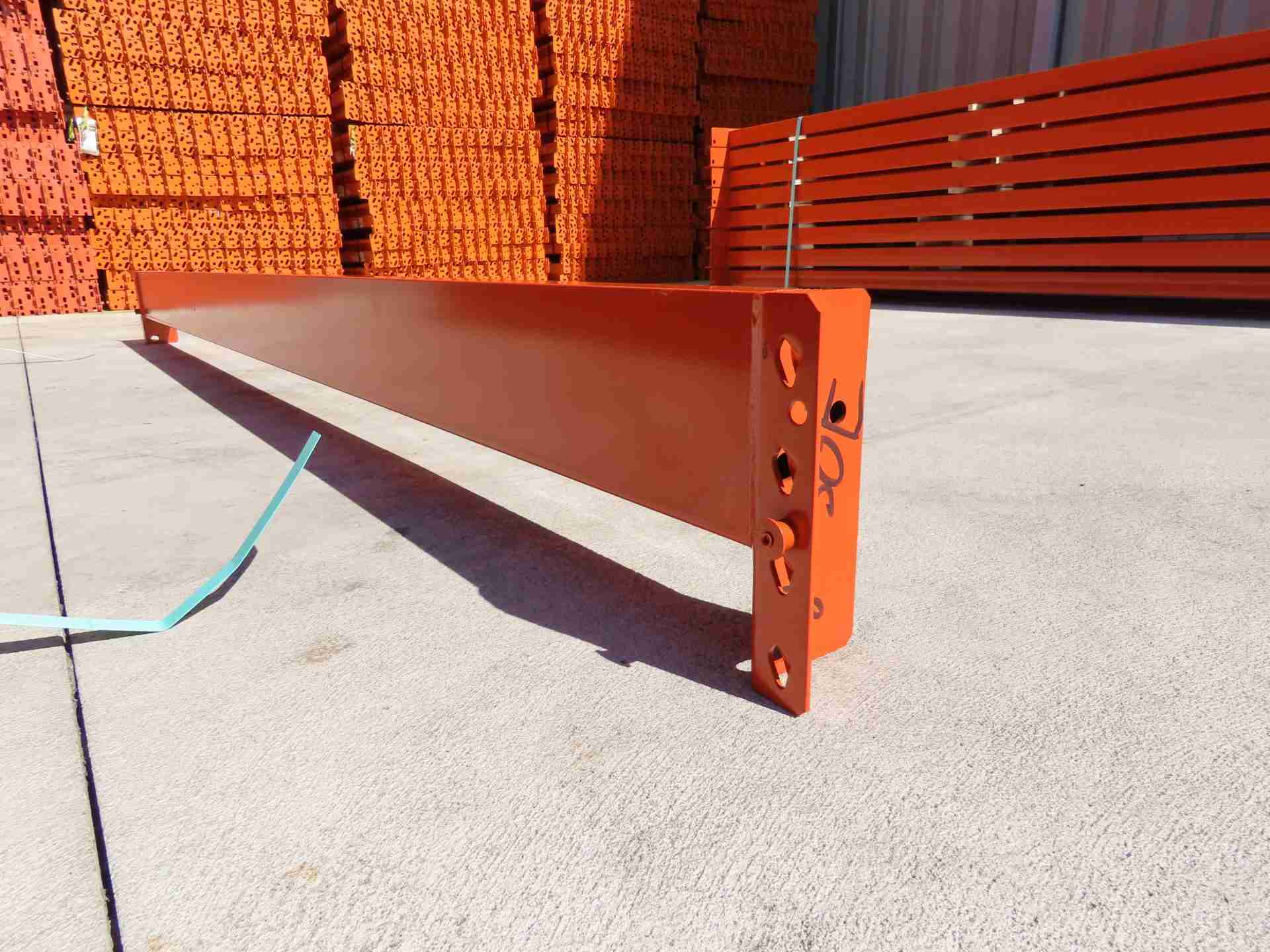
Designing for Competitive Shipping Speed
Designing for Competitive Shipping Speed
- Speed is critical in logistics, affecting customer satisfaction and operational success.
- Efficient racking systems enhance the picking process, reducing search time and boosting warehouse productivity.
- A supportive work environment with adequate lighting and clear layouts increases employee performance and pride.
- Investing in technology can lead to long-term savings by creating a lean, efficient operation.
- Maintaining speed should not compromise quality or worker safety; prioritizing both is essential.
- A strong reputation for reliability is key to brand elevation and customer trust, driven by positive word-of-mouth.
- Designing for speed fosters a culture of respect and efficiency, benefiting customers, employees, and the business overall.
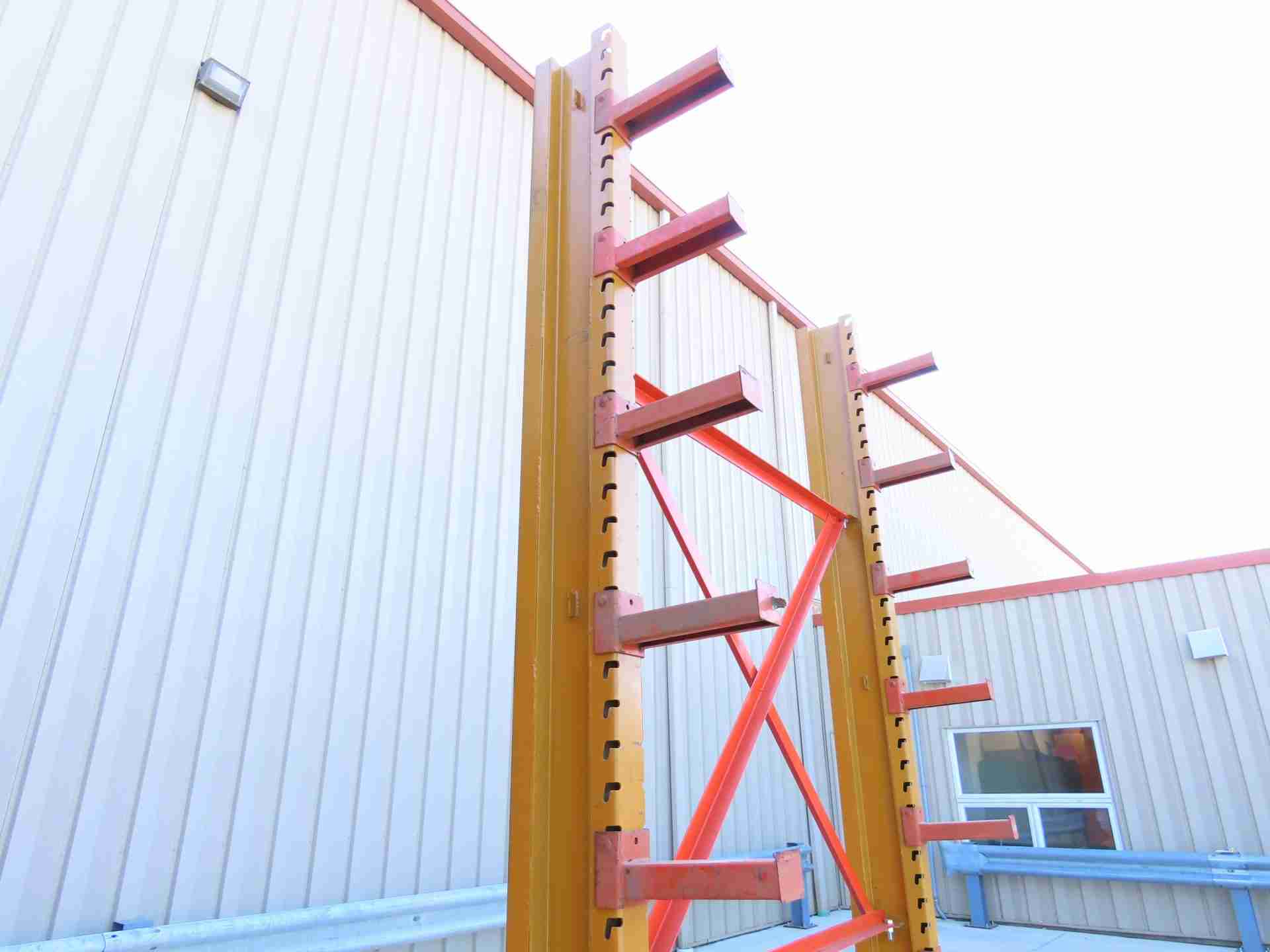
Designing for Competitive Shipping Speed
Table Of Contents
- Designing for Competitive Shipping Speed
- How Do Consumers Perceive the Value Of Fast Shipping?
- What Emotional Impact Does Delayed Shipping Have on Customers?
- How Can Companies Balance Cost and Shipping Speed Effectively?
- What Role Does Technology Play In Enhancing Shipping Efficiency?
- How Do Shipping Speed Expectations Vary Across Different Demographics?
- What Are the Hidden Costs Of Prioritizing Fast Shipping?
- Conclusion
- Other Resources
- Glossary Of Terms
- Other Questions
- Checklist
How Do Consumers Perceive the Value Of Fast Shipping?
How Do Consumers Perceive the Value of Fast Shipping?
Fast shipping isn’t just a perk anymore; it’s a lifeline for today’s consumers, and its value resonates deeply across emotions and logic. Picture this: after days of waiting and imagining—maybe it’s that new racking system you need to organize your garage or some tool for a DIY project—you get the notification that it’s arriving tomorrow. The thrill of instant gratification kicks in, and suddenly, an ordinary day transforms into a moment of personal victory.
From a rational perspective, consumers connect fast shipping to efficiency. In a world that never slows down, waiting isn’t viable. Time lost is productivity thrown away, and many workers, whether in a furniture shop or a construction site, understand how a delayed shipment can ripple through their operations. Fast shipping ensures the tools and materials arrive when they are needed, keeping projects on track and incomes steady. That practicality is hard to beat.
Ethically, the expectation manufacturers and retailers create around fast shipping taps into something deeper: the desire for fairness and respect. When a company commits to quick delivery, it shows they value the customer’s time as much as their own. It’s a simple acknowledgment that time is precious, and goods must flow smoothly; no one likes sticking points in the process.
Narratively, we all have stories about why fast shipping matters. It might be the desperate midnight repair job when the last tool prevents disaster or the family gathering where perfect timing is everything—missing out feels personal. We relate to those moments. We understand that when a delivery arrives ahead of schedule, it’s more than a package; it’s making memories possible.
Socially, consumers talk about their experiences with brands, and fast shipping is often at the center. Good service leads to word-of-mouth recommendations, fostering a community built on trust. People want to support businesses that prove they care, showing that the relationship isn’t just transactional; it’s a partnership.
Trust builds around reliable service, inspiring confidence in repeat purchases. Fast shipping moves from being a logistic detail to a defining feature of the consumer experience. It’s a symbol of commitment, conveying that a company is ready to stand by its promises. Good service isn’t just a cherry on top; it’s the whole sundae, wrapped in the urgency of modern life.

How Do Consumers Perceive the Value Of Fast Shipping?
How Do Consumers Perceive the Value Of Fast Shipping?
- Fast shipping is now essential, significantly impacting consumer satisfaction and emotional connection.
- It is associated with efficiency, as consumers view timely delivery as crucial to productivity.
- Fast shipping reflects a company’s respect for the customer’s time and enhances ethical business practices.
- Personal stories emphasize the importance of timely deliveries in creating memorable experiences.
- Positive shipping experiences lead to word-of-mouth recommendations and build community trust.
- Reliable fast shipping fosters customer loyalty and encourages repeat purchases.
- Fast shipping is more than logistics; it is a reflection of a company’s commitment to service quality.

How Do Consumers Perceive the Value Of Fast Shipping?
What Emotional Impact Does Delayed Shipping Have on Customers?
When a package doesn’t show up on time, it stirs more than just a few frustrations. It crafts a small tale of disappointment that weaves through the very fabric of daily life. Picture this: you’ve been waiting for that much-needed tool to arrive—a piece of equipment that can make or break the job you’re doing. Delays aren’t mere inconveniences; they create a ripple effect. The anticipation that once filled your heart turns to anxiety as the clock ticks by.
Let’s break it down. When expectations are unmet, it doesn’t just stop at missing a delivery. It raises questions about reliability and trust. Customers start to wonder if they made the right choice. Are they dealing with a company that doesn’t care about its word? That feeling of being let down can taint future decisions, making folks hesitant to engage with the brand again. Part of making a choice is about feeling confident in the promises made—promises that a shipment will arrive on time, that customer service will be there if something goes wrong.
There’s an ethical layer to this, too. Customers have lives—jobs, families, commitments. A delay doesn’t just inconvenience someone; it can mean missed deadlines or disrupted plans. That’s not just bad business; it’s a lack of respect for people’s time and effort. When companies fail to navigate shipping delays with transparency, it leads to a breakdown in relationship.
Let’s not forget the social side of things. People talk. A delayed shipment is often more than a solo experience; it’s shared through conversations, social media, and reviews. Discontent rolls from one person to another like a bad rumor, and soon a brand’s reputation is on the line. Racking systems in warehouses may be perfectly designed, but if they can’t deliver trust alongside their products, then what’s the point?
The gut feeling of disappointment mixed with a dash of resentment can steer customers away. Yet, when companies take the extra step to communicate during these hiccups—say, by providing updates or even small compensations—it breeds connection and cultivates loyalty. In those moments, it’s about how you treat your customers when things go awry that speaks volumes. Showing empathy during delays can transform frustration into appreciation, fostering an environment where trust flourishes, and customers feel valued. That’s the kind of commitment that can turn a setback into a comeback, leaving room for lasting relationships.

What Emotional Impact Does Delayed Shipping Have on Customers?
What Emotional Impact Does Delayed Shipping Have on Customers?
- Delays in package delivery create disappointment and anxiety for customers.
- Unmet expectations lead to questions about a company’s reliability and trustworthiness.
- Customers may become hesitant to engage with brands that fail to meet delivery promises.
- A delay can disrupt personal plans, impacting customers’ lives beyond mere inconvenience.
- Social media and conversations can amplify discontent, affecting a brand’s reputation.
- Effective communication and empathy during delays can foster loyalty and positive relationships.
- Transforming frustrating experiences into positive ones is crucial for customer retention.
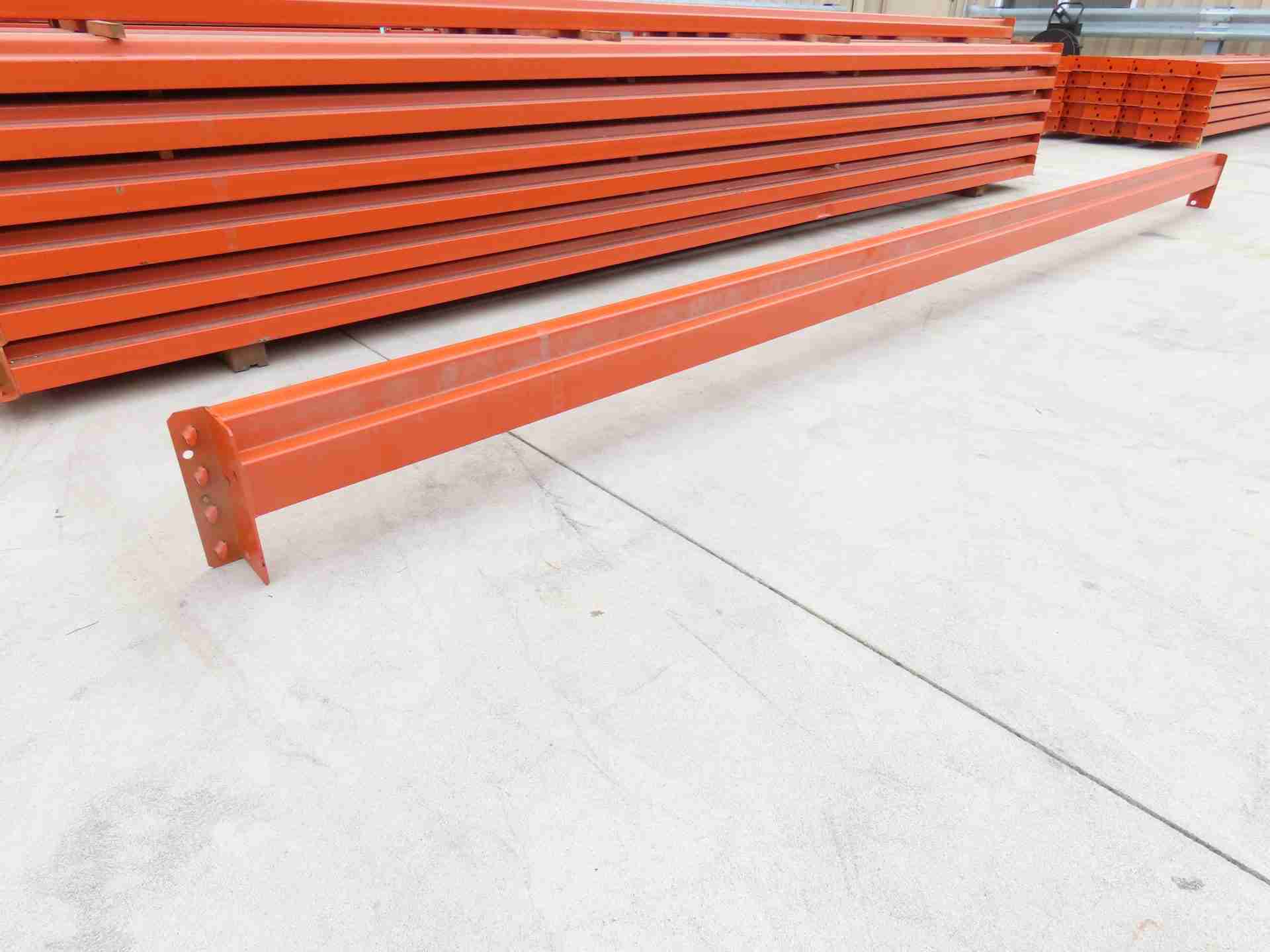
What Emotional Impact Does Delayed Shipping Have on Customers?
How Can Companies Balance Cost and Shipping Speed Effectively?
In the world of logistics, the tug-of-war between cost and speed can often feel like a never-ending battle. Companies want to deliver products quickly to keep customers happy, but those fast services come with a price tag that can chip away at profits. Here’s where the rubber meets the road: finding that sweet spot where you don’t sacrifice quality for speed, or vice versa.
First off, let’s talk about Racking Systems. Properly designed racking can streamline your warehouse operations, leading to quicker retrieval times and smoother processes overall. Imagine walking into a warehouse where everything is organized just right. You can see where every last toolbox and part is located. That’s not just a dream; it’s the direct result of smart investments in racking systems. It not only speeds up order fulfillment but also cuts down unnecessary labor costs. When workers can zip straight to what they need, your shipping speed naturally improves without breaking the bank.
The heart of this matter isn’t just about dollars and cents; it’s about building trust with your customers. Picture this: a loyal customer orders something for a special occasion. They have a deadline, and they count on you. When you meet that deadline, you don’t just deliver a product; you deliver confidence. This relationship, built on reliability, encourages customers to come back, and that loyalty is gold in the long run.
From a rational standpoint, companies need to analyze their shipping data to find the balance between speed and cost. Every business has its unique rhythm, and understanding which orders can afford to take their time—and which need to fly out the door—can save a whole lot of headaches.
Moreover, there’s an ethical angle to consider. Taking shortcuts in shipping processes might seem tempting, especially when profits are on the line. However, companies that prioritize transparency and quality ensure that their reputation stays intact. It fosters a community of repeat customers who appreciate a company that stands by its promises.
The conversation about cost and speed is not just about logistics; it’s about real people in real situations. By investing in streamlining their operations and being mindful of customer needs, companies can create a seamless and trustworthy service. It’s less about cutting corners and more about building a solid foundation for lasting relationships. When you balance cost and speed effectively, you’re not just shipping boxes; you’re delivering trust, reliability, and a promise fulfilled.

How Can Companies Balance Cost and Shipping Speed Effectively?
How Can Companies Balance Cost and Shipping Speed Effectively?
- The logistics industry faces a continual challenge of balancing cost and speed in product delivery.
- Effective racking systems improve warehouse operations by enhancing retrieval times and reducing labor costs.
- Organized warehouses facilitate efficient order fulfillment and faster shipping.
- Building trust with customers is crucial; timely deliveries foster loyalty and confidence.
- Analyzing shipping data helps companies find an optimal balance between speed and cost based on unique business needs.
- Prioritizing transparency and quality over shortcuts protects company reputation and encourages repeat business.
- Investing in streamlined operations enhances service quality and relationship-building with customers.

How Can Companies Balance Cost and Shipping Speed Effectively?
What Role Does Technology Play In Enhancing Shipping Efficiency?
In the world of shipping, every second counts, and technology steps up like a reliable friend ready to lend a hand. As cargo moves from point A to point B, the stakes are high, and the pressure is palpable. Traditional methods just won’t cut it anymore; we need innovation to thrive in this competitive landscape.
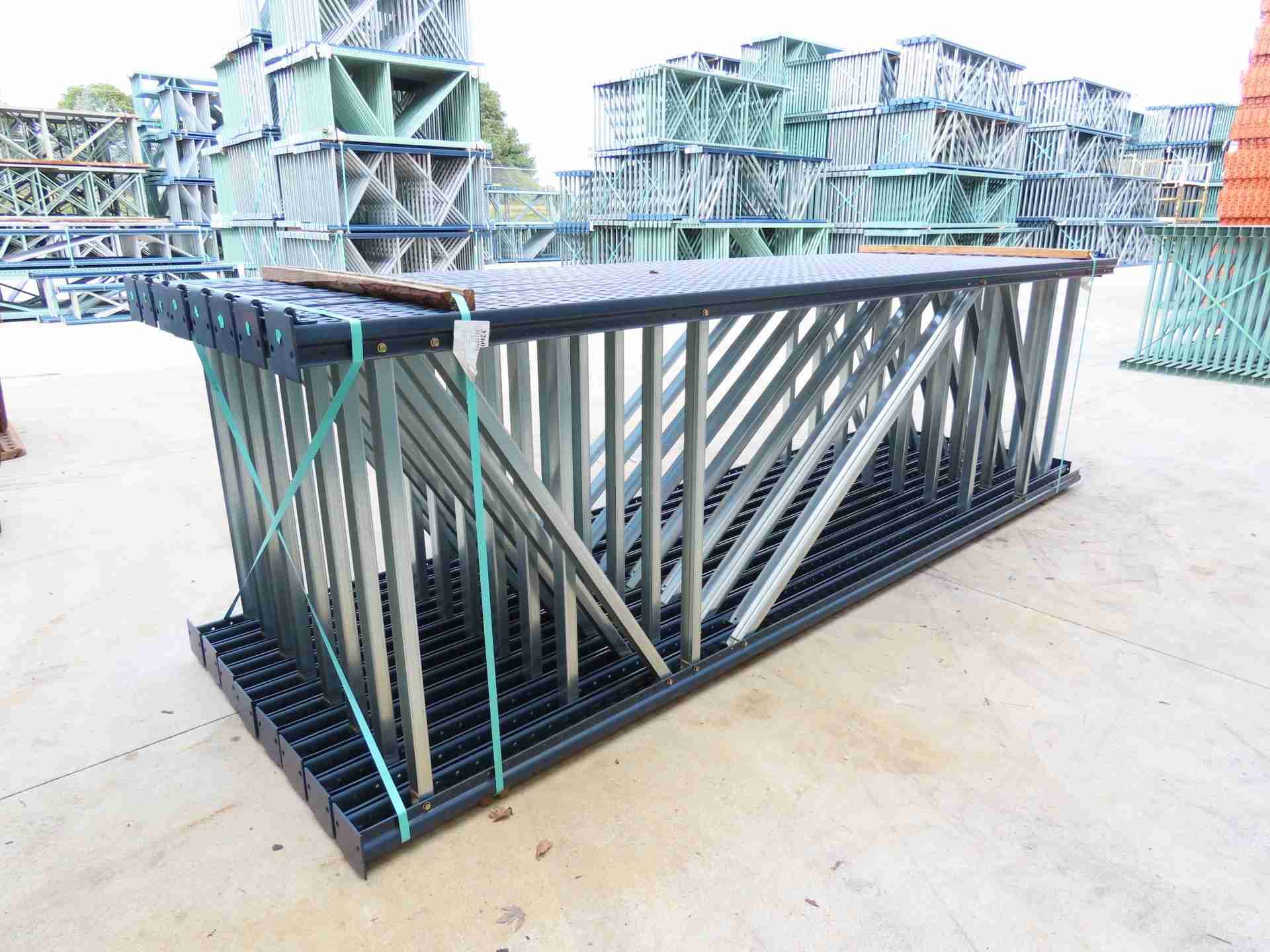
Take racking systems, for example. These are the unsung heroes of warehouses. They organize goods in a way that keeps everything accessible and efficient. Imagine a crew scrambling to find a box of supplies in a maze of stacked pallets. Frustrating, right? But with smart racking systems, each item has a place, making retrieval quick and hassle-free. It’s not just about saving time; it’s about the ease of operation that boosts morale. Workers feel empowered when their tasks are simplified, which fosters a culture of teamwork and pride in the job.
Then there’s the impact of real-time tracking systems. Here’s where emotion meets rationality. Picture a fleet manager, anxious about his deliveries. With the right technology, he can monitor each shipment’s location and condition. If something goes wrong, he’s not left in the dark. He can address issues immediately, maintaining communication with clients and ensuring trust is upheld. That sense of control is invaluable—nobody likes feeling helpless or seeing their hard work go to waste.
Ethically, using technology in shipping also means being more sustainable. Automated routes and load optimization reduce fuel consumption, and that carries a ripple effect. Less pollution means a healthier planet for future generations, which appeals to our better selves. It’s about passing on a legacy of responsibility and awareness, not just profit.
And let’s not forget the power of data. With analytics, we gain insights into trends and inefficiencies. Decisions can be made based on hard facts, not just gut feelings, leading to smarter, more effective strategies. This builds credibility, as businesses can show clients they’re not just shipping products; they’re committed to excellence.
Technology isn’t just a tool; it’s a lifeline in the shipping industry, connecting us all. It bridges the emotional with the rational, ensuring that every part of the process harmonizes. By embracing these advancements, we’re not just enhancing efficiency—we’re building a stronger community, one shipment at a time.
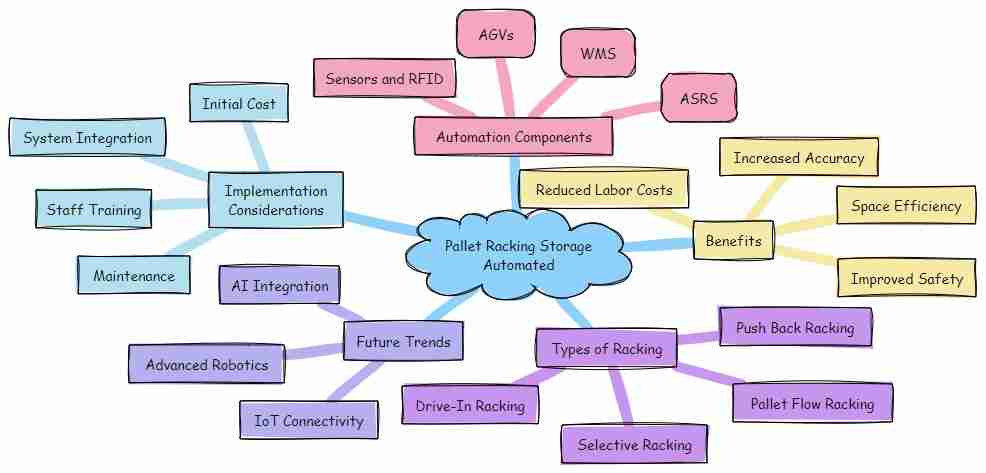
What Role Does Technology Play In Enhancing Shipping Efficiency?
What Role Does Technology Play In Enhancing Shipping Efficiency?
- Technology plays a crucial role in the efficiency of shipping, as traditional methods are becoming inadequate.
- Smart racking systems enhance warehouse organization, making goods accessible and improving worker morale.
- Real-time tracking systems provide fleet managers with crucial shipment information, fostering trust and control.
- Using technology promotes sustainability through automated routes and load optimization, reducing fuel consumption and pollution.
- Data analytics offer insights into operational trends, enabling fact-based decision making for improved strategies.
- Businesses gain credibility by demonstrating commitment to excellence rather than merely fulfilling shipping tasks.
- Overall, technology fosters a stronger shipping community by harmonizing emotional and rational aspects of the process.
What Role Does Technology Play In Enhancing Shipping Efficiency?
How Do Shipping Speed Expectations Vary Across Different Demographics?
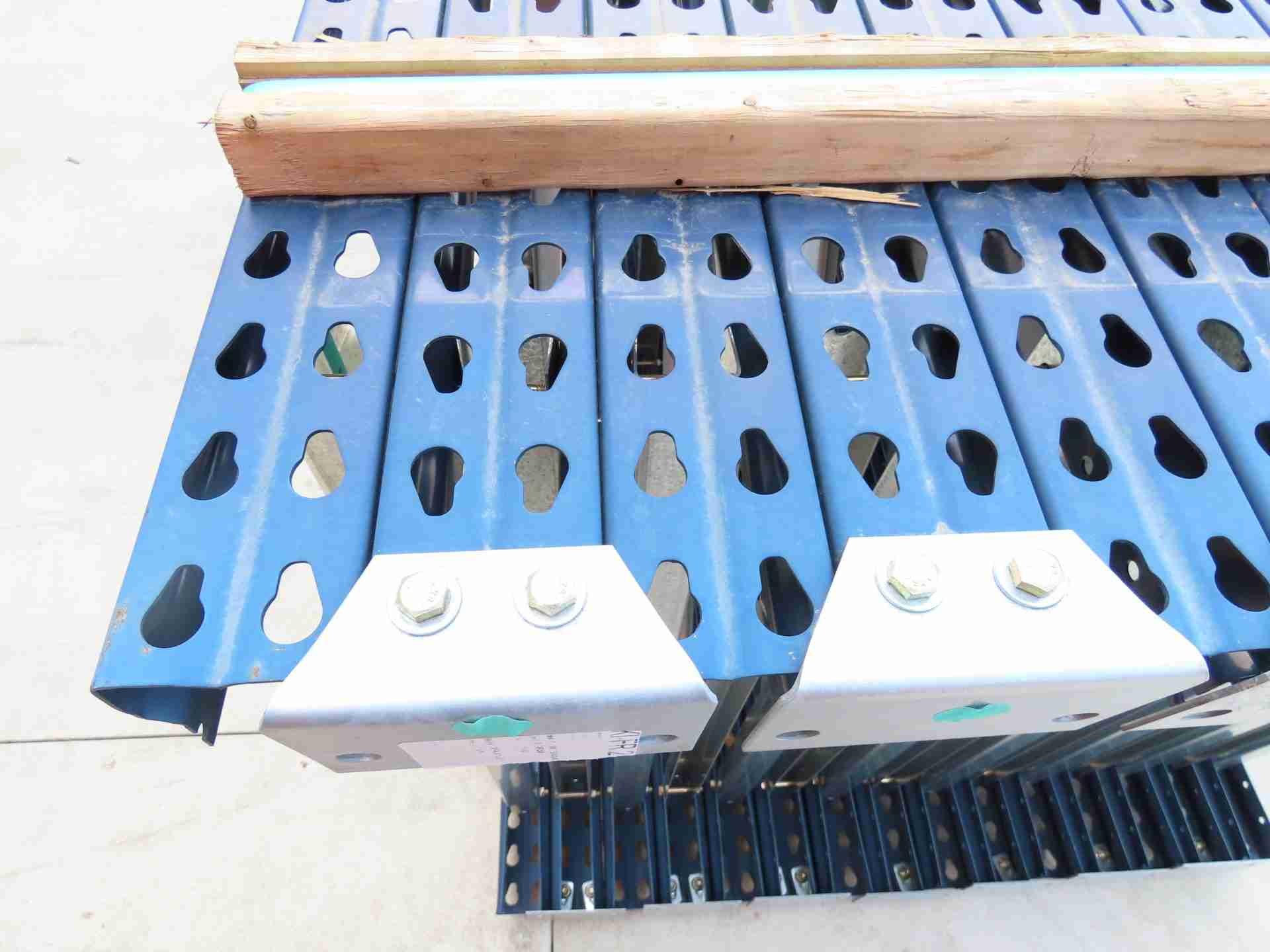
Shipping speed expectations often reflect the values, lifestyles, and practical needs of different demographics. For instance, young professionals in bustling cities, hardened by the fast-paced grind, measure time with the same urgency as their next deadline. They expect swift deliveries, often reliant on racking systems that allow for swift retrieval and packing. These folks are drawn to services that promise same-day delivery; a package arriving late can spell disappointment or even inconvenience for their tightly scheduled lives.
Contrast this with families in suburban or rural areas, where the pace of life is a touch slower. Here, the expectation of shipping speeds is often more flexible. Families prioritize reliability over rapidity. A father waiting for tools for a weekend project knows he can plan around a shipping window of three to five days, trusting that the delivery will show up when promised. This demographic values straightforward communication; they need to know exactly when something’s coming—not just to manage their own schedules but also to instill that same sense of confidence in their children.
Then there’s the older generation, who might not be as steeped in technology but possess a wealth of experience. They often appreciate a personal touch, such as giving a call from the delivery service to confirm details. For them, shipping speed is less about the clock and more about connection; they find solace in knowing that the package they’ve ordered arrives via a dependable service, where the racking systems are organized and efficient, reflecting a quality they value.
Beyond individual perspectives, there’s a shared human experience around the anticipation of waiting for something special. Whether it’s a birthday gift ordered online or a new gadget, the thrill of anticipation cuts across all demographics. It taps into our desire for connection and reliability. A company that understands this emotional landscape can build trust by not just meeting but exceeding expectations, creating a narrative where customers feel seen and valued.
By recognizing the nuances in shipping speed expectations among various groups, businesses can tailor their approach effectively. They can foster connection by ensuring their processes—like optimized racking systems for quick access—are transparent and efficient, inviting customers to engage in a relationship built on trust. It’s this blend of emotional, rational, and ethical considerations that can inspire a loyal customer base that feels confident in their choices and appreciated for who they are.
How Do Shipping Speed Expectations Vary Across Different Demographics?
How Do Shipping Speed Expectations Vary Across Different Demographics?
- Shipping speed expectations vary across demographics, influenced by values and lifestyles.
- Young professionals in urban areas prioritize swift deliveries, often expecting same-day service.
- Families in suburban and rural areas value reliability over speed, with flexible shipping windows.
- Older generations appreciate personal touches in delivery, favoring connection over rapidity.
- All demographics share the anticipation of waiting for special packages, tapping into a desire for connection.
- Understanding these nuances allows businesses to tailor their services and foster customer relationships.
- A blend of emotional, rational, and ethical considerations can inspire loyalty and confidence among customers.

How Do Shipping Speed Expectations Vary Across Different Demographics?
What Are the Hidden Costs Of Prioritizing Fast Shipping?
When businesses chase after fast shipping like it’s the Holy Grail, they often overlook the hidden costs creeping into their operations. Sure, customers love it when their order arrives quicker than a high school basketball game’s halftime show, but behind that shiny promise lies a tangled mess of consequences.
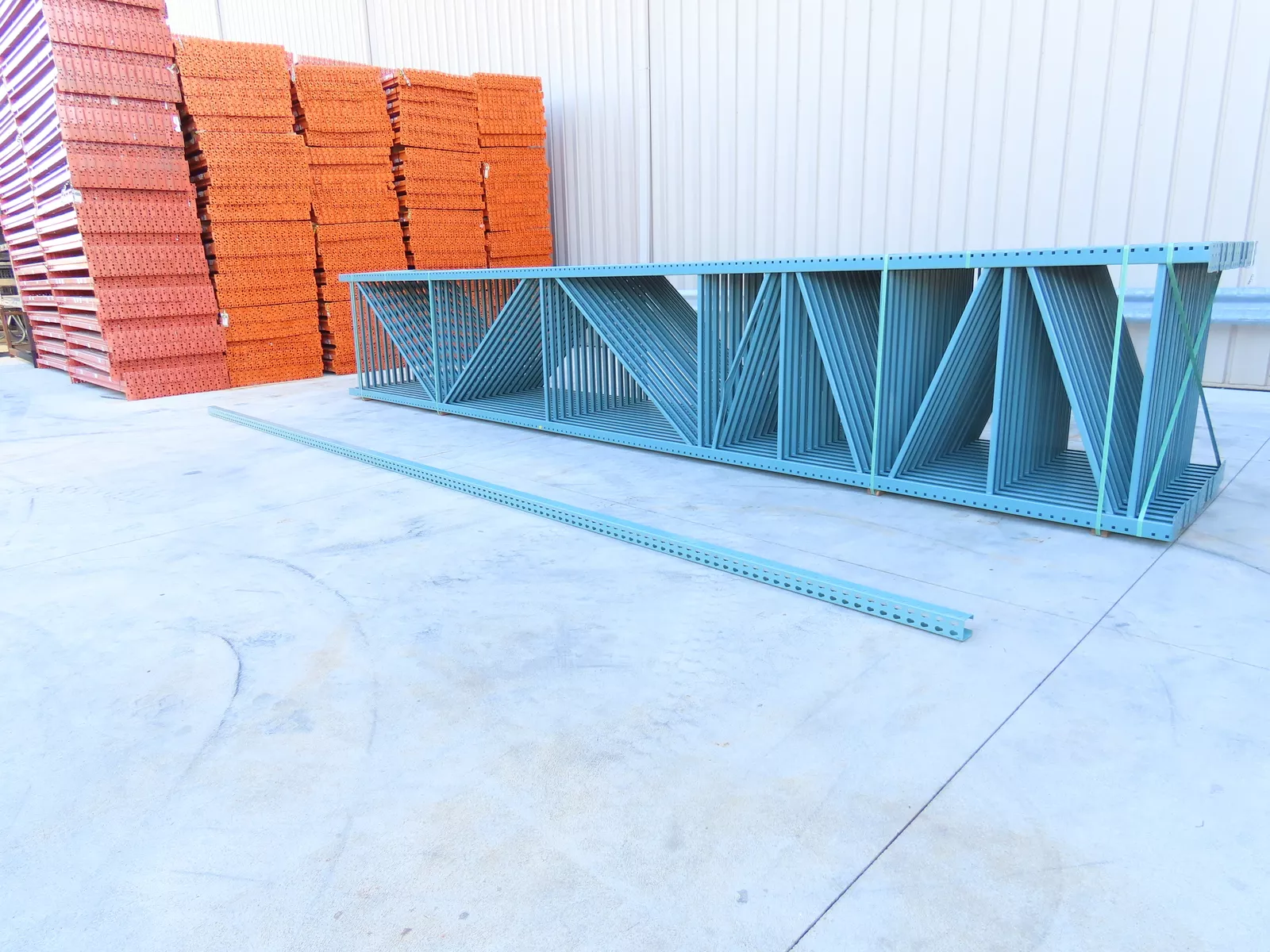
First off, the speed of shipping elevates stress on the whole supply chain, from the warehouse to the delivery truck. Racking systems, essential for keeping inventory organized, often get stretched to their limits. Employees are hustling to keep up, leading to burnout faster than you can say “next-day delivery.” It’s easy to forget that those individuals are the backbone of the operation. Keeping them happy should matter, because a worn-out worker can translate into costly errors, delays, or worse—accidents.
Then there’s the financial side. Businesses shell out more cash for expedited shipping methods, trading long-term stability for short-term gains. It’s akin to putting a down payment on a sports car but draining your bank account in the process. Fast shipping can raise overhead costs, and before you know it, that shiny profit margin starts looking more like a mirage in the desert. For the average consumer, that can translate to higher product prices—a reality that hardly anyone is thrilled about.
Ethically, the pressure to meet fast shipping demands can lead to tricky decisions. Companies cutting corners on labor practices to meet deadlines might seem impervious to customers, but the truth is that ethical lapses will eventually catch up. The far-reaching impact of those choices can hurt the community and spark a backlash as people become more conscious about where they spend their money.
And let’s talk storytelling. Every package contains a bit of a journey and a lot of hard work, yet many customers ignore the finer details. They don’t see the late nights spent organizing inventory or those racking systems pushed to their max. A shift in focus towards sustainable, efficient practices can foster a stronger connection with customers, emphasizing that every package represents real people pouring effort into quality service.
Many crave faster delivery, but it’s the relationships and transparency that build long-term trust. In a world where everyone is running at breakneck speed, taking a step back to reassess priorities could be the best decision. Slow and steady might just win the race, paving the way for a more thoughtful approach that respects both people and processes.
What Are the Hidden Costs Of Prioritizing Fast Shipping?
What Are the Hidden Costs Of Prioritizing Fast Shipping?
- Fast shipping creates hidden costs that can impact operations.
- Increased speed puts stress on the supply chain and can lead to employee burnout.
- Expedited shipping methods raise operational costs, affecting profit margins.
- Higher shipping speeds may lead to increased product prices for consumers.
- Ethical concerns arise as businesses cut corners to meet fast shipping demands.
- Transparency and relationships with customers are vital for building trust.
- A shift towards sustainable practices can improve customer connection and service quality.

What Are the Hidden Costs Of Prioritizing Fast Shipping?
Conclusion
Designing for competitive shipping speed isn’t merely a logistical challenge; it’s about crafting a system rooted in respect for customers and employees alike. Fast shipping is now a lifeline for consumers, akin to delivering a sense of urgency and reliability that is often taken for granted. When a customer places an order, their expectations run high; they anticipate not just the product, but the promise of swift delivery that aligns with their busy lives. This reality underscores the necessity for businesses to streamline their operations, often beginning with the layout of their racking systems, which can dictate the overall efficiency of the shipping process.
Investing in technology and thoughtful design isn’t an expense; it’s a means of improvement that leads to better performance and morale among workers. When employees have access to the right tools in an ergonomic space, they tend to take pride in their work, which translates into heightened productivity and enthusiasm. Fast shipping isn’t just about getting packages out the door; it’s about meeting very human needs. The emotional ripple of delayed orders can breed disappointment and distrust, leading customers to question their choices and the brands they support. Thus, companies must approach shipping delays with transparency and a commitment to customer care, transforming potential failures into opportunities for empathy and deeper connection.
Balancing cost and speed is no small feat, yet it’s crucial to fostering long-term relationships based on trust. Smart investments enable businesses to assess which orders require expedited service and which can be handled at a steadier pace, ensuring that customer expectations are met without excess strain on resources. Ethical considerations around speed should not be overlooked; every decision impacts not just the bottom line, but the very people who make up the workforce and the communities they serve.
In this contemporary landscape, fast shipping is about more than just logistics. It creates narratives of reliability and promise, encapsulating moments that matter to consumers. As tales of experiences with different brands circulate among social circles, those that prioritize meaningful connections will earn loyalty far beyond a single transaction. Recognizing and addressing the nuanced needs of various demographics can strengthen brand loyalty and narrative, aligning operations with the broader societal context in which they operate. Ultimately, it’s a cycle of understanding—the respect shown to customers and employees will pay dividends in trust, satisfaction, and community.

Conclusion
Conclusion:
- Fast shipping is both a logistical challenge and a commitment to customers and employees.
- Customers expect swift delivery, which aligns with their busy lives and enhances brand trust.
- Efficient racking systems and streamlined operations are crucial for improving shipping processes.
- Investing in technology and ergonomic design boosts employee morale and productivity.
- Delays in shipping can harm customer relationships, necessitating transparency and empathy from companies.
- Balancing cost and speed is essential for maintaining trust and managing resources effectively.
- Fast shipping fosters brand loyalty through meaningful connections and understanding diverse customer needs.

Conclusion
Other Resources
Other Resources
Here is a list of other resources you can review online to learn more:
- Heavy-Duty Cantilever Storage Racks
- The Complete Pallet Rack Guide – Simply Rack
- Cantilever Rack Guide: Ordering Cantilever Racking
- WERC
- Intro to Warehouse Racks & Warehouse Racking Systems – ShipBob
- BMH Equipment LLC
- Cantilever Racking Specialists – Get the Right Racks
- Shipping Boxes, Packaging Materials, Pallet Racking
- IIWS Inc. Rack Installation Illinois & Rack Repairs Illinois
- Arrow Industrial Sales
- Storage Equipment Manufacturers’ Association
- Teardrop Pallet Rack – Ridg-U-Rak
- Chicago Pallet Racking
- Mustang Material Handling
- CA Wire
- Pallet Rack Systems – New and Used Pallet Racking and Shelving Experts
- What is Selective Pallet Racking
- Iowa Illinois Warehouse Racking
- Warehousing and Fulfillment
Use This Prompt To Get More Resources With Your Favorite Online AI Tool: Please provide me with a list of online articles with their URLs in a bulleted list that I can read regarding Designing for Competitive Shipping Speed

Other Resources
Glossary Terms
Designing for Competitive Shipping Speed – Glossary Of Terms
1. Agile: A methodology emphasizing flexibility and responsiveness in design and logistics processes to enhance shipping speed.
2. Benchmarking: Comparing performance metrics against industry standards to identify areas for improvement in shipping efficiency.
3. Capacity: The maximum load or volume that shipping methods or routes can handle at any given time, impacting speed.
4. Cold Chain: A temperature-controlled supply chain necessary for perishable goods to maintain quality during rapid shipping.
5. Consolidation: The practice of combining multiple shipments into one to optimize transport efficiency and reduce delivery time.
6. Cross-docking: The logistics practice of unloading goods from incoming transport and loading them directly onto outbound transport to minimize storage time.
7. Fulfillment Center: A facility designed to store and ship products quickly in response to customer orders, enhancing delivery speed.
8. Just-in-Time (JIT): An inventory strategy that aligns production schedules with demand to minimize waste and shipping delays.
9. Lead Time: The total time required from order placement to delivery, crucial in determining competitive shipping speed.
10. Logistics: The detailed coordination of complex operations involving people, facilities, and supplies to optimize shipping.
11. Last-Mile Delivery: The final step of delivering goods from a distribution center to the end customer, often the most time-sensitive part of shipping.
12. Optimization: The process of making a logistics system as effective and efficient as possible to improve speed and reduce costs.
13. Packaging: The method of preparing goods for transport, which can affect speed, efficiency, and cost in shipping.
14. Predictive Analytics: Using data analysis to forecast shipping trends and improve decision-making for faster delivery.
15. Process Mapping: Visual representation of shipping processes to identify bottlenecks and streamline workflows for improved speed.
16. Routing: The determination of the most efficient paths for transporting goods, crucial for reducing shipping times.
17. Supply Chain: The entire system of production, processing, and distribution of goods, impacting overall shipping speed.
18. Third-Party Logistics (3PL): Outsourcing logistics services to enhance speed and efficiency in shipping operations.
19. Throughput: The rate at which goods are processed and shipped, a key metric in assessing shipping performance.
20. Transit Time: The duration it takes for goods to move from origin to destination, essential in evaluating shipping competitiveness.
21. Transparency: Clear visibility of shipping processes and status, allowing for better management of expectations and speeds.
22. Tracking: Monitoring the movement of shipments in real-time to enhance customer satisfaction and speed of service.
23. Vendor Management: Coordinating with suppliers and transport services to ensure timely delivery and shipping efficiency.
24. Warehousing: The storage of goods before shipping, where layout and management can impact overall shipping speed.
25. Automation: The use of technology to streamline shipping processes, reducing human error and increasing speed.
26. Integration: Coordination between different logistics systems to create efficiencies and speed up shipping times.
27. Distribution Network: The interconnected system of warehouses, transport routes, and delivery mechanisms that impact shipping efficiency.
28. Returns Management: The process of handling returned goods, which can affect shipping speed for both returns and new orders.
29. Freight Forwarder: An agent who organizes the shipment of goods on behalf of shippers to optimize shipping speed and cost.
30. eCommerce: Online business where fast shipping is critical for customer satisfaction and competitive advantage.

Glossary Of Terms
Other Questions
Designing for Competitive Shipping Speed – Other Questions
If you wish to explore and discover more, consider looking for answers to these questions:
- What specific KPIs should we track to measure shipping speed and overall fulfillment performance?
- How do we calculate ROI for investments in racking systems, automation, or new warehouse layouts?
- Which automation technologies (AGVs, sorters, robots, conveyors) give the best speed-to-cost trade-off for different business sizes?
- How can small and mid-sized businesses compete on shipping speed without large capital expenditures?
- What are the safety, ergonomic, and labor-law considerations when optimizing warehouses for speed?
- How should businesses plan and scale for peak seasons to maintain fast shipping without excessive cost?
- What are the hidden operational and indirect costs of offering same-day or next-day delivery?
- How can companies segment orders (priority, size, SKU) to balance cost and delivery speed effectively?
- How does faster shipping affect return rates, reverse logistics, and restocking operations?
- What are best practices for communicating delays, ETAs, and compensations to customers?
- How can forecasting and analytics improve inventory placement to reduce picking and transit time?
- What common integration challenges exist between WMS, TMS, ERP, and e-commerce platforms?
- How should warehouse layouts and racking be designed specifically to speed up picking and packing?
- What trade-offs exist between pursuing faster shipping and reducing environmental impact?
- How do shipping speed expectations differ by region, demographic, and product category?
- How can last-mile carriers and delivery partners be optimized or selected to improve reliability and speed?
- What contingency and continuity plans should be in place for disruptions (weather, supplier issues, labor strikes)?
- How does packaging design influence handling speed, damage rates, and transit efficiency?
- What labor practices and incentives reduce burnout while maintaining high throughput?
- How do you set realistic SLAs, delivery promises, and refund/compensation policies that build trust?
- What regulatory, customs, and cross-border considerations affect the feasibility of fast international shipping?
- How should shipping options be priced (free, expedited, subscription) without eroding margins?
- What role do micro-fulfillment centers and decentralized inventory play in accelerating delivery?
- How can companies quantify the emotional and brand impact of on-time versus delayed deliveries?
- What environmental certifications or sustainability standards are relevant when optimizing for speed?
- How should orders be prioritized when capacity is constrained or during peak demand?
- What training and onboarding programs best prepare staff for high-speed fulfillment operations?
- How do you evaluate and select third-party logistics (3PL) providers based on speed, reliability, and cost?
- What monitoring, alerting, and real-time visibility tools are essential for proactive shipment management?
- How can companies phase in technology, racking, or process changes with minimal disruption to operations?
- Which metrics indicate it’s time to invest in automation versus optimizing manual processes?
- How do you balance customer expectations for speed with ethical labor practices and sustainability goals?
- What real-world case studies show successful strategies for balancing cost and shipping speed?
- How does product assortment complexity and SKU proliferation affect fulfillment speed and design choices?
- What are the long-term maintenance, depreciation, and ownership costs associated with advanced racking and automation?

Other Questions
Checklist
Designing for Competitive Shipping Speed – A Checklist
Strategy and Promise Alignment
✅______ Define clear shipping tiers (same-day, next-day, economy) with SLAs by region/zone.
✅______ Publish realistic order cutoff times; display cart-level countdowns.
✅______ Align shipping promises with capacity, seasonality, and peak calendars.
✅______ Implement smart order routing to the nearest node, 3PL, or store for fulfillment.
✅______ Establish OTIF (on-time, in-full) targets and accountability.
Warehouse Layout and Racking
✅______ Use ABC/velocity slotting; place fastest movers in golden zones.
✅______ Design shortest-path pick routes; minimize travel and touches.
✅______ Maintain clear aisles, lighting, signage, and ergonomic pick heights.
✅______ Create dedicated fast lanes and pack stations for express orders.
✅______ Enable cross-docking for pre-labeled and high-velocity SKUs.
✅______ Enforce location accuracy and cycle counts (target >99.5%).
Workforce Enablement and Safety
✅______ Cross-train teams; staff to demand curves and peak profiles.
✅______ Provide pick-to-light/RF scanners and job-specific tools/PPE.
✅______ Incentivize accuracy, speed, and safety (not speed alone).
✅______ Schedule fatigue-aware breaks; monitor overtime and injury rates.
✅______ Run regular safety audits and near-miss reviews.
✅______ Share performance dashboards to build pride and ownership.
Technology and Data
✅______ Deploy a WMS with wave, batch, and cluster picking capabilities.
✅______ Use an OMS for promise dates and order orchestration.
✅______ Use a TMS for multi-carrier rate shopping and service selection.
✅______ Provide real-time tracking and exception alerts (internal and customer-facing).
✅______ Centralize inventory visibility across all nodes.
✅______ Instrument KPIs: pick rate, order-to-ship time, OTIF, WISMO contacts, CSAT/NPS.
Inventory, Forecasting, and Replenishment
✅______ Maintain safety stock on fast movers; set min/max by node.
✅______ Forecast with seasonality, promotions, and lead-time variance.
✅______ Enforce ASN compliance and vendor OTIF requirements.
✅______ Pre-kit bundles; stage packaging supplies near pack lines.
✅______ Trigger automated replenishment to forward pick locations.
Carrier Network and Packaging
✅______ Onboard regional carriers and parcel consolidators where competitive.
✅______ Use zone-skipping and injection strategies for distant zones.
✅______ Optimize DIM weight; right-size packaging and dunnage.
✅______ Preprint labels for prioritized waves; enable paperless returns where possible.
✅______ Audit carrier performance and claims monthly.
Customer Communication and Experience
✅______ Set ETAs on PDP, cart, and checkout with confidence bands.
✅______ Offer delivery options (speed, pickup lockers, time windows).
✅______ Send proactive updates (shipped, out for delivery, delay notifications).
✅______ Implement delay playbooks (apology, compensation, reship/refund triggers).
✅______ Provide self-serve tracking and address change tools.
Cost–Speed Balance
✅______ Model landed cost per order by speed tier; protect margins with guardrails.
✅______ Use thresholds (free-shipping minimums) and memberships to fund speed.
✅______ Segment orders where economy speed is acceptable; prioritize high-value or urgent.
✅______ Track expedite and overtime spend against CLV impact and churn.
Risk and Contingency Management
✅______ Maintain alternate carriers and lanes; test failover quarterly.
✅______ Stock contingency inventory for weather and peak disruptions.
✅______ Define manual pick-pack-ship SOPs for system outages.
✅______ Back up power and network in critical areas; validate recovery times.
Sustainability and Ethics
✅______ Optimize routes and loads to reduce fuel and emissions.
✅______ Offer green checkout options (consolidated or no-rush incentives).
✅______ Enforce ethical labor standards; cap overtime; report safety metrics.
✅______ Track packaging recyclability and waste reduction.
Demographic Tailoring
✅______ Urban professionals: same-day/next-day, evening delivery, lockers.
✅______ Suburban/rural: reliable 2–5-day windows with precise ETAs.
✅______ Older customers: optional phone confirmations and simplified updates.
✅______ Localize cutoff times and delivery windows by regional behavior.
Hidden Cost Audit
✅______ Monitor error-driven returns, damages, and churn linked to speed pushes.
✅______ Track brand sentiment and WISMO volume during peaks.
✅______ Quantify burnout, absenteeism, and turnover costs.
✅______ Reinvest in automation where ROI offsets expedite and overtime spend.
Measurement and Continuous Improvement
✅______ Review weekly OTIF and promise accuracy; publish scorecards.
✅______ Run root-cause analyses on misses; close the loop with fixes.
✅______ Kaizen pick/pack workflows; A/B test promises and cutoff times.
✅______ Celebrate wins and communicate improvements to customers and staff.
Checklist
At RackingWorld, we help guide you through selecting warehouse storage systems and racking.
Be sure to read our other related stories at RackingWorld to learn more about warehouse storage systems.
0 Comments