
Fostering Connection: Strategies For Meaningful Growth And Engagement
By Tom Seest
At RackingWorld, we help guide you through selecting warehouse storage systems and racking.
Be sure to read our other related stories at RackingWorld to learn more about warehouse storage systems.
Designing for Acquisition-Driven Growth
In the quest for growth, companies often overlook one vital piece of the puzzle: designing for acquisition-driven success. When you think about it, acquiring new customers isn’t just a numbers game; it’s about forging connections that last. Consider how racking systems in a warehouse illustrate the heart of acquisition. These structures aren’t just metal and bolts; they hold the weight of products and expectations. Just like a solid racking system supports goods efficiently, a well-thought-out design can support customer relationships.
Emotional appeal begins with understanding the customer’s journey. Each interaction is a moment of truth, where your design should reflect the values your customers hold dear. A compelling brand story can draw people in, creating a sense of belonging. When they see your products as a part of their lives, it’s not just a sale; it’s a partnership. Connect with their dreams and struggles. Deliver a narrative that resonates, just like a good old-fashioned story shared over a meal, where every detail adds flavor to the experience.
On the rational side, design isn’t merely aesthetic. It’s about functionality. Think about those racking systems again; they’re not just arranged randomly; they’re meticulously crafted to maximize space and efficiency. Your business should mirror that logic. Offer clear value propositions that make decision-making easy for potential customers. If they see the clear benefits—whether through user-friendly interfaces, informative content, or intuitive offerings—they’re more likely to choose you over the competition.
Ethically, brands that prioritize transparency and honesty earn trust. Make your customer interactions genuine. Share the story behind your racking systems—the materials used, the craftsmanship involved—show your customers that there’s heart behind every product. Ethics in business is like being a good neighbor; it fosters loyalty and encourages word-of-mouth referrals, which drive growth.
Social appeal can’t be underestimated. People are drawn to brands that reflect their own values and community spirit. Showcase your involvement in local causes or initiatives. Your audience wants to know they’re supporting a business that cares—just like they do.
Acquisition-driven growth isn’t just about numbers; it’s about building a community where customers feel valued and understood. By marrying emotional, rational, and ethical appeals in your design, you cultivate trust and inspire action, leading to a robust and engaged customer base. It’s a straightforward, gritty approach—one that relies on hard work and sincere connection.

Designing for Acquisition-Driven Growth
Designing for Acquisition-Driven Growth
- Designing for acquisition-driven success is crucial for growth, emphasizing lasting customer connections.
- Emotional appeal involves understanding the customer’s journey and creating a compelling brand story.
- Design should reflect customer values, turning sales into partnerships.
- Functionality in design maximizes efficiency, resembling well-crafted racking systems.
- Clear value propositions help potential customers make decisions easily.
- Brands prioritizing transparency and honesty earn customer trust and foster loyalty.
- Social appeal and community involvement strengthen customer relationships and support business growth.

Designing for Acquisition-Driven Growth
Table Of Contents
- Designing for Acquisition-Driven Growth
- What Motivates Users to Choose Your Product Over Competitors?
- How Does Design Impact Customer Acquisition and Retention?
- What Emotional Triggers Can Enhance User Engagement?
- How Can Storytelling In Design Create a Connection with Users?
- What Ethical Considerations Should Guide Product Design Choices?
- How Do Visual Elements Influence User Perception Of Value?
- Conclusion
- Other Resources
- Glossary Of Terms
- Other Questions
- Checklist
What Motivates Users to Choose Your Product Over Competitors?
When folks are looking for products, they aren’t just scanning a list of features; they want something that fits their lives. It’s about finding reliable solutions, like sturdy racking systems that won’t crumble under pressure. You want your product to make sense in a world full of choices, where competition is as thick as the morning fog.
Think about the last time you picked one item over another. It’s not just the specs that caught your eye. Maybe it was the story behind the brand—how it started in a small garage, just like yours, or perhaps it’s how they treat their customers like family, with respect and care. People connect with real stories, not flashy ads. A good racking system isn’t merely about holding stuff; it’s about providing peace of mind. You feel good knowing it’s built to last and support your hard work.
Now, let’s not forget the math. We all want value for our hard-earned dollars, so when you compare costs, it’s crucial to weigh not just the price tag but the long-term benefits. Ethical considerations come into play too. Folks are more inclined to support brands that source materials responsibly or give back to the community. Your customers aren’t just buying a product; they’re supporting a mission—a cause that resonates with their values and tells them they’re part of something bigger.
And that’s where authority comes in. When your product gets glowing recommendations from trusted sources, it’s like getting a nod from the guy who’s been in the trenches himself. Maybe he’s a contractor who knows the ropes or a warehouse manager who’s seen it all. Their endorsement turns your product into a must-have instead of just another option.
Lastly, there’s the gut feeling—something we all know, deep down. It’s that instinct that tells you whether you can trust the product you’re eyeing. If a racking system has a reputation for safety and reliability, it eases that anxious twinge when you think about the weight it’ll carry.
It all comes down to feeling understood, valued, and part of a community. When users see that your product aligns with their lives, meets their needs, and connects with their values, they’ll choose you time and time again over the competition.

What Motivates Users to Choose Your Product Over Competitors?
What Motivates Users to Choose Your Product Over Competitors?
- Consumers prioritize finding products that fit their lives, not just their specifications.
- Brand stories and customer treatment significantly influence purchasing decisions.
- Reliable products, like sturdy racking systems, provide peace of mind for users.
- Value for money includes considering long-term benefits alongside initial costs.
- Ethical sourcing and community support enhance brand attractiveness.
- Endorsements from trusted authorities can elevate a product’s desirability.
- Trust and intuition play key roles in consumer confidence when selecting products.

What Motivates Users to Choose Your Product Over Competitors?
How Does Design Impact Customer Acquisition and Retention?
Design plays a pivotal role in shaping how customers perceive a brand, influencing their decisions to engage and stick around. Consider a well-crafted space using Racking Systems; it’s more than just storage. It’s about efficiency, organization, and trust. When a customer walks into a place where everything has its rightful place, they feel a sense of order that inspires confidence. They know that the brand values their time and experience, which speaks volumes about reliability.
On a deeper level, design connects with customers’ emotions. Imagine the difference between a cluttered warehouse and a neatly arranged one that showcases well-designed racking systems. A clean layout not only enhances the aesthetic but also imbues a sense of respect for the customer’s needs. It tells a story. A story of hard work, attention to detail, and pride in what the business does. That connection doesn’t just lead to a sale; it fosters loyalty. When customers feel seen and understood, they’re more likely to return, bringing their friends along for the ride.
Rationally, the design makes a solid case. Effective design minimizes wasted space and maximizes functionality, which translates directly into better service and faster turnaround times. A customer knows that when they inquire about a product, they’re not getting the runaround; they’re encountering a system designed with them in mind. This thoughtful approach can set a brand apart in a crowded market, making it a go-to option.
Ethically, a brand that embraces smart design respects its customers. It shows that they’ve put their heart and wallet into creating an experience that matters. This transparency generates trust. When customers feel that a company operates with integrity, they’re more inclined to stand by it, even when competition is fierce.
Moreover, there’s a communal aspect to design. When one person has a good experience, they’re likely to share that with others. Word of mouth can be a powerful ally. Good design resonates within communities, leading to increased foot traffic or website visits simply because people want to be part of something that feels right.
Ultimately, investing in thoughtful design, particularly with systems like racking, is not just about aesthetics. It’s about creating spaces that resonate with heart, head, and gut—cultivating a customer base that feels like family, rooted in trust and mutual respect. That’s how design can drive customer acquisition and retention in an ever-competitive landscape.

How Does Design Impact Customer Acquisition and Retention?
How Does Design Impact Customer Acquisition and Retention?
- Design significantly influences customer perceptions and brand engagement.
- Well-crafted spaces with Racking Systems enhance efficiency, organization, and trust.
- A clean and organized layout fosters confidence and demonstrates respect for customer needs.
- Effective design maximizes functionality, leading to improved service and faster turnaround times.
- Brands that prioritize thoughtful design build trust through transparency and integrity.
- Positive customer experiences promote word-of-mouth, increasing community engagement.
- Investing in design cultivates loyalty, creating a family-like relationship with customers.

How Does Design Impact Customer Acquisition and Retention?
What Emotional Triggers Can Enhance User Engagement?
Engaging users isn’t just about slick designs or trendy hashtags; it’s about tapping into the gut, the heart, and the head. Think about those racking systems in a warehouse—built for strength and stability, they hold up the very weight of the operation. You want to create emotional racking systems within your content that can hold the weight of your audience’s feelings and thoughts, too.
Start with the heart. Stories have a way of reaching deep, igniting empathy that can turn a casual browser into a loyal follower. Share real experiences, whether it’s a customer success story about how a product transformed a life or a personal anecdote that relates to everyday challenges. These narratives resonate, making the audience feel understood and connected. People are moved by emotion, and when you share a piece of your journey, you invite them onto that path with you.
Next, invoke the head. Rational appeals are critical; they give your audience a reason to engage beyond just feelings. Provide data or insights that reinforce your message, drawing lines between their everyday lives and how your offering can solve their problems. When they see a practical application—like that reliable racking system that organizes chaos into order—they begin to trust that your content is not just fluff, but founded on validity and real-world usability.
Now, let’s stir the gut instinct. Create urgency or exclusivity; make them feel like they might miss out on something worthwhile. When your service or product is framed as a solution that’s within reach but not guaranteed, it lights a fire under them. An element of social proof—showing that others have successfully engaged with your solution—can further push that urge to act. The more your audience sees their peers involved, the stronger the call to join in.
Ethical appeals come into play as well. Transparency about your values or mission fosters trust. When users know they’re supporting a cause aligned with their beliefs, they feel a sense of purpose. It’s about creating that bond that goes beyond mere transactions; it’s about building a community grounded in shared values.
By weaving these emotional triggers together—stories that touch the heart, solid reasoning for the head, and nudges that hit the gut—you forge a connection that’s hard to break. Like a sturdy racking system built to withstand daily use, your engagement strategy should hold up under the weight of your audience’s expectations and experiences. The goal is simple: inspire trust, cultivate connection, and urge action.

What Emotional Triggers Can Enhance User Engagement?
What Emotional Triggers Can Enhance User Engagement?
- Engaging users requires appealing to emotions, logic, and instincts.
- Heartfelt stories can convert casual browsers into loyal followers.
- Sharing real experiences enhances audience connection and understanding.
- Rational appeals, such as data and insights, validate your message and build trust.
- Creating urgency and exclusivity fosters a sense of importance in engagement.
- Ethical transparency strengthens trust and aligns with users’ values.
- Combining emotional triggers builds a robust connection with the audience.

What Emotional Triggers Can Enhance User Engagement?
How Can Storytelling In Design Create a Connection with Users?
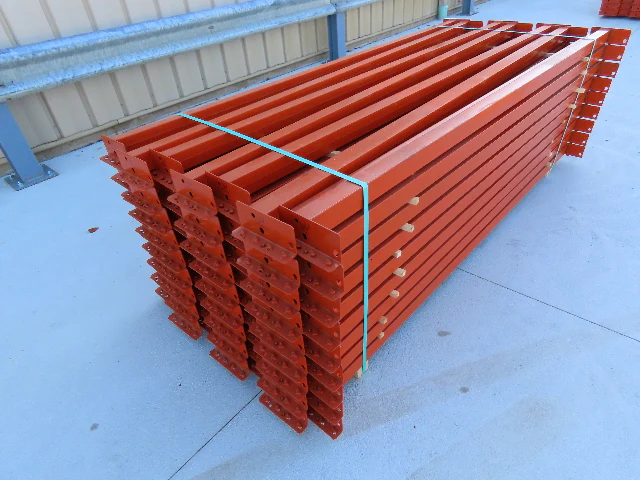
Building a bridge between a product and its user often hinges on the timeless craft of storytelling. It’s not just about aesthetics or features; it’s about weaving narratives that resonate at the heart, head, and gut. Take racking systems, for instance—a tool often viewed as mundane, essential for organization and efficiency. But what if we framed it not merely as storage, but as a lifeline for hardworking folks who thrive in the chaos of warehouses and workshops?
At the heart of effective design storytelling is emotional appeal. Imagine a warehouse worker, exhausted after a long day, surrounded by clutter. A well-designed racking system transforms that chaos into a symphony of order, creating relief and clarity. The narrative here isn’t just about space-saving; it’s about enabling a smoother workflow that respects the user’s struggle and time, turning frustration into satisfaction.
Rational appeals come into play when we discuss functionality and quality. A racking system designed with user input—notably those who have spent years on the ground—will outperform one concocted in a boardroom. When designers tap into practical experiences, they create solutions that not only meet needs but exceed expectations. Users trust systems that exhibit reliability and functionality, particularly when they’re crafted from firsthand accounts of what works and what doesn’t.
Ethically, there’s a narrative about respect and integrity. Every component of a racking system should reflect a commitment to quality, safety, and sustainability. When brands narrate their journey toward ethical sourcing and manufacturing processes, they cultivate trust. Workers know that they’re not just using any system—they’re supported by a brand that values the labor and dedication of its users.
Socially, storytelling fosters a sense of belonging. When a racking system is portrayed as part of a larger community of workers, it helps individuals see themselves in that story. Testimonials from fellow workers or case studies showcasing the practicalities of effective design amplify the message that “we’re all in this together.” This camaraderie fosters trust and connection, motivating users to take action, whether that means investing in a new system or sharing their own stories of transformation.
In essence, bringing storytelling into design is about aligning with the real lives of users. When a design speaks to shared struggles and triumphs, it’s not just about transaction; it becomes a connection built on trust, understanding, and a common purpose. A well-told story empowers individuals, making them feel seen, valued, and ready to engage with their work environment in a meaningful way.

How Can Storytelling In Design Create a Connection with Users?
How Can Storytelling In Design Create a Connection with Users?
- Storytelling bridges the gap between products and users, focusing on emotional resonance.
- Racking systems can be framed as essential tools that provide order and efficiency in chaotic work environments.
- Effective design storytelling creates emotional appeals, transforming clutter into organized spaces that enhance workflow.
- User-informed design leads to more reliable and functional racking systems that exceed expectations.
- Ethical narratives surrounding quality, safety, and sustainability build trust between brands and users.
- Storytelling fosters a sense of community among workers, encouraging them to connect and share their experiences.
- Bringing storytelling into design creates meaningful connections, empowering users and enhancing their work engagement.
How Can Storytelling In Design Create a Connection with Users?
What Ethical Considerations Should Guide Product Design Choices?
In the world of product design, ethical considerations are the backbone that holds everything together, like a sturdy racking system supporting heavy loads. Every choice made can ripple out to impact lives, not just the bottom line. When you sit down to create something new, remember that your work isn’t just about the end product; it’s about people. Seek to understand your customer, know their needs, and acknowledge their desires. Designing should feel like a conversation, not a one-way street, where everyone’s voice counts.
Take a moment to think about the implications of what you’re building. Are you creating something that will genuinely enhance lives or merely fill a shelf? Every product should be a stepping stone to a better experience, not a quick fix that leaves folks wanting more. Trust is earned, and when you design with integrity, that trust grows. Ask yourself: does your product really solve a problem, or just add more clutter to an already busy world?
In this journey of product design, lean on your values. Ethical design isn’t a box to check; it’s the driving force behind every decision. Aim to uphold transparency and fairness. If your product could harm or disadvantage anyone, it’s time to rethink your approach. A good, hard look in the mirror can sometimes reveal more than a conference room full of ideas.
Stories of people who benefited from your products can fuel your fire. Picture a young family using your design to make their home more functional, or a small business thriving thanks to the tools you provided. Those narratives aren’t just marketing; they’re a testament that your work makes a difference. When consumers feel connected to the story behind your product, they’re more likely to invest not just their money, but their loyalty too.
Finally, remember, we live in a community. Social responsibility should be woven into your design process, like the threads in a tapestry. Collaborate with stakeholders and consider the wider impact. Good ethical practices foster relationships that sustain over time, like the trusty racking systems that hold up the weight of heavy cargo—they might go unnoticed, but they’re the unsung heroes that keep everything in place. Prioritize people, purpose, and the planet in your design journey, and you’ll build more than just products; you’ll create a lasting legacy that resonates.

What Ethical Considerations Should Guide Product Design Choices?
What Ethical Considerations Should Guide Product Design Choices?
- Ethical considerations are fundamental in product design, impacting lives beyond profit margins.
- Understanding customer needs creates a collaborative and inclusive design process.
- Products should enhance experiences rather than serve as superficial solutions.
- Integrity in design builds trust and ensures products genuinely solve problems.
- Focus on transparency and fairness; reconsider harmful implications of your product.
- Customer stories and experiences can validate the impact of your products.
- Emphasize social responsibility and collaboration to create a lasting legacy.

What Ethical Considerations Should Guide Product Design Choices?
How Do Visual Elements Influence User Perception Of Value?
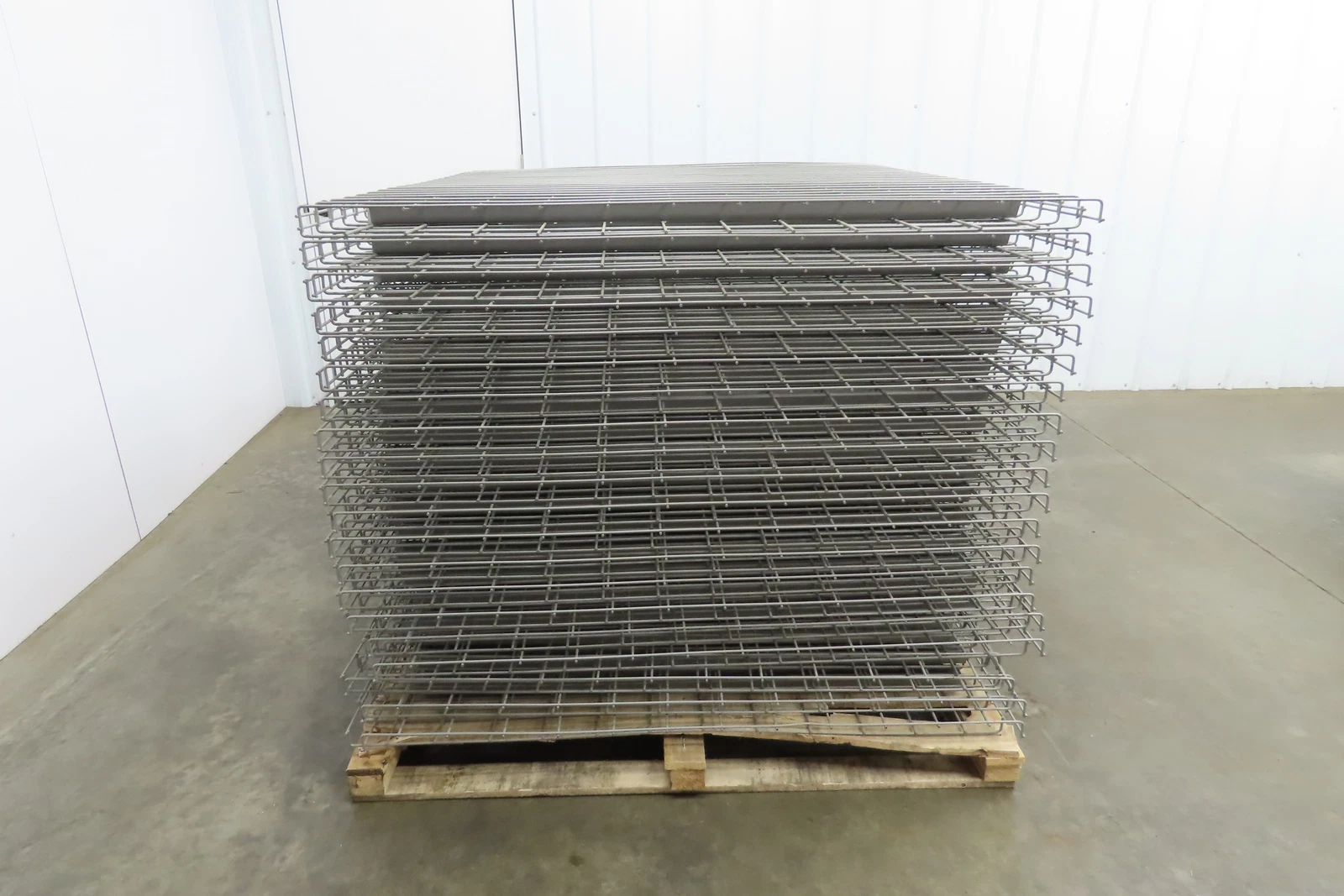
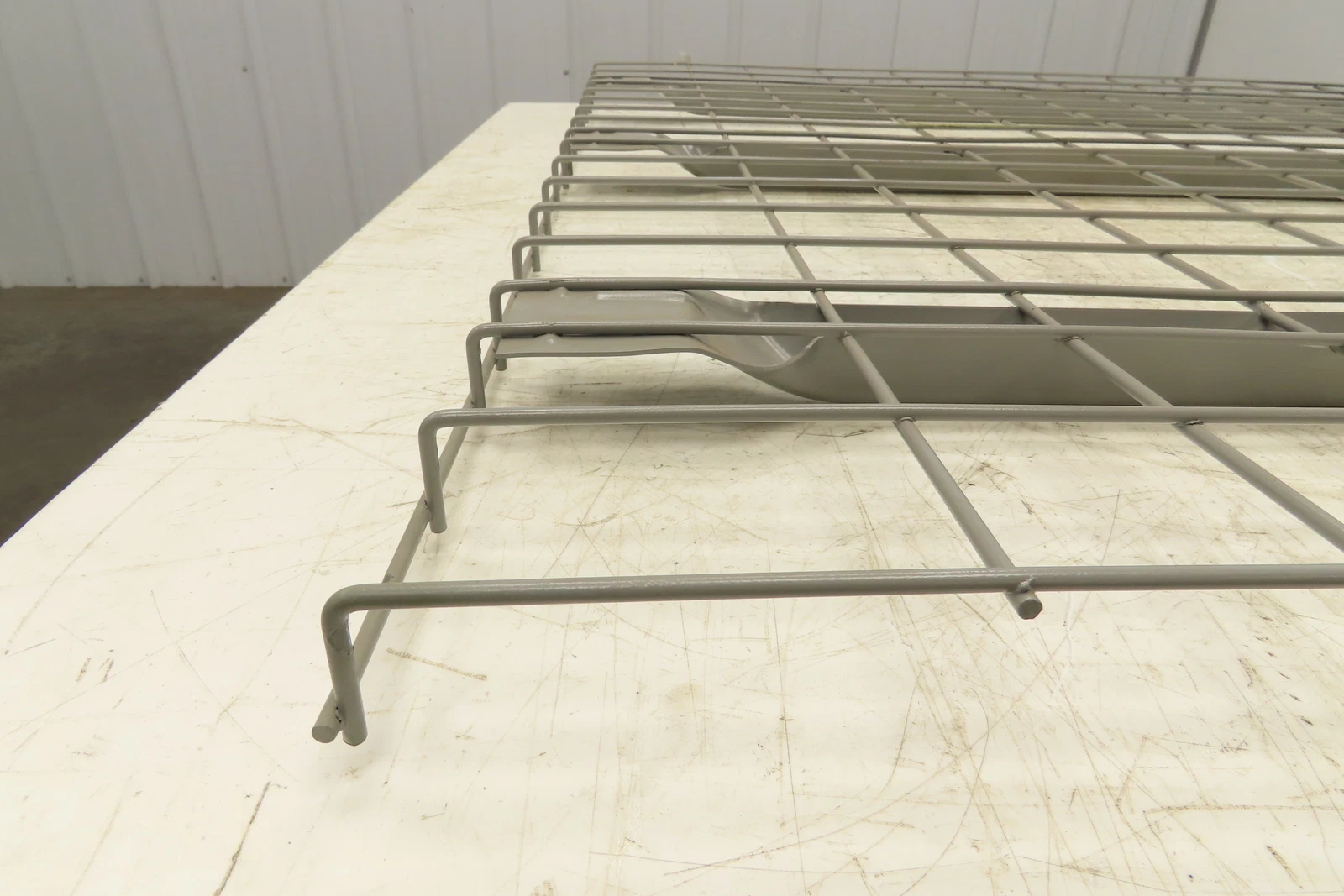
Visual elements play a significant role in shaping how users perceive value, akin to how a well-crafted toolbox reflects a craftsman’s skill. When it comes to Racking Systems, the imagery presented does more than just showcase functionality; it tells a story of reliability, efficiency, and trustworthiness. Imagine walking into a warehouse where the racking systems glisten under the fluorescent lights, meticulously organized, each shelf standing as a testimony to thoughtful planning. This isn’t just a functional setup; it evokes a feeling of security, an assurance that the space is used wisely.
From a rational standpoint, clear visuals help users make informed decisions. High-quality images and well-designed layouts allow potential buyers to grasp the complex features of racking systems without sifting through jargon. They see the sturdy materials, the precise engineering, and the thoughtful design that underline durability and safety. When visuals explain these elements effectively, they speak to the user’s head, appealing to logic and reasoning.
On an ethical level, transparency in visual representation can build trust. If a company showcases its racking systems through real, unaltered images rather than stock photos, it fosters a sense of honesty. Users feel the brand is upfront about what they’re getting, establishing a connection that goes beyond mere transactions. When customers can relate to the visuals—recognizing them as reflections of their own needs and environments—there’s a boundless potential for engagement.
The heart of the matter lies in the narratives these visuals create. Every well-placed image has the power to evoke memories or aspirations. Picture the bustling warehouse where the racking systems optimize space, allowing a small business to grow. These elements are not just arrangements of metal; they symbolize dreams realized through hard work, fostering an emotional connection.
Social proof is woven throughout this visual narrative. Images showcasing racking systems in successful environments—whether in thriving retail spaces or busy logistics hubs—imply that others trust these systems, too. It’s the old adage of “if it works for them, it might work for us.” This appeal to community and shared experience encourages potential users to envision themselves within that story.
The harmonious blend of emotional resonance, logical clarity, and ethical transparency in visual elements shapes user perception of value. It inspires trust and confidence, encouraging action and connection in a way that mere words cannot. The visuals around racking systems reveal not just utility, but the essence of aspiration and reliability.
How Do Visual Elements Influence User Perception Of Value?
How Do Visual Elements Influence User Perception Of Value?
- Visual elements significantly influence user perception of value, similar to a skilled craftsman’s toolbox.
- Imagery related to racking systems communicates reliability, efficiency, and trustworthiness.
- High-quality visuals enable informed decision-making by showcasing complex features without jargon.
- Transparency in visual representation fosters trust through real, unaltered images.
- Visuals evoke memories and aspirations, symbolizing dreams achieved through hard work.
- Social proof in images implies trust, encouraging users to envision themselves in successful environments.
- The combination of emotional resonance, logical clarity, and ethical transparency enhances user engagement and connection.
How Do Visual Elements Influence User Perception Of Value?
Conclusion
In an age where competition is fierce and choice is abundant, the essence of acquisition-driven growth lies not just in the mechanics of sales but in fostering deep connections with customers. It’s about designing experiences that resonate on emotional, rational, and ethical levels, creating a bond that transforms transactions into lasting partnerships. Just like sturdy racking systems in a warehouse, which support not only items but also the weight of expectations, businesses must structure their offerings to support customer relationships.
Understanding the customer’s journey is crucial. Each interaction is a touchpoint; it’s essential that these moments reflect the values that customers hold dear. Compelling narratives are the heartstrings that draw customers in, inviting them to see your brand as an integral part of their lives rather than a mere vendor. It’s about sharing genuine stories that resonate—transformative experiences that speak to their dreams and struggles, much like the stories shared over a meal that bring warmth and connection.
From a rational perspective, design should be functional and intuitive, offering clear benefits that simplify decision-making. When potential customers encounter user-friendly interfaces and logical value propositions, they are likely to choose a brand that makes their life easier.
Ethics play a significant role in this discussion too. Brands that prioritize transparency and genuineness foster trust, inviting customers into a narrative that values integrity. Sharing the story behind products, detailing materials and craftsmanship, is akin to being a good neighbor: it builds loyalty and encourages word-of-mouth referrals.
Social connections are pivotal; customers gravitate toward brands that align with their values. Commitment to local initiatives or community causes showcases a brand’s spirit, reflecting shared values and building a community where customers feel valued.
Ultimately, acquisition-driven growth extends beyond mere numbers—it’s about fostering a culture where customers feel understood and appreciated. By blending emotional narratives, rational efficiencies, and ethical practices within design, brands can cultivate a loyal customer base rooted in trust and connection. This grounded approach doesn’t rely on flashy marketing tactics—it’s about hard work, sincerity, and the understanding that lasting relationships drive sustainable growth. Creating meaningful engagement isn’t just a strategy; it’s an invitation to be part of something bigger, an enduring partnership built on shared values and mutual respect.

Conclusion
Conclusion:
- Acquisition-driven growth requires deep connections with customers rather than just focusing on sales mechanics.
- Design experiences that resonate on emotional, rational, and ethical levels to create lasting partnerships.
- Each customer interaction should reflect their values and foster a sense of belonging to the brand.
- Functional and intuitive design simplifies decision-making and enhances customer choice.
- Transparency and genuineness build trust and loyalty by sharing the story behind products.
- Social connections and community engagement align brands with customer values and strengthen relationships.
- Fostering a culture of understanding and appreciation among customers drives sustainable growth.

Conclusion
Other Resources

Other Resources
Here is a list of other resources you can review online to learn more:
- Crane Manufacturers Association Of America Inc.
- Racking World
- Arrow Industrial Sales
- Interlake Mecalux
- Selective Racking
- Pallet Racking systems in Illinois, Great Lakes
- Warehouse Automation
- Warehousing Education and Research Council: https://www.werc.org/
- Illinois Pallet Racking – Storage Solutions
- Shipping Boxes, Packaging Materials, Pallet Racking
- Teardrop Pallet Rack – Ridg-U-Rak
- Bradford Systems
- CMMA
- Cantilever Racks Chicago
- Warehouse Storage Racking in Illinois
- Selective Racking
- American Surplus
- Selective Rack – Raymond West
- IIWS Inc. Rack Installation Illinois & Rack Repairs Illinois
- National Safety Council
Use This Prompt To Get More Resources With Your Favorite Online AI Tool: Please provide me with a list of online articles with their URLs in a bulleted list that I can read regarding Designing for Acquisition-Driven Growth

Other Resources
Glossary Terms
Designing for Acquisition-Driven Growth – Glossary Of Terms
1. Acquisition: The process of acquiring new customers or users for a product or service.
2. Growth: The increase in revenue, user base, or market share for a business.
3. Funnel: A model describing the customer journey from awareness to conversion.
4. Conversion Rate: The percentage of potential customers who complete a desired action, such as making a purchase.
5. Target Audience: The specific group of consumers identified as the recipients of a marketing message.
6. User Experience (UX): The overall experience a user has with a product, focusing on ease of use and satisfaction.
7. Value Proposition: A statement that summarizes why a consumer should choose a product or service, highlighting benefits.
8. Customer Lifetime Value (CLV): The total revenue expected from a customer throughout their relationship with a business.
9. Lead Generation: The process of attracting and converting prospects into someone who has indicated interest in a company’s product or service.
10. Marketing Strategy: A plan of action designed to promote and sell a product or service effectively.
11. Content Marketing: A marketing approach focused on creating valuable content to attract and engage a target audience.
12. Search Engine Optimization (SEO): The practice of optimizing content to rank higher in search engine results, increasing visibility.
13. User Acquisition Cost (UAC): The total cost associated with acquiring a new user, including marketing and sales expenses.
14. Analytics: The systematic analysis of data to gain insights and inform decision-making.
15. Retention: The ability of a company to keep its customers over time, minimizing churn.
16. Churn Rate: The percentage of customers who stop using a product or service during a given period.
17. Branding: The process of creating a unique name and image for a product in consumers’ minds.
18. A/B Testing: A method of comparing two versions of a webpage or product to determine which one performs better.
19. Engagement: The interaction between customers and a brand, often measured through metrics like likes, shares, or comments.
20. Social Proof: The concept that people will follow the actions of others, often utilized in marketing to increase credibility.
21. Referral Program: A strategy that incentivizes existing customers to refer new clients to a business.
22. Retargeting: A form of online advertising that targets users who have previously interacted with a brand’s website or ads.
23. Paid Advertising: A marketing strategy that involves paying to display promotional content on various platforms, such as social media or search engines.
24. Organic Reach: The number of people who see a brand’s content without paid promotion.
25. Influencer Marketing: A strategy of partnering with influential individuals to promote a brand or product.
26. Market Research: The process of gathering, analyzing, and interpreting information about a market, including potential customers.
27. Customer Journey: The complete experience a customer has with a brand, from first awareness to post-purchase evaluation.
28. Personalization: Tailoring marketing messages and product offerings to individual customer preferences and behaviors.
29. Mobile Optimization: The process of ensuring that a website or application is accessible and usable on mobile devices.
30. Scalability: The capability of a business to grow and manage increased demand without compromising performance or quality.

Glossary Of Terms
Other Questions
Designing for Acquisition-Driven Growth – Other Questions
If you wish to explore and discover more, consider looking for answers to these questions:
- What specific metrics should I track to measure acquisition-driven growth?
- How can I quantify the impact of emotional appeal on conversions and retention?
- What are practical steps for mapping the customer journey to inform design decisions?
- Which A/B tests best validate changes to design, messaging, or visuals?
- How do I calculate the ROI of design investments, including physical assets like racking systems?
- How do I turn a brand story into concrete design elements across touchpoints?
- What user research methods reveal the real drivers of acquisition and engagement?
- How should I build and use personas that reflect acquisition priorities?
- How do I prioritize design changes when budget and resources are limited?
- What retention metrics can I link directly to design improvements?
- How can transparency and ethical sourcing be communicated effectively in product design and marketing?
- What safety, compliance, or industry standards apply to racking systems and similar products?
- How do I collect, verify, and present social proof to maximize trust without appearing manipulative?
- What tactics create urgency or exclusivity without damaging long-term trust?
- What are best practices for onboarding users to reduce churn and increase lifetime value?
- How do I align product, design, marketing, and operations teams around acquisition-driven goals?
- Which marketing channels best amplify design-driven acquisition efforts for B2B and B2C?
- How do I scale physical design solutions (e.g., racking) across multiple sites or customers?
- How can visuals be made authentic and transparent rather than staged or misleading?
- What is the most effective way to incorporate customer testimonials and case studies into design storytelling?
- Which technologies and tools support optimized warehouse and customer-facing design?
- How do I balance short-term sales tactics with building a long-term customer community?
- How do I estimate total cost of ownership and payback period for infrastructure like racking systems?
- What training and documentation are needed so staff can maintain the designed customer experience?
- What common UX and design mistakes most negatively affect acquisition rates?
- How can design be personalized for different customer segments without fragmenting the brand?
- How do cultural and regional differences change effective storytelling and social appeals?
- What ethical frameworks or decision trees can guide product design choices?
- How do I measure customer trust, advocacy, and word-of-mouth attributable to design?
- What specific design changes are most effective at reducing churn?
- How should pricing strategy be integrated with design and acquisition messaging?
- How can claims about materials, craftsmanship, and sustainability be tested and validated?
- How do I incorporate sustainability and social responsibility into both product design and marketing?
- What signals indicate it is time for a full redesign versus incremental iterations?
- How do I write a design brief that prioritizes acquisition outcomes and measurable goals?

Other Questions
Checklist
Designing for Acquisition-Driven Growth – A Checklist
Define Users and Jobs to Be Done
✅______ Target segments documented with needs, values, and constraints
✅______ Primary jobs, pains, and desired gains mapped
✅______ Competitive alternatives and status quo identified
✅______ Switching triggers, anxieties, and evaluation criteria listed
✅______ Value drivers prioritized (emotional, rational, ethical, social)
Map the Journey and Moments of Truth
✅______ End-to-end journey visualized from discovery to advocacy
✅______ Key moments of truth and decision points flagged
✅______ Friction, confusion, and bottlenecks annotated
✅______ Required trust signals and proof points mapped to each stage
✅______ Stage-specific success metrics defined
Emotional Connection
✅______ Brand story reflects customer struggles and aspirations
✅______ Real customer narratives and testimonials embedded
✅______ Voice and tone mirror customer language
✅______ Imagery shows people and authentic usage contexts
✅______ Microcopy reassures, reduces anxiety, and respects user time
Rational Clarity and Functionality
✅______ One-sentence value proposition clear and prominent
✅______ Benefits prioritized over features with plain language claims
✅______ Comparison to competitors and status quo available
✅______ Pricing, terms, and total cost of ownership transparent
✅______ Specs, performance data, and documentation easy to access
Ethical Transparency and Responsibility
✅______ Materials, sourcing, safety, and quality practices disclosed
✅______ Privacy, data use, and consent explained in plain language
✅______ Accessibility standards met across devices and channels
✅______ Fair policies (returns, warranties, cancellations) visible
✅______ Sustainability and community impact evidenced (not just stated)
Social Proof and Authority
✅______ Practitioner endorsements and case studies with outcomes
✅______ Certifications, compliance, and awards current and verifiable
✅______ Ratings, reviews, and usage stats authentic and recent
✅______ Before/after, ROI, or time-saved examples shown
✅______ Referral pathways and word-of-mouth prompts enabled
Visual Design That Signals Value
✅______ Real, unaltered photos or videos in true-to-life settings
✅______ Clear hierarchy, whitespace, and scannability on all pages
✅______ Diagrams or explainer visuals for complex elements
✅______ Consistent, trustworthy brand system (color, type, iconography)
✅______ Clutter-free layouts; errors and broken links eliminated
Engagement Triggers and Calls to Action
✅______ Primary CTA clear, persistent, and contextually relevant
✅______ Ethical urgency or scarcity backed by real constraints
✅______ Low-friction trials, demos, or samples available
✅______ Objection handling via FAQs, guides, and comparisons
✅______ Exit, nurture, and retargeting aligned to user value
Onboarding, Support, and Retention
✅______ Guided setup with progress cues and quick wins
✅______ Help content (how-tos, checklists, calculators) accessible
✅______ Proactive support channels, response times, and SLAs stated
✅______ Feedback loops, roadmap transparency, and change logs
✅______ Loyalty, advocacy, and referral programs with clear rewards
Operational Excellence (the racking system behind the experience)
✅______ Reliability and uptime commitments stated and met
✅______ Fulfillment speed, accuracy, and tracking transparent
✅______ Safety, QA, and compliance processes documented
✅______ Simple returns, repairs, and issue resolution pathways
✅______ Capacity planning and scalability to handle growth
Measurement and Iteration
✅______ North Star metrics for acquisition and retention agreed
✅______ Stage metrics tracked (CAC, activation, conversion, churn, LTV)
✅______ A/B tests prioritized for key moments of truth
✅______ Qualitative insights program (interviews, surveys, analytics)
✅______ Owners assigned; review cadence and action plans set
Community and Cause
✅______ Local or industry initiatives and partnerships showcased
✅______ Clear ways for customers to participate or contribute
✅______ Impact stories shared with evidence and outcomes
✅______ Code of ethics and conduct published and followed
✅______ Partner and supplier alignment with stated values verified

Checklist
At RackingWorld, we help guide you through selecting warehouse storage systems and racking.
Be sure to read our other related stories at RackingWorld to learn more about warehouse storage systems.
0 Comments