
Strategically Navigating Time: Your Blueprint To Success In Shipping
By Tom Seest
At RackingWorld, we help guide you through selecting warehouse storage systems and racking.
Be sure to read our other related stories at RackingWorld to learn more about warehouse storage systems.
Designing Around Shipping Deadlines
Designing a project around shipping deadlines can feel like driving a truck with a full load over a bumpy road. You know where you need to go, but the obstacles can shake you up. Let’s face it: you’re not just racing against time; you’re also balancing reliability and efficiency.
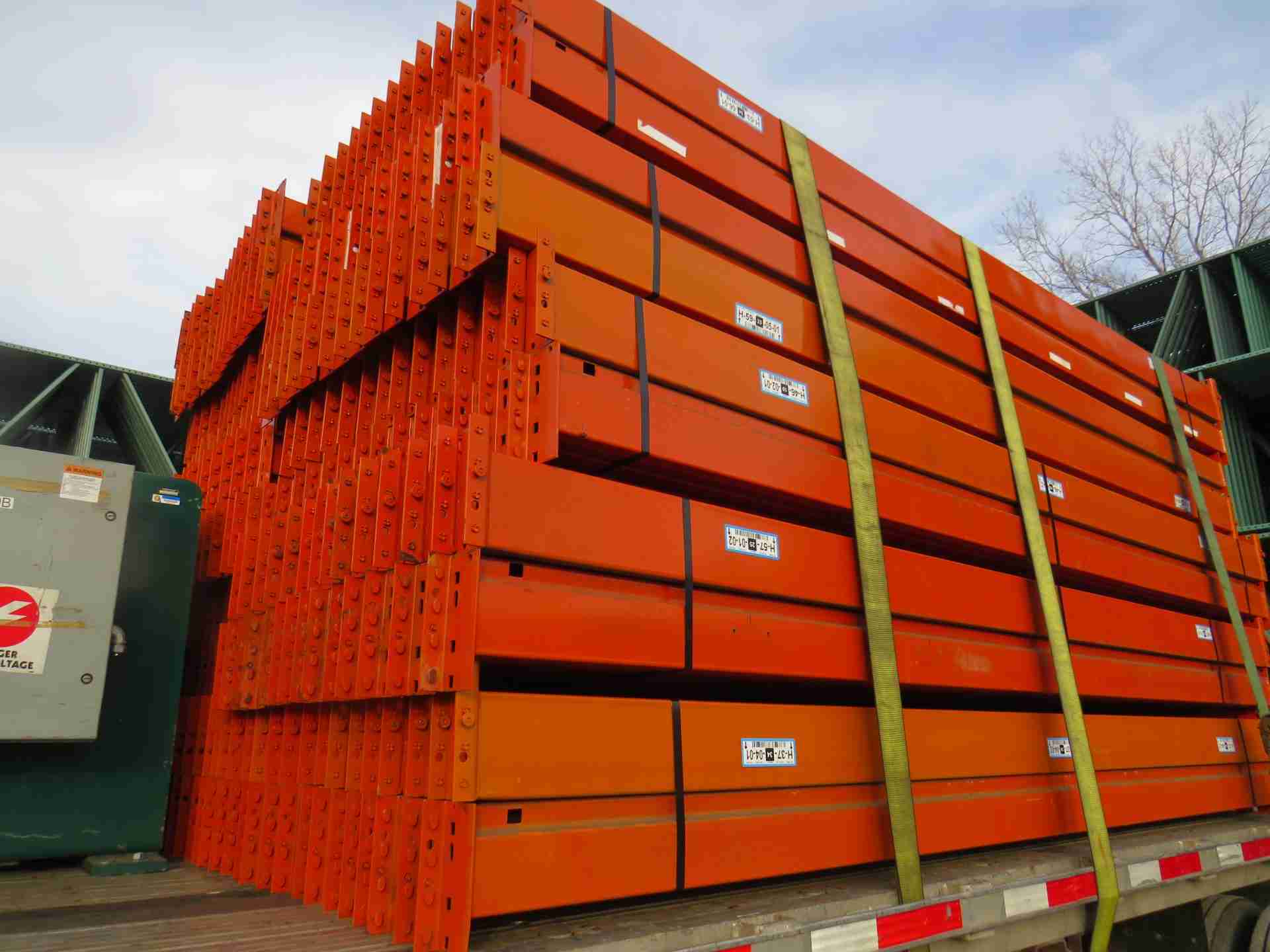
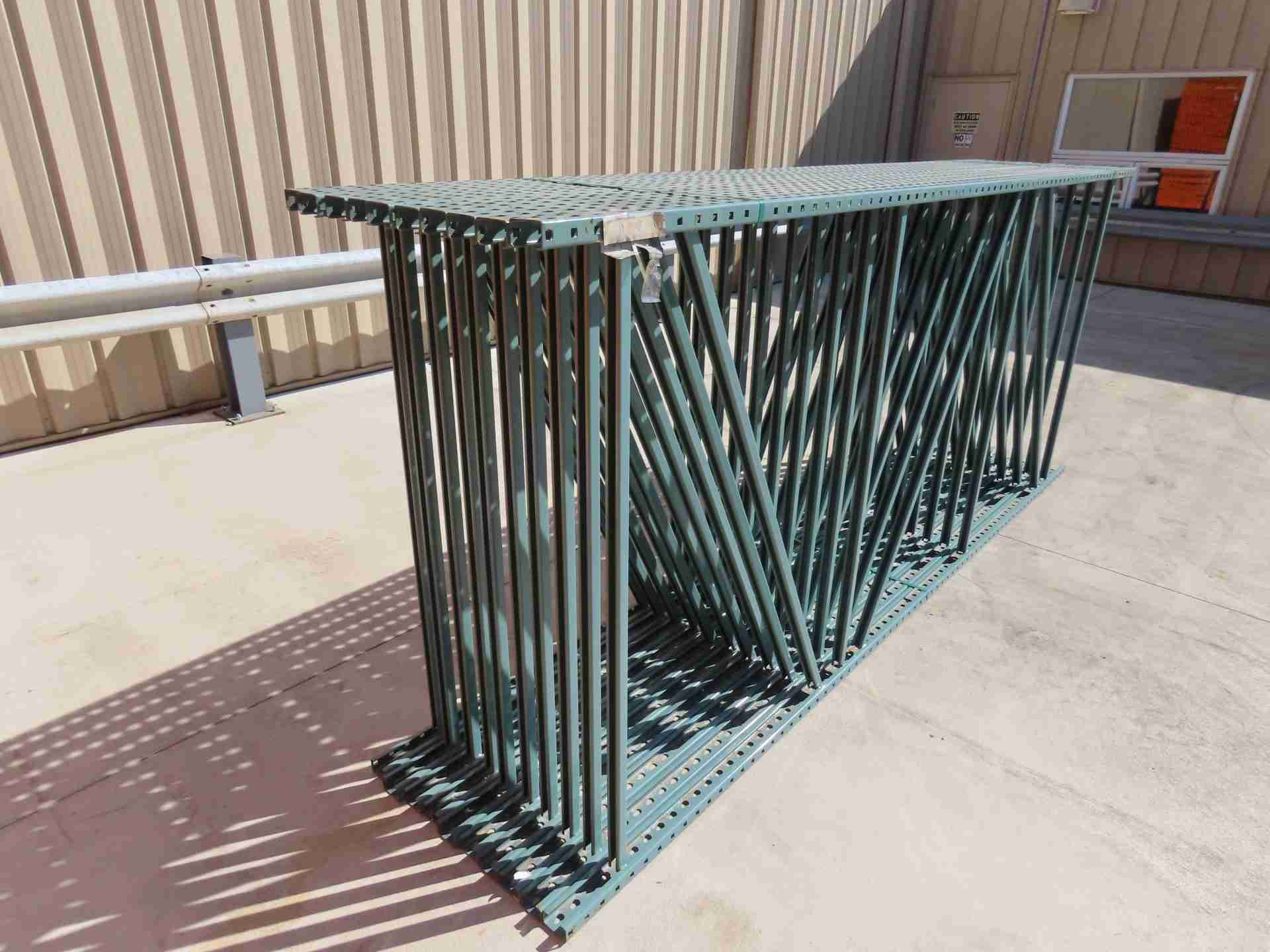
Start with the basics, and that’s your Racking Systems. These aren’t just metal frames in a warehouse – they’re the backbone of your operation. Properly designed racking can make the difference between a tight ship and a complete logjam. When things are in their rightful place, it fosters a sense of order, and you’ll find that deadlines become less about panic and more about strategy. Each shelf and peg has a purpose, just like each member of your team.
Now, let’s talk about people. The folks on the ground, from the warehouse workers to the office staff, they’re the heartbeat of meeting those deadlines. Involving them in the design process isn’t just smart; it’s ethical. Show respect for their knowledge and experience, and they’ll perform like a well-tuned engine. It’s not just about shipping on time; it’s about creating an environment where everyone is invested in the outcome. When each person feels they’ve played a part in the success, you strengthen the very bonds that keep your operations running smoothly.
Then there’s rational planning. Don’t put blind faith in mere intuition. Look at the data: past shipping times, inventory levels, and customer demands. If you’re wearing blinders, you’ll miss the red flags. Adjustments can be needed weeks or even days before a deadline looms, and that’s why your systems need to be flexible. Your design should include built-in room for surprises; after all, life doesn’t always stick to the plan.
Lastly, build a culture of shared responsibility. When a deadline looms, every person on the team should know their role. It’s like a well-rehearsed play where everyone knows their lines and cues; every contribution matters. At the end of the day, trust and cooperation turn pressure into productivity. So as you design, think deeply about how each part of the system encourages connection, respect, and accountability. Address the heart, head, and gut, and you won’t just meet deadlines; you’ll crush them while building a solid foundation for the future.
Designing Around Shipping Deadlines
Designing Around Shipping Deadlines
- Designing projects around shipping deadlines requires balancing reliability and efficiency.
- Racking systems are critical for organizing operations and preventing logjams.
- Involving warehouse workers and office staff in design fosters respect and investment in outcomes.
- Rational planning relies on data from past shipping times, inventory levels, and customer demands.
- Systems should be flexible to accommodate unexpected changes and adjustments.
- Creating a culture of shared responsibility ensures all team members understand their roles.
- Encouraging connection, respect, and accountability enhances productivity and strengthens operations.
Designing Around Shipping Deadlines
Table Of Contents
- Designing Around Shipping Deadlines
- What Drives Your Urgency Around Shipping Deadlines?
- How Do You Balance Quality and Speed?
- What Are the Risks Of Missing a Shipping Deadline?
- Can Design Solutions Impact Customer Satisfaction?
- How Do You Prioritize Tasks When Facing Tight Deadlines?
- What Lessons Have Past Experiences Taught You About Shipping?
- Conclusion
- Other Resources
- Glossary Of Terms
- Other Questions
- Checklist
What Drives Your Urgency Around Shipping Deadlines?
In the world of shipping, deadlines can feel like a freight train bearing down on you, especially when you’re managing inventory and racking systems. These pressing timelines are driven not just by the need to keep operations moving but by the realization that each moment can impact your business’s bottom line. The urgency comes from the heart: your commitment to your team, their livelihoods, and your customers. Behind every order, there’s a person who’s relying on you to deliver. They trust you to fulfill promises, and when you meet these shipping deadlines, you’re not just sending packages; you’re delivering confidence and reliability.
On a rational level, every day counts. Supply chains are intricate webs, and delays can cascade into bigger issues. Missing a deadline might mean empty shelves, unhappy customers, and ultimately a dent in your reputation. It’s a hard truth that logistics are often a balancing act—juggling racking systems, routing, inventory levels, and customer expectations. You’ve got to stay ahead of the game, anticipating needs and planning meticulously. Every successful shipment reinforces the belief that you’re not just meeting expectations but exceeding them.
Ethically, there’s a responsibility here. You’re serving your community, your employees, and your stakeholders by ensuring timely deliveries. It’s about doing the right thing, creating an environment of trust and accountability. When you push for those shipping deadlines, you’re embodying an ethos of respect for everyone involved in the process—from the suppliers to the end users.
Narrative threads run deep in this industry. Every shipment tells a story, a journey from the warehouse to the customer’s door. The urgency isn’t merely a feeling; it’s a legacy built on reliability and hard work. When you hear stories from fellow workers about how meeting a deadline made a significant difference in someone’s life or business, it’s hard not to feel inspired.
Finally, on a social level, everyone feels the pressure. Your colleagues rely on you just as much as your clients do. There’s a camaraderie in pushing through the rush, in the shared experience of meeting tight deadlines against all odds. It’s about fostering connections, building trust, and being part of something larger. When you understand the drive behind your urgency, it transforms the way you view those shipping deadlines—not as a burden, but as a collective mission.
What Drives Your Urgency Around Shipping Deadlines?
What Drives Your Urgency Around Shipping Deadlines?
- Shipping deadlines are crucial for maintaining operational efficiency and business success.
- Timely deliveries build trust and confidence between businesses and their clients.
- Delays in supply chains can result in empty shelves and dissatisfied customers, impacting reputation.
- Logistics involve balancing various factors like inventory levels and customer expectations.
- Ethical responsibility exists to ensure timely deliveries to support communities and stakeholders.
- Each shipment represents a journey and a story, reflecting hard work and reliability.
- There is a sense of camaraderie among colleagues during the pressure of meeting tight deadlines.

What Drives Your Urgency Around Shipping Deadlines?
How Do You Balance Quality and Speed?
Balancing quality and speed is a tightrope walk many of us face daily, especially in industries where results matter. Think of it this way: when you’re banging together a racking system for a warehouse, you want those shelves to hold up under a mountain of weight. If you rush the job, you might save time today, but it could lead to costly failures tomorrow. Nobody wants to deal with a collapsed unit just because you were chasing the clock. It’s a harsh lesson that can stick with you long after the rush is over.
Getting quality work done quickly isn’t just about speed; it’s about understanding the stakes. It’s like a bumpy road; if you drive too fast, you risk losing control. Instead, take a step back and look at how every piece fits together. Each racking system has its design for a reason, and respecting that design helps ensure not just your immediate success but your long-term reputation. Those connections matter. People notice when you cut corners. They trust you when they see you put in the effort, and trust is worth its weight in gold.
Now, you might feel the pressure to deliver fast, especially with bosses breathing down your neck or clients pushing for quicker turnarounds. However, it’s in those moments that a level-headed approach is most crucial. Slow and steady really does win the race. Remember, quality builds customer loyalty. When clients see that you deliver not just quickly but accurately, they can tell you care about their needs and not just the bottom line.
Let’s face it; you’ve probably had days when you rush through a task, only to find yourself going back to fix mistakes. That’s time wasted—the very resource you were trying to save. Instead of playing a game of catch-up, invest your time wisely. A few extra hours spent on a solid racking system can pay off with fewer returns and happier clients.
Sharing stories among colleagues reinforces this idea. Each of us has that one job that taught us the importance of quality over speed. These experiences build a culture of excellence where everyone aims to do their best work. So next time you’re faced with the choice between speed and quality, remember that building something right the first time is the best way to ensure you stay in the game. It’s not just about surviving the day; it’s about thriving in your craft, one well-built racking system at a time.

How Do You Balance Quality and Speed?
How Do You Balance Quality and Speed?
- Balancing quality and speed is crucial in industries where results matter.
- Rushing jobs can lead to costly failures, such as collapsed shelving units.
- Understanding the stakes helps maintain control and ensure quality work.
- Respecting design enhances both immediate success and long-term reputation.
- Quality work builds customer loyalty and demonstrates care for client needs.
- Rushing often leads to mistakes and wasted time; investing time wisely is key.
- Sharing experiences promotes a culture of excellence and prioritizing quality.
How Do You Balance Quality and Speed?
What Are the Risks Of Missing a Shipping Deadline?
Missing a shipping deadline can feel like a gut punch. You put in the hard work, every late-night shift, every ounce of sweat, and suddenly it all unravels just because a truck didn’t show up on time. It’s not just about the late delivery; it’s about the ripple effects that follow. Picture this: you’ve got a customer waiting eagerly for their order, and now they’re left frustrated and uncertain. Trust is hard to build in business, and once it’s shaken, it takes more than a promise to fix it.
From a financial standpoint, the numbers tell a story too. Delays can lead to hefty fines or penalties, not to mention the potential loss of future business. Companies don’t just rely on your products; they depend on your reliability. If they can’t trust you with their goods, they’ll find someone else who can deliver on time, leaving you to scramble and worry about the bottom line.
Ethically, there’s a weighty responsibility that comes with shipping deadlines. It’s about keeping your word and respecting your clients’ plans. Many of them are operating on their timelines as well, and when you miss your mark, it can throw a wrench in their operations. It’s a cycle of disappointment that reflects poorly on your integrity.
Moreover, consider the stories that come from an on-time delivery. When you nail that deadline, it’s a victory for everyone involved. Your team comes together, the racking systems are managed thoughtfully, and the sense of accomplishment fills the air. Customers rave about your service, turning into walking advertisements as they share their positive experiences with others.
The connection you forge with your customers becomes a two-way street. They want reliability, and when you deliver, you establish a bond of loyalty. They’ll come back again and again because they know they can count on you.
In this line of work, there’s no room for complacency. Every deadline met is a chance to strengthen your reputation and build real relationships within a competitive landscape. When the stakes are high, hitting your shipping deadlines isn’t just about logistics; it’s about honoring your commitment and showing the world that you care enough to do it right.

What Are the Risks Of Missing a Shipping Deadline?
What Are the Risks Of Missing a Shipping Deadline?
- Missing a shipping deadline can cause significant frustration for both the business and the customer.
- Delays can lead to financial penalties and loss of future business opportunities.
- Reliability is crucial in business; failure to meet deadlines can result in customers seeking alternatives.
- Ethical responsibility includes keeping promises and respecting clients’ timelines.
- On-time delivery fosters positive customer experiences and enhances company reputation.
- Meeting deadlines builds loyalty, encouraging customers to return for future business.
- Every deadline met strengthens relationships and reflects commitment to service quality.
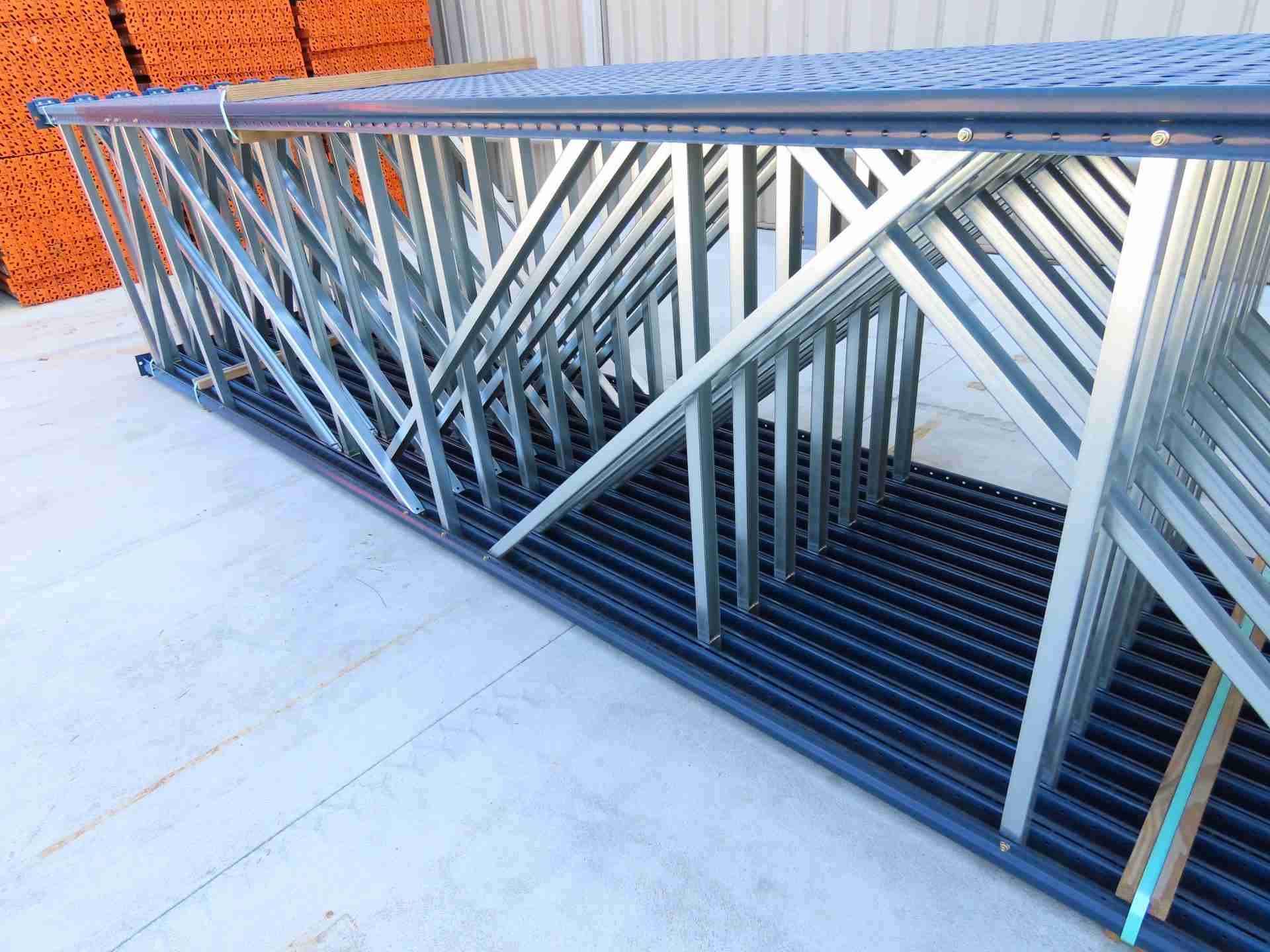
What Are the Risks Of Missing a Shipping Deadline?
Can Design Solutions Impact Customer Satisfaction?
Good design doesn’t just look good; it works hard to keep customers happy. Take racking systems, for example. In a warehouse, the layout and organization can make all the difference. When pallets are stacked haphazardly, it’s not just a headache for the staff; it’s a roadblock for the business. Imagine the frustration of a customer waiting for their order while workers scramble to find what they need amid a chaotic setup. A well-designed racking system takes that stress away, making sure everything is in its place and easy to access.
Let’s break it down. Customers want their orders filled quickly and accurately, and solid design can deliver that. A rational approach recognizes that efficiency leads to satisfaction. With the right racking systems, products are stored logically, minimizing search time. Workers can move faster, and mistakes dwindle. That’s good for business and builds a better relationship with customers. When they get what they want, when they want it, their loyalty grows.
But there’s more to it than just numbers and efficiency. There’s an emotional layer too. Picture a small business owner who’s chasing a deadline, depending on another company to deliver supplies on time. When that company has a streamlined process, it creates a sense of reliability. Customers feel valued and connected to a brand that respects their time. It’s the difference between just being a name on a receipt and being a partner who understands their needs.
Ethically, businesses have a responsibility to invest in design solutions that promote satisfaction. It’s not just good practice; it’s a commitment to the people they serve. Highlighting well-designed racking systems shows that a business is serious about quality—not only for their own operation but for their customers’ success too.
Finally, let’s talk about the social appeal. In today’s interconnected world, word travels fast. A business that prioritizes good design can build a stronger reputation. Satisfied customers share their experiences, attracting new clients and fostering trust within the community. Designing with the customer in mind can resonate through stories passed at the dinner table or over coffee breaks at work. Good design in racking systems isn’t just about aesthetics; it’s about forging connections, turning transactions into relationships, and gaining trust—one satisfied customer at a time.
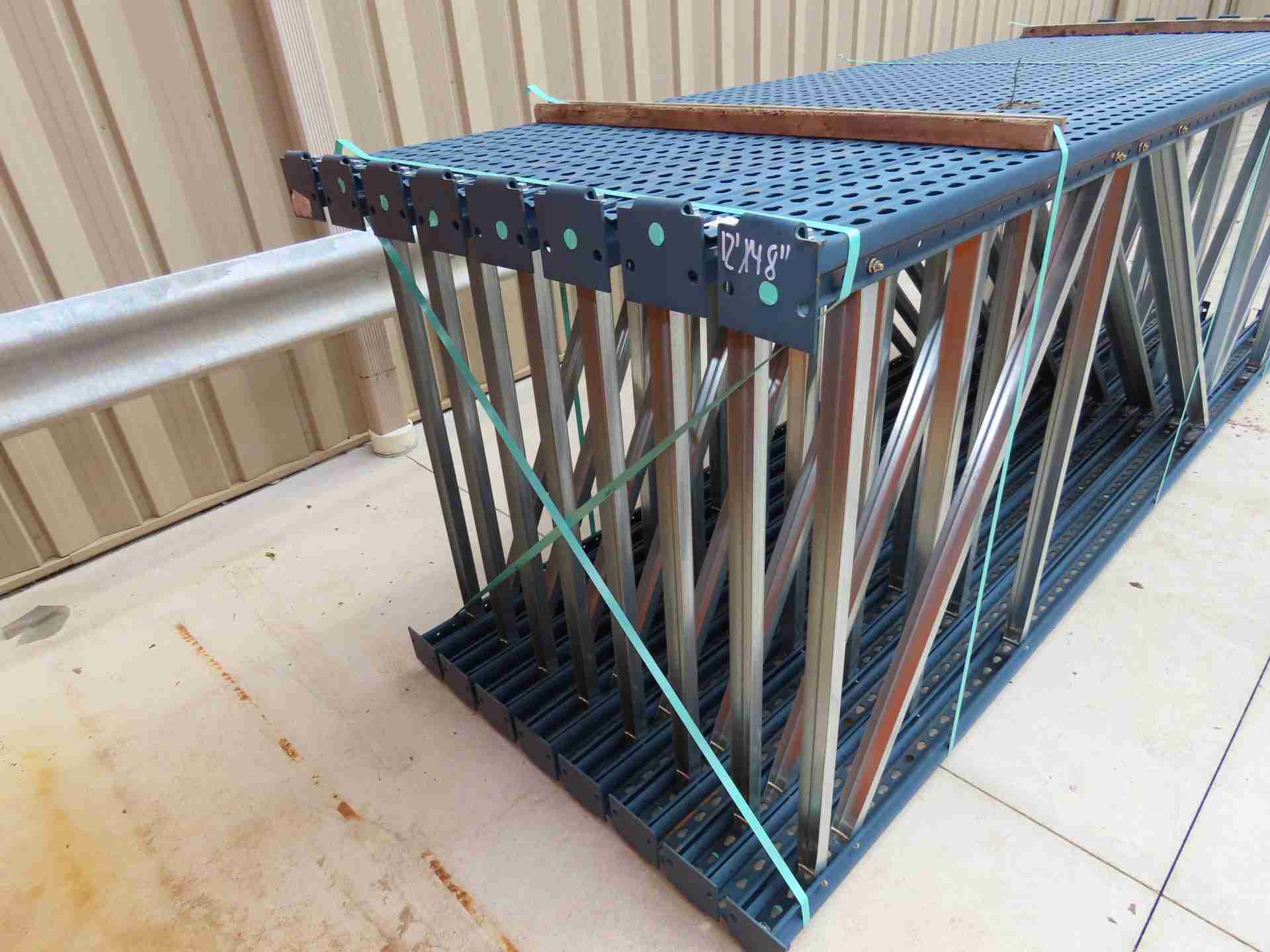
Can Design Solutions Impact Customer Satisfaction?
Can Design Solutions Impact Customer Satisfaction?
- Good design enhances customer satisfaction and operational efficiency.
- Well-organized racking systems prevent chaos in warehouses, facilitating quicker order fulfillment.
- Efficiency in design reduces search times for products and minimizes mistakes.
- Streamlined processes build customer trust and foster loyalty.
- Businesses have a responsibility to invest in design solutions that ensure satisfaction.
- Prioritizing good design strengthens a business’s reputation and attracts new clients.
- Good design transforms customer interactions into lasting relationships.
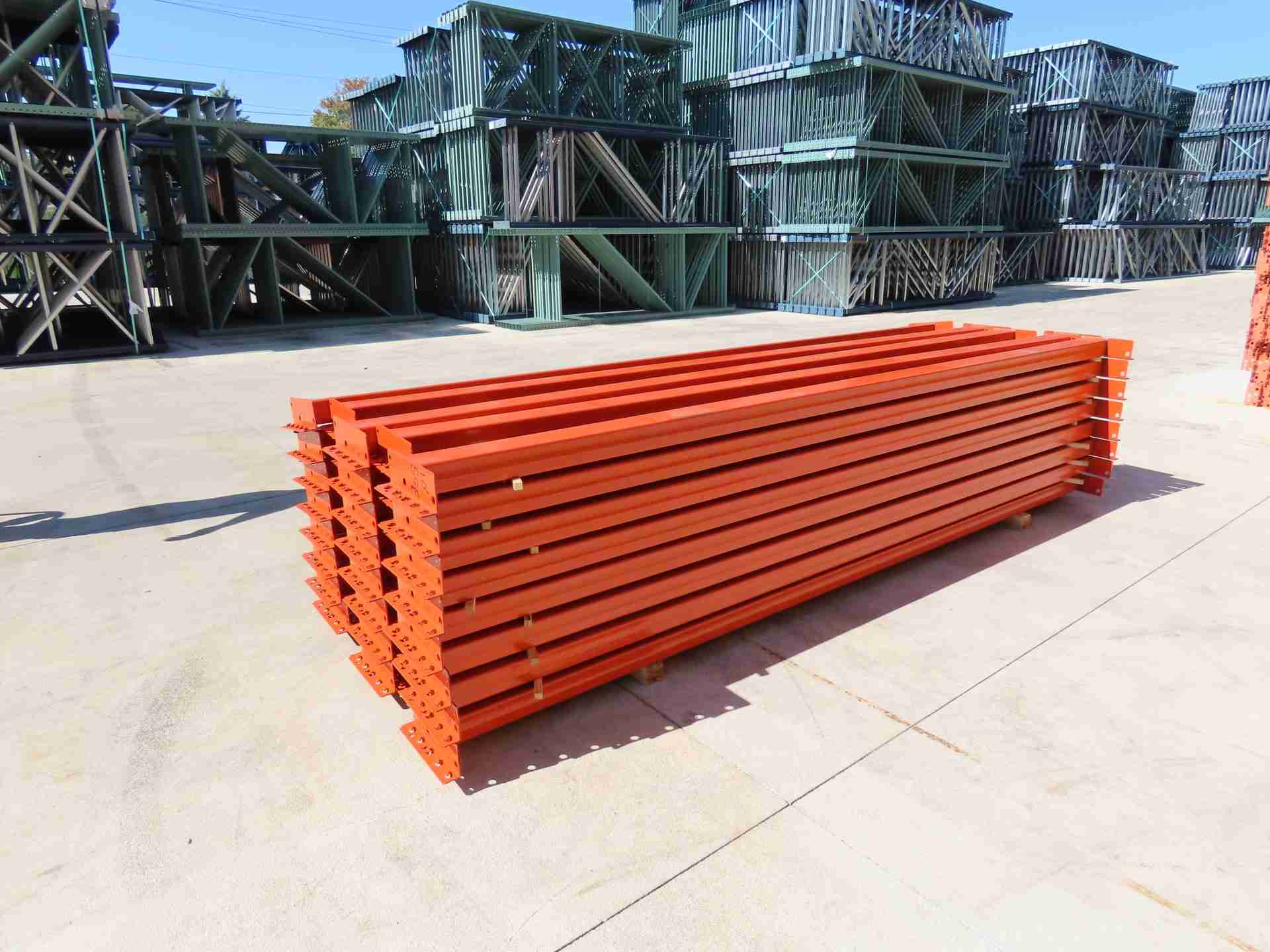
Can Design Solutions Impact Customer Satisfaction?
How Do You Prioritize Tasks When Facing Tight Deadlines?
When facing tight deadlines, prioritizing tasks can feel like wrestling a bear while trying to fix a racking system. You’re under pressure, and every task seems like a heavyweight contender ready to take you down. The first step is to take a breath and assess what’s really in front of you. It’s easy to get caught up in the chaos, but a clear mind will help you sift through the frenzy and align your tasks with the deadlines.
Start by outlining what absolutely needs to get done today. Use a simple method: jot down tasks that are urgent and those that are important. Urgency often dictates the order of battle; if something’s due at noon, it has to come first. Important tasks may not have immediate deadlines, but that doesn’t mean they can be ignored forever. This is where you draw the line between the squeaky wheel and the overall engine running smoothly, much like ensuring your racking systems are in top shape to keep everything organized and efficient.
Next, dig into the nitty-gritty of each task. Break them down into manageable bits, especially when they seem monumental. Think of it like lifting heavy loads with a well-structured racking system—you wouldn’t try to haul everything at once. Each smaller task, when tackled one at a time, builds momentum and helps foster a sense of achievement. There’s a palpable relief in checking things off a list, and it keeps you moving forward.
While you work, don’t forget the human element. Get your team involved. Their ideas might give you insights you hadn’t considered, and working together fosters solidarity. Remember, sharing the load means less strain and higher morale. Plus, tapping into collective experience can unveil simpler solutions to complex problems.
Finally, be honest with yourself and others about what can realistically be accomplished. This isn’t about cutting corners; it’s about knowing your limits and those of your team. Aim for progress over perfection. At the end of the day, it’s not just about meeting a deadline; it’s about ensuring the foundation you’re building—like a sturdy racking system—will hold firm and make the future manageable. Stick to these principles, and not only will you navigate those tight deadlines, but you’ll also emerge stronger, more trustworthy, and ready for whatever comes next.

How Do You Prioritize Tasks When Facing Tight Deadlines?
How Do You Prioritize Tasks When Facing Tight Deadlines?
- Prioritize tasks by assessing urgency and importance under tight deadlines.
- Outline tasks that need immediate attention and distinguish between urgent and important ones.
- Break down monumental tasks into smaller, manageable parts to build momentum.
- Involve your team to gain insights and promote collaboration.
- Share responsibilities to reduce strain and improve morale.
- Be realistic about what can be accomplished without cutting corners.
- Aim for progress over perfection to ensure a solid foundation for future tasks.

How Do You Prioritize Tasks When Facing Tight Deadlines?
What Lessons Have Past Experiences Taught You About Shipping?
Shipping isn’t just about getting goods from point A to point B; it’s a journey filled with lessons learned through trials and triumphs. Early in my career, I learned the hard way that choosing the right racking systems can make or break your operation. I remember the day we decided to under-invest in proper storage solutions. The chaos that ensued when our inventory overflowed was a sight to behold—boxes piled high, products getting damaged, and a team that felt defeated. That experience hammered home the importance of investing in the right tools early on.
It’s not just about efficiency or cutting costs; it’s about trust. Trust that your goods will arrive safe and sound, and trust that your team can rely on systems that support them, not hinder them. Emotional resilience comes from knowing you’ve prepared, avoided pitfalls, and built a reliable network. A solid racking system doesn’t just organize; it tells your team, your clients, and yourself that you care about doing things the right way.
And let’s be honest—everyone has a shipping horror story. Often, we laugh about them in retrospect, but every blunder taught us something valuable. Like that one time we forgot to tighten the straps on a shipment headed across town. By the time it arrived, half the load had gone rogue and ended up scattered across the highway. I won’t forget that day; it was a wake-up call. It echoed the importance of doing the little things right and making safety a priority. Shipping isn’t just about speed; it’s about honesty in operations and accountability to your clients and colleagues.
Social connections also play a critical role in shipping. As you navigate partnerships and logistics, each challenge faced together strengthens bonds. Sharing stories of near misses or successful deliveries creates a sense of community. Whether it’s late-night phone calls or discovering solutions over coffee, those connections help bolster both our resolve and our resourcefulness.
Effective shipping combines heart, head, and gut. It’s about understanding the business’s emotional investment, utilizing wise strategies, and engaging with your team and partners. When you take these lessons to heart, you don’t just ship goods; you ship progress and reliability, fostering an environment that thrives on trust and teamwork.

What Lessons Have Past Experiences Taught You About Shipping?
What Lessons Have Past Experiences Taught You About Shipping?
- Shipping involves valuable lessons learned from challenges and successes.
- Choosing the right racking systems is crucial for efficient operations.
- Investment in proper storage solutions prevents chaos and damage to inventory.
- Trust is essential; it ensures safe delivery and reliable support systems.
- Sharing shipping experiences builds community and strengthens partnerships.
- Effective shipping prioritizes safety, honesty, and accountability.
- Successful shipping combines emotional investment, strategy, and teamwork.

What Lessons Have Past Experiences Taught You About Shipping?
Conclusion
In navigating the complexities of shipping deadlines, the journey is often fraught with challenges that necessitate a balanced approach combining heart, head, and gut instincts. It begins with the fundamental elements of your operations—like racking systems—acting as the backbone that upholds efficiency and reliability. Properly designed racking ensures organization, transforming deadlines from sources of anxiety into opportunities for strategic action.
The people involved are what truly drives success in meeting these deadlines. Each worker contributes their expertise, and involving them in the design process fosters an ethical environment. This collaboration not only enhances performance but builds a culture rooted in mutual respect and accountability. When everyone feels part of the process, operations run smoother, boosting morale and reinforcing team unity.
Rational planning plays a crucial role, as relying solely on intuition can lead to miscalculated risks. Attention to historical data and flexibility in systems allows for timely adjustments in response to unpredictable challenges. Missing a deadline can unleash a chain reaction of negative consequences, from damaged trust to financial penalties, highlighting the real stakes involved in logistics. The urgency tied to deadlines stems from a deep commitment to the livelihoods of your team and the satisfaction of your customers, who depend on reliable service.
On a deeper level, each shipment encapsulates human stories. Timely deliveries solidify relationships, reinforcing an ethos of reliability and creating bonds of loyalty that extend beyond mere transactions. Each successfully met deadline serves not just as a business win, but as a testament to the shared mission of everyone involved.
Additionally, balancing quality with speed is paramount. Rushing through tasks may yield short-term gains but risks long-term consequences ranging from structural failures to dissatisfied clients. The importance of doing the job right the first time is crucial; it builds a reputation of trust and remains a core principle in a competitive marketplace.
Ultimately, each lesson from past experiences contributes to a more robust understanding of the shipping landscape. Whether it’s the rigor of maintaining safety or the value of community bonded by shared challenges, these experiences shape a conscientious approach. Embracing these lessons means viewing deadlines not as burdens but as milestones that, when approached with teamwork and thoughtful design, pave the way for future achievements.

Conclusion
Conclusion:
- Navigating shipping deadlines requires a balance of heart, head, and gut instincts.
- Operational elements, like racking systems, are essential for efficiency and reliability.
- Involving workers in the design process fosters collaboration and builds a culture of respect.
- Rational planning, informed by historical data, is crucial to avoid miscalculated risks.
- Timely deliveries strengthen relationships and create loyalty beyond transactions.
- Balancing quality with speed is vital to maintain a reputation and avoid long-term issues.
- Lessons from past experiences shape a conscientious approach to future shipping challenges.

Conclusion
Other Resources

Other Resources
Here is a list of other resources you can review online to learn more:
- Illinois Pallet Racking – WPRP
- Racking World
- Illinois
- Material Handling Safety
- American Surplus
- Teardrop Pallet Rack – Ridg-U-Rak
- Selective Pallet Racking Systems
- Teardrop Industrial Shelving Rack
- WERC
- Arrow Industrial Sales
- What is Selective Pallet Racking
- Wolter
- Warehousing Education and Research Council: https://www.werc.org/
- Used Teardrop Pallet Rack – American Surplus
- Overhead Lifting
- Interlake
- Selective Racking
- Cantilever Rack Guide: Ordering Cantilever Racking
- International Warehouse Logistics Association
- Warehouse Automation
Use This Prompt To Get More Resources With Your Favorite Online AI Tool: Please provide me with a list of online articles with their URLs in a bulleted list that I can read regarding Designing Around Shipping Deadlines
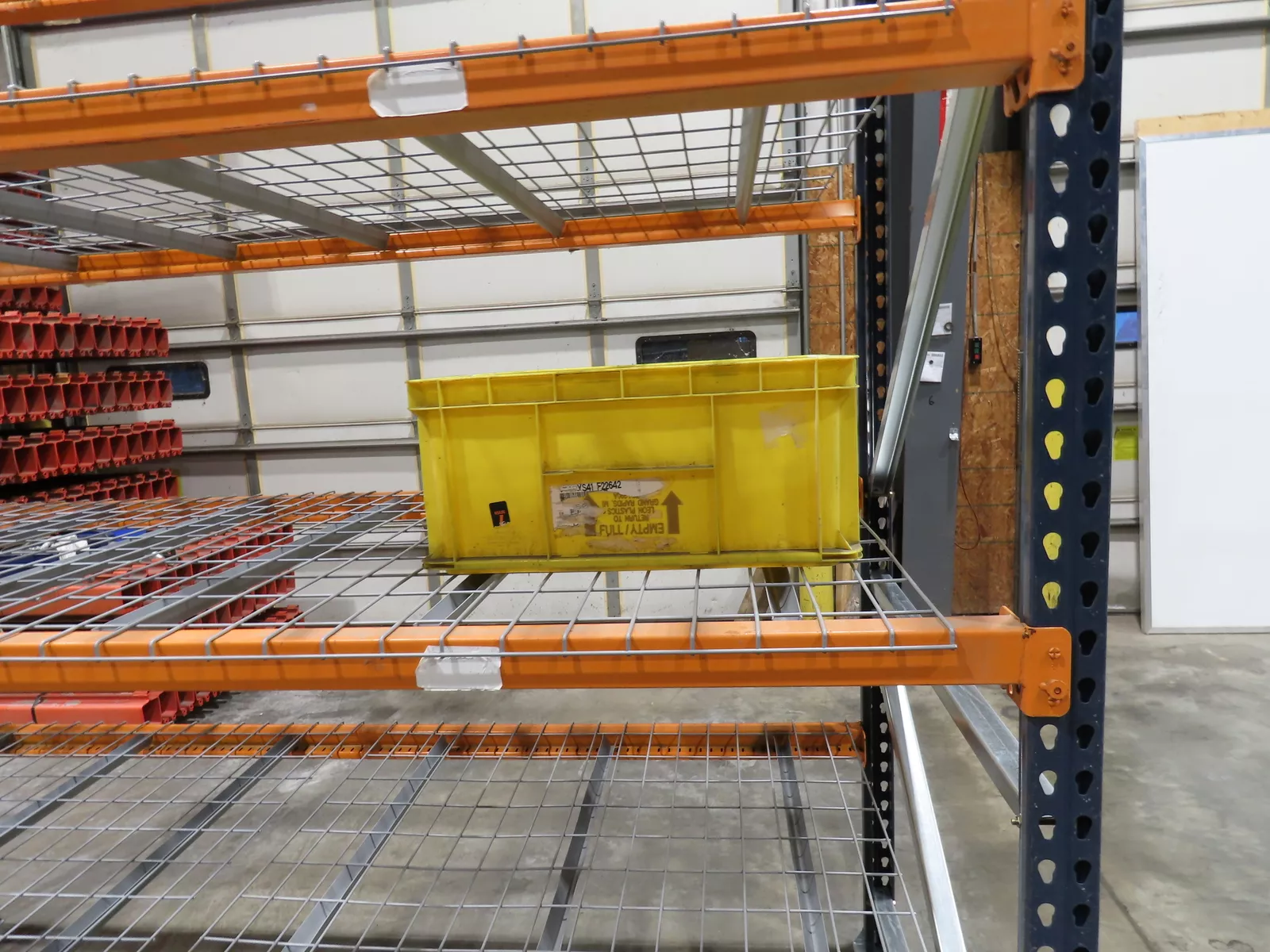
Other Resources
Glossary Terms
Designing Around Shipping Deadlines – Glossary Of Terms
1. Agile: A project management methodology that emphasizes flexibility and iterative progress.
2. Bottleneck: A point in the shipping process where delays occur, leading to reduced overall efficiency.
3. Buffer: Additional time or resources allocated to account for unforeseen delays in shipping.
4. Cadence: The rhythm or frequency of shipping activities that ensures timely deliveries.
5. Capacity: The maximum amount of goods that can be shipped or handled within a specific timeframe.
6. Consignment: A batch of goods sent to a customer or recipient, often under a shipping agreement.
7. Deadline: The latest time by which a shipment must be completed or delivered.
8. Fulfillment: The process of preparing and delivering goods to customers, ensuring orders are met on time.
9. Gantt Chart: A visual project management tool that outlines tasks, timelines, and dependencies in shipping.
10. Just-in-Time (JIT): An inventory strategy that aims to reduce carrying costs by receiving goods only when needed for production.
11. Lead Time: The amount of time it takes from placing an order to receiving the goods.
12. Logistics: The planning and execution of transporting goods from origin to destination.
13. Milestone: A significant point in the shipping process that indicates progress toward completing a project.
14. Notification: A message sent to stakeholders indicating the status of shipping or expected delays.
15. Order Tracking: The process of monitoring the location and status of a shipment in transit.
16. Priority Shipping: An expedited shipping option that ensures faster delivery times.
17. Quarantine: A temporary holding period for goods that may require inspection or testing before shipping.
18. Release: The authorization to send out goods for shipping once all requirements are satisfied.
19. Shipment: The act of transporting goods from one location to another.
20. Supplier: A company or individual that provides goods or services for shipping.
21. Time Management: The process of planning and controlling how much time to spend on specific activities related to shipping.
22. Tracking Number: A unique identifier assigned to a shipment that allows for monitoring its progress.
23. Transit: The period when goods are being moved from one location to another.
24. Umber: A descriptive term for items that have priority due to specific shipping deadlines.
25. Verification: The process of ensuring that all items and documentation are correct before shipping.
26. Warehouse: A storage facility for goods before they are shipped to customers.
27. X-Factor: An unpredictable element that can affect shipping deadlines, such as weather or regulatory changes.
28. Yield: The percentage of shipments that meet the on-time delivery targets.
29. Zone: The geographical area to which shipping rates apply, influencing delivery timelines and costs.
30. Zero Day: A term used to describe the final day for completing a shipment to meet a specified deadline.
Glossary Of Terms
Other Questions
Designing Around Shipping Deadlines – Other Questions
If you wish to explore and discover more, consider looking for answers to these questions:
- What exactly are the different types of racking systems and which is best for my operation?
- How much does it cost to design and install an effective racking system?
- What is the typical timeline from design to full implementation of new racking?
- How do I calculate the ROI of investing in improved racking and layout?
- What safety standards and regulations apply to racking systems in warehouses?
- How do I assess current storage capacity and identify bottlenecks?
- What software tools (WMS, inventory management) integrate best with racking designs?
- How can automation (conveyors, robots) be incorporated with racking layouts?
- What are best practices for organizing SKUs to reduce picking time?
- How should I design for seasonal or peak-volume fluctuations?
- What contingency plans should be in place for carrier delays or vehicle no-shows?
- How do you set realistic shipping buffers without overstocking?
- What KPIs should I track to monitor deadline performance and efficiency?
- How do I train and involve frontline staff effectively during a redesign?
- What change-management steps ensure staff buy-in and minimal disruption?
- How can ergonomic design reduce worker fatigue and errors during high-pressure periods?
- What maintenance schedule and inspection routines are required to keep racking safe?
- How do returns and reverse logistics affect racking and shipping plans?
- How should packaging and palletization be optimized for faster handling?
- What carrier selection and routing strategies minimize missed deadlines?
- How do I communicate proactively with customers when delays are likely?
- What contractual or financial penalties should I expect for missed deadlines?
- How do I design for scalability as my business and SKU count grow?
- What are low-cost design changes that yield big improvements in throughput?
- How do you model and test layout changes before committing to them?
- What role does forecasting accuracy play in meeting shipping deadlines?
- How can cross-docking or flow-through strategies reduce lead times?
- What insurance or liability considerations relate to storage and shipping failures?
- How do sustainability and waste reduction factor into racking and shipping design?
- Are there case studies or examples of companies that cut lead times by redesigning racking?

Other Questions
Checklist
Designing Around Shipping Deadlines – A Checklist
Racking and Layout
✅______ Confirm racking is engineered for load ratings; post limits visibly
✅______ Place fast movers near docks; slot by velocity and size
✅______ Label locations clearly; ensure scan paths are unobstructed
✅______ Keep aisles clear; set minimum aisle width and enforce it
✅______ Implement weekly racking inspections and fix issues promptly
✅______ Define overflow locations and peak season layout adjustments
✅______ Stage packing materials, dunnage, and equipment at points of use
People and Roles
✅______ Map roles and handoffs for pick, pack, stage, load, and dispatch
✅______ Involve frontline staff in process design and revisions
✅______ Cross-train for surge coverage and absence backfill
✅______ Run daily stand-ups; review targets, hot orders, and constraints
✅______ Set a clear escalation path and on-call contacts for issues
Data-Driven Planning
✅______ Review forecasts, open orders, and historical ship times weekly
✅______ Validate carrier pickup windows and service-level commitments
✅______ Track supplier lead times and inbound variability
✅______ Maintain a capacity calendar for labor, docks, and carriers
✅______ Build buffers for cutoffs, documentation, and dwell time
✅______ Plan scenarios for spikes, delays, and short shipments
Task Prioritization Under Tight Deadlines
✅______ Separate urgent vs. important; lock today’s must-ship list
✅______ Break large tasks into timed, owner-assigned steps
✅______ Sequence work by carrier cutoff, customer promise, and route
✅______ Update a visible board with status and blockers
✅______ Commit only to what can be finished; reschedule the rest
Quality vs. Speed Guardrails
✅______ Define ‘done’ for orders (accuracy, documentation, packaging, compliance)
✅______ Add quick QC gates (first-article check and final scan verification)
✅______ Use check digits or weight checks to prevent mis-picks
✅______ Track rework and its causes; fix upstream, not downstream
✅______ Protect critical steps from interruptions
Customer Satisfaction by Design
✅______ Target OTIF (on time, in full) and order accuracy goals
✅______ Proactively notify customers of risks before deadlines slip
✅______ Align packaging to transit risk; verify load security
✅______ Provide tracking, ASN (advanced shipment notice), and documentation on dispatch
✅______ Capture customer feedback and tie it to process changes
Risk Management and Contingencies
✅______ Identify penalty clauses, key accounts, and non-negotiables
✅______ Pre-approve backup carriers, lanes, and service levels
✅______ Pre-stage emergency labels, documents, and customs templates
✅______ Set go/no-go times for mode upgrades (e.g., expedite)
✅______ Maintain a parts and equipment spare kit (scanners, printers)
Day-of-Shipping Readiness
✅______ Verify inventory availability and substitutions before pick
✅______ Confirm carrier bookings, trailer types, and seal availability
✅______ Pre-print or e-generate labels, BOLs, and export documentation
✅______ Stage by route and stop sequence; color-code pallets
✅______ Inspect pallets (height, weight, wrap, and corner protection)
✅______ Secure loads properly (straps, blocking, bracing); photo-document
✅______ Record trailer number, departure time, and seal number
Safety and Compliance
✅______ Train on racking safety, load limits, and forklift operation
✅______ Enforce PPE (personal protective equipment) and safe lifting practices
✅______ Validate hazmat packaging, labeling, and paperwork
✅______ Check weight distribution and legal limits per axle and lane
✅______ Audit for trip hazards, damaged pallets, and equipment defects
Communication and Visibility
✅______ Maintain a real-time dashboard for orders, cutoffs, and carrier ETAs
✅______ Share a single source of truth for priorities with all teams
✅______ Timestamp key events (pick start/finish, stage, load, depart)
✅______ Document exceptions and resolutions inline with the order
Post-Shipment Review and Learning
✅______ Run end-of-day debriefs (what helped, what hurt, what to change)
✅______ Log misses and near-misses with root causes and owners
✅______ Convert fixes into standard work and training updates
✅______ Recognize wins and contributors to reinforce desired behaviors
Metrics to Monitor
✅______ OTIF rate and average lateness
✅______ Order and line-item accuracy; mis-pick rate
✅______ Pick/pack cycle time and dock-to-depart dwell
✅______ Damages per 1,000 shipments and claims rate
✅______ Labor productivity (lines per labor hour)
✅______ Carrier performance by lane and service level
Readiness for Peaks
✅______ Freeze date for layout changes and seasonal slotting
✅______ Temporary labor plan with training checklist
✅______ Extended dock hours and additional pickups scheduled
✅______ Pre-buy of consumables (wrap, pallets, labels, tape)
✅______ Stress-test systems and scanners under load before peak
Change Control
✅______ Evaluate impact of any process change on deadlines
✅______ Pilot, measure, then roll out; keep rollback plan ready
✅______ Update SOPs, visuals, and training immediately after changes
Checklist
At RackingWorld, we help guide you through selecting warehouse storage systems and racking.
Be sure to read our other related stories at RackingWorld to learn more about warehouse storage systems.
0 Comments