
Maximizing Efficiency And Impact: A Cfo’s Essential Strategy
By Tom Seest
At RackingWorld, we help guide you through selecting warehouse storage systems and racking.
Be sure to read our other related stories at RackingWorld to learn more about warehouse storage systems.
Cost Per Pallet Position: a Cfo’s Guide
Cost Per Pallet Position: A CFO’s Guide
When it comes to running a warehouse, the unseen powerhouse is often the racking systems that hold everything up, quite literally. Understanding the cost per pallet position isn’t just a number on a report; it’s the linchpin of efficient operations. You see, every pallet position represents not only a physical space for goods but also a calculated investment that can either bolster your bottom line or drag it down.
Picture this: your racking system is like a backbone, supporting the weight of your inventory while keeping your operations on the straight and narrow. Each pallet position has its price tag, from the initial setup costs to ongoing maintenance and the overhead of staffing. When you break it all down, the cost per pallet position reveals the health of your warehouse’s efficiency. It speaks to how well you’re managing resources, and ultimately, how well you’re serving your customers.
But it goes beyond cold, hard numbers. When you look at this metric through a more human lens, consider the folks who rely on these systems day in and day out. A well-organized racking system doesn’t just make life easier for your warehouse staff; it creates an environment of safety and reliability. Confidence and trust blossom when employees know they can depend on a system that doesn’t let them down. Cutting corners here can lead to frustration and accidents – nobody wants to be that CFO responsible for injuries due to poor planning.
Now, think about the relationships you build with your customers. Delivering on promises of timely and accurate shipments hinges on how effectively you utilize your storage space. If a lackluster racking system slows things down, it doesn’t just hurt your numbers; it tarnishes your reputation. A tight, cost-effective operation means getting goods out the door faster, impressing clients, and ensuring they come back for more.
In a world where every dollar counts, honing in on your cost per pallet position is a call to arms. It’s about making smart investments in your racking systems, leveraging technology for optimal layouts, and fostering a culture where every worker understands their role in the bigger picture. This isn’t just about efficiency; it’s about carving out a future where your business thrives, your employees take pride in their work, and your customers rave about your service. Embrace this metric, and watch as it transforms not just your warehouse, but your entire operation into a well-oiled machine.
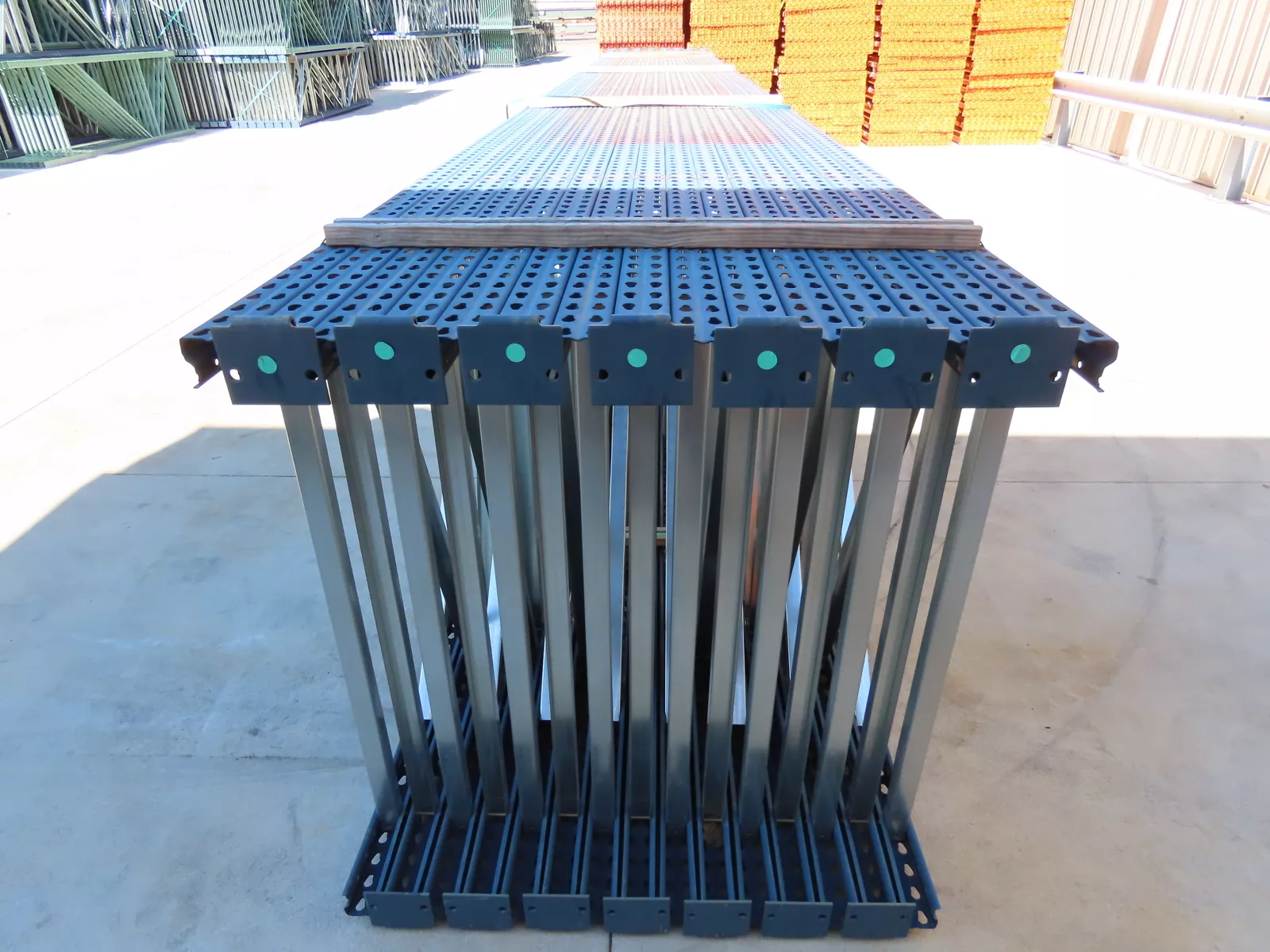
Cost Per Pallet Position: a Cfo’s Guide
Cost Per Pallet Position: a Cfo’s Guide
- Cost per pallet position is crucial for efficient warehouse operations.
- Each pallet position represents both physical space and a financial investment.
- Effective racking systems support inventory management and operational efficiency.
- A well-organized racking system enhances safety and reliability for employees.
- Efficient storage directly impacts customer satisfaction and business reputation.
- Investing wisely in racking systems and technology can optimize workflows.
- Understanding cost per pallet position fosters a culture of accountability and pride among workers.

Cost Per Pallet Position: a Cfo’s Guide
Table Of Contents
- Cost Per Pallet Position: a Cfo’s Guide
- What Is the True Impact Of Cost Per Pallet on Profitability?
- How Can Optimizing Pallet Positions Enhance Efficiency?
- What Metrics Should Cfos Prioritize for Cost Tracking?
- How Do Pallet Costs Affect Supply Chain Decision-Making?
- What Are the Hidden Costs Of Poor Pallet Management?
- Can Technology Improve Visibility Of Pallet Costs?
- Conclusion
- Other Resources
- Glossary Of Terms
- Other Questions
- Checklist
What Is the True Impact Of Cost Per Pallet on Profitability?
When we talk about the true impact of cost per pallet on profitability, we’re diving into the heart of real-world logistics. This isn’t just a numbers game; it’s about understanding how every penny spent translates into the day-to-day grind that keeps a business alive. The folks who design and implement racking systems know this all too well. Each piece of racking, every carefully calibrated shelf, can either optimize a warehouse or leave it floundering under unnecessary costs.
Think about it. A well-implemented racking system maximizes space and operational efficiency, allowing businesses to store more products in a tighter footprint. This means lower costs associated with handling and transport, and ultimately, it boosts your profit margins. But when cost per pallet creeps up due to inefficiencies—like wasted space or increased handling—everyone feels the squeeze. Employees are left scrambling, frustrated at the hurdles thrown up by poor planning, and customers notice the delays.
The story doesn’t end there. There’s an ethical dimension to think about. By investing in the right systems, businesses not only improve their bottom line but also create a better work environment. Workers experience less strain when operations run smoothly, leading to greater job satisfaction. You can feel the difference in the workplace when teams come together, confident that their labor is being put to good use. This breeds trust and a sense of community, emphasizing that everyone has a stake in a well-oiled machine.
Now, look at the numbers. Consider the impact of every pallet moving in and out of your warehouse. For each dollar wasted due to inefficiencies, think about how many hours are lost to the crew trying to make do with subpar systems. The narrative is simple: solid racking systems mean quicker turnarounds, happier employees, and satisfied customers who keep coming back.
In that gritty, warehouse world, it’s not just about moving pallets; it’s about moving business forward. When you get your cost per pallet right, you invite a shift in your entire operation. It’s where practicality meets profitability—where the sweat of hard work turns into tangible rewards. And that’s the kind of investment that can inspire action, foster connections, and keep the wheels turning efficiently.

What Is the True Impact Of Cost Per Pallet on Profitability?
What Is the True Impact Of Cost Per Pallet on Profitability?
- Cost per pallet directly impacts profitability in logistics.
- Effective racking systems optimize warehouse space and operational efficiency.
- Lower handling and transport costs enhance profit margins.
- Inefficiencies in racking can frustrate employees and delay customer service.
- Investing in proper systems improves workplace conditions and employee satisfaction.
- Well-organized operations foster trust and a sense of community among workers.
- Proper cost per pallet management leads to operational shifts and tangible rewards.
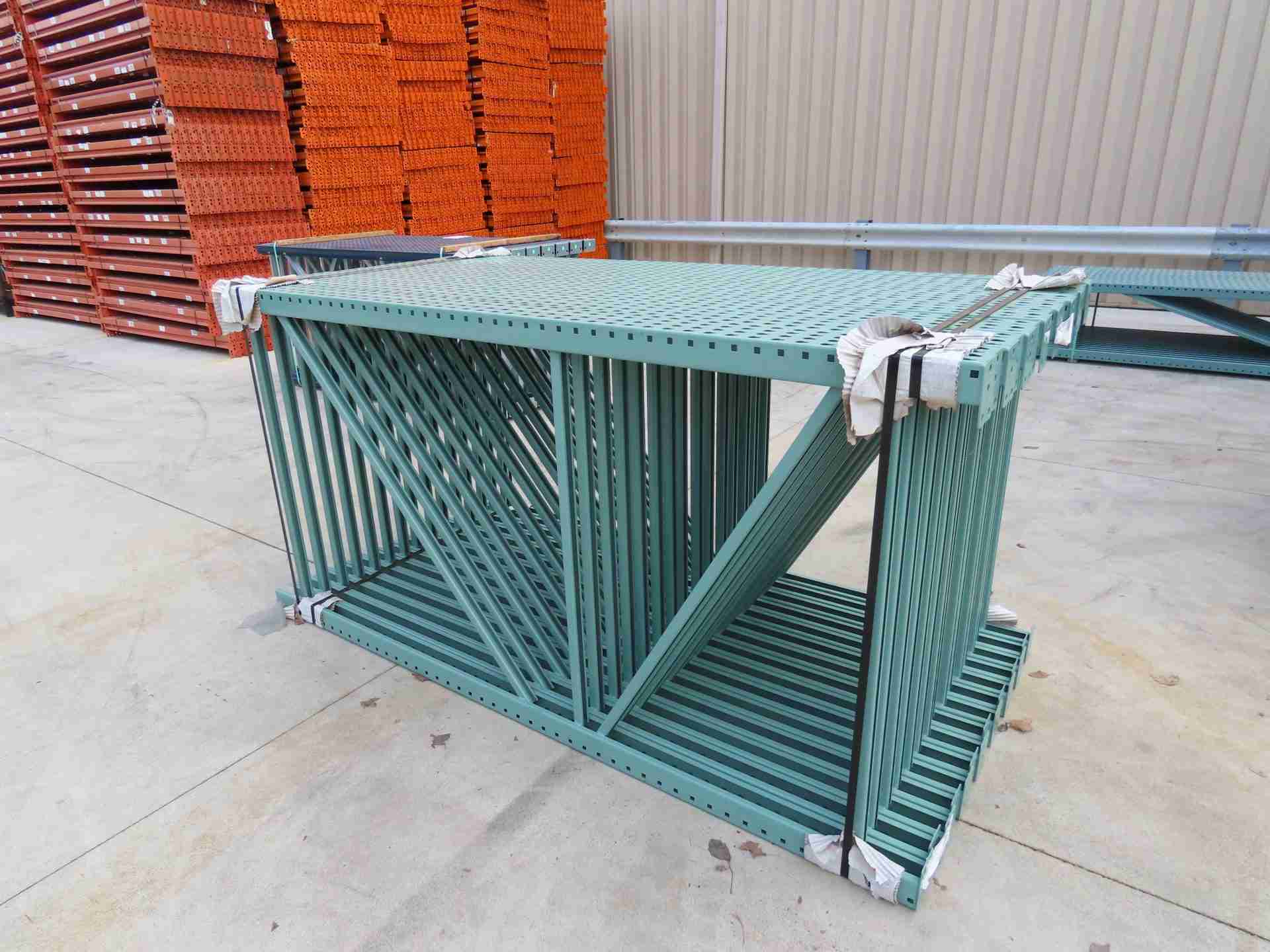
What Is the True Impact Of Cost Per Pallet on Profitability?
How Can Optimizing Pallet Positions Enhance Efficiency?
Optimizing pallet positions can feel like the lifeblood of efficiency in any warehouse or distribution center. It’s not just about moving boxes from point A to point B; it’s about creating a rhythm that your team can groove to. Picture a crew working together, navigating organized racking systems that flow seamlessly. When pallets are smartly positioned, it’s like the difference between stumbling through a dark room and walking confidently with a clear path.
Let’s get into the nitty-gritty. When pallets are stacked high and far from each other, it’s like playing a game of Tetris, where pieces don’t fit. Workers waste time shuffling around, looking for what they need, which leads to frustration and lowered morale. But when you optimize those positions, you create a workplace that respects time and effort. Everyone can find what they’re after, and that little victory makes all the difference.
Now, think about the cost savings. We all know that time is money, but it’s not just about the clock ticking. Every wasted movement adds up – labor costs soar, and productivity plummets. Imagine if you could cut those costs by simply rearranging the layout of your racking systems. Streamlined operations lead to quicker delivery times, thrilled customers, and a reputation for reliability that builds trust throughout the industry.
But there’s also an ethical component to consider. By optimizing your pallet positions, you’re not just making life easier for your team; you’re investing in their safety and well-being. Less time spent maneuvering awkward loads means fewer accidents, which fosters a culture of care within the workplace. When employees feel valued and safe, their commitment to the job deepens, creating a cycle of loyalty and boosted morale.
And let’s not overlook the narrative here. Think about the stories shared over coffee breaks—the ones where a little bit of tweaking saved the day, where an employee who once struggled to keep up now thrives in a well-organized environment. Those tales resonate, creating a sense of community and shared purpose.
At the end of the day, efficiency through optimized pallet positions isn’t just a box to check; it’s a pathway to success. It’s about fostering a workplace that welcomes teamwork, embraces smart changes, and cultivates trust. So, let’s roll up our sleeves, take a hard look at those racking systems, and make those strategic shifts that inspire everyone to give their best.
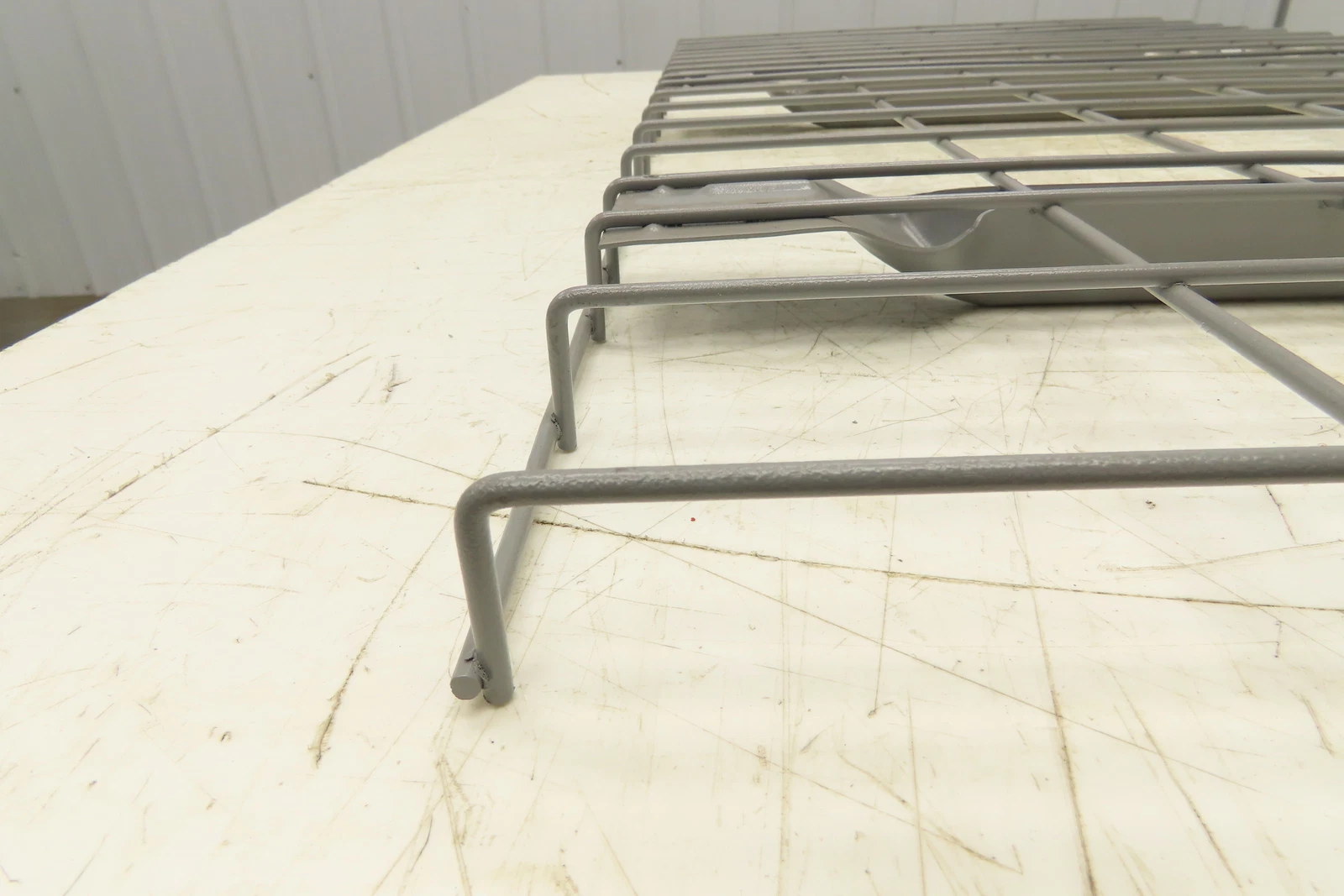
How Can Optimizing Pallet Positions Enhance Efficiency?
How Can Optimizing Pallet Positions Enhance Efficiency?
- Optimizing pallet positions enhances warehouse efficiency and creates a smoother workflow.
- Properly arranged pallets prevent time wastage and reduce worker frustration.
- Streamlined operations lead to significant cost savings and increased productivity.
- Enhancing safety through smart pallet organization fosters employee well-being.
- Cultivating a positive workplace culture boosts employee morale and loyalty.
- Success stories from optimized systems strengthen community and shared purpose among staff.
- The focus on efficiency aligns with teamwork and trust-building in the workplace.

How Can Optimizing Pallet Positions Enhance Efficiency?
What Metrics Should Cfos Prioritize for Cost Tracking?
What Metrics Should CFOs Prioritize for Cost Tracking?
In the world of finance, the devil is in the details, and nowhere is that more apparent than in tracking costs. For CFOs, the key metrics are more than just numbers on a spreadsheet; they represent the lifeblood of the business. Imagine a sturdy racking system in a warehouse, each shelf holding critical components of profitability. Just like those shelves need to be organized and maintained, so too do the financial metrics that guide a company’s spending.
Start with the basics: tracking expenditures against budget forecasts. This metric isn’t just about staying within lines drawn in the sand; it’s about understanding where dollars are being spent and identifying potential waste. Think of it like checking the oil before a long drive—smooth operations depend on knowing what’s under the hood. A sharp CFO will dig deep into variances, sifting through the data to spot trends that could signal trouble or opportunity.
Next up, control over fixed versus variable costs. Fixed costs, like rent and salaries, are the steady background hum of any operation. Variable costs, on the other hand, ebb and flow, reflecting the hustle and bustle of daily activity. By keeping an eagle eye on these metrics, CFOs can identify when it makes sense to tighten belts or invest in growth, much like balancing load in a racking system to ensure stability and efficiency.
Then there’s the all-important ratio of direct labor versus total manufacturing costs. This metric provides invaluable insight into productivity and employee engagement. When numbers tilt too far toward labor costs, it can signal inefficiencies or the need for more training. It’s akin to a well-oiled machine; each component must work harmoniously to keep the operation running smoothly, ensuring that every hand on deck is contributing efficiently.
Furthermore, consideration for the return on investment (ROI) of each major expense is critical. Whether investing in new technology or equipment, such as modern racking systems, CFOs need to weigh potential long-term gains against upfront costs. This isn’t just about numbers; it’s about vision—enabling the business to navigate the future with confidence.
Lastly, establishing a culture of accountability through cost tracking encourages every team member to keep an eye on spending. This collective mindfulness creates a shared responsibility for the financial well-being of the company. When everyone understands their role in the larger picture, it fosters a sense of belonging and ownership within the team.
When CFOs string together these metrics, they create a robust framework for not just surviving but thriving. Like a solid racking system, it all comes down to how well the parts hold up under pressure, supporting a whole that’s greater than the sum of its parts.

What Metrics Should Cfos Prioritize for Cost Tracking?
What Metrics Should Cfos Prioritize for Cost Tracking?
- CFOs should prioritize tracking expenditures against budget forecasts to identify spending patterns and potential waste.
- Monitoring fixed versus variable costs helps CFOs make informed decisions about spending and growth opportunities.
- The ratio of direct labor to total manufacturing costs provides insights into productivity and employee efficiency.
- Evaluating the return on investment (ROI) for major expenses is essential for strategic financial planning.
- Establishing a culture of accountability encourages team members to manage costs effectively and fosters ownership.
- Collectively tracking these metrics creates a strong framework for business success and operational stability.
- The integration of these metrics supports a cohesive approach to financial health, reflecting the importance of organized cost management.
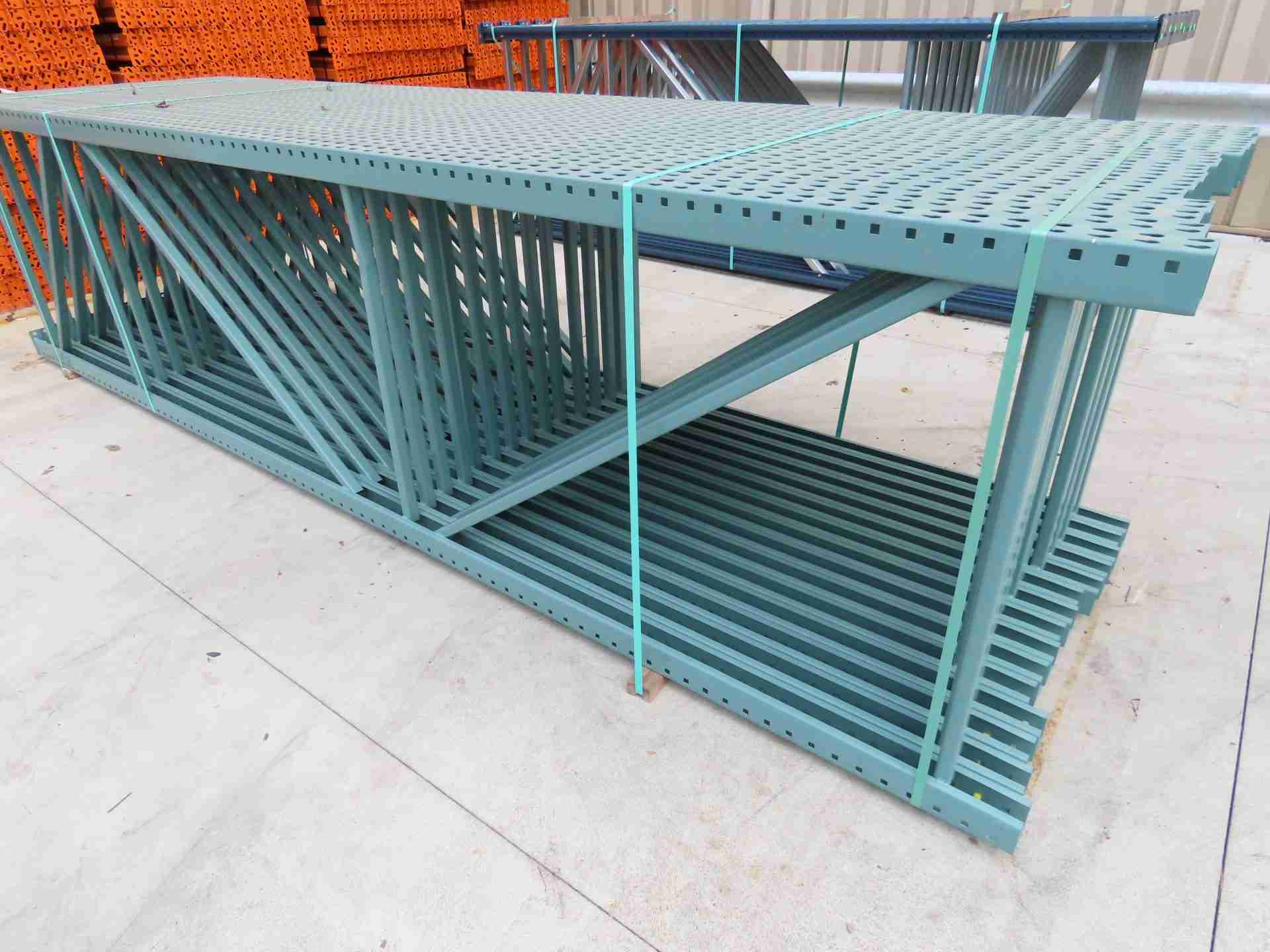
What Metrics Should Cfos Prioritize for Cost Tracking?
How Do Pallet Costs Affect Supply Chain Decision-Making?
In the world of supply chains, when folks talk about pallets, they’re not just talking about wood or plastic boxes where products sit; they’re discussing the very backbone of logistics. You see, every time a shipment rolls out, those pallets bear the weight—literally and figuratively. Imagine a busy warehouse with racking systems filled to the brim. Those racking systems are designed to maximize space, streamline load times, and ensure items are easy to track. But guess what? If you’re pinching pennies on pallets, suddenly, all that efficiency could come crashing down.
Let’s break it down. The cost of pallets can tug at the heartstrings of a business owner. It’s not just a number on a spreadsheet; it can represent jobs, families, and the hard work of every employee. Choosing cheaper pallets might save you a few bucks upfront, but what happens when they break mid-transaction? You’ve got lost time, disgruntled employees, and unhappy customers, and suddenly, that “savings” becomes a costly headache. Who wants that burden on their conscience?
Now, from a rational standpoint, those “penny-wise, pound-foolish” decisions show a lack of foresight that can send ripples through your entire supply chain. Every link in that chain is interconnected—if one weak point snaps, the rest falter. When faced with tricky decisions, thinking long-term is essential. Investing in quality pallets tends to offer a more reliable return. You’re not just sorting through costs; you’re planning for resilience.
Ethically, there’s a responsibility that comes with supply chain decisions. Supporting suppliers who prioritize sustainability and fair labor practices isn’t just about feel-good stories; it’s making the market better for everyone. And if you connect those dots back to pallet costs, you’ll find that the right choices resonate well beyond your warehouse, fostering a healthier community and economy.
With social connections, the dialogue around pallet choices can also build trust within teams. Employees feel valued when they see their employers investing in quality materials. There’s pride in knowing the tools they use are dependable and safe; that matters in every corner of the workspace.
So, in the grand scheme, when it comes to supply chain decision-making, remember this: it’s about more than just dollars and cents. It’s about building a foundation—solid, trustworthy, and resilient—that supports the entire operation, ensuring everyone walks away satisfied. Invest in pallets that tell a story of quality and reliability, and watch as your supply chain flourishes, paving a smoother road ahead.
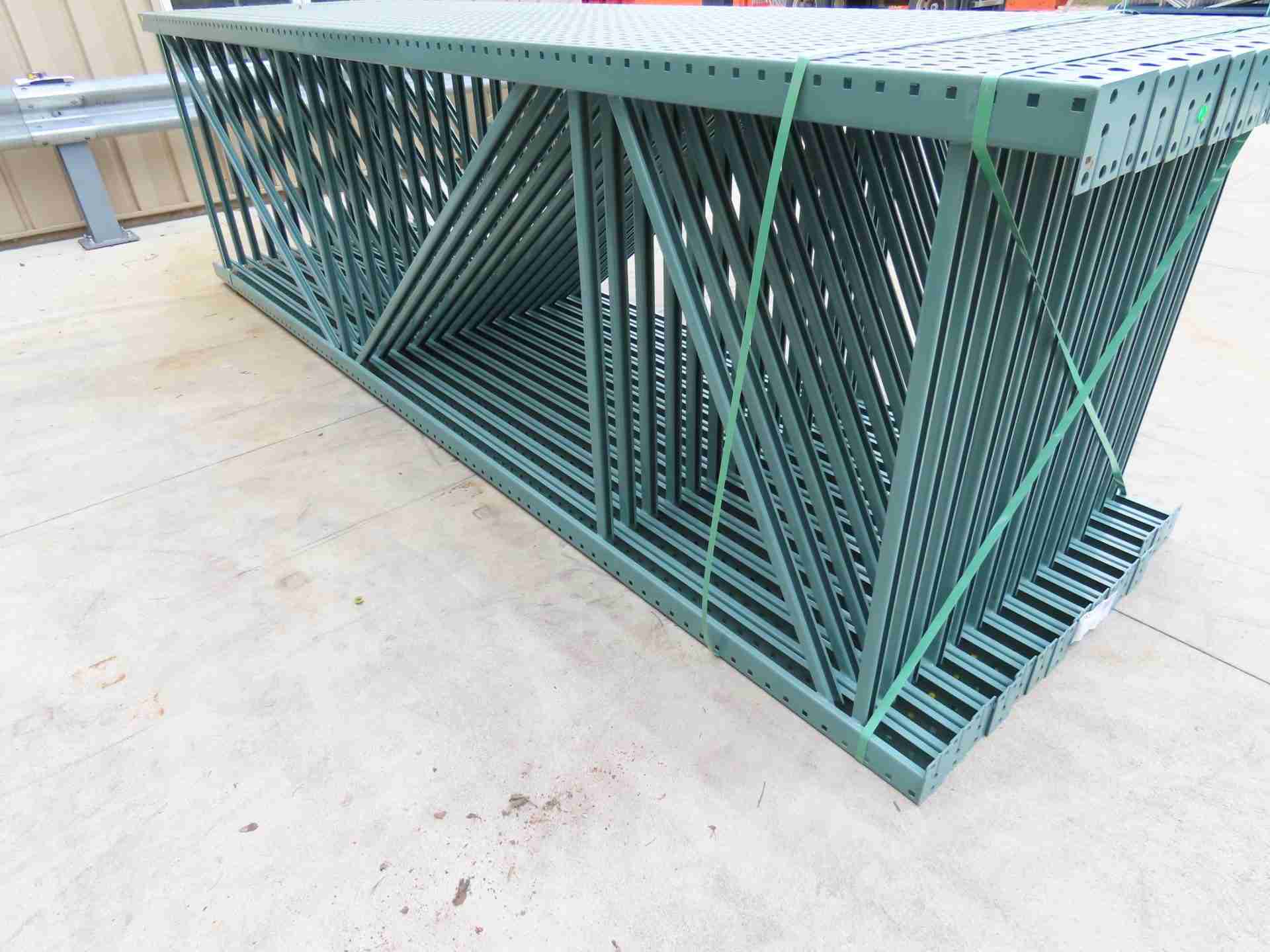
How Do Pallet Costs Affect Supply Chain Decision-Making?
How Do Pallet Costs Affect Supply Chain Decision-Making?
- Pallets are essential to logistics, supporting efficiency in supply chains.
- Cost-cutting on pallets can lead to significant operational issues, affecting time, employee morale, and customer satisfaction.
- Decisions regarding pallet quality can impact the entire supply chain, highlighting interconnectedness.
- Long-term investments in quality pallets promote resilience and reliability in operations.
- Ethical sourcing of pallets supports sustainability and fair labor practices, benefiting the broader community.
- Investing in quality materials fosters trust and pride among employees, enhancing workplace morale.
- Overall supply chain decisions should prioritize durability and dependability over short-term cost savings.

How Do Pallet Costs Affect Supply Chain Decision-Making?
What Are the Hidden Costs Of Poor Pallet Management?
When it comes to warehouse logistics, poor pallet management might seem like a minor inconvenience, but it’s akin to ignoring a leaky roof during a rainstorm. On the surface, it may not appear urgent; however, the consequences of neglect can build up and create a cascade of problems that hit you where it hurts—your bottom line. Picture a bustling warehouse filled with Racking Systems designed to keep everything organized. Now imagine that chaos ensues because pallets are mishandled, leading to damages and inefficiencies.
The emotional toll can be significant. Workers feel the pressure when they’re forced to navigate disorganization, leading to frustration and decreased morale. A confused team can quickly become a burden on productivity. You might notice a shift in the atmosphere, where camaraderie fades and stress takes over. It’s a tangible loss when your team doesn’t feel they can trust the system in place.
Rationally, the numbers don’t lie. Poor pallet management can lead to increased labor costs, higher rates of product damage, and ultimately, lost sales. Countless hours can vanish as employees struggle with locating products, and those moments add up fast. Think of the social and ethical implications too. If your customers are receiving damaged goods, it’s not just bad for business; it undermines your reputation. Customer trust is a fragile thing, and once it’s cracked, it takes a significant effort to restore.
In practical terms, the hidden costs go beyond what appears on the balance sheet. Consider the waste of resources—time, labor, and materials. Every misplaced pallet translates to extra expenditure, whether through employee overtime or through investing in corrective measures down the line. A small issue morphs into a larger problem, gnawing at your profits and diminishing your competitive edge.
Yet, it doesn’t have to be this way. A commitment to proper pallet management can transform operations. Implementing effective tracking of your pallets, maintaining order in your Racking Systems, and fostering accountability among your workers can keep things running smoothly. Think of it as a way to rejuvenate the pride and ownership in your work. By investing time and energy in managing pallets effectively, you not only save money but also build an environment where your team can thrive. It’s about creating a legacy of efficiency, trust, and resilience in the face of challenges—a testament to good, old-fashioned hard work and common sense.

What Are the Hidden Costs Of Poor Pallet Management?
What Are the Hidden Costs Of Poor Pallet Management?
- Poor pallet management in warehouses can lead to significant logistical and financial issues.
- It results in damages, inefficiencies, and decreased worker morale due to disorganization.
- Increased labor costs and product damage can ultimately lead to lost sales and customer trust.
- Hidden costs from wasted time, labor, and materials go beyond visible financial impacts.
- Employing effective pallet tracking and maintaining order in racking systems is crucial.
- Fostering accountability among workers enhances operational efficiency and team morale.
- Investing in proper pallet management creates a legacy of trust, resilience, and efficiency.
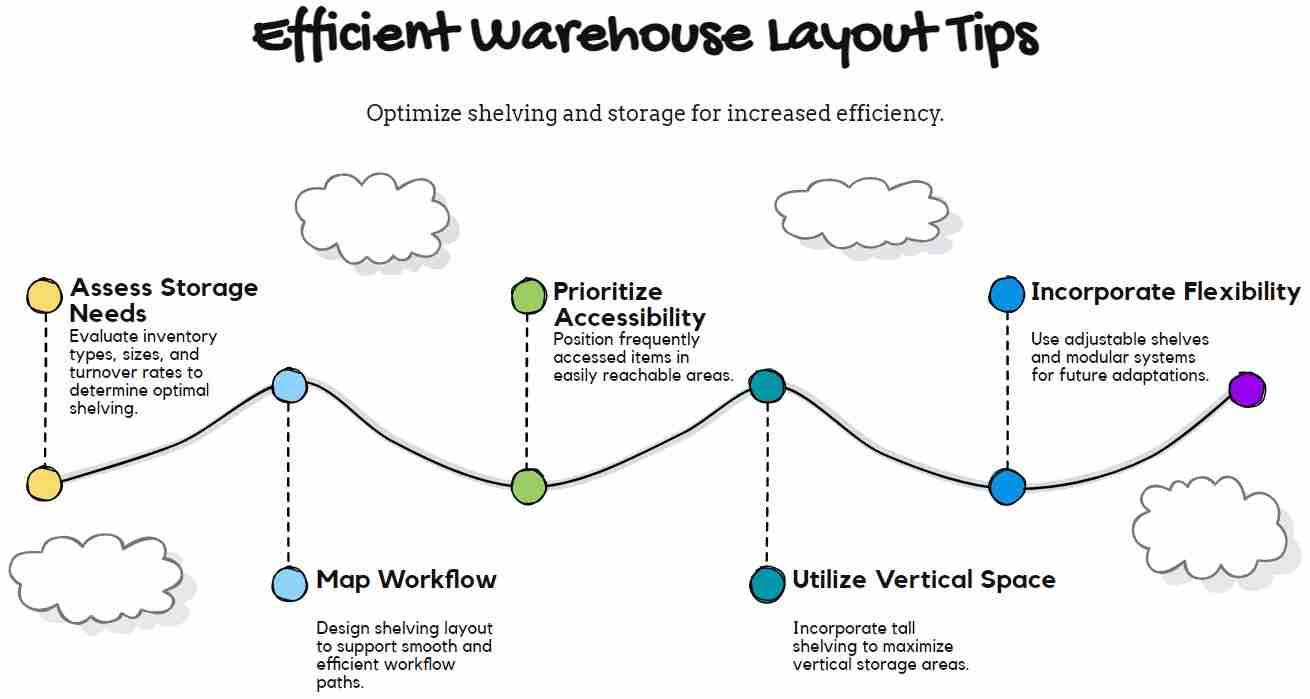
What Are the Hidden Costs Of Poor Pallet Management?
Can Technology Improve Visibility Of Pallet Costs?
When it comes to managing pallet costs, many folks in the logistics and warehousing game know the struggle. You’ve got racking systems that hold your products like a good friend holds your secrets, but without the right tech to track costs, those secrets can turn into a financial nightmare. Imagine looking around your warehouse, seeing rows of pallets stacked high, and wondering if you’re really getting the best bang for your buck. It’s not just numbers; it’s about the livelihood it supports.
Technology can bring clarity to a murky situation. Advanced tracking systems can give you real-time insights into where your pallets are, how much they cost, and how efficient your racking systems are performing. This isn’t just about cutting costs—it’s about understanding what drives those costs. Every pallet has a story, from its journey through your supply chain to its resting spot on the shelf. Now, with software that consolidates this information, you can piece together the puzzle and make decisions that add up, not just on spreadsheets, but in the real world, where dollars and sense come together.
Think about those late nights spent figuring out why your margins aren’t adding up. Technology doesn’t just help you see the costs; it puts you in the driver’s seat, enabling you to take action. Research shows that businesses using tech-driven insights to monitor their pallet usage can reduce overhead by up to 30%. That’s not just good business; that’s a lifeline, ensuring you can keep your crew employed and your operations running smooth.
Moreover, there’s an ethical side to it. Being stewards of our resources means recognizing inefficiencies and acting on them. By investing wisely in technology, you demonstrate care for your employees and stakeholders. It fosters a team spirit, reminding everyone that each pallet is part of a bigger picture where transparency and accountability thrive.
Let’s not forget the power of community. When your operation is running efficiently, it ripples out, benefiting suppliers, customers, and the workforce. You become a leader in your space, inspiring others to embrace technology for the betterment of all. It’s about creating a culture where sharing insights about costs, savings, and processes becomes the norm.
Ultimately, embracing technology to improve visibility of pallet costs is more than just a smart business choice. It’s about empowering your team, nurturing your community, and securing your future—all while keeping those racking systems stacked high and profitable.

Can Technology Improve Visibility Of Pallet Costs?
Can Technology Improve Visibility Of Pallet Costs?
- Managing pallet costs is a common struggle in logistics and warehousing.
- Without the right technology, tracking costs can lead to financial difficulties.
- Advanced tracking systems provide real-time insights into pallet costs and racking efficiency.
- Understanding the story behind each pallet aids in informed decision-making.
- Businesses that utilize tech-driven insights can reduce overhead by up to 30%.
- Investing in technology demonstrates ethical stewardship of resources and fosters team spirit.
- Efficient operations benefit the entire community, creating a culture of transparency and shared insights.

Can Technology Improve Visibility Of Pallet Costs?
Conclusion
Cost per pallet position is not merely a financial metric; it serves as a vital component of a warehouse’s operational backbone. Each pallet position signifies a balance of investment, directly influencing a company’s efficiency and bottom line. Picture a warehouse where every pallet is strategically placed to maximize productivity—this is where the magic happens. The costs tied to each position unfold a narrative that goes beyond mere figures. It encompasses the well-being of employees who depend on these systems every day, transforming their work environment into a space of safety and reliability.
Efficient racking systems foster confidence among workers, minimizing accidents and frustrations. When operational integrity is underpinned by solid investments, relationships with customers also flourish. Timely deliveries and accurate shipments are the fruits of a well-managed warehouse, reinforcing trust and loyalty. This cost efficiency isn’t just a check on a balance sheet; it’s a call to invest wisely in infrastructure and foster a culture that promotes teamwork and accountability.
Moreover, the ethical dimension of managing costs is paramount. A commitment to optimizing pallet positioning not only bolsters profits but cultivates a better workplace. Workers thrive when systems operate smoothly, and this boosts morale and job satisfaction. Stories of success ripple through the workforce, creating a shared identity and purpose among team members, enhancing overall performance.
Costs associated with pallets carry significant implications for supply chain decisions. Every choice made impacts the entire operation, highlighting the importance of reliability over short-term savings. Quality materials pave the way for stability and trust within the supply chain, enhancing relationships with staff and customers alike. It’s not just about addressing today’s challenges; it’s about building a foundation for future success.
Hidden costs of poor pallet management present another layer of urgency. Disorganization leads to wasted time and increased turnover due to employee dissatisfaction. The consequences extend beyond immediate financial losses, harming reputation and customer trust. Committing to effective pallet management practices can rejuvenate operations, fostering a work environment rooted in pride and accountability.
Lastly, technology emerges as a powerful ally in managing pallet costs. Implementing advanced systems offers real-time visibility into operational dynamics, empowering decision-makers to optimize efficiency. The ripple effects of such transformations benefit the entire supply chain, reinforcing community ties and promoting sustainable practices. Embracing these strategies will not only streamline warehouse operations but create a thriving ecosystem where efficiency, quality, and trust converge, securing a prosperous future for all involved.
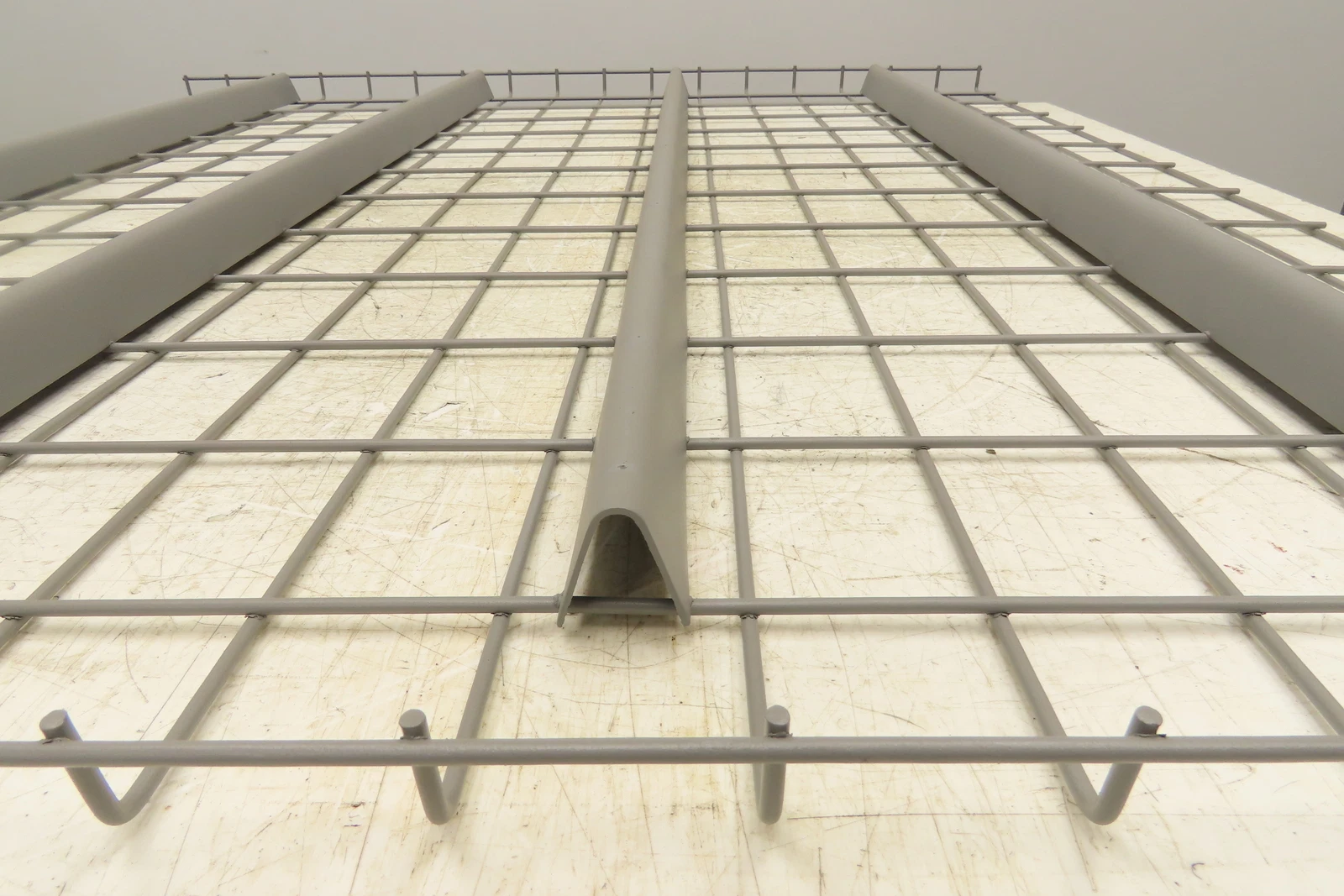
Conclusion
Conclusion:
- Cost per pallet position is essential for warehouse operations, influencing efficiency and profitability.
- Strategic pallet placement maximizes productivity and enhances employee safety and reliability.
- Efficient racking systems reduce accidents, fostering confidence among workers and improving customer relationships.
- Investing wisely in infrastructure promotes a supportive work culture focused on teamwork and accountability.
- Optimizing pallet positioning increases profits while enhancing morale and job satisfaction among workers.
- Pallet management impacts supply chain decisions, emphasizing the importance of reliability over short-term savings.
- Technology aids in managing pallet costs, offering real-time visibility and promoting operational efficiency and sustainability.

Conclusion
Other Resources
Other Resources
Here is a list of other resources you can review online to learn more:
- Storage Equipment Manufacturers’ Association
- Selective Racking
- CA Wire
- Warehouse Racking System: Powerful Guide to Optimise, 2024
- Warehouse Racking Chicago, IL
- Material Handling Safety
- NSC
- American Society of Safety Professionals
- BMH
- Shipping Boxes, Packaging Materials, Pallet Racking
- CMMA
- Bradford Systems
- Teardrop Uprights
- New Cantilever Racks and Racking Kits
- IIWS Inc. Rack Installation Illinois & Rack Repairs Illinois
- Crane Manufacturers Association Of America Inc.
- Total Warehouse
- MHI
- Warehousing Education and Research Council: https://www.werc.org/
- IWLA
Use This Prompt To Get More Resources With Your Favorite Online AI Tool: Please provide me with a list of online articles with their URLs in a bulleted list that I can read regarding Cost Per Pallet Position: a Cfo’s Guide
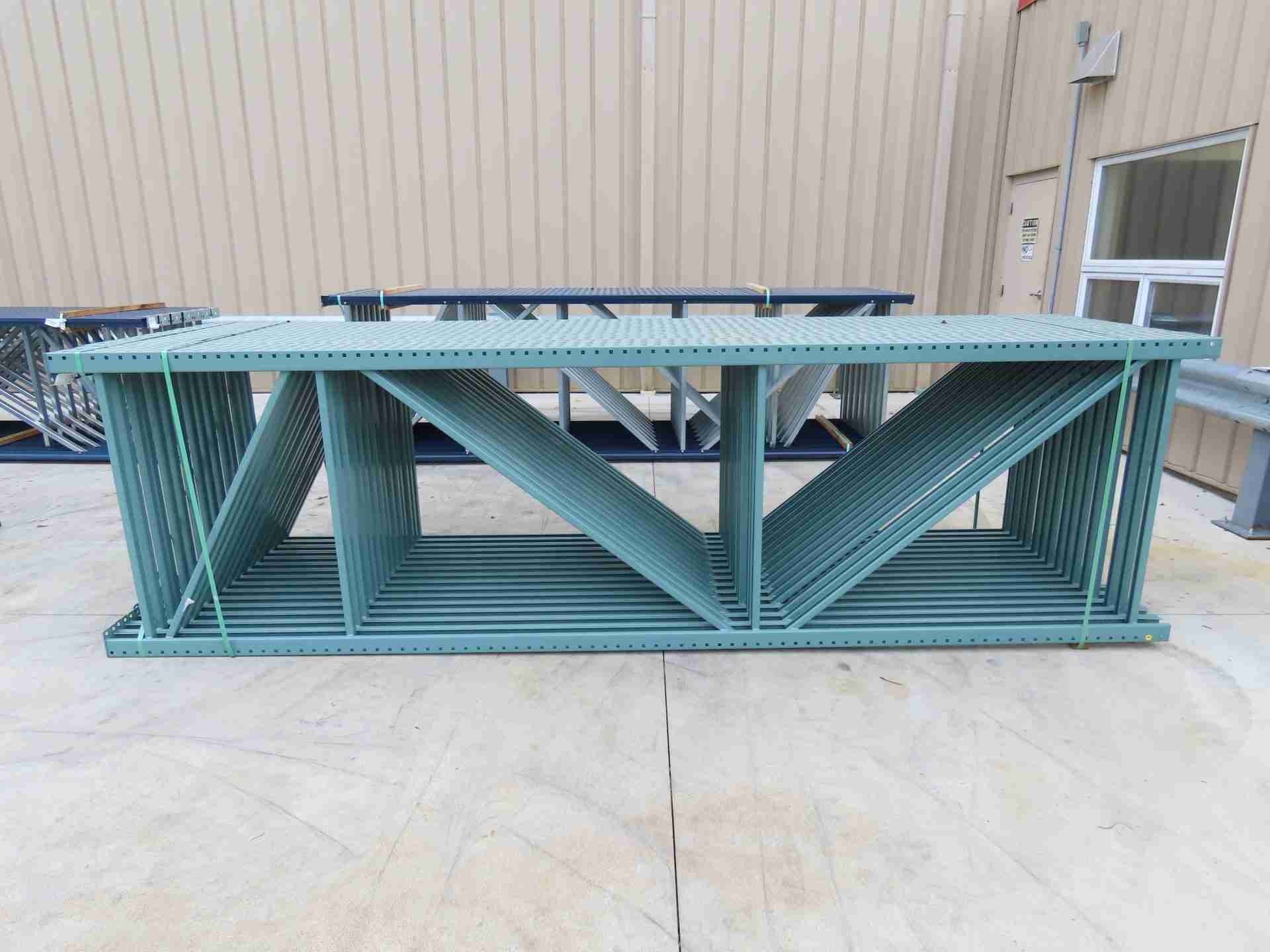
Other Resources
Glossary Terms
Cost Per Pallet Position: a Cfo’s Guide – Glossary Of Terms
1. Cost Per Pallet Position: The total cost associated with storing a single pallet position in a warehouse.
2. CFO: Chief Financial Officer; a senior executive responsible for managing the financial actions of a company.
3. Warehouse Management: The process of overseeing and controlling warehouse operations, including inventory management and logistics.
4. Inventory Turnover: A measure of how often inventory is sold and replaced over a specific period, indicating efficiency in inventory management.
5. Storage Capacity: The maximum volume of goods that can be stored in a warehouse at any given time.
6. Freight Cost: The expenses incurred for transporting goods from one location to another.
7. Pallet Racking: A storage system that uses pallets and racks to organize merchandise in a warehouse.
8. Overhead Costs: Ongoing expenses that are not directly tied to producing a product or service but are necessary for supporting normal business operations.
9. Just-in-Time (JIT): An inventory strategy that aligns raw-material orders from suppliers directly with production schedules.
10. SKU (Stock Keeping Unit): A unique identifier for each distinct product and service that can be purchased.
11. Logistics: The detailed coordination of complex operations involving people, facilities, and supplies.
12. Supply Chain: The entire system of production, processing, and distribution of goods, from raw materials to end consumers.
13. Fixed Costs: Expenses that do not change in relation to production volume, remaining constant regardless of output.
14. Variable Costs: Costs that vary directly with the level of production or sales.
15. Break-even Point: The point at which total revenue equals total costs, resulting in neither profit nor loss.
16. Operational Efficiency: The ability to deliver products or services in the most cost-effective manner without sacrificing quality.
17. Space Utilization: The percentage of warehouse space that is effectively used for storage compared to what is available.
18. Handling Costs: Expenses related to the movement and management of goods within a warehouse.
19. Palletization: The process of placing goods onto pallets for storage or transportation.
20. Allocation: The process of distributing resources or goods across various locations or departments.
21. Demand Forecasting: Predicting future customer demand based on historical data and market analysis.
22. Loading Dock: A designated area where goods are loaded and unloaded from transportation vehicles.
23. Material Handling: The movement, protection, and storage of materials throughout the manufacturing and warehousing process.
24. Capacity Planning: The process of determining the production capacity needed by an organization to meet changing demands for its products.
25. Loss Prevention: Strategies and measures implemented to reduce theft and damage in a warehouse environment.
26. Rate of Return: The gain or loss made on an investment relative to the amount of money invested.
27. E-commerce: Buying and selling products or services over the internet, impacting warehouse logistics.
28. Order Fulfillment: The complete process of preparing and delivering a customer’s order, from receiving to shipping.
29. Cross-docking: A logistics practice where incoming products are directly transferred to outbound shipping with minimal storage time.
30. Risk Management: The identification, assessment, and prioritization of risks followed by coordinated efforts to minimize, monitor, and control the probability of unfortunate events.

Glossary Of Terms
Other Questions
Cost Per Pallet Position: a Cfo’s Guide – Other Questions
If you wish to explore and discover more, consider looking for answers to these questions:
- How is cost per pallet position calculated step by step?
- What specific cost components should be included (capital, installation, maintenance, depreciation, etc.)?
- How do you allocate shared costs (e.g., lighting, HVAC, floor space) to pallet positions?
- What assumptions underlie common cost-per-pallet models?
- How frequently should cost per pallet position be recalculated?
- How does cost per pallet position differ by racking type (selective, drive-in, push-back, pallet flow)?
- What are typical benchmark ranges for cost per pallet position by industry and region?
- How do you compare cost per pallet position across multiple facilities or sites?
- What is the expected payback period when investing to reduce cost per pallet position?
- How do labor productivity and labor cost factor into the metric?
- How do product mix and SKU velocity affect optimal pallet positioning?
- What role does slotting optimization play in lowering cost per pallet position?
- How do safety and regulatory compliance costs influence the metric?
- What hidden costs arise from poor pallet management (damage, shrinkage, rework, insurance)?
- How should damage rates and replacement costs for pallets be tracked and included?
- How do pallet material choices (wood, plastic, metal) change lifecycle costs?
- What are the trade-offs between renting, leasing, pooling, or buying pallets?
- How can technology (WMS, RFID, IoT sensors) improve visibility and reduce costs?
- Which software solutions or modules best support pallet-position cost tracking?
- What data sources and integrations (ERP, WMS, TMS) are required for accurate reporting?
- How do you model sensitivity and scenario analysis for pallet-cost drivers?
- How does warehouse layout and throughput impact cost per pallet position?
- What metrics should CFOs prioritize alongside cost per pallet position (turnover, capacity utilization, carrying cost)?
- How do seasonal fluctuations and demand variability affect pallet-cost calculations?
- How should ROI be measured for investments in racking or automation that change pallet costs?
- What are best practices for change management when implementing layout or racking changes?
- How do 3PL partnerships or outsourced warehousing alter responsibility for pallet costs?
- How should multi-echelon supply chains include pallet-position costs in network design?
- What case studies or real-world examples demonstrate measurable savings?
- What KPIs indicate a healthy cost-per-pallet-position performance over time?
- How do loading dock and inbound/outbound operations contribute to per-pallet cost?
- What inspection, maintenance, and lifecycle schedules minimize total cost?
- How should depreciation, tax treatment, and capital budgeting be handled for racking and pallets?
- How do sustainability initiatives (recycled pallets, circular models) affect financials?
- What are quick-win tactics to reduce cost per pallet position in 30–90 days?

Other Questions
Checklist
Cost Per Pallet Position: a Cfo’s Guide – A Checklist
Scope and Objectives
✅______ Define the purpose of tracking cost per pallet position (CPP): cost control, service level, capacity planning, ROI.
✅______ Decide reporting units (per available position, per occupied position, per shipped pallet).
✅______ Segment by site, zone, rack type, temperature class, and customer profile.
Cost Model Build
✅______ Inventory all cost components and owners; assign GL mappings.
✅______ Annualize capital costs (racking, MHE, IT) via depreciation or lease expense.
✅______ Allocate shared overhead (facility, utilities, insurance, property tax) using a consistent driver (sq ft, cubic ft, positions).
✅______ Include variable costs: labor (receive, putaway, pick, replenish, ship), pallets (purchase, pool, repair, loss), packaging, damage/shrink, rework, disposals.
✅______ Include compliance, safety, training, WMS/LMS licenses, maintenance, and inspections.
✅______ Define utilization assumptions (average occupancy %, turns, dwell time) for allocation accuracy.
Compute and Validate
✅______ Calculate the total annual cost of storage operations.
✅______ Compute average available pallet positions and average occupied positions.
✅______ Calculate cost per pallet position (available) and (occupied).
✅______ Calculate cost per shipped pallet.
✅______ Reconcile to P&L and investigate variances.
Facility and Racking Systems
✅______ Verify rack design suitability by SKU mix (weight, dimensions, throughput).
✅______ Check vertical clearance and beam levels for cube utilization.
✅______ Confirm aisle width vs. equipment profile for safe, effective travel.
✅______ Schedule and document rack inspections and maintenance.
Layout and Slotting Optimization
✅______ Perform ABC velocity analysis; assign golden-zone slots to A SKUs.
✅______ Minimize travel with family grouping and adjacency rules.
✅______ Balance pick faces vs. replenishment frequency.
✅______ Evaluate specialty storage (double-deep, drive-in, push-back, pallet flow) by profile.
✅______ Simulate alternative layouts for density vs. throughput trade-offs.
Labor and Process
✅______ Map end-to-end flows; count touches per pallet.
✅______ Standardize work for receive, putaway, pick, replenish, and ship.
✅______ Measure pick/put rates and travel time; remove bottlenecks.
✅______ Align the staffing model to demand profile (shifts, peaks, cross-train).
Pallet Strategy
✅______ Standardize pallet specifications; verify compatibility with racking and automation.
✅______ Choose buy vs. pool vs. hybrid; account for repair, loss, and return loops.
✅______ Track damage rates by pallet type and vendor; enforce SLAs.
✅______ Evaluate sustainable options and disposal costs.
Technology and Visibility
✅______ Ensure WMS/LMS capture pallet movements, dwell, and status.
✅______ Enable barcode/RFID/RTLS where needed for real-time location.
✅______ Implement dashboards for CPP, utilization, damages, OTIF, and labor productivity.
✅______ Use slotting software/digital twin to test scenarios before changes.
✅______ Set data quality thresholds; audit regularly.
Risk, Safety, Compliance
✅______ Monitor incident rates; tie corrective actions to root causes.
✅______ Verify rack load signage, anchors, and seismic compliance.
✅______ Assess ergonomic risks; reduce awkward handling.
✅______ Maintain spares and response plans for critical equipment.
Supply Chain and Customer Impact
✅______ Link CPP to OTIF, order accuracy, and cycle time.
✅______ Optimize trailer cube and load planning to reduce transport cost per pallet.
✅______ Monitor detention/demurrage tied to warehouse flow.
✅______ Align inventory policies (min/max, safety stock) with storage economics.
Hidden Cost Checks
✅______ Damage and rework rates by zone and shift.
✅______ Lost pallets and write-offs.
✅______ Overtime, temp labor, churn, and training backfill.
✅______ Chargebacks, claims, and returns due to handling/storage.
✅______ Energy and travel waste from poor layout or congestion.
Financial Performance and ROI
✅______ Track budget vs. actual and mix/volume variances.
✅______ Build ROI/payback for re-slotting, rack changes, automation, or technology.
✅______ Run sensitivity cases (volume, labor rates, occupancy).
✅______ Set hurdle rates and approval gates.
Governance and Cadence
✅______ Assign CPP ownership (finance and operations) with RACI.
✅______ Establish KPI review rhythm (weekly operations, monthly financials, quarterly strategy).
✅______ Conduct quarterly physical audits (cycle counts, rack condition, slot accuracy).
✅______ Publish a one-page CPP scorecard by site/zone.
Continuous Improvement
✅______ Maintain a kaizen pipeline prioritized by CPP impact and safety.
✅______ Pilot, measure, and scale changes; retire what does not perform.
✅______ Capture employee feedback; close the loop with results.
✅______ Refresh slotting and labor standards at least semiannually.
Key Metrics to Monitor
✅______ Cost per pallet position (available and occupied).
✅______ Cost per shipped pallet.
✅______ Occupancy %, cube utilization %, dwell time.
✅______ Picks/puts per labor hour; travel time per task.
✅______ Damage/shrink %, rework rate.
✅______ OTIF %, order accuracy %, cycle time.
✅______ Pallet loss/damage rate; pallet cost per cycle.
Quick Worksheet (Fill-In)
✅______ Annual facility/overhead __________
✅______ Rack capex (annualized) __________
✅______ MHE capex/leases (annualized) __________
✅______ Labor (all warehouse functions) __________
✅______ Pallet program (buy/pool/repair/loss) __________
✅______ IT/WMS/LMS __________
✅______ Maintenance/inspections __________
✅______ Utilities/insurance/taxes __________
✅______ Damage/shrink/rework __________
✅______ Compliance/safety/training __________
✅______ Total annual storage cost (sum) __________
✅______ Average available pallet positions __________
✅______ Average occupied pallet positions __________
✅______ Pallets shipped annually __________
✅______ CPP (available) = Total / Available positions __________
✅______ CPP (occupied) = Total / Occupied positions __________
✅______ Cost per shipped pallet = Total / Pallets shipped __________
Targets and Thresholds
✅______ Set target CPP (available) __________
✅______ Set target CPP (occupied) __________
✅______ Set maximum dwell time per class __________
✅______ Set maximum damage % and loss rates __________
✅______ Set productivity targets (picks/puts per hour) __________
Sign-Off
✅______ Finance review completed __________ Date __________
✅______ Operations review completed __________ Date __________
✅______ Next review date scheduled __________
Checklist
At RackingWorld, we help guide you through selecting warehouse storage systems and racking.
Be sure to read our other related stories at RackingWorld to learn more about warehouse storage systems.
0 Comments