
Transforming Unused Spaces Into Profitable Storage Solutions
By Tom Seest
At RackingWorld, we help guide you through selecting warehouse storage systems and racking.
Be sure to read our other related stories at RackingWorld to learn more about warehouse storage systems.
Converting Dead Zones Into Revenue-Producing Storage
Across towns and cities, there are often overlooked spaces—those dead zones that seem forgotten. They’re the unused buildings, abandoned factories, and vacant lots collecting dust. Instead of seeing these areas as blights, what if we flipped the script? With a little creativity and elbow grease, these spaces can be transformed into income-generating storage facilities.
Imagine that one old warehouse on the edge of town. It’s stood empty for years, a relic of better times. But take a closer look—it’s got character, sturdy walls, and ample space. With the right racking systems, it can be repurposed into a dynamic storage hub, serving local businesses and families alike. You know that neighbor who’s always complaining about clutter? That’s where this transformation hits home. Offering affordable storage options not only addresses practical issues but also fosters a sense of community.
From a financial angle, renovating these dead zones can be a smart investment. The initial costs might seem daunting, but consider the long-term benefits. By utilizing racking systems to maximize vertical space, you can significantly increase storage capacity without a hefty overhead. The math is simple: more units yield more revenue. Plus, in a world where convenience is king, providing accessible storage is a sure way to attract customers looking for quick solutions.
On an ethical level, revitalizing these areas contributes to the community’s vitality. It’s about making the most of what we have, breathing life back into places that were once thriving. The stories held within those walls are waiting to be told again, and creating a space that people can rely on for storage gives these locations purpose.
And let’s not forget the power of experience. Many folks in our communities have tackled home improvement projects or built their own storage sheds. They understand what works and what doesn’t. By sharing success stories of others who have turned dead zones into thriving businesses, we nurture hope and inspire action—encouraging others to join in this transformative journey.
So, when you pass by that vacant lot or crumbling building, don’t just see a dead zone. Visualize the possibilities. With hands-on work and ingenuity, you can create a space that not only meets a need but also enriches the community, turning the overlooked into a bustling source of pride and revenue.
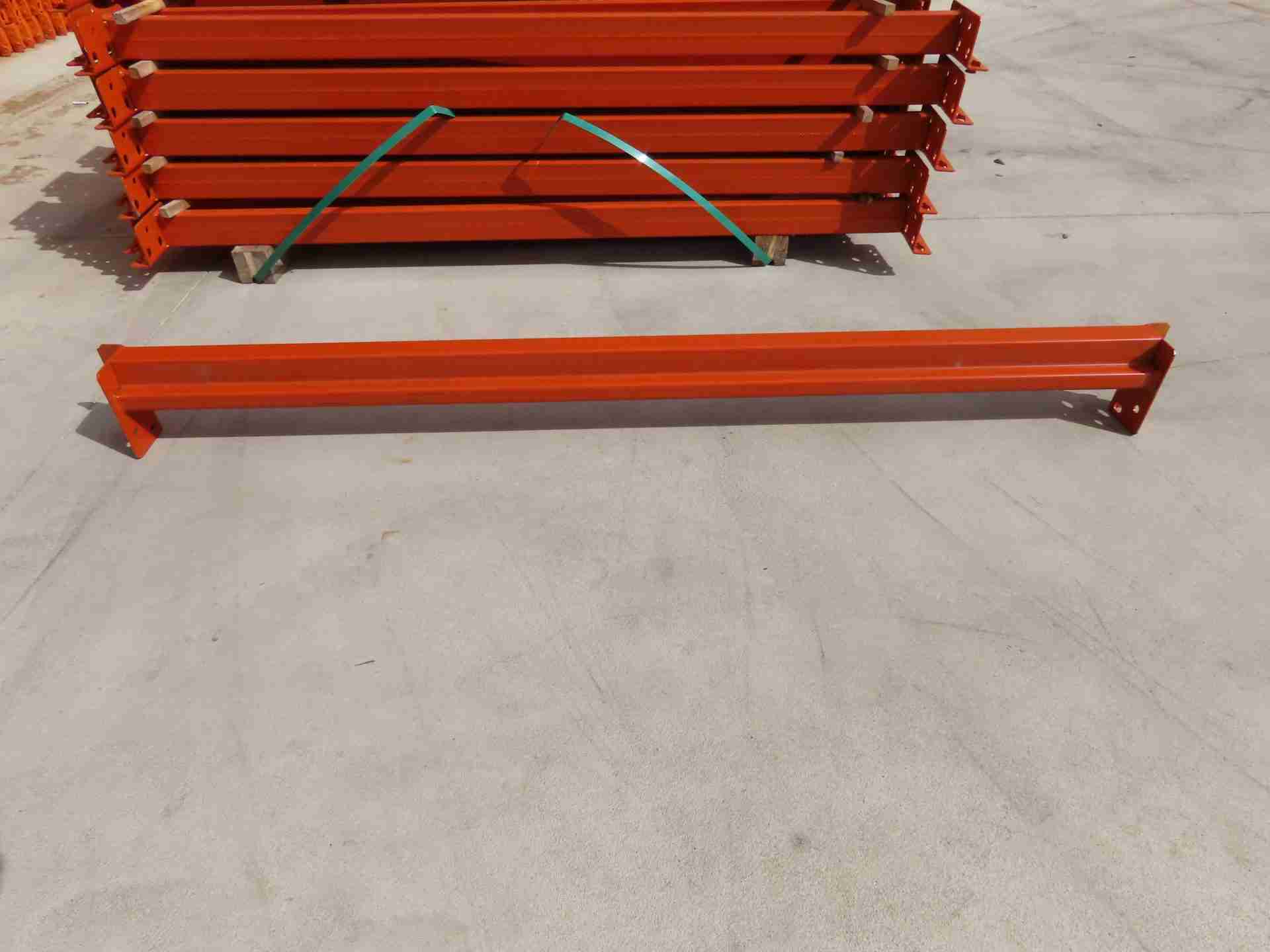
Converting Dead Zones Into Revenue-Producing Storage
Converting Dead Zones Into Revenue-Producing Storage
- Overlooked spaces such as unused buildings and abandoned factories can be transformed into income-generating storage facilities.
- Old warehouses can be repurposed into dynamic storage hubs with the right racking systems.
- Affordable storage options address community clutter and foster a sense of connection.
- Renovating dead zones is a smart investment, increasing storage capacity and generating revenue.
- Revitalizing these areas enhances community vitality and gives purpose to neglected spaces.
- Experience from home improvement projects can inspire others to transform similar spaces.
- Envisioning possibilities for vacant lots can lead to community enrichment and economic growth.

Converting Dead Zones Into Revenue-Producing Storage
Table Of Contents
- Converting Dead Zones Into Revenue-Producing Storage
- What Potential Benefits Come From Revitalizing Dead Zones?
- How Can Dead Zones Be Transformed Into Valuable Resources?
- What Innovative Ideas Can Make Dead Zones Profitable?
- What Are the Community Impacts Of Converting Dead Zones?
- How Can We Ensure Ethical Practices In Reusing Dead Zones?
- What Role Does Technology Play In This Transformation Process?
- Conclusion
- Other Resources
- Glossary Of Terms
- Other Questions
- Checklist
What Potential Benefits Come From Revitalizing Dead Zones?
Revitalizing dead zones can breathe new life into neglected spaces, transforming them into vibrant community hubs. Picture an old, decaying warehouse, its Racking Systems long unused, now repurposed into a bustling market where local farmers and artisans showcase their goods. This renewal isn’t just about bricks and mortar; it’s about rekindling connections among neighbors, fostering a sense of belonging that’s as vital as air.
Imagine the stories that emerge when idle spaces are animated with activity. Each table at that market tells a tale: a grandmother sharing recipes from her childhood, a teenager launching a business from a family tradition, or a retiree teaching woodworking to eager hands. These connections bridge generations, instilling a sense of purpose and pride in one’s community. Revitalization pulls on our heartstrings, reminding us of shared roots and collective aspirations, painting a picture so relatable that it resonates deeply.
From a practical standpoint, revitalizing dead zones also addresses pressing community needs. It can spur job creation as new businesses spring up, providing not just income but a renewed sense of hope. The local economy flourishes when spaces that once stood idle become grounds for innovation and collaboration. By giving a second chance to these areas, we’re sending a clear message: we believe in progress, resilience, and the power of ordinary folks to change their environment.
Ethically, revitalizing these areas reflects our commitment to stewardship. Neglected zones don’t just impact property values; they hurt our communities’ spirits. As we take action, our decision becomes a shared responsibility, promoting inclusivity and equity. Everyone deserves to thrive, and breathing life back into these spaces is a step toward fairness for all.
Moreover, there’s authority in collective action. When people come together to revitalize their surroundings, it sends a powerful signal to policymakers: we are invested in our community’s future. It instills confidence in local leadership and encourages further investment, showing that grassroots can lead to substantial change.
Revitalizing dead zones isn’t purely for show. It’s about reinforcing bonds, building futures, and reminding ourselves that every corner of our community has the potential to be a source of pride and connection. When we harness the chaos of disuse into something beautiful, we inspire others to see potential where once there was only abandonment, inviting them to join the journey of transformation.

What Potential Benefits Come From Revitalizing Dead Zones?
What Potential Benefits Come From Revitalizing Dead Zones?
- Revitalizing dead zones transforms neglected spaces into vibrant community hubs.
- Reimagined areas foster connections among neighbors and a sense of belonging.
- Idle spaces animated with activity tell unique stories, bridging generations.
- Revitalization addresses community needs and spurs job creation, boosting the local economy.
- It reflects a commitment to stewardship, promoting inclusivity and equity.
- Collective action demonstrates community investment, positively influencing local leadership.
- Revitalization reinforces community bonds and highlights the potential of every space.

What Potential Benefits Come From Revitalizing Dead Zones?
How Can Dead Zones Be Transformed Into Valuable Resources?
Transforming dead zones into valuable resources isn’t just a dream; it’s a call to action for communities and industries alike. Picture this: areas once barren of life, teeming with pollution or neglect, can be revitalized through innovative thinking and practical solutions. It’s like taking an old, rusted machine and tuning it up until it runs like new. This transformation not only restores ecosystems but also creates economic opportunities for those willing to invest time and effort.
Take racking systems, for example, often seen in warehouses and factories. These systems, designed to maximize storage and efficiency, can be repurposed in revitalized areas to support new industries. Imagine turning a once-dead industrial site into a hub for food production or renewable energy. With a bit of ingenuity and elbow grease, these racking systems could support vertical farms, ensuring that fresh produce reaches local markets while reducing food deserts in neighborhoods that need it most.
Moreover, changes like this inspire communities. It’s not just about the resources generated; it’s about pride in one’s home. When residents see the tangible benefits of revitalized land, such as cleaner air, local jobs, and a place for kids to play, it fosters a sense of belonging and ownership. This isn’t just a matter of economics; it’s about reclaiming spaces where families can gather and grow.
Let’s not forget the ethical obligation we have to future generations. By transforming dead zones into vibrant ecosystems, we teach our children and grandchildren about stewardship and sustainability. Taking back control of our environment means we’re investing in their future, ensuring they inherit not just a planet, but a thriving one. Stories of communities overcoming adversity to transform their landscapes can inspire others to do the same, creating a ripple effect of positive change.
So, when we talk about turning these lifeless patches of land into productive spaces, it’s an invitation for everyone to roll up their sleeves. It’s about harnessing collective knowledge and different skill sets to make something greater out of what’s been given up on. Together, we can redefine what these areas mean to us and make a lasting difference, turning despair into hope, and barren landscapes into booming community assets.

How Can Dead Zones Be Transformed Into Valuable Resources?
How Can Dead Zones Be Transformed Into Valuable Resources?
- Transforming dead zones into valuable resources is essential for communities and industries.
- Revitalization can restore ecosystems and create economic opportunities.
- Racking systems from warehouses can be repurposed to support new industries like vertical farms.
- Transforming industrial sites can help reduce food deserts and improve local food access.
- Revitalized areas inspire community pride and foster a sense of belonging.
- There is an ethical obligation to create sustainable environments for future generations.
- Collaboration and collective knowledge are key to transforming barren landscapes into community assets.
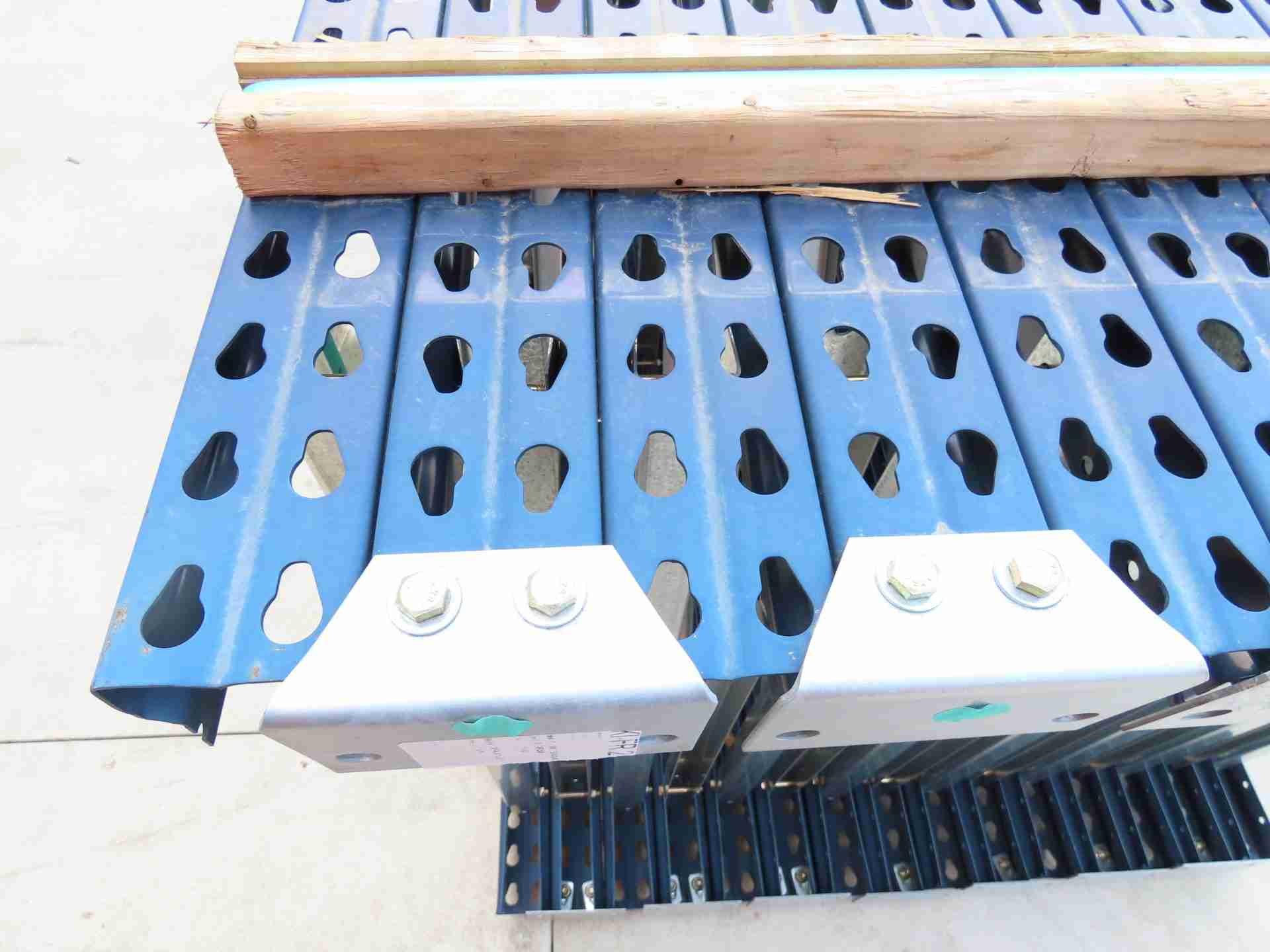
How Can Dead Zones Be Transformed Into Valuable Resources?
What Innovative Ideas Can Make Dead Zones Profitable?
Dead zones often get a bad rap, seen as lifeless stretches of land or water that seem to drain energy rather than help it grow. But what if we could flip the script? Imagine turning those seemingly desolate places into vibrant hubs of activity and profit. It’s about rethinking the landscape, seeing potential where others see problems.
Racking systems, for instance, can revolutionize how we utilize otherwise ignored spaces. Think of vertical farming as a prime example: instead of sprawling fields or traditional greenhouses, you stack crops in innovative, space-saving structures. These racking systems harness sunlight and optimize water use, transforming abandoned warehouses or empty lots into bustling farms that provide fresh produce right on the city’s doorstep. This not only feeds communities but creates jobs and invigorates the local economy.
Now let’s kick it up a notch. Picture a dead zone turned into a renewable energy site. With the right technology, wind turbines or solar panels can be set up in areas long written off. These racking systems can support the vast arrays needed to capture energy—clean, green, and capable of powering neighborhoods. It’s a tangible, ethical step towards sustainability, showcasing a commitment to our planet while generating revenue. Communities can invest not just in their own growth but also in preserving the future.
There’s also the potential for eco-tourism. Dead zones can be transformed into learning centers, where people come to explore the intersections of nature and technology. Guided tours can highlight restoration efforts, allowing visitors to understand the importance of lost ecosystems while generating income for locals through entrance fees and local sales. That kind of educational outreach fosters a deeper connection between people and their environment, teaching respect and appreciation for nature’s resilience.
At the core, these ideas serve a common thread: turning challenges into opportunities. By tapping into what might seem like wasted potential, communities can reshape their identity from forgotten corners into flourishing spaces. It calls upon collaboration, creativity, and community spirit. With hands in the dirt and eyes on the horizon, we can build a shared vision for what these dead zones can truly become, igniting a spark of hope, responsibility, and economic growth. The time to act is now—let’s bring life back where it once seemed lost.
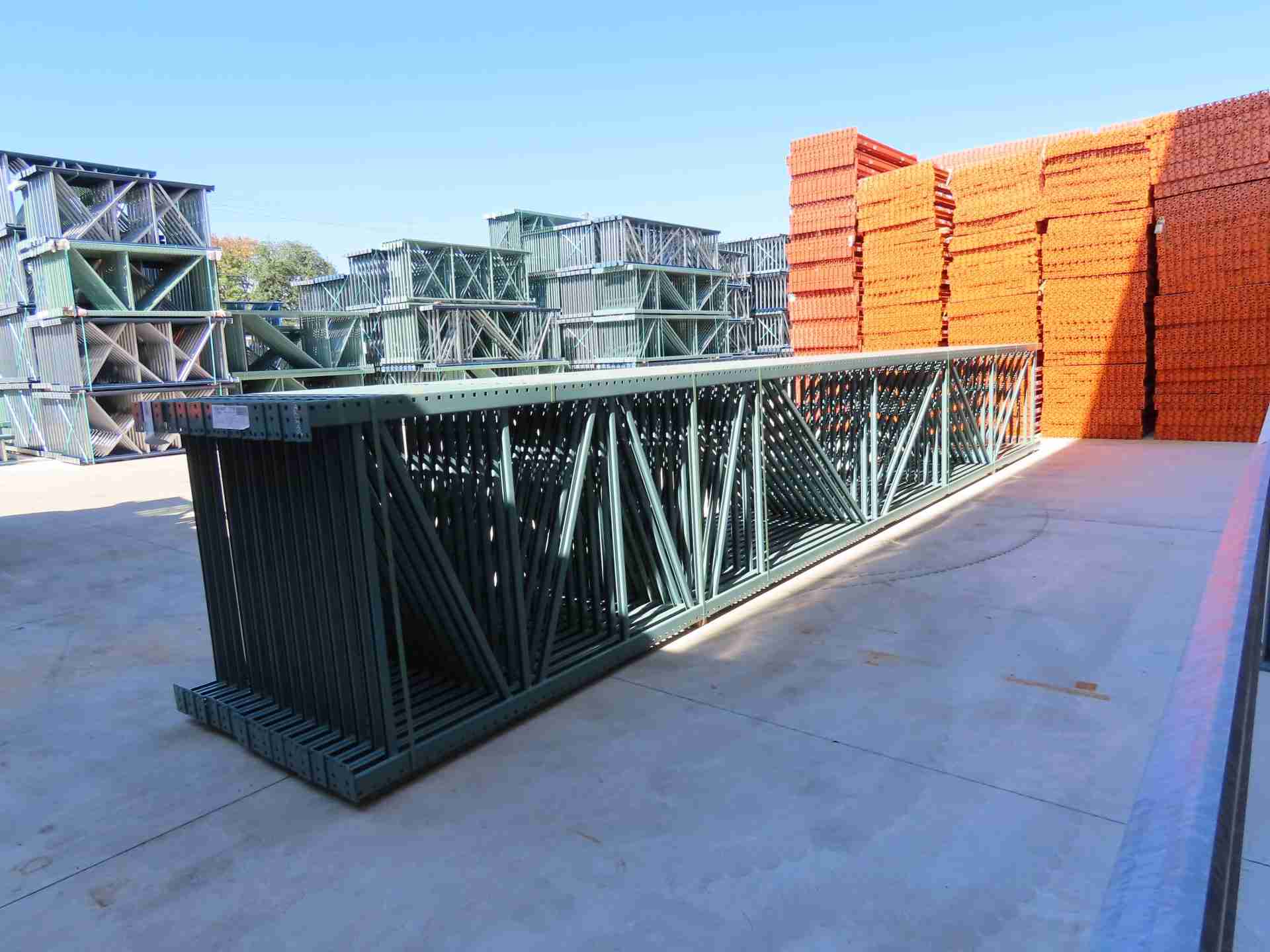
What Innovative Ideas Can Make Dead Zones Profitable?
What Innovative Ideas Can Make Dead Zones Profitable?
- Dead zones are often perceived as lifeless areas but can be reimagined as vibrant, productive spaces.
- Racking systems enable vertical farming, transforming abandoned areas into productive farms near urban centers.
- Vertical farming not only provides fresh produce but also creates jobs and stimulates local economies.
- Dead zones can be repurposed for renewable energy, such as wind and solar power, contributing to sustainability.
- These areas can also become eco-tourism sites, educating visitors about nature and technology and generating income.
- Transforming challenges into opportunities requires community collaboration, creativity, and spirit.
- By reinvesting in dead zones, communities can foster hope, responsibility, and economic growth.

What Innovative Ideas Can Make Dead Zones Profitable?
What Are the Community Impacts Of Converting Dead Zones?
Converting dead zones—those neglected patches in our communities—into vibrant spaces isn’t just an environmental effort; it’s a call to revive our shared humanity. Picture walking through a once-barren lot, now transformed into a bustling garden or a playground with laughing children. These changes breathe life back into our neighborhoods, giving residents a sense of place and pride.
The heart of a community beats stronger when we come together to tackle the challenges of these dead zones. It’s about more than just green spaces; it’s about fostering connections. When neighbors work side by side to turn an empty lot into a space for gatherings, they’re not just planting seeds in the ground—they’re planting trust in each other. These projects create a venue for local artists, farmers’ markets, and community events, giving folks a reason to connect. The fresh produce grown in newly established gardens nourishes bodies and spirits, filling tables and fortifying bonds.
Rationally speaking, converted dead zones lead to economic benefits. When these areas flourish, local businesses thrive. Racking systems designed for urban farming or community gardens can provide fresh food directly to our tables, reduce food deserts, and foster local entrepreneurship. This isn’t just an idealistic dream; studies show that revitalized spaces can elevate property values and draw in foot traffic. It’s a win-win.
Walking through a transformed space, one can feel the ethical imperative too. Giving life back to neglected areas honors the history and potential of every community. We’re not just cleaning up; we’re taking a stand for the parks, the playgrounds, and the places that hold our stories. It’s an act of stewardship that speaks to our responsibility to the generations that will come after us.
Moreover, community members who have witnessed the impacts of these conversions often share their experiences with a sense of ownership—not just over the land, but over their future. Their stories are the backbone of trust; when it comes from the ground up, it’s hard to deny its validity. Engaging with the land in a meaningful way stirs something deep in us, reminding us of our roots.
Ultimately, the true impact of converting dead zones reaches far beyond aesthetics. It revitalizes our spirit, bolsters our economy, and strengthens our community ties, weaving a richer tapestry of shared experiences. When we rally together to reclaim these spaces, we’re not just changing landscapes—we’re changing lives.
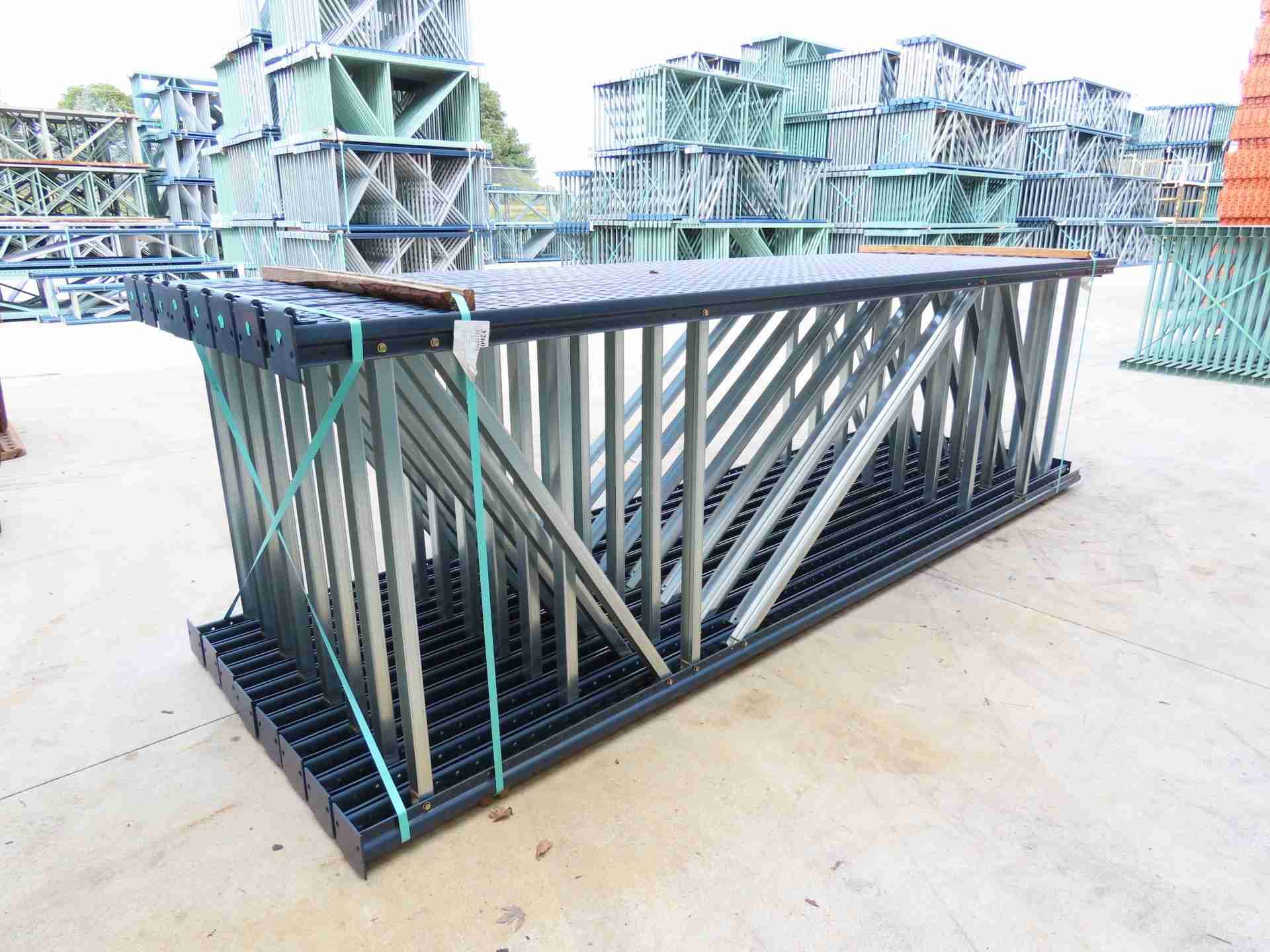
What Are the Community Impacts Of Converting Dead Zones?
What Are the Community Impacts Of Converting Dead Zones?
- Converting dead zones revitalizes communities, transforming them into vibrant gardens and playgrounds.
- These transformations foster connections and trust among neighbors as they work together.
- Converted spaces serve as venues for local events, artists, and markets, enhancing community engagement.
- Economic benefits arise as revitalized areas attract local businesses and reduce food deserts.
- Revitalization elevates property values and increases foot traffic in neighborhoods.
- Restoring neglected areas honors community history and cultivates stewardship for future generations.
- The impact extends beyond aesthetics, enriching community ties and improving overall quality of life.
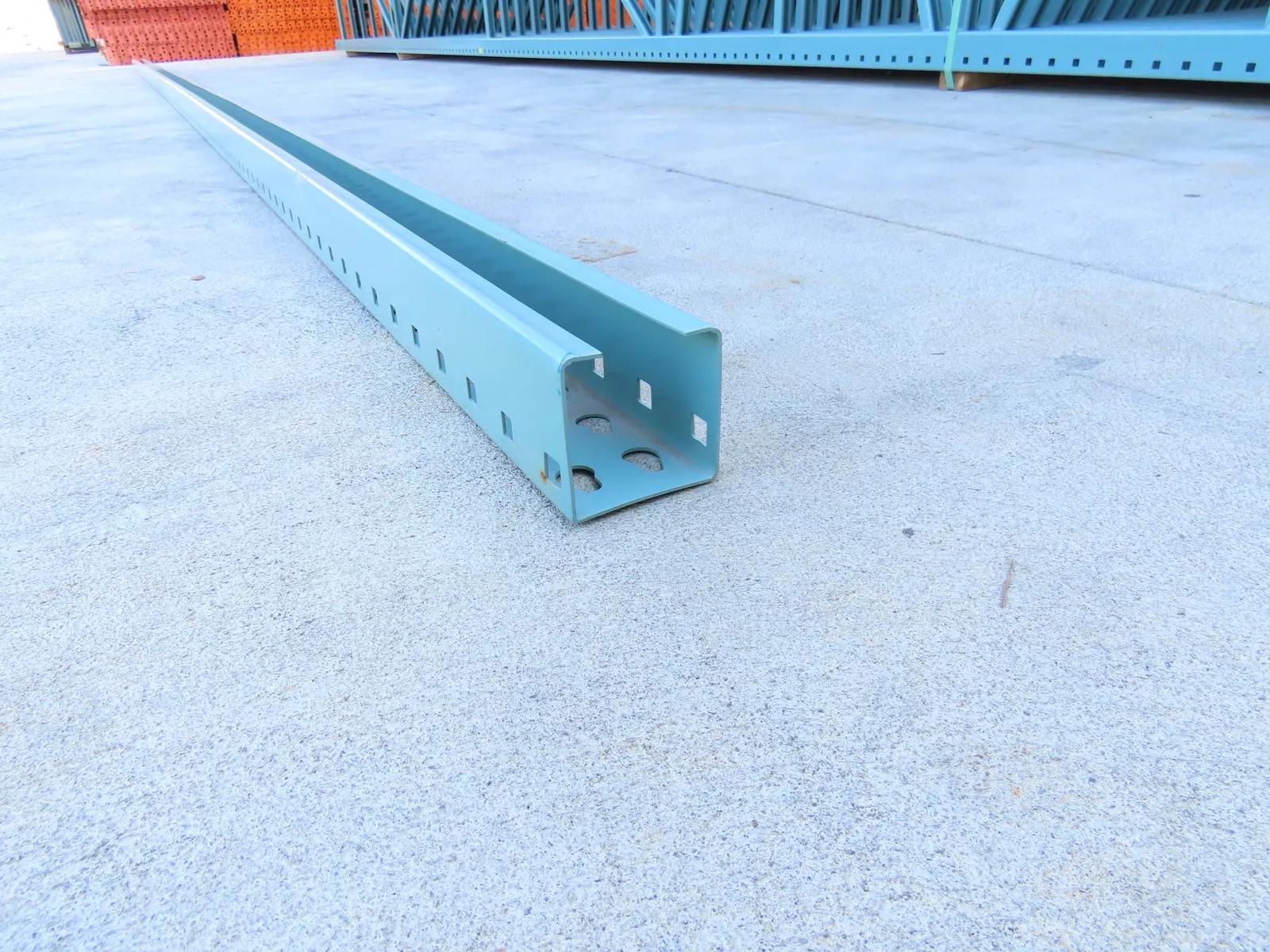
What Are the Community Impacts Of Converting Dead Zones?
How Can We Ensure Ethical Practices In Reusing Dead Zones?
To ensure ethical practices in reusing dead zones, we need to roll up our sleeves and get to work, not just with machinery but with our hearts and minds. Think of dead zones as vacant lots in a city. There’s potential there, waiting for someone to see it. If we treat these areas like neglected barns filled with old racking systems, we can turn them into useful spaces again.
First off, we’ve got to understand the reality of these areas. They often sit degraded, left to falter while people struggle nearby for resources. It’s not just about salvaging the land; it’s about making a difference in people’s lives. Each plot holds the chance to foster agriculture or community projects that can breathe life back into our neighborhoods. The scents of fresh soil and blooming gardens can replace the stagnant air of neglect.
We also have to be smart about how we reuse this land. Racking systems can serve as a metaphor here. Just like those structures can be repurposed for storage, we can reframe our approach to the land, collaborating with local experts who truly understand the ecosystem. Rallying our community means inviting voices from all walks of life. A farmer’s insight, an environmentalist’s research, and a local resident’s history with the land all weave together a richer narrative, guiding us toward ethical reuse.
Moreover, we have to prioritize accountability. Establishing community guidelines on how to use these spaces respects everyone involved. Clear intentions help us work together, not in isolation but as a tightly knit team aiming for a shared goal. It’s about engaging those affected – asking the local residents, what do you want to see here? Their answers will shape a vision that resonates with genuine interest in the community’s long-term success.
Ultimately, if we want to inspire action and trust, we need to put our hands in the dirt and show what it means to care. It’s not enough to talk the talk. We have to walk the walk – planting trees, sowing seeds, and building community connections. Dead zones can become thriving spaces again. By doing it thoughtfully and ethically, we might just transform not only the land but also the lives around it. Let’s nurture this potential together, grounding our intentions in the soil and watching a new story unfold.

How Can We Ensure Ethical Practices In Reusing Dead Zones?
How Can We Ensure Ethical Practices In Reusing Dead Zones?
- Recognize the potential of dead zones, akin to vacant lots or neglected barns.
- Understand the importance of these areas in addressing local struggles for resources.
- Promote agriculture and community projects to revitalize neighborhoods.
- Collaborate with local experts for effective land reuse and ecosystem understanding.
- Establish community guidelines to ensure accountability and shared goals.
- Engage local residents to shape the vision for these spaces.
- Actively demonstrate care through planting, sowing, and fostering community connections.
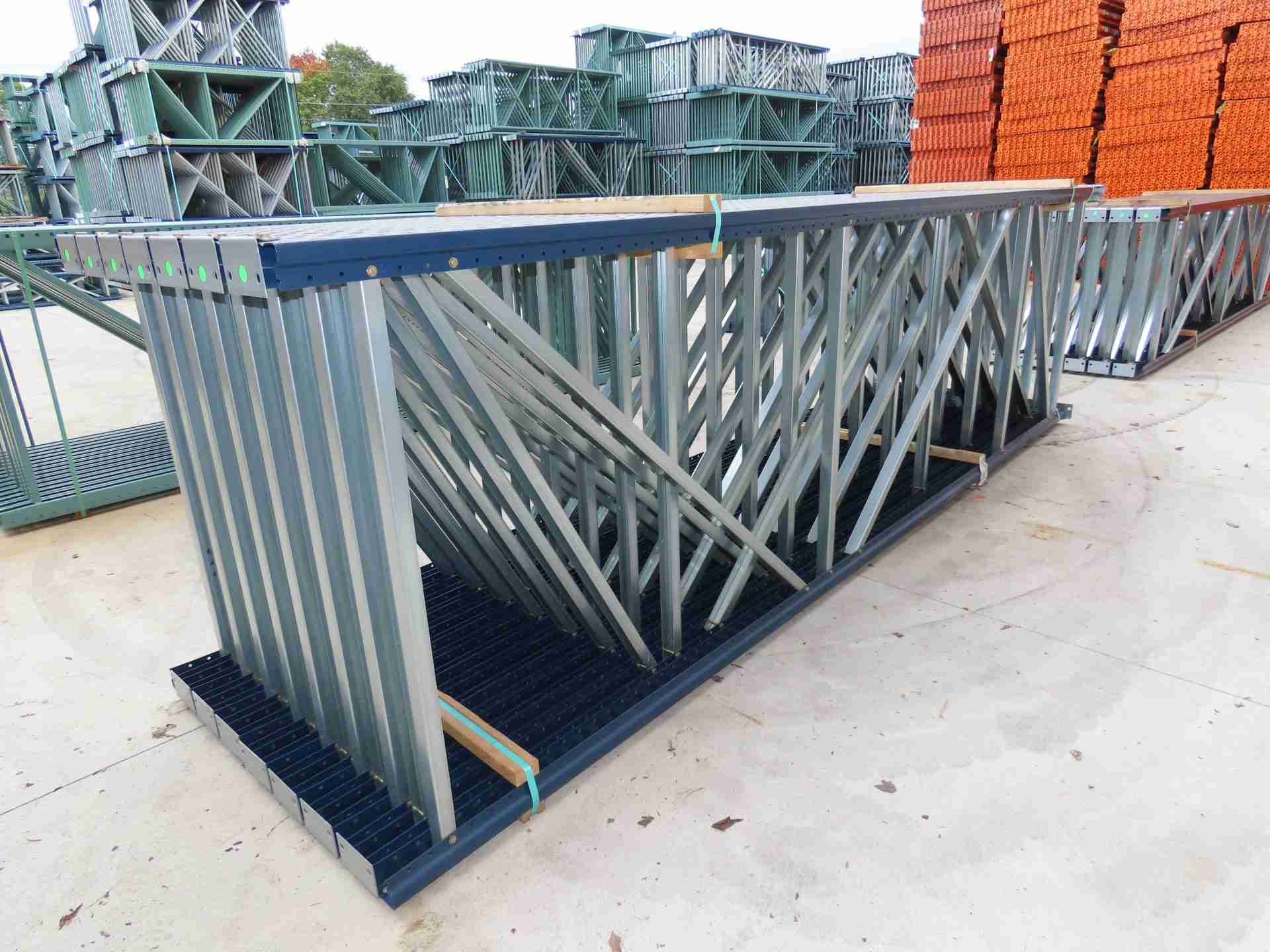
How Can We Ensure Ethical Practices In Reusing Dead Zones?
What Role Does Technology Play In This Transformation Process?
Technology plays a pivotal role in the transformation process that shapes modern warehouses and logistics operations. It’s not just about shiny new gadgets or slick software; it’s the backbone that supports efficiency and innovation in our daily workflows. Consider the evolution of racking systems. In the past, a few wooden pallets stacked on each other was the norm. Today, we have advanced racking systems engineered to maximize space and streamline operations, making it easier to locate and access inventory.
Picture a typical warehouse floor. Employees hustling back and forth, tracking down items from a maze of shelves. Without modern technology, this chaos could turn productive hours into stressful ones. But with automated racking systems, everything has a place, organized in a way that allows workers to move efficiently. This is where technology hooks you—it’s more than just reducing time; it’s about reducing frustration and creating a safer work environment. It fosters a sense of trust among employees who know their tools and layout are designed for success.
Now, think of the data that powers these racking systems. It’s not just about storing items; it’s about understanding stock flow, predicting demand, and managing resources. Technology helps businesses stay one step ahead, making decisions based on solid data rather than guessing. That rational approach builds confidence—not just in the numbers, but in the entire operation. When a company invests in technology, it’s a commitment to bettering the work environment, one that signals to employees that their comfort and efficiency are valued.
Ethically speaking, the use of technology in transforming operations reflects a broader commitment to sustainability. Smart racking systems reduce waste and optimize storage, which can lead to lower carbon footprints. This not only pleases the bottom line but resonates with workers who care about the environment and their community.
At the heart of this transformation are stories from the floor—teams sharing tips on how to use technology to its fullest potential, learning from each other’s experiences. These narratives remind us that technology is not an impersonal force; it’s a tool we wield together. It strengthens relationships among coworkers, cultivates a cooperative spirit, and makes the workspace more relatable. When you see the tangible benefits of advancing technology, you gain not just trust, but a sense of purpose in your day-to-day work, igniting passion and pride in what you do.

What Role Does Technology Play In This Transformation Process?
What Role Does Technology Play In This Transformation Process?
- Technology is essential in modernizing warehouses and logistics, enhancing efficiency and innovation.
- The evolution of racking systems has transitioned from basic wooden pallets to advanced, space-optimizing designs.
- Automated racking systems help streamline operations, reducing chaos and increasing workplace safety.
- Data-driven decisions facilitate better understanding of stock flow and demand, building confidence in operations.
- Investment in technology reflects a commitment to employee comfort, efficiency, and a better work environment.
- Smart racking systems promote sustainability by reducing waste and minimizing carbon footprints.
- Sharing experiences and tips among employees fosters teamwork and enhances the workplace culture.

What Role Does Technology Play In This Transformation Process?
Conclusion
Revitalizing dead zones—those neglected patches in our communities—calls for a vision that transcends traditional thinking. These spaces, often forgotten and overlooked, harbor potential that can breathe new life into neighborhoods and strengthen community ties. It’s about transforming buildings gathering dust into bustling hubs that foster connections, creativity, and commerce. By envisioning old warehouses and abandoned lots as dynamic storage solutions or urban farms, we can catalyze local economies while addressing vital needs.
At the heart of this transformation is the community. When neighbors unite to repurpose these spaces, they are not just investing in a project; they are investing in each other. The clatter of tools and chatter of ideas brings folks together, reinforcing bonds that often fray in urban environments. Through collaborative efforts—be it turning an old factory into a local market or setting up food gardens—individuals sow not just seeds in the ground, but trust and a shared purpose.
Financially, the benefits extend beyond mere aesthetics. Renovating these forgotten zones can lead to job creation, enhanced property values, and the revitalization of local businesses. As storage solutions emerge from these spaces, they provide practical benefits, offering affordable options for families and local enterprises. And in a convenience-driven world, accessible storage can attract a steady stream of customers, creating a reliable revenue stream for those willing to invest time and energy.
Ethically, revitalization honors the stories and history held within these structures. Each abandoned lot has witnessed joys and struggles; turning them into community assets is a nod to resilience and stewardship. This combined effort becomes a shared responsibility—one that promotes equity and inclusivity. Everyone deserves to thrive, and breathing new life into these spaces speaks volumes about our commitment to one another.
Innovation plays a role in this narrative as well. By integrating technology—like advanced racking systems that maximize storage efficiency—communities can transform not just buildings, but also their economic landscape. Drawing on collective knowledge and skills fosters a spirit of collaboration, paving the way for creative and practical solutions that benefit everyone involved.
Ultimately, converting dead zones into valuable resources invites transformative change. It’s about reclaiming space and purpose, reminding us that every corner of our community holds potential. When revitalization efforts resonate with the heart, head, and gut, they become more than projects—they turn into movements that rekindle hope, pride, and connection, charting a path toward a brighter, more prosperous future for all.

Conclusion
Conclusion:
- Revitalizing neglected community spaces can strengthen neighborhood ties and foster connections.
- Transforming abandoned buildings into vibrant hubs can catalyze local economies and meet community needs.
- Collaborative repurposing projects reinforce bonds among neighbors and promote a shared purpose.
- Revitalization leads to job creation, increased property values, and supports local businesses.
- Each revitalized space honors the history and stories of the structures, promoting resilience and stewardship.
- Integrating technology in transformations can enhance economic potential and improve efficiency.
- Efforts to revitalize dead zones can create movements that inspire hope, pride, and a collective commitment to community well-being.
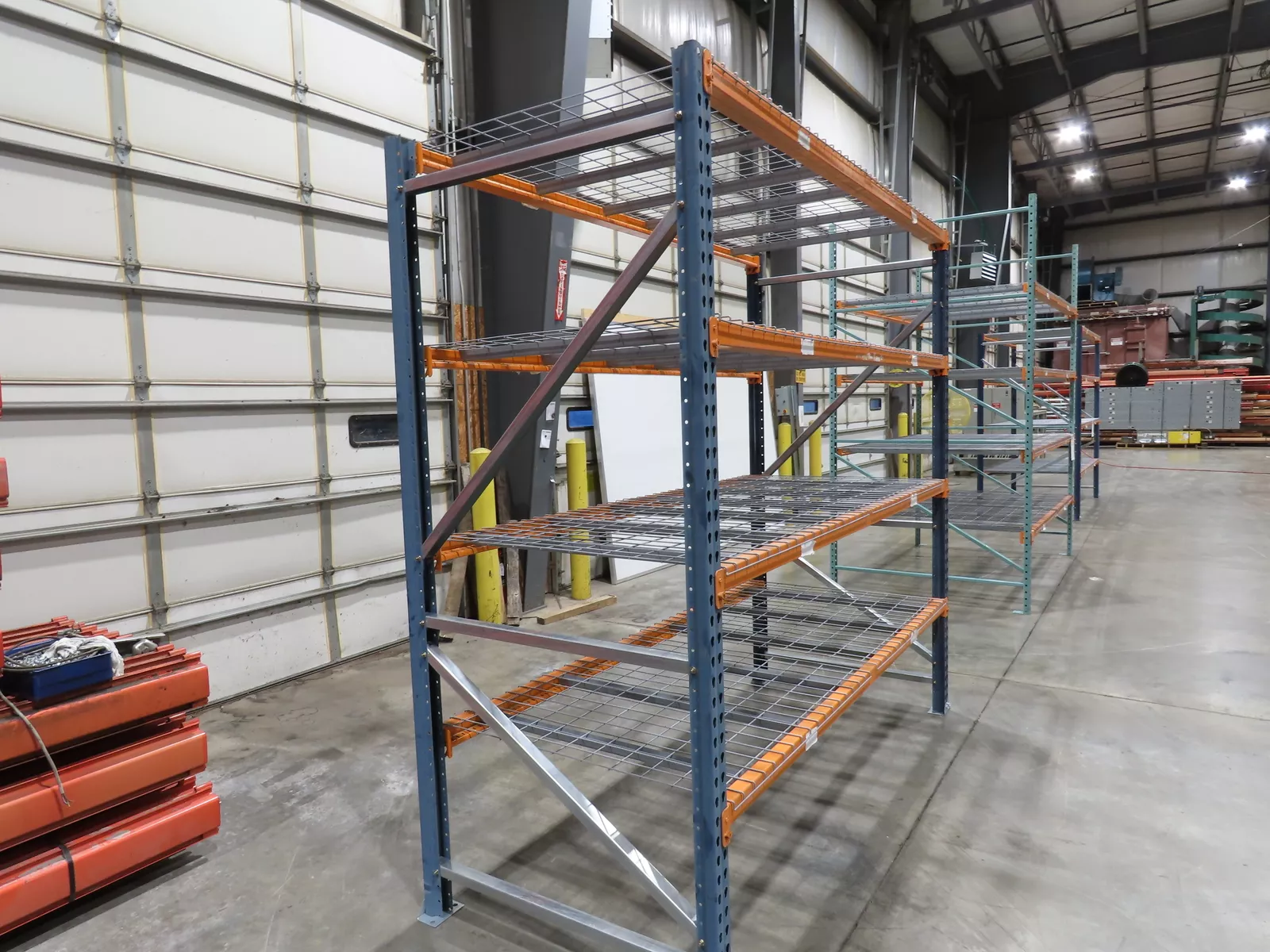
Conclusion
Other Resources
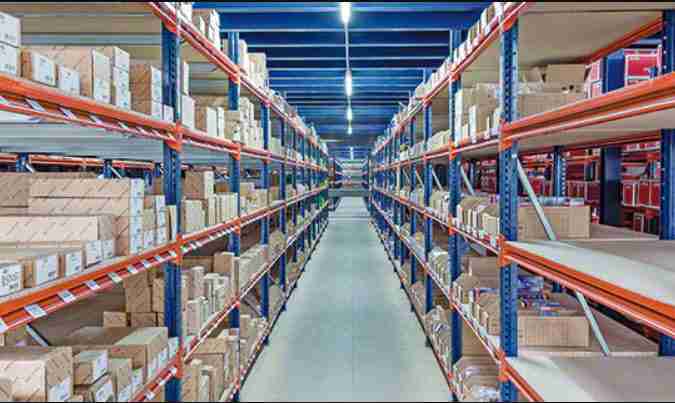
Other Resources
Here is a list of other resources you can review online to learn more:
- Selective Pallet Racking Systems
- Rack Manufacturers Institute
- SEMA
- Mustang Material Handling
- International Warehouse Logistics Association
- Pallet Rack Systems – New and Used Pallet Racking and Shelving Experts
- Interlake Mecalux
- Cantilever Rack Guide: Ordering Cantilever Racking
- Pallet Racking systems in Illinois, Great Lakes
- MHI
- Warehouse Racking System: Powerful Guide to Optimise, 2024
- Intro to Warehouse Racks & Warehouse Racking Systems – ShipBob
- Teardrop Industrial Shelving Rack
- Cantilever Rack Configuration & Installation: A Comprehensive Guide – BMH
- Selective Racking
- Selective Rack – Raymond West
- Warehouse Automation
- IIWS Inc. Rack Installation Illinois & Rack Repairs Illinois
- Warehousing and Fulfillment
- Rack Manufacturers Institute
Use This Prompt To Get More Resources With Your Favorite Online AI Tool: Please provide me with a list of online articles with their URLs in a bulleted list that I can read regarding Converting Dead Zones Into Revenue-Producing Storage

Other Resources
Glossary Terms
Converting Dead Zones Into Revenue-Producing Storage – Glossary Of Terms
1. Acquisition: The process of obtaining dead zone properties for development or repurposing.
2. Asset Management: The systematic approach to managing and optimizing storage properties.
3. Capacity: The maximum amount of cargo or goods that a storage facility can hold.
4. Conversion: Transforming underutilized dead zones into profitable storage spaces.
5. Cost-Benefit Analysis: Assessment of financial viability of converting dead zones into storage.
6. Demand Forecasting: Predicting future storage needs based on market trends.
7. E-commerce: Online retailing that drives the need for additional storage solutions.
8. Facility Design: Planning the layout and functionality of a storage space.
9. Infrastructure: The physical systems and structures required for effective storage operations.
10. Inventory Management: The tracking and control of stored goods and materials.
11. Location Analysis: Evaluating the geographical advantages of a potential storage site.
12. Market Research: Gathering data on consumer needs and competitive landscape in storage.
13. Property Zoning: Regulations that dictate how land can be used, affecting storage development.
14. Renewable Energy: Sustainable power solutions that can be leveraged in storage facilities.
15. Revenue Streams: Various sources of income generated from storage services.
16. Safety Regulations: Guidelines ensuring the secure operation of storage facilities.
17. Scalability: The ability to expand storage capacity as demand grows.
18. Security Systems: Technologies implemented to protect stored goods from theft or damage.
19. Site Assessment: Evaluating a dead zone for its potential as a storage facility.
20. Sustainable Practices: Eco-friendly methods involved in the development and management of storage.
21. Tenant Relations: The management of interactions and agreements with storage clients.
22. Technology Integration: Implementing tech solutions to enhance storage efficiency and operations.
23. Upcycling: Repurposing materials from dead zones for storage facility construction.
24. Utilization Rate: Measurement of how much storage space is in use versus available.
25. Value Proposition: The unique benefits offered by a storage facility to attract clients.
26. Warehouse Management System: Software that helps manage storage operations and logistics.
27. Working Capital: Funds available for everyday operation of storage business.
28. Yield Management: Pricing strategy to maximize revenue from storage services.
29. Zoning Variance: Special permission allowing different use of land than its designated zoning.
30. Feasibility Study: An analysis to determine the viability of converting a dead zone into storage space.
Glossary Of Terms
Other Questions
Converting Dead Zones Into Revenue-Producing Storage – Other Questions
If you wish to explore and discover more, consider looking for answers to these questions:
- What are the estimated startup and renovation costs to convert a dead zone into storage?
- How do I assess whether a specific site is structurally suitable for conversion?
- What permits, zoning changes, or regulatory approvals are required?
- How long does a typical conversion project take from planning to opening?
- What financing options, grants, or tax incentives are available for revitalization projects?
- How do I calculate expected revenue, occupancy rates, and return on investment (ROI)?
- What market research is needed to determine local demand for storage or alternative uses?
- Which racking systems are best for different types of storage and building layouts?
- What safety and building-code upgrades are commonly necessary (fire suppression, exits, lighting)?
- How should environmental contamination or remediation be handled if the site is polluted?
- What insurance coverages are required or recommended for a repurposed facility?
- How can I ensure ADA compliance and accessibility for customers and employees?
- What are effective security measures for storage facilities (CCTV, access control, staffing)?
- How much ongoing maintenance and operational cost should be budgeted?
- What staffing levels and skills are needed to run a storage facility efficiently?
- How can technology (WMS, booking platforms, automated racking) improve operations and margins?
- What are the best practices for marketing and acquiring customers in urban and suburban areas?
- How can I price units competitively while ensuring profitability?
- What leasing or ownership models work best for conversions (long-term leases, joint ventures, community co-ops)?
- How do partnerships with local businesses, nonprofits, or governments help the project?
- What sustainability measures (solar panels, efficient lighting, water reuse) are cost-effective?
- Are there case studies or model projects that demonstrate proven strategies and outcomes?
- How do I evaluate and select contractors, engineers, and racking suppliers?
- What legal risks, liabilities, or compliance issues should I anticipate?
- How can converted spaces support mixed uses (storage plus vertical farming, makerspaces, retail)?
- What customer experience features (delivery docks, 24/7 access, climate control) add the most value?
- How will conversion impact local property values, traffic, and neighborhood relations?
- What community engagement processes ensure equitable and ethical reuse of the site?
- How should waste, pest control, and sanitation be managed in repurposed facilities?
- What are the tax implications, depreciation rules, and accounting treatments for the conversion?
- How scalable is the model—can the approach be replicated across multiple sites?
- What exit strategies exist if the project underperforms (sale, leaseback, redevelopment)?
- How can I measure social and environmental impact alongside financial performance?
- What contingency planning and risk mitigation strategies are recommended for unexpected setbacks?
Other Questions
Checklist
Converting Dead Zones Into Revenue-Producing Storage – A Checklist
Site and Situation Assessment
✅______ Identify candidate property (address, size, ceiling height, structural integrity)
✅______ Verify access and visibility (road access, truck turning radius, loading potential)
✅______ Confirm utilities (power, water, sewer, data) and condition of roofs, walls, and floors
✅______ Evaluate parking, drive lanes, and potential for dock or grade-level loading
✅______ Screen for environmental risks (Phase I ESA, past industrial uses, abatement needs)
✅______ Document neighborhood context (safety, traffic, noise considerations)
Market Demand and Positioning
✅______ Map competitors, occupancy, pricing, and unit mix within 3–5 miles
✅______ Identify target segments (residential, small-business inventory, contractors, vehicles)
✅______ Validate demand drivers (population density, household size, home storage deficits)
✅______ Set preliminary value proposition (convenience, security, climate control, price)
Feasibility and Financial Model
✅______ Estimate acquisition or lease costs and remediation
✅______ Scope CapEx (racking and mezzanines, partitions, doors, fire protection, HVAC, lighting, paving)
✅______ Project OpEx (staffing, insurance, taxes, utilities, software, maintenance, marketing)
✅______ Model revenue (unit count x rate x occupancy; late and admin fees; tenant insurance; retail add-ons)
✅______ Establish funding plan (equity, debt, incentives, grants)
✅______ Calculate breakeven occupancy, DSCR, payback, and sensitivity scenarios
Zoning, Codes, and Risk
✅______ Confirm permitted use or variance requirements and parking minimums
✅______ Align with building and fire codes (egress, sprinklers, alarms, load ratings)
✅______ Address ADA accessibility (paths, doors, counters, parking)
✅______ Secure permits and inspections and required licenses
✅______ Set insurance coverages (property, liability, workers’ comp, cyber)
✅______ Implement lien-law–compliant leases and procedures
Design and Layout
✅______ Optimize unit mix by demand (5×5 to 10×30; specialty tall units; vehicle/RV)
✅______ Maximize vertical cube (racking, mezzanines; verify floor and point loads)
✅______ Define zones (drive-up, interior, climate-controlled, contractor cages)
✅______ Plan efficient circulation (aisle widths, turning, staging, dock positions)
✅______ Integrate robust security (CCTV coverage map, access control, alarms, lighting)
✅______ Add customer-centric spaces (reception, restrooms, carts, retail for locks and boxes)
✅______ Specify durable finishes and energy-efficient systems (LED, insulation, controls, solar-ready)
Technology Stack
✅______ Select facility management software (online rentals, billing, CRM, reporting)
✅______ Integrate access control (keypads, mobile credentials, individual door alarms)
✅______ Enable dynamic pricing and yield management and promotions
✅______ Add sensors and monitoring (temperature/humidity, leak, power, intrusion)
✅______ Provide customer self-service (website, kiosk, e-signatures, autopay)
✅______ Establish data backup, cybersecurity, and audit trails
Operations and Safety
✅______ Hire/train team or select third-party manager
✅______ Create SOPs (leasing, move-in/out, collections, auctions, maintenance)
✅______ Implement safety program (PPE, lifting, ladder/mezzanine protocols, fire drills)
✅______ Schedule preventive maintenance (roof, doors, HVAC, cameras, lighting)
✅______ Document vendor contracts (security, cleaning, landscaping, snow, pest)
Community and Ethics
✅______ Conduct stakeholder outreach (neighbors, businesses, officials)
✅______ Address traffic/noise/light with a good-neighbor plan and posted hours
✅______ Source local labor and suppliers where feasible
✅______ Ensure equitable access and transparent pricing
✅______ Incorporate placemaking (murals, landscaping, community board, event space)
Marketing and Pre-Leasing
✅______ Build brand, signage plan, and ADA-compliant website with online booking
✅______ Claim/optimize Google Business Profile and local directories
✅______ Create referral partnerships (realtors, movers, apartment managers, contractors)
✅______ Launch pre-opening promotions and collect waitlist deposits
✅______ Produce before/after visuals and case studies
Launch Readiness
✅______ Pass all inspections and obtain CO
✅______ Test the end-to-end customer journey (online to gate to unit)
✅______ Validate security coverage and failover power
✅______ Stock retail and customer amenities (locks, boxes, carts, dollies)
✅______ Soft open, gather feedback, and adjust unit mix/pricing as needed
Performance and Optimization
✅______ Track KPIs (occupancy, average rate, RevPAF, churn, NPS, energy per sq ft)
✅______ Review pricing weekly; adjust promotions and unit mix quarterly
✅______ Audit security footage, incident logs, and access anomalies monthly
✅______ Implement energy savings (controls, solar, insulation upgrades) with ROI targets
✅______ Plan Phase 2 expansions (additional mezzanine, specialty units, vehicle storage)
✅______ Add ancillary revenue (tenant insurance, mailboxes, parcel lockers, EV charging)
Quick Calculation Prompts
✅______ Unit count by size and projected occupancy by month 3/6/12
✅______ Breakeven occupancy = fixed costs ÷ (average achieved rate – variable cost per unit)
✅______ Payback period and IRR under base/best/worst cases
Documentation Pack
✅______ As-builts, load ratings, permits, inspections, warranties
✅______ Lease templates, house rules, lien/auction notices
✅______ Training manuals, SOPs, emergency contacts, and procedures

Checklist
At RackingWorld, we help guide you through selecting warehouse storage systems and racking.
Be sure to read our other related stories at RackingWorld to learn more about warehouse storage systems.
0 Comments