
Ensuring Safety And Efficiency In Multi-Tier Rack Systems
By Tom Seest
At RackingWorld, we help guide you through selecting warehouse storage systems and racking.
Be sure to read our other related stories at RackingWorld to learn more about warehouse storage systems.
Compliance Tips for Multi-Tier Rack Systems
When it comes to compliance in multi-tier rack systems, it’s not just about following the rules—it’s about protecting lives and livelihoods. Imagine a bustling warehouse, filled with the whirr of machinery and the hum of productivity. Among all that activity, there’s a delicate dance happening: one misstep, one overlooked safety guideline, and the whole operation can come crumbling down. Racking systems are the backbone of these environments, supporting not just products, but people’s jobs and well-being.
First off, let’s talk about the heart. Every time you lay eyes on that towering racking, realize it’s more than just metal beams and shelves. It’s a tribute to everyone who’s ever put in a hard day’s work. By adhering to compliance standards, you’re honoring that effort. You’re building an atmosphere of safety that allows your team to thrive. A well-maintained rack system isn’t just compliance; it’s a commitment to your crew, ensuring they leave work safe and sound every day.
Now, shifting gears to the head. Rational decisions make businesses run smoothly, and compliance is the compass guiding you in the right direction. Know your regulations and standards—ANSI, OSHA, the whole shebang. When you align your practices with these guidelines, you demonstrate not just efficiency but also a savvy understanding of risk management. Inform your team, train them in the proper protocols, and foster a culture where everyone feels empowered to speak up. Knowledge is your strongest ally; the more informed your staff is, the less chance there is for incidents that could lead to costly injuries or fines.
And let’s not overlook the ethical responsibility. It’s crucial to understand that compliance isn’t merely a box to check or a hurdle to jump. It’s an ethical obligation—your duty to protect those who contribute to your success. Each time you inspect your multi-tier racking and ensure it’s up to snuff, you’re saying, “I care.” This simple act cultivates trust, not only with your employees but with your customers and the community.
Ultimately, cultivating a culture of compliance is more than just a workplace necessity; it’s a way to bond with your team, create a camaraderie where safety is everyone’s responsibility, and ensure that the foundation of your success—those racks—remain standing tall for many years to come. When you lead with purpose and integrity, your commitment to compliance shines through, echoing across the entire organization.
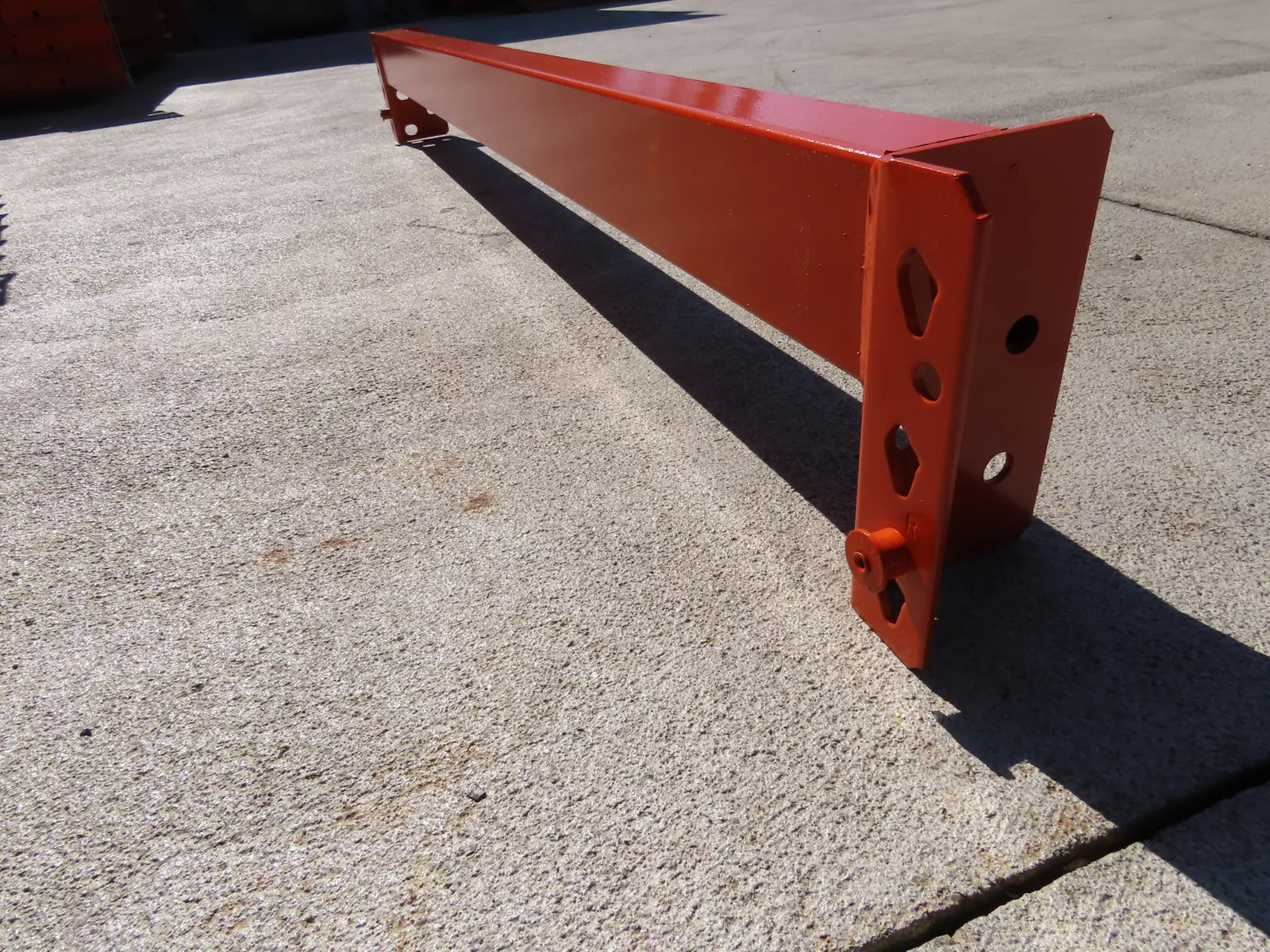
Compliance Tips for Multi-Tier Rack Systems
Compliance Tips for Multi-Tier Rack Systems
- Compliance in multi-tier rack systems is essential for protecting lives and livelihoods.
- Racking systems support both products and the well-being of employees in a busy warehouse.
- Adhering to compliance standards honors the hard work of employees and promotes a safe work environment.
- Understanding and aligning with regulations such as ANSI and OSHA aids in effective risk management.
- Training employees on proper protocols fosters a culture that empowers team members to prioritize safety.
- Compliance is an ethical obligation, ensuring the safety of employees and building trust with customers and the community.
- Cultivating a culture of compliance strengthens team bonds and secures the stability of the organization.

Compliance Tips for Multi-Tier Rack Systems
Table Of Contents
- Compliance Tips for Multi-Tier Rack Systems
- How Do You Ensure Safety Across All Tiers?
- Are You Aware Of the Latest Compliance Regulations?
- What Risks Are Associated with Non-Compliance In Rack Systems?
- How Can Structured Training Enhance Compliance Culture?
- How Do Successful Companies Tackle Compliance Challenges?
- Conclusion
- Other Resources
- Glossary Of Terms
- Other Questions
- Checklist
How Do You Ensure Safety Across All Tiers?
Safety is not just a checkbox; it’s the bedrock of trust in any organization. Take a moment to think about the last time you stepped into a warehouse. Perhaps it was the impressive rows of racking, sturdy and orderly, standing like sentinels, ready to hold the weight of the world—or at least your next shipment. But behind that structure lies a deeper responsibility. Each shelf, every pallet, and all the folk bustling around them rely on a culture that prioritizes safety above all else.
Imagine the stress on a parent waiting for their child to return home from a job. They trust that their kid will be safe because the company believes in building a robust safety protocol. That parent’s heart is forever intertwined with every decision made in that workspace. It’s not just a call to action; it’s an ethical obligation to ensure everyone goes home whole. Building this culture demands leaders who like to roll up their sleeves and get involved, setting a standard through their actions. They’re not just enforcing rules; they’re crystallizing a commitment to well-being.
Statistics and spreadsheets can only tell half the story. Rational minds need solid data to understand risks, yet when the chips are down, the gut instinct kicks in. Engage your workforce in safety training sessions that foster discussions, share experiences, and lead by example. When employees feel their voices matter, safety becomes a shared value rather than a corporate mandate. That’s the kind of camaraderie that can literally lift a company.
Let’s not forget, in our quest for safety across all tiers, we must also seek the wisdom of those with authority and experience. Invite experts to share their insights and weave their narratives into your safety protocols. They will transform hard facts into relatable stories that resonate at every level, from rookies to seasoned veterans.
Finally, remember that safety isn’t a destination—it’s an ongoing journey. Celebrate every milestone along the way, building a sense of community where each small step is appreciated. When individuals feel connected, there’s a collective commitment to maintain that high standard. Because at the end of the day, it’s not just about racking and stacking; it’s about people coming together with a shared commitment to look out for one another. Safety isn’t simply a rule; it’s the rhythm of a workplace where everyone knows they matter.
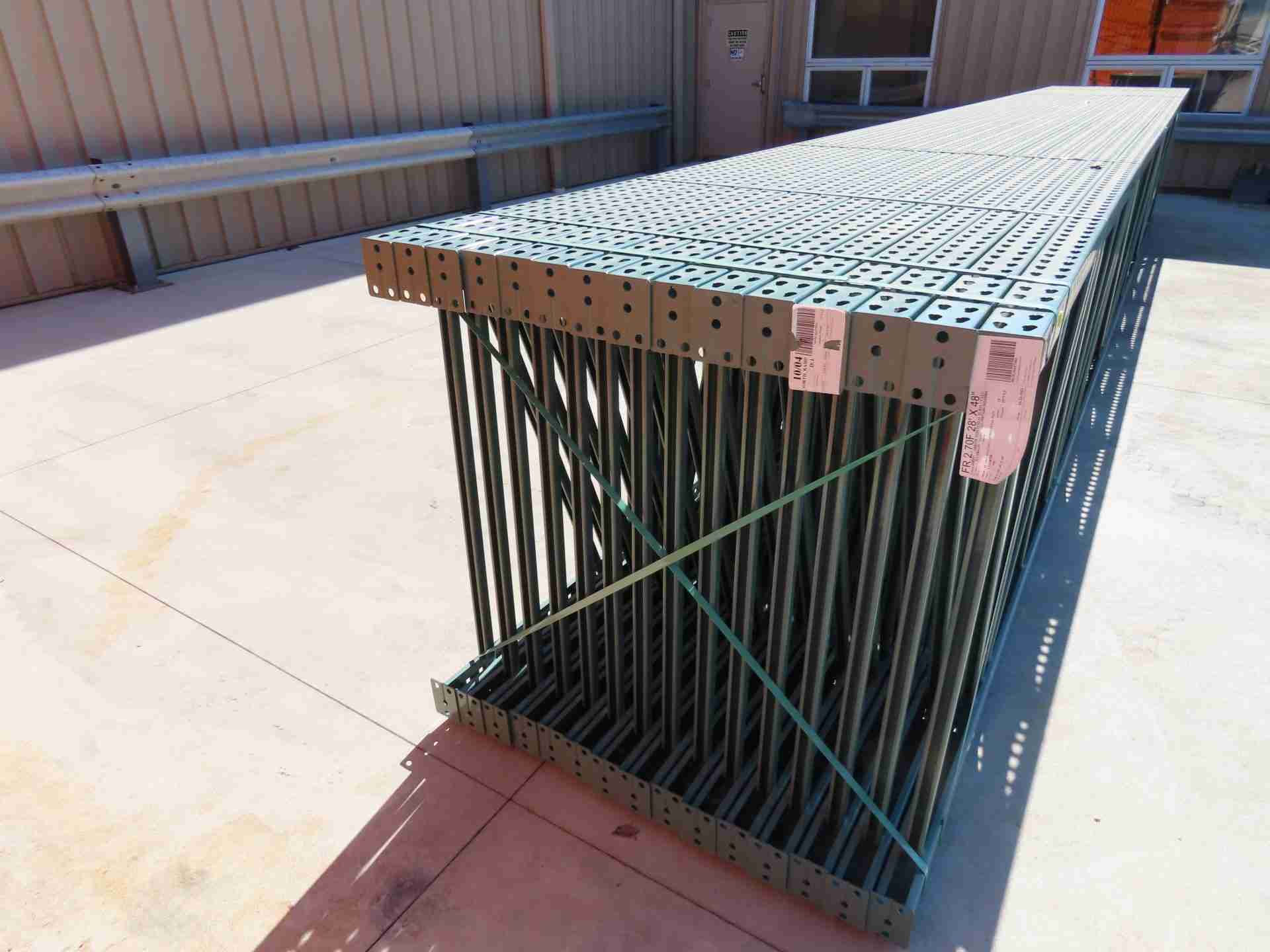
How Do You Ensure Safety Across All Tiers?
How Do You Ensure Safety Across All Tiers?
- Safety is fundamental to building trust within an organization.
- A strong safety culture protects employees and reassures families.
- Leaders must actively engage in promoting safety rather than just enforcing rules.
- Incorporate safety training sessions that encourage employee participation and discussions.
- Seek insights from experienced professionals to enhance safety protocols.
- View safety as an ongoing journey with milestones that foster community and commitment.
- Create an environment where safety is a shared value and everyone feels valued.
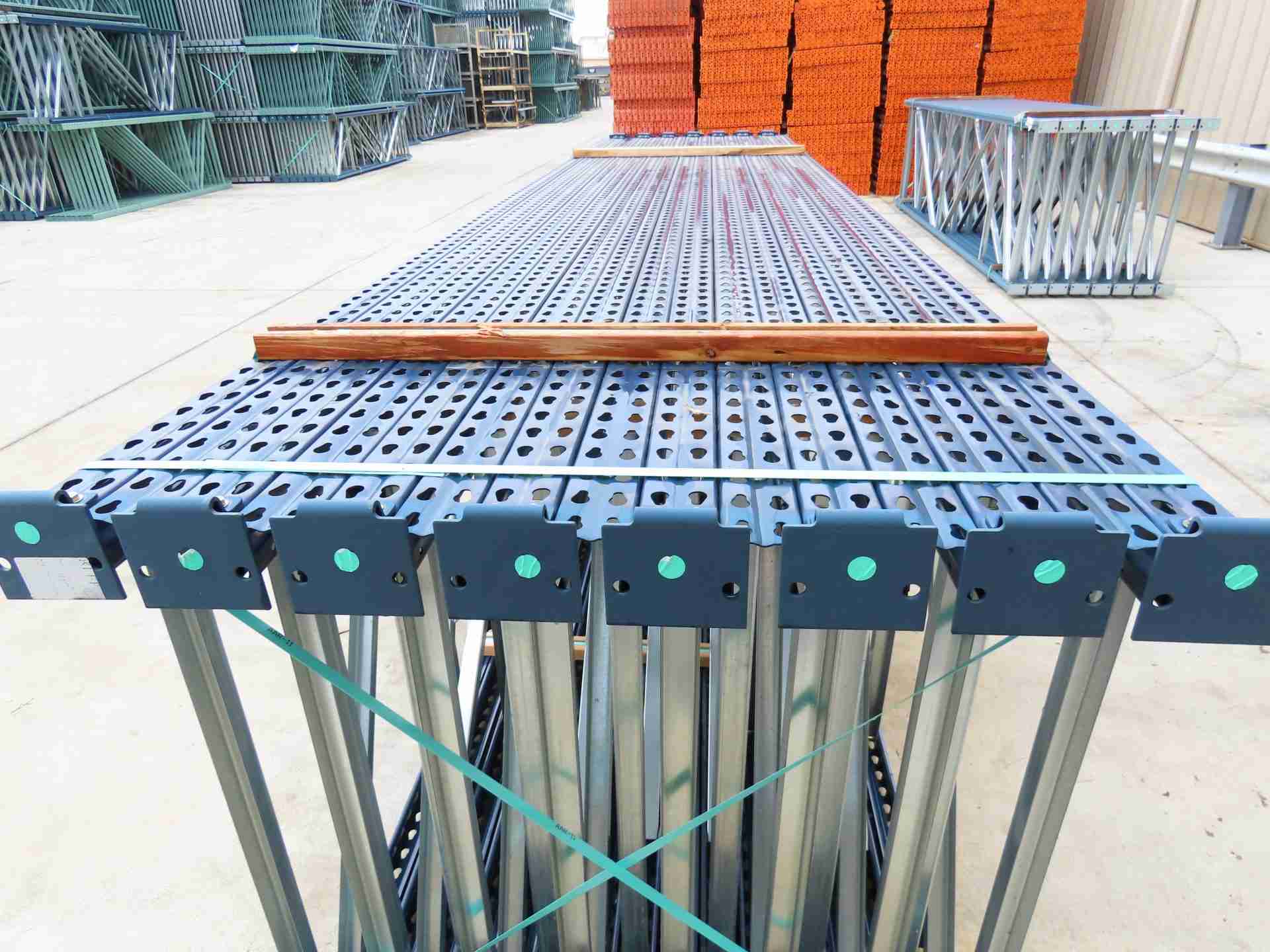
How Do You Ensure Safety Across All Tiers?
Are You Aware Of the Latest Compliance Regulations?
In today’s world, compliance regulations are more than just a collection of rules; they are the foundation of trust between businesses and those they serve. Imagine a time, not too long ago, when a handshake sealed a deal. Back then, integrity meant something tangible. It meant you could trust that the person across the table would deliver on their promises. Now, in a complex, fast-paced environment, these regulations are akin to that handshake—evolving standards designed to protect us all. So, the question isn’t just whether you’re aware of the latest compliance regulations; it’s how committed you are to embodying them in your everyday dealings.
From the perspective of the heart, think of the countless individuals affected by corporate decisions. Behind every figure in a report is a person with a family, a dream, and a future. When businesses embrace compliance with a genuine heart, they choose to safeguard not just their interests but also the wellbeing of their employees, customers, and communities. This isn’t just about racking up fines or avoiding penalties; it’s about creating an environment where everyone can thrive together.
Rationally, staying informed about compliance protects your business. Non-compliance can lead to severe financial repercussions, damage to your reputation, and even criminal charges. These are not idle threats; they’re real consequences that can jeopardize everything you’ve worked for. Take a moment to assess the risk: would you rather be caught off-guard or stay ahead of the curve with proactive practices?
Ethically, the essence of compliance is about doing what’s right. It’s about aligning your business values with societal expectations. When you uphold these standards, you contribute to a world where fairness and accountability prevail. Your actions resonate, not just within the walls of your organization, but across the marketplace and into the lives of those you touch.
And socially, your commitment to compliance builds a network of trust. When others see you prioritizing these regulations, it sends a message—a message that your organization stands for something bigger than profit margins alone. It radiates confidence and integrity, weaving a fabric of connection among clients, partners, and employees.
So, are you ready to embrace this challenge? By understanding the latest compliance regulations, you take the first crucial step toward cultivating trust, safeguarding your business, and making a meaningful impact on your community. The stakes are high, but the rewards—trust, loyalty, and a brighter future—are worth every effort.
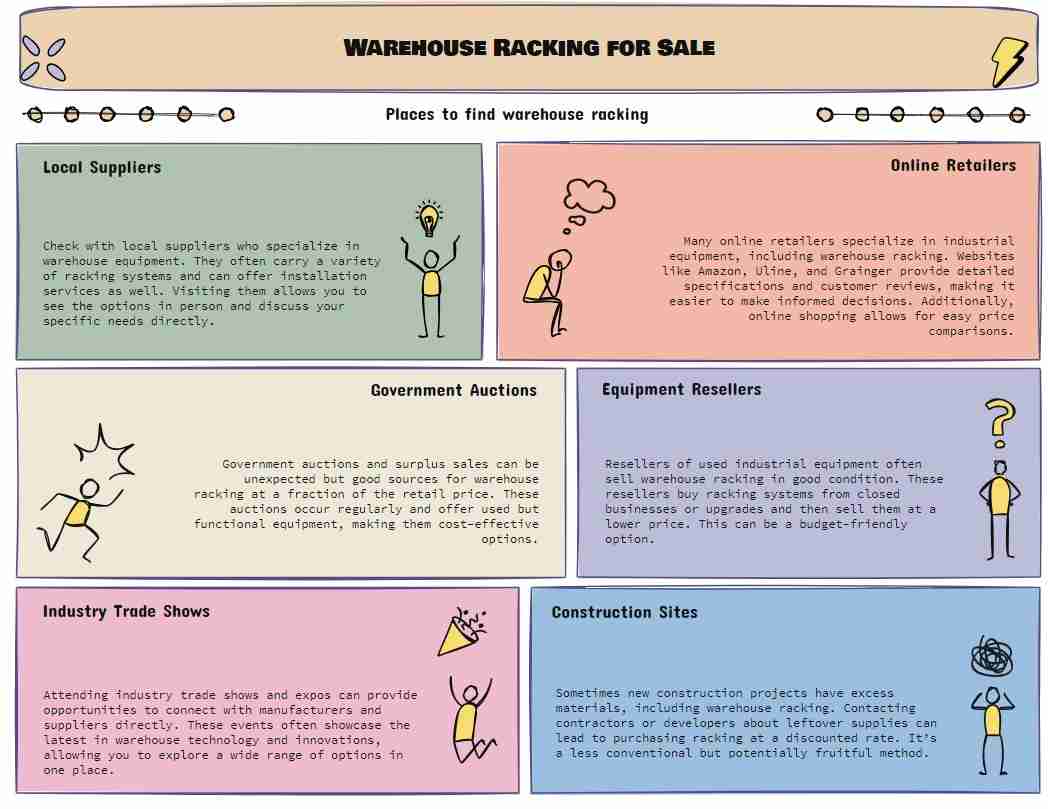
Are You Aware Of the Latest Compliance Regulations?
Are You Aware Of the Latest Compliance Regulations?
- Compliance regulations serve as the foundation of trust between businesses and their stakeholders.
- Historically, integrity was built on personal trust; today, compliance regulations fulfill this role in a complex environment.
- Embracing compliance protects not only business interests but also the wellbeing of employees, customers, and communities.
- Non-compliance can result in financial penalties, damage to reputation, and potential criminal charges.
- Ethically, compliance aligns business values with societal expectations, promoting fairness and accountability.
- A commitment to compliance fosters a network of trust, reinforcing an organization’s integrity and purpose.
- Understanding compliance regulations is vital for cultivating trust and making a positive impact on the community.

Are You Aware Of the Latest Compliance Regulations?
What Risks Are Associated with Non-Compliance In Rack Systems?
When we think about racking systems in warehouses, we often focus on their efficiency, capacity, and organization. However, what many don’t realize is that neglecting compliance can turn those towering rows of racks into a ticking time bomb of risk. Beyond the obvious dangers of structural failure, non-compliance can have far-reaching consequences, compromising not just safety but also the very fabric of trust that binds us to our teams and communities.
Imagine walking through a warehouse where everything seems in order—inventory perfectly stored, forklifts zipping by, and workers diligently fulfilling orders. But underneath that apparent serenity lies a hidden vulnerability. Non-compliance with safety standards isn’t just a bureaucratic oversight; it’s a threat to human lives. When racking systems aren’t properly maintained or inspected, they become susceptible to failure. A sudden collapse could injure a worker or worse, taking away a loved one from a family. That realization has a gut-wrenching weight to it, doesn’t it?
From a rational perspective, the costs of non-compliance pile up quickly. Think about it: fines, legal fees, and, ultimately, the loss of productivity due to accidents or injuries. It’s not just about avoiding penalties—it’s about being accountable to your workforce and demonstrating that their well-being matters. This isn’t just a business decision; it’s an ethical mandate. Ensuring safety in racking systems reflects an organization’s commitment to its employees and their families. It shapes workplace culture and fosters loyalty, boosting morale among teams who feel valued and protected.
And let’s not forget the power of narrative in this discussion. Picture the warehouse managers, the unsung heroes of logistics steering teams toward success. They’re often seen juggling countless challenges. When they prioritize compliance, they’re also safeguarding relationships within their communities. A compliant system supports a culture of shared responsibility and care. Social norms encourage openness about safety risks, creating a transparent environment where workers can speak up without fear.
So, the next time you’re gazing up at those high-reaching racks, remember: compliance isn’t just another checkbox to mark off. It’s the bedrock of safety and security, an innate duty to protect those who contribute their strength, sweat, and ingenuity to keep our businesses thriving. Let’s rise to the occasion—because, at the end of the day, it’s about people looking out for people, and that’s a promise worth keeping.

What Risks Are Associated with Non-Compliance In Rack Systems?
What Risks Are Associated with Non-Compliance In Rack Systems?
- Racking systems in warehouses prioritize efficiency, capacity, and organization, but compliance is often overlooked.
- Non-compliance poses significant risks, leading to structural failures that threaten lives and community trust.
- Hidden vulnerabilities exist in seemingly organized warehouses, as safety standards might not be properly maintained or inspected.
- Costs of non-compliance include fines, legal fees, and loss of productivity, affecting overall business health.
- Prioritizing safety reflects an organization’s commitment to employee well-being, shaping workplace culture and morale.
- Compliance fosters a culture of shared responsibility and care, promoting open discussions about safety risks.
- Compliance is essential for protecting those who contribute to business success, emphasizing the importance of people over processes.
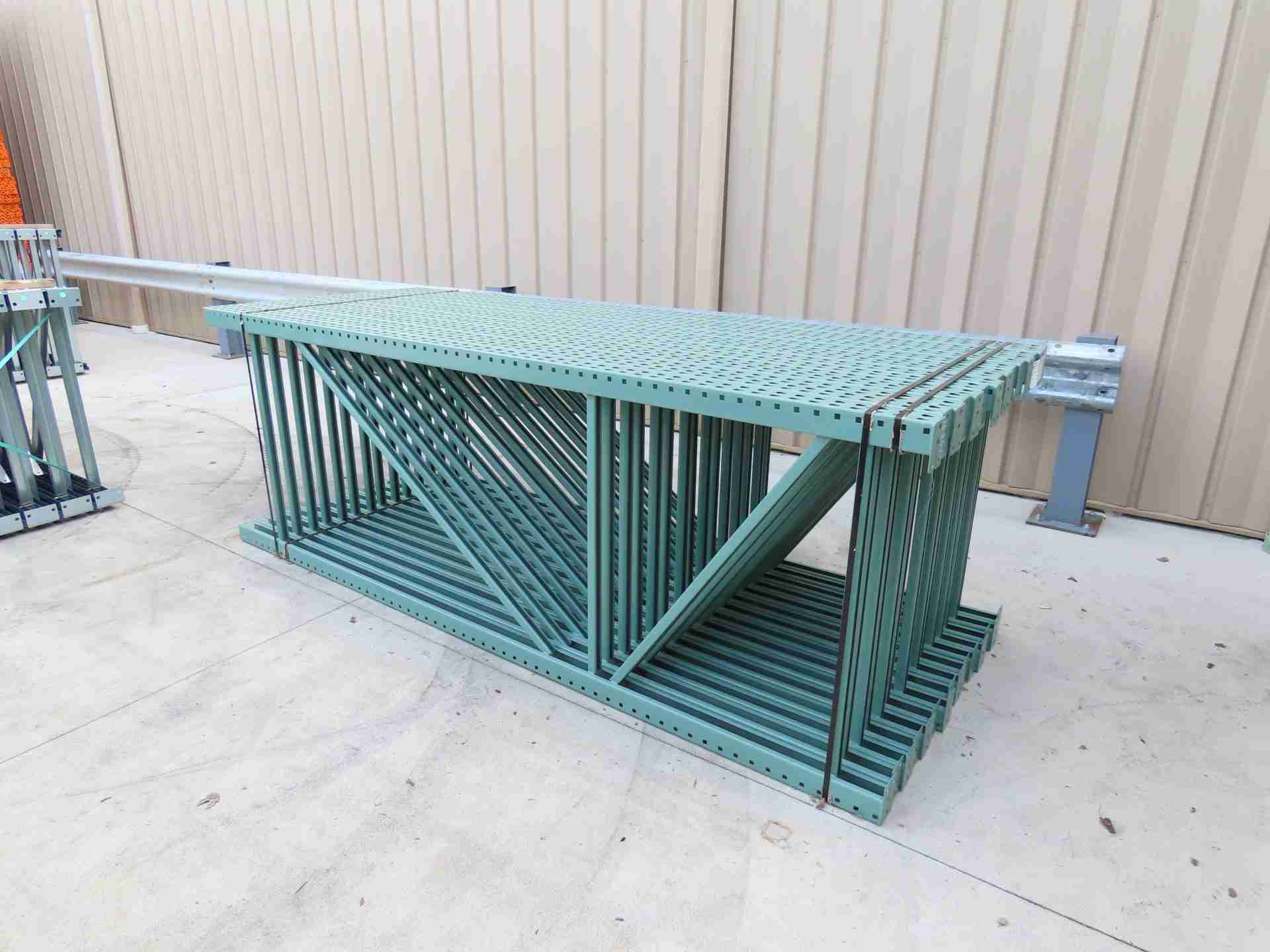
What Risks Are Associated with Non-Compliance In Rack Systems?
How Can Structured Training Enhance Compliance Culture?
Structured training is a game-changer in crafting a compliance culture that resonates deeply with every person in an organization. It’s not just about ticking boxes on a checklist; it’s about creating an environment where ethical behavior thrives and employees feel genuinely invested in their workplace. When training is structured effectively, it fosters an atmosphere of trust and mutual respect.
Consider the first day on a job site. The unfamiliarity of the tools, the layout, the faces—everything seems overwhelming. But with proper, structured training, those feelings of anxiety can transform into confidence. Employees learn not merely the “how” but also the “why” behind compliance measures. They come to realize that these rules aren’t mere obstacles; they exist to protect them, their coworkers, and the organization’s integrity. This understanding appeals directly to their head, establishing a clear rationale behind every policy.
Telling stories about real-life implications of compliance—or the lack thereof—hit home in a way that statistics never can. Think of a situation where a safety regulation was ignored, leading to devastating consequences for a colleague. Structured training can share these narratives, turning abstract regulations into personal stakes. It connects people to the mission, compelling them to participate willingly rather than grudgingly.
Moreover, there’s a significant ethical component. When employees engage in structured training, they’re not just learning rules; they’re becoming part of a larger moral framework guided by shared values. It’s about cultivating a culture where everyone understands their role in safeguarding not just the organization’s reputation but their own integrity and that of their peers. Such a commitment to ethics rallies a workforce, fostering connection between individuals that goes beyond job titles.
But let’s not forget the social aspect. In a world where outcomes are often measured only by profit margins, organizations that prioritize structured compliance training send a powerful message: they value people over numbers. They’re positioning themselves as leaders in their field, where every employee’s input is not just welcomed but necessary. When employees see their peers participating actively in structured training sessions, they’re more likely to engage themselves. This creates a positive feedback loop, enhancing not just compliance but collaboration and morale.
Structured training is the backbone of a thriving compliance culture. It reshapes how employees view their roles, inspires them to act—with purpose and pride—and cultivates a community where ethics reign supreme. Every racking moment spent on training lays the groundwork for a strong, united workforce ready to face challenges head-on.

How Can Structured Training Enhance Compliance Culture?
How Can Structured Training Enhance Compliance Culture?
- Structured training promotes a compliance culture that resonates with all employees.
- Effective training transforms anxiety into confidence, helping employees understand the “how” and “why” behind compliance measures.
- Real-life stories of compliance impacts turn abstract rules into relatable experiences, increasing personal investment.
- Structured training fosters a moral framework where employees recognize their role in upholding integrity and shared values.
- Organizations that prioritize structured training demonstrate a commitment to valuing people over profits.
- Active participation in training enhances compliance, collaboration, and overall morale among employees.
- Structured training is essential for building a strong, united workforce prepared to tackle challenges.

How Can Structured Training Enhance Compliance Culture?
How Do Successful Companies Tackle Compliance Challenges?
When you walk into a bustling warehouse, the air thick with purpose, you can almost see how successful companies rise above compliance challenges. It’s not just about rules and regulations—it’s about creating a culture that values integrity and accountability. Imagine the team leaders huddled around a racking system, carefully strategizing how to optimize both efficiency and safety. They recognize that every pallet stacked high represents not only product but trust—the trust of customers, compliance boards, and each other.
But how do they do it? It starts with a commitment to learning. These companies know that compliance isn’t a one-time checklist. It’s a living, breathing part of their operations. They invest in education, empowering employees to understand policies and practices that matter. The heart of the operation beats in rhythm with ongoing training sessions that don’t just fill seats but foster a sense of ownership.
Getting compliance right is more than avoiding penalties; it’s about doing the right thing when no one is watching. Think of those employees—each one a potential ambassador of ethics. They see the impact of their choices on not just the bottom line but community trust. When they choose transparency, when they report issues rather than sweep them under the rug, they are acting not just as cogs in a large machine, but as guardians of their company’s reputation.
Rationally, it’s about bottom lines and productivity, but ethically, it runs deeper. Companies that embrace compliance create an environment where employees feel valued and engaged. This leads to higher morale and loyalty. Employees who understand they are on a winning team take pride in their work, and when compliance becomes part of the conversation, everyone wins. They no longer see compliance as a burden; instead, it transforms into a badge of honor.
Socially, the ripple effects are undeniable. A culture of compliance builds bridges—not just within the organization but also in the community. Other businesses take notice and often follow suit, turning good practices into industry standards. When we all play our part, that unity becomes the backbone of the market.
So next time you see a well-oiled operation, remember: it’s the commitment to compliance, woven into each action and decision, that sets these companies apart. When integrity is embedded in the DNA of an organization, compliance is no longer just a challenge; it becomes a strength.
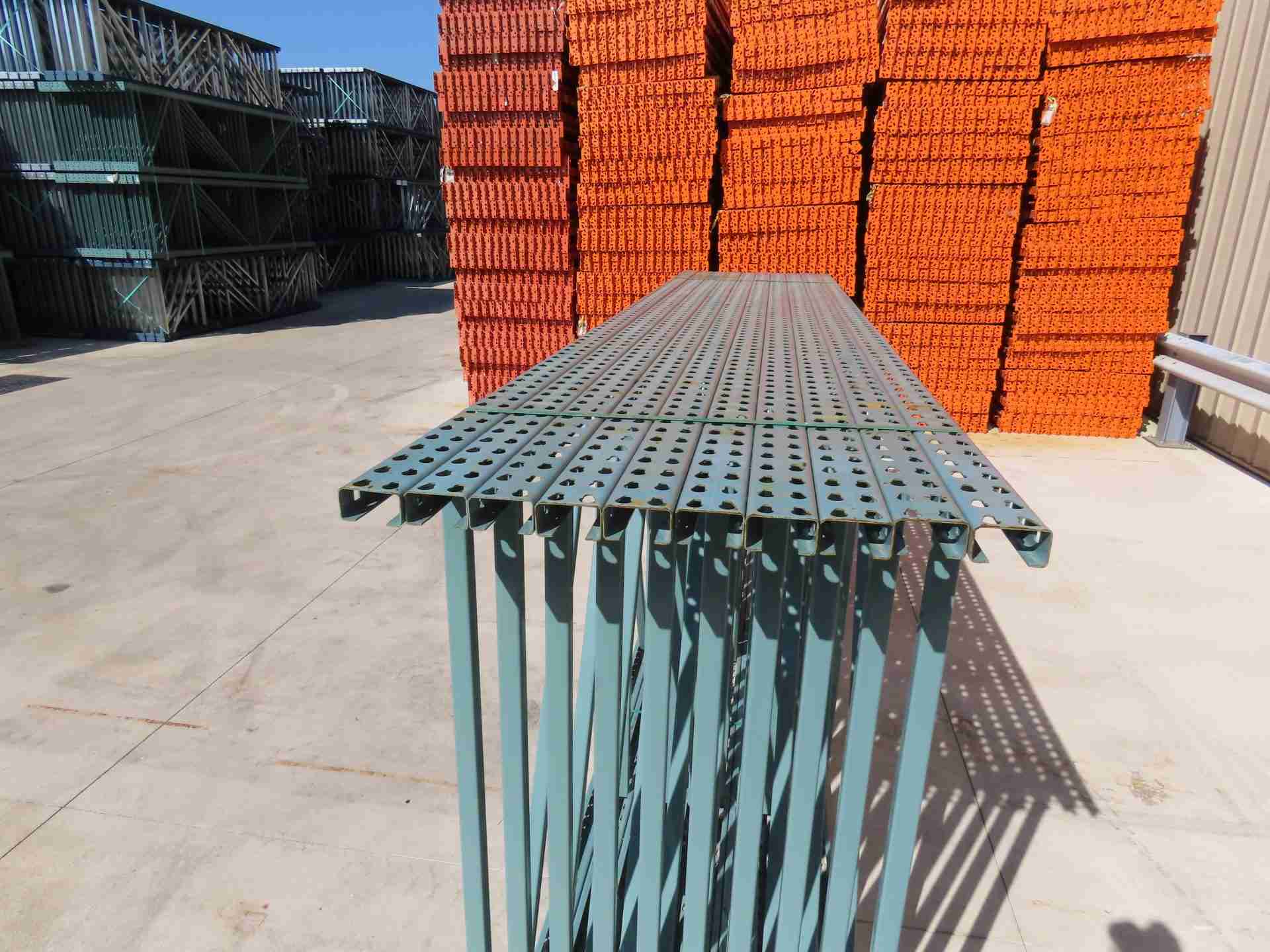
How Do Successful Companies Tackle Compliance Challenges?
How Do Successful Companies Tackle Compliance Challenges?
- Bustling warehouses symbolize success through effective compliance solutions.
- Creating a culture of integrity and accountability is essential, beyond just rules.
- Team leaders focus on optimizing efficiency and safety, recognizing trust in products.
- Commitment to ongoing learning makes compliance a continuous part of operations.
- Employees act as ambassadors of ethics, influencing community trust and transparency.
- A culture of compliance fosters employee engagement, leading to higher morale and loyalty.
- Successful compliance creates industry standards, promoting unity within the market.
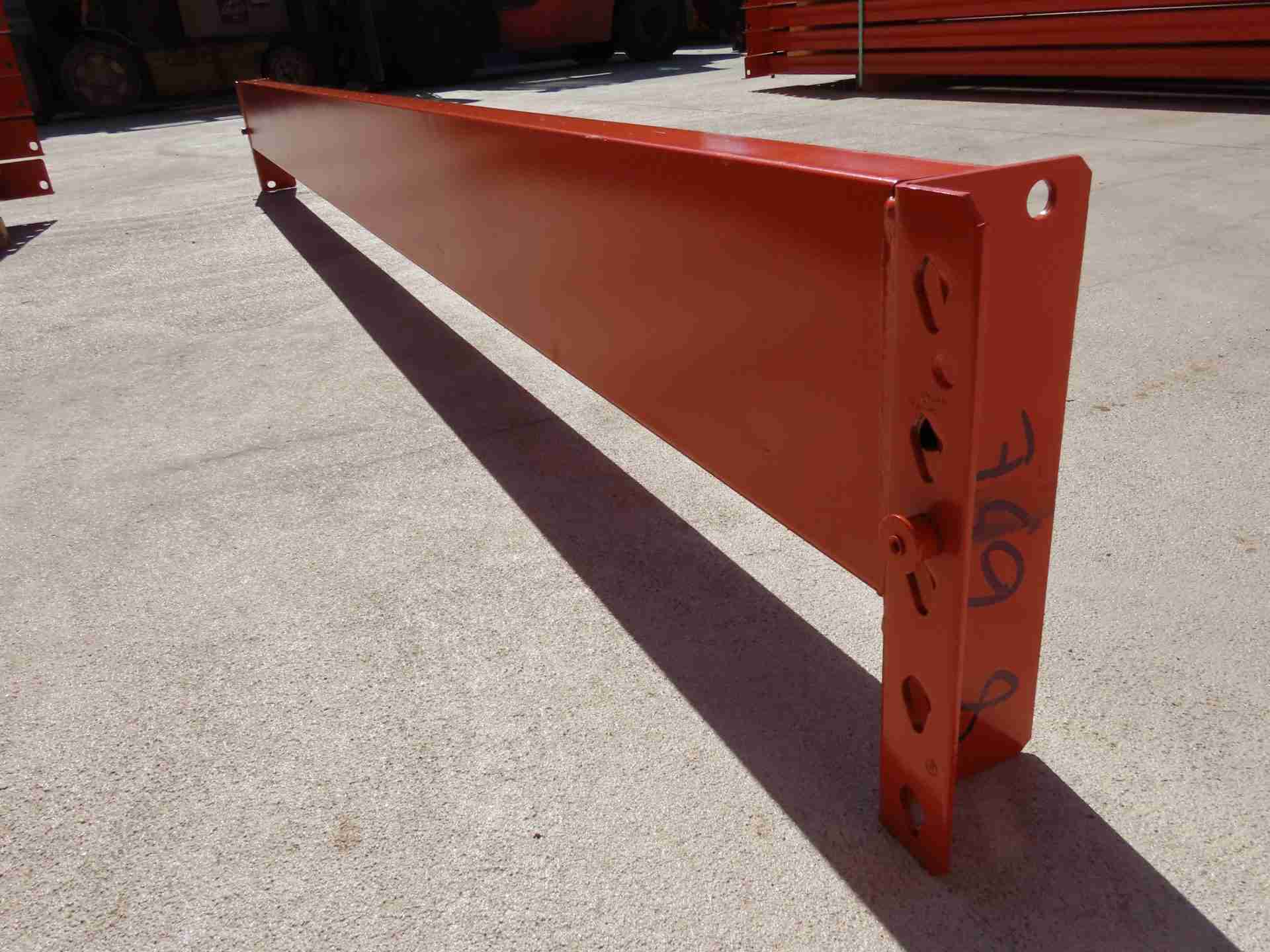
How Do Successful Companies Tackle Compliance Challenges?
Conclusion
Compliance in multi-tier rack systems transcends mere rule-following; it’s about safeguarding lives and enhancing productivity within dynamic environments. Picture a lively warehouse, where towering racks symbolize not just organizational prowess but the collective effort of a dedicated workforce. Every beam and shelf holds stories of labor, dreams, and familial responsibilities. Maintaining compliance isn’t merely about following regulations—it’s a heartfelt commitment to every individual who contributes to the success of the operation. By adhering to safety standards and protocols, you’re not only protecting your assets but honoring the humanity behind the labor.
Rationally, compliance serves as your strategic guide through the often complex landscape of regulations such as ANSI and OSHA. When you embrace these guidelines, it’s a testament to your understanding of risk management and operational efficiency. Knowledge empowers your workforce, fostering an environment where safety protocols are not just known but championed. Informed employees are your best line of defense against potential accidents, translating safety into a shared responsibility.
Ethically, the essence of compliance articulates a profound duty to protect those who contribute to your business. Regular inspections and adherence to safety practices demonstrate genuine care for your team, establishing trust that resonates well beyond the workplace. It creates a culture where everyone understands their role in a community bonded by shared values of safety and support.
As we delve deeper, the potential consequences of non-compliance become glaringly apparent. Neglecting safety protocols can lead to disastrous incidents, rippling through families and communities. A momentary lapse in attention can jeopardize lives, shatter families, and unravel the very fabric of trust you’ve built with your employees. Each incident is a stark reminder of our ethical obligation to protect those who rely on us.
Structured training further solidifies a culture of compliance. It’s not merely about memorization; it’s about cultivating a deep-rooted understanding of the “why” behind the rules. Empowered employees become advocates for safety, viewing these measures as integral to their workplace culture rather than hurdles to jump over.
Those who lead with purpose and integrity embody a commitment to compliance that envelops every layer of their organization. This commitment fosters not only accountability but also camaraderie among team members. Companies that prioritize compliance don’t just survive; they thrive, positively impacting their communities and setting industry standards. When we embrace compliance as a shared mission, it becomes a powerful catalyst for safe, dynamic, and productive work environments. Ultimately, it’s about people coming together, looking out for one another, and building a legacy of safety and success—one rack at a time.
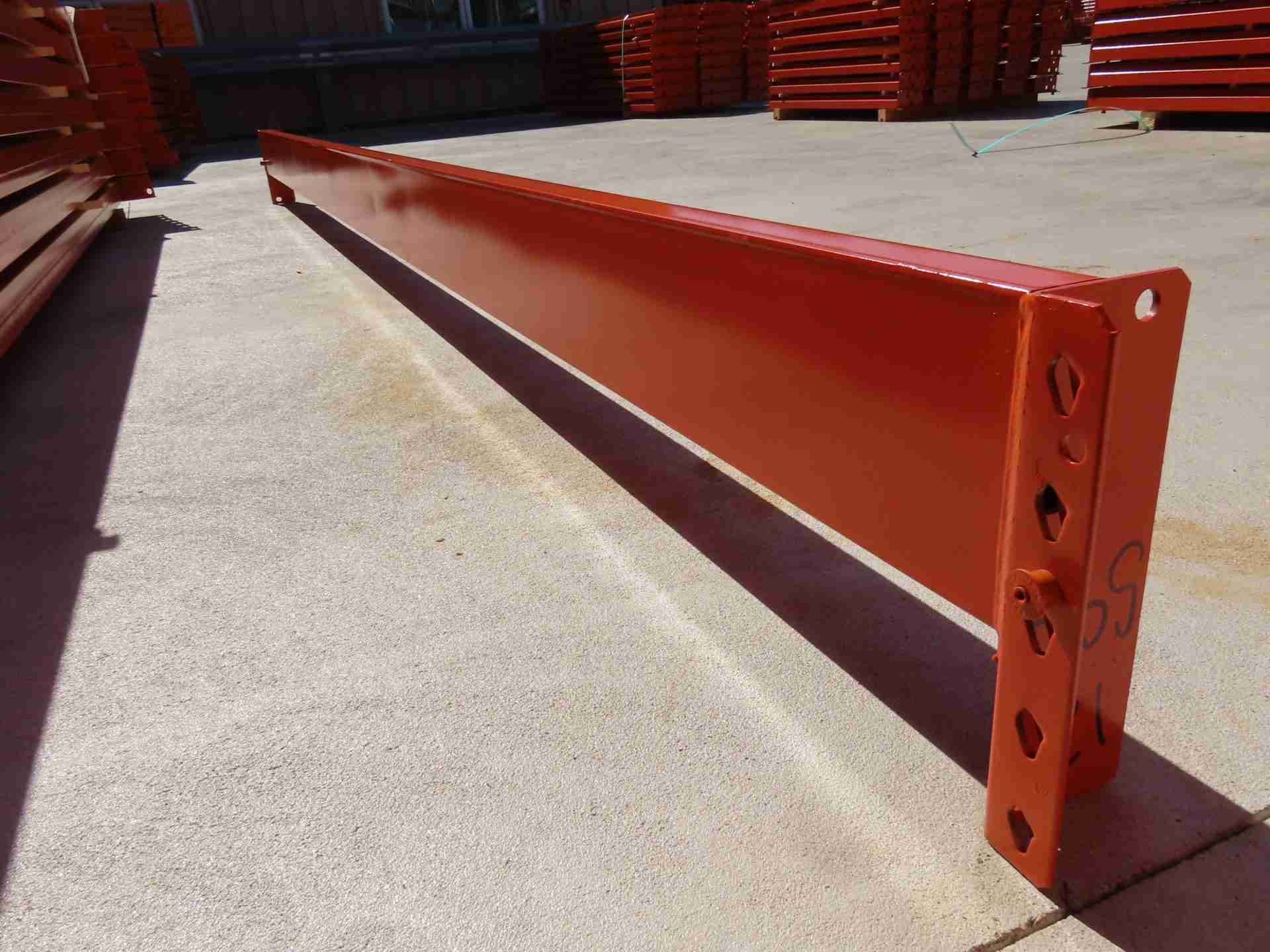
Conclusion
Conclusion:
- Compliance in multi-tier rack systems is vital for safeguarding lives and enhancing productivity.
- It symbolizes a commitment to the workforce, representing their labor, dreams, and responsibilities.
- Following safety standards is both a protective measure for assets and a recognition of the humanity behind the work.
- Compliance serves as a strategic guide through complex regulations like ANSI and OSHA, enhancing risk management.
- Regular inspections and adherence to safety practices build trust and foster a culture of safety among employees.
- Neglecting safety can have severe consequences, impacting families and eroding trust within the organization.
- Structured training empowers employees, making them advocates for safety and integral to workplace culture.
Conclusion
Other Resources
Other Resources
Here is a list of other resources you can review online to learn more:
- Chicago Pallet Racking
- International Warehouse Logistics Association
- Warehouse Automation
- What is Selective Pallet Racking
- Warehouse Storage Racking in Illinois
- BMH
- NSC
- Pallet Racking systems in Illinois and Great Lakes
- Used Teardrop Pallet Rack – American Surplus
- Wolter
- Interlake Mecalux
- Racking World
- Used Pallet Rack for Sale in Illinois – American Surplus
- Cantilever Rack Configuration & Installation: A Comprehensive Guide – BMH
- New Cantilever Racks and Racking Kits
- IIWS Inc. Rack Installation Illinois & Rack Repairs Illinois
- Crane Manufacturers Association Of America Inc.
- Illinois Pallet Racking – Storage Solutions
- Warehousing Education and Research Council: https://www.werc.org/
- What is Cantilever Racking? – AK Material Handling Systems
Use This Prompt To Get More Resources With Your Favorite Online AI Tool: Please provide me with a list of online articles with their URLs in a bulleted list that I can read regarding Compliance Tips for Multi-Tier Rack Systems
Other Resources
Glossary Terms
Compliance Tips for Multi-Tier Rack Systems – Glossary Of Terms
1. Compliance: Adherence to regulations, standards, and best practices in multi-tier rack system design and operation.
2. Multi-Tier Rack Systems: A storage configuration featuring multiple levels of racks, designed to maximize vertical space utilization.
3. Load Capacity: The maximum weight that a rack or shelving unit can safely support.
4. Stability: The ability of a rack system to remain upright and secure under load and in various conditions.
5. Fire Safety: Measures and materials used to prevent and manage fire risks in storage areas.
6. Forklift Access: The design consideration that allows for safe maneuverability of forklifts around and between racks.
7. Pallet Racking: A type of storage system that uses pallets for products, allowing for efficient stacking and access.
8. Regulatory Standards: Official guidelines established by governing bodies that dictate safety and compliance measures for rack systems.
9. Inspections: Regular evaluations of rack systems to ensure safety, compliance, and structural integrity.
10. Load Distribution: The method of spreading weight evenly across a rack to prevent tipping or collapse.
11. Safety Margins: The additional weight allowance beyond the maximum load capacity to ensure safety during operation.
12. Vertical Space Optimization: Efficient use of upward space in a warehouse using high-rise racks to increase storage capacity.
13. Anchor Systems: Devices used to secure racks to the floor or walls for enhanced stability and safety.
14. Inventory Management: Systematic approach to overseeing and controlling stock levels, including how items are stored on racks.
15. Clearance Space: The recommended distance between the top of racked items and ceiling structures to maintain safety.
16. Weight Sensors: Devices that monitor load weights on racks to prevent overload conditions.
17. Compliance Training: Education programs aimed at ensuring employees understand compliance requirements related to rack systems.
18. Documentation: Recorded guidelines and assessments related to compliance, maintenance, and safety practices for rack systems.
19. Emergency Exit Access: Design consideration to ensure clear paths to exits in case of emergencies, often impacted by rack placement.
20. Environmental Considerations: Factors such as air circulation, humidity, and temperature that may affect the materials stored in racks.
21. Structural Analysis: Evaluation of the design and integrity of the rack to ensure it meets safety and load requirements.
22. Labeling: The practice of clearly identifying shelves and bins to improve organization and compliance with inventory practices.
23. Weight Limit Signs: Visual markers indicating the maximum load limit for specific sections of the rack.
24. Ergonomics: The study of optimizing workspaces to reduce strain on workers, including rack placement for ease of access.
25. Pallet Positioning: Specific arrangement techniques to optimize space and accessibility while maintaining safety.
26. Overhead Clearance: Measurement of the vertical distance above racked items to ensure compliance with safety regulations.
27. Material Handling: The movement, protection, and control of materials throughout the warehousing and distribution processes.
28. Shelving Systems: Types of racks or shelves used to store items, emphasizing structure and accessibility.
29. Safe Working Load (SWL): The maximum load a rack or shelving system is designed to carry safely during operations.
30. Regular Maintenance: Scheduled checks and upkeep of rack systems to ensure they remain in good working order and compliance.

Glossary Of Terms
Other Questions
Compliance Tips for Multi-Tier Rack Systems – Other Questions
If you wish to explore and discover more, consider looking for answers to these questions:
- What are the specific compliance standards for multi-tier rack systems?
- How often should multi-tier rack systems be inspected for compliance?
- What training should employees receive regarding safety and compliance?
- What role do safety audits play in ensuring compliance?
- What are some common compliance pitfalls in warehouse operations?
- How can technology enhance compliance in multi-tier rack systems?
- What are the best practices for maintaining a culture of safety?
- How can organizations measure the effectiveness of their compliance training?
- What are the consequences of non-compliance beyond legal ramifications?
- How can leaders effectively communicate the importance of compliance to their teams?

Other Questions
Checklist
Compliance Tips for Multi-Tier Rack Systems – A Checklist
Heart
_____ Recognize the impact: Reflect on how compliance protects the livelihoods and safety of your team.
_____ Foster a culture of care: Promote an environment where every employee feels valued and protected.
Head
_____ Know the regulations: Familiarize yourself with ANSI, OSHA, and other relevant compliance standards.
_____ Train your team: Conduct regular training sessions to ensure employees understand compliance and its importance.
_____ Empower communication: Encourage staff to voice concerns and suggestions about safety protocols.
Gut
_____ Assess risks: Regularly evaluate potential hazards and compliance gaps in your racking systems.
_____ Prioritize inspections: Schedule frequent maintenance checks to ensure structural integrity and safety.
_____ Understand repercussions: Consider the financial and ethical consequences of non-compliance on your organization and community.
Ethical Responsibility
_____ Lead by example: Model compliant behavior and promote a culture that prioritizes safety and ethics.
_____ Value transparency: Encourage honesty and openness about compliance issues within the workforce.
Authority and Expertise
_____ Consult experts: Engage safety professionals to provide insights and enhance your compliance protocols.
_____ Share narratives: Use real-life stories to illustrate the importance of compliance and its impact on safety.
Social Connection
_____ Build community: Create strong relationships among employees by fostering a shared commitment to safety.
_____ Celebrate compliance milestones: Acknowledge achievements in safety and compliance to reinforce team spirit.
This checklist serves as a valuable tool in reinforcing your commitment to safety and compliance in your multi-tier rack systems, ensuring a culture of trust and integrity within your organization.
Checklist
At RackingWorld, we help guide you through selecting warehouse storage systems and racking.
Be sure to read our other related stories at RackingWorld to learn more about warehouse storage systems.
0 Comments