
Expert Tips For Buying Quality Used Racks
By Tom Seest
At RackingWorld, we help guide you through selecting warehouse storage systems and racking.
Be sure to read our other related stories at RackingWorld to learn more about warehouse storage systems.
Checklist for Inspecting Used Racks Before You Buy
When you’re scouring the market for used racking, it’s more than just a transaction; it’s about investing in the backbone of your business. You wouldn’t slap a fresh coat of paint on a crumbling wall and call it good, right? The same goes for racking. Here’s a checklist to guide you through this important decision, appealing to your intellect and gut instincts.
1. Inspect for Structural Integrity: Start with a keen eye. Walk around the racking system and look for signs of wear or damage. Are there bends, rust spots, or dents? Imagine the weight these racks will bear; any weakness can jeopardize everything you store. Trust your gut—if something feels off, it probably is.
2. Check Load Capacity: Every racking system comes with a load capacity. Make sure you know what it is and confirm that the racks meet your needs. It’s not just a number—it’s an assurance of safety and productivity. You wouldn’t risk your team’s safety; don’t compromise here.
3. Verify Compliance and Standards: Racking must adhere to industry standards and regulations. Request documentation—a legitimate seller should provide proof of compliance. This isn’t just paperwork; it’s your safety net, ensuring that you’re working with reliable equipment.
4. Look for Signs of Proper Maintenance: A great set of racks will show signs of care. Check for recent inspections, maintenance records, or a history of repairs. This tells a story about the racks’ past and the respect they’ve received. A well-cared-for rack system is a product of genuine pride—a reflection of the values you uphold.
5. Evaluate the Brand Reputation: Research the manufacturer or seller. Have they built a positive reputation in the industry? Seek reviews or testimonials. Connecting with others who’ve used their products can provide insight and peace of mind.
6. Trust Your Instincts: At the end of the day, trust yourself. If something feels off, listen to that voice. It’s okay to walk away. Sustainability and reliability aren’t optional; they’re the foundation of a thriving operation.
Equip yourself with this checklist as you venture into the world of used racking. By blending heart, head, and gut, you’re not just purchasing racking; you’re making a commitment to your business and your team’s safety. Your choices will echo through your warehouse and beyond—make them count.

Checklist for Inspecting Used Racks Before You Buy
Checklist for Inspecting Used Racks Before You Buy
- Investing in used racking is crucial for your business’s backbone, not just a simple transaction.
- Inspect the racking for structural integrity, and look for signs of wear and damage such as bends, rust, or dents.
- Check the load capacity to ensure it meets your needs; prioritize safety and productivity.
- Verify compliance with industry standards and regulations by requesting documentation from the seller.
- Look for signs of proper maintenance, such as recent inspections and repair history, to gauge care and reliability.
- Evaluate the brand reputation by researching the manufacturer or seller and reading reviews or testimonials.
- Trust your instincts—if something feels off, it’s okay to walk away; prioritize sustainability and reliability.

Checklist for Inspecting Used Racks Before You Buy
Table Of Contents
- Checklist for Inspecting Used Racks Before You Buy
- Are the Load Capacities Of the Racks Clearly Labeled and Verified?
- What Signs Of Wear and Tear Should You Closely Inspect on the Racks?
- How Can Proper Inspections Save Your Business Money Over Time?
- What Ethical Considerations Should Guide Your Purchase Of Used Racks?
- How Do Industry Standards Influence the Decision to Buy Used Racks?
- Conclusion
- Other Resources
- Glossary Of Terms
- Other Questions
- Checklist
Are the Load Capacities Of the Racks Clearly Labeled and Verified?
When you step into a warehouse, the towering racks filled with inventory can evoke a sense of wonder. But lurking behind that impressive facade is a question that resonates with anyone who’s ever had a heavy load in their hands: Are the load capacities of these racking systems clearly labeled and verified? The answer isn’t just a matter of practicality; it’s a matter of safety and responsibility.
Imagine a moment when an experienced employee, having devoted years to mastering their craft, approaches a load that seems deceptively secure. They glance at the rack’s label—will they see a clear, verified capacity? If that label is ambiguous or missing, it’s not just an inconvenience; it creates a veil of doubt. Every day, workers depend on the integrity of these racking systems, and that trust is built on solid labels and verified capacities.
Consider the emotional weight behind this issue. Picture a family at home, reliant on their loved one returning safely after a long day’s work. Employees deserve to feel safe and secure in their workplaces. Having clear load capacities instills confidence, fostering a culture where people take accountability for their safety and the safety of those around them. And what is accountability, if not the fabric of our ethics in the workplace?
Now, let’s talk about rationality. It’s not just about feelings; it’s about ensuring that the very structure of your operation stands firm. Legally and ethically, ensuring that rack capacities are correctly marked is vital. Verification processes act as a robust shield, protecting not only workers but also the integrity of the business itself. A well-verified racking system promotes efficiency, reduces accidents, and ultimately saves money—a win-win scenario for everyone involved.
The narrative here speaks to the essence of our daily lives. Think of the camaraderie that flourishes when teams can trust in their equipment. Picture employees standing shoulder to shoulder, not merely getting the job done but thriving in a landscape where their safety is prioritized. It’s this sense of community that inspires action—where each worker knows their role matters and can trust the very environment they navigate daily.
As you walk through that warehouse, take a moment to look at the racking. Are those load capacities clear? Verified? If they aren’t, it’s up to us to advocate for change, ensuring that we build not just racks, but a culture rooted in safety, trust, and mutual respect. Together, we can create a workplace where every label tells a story of dedication and care.

Are the Load Capacities Of the Racks Clearly Labeled and Verified?
Are the Load Capacities Of the Racks Clearly Labeled and Verified?
- Warehouse racking systems can evoke wonder but raise safety questions regarding load capacities.
- Clear, verified load capacity labels are essential for worker safety and responsibility.
- Missing or ambiguous labels create doubt and can jeopardize trust in racking systems.
- Employees deserve to feel secure at work; clear capacities foster accountability and safety culture.
- Legally and ethically, correctly marked rack capacities are vital for business integrity and protection.
- Verified racking systems enhance efficiency, reduce accidents, and save money for all involved.
- Advocating for clear load capacities promotes a culture of safety, trust, and mutual respect in the workplace.

Are the Load Capacities Of the Racks Clearly Labeled and Verified?
What Signs Of Wear and Tear Should You Closely Inspect on the Racks?
When you think about Racking in a warehouse or storage space, what comes to mind? The heavy lifting, the organization, the endless rows of shelves—each one a testament to our industrious spirit. But like all hard-working tools, these racks need a little love and attention. The signs of wear and tear on your racking can be subtle yet critical, and recognizing them can mean the difference between smooth operations and a safety hazard looming in the shadows.
First, look for visible damage. Dents, scratches, or bends in the metal frame are not just cosmetic issues; they can compromise the integrity of your racking. Those little nicks may seem trivial, but they speak volumes about wear-and-tear — a reminder that even the strongest materials can falter with time. If you spot any signs of damage, it’s an ethical obligation to address them. Ignoring a small flaw can lead to bigger problems, threatening the safety of your team and the stability of your stored goods.
Next, inspect connections and welds. The joints where components meet are often the first to show signs of failure. Corrosion here could weaken the structure, and if the rack begins to waver under pressure, you’ll have more than just a financial headache on your hands. Trust your instincts—cracks can grow and evolve quickly, demanding your immediate attention and action.
Don’t overlook the anchors as well. These are the unsung heroes holding the racks in place, yet they’re often overlooked until it’s too late. Rust can signal that something’s amiss. Holding onto old anchors out of habit isn’t just stubborn—it can be dangerous. After all, we’re talking about safety here. The lives and well-being of your coworkers, your friends, are hanging on those bolts.
Finally, pay attention to the shelves themselves. Warped surfaces or signs of excessive wear mean the racking isn’t just being used—it’s being overworked. This should shout at you to reassess your load-bearing practices. Remember, it’s about respect—both for your equipment and for the team who relies on it daily.
Taking the time to closely inspect these elements isn’t just a flutter of due diligence; it’s an investment in safety, efficiency, and the environment you cultivate. A well-kept rack isn’t just a shelf; it’s a reflection of your values. So, take pride in your workspace, and let that pride guide your inspections. Your eyes can catch what your heart already knows— a safe job is a good job.

What Signs Of Wear and Tear Should You Closely Inspect on the Racks?
What Signs Of Wear and Tear Should You Closely Inspect on the Racks?
- Racking in warehouses requires care and attention to ensure operational safety.
- Visible damage such as dents, scratches, and bends can compromise the integrity of racking.
- Ignoring small flaws can lead to larger safety issues and operational hazards.
- Connections and welds are critical areas that often show early signs of structural failure.
- Check anchors regularly, as rust can indicate underlying problems affecting safety.
- Warped shelves signify overworked racking and a need to reassess load-bearing practices.
- Regular inspections of racking are essential investments in safety and overall workplace values.

What Signs Of Wear and Tear Should You Closely Inspect on the Racks?
How Can Proper Inspections Save Your Business Money Over Time?
Imagine walking into your warehouse and seeing those towering rows of racking that hold the lifeblood of your business—your inventory. Every shelf stacked high represents not just products, but potential profits. Now, picture the sweat on your brow as you recall that one time a section of racking collapsed. The chaos, the mess—financial losses spiraling out of control. That’s more than just a bad day; it’s a wake-up call, underscoring how critical proper inspections are in keeping your business thriving.
Think strategically for a moment. Routine inspections of your racking systems aren’t just a box to check; they’re an investment. They offer a preventative shield against unforeseen disasters that could cost you thousands, if not millions. A small crack unnoticed today can morph into a complete structural failure tomorrow. It’s the classic tale of “an ounce of prevention is worth a pound of cure.” By catching issues early, you save yourself the headache—and the cash—of major repairs or replacements down the line.
But let’s talk about responsibility. Ethically, a business owner has an obligation to ensure that their employees work in a safe environment. When something goes wrong, it’s not just financial repercussions; it’s the human cost. You owe it to your team to not just maintain the racking but to make it a priority. This ethos fosters a culture of care and responsibility, something that resonates deeply within solid teams and builds lasting loyalty.
Take a step further and consider the narrative your business tells. Companies that prioritize inspections and maintenance exude confidence. Clients, suppliers, and potential partners notice a well-run operation. They trust you more, leading to a stronger reputation and potentially better deals. People gravitate toward reliability, and the image of a meticulously inspected warehouse seals the deal.
And let’s not forget the emotional impact. Imagine the relief as you see your team working confidently around racking that is structurally sound—knowing they’re safe, secure, and just as invested in the success of the business as you are. When you foster that kind of environment, it creates a ripple effect throughout the organization.
So, embrace the power of inspections. They are not merely a task; they are a steadfast commitment to ensuring longevity, safety, and profitability for your business. It’s about taking pride not just in your products, but in the infrastructure that houses them.
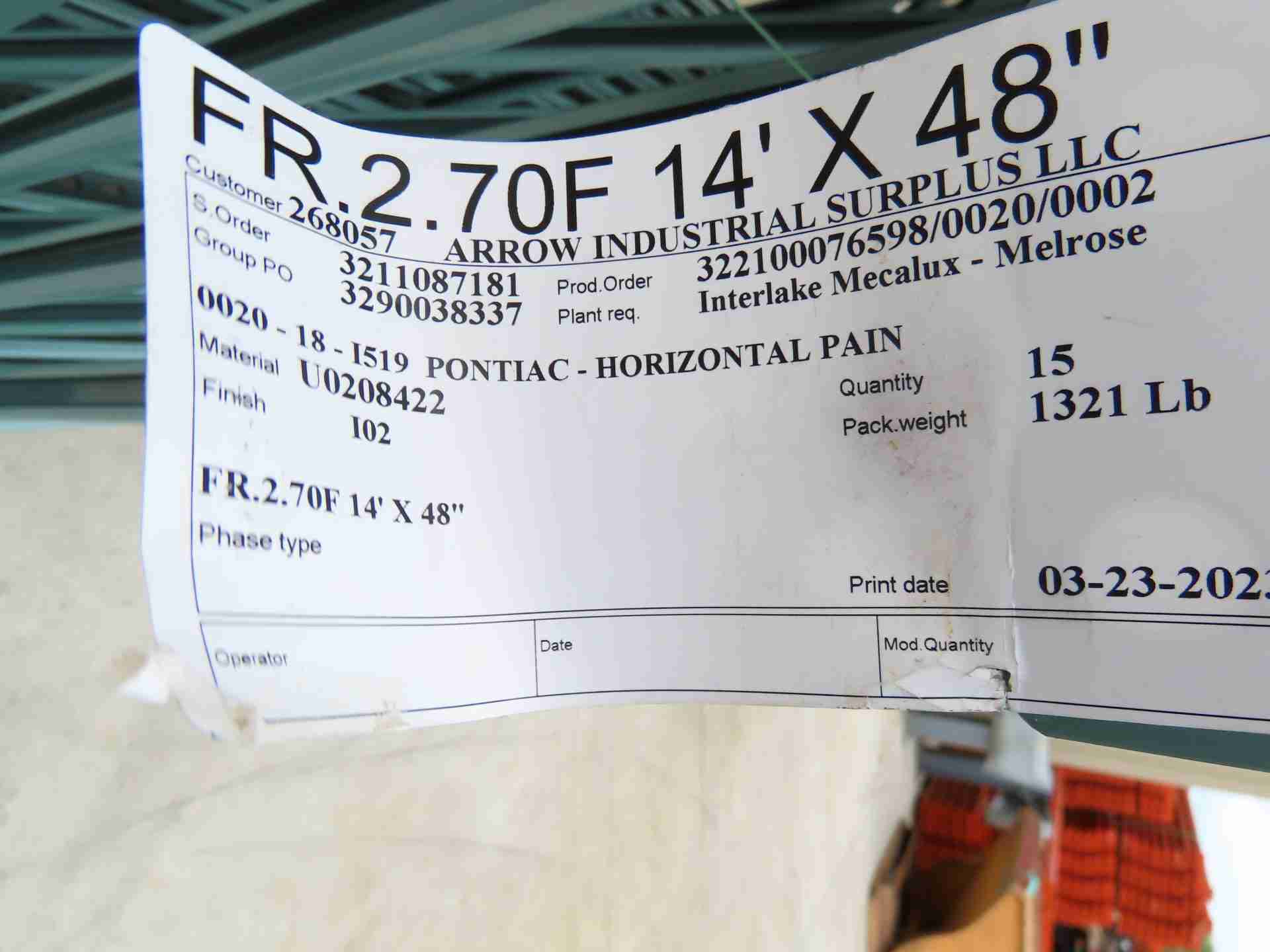
How Can Proper Inspections Save Your Business Money Over Time?
How Can Proper Inspections Save Your Business Money Over Time?
- Warehouse inventory racking is vital for business, representing both products and potential profits.
- Proper inspections are crucial to prevent financial losses and chaos, as illustrated by the risk of structural failures.
- Routine inspections serve as a preventative measure, saving money on major repairs or replacements.
- Business owners have an ethical obligation to maintain a safe working environment for employees, impacting both safety and morale.
- Prioritizing inspections enhances the company’s reputation, instilling confidence in clients, suppliers, and partners.
- A well-maintained warehouse leads to employees feeling secure and invested in the company’s success.
- Inspections signify a commitment to safety, longevity, and profitability, reflecting pride in both products and the infrastructure.

How Can Proper Inspections Save Your Business Money Over Time?
What Ethical Considerations Should Guide Your Purchase Of Used Racks?
When considering the purchase of used racks for your business or home, it’s essential to tap into the deeper values that guide our choices. Think about it: every rack holds more than just weight; it carries the story of its past and the potential for a sustainable future. With each racking system, you have the opportunity to make a decision that resonates on multiple levels—emotionally, rationally, and ethically.
First, let’s talk about the heart. Choosing used racks is not merely a transaction; it’s an act of conservation. By opting for secondhand, you’re stepping into a larger narrative—one where you play a role in reducing waste and supporting a circular economy. Imagine the journey of that rack from warehouse to your hands, evoking a sense of stewardship in doing your part for the planet. This emotional connection can transform what might initially seem like a mundane purchase into a meaningful contribution to sustainability.
Now, let’s engage the head with some rational thought. Used racks often come at a fraction of the cost of new ones, and with a bit of due diligence, you can find quality equipment that meets your needs. Always look for reputable sellers and reviews that highlight integrity and trustworthiness. It’s not just about saving a few bucks; it’s about investing wisely while supporting businesses that prioritize responsible practices, thus reinforcing a trustworthy community around you.
Then there’s the gut feeling, the ethical compass that guides your decisions. Ask yourself: where did these racks come from? Who made them, and what conditions did they endure? Authenticity matters. Seek out sellers who are transparent about their sourcing and recognize the value of fair treatment for workers. This involves not only the racks you purchase but also the ecosystem of people involved in bringing them to you.
Finally, remember the social dimension. When you share your story of purchasing used racks with friends or through social media, you inspire others to join you on this journey. You create a community that understands the impact of conscious consumerism. By making ethical choices, you elevate the conversation and spark a ripple effect, inviting others to reflect on their purchasing habits.
Your purchase of used racks can be more than just a simple buy; it can be a catalyst for positive change in your life and in the world around you. Embrace the power of your choice, and let it guide you towards an ethical, meaningful path.

What Ethical Considerations Should Guide Your Purchase Of Used Racks?
What Ethical Considerations Should Guide Your Purchase Of Used Racks?
- Purchasing used racks involves deeper values beyond just utility, including emotional, rational, and ethical considerations.
- Choosing secondhand racks contributes to conservation and supports a circular economy by reducing waste.
- Emphasizes the emotional connection to sustainability and stewardship while acquiring used equipment.
- Used racks are often significantly cheaper than new ones, making them a wise financial investment.
- It’s important to seek reputable sellers and prioritize businesses with integrity and responsible practices.
- Consider the ethical implications of where and how the racks were made, ensuring fair treatment of workers involved in their production.
- Your choice can inspire others and foster a community focused on conscious consumerism and positive change.

What Ethical Considerations Should Guide Your Purchase Of Used Racks?
How Do Industry Standards Influence the Decision to Buy Used Racks?
When it comes to the decision to buy used racking systems, industry standards cast a long shadow over the landscape of choice. These standards aren’t just bureaucratic red tape; they carry weighty implications for safety, quality, and performance. Imagine walking into a warehouse filled to the brim with goods precariously balanced on older racks that might not meet current regulations. Your gut tightens. The stakes? They’re not just numbers on a spreadsheet; they’re the livelihoods of the people who work there, the families behind those jobs, and the customers relying on timely deliveries.
Now, let’s talk facts. When industry standards evolve, they often reflect hard-won lessons learned from experience. The push for higher safety and performance levels isn’t just about compliance; it’s about creating an environment where accidents are less likely and productivity can flourish. When you choose used racking that adheres to these standards, you’re leveraging the trust established by those who came before you—experts who have navigated the perilous waters of warehouse management. It’s not only a smart decision; it feels right.
And then there’s the ethical angle. Purchasing used racking that meets or exceeds industry standards isn’t just a smart financial move; it also demonstrates a commitment to sustainability. You’re not only saving money but also reducing waste and keeping usable materials in circulation. It’s an act of conscientious consumption, where your values align with your decisions. That’s a powerful narrative and one that resonates deeply with those of us trying to make a difference in the world, one racking system at a time.
Socially, think about the camaraderie that flourishes when businesses come together to share best practices concerning racking systems. When you buy used racks that conform to industry standards, you are part of a broader conversation, a community of respect, reliability, and shared success. It’s a vote of confidence not just in the machinery but also in the people and processes that shape our industries.
So as you consider the leap into the world of used racking, remember that you’re not just making a purchase; you’re making a commitment—to your workforce, your bottom line, and a safer, more responsible future. Embrace the journey backed by industry standards, and you won’t just be investing in racks; you’ll be investing in a culture that prioritizes safety, ethics, and community.

How Do Industry Standards Influence the Decision to Buy Used Racks?
How Do Industry Standards Influence the Decision to Buy Used Racks?
- Industry standards greatly influence the decision to buy used racking systems, impacting safety, quality, and performance.
- Choosing racking that meets current regulations protects workers, their families, and ensures timely deliveries.
- Changes in industry standards reflect lessons learned, emphasizing improved safety and productivity.
- Buying used racking that adheres to standards reflects trust in the expertise of previous warehouse managers.
- Purchasing compliant used racking is not only financially wise but also promotes sustainability by reducing waste.
- Buying compliant racks fosters community among businesses that share best practices, enhancing reliability and collaboration.
- Investing in used racking systems is a commitment to a safer, ethical future for both workers and the industry.

How Do Industry Standards Influence the Decision to Buy Used Racks?
Conclusion
Navigating the used racking market isn’t merely a financial decision; it’s a profound reflection of your commitment to your business, your employees, and the world around you. It begins with a critical look at structural integrity. Inspect every inch as if lives depend on it—because they do. Each dent or rust spot echoes a potential risk, and trusting your gut here signals a prioritization of safety over superficial appearances.
The importance of assessing load capacities can’t be overstated. These figures aren’t just numbers—they are the bedrock of trust for your team. When your workers feel secure in their environment, a ripple of confidence spreads across the workplace, fostering accountability and collaboration. This isn’t merely about compliance; it’s about creating a legacy of care, where every label represents not just data, but your dedication to safety.
As you consider the purchase of used racks, the narrative shifts to ethics and sustainability. Choosing secondhand options is not just a savvy business maneuver; it’s an embodiment of conservation. Each used rack in your warehouse tells a story—one of reliability, a commitment to reducing waste, and sustainability. This approach not only preserves resources but strengthens community ties, urging others to adopt conscientious consumer habits, creating a culture that values our environment.
Your decision also hinges on a solid understanding of industry standards. They are a moral compass guiding your actions and responsibilities as a business owner. By purchasing racks that meet established guidelines, you’re investing in the well-being of your workforce and upholding the principles that safeguard safety and integrity. It’s a smart strategy that pays off with increased efficiency, fewer accidents, and bolstered reputations.
The heart of the matter lies in recognizing that these racks represent more than just storage solutions—they are the backbone of your operation, impacting productivity and employee morale. With every careful inspection and deliberate choice, you are actively shaping a workplace that prioritizes safety and respect. Remember, this isn’t merely a transaction; it’s a profound commitment to the people who rely on you each day. When you make informed, responsible decisions in the racking landscape, you’re not just building a better business—you’re fostering a safe, thriving community. Choose wisely, act ethically, and embrace the ethos of responsibility in every rack you purchase.
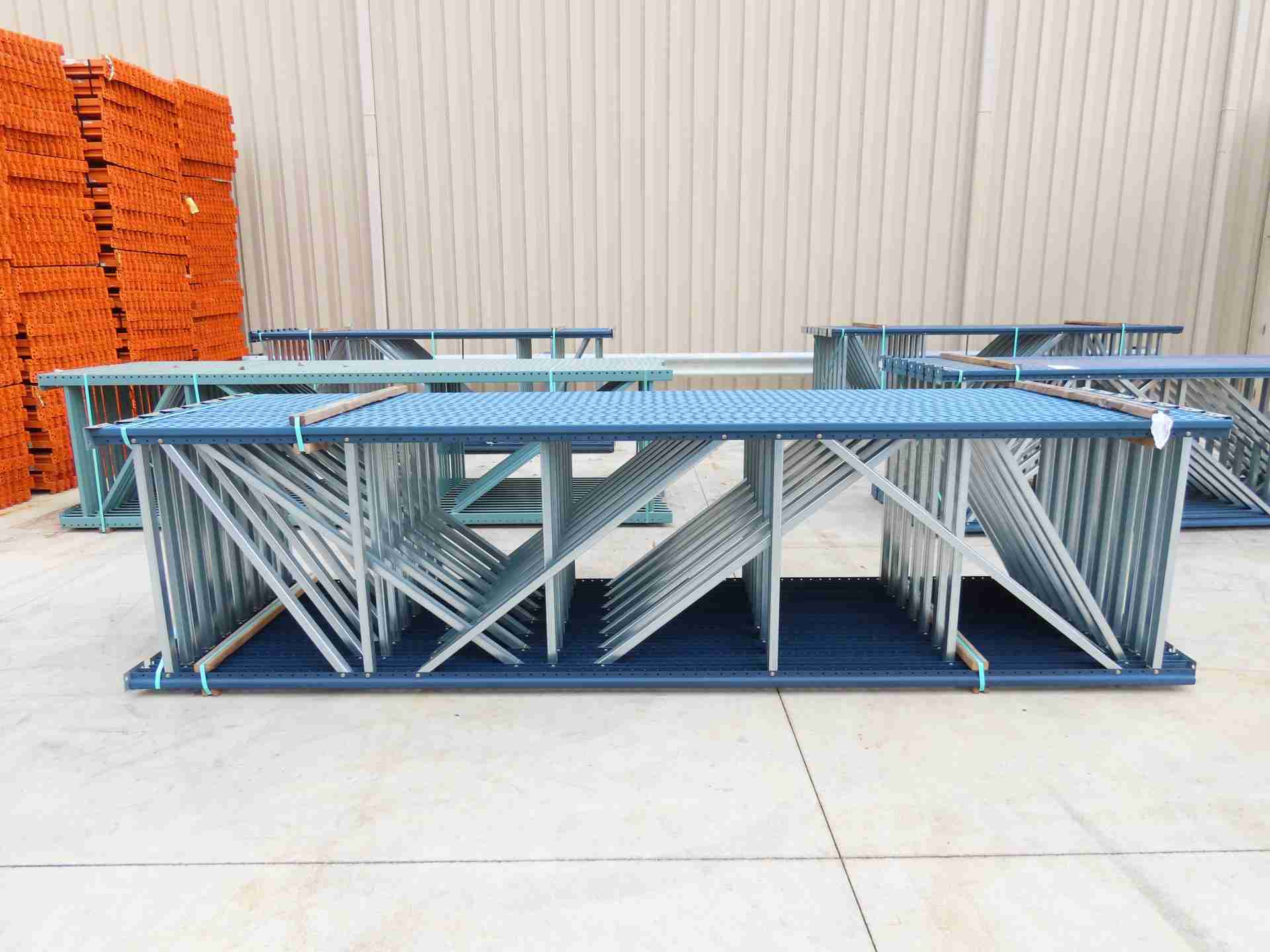
Conclusion
Conclusion:
- Navigating the used racking market reflects your commitment to your business, employees, and the environment.
- Inspect structural integrity meticulously—each dent or rust spot signifies a potential safety risk.
- Assessing load capacities builds trust within your team, promoting a culture of safety, accountability, and collaboration.
- Choosing secondhand racks signifies a dedication to sustainability and responsible consumer habits.
- Understanding industry standards is crucial for ensuring workforce well-being and upholding safety principles.
- Racks are not just storage; they are essential to productivity and employee morale, impacting the overall workplace environment.
- Make informed, ethical decisions in the racking market to foster a safe and thriving community.

Conclusion
Other Resources

Other Resources
Here is a list of other resources you can review online to learn more:
- National Safety Council
- WERC
- Interlake Mecalux
- Selective Racking
- Cantilever Rack Guide: Ordering Cantilever Racking
- Teardrop Pallet Rack – Ridg-U-Rak
- Cantilever Rack Configuration & Installation: A Comprehensive Guide – BMH
- Overhead Lifting
- American Society of Safety Professionals
- Selective Rack – Raymond West
- RMI
- The Complete Pallet Rack Guide – Simply Rack
- Iowa Illinois Warehouse Racking
- Mustang Material Handling
- Rack Manufacturers Institute
- Warehouse Automation
- Storage Equipment Manufacturers’ Association
- Pallet Racks, Pallet Racking, Pallet Shelves in Stock – ULINE
- Teardrop Pallet Rack – Ridg-U-Rak
Use This Prompt To Get More Resources With Your Favorite Online AI Tool: Please provide me with a list of online articles with their URLs in a bulleted list that I can read regarding Checklist for Inspecting Used Racks Before You Buy

Other Resources
Glossary Terms
Checklist for Inspecting Used Racks Before You Buy – Glossary Of Terms
1. Rack: A structure used for storing items, often found in warehouses and retail environments.
2. Inspection: The process of examining racks for damage, safety compliance, and functionality before purchase.
3. Load Capacity: The maximum weight that a rack can safely hold, typically specified by the manufacturer.
4. Upright: The vertical components of a rack system that support the horizontal beams.
5. Beam: The horizontal bars that run between uprights, holding the weight of stored items.
6. Shelf: The flat surface on which items are placed, supported by beams.
7. Condition Report: A detailed evaluation documenting the state of the rack, including any defects or repairs needed.
8. Structural Integrity: The ability of the rack to maintain its shape and stability under load without any failure.
9. Deflection: The amount of bend or sway in a rack’s beam or upright when weight is applied.
10. Cross-bracing: Diagonal supports often used in rack systems to provide additional stability.
11. Corrosion: The deterioration of metal due to chemical reactions, often reducing the strength of a rack.
12. Alignment: The proper positioning of the rack components to ensure even load distribution and stability.
13. Footprint: The ground area occupied by a rack, influencing space efficiency in storage layouts.
14. Safety Standards: Regulations and guidelines governing the construction and maintenance of storage racks to ensure user safety.
15. Obsolescence: The condition in which the rack is outdated and may not meet current safety or functionality standards.
16. Repair History: Documentation of any past maintenance or damages fixed on the rack.
17. Accessibility: The ease with which items on the rack can be reached for loading or unloading.
18. Modularity: The capability of the rack system to be expanded or reconfigured while maintaining structural integrity.
19. Galvanization: A protective coating applied to steel racks to prevent rust and corrosion.
20. Base Plate: The flat bottom section of a rack upright, securing it to the ground for stability.
21. Capacity Labeling: Identifying tags indicating the maximum load each section of the rack can hold.
22. Damage Indicators: Signs such as dents, bends, or rust that reveal potential structural issues with the rack.
23. Warehouse Management System (WMS): Software that helps manage inventory and storage space, often influencing rack selection.
24. Inventory Turnover: The rate at which inventory is sold and replaced, impacting the choice of shelving systems.
25. Boltless Design: A type of rack that can be assembled without the use of bolts, allowing for easier adjustment.
26. Safety Pin: A device used to secure components in place, preventing accidental disassembly during use.
27. Vertical Space: The height available for storage, critical for maximizing rack use in warehouses.
28. Ratchet Straps: Straps used to secure items on racks to prevent shifting or falling during handling.
29. Environmental Considerations: Factors that may affect rack choice based on climate, humidity, and exposure to elements.
30. Disposal Guidelines: Recommended procedures for safely disposing of outdated or damaged racks in compliance with environmental regulations.

Glossary Of Terms
Other Questions
Checklist for Inspecting Used Racks Before You Buy – Other Questions
If you wish to explore and discover more, consider looking for answers to these questions:
- What are the most important safety regulations for used racking systems?
- How can I identify reliable sellers of used racks?
- What should I look for in maintenance records when purchasing used racks?
- How do I determine if a used rack meets my specific storage needs?
- What are some common mistakes to avoid when buying used racks?
- Are there warranty options available for used racking systems?
- How can I assess the sustainability of the materials used in the racks?
- What tools or equipment do I need for a thorough inspection of used racks?
- How can poor quality racks impact my business operations?
- What are the indicators of a reputable brand in the used racking industry?

Other Questions
Checklist
Checklist for Inspecting Used Racks Before You Buy – A Checklist
Emotional Appeals:
1. Visual Inspection: Observe for visible damage like bends, rust, or dents. Trust your gut—does anything feel off?
2. Safety for Your Team: Picture your employees working confidently around reliable racking systems. How does that make you feel?
Rational Appeals:
3. Confirm Load Capacity: Verify that the racks’ load capacities are clearly labeled and meet your operational needs.
4. Industry Standards Compliance: Request documentation to ensure the racks meet industry regulations.
Ethical Appeals:
5. Inspect for Maintenance History: Look for recent inspections or maintenance records that reflect care and responsibility.
6. Source with Integrity: Consider where the racks come from and the ethical implications of your purchase—are you supporting a responsible seller?
Authority Appeals:
7. Brand Reputation Check: Research the manufacturer or seller for reviews and testimonials to ensure you’re making a knowledgeable choice.
8. Expert Guidance: Seek recommendations from industry experts or peers who have experience with used racks.
Narrative Appeals:
9. Story of the Racks: Think about the journey of the racks—how they can contribute to your operational success while promoting sustainability.
10. Culture of Care: Consider how prioritizing inspections can foster a sense of community and loyalty among employees.
Social Appeals:
11. Community Engagement: Share your experience and choices about buying used racks with your network to promote responsible consumerism.
12. Encourage Conversations: Advocate for safety standards and responsible practices within your business community—your choice can inspire others.
Utilize this checklist to make informed, heartfelt, and ethical decisions in your quest for used racking systems.

Checklist
At RackingWorld, we help guide you through selecting warehouse storage systems and racking.
Be sure to read our other related stories at RackingWorld to learn more about warehouse storage systems.
0 Comments