
Maximizing Efficiency: How A Redesign Transformed Storage
By Tom Seest
At RackingWorld, we help guide you through selecting warehouse storage systems and racking.
Be sure to read our other related stories at RackingWorld to learn more about warehouse storage systems.
Case Study: Layout Redesign Increases Storage By 30%
When it comes to effective storage solutions, we often underestimate the sheer power of a thoughtful layout redesign. Picture this: a bustling warehouse, once teeming with chaos and wasted space, transformed into an efficient, orderly environment. This shift wasn’t just about aesthetics; it was about optimizing every square inch to meet the growing demands of a thriving business.
Take the case of a mid-sized distribution center that, let’s be honest, was struggling. Racking systems stood tall, but so did the frustration of employees navigating the cramped aisles. Items piled high, misplaced, and underutilized combined to create a labyrinth of lost productivity. Leadership knew they needed to pivot. They turned to a team of experts, who didn’t just bring fresh ideas — they brought a vision.
With a keen eye for details, the design experts meticulously analyzed workflow patterns and inventory levels, listening not just with their ears, but with their hearts. Employees who had spent years wrestling with inefficiencies shared their stories, their needs. It became evident that the flip of a layout could flip the entire operation on its head. The redesign wasn’t just an office upgrade; it was emboldening their workforce, fostering a sense of pride in the space where they spent so much time.
The proposal resulted in a bold strategy, reallocating the racking systems in a way that maximized vertical space and accessibility. Within weeks, the change was palpable. The newly implemented layout increased storage capacity by 30% without sacrificing safety or efficiency. Employees reported a newfound energy, a rhythm in their work that hadn’t been there before. They weren’t just putting in hours; they were part of a story, one that reflected their collective determination and resilience.
Beyond the metrics and efficiency gains, this transformation revitalized the company’s culture. Employees were engaged, empowered, and, most importantly, connected with their work. Such a change didn’t just come from numbers; it came from understanding the people who make those numbers happen. They found a way to merge practicality with purpose, a lesson that speaks volumes in any industry. Hence, as you consider your own storage solutions, remember: it’s more than just racking up capacity; it’s about racking up morale, productivity, and the very soul of your workplace. This case study illustrates that with the right approach, a simple layout redesign can spark lasting changes that resonate far beyond the warehouse walls.
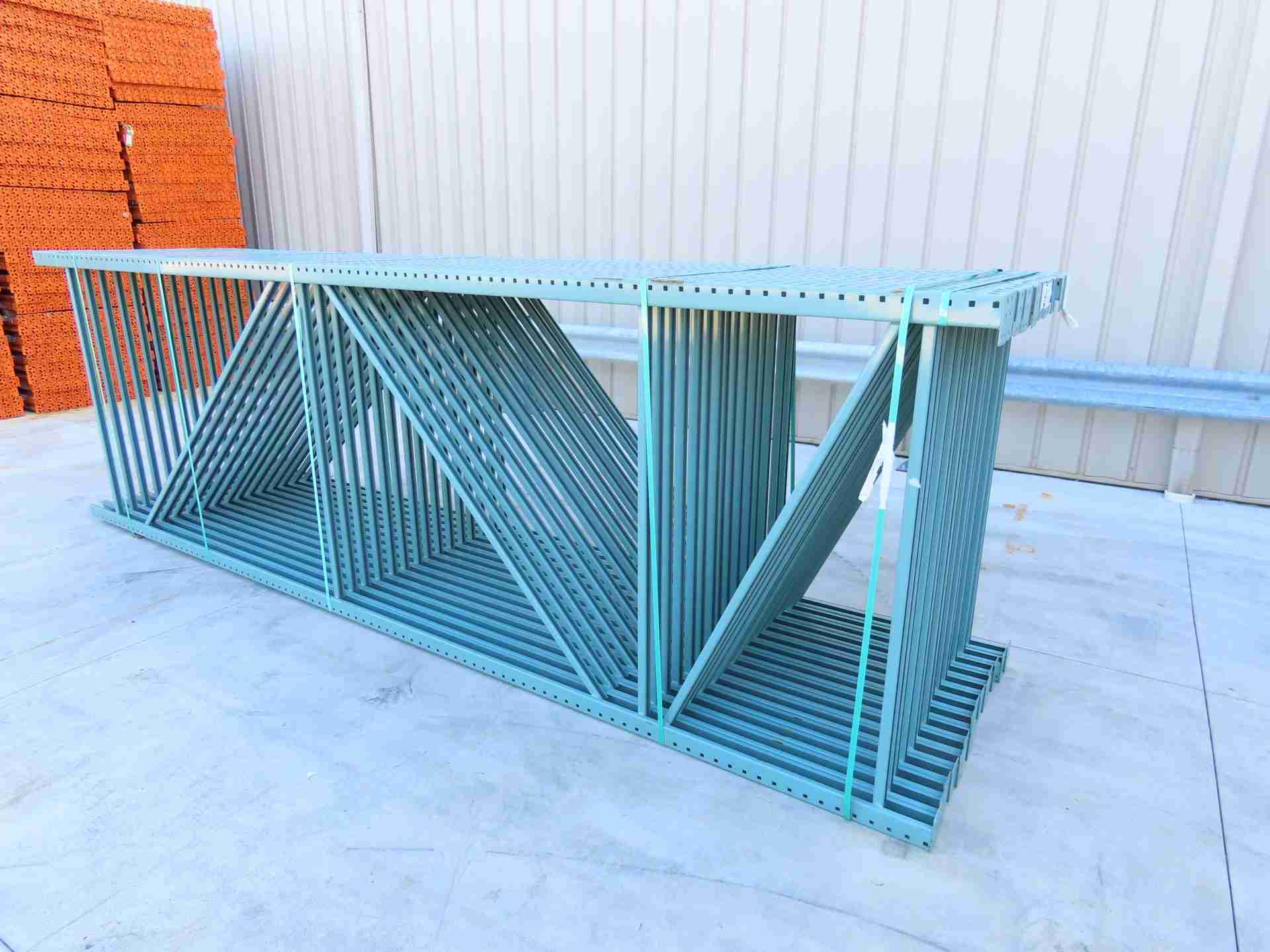
Case Study: Layout Redesign Increases Storage By 30%
Case Study: Layout Redesign Increases Storage By 30%
- A thoughtful layout redesign can significantly improve storage solutions and operational efficiency.
- A mid-sized distribution center faced challenges with cramped aisles and misplaced items, leading to lost productivity.
- Leadership sought help from experts who assessed workflow patterns and listened to employee needs.
- The redesign involved reallocation of racking systems to optimize vertical space and accessibility.
- Within weeks, the new layout increased storage capacity by 30% while maintaining safety and efficiency.
- Employee morale improved, fostering a sense of pride and connection to their work environment.
- The transformation highlighted that understanding people is key to merging practicality with purpose in any industry.
Case Study: Layout Redesign Increases Storage By 30%
Table Of Contents
- Case Study: Layout Redesign Increases Storage By 30%
- What Does a More Efficient Layout Mean for Your Space?
- How Can a Redesign Save You Time and Money?
- Is Increasing Storage a Priority for Your Business?
- What Impact Does Layout Have on Employee Productivity?
- How Can Optimizing Your Space Lead to Better Morale?
- Conclusion
- Other Resources
- Glossary Of Terms
- Other Questions
- Checklist
What Does a More Efficient Layout Mean for Your Space?
Imagine walking into a space that feels like it was designed just for you—a layout that flows like a well-rehearsed symphony, each note played at the right moment, bringing harmony to your day-to-day life. An efficient layout isn’t just about aesthetics; it’s about function, comfort, and the subtle art of maximizing every square foot. Whether it’s your home or workspace, a thoughtful design can elevate your experience, encouraging productivity and fostering a sense of peace.
Think about it. When your surroundings are organized, everything breathes a little easier. Those boxes you used to trip over? Gone. Your tools are at your fingertips rather than buried in the back of a cluttered garage. A well-planned space doesn’t just improve your workflow; it lifts your spirit. You can feel the difference, can’t you? Efficiency creates connections. You invite friends over, impress coworkers, and engage family with an atmosphere that doesn’t just look good but feels good—an environment built for living, for doing, for being.
But let’s get real. Making changes can be daunting. You may ask, “Will this investment pay off?” This is where the head kicks in. Research has shown that optimized layouts reduce wasted time and resources. Whether it’s in retail, warehouses with heavy racking systems, or offices, maximizing efficiency often leads to reduced overhead and boosts morale. When you operate in a space that works for you rather than against you, it’s easier to focus on what matters—the tasks, the moments, the memories.
Ethically, consider the environmental impact of better layout practices. Spaces that use materials wisely and minimize waste also contribute to a more sustainable future. It’s not just about you; it’s about the broader community.
On a social level, imagine sharing your journey towards a more efficient layout with others. You inspire friends who might be stuck in a rut, showing them that a little planning can go a long way. When we share our spaces, we share our lives.
Ultimately, an efficient layout isn’t just an arrangement of furniture or shelves; it’s a commitment to making every corner of your life richer and more fulfilling. Embrace this change—it’s a pathway to a better you. When your space is optimized, you’re not just improving your layout; you’re enhancing your life.
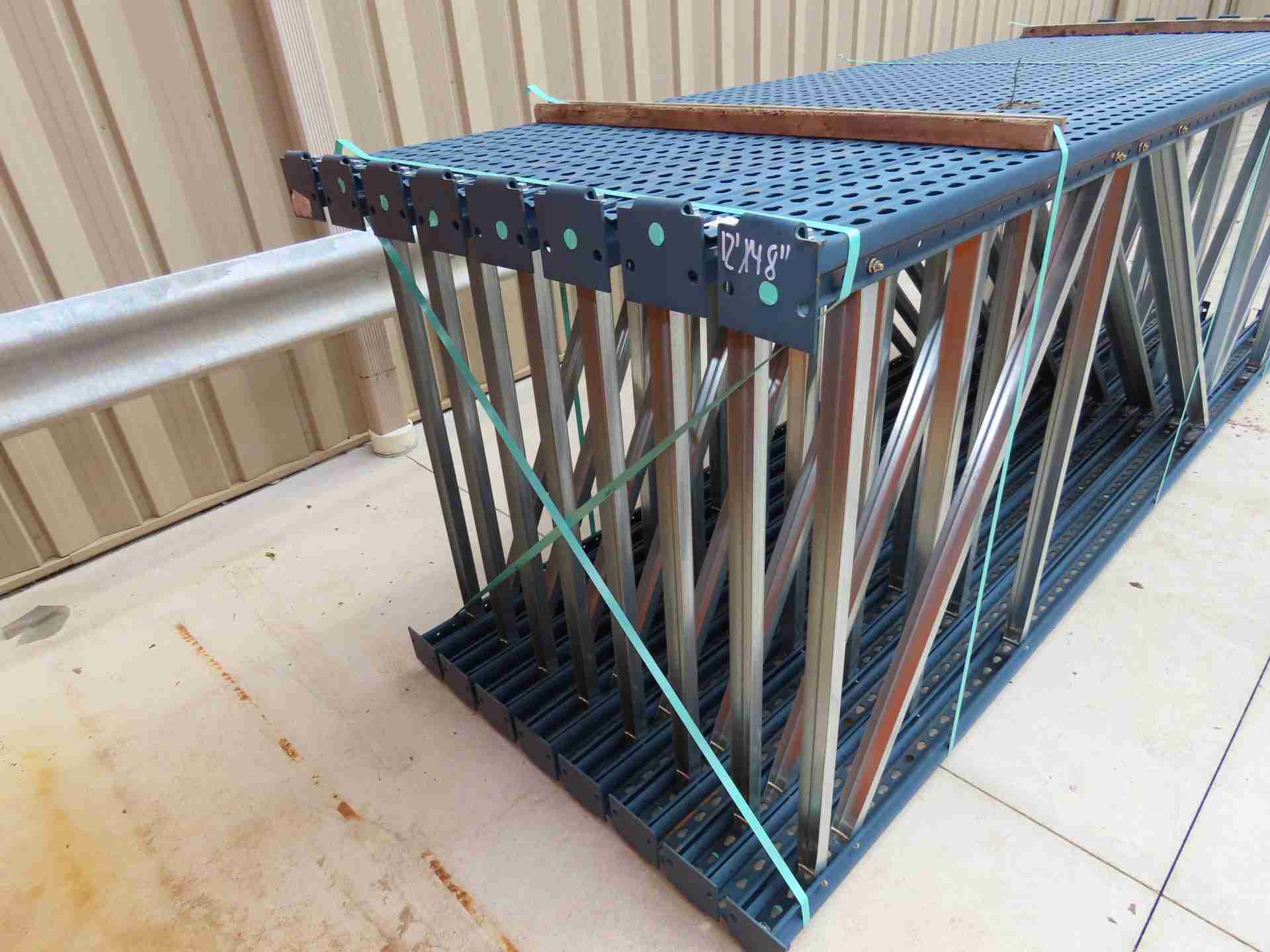
What Does a More Efficient Layout Mean for Your Space?
What Does a More Efficient Layout Mean for Your Space?
- Efficient layouts promote harmony in daily life through thoughtful design.
- Organized spaces enhance comfort and maximize functionality, improving overall experience.
- A well-planned environment boosts productivity and lifts spirits by reducing clutter.
- Optimized layouts create an inviting atmosphere for social interactions and connections.
- Investing in better layouts can lead to reduced time and resource wastage, increasing morale.
- Environmentally, better layouts contribute to sustainability by minimizing waste and using materials wisely.
- Sharing experiences of optimized spaces can inspire and encourage others towards similar improvements.
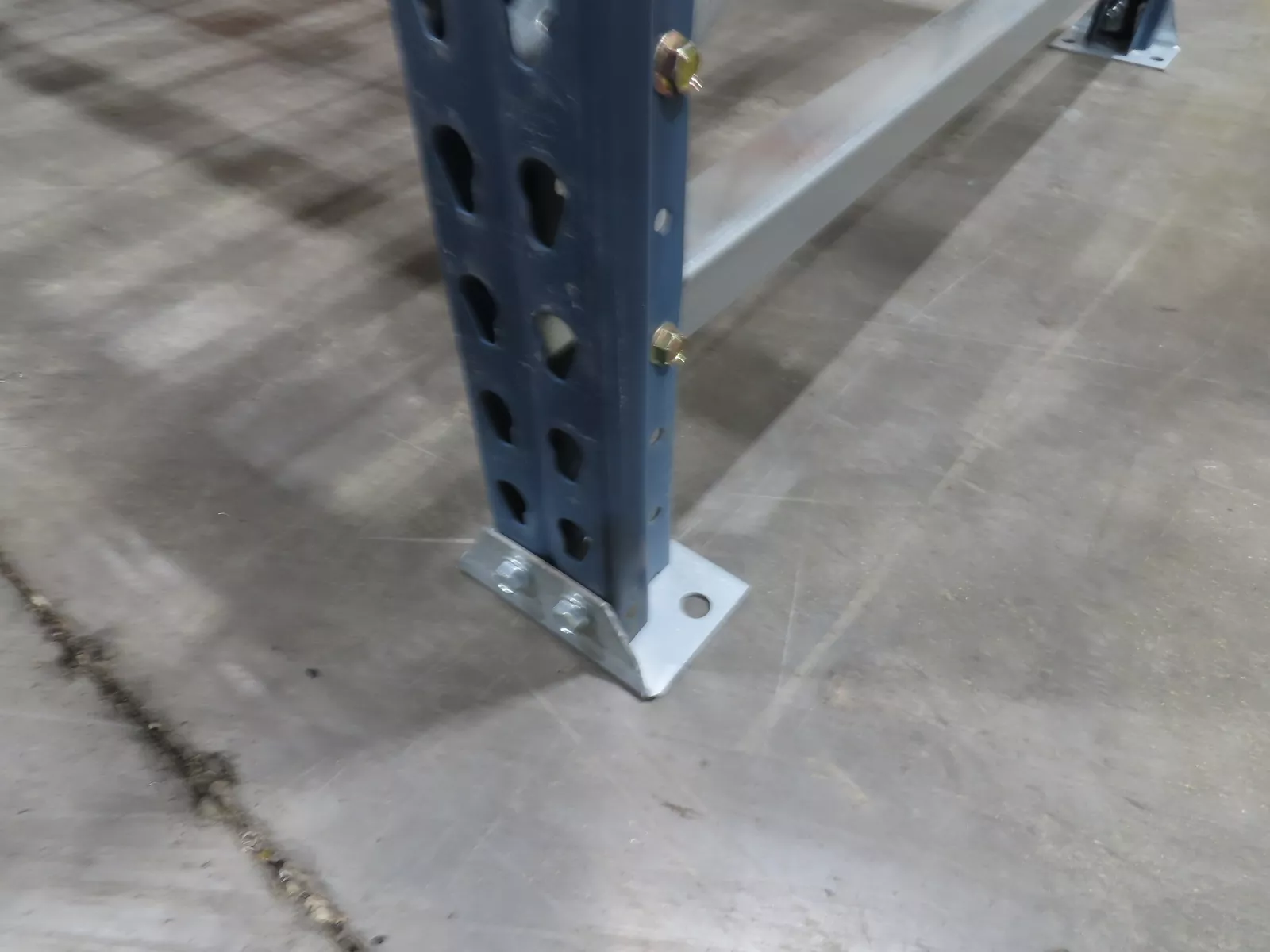
What Does a More Efficient Layout Mean for Your Space?
How Can a Redesign Save You Time and Money?
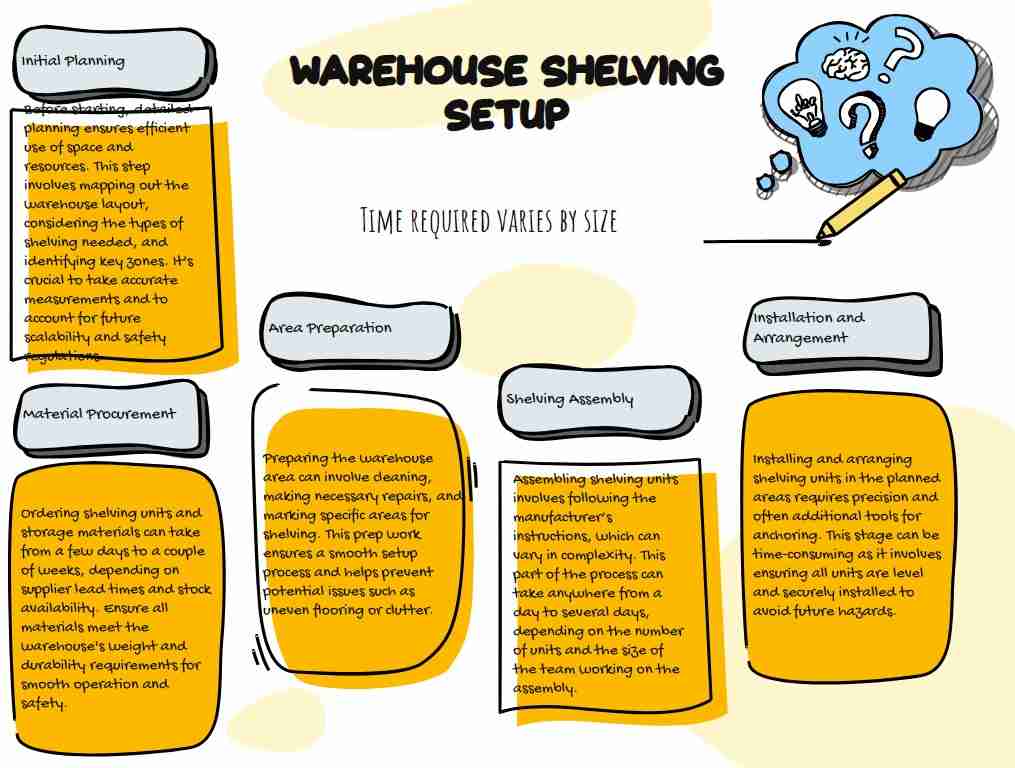
In the hustle and bustle of everyday life, too many of us overlook what a little redesign can do for our routines, our businesses, and ultimately our sanity. Think about an old, racking system in a warehouse. It’s not just a stack of metal and beams; it represents time, efficiency, and the hard work of everyone who set up the operation. Over time, that system can become a tangled mess of inefficiencies—delays in processing orders, wasted man-hours, and a workforce worn down by frustration. So, why let antiquated setups dictate our progress when a redesign could breathe new life into the operation?
From an emotional perspective, consider the toll that disorganization takes on your spirit. You’ve got a team of motivated individuals ready to tackle tasks, but they’re stuck battling a system that slows them down. A redesign is more than just reconfiguring space; it’s about rekindling a sense of pride in the workplace. When everything clicks, when you can find what you need in a jiffy, the atmosphere shifts. Morale soars, and so does productivity.
Now, taking a step back to analyze the situation rationally, it’s clear that time wasted is money lost. The old adage, “time is money,” rings truer than ever in today’s fast-paced world. Studies show that businesses with well-organized systems save significant amounts on operational costs. By investing in a redesign, you’re not just spending; you’re positioning your company for sustainable growth.
Ethically, we owe it to our teams to create an environment that allows them to thrive. By investing in a redesign, you’re saying, “I believe in you. I want to see you succeed.” That creates a culture of commitment that radiates throughout the company.
Let’s tap into the narrative here: Picture transforming that racking system from a clunky relic to an efficient powerhouse. You see the tangible results—faster order processing, delighted customers, and employees proudly sharing their success stories. As word spreads, folks from the industry take notice, leading to a burgeoning reputation that brings in new business.
We’re social creatures at heart, and we thrive when we feel supported. Show your team that you care by making the effort to redesign what’s broken. You’ll trust the results when you see soaring morale and improved efficiency—feel the difference and inspire action in others. It’s time to consider that redesign and pave the way for a future full of promise.
How Can a Redesign Save You Time and Money?
How Can a Redesign Save You Time and Money?
- Redesigning routines and systems can significantly improve efficiency and morale.
- Outdated setups, like old warehouse racking, can lead to inefficiencies and frustration among employees.
- A redesign not only reorganizes space but also rejuvenates pride and motivation within the workplace.
- Time wasted due to disorganization directly impacts financial performance; “time is money.”.
- Creating an organized environment shows commitment to employee success and fosters a positive company culture.
- Transforming inefficient systems leads to tangible benefits such as faster processing and a growing reputation.
- Investing in redesigns can inspire teams, enhance morale, and pave the way for future success.

How Can a Redesign Save You Time and Money?
Is Increasing Storage a Priority for Your Business?
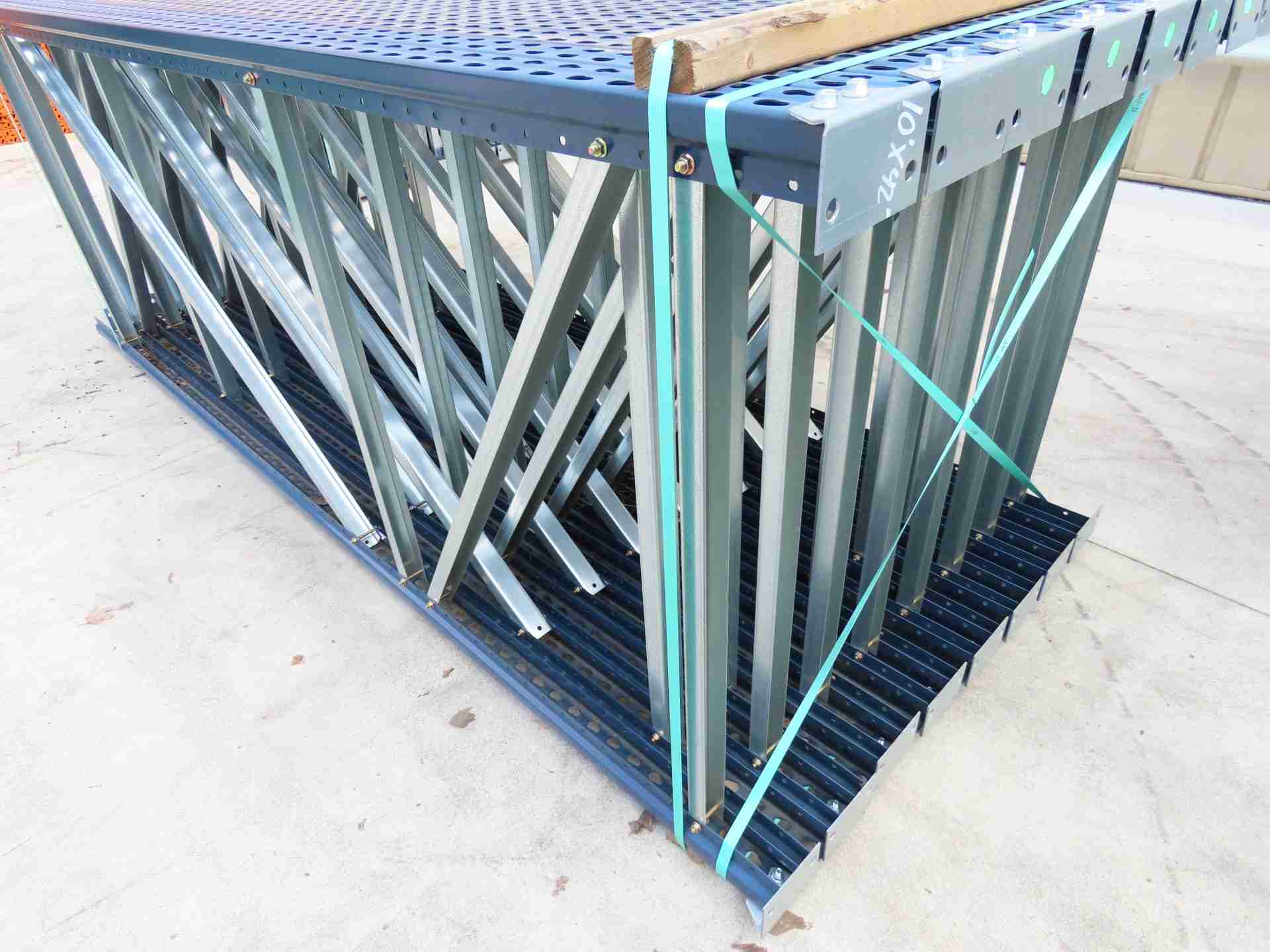
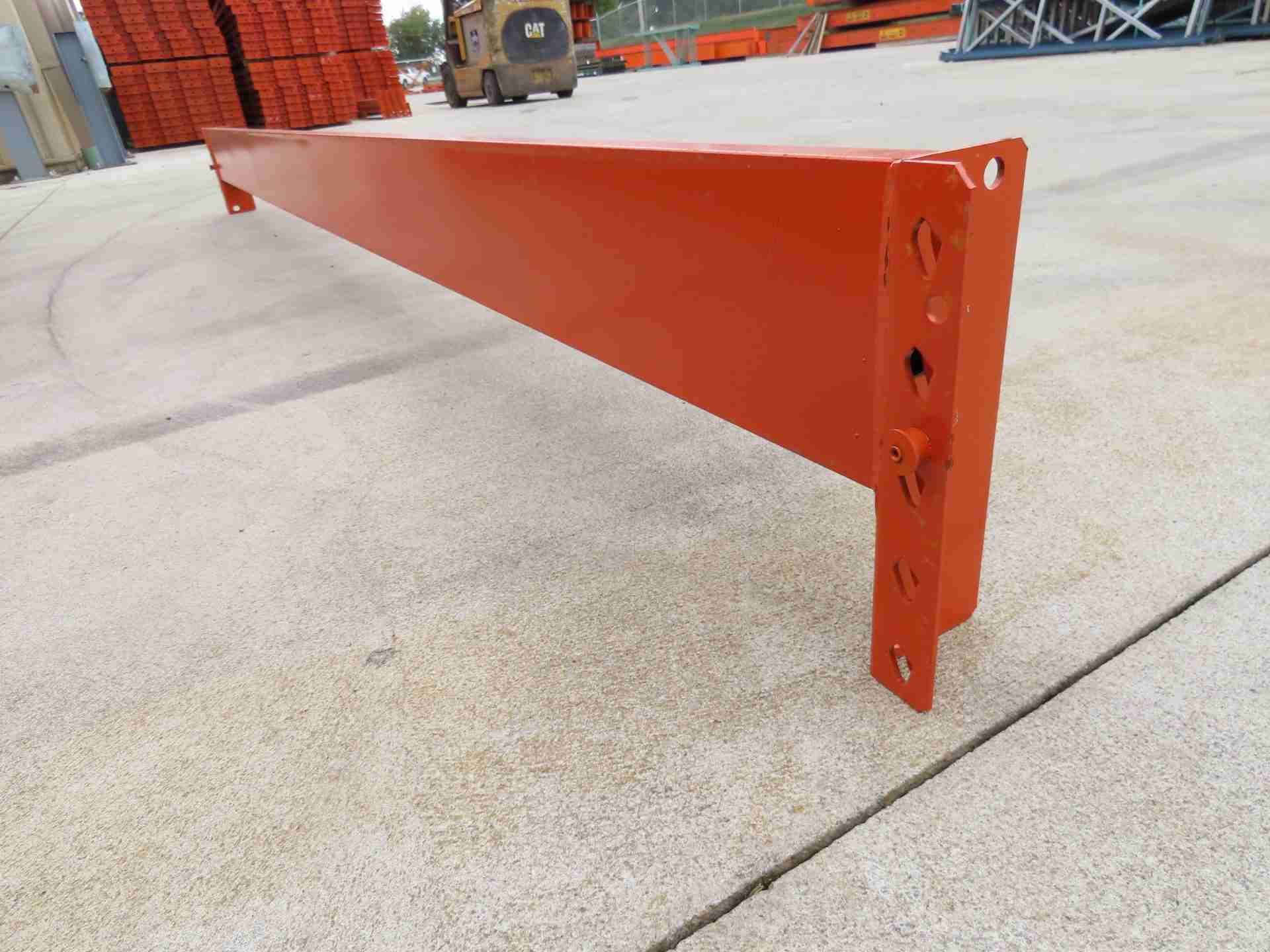
When it comes to the backbone of your business, ask yourself: is increasing storage a priority? Picture your operations running smoothly, each task flowing without the bottlenecks of cramped storage. This isn’t just about space; it’s about opportunity. Every inch of organized racking and every byte of digital storage is a testament to your ambitions. If your inventories are piled high in a chaotic jumble, that’s more than just a nuisance; it’s a barrier to your growth, a sign that something needs to change.
Now, let’s engage the head. Data shows that businesses that prioritize effective storage see an increase in operational efficiency by as much as 30%. That’s not just a number; it’s a game changer. You could reclaim lost hours or redirect focus to innovation instead of digging for misplaced tools or documents. Rationally speaking, what company can afford to waste time, the lifeblood of progress, on something that could be easily fixed?
Let’s tug at the heartstrings and delve into the ethical side of things. Consider the impact on your team. A cluttered workspace can lead to stress and frustration, hampering morale and creativity. Investing in storage solutions isn’t merely a business decision; it’s a commitment to providing your employees with an environment where they can thrive. They’ll notice, and their increased productivity engenders a ripple effect throughout your organization.
Now, think about social connections. Show your customers that you value efficiency and reliability. When they see a business that’s organized and ready to deliver, trust builds. You become not just a service provider but a cornerstone of their operations too. Establishing yourself as an authority in your field means standing out through the little things, like efficient storage that leads to timely deliveries and consistent service.
Finally, let’s weave in a narrative. Imagine a young entrepreneur relying on outdated, cramped storage, always feeling one step behind. Yet, with a vision to expand and a decision to invest in smart racking, they transform their business, witnessing the fruits of their labor blossom into a robust organization.
It’s time to rise to the occasion! Your business deserves better, your team deserves better. Embrace the power of increased storage and watch as your world becomes limitless.
Is Increasing Storage a Priority for Your Business?
Is Increasing Storage a Priority for Your Business?
- Increasing storage is crucial for smooth operations, preventing bottlenecks and allowing for growth opportunities.
- Effective storage can enhance operational efficiency by up to 30%, reclaiming lost time and fostering innovation.
- Cluttered workspaces can lead to employee stress and hinder morale, impacting overall productivity.
- Investing in better storage solutions reflects a commitment to employee well-being and a thriving work environment.
- Organizational efficiency builds trust with customers, showcasing reliability and improving business relationships.
- Efficient storage can position your business as an authority, contributing to timely deliveries and consistent service.
- Transforming your storage setup can empower entrepreneurs to realize their potential and achieve business growth.
Is Increasing Storage a Priority for Your Business?
What Impact Does Layout Have on Employee Productivity?
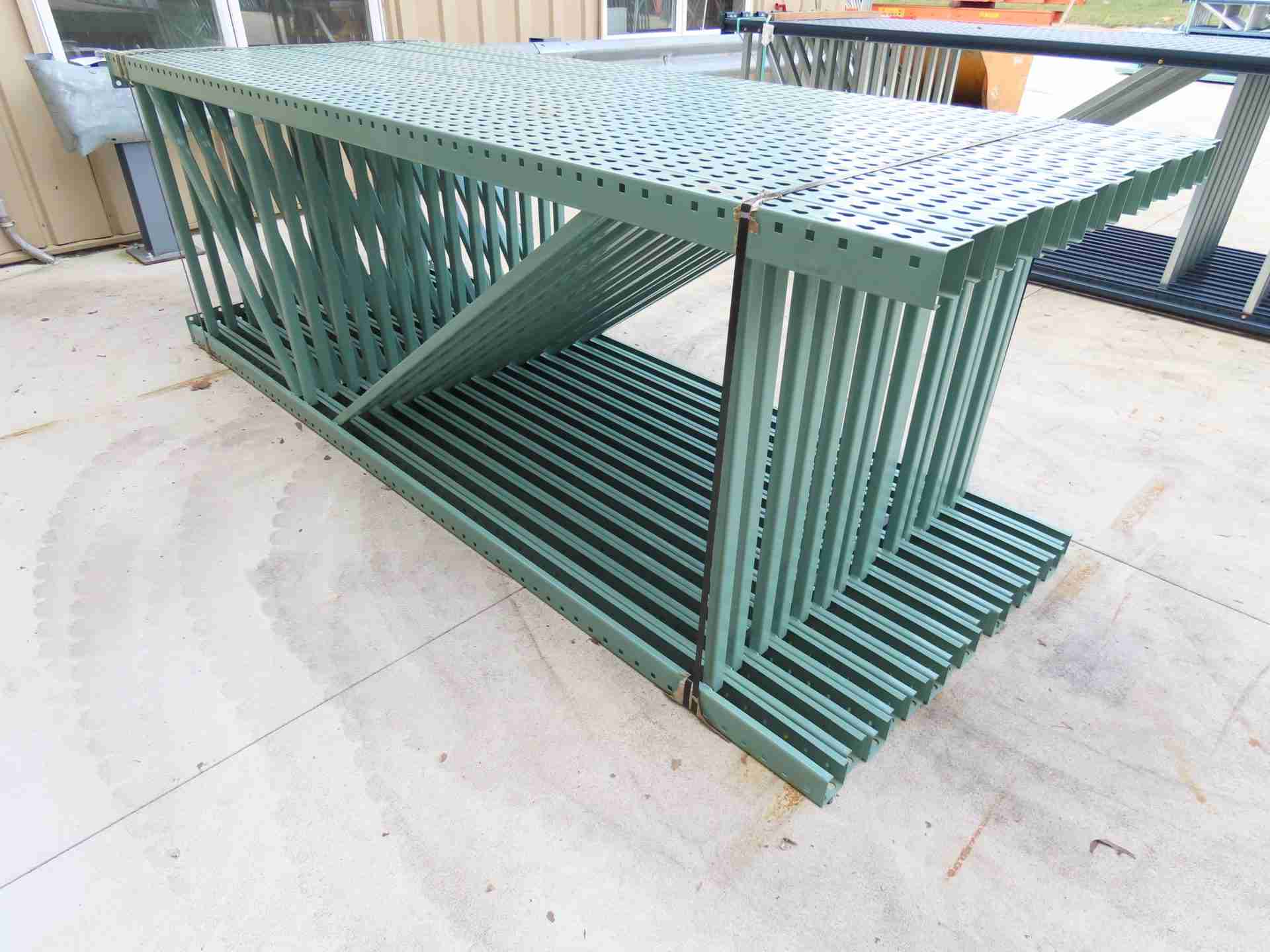
When it comes to employee productivity, the layout of a workspace is more than just a matter of aesthetics—it’s the backbone of the work experience. Imagine stepping into an office where every desk is arranged like a neatly stacked racking system, a design that not only feels orderly but also invigorates the mind and soul. In these spaces, employees aren’t just cogs in a machine; they’re thriving individuals supported by an environment that fuels collaboration and creativity.
Think about the last time you entered a space that just ‘clicked’ with you. The right layout can inspire a sense of belonging, motivating team members to connect and communicate freely. On the flip side, crammed spaces and rigid formations can stifle creativity and breed frustration. You’ve seen it—people hunched over cluttered desks, missing that spark of enthusiasm. The emotional toll of a poorly designed workspace can be staggering, leading to disengagement and burnout, and ultimately, diminishing productivity.
But let’s get rational for a moment. Studies show that when employees feel comfortable and encouraged in their environment, their output can increase significantly. A well-thought-out layout allows for easy movement, natural light, and access to communal areas that facilitate those all-important water-cooler chats. These elements are not mere luxuries; they are essential components that feed our inherent need for connection and camaraderie.
Now, consider the ethical implications. As leaders and employers, there’s a responsibility to create environments that nurture well-being. It’s not just about maximizing profits; it’s about investing in people. When employees see that their health and happiness matter, trust is established, leading to loyal team members who feel valued for their contributions. It’s not just business; it’s about creating a culture where everyone thrives.
In a world where the lines between work and life blur, a thoughtfully designed layout acts as a silent advocate for balance. A layout that fosters collaboration, nurtures creativity, and encourages breaks can lead to astonishing results. Picture it: a vibrant workspace that pulses with energy, laughter, and productivity. Employees rally together, sharing ideas and innovations, and the results speak for themselves.
So, when contemplating your own workspace, remember this: the walls may hold the structure, but it’s the layout that gives life to the space. By investing in a well-designed environment, you’re not just shaping a place to work; you’re creating a community grounded in purpose and passion. And that’s a worthy venture for any organization.

What Impact Does Layout Have on Employee Productivity?
What Impact Does Layout Have on Employee Productivity?
- The layout of a workspace significantly impacts employee productivity and experience.
- An organized design fosters collaboration and creativity among employees.
- A well-thought-out layout can inspire belonging and open communication.
- Poorly designed workspaces can lead to disengagement, burnout, and reduced productivity.
- Comfortable environments with natural light and communal areas boost output.
- Employers have a responsibility to create nurturing spaces for employee well-being.
- A thoughtfully designed layout supports work-life balance and strengthens workplace culture.
What Impact Does Layout Have on Employee Productivity?
How Can Optimizing Your Space Lead to Better Morale?
When you step into a well-optimized space, it’s like entering a symphony where every note is in perfect harmony. It feels good, doesn’t it? The impact of a thoughtfully arranged environment on morale is profound. Consider this: we spend a significant chunk of our lives in these spaces, be it at work, home, or a community hub. A cluttered, chaotic setting can leave us feeling drained and uninspired, whereas an organized space invites creativity and productivity. How many times have you felt the weight of excessive clutter, only to find relief when everything is in its rightful place?
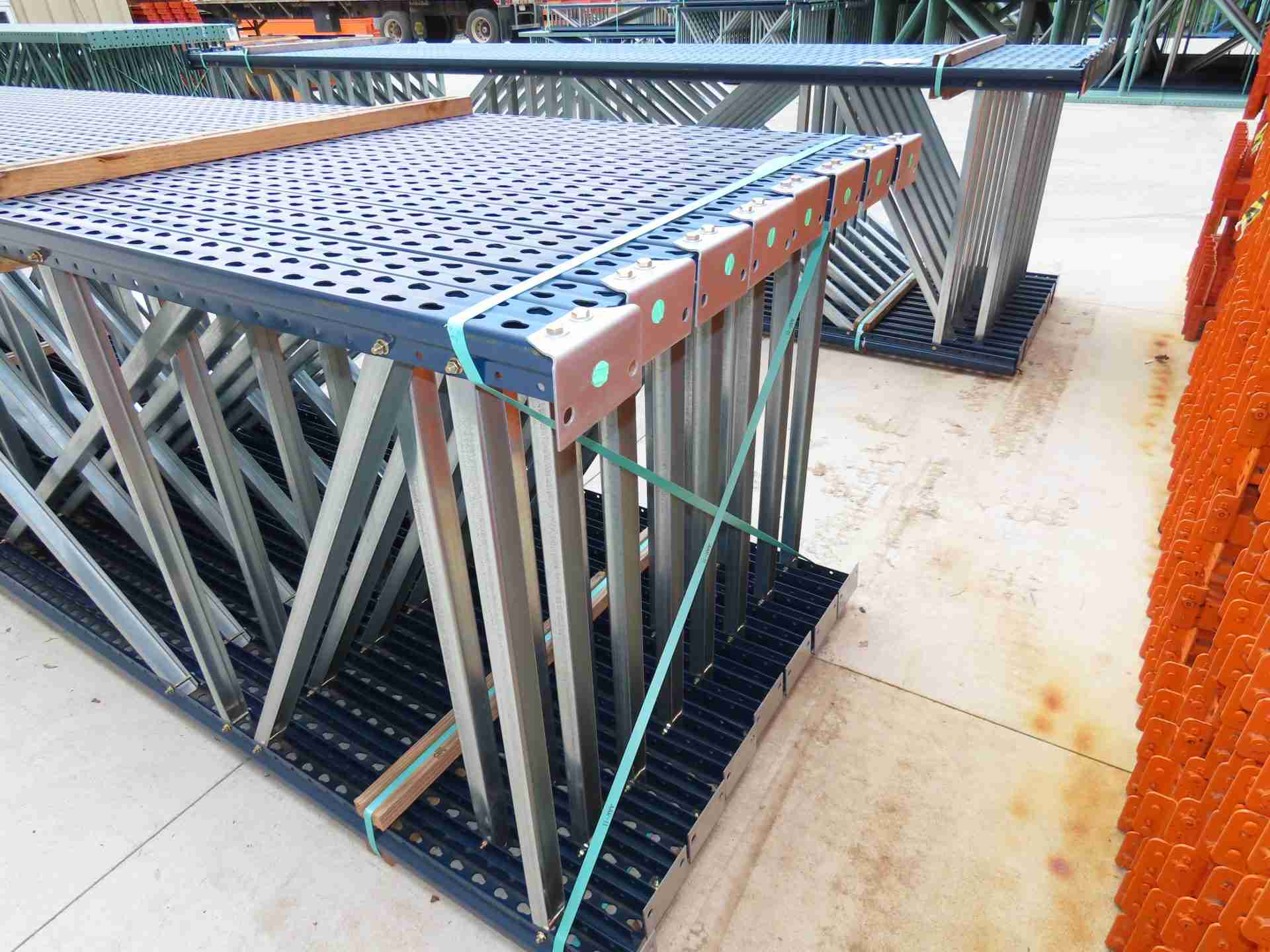
Take a moment to think about racking. Yes, racking! The humble shelves and systems that hold our belongings are often overlooked but critical to optimizing our surroundings. When tools, supplies, or resources are easily accessible, there’s an unspoken freedom that arises. We thrive when we know where to find what we need, when we need it. This isn’t simply about aesthetics; it’s about efficiency, clarity, and mental space to breathe.
Imagine entering a workspace where each item has a designated spot. There’s a sense of pride that blooms – an ethical obligation arises, not just to ourselves but to one another. It’s also a testament to the culture we foster; it shows that we care about our environment and those who share it with us. We build trust with our colleagues when we commit to creating a supportive atmosphere.
From a narrative standpoint, let’s think back to a time when you felt overwhelmed at a disorganized desk or a chaotic living room. Now, envision transforming that space into an oasis of calm. What’s changed? The answer is simple yet monumental: intention. Essential order can inspire motivation, igniting passion within the team and making every individual feel valued and acknowledged.
And let’s not ignore the social aspect. An optimized space encourages collaboration, sparking conversations and camaraderie as people gather in a space that feels welcoming. Like a warm campfire drawing friends together, a well-arranged environment fosters connection and strengthens bonds. With each racked item, you’re not just organizing; you’re nurturing an ecosystem of positivity and vitality where everyone can thrive.
Embrace the power of your space. Every shelf, every nook and cranny has potential waiting to be unleashed. When we optimize our surroundings, we cultivate a culture of care, pride, and unstoppable momentum. So let’s take that first step toward transformation together – because better spaces lead to better lives.

How Can Optimizing Your Space Lead to Better Morale?
How Can Optimizing Your Space Lead to Better Morale?
- A well-optimized space creates a harmonious environment that positively impacts morale.
- We spend a large portion of our lives in various spaces, including work, home, and community hubs.
- Cluttered settings can drain energy and creativity, while organized spaces enhance productivity.
- Racking systems and shelves play a critical role in optimizing environments and improving accessibility.
- An organized workspace fosters a sense of pride, responsibility, and trust among colleagues.
- Intention behind organizing spaces can ignite motivation and make individuals feel valued.
- Optimized spaces encourage collaboration and connection, nurturing a positive and thriving ecosystem.
How Can Optimizing Your Space Lead to Better Morale?
Conclusion
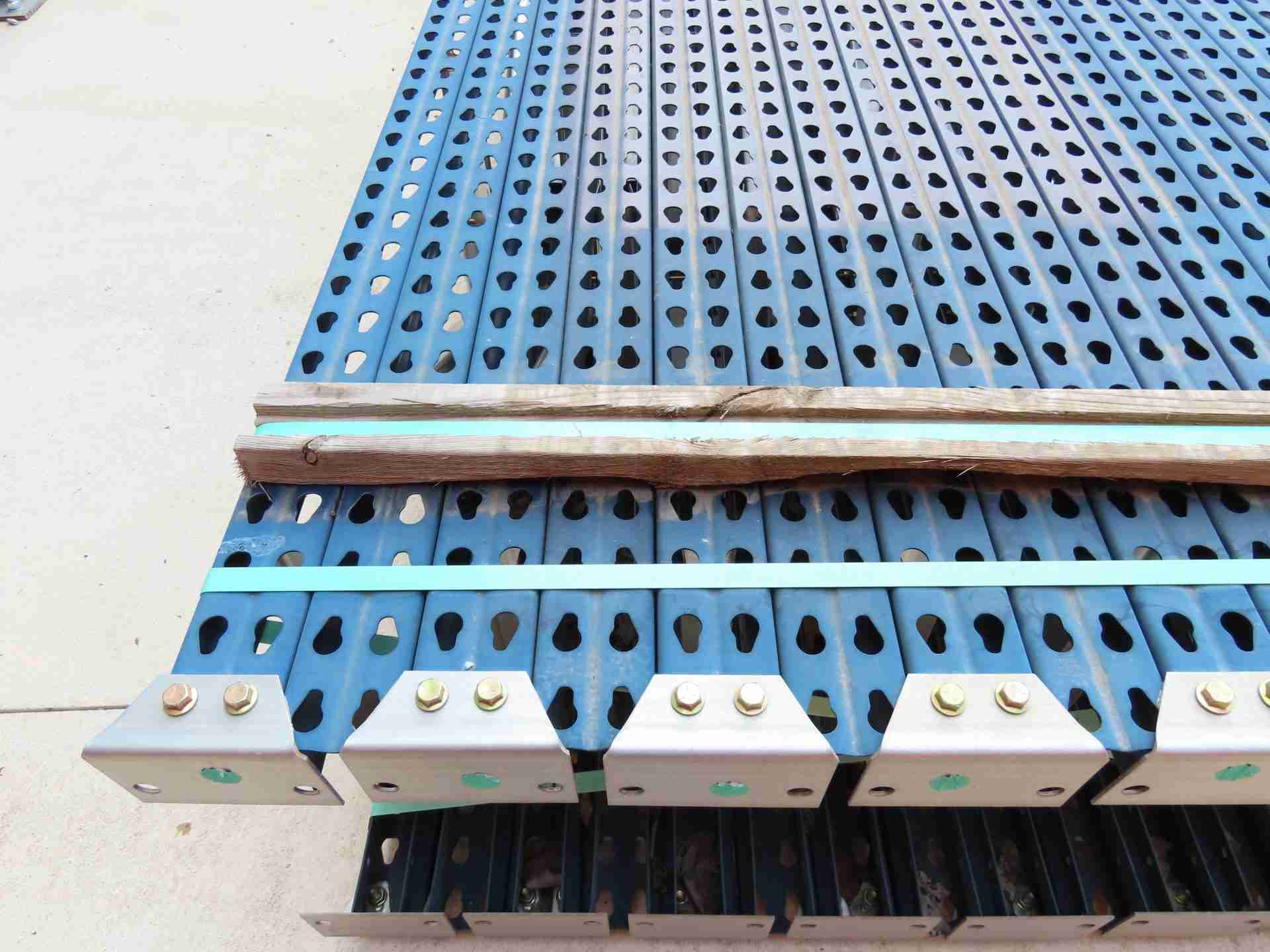
Transforming a workplace is not merely about rearranging furniture or adding new shelves; it’s a profound journey toward creating an environment where both people and productivity can flourish. Consider the powerful tale of a mid-sized distribution center that was, at one point, bogged down by disorganization and inefficiency. It’s a story that resonates deeply because it highlights the critical value of a meaningful layout redesign. Employees found themselves navigating a maze of clutter, their frustrations mounting and productivity waning, until leadership had the courage to seek change. They didn’t just hire a team of experts; they invited a fresh perspective that recognized the soul of the organization—the people who make it run.
This team listened to employee stories and understood their struggles, acknowledging that an effective layout could ignite a significant transformation. Fast-forward a few weeks post-redesign, and suddenly there was a charged atmosphere within the warehouse. Storage capacity surged by 30%, yes, but more importantly, workforce morale and engagement soared to unprecedented heights. Employees became active participants in a revitalized narrative—one that affirmed their dignity and demonstrated that leadership genuinely valued their contributions.
The story reminds us that a well-structured layout does more than improve functional aspects; it elevates the collective spirit of an organization. Imagine walking into your office or home, where every inch is optimized for efficiency and comfort. A thoughtfully designed space fosters creativity, nurtures collaboration, and encourages personal connections. When you provide your team with an environment conducive to success, you aren’t just increasing productivity; you’re cultivating a culture of care, where everyone feels valued and invested in the mission at hand.
Rationally, investing in a redesign saves time and money—two precious commodities in any business. But ethically, it speaks volumes about your commitment to your team’s well-being. It’s about crafting a workplace that respects and empowers those who dedicate their energy daily. The ripple effect extends far beyond immediate metrics; it infuses a sense of pride and community, laying the groundwork for a positive organizational culture.
So, as you contemplate your own space, whether it’s a bustling warehouse or your cozy home office, remember this: the journey to optimization is not merely about efficiency—it’s about forging a connection between the environment and the people who inhabit it. Embrace the idea that when we improve our spaces, we elevate our lives. Make the leap. Your future, and the future of those around you, can be limitless.
Conclusion
Conclusion:
- Transforming a workplace involves creating an environment that nurtures both people and productivity.
- A mid-sized distribution center’s story exemplifies the impact of layout redesign on organization and efficiency.
- Leadership sought change by inviting fresh perspectives and valuing employee input during the redesign process.
- The redesign resulted in a 30% increase in storage capacity and significantly improved employee morale and engagement.
- A well-structured layout enhances creativity, collaboration, and personal connections among employees.
- Investing in workplace redesign reflects a commitment to team well-being and promotes a positive organizational culture.
- The journey to optimization is about connecting the work environment with the people, elevating lives along the way.
Conclusion
Other Resources
Other Resources
Here is a list of other resources you can review online to learn more:
- IWLA
- BMH Equipment LLC
- Pallet Racks, Pallet Racking, Pallet Shelves in Stock – ULINE
- Cantilever Rack Guide: Ordering Cantilever Racking
- Warehouse Racks, Warehouse Racking in Stock – ULINE
- What is Selective Racking: Understanding Benefits & Options
- Cantilever Racks Chicago
- Illinois Pallet Racking – WPRP
- Racking World
- Pallet Racking systems in Illinois and Great Lakes
- Pallet Racking systems in Illinois, Great Lakes
- MHI
- Bradford Systems
- Iowa Illinois Warehouse Racking
- Used Pallet Rack for Sale in Illinois – American Surplus
- Teardrop Racks – Pallet Rack World
- ASSP
- Crane Manufacturers Association Of America Inc.
- Warehouse Racking Layout: The Ultimate Guide – Conger
- Pallet Racking 101: A Comprehensive Guide & Options Explained
Use This Prompt To Get More Resources With Your Favorite Online AI Tool: Please provide me with a list of online articles with their URLs in a bulleted list that I can read regarding Case Study: Layout Redesign Increases Storage By 30%
Other Resources
Glossary Terms
Case Study: Layout Redesign Increases Storage By 30% – Glossary Of Terms
1. Case Study: A detailed analysis of a specific instance or example, demonstrating a principle or finding within a particular context.
2. Layout: The arrangement of elements or components within a space, affecting usability and efficiency.
3. Redesign: The process of altering an existing layout or design to improve functionality or appearance.
4. Storage: The capacity or area available for storing items, essential for organization and accessibility.
5. Optimization: The act of making changes to enhance performance or efficiency, often through strategic design adjustments.
6. Efficiency: The ability to achieve maximum productivity with minimum wasted effort or expense, particularly in storage and organization.
7. Capacity: The maximum volume or quantity that a space can hold, often influenced by design and layout.
8. Inventory: A complete list of items in stock or storage, crucial for tracking and management.
9. Space Utilization: The effective use of available space, emphasizing maximizing storage while maintaining accessibility.
10. Flow: The movement and accessibility of items within a layout, impacting how efficiently users can navigate and retrieve stored materials.
11. Organization: The systematic arrangement of items for better accessibility and use, vital for effective storage solutions.
12. Accessibility: The ease of reaching or obtaining items within a space, influenced by layout and storage strategies.
13. Workspace: An area designated for carrying out tasks, which may include storage solutions as part of its design.
14. Functionality: The practical aspect of a design, particularly how well it serves its intended purpose.
15. Prototyping: The process of creating a preliminary model or structure to test and evaluate design ideas before final implementation.
16. Visual Merchandising: The practice of optimizing the presentation of products to enhance sales and efficiency, closely related to layout design.
17. Flexibility: The ability of a layout to adapt to changing needs or conditions, enhancing overall usability.
18. Modularity: The design principle of creating components that can be rearranged or replaced easily, often maximizing storage potential.
19. Cost-Benefit Analysis: The process of comparing the costs of a redesign with the expected benefits or savings, influencing decision-making.
20. Scalability: The capability of a storage solution to accommodate growth without sacrificing efficiency or accessibility.
21. Ergonomics: The study of how design can optimize human well-being and overall system performance, relevant in layout planning.
22. Clutter: An accumulation of items that obstructs organization and efficiency, often a key factor driving redesign efforts.
23. Workflow: The sequence of processes involved in the storage and retrieval of items, critical for understanding layout efficacy.
24. Lean Principles: Strategies focused on minimizing waste while maximizing productivity, often applied in redesign efforts.
25. Benchmarking: The practice of comparing performance metrics to industry standards to assess improvement needs.
26. Implementation: The execution of a redesign plan, involving the physical alteration of layout and storage solutions.
27. Feedback: Input or opinions from users regarding a layout or system, essential for assessing effectiveness and areas for improvement.
28. Stakeholders: Individuals or groups with an interest in the layout redesign, including managers, employees, and customers.
29. Return on Investment (ROI): A measure used to evaluate the efficiency or profitability of an investment, such as a redesign project.
30. Sustainability: The practice of using resources efficiently and responsibly, often considered in storage solutions and design approaches.
Glossary Of Terms
Other Questions
Case Study: Layout Redesign Increases Storage By 30% – Other Questions
If you wish to explore and discover more, consider looking for answers to these questions:
- What specific changes were made in the layout redesign?
- How was the success of the redesign measured?
- What tools or technologies were utilized in the redesign process?
- What were the initial challenges faced during the redesign?
- How did employees contribute to the redesign process?
- What feedback did employees give after the redesign implementation?
- How can other companies replicate this redesign success?
- What are some common mistakes to avoid in a layout redesign?
- How does company culture influence the effectiveness of a layout redesign?
- What are the long-term benefits of optimizing workspace layouts?
- What role does employee mental health play in workplace layout design?
- Can effective storage solutions impact customer satisfaction?
- How?
- What are key principles of effective space optimization?
- How often should businesses consider redesigning their layouts?
- What are other examples of successful layout redesigns?
Other Questions
Checklist
Case Study: Layout Redesign Increases Storage By 30% – A Checklist
Heart (Emotional Appeal)
_____ Reflect on your workspace: Does it inspire creativity and positivity?
_____ Seek input from your team: What changes would they love to see in the layout?
_____ Celebrate small wins: Acknowledge improvements to morale and productivity as they happen.
Head (Rational Appeal)
_____ Assess your current layout: What inefficiencies or obstacles stand out?
_____ Conduct time studies: How much time is wasted searching for tools or materials?
_____ Calculate potential savings: Estimate how much money could be saved through increased efficiency.
Gut (Ethical Appeal)
_____ Consider your team’s well-being: How does disorganization affect stress levels and morale?
_____ Make a commitment: Pledge to improve your workspace for the benefit of all employees.
_____ Educate about sustainability: Share the environmental benefits of an optimized layout (reduced waste, better resource management).
Authority (Expert Appeal)
_____ Research best practices: Look into industry standards for efficient layouts.
_____ Consult with design experts: What professional insights can you gain about your space?
_____ Analyze case studies: Use examples from successful companies that have benefited from layout redesigns.
Narrative (Story Appeal)
_____ Create a vision board: Illustrate what your optimized space will look like and the experience it will provide.
_____ Share personal stories: Recall times when a well-organized environment motivated you or your team.
_____ Develop a transformation plan: Write a narrative detailing how changes will unfold and positively impact the company culture.
Social (Community Appeal)
_____ Involve the team in the redesign process: Host brainstorming sessions to gather ideas for changes.
_____ Showcase improvements: Regularly share progress with your team and encourage them to share their experiences.
_____ Build a culture of collaboration: Foster a sense of community by encouraging teamwork during the redesign and optimizing processes.
Implement this checklist to transform your space and create a more efficient, motivating, and productive environment for all.

Checklist
At RackingWorld, we help guide you through selecting warehouse storage systems and racking.
Be sure to read our other related stories at RackingWorld to learn more about warehouse storage systems.
0 Comments