
Maximize Profitability While Building Sustainable Warehouse Futures
By Tom Seest
At RackingWorld, we help guide you through selecting warehouse storage systems and racking.
Be sure to read our other related stories at RackingWorld to learn more about warehouse storage systems.
Capital Allocation Strategy for Warehouse Operators
In the world of warehouse operations, where the hum of machinery and the shuffle of feet create a rhythm that speaks to hard work, making the right decisions about capital allocation is essential. It’s not just about dollars and cents; it’s about understanding what tools and systems can empower a team, streamline operations, and ultimately drive success. Every warehouse operator knows the importance of efficient Racking Systems. These aren’t just shelves; they’re the backbone of our operation, allowing us to maximize space and improve workflow. Investing in high-quality racking can mean the difference between chaos and order, giving your team the room it needs to thrive.
Think about it: each piece of equipment and every square foot of real estate should serve a purpose that directly correlates with your goals. Capital allocation isn’t a mere math problem; it’s a story—your story. A well-placed investment in racking could transform a cluttered environment into a well-oiled machine, fostering a sense of pride and professionalism among everyone who walks those aisles. When your crew sees that you’re committed to equipping them with the best, it cultivates trust, loyalty, and a collective drive for excellence.
Rationally, understanding your operational needs is paramount. Take stock of the flow of goods: how much inventory comes in, how fast it moves out, and the patterns that emerge. Smart operators know that it’s not just about filling the space but about maximizing efficiency with smart investments. Evaluate the lifespan and durability of your racking systems; cheap solutions often lead to costly mistakes down the road. Investing a little more upfront for something robust pays dividends in time saved and headache averted.
From an ethical standpoint, consider the safety and well-being of your workers. When you allocate funds towards sturdy, reliable equipment, you’re making a statement about your values. It’s not just about profit margins; it’s also about looking out for those who handle those materials daily. They deserve a safe, organized environment where they can perform their tasks without unnecessary risk.
Pause for a moment and share stories with your team: why particular investments matter. When everyone rallies behind shared goals and understands the purpose behind financial decisions, it fosters camaraderie and determination. When they see changes grounded in solid reasoning, practicality, and care, it sparks motivation to innovate and excel.
Allocating capital wisely as a warehouse operator isn’t just a strategic move; it’s a commitment to building a lasting legacy that supports your workforce, enhances productivity, and shapes the future of your operation.
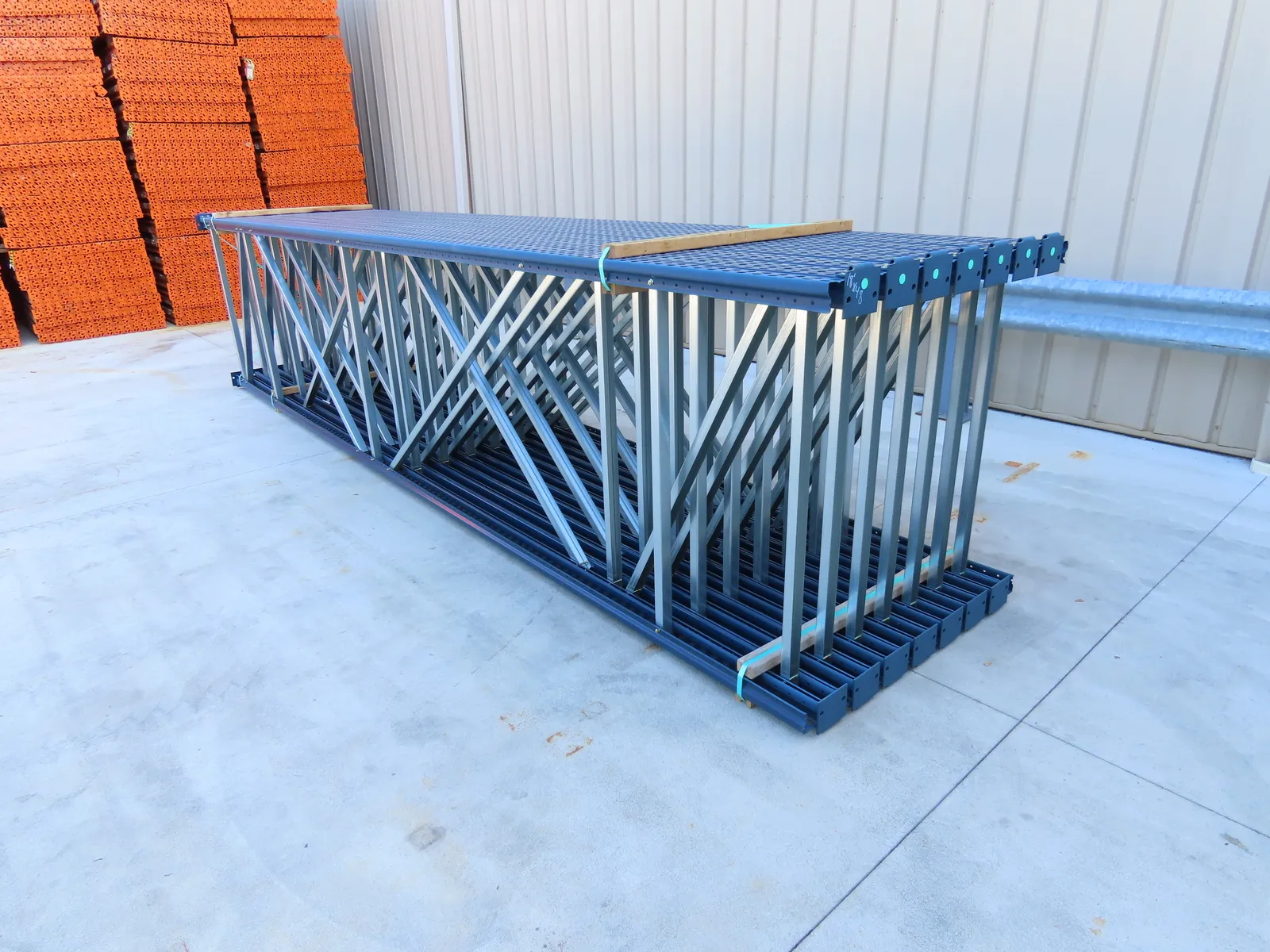
Capital Allocation Strategy for Warehouse Operators
Capital Allocation Strategy for Warehouse Operators
- Capital allocation in warehouses goes beyond financial aspects, focusing on empowering teams and streamlining operations.
- Efficient racking systems are crucial for maximizing space and improving workflow, acting as the backbone of warehouse operations.
- Investing in high-quality racking can convert chaos into order, fostering pride and professionalism among workers.
- Understanding operational needs and evaluating inventory flow is essential for making strategic capital investments.
- Durable racking systems prevent costly mistakes; upfront investments in quality can save time and resources in the long run.
- Prioritizing worker safety and well-being through reliable equipment reflects values that extend beyond profit margins.
- Sharing investment rationales with the team fosters camaraderie and motivates innovation and excellence.

Capital Allocation Strategy for Warehouse Operators
Table Of Contents
- Capital Allocation Strategy for Warehouse Operators
- What Drives Your Warehouse Investment Decisions?
- How Do You Prioritize Capital Projects?
- What Metrics Define Success for Your Capital Allocation?
- Are You Leveraging Technology for Optimal Capital Use?
- How Do External Economic Factors Influence Your Strategy?
- What Role Does Risk Assessment Play In Your Allocations?
- Conclusion
- Other Resources
- Glossary Of Terms
- Other Questions
- Checklist
What Drives Your Warehouse Investment Decisions?
When considering warehouse investment decisions, the choices we make can transform not just the bottom line, but also the daily grind of those who work within those walls. It’s about more than just square footage or the latest racking systems; it’s about people, efficiency, and the grind of everyday business life. You see, every time you invest in a new racking system, you’re not just adding shelves; you’re creating an environment where your team can thrive. Picture those late nights spent organizing, stacking, and digging through a cluttered space. Now, imagine a layout that flows, where every item has its place, and your workers aren’t wasting time searching for lost inventory. That’s the kind of operation that sparks pride and productivity.
But let’s get real for a moment. The numbers matter. You want to ensure that every dollar spent is a step toward higher efficiency and lower operational costs. Factors like improved storage density and better access to goods can translate into significant savings and faster turnaround times. The decisions you make today can mean faster order fulfillment tomorrow. When you invest wisely, you’re not just spending money; you’re maximizing ROI and creating a resilient infrastructure that can withstand the unpredictable twists of market demand.
Ethics also comes into play here. A solid investment isn’t just about profits; it’s about treating your employees right. Choosing sustainable materials or investing in ergonomic solutions for your workforce shows they matter. A well-organized and safe environment boosts morale, fosters loyalty, and reduces turnover. This is good for business and builds a culture that speaks volumes through its values.
Let’s not forget the stories that come from the floor. Everyone can recount a time when a properly utilized racking system saved a project or made a task less daunting. These aren’t just facilities; they’re places where problems are solved, goods are moved, and dreams are built. By inviting customers into that narrative and showcasing how their investment turns vision into reality, you forge deeper connections, turning transactions into partnerships.
When making warehouse investment decisions, remember that you’re not just allocating capital. You’re crafting a story where every decision impacts lives, fosters connections, and drives success. Trust your instincts, analyze the metrics, and stay grounded. The right investments today set the stage for triumph tomorrow.
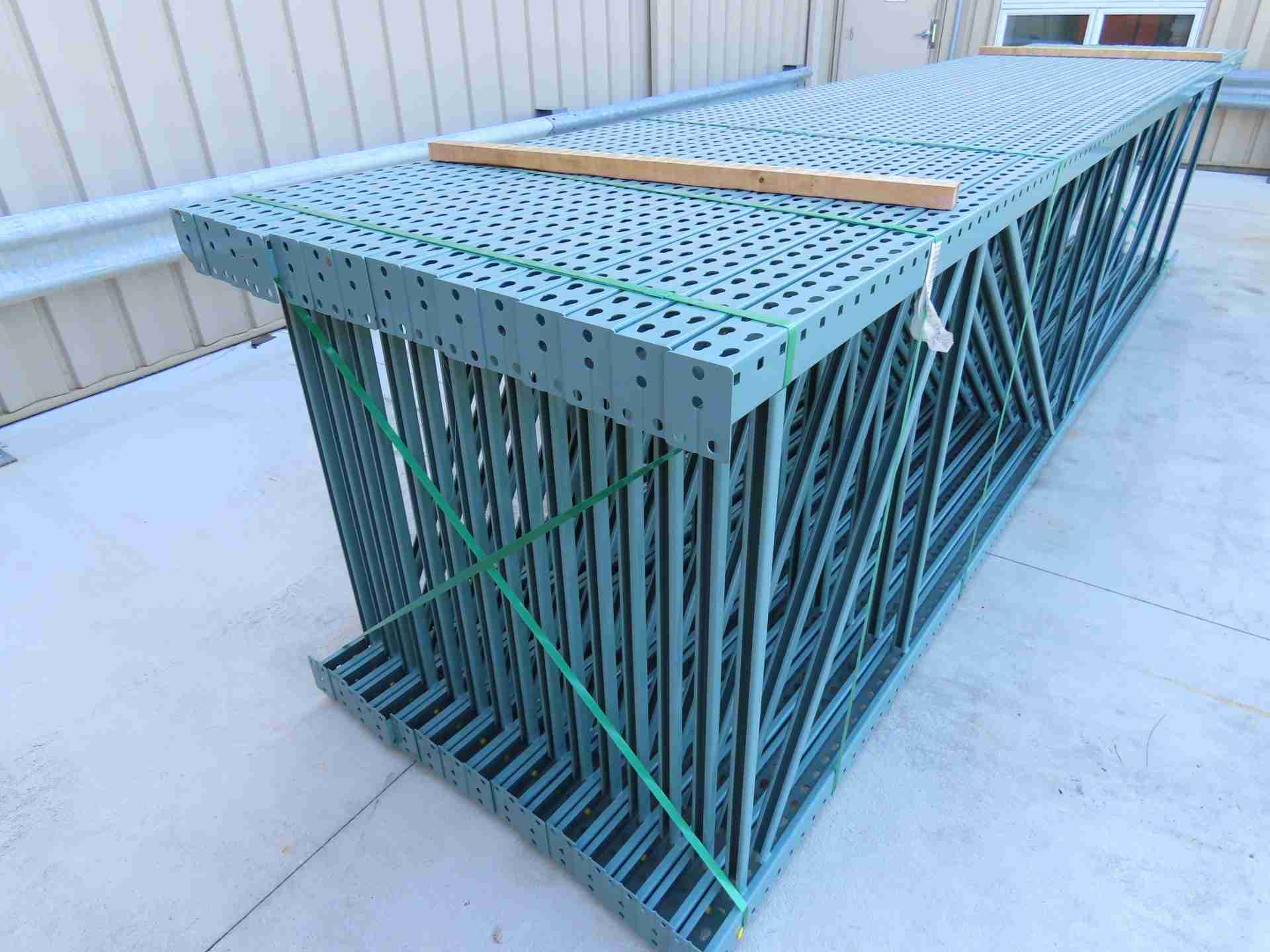
What Drives Your Warehouse Investment Decisions?
What Drives Your Warehouse Investment Decisions?
- Warehouse investment decisions can enhance both financial performance and working conditions.
- Investing in new racking systems improves efficiency by providing structured environments for workers.
- Well-designed layouts reduce time wasted searching for inventory, increasing productivity.
- Financial considerations include maximizing ROI through improved storage density and faster order fulfillment.
- Ethical investments involve treating employees well, using sustainable materials, and prioritizing safety.
- Effective racking systems can lead to memorable success stories that strengthen customer relationships.
- Decisions made today shape future successes and relationships within the business environment.
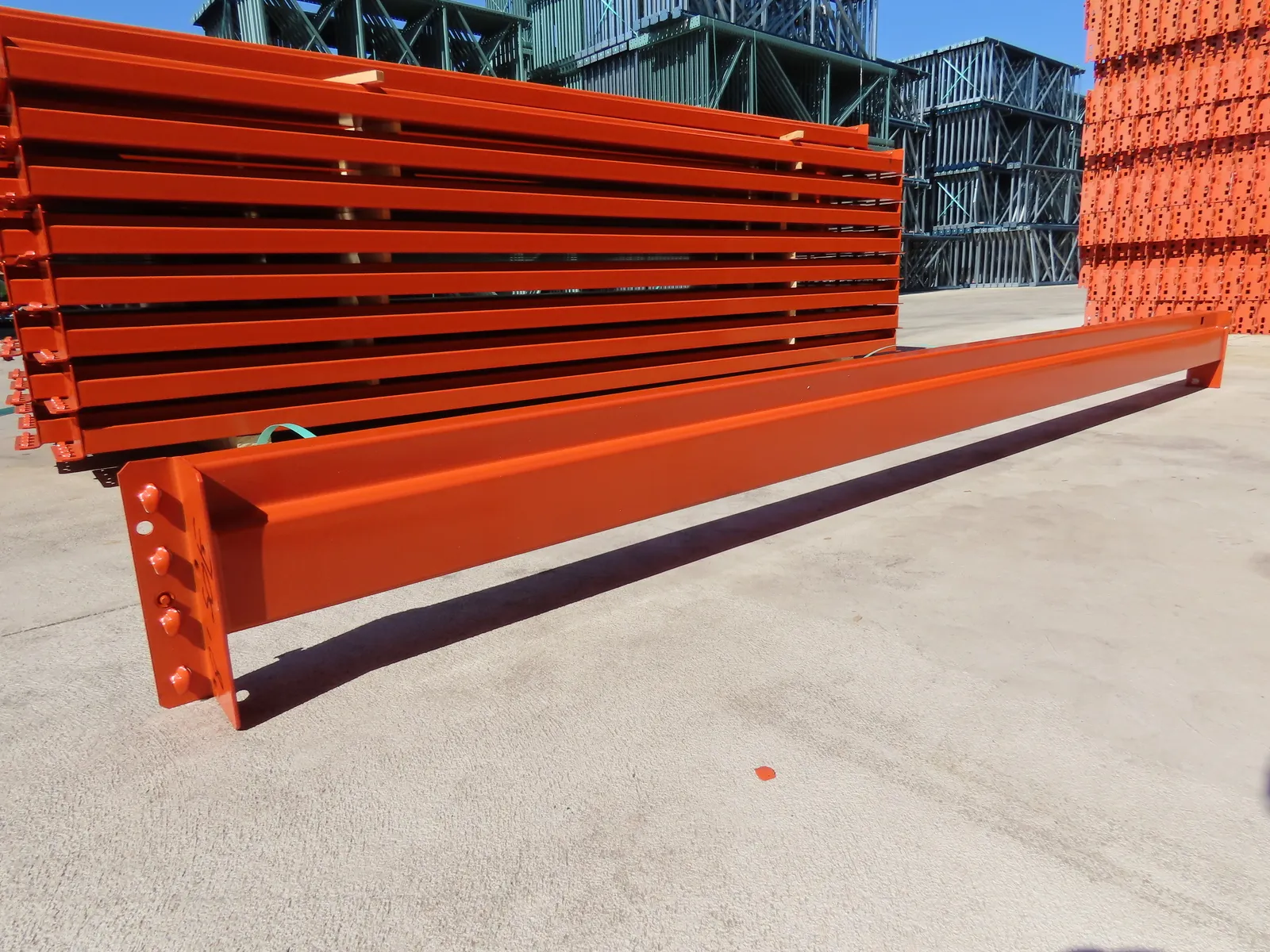
What Drives Your Warehouse Investment Decisions?
How Do You Prioritize Capital Projects?
When it comes to prioritizing capital projects, the process often feels like navigating a maze with no clear exit. It’s not just about crunching numbers or ticking boxes; it’s about understanding the heartbeat of your operation. Each project, from upgrading racking systems to building new facilities, represents a heartbeat that needs attention and care. You want to invest in what matters, recognizing the long-term benefits for not just the business, but also the community it serves.
Start by identifying the core values that drive your organization forward. Is it safety? Efficiency? Sustainability? By grounding decisions in what truly matters, you align projects with the ethical standards your team and community expect. Think about it this way: when prioritizing a project, you’re not just looking at the cost; you’re measuring the impact on your people, your environment, and your collective future. For instance, improved racking systems can enhance efficiency, reduce injuries, and help your employees feel valued and secure in their workplace—a clear win for morale.
Now, let’s mix in some hard facts. Analyze the potential ROI of each project. This isn’t just about dollars and cents; it’s about creating pathways for growth. Are those racking systems going to speed up operations or reduce waste? Dive into the numbers, but don’t forget the stories behind them. Each data point can morph into a narrative that illustrates how your decision impacts your team and the broader community. If you can share these stories, you engage your team and inspire them to rally around the chosen projects, transforming dry numbers into meaningful missions.
Lastly, remember we’re all in this together. Prioritizing capital projects isn’t a solitary endeavor; involve your team and stakeholders. Gather insights from those on the ground. They often have the best perspective on what changes will make the biggest difference. When workers see their voices reflected in the final decision, it fosters a culture of trust and unity, igniting a shared vision for success.
Prioritizing capital projects is more than a strategy; it’s a commitment. It’s about laying down a foundation for the future while honoring the legacy of hard work and community that built your organization. Make the choices that not only drive profit but also uplift lives, creating a brighter tomorrow—because every project is a step toward building something greater than just infrastructure.

How Do You Prioritize Capital Projects?
How Do You Prioritize Capital Projects?
- Prioritizing capital projects involves both quantitative analysis and understanding the operational heartbeat.
- Each project, like upgrading racking systems, represents a vital aspect that requires care and attention.
- Ground decisions in core organizational values such as safety, efficiency, and sustainability.
- Consider the impact of projects on people, environment, and future, not just costs.
- Analyze potential ROI to identify growth opportunities beyond monetary benefits.
- Engage team members and stakeholders for insights to foster trust and shared vision.
- Prioritizing projects is a commitment to community and legacy, aiming to uplift lives and enhance infrastructure.
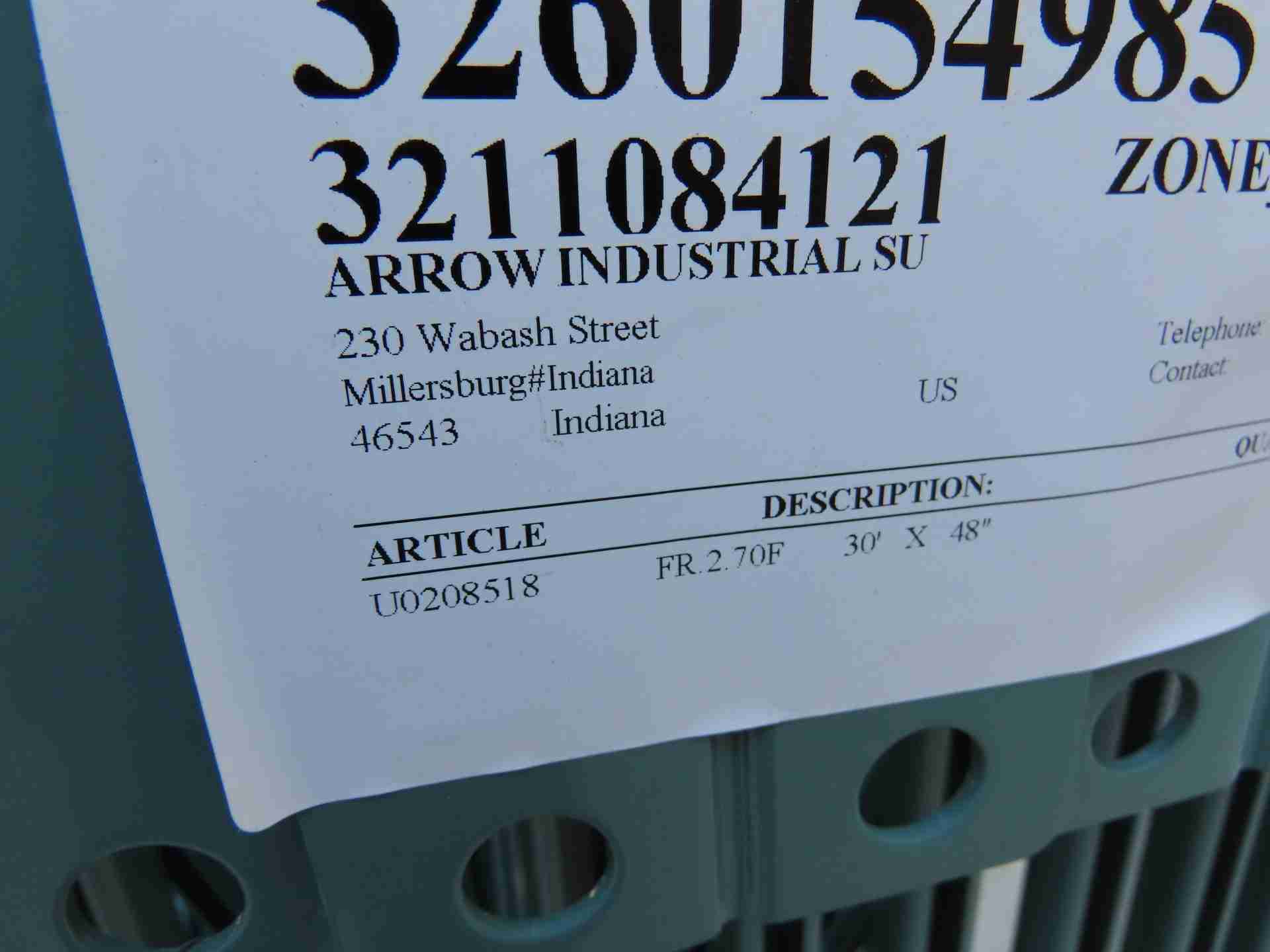
How Do You Prioritize Capital Projects?
What Metrics Define Success for Your Capital Allocation?
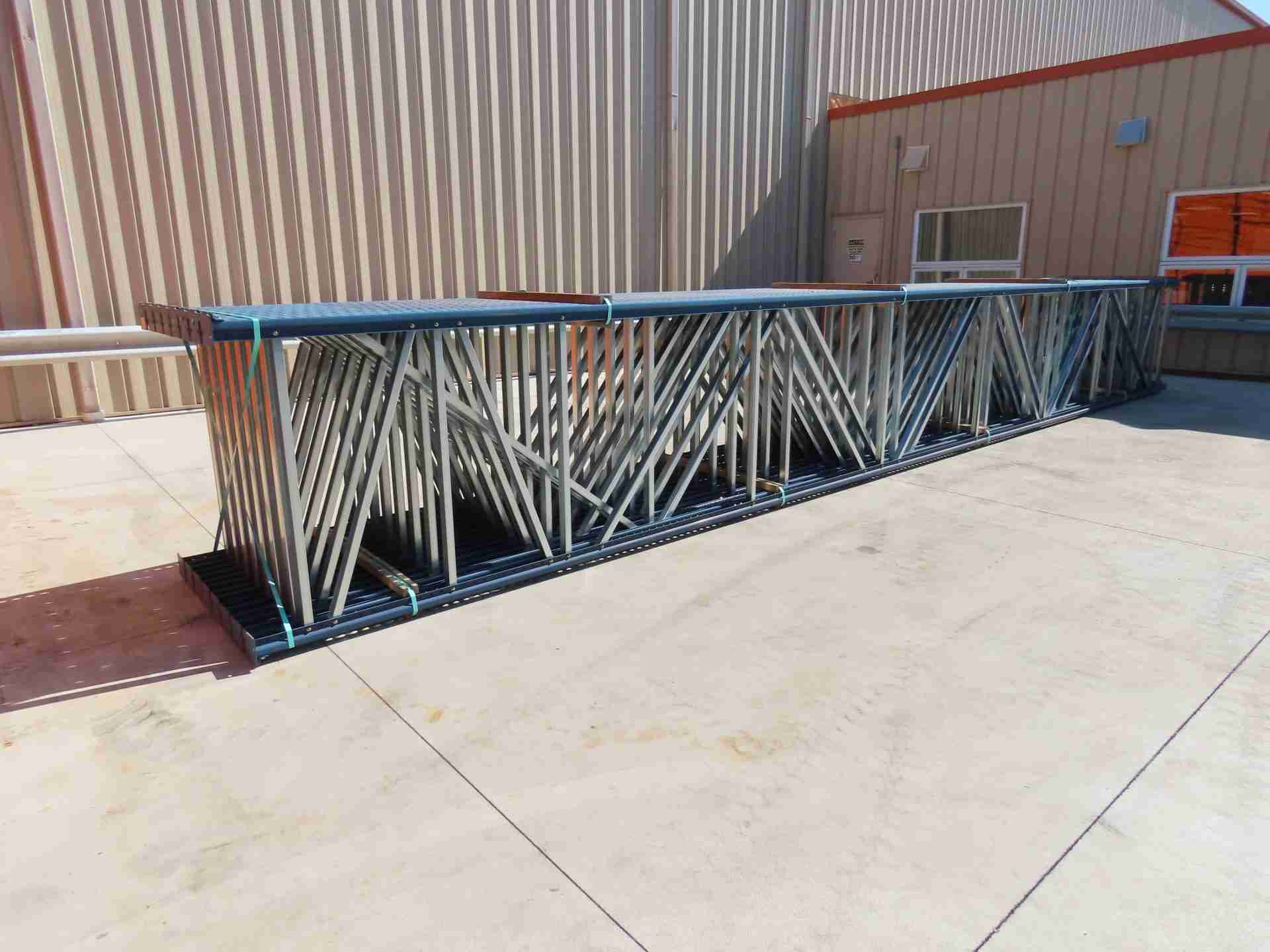
When it comes to capital allocation, it’s not just about crunching numbers; it’s about the stories those numbers tell and the lives they touch. Think of it like fitting together a racking system in a warehouse. Just as each shelf needs to hold its weight, every dollar you allocate needs to work efficiently and effectively for your goals. The metrics that define success can evoke emotions and inspire trust, so let’s break them down.
Start with your return on investment (ROI). This is the bread and butter of any financial decision. You want to see that your hard-earned dollars are putting in the overtime, generating profits and pushing the business forward. But don’t stop there; look at cash flow. It’s the lifeblood of your operations. A smooth cash flow reassures stakeholders that you’re not just treading water, but swimming. Every dollar that flows in and out tells a story about the health and viability of your decisions.
Next, consider the impact on your team. Employee satisfaction and retention rates are metrics that resonate on a human level. If your capital allocation leads to a flourishing, motivated workforce, that’s worth more than any balance sheet can capture. After all, happy employees contribute to a vibrant work culture and ultimately drive success. This isn’t just about numbers; it’s about the heartbeat of your organization.
Then there’s the social return on investment (SROI). In today’s world, the ethical implications of your capital decisions can’t be ignored. Investments that positively affect your community create goodwill and trust, fostering relationships that can reap benefits down the road. This isn’t just business; it’s about being a good neighbor and steward of resources.
Lastly, don’t underestimate the power of benchmarking against industry standards. Seeing where you stand can evoke a healthy competitive spirit, pushing you to refine your strategies and drive performance. This approach represents a grounded confidence, rooted in real-world experiences rather than lofty ideals.
Successful capital allocation goes beyond mere metrics. It’s about weaving together experiences and insights, creating a tapestry of success that reflects both hard data and the softer, subtler impacts of your decisions. Much like assembling a durable racking system, it requires careful thought, hands-on effort, and a dedication to making every piece fit just right. Use these metrics not just as tools of measurement, but as a map guiding your journey toward sustainable growth and achievement.
What Metrics Define Success for Your Capital Allocation?
What Metrics Define Success for Your Capital Allocation?
- Capital allocation involves understanding the narrative behind financial numbers and their impact on lives.
- Return on investment (ROI) is crucial for assessing the profitability of financial decisions.
- Cash flow is essential, reflecting the operational health and reassuring stakeholders.
- Employee satisfaction and retention are key metrics that contribute to a thriving work culture.
- Social return on investment (SROI) emphasizes the ethical impact of capital decisions on communities.
- Benchmarking against industry standards encourages competitiveness and performance improvement.
- Effective capital allocation weaves together data-driven insights with the human elements of business.

What Metrics Define Success for Your Capital Allocation?
Are You Leveraging Technology for Optimal Capital Use?
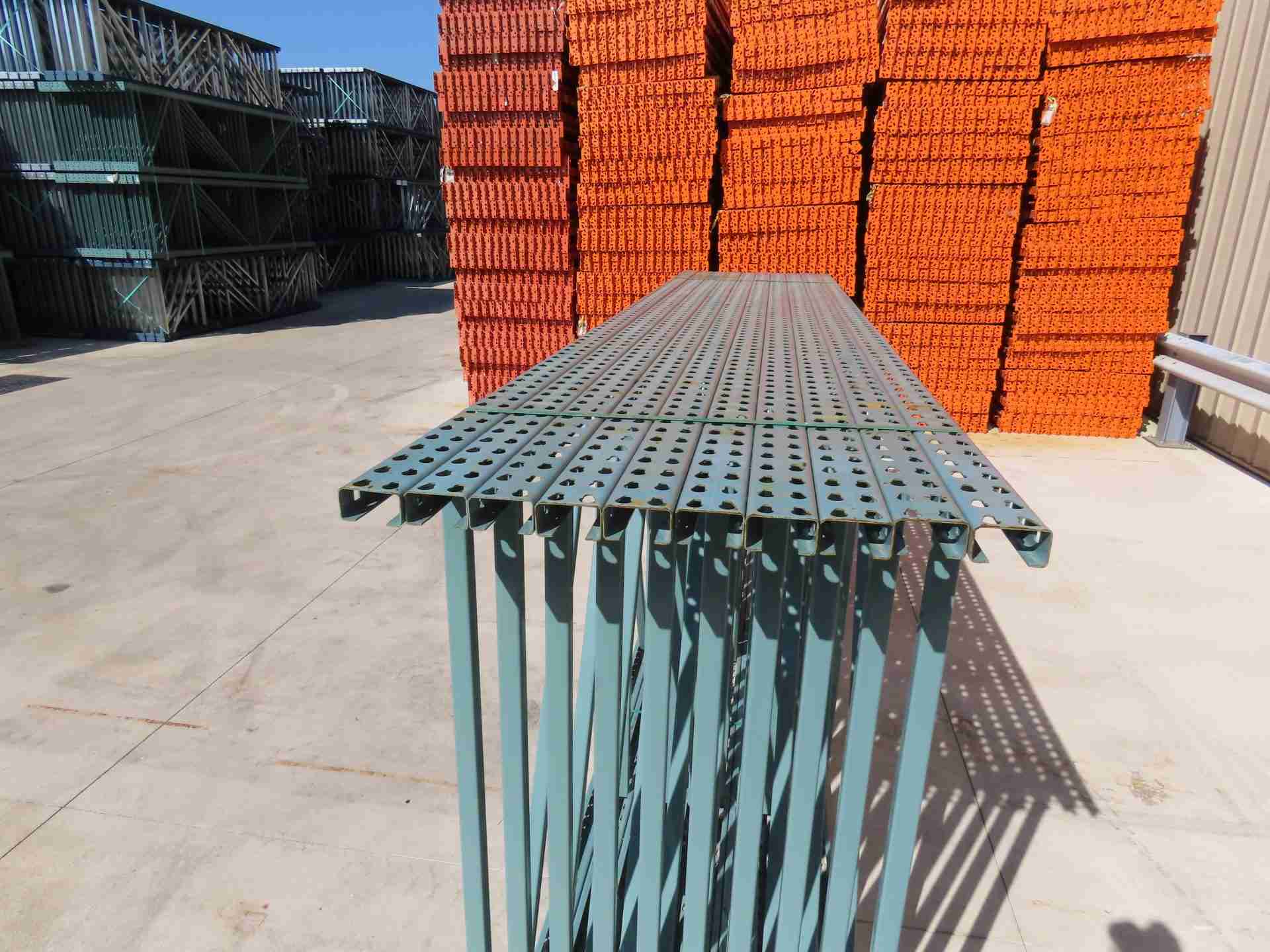
In today’s fast-paced world, technology isn’t just a luxury; it’s a lifeline for managing capital effectively. Think of it like racking systems in a warehouse. Just as those sturdy, organized structures maximize space and streamline operations, the right tech tools can optimize your financial resources and enhance productivity. Every dollar you spend should earn its keep, and smart tech can help ensure that happens.
Picture this: a small manufacturing shop, struggling with outdated inventory tracking. Each day, they lose precious time searching for materials, which translates to money down the drain. By investing in an inventory management system, they not only save hours of labor but also reduce waste and overstock. This isn’t just a numbers game; it’s about making every penny count. When technology aligns with your operations, it pulls more weight and drives efficiency, paving the way for growth and stability.
Now, let’s talk about ethics. Utilizing technology isn’t just about what it can do for you; it’s also about what it can do for everyone involved in your business. With better resource management and transparency brought by tech solutions, you foster a culture of accountability. Employees feel valued when they see their efforts translating into tangible success, and clients appreciate companies that operate efficiently and with integrity. When you leverage the right tools, you’re not just improving your bottom line—you’re contributing to a larger narrative of responsible business practices.
This is about connection. Think of the camaraderie on the shop floor, the shared understanding of how hard every worker hustles to make things happen. By embracing technology, you aren’t just adding complexity; you’re enhancing communication and collaboration. Teams can share information in real-time, reducing miscommunication and fostering trust. Workers become stakeholders in a tech-forward strategy, where their input helps shape processes, leading to a sense of ownership and pride in their roles.
Ultimately, leveraging technology isn’t an abstract concept; it’s a hands-on approach to ensuring your capital is utilized to its fullest potential. Imagine the pride in knowing that your strategic choices create a ripple effect—improving lives, building a solid foundation for your team, and contributing to your community. When faced with the choice between staying stagnant or embracing change, the path is clear. Equip your business with the tools it needs, and watch it thrive.
Are You Leveraging Technology for Optimal Capital Use?
Are You Leveraging Technology for Optimal Capital Use?
- Technology is crucial for effective capital management, similar to organized racking systems in a warehouse.
- Investing in tech tools can optimize financial resources and enhance productivity, ensuring every dollar spent is worthwhile.
- A small manufacturing shop can reduce wasted time and money with inventory management systems, streamlining operations.
- Ethics play a vital role, with technology fostering accountability and efficiency in business practices.
- Embracing technology enhances communication and collaboration, allowing teams to share information in real-time.
- Workers engaged in tech-forward strategies gain a sense of ownership and pride in their roles.
- Strategic use of technology not only improves business but also positively impacts employees and the broader community.

Are You Leveraging Technology for Optimal Capital Use?
How Do External Economic Factors Influence Your Strategy?
When thinking about how external economic factors impact your strategy, it’s like trying to navigate a boat through turbulent waters. One moment, the sun is shining, and the winds are favorable; the next, a storm rolls in, threatening to capsize everything you’ve worked for. Understanding these shifts isn’t just something for the suits in the boardroom; it’s something everyone in the trenches needs to grasp.
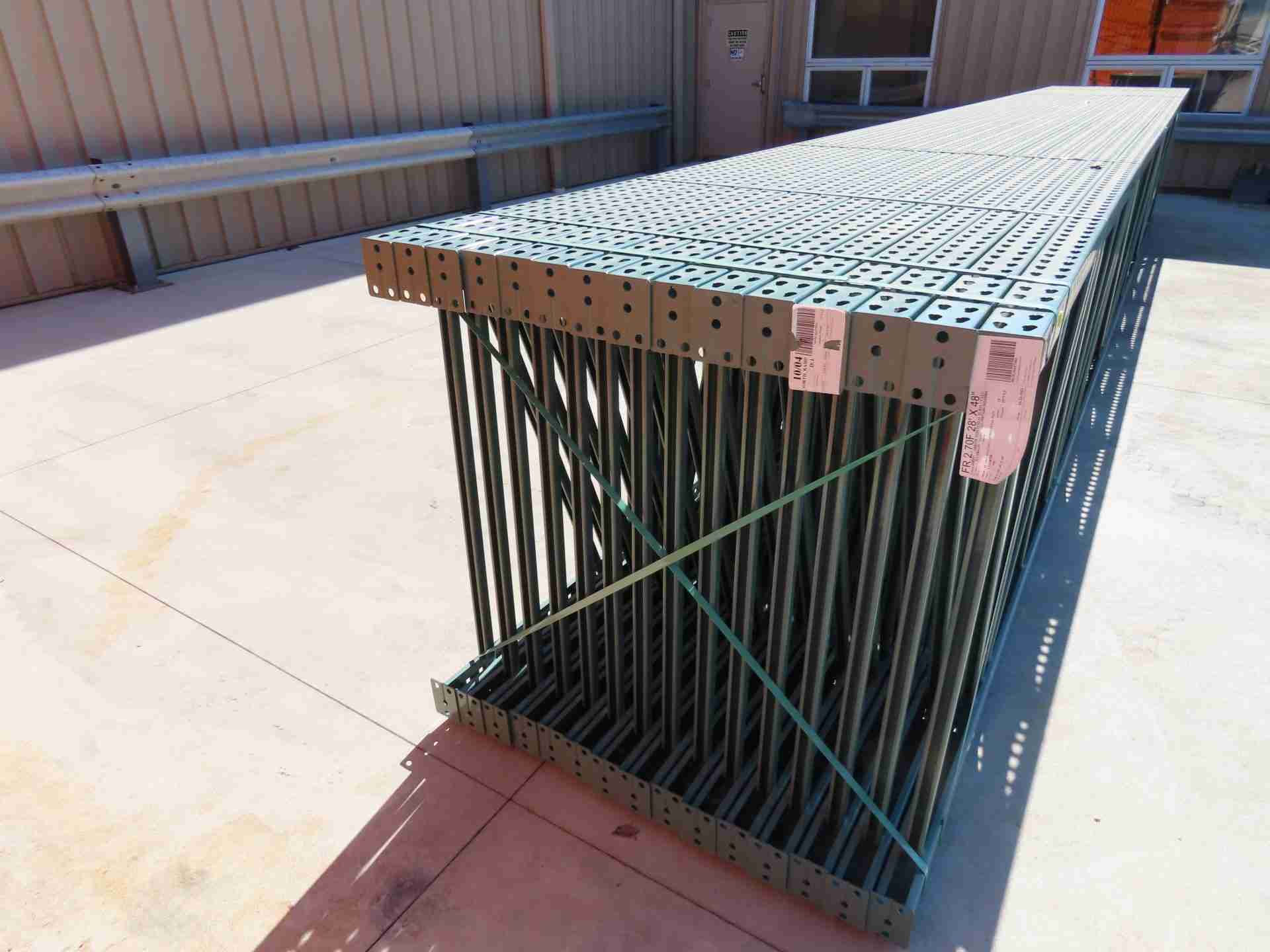
Picture racking systems in a warehouse. When demand spikes, you might need to reconfigure your storage layout, expanding or contracting based on market needs. An economic downturn? That same system might feel like a millstone around your neck if inventory isn’t moving. Customers are tightening their belts, making strategic pivots crucial. It’s about seeing those changes on the horizon and adapting before the waves crash over you.
Emotionally, the weight of these decisions can be heavy. Every choice you make influences your team’s livelihood, that’s not just a number; it’s people. Riding the highs and lows of the economy impacts morale. When profits dive, the worry can hang thick in the air. Yet, using these external factors as motivation can energize your team, sparking innovation and a sense of unity in tough times.
Rationally, this is about facts and figures. When the economy behaves unexpectedly, staying ahead requires a keen eye on the market. You can’t afford to be shortsighted. Keeping up with price trends, regulations, and competitor moves lets you recalibrate your strategy swiftly. It’s about making informed decisions based on what you see, not just what you hope for.
Ethically, understanding your community and workforce contributes to building a resilient strategy. Are you aware of how economic changes affect your employees? Showing you care fosters loyalty and trust. Your choices should reflect a commitment to stability, not just for your profits, but for the people who wear the same company badge.
Narratively, think of your business like a story in progress. Every twist and turn caused by external economic factors prompts a new chapter. Embrace the unexpected; those challenges can become the very tales that bind your team together—stories of resilience, adaptability, and grit.
Ultimately, being in tune with these economic currents isn’t just about survival—it’s about thriving in a world that’s always shifting underfoot. By preparing and adapting, you cultivate a strategy that does more than keep your head above water; it sets the stage for growth, strength, and community. Embrace the uncertainties and turn them into stepping stones for a brighter, more confident future.
How Do External Economic Factors Influence Your Strategy?
How Do External Economic Factors Influence Your Strategy?
- External economic factors impact business strategy, akin to navigating turbulent waters.
- Warehouse layouts must adapt to fluctuating demand and economic conditions.
- Emotional weight of strategic decisions affects team morale and motivation.
- Staying informed on market trends and competitor moves is crucial for strategic adjustments.
- Understanding employee needs fosters loyalty and shapes resilient strategies.
- Business challenges present opportunities for stories of resilience and adaptability.
- Thriving amidst economic uncertainties requires preparation and adaptability for growth.

How Do External Economic Factors Influence Your Strategy?
What Role Does Risk Assessment Play In Your Allocations?
In the world of investments, knowing where to place your hard-earned dollars can make or break your financial future. Risk assessment plays a pivotal role here, guiding your allocations like a compass in a storm. It’s not just about numbers and graphs; it’s about understanding the lay of the land before you stake your claim.
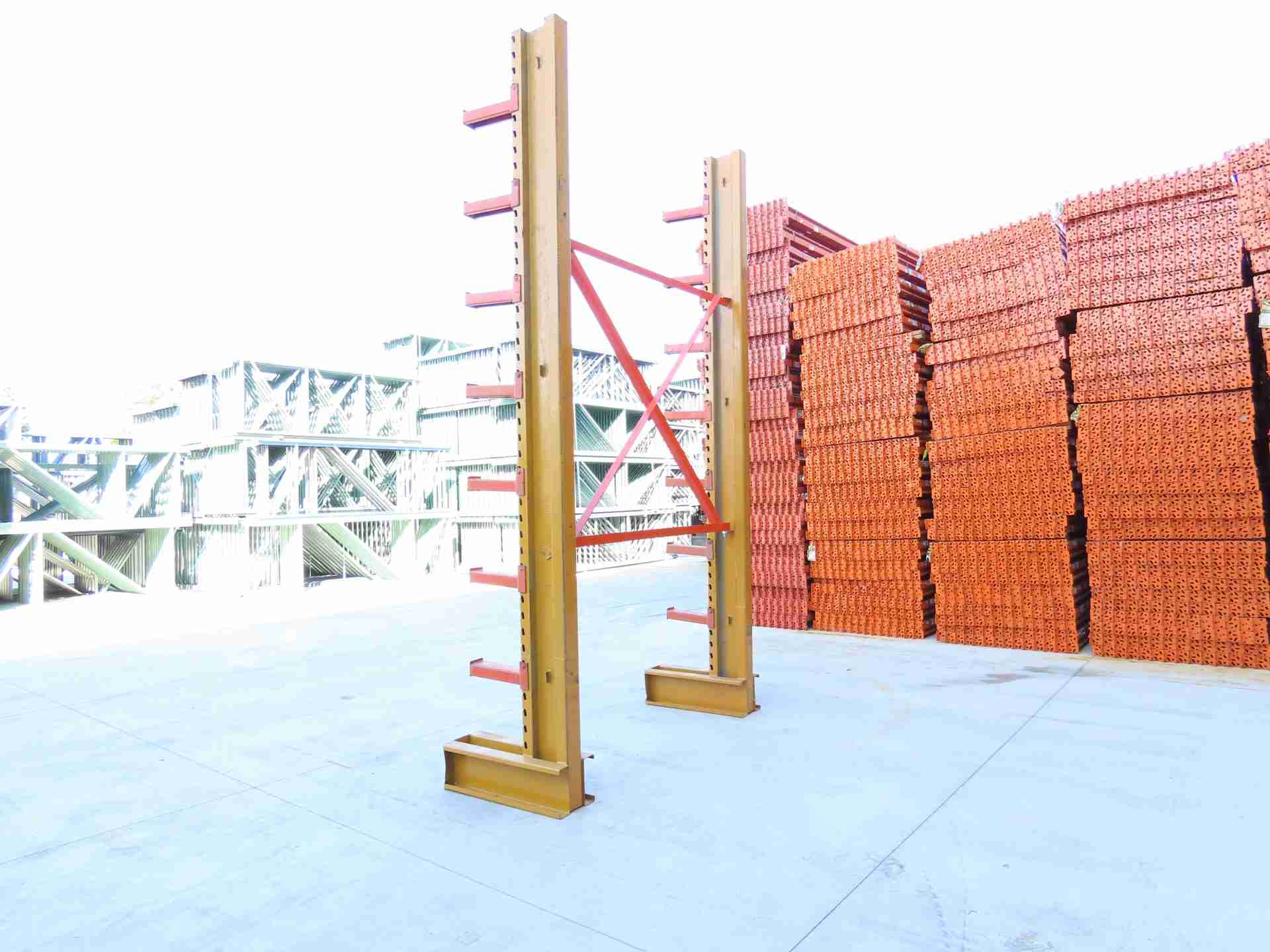
Consider a construction site. Before erecting a racking system to hold your materials, you wouldn’t just throw it together without considering the weight and balance, right? That’s the essence of risk assessment. It’s the blueprint of your investments. It prepares you for the unforeseen, the shifts in the market that can topple even the mightiest structures. You have to evaluate your options carefully, taking the time to look at past performance, market trends, and potential pitfalls. Each decision should feel like you are placing a brick, knowing it needs to support future growth.
Think of it this way: each dollar you allocate is like a worker on your site, each with its own skill set and potential. With a thorough risk assessment, you’re not just assigning jobs haphazardly; you’re pairing strengths to challenges. This strategic thinking fosters trust—not just in your decisions but in your ability to weather financial storms.
Now, let’s touch on the emotional side. Your investments represent time, sacrifice, and dreams. Every risk you take should resonate with your values. It’s about more than just building wealth; it’s about creating a legacy that reflects your hard graft and aspirations. When you assess risks, you’re not only protecting your wallet; you’re safeguarding what you hold dear, ensuring that your loved ones will benefit from your labor.
But it’s not just you in this space. The conversation around risk assessment is one that values collaboration. Sharing insights with others fosters community and strengthens your understanding of these concepts. You gain more than just knowledge; you gain camaraderie, learning from each other’s experiences and decisions.
In essence, risk assessment is your ally in the investment journey. It guides your allocations with wisdom garnered through experience. It’s about building a strategy that’s as sturdy and reliable as a well-constructed racking system—ensuring that all parts function together, holding the weight of your financial ambitions without fear of collapse.
What Role Does Risk Assessment Play In Your Allocations?
What Role Does Risk Assessment Play In Your Allocations?
- Investment success hinges on effective risk assessment.
- Risk assessment serves as a blueprint for informed decision-making.
- Understanding past performance and market trends is crucial.
- Each investment dollar is likened to a skilled worker in a strategic allocation process.
- Emotional considerations in investing connect to values and legacy building.
- Collaboration and sharing insights enhance understanding of risk assessment.
- Overall, risk assessment is essential for constructing a reliable investment strategy.

What Role Does Risk Assessment Play In Your Allocations?
Conclusion
In the ever-evolving landscape of warehouse operations, capital allocation is far more than a financial task—it’s the very heartbeat of an organization. Each dollar spent reinforces a commitment to the people behind the work, transforming concrete decisions into tangible impacts on the lives of team members. The effectiveness of a warehouse begins with investing in the right tools, particularly high-quality racking systems, which are more than mere structures; they symbolize an operator’s dedication to creating an efficient and organized workplace. This investment fosters an environment where employees can thrive, instilling pride and commitment across the team.
Understanding operational needs is critical for making smart investments. It’s about analyzing the flow of goods, patterns of movement, and efficiencies gained from upgrading systems. Choosing durable, well-engineered equipment may require a higher initial outlay but is a sound strategy for minimizing long-term costs and maximizing productivity. Beyond the calculations, these decisions also send a clear message: the company prioritizes not just profit but the safety and well-being of its workers. Investing in proper, reliable equipment is a reflection of one’s values, showing that the organization cares for those who work hard daily.
The narratives that unfold in the warehouse—stories of challenges overcome with the right systems in place—help create a sense of camaraderie and shared goals among staff. Engaging team members in discussions about capital investments fosters transparency and unity, enabling everyone to contribute to the shared vision of success. Ultimately, smart capital allocation transcends strategies; it’s a legacy built on teamwork, resilience, and community alignment.
In prioritizing capital projects, operators must consider not just the financial metrics but the human impact of their investments. Empowering employees with modern tools and systems is a commitment that enriches workplace morale, reduces turnover, and establishes a sustainable business model that thrives in turbulent economic conditions. Each strategic choice made today lays the groundwork for future successes, reinforcing ties with both workers and the community at large.
Lastly, as economic factors ebb and flow, a keen awareness of external influences plays a pivotal role in refining strategies. The ability to adapt to shifting market demands will determine not only immediate survival but also long-term prosperity. By integrating comprehensive risk assessment into decision-making, warehouse operators can allocate resources wisely, ensuring that each investment not only supports the bottom line but also aligns with ethical principles and the values inherent in a thriving workplace. Each move becomes a chapter in a larger story—one of hard work, commitment to safety, and the shared journey toward a successful future.

Conclusion
Conclusion:
- Capital allocation is crucial to warehouse operations, influencing both organization and employee commitment.
- Investing in high-quality racking systems enhances workplace efficiency and employee pride.
- Understanding operational needs is essential for smart investment decisions in warehouse systems.
- Durable equipment requires a higher initial cost but reduces long-term expenses and enhances productivity.
- Involving team members in capital investment discussions fosters transparency and unity within the organization.
- Human impact should be prioritized alongside financial metrics in capital project decisions.
- Awareness of external economic factors is vital for strategic adaptation and long-term success in warehouse operations.

Conclusion
Other Resources
Other Resources
Here is a list of other resources you can review online to learn more:
- Arrow Industrial Sales
- The Ultimate Pallet Racking Guide – Speedrack West
- Warehouse Storage Racks
- Selective Pallet Racking Systems – Container Systems
- Heavy-Duty Cantilever Storage Racks
- Illinois
- Warehouse Automation
- IIWS Inc. Rack Installation Illinois & Rack Repairs Illinois
- Storage Equipment Manufacturers’ Association
- Teardrop Racks – Pallet Rack World
- Chicago Pallet Racking
- Warehousing Education and Research Council: https://www.werc.org/
- Storage Equipment Manufacturers Association
- CMMA
- Logic Material Handling
- Used Pallet Rack for Sale in Illinois – American Surplus
- Cantilever Rack Configuration & Installation: A Comprehensive Guide – BMH
- New Cantilever Racks and Racking Kits
- Illinois Pallet Racking – Storage Solutions
- Warehousing and Fulfillment
Use This Prompt To Get More Resources With Your Favorite Online AI Tool: Please provide me with a list of online articles with their URLs in a bulleted list that I can read regarding Capital Allocation Strategy for Warehouse Operators

Other Resources
Glossary Terms
Capital Allocation Strategy for Warehouse Operators – Glossary Of Terms
1. Capital Allocation: The process of deciding how to distribute financial resources among various projects or investments.
2. Warehouse Operator: A business entity or individual responsible for managing the operations of a warehouse, including storage, inventory management, and logistics.
3. Operating Expenses: The costs associated with running a business, excluding the costs of goods sold, such as rent, utilities, and salaries.
4. Return on Investment (ROI): A performance measure used to evaluate the efficiency or profitability of an investment relative to its cost.
5. Inventory Management: The supervision of non-capitalized assets and stock items to ensure adequate supply and reduce waste.
6. Leverage: The use of borrowed capital to increase potential returns on investment.
7. Capital Expenditure (CapEx): Funds used by a company to acquire or upgrade physical assets, such as buildings or machinery.
8. Operational Efficiency: The ability to deliver products or services in the most cost-effective manner without compromising quality.
9. Strategic Planning: The process of defining a company’s direction and making decisions on allocating its resources to pursue this strategy.
10. Risk Management: The identification, assessment, and prioritization of risks followed by coordinated efforts to minimize, control, and monitor their impact.
11. Asset Allocation: The process of deciding how to distribute an investment portfolio among various asset categories.
12. Cash Flow: The total amount of money being transferred in and out of a business, impacting its operations and investments.
13. Supply Chain Management: The oversight of materials, information, and finances as they move from supplier to manufacturer to wholesaler to retailer to consumer.
14. Breakeven Analysis: A calculation to determine the level of sales needed to cover costs, beyond which profit is generated.
15. Warehouse Management System (WMS): Software designed to support warehouse or distribution center management and staff.
16. Fixed Costs: Business expenses that remain constant regardless of the level of goods or services produced.
17. Variable Costs: Costs that vary with the level of output, such as materials and labor.
18. Market Analysis: The study of market trends, competition, and consumer behavior to inform business decisions.
19. Performance Metrics: Standardized measurements used to assess the efficiency and effectiveness of operations.
20. Capital Structure: The particular combination of debt and equity used by a company to finance its overall operations and growth.
21. Just-in-Time (JIT): An inventory management strategy that aligns raw-material orders with production schedules.
22. Outsourcing: The business practice of hiring third-party companies to perform services or produce goods that could be done internally.
23. Cost-Benefit Analysis: A systematic approach to estimating the strengths and weaknesses of alternatives used for business decisions.
24. Flexibility: The ability of a warehouse operator to adapt to changing market conditions and customer demands.
25. Productivity: A measure of the efficiency of production, often expressed as the ratio of outputs to inputs.
26. Scalability: The capability of a business to grow and manage increased demand without compromising performance.
27. Diversification: A risk management strategy that mixes a wide variety of investments within a portfolio to minimize exposure.
28. Lead Time: The time it takes from placing an order until it is received and ready for use or sale.
29. Warehouse Layout: The design and arrangement of physical space within a warehouse, impacting efficiency and flow of goods.
30. Asset Utilization: The measure of how well a company uses its assets to generate revenue.

Glossary Of Terms
Other Questions
Capital Allocation Strategy for Warehouse Operators – Other Questions
If you wish to explore and discover more, consider looking for answers to these questions:
- What is the expected ROI for upgrading racking systems or other major warehouse equipment?
- How do I calculate the payback period for a capital project?
- Which specific metrics and KPIs should I track after making a capital investment?
- How often should capital allocation decisions be reviewed and rebalanced?
- What financing options (loans, leases, leasing-to-own) are available for warehouse investments?
- When is it better to lease equipment versus buy it outright?
- How should I prioritize competing capital projects with limited budget?
- How do I measure social return on investment (SROI) for community or employee-focused projects?
- What safety standards, codes, and compliance requirements apply to racking and warehouse upgrades?
- How do I evaluate vendors, warranties, and service agreements for racking and tech purchases?
- What are the expected maintenance and lifecycle costs for different racking systems?
- How will installation or upgrades affect daily operations and how much downtime should I plan for?
- What employee training is required after introducing new equipment or technology?
- How can new technology (WMS, inventory tracking, automation) integrate with existing systems?
- What data do I need to collect to make informed capital allocation decisions?
- How do external economic indicators (inflation, interest rates, demand cycles) change capital strategy?
- How should I build contingency plans to handle sudden demand volatility or economic downturns?
- What methods should I use for risk assessment and scenario analysis for capital projects?
- Which industry benchmarks should I use to compare performance and justify investments?
- How can I estimate and validate space utilization improvements from new racking layouts?
- What are common pitfalls and hidden costs in warehouse capital allocation?
- How do I evaluate automation investments versus manual process improvements?
- How do depreciation rules and tax treatments affect investment decisions?
- What sustainability or ESG factors should influence capital allocation choices?
- How do I secure stakeholder buy-in and communicate the rationale for capital projects?
- What is a realistic timeline from approval to commissioning for typical warehouse projects?
- How can projects be phased to minimize disruption while delivering early value?
- What modeling tools or financial frameworks are best for comparing investment scenarios?
- How do capital changes affect insurance requirements and premiums?
- How can I quantify the impact of investments on employee satisfaction and retention?
- When is it more cost-effective to repair or retrofit existing racking rather than replace it?
- How should I balance investments that prioritize safety versus those focused on productivity?
- Are there recommended external audits, certifications, or third‑party assessments to validate projects?
- How do I quantify operational cost savings (labor, picking times, error reduction) from an investment?
- What role does inventory turnover play in determining the size and timing of capital investments?
- How should results of capital projects be monitored and reported to leadership and investors?

Other Questions
Checklist
Capital Allocation Strategy for Warehouse Operators – A Checklist
Strategic Alignment
✅______ Define primary objectives (safety, efficiency, sustainability, growth, customer service)
✅______ Link each proposed investment to at least one objective
✅______ Set clear success criteria and guardrails for spending
✅______ Confirm leadership alignment and decision rights
Operational Baseline and Needs
✅______ Map end-to-end material flow (receiving to shipping)
✅______ Quantify inbound and outbound volumes, peaks, and variability
✅______ Measure storage density and space utilization
✅______ Calculate inventory turns, dwell time, and dock-to-stock
✅______ Identify bottlenecks in pick, replenish, pack, and staging
✅______ Audit current racking condition, damage, and load labeling
✅______ Verify MHE compatibility (aisle widths, heights, turning radii)
Financial Case
✅______ Model ROI and cash flow by month and quarter
✅______ Estimate total cost of ownership (CapEx, installation, training, maintenance, downtime)
✅______ Run sensitivities (demand, labor rates, lead times, interest rates)
✅______ Define payback target and hurdle rates
✅______ Allocate contingency and escalation for inflation
✅______ Benchmark costs and outcomes against industry peers
Safety and Ethics
✅______ Complete safety risk assessment and mitigation plan
✅______ Verify racking to code (load ratings, seismic, fire protection, egress)
✅______ Assess ergonomic impacts (reach, lift frequency, travel distances)
✅______ Review incident history; set reduction targets
✅______ Evaluate sustainability of materials and suppliers
✅______ Involve frontline employees and the safety committee in design
Technology and Data Enablement
✅______ Confirm WMS and inventory management capabilities support the design
✅______ Plan data capture (barcodes and RFID), real-time visibility, and dashboards
✅______ Validate integrations (ERP, WMS, MHE and automation)
✅______ Establish data accuracy baseline and governance
✅______ Address cybersecurity and access controls
✅______ Prepare training and adoption plan for all shifts
Project Prioritization
✅______ Use a scoring model (value, feasibility, risk, strategic fit)
✅______ Map dependencies and site constraints
✅______ Define a phased or pilot approach where appropriate
✅______ Set go/no-go criteria and stage gates
✅______ Confirm stakeholder sign-off (operations, finance, safety, IT)
Risk Assessment
✅______ Identify key risks (demand swings, supplier delays, installation safety, obsolescence)
✅______ Assign mitigations, owners, and timelines
✅______ Conduct vendor due diligence (financials, references, warranties, SLAs)
✅______ Define rollback and contingency plans, and a spare parts strategy
✅______ Review insurance implications and coverage
External Economic Factors
✅______ Review customer forecasts and market demand scenarios
✅______ Assess financing terms and interest rate outlook
✅______ Monitor supplier lead times, inflation, and commodity prices
✅______ Track freight and energy cost trends
✅______ Check regulatory changes and incentives and rebates
✅______ Benchmark KPIs versus industry standards
Racking-Specific Checks
✅______ Optimize layout for flow, pick paths, and replenishment access
✅______ Standardize pallet and load profiles and slotting strategy
✅______ Confirm aisle strategy (standard, narrow, or very narrow) and equipment fit
✅______ Include rack protection (end-of-aisle guards, column protectors)
✅______ Validate fire protection (sprinklers and in-rack sprinklers), signage, and labeling
✅______ Set inspection and preventive maintenance schedule
Implementation Readiness
✅______ Finalize project charter, scope, budget, and timeline
✅______ Secure permits and site readiness (floor flatness, power, sprinklers)
✅______ Plan changeover and downtime and inventory relocation
✅______ Define acceptance criteria and testing (Factory Acceptance Testing, FAT; Site Acceptance Testing, SAT)
✅______ Schedule training and certification for operators
✅______ Execute communication plan for teams, customers, and suppliers
✅______ Arrange go-live support and stabilization period
Post-Implementation Measurement
✅______ Launch a KPI dashboard (order cycle time, pick rate, accuracy, space use, labor productivity, incident rate)
✅______ Track ROI and cash flow actuals versus plan
✅______ Monitor inventory accuracy and damage and claim rates
✅______ Measure employee satisfaction and retention
✅______ Assess social and community impact (Social Return on Investment, SROI) where applicable
✅______ Capture lessons learned; update standards and SOPs
✅______ Maintain a continuous improvement backlog and maintenance adherence

Checklist
At RackingWorld, we help guide you through selecting warehouse storage systems and racking.
Be sure to read our other related stories at RackingWorld to learn more about warehouse storage systems.
0 Comments