
Maximize Efficiency And Save Space: The Ultimate Storage Solution
By Tom Seest
At RackingWorld, we help guide you through selecting warehouse storage systems and racking.
Be sure to read our other related stories at RackingWorld to learn more about warehouse storage systems.
Cantilever Racks Vs. Pallet Racks: Which One Fits Your Storage Needs?
When it comes to storage solutions, choosing between cantilever racks and pallet racks is more than a simple decision—it’s an investment in your operation’s efficiency and effectiveness. Picture this: You walk into a warehouse bursting at the seams, products piled haphazardly, and the dull chaos of inefficiency echoes through the aisles. That’s where the right racking system can transform your space from a cluttered mess into a well-oiled machine, resonating with clarity and purpose.
Let’s tackle the head and the gut first. Cantilever racks shine when you’re storing long, bulky items like pipes or lumber. They provide unmatched accessibility and visibility, allowing you to manage your inventory like clockwork. The moment you streamline that process, consider the productivity boost—from fewer accidents to quicker retrieval times. If you’re regularly maintaining an order for construction projects, the efficiency of those racks means not just saved time, but also saved dollars. It’s a move that speaks to the bottom line, making your warehouse a powerhouse of activity.
Now, turn your attention to the pallet racks, sturdy and reliable, standing ready for a diverse array of goods. These racks can bear heavy loads and adapt to mixed inventories, making them an ethical choice for businesses juggling various products. Think about the peace of mind that comes from having a dependable partner in storage—a racking system that not only meets standards but exceeds them, ensuring safety for all.
But let’s not overlook the importance of emotional resonance. Picture your team, empowered and efficient, working synergistically around that ideal rack. It’s not just about metal and beams; it’s about fostering an environment where employees feel valued, appreciating the ease in accessing their work. They can focus on what they do best, rather than navigating the challenges of poor organization.
Lastly, consider the narrative you’re building for your company. Your choice in racking systems reflects your ethos. It tells your customers and employees that you care about operational excellence and the environment in which everyone operates. As word spreads, you foster a trustworthy reputation, becoming a beacon of reliability in your industry.
Ultimately, the decision between cantilever racks and pallet racks should spark a connection with you and your team, inspiring not just confidence in your logistical capabilities but also pride in the space you manage. Choose wisely, and you’ll cultivate a lasting legacy of efficiency and trustworthiness.

Cantilever Racks Vs. Pallet Racks: Which One Fits Your Storage Needs?
Cantilever Racks Vs. Pallet Racks: Which One Fits Your Storage Needs?
- Choosing the right storage solution impacts operational efficiency and effectiveness.
- Cantilever racks are ideal for long, bulky items, enhancing accessibility and visibility.
- Efficient inventory management with cantilever racks leads to productivity boosts and cost savings.
- Pallet racks are sturdy, supporting heavy loads and accommodating mixed inventories.
- A reliable racking system increases safety and peace of mind for businesses.
- The right racking fosters an empowered team environment, enabling employees to work more efficiently.
- Your choice of racking systems reflects your company’s commitment to operational excellence and builds a trustworthy reputation.

Cantilever Racks Vs. Pallet Racks: Which One Fits Your Storage Needs?
Table Of Contents
- Cantilever Racks Vs. Pallet Racks: Which One Fits Your Storage Needs?
- What Emotional Connections Do You Have with Your Storage Solutions?
- How Do You Prioritize Efficiency Versus Accessibility In Your Storage?
- What Ethical Considerations Arise When Choosing Your Storage System?
- How Do Peer Recommendations Influence Your Storage Decisions?
- How Does Your Budget Affect Your Perception Of Storage Quality?
- Conclusion
- Other Resources
- Glossary Of Terms
- Other Questions
- Checklist
What Emotional Connections Do You Have with Your Storage Solutions?
When you think about your storage solutions, it’s easy to relegate the question to one of those practical, no-nonsense concerns. But stop for a moment and consider this: every piece of racking, every box and container, is a keeper of stories, a guardian of memories. Each time you reach for that dusty old photograph or a beloved heirloom tucked away in a storage unit, you’re not just retrieving an item; you’re reconnecting with a piece of your own history.
Those racking systems, often overlooked, are the silent witnesses to our lives. They bear the weight of our aspirations, the remnants of our struggles, and the reminders of the joy we’ve experienced. Think about that beloved item you almost forgot—you know, the one buried under a heap of belongings. Suddenly, it’s like flipping on a light switch; the glow of nostalgia ignites and you’re transported back to a moment that made you who you are today. These aren’t just storage solutions—they are vessels for our life’s journey.
From a rational standpoint, consider this: good storage systems, well-designed and strategically placed, can transform chaos into order. There’s an undeniable satisfaction that comes from knowing where your belongings are, helping you reclaim precious time and reduce stress. The peace of mind when you walk into a garage or basement, confident that what you need is organized and accessible? That’s a feeling worth chasing.
Now, let’s pivot to the ethical dimensions. As we invest in quality storage solutions, we’re not just streamlining our lives; we’re practicing sustainability. We’re choosing to cherish the items we own, giving them a purpose rather than letting them rot in the corners. When we emphasize thoughtful organization, we also send the message that everything possesses value—whether it’s an antique or the tools of our trades.
And let’s not forget the social aspect. Sharing these stories, these artifacts, can foster connections with friends and family. When you bring people into your home—whether by sharing what you’ve curated or merely opening doors to your storage—you’re inviting them to understand a piece of who you are. So, as you evaluate your storage strategies, ask not just about function but about the emotional threads these solutions weave through your life. What stories do your racking solutions hold? And how will you choose to honor them?

What Emotional Connections Do You Have with Your Storage Solutions?
What Emotional Connections Do You Have with Your Storage Solutions?
- Storage solutions hold memories and stories, serving as guardians of personal history.
- Each item retrieved from storage can evoke nostalgia and reconnect individuals with their identities.
- Well-designed storage systems can transform chaos into order, reducing stress and saving time.
- Organized spaces provide peace of mind, enhancing the overall quality of life.
- Investing in quality storage promotes sustainability by valuing and preserving cherished items.
- Thoughtful organization emphasizes the significance of all belongings, from antiques to everyday tools.
- Sharing stories and artifacts fosters deeper connections with friends and family, enriching social bonds.

What Emotional Connections Do You Have with Your Storage Solutions?
How Do You Prioritize Efficiency Versus Accessibility In Your Storage?
When it comes to storage, the tug-of-war between efficiency and accessibility can feel a lot like standing at a crossroads. On one path, you have the gleaming promise of racking systems designed to maximize every inch of your space—tight, efficient, and organized, like a well-oiled machine. Yet, down that other road, you sense the unyielding call of accessibility, urging you to create a system that feels welcoming, easy to navigate, and user-friendly, even for the less experienced.
Imagine the warehouse that’s a model of productivity—products zipping in and out, perfectly stacked, and expertly arranged. That’s the efficiency side of things. But now, close your eyes and picture a day in the life of those who work in that space. Are they sprinting through a maze of steel, or are they flowing like water, effortlessly accessing what they need? The emotional tug here is profound; we want our workplaces to be both efficient and humane, because in the end, it’s the people who drive the processes.
There’s a rational thread woven through this dilemma, too. Consider the cost-effectiveness: A racked system saves money and creates streamlined operations. But then, consider the value of time and morale. If your team is frustrated after fumbling through stacks of boxes, that efficiency begins to lose its luster. As you balance these aspects, remember that a well-designed storage space can actually impact your bottom line—both in terms of profit and employee satisfaction.
Ethically, we have a responsibility to create environments that empower workers and foster collaboration. Environments that prioritize accessibility contribute to a culture of respect and inclusivity; they say, “We acknowledge you, and we appreciate your role.” When people feel valued, they’re more likely to invest their efforts into the organization.
In sharing your storage strategies with others, recognize that it’s not just about the racks and shelves; it’s about the narrative those structures tell. Every decision reveals your values, your priorities, and your understanding of human experience. In your community, whether in a garage or a giant distribution center, there’s a shared understanding that bonds us. Making those spaces work for everyone is a collective responsibility that inspires trust and fosters a sense of connection. So, when you make your choice, remember: it’s your choice—and it truly matters.

How Do You Prioritize Efficiency Versus Accessibility In Your Storage?
How Do You Prioritize Efficiency Versus Accessibility In Your Storage?
- The balance between efficiency and accessibility in storage systems resembles a crossroads decision.
- Efficient storage maximizes space and promotes organization, reminiscent of a productive warehouse.
- Accessibility is crucial for ensuring ease of navigation and user-friendliness, especially for inexperienced users.
- A well-organized space impacts not only efficiency but also employee morale and satisfaction.
- Ethically, prioritizing accessibility fosters a respectful, inclusive workplace culture that empowers workers.
- Storage solutions reflect organizational values and can enhance community bonds and trust.
- Ultimately, the choices made in storage design significantly influence both productivity and employee engagement.

How Do You Prioritize Efficiency Versus Accessibility In Your Storage?
What Ethical Considerations Arise When Choosing Your Storage System?
When it comes to choosing your storage system, it’s easy to get lost in the numbers. You think about the cost per square foot or whether you should opt for wooden racking or steel. But let’s take a moment to peel back the layers; every decision has a ripple effect. Your choice isn’t just about space; it’s about trust, responsibility, and impact.
Imagine you’re responsible for a bustling warehouse filled with goods that help families put food on the table. That’s a heavy load, both literally and figuratively. The ethical implications of your storage decisions aren’t just boardroom jargon—they’re personal. If you choose a system that crumples under pressure, what happens to the people relying on those goods? It’s not just racking; it’s the backbone of a community.
Your heart can guide you. Picture a local business that thrives because of your careful choices. When you invest in sustainable materials for your racking, you’re not just checking a box; you’re leaning into a future where our planet can breathe a little easier. This is about doing right by our children and theirs—the promise that future generations can enjoy this beautiful earth the way we do.
Now let’s engage the head. Statistically, a well-constructed storage system significantly reduces accidents and injuries. A sound investment here isn’t just ethical; it’s fiscally prudent. Fewer injuries mean lower insurance costs and happier, healthier employees. There’s authority in those numbers, and a clear, rational pathway to success.
But what about social responsibility? In a world increasingly aware of environmental impacts, consider how your storage choices reflect on your brand. You become not just a businessman but a leader in ethical storage practices. Every rack you choose speaks volumes about your mission and values. How you store your goods sends a message—a message that resonates with customers who want their purchases to reflect their own values.
At the gut level, it’s that small voice asking if you’re doing the right thing. When you align your storage approach with ethical considerations, you build something greater than shelves; you foster trust. You’re not merely storing products; you’re storing hope, responsibility, and integrity on each shelf. Making choices that echo well beyond your warehouse isn’t just the smart move; it’s the right move. It’s time to engage not just your mind but your heart and conscience as you choose your storage system.

What Ethical Considerations Arise When Choosing Your Storage System?
What Ethical Considerations Arise When Choosing Your Storage System?
- Choosing a storage system involves more than just cost; it includes trust, responsibility, and impact.
- The ethical implications of storage decisions can affect communities dependent on stored goods.
- Investing in sustainable materials for racking supports environmental health for future generations.
- A well-constructed storage system can reduce accidents, lower insurance costs, and improve employee well-being.
- Your storage choices reflect your brand’s values and can position you as a leader in ethical practices.
- Aligning storage approach with ethical considerations fosters trust and integrity within communities.
- Make storage choices that resonate beyond the warehouse, engaging both heart and mind.

What Ethical Considerations Arise When Choosing Your Storage System?
How Do Peer Recommendations Influence Your Storage Decisions?
When it comes to making storage decisions, racking systems are often at the forefront of our minds. But have you ever stopped to consider how much you rely on the voices of those around you? Peer recommendations wield a surprising power, guiding our choices in ways that we rarely recognize. Picture it: you’re at a crossroads, contemplating which racking solution will best suit your needs. You Google it, sift through endless reviews, but what really hits home? A friend’s personal experience—the kind that goes beyond specs and sales pitches.
Emotionally, we are wired to connect. When someone we trust suggests a course of action, it resonates on a deeper level. You’ve seen them navigate their own chaos, their space transformed with the right rack—it’s more than just metal; it’s a solution that has helped reclaim precious square footage. You can almost feel their relief and satisfaction wash over you. Their narrative becomes an extension of your own story and sparks a sense of possibility.
Rationally, peer recommendations streamline your decision-making process. It’s not just about who has the flashiest ads; it’s about proven reliability. Tapping into the wisdom of fellow storage seekers means you’re not reinventing the wheel. Their critiques and praises build a foundation of trust. “This one can handle the weight,” “That one saves space,” and “Here’s why I chose this brand.” Each nugget of information adds layers to your understanding, helping you to navigate the sea of choices with more confidence.
Ethically, considering the experiences of others invites a community-driven perspective. By listening to your peers, you engage in a conversation, fostering connections that echo the importance of shared knowledge. After all, the world of storage solutions is one we all inhabit. When making these choices, think of the responsibility to encourage best practices, promoting systems that genuinely address real-world needs.
Ultimately, the stories and insights from those who’ve been there before you make a difference. They weave a social fabric that connects you to a larger tapestry of experiences, helping ensure that your journey into the realm of big storage decisions is grounded, trustworthy, and infused with authenticity. So next time you’re contemplating a racking system, consider the voices of your peers. They may just lead you to that perfectly suited solution you didn’t even know you needed.

How Do Peer Recommendations Influence Your Storage Decisions?
How Do Peer Recommendations Influence Your Storage Decisions?
- Racking systems play a key role in storage decisions, influenced heavily by peer recommendations.
- Personal experiences from trusted friends resonate deeply, impacting decision-making beyond simple specifications.
- Emotional connections to peers’ successes in storage solutions can inspire confidence and spark possibilities.
- Peer insights streamline choices, offering proven reliability over flashy advertisements.
- Listening to others cultivates a sense of community and shared knowledge in choosing storage systems.
- Ethically considering peer experiences promotes best practices that truly meet individuals’ needs.
- Ultimately, the shared narratives create a supportive environment, enhancing the overall decision-making journey.

How Do Peer Recommendations Influence Your Storage Decisions?
How Does Your Budget Affect Your Perception Of Storage Quality?
When it comes to storage, we often think of the physical items we’re stashing away—boxes, furniture, family heirlooms. But let’s face it: the real story unfolds in the relationship between your budget and your perception of what’s deemed “quality” storage. Picture this: you’ve got a valuable collection of memories—old photographs, a cherished guitar, maybe even grandma’s antique vase. You want to safeguard these treasures, but how do you determine what’s worth your hard-earned cash?
First, let’s tackle the gut reaction. You might walk into a storage facility that’s glimmering with fresh paint, fancy racking, and state-of-the-art security cameras. It feels safe, almost luxurious. But all that shine comes with a price tag. You might wonder, is more money really going to equate to better protection, or is it just the allure of a polished facade? That gut instinct often drives us to prioritize aesthetics over actual functionality.
Now, consider the emotional aspect. Your belongings represent more than just items; they’re memories that carry stories and emotions. If you’re investing in storage to protect these parts of your life, it’s easy to feel pressured to spend more for a feeling of security. The better the facility looks, the more we convince ourselves we’re making the right decision. Yet here lies the real question: is that higher budget truly necessary to ensure your items are secure? Understanding that sometimes, spending smartly can yield just as much security without the gilded price is crucial.
Ethically speaking, we owe it to ourselves—and our wallets—to gauge the value of what we invest in. Research is key. Check reviews, ask friends, and trust your instincts. Establishing a budget isn’t just a number; it’s a promise to yourself that you will protect your treasures wisely. Aligning your financial plan with diligent research creates a framework of confidence, which is far more reassuring than an attractive price tag alone.
Finally, remember this isn’t just about you. Your friends, family, and community are all involved in this journey of preservation. Engage with them, share experiences, and lean on others. They might know of a reliable facility that offers quality storage without breaking the bank. When we connect over shared values and experiences, it brings clarity and trust into our decision-making.
At the end of the day, your budget should not define your perception of quality storage; your careful consideration and grounded decisions should. Trust that by balancing your emotional ties with practical knowledge, you can find a storage solution that respects both your treasures and your wallet.

How Does Your Budget Affect Your Perception Of Storage Quality?
How Does Your Budget Affect Your Perception Of Storage Quality?
- Storage involves a relationship between budget and perceptions of “quality” storage.
- Physical items, such as photographs and heirlooms, represent valuable memories and stories.
- Aesthetics of a storage facility, like cleanliness and security features, can influence spending decisions.
- It’s essential to discern whether higher costs equate to better security or just an appealing appearance.
- Thorough research and budgeting can lead to smart spending without compromising security.
- Engaging with friends and community for storage recommendations can provide valuable insights.
- A balanced approach between emotional considerations and practical knowledge is key to finding suitable storage.

How Does Your Budget Affect Your Perception Of Storage Quality?
Conclusion
Choosing between cantilever racks and pallet racks isn’t just about selecting a storage system; it’s about enhancing your operational efficiency and creating a work environment where safety and productivity thrive. This decision echoes through the very fabric of your operation. Imagine transforming a chaotic warehouse into a symphony of organization, where every item has a clear place, making retrieval swift and hassle-free. Cantilever racks excel with long materials, offering visibility and accessibility that accelerate workflows and reduce accidents. For construction firms and others managing bulky inventory, opting for this solution doesn’t just save time; it saves money, too – a profound decision that impacts the bottom line.
Conversely, pallet racks provide a robust, versatile foundation for a variety of goods, standing as a reliable choice for those dealing with mixed inventories. Choosing pallet racks not only reflects a commitment to safety and quality but also ensures that your warehouse sustains operational integrity. This is not just about physical items; it’s about creating a culture of respect, where every employee’s role matters, and their well-being is prioritized. The ease of access boosts morale, unearthing potential and fostering a sense of teamwork.
Consider the narratives that form around our storage choices. Each rack system tells a story, one that conveys your values and your business ethos. Customers and employees alike will see that you are serious about operational excellence, building a reputation of reliability and trust in your industry.
On a deeper level, think about the emotional and ethical connections we hold with our possessions. Racking systems are more than steel structures; they are the lifeblood of operations, housing the hopes and dreams bound within every item they support. Selecting storage solutions thoughtfully is not just rational—it’s a commitment to the legacy we wish to create.
Ultimately, whether you select cantilever or pallet racks, it’s essential to weigh how these systems will not only maximize space but enhance the human experience in your workspace. Make this choice with heart, head, and gut, and you’ll foster an environment that champions pride, efficiency, and a sense of community. The right decision in storage solutions resonates long after the installation, crafting not just an efficient operation, but a legacy rooted in value and trust.

Conclusion
Conclusion:
- Choosing between cantilever and pallet racks impacts operational efficiency and work environment.
- Cantilever racks are ideal for long materials, enhancing visibility and reducing accidents.
- Pallet racks offer a versatile foundation for mixed inventories and emphasize safety and quality.
- Ease of access in both systems boosts employee morale and promotes teamwork.
- Storage solutions reflect company values and influence reputation for reliability in the industry.
- Racking systems represent a commitment to the legacy of the organization and the emotional connection to possessions.
- Selecting the right storage solution fosters pride, efficiency, and community in the workplace.
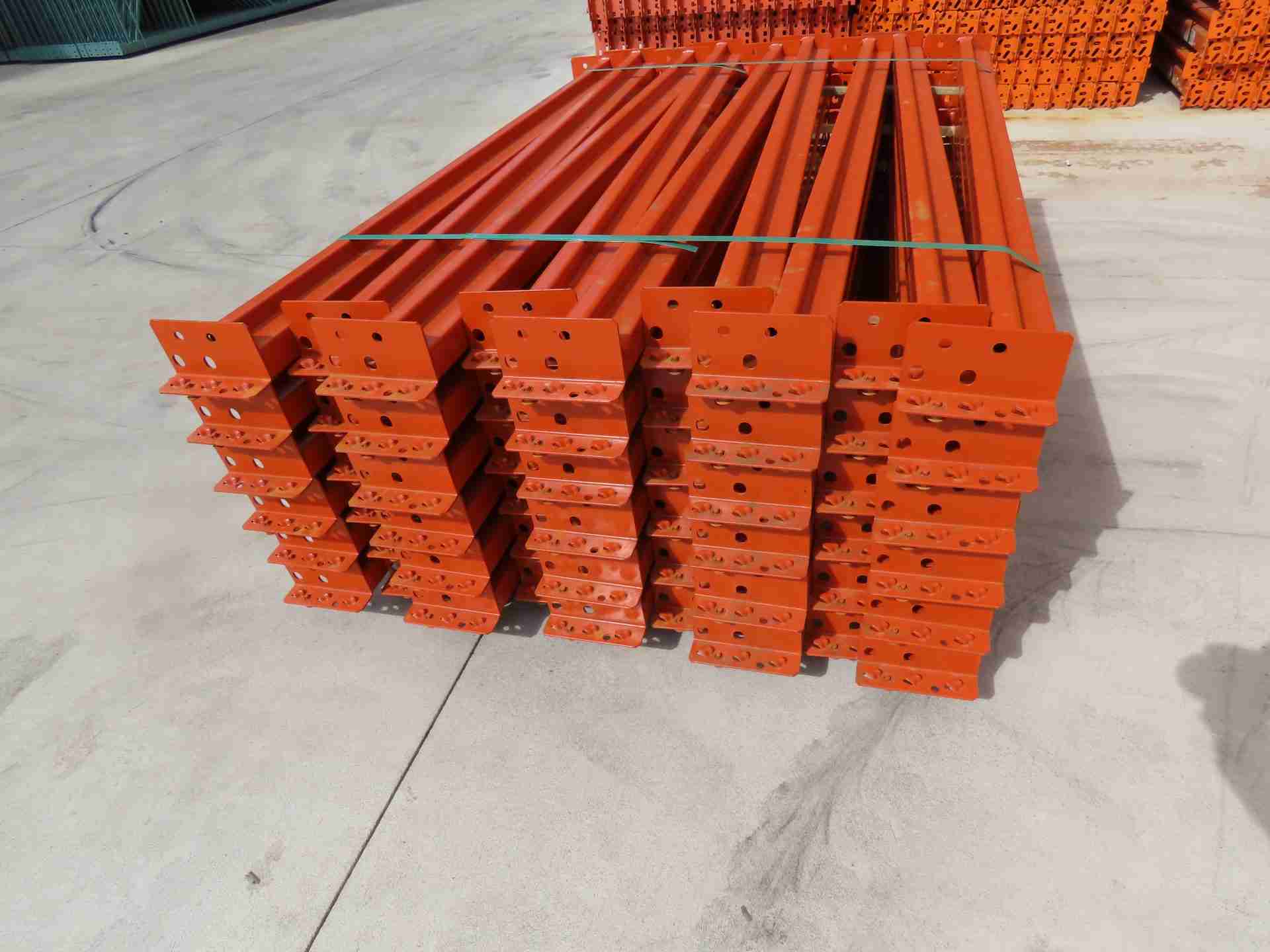
Conclusion
Other Resources

Other Resources
Here is a list of other resources you can review online to learn more:
- National Safety Council
- New Cantilever Racks and Racking Kits
- ASSP
- Pallet Racking systems in Illinois and Great Lakes
- CA Wire
- Pallet Racks, Pallet Racking, Pallet Shelves in Stock – ULINE
- Total Warehouse
- Cantilever Rack Configuration & Installation: A Comprehensive Guide – BMH
- Arrow Industrial Sales
- Heavy-Duty Cantilever Storage Racks
- Racking World
- Teardrop Pallet Rack – Ridg-U-Rak
- Pallet Racking systems in Illinois and Great Lakes
- Logic Material Handling
- Material Handling Industry
- Chicago Pallet Racking
- SEMA
- What is Selective Racking: Understanding Benefits & Options
- Warehouse Storage Racking in Illinois
- Wolter
Use This Prompt To Get More Resources With Your Favorite Online AI Tool: Please provide me with a list of online articles with their URLs in a bulleted list that I can read regarding Cantilever Racks Vs. Pallet Racks: Which One Fits Your Storage Needs?

Other Resources
Glossary Terms
Cantilever Racks Vs. Pallet Racks: Which One Fits Your Storage Needs? – Glossary Of Terms
1. Cantilever Rack: A storage system with arms extending from a vertical structure, ideal for storing long or heavy items.
2. Pallet Rack: A shelving system designed for palletized loads, allowing for efficient storage and retrieval of goods.
3. Vertical Space: The height available in a storage area, which can be utilized for maximizing storage capacity.
4. Load Capacity: The maximum weight that a rack can safely hold, determined by its design and materials.
5. Aisle Width: The space between storage racks that allows for movement of equipment and personnel.
6. SKU (Stock Keeping Unit): A unique identifier for each distinct product or item stored in inventory.
7. Dynamic Storage: A storage method that allows for easy access and rotation of products, often using moving components.
8. Static Storage: A storage method with fixed components, where items are stored until retrieval without moving parts.
9. Strapping: A method of securing loads to prevent displacement during storage or transport.
10. Forklift: A powered industrial vehicle used for lifting and transporting heavy loads within warehouse settings.
11. Loading Dock: An area where goods are loaded or unloaded from delivery vehicles, often adjacent to storage systems.
12. Depth: The measurement from the front to the back of a rack, affecting how many items can be stored.
13. Beam: The horizontal support structure on a rack that holds the weight of stored items.
14. Column: The vertical support structure that provides stability to rack systems.
15. Cross-bracing: Diagonal supports that enhance the stability of a rack by preventing sway.
16. Warehouse Management System (WMS): Software that optimizes inventory management and storage logistics.
17. Inventory Turnover: A measure of how often inventory is sold and replaced over a specific period.
18. Accessibility: The ease with which items can be retrieved from storage, influencing efficiency.
19. Safety Standards: Regulatory guidelines that ensure racking systems are designed and maintained to prevent accidents.
20. Material Handling: The process of transporting, storing, and controlling materials throughout the manufacturing and distribution process.
21. Gravity Flow Racking: A system that uses gravity to efficiently move products from the back of the rack to the front.
22. Selective Racking: A type of pallet rack that allows direct access to each pallet, maximizing accessibility.
23. Drive-In Rack: A storage system that permits forklifts to drive into the rack, creating a high-density storage solution.
24. Pick Face: The area of a rack where items are stored for easy picking during order fulfillment.
25. Adjustable Racking: Racks that can be modified in height and configuration to accommodate different storage needs.
26. End-of-Aisle Display: A storage/display area located at the end of a storage aisle, often used for promotional items.
27. Weight Distribution: The manner in which weight is spread across a rack, impacting stability and safety.
28. Rack Inspection: Regular evaluation of racks to ensure structural integrity and compliance with safety standards.
29. Clearance Height: The vertical space available above a rack, important for determining storage methods for taller items.
30. Retention Strap: A device used to secure items in position on a rack, helping to prevent accidental drop or displacement during handling.

Glossary Of Terms
Other Questions
Cantilever Racks Vs. Pallet Racks: Which One Fits Your Storage Needs? – Other Questions
If you wish to explore and discover more, consider looking for answers to these questions:
- What are the key differences between cantilever racks and pallet racks?
- How do cantilever racks handle different types of inventory?
- What factors should I consider when determining my storage needs?
- What are the potential safety concerns with different racking systems?
- How do I evaluate the cost-effectiveness of my chosen racking system?
- What types of businesses typically benefit from cantilever racks?
- Can pallet racks be adjusted for different storage needs?
- What maintenance is required for cantilever and pallet racks?
- How do storage solutions impact employee productivity and morale?
- What role do design and layout play in effective storage?
- How do I ensure my storage solutions comply with local regulations?
- What are some examples of sustainable storage practices?
- How can I optimize my warehouse space using different racking systems?
- What are the best practices for organizing items on racks?
- How do peer ratings and reviews shape storage solution choices?
- How can I educate my team about the new storage system?
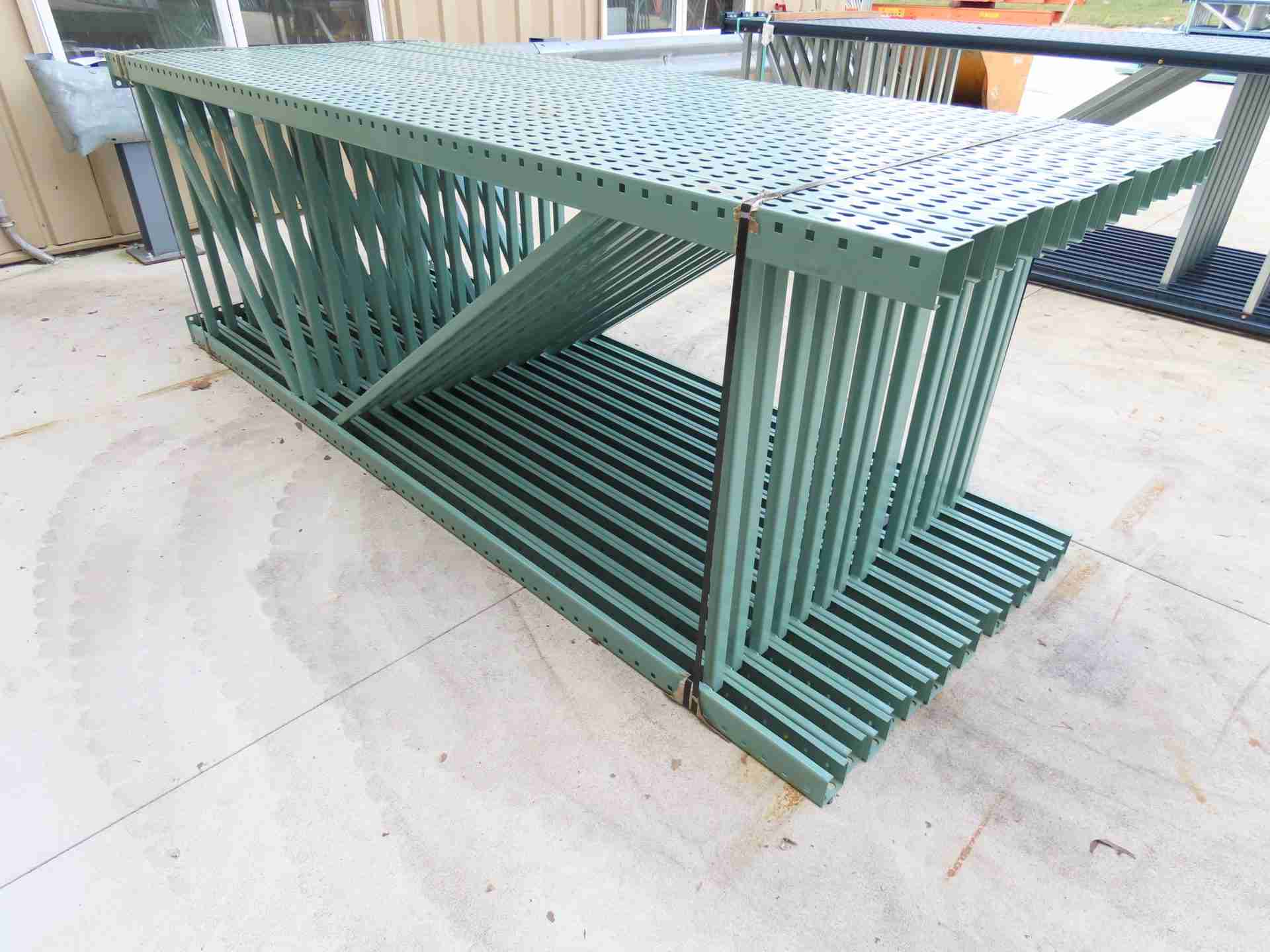
Other Questions
Checklist
Cantilever Racks Vs. Pallet Racks: Which One Fits Your Storage Needs? – A Checklist
Emotional Considerations
_____ Reflect on the stories and memories tied to your items.
_____ Visualize your workspace: Does it inspire confidence and efficiency?
_____ Consider if your team would feel empowered and valued with improved organization.
Rational Considerations
_____ Assess the types of items you’ll store: Are they long, bulky, or standard-size?
_____ Evaluate the cost-effectiveness of each racking solution regarding time and money savings.
_____ Weigh the efficiency of retrieval times against the accessibility of your stored items.
Ethical Considerations
_____ Investigate whether your chosen racking system supports sustainability.
_____ Reflect on how your decisions impact the safety of your workspace and your community.
_____ Consider the message your storage choices send about your values and commitment to quality.
Authority Considerations
_____ Seek peer recommendations: What have others experienced with cantilever vs. pallet racks?
_____ Research expert reviews and testimonials regarding different racking systems.
_____ Compare brand reputations: Are they recognized for quality and reliability?
Narrative Considerations
_____ Think about the story you want your workspace to tell about efficiency and organization.
_____ How does your storage system align with your company’s mission and values?
_____ Envision the impact of an organized storage solution on productivity and employee morale.
Social Considerations
_____ Discuss your storage solutions with colleagues and family for diverse insights.
_____ Share your experiences and lessons learned to foster community knowledge.
_____ Engage in conversations about best practices in storage to collectively enhance efficiency.
Gut Feelings
_____ Pay attention to your initial impressions of potential storage systems.
_____ Trust your instincts when it comes to investing in quality; does it feel right?
_____ Consider if your budget aligns with your emotional and practical needs.
Utilize this checklist to assess your storage options thoughtfully, merging emotional, rational, ethical, and social aspects into your decision-making process. Choose a solution that enhances not just your space but your overall operational philosophy.

Checklist
At RackingWorld, we help guide you through selecting warehouse storage systems and racking.
Be sure to read our other related stories at RackingWorld to learn more about warehouse storage systems.
0 Comments