
Maximize Efficiency And Durability With Proven Cantilever Rack Strategies
By Tom Seest
At RackingWorld, we help guide you through selecting warehouse storage systems and racking.
Be sure to read our other related stories at RackingWorld to learn more about warehouse storage systems.
Cantilever Rack Layout Tips for Indoor Vs. Outdoor Use
When it comes to designing your cantilever rack layout, the environment where you plan to store your materials can make all the difference. Indoor and outdoor settings each present unique challenges and opportunities that can impact your racking efficiency and safety. It’s not just about practicality; it’s about creating a space that works for the people who rely on it every day.
Inside, your cantilever racking should reflect not only the dimensions of your warehouse but also the flow of work. Picture it: a bustling hub where every beam and bracing achieves maximum accessibility. When calculating your layout, think about how materials will move through that space. You want to minimize bottlenecks, reduce the risk of injury, and improve productivity. This isn’t just about lifting heavy materials; it’s about lifting the whole team’s spirits. A well-planned racking system means fewer frustrations and more successes—a workspace where people can thrive.
Now step outside, where the sun shines down on your rack logistics, and you’ve got to contend with Mother Nature. An outdoor cantilever rack means weathering the elements, so consider materials that stand the test of time. Think steel that resists rust, or finishes that fend off the wind and rain. Each decision you make can safeguard your resources—and more importantly, the people operating in that environment. In this setting, it’s vital to create an ethical framework for safety and sustainability. A well-constructed outdoor rack layout doesn’t just hold material; it holds trust that you have your workers’ best interests in mind.
Narratives around workplace safety often focus on immediate risks, but let’s consider the long-term story you’re creating when you invest in superior racking systems. What does it say about your business ethos when you prioritize safety and efficiency? It says you care—not just about profits, but about those who contribute to those profits. When your team feels secure in their environment, productivity isn’t just expected; it’s celebrated.
No matter where you are, the heart of a proper cantilever rack layout resonates with your team’s daily journey. Inspire action by taking a step back, examining your space with fresh eyes, and redesigning layouts that foster cooperation, safety, and a sense of shared accomplishment. The right racking isn’t merely a structural backbone; it’s a testament to a culture that cherishes every individual who walks through the door. Whether indoors or out, every decision counts. Make it matter!
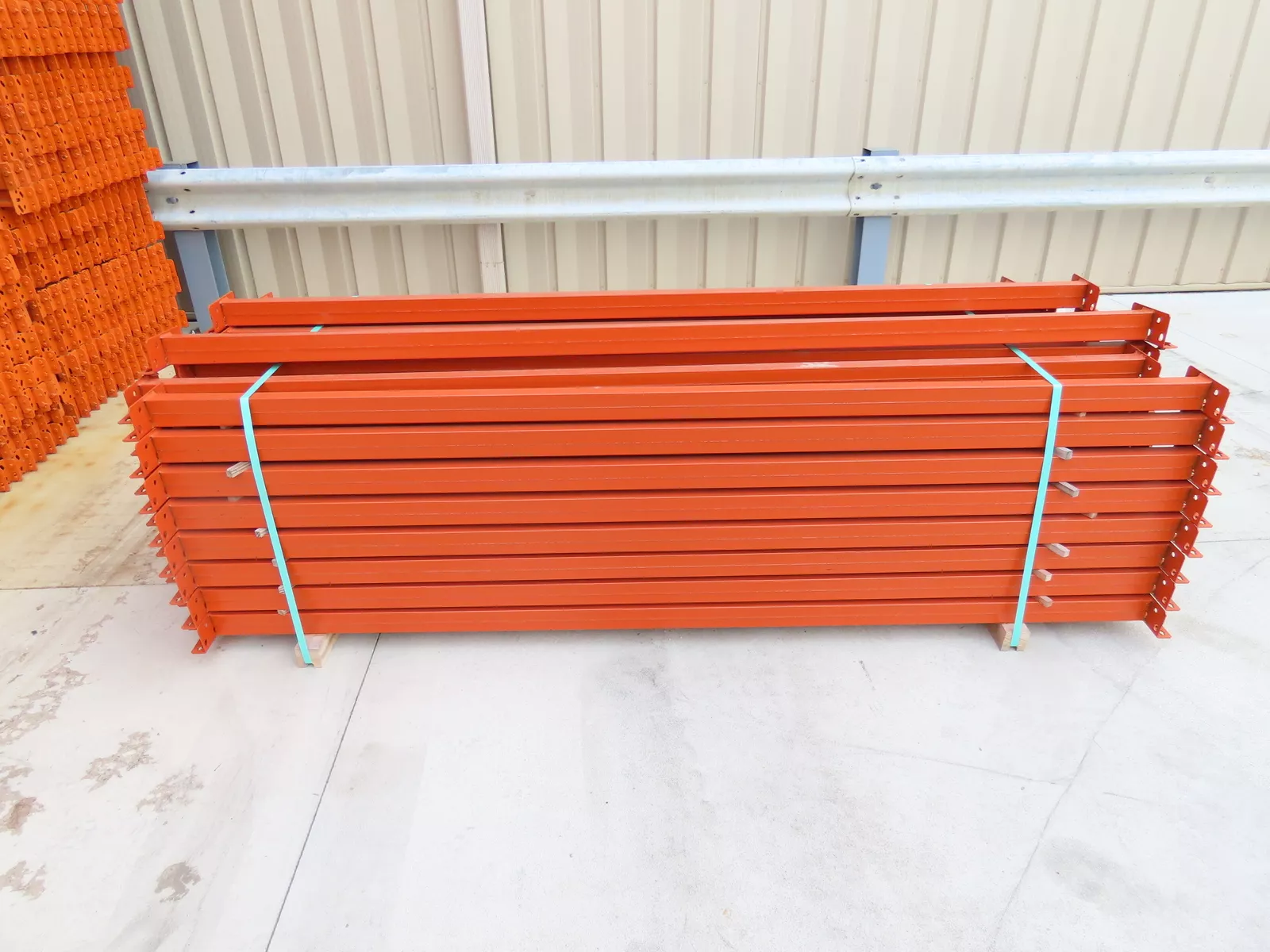
Cantilever Rack Layout Tips for Indoor Vs. Outdoor Use
Cantilever Rack Layout Tips for Indoor Vs. Outdoor Use
- The environment influences cantilever rack layout, affecting efficiency and safety.
- Indoor racking should enhance warehouse dimensions and workflow for maximum accessibility.
- Minimizing bottlenecks and injury risks boosts productivity and team morale.
- Outdoor racks must withstand weather; consider durable materials and finishes.
- Creating a safe and sustainable outdoor layout builds trust among workers.
- Investing in quality racking systems highlights a business’s commitment to safety and efficiency.
- A well-designed layout reflects a culture that values cooperation and individual contributions.
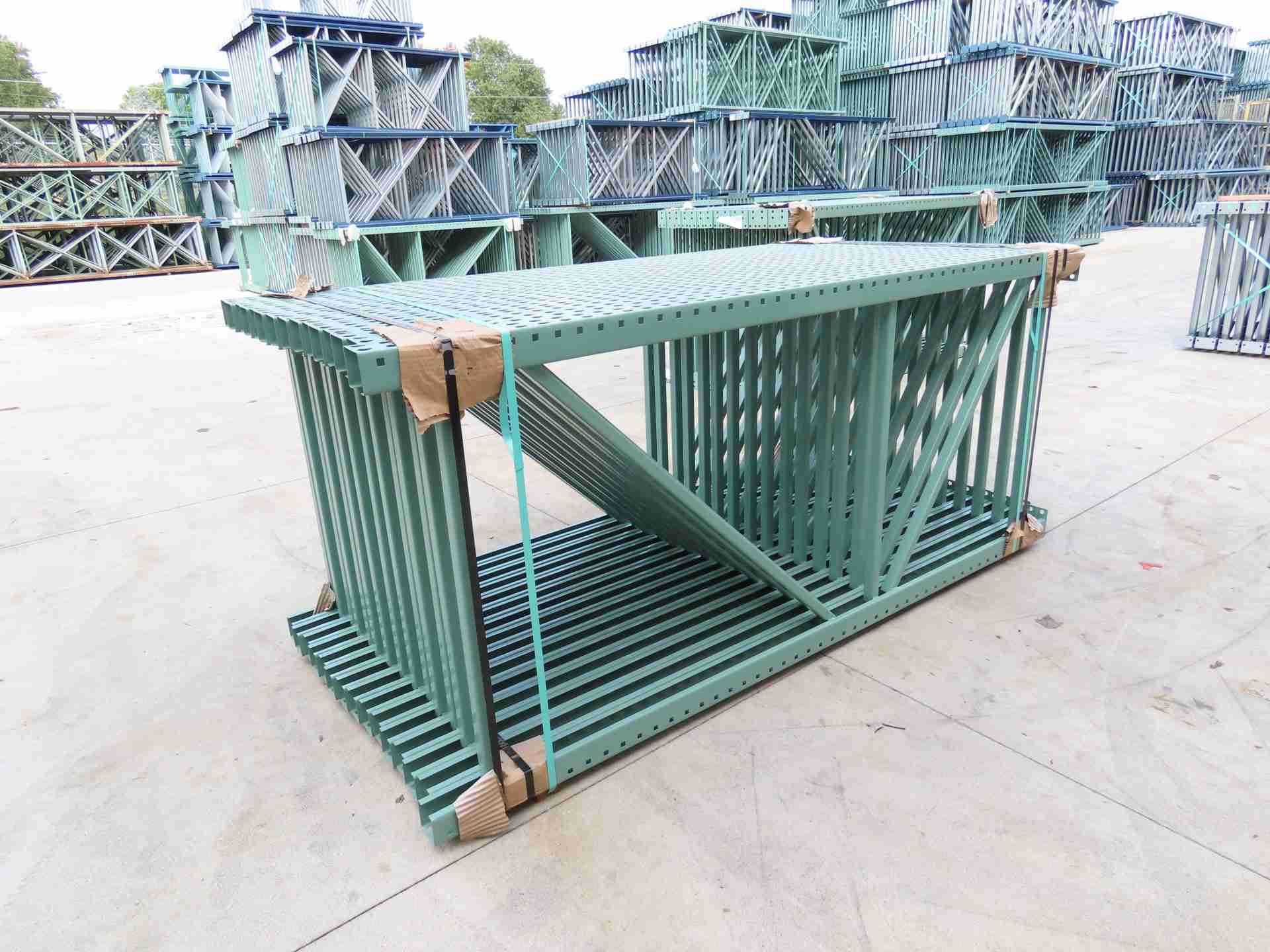
Cantilever Rack Layout Tips for Indoor Vs. Outdoor Use
Table Of Contents
- Cantilever Rack Layout Tips for Indoor Vs. Outdoor Use
- What Factors Should You Consider for Indoor Rack Stability?
- How Does the Environment Impact Your Rack Design Choices?
- Are You Prioritizing Safety In Your Cantilever Rack Setup?
- How Can You Optimize Space Using Cantilever Racks Effectively?
- Why Are Quality Materials Essential for Outdoor Cantilever Racks?
- Conclusion
- Other Resources
- Glossary Of Terms
- Other Questions
- Checklist
What Factors Should You Consider for Indoor Rack Stability?
When considering the stability of an indoor rack, you’re not merely talking about materials and design; you’re delving into the very heart of safety and reliability. It’s about the peace of mind that comes with knowing your equipment will stand firm while you focus on your work, whether that’s lifting weights, organizing tools, or storing supplies. The question isn’t just “Will it hold?” but rather “Can I trust it?”
First, let’s get practical. The weight capacity of your racking system must be aligned with what you intend to store. It’s not merely numbers on paper; it’s your livelihood and safety on the line. Consider how the rack distributes weight. A seemingly simple task can plummet into chaos if you’ve overlooked even the smallest detail. This isn’t a gamble; it’s a commitment to quality.
Next, let’s touch on durability. Materials matter. Steel might be the go-to choice, but even within that category, there are grades and finishes that dictate longevity. If the rack rusts or bends, you don’t just lose storage space; you lose confidence. Does it feel sturdy when you load it up? Does it sway or shudder? These intuitive feelings matter as much as any specification sheet.
But there’s also an ethical component. Investing in quality racking isn’t just about personal gain; it’s about responsibility. Whether in a warehouse or your garage, consider how your choices affect your team or family. A failure in your racking could result in injuries or accidents—events that ripple through your social circles and impact everyone around you. Your choice reflects an understanding of your role within a community that values safety and care.
On the authority front, look at those who design and manufacture these systems. Seek reviews and recommendations from those who’ve endured the consequences of poor choices. Understanding their experiences reinforces your decision and helps build a tapestry of trust.
Ultimately, crafting a reliable indoor rack is not merely an exercise in physics; it’s about crafting an environment where people can thrive, work efficiently, and feel secure. The next time you stack that shelf, remember: you’re not just organizing items; you’re establishing a foundation for success and safety. So go ahead—make that decision with your heart, your head, and your gut. Choose wisely, and you’ll be building more than just a rack; you’ll be building a legacy of stability and trust for anyone who relies on it.
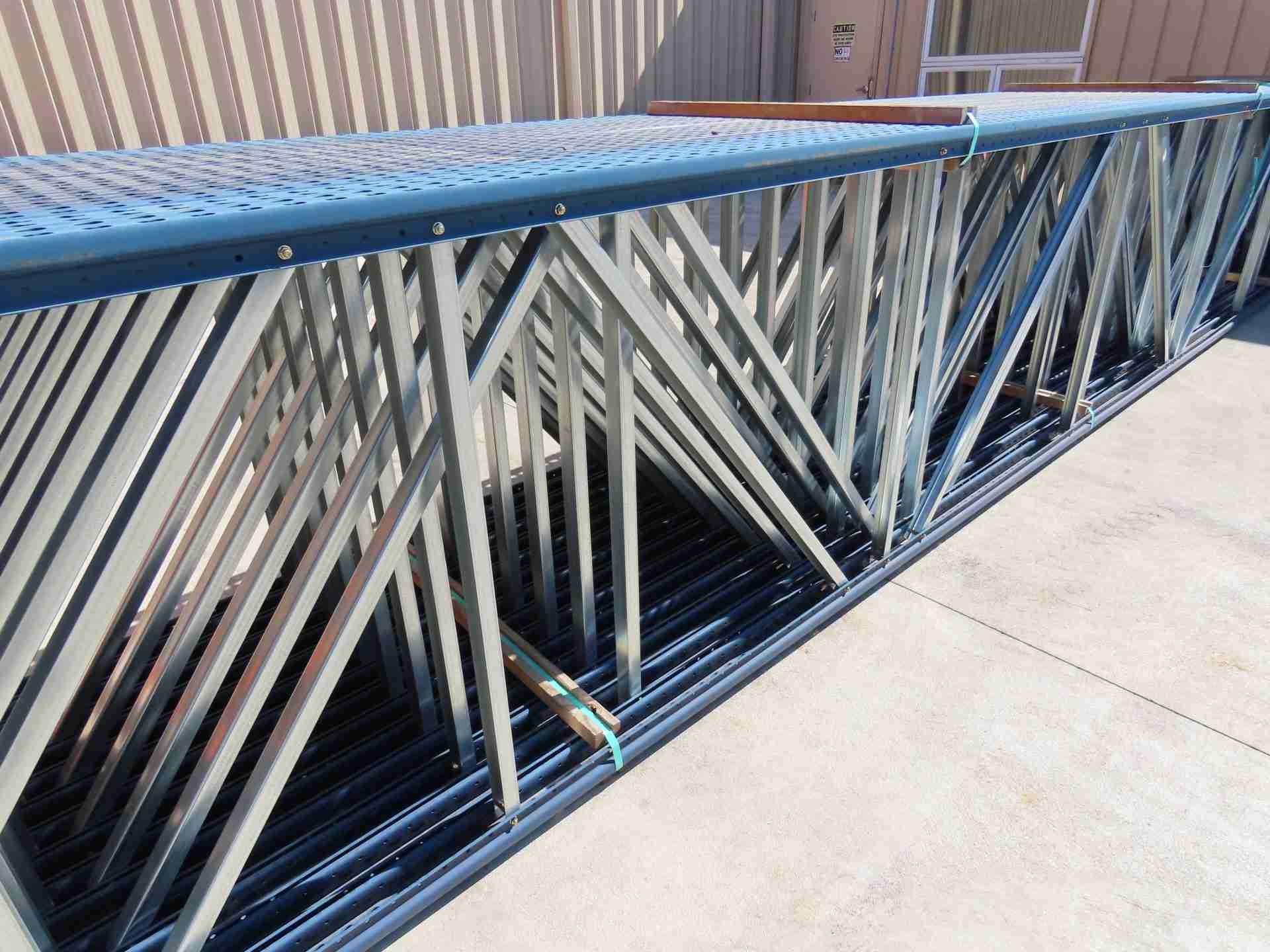
What Factors Should You Consider for Indoor Rack Stability?
What Factors Should You Consider for Indoor Rack Stability?
- The stability of an indoor rack is crucial for safety and reliability.
- Ensure the weight capacity aligns with intended storage to protect your livelihood.
- Durability of materials, particularly steel grades and finishes, affects longevity and confidence in the rack.
- Investing in quality racking reflects responsibility toward safety for your team or family.
- Research manufacturers and read reviews to understand the implications of poor choices.
- Creating a reliable indoor rack fosters an environment conducive to thriving and safe work.
- Make choices with care, as they contribute to a legacy of stability and trust.
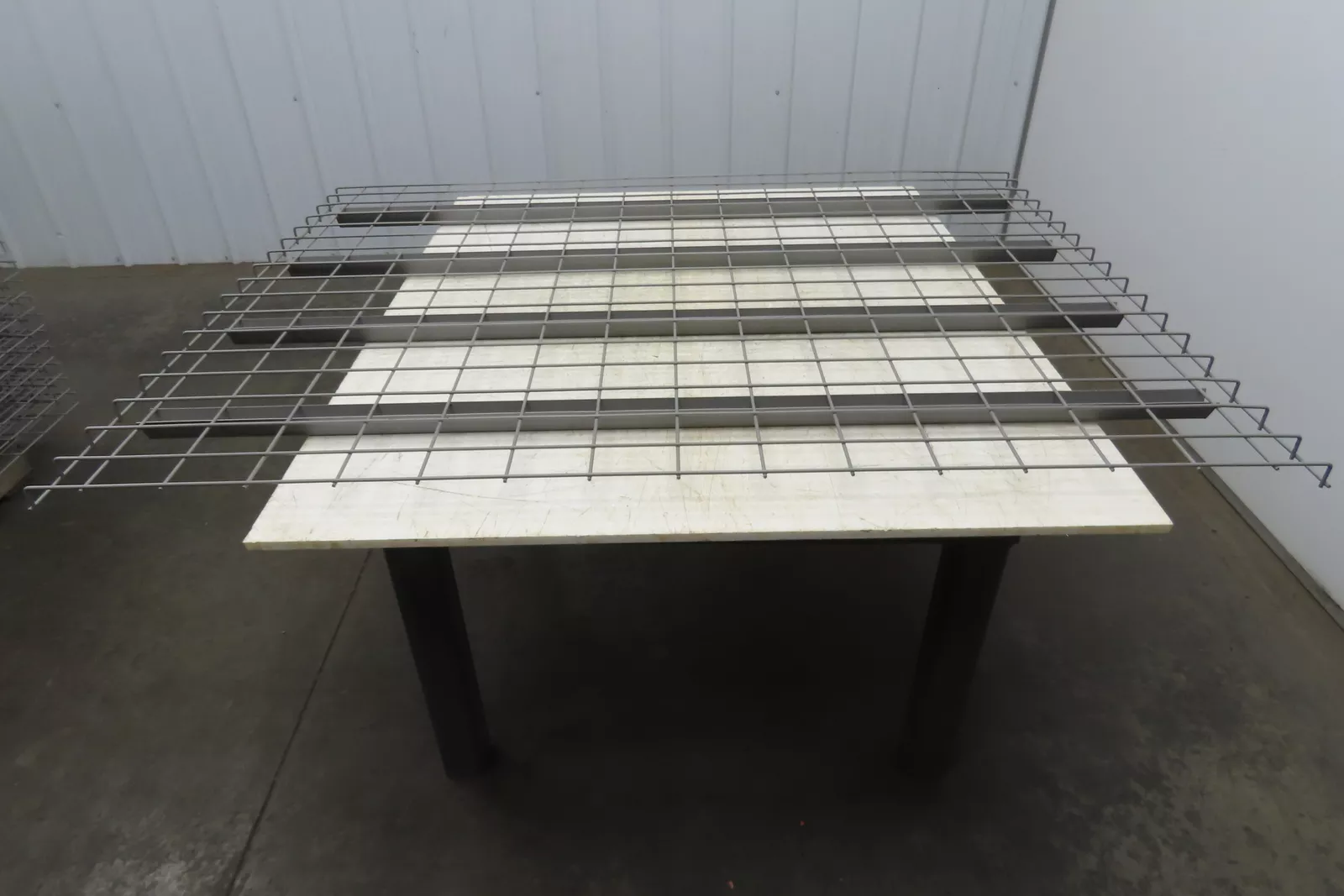
What Factors Should You Consider for Indoor Rack Stability?
How Does the Environment Impact Your Rack Design Choices?
When we talk about racking, we’re not just referencing the metal shelves that hold our valuable goods; we’re diving into a world deeply intertwined with the environment around us. Picture this: a warehouse perched on the edge of a bustling city, where temperature swings breathe life into every corner. The choice of racking here isn’t trivial; it’s an intricate dance with the climate.
Every environment tells a story—urban areas with their concrete jungles, coastal regions where saltwater lingers in the air, and mountain towns that face winter’s icy grip. These elements shape practical decisions in rack design, influencing material choices, load capacities, and safety features. Imagine standing in that warehouse, where every rack must not only support the weight of inventory but also withstand the tests of humidity and frost.
Emotionally, there’s a bond formed with your workspace. A thoughtfully designed racking system can make a warehouse feel welcoming and efficient, lifting the spirit of everyone who steps inside. When you witness a team smoothly navigating the aisles, easily retrieving items from sturdy, well-placed racks, it sparks a sense of pride—proof that the right environment can breed success.
From a rational perspective, consider the costs of poor design. A weak rack in a high-humidity area can lead to disaster: structural failure, damaged goods, and lost productivity. It’s not a question of if it will happen, but when. Investing in quality racking tailored to your unique environment is a decision that pays dividends in the long run.
Ethically, we owe it to our teams and the planet to make choices that prioritize safety and sustainability. Choosing eco-friendly materials and designs can significantly impact your carbon footprint, showing that we care—both for our employees and the world we inhabit.
With manufacturers and designers often weighing in, it’s essential to leverage their authority. Seek advice from those who understand the complex interplay of environment and racking. Use their knowledge not just to build structures but to shape the very culture of your workplace.
Your rack design is not just about logistics; it’s a reflection of your values, your commitment to safety, and your recognition of the space each element occupies. Choose wisely, and create an environment that doesn’t just store goods but nurtures a thriving community, connected by purpose and resilience.

How Does the Environment Impact Your Rack Design Choices?
How Does the Environment Impact Your Rack Design Choices?
- Racking is more than just metal shelves; it is closely linked to the surrounding environment.
- Different environments (urban, coastal, mountainous) influence rack design, material choices, and safety features.
- A well-designed racking system enhances workspace efficiency and creates a welcoming atmosphere.
- Poor racking design in challenging conditions can lead to structural failures and economic losses.
- Investing in quality, tailored racking pays off in productivity and safety.
- Choosing eco-friendly racking materials reflects a commitment to sustainability and employee safety.
- Consulting with manufacturers and designers can elevate workplace culture and operational success.
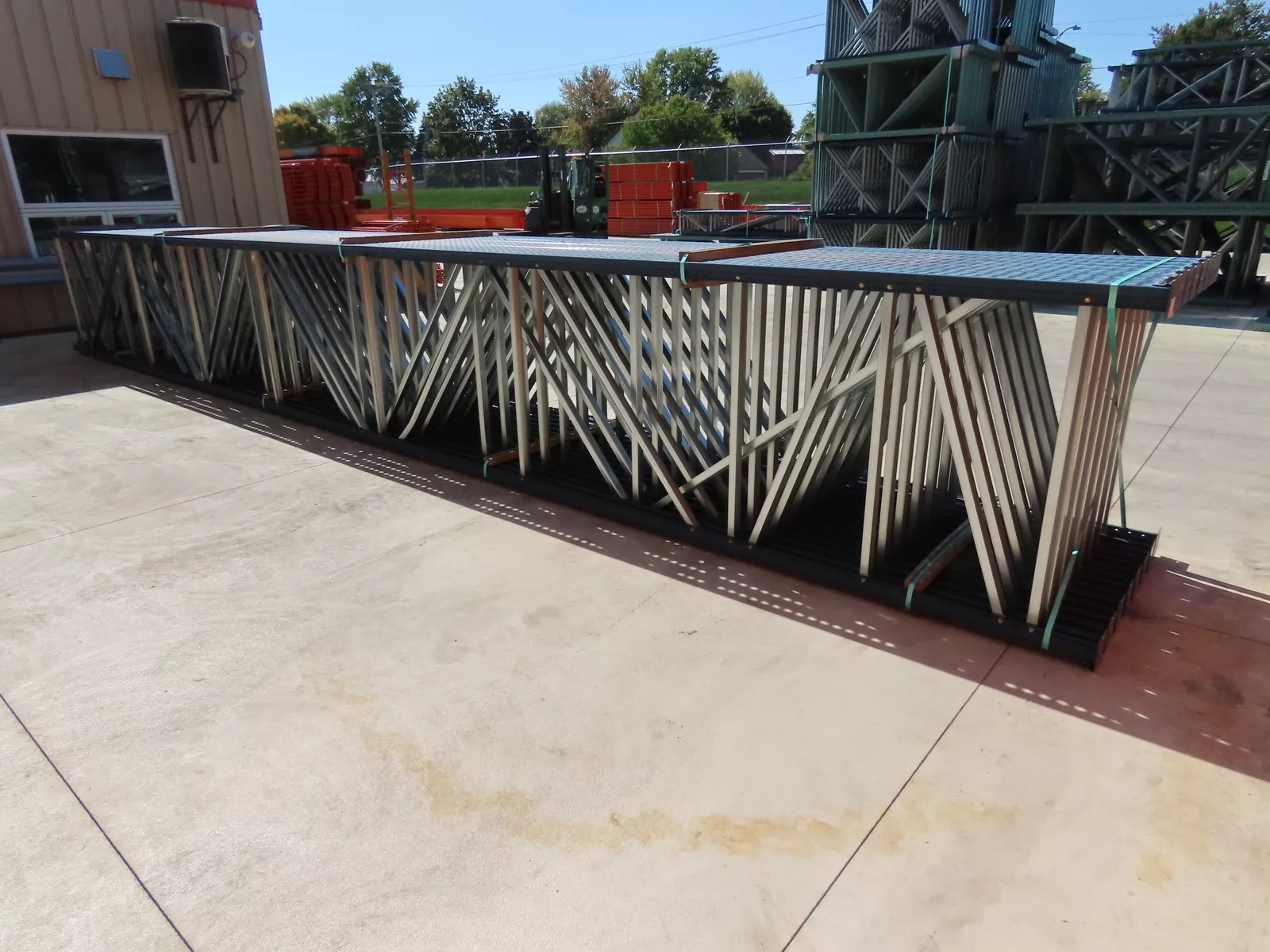
How Does the Environment Impact Your Rack Design Choices?
Are You Prioritizing Safety In Your Cantilever Rack Setup?
When it comes to your cantilever rack setup, you’re not just stacking materials; you’re crafting a foundation for safety, efficiency, and longevity. Racking systems are more than simple storage solutions; they hold the weight of your business and the well-being of your team. Imagine stepping into your warehouse each day, knowing that every beam is secure, every load is balanced, and every worker is safe. That sense of confidence isn’t just desirable; it’s essential.
Let’s start by addressing the heart of the matter. Every piece of equipment, from the racking to the safety guards, plays a crucial role in safeguarding the livelihoods of those who walk through your facility. A failure in your setup could lead to accidents that alter lives forever. When you prioritize safety, you’re not just following regulations—you’re demonstrating respect for the people who put their trust in you. When your team knows you’ve invested in their safety, it fosters a culture of commitment and camaraderie.
Now, let’s engage the head. Think practically. Are your racks designed to handle the weight they’re intended to bear? Proper cantilever racking isn’t merely a guideline; it’s the blueprint for preventing costly mistakes that can encumber your operations. Regular inspections and adherence to industry standards aren’t just smart—they’re your best insurance policy, enabling you to avoid the devastating costs of accidents, inventory loss, or even litigation. Every dollar spent on ensuring a safe racking system is an investment in the health of your business.
Ethically, there’s a responsibility that comes with leadership. When you choose safety, you’re sending a clear message: Everyone matters here. The moral compass of a business should always point towards the welfare of its employees. By choosing to prioritize safety in every element of your cantilever rack setup, you’re reinforcing the value of human life over profit.
And let’s not forget the social aspect—how does your commitment to safety shape the narrative around your business? When customers and communities see that you put people first, your credibility soars, and loyalty strengthens, creating a ripple effect in your network.
It’s not just about racking; it’s about building a reputation that stands tall. So take a moment, look at your setup, and ask yourself: Are you prioritizing safety? Because in this world, the stories worth telling are the ones where everyone comes home safe at the end of the day.
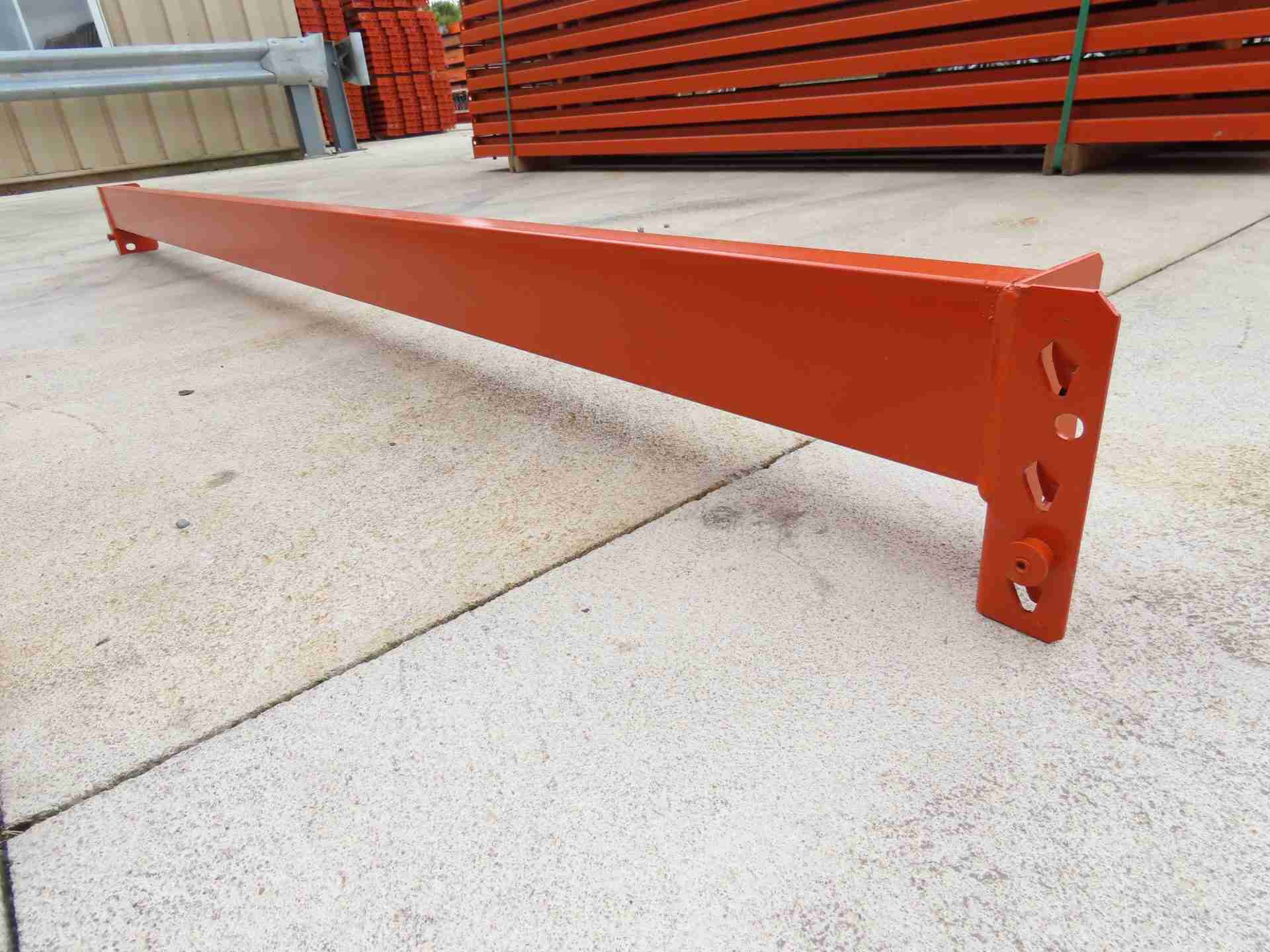
Are You Prioritizing Safety In Your Cantilever Rack Setup?
Are You Prioritizing Safety In Your Cantilever Rack Setup?
- Cantilever rack setups are essential for safety, efficiency, and longevity in a warehouse environment.
- Proper racking systems ensure that every beam is secure, loads are balanced, and workers remain safe, fostering confidence in the workspace.
- Every component, including racking and safety guards, plays a crucial role in protecting employees and the business itself.
- Prioritizing safety is not just about compliance but shows respect for workers, enhancing teamwork and commitment.
- Racks must be designed to carry the proper weight; monitoring and adhering to industry standards can prevent costly mistakes.
- Choosing safety emphasizes a business’s ethical responsibility, valuing employee welfare over profit.
- A strong commitment to safety enhances a company’s reputation, fostering customer loyalty and strengthening community ties.
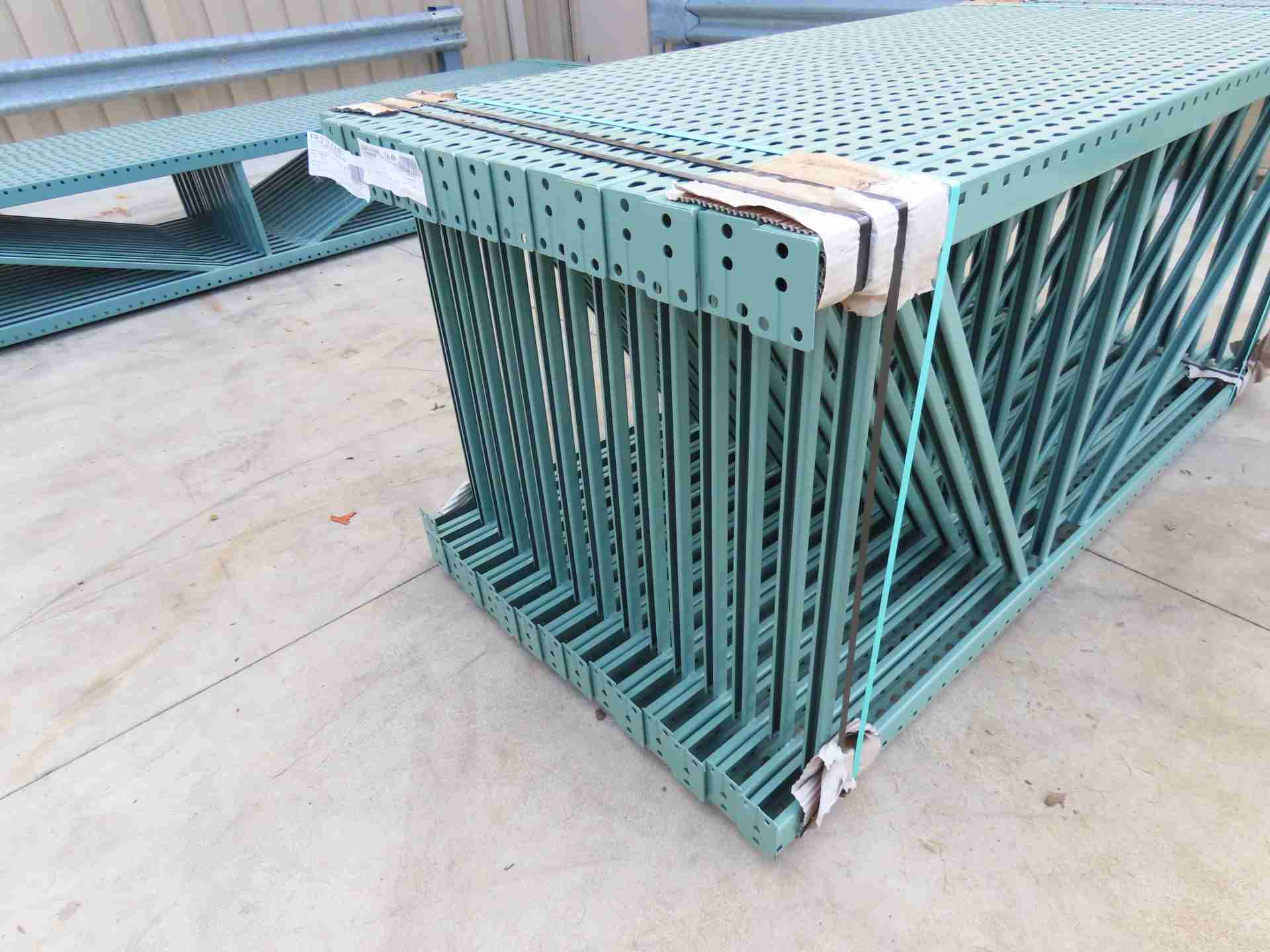
Are You Prioritizing Safety In Your Cantilever Rack Setup?
How Can You Optimize Space Using Cantilever Racks Effectively?
When it comes to optimizing space in your warehouse, few solutions are as powerful as cantilever racks. These versatile systems can revolutionize how you store inventory, maximize vertical space, and enhance workflow efficiency. Think about it: your warehouse is more than just a building; it’s a living organism that keeps your business thriving. By using cantilever racking, you’re not just stacking goods; you’re engineering a solution that brings order to chaos and innovation to tradition.
Imagine walking into your warehouse, and instead of a maze of clutter, you see a streamlined space where every inch is accounted for. That’s the potential of cantilever racks. They allow for easy access to long and bulky items, which have traditionally been a hassle to store. Say goodbye to the days of wrestling with unwieldy sheets of plywood or steel beams. Instead, picture your team seamlessly grabbing what they need, in a time-efficient manner. In a world where efficiency is everything, this is not just an advantage; it’s a necessity.
There’s an ethical layer to this too. Efficient racking isn’t merely about saving space; it’s about respecting the environment and your employees’ time. When you enhance your storage system, you’re reducing wasted space and improving energy use, making your operations more sustainable. This commitment to responsible practices speaks volumes about your values as a business. Not only will your employees appreciate a safer and more organized workspace, but customers will feel good knowing they’re supporting an ethical company.
But don’t just take my word for it; numerous success stories highlight the transformative impact of cantilever racks. Businesses that embraced this system reported not only improved storage capacity but also an increase in staff morale. When workers have what they need, where they need it, morale soars. This isn’t just about metal and bolts; it’s about fostering a culture of efficiency and pride.
So, if you’re standing on the edge, contemplating whether to integrate cantilever racks into your operation, remember: it’s more than an investment in storage. It’s an investment in your business’s future, your team’s happiness, and a step toward a more organized and efficient operation. Don’t let space go to waste; take action today to make your warehouse a beacon of efficiency and productivity.

How Can You Optimize Space Using Cantilever Racks Effectively?
How Can You Optimize Space Using Cantilever Racks Effectively?
- Cantilever racks are a powerful solution for optimizing space in warehouses.
- They allow for the efficient storage of long and bulky items, enhancing workflow.
- This storage solution brings order to chaos and elevates traditional methods.
- Implementing cantilever racks contributes to sustainability by reducing wasted space and energy use.
- They improve employee morale by creating a safer and more organized work environment.
- Businesses using cantilever racks report increased storage capacity and staff satisfaction.
- Investing in cantilever racks is an investment in the future of your business and its efficiency.
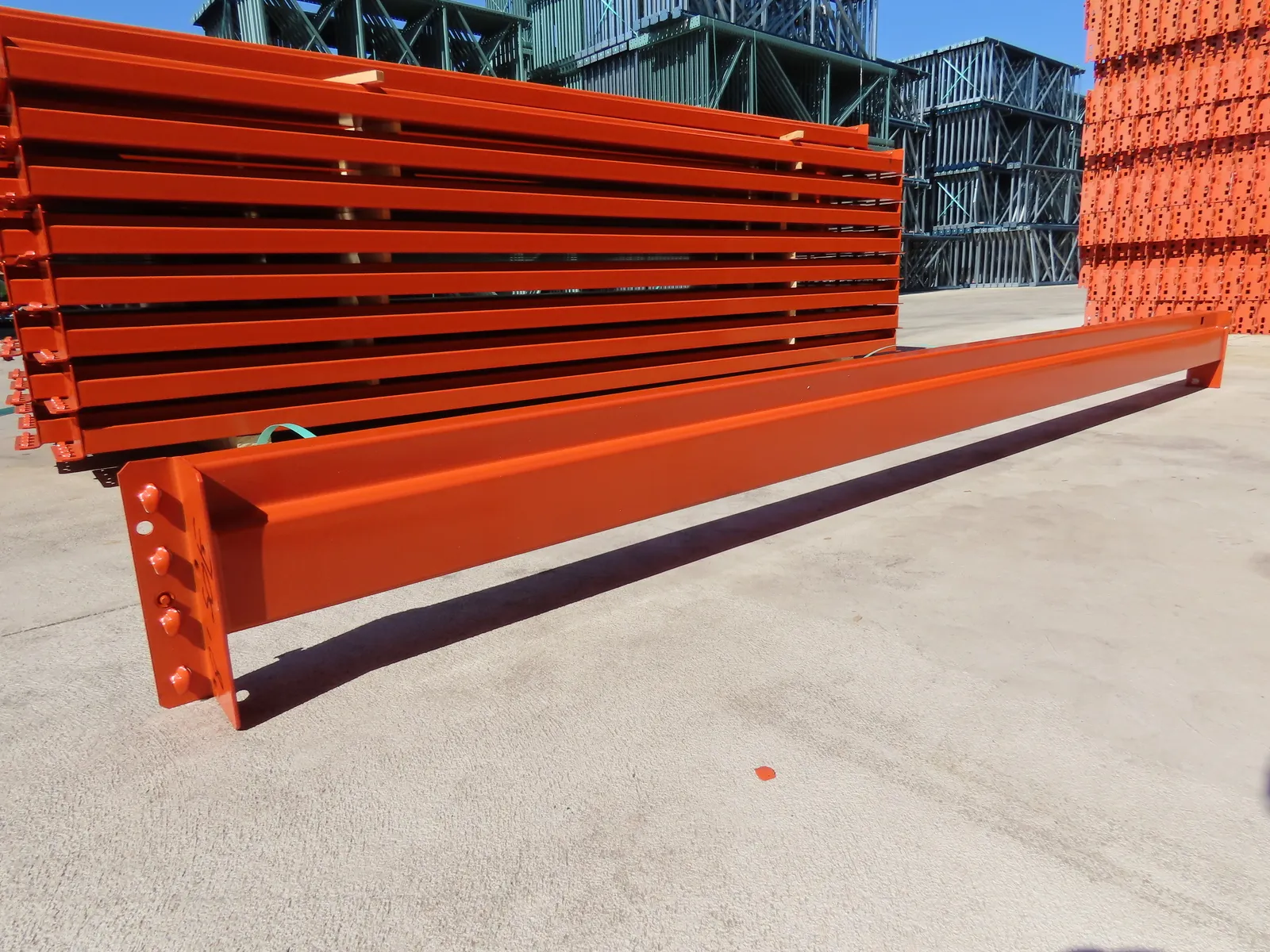
How Can You Optimize Space Using Cantilever Racks Effectively?
Why Are Quality Materials Essential for Outdoor Cantilever Racks?
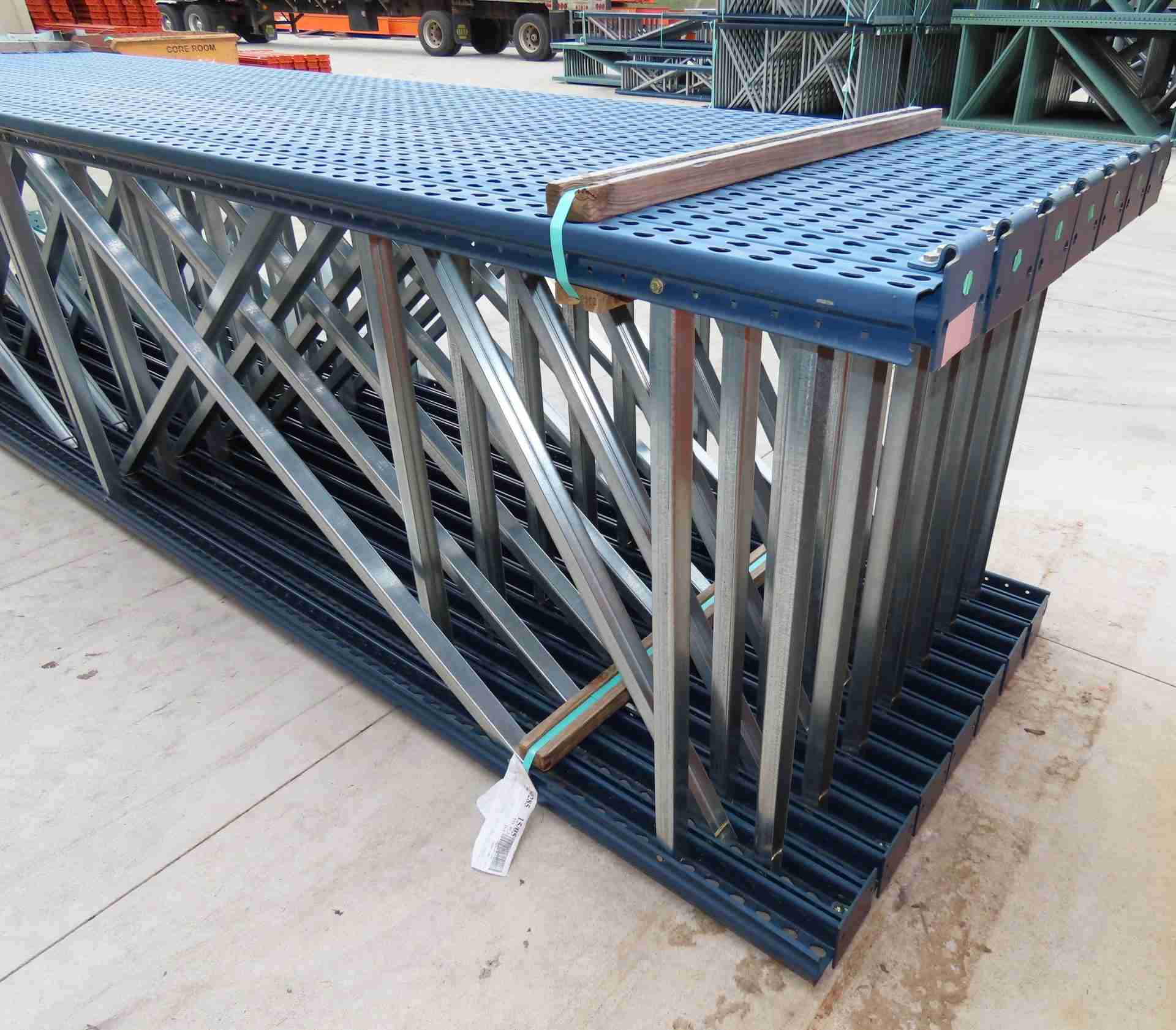
When you step onto a job site, there’s an unspoken understanding that everything in sight has a purpose. Amidst the hustle and bustle, you’ll see cargo and material piled high on neatly arranged racking, each piece relying on the integrity of the structure beneath it. But what happens when those racks don’t meet the test of time? Quality materials for outdoor cantilever racks aren’t just a feature; they’re a foundation upon which safety, reliability, and productivity stand.
Let’s start with the heart of the matter—safety. Picture a worker maneuvering a heavy load high up on a cantilever rack. If that rack is constructed from flimsy materials, the very moment you feel that tension in the air, know that you’re dancing on the edge of disaster. Each beam and post should be able to handle its load without flinching, robust enough to endure not just the weight of the materials, but the test of nature itself. When quality is in question, so too is the safety of those who rely on that racking system.
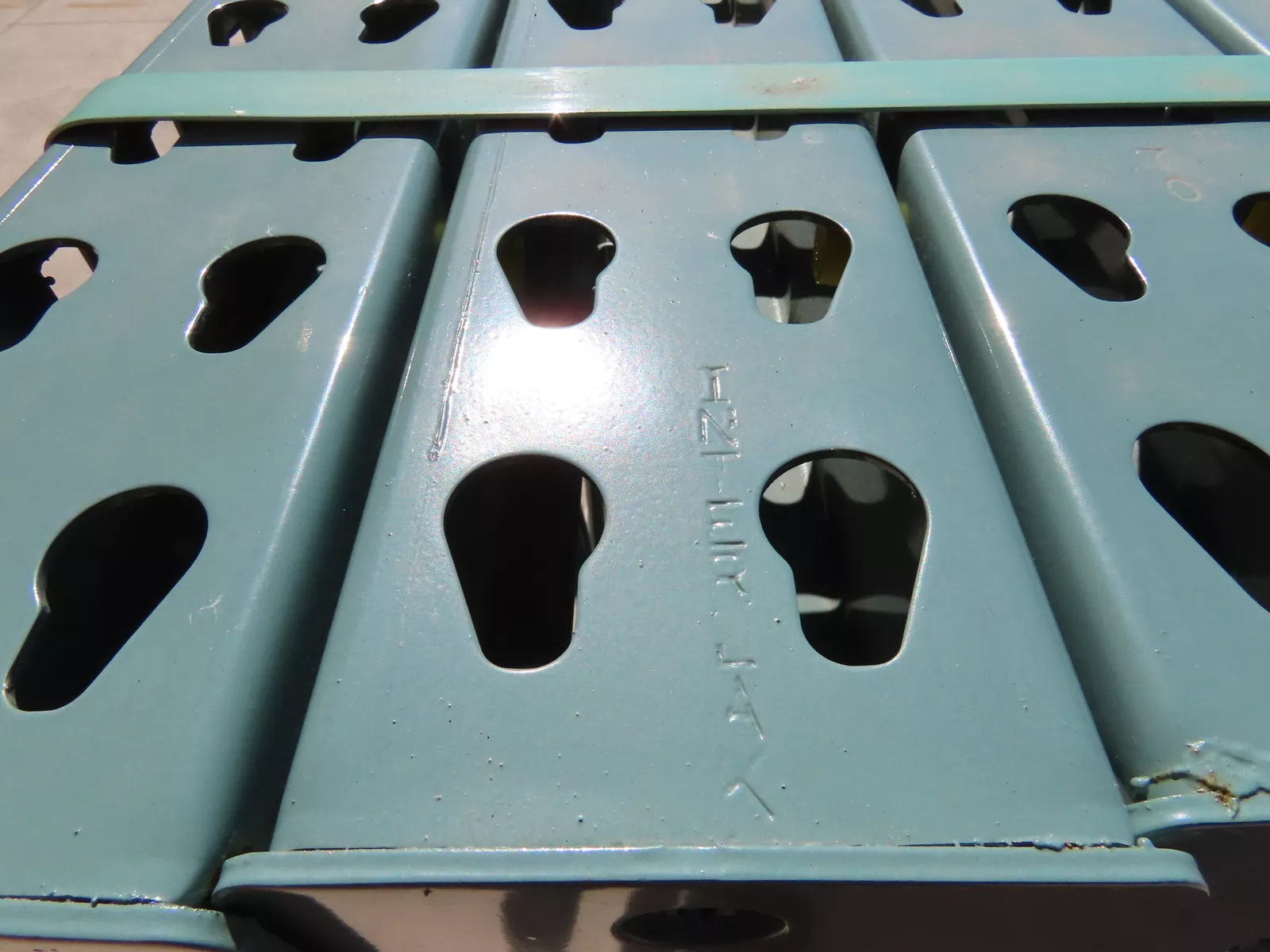
Now, let’s engage the head. Think about the financial implications. Choosing inferior materials might save a few bucks upfront, but investing in quality ensures long-term reliability. Lesser racks will deteriorate faster, leading to frequent replacements, repairs, and potential accidents that could cost not just money but lives. A well-built cantilever rack made from durable materials translates into fewer headaches down the line. It’s about making a choice that makes sense for your bottom line while protecting your people—an ethical decision where responsibility meets reliability.
Socially, quality materials also reflect your values. When you choose well-made racking systems, you send a powerful message to employees, customers, and partners: You care about quality, integrity, and safety. You’re not just storing materials; you’re building a reputation—one that says you take pride in your work and the well-being of those involved.
Think of the narrative. The stories are everywhere—characters who believed in cutting corners, only to end up with catastrophic failures that could have been avoided. Then there are those who invested in quality, sharing tales of unwavering confidence in their equipment and thriving under the weight of their success.
Ultimately, the decision to invest in high-quality materials for outdoor cantilever racks unfolds as a story about trust—trust in the materials, trust in your team, and trust in the longevity of your operations. It’s about laying down the groundwork for a future that’s not just about surviving, but thriving, in a world where every load matters.
Why Are Quality Materials Essential for Outdoor Cantilever Racks?
Why Are Quality Materials Essential for Outdoor Cantilever Racks?
- Everything on a job site has a purpose, highlighting the importance of quality and integrity in materials.
- Safety is paramount; poorly constructed racks pose risks to workers and can lead to disastrous outcomes.
- Quality cantilever racks should withstand material weight and environmental conditions without compromising safety.
- Investing in quality materials may have higher upfront costs but ensures long-term reliability and safety.
- Lesser racks lead to increased repair, replacement costs, and potential accidents, affecting both finances and lives.
- Choosing well-made racking systems reflects company values, signaling care for quality and safety to stakeholders.
- The decision to invest in quality materials fosters trust among team members and contributes to a company’s thriving future.
Why Are Quality Materials Essential for Outdoor Cantilever Racks?
Conclusion
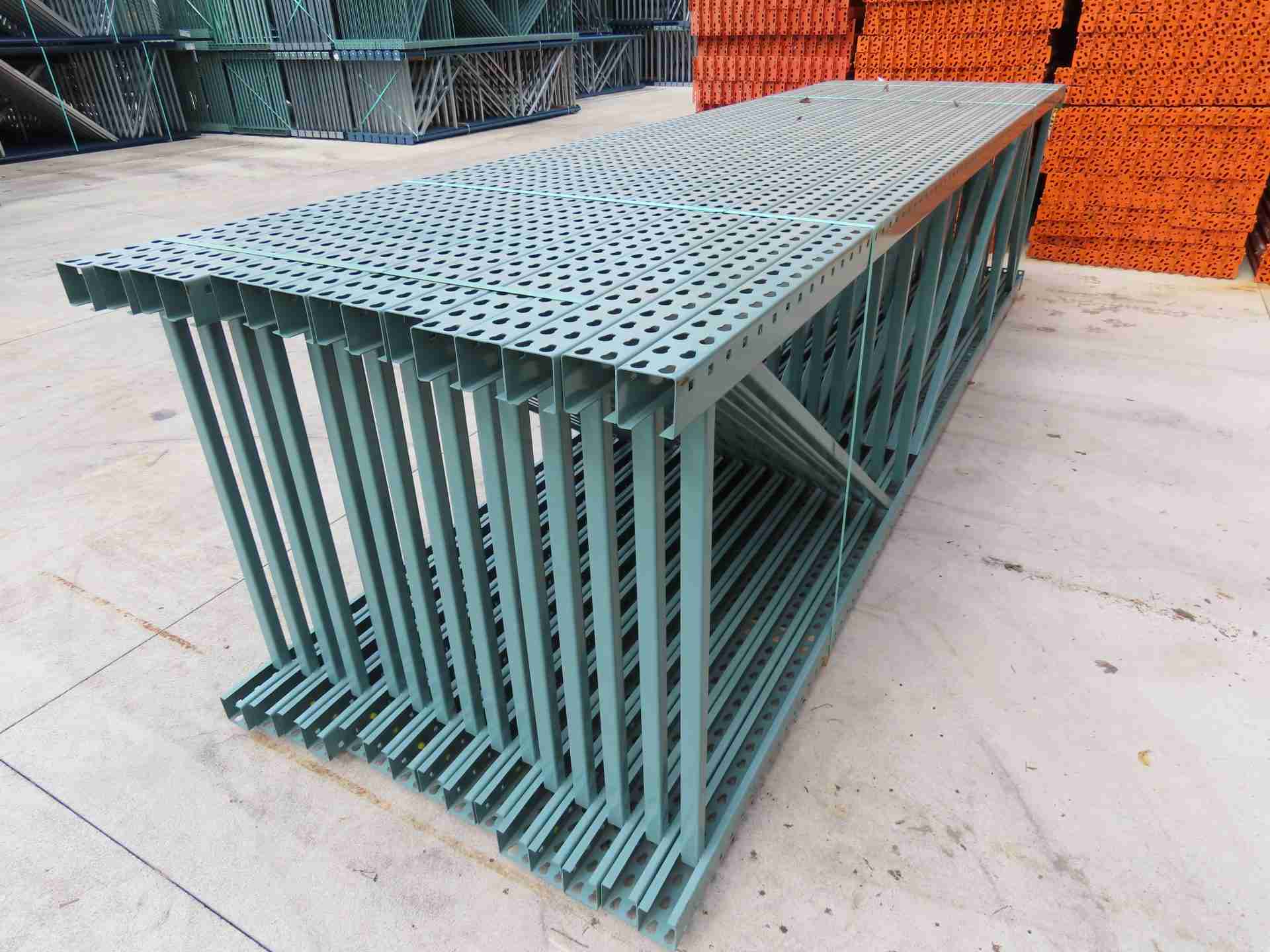
Designing effective cantilever rack systems isn’t just about metal shelving; it’s about creating a robust framework that nurtures well-being, efficiency, and safety for everyone involved. Whether indoors or outdoors, the environment shapes your decisions and ultimately impacts your team’s daily journey. In the heart of a facility, a thoughtfully realized indoor layout allows for free movement, minimizing bottlenecks and promoting a collaborative atmosphere. A well-crafted racking system becomes the unsung hero, ensuring that every employee feels valued and empowered. Picture a place where frustrations vanish, and productivity flourishes—a haven where each worker’s morale lifts because they feel safe, organized, and respected.
Transitioning to the outdoors, the challenges loom larger. Mother Nature doesn’t play games, which is why it’s crucial to prioritize durability and safety in your outdoor cantilever racks. Investing in quality materials not only shields your resources but also stands as a testament to your commitment to your team. The narrative isn’t just about providing equipment; it’s about establishing trust within a culture that honors every employee’s well-being. The act of strategizing for safety isn’t just compliance; it’s an ethical responsibility that influences every layer of your operations. The choices you make ripple out, not just affecting your own bottom line but enriching the community surrounding your business.
From a rational standpoint, every dollar spent on quality materials and effective design is an investment that pays dividends in reliability and safety. When you choose to prioritize high-quality racking systems, you’re demonstrating that people—your crew, your colleagues—come first. This serves as a foundational principle that transcends profit margins, creating a legacy of integrity. Your choices reflect your values, revealing a leadership ethos that prioritizes not just efficiency, but the spirit of cooperation and trust.
In this world, where every decision counts, the opportunity to inspire action is right in front of you. Embrace the chance to observe, analyze, and reimagine how you configure your space and racking systems. Strive for an environment that fosters unity, strengthens safety, and enhances productivity. Each beam and shelf is a reflection of a culture that cherishes individual contributions. Make it count; it’s about building a future where everyone thrives, and every responsibility is honored. Your racking decisions today shape the stories your team will tell tomorrow—not just about products stored but about hearts uplifted and spirits engaged in a workplace they feel proud to be part of. Choose wisely, and let each racking system tell a story of dedication, resilience, and community.

Conclusion
Conclusion:
- Effective cantilever rack systems enhance well-being, efficiency, and safety for all involved.
- A thoughtfully designed indoor layout minimizes bottlenecks and fosters collaboration among team members.
- Outdoor cantilever racks require a focus on durability and safety due to environmental challenges.
- Investing in quality materials reflects a commitment to employee well-being and establishes trust.
- Quality racking systems are an investment that promotes reliability, safety, and a culture of integrity.
- Decisions regarding racking systems impact not only business outcomes but also community well-being.
- Creating an organized and supportive environment inspires pride and engagement in the workplace.
Conclusion
Other Resources
Other Resources
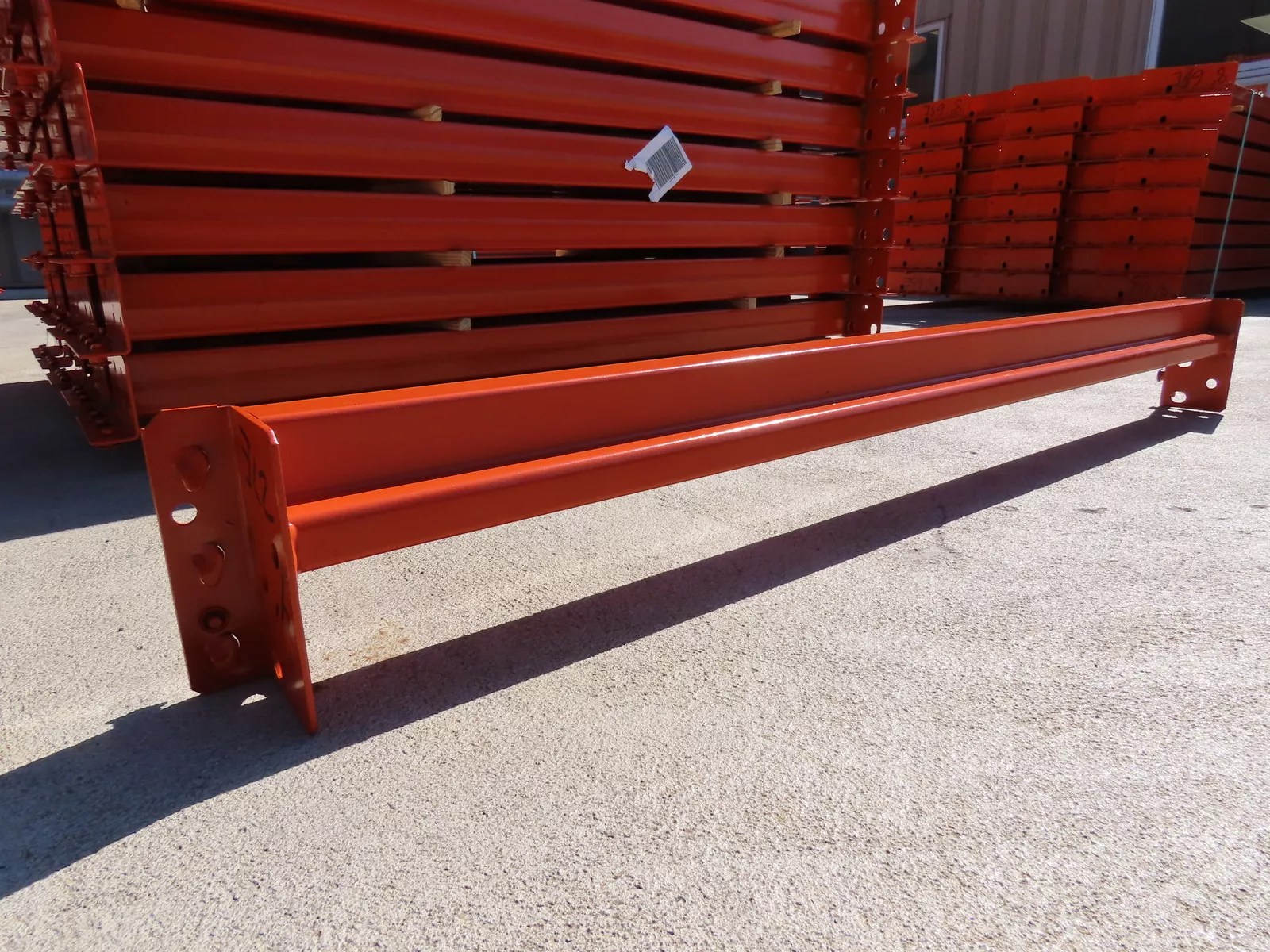
Here is a list of other resources you can review online to learn more:
- Selective Racking
- Chicago Pallet Racking
- Selective Pallet Racking Systems
- Interlake
- Rack Manufacturers Institute
- CA Wire
- Teardrop Uprights
- IIWS Inc. Rack Installation Illinois & Rack Repairs Illinois
- Cantilever Rack Configuration & Installation: A Comprehensive Guide – BMH
- SEMA
- Material Handling Safety
- Rack Manufacturers Institute
- Warehouse Racks, Warehouse Racking in Stock – ULINE
- MHI
- What is Cantilever Racking? – AK Material Handling Systems
- Overhead Lifting
- Cantilever Rack Guide: Ordering Cantilever Racking
- IIWS Inc. Rack Installation Illinois & Rack Repairs Illinois
- What is Selective Pallet Racking
- Storage Equipment Manufacturers’ Association
Use This Prompt To Get More Resources With Your Favorite Online AI Tool: Please provide me with a list of online articles with their URLs in a bulleted list that I can read regarding Cantilever Rack Layout Tips for Indoor Vs. Outdoor Use
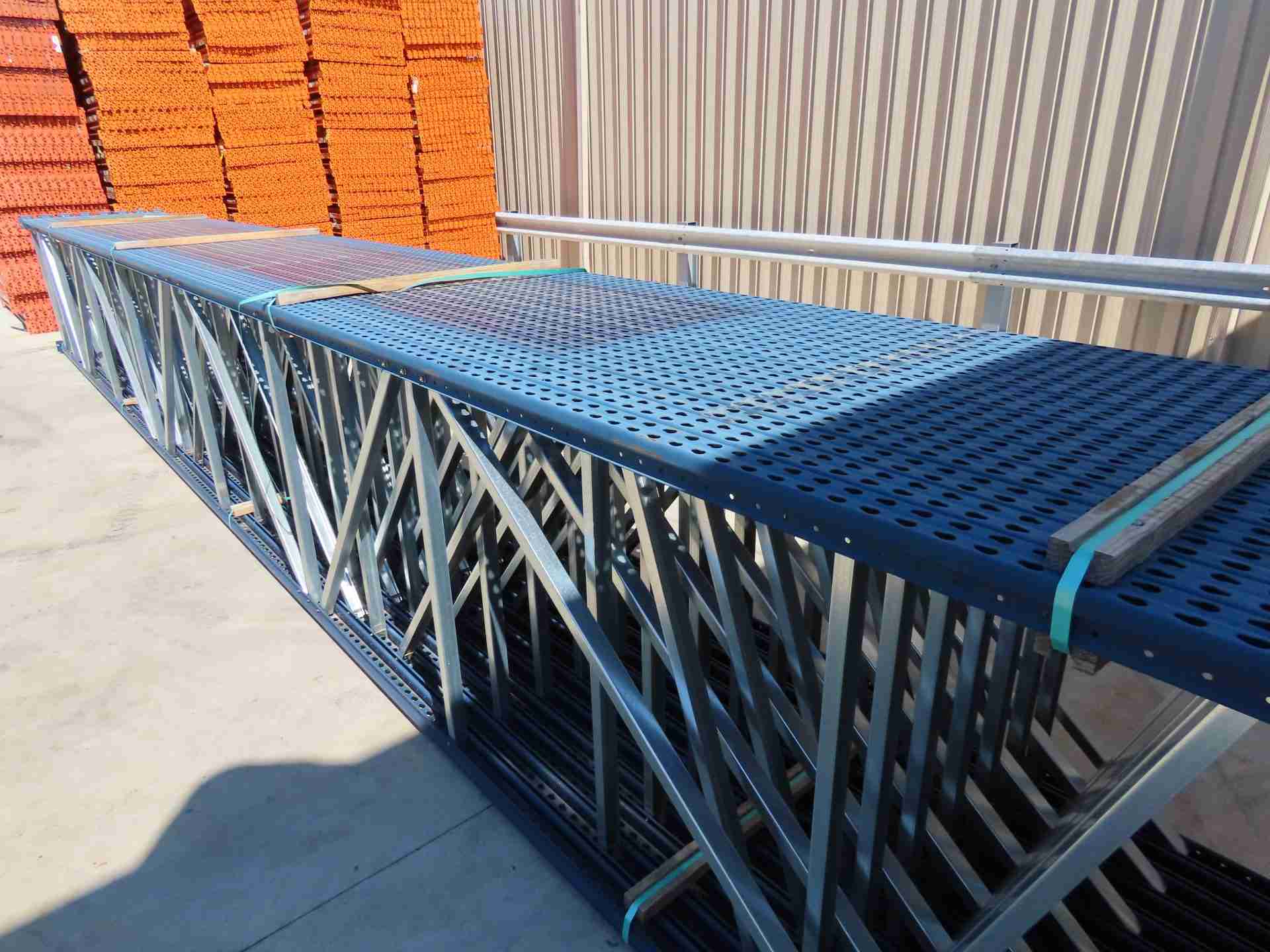
Other Resources
Glossary Terms
Cantilever Rack Layout Tips for Indoor Vs. Outdoor Use – Glossary Of Terms
1. Cantilever Rack: A storage system designed with arms extending from a single upright, ideal for storing long or heavy items.
2. Indoor Use: Refers to facilities or warehouses that are located inside a building, requiring specific layout considerations for optimal space utilization.
3. Outdoor Use: Refers to racks utilized in open-air environments, necessitating weatherproof designs and stability features.
4. Layout Design: The overall arrangement of racks within a space, focusing on maximizing storage efficiency and accessibility.
5. Weight Capacity: The maximum load that a cantilever rack can safely support, crucial for preventing structural failure.
6. Aisle Width: The space between racks, important for the maneuverability of forklifts or other handling equipment.
7. Vertical Clearance: The height available above racks, impacting the storage of taller items and overhead safety.
8. Beam Spacing: Refers to the distance between arms on a cantilever rack, influencing load distribution and accessibility.
9. Material Handling: Techniques or equipment used for moving and storing materials, essential for effective rack usage.
10. Safety Loading Guidelines: Manufacturer-recommended practices that dictate how to load cantilever racks to minimize risk.
11. Customization: The ability to modify rack dimensions and features to fit specific storage needs or space constraints.
12. BOLTS & HENCHES: Hardware used for assembling and securing cantilever racks, ensuring structural integrity.
13. Footprint: The total ground area occupied by the cantilever rack, critical for spatial planning.
14. End Supports: Vertical components at the ends of cantilever racks that provide stability and support for long loads.
15. Weather Resistance: The property of outdoor racks designed to withstand environmental elements like rain, snow, and UV exposure.
16. Upright: The vertical post of a cantilever rack that supports the horizontal arms.
17. Arm Length: The distance of the arms extending from the upright, influencing the types and sizes of materials stored.
18. Load Distribution: How weight is spread across a rack, important for maintaining balance and load integrity.
19. Forklift Access: The ability for forklifts to easily reach and maneuver around racks, crucial in both indoor and outdoor settings.
20. Storage Efficiency: The ratio of space utilized versus the total space available, essential for maximizing capacity.
21. Fire Safety Regulations: Standards that dictate spacing and layout to minimize fire hazards in storage areas.
22. Inventory Management: The process of tracking and organizing stock levels, critical for optimizing warehouse efficiency.
23. Installation: The process of setting up cantilever racks, which requires careful planning and adherence to safety standards.
24. Maintenance: Regular inspections and repairs necessary to ensure racks remain safe and functional over time.
25. Modular Design: A type of rack configuration that allows for easy scalability and reconfiguration as storage needs evolve.
26. Weight Distribution Plates: Accessories used to evenly distribute weight across the arms of cantilever racks, reducing stress.
27. Regulatory Compliance: Adherence to local laws and safety standards impacting the design and usage of cantilever racks.
28. Load Limits: Specifications indicating the maximum allowable weight for various sections of the rack.
29. Vertical Storage: An approach that emphasizes utilizing height within a storage area to increase capacity.
30. Space Optimization: Strategies to effectively use available space through thoughtful rack placement and design.
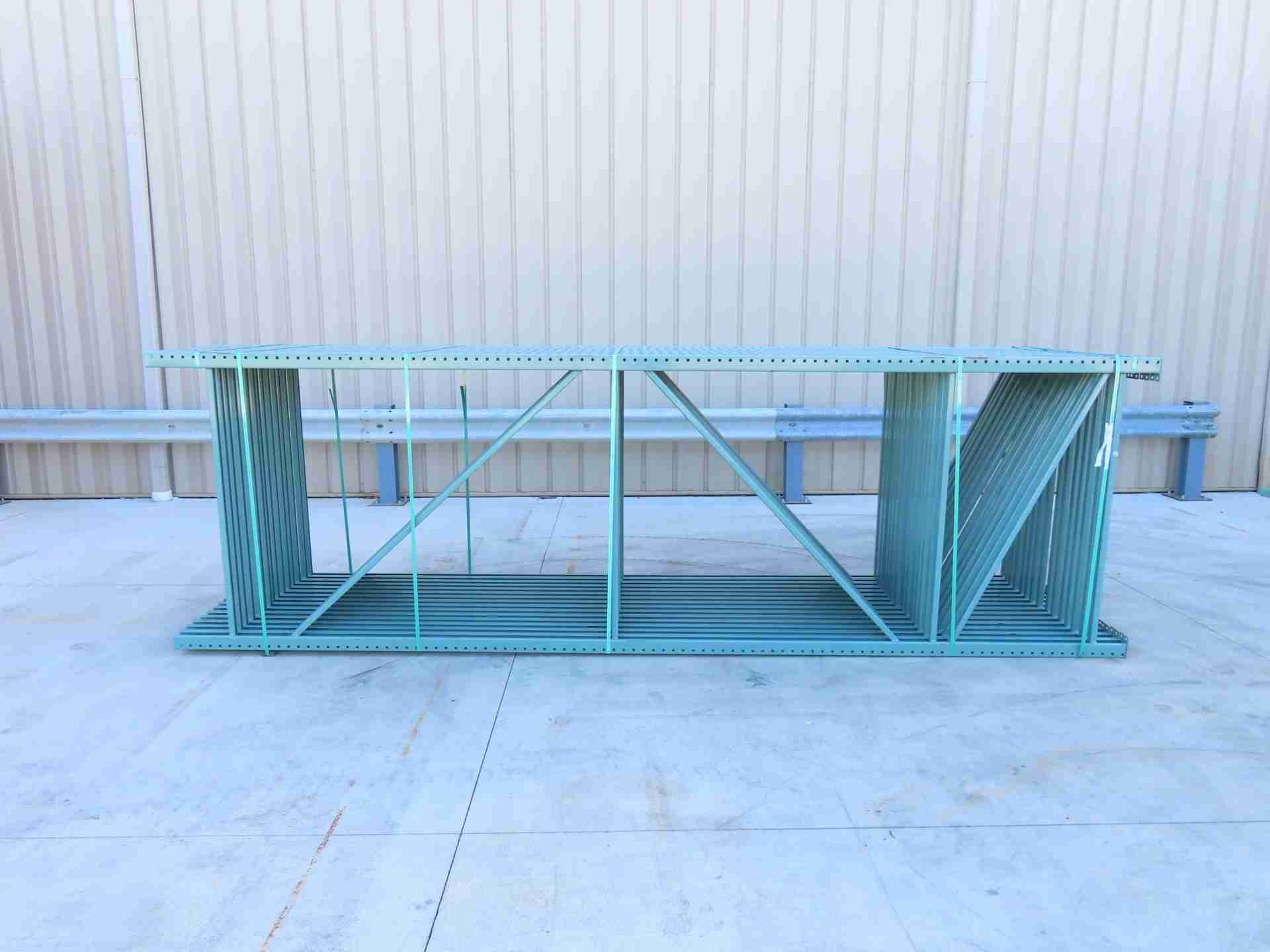
Glossary Of Terms
Other Questions
Cantilever Rack Layout Tips for Indoor Vs. Outdoor Use – Other Questions
If you wish to explore and discover more, consider looking for answers to these questions:
- What are the key differences between indoor and outdoor cantilever rack designs?
- How do I choose the right materials for my cantilever racks?
- What safety regulations should I be aware of when installing cantilever racks?
- How can I determine the weight capacity needed for my cantilever racks?
- What maintenance practices can ensure the longevity of cantilever racks?
- How does the climate impact outdoor cantilever rack performance?
- What are the common mistakes to avoid when designing a cantilever rack layout?
- How can technology be integrated with cantilever racks for improved efficiency?
- Are there specific eco-friendly materials recommended for cantilever racks?
- How can I train my staff to use cantilever racks safely and effectively?
- What are the signs of wear or failure to look for in cantilever racks?
- How do I assess the effectiveness of my current cantilever rack setup?
- What are the benefits of customizing cantilever racks for my specific needs?
- How do I calculate the optimal spacing between cantilever racks?
- What are the best practices for loading and unloading cantilever racks?
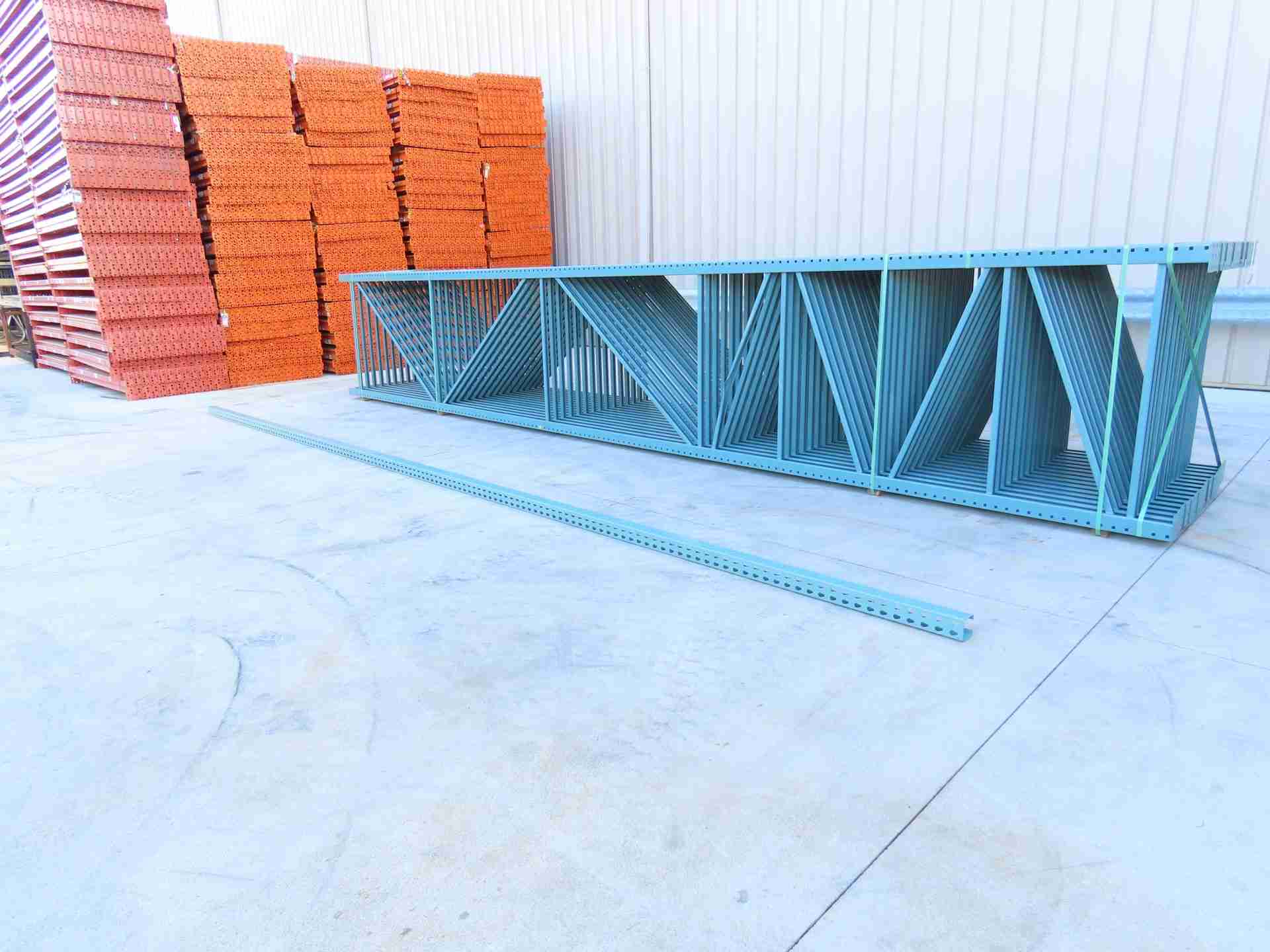
Other Questions
Checklist
Cantilever Rack Layout Tips for Indoor Vs. Outdoor Use – A Checklist
Heart Appeal:
_____ Reflect on how your racking system affects employee morale—are you creating a supportive environment?
_____ Consider the emotional safety of your team; how does a robust rack system contribute to their peace of mind?
_____ Visualize your workspace transformation; is it inspiring and welcoming for all who enter?
Head Appeal:
_____ Assess weight capacity—are your racks aligned with what you plan to store?
_____ Review the durability of materials used; do they meet industry standards for safety and reliability?
_____ Calculate potential long-term savings—how does investing in quality reduce risks and costs over time?
Gut Appeal:
_____ Trust your instincts; does the racking system feel stable when loaded?
_____ Evaluate whether your setup promotes efficient movement and reduces bottlenecks—does it make practical sense?
_____ Gauge your commitment to safety; are you prioritizing it as a core value over profits?
Emotional Appeal:
_____ How well do you understand the needs and daily experiences of your team in relation to the racking system?
_____ What narrative can you create around safety and efficiency that highlights community and teamwork?
Rational Appeal:
_____ Are you following best practices for inspections and maintenance to prevent accidents?
_____ What data do you have to support the effectiveness of your current racking setup?
Ethical Appeal:
_____ How do your choices in racking reflect your values regarding safety and sustainability?
_____ Are you promoting responsible practices that benefit both employees and the environment?
Authority Appeal:
_____ Have you sought advice from experienced manufacturers or peers in the industry about racking options?
_____ What testimonials or case studies can you reference that demonstrate the importance of a quality racking system?
Social Appeal:
_____ Consider how your commitment to safety and quality affects your reputation in the industry.
_____ Reflect on the narrative you share with your stakeholders regarding your dedication to employee well-being—what story do you want to tell?
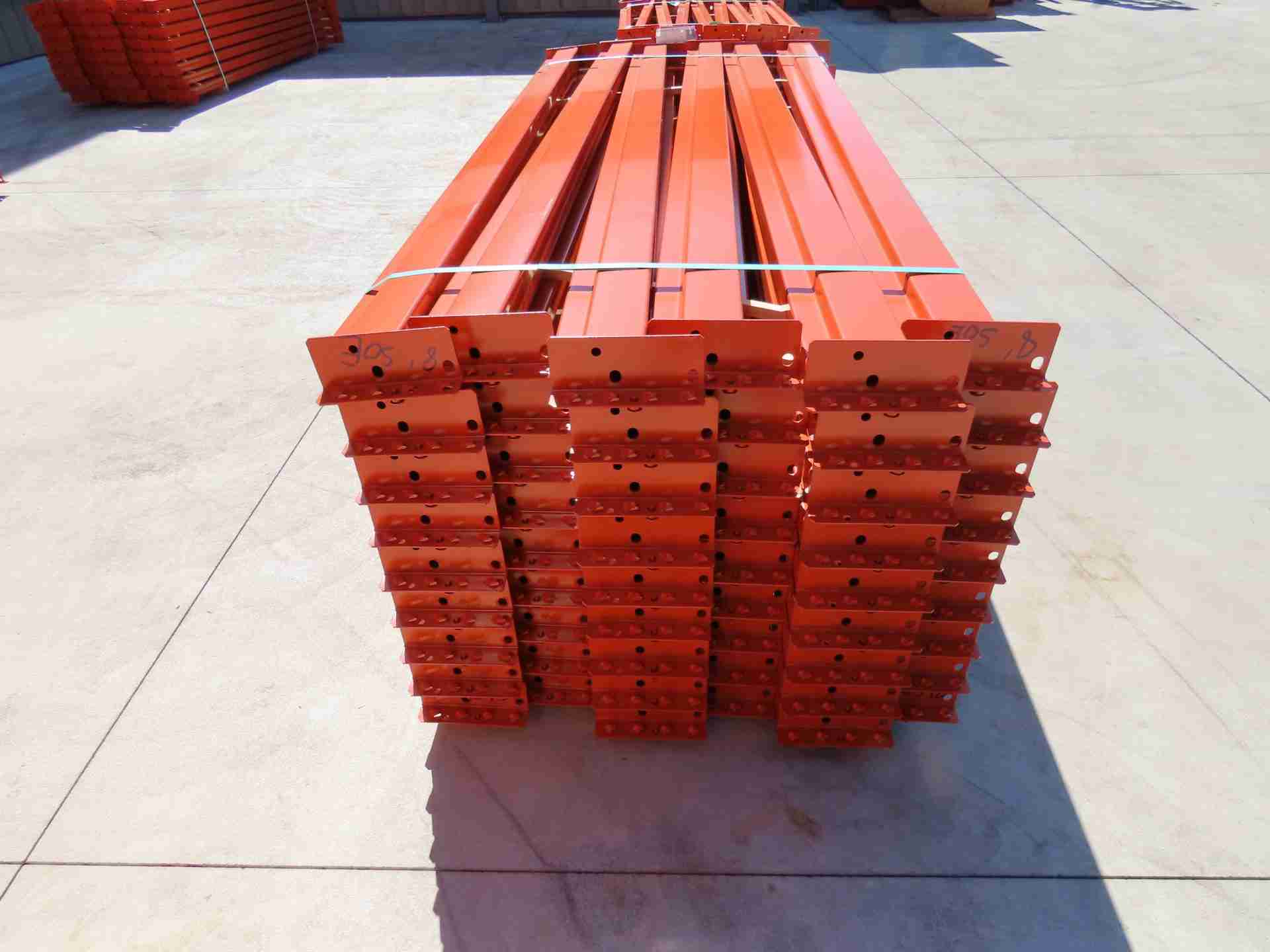
Checklist
At RackingWorld, we help guide you through selecting warehouse storage systems and racking.
Be sure to read our other related stories at RackingWorld to learn more about warehouse storage systems.
0 Comments