
Unlocking The Return Policy For Local Pallet Rack Purchases
By Tom Seest
At RackingWorld, we help guide you through selecting warehouse storage systems and racking.
Be sure to read our other related stories at RackingWorld to learn more about warehouse storage systems.
Can You Return Locally Purchased Pallet Racks?
When it comes to pallet racking, most savvy business owners understand that investing in the right storage solution can significantly impact operational efficiency. However, often overlooked is the issue of returns. Can you return locally purchased pallet racks? Let’s explore this crucial aspect of your investment.
First, let’s establish the landscape. Companies across various sectors—from retail to warehousing—are increasingly turning to local suppliers for their pallet racking needs. The convenience of quick access, the potential for reduced shipping costs, and the ability to support local businesses create a compelling case for sourcing these vital components locally. But what happens when that purchase doesn’t meet your expectations?
Unfortunately, the return policies for pallet racking can vary widely among vendors. Some local suppliers may have a straightforward return policy that allows you to exchange or return items within a specified period, provided that the racks are in their original condition. For instance, a company operating in Missouri recently launched a customer-friendly return policy, encouraging businesses to “buy with confidence” after several reports indicated dissatisfaction with purchases elsewhere. Such transparent policies can drastically enhance customer satisfaction and build loyalty.
That said, many local suppliers might impose stringent conditions on returns. Some may not allow returns on custom orders or may charge restocking fees, which can add significant costs to your bottom line. As we navigate the post-pandemic supply chain landscape, where disruptions and delays have become commonplace, understanding these policies becomes more critical than ever. Imagine investing resources into pallet racking—only to face hurdles when trying to return or exchange them due to unforeseen circumstances such as changes in inventory needs or layout designs.
Moreover, the recent rise in e-commerce has not only transformed how businesses operate within physical spaces but also how suppliers manage their logistics. Many are grappling with increased demand while still attempting to navigate return policies that can feel antiquated. This transformation pushes for a discussion regarding more adaptive return policies in the industry.
To ensure you can effectively manage your pallet racking needs, always scrutinize the return policies before purchasing. Ask questions, read reviews, and don’t hesitate to negotiate terms that will protect your investment. After all, a well-informed decision is crucial.
In summary, it’s essential to do your homework before diving into pallet racking purchases locally. Understanding the return policies can save you from future headaches, helping you optimize your storage solution without the fear of being stuck with the wrong racks. Your business’s efficiency is paramount—don’t let an unsatisfactory purchase obstruct your path to success!
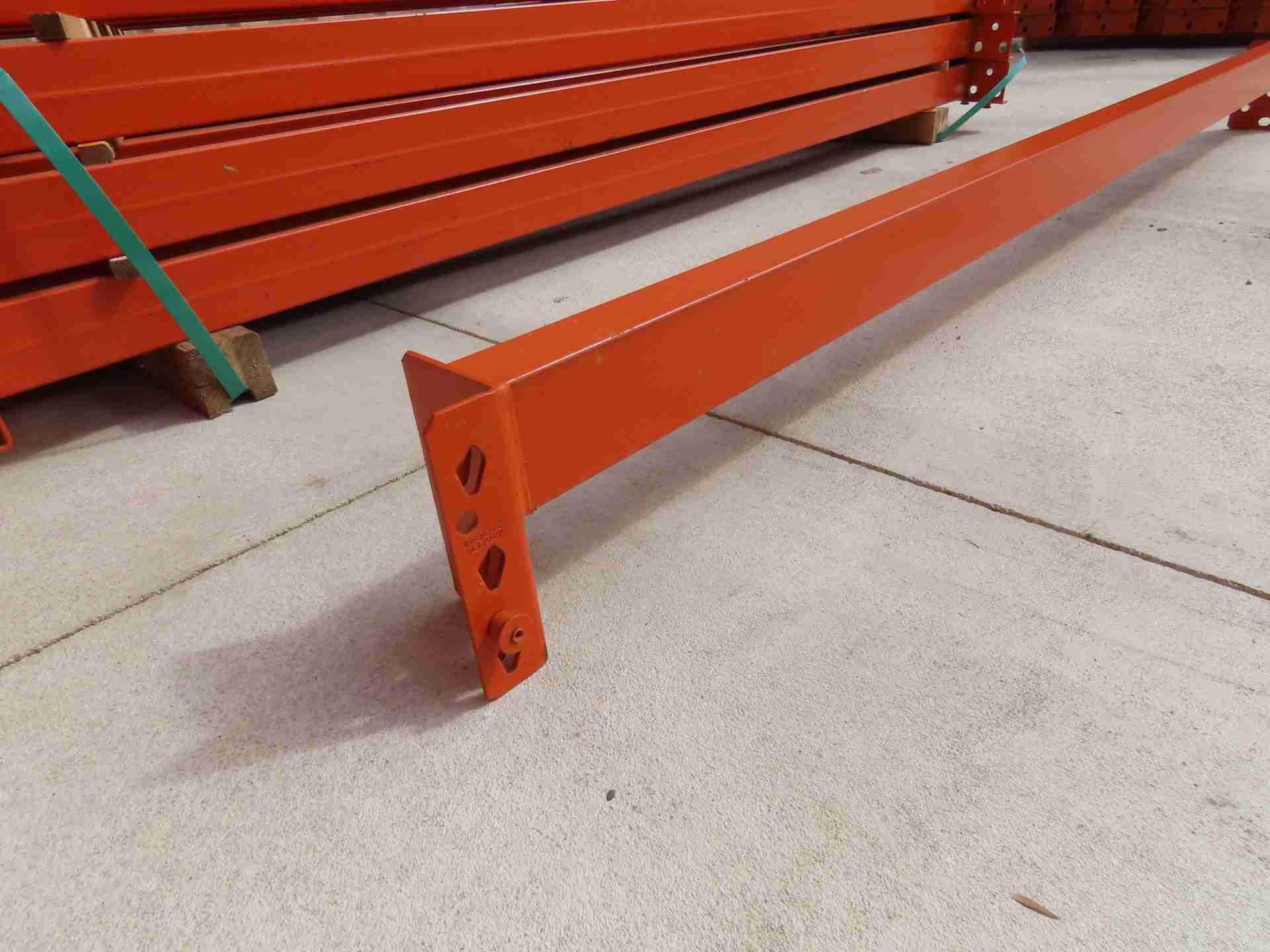
Can You Return Locally Purchased Pallet Racks?
Can You Return Locally Purchased Pallet Racks?
- Investing in the right pallet racking can enhance operational efficiency for businesses.
- Many companies choose local suppliers for convenience, reduced shipping costs, and supporting local businesses.
- Return policies for pallet racking vary significantly among suppliers, affecting potential returns.
- Some local suppliers offer customer-friendly return policies to enhance satisfaction and loyalty.
- Stricter return conditions may apply, especially for custom orders or restocking fees, impacting overall costs.
- The rise of e-commerce is pushing suppliers to adapt their return policies to meet current logistics challenges.
- Before purchasing, scrutinize return policies to avoid future complications and ensure effective investment management.
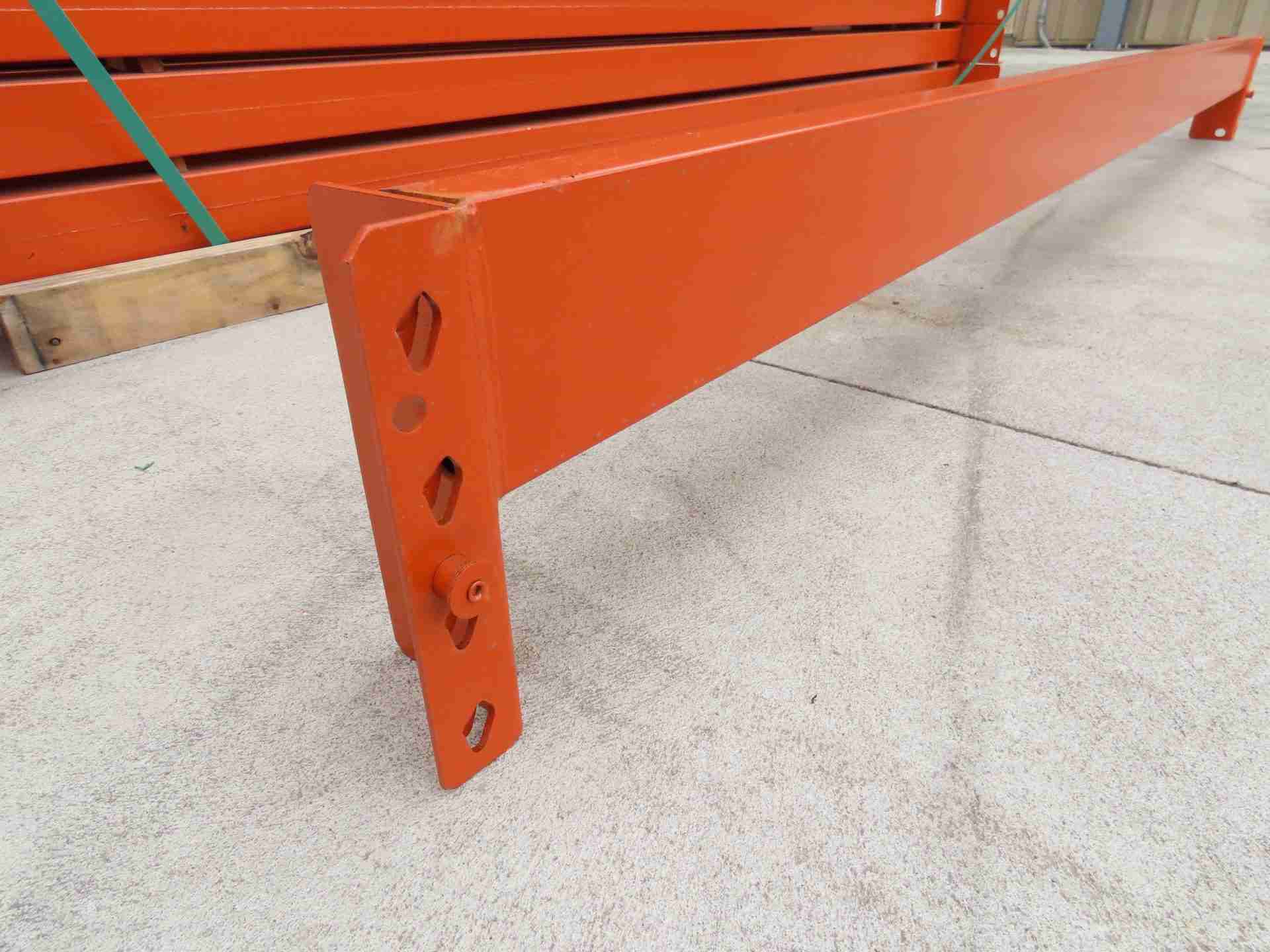
Can You Return Locally Purchased Pallet Racks?
Table Of Contents
- Can You Return Locally Purchased Pallet Racks?
- Can You Return Used Pallet Racks To Local Stores?
- What Is The Return Policy For Pallet Racks?
- Are There Any Fees For Returning Pallet Racks?
- How Long Do I Have To Return Pallet Racks?
- Do I Need A Receipt To Return Pallet Racks?
- What Condition Must Pallet Racks Be In For A Return?
- Can I Exchange Pallet Racks Instead Of Returning Them?
- Conclusion
- Other Resources
- Glossary Of Terms
- Other Questions
- Checklist
Can You Return Used Pallet Racks To Local Stores?
When it comes to discussing pallet racking systems, a common concern for many businesses is what to do with used racks. With stores tightening their inventory management and space planning, it raises a crucial question: Can you return used pallet racks to local stores? The answer isn’t straightforward, but understanding the current landscape can help you navigate this issue.
Consider the surge in e-commerce over the past couple of years. As businesses evolve, they often require different types of pallet racking to optimize their warehouse space. This shift creates a unique opportunity for savvy business owners. Many warehouses accumulate surplus pallet racking systems, leading to inquiries about returning them to local stores.
Typically, local retailers and warehouse supply outlets focus on new inventory sales rather than accepting returns of used equipment. However, platforms like Facebook Marketplace and Craigslist have gained traction, allowing local businesses to engage in direct transactions for used pallet racking. Not only does this help you clear out unwanted equipment, but it also puts money back in your pocket while giving another enterprise the chance to save on new purchases.
Moreover, with the rise of sustainability trends, many businesses are recognizing the benefits of purchasing second-hand equipment. Networking with other local warehouse owners can lead to mutually beneficial exchanges; your unused pallet racking could be a perfect fit for a fellow entrepreneur. For instance, think about a grocery distributor upgrading their inventory system—your sturdy and reliable pallet racks might just be the solution they seek.
Yet, while returning used pallet racks to local stores isn’t feasible in most cases, you can still leverage their condition. Many suppliers offer to buy back used pallet racking or accept trades for upgrades. A notable example includes major suppliers who have implemented buyback programs, creating a win-win situation that both clears your space and helps them maintain a continuous flow of fresh inventory.
Ultimately, the current economic climate demands creativity. Distinct strategies can lead to better equipment management without falling victim to unnecessary costs. Emphasize the opportunity to repurpose your pallet racking or engage with local businesses seeking value. The cycle of used pallet racking is not just about returns; it’s a community connection and a sound business practice in these rapidly changing times. So, the next time you ponder about your used pallet racks, remember—you have the power to turn them into a golden opportunity.
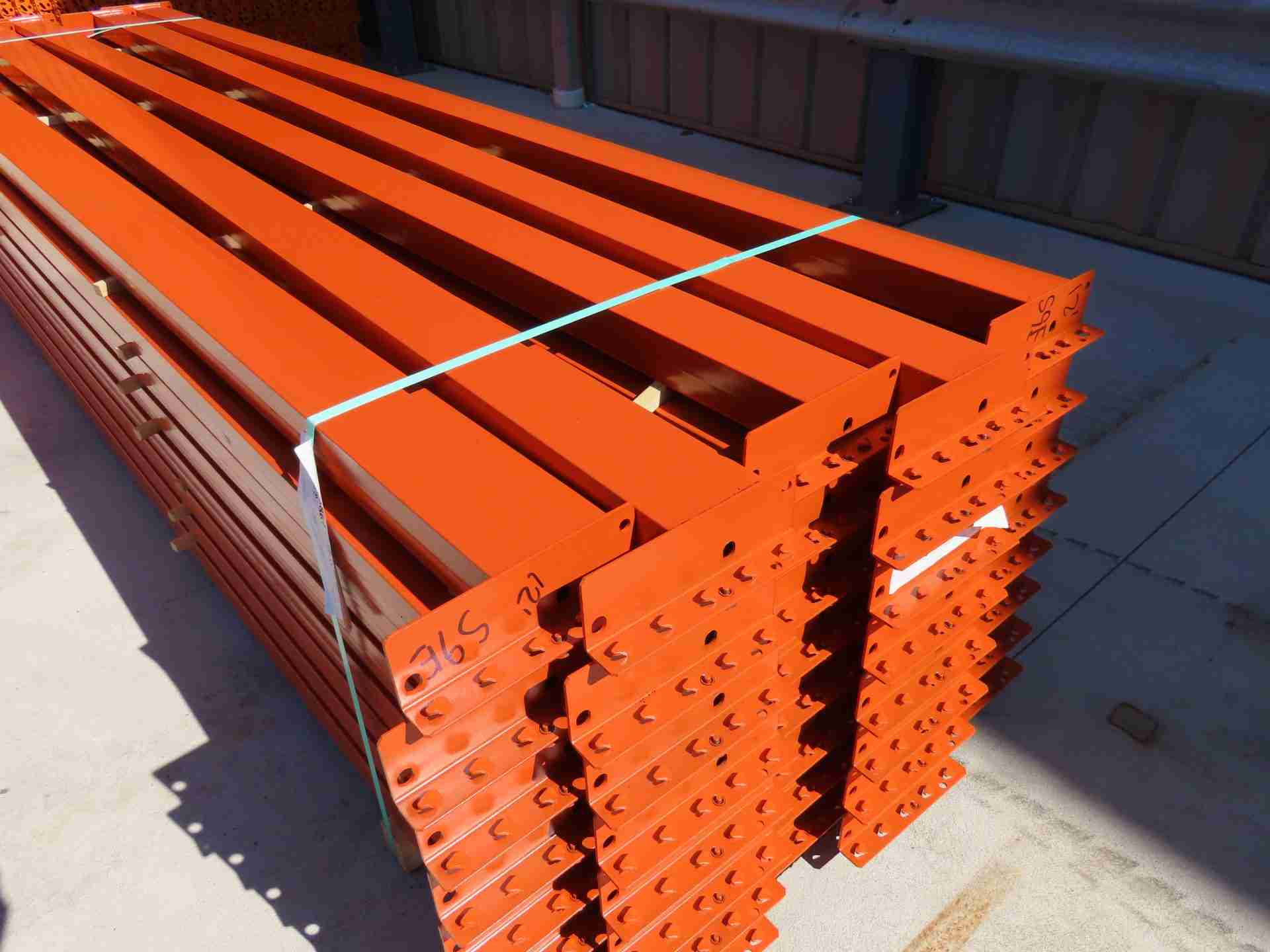
Can You Return Used Pallet Racks To Local Stores?
Can You Return Used Pallet Racks To Local Stores?
- Businesses face challenges managing used pallet racks amid evolving inventory needs.
- Local retailers typically focus on selling new inventory, not accepting used returns.
- Platforms like Facebook Marketplace and Craigslist facilitate direct sales of used pallet racks.
- Sustainability trends have increased interest in second-hand equipment among businesses.
- Networking with local warehouse owners can enable beneficial exchanges of pallet racking.
- Some suppliers offer buyback programs or trades for upgrades on used pallet racking.
- The current economic climate encourages innovative solutions for managing surplus equipment.
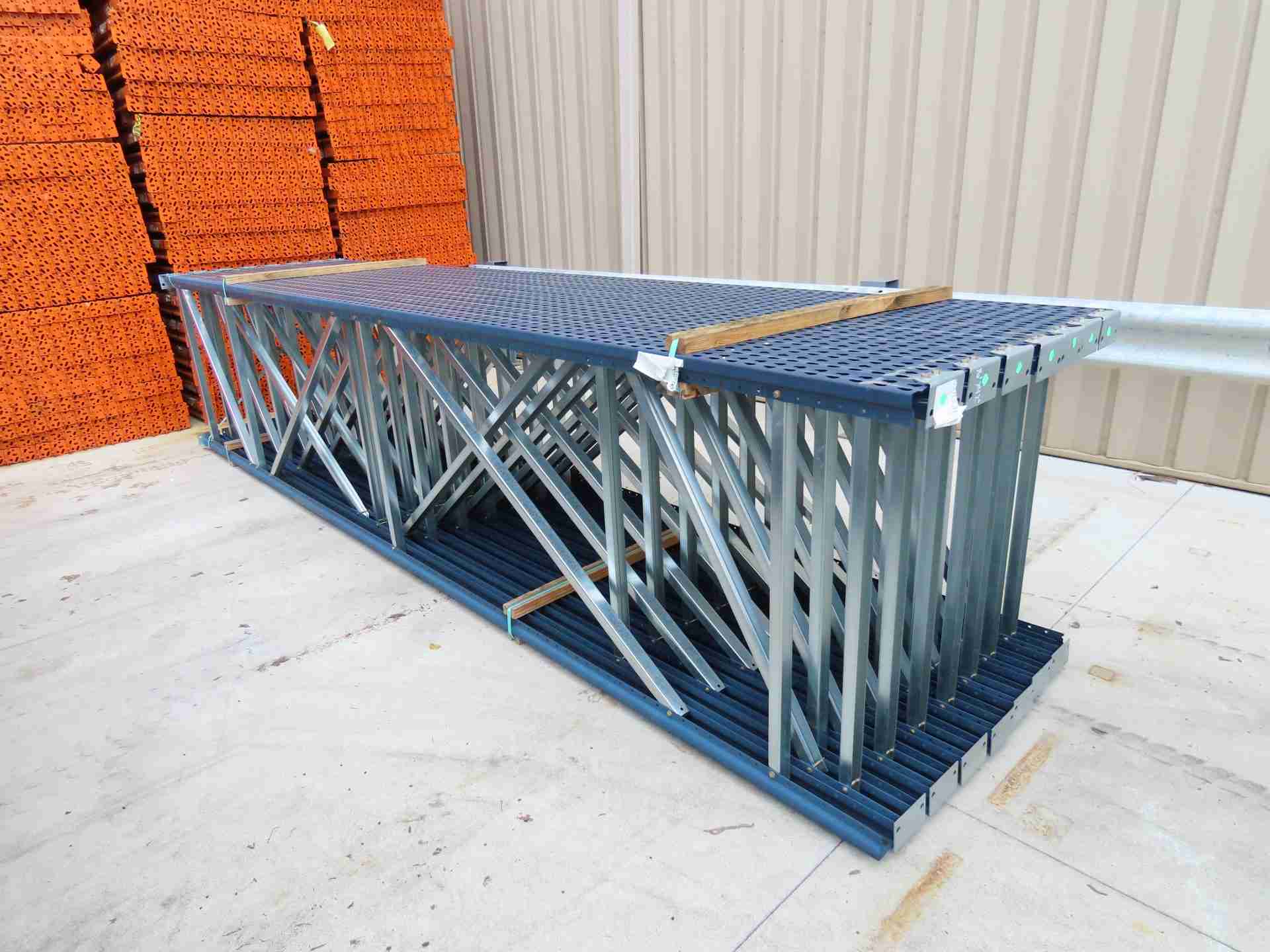
Can You Return Used Pallet Racks To Local Stores?
What Is The Return Policy For Pallet Racks?
When it comes to investing in pallet racking systems, understanding the return policy isn’t just a footnote; it’s pivotal in safeguarding your investment. In these uncertain economic times, where supply chain issues and fluctuating demand shape how businesses operate, having a clear return policy for pallet racks is more crucial than ever.
Consider a scenario where you’ve just outfitted your warehouse with a state-of-the-art pallet racking system. You’ve invested significant capital, only to find out—after installation—that the system doesn’t meet your operational needs. It’s a dilemma that can cost you time and efficiency. This is where a robust return policy shines, acting as a buffer against unexpected losses.
Now, let’s explore what you should look for in a return policy for pallet racking. First, transparency is key. A quality provider should clearly outline the duration within which you can return the racks—for example, 30 days post-delivery for a full refund, minus shipping costs. If you decide on a modified version or a different layout after installation, a flexible return policy can allow for exchanges—perhaps within a specified time frame of 60 days.
Consider current events: with the ongoing challenges presented by container shortages and shipping delays, businesses may find themselves in a tight spot, desperately needing to make adjustments to their warehouse logistics. Some suppliers are adjusting their return policies to extend beyond the traditional window, recognizing that circumstances are beyond your control. This kind of adaptability in return policies reflects the realities of today’s supply chain landscape.
Additionally, look for guarantees on the structural integrity of the pallet racking. Venders who stand by their product often offer warranties that cover damage or defects that could affect functionality. Imagine purchasing a heavy-duty pallet rack only to discover it can’t hold the weight it promised; a responsible supplier would accept a return and provide a replacement, alleviating the stress of such a setback.
The return policy for pallet racks can be a game-changer for your business. It’s not just about making a purchase; it’s about securing peace of mind that you can make adjustments as your needs evolve. Choose a supplier whose policies not only protect your investment but also adapt to the fast-paced world of logistics. In today’s climate, that assurance is worth its weight in gold.
What Is The Return Policy For Pallet Racks?
What Is The Return Policy For Pallet Racks?
- Understanding the return policy for pallet racking systems is essential to safeguard your investment.
- A robust return policy acts as a buffer against unexpected losses if the system doesn’t meet your operational needs.
- Look for transparency in the return policy, including a clear timeframe, such as 30 days for a full refund minus shipping costs.
- Flexible return options, like exchanges within a specified time frame (e.g., 60 days), can be beneficial after installation changes.
- Adjustments in return policies may be necessary due to current supply chain challenges, such as container shortages and shipping delays.
- Venders should offer guarantees on the structural integrity of the pallet racking, including warranties for damage or defects.
- Choosing a supplier with adaptable return policies provides peace of mind, allowing for adjustments as business needs evolve.
What Is The Return Policy For Pallet Racks?
Are There Any Fees For Returning Pallet Racks?
When it comes to investing in pallet racking for your warehouse or distribution center, the last thing you want to worry about is the financial implications of returning them. You’ve made a significant investment in pallet racking systems, and yet, circumstances can change. Whether due to an adjustment in inventory needs, reconfiguring your warehouse, or even unexpected market shifts, the question remains—are there any fees associated with returning pallet racks?
Understanding the costs involved can lead to greater profitability and more strategic decision-making. For many companies, especially in today’s volatile economic climate, the return policy can greatly impact your bottom line. Generally, most pallet racking suppliers have clear policies regarding returns, but it’s essential to scrutinize the fine print. Are there restocking fees? What about shipping costs? A reputable vendor will typically inform you upfront about return fees, if any exist, creating a level of transparency that can save you money in the long run.
Let’s take the example of a popular material handling company that experienced a sharp increase in returns due to supply chain disruptions. Businesses found themselves in situations where they over-ordered pallet racks without knowing how dramatically new logistics changes would affect their needs. A savvy business owner would want to read the policies thoroughly—some vendors charge upwards of 15% as a restocking fee, while others may offer returns for free, especially if the racks are unused and in their original packaging.
Moreover, you must consider how the timing of a return could affect these fees. If you return a pallet rack shortly after purchase, certain suppliers may waive restocking fees entirely, reacting to the current economic pressures and understanding the challenges businesses face. Conversely, items returned after a significant period, or those that show signs of wear, might incur additional costs that can stake a claim on your profit margins.
Before committing to any pallet racking suppliers, take the time to inquire about their return policies. Understand whether they charge fees, how those fees can fluctuate based on various conditions, and whether you might be able to negotiate them. After all, in today’s economy, knowledge is power, allowing you to make informed choices that safeguard your investment in pallet racking, streamline your operations, and keep your business thriving amidst change.
Are There Any Fees For Returning Pallet Racks?
Are There Any Fees For Returning Pallet Racks?
- Investing in pallet racking systems involves significant financial implications regarding returns.
- Changes in inventory needs, warehouse configuration, or market shifts may necessitate returns.
- Understanding return costs and policies is crucial for profitability and strategic decision-making.
- Most pallet racking suppliers have clear return policies, but fine print should be scrutinized.
- Restocking fees and shipping costs can vary; some suppliers may charge 15% restocking fees while others may allow free returns for unused racks.
- Timing of returns can impact fees; early returns might incur no fees, whereas late returns with wear might attract additional costs.
- Inquiring about return policies before purchasing can empower businesses to safeguard their investments and streamline operations.
Are There Any Fees For Returning Pallet Racks?
How Long Do I Have To Return Pallet Racks?
In the fast-paced world of inventory management and warehouse operations, understanding the return policy for pallet racking systems is crucial. As businesses strive to optimize their operations, knowing your options can save you both time and money. Luckily, most suppliers provide clear guidelines on return timelines, ensuring your investment remains secure.
When you purchase pallet racking, it’s vital to scrutinize your supplier’s return policy. Generally, many reputable suppliers offer a return period ranging from 30 to 90 days. This allows you ample time to assess whether the racking system meets your needs and operational demands. For instance, if your warehouse layout changes or if you realize that the selected racking system doesn’t fit your inventory requirements, being aware of the return window could be a game-changer.
Consider a recent example from a California-based logistics company that attempted to scale operations quickly in response to e-commerce demand. They invested in new pallet racking only to discover that it hindered their workflow. They were relieved to find out that their supplier allowed returns for 60 days—giving them the flexibility they needed to optimize their space and enhance their productivity.
Moreover, it’s essential to keep track of the condition of the pallet racking when considering a return. Most suppliers will only accept returns for equipment that is unused or in its original condition. A proactive approach is key; take photos of your racking upon delivery, and ensure it remains sealed and stored properly to avoid any disputes later on.
In some cases, if you’ve used the pallet racking but find it doesn’t meet your needs, some suppliers may offer a partial refund or credit for future purchases. Make sure to reach out to customer service as soon as you identify an issue; they may be willing to accommodate your request in light of current supply chain issues and the ongoing shifts in consumer behavior.
In summary, while the return period for pallet racking can vary by supplier, most offer a reasonable window to ensure you’re satisfied with your purchase. Don’t shy away from asking questions and digging into policies before making a decision. After all, in today’s market, ensuring your warehouse operates seamlessly is the key to turning challenges into opportunities. So, invest wisely and keep your return options open!
How Long Do I Have To Return Pallet Racks?
How Long Do I Have To Return Pallet Racks?
- Understanding return policies for pallet racking systems is crucial for inventory management and warehouse operations.
- Most suppliers provide clear guidelines on return timelines, typically ranging from 30 to 90 days.
- Being aware of the return window can help businesses adapt to changes in warehouse layout and inventory needs.
- A California logistics company benefited from a 60-day return window after investing in racking that hindered workflow.
- Most suppliers require pallet racking to be unused and in original condition for returns; photos upon delivery can help avoid disputes.
- Some suppliers may offer partial refunds or credits for used racking if issues arise, particularly amid supply chain challenges.
- Inquire about return policies before purchasing to ensure operational satisfaction and flexibility in your warehouse management.
How Long Do I Have To Return Pallet Racks?
Do I Need A Receipt To Return Pallet Racks?
When it comes to returns, customers often wonder about the necessity of a receipt, and this is especially true in the realm of pallet racking systems. Let’s break it down. In today’s rapidly-evolving business landscape, where logistics and warehousing have taken center stage due to surging e-commerce demands, understanding your rights regarding pallet racking returns is crucial.
Firstly, many reputable suppliers of pallet racking will typically require a receipt for returns. This is not just a bureaucratic obstacle; it’s an essential step that safeguards both the customer and the seller. Think about it—having the receipt establishes the proof of purchase and verifies that you bought the racking from that vendor. Without it, you risk being met with reluctance or outright refusal to process your return.
However, let’s not disregard instances where exceptions can occur. Some manufacturers might offer a flexible return policy, particularly for businesses in sectors like retail and logistics that have been particularly hit or benefited by current events—such as the COVID-19 pandemic. During these times, many companies found themselves reorganizing their warehousing strategies, leading to rapid changes in their pallet racking needs. If you’ve bought a system that just doesn’t fit your new layout or requirements, reaching out to customer service may yield favorable results—even without that all-important receipt.
For example, consider the rising challenges faced by companies adapting to supply chain disruptions. A business that suddenly requires more space for inventory might have invested in pallet racking designed for a previous demand. In such cases, the supplier may be more willing to negotiate a return based on the context, even if there’s no receipt present. Flexibility might just be their answer to keeping customers satisfied and loyal in a competitive market.
Moreover, always check the terms and conditions before purchase, as they’re often buried in the fine print. Knowing the return policy ahead of time can save you headaches later. It’s wise also to document your pallet racking install and any irritations you might have faced, as a gesture might be extended if the seller sees value in maintaining your business.
In summary, while having a receipt is advantageous—and often necessary—don’t let the absence of one be the end of your return journey. Approach the situation with clarity and tenacity, and you might just turn what seems like a setback into an opportunity for positive engagement with your supplier. Remember, the right approach can pave the way for better returns in more ways than one!
Do I Need A Receipt To Return Pallet Racks?
Do I Need A Receipt To Return Pallet Racks?
- Receipts are often required for returns of pallet racking systems, serving as proof of purchase.
- Without a receipt, customers may face reluctance or refusal to process returns from suppliers.
- Some manufacturers may have flexible return policies, especially for sectors impacted by recent events like the COVID-19 pandemic.
- Businesses may need to adapt their pallet racking due to changing logistical demands, and suppliers might negotiate returns without receipts in these cases.
- It’s essential to check the terms and conditions before purchase to understand the return policy.
- Documenting the installation process and any issues faced can help in negotiations for a return.
- While a receipt is beneficial, a positive and proactive approach can lead to successful returns even without one.
Do I Need A Receipt To Return Pallet Racks?
What Condition Must Pallet Racks Be In For A Return?
When it comes to the return of pallet racking systems, the stakes aren’t just high; they’re monumental. Businesses rely on these systems for optimal warehouse functionality, and their condition can influence efficiency, safety, and ultimately, the bottom line. Ensuring your pallet racking meets the required standards for return is not just a formality—it’s essential for maintaining your operation’s integrity.
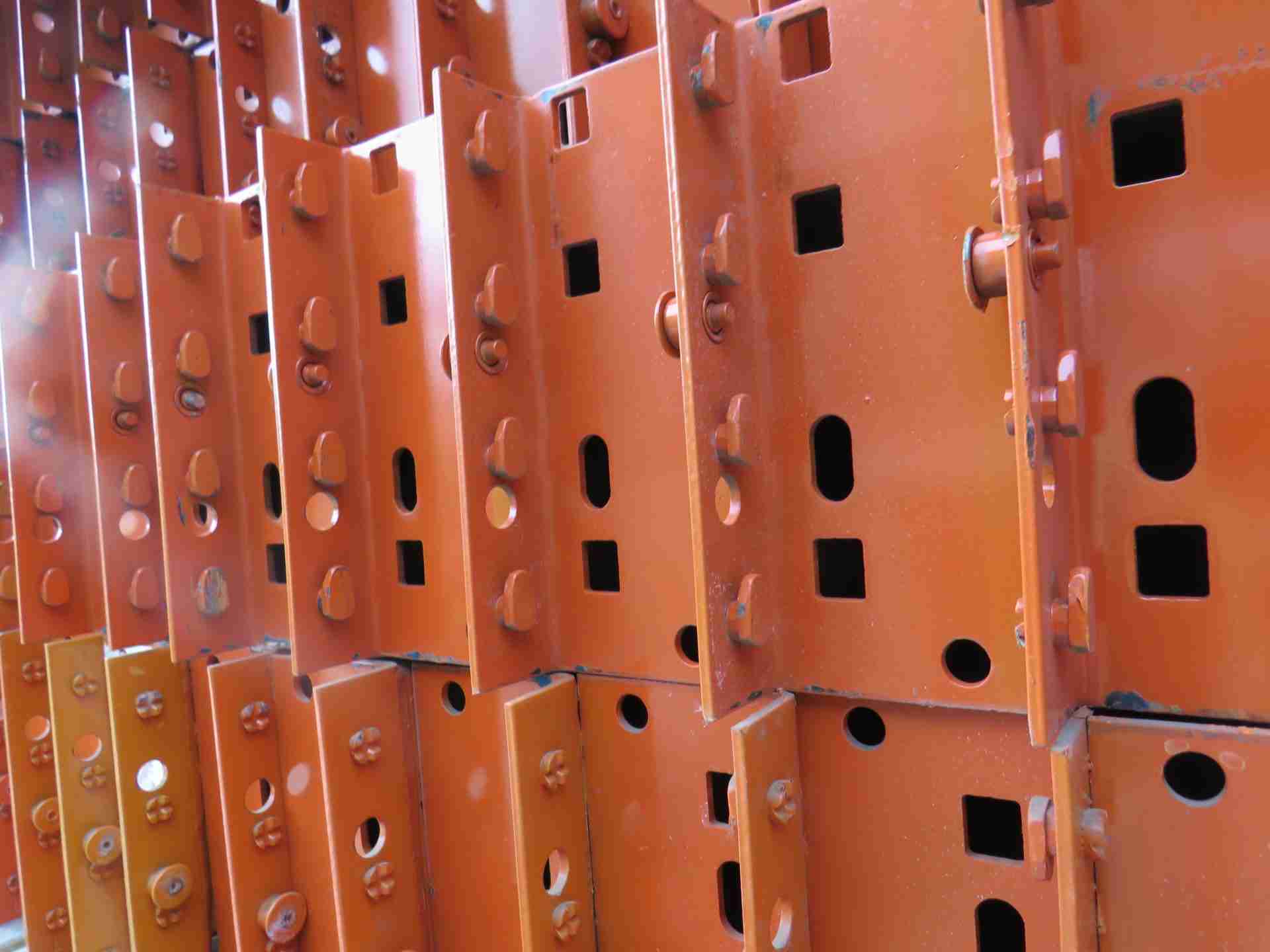
First and foremost, inspect the structural integrity of your pallet racking. Look for visible signs of damage such as bent frames, rust, or cracked welds. Each of these issues not only compromises the usability of the racking but could also pose significant safety risks. Picture a scenario: you’ve got a warehouse bustling with activity, a stack of pallets high above, and a racking system vulnerable to failure. That’s a disaster waiting to happen!
Next, functionality is crucial. Pallet racking must not only meet design specifications but also operate efficiently. Examine the load capacity of your system. In light of recent disruptions in supply chains attributable to material shortages, overloading racks with excess weight is more common than ever. Ensure every unit adheres to the manufacturer’s guidelines regarding weight limits and configuration. Compliance with these specifications protects your goods—and it also protects your business from potential liabilities in the case of accidents.
Joint inspections with professional assessors can be invaluable when considering the return of your pallet racks. These experts offer a third-party viewpoint, identifying concerns that may escape your notice. For instance, if they spot any corrosion or unstable connections, it may be a signal to either repair or reconsider the racking altogether before discussing a return.
Furthermore, consider hygiene—particularly in today’s landscape where health and safety regulations are paramount. Your pallet racks should be free from debris, spills, or any residual materials that could contaminate products. This attention to detail is not just good practice; it’s essential for compliance with food safety regulations, especially in industries like pharmaceuticals and food storage, where cleanliness is non-negotiable.
Finally, keep documentation handy. Any maintenance records, compliance certificates, or inspection reports bolster your case for returning pallet racking. In this fast-paced world, where supply chain efficiency is king, having streamlined operations backed by solid documentation not only ensures higher safety standards but also secures a favorable return process.
Ultimately, returning pallet racking requires diligence, attention to detail, and a proactive approach. By ensuring your pallet racks are in peak condition, you’re not merely safeguarding your investment; you’re positioning your operation for ongoing success. In today’s competitive landscape, that’s what operational excellence is all about.
What Condition Must Pallet Racks Be In For A Return?
What Condition Must Pallet Racks Be In For A Return?
- Ensuring pallet racking system compliance is crucial for warehouse efficiency and safety.
- Inspect for structural integrity: look for bent frames, rust, or cracked welds to avoid safety risks.
- Functional performance is key; adhere to manufacturer’s load capacity and configuration guidelines.
- Engage professional assessors for third-party inspections to identify potential issues.
- Maintain hygiene standards to comply with health regulations, especially in sensitive industries.
- Keep thorough documentation of maintenance, compliance, and inspections to support return claims.
- A proactive approach to pallet racking condition safeguards investments and promotes operational excellence.
What Condition Must Pallet Racks Be In For A Return?
Can I Exchange Pallet Racks Instead Of Returning Them?
In today’s fast-paced, efficiency-driven business environment, the idea of simply returning pallet racking may seem outdated. Companies are constantly looking for smarter, more strategic solutions to manage their inventory and optimize warehouse space. Enter the innovative concept of exchanging pallet racks — a game changer for savvy warehouse managers.
Consider a scenario where your business has outgrown its existing pallet racking due to a surge in demand or a shift towards a different product line. The traditional process would have you dismantling, returning, and then scrambling to purchase new racks. But here’s the thing: Why not streamline that process by swapping out your unused or outdated pallet racking instead? By initiating an exchange, not only do you save valuable time, but you also cut down on unnecessary costs associated with returns and reorders.
Take, for example, the recent surge in e-commerce driven by the pandemic, which has led many companies to rethink their storage capacities. If a retailer specializing in clothing transitions to managing a larger line of fitness equipment, they may find that their current pallet racking setup is inadequate. Instead of going through a cumbersome return process, they can strike a deal with a pallet racking supplier that offers an exchange program. By trading in their old racks, they can obtain the appropriate system for their current inventory needs while ensuring minimal downtime in warehouse operations.
Moreover, many distributors and manufacturers are now recognizing the mutual benefits of this exchange strategy. With rising concerns about sustainability, exchanging pallet racks offers an environmentally friendly option. Companies can reduce waste and promote reuse while enhancing their own operational efficiency. In a world increasingly focused on environmental responsibility, being proactive in your logistics can set you apart from the competition.
Of course, not every racking system is created equal. Before considering an exchange, evaluate the quality and compatibility of the racks involved. Ensure that the new system meets your specific requirements, from load capacity to design. For instance, if your business has moved towards a more automated picking process, collaborating with a supplier that specializes in advanced pallet racking systems will be crucial.
Incorporating a pallet rack exchange strategy can help businesses innovate and adapt swiftly in the ever-changing landscape. By leveraging this smart solution, you position your company to thrive, irrespective of market fluctuations. Don’t simply return — exchange, adapt, and excel.
Can I Exchange Pallet Racks Instead Of Returning Them?
Can I Exchange Pallet Racks Instead Of Returning Them?
- Companies are increasingly seeking smarter solutions to manage inventory and optimize warehouse space.
- Exchanging pallet racks can streamline the process of upgrading to new racking systems, saving time and costs.
- Increased e-commerce demands have prompted businesses to reconsider their storage capacities and racking setups.
- By initiating an exchange, businesses can quickly obtain the appropriate racking for their current inventory needs with minimal downtime.
- The exchange strategy promotes sustainability by reducing waste and enhancing operational efficiency.
- Before exchanging, it’s essential to evaluate the quality and compatibility of the racks to ensure they meet specific business needs.
- Implementing a pallet rack exchange strategy allows businesses to adapt quickly and thrive amid market fluctuations.
Can I Exchange Pallet Racks Instead Of Returning Them?
Conclusion
Navigating the world of pallet racking can be a daunting task, but understanding the intricacies of your investment is critical to your business’s success. At RackingWorld.com and Arrow Industrial Sales, we aim to empower you with the knowledge you need to make informed decisions about your storage systems. The question “Can you return locally purchased pallet racks?” unveils a larger narrative about the importance of return policies and their impact on your operations.
As businesses increasingly turn to local suppliers for pallet racking due to convenience and cost-effectiveness, knowing the terms of return can help you avoid potentially costly pitfalls. Each supplier’s policy may differ significantly, affecting your bottom line. A transparent return policy is not just a nicety; it serves as an essential safety net when operational needs change—whether through shifts in inventory demands or warehouse layouts.
Moreover, returning used pallet racks can pose a unique challenge, but opportunities abound for creative solutions like exchanges or trade-ins. As e-commerce continues to transform the logistics landscape, cooperating with suppliers willing to adapt their policies can turn what once felt like a limitation into a strategic advantage. Beyond that, the importance of maintaining the condition of your racks cannot be overstated. The criteria required for acceptable returns should guide your storage practices to prevent future losses and headaches.
At Arrow Industrial Sales, we urge you to ask the tough questions before making your purchase. Whether you require clarity on return timelines, conditions, or the necessary documentation like receipts, being proactive can save you from future disappointments. We also recognize that every business is unique; hence our commitment to working with you to find customized solutions—be it through exchanges, loans, or buyback programs.
In our ever-evolving market, the need for flexibility and adaptability is more crucial than ever. Don’t settle for uncertainty; understanding return policies can safeguard your investments and improve your operation’s agility in a fluctuating business environment.
If you’re considering investing in pallet racking systems, don’t delay. Call Arrow Industrial Sales at (574) 349-6575 today for expert advice tailored to your needs and to find out how we can provide your business with the best solutions. Remember—decisions made today can set the stage for your success tomorrow, so act now! Your efficient workspace awaits.
Conclusion
Conclusion:
- Navigating pallet racking purchases requires understanding the intricacies of your investment.
- Return policies for locally purchased pallet racks are vital for avoiding costly pitfalls.
- Each supplier’s return policy varies significantly, impacting your business’s bottom line.
- Maintaining the condition of your racks is crucial for acceptable returns and preventing losses.
- Engaging with adaptable suppliers can turn limitations into strategic advantages.
- Proactive questioning about return timelines, conditions, and documentation can prevent future disappointments.
- Contact Arrow Industrial Sales for expert, customized solutions to safeguard your investments.
Conclusion
Other Resources
Other Resources
Here is a list of other resources you can review online to learn more:
- Pallet Racking 101: A Comprehensive Guide & Options Explained
- Crane Manufacturers Association Of America Inc.
- NSC
- RMI
- Storage Equipment Manufacturers Association
- Wolter
- Teardrop Industrial Shelving Rack
- Arrow Industrial Sales
- Mustang Material Handling
Use This Prompt To Get More Resources With Your Favorite Online AI Tool: Please provide me with a list of online articles with their URLs in a bulleted list that I can read regarding Can You Return Locally Purchased Pallet Racks?
Other Resources
Glossary Terms
Can You Return Locally Purchased Pallet Racks? – Glossary Of Terms
1. Pallet Rack: A storage system designed to hold palletized goods, allowing for efficient warehouse organization and accessibility.
2. Return Policy: The guidelines set by a retailer that outline the conditions under which a customer can return purchased items.
3. Local Purchase: Items acquired from a business located within a specific geographical area, typically reducing shipping costs.
4. Restocking Fee: A fee charged by a retailer for processing the return of an item, often deducted from the refund.
5. Condition: The state of the pallet rack upon return, which may affect eligibility for a full refund or exchange; typically categorized as new, used, or damaged.
6. Warranty: A guarantee provided by the manufacturer or seller regarding the repair or replacement of a product if it fails to meet certain standards.
7. Receipt: Proof of purchase, often required to facilitate the return process and verify the transaction.
8. Inspection: The evaluation of the condition and functionality of a pallet rack before acceptance of the return.
9. Packaging: The materials used to protect the pallet rack during transport; used items should be returned with their original packaging, if possible.
10. Refund: The reimbursement a customer receives when returning an item, usually processed back to the original payment method.
11. Damaged Goods: Items that have been broken or impaired which may not be eligible for return or refund, depending on the seller’s policy.
12. Exchange: The process of replacing a purchased item for a different product rather than receiving a refund.
13. Delivery Fees: Charges incurred for transporting the pallet racks to the customer’s location, which may not be refundable upon return.
14. Installation Services: Professional assistance provided to set up pallet racks, which may have different return criteria compared to the racks themselves.
15. Local Dealer: A business that sells pallet racks within a specific community; often familiar with regional return policies.
16. Product Compliance: Ensuring that the bought pallet racks adhere to safety and manufacturing standards, which might influence returns.
17. Transportation Costs: Expenses related to moving the pallet racks back to the seller’s location, which may be the responsibility of the buyer upon return.
18. Disassembled: Referring to pallet racks that have been taken apart for return; some policies may require this prior to acceptance.
19. Final Sale: A designation indicating that items cannot be returned or exchanged, often applied to clearance or sale items.
20. Consumer Rights: Legal protections that inform customers of their entitlement when making purchases, including returns and refunds.
21. Inspection Policy: A set of guidelines outlining how and when a returned item will be evaluated for its condition by the seller.
22. Buyer’s Remorse: The feeling of regret experienced after a purchase, which may prompt a return request.
23. Manufacturer’s Return Policy: The terms set by the company that made the pallet rack, which may differ from the retailer’s policy.
24. Proof of Condition: Documentation or photographic evidence showing the state of the item at the time of return, often necessary for approval.
25. Restoration: The process of repairing or refurbishing a returned pallet rack to bring it back to a sellable state.
26. Period of Return: The specified timeframe within which a customer can initiate a return after purchasing an item.
27. Customer Service: Support offered by the retailer or manufacturer to assist customers with inquiries regarding purchases, returns, and policies.
28. Refund Process: The steps a customer must follow to receive their money back after returning an item, often including filling out forms or providing documentation.
29. Local Regulations: Laws or guidelines that may affect the return policies of pallet racks based on the locality or specific jurisdiction.
30. Inventory Control: The management process that involves tracking the return and sale of pallet racks to maintain optimal stock levels.
Glossary Of Terms
Other Questions
Can You Return Locally Purchased Pallet Racks? – Other Questions
If you wish to explore and discover more, consider looking for answers to these questions:
- What are the common return policies for pallet racks from different suppliers?
- What factors should I consider when choosing a supplier for pallet racks?
- Are there specific conditions that prevent returns on custom pallet racks?
- What are the implications of restocking fees on my return?
- How can I negotiate better return terms with my pallet rack supplier?
- What should I do if my supplier refuses to accept a return?
- Are there situations where returns are allowed for damaged or defective pallet racks?
- How can I ensure my warehouse layout is compatible with the pallet racks I purchase?
- What alternatives exist if I cannot return or exchange my pallet racks?
- How do I find local businesses interested in buying used pallet racks?
- What documentation do I need to prepare for a return or exchange of pallet racks?
- What other types of storage solutions can I consider if pallet racks don’t fit my needs?

Other Questions
Checklist
Can You Return Locally Purchased Pallet Racks? – A Checklist
Checklist: Navigating the Return Policy for Locally Purchased Pallet Racks
1. Research Return Policies
_____ Check the return policy before purchasing.
_____ Verify the return window (typically 30-90 days).
_____ Understand conditions for returns (original packaging, unused, etc. ).
2. Assess the Condition for Returns
_____ Inspect pallet racks for structural integrity (damage, rust, etc. ).
_____ Ensure racks meet load capacity specifications.
_____ Maintain hygiene to comply with health regulations.
3. Documentation Preparedness
_____ Keep the receipt as proof of purchase.
_____ Document delivery conditions (take photos).
_____ Gather maintenance records for potential returns.
4. Understand Financial Implications
_____ Inquire about restocking fees and shipping costs associated with returns.
_____ Look for suppliers that waive fees under certain conditions (timely returns).
5. Evaluate Exchange Options
_____ Determine if the supplier offers pallet rack exchanges instead of returns.
_____ Assess the quality and compatibility of potential exchange racks.
6. Engage Suppliers Proactively
_____ Ask suppliers about their return/exchange process.
_____ Negotiate favorable return terms if needed.
_____ Communicate changes in inventory needs promptly.
7. Network for Used Racks
_____ Explore opportunities to sell or trade used pallet racks online (e. g. , Facebook Marketplace).
_____ Connect with local businesses for potential exchanges of used equipment.
8. Stay Informed on Policy Updates
_____ Monitor changes in return policies, especially post-pandemic.
_____ Stay current with industry trends regarding pallet racking solutions.
9. Make Informed Decisions
_____ Weigh the benefits of local suppliers against their return policies and options.
_____ Prioritize suppliers with transparent and flexible return/exchange terms.
10. Plan for Future Needs
_____ Consider potential growth and future inventory demands when purchasing.
_____ Choose adaptable racking solutions that can evolve with your business.
This checklist aims to empower business owners to navigate the complexities of purchasing pallet racks, ensuring a well-informed and strategic approach to protecting their investments.
At RackingWorld, we help guide you through selecting warehouse storage systems and racking.
Be sure to read our other related stories at RackingWorld to learn more about warehouse storage systems.
0 Comments