
Maximizing Warehouse Efficiency With Smart Shelving Layouts
By Tom Seest
At RackingWorld, we help guide you through selecting warehouse storage systems and racking.
Be sure to read our other related stories at RackingWorld to learn more about warehouse storage systems.
Can You Increase Productivity with Proper Warehouse Shelving Layouts?
Absolutely! The right warehouse shelving layout can make the difference between sluggish operations and a well-oiled productivity machine. In today’s fast-paced business environment, with supply chains stretching globally and customer expectations rising, optimizing your warehouse is not just an option—it’s a necessity.
Consider Pallet Racking, the backbone of most warehouse shelving systems. This dynamic storage solution maximizes vertical space, allowing you to organize inventory efficiently and access it quickly. Imagine a scenario where goods are spread across the floor, leading to delays in order fulfillment. Now, envision a warehouse outfitted with a carefully planned pallet racking system. Products are easily accessible, reducing travel time for workers and significantly speeding up the picking process.
In recent events, we’ve seen how companies struggling with inventory management during supply chain disruptions have had a tangible impact on their bottom lines. A well-structured warehouse can mitigate such disruptions. For instance, a major retailer revamped its shelving layout during the pandemic, implementing a mix of pallet racking and modular shelving. This enhanced their ability to respond to fluctuations in demand for essential goods, giving them a competitive edge in a crowded market.
Moreover, a strategic pallet racking system can enhance safety. A cluttered warehouse not only slows down operations but also poses significant safety hazards. Research shows that organized storage—like the type found with appropriate pallet racking—reduces accidents. When employees know where to find products and how to safely retrieve them, they can concentrate on their tasks rather than navigating chaos.
This trend isn’t just theoretical. Warehousing experts are already reporting increased efficiencies and reduced labor costs among businesses that have adopted dedicated systems. For example, a logistics company recently revealed that a restructuring of its warehouse shelving layout resulted in a 20% decrease in time spent picking items, translating into more orders filled per hour. The potential for scalability in business becomes a reality when you have a streamlined shelving plan in place.
Investing in a proper warehouse shelving layout is akin to choosing the right tools for your job. It’s about ensuring that every inch of space is utilized effectively, that your team can navigate the inventory with ease, and that you can adapt swiftly to changing demands. This is how you not only survive but thrive in today’s competitive landscape. So, ask yourself: is your warehouse working for you—or against you?
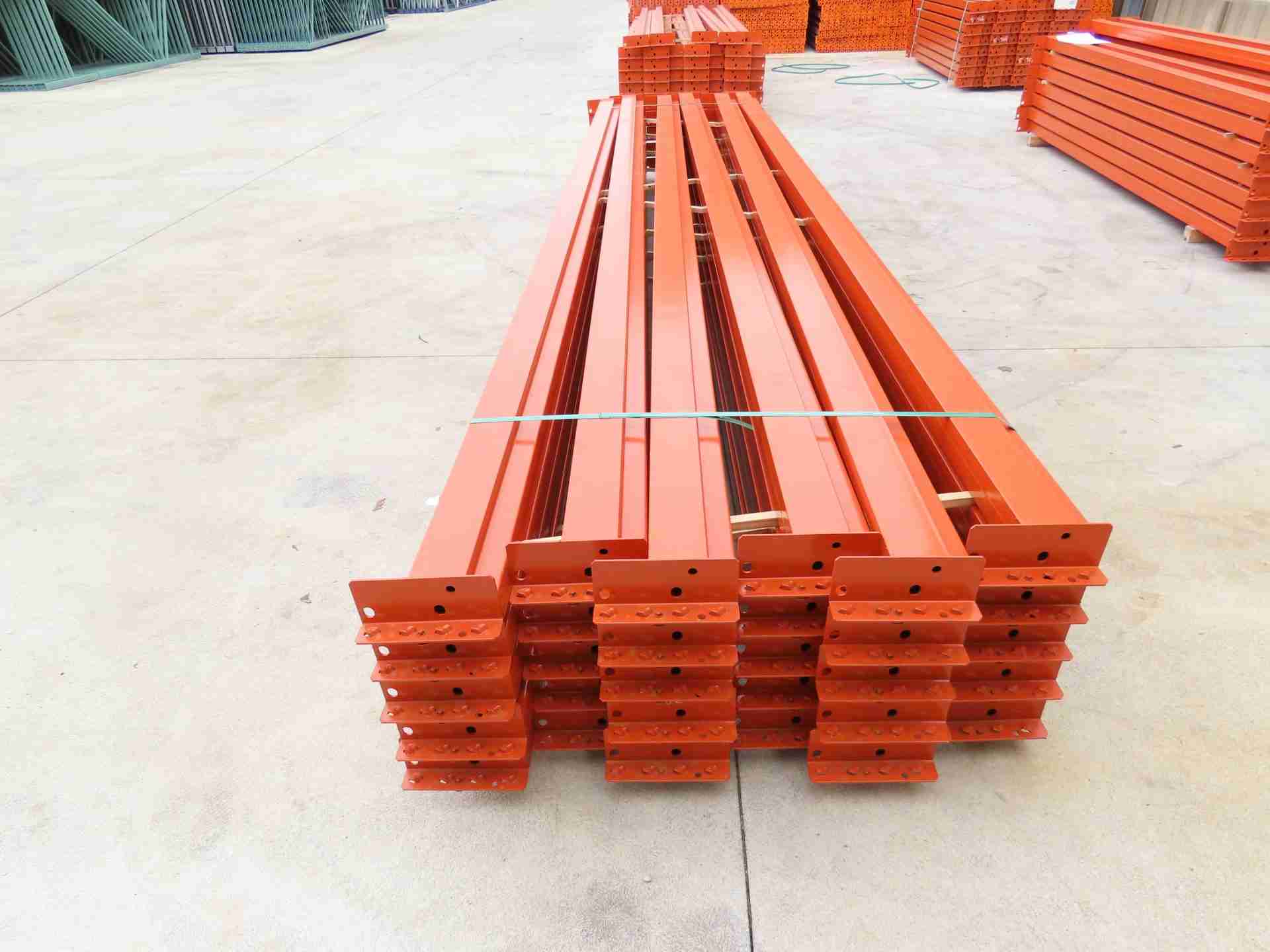
Can You Increase Productivity with Proper Warehouse Shelving Layouts?
Can You Increase Productivity with Proper Warehouse Shelving Layouts?
- The right warehouse shelving layout enhances productivity and efficiency in operations.
- Pallet racking maximizes vertical space, facilitating better organization and quick access to inventory.
- A structured warehouse layout helps mitigate supply chain disruptions and improves order fulfillment times.
- Strategic pallet racking systems contribute to workplace safety by reducing clutter and accidents.
- Adopting dedicated shelving systems can lead to increased efficiency and reduced labor costs.
- Streamlined inventory management allows businesses to adapt to fluctuating demands effectively.
- Investing in an optimized shelving layout ensures effective space utilization and enhances overall operations.

Can You Increase Productivity with Proper Warehouse Shelving Layouts?
Table Of Contents
- Can You Increase Productivity with Proper Warehouse Shelving Layouts?
- How Does Shelf Layout Affect Picking Speed?
- Can Shelving Organization Reduce Errors In Order Fulfillment?
- What Shelving Designs Maximize Space Utilization?
- Are There Specific Layouts For Different Types Of Products?
- How Can Technology Enhance Shelving Layout Effectiveness?
- What Role Does Employee Training Play In Shelving Efficiency?
- Conclusion
- Other Resources
- Glossary Of Terms
- Other Questions
- Checklist
How Does Shelf Layout Affect Picking Speed?
In the bustling world of warehousing and logistics, the importance of an efficient shelf layout cannot be overstated. Proper organization of space directly impacts picking speed, which in turn affects overall productivity and profitability. Let’s explore how a well-thought-out shelf layout, especially when using pallet racking systems, can exponentially increase your picking efficiency.
Imagine a warehouse outfitted with disorganized shelving units. When workers spend precious minutes navigating through stacks of products and misaligned shelves, the entire operation slows down. On the other hand, a streamlined layout utilizing pallet racking optimizes vertical space and allows easy access to inventory. Pallet racking systems can be specifically designed to accommodate fast-moving items in locations that are most frequently picked. For example, if your top 20% of products drives 80% of your sales, placing these items closer to the picking area will dramatically reduce the time employees spend retrieving them.
Let’s take a leaf out of a recent case study from a leading e-commerce company, which reported a 30% increase in picking speeds after reorganizing their pallet racking layout. By implementing a first-in, first-out (FIFO) system and strategically placing high-demand SKUs (Stock Keeping Units) at eye level, they not only improved efficiency but also minimized the chances of inventory mishandling—a costly mistake that can bog down operations.
Furthermore, consider the impact of current global supply chain challenges. As companies react to market shifts and evolving consumer demands, the agility and speed of order fulfillment have become paramount. Now, more than ever, an optimized shelf layout can determine whether a company sinks or swims in a competitive environment. Those who recognize the crucial link between shelf layout and picking speed are more equipped to adapt quickly to changes and satisfy customer expectations.
Think about it: every second saved in picking translates to increased order throughput. By reevaluating and optimizing your pallet racking layout, you ensure that your team doesn’t just function—they thrive. The ease of product access leads to improved morale among warehouse staff, ultimately contributing to lower turnover rates and fostering a culture of efficiency.
If you desire to elevate your logistics game, start by dissecting your current shelf layout and capitalize on the marvels of pallet racking. The road to greater picking speed and operational effectiveness might be right beneath your racks. Don’t let your competition outpace you; make the smart move today!
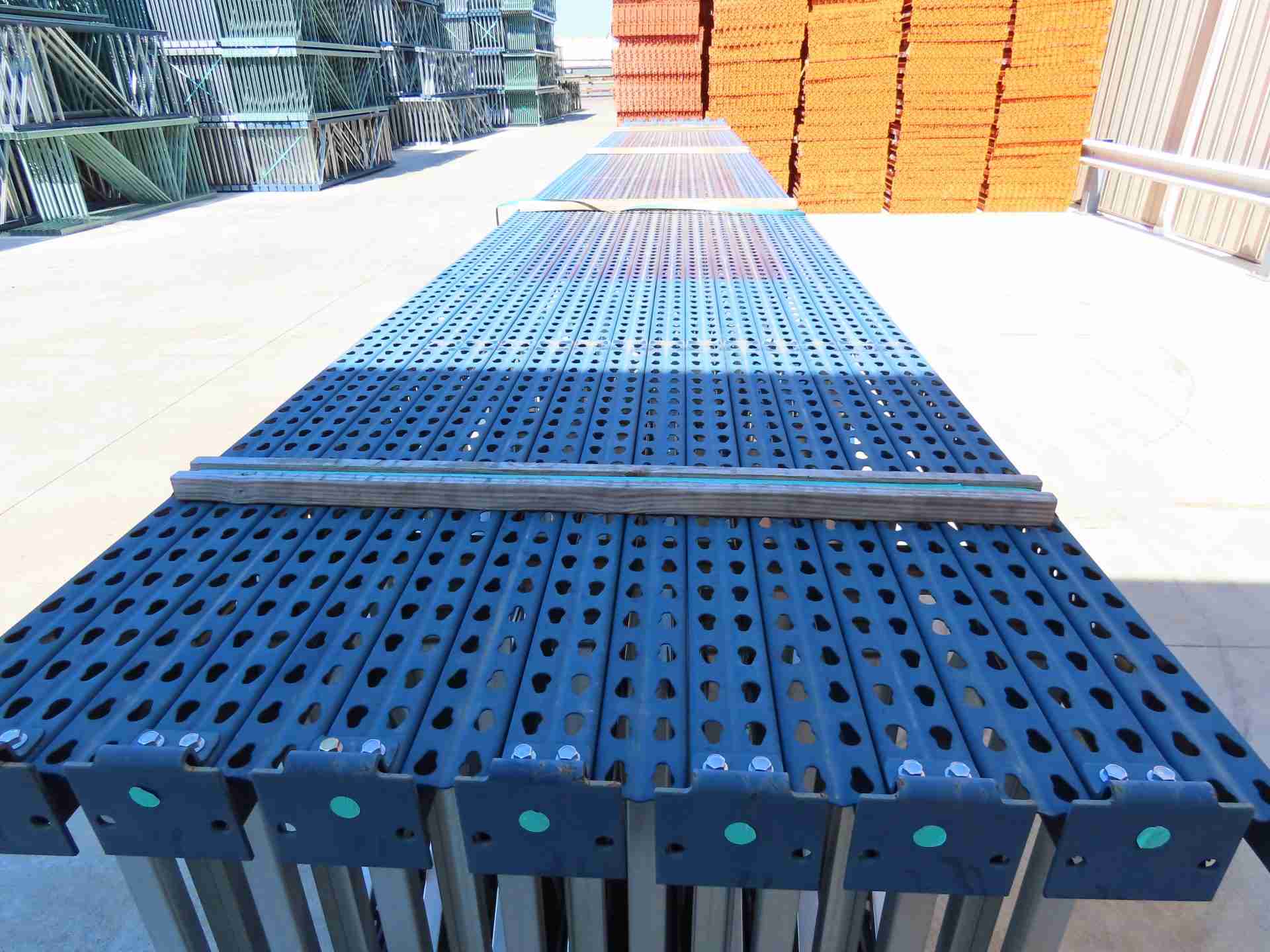
How Does Shelf Layout Affect Picking Speed?
How Does Shelf Layout Affect Picking Speed?
- The efficiency of shelf layout in warehousing significantly impacts picking speed and overall productivity.
- Disorganized shelving can slow down operations, while streamlined pallet racking optimizes space and accessibility.
- Positioning high-demand items closer to the picking area can drastically reduce retrieval time.
- A recent case study showed a leading e-commerce company achieved a 30% increase in picking speeds through layout reorganization.
- Implementing a FIFO system and arranging SKUs at eye level can enhance efficiency and reduce inventory mishandling.
- In a rapidly changing market, an optimized shelf layout is crucial for agile and speedy order fulfillment.
- Improved product access boosts warehouse staff morale and reduces turnover, fostering a culture of efficiency.

How Does Shelf Layout Affect Picking Speed?
Can Shelving Organization Reduce Errors In Order Fulfillment?
In today’s fast-paced world of e-commerce and rapid delivery, the efficiency of warehouse operations can make or break a business. One often-overlooked aspect that can significantly enhance order fulfillment accuracy is effective shelving organization. A well-organized warehouse is not just a neat space but a powerhouse of productivity, designed to reduce errors and speed up the entire fulfillment process.
Imagine a scenario in which a customer orders a product, only to receive the wrong item days later. The frustration not only results in lost trust but could also cost the business potential repeat customers. This is where the type of shelving used plays a pivotal role. For instance, pallet racking systems can be instrumental in managing large inventories. They allow businesses to store goods in a way that maximizes space while keeping items easily accessible. A thoughtfully designed pallet racking layout enables warehouse staff to locate and retrieve items efficiently, reducing the possibility of picking errors.
Consider the case of a prominent online retailer that recently faced challenges due to fulfillment inaccuracies. They decided to overhaul their shelving organization, implementing a combination of pallet racking and shelf flow systems. This reconfiguration not only reduced their picking time by 30% but also remarkably decreased errors by about 50%. This case exemplifies how smart organization can translate to clearer paths for order fulfillment, ultimately improving customer satisfaction.
Moreover, with current events highlighting the importance of same-day or quick deliveries, the pressure to streamline warehouses has never been more acute. As economies shift and consumer expectations heighten, businesses must look beyond traditional practices. A key strategy is implementing technology that works harmoniously with shelving systems. Automated picking solutions and inventory management software can complement a strong shelving foundation, creating a robust system that minimizes human error.
Additionally, regular training for warehouse staff on best practices in maintaining organized shelving is essential. Even the best pallet racking can become redundant without skilled personnel to utilize it effectively. Companies that invest in their workforce will see the benefits reflected in productivity and accuracy rates.
The relationship between shelving organization and order fulfillment accuracy is undeniable. By embracing smart storage solutions like pallet racking, businesses not only improve their operational efficiency but also safeguard their reputation in a competitive marketplace. In a world where every order counts, a well-structured warehouse might just be your secret weapon for success.

Can Shelving Organization Reduce Errors In Order Fulfillment?
Can Shelving Organization Reduce Errors In Order Fulfillment?
- The efficiency of warehouse operations is crucial in e-commerce for accurate order fulfillment.
- Effective shelving organization significantly reduces errors and speeds up the fulfillment process.
- Improper shelving can lead to mistakes, resulting in lost customer trust and potential repeat business.
- Pallet racking systems help manage large inventories, maximizing space and accessibility.
- An overhaul of shelving organization can lead to substantial improvements; for example, a case study showed a 30% reduction in picking time and a 50% decrease in errors.
- Leveraging technology, such as automated picking solutions, enhances shelving systems and minimizes human error.
- Regular training for warehouse staff on shelving best practices is essential for maintaining efficiency and accuracy.
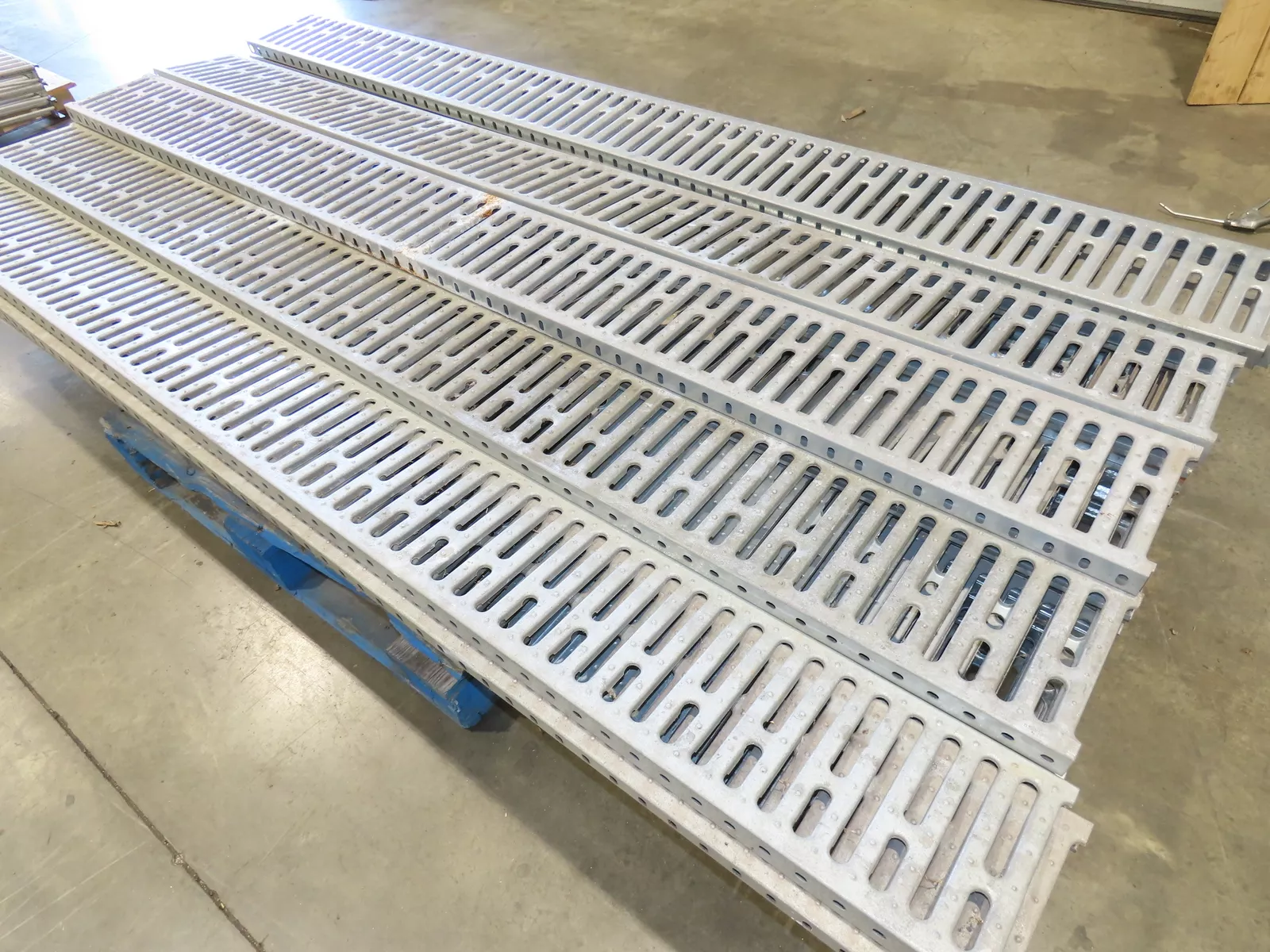
Can Shelving Organization Reduce Errors In Order Fulfillment?
What Shelving Designs Maximize Space Utilization?
In today’s fast-paced business environment, maximizing space utilization is not just a luxury; it’s a necessity. The right shelving designs can transform cluttered warehouses and overstuffed retail spaces into organized, efficient powerhouses of productivity. If you’re looking to reclaim your square footage, then understanding advanced shelving options is your first step to success.
One of the most effective shelving strategies for warehouses is Pallet Racking. This popular design utilizes vertical space like no other, allowing businesses to stack goods high without losing accessibility. Imagine transforming a cramped warehouse into a well-oiled machine that operates with fluidity and precision. With pallet racking systems, businesses can take advantage of standard-sized pallets, optimizing both their operation and inventory management. For example, major retailers are now leveraging pallet racking solutions to manage the spikes in demand seen during peak seasons, leading to increased profits without needing to expand physical space.
But pallet racking isn’t the only solution on the market. Consider Cantilever Racking, which is ideal for storing long, bulky items like lumber or pipes. This design maximizes floor space by allowing easy access to materials without the need for multiple aisles. In industries booming with construction projects, such as the ongoing recovery of urban infrastructures post-pandemic, cantilever racking is in high demand. Understood correctly, this system could save time and reduce labor costs, which can be a game-changer in a tight labor market.
Another innovative shelving approach is Multi-Tier Racking Systems. These are game-changers for businesses looking to capitalize on vertical real estate. By using multi-level systems, businesses can create additional levels of storage without the need to expand their footprint. Currently, as e-commerce continues to rise, warehouses are turning to these systems to efficiently handle skyrocketing inventory levels.
Furthermore, Mobile Shelving is gaining momentum, particularly in office and library settings. By placing shelves on wheeled bases, businesses can adjust the spacing based on needs, essentially creating variable aisles that can expand and contract. This adaptability matters in a world where flexibility is key, especially amid fluctuations in the job market and economic conditions.
The right shelving design can do more than just organize; it can redefine your operational strategy. Implementing solutions like pallet racking, cantilever racking, multi-tier racking, and mobile shelving can lead to unprecedented efficiencies. With businesses racing against time to adapt, investing in effective shelving solutions is not merely an option; it’s an essential strategy to thrive in today’s competitive landscape. Reclaim your space and reap the benefits that come with optimized storage solutions.
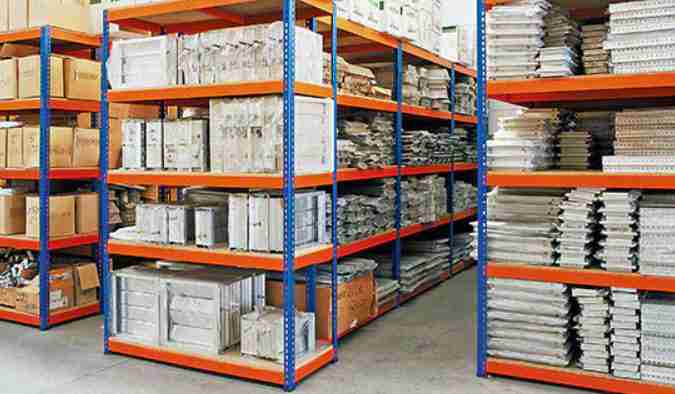
What Shelving Designs Maximize Space Utilization?
What Shelving Designs Maximize Space Utilization?
- Maximizing space utilization is essential in today’s fast-paced business environment.
- Pallet racking is a highly effective shelving strategy for warehouses, optimizing vertical space and efficiency.
- Cantilever racking is ideal for storing long, bulky items and can save time and reduce labor costs in construction industries.
- Multi-tier racking systems allow businesses to create additional storage levels without expanding their footprint, particularly useful for e-commerce.
- Mobile shelving offers flexibility by allowing adjustable spacing in office and library settings.
- Implementing innovative shelving designs can redefine operational strategies and lead to unprecedented efficiencies.
- Investing in effective shelving solutions is crucial for businesses to thrive in a competitive landscape.
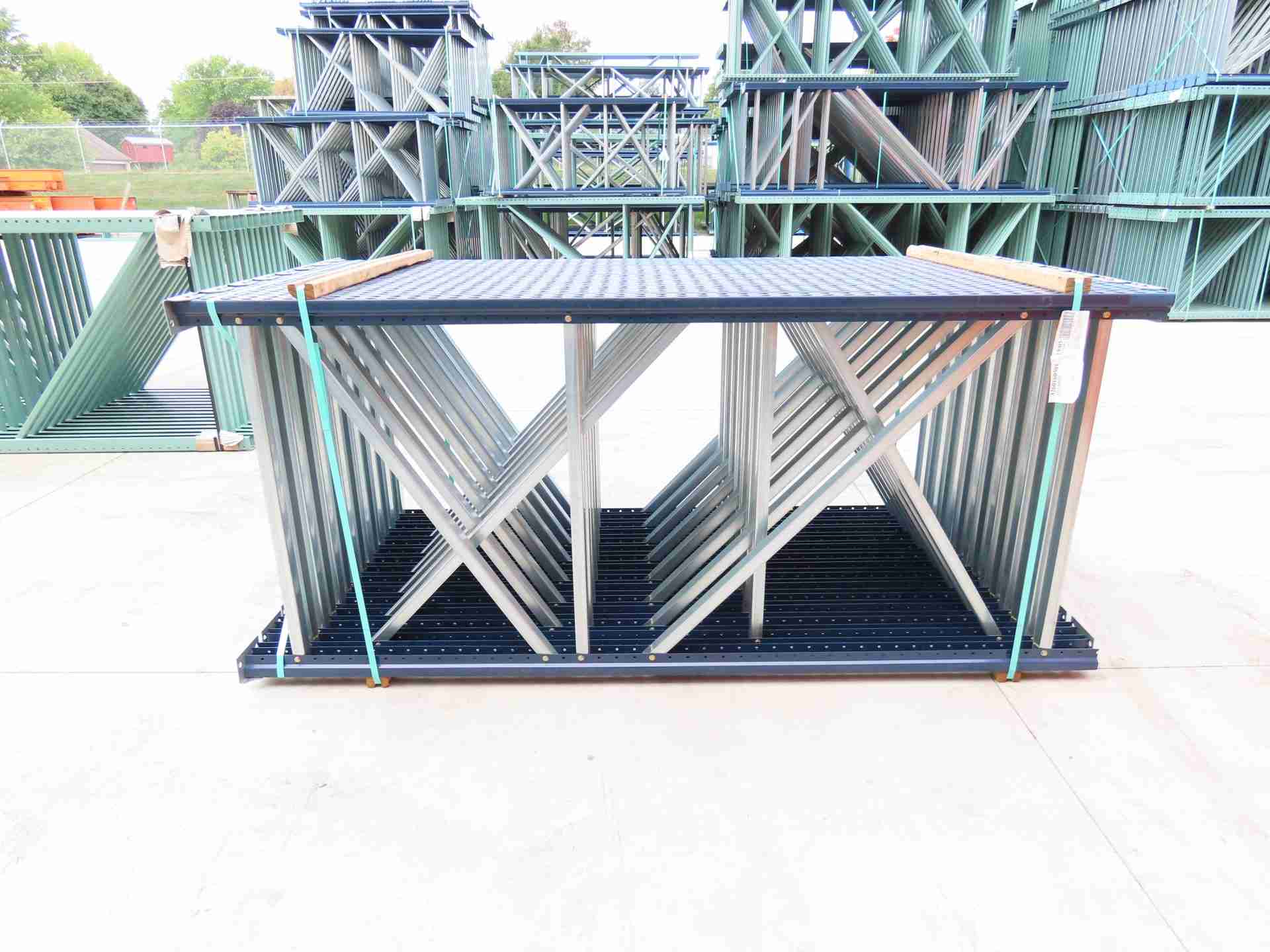
What Shelving Designs Maximize Space Utilization?
Are There Specific Layouts For Different Types Of Products?
When it comes to merchandising, the layout you choose for your products can significantly influence sales. Different categories of products demand specific layouts to maximize visibility and accessibility, and understanding these nuances can provide a competitive advantage.
Take, for instance, the classic case of pallet racking in warehouse environments. This storage solution is not just about stacking products high; it’s about strategic planning. For bulky items like pallets of bottled beverages or packaged construction materials, vertical storage through pallet racking systems provides an efficient way to utilize space while keeping the products readily accessible. An industry study published earlier this year highlights how properly organized pallet racking can reduce retrieval times by up to 30%.
In contrast, delicate products, such as cosmetics or high-end electronics, require a different approach. Slatwall displays or glass cases work wonders for these items, allowing them to be showcased without the risk of damage while creating an air of exclusivity. For instance, high-end brands often deploy rotating displays to keep their products front and center, capitalizing on customer curiosity and enhancing engagement. An example of this is the recent February launch of a luxury skincare line with a sleek, multi-faceted display that attracted eyeballs and effectively communicated the brand’s upscale message.
Seasonal products also necessitate specific layouts. Just think about the end-of-year holiday rush; retailers often allocate prime real estate for seasonal items. Standalone end caps featuring holiday decorations not only drive impulse buys but create an experience that connects with shoppers emotionally. This year, many retailers are emphasizing sustainable practices, showcasing eco-friendly wrapping and decorations that resonate with a growing consumer demand for sustainability, especially in markets like the U.S. and Europe.
Moreover, grocery stores face unique challenges when it comes to layout. The strategic placement of staple items in the rear forces customers to walk through aisles stocked with impulse buys—think snacks and beverages—along the way. This is a classic example of psychological marketing at work, encouraging additional purchases that go beyond the shopping list.
Knowing your products is essential for creating a layout that drives sales. Whether through the robust efficiency of pallet racking systems for bulk items, the elegance required for luxury goods, or the seasonal allure of festive displays, the right strategy can elevate your sales performance. By tailoring your layout to the specific needs of your products, you not only enhance customer experience but also fortify your bottom line.
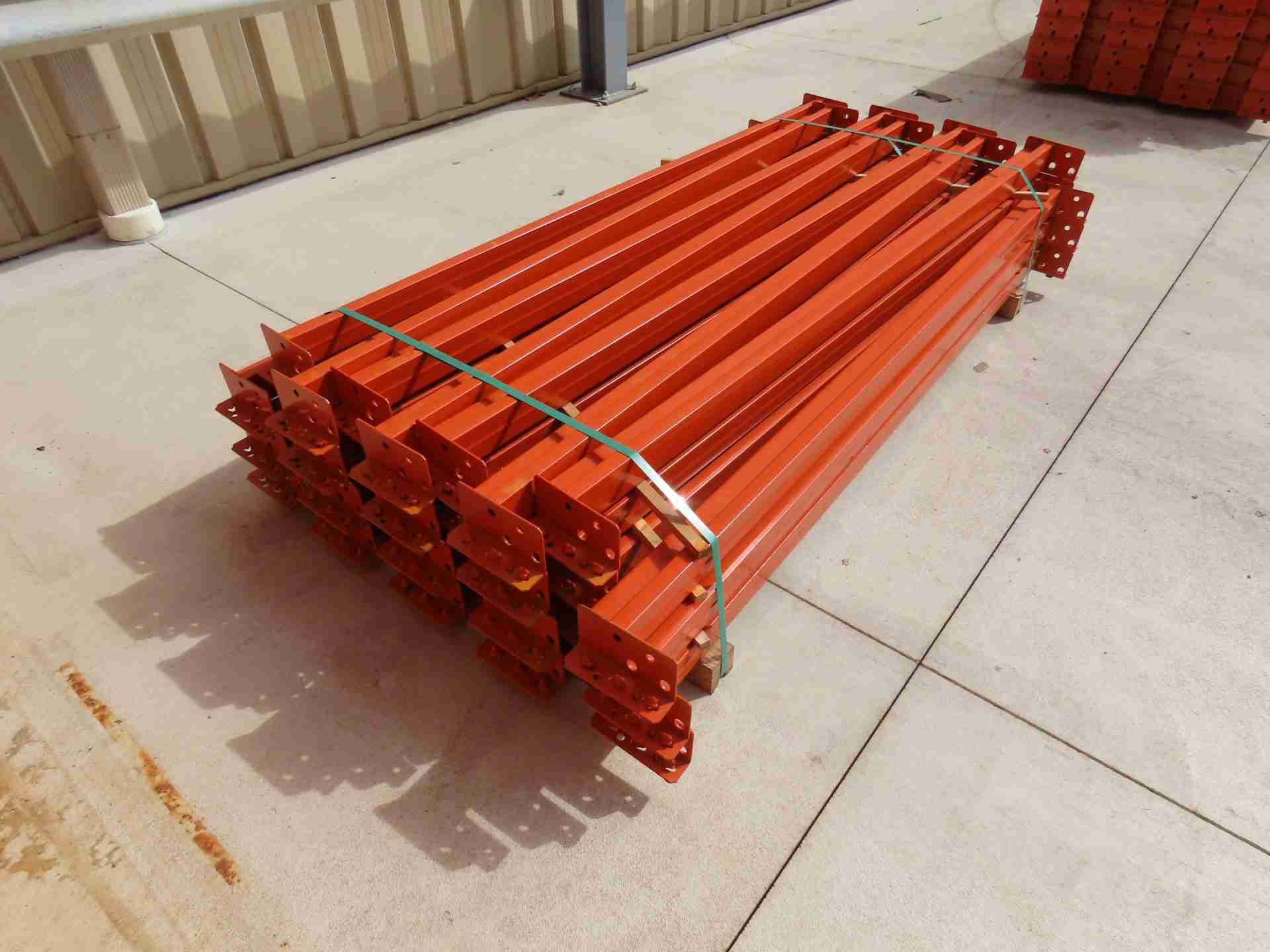
Are There Specific Layouts For Different Types Of Products?
Are There Specific Layouts For Different Types Of Products?
- The layout of products significantly affects sales, as different categories require specific arrangements for visibility and accessibility.
- Pallet racking systems optimize storage for bulky items, reducing retrieval times by up to 30% when organized properly.
- Delicate products like cosmetics and electronics benefit from slatwall displays or glass cases that showcase items without risk of damage.
- Seasonal products should have dedicated layouts, like standalone end caps, to drive impulse buys and create emotional connections with shoppers.
- Many retailers are adopting sustainable practices in their seasonal displays, appealing to the growing consumer demand for eco-friendly options.
- Grocery stores strategically place staple items in the rear, encouraging customers to walk through aisles filled with impulse buys.
- Understanding product characteristics is crucial for creating effective store layouts that enhance customer experience and improve sales performance.
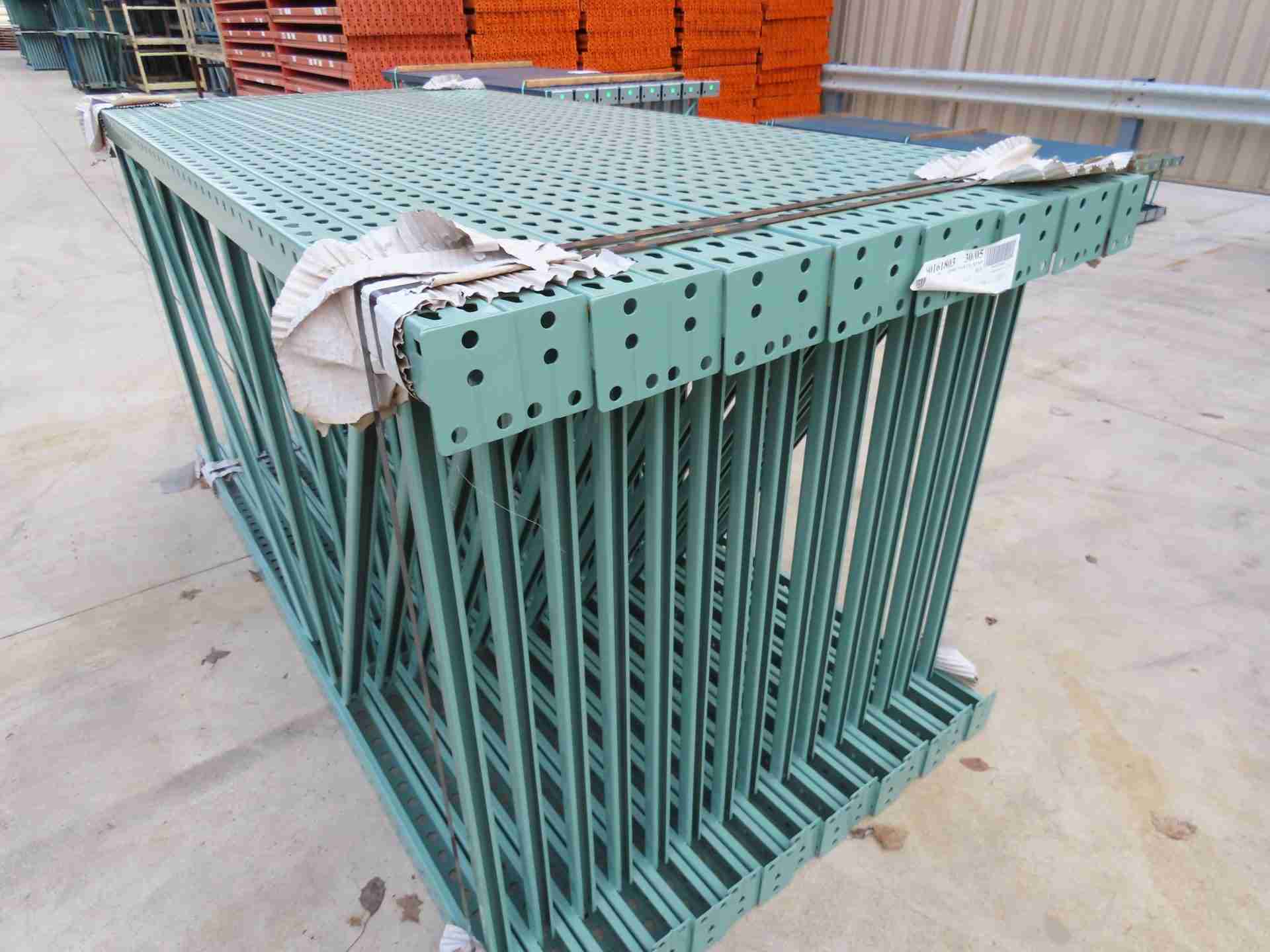
Are There Specific Layouts For Different Types Of Products?
How Can Technology Enhance Shelving Layout Effectiveness?
In today’s fast-paced business environment, the effectiveness of your shelving layout is more crucial than ever. Leveraging technology can transform how warehouses and retail spaces utilize pallet racking systems, ultimately driving efficiency and profitability. Let’s explore how embracing cutting-edge solutions can elevate your operations to new heights.
Dynamic Inventory Management
One of the most significant advancements in shelving layout effectiveness comes from dynamic inventory management systems. Consider the implementation of RFID (Radio-Frequency Identification) technology, which enables real-time tracking of stock levels. When paired with smart pallet racking solutions, businesses can optimize product placements based on demand fluctuations. For instance, Amazon’s use of AI-driven algorithms to adjust their shelving layouts in response to purchasing patterns showcases how technology can significantly streamline operations.
Augmented Reality (AR) for Layout Optimization
Imagine a scenario where your team can visualize the entire warehouse layout before making physical changes. With augmented reality tools, this is now possible. These AR solutions allow you to simulate various shelving configurations and determine the most efficient setup without disrupting daily operations. Retail giants like IKEA are already capitalizing on AR technology to enhance customer experience, and similar applications in warehousing can provide insights into optimizing pallet racking systems for maximum space utilization and accessibility.
Predictive Analytics for Effective Decision-Making
Utilizing predictive analytics is another game-changer. By analyzing historical sales data, businesses can foresee product trends and seasonality. This capability allows you to adjust your shelving layouts proactively, ensuring that high-demand items are easily accessible while optimizing space for slower-moving inventory. For instance, in light of recent supply chain disruptions, manufacturers who have employed predictive analytics were better positioned to adapt their shelving strategies, ensuring that they maintained stock of critical items quickly.
Automated Systems for Speed and Accuracy
Today’s technological advancements offer automated solutions, such as automated guided vehicles (AGVs) and robotic picking systems, that can significantly enhance pallet racking efficiencies. These systems streamline the picking process, reduce human error, and ensure that your products are accurately placed in their designated shelving. Companies like Fetch Robotics are pioneering in this area, allowing businesses to enhance their filling rates and make the most of their available space.
Incorporating technology into your shelving layout strategy is not just an option; it’s a necessity. Staying ahead in today’s competitive landscape demands a proactive approach to utilizing innovations that can enhance your pallet racking systems, ultimately driving your business’s efficiency and profitability. Embrace these technologies, and watch your operational effectiveness soar.
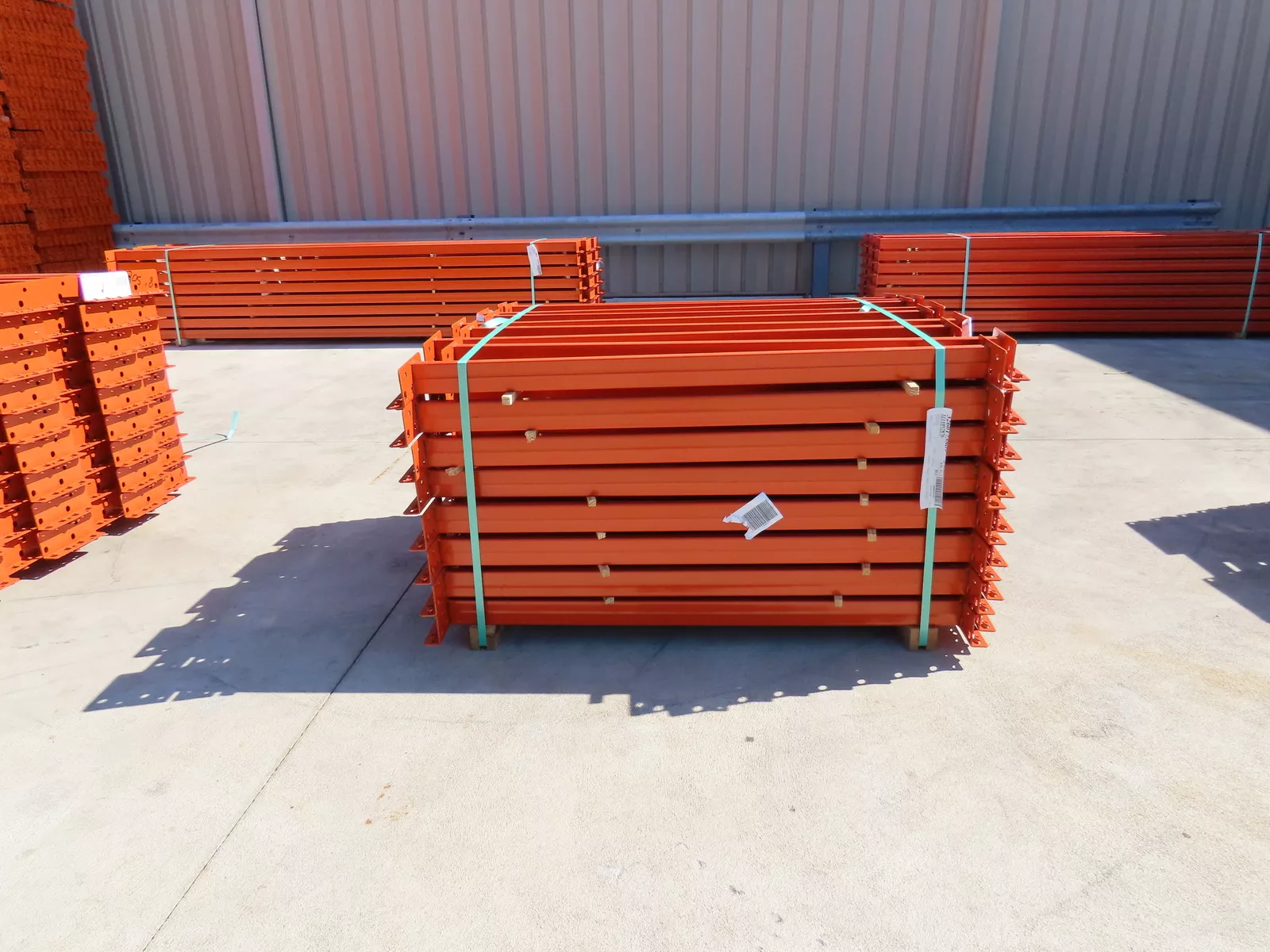
How Can Technology Enhance Shelving Layout Effectiveness?
How Can Technology Enhance Shelving Layout Effectiveness?
- The effectiveness of shelving layout is increasingly crucial in fast-paced business environments.
- Dynamic inventory management systems, especially with RFID technology, enhance real-time stock tracking and optimize product placements.
- Augmented Reality (AR) tools allow visualization of warehouse layouts for efficient shelving configurations without disrupting operations.
- Predictive analytics enable proactive adjustments to shelving layouts based on historical sales data and product trends.
- Automated systems like AGVs and robotic picking enhance pallet racking efficiencies by streamlining the picking process and reducing human errors.
- Incorporating technology in shelving strategy is essential for maintaining competitiveness and driving efficiency.
- Embracing innovative technologies can significantly elevate operational effectiveness and profitability.
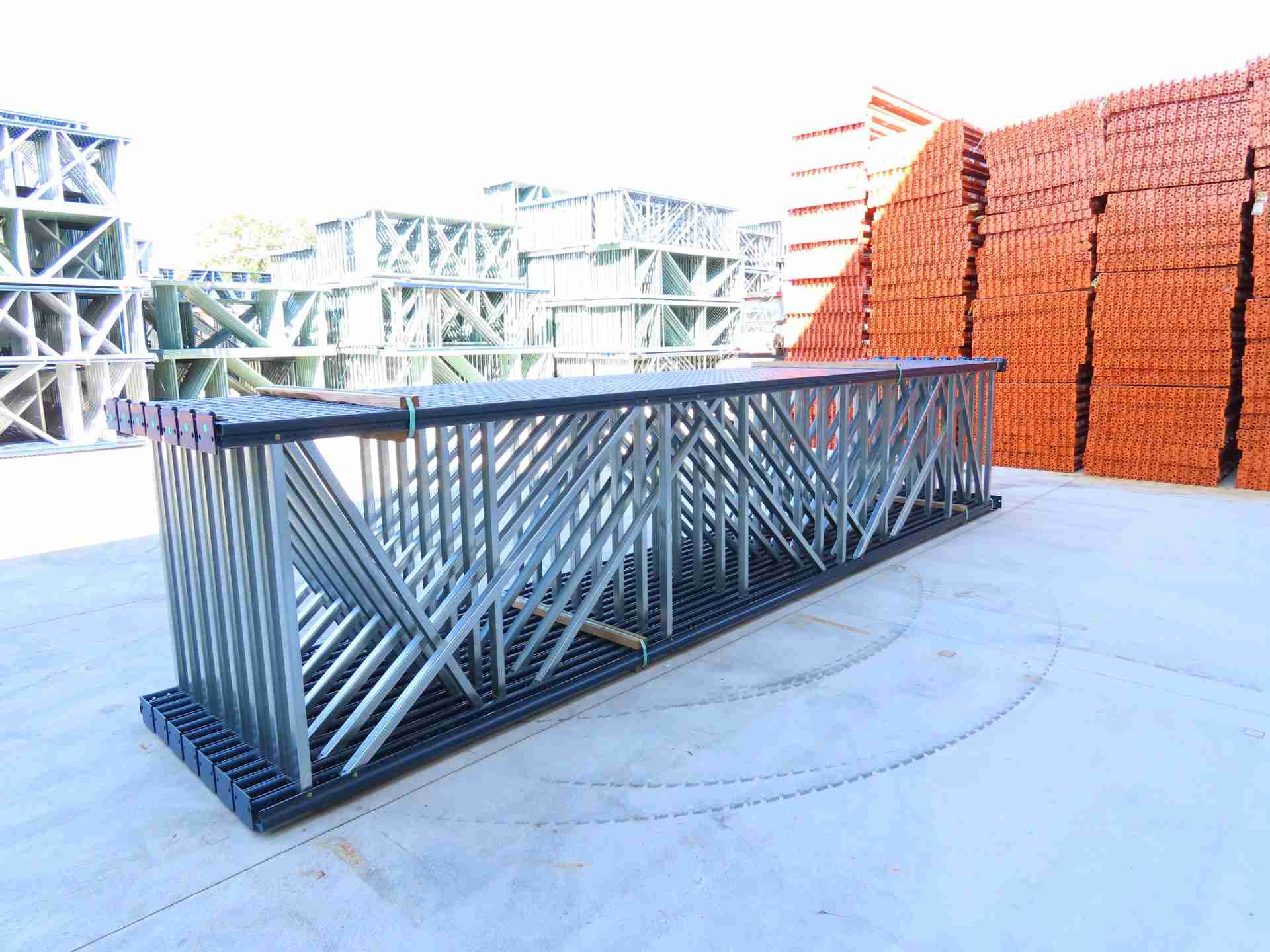
How Can Technology Enhance Shelving Layout Effectiveness?
What Role Does Employee Training Play In Shelving Efficiency?
In the fast-paced world of warehouse and inventory management, employee training is not just an added bonus; it’s a cornerstone of shelving efficiency. A well-trained workforce can transform operations, streamline processes, and vastly improve the handling of resources like pallet racking, resulting in significant cost savings and enhanced productivity.
Imagine a typical warehouse environment where items are stored in rows of pallet racking. Each pallet is stacked high, waiting to be accessed. Without proper training, employees may struggle to locate items, misplace them, or even create hazardous working conditions. For instance, an untrained employee might overlook the optimal way to organize pallet racking, leading to inadequate space management and a chaotic workspace. This not only costs time but can also frustrate team members and hinder overall morale.
Consider a recent trend in retail fulfillment warehouses, where speed and accuracy are paramount. Companies like Amazon have demonstrated how crucial employee training is by implementing rigorous onboarding processes. Their dedication to training employees on optimized shelving methods—like FIFO (First In, First Out), which is particularly essential for businesses handling perishables—ensures that every team member understands the best practices for inventory management. This investment in training pays dividends, as it enables them to make the most efficient use of pallet racking systems, minimizing delays and errors in order fulfillment.
Moreover, comprehensive training programs are more relevant than ever in today’s environment. As technology continues to evolve, so do the tools for shelving and storage. The implementation of warehouse management systems (WMS) has changed the game, requiring ongoing training to help employees effectively navigate and utilize these systems. Employees who are well-versed in modern technologies can optimize shelf space, maintain safety standards, and quickly adapt to new methodologies—vital components of achieving shelving efficiency.
But let’s not forget the impact on safety and compliance. Training employees on the correct use of pallet racking systems and safety protocols can drastically reduce accidents, which ultimately protects your bottom line. According to OSHA, falling loads and improper use of racking systems account for a significant number of workplace injuries. With proper training, such risks diminish, and standing by these practices demonstrates a commitment to workplace safety that resonates with both employees and customers.
The role of employee training in shelving efficiency cannot be overstated. Investing in your team not only leads to optimized pallet racking solutions but fosters a culture of excellence that permeates your entire operation. Don’t just think of training as an expense; view it as a strategic investment that will yield unmatched returns in efficiency, safety, and overall productivity.
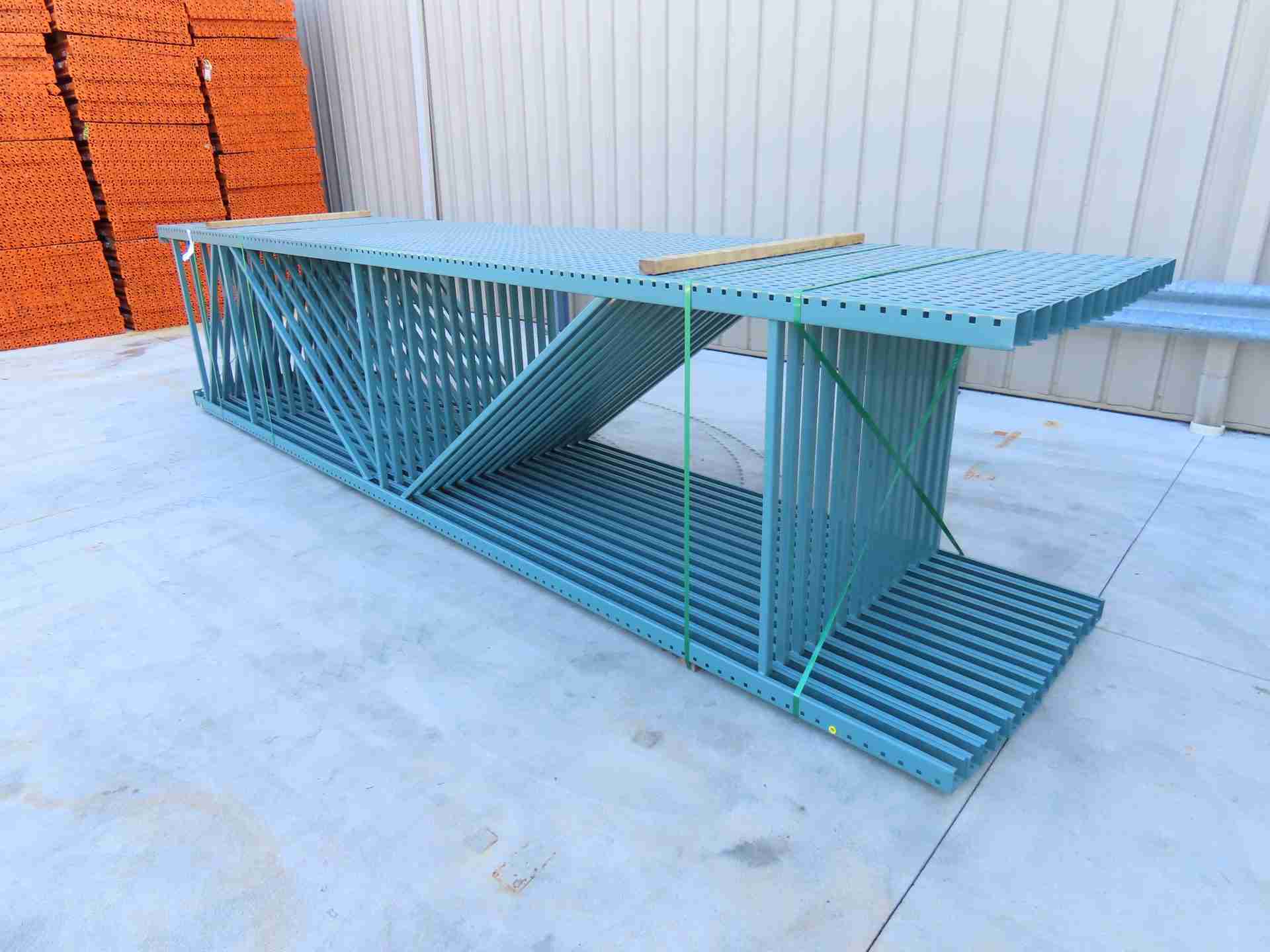
What Role Does Employee Training Play In Shelving Efficiency?
What Role Does Employee Training Play In Shelving Efficiency?
- Employee training is essential for enhancing shelving efficiency in warehouse management.
- A well-trained workforce can improve operations, streamline processes, and optimize resource handling.
- Lack of training can lead to mismanagement of pallet racking, creating hazardous conditions and low morale.
- Companies like Amazon emphasize rigorous employee training to ensure optimal handling and inventory management methods.
- Ongoing training is necessary as technology evolves, especially with the integration of warehouse management systems (WMS).
- Proper training reduces workplace accidents by teaching correct use of pallet racking and safety protocols.
- Investing in employee training leads to greater efficiency, safety, and productivity in warehouse operations.
What Role Does Employee Training Play In Shelving Efficiency?
Conclusion
In concluding this exploration of how proper shelving layouts can significantly enhance warehouse productivity, it’s clear that optimizing your facility isn’t merely about aesthetics; it’s a strategic imperative that directly impacts efficiency, safety, and the bottom line. As discussed, the right shelving—especially pallet racking—transforms uninspiring and cluttered spaces into streamlined, well-organized environments. This reorganization not only shortens the picking times but also elevates the accuracy of order fulfillment, which is vital in today’s demanding e-commerce landscape.
Every well-designed pallet racking layout is a step toward mitigating the chaos that can plague warehouses, leading to delays and decreased employee morale. With case studies demonstrating improved picking speeds by up to 30% and a notable reduction in fulfillment errors by as much as 50%, the statistics speak for themselves. Consider this the wake-up call for businesses lagging in their shelving strategies: an efficient layout leads to happier employees and satisfied customers.
Furthermore, technology plays an indispensable role. From dynamic inventory management tools to augmented reality simulations, leveraging tech can optimize your shelving design, making adaptations swift and informed. Investing in these advancements paired with robust employee training ensures that your staff can manage these sophisticated systems smoothly. Training transforms a team of individuals into a cohesive unit skilled at maximizing both space and safety.
However, implementing change requires action. If your current shelving layout isn’t supporting your operational needs or keeping pace with industry demands, now is the time to reevaluate. At Arrow Industrial Sales, we specialize in tailored solutions that maximize your warehouse shelving efficiency. Don’t wait for the competition to leap ahead—ensure you are equipped to meet the demands of fluctuating market conditions.
Therefore, don’t hesitate! Call Arrow Industrial Sales at (574) 349-6575 today to discover how we can help you enhance your warehouse’s productivity. The sooner you act, the sooner you can eliminate wasted time, reduce errors, and boost your company’s profitability. Your streamlined operation is just a phone call away—seize the opportunity to thrive in today’s competitive landscape!
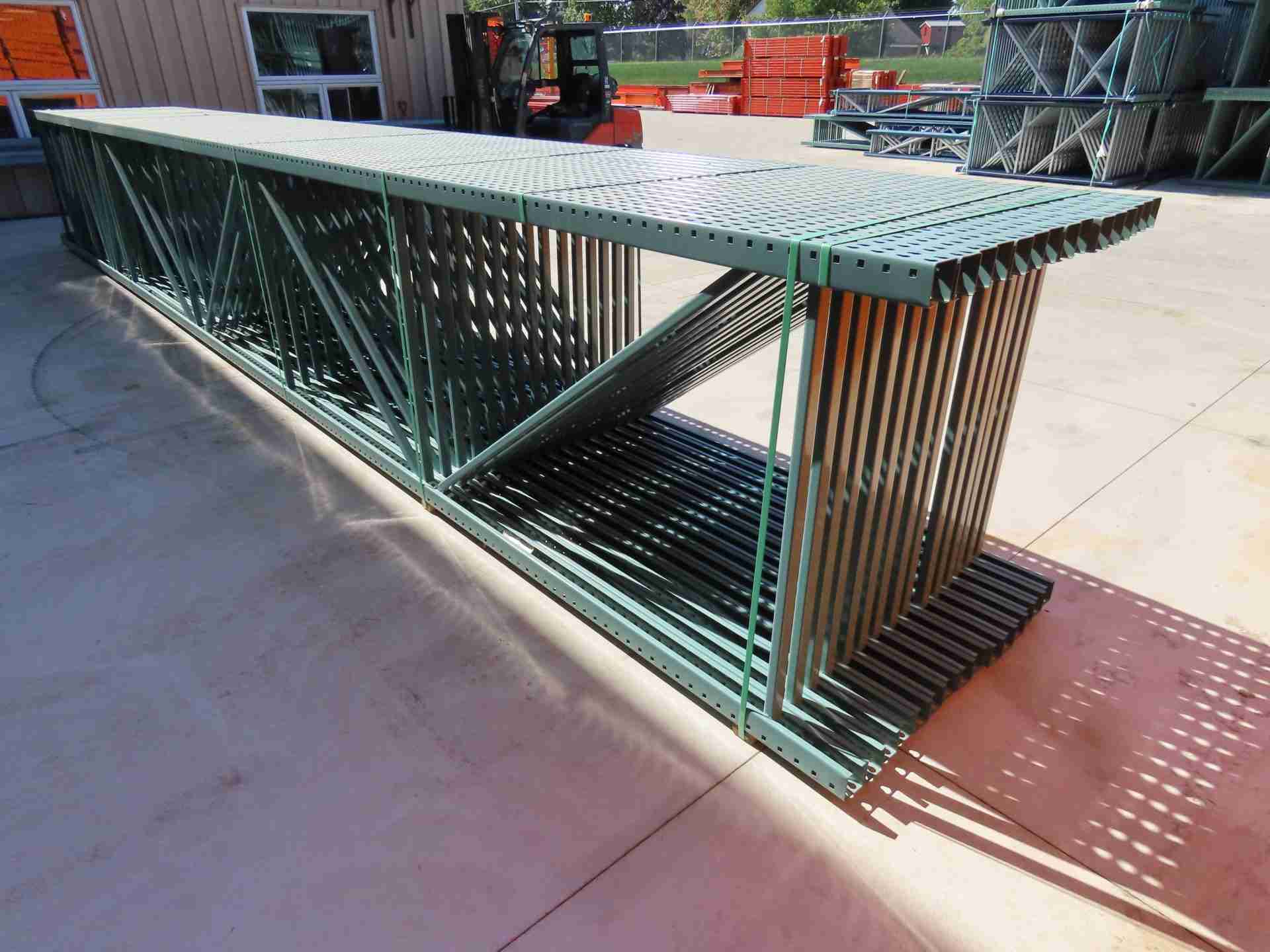
Conclusion
Conclusion:
- Proper shelving layouts are crucial for enhancing warehouse productivity, impacting efficiency, safety, and profitability.
- The right shelving, particularly pallet racking, transforms cluttered spaces into organized environments, aiding in faster picking and accurate order fulfillment.
- Well-designed pallet racking can improve picking speeds by up to 30% and reduce fulfillment errors by up to 50%.
- Technology, such as dynamic inventory management and augmented reality, is essential for optimizing shelving design and adaptations.
- Robust employee training is necessary for managing advanced shelving systems and maximizing workspace efficiency and safety.
- Businesses should evaluate their current shelving layouts and act swiftly if they are not meeting operational needs.
- Contact Arrow Industrial Sales at (574) 349-6575 for tailored solutions to enhance warehouse productivity.

Conclusion
Other Resources

Other Resources
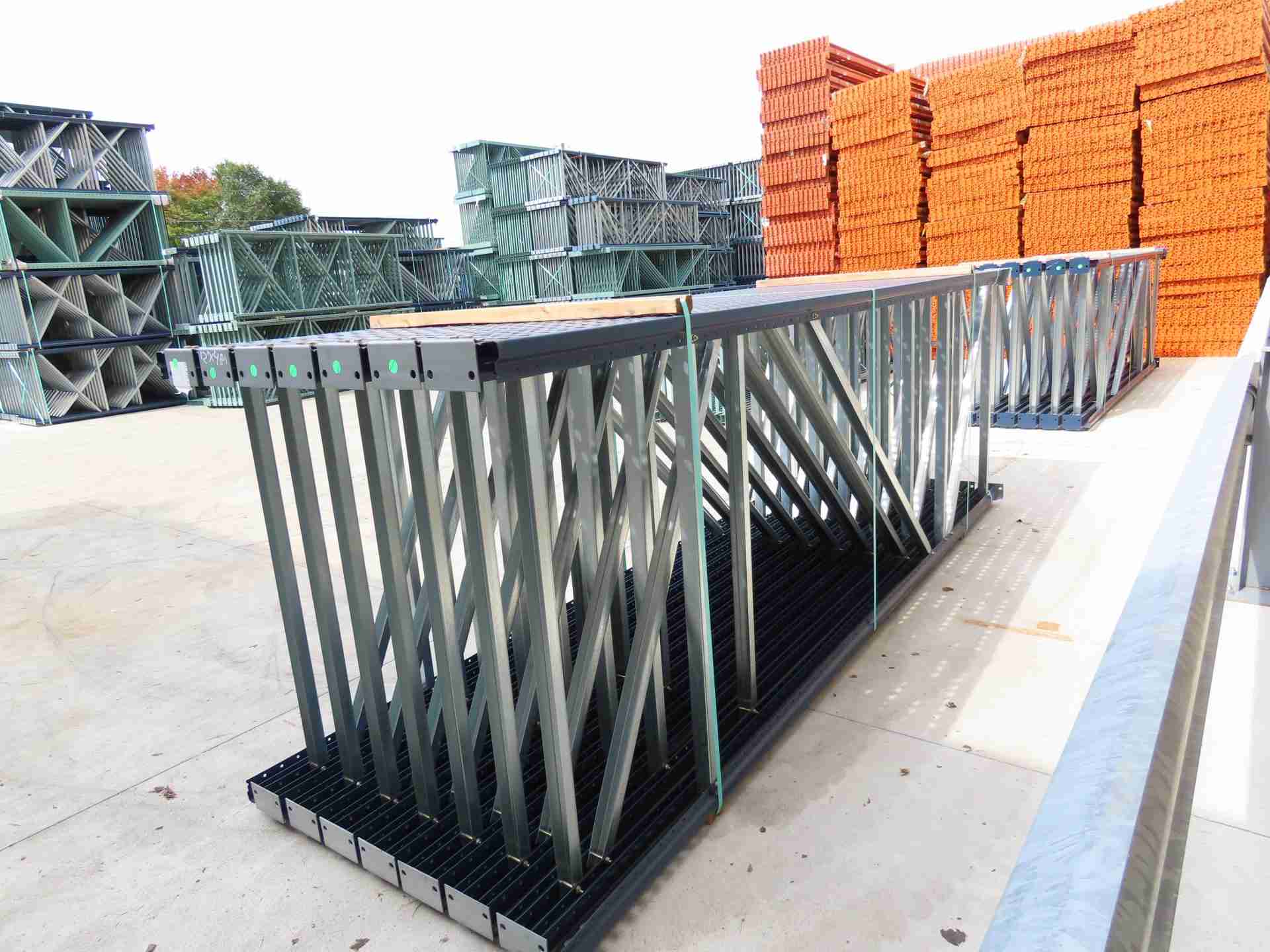
Here is a list of other resources you can review online to learn more:
- CA Wire
- Warehouse Storage Racking in Illinois
- WERC
- Chicago Pallet Racking
- Wolter
- Arrow Industrial Sales
- The Ultimate Pallet Racking Guide – Speedrack West
- Pallet Racks, Pallet Racking, Pallet Shelves in Stock – ULINE
- Mustang Material Handling
- BMH
Use This Prompt To Get More Resources With Your Favorite Online AI Tool: Please provide me with a list of online articles with their URLs in a bulleted list that I can read regarding Can You Increase Productivity with Proper Warehouse Shelving Layouts?
Other Resources
Glossary Terms
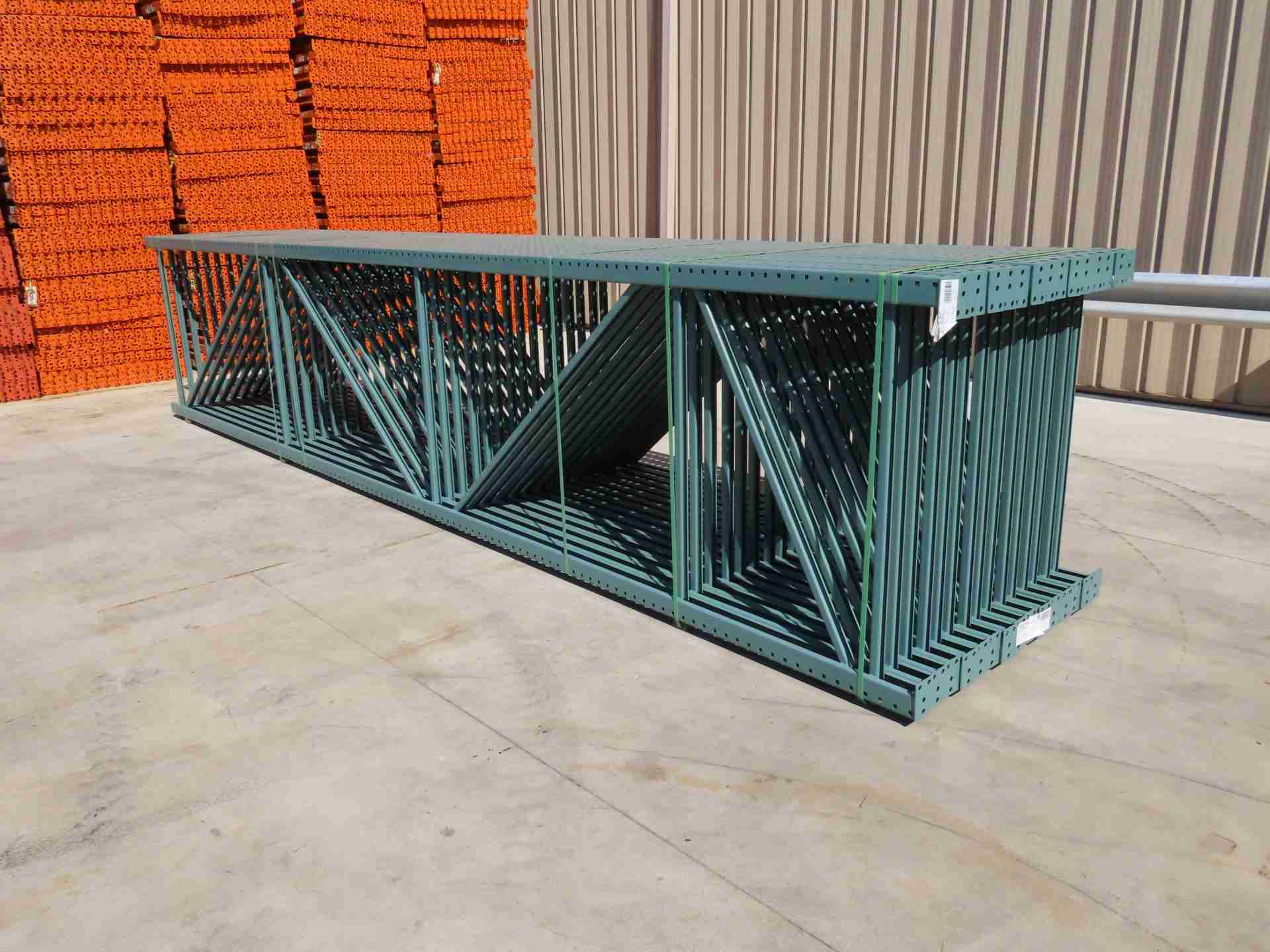
Can You Increase Productivity with Proper Warehouse Shelving Layouts? – Glossary Of Terms
1. Aisle Width: The space between shelving units that allows for the movement of personnel and equipment, crucial for efficient workflow.
2. Stock Keeping Unit (SKU): A unique identifier for each distinct product or item within inventory, used to track quantities and locations.
3. Dynamic Shelving: A shelving system that allows for adjustable configurations, optimizing storage for varying item sizes.
4. Static Shelving: Fixed shelving systems where products are stored in a predetermined fixed location, often used for standard-sized items.
5. Pick Path: The route warehouse staff take when retrieving items, influenced by shelving layout to maximize efficiency.
6. FIFO (First In, First Out): An inventory management method ensuring that the oldest stock is picked first, often supported by specific shelving setups.
7. LIFO (Last In, First Out): An inventory management method where the newest stock is picked first, relevant for items where expiration dates or obsolescence are not a concern.
8. Vertical Storage: Utilizing vertical space for shelving to maximize storage capacity and minimize floor space usage.
9. Modular Shelving: Shelving that can be easily reconfigured or expanded, allowing for flexibility in warehouse design as inventory needs change.
10. Cross-Docking: A practice where products are directly transferred from incoming to outgoing transportation without long-term storage, affecting shelving layout for quick access.
11. Warehouse Flow: The systematic movement of goods throughout a warehouse, significantly affected by shelving arrangements.
12. Inventory Turnover: A measure of how quickly inventory is sold and replaced, influenced by shelving design that facilitates ease of access.
13. Ergonomics: The study of people’s efficiency in their working environment, particularly relevant for designing shelving layouts that reduce strain on workers.
14. SKU Rationalization: The process of assessing the performance of SKUs to determine which items should be kept in stock, influencing shelving decisions.
15. Safety Stock: Extra inventory kept on hand to prevent stockouts, requiring careful shelving management to ensure accessibility.
16. Bin Location: The specific spot within a shelving unit where a product is stored, critical for efficient picking operations.
17. Lean Warehousing: A methodology focused on reducing waste and maximizing value in operations, often requiring strategic shelving arrangements.
18. Storage Density: The amount of space used for storing inventory compared to total available space, improved by effective shelving systems.
19. Overstock: Excess inventory that occupies valuable space and can hinder productivity if not managed with smart shelving layouts.
20. Cycle Counting: An inventory auditing procedure where a subset of inventory is counted on a specific day, requiring organized shelving for quick access.
21. Load Capacity: The maximum weight that a shelving unit can hold, essential for safety and productivity in warehouse design.
22. Flow Rack: A type of shelving system designed to facilitate the flow of goods, often used in FIFO processes.
23. Storage Retrieval System (SRS): Automated systems designed to store and retrieve items efficiently, heavily reliant on shelving layouts.
24. Pallet Racking: A shelving system where pallets are stored, facilitating bulk inventory management and increasing vertical space usage.
25. Drop Shelf: A shelf that can extend or lower to accommodate larger items, enhancing accessibility and productivity.
26. Environmental Control: The management of temperature and humidity levels in a warehouse that influences product storage, sometimes facilitated by shelving design.
27. Lean Six Sigma: A methodology to improve processes by eliminating waste and reducing variability, often involving warehouse layout optimizations.
28. Order Picking: The process of selecting items from shelving for shipment, which can be optimized by effective layout design.
29. Accessibility: The ease with which stored goods can be reached, directly impacted by shelving placement and design.
30. Inventory Management Software: Digital tools used to track inventory levels, orders, sales, and deliveries, often informing optimal shelving layouts for efficiency.
Glossary Of Terms
Other Questions
Can You Increase Productivity with Proper Warehouse Shelving Layouts? – Other Questions
If you wish to explore and discover more, consider looking for answers to these questions:
- What are the key factors to consider when designing a warehouse shelving layout?
- How can different shelving materials affect productivity?
- What are the best practices for maintaining a warehouse shelving system?
- How often should a warehouse shelving layout be reviewed and updated?
- What role does technology play in optimizing warehouse shelving layouts?
- What are the cost implications of implementing a new shelving layout?
- How do seasonal variations impact shelving layout and inventory management?
- Are there any industry-specific shelving solutions that can enhance productivity?
- How do ergonomics factor into the design of warehouse shelving layouts?
- What are the challenges faced while implementing new shelving systems in existing warehouses?
- How can employee feedback be incorporated into shelving layout design?
- What certifications or standards should be considered for shelving systems?
- How do automated systems interact with traditional shelving layouts?
- What impact does shelving layout have on employee morale and productivity?
- How can shelving organization improve inventory turnover rates?

Other Questions
Checklist
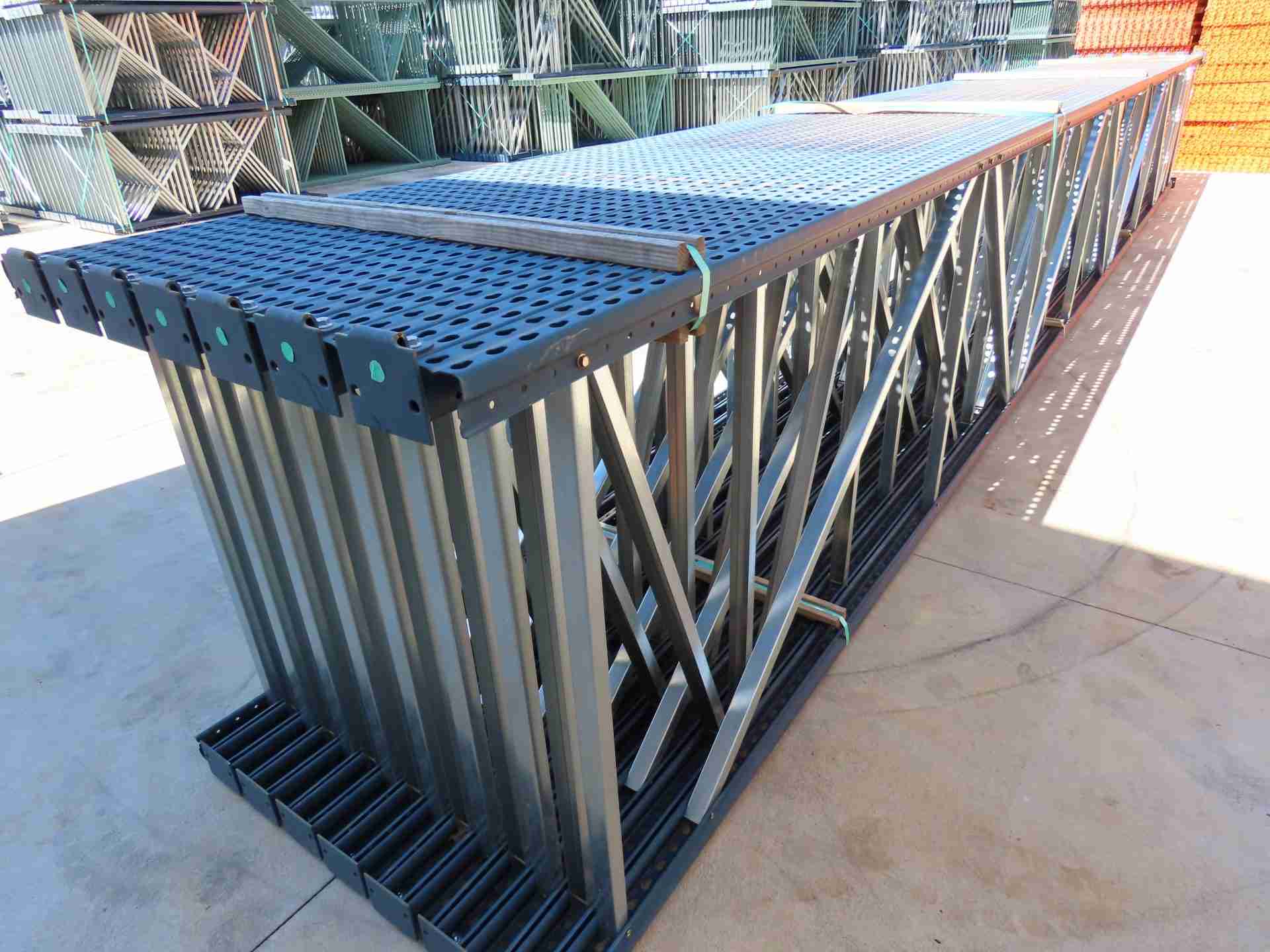
Can You Increase Productivity with Proper Warehouse Shelving Layouts? – A Checklist
1. Assess Current Layout
_____ Evaluate the current shelving arrangement in your warehouse.
_____ Identify any bottlenecks or inefficiencies in the system.
2. Consider Storage Solutions
_____ Implement Pallet Racking for maximizing vertical space.
_____ Explore Cantilever Racking for long or bulky items.
_____ Assess the benefits of Multi-Tier Racking Systems for enhanced vertical storage.
_____ Investigate Mobile Shelving for adaptable storage options.
3. Optimize Picking Speed
_____ Arrange fast-moving items closer to the picking area.
_____ Implement First-In, First-Out (FIFO) systems for inventory management.
_____ Use case studies from similar businesses as benchmarks for improvements.
4. Increase Order Fulfillment Accuracy
_____ Organize inventory systematically to minimize pick errors.
_____ Train staff on best practices for shelving organization.
_____ Adopt technology solutions (e. g. , automated picking systems) to assist staff.
5. Leverage Technology
_____ Implement Dynamic Inventory Management to track stock levels.
_____ Utilize Augmented Reality (AR) for visualizing layout changes before implementation.
_____ Incorporate Predictive Analytics to adjust layouts proactively based on demand.
_____ Explore the feasibility of Automated Guided Vehicles (AGVs) and robotic systems.
6. Invest in Employee Training
_____ Establish comprehensive training programs for shelving best practices.
_____ Ensure onboarding includes safety protocols for pallet racking use.
_____ Schedule regular training refreshers to keep staff up-to-date with new technology.
7. Measure and Adjust
_____ Track picking efficiency and order fulfillment rates after layout changes.
_____ Gather feedback from employees on new shelving practices and layout.
_____ Regularly revise and improve the shelving layout based on performance data.
8. Safety Considerations
_____ Conduct safety audits to identify potential hazards related to shelving and racking.
_____ Ensure that employees are trained in safe retrieval and stacking methods.
_____ Maintain clear pathways and marked locations for easy navigation.
9. Monitor Market Trends
_____ Stay updated on industry best practices and emerging shelving technologies.
_____ Assess seasonal impacts on inventory and prepare shelf space accordingly.
_____ Be proactive in adjusting layouts in response to changing consumer preferences.
By following this checklist, you can effectively assess, implement, and optimize your warehouse shelving layouts, ultimately improving productivity and operational efficiency.
Checklist
At RackingWorld, we help guide you through selecting warehouse storage systems and racking.
Be sure to read our other related stories at RackingWorld to learn more about warehouse storage systems.
0 Comments