
Inspiring Warehouse Layout Decisions With Tim Cook’s Vision
By Tom Seest
At RackingWorld, we help guide you through selecting warehouse storage systems and racking.
Be sure to read our other related stories at RackingWorld to learn more about warehouse storage systems.
Can The Tim Cook Vision Influence Your Warehouse Layout Decisions?
When talking about visionary leadership, few names resonate as powerfully as Tim Cook’s. Under his stewardship, Apple has not only revolutionized technology but has also set a gold standard for operational excellence. So, what can warehouse managers learn from Cook’s vision when it comes to optimizing their layout, specifically regarding pallet racking?
Take a page from Cook’s playbook: focus on efficiency and simplicity. In a world where customers demand faster service and more integrated experiences, the layout of your warehouse should minimize bottlenecks and streamline operations. For instance, consider the trend of vertical space utilization. Much like how Apple products maximize user experience with sleek design and a user-friendly interface, you can maximize your space by implementing high-density pallet racking systems that take advantage of vertical storage. This not only preserves floor space but also enhances accessibility, leading to quicker order fulfillment.
Moreover, Cook emphasizes sustainability—a critical component of modern business ethics. Companies are increasingly pressured to adopt environmentally friendly practices, and your warehouse is no exception. By opting for modular pallet racking made from recycled materials or investing in energy-efficient lighting, you signal to your customers that you’re committed to a green future, similar to Apple’s commitment to reducing carbon footprints in their manufacturing processes.
Also, consider technological integration. Tim Cook embraces innovation, pushing for cutting-edge solutions—think of how Apple seamlessly integrates hardware and software. Apply this principle to your warehouse by incorporating RFID technology or automated inventory management systems alongside your pallet racking solutions. This real-time visibility not only simplifies stock tracking but also reduces human errors, ultimately saving time and boosting productivity. An ongoing example is Amazon, which has successfully integrated advanced technology in their fulfillment centers, allowing them to ship millions of packages daily.
Furthermore, keep your team engaged. Cook is known for fostering a culture of collaboration and empowerment. In your warehouse layout, create designated areas for team meetings and brainstorming sessions to encourage innovation in operations. Empower your staff to share feedback on how the pallet racking system can be further optimized for their roles.
By analyzing Tim Cook’s approach to operational efficiency, sustainability, and technology integration, you can make informed decisions that enhance your warehouse design. Embrace his vision and watch as your warehouse transforms into a model of productivity and effectiveness.
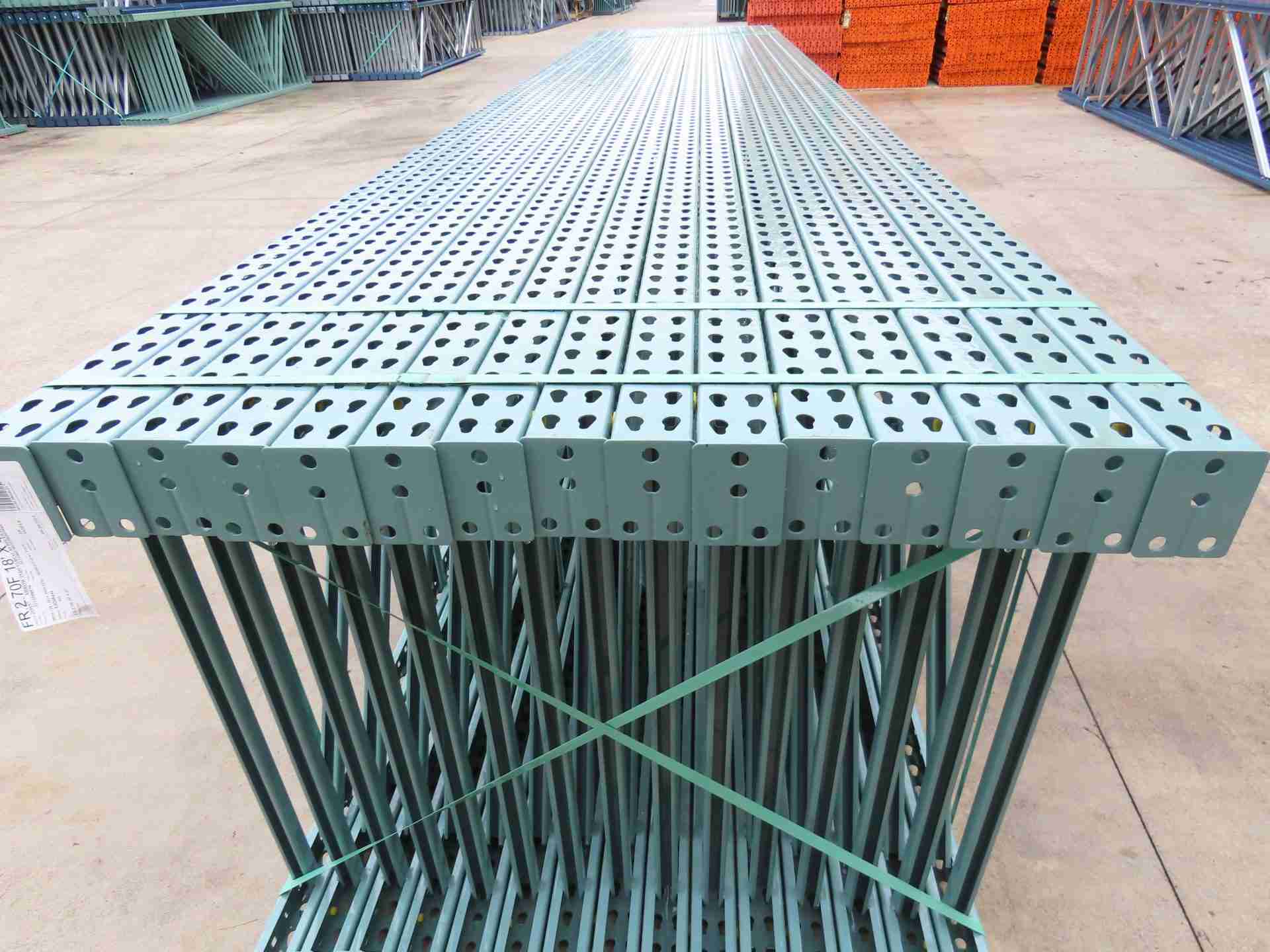
Can The Tim Cook Vision Influence Your Warehouse Layout Decisions?
Can The Tim Cook Vision Influence Your Warehouse Layout Decisions?
- Tim Cook is recognized for visionary leadership that has revolutionized technology and set a standard for operational excellence at Apple.
- Warehouse managers can learn to focus on layout efficiency and simplicity to minimize bottlenecks and streamline operations.
- Implement high-density pallet racking systems to maximize vertical space utilization, enhancing accessibility and order fulfillment.
- Incorporate sustainability practices by using modular pallet racking made from recycled materials and energy-efficient lighting.
- Embrace technological integration by utilizing RFID technology or automated inventory management systems to enhance stock tracking and productivity.
- Foster a culture of collaboration by creating designated team areas for meetings and encouraging employee feedback on optimizing pallet racking systems.
- By applying Tim Cook’s principles, warehouse managers can improve design, productivity, and overall effectiveness.
Can The Tim Cook Vision Influence Your Warehouse Layout Decisions?
Table Of Contents
- Can The Tim Cook Vision Influence Your Warehouse Layout Decisions?
- What Is The Tim Cook Vision For Modern Business Operations?
- What Features Of Apple’s Design Philosophy Apply To Warehouse Layout?
- How Does Innovation Drive Layout Decisions In Warehouses Today?
- What Are The Key Elements Of A Successful Warehouse Design?
- How Can Technology Improve Warehouse Operations And Layout?
- What Role Does Sustainability Play In Warehouse Design Today?
- Conclusion
- Other Resources
- Glossary Of Terms
- Other Questions
- Checklist
What Is The Tim Cook Vision For Modern Business Operations?
In today’s hyper-competitive landscape, Tim Cook’s vision for modern business operations is as relevant as ever. He’s not just steering Apple to record profits but setting a blueprint for how businesses can thrive in the current climate. The essence of his strategy revolves around operational efficiency, sustainability, and a relentless focus on customer experience.
One striking example of this vision is Apple’s commitment to sustainability, which resonates deeply in an age where consumers are increasingly demanding responsible practices. Cook’s leadership has prioritized reducing carbon footprints and transitioning to renewable energy. Recently, Apple announced its plans to make its entire supply chain carbon-neutral by 2030, a move that sets a benchmark for other companies in various industries. This isn’t merely a feel-good initiative; it’s a clear message that aligning profitability with responsible practices is not just possible but essential.
Cook’s approach also emphasizes the importance of streamlined operations, akin to how effective pallet racking systems optimize storage and efficiency in warehouses. Just as pallet racking allows businesses to store materials compactly while maximizing space and accessibility, Cook envisions a world where businesses simplify and optimize their processes. This translates to better supply chain management, enhanced productivity, and ultimately, improved bottom lines. For instance, look at Apple’s innovative use of technology, such as AI and machine learning, which allow real-time monitoring of inventory and production. This technological edge creates faster turnaround times—all while maintaining the high quality Apple is known for.
Moreover, Cook’s philosophy centers on fostering a collaborative culture within organizations. In an era where the workforce is rapidly evolving, he champions inclusivity and workforce development. His efforts at Apple to promote diversity are not just trendy; they are rooted in the understanding that a diverse team leads to innovative solutions and improved problem-solving capabilities. As businesses grapple with the changing dynamics of remote and hybrid work, this aspect of Cook’s vision is crucial for engaging and retaining talent.
TTim Cook’s modern business operations concept is about more than just growing a tech giant; it’s about pioneering a holistic approach that values sustainability, optimizes efficiency, and fosters collaboration. By integrating these principles into daily operations, businesses can secure their place in a future that champions responsibility, innovation, and resilience—much like the sturdy yet agile pallet racking supporting today’s logistics. Those who grasp this vision will drive not only profits but also meaningful change in their industries.
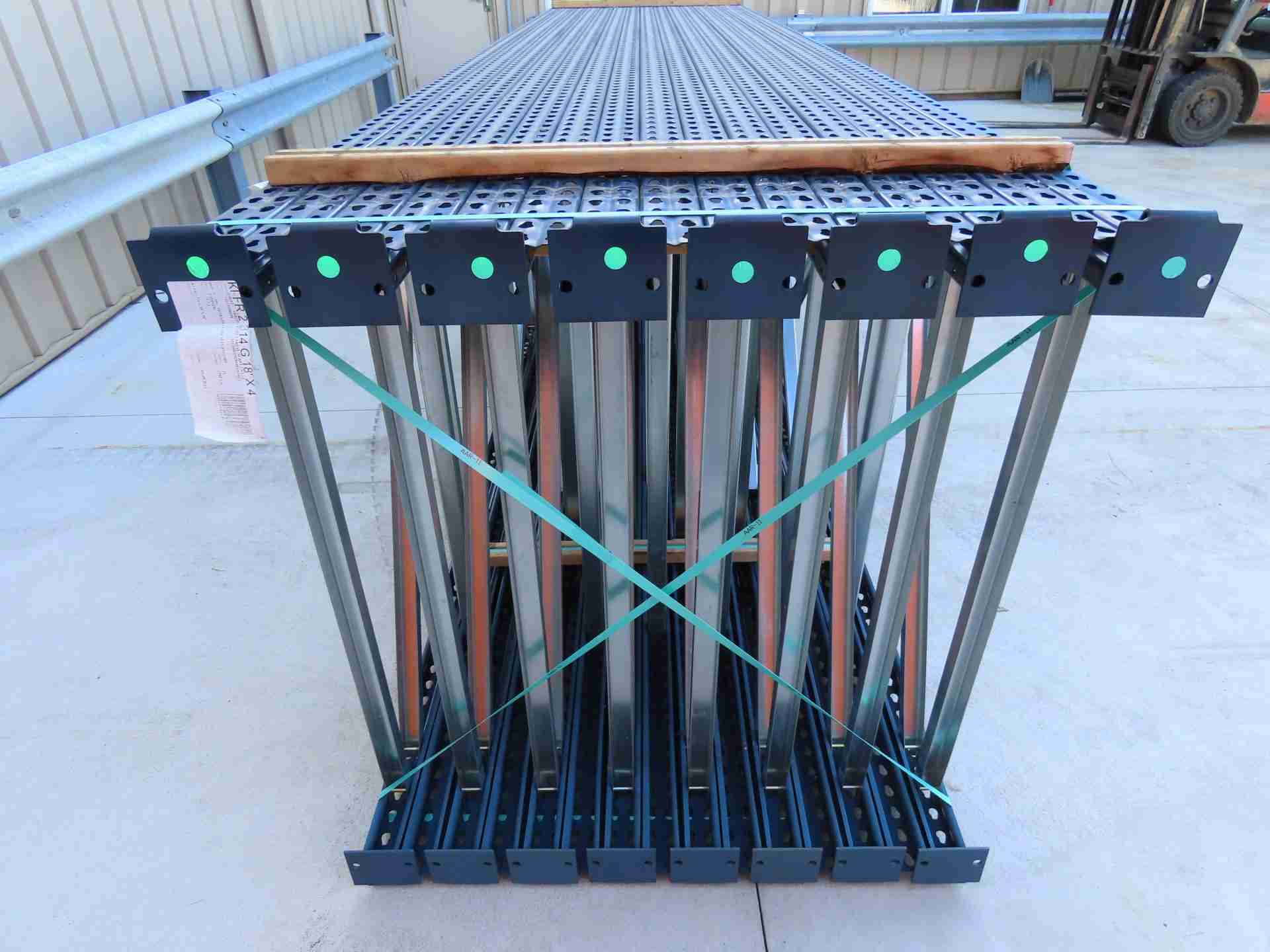
What Is The Tim Cook Vision For Modern Business Operations?
What Is The Tim Cook Vision For Modern Business Operations?
- Tim Cook’s vision for modern business focuses on operational efficiency, sustainability, and customer experience.
- Apple prioritizes sustainability, aiming for a carbon-neutral supply chain by 2030, influencing industry standards.
- The strategy aligns profitability with responsible practices, proving they can coexist in today’s market.
- Cook emphasizes streamlined operations to enhance supply chain management and productivity.
- Innovative technology such as AI and machine learning is used for real-time inventory and production monitoring.
- Cook promotes a collaborative culture that values diversity, leading to innovative solutions and better problem-solving.
- His holistic approach encourages businesses to integrate sustainability and efficiency for long-term success and meaningful change.
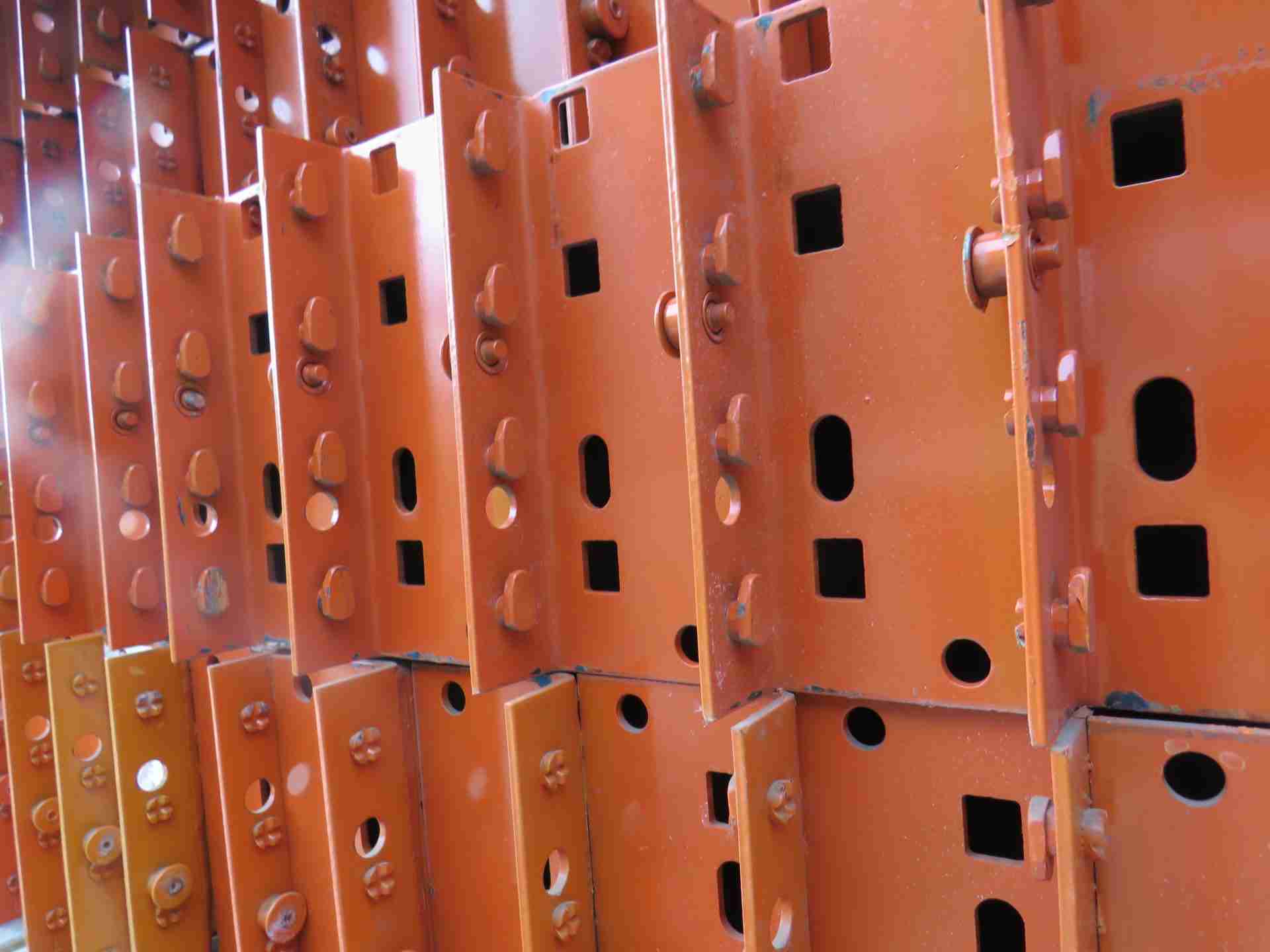
What Is The Tim Cook Vision For Modern Business Operations?
What Features Of Apple’s Design Philosophy Apply To Warehouse Layout?
When we think of Apple, we often envision sleek devices, intuitive interfaces, and seamless user experiences. However, the principles underpinning Apple’s design philosophy can also transform the world of warehouse layout. By adopting these core tenets, companies can optimize their operations and enhance productivity, similar to how Apple masters the customer journey.
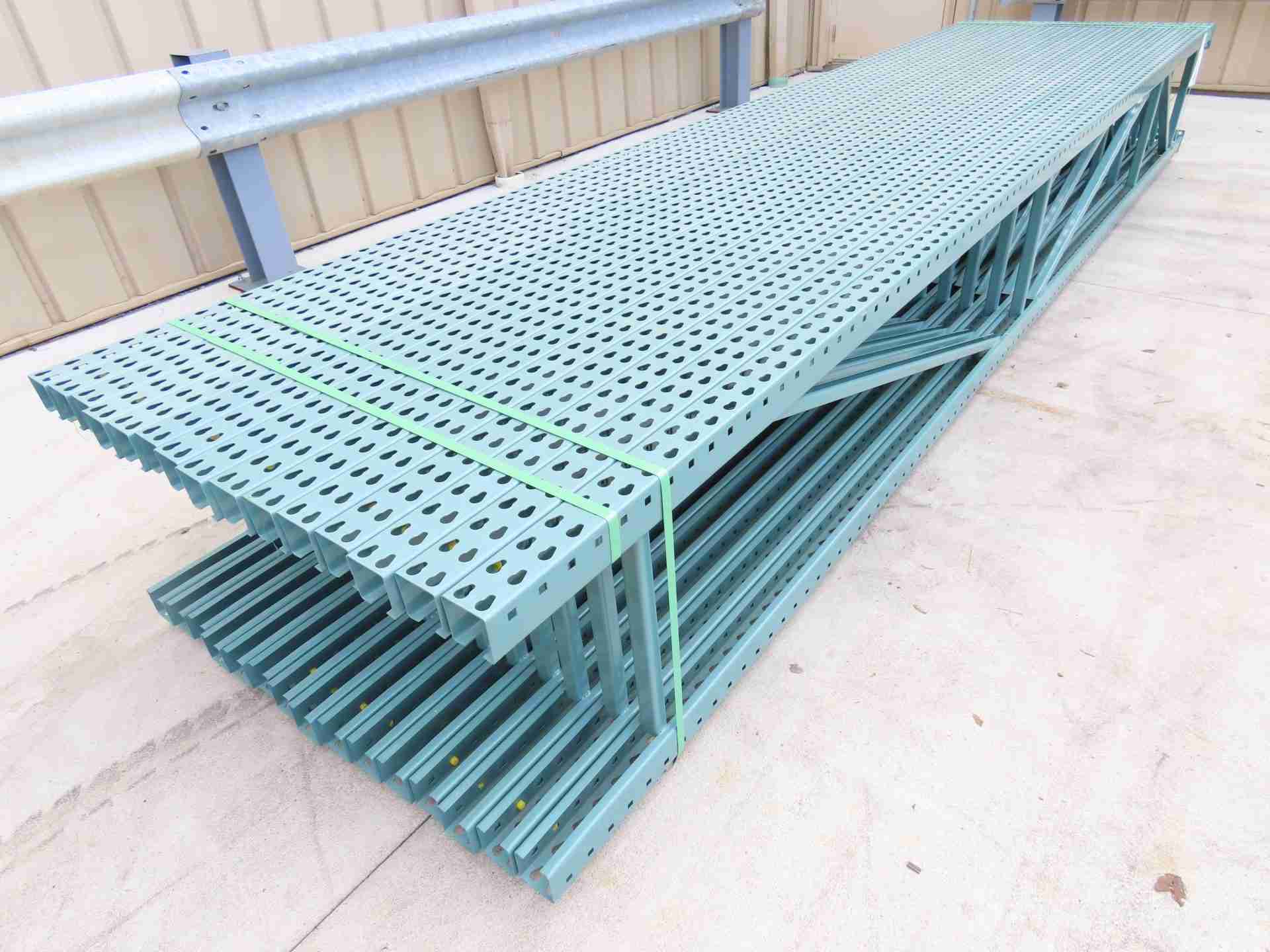
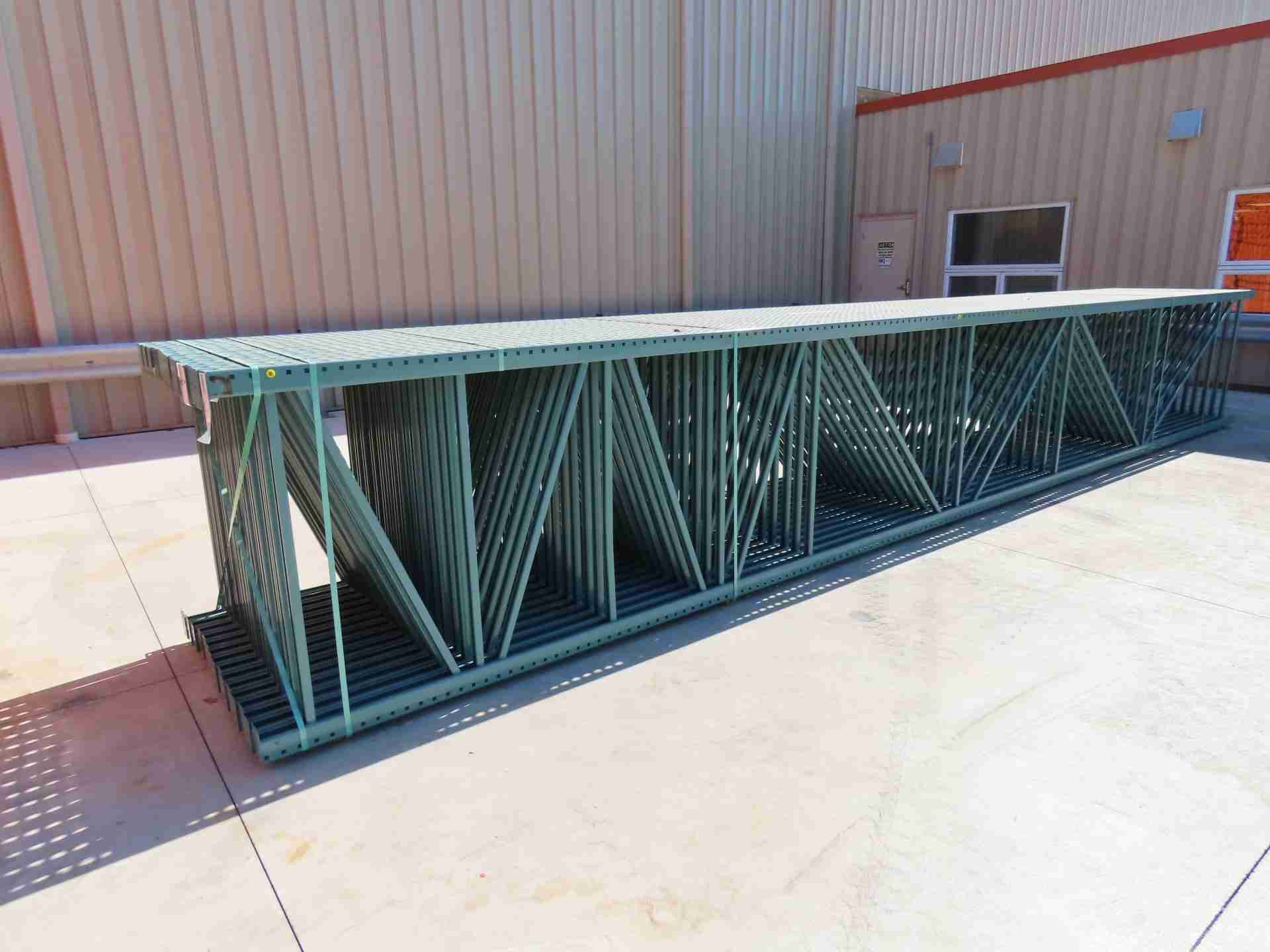
One of Apple’s foremost strategies is simplicity. In product design, this translates to user-friendly interfaces, but in a warehouse setting, it means creating clear and organized systems. For instance, utilizing pallet racking effectively allows for maximum storage efficiency, simplifying the process of accessing goods. A well-designed pallet racking system not only conserves space but enhances workflow, ensuring employees can retrieve and return inventory swiftly—much like how Apple users find their apps intuitively located.
Additionally, Apple’s focus on aesthetics shouldn’t be overlooked. The look and feel of a space can significantly impact employee morale and productivity. Just as Apple stores are designed to be inviting and engaging, warehouses, too, can benefit from a thoughtful design. Utilizing bright colors for different zones, ergonomic workstations, and efficient lighting can foster a more pleasant working environment. This aligns with Apple’s belief that a great design pathway enhances overall experience—be it in retail or in the storeroom.
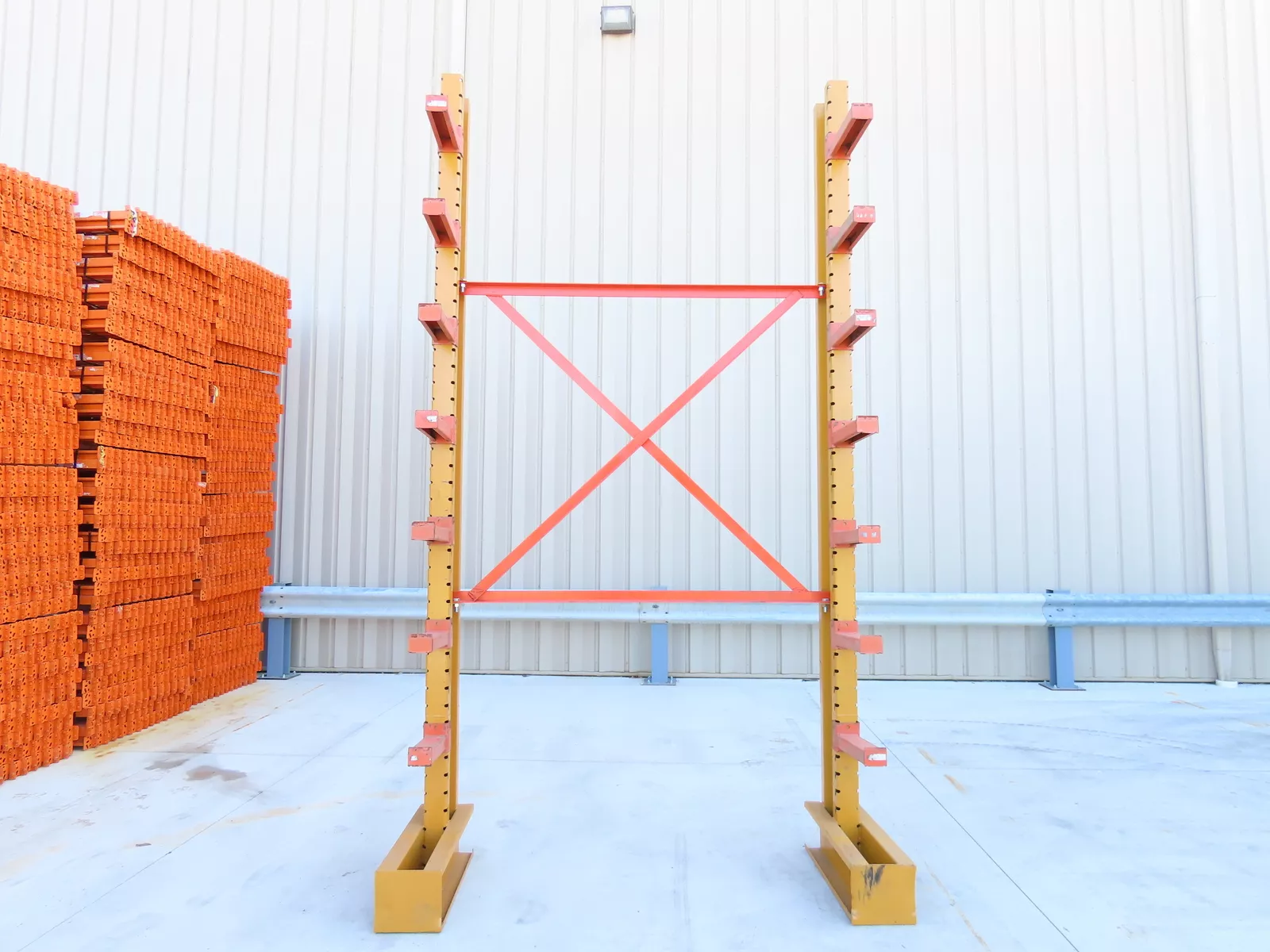
Flexibility is another cornerstone of Apple’s approach. Their products are designed to adapt to user needs, and this principle can be mirrored in warehouse layouts. For instance, implementing mobile racking systems allows companies to respond quickly to changing inventory demands. If a certain product line surges, the warehouse can pivot to accommodate without extensive overhauls—demonstrating agility similar to how Apple adapts its technology based on consumer feedback.
Current trends reinforce this change. The boom in e-commerce accelerates the need for efficient warehousing, especially as companies strive to deliver faster than ever. Consider how Apple frequently updates its inventory to align with product launches. Warehouses must emulate this readiness, by utilizing strategic layouts that allow for quick reconfiguration, such as pick-module designs that optimize picking paths and save time.
By integrating Apple’s design principles—simplicity, aesthetics, and flexibility—warehouse operations can achieve new heights. Companies that embrace these concepts will not only improve functionality but also foster an environment focused on efficiency and innovation, much like the renowned tech giant that influenced their strategies.
What Features Of Apple’s Design Philosophy Apply To Warehouse Layout?
What Features Of Apple’s Design Philosophy Apply To Warehouse Layout?
- Apple’s design philosophy, known for sleek devices and user-centered experiences, can enhance warehouse layout.
- Simplicity is key; organized systems, such as effective pallet racking, optimize space and workflow in warehouses.
- Aesthetics matter; a well-designed warehouse can boost employee morale and productivity through engaging environments.
- Flexibility allows warehouses to adapt quickly to changing inventory demands, similar to how Apple adapts its products.
- Current trends in e-commerce necessitate efficient warehousing and quick inventory updates, akin to Apple’s practices.
- Strategic layouts, like pick-module designs, can optimize picking paths and enhance operational efficiency.
- By adopting Apple’s principles, companies can foster innovation and efficiency in their warehouse operations.
What Features Of Apple’s Design Philosophy Apply To Warehouse Layout?
How Does Innovation Drive Layout Decisions In Warehouses Today?
In the ever-evolving landscape of warehousing, innovation isn’t just a buzzword—it’s the lifeblood of operational efficiency. As businesses strive to meet increasing consumer demands, the layout of warehouses has become a critical focal point, shaped by cutting-edge technologies and new methodologies. Pallet racking, for example, is no longer a simple structure for storing goods; it has transformed into a dynamic component of strategic planning.
The shift towards automation has prompted a reevaluation of traditional layouts. Automated Guided Vehicles (AGVs) and autonomous mobile robots (AMRs) are now navigating the aisles of modern warehouses, necessitating wider aisles and reconfigured pallet racking systems to accommodate these innovations. For example, Amazon’s fulfillment centers showcase a futuristic layout with optimized racking systems designed specifically to facilitate high-throughput operations while minimizing the time spent on each pick. Their use of robotics not only enhances workflow but also influences where and how items are stored—creating an agile, responsive space.
Another major trend reshaping warehouse layouts is real-time data analysis. With the advent of IoT (Internet of Things) technology, coupled with advanced analytics, companies can now track inventory movement and adapt their layouts accordingly, optimizing space and enhancing efficiency. For instance, businesses leveraging data insights can determine which products are moving quickly and accordingly adjust their pallet racking configurations to position these items closer to packing stations, reducing travel time for workers and speeding up order fulfillment.
Current events, such as the supply chain disruptions experienced globally during the pandemic, have further accelerated the need for innovative warehouse designs. Companies that swiftly adapted their layouts to accommodate changing demands—through the use of flexible racking systems or modular storage techniques—gained a competitive edge. Walmart, for example, revamped its warehouses to create ‘dark stores’ for online fulfillment, reimagining traditional spaces into centers responding directly to e-commerce needs.
The driving force behind warehouse layouts today is innovation, transforming them into nimble, efficient spaces rather than static structures. By integrating modern technologies and embracing flexibility in designs—such as intelligent pallet racking systems—businesses not only improve functionality but also better position themselves to thrive in a rapidly changing marketplace. As we forge ahead, it’s evident that those who prioritize innovation in layout decisions will lead the charge into the future of warehousing.
How Does Innovation Drive Layout Decisions In Warehouses Today?
How Does Innovation Drive Layout Decisions In Warehouses Today?
- Innovation is crucial for operational efficiency in warehousing.
- The layout of warehouses is evolving due to cutting-edge technologies and methodologies.
- Pallet racking has become a dynamic aspect of strategic planning in warehouses.
- Automation is reshaping traditional layouts with the introduction of AGVs and AMRs.
- Real-time data analysis and IoT technology enable businesses to optimize warehouse layouts.
- Global supply chain disruptions have accelerated the need for innovative warehouse designs.
- Flexible design and intelligent systems position companies to thrive in a changing marketplace.
How Does Innovation Drive Layout Decisions In Warehouses Today?
What Are The Key Elements Of A Successful Warehouse Design?
If you want to maximize efficiency and profits in your warehouse, it’s essential to understand the key elements that contribute to a successful design. With e-commerce booming and global supply chains facing unprecedented challenges, the way you set up your warehouse can make or break your business. Let’s dive into the fundamentals that every warehouse should embrace.
1. Layout Optimization
The layout of your warehouse is crucial for smooth operations. Consider the flow of products from receiving to shipping. A well-designed layout minimizes unnecessary movement and handling, which can significantly reduce labor costs. For example, the recent surge in online shopping has prompted many companies to rethink their layouts to accommodate faster order fulfillment. Implementing a U-shaped flow could enhance efficiency by streamlining the picking process.
2. Pallet Racking Systems
A smart pallet racking system is one of the cornerstones of an efficient warehouse. Choose a system that not only increases your storage capacity but is also adaptable to your evolving needs. For instance, selective racking is excellent for warehouses with a diverse range of products, while drive-in racking can be a game-changer for those dealing with high volumes of similar items. During the COVID-19 pandemic, businesses that adapted their pallet racking quickly to accommodate increased inventory demands often outperformed their competition.
3. Advanced Technology
In today’s rapidly changing market, technology plays a pivotal role. From Warehouse Management Systems (WMS) to automation solutions, integrating advanced technology can enhance your operational effectiveness. For example, using RFID tracking ensures accuracy in inventory counts and can reduce stock discrepancies. Companies that harness technology often find themselves at a competitive advantage, especially as the logistics landscape continues to evolve.
4. Flexibility and Scalability
Your warehouse design must be adaptable to change. With current events driving fluctuations in demand, having a flexible design means you can adjust operations without incurring substantial costs. Modular storage systems allow you to reconfigure your layout quickly, accommodating seasonal shifts in inventory naturally and efficiently.
5. Safety and Compliance
Don’t overlook safety. A successful warehouse design must comply with local regulations and prioritize employee well-being. Adequate spacing between aisles, safety barriers around pallet racking, and clear signage can prevent accidents, minimizing downtime and liability costs.
A successful warehouse design hinges on optimizing layout, investing in effective pallet racking systems, embracing technology, ensuring flexibility, and prioritizing safety. As the business environment continues to shift, those who innovate in these areas will rise above the competition, capturing opportunities rather than waiting for them to arrive. In crafting your warehouse strategy, keep these elements front and center, and watch your operational efficiency soar.
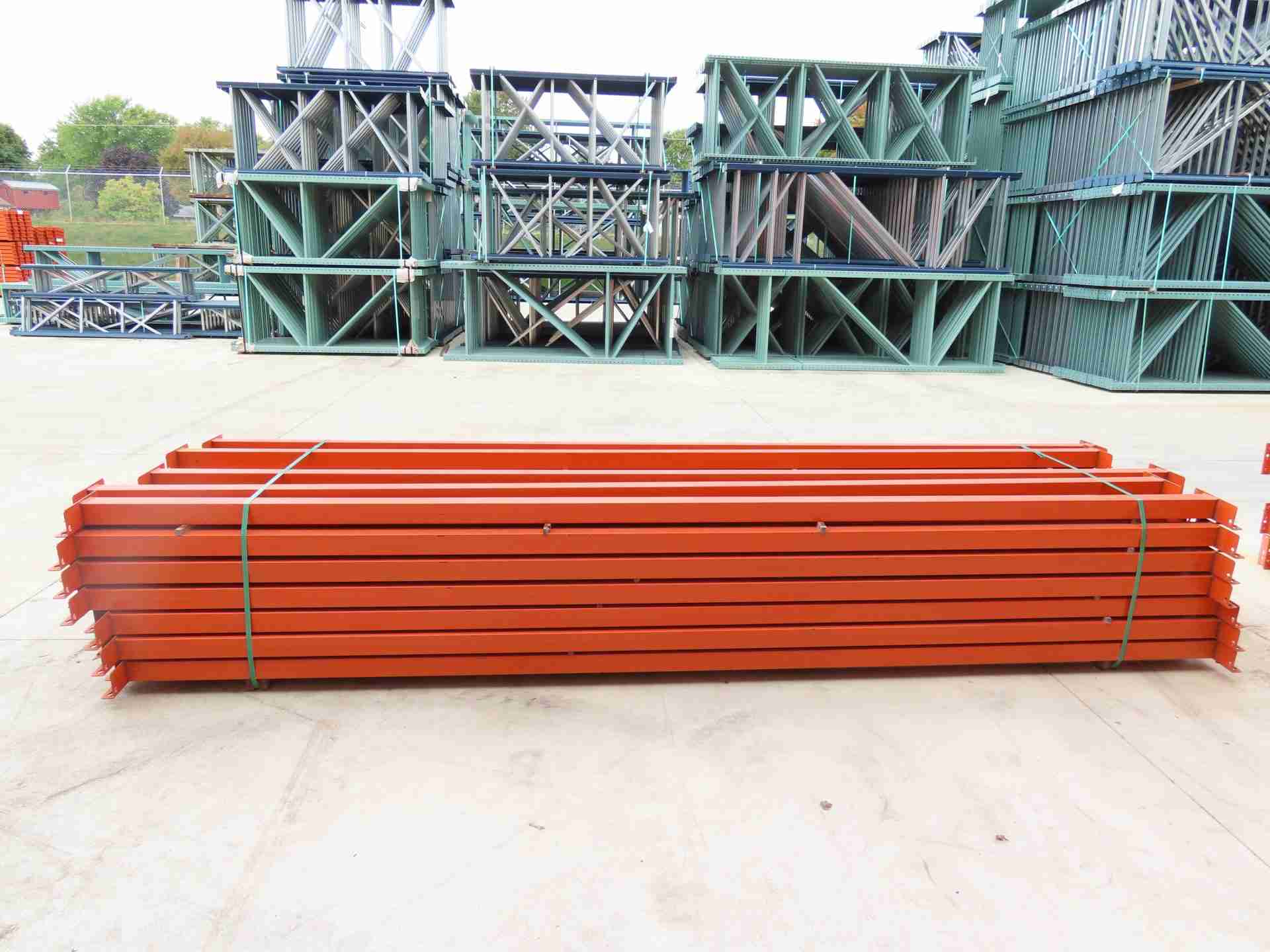
What Are The Key Elements Of A Successful Warehouse Design?
What Are The Key Elements Of A Successful Warehouse Design?
- Layout Optimization: Streamline operations with a well-designed layout to minimize movement and reduce labor costs.
- Pallet Racking Systems: Implement adaptable racking systems to increase storage capacity and meet evolving inventory demands.
- Advanced Technology: Integrate technology like Warehouse Management Systems (WMS) and RFID tracking for enhanced operational effectiveness and accuracy.
- Flexibility and Scalability: Design warehouses to be adaptable for fluctuating demand with modular storage systems.
- Safety and Compliance: Ensure compliance with local regulations and prioritize employee safety with proper layouts and signage.
- Competitive Advantage: Innovation in layout, racking, technology, and safety can elevate your warehouse performance amidst changing market conditions.
- Focus on Fundamentals: Emphasize key elements in warehouse strategy to maximize efficiency and capture business opportunities.
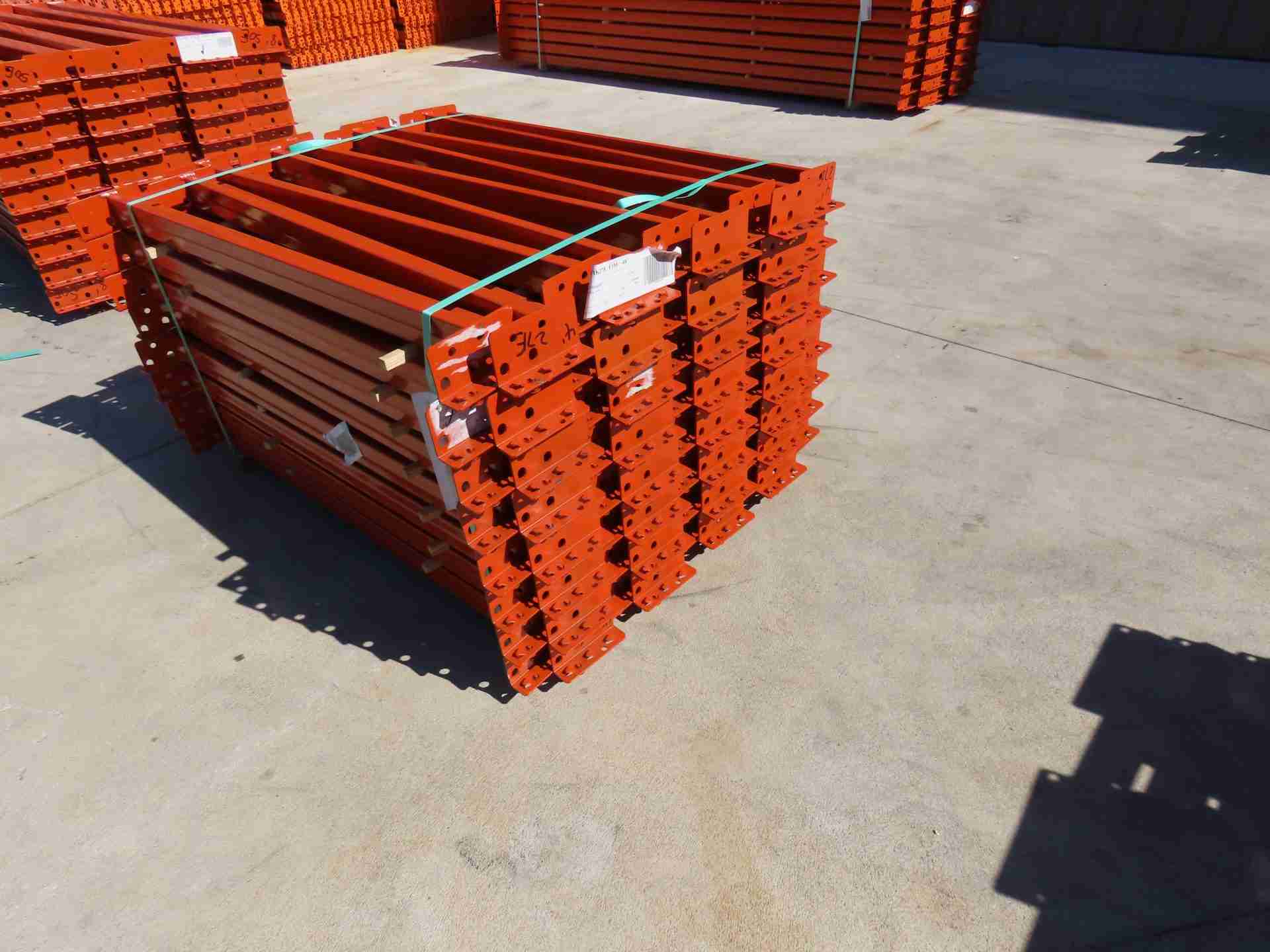
What Are The Key Elements Of A Successful Warehouse Design?
How Can Technology Improve Warehouse Operations And Layout?
In the fast-paced world of modern logistics, the need for efficiency and organization in warehouse operations has never been more critical. As consumer demands skyrocket, businesses must leverage technology to optimize their warehouse layouts and workflows, ensuring they can deliver goods swiftly while minimizing operational costs.
One of the most pivotal technological advancements reshaping warehouses today is the use of data-driven warehouse management systems (WMS). These systems allow managers to track inventory levels, movement, and order statuses in real-time. For instance, with powerful analytics integrated into WMS, businesses can foresee demand patterns and adjust their pallet racking systems accordingly. Imagine having the ability to analyze trends and optimize your storage strategies, all while reducing excess maintenance and maximizing space!
Consider a company like Amazon; their intricate and highly efficient warehouse layouts are a testament to how technology can amplify productivity. With tools resembling sophisticated algorithms, they can swiftly store and retrieve items from custom pallet racking solutions, significantly enhancing their delivery times. If Amazon can streamline their operations so effectively, shouldn’t you be eager to explore similar technologies for your own warehouse?
Moreover, robotics is revolutionizing warehouse operations. Automated guided vehicles (AGVs) are now commonplace in warehouses, helping transport pallets effortlessly from one station to another. By deploying AGVs alongside smart pallet racking systems, companies drastically reduce manual labor costs and human error. Current events, such as rising labor shortages, further underscore the urgency to adopt these innovations. Robotics mitigates these challenges while simultaneously increasing operational efficiency.
Inventory drones are yet another exciting development. These unmanned aerial vehicles conduct inventory scans and provide real-time data about stock levels. Not only do they reduce the time spent on inventory audits, but they also integrate seamlessly with existing technology, providing insights that can lead to smarter decisions regarding warehouse layout design.
In sum, the intersection of technology and warehouse operations signifies a transformative era. Through innovative solutions—from advanced management systems to robotics and drones—enterprises can establish warehouses that are not just functional, but strategic powerhouses of productivity. Embrace these advancements to stay ahead of competitors and respond agilely to the ever-changing market dynamics. Your warehouse isn’t just a storage space; it’s a vital player in your success story!
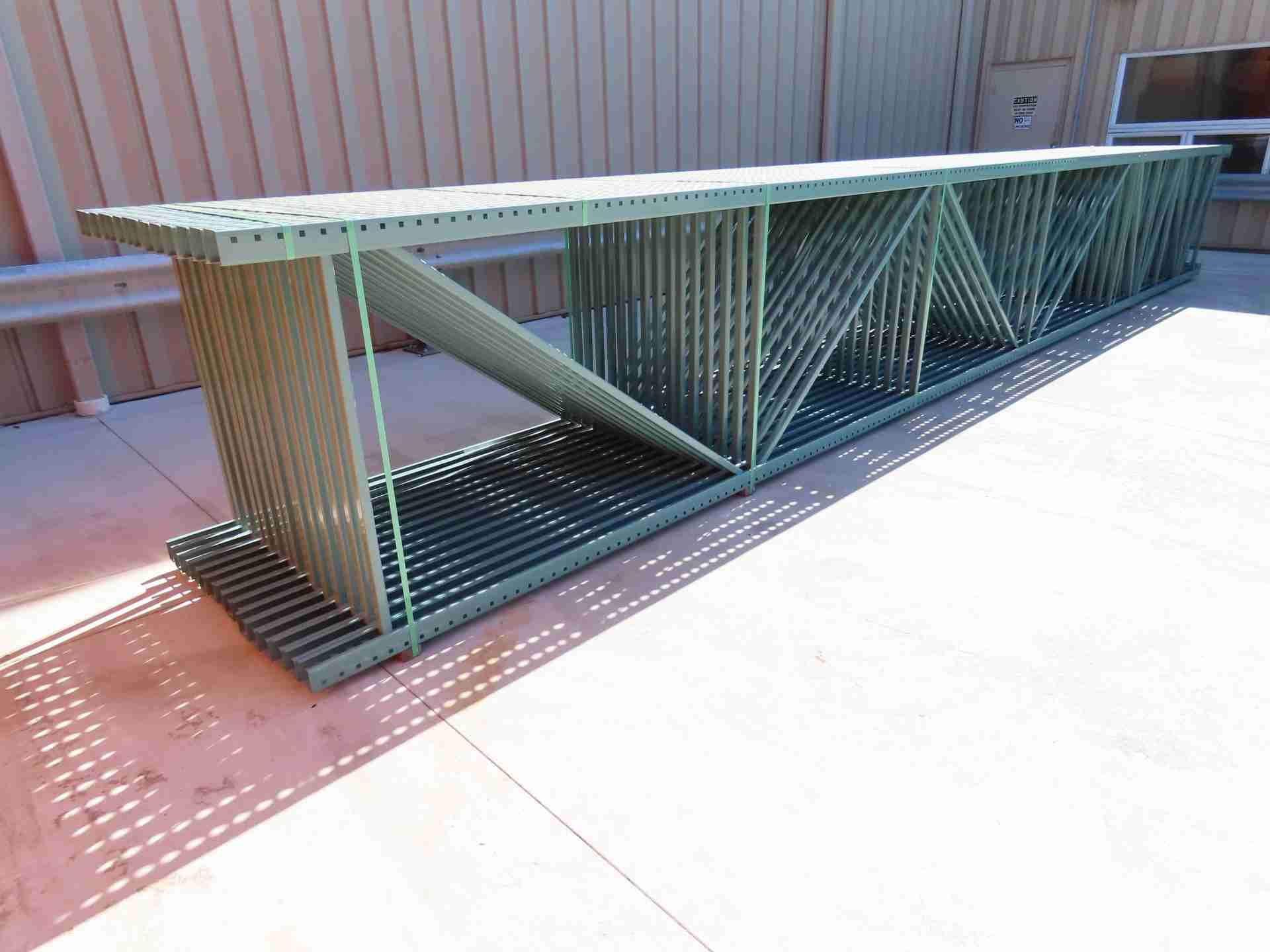
How Can Technology Improve Warehouse Operations And Layout?
How Can Technology Improve Warehouse Operations And Layout?
- The need for efficiency and organization in warehouse operations is critical in modern logistics due to rising consumer demands.
- Data-driven warehouse management systems (WMS) enable real-time tracking of inventory levels, movement, and order statuses.
- Powerful analytics within WMS allow businesses to anticipate demand patterns and optimize storage strategies.
- Companies like Amazon exemplify how technology enhances warehouse productivity with customized pallet racking solutions.
- Automated guided vehicles (AGVs) reduce labor costs and errors, addressing labor shortages while improving efficiency.
- Inventory drones streamline inventory audits and provide real-time stock data, aiding warehouse layout decisions.
- Embracing technology in warehouse operations transforms them into strategic assets for business success and competitiveness.
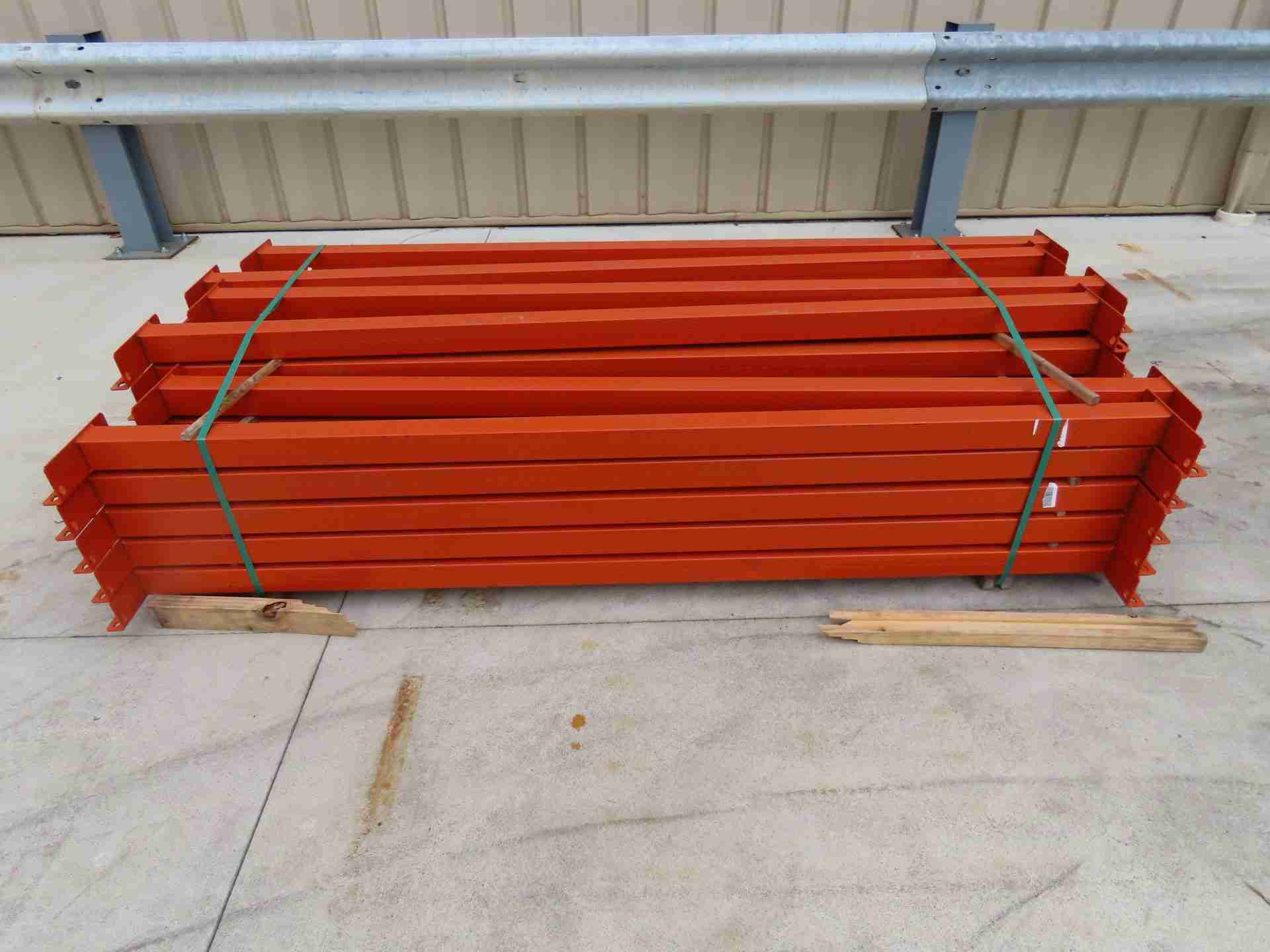
How Can Technology Improve Warehouse Operations And Layout?
What Role Does Sustainability Play In Warehouse Design Today?
In today’s competitive marketplace, sustainability isn’t just a trend; it’s a necessity that shapes every facet of warehouse design. Traditional warehouses often prioritize efficiency over ecological impact, but with climate change at the forefront of global conversations, businesses must rethink how they operate. Sustainability in warehouse design not only reflects a company’s commitment to the environment but also offers tangible benefits, from cost savings to enhanced brand loyalty.
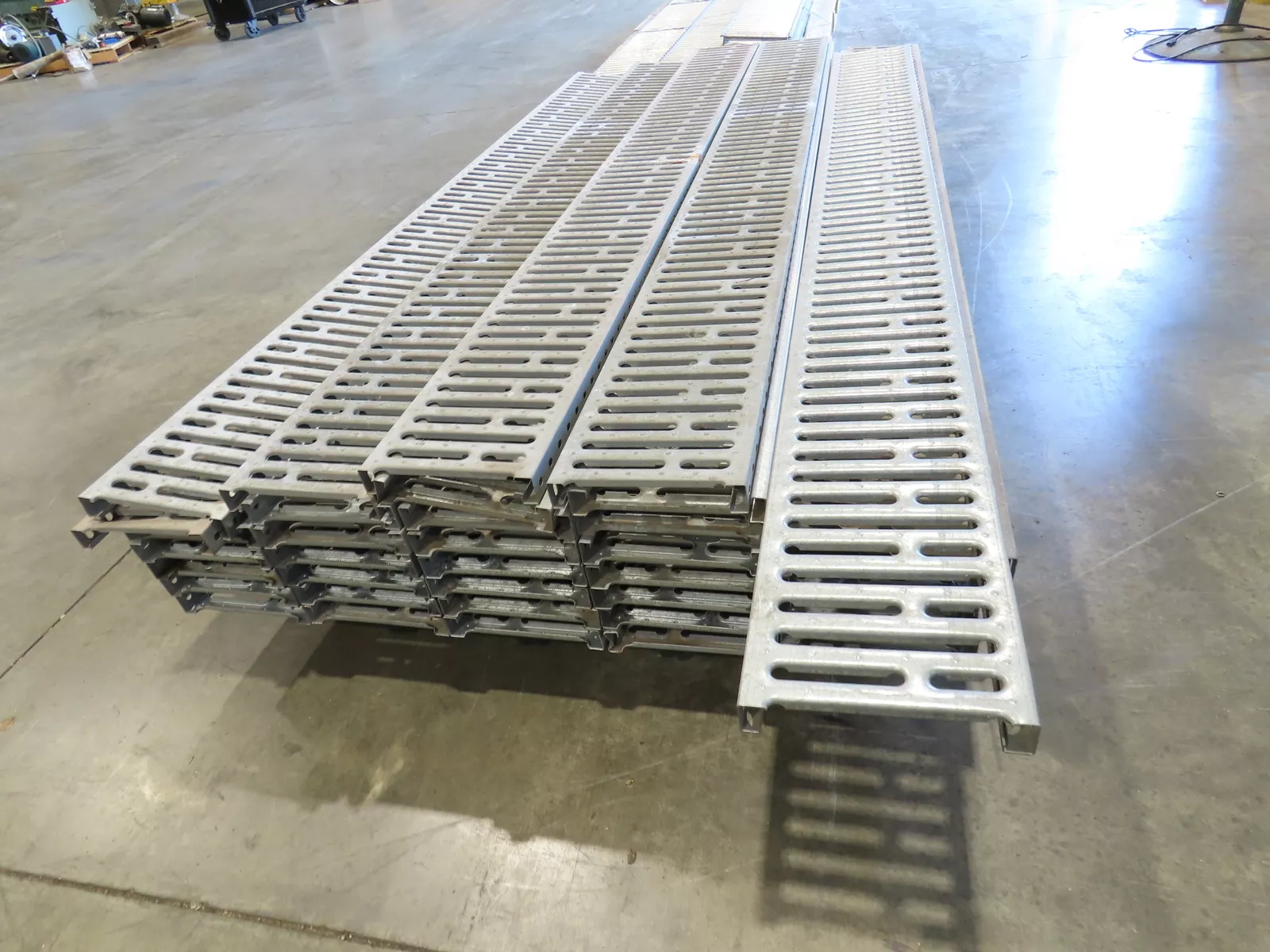
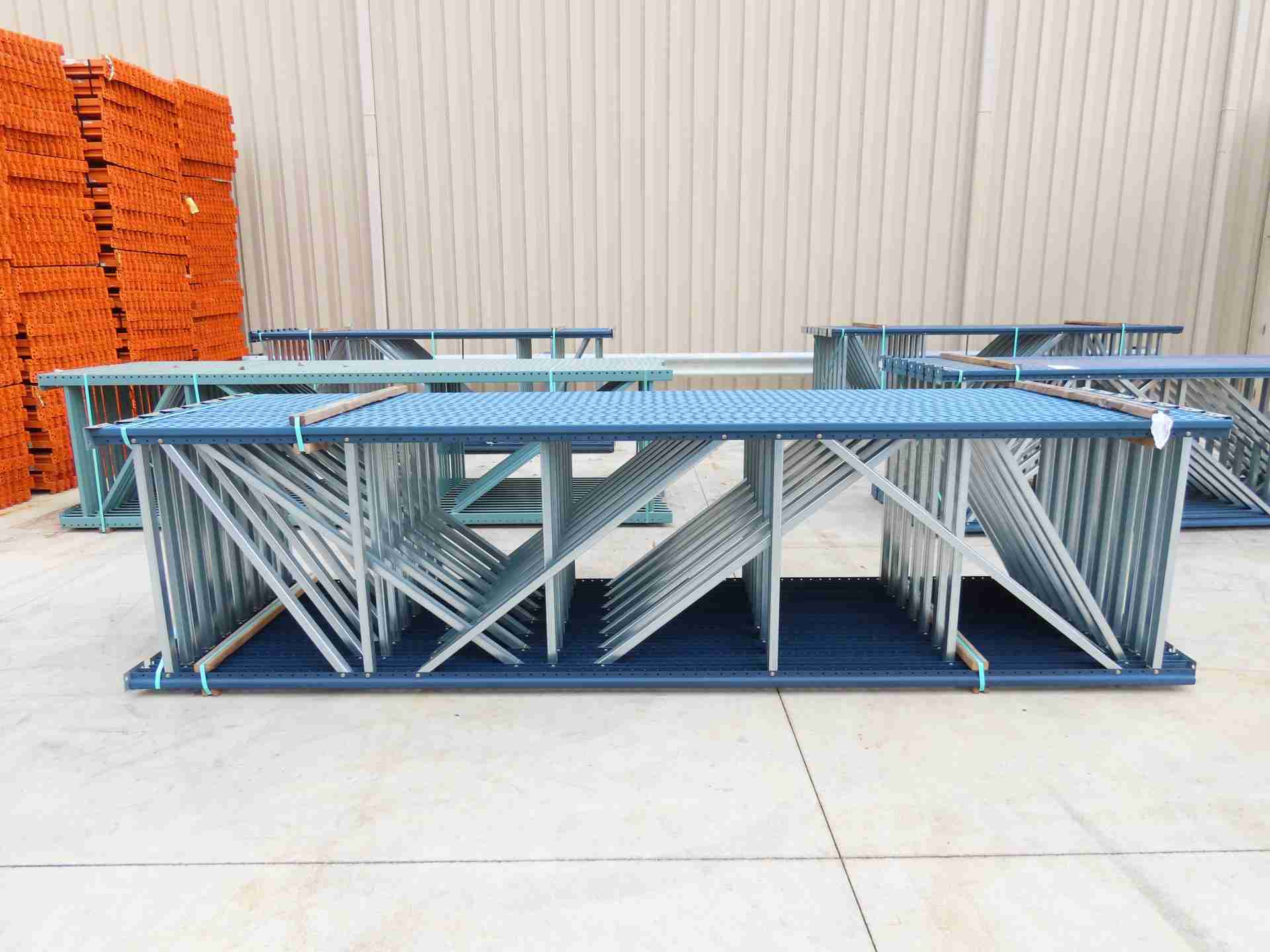
Let’s begin with pallet racking systems, which serve as the backbone of efficient warehouse operations. Innovative designs now incorporate sustainable materials and modular systems that minimize waste. For example, companies are increasingly adopting steel pallet racking made from recycled materials. This choice not only reduces the environmental footprint but can also lower operational costs. A well-designed pallet racking system maximizes vertical space, leading to a reduced need for floor space, which directly contributes to lower energy consumption.
Additionally, the rise of automation in warehouses is paving the way for eco-friendly practices. Automated storage and retrieval systems can significantly reduce energy use by optimizing the flow of goods. For instance, Amazon’s recent implementation of energy-efficient picking robots showcases how cutting-edge technology can enhance productivity while promoting sustainability. These robots consume less energy than traditional systems and streamline operations, allowing for faster retrieval of goods without compromising ecological responsibility.
Current events also highlight the importance of sustainability in warehouse design. Indeed, recent legislation in several countries mandates stricter sustainability practices for businesses, reinforcing the need for warehouses to adapt. Companies that proactively embrace these regulations not only comply with laws but also gain a competitive edge by leading the charge toward sustainable practices.
Moreover, integrating renewable energy sources, such as solar panels on warehouse rooftops, can dramatically cut energy costs. Companies like Walmart are making headlines by committing to 100% renewable energy in their operations. Not only does this reduce operational costs, but it also elevates the brand’s image—a crucial factor in today’s socially conscious market.
Finally, sustainability extends beyond just the physical structure. It involves adopting a holistic approach that considers the entire supply chain. By implementing efficient logistics that minimize transportation emissions, businesses can further solidify their commitment to a more sustainable future.
Sustainability is transforming warehouse design, making it a key differentiator in an era where consumers and businesses alike prioritize ecological impact. The integration of innovative solutions, like advanced pallet racking and renewable energy sources, not only fosters environmental responsibility but also presents a compelling case for profit and brand loyalty.
What Role Does Sustainability Play In Warehouse Design Today?
What Role Does Sustainability Play In Warehouse Design Today?
- Sustainability is essential in warehouse design, moving beyond a trend to a necessary practice influenced by climate change.
- Modern pallet racking systems utilize sustainable materials, like recycled steel, which lowers operational costs and reduces environmental footprints.
- Well-designed pallet racking maximizes vertical space, contributing to lower energy consumption and reduced floor space needs.
- Automation in warehouses, such as energy-efficient robots, enhances productivity and promotes eco-friendly practices.
- Recent legislation worldwide is enforcing stricter sustainability practices, encouraging warehouses to adapt and gain a competitive edge.
- Integrating renewable energy sources, like solar panels, can dramatically reduce energy costs and improve brand image.
- Sustainability in warehouse design involves a comprehensive approach, including efficient logistics to minimize transportation emissions.
What Role Does Sustainability Play In Warehouse Design Today?
Conclusion
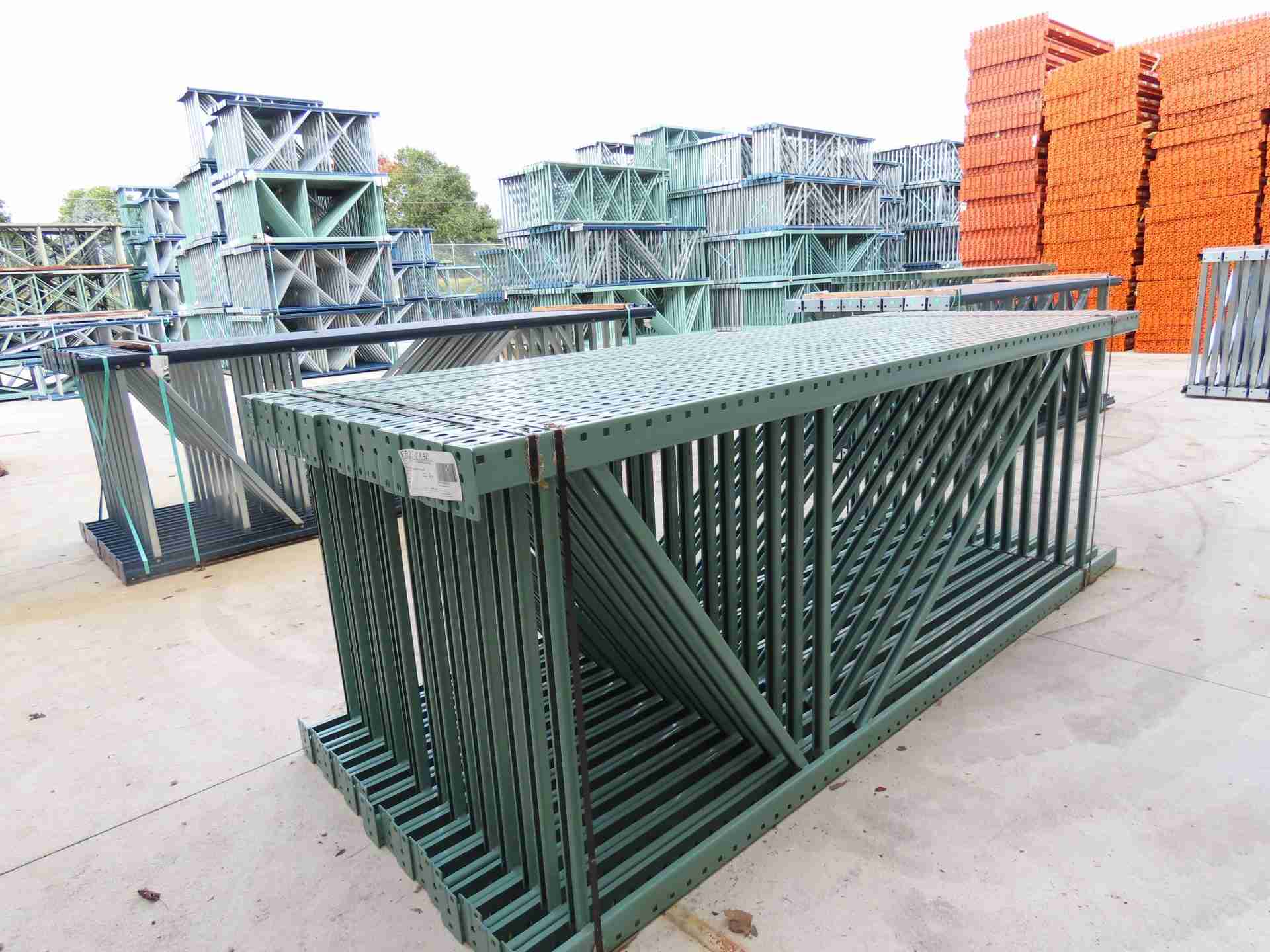
As we wrap up our exploration of how Tim Cook’s innovative vision can reshape your warehouse layout, it becomes clear that the principles he embodies are not just beneficial but essential in today’s fast-paced logistics environment. His unwavering commitment to operational efficiency, sustainability, and cutting-edge technology mirrors the strategic decisions that lie ahead for warehouse managers at Arrow Industrial Sales and beyond. By embracing a layout that emphasizes simplicity and accessibility, like meticulous pallet racking systems, you can enhance workflow and reduce bottlenecks, just as Apple has streamlined its user experience.
The urgency of adapting to these principles cannot be overstated. With consumer expectations soaring and an evolving marketplace demanding swift, sustainable practices, your warehouse must be agile. Investing in advanced pallet racking solutions that optimize vertical space while incorporating sustainability can signal to your customers that you’re committed to not only meeting their expectations but exceeding them. This is your opportunity to become a leader in responsible warehousing.
Innovation is paramount. By leveraging today’s cutting-edge technology, like RFID tracking and automated inventory systems, you can enhance visibility, reduce human error, and significantly increase productivity. It’s a game-changer that puts you in the driver’s seat of warehouse operations. Remember that the strategies employed in companies like Amazon are within your reach – it all starts with a willingness to adapt your layout and operational approaches.
Don’t just think of your warehouse as a storage facility, but as a crucial component in your business’s success story. The key elements—layout optimization, smart pallet racking systems, advanced technology, and a focus on sustainability—are indispensable in achieving efficiency and maximizing profits.
So, don’t wait for the competition to pull ahead. The landscape is changing rapidly, and those who act decisively will reap the rewards. Take the first actionable steps today by reaching out to Arrow Industrial Sales at (574) 349-6575. We’re here to provide you with tailored solutions that can transform your warehouse into a model of productivity and effectiveness. Remember, embracing Tim Cook’s strategic vision isn’t just a choice; it’s your pathway to future success. The time to act is now!
Conclusion
Conclusion:
- Tim Cook’s vision emphasizes the importance of operational efficiency, sustainability, and technology in warehouse management.
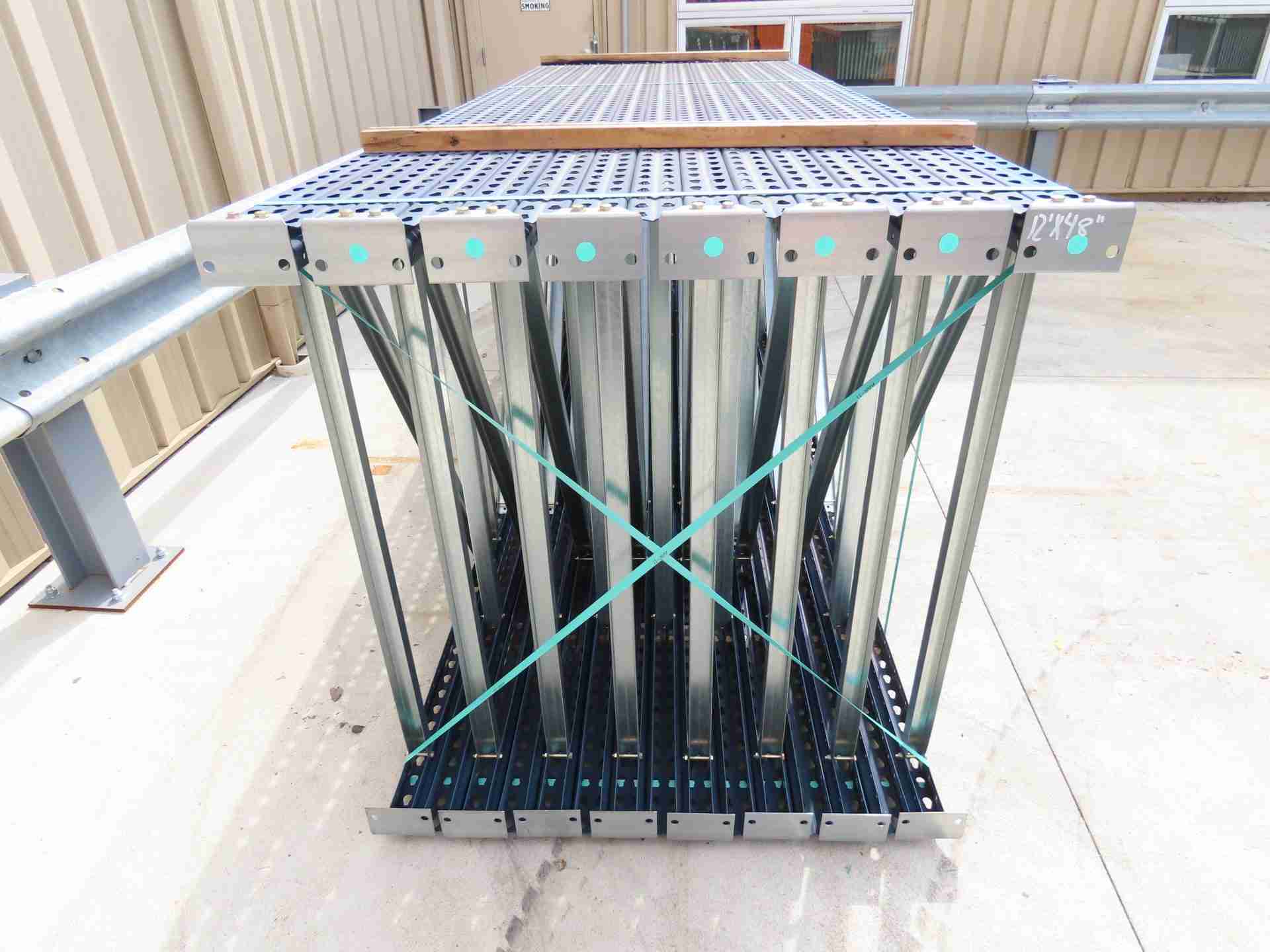
- Implementing a simple and accessible layout, like pallet racking systems, can enhance workflow and reduce bottlenecks.
- Adapting to changing consumer expectations and marketplace demands is crucial for warehouse agility.
- Investing in advanced pallet racking solutions signals a commitment to sustainability and exceeding customer expectations.
- Leveraging technology such as RFID tracking and automated inventory systems can enhance visibility and productivity.
- View your warehouse as a critical element of business success, focusing on layout optimization and sustainability.
- Act decisively to stay competitive and explore tailored solutions from Arrow Industrial Sales.
Conclusion
Other Resources
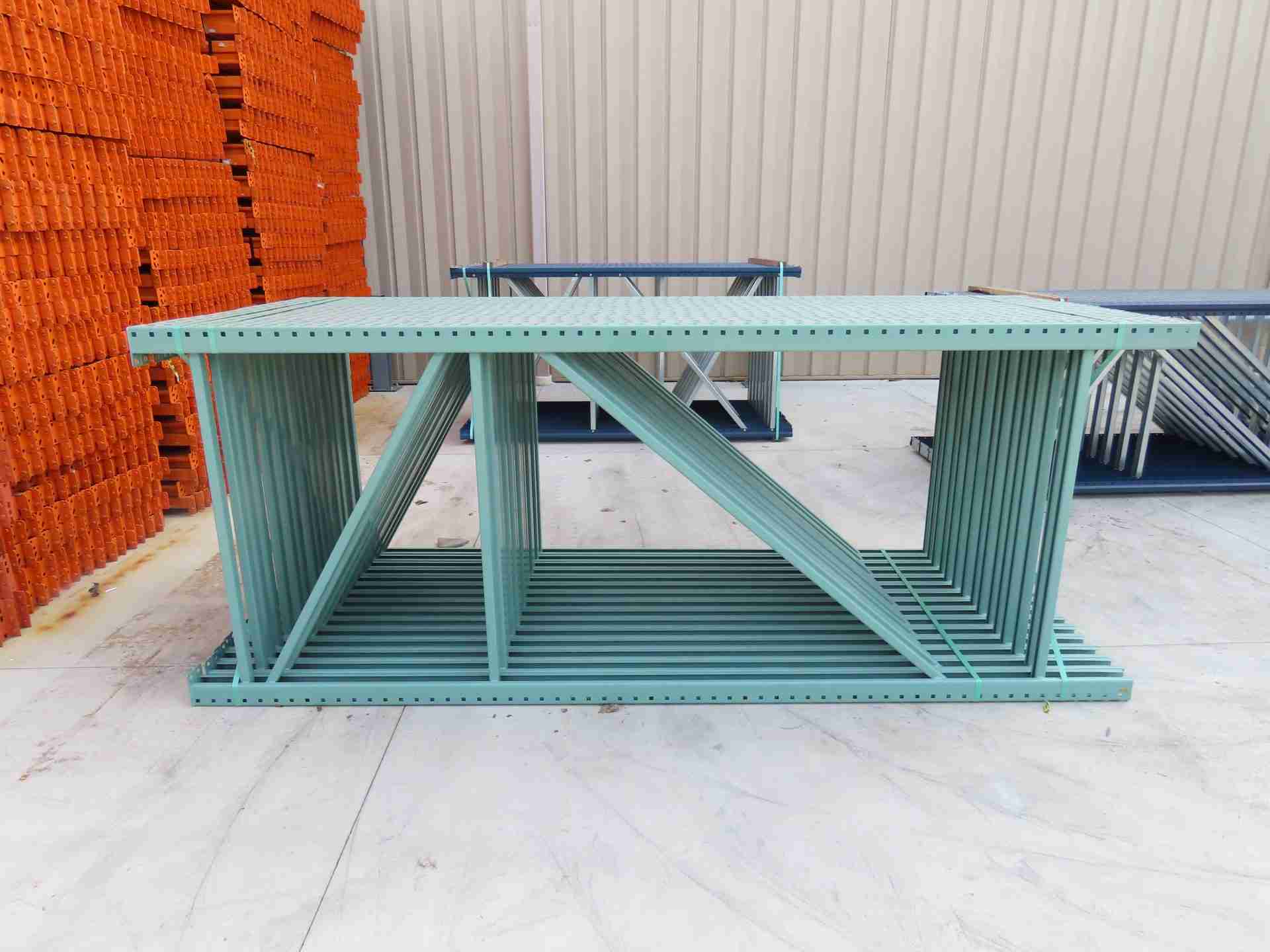
Other Resources
Here is a list of other resources you can review online to learn more:
- Shipping Boxes, Packaging Materials, Pallet Racking
- RMI
- Cantilever Rack Configuration & Installation: A Comprehensive Guide – BMH
- Selective Racking
- American Surplus
- International Warehouse Logistics Association
- Rack Manufacturers Institute
- SEMA
- What is Selective Racking: Understanding Benefits & Options
- Illinois Pallet Racking – Storage Solutions
Use This Prompt To Get More Resources With Your Favorite Online AI Tool: Please provide me with a list of online articles with their URLs in a bulleted list that I can read regarding Can The Tim Cook Vision Influence Your Warehouse Layout Decisions?
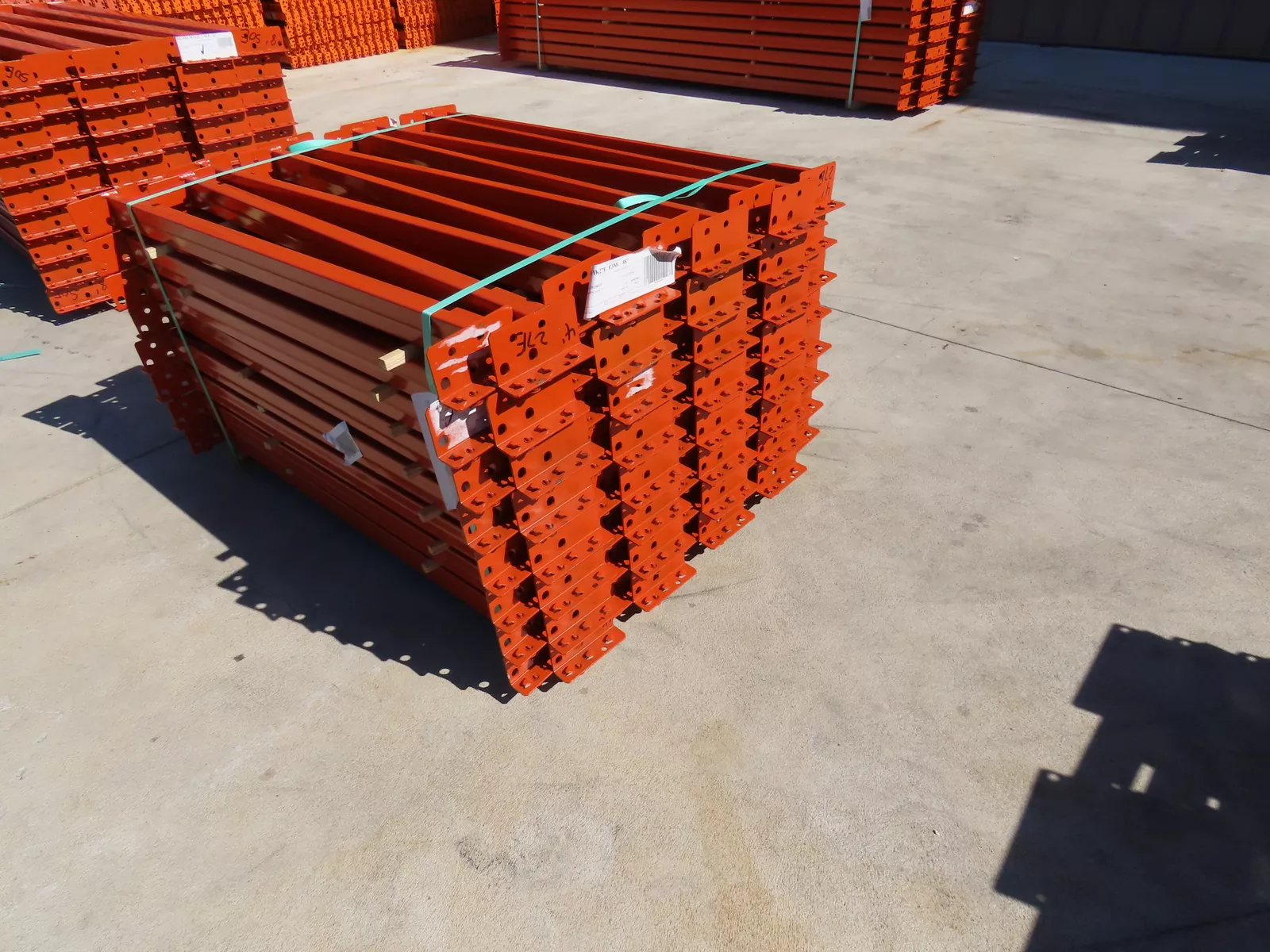
Other Resources
Glossary Terms
Can The Tim Cook Vision Influence Your Warehouse Layout Decisions? – Glossary Of Terms
1. Leadership Vision: A clear, strategic direction set by a leader that helps guide decisions and inspire team members.
2. Warehouse Layout: The physical arrangement of various elements within a warehouse, including storage, shelving, and equipment.
3. Efficiency: The ability to achieve maximum productivity with minimum wasted effort or expense in warehouse operations.
4. Supply Chain Management: The oversight of the flow of goods and services from the point of origin to the consumer, impacting warehouse layout decisions.
5. Automation: The use of technology to perform tasks without human intervention, enhancing warehouse operations.
6. Data-Driven Decision Making: The practice of basing decisions on data analysis and interpretation to improve operational efficacy.
7. Scalability: The capacity of a warehouse layout to accommodate increased demands and expansion without requiring significant changes.
8. Lean Principles: A methodology that focuses on reducing waste within manufacturing systems and can also influence warehouse design.
9. Inventory Management: The supervision of non-capitalized assets, or inventory, to ensure the proper amount of products are available when needed.
10. Cross-Docking: A logistics procedure where incoming goods are directly transferred to outgoing vehicles with minimal handling, affecting layout design.
11. Work Cell Design: Arranging workspace into specific areas or cells, allowing for better organization and flow in warehouse operations.
12. Just-In-Time (JIT): An inventory strategy that aligns production with demand, influencing storage layout and stock management.
13. Ergonomics: The study of people’s efficiency in their working environment, which can shape the design of warehouse workflows.
14. Cloud Computing: Internet-based computing that allows for flexible data storage and access, crucial for modern inventory management.
15. Connectivity: The integration of various technologies that allow for better communication and coordination within a warehouse.
16. Sustainability: The consideration of environmental impact in warehouse operations, including layout decisions that reduce energy consumption.
17. Collaboration Tools: Software and platforms that facilitate communication and coordination among team members, influencing decision-making processes.
18. FIFO (First In, First Out): An inventory valuation method and strategy that affects how items are arranged and accessed within the warehouse.
19. Real-Time Tracking: The ability to monitor inventory levels and product movement as they happen, leading to more informed layout choices.
20. Modular Design: A warehouse layout approach that uses interchangeable sections for flexibility and adaptability in operations.
21. Customer-Centric Layout: A design that prioritizes customer needs and preferences in the arrangement of warehouse operations and processes.
22. KPIs (Key Performance Indicators): Metrics used to evaluate success in warehouse management, influencing layout decisions based on performance goals.
23. Safety Standards: Regulations and guidelines that ensure the safe operation of warehouse activities, impacting layout choices.
24. Technology Adoption: The process of integrating new technologies to improve warehouse operations, which can influence layout decisions.
25. Change Management: The approach to transitioning individuals and teams in an organization when implementing new systems or processes.
26. Simulation Modeling: The use of computer models to replicate real-world warehouse operations, assisting in strategic layout planning.
27. Freight Optimization: Strategies aimed at maximizing freight efficiency and cost-effectiveness, affecting storage and movement within a warehouse.
28. Workforce Optimization: The process of improving workforce productivity, which can lead to adjustments in warehouse layout for better flow.
29. Lead Time Reduction: The practice of minimizing the time taken from order placement to delivery, often influencing how products are stored.
30. Value Stream Mapping: A visual tool used to analyze the flow of materials and information in warehouse operations, assisting in layout decisions.
These terms provide a comprehensive overview of key concepts related to how visionary leadership, like that of Tim Cook, can influence warehouse layout decisions by prioritizing efficiency, adaptability, and technology integration.
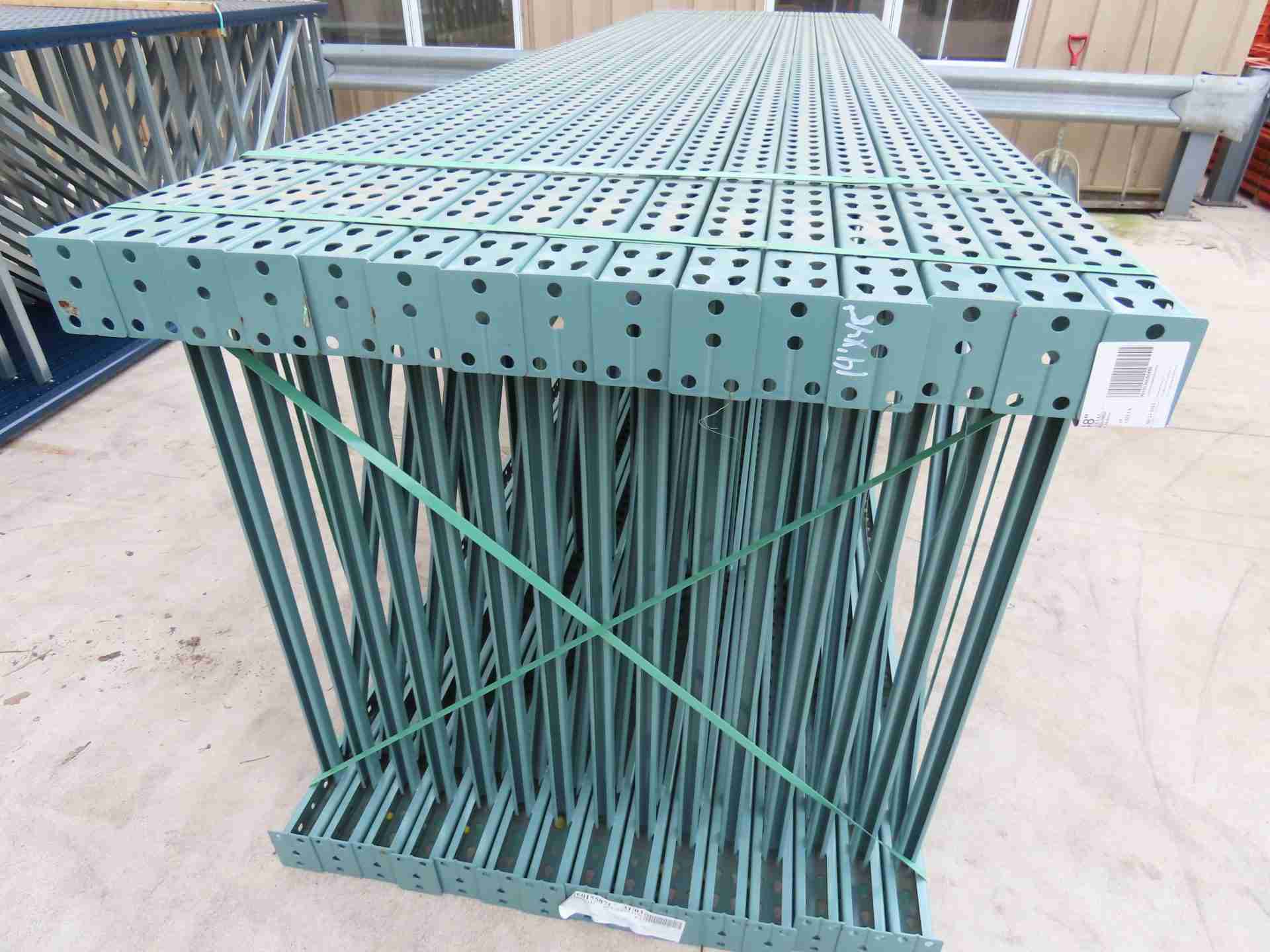
Glossary Of Terms
Other Questions
Can The Tim Cook Vision Influence Your Warehouse Layout Decisions? – Other Questions
If you wish to explore and discover more, consider looking for answers to these questions:
- What specific aspects of Tim Cook’s leadership can be applied to warehouse management?
- How does Apple’s commitment to sustainability influence warehouse design?
- What are examples of successful warehouse layout transformations inspired by Tim Cook’s strategies?
- How can warehouse managers implement vertical space utilization effectively?
- What are the best types of pallet racking systems for different warehouse needs?
- How does integrating technology in warehouses improve operational efficiency?
- What role does employee collaboration play in optimizing warehouse operations?
- Which technologies are currently leading the innovation in warehouse layouts?
- How can seasonal demand fluctuations affect warehouse design decisions?
- What are the safety and compliance standards that need to be considered in warehouse design?
- How can businesses ensure their warehouse layouts are scalable for future growth?
- What specific automation technologies are being used to optimize warehouse operations?
- What impact does consumer demand have on warehouse layout and design?
- How can advanced analytics be used to enhance inventory management in warehouses?
- What examples illustrate the advantages of using modular pallet racking systems?
- What challenges do warehouses face in adopting sustainable practices and technologies?
- How can a warehouse’s design contribute to enhancing employee morale and productivity?
- What lessons can be learned from Amazon’s warehouse strategies?
- What are the long-term benefits of investing in sustainable warehouse design?

Other Questions
Checklist
Can The Tim Cook Vision Influence Your Warehouse Layout Decisions? – A Checklist
1. Focus on Efficiency and Simplicity
_____ Assess your current warehouse layout for bottlenecks.
_____ Simplify processes to minimize unnecessary movement.
_____ Consider high-density pallet racking systems for vertical space utilization.
_____ Ensure easy access to frequently picked items.
2. Embrace Sustainability
_____ Explore modular pallet racking made from recycled materials.
_____ Implement energy-efficient lighting solutions.
_____ Consider renewable energy sources like solar panels.
_____ Establish a sustainability policy that aligns with customer expectations.
3. Integrate Advanced Technology
_____ Investigate RFID technology for inventory management.
_____ Implement a Warehouse Management System (WMS).
_____ Explore the use of automation, such as Automated Guided Vehicles (AGVs).
_____ Utilize data analytics to optimize inventory placement and flow.
4. Foster Team Engagement and Collaboration
_____ Create designated areas for team meetings and brainstorming.
_____ Encourage staff feedback on layout and racking system improvements.
_____ Promote a culture of collaboration and inclusivity to drive innovation.
5. Prioritize Aesthetic and Functional Design
_____ Utilize colors and ergonomic workstations to enhance morale.
_____ Ensure adequate lighting to improve visibility and safety.
_____ Design the layout with the end-user experience in mind, aiming for intuitive access.
6. Incorporate Flexibility and Scalability
_____ Plan for a modular design that can adapt to changing inventory demands.
_____ Consider mobile racking systems for dynamic inventory needs.
_____ Assess seasonal adjustments that can be made without extensive redesign.
7. Ensure Safety and Compliance
_____ Review local safety regulations and ensure compliance in design.
_____ Maintain proper spacing between aisles and ensure clear signage.
_____ Establish safety barriers around pallet racking and high-traffic areas.
8. Monitor and Evaluate Performance
_____ Set key performance indicators (KPIs) to measure efficiency post-implementation.
_____ Regularly review layout effectiveness and employee feedback.
_____ Stay updated with warehouse trends and technology advancements to refine operations continually.
By following this checklist, you can align your warehouse design with Tim Cook’s vision of operational excellence, sustainability, and technological integration, thereby enhancing productivity and efficiency within your operations.
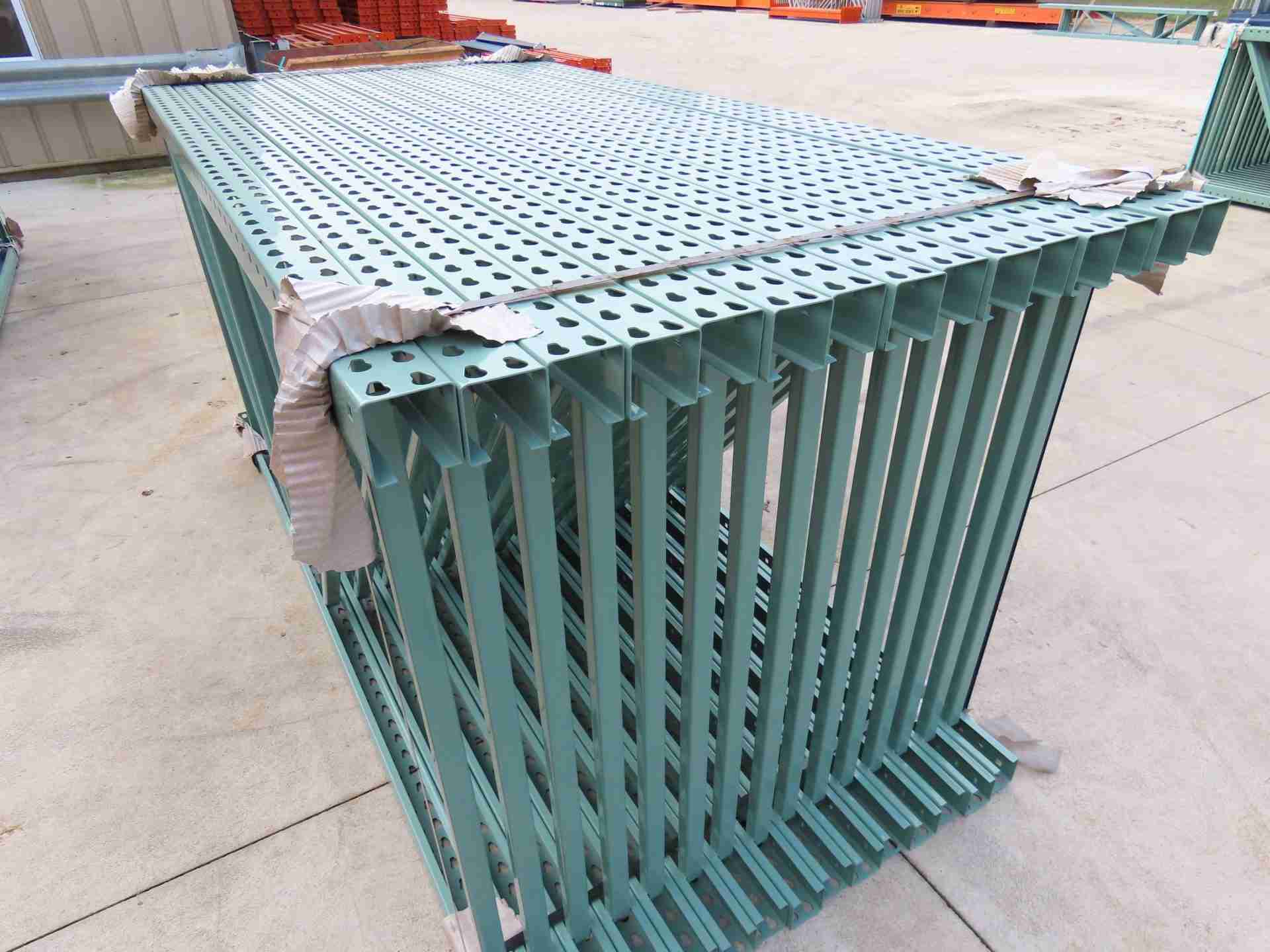
Checklist
At RackingWorld, we help guide you through selecting warehouse storage systems and racking.
Be sure to read our other related stories at RackingWorld to learn more about warehouse storage systems.
0 Comments