
Scaling Up: Small Suppliers And Large Pallet Racking Orders
By Tom Seest
At RackingWorld, we help guide you through selecting warehouse storage systems and racking.
Be sure to read our other related stories at RackingWorld to learn more about warehouse storage systems.
Can Small Suppliers Meet Large Pallet Racking Orders?
In the fast-paced world of logistics and warehousing, the demand for pallet racking solutions has skyrocketed. Rising e-commerce trends and increased inventory levels have led businesses to invest significantly in robust pallet racking systems. However, a pertinent question arises: can small suppliers meet large pallet racking orders? The answer lies in understanding the capabilities of these suppliers, the nuances of the market, and leveraging strategic partnerships.
Flexibility and Agility of Small Suppliers
Small suppliers often operate with a nimbleness that larger competitors can’t match. They can adapt quickly to changes in customer specifications or market demands. For example, consider a small supplier that specializes in customized pallet racking solutions. Amidst a sudden surge in demand from a regional e-commerce hub, this supplier can pivot their production schedule, increasing output while ensuring each unit meets specific customer needs. Their ability to adapt can be a game-changer for businesses looking for tailored solutions at short notice.
Building Strong Partnerships
Small suppliers can pool their strengths through strategic partnerships or alliances with other manufacturers. When a large order comes in for pallet racking, a small supplier can collaborate with others in the industry to scale production. For instance, if a well-known retailer is ramping up its fulfillment centers, a collaborative network of small producers can mobilize resources to provide a substantial order of pallet racking without sacrificing quality or turnaround times.
Meeting Quality Standards
While large suppliers often focus on volume, small suppliers can distinguish themselves by maintaining superior quality control. A company that prioritizes craftsmanship can build a loyal clientele. For example, if you’re a small supplier who excels in producing durable steel pallet racking with a focus on safety standards, you can easily convince warehouse operators that your quality solutions are worth their investment. Recent events, such as supply chain disruptions experienced globally, have highlighted the importance of reliable, high-quality materials. Businesses are now looking for suppliers that won’t compromise on safety or durability, and small suppliers that can assure this quality will thrive.
Conclusion
While the large order for pallet racking may seem daunting, small suppliers have the agility, creativity, and potential for collaboration necessary to meet these demands effectively. By leveraging partnerships, maintaining high-quality production, and being adaptable to market changes, small suppliers are well-positioned to cater to the growing needs of today’s dynamic warehouse environments. The key for these suppliers is to market their unique strengths and highlight successful case studies in their outreach efforts to attract larger clients. After all, in a landscape dominated by giants, it’s the thoughtful and flexible players that often deliver the most remarkable results.
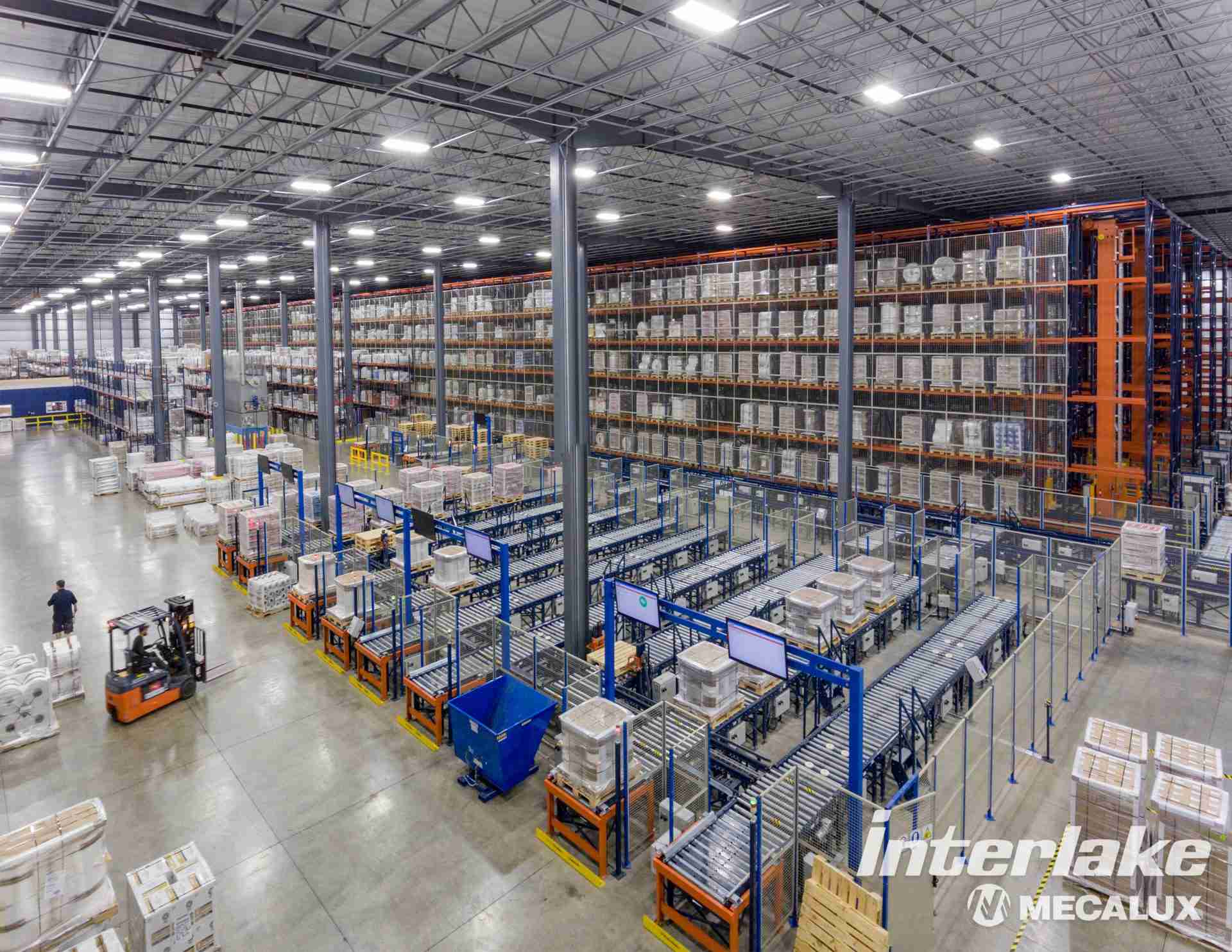
Can Small Suppliers Meet Large Pallet Racking Orders?
Can Small Suppliers Meet Large Pallet Racking Orders?
- Demand for pallet racking has increased due to rising e-commerce and inventory levels.
- Small suppliers are more agile and can quickly adapt to market changes and customer specifications.
- Small suppliers can collaborate through strategic partnerships to fulfill large orders while maintaining quality.
- They can differentiate themselves by focusing on quality control and customized solutions.
- Small suppliers that prioritize craftsmanship and safety standards can build loyal customer bases.
- Quality and reliability are crucial in today’s market, especially following recent supply chain disruptions.
- Marketing unique strengths and successful case studies can help small suppliers attract larger clients.

Can Small Suppliers Meet Large Pallet Racking Orders?
Table Of Contents
- Can Small Suppliers Meet Large Pallet Racking Orders?
- What Challenges Do Small Suppliers Face In Large Orders?
- How Can Small Suppliers Streamline Their Operations?
- What Is The Impact Of Lead Times On Large Pallet Orders?
- Are There Financing Options For Small Suppliers To Scale Up?
- How Can Small Businesses Cultivate Partnerships With Larger Clients?
- What Technology Can Small Suppliers Leverage For Efficiency?
- How Do Small Suppliers Ensure Quality With High-Volume Orders?
- Conclusion
- Other Resources
- Glossary Of Terms
- Other Questions
- Checklist
What Challenges Do Small Suppliers Face In Large Orders?
In today’s fast-paced marketplace, the allure of securing a large order can be intoxicating for small suppliers. However, these seemingly lucrative opportunities often come with their fair share of hurdles. The gap between ambition and capability can be a precarious one, revealing structural weaknesses that could jeopardize future success.
First and foremost, one of the most significant challenges revolves around logistics. Large orders require not just adequate inventory, but also the ability to store that inventory efficiently. For instance, if a small supplier lands a massive contract with a national retail chain, they may find themselves struggling with insufficient storage solutions. Enter pallet racking systems. These solutions are designed to maximize vertical space, but small suppliers often lack the capital to invest in such infrastructure. Without proper pallet racking, they may end up with a cluttered warehouse, leading to inefficiencies and delays that could tarnish their reputation with critical clients.
Cash flow presents another significant challenge. Large orders often necessitate bulk purchasing of raw materials. If a small supplier doesn’t have the financial cushion to cover these costs upfront, they could find themselves unable to fulfill the order. This issue has only been exacerbated by recent global supply chain disruptions sparked by events such as the COVID-19 pandemic; shortages can lead to skyrocketing prices, straining smaller companies financially while affecting their ability to deliver on large contracts punctually.
Quality control also becomes a heightened concern. When producing large orders, maintaining consistent quality can be a daunting task. Small suppliers may feel pressure to ramp up production quickly, risking a drop in the quality of their offerings. A single slip can result in dissatisfied customers and could lead to the loss of repeat business, which is critical for the longevity of small suppliers.
Lastly, small suppliers may find it challenging to scale their workforce quickly enough to meet demand. In many cases, seasonal spikes can result in enormous orders that catch suppliers off guard. Hiring and training staff in a hurry often leads to mistakes that could compromise both the delivery deadline and product quality.
In sum, while large orders can serve as vital growth opportunities for small suppliers, they also highlight critical shortcomings that need to be addressed. Companies must equip themselves with the financial resources, logistics infrastructure like pallet racking, and quality control measures to not only meet but exceed expectations in a competitive landscape. Failure to do so may mean missing out on not just a contract, but the chance to build a reputation that fosters future success.

What Challenges Do Small Suppliers Face In Large Orders?
What Challenges Do Small Suppliers Face In Large Orders?
- Small suppliers often feel tempted by large orders but face significant challenges.
- Logistics issues arise, requiring efficient inventory storage that many small suppliers lack.
- Pallet racking systems can help maximize space, but small suppliers may not have the capital to invest.
- Cash flow problems can occur due to the need for bulk purchasing of materials for large orders.
- Global supply chain disruptions have increased costs, further straining smaller companies’ finances.
- Maintaining quality control is crucial; rapid production increases risk degraded quality.
- Scaling the workforce quickly to meet demand poses challenges, leading to potential mistakes.
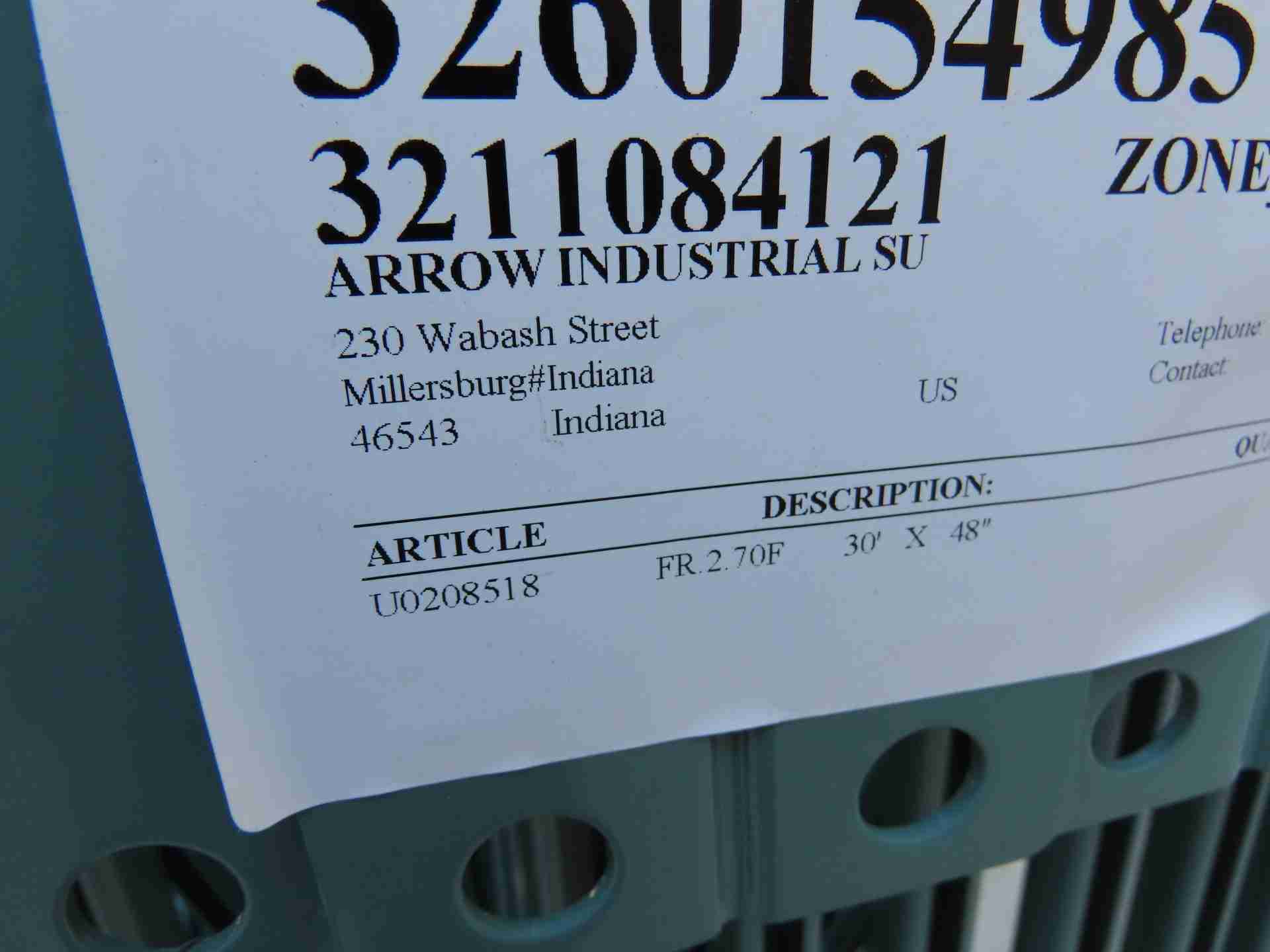
What Challenges Do Small Suppliers Face In Large Orders?
How Can Small Suppliers Streamline Their Operations?
In today’s competitive landscape, small suppliers face unique challenges that larger players might not even blink at. The good news? With the right strategies, small suppliers can enhance efficiency, save costs, and ultimately boost profitability. Here’s how you can streamline your operations effectively.
One of the crucial components of efficient supply chain management is optimizing your warehouse space. Enter pallet racking systems. These systems can revolutionize your storage capabilities. By employing a well-designed pallet racking system, you can maximize vertical space and minimize floor clutter, ultimately improving your order fulfillment speed. For example, a small supplier of organic snacks recently implemented a new pallet racking system and reported a 30% increase in storage efficiency. This change meant less time spent searching for products and more time focusing on sales.
Next, automation is no longer solely reserved for large industrial players. From inventory management software to automated reordering systems, implementing tech solutions can help you stay ahead. Imagine having a software solution that automatically reorders items when they hit a minimum stock level. This not only frees up precious time but also reduces the risk of stockouts — a critical issue that can deter would-be customers. Current trends show a surge in small businesses adopting such technology, especially in the context of recent supply chain disruptions. The ability to pivot quickly can be a game-changer.
Collaborative relationships can also play a critical role in streamlining operations. Form partnerships with other small suppliers to share logistics and transportation costs. For example, two local artisanal food suppliers might benefit from a shared distribution network, reducing individual shipping costs and increasing market reach. This approach became especially relevant during the recent logistical disruptions, highlighting the power of community in overcoming challenges.
Lastly, continuous training and development for your employees cannot be underestimated. Investing in staff training on inventory handling, order processing, and customer service will amplify your efficiency significantly. Imagine your team equipped not just to fulfill orders but to do so with a level of expertise that rivals any large supplier.
In summary, small suppliers can streamline their operations through effective warehouse optimization, embracing technology, leveraging collaborative partnerships, and investing in employee training. Amid the current economic pressures and fluctuating consumer behaviors, the ability to adapt and innovate will determine who survives and thrives in this bustling marketplace. Don’t just keep up; set the pace!

How Can Small Suppliers Streamline Their Operations?
How Can Small Suppliers Streamline Their Operations?
- Small suppliers face unique challenges that larger competitors may not encounter.
- Optimizing warehouse space through pallet racking systems can improve storage efficiency and order fulfillment speed.
- Automation tools, such as inventory management software, help streamline operations and reduce the risk of stockouts.
- Collaborative relationships with other small suppliers can lower logistics and transportation costs.
- Investing in continuous training for employees enhances efficiency in fulfillment and customer service.
- Small suppliers can thrive by adapting and innovating in response to economic pressures and consumer behavior changes.
- Implementing these strategies enables small suppliers to enhance efficiency, save costs, and boost profitability.

How Can Small Suppliers Streamline Their Operations?
What Is The Impact Of Lead Times On Large Pallet Orders?
In today’s fast-paced business environment, understanding the impact of lead times on large pallet orders is crucial for maintaining efficiency, profitability, and customer satisfaction. Lead times—the interval between placing an order and receiving the goods—can severely affect supply chain operations, especially when it comes to pallet racking systems that store large quantities of products.
Consider a company that specializes in e-commerce, like many that surged in popularity during the pandemic. When consumers shifted to online shopping en masse, businesses faced overwhelming demand for their products. A company that miscalculated lead times for restocking pallets found itself unable to meet customer expectations, ultimately losing sales to competitors who had optimized their supply chains. The failure to anticipate lead time issues can lead not only to delays but also to increased operational costs caused by hurried logistical decisions, such as expedited shipping.
Conversely, businesses that took preemptive measures to manage lead times effectively reaped the rewards. For instance, a retailer that invested in technology to track inventory levels in real-time could project its needs accurately. By placing large pallet orders strategically before peak seasons—like the upcoming holiday rush—they ensured that their pallet racking systems were fully stocked. This proactive approach meant they could satisfy their customers’ demands while avoiding the pitfalls of stockouts.
Another key consideration is the integration of suppliers into your supply chain strategy. Companies that foster close relationships with their suppliers can often negotiate better lead times and ensure that their pallet orders are prioritized during high-demand periods. For example, creating dedicated channels for communication allows for rapid adjustments in orders based on seasonal shifts in consumer preferences. This agility enables businesses to avoid relying on luck when it comes to their pallet racking needs.
Current events, including inflationary pressures and fluctuating shipping costs, are shining a light on the importance of managing lead times. As supply chain disruptions continue to make headlines, businesses that effectively align their lead times with the ebb and flow of market conditions will gain a competitive edge.
The impact of lead times on large pallet orders cannot be overlooked. By carefully managing these intervals, businesses can optimize their pallet racking systems, enhance customer satisfaction, and ultimately drive sales. In a landscape marked by uncertainty, organizations must become proactive, not reactive, to secure their place in the market.

What Is The Impact Of Lead Times On Large Pallet Orders?
What Is The Impact Of Lead Times On Large Pallet Orders?
- Understanding lead times is crucial for efficiency, profitability, and customer satisfaction in large pallet orders.
- Lead times affect supply chain operations, especially for businesses like e-commerce that surged during the pandemic.
- Miscalculated lead times may lead to stockouts and loss of sales to competitors with optimized supply chains.
- Companies that manage lead times proactively, such as investing in real-time inventory tracking, can satisfy customer demands effectively.
- Integrating suppliers into the supply chain strategy helps negotiate better lead times and prioritize pallet orders during high-demand periods.
- Current events like inflation and shipping fluctuations highlight the need for effective lead time management for competitive advantage.
- Careful management of lead times can optimize pallet racking systems, enhance customer satisfaction, and drive sales.
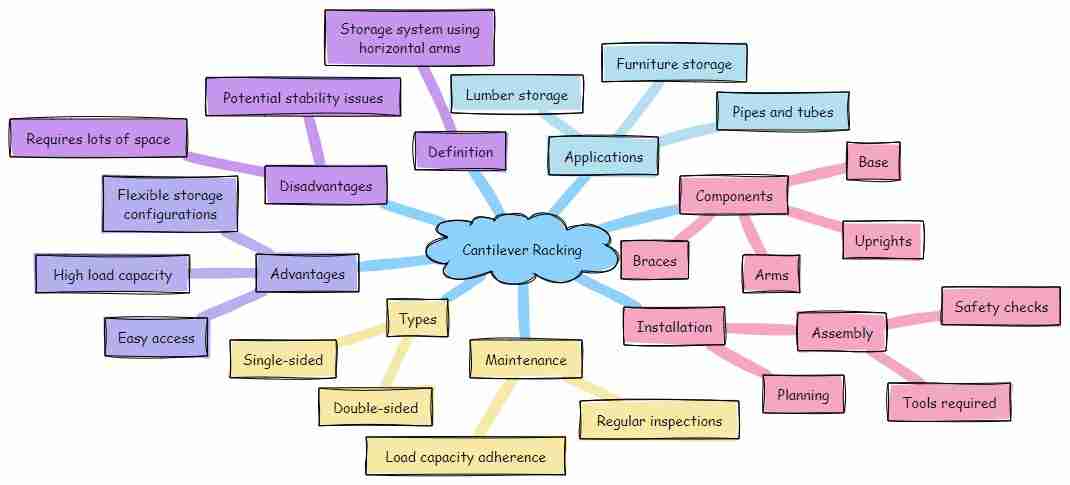
What Is The Impact Of Lead Times On Large Pallet Orders?
Are There Financing Options For Small Suppliers To Scale Up?
In the competitive landscape of small suppliers, scaling up often feels like an uphill battle—especially when it comes to financing. Opportunities exist, especially with the rise of innovative financing options. For small suppliers looking to expand their operations, including investing in essential infrastructure like pallet racking, understanding these options can make all the difference.
One of the most effective financing methods is through equipment financing. This is particularly relevant for suppliers needing to improve their storage capabilities. For instance, if a small distributor must expand its warehouse to accommodate additional inventory, securing a loan specifically for pallet racking can be a smart move. Equipment financing not only covers the cost but also enables suppliers to improve efficiency. Why pay out of pocket when financial institutions provide loans designed for this very purpose?
Another option gaining traction is invoice financing. In this model, suppliers can leverage their invoices to secure immediate cash flow, allowing them to invest in growth opportunities, whether that means upgrading pallet racking or boosting marketing efforts. As of late 2023, many small businesses are turning to invoice financing as a flexible solution, especially as traditional bank loans can involve cumbersome processes with approvals often taking weeks or even months.
Additionally, small suppliers should explore the possibility of crowdfunding. Platforms such as Kickstarter or Indiegogo allow suppliers to present their ideas directly to consumers. For example, a small supplier in the specialty food sector might utilize a crowdfunding campaign to showcase its new product line while simultaneously raising funds for necessary operational improvements like pallet racking. In an era where consumers prefer supporting local businesses, this method not only raises capital but also builds a loyal customer base.
Government grants and subsidies are also worth considering. With ongoing economic recovery measures, many governments are offering financial assistance specifically tailored for small businesses. These funds could easily cover the costs of equipment like pallet racking that directly enhance operational capability and capacity.
As the market continues to develop and evolve, small suppliers have more financing options at their disposal than ever before. Whether through equipment loans, invoice financing, crowdfunding, or government assistance, the right approach will not only facilitate scaling operations but also position suppliers for long-term success. Now is the time to capitalize on these opportunities, particularly in an economy that increasingly values innovation and efficiency. Don’t let financial constraints hold you back—embrace the possibilities and watch your business thrive!

Are There Financing Options For Small Suppliers To Scale Up?
Are There Financing Options For Small Suppliers To Scale Up?
- Scaling up for small suppliers is challenging, particularly concerning financing.
- Innovative financing options are becoming available, benefiting suppliers looking to expand, especially in infrastructure like pallet racking.
- Equipment financing is effective for enhancing storage capabilities, allowing loans for specific needs like warehouse expansion.
- Invoice financing offers immediate cash flow by leveraging invoices, helping suppliers invest in growth opportunities quickly.
- Crowdfunding through platforms like Kickstarter or Indiegogo allows suppliers to raise funds while engaging consumers and building loyalty.
- Government grants and subsidies provide financial assistance tailored for small businesses, covering essential equipment costs.
- The evolving market presents numerous financing options, enabling suppliers to scale operations and achieve long-term success.
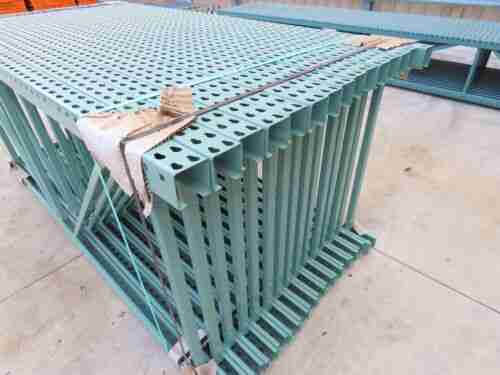
Are There Financing Options For Small Suppliers To Scale Up?
How Can Small Businesses Cultivate Partnerships With Larger Clients?
In today’s competitive landscape, small businesses are facing both challenges and opportunities in the quest for fruitful partnerships with larger clients. The key to unlocking these partnerships often lies in strategic positioning and relentless value delivery. Here are some actionable steps that small businesses can take to pave the way for successful collaborations.
First and foremost, you need a compelling value proposition. Larger clients are inundated with proposals and pitches every day. What sets you apart? For instance, if you’re a logistics company that specializes in pallet racking solutions, emphasize how your innovative systems can optimize their warehouse space, reduce operational costs, and improve efficiency. Highlight success stories where you transformed a client’s storage capabilities, enabling them to scale rapidly without the need for extensive capital investment.
Next, establish credibility through a demonstrated track record. Larger companies gravitate towards partners with proven results. Showcase your expertise by sharing case studies and testimonials from existing clients. If you’ve recently worked with a mid-sized company to enhance their warehouse organization via your superior pallet racking designs, make that story known. Use it not only in your pitches but also across social media platforms to bolster your reputation and visibility.
Networking is a powerful tool for cultivating these partnerships. Attend industry conferences, trade shows, and seminars where representatives from larger firms are present. Utilize these opportunities to forge connections. However, don’t approach them with a hard sell mentality. Begin by offering insights or solutions relevant to their challenges. Create rapport and trust—after all, partnerships are built on relationships, not transactions.
In light of recent shifts in supply chain dynamics, larger companies are increasingly seeking agile partners who can adapt quickly. Position yourself as a forward-thinking business that can pivot easily with changing demands. For instance, if you’re producing innovative pallet racking solutions, share insights about how these can adapt to fluctuating inventory levels—a pressing concern as companies navigate ongoing supply chain disruptions.
Finally, persistently follow up but respect boundaries. After your initial contact, send reminders about how you can solve pressing issues for them. But don’t go overboard. Pushing too hard can be counterproductive. Instead, aim for consistent, value-driven communication.
Cultivating partnerships with larger clients may seem daunting for small businesses, but with the right approach—emphasizing value, credibility, networking, adaptability, and respectful follow-ups—those partnerships can become powerful engines for growth. Remember, success is not just about having a big name on your client list; it’s about creating solutions that truly elevate both parties.
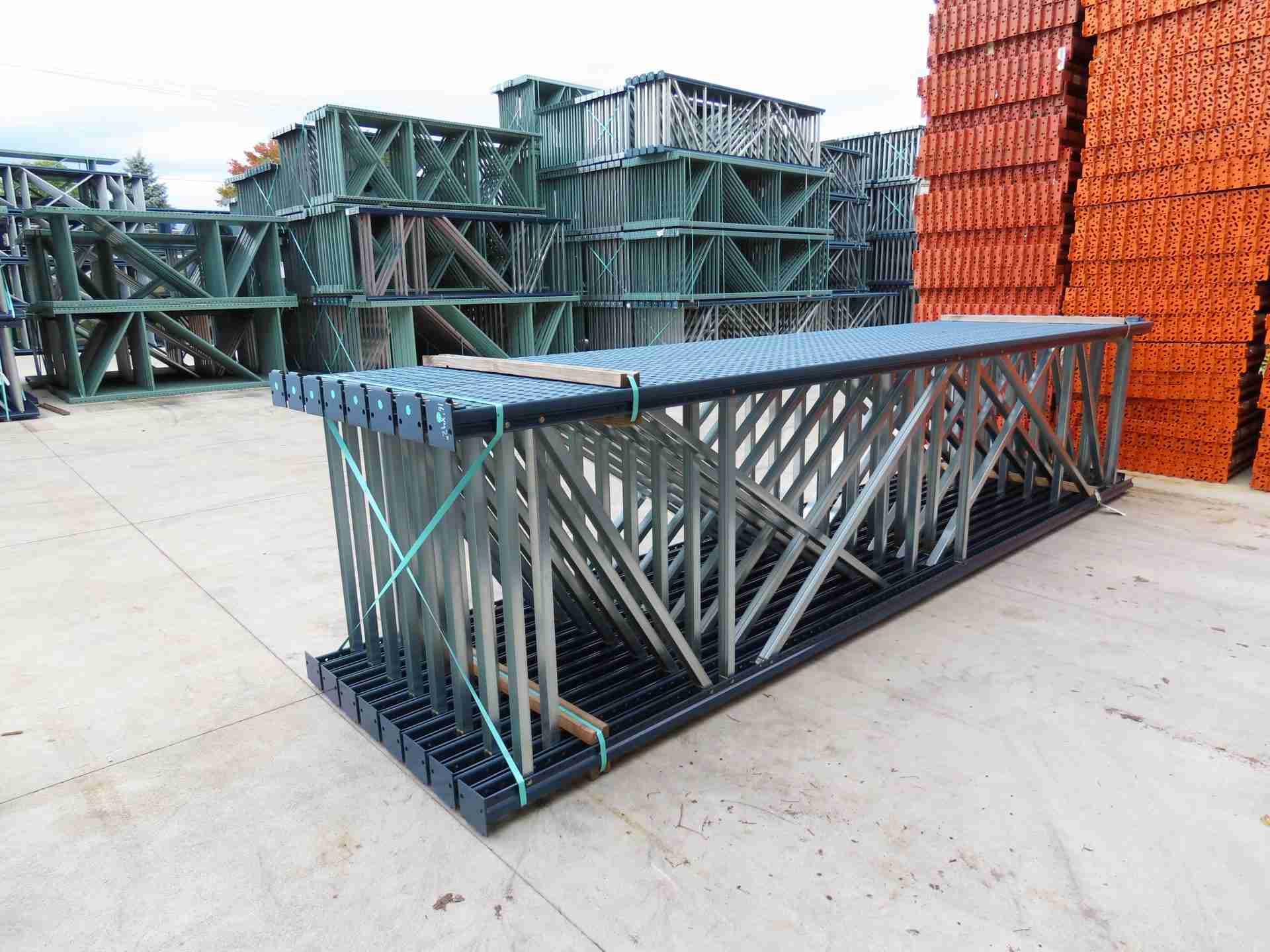
How Can Small Businesses Cultivate Partnerships With Larger Clients?
How Can Small Businesses Cultivate Partnerships With Larger Clients?
- Small businesses face challenges and opportunities in forming partnerships with larger clients.
- A compelling value proposition is essential to stand out in a sea of proposals.
- Establish credibility by showcasing a demonstrated track record through case studies and testimonials.
- Networking at industry events can help cultivate relationships; prioritize rapport over hard selling.
- Position your business as agile and able to adapt to shifting supply chain dynamics.
- Maintain consistent, value-driven follow-ups without being overly aggressive.
- Success in partnerships is about creating solutions that benefit both parties, not just affiliation with a big name.

How Can Small Businesses Cultivate Partnerships With Larger Clients?
What Technology Can Small Suppliers Leverage For Efficiency?
In today’s fast-paced business environment, small suppliers are feeling the heat from larger competitors. To not just survive, but thrive, leveraging technology is no longer optional; it’s a necessity. Imagine the efficiency gains you could achieve with the right tools at your disposal. Tech is your best ally in driving productivity and enhancing profit margins.
One area where technology shines brilliantly is in pallet racking solutions. Modern pallet racking systems equipped with IoT sensors can transform a typical warehouse into a highly organized and efficient operation. For instance, smart racking systems monitor real-time inventory levels, ensuring you’re never over- or under-stocked. This technology allows for faster picking times and lower labor costs, creating a leaner operation that rivals the big boys.
Integrating warehouse management systems (WMS) with these advanced racking solutions can take efficiency to the next level. Real-time data allows you to make informed decisions on inventory placement, ensuring that fast-moving items are always accessible. By using software like Fishbowl or Zoho Inventory, you can automate many aspects of your operations, from order processing to shipping notifications.
Moreover, suppliers can harness the power of market analytics tools to gain valuable insights about consumer trends. In a recent insight, data platforms such as Tableau have shown a dramatic shift in purchasing patterns post-pandemic. By staying ahead of these trends, small suppliers can adjust their offerings and marketing strategies, ensuring they meet customer demands with precision and speed.
Let’s not overlook the significant impact of CRM platforms. Technologies like HubSpot or Salesforce help in managing customer relationships more effectively. By tracking customer interactions and preferences, suppliers can tailor their marketing efforts, driving engagement and ultimately, sales. This not only streamlines operations but also refines your efforts, making sure your marketing dollars pack a punch.
In terms of communication, utilizing tools like Slack or Microsoft Teams fosters collaboration among team members, whether they are in the office or remote. These platforms can significantly reduce the time wasted on emails, leading to faster decision-making and increased operational efficiency.
The time is now to embrace technology. Implementing the right tools—from pallet racking systems to robust analytics solutions—will empower small suppliers to streamline operations and carve out their niche in an increasingly competitive market. Don’t wait for demand to dictate your actions; take charge and make technology your competitive advantage today!

What Technology Can Small Suppliers Leverage For Efficiency?
What Technology Can Small Suppliers Leverage For Efficiency?
- Small suppliers face intense competition from larger firms in today’s fast-paced business environment.
- Leveraging technology is essential for survival and growth, enhancing productivity and profit margins.
- Modern pallet racking systems with IoT sensors optimize warehouse operations by monitoring real-time inventory levels.
- Integrating warehouse management systems (WMS) improves efficiency, enabling informed inventory placement decisions.
- Market analytics tools provide insights into consumer trends, allowing suppliers to adjust offerings and marketing strategies.
- CRM platforms like HubSpot and Salesforce help manage customer relationships and tailor marketing efforts.
- Collaboration tools like Slack and Microsoft Teams enhance communication, leading to faster decision-making and operational efficiency.
What Technology Can Small Suppliers Leverage For Efficiency?
How Do Small Suppliers Ensure Quality With High-Volume Orders?
In today’s fast-paced market, small suppliers face the dual challenge of maintaining quality while scaling up to meet high-volume orders. The stakes are high; a single misstep can tarnish a reputation years in the making. So how do these nimble businesses ensure they’re delivering excellence, even under pressure?
One key strategy lies in implementing robust quality control systems right from the outset. Certified quality assurance processes can keep standards high, even when production ramps up. For example, a small organic food supplier recently achieved remarkable success by investing in quality checks throughout every stage of their production line. They didn’t just rely on end-of-line inspection; they conducted ongoing assessments, from sourcing raw materials to final delivery. This proactive approach not only mitigated potential quality issues but also built trust with larger retail clients who were wary of partnering with a smaller producer.
Another crucial tactic for small suppliers involves optimizing their storage and inventory solutions. Using systems like pallet racking can significantly boost efficiency. For instance, a small furniture maker decided to update their warehousing strategy by incorporating pallet racking systems that improved their storage capacity while keeping their products organized. This change allowed them to handle higher volumes without sacrificing the meticulous care that their artisan pieces demanded. As a result, they streamlined the fulfillment process, minimizing delays and ensuring their products reached clients promptly, all while maintaining impeccable quality.
Aligning with the right partners is also fundamental to maintaining high standards. Collaborations with established logistics companies can ensure that distribution is not just efficient, but also reliable. A recent case study highlighted a small tech accessory manufacturer that partnered with a logistics firm specializing in high-volume orders. The partnership enabled them to meet increased demand while ensuring that each product shipped met their stringent quality requirements, thereby maintaining customer satisfaction and loyalty.
Finally, small suppliers can leverage technology to monitor quality in real-time. Advanced software solutions can track production metrics, enabling instant feedback on potential quality dips. As seen in recent reports about the increasing use of AI in manufacturing, these tools are not just for the big players anymore. Small suppliers that adopt these tech innovations can compete effectively, ensuring that their high-volume orders mirror the quality that earned them their initial success.
In an era where quality is king, small suppliers must strategize to avoid lapses as they scale. By implementing these best practices, they can satisfy their clients without compromising the very essence of their brand.

How Do Small Suppliers Ensure Quality With High-Volume Orders?
How Do Small Suppliers Ensure Quality With High-Volume Orders?
- Small suppliers face challenges in maintaining quality while scaling for high-volume orders.
- Implementing robust quality control systems is essential; certified processes ensure standards remain high.
- Proactive quality checks throughout production can mitigate issues and build trust with retail clients.
- Optimizing storage solutions, like pallet racking, enhances efficiency and organizes products while handling higher volumes.
- Collaborating with established logistics companies ensures efficient and reliable distribution for small suppliers.
- Leveraging technology, such as advanced software, allows for real-time monitoring of quality during production.
- By adopting best practices, small suppliers can scale up operations without compromising their brand quality.

How Do Small Suppliers Ensure Quality With High-Volume Orders?
Conclusion
In the demanding landscape of logistics and warehousing, where the appetite for pallet racking solutions grows ravenously, small suppliers stand at a crucial juncture. Can they effectively meet the large orders that come their way? Absolutely! The agility and adaptability of small suppliers are often the very traits that allow them to shine in this fast-paced environment. By leveraging strategic partnerships, embracing innovative technology, and committing to quality, small suppliers can not only meet but exceed client expectations, even under substantial order pressures.
To navigate the challenges presented by large orders, small suppliers should recognize their distinct advantages. Their nimble operations enable them to pivot rapidly, accommodating customized requests that larger players might struggle to fulfill. In today’s marketplace, where speed and personalization are pivotal, such capabilities are irresistible.
However, scaling up isn’t devoid of hurdles. Effective logistics management is integral. By investing in pallet racking systems, even limited-capacity suppliers can optimize storage space and elevate order fulfilment efficiency, while innovative financing solutions allow them to secure essential resources without crippling cash flow. The strategic implementation of inventory management technologies further enhances operational flow—enabling real-time tracking and minimizes stockouts, thus optimizing lead times critical for fulfilling large orders.
Achieving a stellar reputation hinges on quality, and small suppliers must embed quality control in their operations. From rigorous testing and assessments throughout production stages to past success stories, showcasing excellence will build trust and foster long-term relationships with larger clients. Emphasizing the durability and reliability of their products will differentiate small suppliers in a saturated market.
Finally, forming alliances with logistics experts and other industry stakeholders can amplify capabilities. A united front fosters resilience—whether navigating supply chain disruptions or addressing spikes in demand—transforming challenges into opportunities for growth.
If you’re a small supplier seeking to harness your unique capabilities and bolster your production potential, don’t hesitate to reach out! Call Arrow Industrial Sales at (574) 349-6575 today to explore how we can help maximize your operations and scale effectively. Remember, the time for action is now—capitalize on your agility and watch your business thrive in the wake of unprecedented demand! Seize this moment; the future rewards those who are willing to adapt and excel.
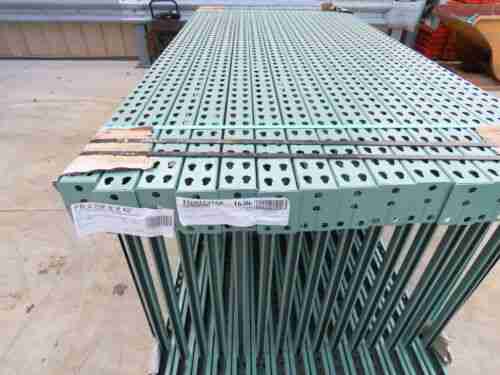
Conclusion
Conclusion:
- Small suppliers in logistics and warehousing are positioned to effectively handle large orders through their agility and adaptability.
- Strategic partnerships, innovative technology, and a commitment to quality enable small suppliers to exceed client expectations.
- Distinct advantages of small suppliers include nimble operations that allow rapid pivots and customized requests.
- Investing in pallet racking systems optimizes storage space and enhances order fulfillment efficiency.
- The implementation of inventory management technologies supports real-time tracking and minimizes stockouts.
- Quality control is crucial for small suppliers to build trust and long-term relationships with larger clients.
- Forming alliances with logistics experts fosters resilience and transforms challenges into growth opportunities.

Conclusion
Other Resources
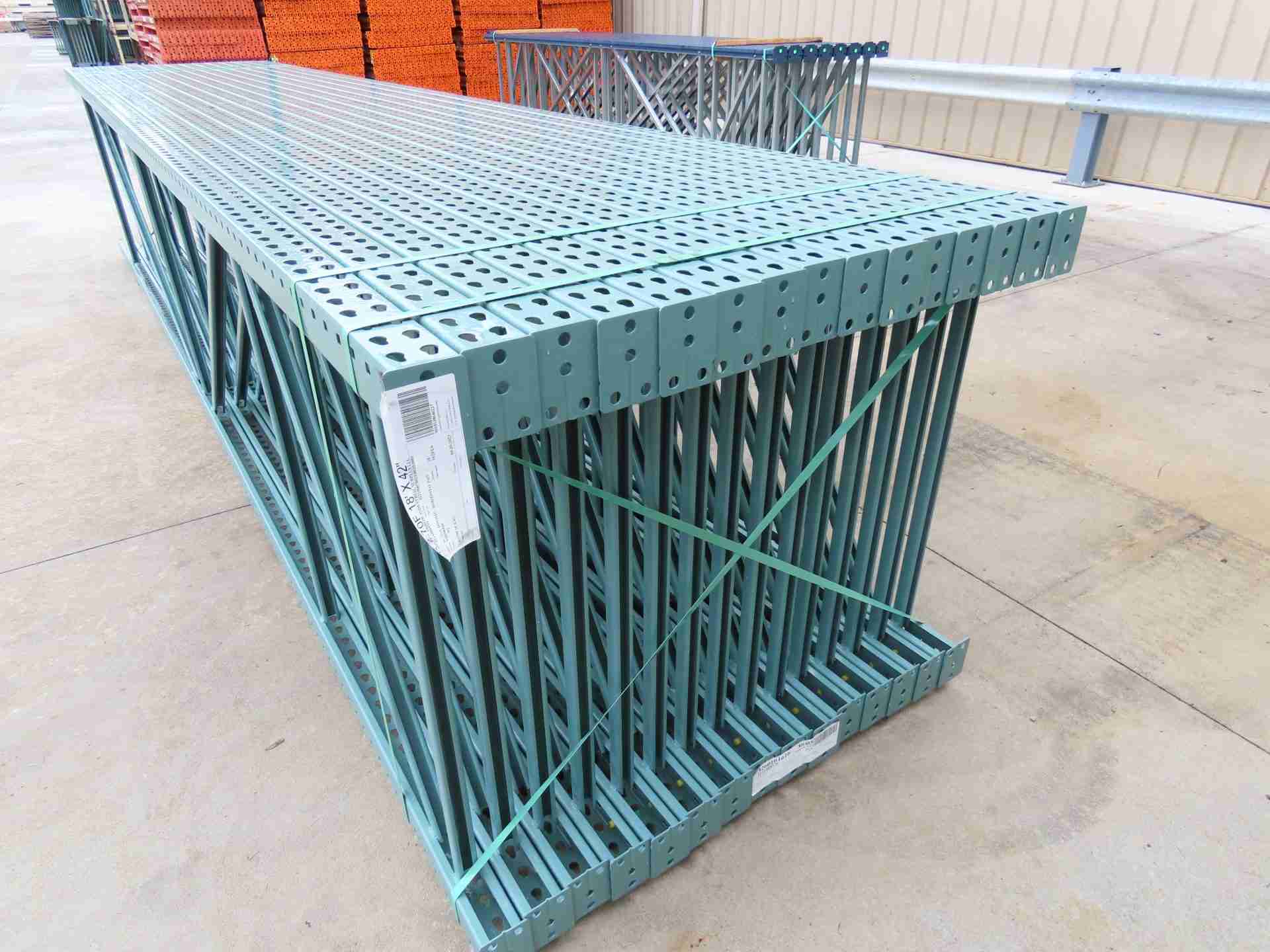
Other Resources
Here is a list of other resources you can review online to learn more:
- What is Selective Pallet Racking
- Warehouse Storage Racks
- Pallet Racking 101: A Comprehensive Guide & Options Explained
- International Warehouse Logistics Association
- Pallet Racking systems in Illinois, Great Lakes
- Interlake
- MHI
- Teardrop Uprights
- CA Wire
- Cantilever Rack Guide: Ordering Cantilever Racking
Use This Prompt To Get More Resources With Your Favorite Online AI Tool: Please provide me with a list of online articles with their URLs in a bulleted list that I can read regarding Can Small Suppliers Meet Large Pallet Racking Orders?
Other Resources
Glossary Terms
Can Small Suppliers Meet Large Pallet Racking Orders? – Glossary Of Terms
1. Pallet Racking: A storage system that uses vertical space to store pallets, allowing for efficient organization and retrieval.
2. Small Supplier: A company that typically has a limited production capacity and may focus on niche markets or specific customer needs.
3. Lead Time: The time it takes from order placement to delivery, impacting planning and inventory management.
4. Capacity: The maximum amount of goods that a supplier can produce or store effectively.
5. Just-in-Time (JIT): An inventory management strategy that aims to increase efficiency by receiving goods only as they are needed in the production process.
6. Supply Chain: The entire system from raw material sourcing to the final delivery of products, involving multiple suppliers and logistics providers.
7. Demand Forecasting: The process of estimating future customer demand to help suppliers plan production and ordering.
8. Bulk Order: A large order of goods purchased, often at a discount, to take advantage of economies of scale.
9. Financing: The management of funds, including acquiring capital for purchasing materials, production, and operations.
10. Quality Control: Processes and measures established to maintain the desired level of quality in products, crucial for supplier credibility.
11. Scalability: The ability of a supplier to increase production capacity in response to growing demand without sacrificing quality.
12. Supplier Partnership: A collaborative relationship between a buyer and a supplier, aimed at mutual benefit and long-term success.
13. Negotiation: The process of discussing terms to reach an agreement, which can impact pricing and order sizes.
14. Logistics: The management of the flow of goods from point of origin to consumption, encompassing transportation, warehousing, and inventory control.
15. Pallet Load Capacity: The maximum weight that a pallet can safely support, critical for racking systems.
16. Customization: Tailoring products to meet specific customer requirements or preferences, often necessary for small suppliers.
17. Inventory Turnover: A measure of how frequently inventory is sold and replaced over a given period, indicating sales efficiency.
18. Purchase Order (PO): A document issued by a buyer to a seller, specifying the details of purchased goods or services, including quantities and prices.
19. Manufacturer’s Specification: Detailed descriptions of products provided by manufacturers, including dimensions, materials, and performance capabilities.
20. Lead Generation: The process of identifying potential customers to increase sales and business opportunities.
21. Competitive Pricing: Setting prices based on competitors’ rates to remain attractive in the marketplace.
22. Order Fulfillment: The complete process from receiving an order to delivering the product to the customer.
23. Risk Management: The identification and mitigation of potential risks that could disrupt the supply chain or affect order fulfillment.
24. Warehouse Management System (WMS): Software that helps manage warehouse operations, improving efficiency in inventory management, order processing, and shipping.
25. Market Niche: A specific, defined segment of the market that a small supplier targets for products and services.
26. Supplier Diversity: The practice of including a variety of suppliers from different backgrounds and sizes, promoting inclusion in procurement processes.
27. Shortage: A situation where demand exceeds supply, which can lead to delays or increased costs.
28. Minimum Order Quantity (MOQ): The lowest amount of product that a supplier is willing to sell, which can affect order size for small suppliers.
29. Regulatory Compliance: Adhering to laws and regulations governing product safety, labor, and environmental impact, essential for maintaining a good supplier reputation.
30. Feedback Loop: A system for gathering input from customers to improve products and services continuously, enhancing supplier responsiveness.

Glossary Of Terms
Other Questions
Can Small Suppliers Meet Large Pallet Racking Orders? – Other Questions
If you wish to explore and discover more, consider looking for answers to these questions:
- What specific advantages do small suppliers have over larger suppliers in meeting large pallet racking orders?
- How can small suppliers overcome logistical challenges when handling large orders?
- What strategies can small suppliers employ to manage cash flow effectively when fulfilling large orders?
- How do small suppliers ensure they meet quality control standards during high-volume production?
- What role do technology and automation play in helping small suppliers scale their operations?
- How can small suppliers effectively market their unique strengths to attract larger clients?
- What type of partnerships can small suppliers form to enhance their capabilities?
- How do lead times affect small suppliers’ ability to fulfill large pallet racking orders?
- What financing options are available specifically for small suppliers looking to scale up their operations?
- How can small suppliers leverage data analytics to improve their operations?
- What examples exist of small suppliers successfully meeting large orders in different industries?
- How can small suppliers ensure customer satisfaction while scaling up production?
- What are the signs that indicate a small supplier is ready to take on larger orders?

Other Questions
Checklist
Can Small Suppliers Meet Large Pallet Racking Orders? – A Checklist
Checklist: Strategies for Small Suppliers to Meet Large Pallet Racking Orders
Understanding Capabilities
_____ Assess your current production capabilities and identify areas for improvement.
_____ Evaluate the flexibility and agility of your operations in response to market demands.
_____ Identify specialized areas where your small supply can offer customized solutions.
Building Partnerships
_____ Explore strategic partnerships with other small suppliers to pool resources.
_____ Engage in networking opportunities at industry conferences and trade shows.
_____ Develop collaborative relationships that leverage strengths and capabilities.
Quality Control Measures
_____ Implement robust quality control systems throughout the production process.
_____ Invest in staff training focused on maintaining high quality during ramped-up production.
_____ Utilize feedback and assessments from past projects to inform quality improvements.
Managing Logistics
_____ Analyze current logistics and storage capabilities, especially for large orders.
_____ Evaluate the necessity for upgraded pallet racking systems to maximize warehouse space.
_____ Develop a clear logistics plan for managing large inventory efficiently.
Financial Preparedness
_____ Identify funding opportunities such as equipment financing or invoice financing.
_____ Consider alternative financing methods like crowdfunding for new projects.
_____ Assess your cash flow to ensure you can cover bulk purchases for large orders.
Technology Utilization
_____ Adopt inventory management software to track stock levels in real-time.
_____ Implement warehouse management systems (WMS) for better operational efficiency.
_____ Explore advanced pallet racking solutions with integrated tech (IoT sensors, etc. ).
Enhancing Lead Time Management
_____ Streamline communication with suppliers to anticipate lead times effectively.
_____ Create proactive order placements based on predicted demand and lead times.
_____ Foster close relationships with suppliers for improved order prioritization.
Cultivating Client Relationships
_____ Develop a compelling value proposition that showcases your unique offerings.
_____ Create case studies and gather testimonials to establish credibility with potential clients.
_____ Maintain consistent, value-driven communication with prospective larger clients.
Continuous Improvement and Education
_____ Invest in ongoing employee training for skills relevant to order processing and customer service.
_____ Stay updated on industry trends and technological advancements to remain competitive.
_____ Regularly review and refine your operational processes for efficiency.
By following this checklist, small suppliers can better position themselves to meet large pallet racking orders while maintaining quality and efficiency.

Checklist
At RackingWorld, we help guide you through selecting warehouse storage systems and racking.
Be sure to read our other related stories at RackingWorld to learn more about warehouse storage systems.
0 Comments