
Revolutionize Warehouse Shelving With Simon Sinek’s Strategies
By Tom Seest
At RackingWorld, we help guide you through selecting warehouse storage systems and racking.
Be sure to read our other related stories at RackingWorld to learn more about warehouse storage systems.
Can Simon Sinek’s Principles Help You Rethink Warehouse Shelving?
When it comes to warehouse shelving, specifically pallet racking, the conversation often revolves around efficiency, inventory management, and space optimization. But what if we told you that the core principles of leadership and motivation can revolutionize your approach to warehouse infrastructure? In today’s competitive landscape, where companies are scrambling to meet ever-increasing demands for speed and accuracy, applying Simon Sinek’s principles can elevate your operations from mundane to exceptional.
First and foremost, Sinek encourages us to start with “why.” Why are you investing in new pallet racking systems? It’s not just about maximizing space or speeding up the picking process; it’s about creating a strategic advantage that fosters a more engaged workforce and happy customers. For instance, consider a recent study highlighting how organized and efficient shelving can lead to a reduction in employee fatigue. When workers don’t have to spend excessive time searching for products—thanks to thoughtful pallet racking—they can focus on quality and customer service instead.
Let’s dive deeper into the concept of “the Golden Circle.” At its center, you have your purpose—serving your customers—and surrounding that is what you do (provide logistics solutions) and how you do it (efficiently with superior pallet racking). By aligning your shelving strategy with this framework, employees who understand the “why” behind their work will be more motivated. They’ll initiate improvements, embrace innovative storage solutions, and even take ownership of inventory accuracy.
Take, for instance, the logistics giant Amazon. They have revolutionized their warehouse shelving with an emphasis on agility and rapid fulfillment. Their unique approach combines innovative pallet racking systems with smart technology to ensure that workers can locate and retrieve items at lightning speed. They understand their “why” — to offer unparalleled convenience — and that drives their operational choices.
In the midst of a post-pandemic economy where e-commerce sales are expected to continue surging, the ability to reimagine your warehouse shelving—and embrace Sinek’s model—will likely be the differentiator between stagnant businesses and those finding new opportunities for growth.
If you want to rethink warehouse shelving like never before, integrate Sinek’s principles into your strategy. Define your “why,” align it with your pallet racking decisions, and watch your operations transform from basic functionality to a powerhouse of efficiency and customer gratification. In today’s fast-evolving market, those who understand the deeper connection between motivation and action will ultimately reap the rewards.

Can Simon Sinek’s Principles Help You Rethink Warehouse Shelving?
Can Simon Sinek’s Principles Help You Rethink Warehouse Shelving?
- The conversation around warehouse shelving often focuses on efficiency, inventory management, and space optimization.
- Applying Simon Sinek’s principles can transform warehouse operations by emphasizing leadership and motivation.
- Sinek advocates for starting with “why” to create strategic advantages, enhancing employee engagement and customer satisfaction.
- An organized shelving system reduces employee fatigue, allowing workers to concentrate on quality and customer service.
- The “Golden Circle” concept links purpose (serving customers) with logistics solutions and efficient practices.
- Amazon exemplifies successful warehouse shelving by prioritizing agility, rapid fulfillment, and understanding their operational “why.”.
- In a competitive e-commerce landscape, integrating Sinek’s principles into warehouse strategy can lead to significant operational improvements and growth opportunities.
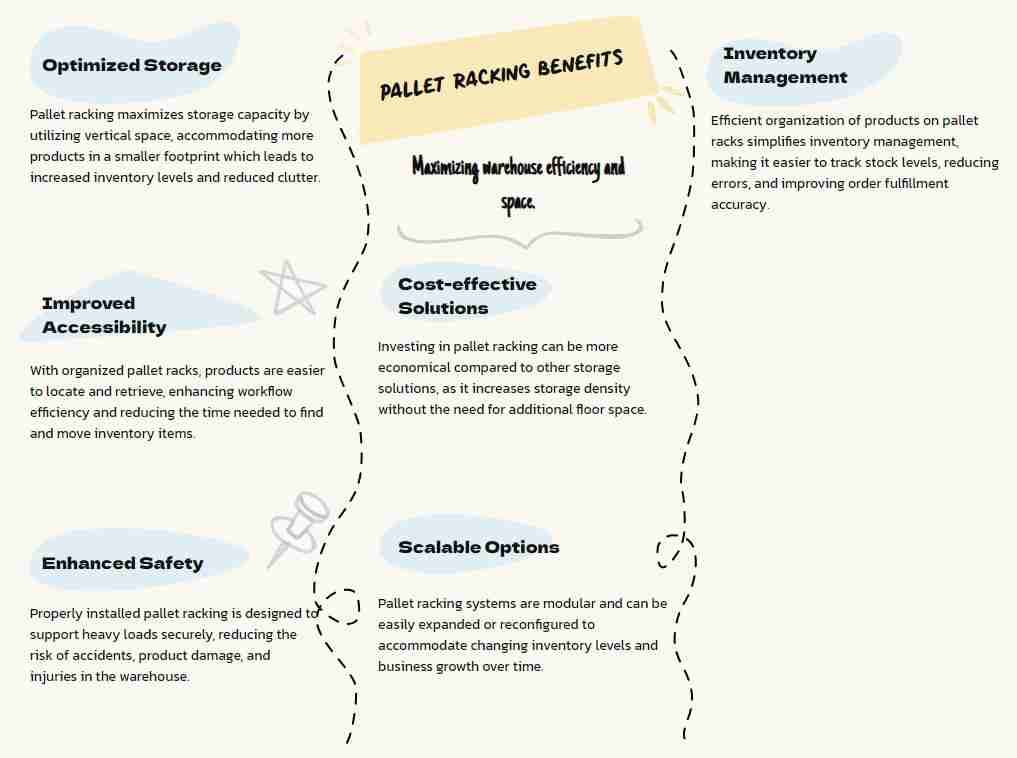
Can Simon Sinek’s Principles Help You Rethink Warehouse Shelving?
Table Of Contents
- Can Simon Sinek’s Principles Help You Rethink Warehouse Shelving?
- What Are Simon Sinek’s Key Principles For Effective Leadership?
- How Can These Principles Apply To Warehouse Shelving Strategies?
- How Can Understanding Purpose Improve Employee Motivation?
- What Role Does Collaboration Play In Maximizing Warehouse Efficiency?
- How Can Sinek’s Golden Circle Be Applied To Shelving Decisions?
- What Are Common Mistakes In Warehouse Shelving Design?
- Conclusion
- Other Resources
- Glossary Of Terms
- Other Questions
- Checklist
What Are Simon Sinek’s Key Principles For Effective Leadership?
When it comes to effective leadership, Simon Sinek has become a beacon guiding entrepreneurs and executives alike. His insights into leadership hinge on a central tenet: the importance of starting with “why.” This means leaders must articulate their core purpose, their reason for existence in the market. Think about it—when your customers understand why you do what you do, they are far more likely to support you.
For example, look at companies like Patagonia, which boldly states their commitment to environmental preservation. Their “why” resonates with their audience, fostering a loyal customer base that goes beyond mere transactions. In contrast, consider organizations that solely focus on profit without a stated purpose. These companies often struggle in today’s enlightened marketplace, where consumers are increasingly motivated by values rather than products.
Sinek also emphasizes the role of trust in leadership, which he views as a foundational element. Without trust, even the most strategically sound initiatives can falter. Recent events in corporate America highlight this; consider the fallout from various scandals where leadership failed to uphold ethical standards. Companies like Wells Fargo faced severe reputational damage after unethical practices came to light. A leader’s trustworthiness can make or break a company—much like the sturdy framework of pallet racking in a warehouse. If the structure is compromised, it can lead to disastrous consequences.
Moreover, Sinek advocates for the importance of great teams over great individuals. Strong leadership, in his view, is about cultivating an environment where collaboration thrives and innovation can blossom. The recent trends in remote work demonstrate how critical developing a strong cultural foundation has become. Leaders who invest in team dynamics reap incredible benefits; they witness not just enhanced productivity but a dramatic spike in employee satisfaction as well.
Lastly, Sinek argues that effective leaders should embrace vulnerability. This may seem counterintuitive in a space often dominated by the “strong and silent” type, but being open about challenges fosters a culture of resilience. For instance, Satya Nadella’s approach to leading Microsoft through tough transitions showcases this principle. By openly discussing challenges and failures, he has created an empowering environment that encourages growth and adaptability.
In summary, the key principles of Simon Sinek’s leadership philosophy revolve around defining a clear purpose, building trust, nurturing strong teams, and embracing vulnerability. By implementing these strategies, leaders can navigate their organizations through the complexities of today’s business landscape—ensuring not just survival, but a thriving existence in the marketplace.

What Are Simon Sinek’s Key Principles For Effective Leadership?
What Are Simon Sinek’s Key Principles For Effective Leadership?
- Simon Sinek emphasizes the importance of starting with “why” to define a leader’s core purpose and market existence.
- Companies like Patagonia that articulate their purpose resonate with consumers, fostering loyalty beyond transactions.
- Organizations focusing solely on profits struggle in a market where consumers prioritize values.
- Sinek highlights trust as a foundational element of effective leadership, critical for successful initiatives.
- Leadership failures in companies like Wells Fargo illustrate the consequences of lacking trust and ethical standards.
- Sinek advocates for prioritizing strong teams over individual excellence to enhance collaboration and innovation.
- Embracing vulnerability in leadership, as seen with Satya Nadella at Microsoft, fosters resilience and adaptability.

What Are Simon Sinek’s Key Principles For Effective Leadership?
How Can These Principles Apply To Warehouse Shelving Strategies?
In today’s fast-paced retail environment, where delivery speed can make or break a brand, optimizing your warehouse shelving strategy isn’t just a good idea—it’s essential. Enter the world of pallet racking. This dynamic storage solution not only maximizes space but also significantly enhances your operational efficiency. By applying foundational marketing principles to your shelving strategies, you can transform your warehouse into a high-performance powerhouse.
First, think of your pallet racking as your sales funnel. Just as a well-structured marketing funnel guides potential customers through their journey, a well-designed pallet racking system should streamline the flow of goods. Products that are frequently sold or accessed should occupy prime locations within your racking configuration. For example, if e-commerce spikes in sectors like electronics or health and beauty are anything to go by, positioning these items within easy reach can drastically reduce picking times and improve order fulfillment rates.
Next, consider the principle of scarcity. In marketing, creating a sense of urgency can drive sales. In your warehouse, this translates to a strategic use of your pallet racking height and depth. By efficiently utilizing vertical space, you can store more products in less square footage. For instance, deploying high-density pallet racking can accommodate seasonal stock during peak times, ensuring you’re not caught off guard, like many retailers were during the pandemic when consumer demand surged unexpectedly.
Furthermore, analyze your inventory turnover rates. Utilizing the ABC analysis method, you can categorize your products into three classes: A (high turnover), B (moderate turnover), and C (low turnover). Design your pallet racking to reflect this hierarchy. Place your A items at eye level and in the most accessible racks. This approach not only boosts productivity but also reduces labor costs significantly—especially in a labor-tight market.
Lastly, let’s not overlook technology. Just as digital marketers leverage data analytics, warehouse managers can employ warehouse management systems (WMS) to monitor inventory levels in real time. By integrating this technology with your pallet racking setup, you can ensure that your stock levels reflect current sales trends—eliminating overstock and unnecessary markdowns.
In today’s competitive landscape, where every second counts and every inch of space must deliver value, an intelligent, principle-driven approach to warehouse shelving strategies, particularly through effective pallet racking, can set your operation apart. Embrace these strategies not merely as operational improvements, but as integral components of your overall business success formula.

How Can These Principles Apply To Warehouse Shelving Strategies?
How Can These Principles Apply To Warehouse Shelving Strategies?
- In a fast-paced retail environment, optimizing warehouse shelving, particularly through pallet racking, is essential for operational efficiency.
- Pallet racking can be seen as a sales funnel, guiding goods flow similarly to how a marketing funnel guides customers.
- Position frequently sold items in accessible locations to reduce picking times and improve order fulfillment rates.
- Utilize pallet racking height and depth strategically to optimize storage space and accommodate seasonal stock during peak times.
- Employ the ABC analysis method to categorize inventory and design racking based on product turnover rates, boosting productivity.
- Integrate warehouse management systems (WMS) for real-time inventory monitoring to align stock levels with current sales trends.
- Adopting intelligent shelving strategies enhances business success and distinguishes operations in a competitive landscape.

How Can These Principles Apply To Warehouse Shelving Strategies?
How Can Understanding Purpose Improve Employee Motivation?
In today’s fast-paced business landscape, fostering employee motivation is no longer a mere checkbox activity; it’s a strategic imperative. Understanding purpose can transform your workforce from a group of employees clocking in and out to a cohesive team driven by a shared mission. When individuals see their contributions as part of a larger vision, engagement skyrockets, productivity flourishes, and talent retention soars.
Consider the recent surge of interest in purpose-driven companies like Patagonia, a brand that intertwines its operations with a commitment to environmental activism. Patagonia employees are not just there to sell outdoor gear—they are part of an enterprise that strives to protect the planet. This sense of purpose breeds motivation, evidenced by the brand’s impressive employee retention rate and customer loyalty. The public’s receptiveness to companies that embody strong social values is palpable. Recent surveys reveal that organizations with a clear purpose outperform their competitors by over 30%, demonstrating that when employees feel their work is meaningful, they put forth their best efforts, often going the extra mile.
Now, let’s pivot to a relatable example in the realm of logistics and warehouses, where effective utilization of physical space—like innovative Pallet Racking systems—can ignite a newfound enthusiasm among workers. Employees in warehouse settings can become disengaged if they perceive their job as monotonous or repetitive. However, when these employees understand that their role contributes to the efficiency of the entire supply chain—facilitated by high-quality pallet racking systems that maximize space and streamline operations—they often find renewed motivation. It’s not merely about moving boxes; it’s about ensuring that products reach customers promptly, directly impacting customer satisfaction and, ultimately, the company’s bottom line.
Incorporating purpose-driven narratives into team meetings and internal communications can help to solidify this perspective. Share success stories about how the company’s products or services improve lives—whether it’s a logistics firm providing timely deliveries during a crisis or a manufacturing company using eco-friendly methods. Create an environment where employees see their impact reflected in the greater success of the organization.
In an era where job satisfaction is increasingly linked to personal fulfillment, businesses that amplify their purpose are poised to cultivate a motivated, dynamic workforce. Remember, a motivated employee is not just an asset; they are a brand ambassador who champions your mission in every corner of their lives. Embrace purpose, and watch your team soar.

How Can Understanding Purpose Improve Employee Motivation?
How Can Understanding Purpose Improve Employee Motivation?
- Fostering employee motivation is essential for organizational success in today’s fast-paced business environment.
- Understanding purpose can transform employees into a cohesive team with a shared mission, significantly increasing engagement and productivity.
- Companies like Patagonia demonstrate the connection between purpose, employee motivation, and high retention and loyalty rates.
- Organizations with a clear purpose outperform their competitors by over 30%, as employees are more likely to go the extra mile.
- In warehouse settings, understanding the purpose behind their roles can reinvigorate disengaged employees, enhancing efficiency in the supply chain.
- Incorporating purpose-driven narratives in communications can help employees recognize their contributions to the organization’s success.
- Businesses that emphasize their purpose are likely to cultivate a motivated workforce, turning employees into brand ambassadors.

How Can Understanding Purpose Improve Employee Motivation?
What Role Does Collaboration Play In Maximizing Warehouse Efficiency?
In today’s fast-paced logistics landscape, the magic ingredient for a successful warehouse operation is collaboration. When teams work in concert, the entire process, from receiving goods to dispatching orders, flows seamlessly and efficiently. This synergy becomes even more crucial in an era where supply chain disruptions are rampant, as we’ve seen with recent global shipping challenges.
Consider the implementation of pallet racking systems. These systems are foundational, allowing warehouses to maximize vertical space and streamline inventory management. However, to truly capitalize on the benefits of pallet racking, collaboration among departments—such as inventory control, shipping, and receiving—is essential. When these teams communicate effectively, they can better assess stock levels, forecast needs, and arrange products for quicker access, minimizing the time spent navigating through the warehouse maze.
For instance, during the recent spikes in e-commerce demand, companies that fostered a collaborative culture were able to adapt quickly. One prominent example is a major retailer that re-evaluated its warehouse layout and team dynamics during the pandemic. By breaking down silos between their distribution and inventory teams, they not only optimized their pallet racking system but also enhanced order fulfillment speed, which was critical during peak shopping seasons. They implemented regular strategy meetings to discuss inventory turnover rates and adjust racking strategies on the fly. The outcome? A 20% reduction in lead time, setting them apart from less agile competitors.
Additionally, technology plays a pivotal role in driving collaboration. Tools such as warehouse management systems (WMS) and real-time communication platforms allow teams to share information instantly, ensuring that everyone is on the same page. This transparency helps in identifying bottlenecks quickly and pivoting strategies to concentrate on areas that require attention. For example, if one section of the warehouse is overstocked due to a hiccup in logistics, collaborative problem-solving can lead to rapid reshuffling of inventory using existing pallet racking efficiently instead of relying on costly additional storage solutions.
Collaboration in warehouse management isn’t just a nice-to-have; it’s a game-changer. By pooling knowledge, leveraging technology, and fostering open lines of communication, companies can optimize their use of pallet racking and other systems—ultimately maximizing efficiency, reducing costs, and enhancing customer satisfaction. The warehouse of the future thrives on teamwork, not isolation, and embracing this philosophy is not just a strategy—it’s a necessity in today’s dynamic marketplace.

What Role Does Collaboration Play In Maximizing Warehouse Efficiency?
What Role Does Collaboration Play In Maximizing Warehouse Efficiency?
- Collaboration is essential for successful warehouse operations in today’s logistics landscape.
- Effective teamwork enhances processes from goods receiving to order dispatching, particularly in the face of supply chain disruptions.
- Pallet racking systems are vital for maximizing vertical space and improving inventory management.
- Departments such as inventory control, shipping, and receiving must communicate effectively to optimize pallet racking benefits.
- Companies that foster a collaborative culture can adapt quickly to changes, as demonstrated by a major retailer during the pandemic.
- Technology, including warehouse management systems and real-time communication tools, facilitates collaboration and transparency among teams.
- Collaboration is crucial for maximizing efficiency, reducing costs, and enhancing customer satisfaction in warehouse management.

What Role Does Collaboration Play In Maximizing Warehouse Efficiency?
How Can Sinek’s Golden Circle Be Applied To Shelving Decisions?
The principle of Sinek’s Golden Circle can transform the way we approach shelving decisions, particularly in logistics centers and warehouses. At the core of this model is a focus on “Why,” “How,” and “What.” When applied to shelving solutions such as pallet racking, this framework can lead to more strategic decisions that not only improve space efficiency but also drive operational excellence.
Start with Why
Understanding “Why” you need pallet racking is crucial. Perhaps your warehouse is experiencing rapid growth, and the existing shelving is no longer sufficient to accommodate inventory levels. The “Why” also speaks to your commitment to operational efficiency and customer satisfaction. For example, during recent supply chain disruptions, companies that adapted their shelving strategies upfront were better positioned to respond to demands. They weren’t just focused on cramming goods into a space; they were thinking about how to optimize workflow and reduce retrieval times.
Move to How
With a clear understanding of “Why,” focus on the “How.” This involves evaluating your specific needs and selecting the right type of pallet racking to align with those needs. It’s essential to consider factors like load capacities, aisle widths, and forklift accessibility. For instance, if your inventory consists predominantly of heavy goods, a selective pallet racking system would provide the easiest access and visibility. On the other hand, for companies dealing with space constraints or varying product types, options like drive-in racking can maximize vertical space while minimizing the footprint of the shelving.
Finally, Discuss What
Now, you’re in a position to address the “What.” This includes the physical implementation of shelving solutions, such as the acquisition and installation of the chosen pallet racking. Moreover, consider the training required for your staff to efficiently utilize these systems. Successful companies often provide comprehensive onboarding to ensure that everyone understands the new shelving layout and operational protocols, facilitating a smoother transition.
In today’s competitive landscape, where agility is paramount, applying Sinek’s Golden Circle can help companies make informed shelving decisions that enhance not just storage capabilities but overall workflow efficiency. By clarifying their vision and aligning their shelving solutions with operational goals, companies can thrive, even amidst uncertainties like continuing supply chain challenges or fluctuating market demands. In this way, a strong foundation in purpose-driven shelving decisions can lead to immediate and long-term benefits, ultimately fostering an environment where productivity flourishes.

How Can Sinek’s Golden Circle Be Applied To Shelving Decisions?
How Can Sinek’s Golden Circle Be Applied To Shelving Decisions?
- The Golden Circle principle by Sinek can revolutionize shelving decisions in logistics centers and warehouses.
- Focus on “Why,” “How,” and “What” to make strategic shelving decisions that enhance space efficiency and operational excellence.
- Understanding the “Why” involves recognizing the need for pallet racking due to factors like rapid growth and operational efficiency.
- The “How” requires evaluating specific needs and choosing the appropriate pallet racking based on factors like load capacities and accessibility.
- The “What” entails implementing shelving solutions, including acquisition, installation, and staff training for optimal use.
- Applying the Golden Circle can lead to informed decisions that improve storage capabilities and overall workflow efficiency.
- A purpose-driven approach to shelving can yield immediate and long-term benefits, enhancing productivity amidst market challenges.

How Can Sinek’s Golden Circle Be Applied To Shelving Decisions?
What Are Common Mistakes In Warehouse Shelving Design?
When it comes to warehouse shelving design, even the smallest misstep can lead to massive inefficiencies and financial drains. In the fast-paced world of logistics and supply chain management, ignorance is not bliss; it’s a recipe for disaster. Let’s dive into the common mistakes that can undermine effective warehouse shelving, particularly with systems like pallet racking.
One of the most egregious blunders is failing to evaluate the unique demands of your inventory. Many companies adopt generic pallet racking systems without considering specifics such as product weight, size, and turnover rate. For instance, a warehouse dealing primarily in heavy machinery parts needs a completely different pallet racking configuration than one focused on lightweight consumer goods. Neglecting to assess these requirements can lead to overloading, increased risk of accidents, and ultimately, costly damage.
Another serious pitfall is the lack of proper aisle width. Many warehouse managers either maximize space by minimizing aisle size or, conversely, oversize them without justification. This can lead to not only waste in square footage but also inefficiencies in picking and put-away processes. The key is to strike a balance between accessibility and space management. For instance, if your warehouse uses narrow aisles for pallet racking, ensure that you have an appropriate number of forklifts or other machinery to navigate those tight spaces efficiently.
Underestimating the importance of ongoing training is also a common misstep. Employees need to be educated about the specific pallet racking systems in your warehouse. In recent years, there have been alarming statistics released about workplace accidents related to improperly used warehouse equipment. Regular training can mitigate these risks and create a safer working environment while optimizing your shelving systems.
Additionally, a failure to incorporate technology can leave your warehouse stuck in the past. The advent of warehouse management systems (WMS) has revolutionized how businesses manage inventory. Using real-time data analytics can help refine your pallet racking strategy, ensuring that your shelving design adapts alongside your changing inventory needs.
Finally, overlooking regular assessment and maintenance of your shelving systems is akin to ignoring a leaky roof until the storm hits. Schedule routine inspections to identify signs of wear and tear or issues that could impact safety and productivity.
Avoiding these common mistakes in warehouse shelving design will not only streamline operations but also maximize profitability in an increasingly competitive market. Your approach to pallet racking can either be a competitive advantage or an obstacle—make sure it’s the former.

What Are Common Mistakes In Warehouse Shelving Design?
What Are Common Mistakes In Warehouse Shelving Design?
- Even small missteps in warehouse shelving design can lead to significant inefficiencies and costs.
- Failing to evaluate the specific needs of inventory, such as weight and size, can lead to inappropriate pallet racking configurations.
- Aisle width optimization is crucial; balancing size for accessibility and efficiency is key.
- Underestimating ongoing employee training on pallet racking systems can increase the risk of accidents.
- Incorporating technology, like Warehouse Management Systems (WMS), is essential for adapting shelving strategies to inventory changes.
- Regular assessment and maintenance of shelving systems help avoid safety and productivity issues.
- Avoiding common mistakes in shelving design can enhance operations and profitability in a competitive market.

What Are Common Mistakes In Warehouse Shelving Design?
Conclusion
Unlocking the hidden potential within your warehouse operations requires more than just stacking boxes neatly on shelves; it necessitates a strategic approach that begins with understanding the “why” behind your business goals. By embracing Simon Sinek’s powerful leadership principles, your organization can dramatically enhance the efficiency and impact of your pallet racking systems. This is not just about physical space but about creating a work environment that inspires and engages!
Sinek’s Golden Circle serves as the foundational blueprint that can guide your shelving decisions. Start by articulating your core purpose—why investing in optimized pallet racking matters to both your workforce and your customers. By empowering your employees with a clear sense of purpose, you facilitate higher motivation and productivity. They’ll perceive their role not merely as jobs but as integral components of a larger mission—effectively driving customer satisfaction and robust operational performance.
Moreover, understanding the dynamics of collaboration within your teams is essential. The interplay of logistics teams, inventory control, and technology allows for seamless adjustments to warehouse layouts and processes. During peak seasons or unexpected shifts in consumer demand, a collaborative culture proves vital for minimizing delays and maximizing throughput, creating an agile operation that adapts swiftly to changing needs.
However, it’s not enough to merely understand these principles; you must also take action. Begin by assessing current inefficiencies within your existing shelving design. Utilize Simon Sinek’s model as a lens for vital improvements. Are you properly evaluating product turnover rates? Is your shelving structured to maximize both accessibility and safety? Avoid common mistakes, such as disregarding aisle widths or neglecting the importance of staff training on your pallet racking systems.
Now is the time to elevate your warehouse operation from the mundane to the extraordinary. Don’t wait for the competition to surpass you—take the initiative to simulate a dynamic workspace that caters to both employee satisfaction and operational efficiency.
Contact Arrow Industrial Sales at (574) 349-6575 today! Our team of experts can guide you through the journey of redefining your warehouse shelving strategy. Discover tailored solutions that resonate with the principles of efficiency and purpose, ensuring your business not only survives but thrives in this competitive landscape. Time is of the essence; make the smart choice for immediate results and long-term growth. Transform your warehouses into models of efficiency and effectiveness—call now!

Conclusion
Conclusion:
- Transforming warehouse operations requires a strategic approach grounded in understanding the “why” behind business goals.
- Embrace Simon Sinek’s leadership principles to enhance the efficiency and impact of pallet racking systems.
- Sinek’s Golden Circle serves as a blueprint for making informed shelving decisions, starting with articulating core purposes.
- Empower employees with a clear sense of purpose to foster higher motivation and productivity, improving customer satisfaction.
- Collaboration within logistics teams and technology is essential for agile operations and seamless adjustments during peak periods.
- Assess current shelving inefficiencies and utilize Sinek’s model to implement vital improvements and avoid common mistakes.
- Contact Arrow Industrial Sales to redefine your warehouse shelving strategy for operational efficiency and growth.

Conclusion
Other Resources

Other Resources
Here is a list of other resources you can review online to learn more:
- Selective Racking
- Cantilever Racks Chicago
- Warehousing Education and Research Council: https://www.werc.org/
- Interlake Mecalux
- IWLA
- Used Teardrop Pallet Rack – American Surplus
- New Cantilever Racks and Racking Kits
- Selective Pallet Racking Systems – Container Systems
- Used Pallet Rack for Sale in Illinois – American Surplus
- Chicago Pallet Racking
Use This Prompt To Get More Resources With Your Favorite Online AI Tool: Please provide me with a list of online articles with their URLs in a bulleted list that I can read regarding Can Simon Sinek’s Principles Help You Rethink Warehouse Shelving?

Other Resources
Glossary Terms
Can Simon Sinek’s Principles Help You Rethink Warehouse Shelving? – Glossary Of Terms
1. Alignment: The process of ensuring that all aspects of warehouse operations align with core principles and objectives, promoting efficiency.
2. Belief: A fundamental conviction that drives actions and decisions; in warehousing, it relates to what values or practices guide shelving strategies.
3. Communication: The exchange of information among team members; effective communication enhances understanding and implementation of shelving systems.
4. Culture: The collective values and behaviors of an organization; a positive culture can lead to innovative shelving solutions.
5. Customer-Centric: A focus on meeting the needs and preferences of consumers; this approach can influence the design and organization of shelving.
6. Empowerment: Granting employees the authority to make decisions; empowering teams can lead to creative shelving ideas that enhance productivity.
7. Efficiency: The ability to achieve maximum productivity with minimum wasted effort; optimizing shelving layout can significantly improve warehouse efficiency.
8. Engagement: Involvement and commitment of employees to their work; higher engagement can lead to better maintenance and utilization of shelving.
9. Feedback Loop: A system for gathering input from team members regarding shelving practices, enabling continuous improvement.
10. Goal Setting: Establishing clear, measurable objectives; setting goals for shelving organization can enhance operational focus.
11. Innovation: The introduction of new ideas or methods; embracing innovation in shelving design can lead to enhanced storage solutions.
12. Leadership: The act of guiding a team; effective leadership can inspire employees to embrace new shelving concepts.
13. Mission: The fundamental purpose of an organization; a clearly defined mission can guide warehouse shelving strategies.
14. Motivation: The factors that drive individuals to take action; understanding motivating factors can help design effective shelving solutions.
15. Optimization: The process of making something as effective as possible; optimizing shelving layouts can reduce retrieval times and improve workflow.
16. Principles: Fundamental truths or propositions; applying Sinek’s principles can reshape approaches to warehouse shelving.
17. Process Improvement: Strategies aimed at enhancing operational processes; identifying inefficient shelving systems can lead to significant improvements.
18. Safety: Measures taken to ensure a secure working environment; effective shelving can help minimize workplace accidents.
19. Scalability: The capability to grow or expand shelving systems as business needs change; scalable solutions enable flexibility.
20. Simplicity: The quality of being easy to understand or use; simple shelving designs can improve usability.
21. Strategy: A plan of action to achieve specific objectives; a strategic approach toward shelving can optimize warehouse space.
22. Teamwork: Collaborative effort among group members; fostering teamwork can enhance the effectiveness of shelving organization.
23. Transparency: Openness in communication and processes; transparent shelving practices contribute to better inventory management.
24. Trust: Confidence in team members’ abilities; building trust can lead to better collaboration in organizing shelving.
25. Value Proposition: The promise of value to be delivered; a strong value proposition for shelving can justify investments in new systems.
26. Vision: A long-term direction for the organization; having a clear vision can influence shelving design decisions.
27. Warehouse Management: The oversight of activities related to storage and movement of goods; effective warehouse management integrates well-structured shelving.
28. Workflow: The sequence of processes through which a piece of work passes; optimizing shelving can streamline workflow efficiency.
29. Whys: The underlying reasons or motivations for actions; understanding the ‘whys’ can clarify the need for shelving changes.
30. Zoning: The practice of designating specific areas for various types of inventory; effective zoning can enhance shelving organization and retrieval efficiency.

Glossary Of Terms
Other Questions
Can Simon Sinek’s Principles Help You Rethink Warehouse Shelving? – Other Questions
If you wish to explore and discover more, consider looking for answers to these questions:
- What are the core principles of Simon Sinek’s leadership philosophy?
- How can I effectively integrate Sinek’s principles into my warehouse operations?
- What specific strategies can improve employee motivation in warehouses?
- How can collaboration enhance warehouse efficiency?
- What are the benefits of using pallet racking systems in warehouses?
- What role does technology play in optimizing warehouse shelving?
- How do successful companies apply Sinek’s Golden Circle to their operations?
- What are common pitfalls in warehouse shelving design that should be avoided?
- How does purpose-driven work improve employee satisfaction in a warehouse setting?
- What examples exist of companies successfully rethinking their warehouse shelving?

Other Questions
Checklist
Can Simon Sinek’s Principles Help You Rethink Warehouse Shelving? – A Checklist
Understanding Purpose
1. Define Your “Why”
_____ What is the core purpose behind your investment in pallet racking systems?
_____ How does this purpose translate to employee engagement and customer satisfaction?
2. Employee Motivation
_____ Have you communicated the larger mission behind your operations to your team?
_____ Are there regular discussions about how employees’ roles contribute to this mission?
Aligning Strategies
3. Utilize the Golden Circle
_____ Have you articulated the “Why,” “How,” and “What” of your pallet racking approach?
_____ How does your rack design reflect your organizational goals and customer needs?
4. Collaborate Across Departments
_____ Are teams like inventory control, shipping, and receiving working together seamlessly?
_____ Do you hold regular strategy meetings to assess and optimize fulfillment speed?
Design Evaluation
5. Assess Your Inventory Needs
_____ Have you categorized your products (high, moderate, low turnover) and designed your racking accordingly?
_____ Are you using appropriate pallet racking systems that match the specific weight and size of your inventory?
6. Optimize Aisle Width
_____ Have you evaluated your aisle sizes to balance accessibility with space management?
_____ Are you equipped with appropriate machinery to navigate the chosen aisle widths efficiently?
Continuous Improvement
7. Provide Ongoing Training
_____ Do you have a training program in place for your staff on the effective use of shelving systems?
_____ How often do you conduct refresher training to keep safety and efficiency up to standard?
8. Integrate Technology
_____ Are you using a Warehouse Management System (WMS) to monitor inventory and refine your shelving strategy in real time?
_____ How often do you review data analytics to adjust your operations?
Regular Maintenance
9. Schedule Routine Inspections
_____ Have you implemented a system for regular assessments of your shelving and pallet racking for wear and tear?
_____ How often do you perform maintenance checks and address potential safety issues?
10. Learn from Mistakes
_____ Have you documented common pitfalls faced in warehouse shelving design and discussed them with your team?
_____ Are you committed to continuously learning and evolving your processes based on past experiences?
Final Thoughts
_____ Integration of Purpose-Driven Practices
_____ Are you reinforcing a culture that values purpose and collaboration within your warehouse operations?
_____ How do these principles help differentiate your business in a competitive landscape?
By following this checklist, you can effectively leverage Simon Sinek’s principles to enhance your warehouse shelving strategies, ultimately leading to improved efficiency, employee morale, and customer satisfaction.

Checklist
At RackingWorld, we help guide you through selecting warehouse storage systems and racking.
Be sure to read our other related stories at RackingWorld to learn more about warehouse storage systems.
0 Comments