
The Rise Of Local Suppliers In Warehouse Construction
By Tom Seest
At RackingWorld, we help guide you through selecting warehouse storage systems and racking.
Be sure to read our other related stories at RackingWorld to learn more about warehouse storage systems.
Can Local Suppliers Handle Big Warehouse Projects?
When it comes to fulfilling the demands of extensive warehouse projects, a common question arises: Can local suppliers keep pace with the needs of large-scale operations? The resounding answer is—yes! Let’s dive into why local suppliers are perfectly positioned to deliver high-quality solutions without missing a beat.
Consider a recent example: the rapid rise of e-commerce, which has transformed the logistics landscape overnight. This surge has prompted warehouse operators to rethink their setups, particularly in terms of storage solutions like pallet racking. Instead of turning to distant suppliers who may lack intimate knowledge of your regional challenges and nuances, why not rely on local experts?
Local suppliers often provide the agility that big-box companies cannot. They can offer tailored solutions crafted for your specific needs—be it a unique layout or specialized inventory requirements. For instance, a manufacturer in Ohio recently remodeled its facility to enhance efficiency. By partnering with a local supplier of pallet racking, they not only acquired customized designs that optimally utilized their space but also gained insights from local market trends and regulations.
Moreover, our world faces constant shifts—supply chain interruptions, rising costs, and sustainability concerns are prevalent today. Local suppliers, with their on-the-ground presence and understanding of regional trends, are adept at adapting quickly. If a key raw material becomes scarce, a local supplier may have alternative sources or solutions ready to mitigate delays. This agility ensures that your warehouse project remains on schedule, generating the maximum return on investment.
Beyond operational advantages, collaborating with local suppliers fosters community bonds. For instance, by investing in local businesses, you’re not just enhancing your own operations but contributing to the economic vitality of your region. This can lead to a ripple effect: enhanced collaboration, community support, and even boosts in employee morale, knowing they are part of a thriving local ecosystem.
Yet, perhaps the most compelling argument lies in innovation. Local suppliers often prioritize customer relationships, allowing you to work closely to innovate storage solutions like modular pallet racking systems. This collaborative spirit can spark fresh ideas, leading to improved workflows and efficiencies that simply can’t be achieved through a remote supplier.
In summary, when considering big warehouse projects, lean on the very strengths of local suppliers. Their nimbleness, intimate understanding of local needs, and commitment to community create an unmatched partnership. So, the next time you ponder whether local can match the demands of a massive warehouse project, remember: local suppliers are not just capable—they’re ideally suited to drive success.
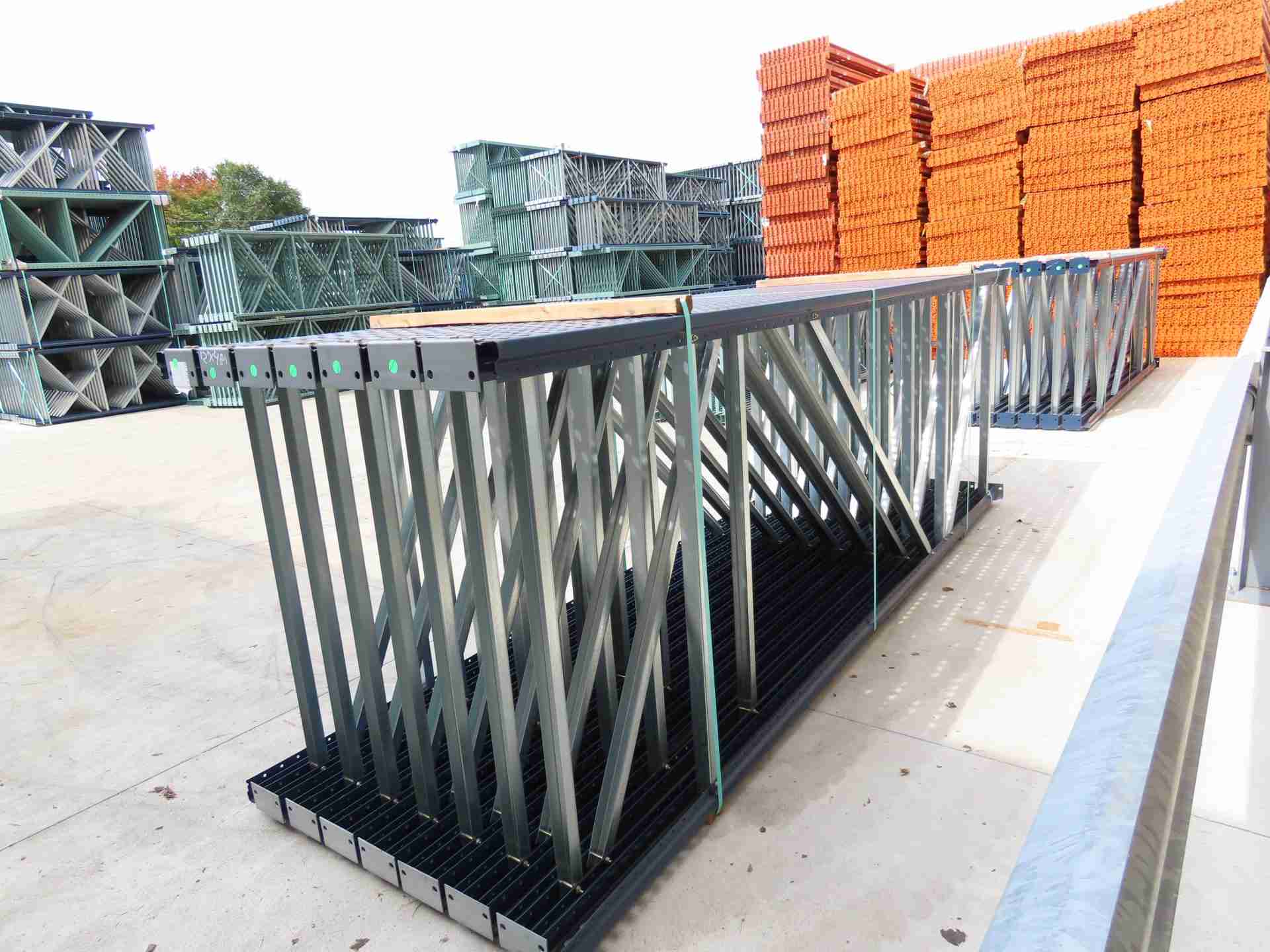
Can Local Suppliers Handle Big Warehouse Projects?
Can Local Suppliers Handle Big Warehouse Projects?
- Local suppliers are well-equipped to meet the demands of large-scale warehouse projects.
- The rise of e-commerce has made warehouse operators rethink their storage solutions, favoring local suppliers.
- Local suppliers provide tailored solutions that cater to specific regional challenges and layout needs.
- They possess agility and adaptability, able to respond quickly to supply chain disruptions and changing costs.
- Partnering with local suppliers supports community ties and contributes to regional economic vitality.
- Local suppliers prioritize customer relationships, fostering innovation in storage solutions.
- Local suppliers are not just capable; they are ideally suited to drive success in large warehouse projects.
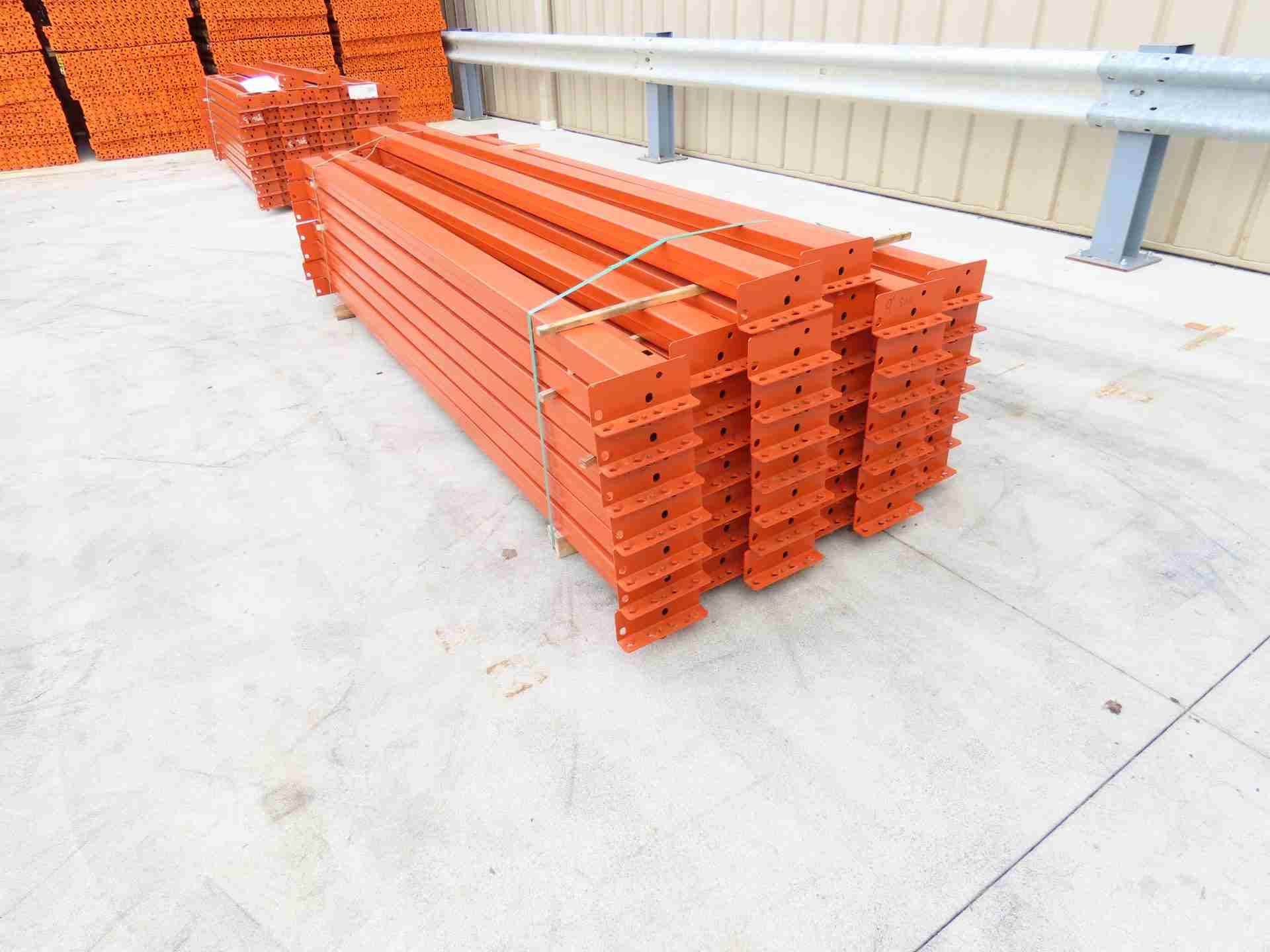
Can Local Suppliers Handle Big Warehouse Projects?
Table Of Contents
- Can Local Suppliers Handle Big Warehouse Projects?
- Can Local Suppliers Compete With National Distributors?
- What Are The Benefits Of Using Local Suppliers For Warehouse Needs?
- How Can Local Suppliers Meet Large-Scale Demand?
- Are Local Suppliers Equipped With Necessary Resources And Tools?
- What Challenges Do Local Suppliers Face In Big Projects?
- How Does Lead Time Compare Between Local And National Suppliers?
- What Should Businesses Consider When Choosing A Local Supplier?
- Conclusion
- Other Resources
- Glossary Of Terms
- Other Questions
- Checklist
Can Local Suppliers Compete With National Distributors?
In the evolving landscape of retail and distribution, the age-old question looms: can local suppliers hold their own against the giants of national distribution? The answer is a resounding yes, but only if they leverage their unique advantages—and that means understanding their market and differentiating themselves through exceptional service, specialized products, and local expertise.
Take the case of a local supplier of pallet racking systems in a mid-sized city. While a national distributor may boast extensive inventory and aggressive pricing structures, the local supplier can outshine through personalized service and consultation. Local suppliers are often more in tune with the specific needs of their community. For example, a warehouse in need of pallet racking may require tailored solutions that consider unique space constraints or specific industry requirements that a faceless national supplier would overlook.
Moreover, local suppliers can build stronger relationships with their clients. Imagine a warehouse manager who knows the local supplier by name, trusts them to deliver on time, and relies on them for expert advice. This personal touch often translates to loyalty that national distributors simply cannot replicate. In recent times, as supply chain disruptions have challenged the reliability of larger distributors, local suppliers have had the opportunity to step in and make their mark. This allows them to capture market share just by being accessible and available when their competitors cannot.
Additionally, local suppliers can quickly adapt to industry trends and customer preferences, such as the growing emphasis on sustainable practices. If a local supplier starts offering eco-friendly pallet racking options, they can tap into an increasing consumer demand for environmentally responsible choices. Conversely, national distributors may take months to adjust their offerings based on consumer trends and regulatory changes, thereby giving local suppliers a competitive edge.
In today’s marketplace, the stories of resilience and adaptability are abundant. As consumers grow increasingly aware of where their products come from and the stories behind them, local suppliers have an opportunity to position themselves not just as vendors, but as vital community partners. They can engage in community events, sponsor local sports teams, or collaborate with businesses in the area—ultimately leading to increased brand loyalty.
In summary, local suppliers can indeed compete with national distributors by leveraging their strengths—building relationships, providing tailored solutions, and maintaining an agile approach to meet evolving consumer demands. The route may be challenging, but the opportunities for local suppliers are clearer than ever.

Can Local Suppliers Compete With National Distributors?
Can Local Suppliers Compete With National Distributors?
- Local suppliers can compete with national distributors by leveraging unique advantages.
- Personalized service and consultation set local suppliers apart from faceless national competitors.
- Local suppliers are often in tune with community-specific needs and requirements.
- Stronger client relationships foster loyalty that national distributors struggle to replicate.
- Recent supply chain disruptions have provided local suppliers with new opportunities to capture market share.
- Local suppliers can quickly adapt to industry trends, such as sustainable practices, giving them a competitive edge.
- Community engagement and partnerships can enhance brand loyalty for local suppliers.

Can Local Suppliers Compete With National Distributors?
What Are The Benefits Of Using Local Suppliers For Warehouse Needs?
In today’s fast-paced marketplace, businesses are constantly on the lookout for ways to streamline operations and cut costs. One strategy that is often overlooked is the value of partnering with local suppliers for your warehouse needs. Whether you’re sourcing pallet racking systems or other essential equipment, leveraging local suppliers can provide a significant competitive edge.
First and foremost, engaging local suppliers reduces lead times and transportation costs. With the ongoing challenges in the global supply chain, including rising shipping costs and delays stemming from port congestion, localized sourcing offers a refreshing solution. For example, a company in Atlanta can source high-quality pallet racking from a local manufacturer, ensuring they receive their supplies quickly and efficiently. In contrast, relying on distant suppliers often means extended wait times – a risk that could jeopardize your operations and customer satisfaction.
Furthermore, local suppliers tend to have a more profound understanding of regional market trends, regulations, and customer expectations. This insight can directly translate into better service, tailored solutions, and innovative products that meet specific local needs. Imagine needing a particular type of pallet racking designed for optimizing storage in a small warehouse space. A local supplier will likely have a familiarity with common constraints and can offer practical solutions that a distant vendor might not consider.
Additionally, fostering relationships with local businesses can enhance your company’s reputation in the community. More consumers are inclined to support businesses that prioritize local economic growth. By purchasing from local suppliers, you are not just reducing costs; you’re also investing in the community, potentially bolstering your brand’s loyalty in a world full of choices.
Take the recent global supply chain disruptions – companies that relied heavily on international suppliers faced significant setbacks. Meanwhile, businesses that had established connections with local vendors continued to operate smoothly. For instance, during the pandemic, many companies pivoted to local sourcing to ensure they had enough inventory of crucial warehouse supplies like pallet racking and shelving systems.
Sourcing from local suppliers provides not only economic benefits but also strengthens your operational resilience. With logistics improved and community ties cemented, businesses can enjoy the best of both worlds – efficiency and loyalty. In a landscape affected by frequent changes, choosing local suppliers for your warehouse needs is a smart strategy that can lead to sustained success.
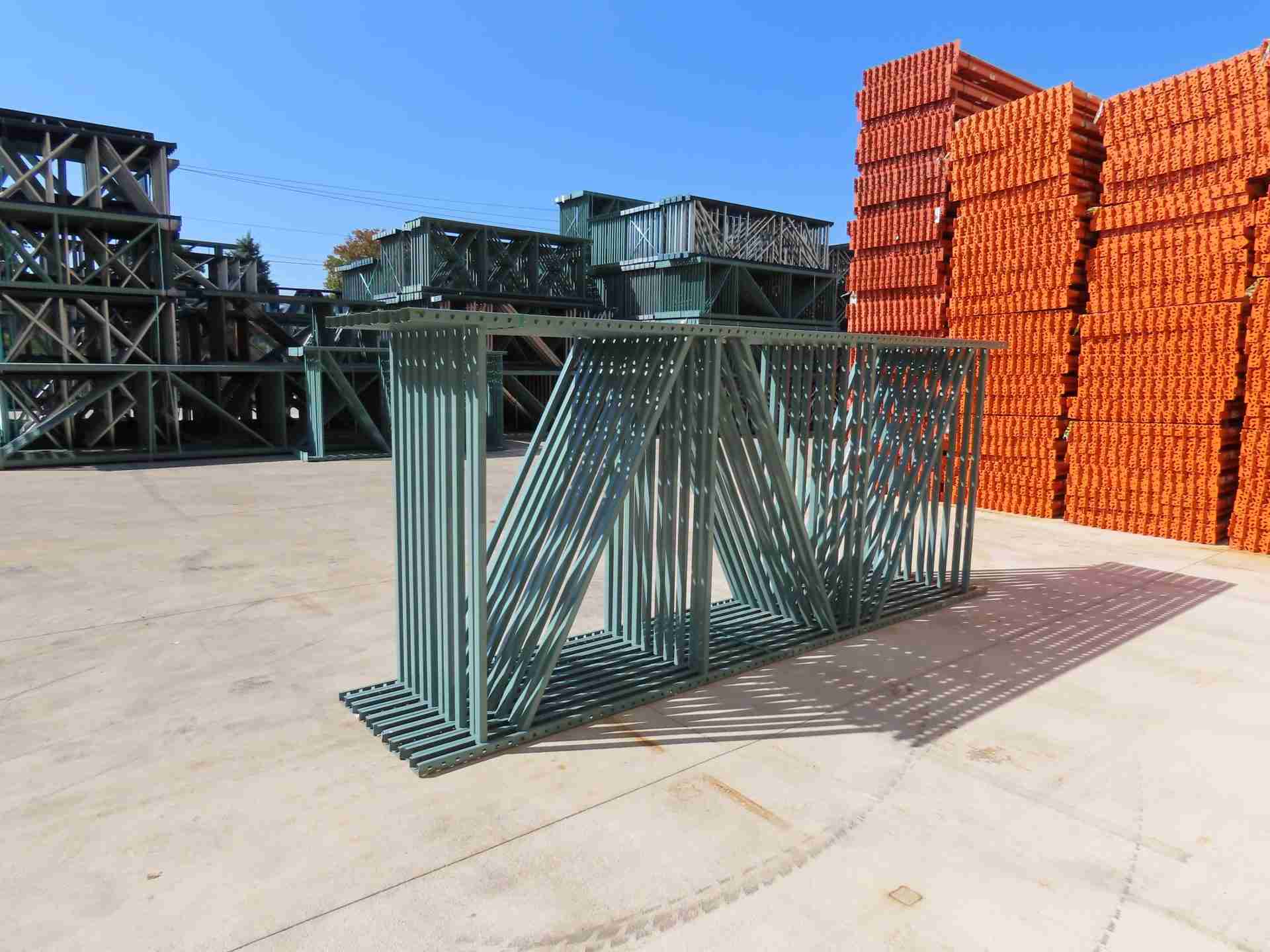
What Are The Benefits Of Using Local Suppliers For Warehouse Needs?
What Are The Benefits Of Using Local Suppliers For Warehouse Needs?
- Partnering with local suppliers can streamline operations and cut costs for businesses.
- Engaging local suppliers reduces lead times and transportation costs, enhancing efficiency.
- Local suppliers have a better understanding of regional market trends and customer expectations.
- Fostering relationships with local businesses boosts community reputation and consumer loyalty.
- Companies with local sourcing were more resilient during global supply chain disruptions.
- Local sourcing provides economic benefits and strengthens operational resilience.
- Choosing local suppliers is a smart strategy for sustained success in a changing marketplace.

What Are The Benefits Of Using Local Suppliers For Warehouse Needs?
How Can Local Suppliers Meet Large-Scale Demand?
In a world increasingly defined by rapid delivery and instant gratification, local suppliers face the unique challenge of scaling up their operations to meet large-scale demand. The modern consumer expects not only quality but also speed. For local suppliers, this doesn’t just mean expanding their supply chains — it’s about optimizing every aspect of their operations to be agile and responsive.
One of the most effective ways to meet rising demand is through strategic investments in infrastructure, such as pallet racking systems. These systems allow businesses to optimize their storage capabilities, ensuring products are not just adequately stocked but easily accessible. Think about it: A well-organized warehouse with effective pallet racking can dramatically reduce picking times and improve overall efficiency. For example, a local food distributor implemented a sophisticated pallet racking system and saw a 30% increase in order fulfillment speed, helping them serve larger retailers alongside their traditional customers.
Moreover, leveraging technology is essential. Employing inventory management systems that integrate with pallet racking can help track stock levels in real-time, anticipate shortages, and reorder products automatically. A current trend is the incorporation of artificial intelligence (AI) to better forecast demand patterns. With fluctuating consumer behaviors, particularly noticeable during global events like the COVID-19 pandemic, local suppliers who utilized these systems kept their shelves stocked while competitors struggled to keep pace.
Partnerships are another key strategy for local suppliers looking to expand their capabilities. By collaborating with complementary businesses, local suppliers can provide bundled services or products that entice larger customers. For instance, a local supplier of cleaning products might partner with a packaging company to offer eco-friendly packaging solutions, appealing to environmentally conscious retailers looking to update their supply chains.
Additionally, freight logistics cannot be overlooked. Investing in efficient transportation and logistics alliances helps ensure that large-scale orders are met swiftly without sacrificing quality or reliability. During times of high demand, such as holiday seasons or pandemics, it’s crucial for local suppliers to secure reliable transportation networks, minimizing delays that can jeopardize relationships with larger clients.
In short, meeting large-scale demand as a local supplier is not just about increasing output, but about making intelligent operational choices powered by technology, strategic partnerships, and effective infrastructure. By doing so, local suppliers can position themselves as indispensable players in the supply chain, capable of meeting the demands of both their community and larger markets.
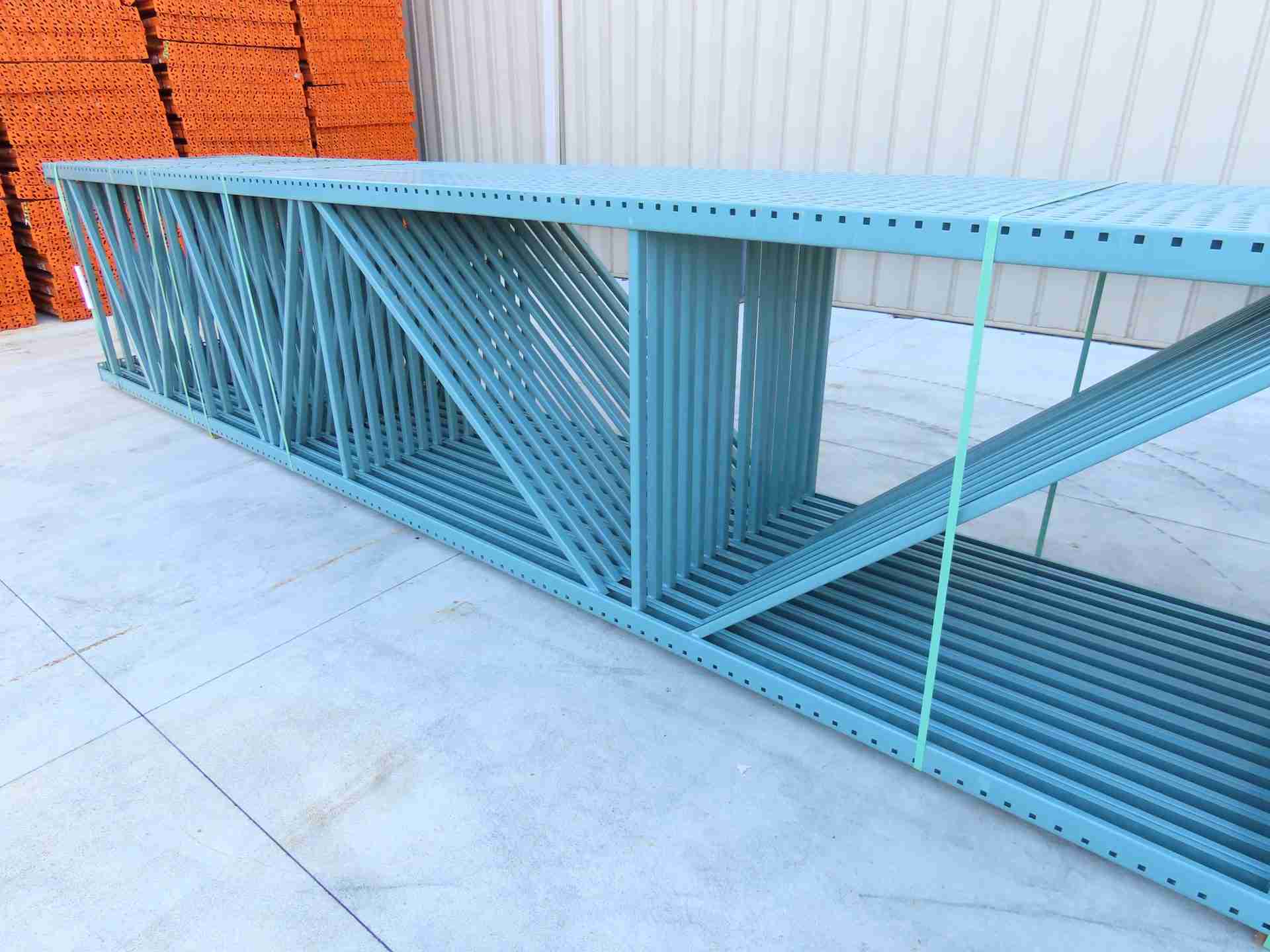
How Can Local Suppliers Meet Large-Scale Demand?
How Can Local Suppliers Meet Large-Scale Demand?
- Local suppliers face challenges in scaling operations to meet rising demand for quality and speed.
- Strategic investments in infrastructure, like pallet racking systems, optimize storage and enhance efficiency.
- Implementing effective pallet racking can increase order fulfillment speed substantially, as seen with a local food distributor’s 30% improvement.
- Leveraging technology, such as inventory management systems and AI, helps track stock levels and anticipate shortages.
- Forming partnerships with complementary businesses enables local suppliers to offer bundled services, attracting larger customers.
- Efficient freight logistics and transportation alliances are crucial for meeting large-scale orders without compromising quality.
- Local suppliers can remain competitive by making intelligent operational choices in technology, partnerships, and infrastructure.

How Can Local Suppliers Meet Large-Scale Demand?
Are Local Suppliers Equipped With Necessary Resources And Tools?
In today’s fast-paced market, local suppliers play a pivotal role in the supply chain, yet many struggle to keep up with the demands of modern logistics. One can’t help but ask: Are local suppliers equipped with the necessary resources and tools to meet customer expectations? The answer, as evidenced by recent trends and industry shifts, is a mixed bag.
Consider the rising complexity of inventory management. For instance, in industries like e-commerce or food distribution, effective storage solutions such as pallet racking are essential. These systems provide critical space optimization and ease of access. However, many local suppliers still rely on outdated shelving techniques, which can lead to inefficiencies. Take a closer look at how companies like Amazon have revolutionized their warehousing with advanced pallet racking systems. They not only maximize space but also allow for smoother operations, enabling them to fulfill orders at lightning speed. Local suppliers eager to remain competitive must adopt similar strategic solutions.
Moreover, technology adoption is crucial. Recent studies indicate that suppliers are lagging in digital tools that streamline operations. For instance, many local distributors have yet to invest in robust inventory management software, leaving them at the mercy of manual processes. With the global supply chain disruptions caused by events like the COVID-19 pandemic, companies that failed to modernize faced considerable setbacks. There’s a direct correlation between having the right technological resources and the ability to adapt quickly to market changes. Local suppliers must prioritize investing in cutting-edge software and machinery—a leap that can separate the market leaders from those who merely survive.
Furthermore, workforce training is often overlooked. Investing in the human element alongside physical tools can yield significant returns. For instance, a local supplier that provides regular training in optimal pallet racking usage not only enhances efficiency but also boosts employee morale. This is particularly relevant as supply chain disruptions continue to make headlines, highlighting the necessity of staying agile.
While some local suppliers excel, many are not yet equipped with the necessary resources and tools to compete effectively. By focusing on modern storage solutions like pallet racking, embracing technology, and prioritizing workforce training, they can position themselves as strong contenders in an increasingly competitive landscape. The time for local suppliers to innovate and invest is now, lest they find themselves sidelined in a rapidly evolving market.

Are Local Suppliers Equipped With Necessary Resources And Tools?
Are Local Suppliers Equipped With Necessary Resources And Tools?
- Local suppliers are crucial in the supply chain but often struggle with modern logistics demands.
- Complexity in inventory management highlights the need for effective storage solutions like pallet racking.
- Many local suppliers still use outdated shelving techniques, leading to inefficiencies.
- Technology adoption is critical, yet many local distributors lack advanced inventory management software.
- Failure to modernize has resulted in setbacks for suppliers during global disruptions like the COVID-19 pandemic.
- Investing in workforce training is essential for enhancing efficiency and employee morale.
- Local suppliers must innovate and invest in modern strategies to remain competitive in the evolving market.
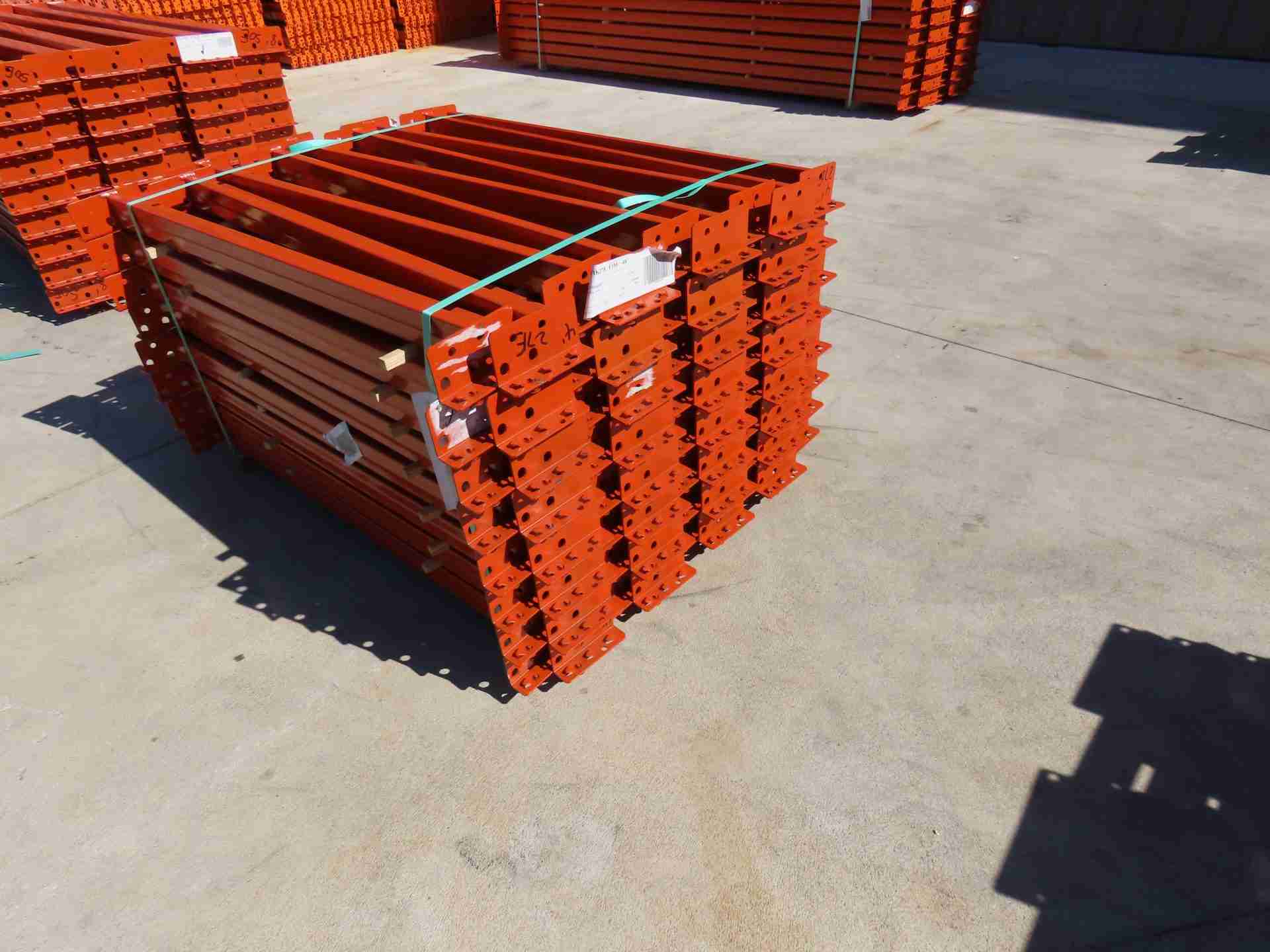
Are Local Suppliers Equipped With Necessary Resources And Tools?
What Challenges Do Local Suppliers Face In Big Projects?
When it comes to big projects, local suppliers often find themselves in a David versus Goliath scenario. They not only contend with larger, more established companies but also face a myriad of unique challenges that can impact their ability to scale and thrive.
One of the most pressing issues is the sheer volume and complexity of logistics in large-scale operations. Take, for instance, the recent surge in construction projects aimed at revitalizing urban infrastructure in cities across the U.S. Local suppliers providing essential materials—like pallet racking systems for warehouses or office supplies for temporary workstations—must navigate a labyrinth of regulations, scheduling pressures, and delivery commitments. These logistics hurdles often lead to operational bottlenecks.
Furthermore, local suppliers frequently grapple with limited capacity in the face of overwhelming demand. Imagine a small family-owned pallet racking business that has serviced local clients for years. When an international chain begins to ramp up and requires significant warehouse storage solutions, that small business may find it difficult to meet the spike in demand due to capital constraints. Their limited access to financing can prevent them from investing in more advanced machinery or hired labor to fulfill large orders, leaving them sidelined while larger suppliers swoop in.
Another challenge is competition—both direct and indirect. Major projects often attract big players who can undercut prices because of their economies of scale. For instance, during the recent push for renewable energy projects, many small local suppliers saw established companies swoop in to handle the provision of materials at lower prices. This competitive pricing strategy, while beneficial for the overarching project, can be detrimental to local businesses trying to survive.
Moreover, local suppliers often lack the marketing clout and global reach of larger corporations. In a world where brand recognition can make or break a contract, many local suppliers fail to leverage modern marketing techniques, limiting their visibility. For instance, a lesser-known supplier of pallet racking might struggle to get recognized amid an ocean of flashy advertisements and optimized SEO on the websites of established corporations.
Finally, the pressure for sustainability can be both an opportunity and a challenge. While there’s a growing demand for environmentally friendly materials, many local suppliers may not have the resources to pivot quickly. Thus, while striving to align with evolving industry standards, they risk losing relevance in fast-paced markets.
In sum, local suppliers play a crucial role in big projects but must tackle a series of multifaceted challenges that can stifle growth. Staying agile, well-financed, and informed is essential for overcoming the obstacles that stand in their path.

What Challenges Do Local Suppliers Face In Big Projects?
What Challenges Do Local Suppliers Face In Big Projects?
- Local suppliers face challenges resembling a David versus Goliath scenario in big projects.
- The complexity of logistics in large-scale operations creates operational bottlenecks.
- Limited capacity and capital constraints hinder local suppliers from meeting increased demand.
- Competition from larger companies can undercut prices and threaten local businesses’ survival.
- Local suppliers often lack the marketing power and brand recognition of bigger corporations.
- Pressure for sustainability presents both opportunities and challenges for local suppliers.
- Agility, strong financing, and industry knowledge are crucial for local suppliers to thrive.
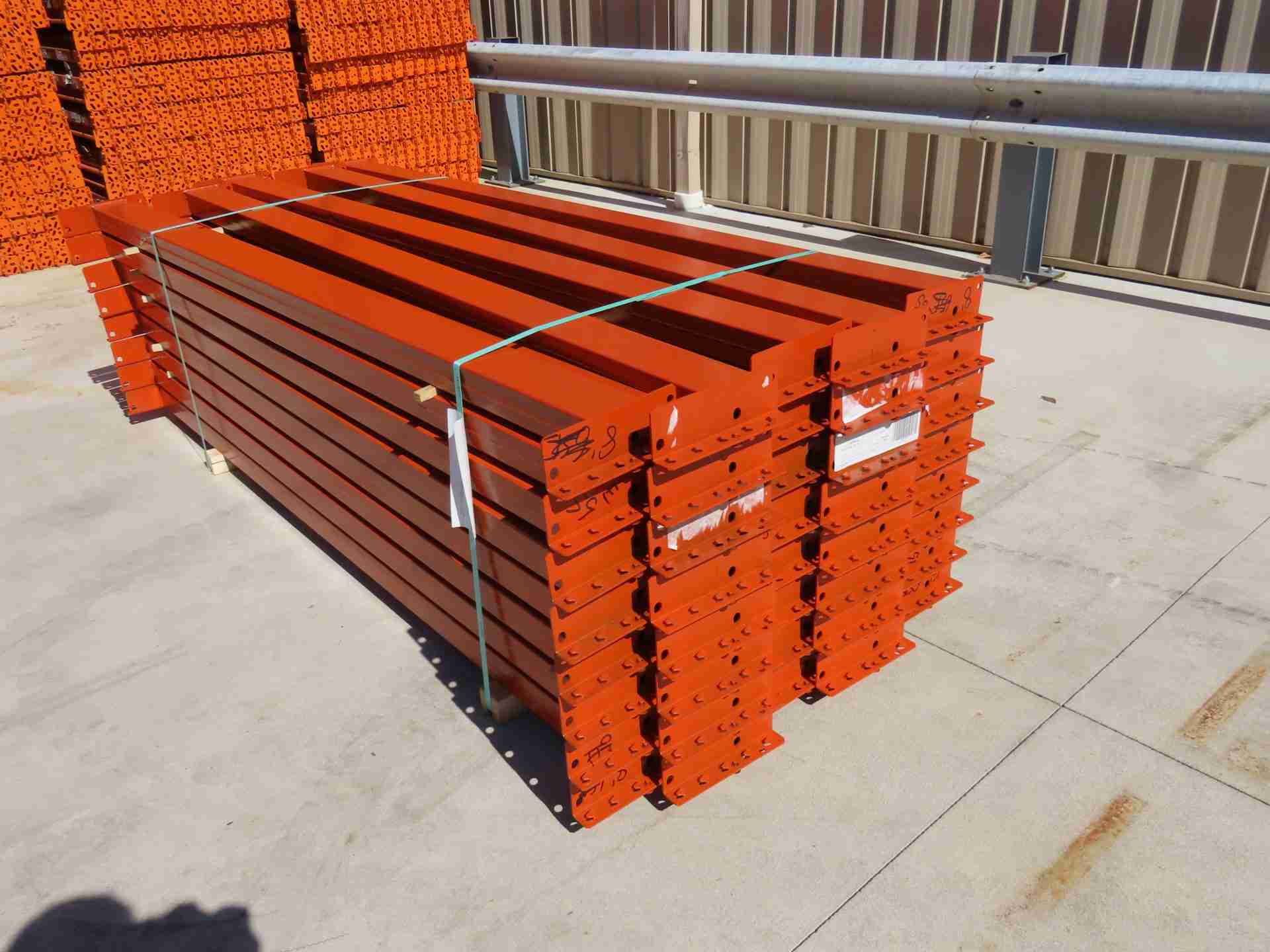
What Challenges Do Local Suppliers Face In Big Projects?
How Does Lead Time Compare Between Local And National Suppliers?
When it comes to sourcing equipment like pallet racking, understanding lead times is essential for maintaining an efficient operation. In today’s fast-paced business environment, companies cannot afford delays, and the choice between local and national suppliers can significantly affect your bottom line.
Local suppliers often boast shorter lead times due to proximity and streamlined logistics. For instance, if you’re in a densely populated area, a local supplier can typically deliver pallet racking systems within days, sometimes even within hours. This is especially crucial for businesses that are scaling operations quickly or for those hit with unexpected surges in demand. Rapid turnaround means that your warehouse operations keep running smoothly without the costly downtime that accompanies long waits.
Consider a recent case involving a mid-sized retailer that urgently needed additional pallet racking to accommodate a seasonal surge in online orders. By choosing a local supplier, they received their delivery in just two days, allowing them to scale operations swiftly and capitalize on fleeting market demand. Conversely, if they had opted for a national supplier, they might have faced a lead time of two to four weeks, resulting in lost revenue and a chaotic fulfillment process.
On the flip side, national suppliers could offer broader selections and bulk pricing advantages due to higher purchasing volumes. However, the trade-off often comes in the form of extended lead times. For example, a national supplier might depend on centralized distribution centers that could be hundreds or even thousands of miles away from your location. Shipping logistics, customs regulations, and broader supply chain issues can slow down delivery timelines, especially in the wake of current complexities in global trade. Events such as port congestion or fluctuating freight costs can wreak havoc on expected lead times, leaving your operations in limbo.
So, which route should you take? The choice between local and national suppliers hinges on your specific needs and circumstances. If immediate availability and quick responsiveness are critical, local suppliers tend to deliver the goods—literally and figuratively. However, if you require specialized products or significant volume purchases, a national supplier might be worth the wait.
In summary, when deciding on pallet racking suppliers, remember that lead time isn’t just a metric; it’s an element that can significantly impact your operational efficiency and profitability. Weigh the pros and cons, keeping in mind your immediate needs and long-term goals. After all, in today’s market, time is money.
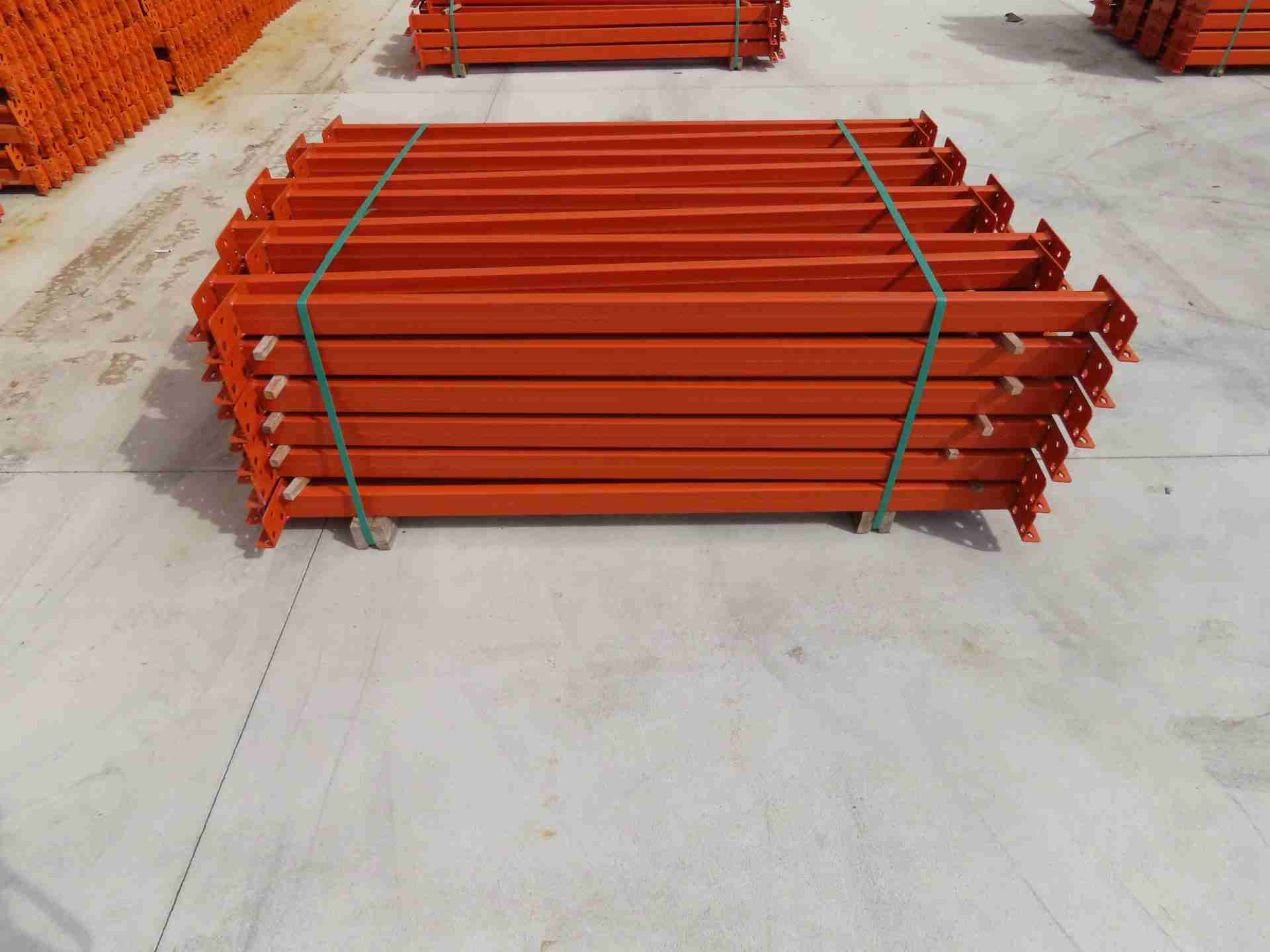
How Does Lead Time Compare Between Local And National Suppliers?
How Does Lead Time Compare Between Local And National Suppliers?
- Understanding lead times for sourcing equipment like pallet racking is crucial for efficient operations.
- Local suppliers offer shorter lead times due to proximity, enabling faster delivery within days or even hours.
- Quick delivery from local suppliers helps businesses respond swiftly to unexpected demand surges.
- A mid-sized retailer’s case illustrates the advantages of local suppliers, with a delivery received in just two days.
- National suppliers may provide broader selections and bulk pricing but often come with extended lead times.
- Shipping logistics and global trade complexities can exacerbate delays from national suppliers, impacting operations.
- Your choice of supplier should align with your immediate needs and long-term goals, as lead time influences profitability.
How Does Lead Time Compare Between Local And National Suppliers?
What Should Businesses Consider When Choosing A Local Supplier?
When it comes to selecting a local supplier, businesses must tread carefully—much like choosing the right pallet racking for their warehouse. After all, the choices you make can significantly impact your operations, customer satisfaction, and ultimately, your bottom line. Here’s what firms should consider to strike gold in their supplier partnerships.
First off, consider the supplier’s reliability. As we’ve seen in recent supply chain disruptions due to events like the COVID-19 pandemic and global shipping delays, a supplier who can’t deliver on time can wreak havoc on your operations. Imagine if you were relying on a local supplier to provide the materials that go into your product—missing deadlines because of late deliveries can cost you customers and tarnish your reputation. Therefore, evaluate their track record through reviews, testimonials, and local business reputation.
Second, assess the quality of the products being offered. In an era where consumers demand quality over quantity, working with a supplier who provides inferior products can sabotage your business. Therefore, don’t hesitate to request samples. If you’re in the retail sector, you wouldn’t want to stock items that fall apart after one use, much like opting for flimsy pallet racking, which might buckle under pressure. Quality extends to customer service, too. A responsive supplier who addresses your concerns promptly can create a smooth operating environment, just as easily as sturdy pallet racking can ensure safety and efficiency in your warehouse.
Price is, of course, an essential consideration but don’t get lost in the numbers. The cheapest option is often not the best in the long run. Take, for example, the current trend in sustainable sourcing. Companies like Coca-Cola are reshaping their supply chains to be more eco-friendly. Cheaper suppliers may not prioritize sustainable practices, which are increasingly important in today’s market. Aligning with local suppliers who reflect your values can enhance your brand and appeal to the eco-conscious consumer.
Lastly, think about the logistics. Consider how a local supplier can decrease your shipping time, reduce transportation costs, and as a bonus, have a positive impact on your carbon footprint. Local partnerships can also pave the way for collaborative promotional efforts that bolster community goodwill, much like how businesses rally together during crisis recovery efforts.
In summary, selecting a local supplier is akin to selecting the right pallet racking system; it needs to be solid, reliable, and perfectly suited to fit your unique needs. Keep these factors in mind, and you’re bound to make a winner out of your supplier choices.
What Should Businesses Consider When Choosing A Local Supplier?
What Should Businesses Consider When Choosing A Local Supplier?
- Selecting a local supplier is crucial for business operations, customer satisfaction, and profitability.
- Reliability of the supplier is key; late deliveries can damage reputation and cost customers.
- Assess the quality of products; request samples to ensure they meet standards.
- Quality includes customer service; a responsive supplier can enhance operational efficiency.
- Price matters, but the cheapest option may not be the best; consider long-term value.
- Align with suppliers who prioritize sustainable practices to appeal to eco-conscious consumers.
- Logistics benefits from local suppliers include reduced shipping time, costs, and a positive environmental impact.

What Should Businesses Consider When Choosing A Local Supplier?
Conclusion
In today’s competitive warehouse landscape, the rising prominence of local suppliers has transformed the way businesses approach large-scale operations. Arrow Industrial Sales champions the invaluable benefits of partnering with local experts, especially when it comes to critical infrastructure like pallet racking systems. The pressing question remains: can local suppliers adequately meet the demands of expansive warehouse projects? The clear answer is not only a resounding “yes,” but local suppliers are uniquely positioned to outshine their national counterparts.
Local suppliers provide agility and a tailored approach to meet the specific needs of your business. They are intimately familiar with regional regulations and market nuances, allowing for custom solutions that address unique space constraints or logistics requirements. This local expertise can dramatically shorten lead times, ensuring prompt delivery without the hiccups that often accompany long-distance shipping. Imagine the peace of mind knowing that your essential warehouse equipment, like pallet racking systems, will arrive quickly, keeping your operations on schedule and your productivity soaring.
Financially, leveraging local suppliers means less downtime and reduced transportation costs—an efficient advantage that directly impacts your bottom line, especially amidst today’s unpredictable supply chain landscape. During recent global disruptions, businesses reliant on international suppliers faced significant setbacks, while those with established connections to local vendors continued to operate smoothly and adapt to changing conditions.
However, the advantages extend beyond mere logistics and costs. Choosing local suppliers nurtures community spirit, fostering deeper relationships that cultivate brand loyalty. When you invest in a local business, you also directly contribute to your region’s economic vitality and resilience. This relationship goes hand-in-hand with innovation; local suppliers often prioritize customer collaboration, leading to creative solutions that can optimize workflows in ways large corporations cannot replicate.
As your business prepares for its next big project, the need for robust, reliable, and responsive suppliers has never been more critical. The pivotal partnership with local suppliers like Arrow Industrial Sales not only equips you for success but offers tangible solutions that align with contemporary market demands. Don’t wait—take the first step towards operational excellence by calling Arrow Industrial Sales at (574) 349-6575. Ensure that your warehouse project enjoys the agility, innovation, and community support that only a dedicated local supplier can provide. Act now and transform your operations for the better!

Conclusion
Conclusion:
- The importance of local suppliers is growing in the competitive warehouse industry.
- Local suppliers like Arrow Industrial Sales offer tailored solutions for infrastructure needs such as pallet racking systems.
- They possess regional knowledge that enables custom solutions and shorter lead times.
- Choosing local suppliers can reduce transportation costs and downtime, benefiting your bottom line.
- Local partnerships foster community spirit, enhance brand loyalty, and contribute to regional economic vitality.
- Local suppliers prioritize collaboration and innovation, providing unique solutions for workflow optimization.
- Engaging with local suppliers is essential for operational efficiency and adapting to modern market demands.

Conclusion
Other Resources

Other Resources
Here is a list of other resources you can review online to learn more:
- SEMA
- Iowa Illinois Warehouse Racking
- Selective Racking
- Wolter
- IIWS Inc. Rack Installation Illinois & Rack Repairs Illinois
- Rack Manufacturers Institute
- Illinois Pallet Racking – WPRP
- The Ultimate Pallet Racking Guide – Speedrack West
- Rack Manufacturers Institute
- Crane Manufacturers Association Of America Inc.
Use This Prompt To Get More Resources With Your Favorite Online AI Tool: Please provide me with a list of online articles with their URLs in a bulleted list that I can read regarding Can Local Suppliers Handle Big Warehouse Projects?
Other Resources
Glossary Terms
Can Local Suppliers Handle Big Warehouse Projects? – Glossary Of Terms
1. Local Suppliers: Businesses or individuals that provide goods and services in a specific local area, often emphasizing local sourcing.
2. Warehouse: A large building where raw materials or goods are stored before their distribution.
3. Supply Chain: The entire system of organizations, people, activities, information, and resources involved in moving a product from supplier to customer.
4. Infrastructure: The underlying framework or facilities needed for the operation of a warehouse project, including transportation networks, utilities, and communication systems.
5. Capacity: The maximum amount that a supplier can produce or deliver, often measured in terms of volume or quantity.
6. Logistics: The detailed organization and implementation of complex operations involving people, facilities, and supplies to facilitate the smooth flow of goods.
7. Procurement: The process of obtaining goods and services, often involving sourcing, negotiation, and purchasing functionality.
8. Lead Time: The amount of time that passes from the start of a process to its completion, including procurement and delivery times.
9. Contractual Agreements: Legally binding documents outlining the terms and conditions between suppliers and clients regarding goods and services.
10. Bulk Purchasing: Buying large quantities of goods, often allowing for cost savings and better negotiation terms with suppliers.
11. Inventory Management: The practice of overseeing and controlling ordering, storing, and using inventory to meet demands efficiently.
12. Quality Assurance: The systematic process of checking to see whether a product or service meets specified requirements and standards.
13. Workforce: The labor pool available to an organization, including the skills and number of employees needed for a warehouse project.
14. Cost-Efficiency: The effectiveness of a supplier in managing costs relative to the benefits and outcomes achieved in delivering goods or services.
15. Reliability: The ability of a supplier to consistently provide products or services on time and as promised.
16. Sustainability: Practices that consider environmental and social impacts while providing goods and services, often a factor for local suppliers.
17. Demographics: Statistical data about a population, including characteristics such as age, income, and distribution that can influence local suppliers’ capabilities.
18. Regulatory Compliance: Adhering to laws, regulations, and guidelines that govern how suppliers operate and manage their goods and services.
19. Partnership: A collaborative relationship between local suppliers and businesses to fulfill shared goals, often enhancing project efficiency.
20. Risk Management: The identification, assessment, and prioritization of risks associated with supply chain disruptions or challenges in project execution.
21. Flexibility: The ability of suppliers to adapt to changing project requirements or demands, particularly crucial in large warehouse projects.
22. Technology Integration: The incorporation of digital tools and systems to enhance the efficiency of warehouse operations and supplier collaboration.
23. Project Management: The discipline of planning, executing, and closing projects, including budgeting, scheduling, and resource allocation.
24. Vendor Evaluation: A systematic assessment of suppliers to determine their ability to meet project requirements, including checking references and past performance.
25. Communication Channels: The methods used to exchange information between stakeholders, ensuring clarity and transparency throughout the project.
26. Contingency Planning: Preparing alternative strategies to mitigate risks associated with supplier failures or unforeseen project issues.
27. Performance Metrics: Standards or benchmarks used to measure suppliers’ effectiveness, including delivery times, quality levels, and cost management.
28. Regional Economic Factors: Local economic conditions that influence suppliers’ capabilities, including availability of resources and market demand.
29. Collaboration Tools: Software and platforms that facilitate communication and project coordination among local suppliers and contractors.
30. Time-to-Market: The time it takes for products or services to be delivered to the market, critical for suppliers in competitive environments.

Glossary Of Terms
Other Questions
Can Local Suppliers Handle Big Warehouse Projects? – Other Questions
If you wish to explore and discover more, consider looking for answers to these questions:
- What are some examples of successful collaborations between local suppliers and businesses?
- How do local suppliers ensure quality control in their products?
- What strategies can local suppliers use to compete against larger companies?
- How can businesses assess the reputation of local suppliers before partnering?
- What impact does partnering with local suppliers have on a company’s sustainability efforts?
- What role does technology play in the success of local suppliers?
- How do local suppliers manage inventory and keep up with demand fluctuations?
- Are there specific industries where local suppliers excel more than national ones?
- How can local suppliers effectively market their services without a large budget?
- What are some common pitfalls that businesses face when choosing local suppliers?
- How do local suppliers maintain relationships with their clients over time?
- What are the long-term benefits of choosing local suppliers for warehouse projects?

Other Questions
Checklist
Can Local Suppliers Handle Big Warehouse Projects? – A Checklist
Checklist: Choosing Local Suppliers for Warehouse Projects
1. Assess Reliability
_____ Evaluate the supplier’s track record through reviews and testimonials.
_____ Confirm their ability to meet timelines and commitments.
_____ Ask for references from past clients in similar industries.
2. Evaluate Product Quality
_____ Request samples of products to ensure they meet your standards.
_____ Check for certifications or standards that the products adhere to.
_____ Consider the durability and suitability of the products for your specific needs.
3. Analyze Customer Service
_____ Investigate how responsive the supplier is to inquiries and concerns.
_____ Evaluate their willingness to provide consultation and support.
_____ Assess their ability to handle issues or defects post-purchase.
4. Compare Pricing
_____ Obtain quotes from multiple suppliers to compare costs.
_____ Consider the total cost of ownership, not just initial pricing.
_____ Evaluate if cheaper options might sacrifice quality or service.
5. Consider Sustainability Practices
_____ Inquire about the supplier’s commitment to eco-friendly practices.
_____ Assess whether they can provide sustainable options that align with your business values.
_____ Explore the impact of their sourcing on the environment and community.
6. Evaluate Logistics and Lead Times
_____ Understand the supplier’s delivery capabilities and lead times.
_____ Assess how local partnerships can reduce shipping times and costs.
_____ Consider the geographical proximity of the supplier to your operation.
7. Explore Innovation and Flexibility
_____ Ask about their capacity for customization or tailoring solutions to your needs.
_____ Look for suppliers that leverage technology for inventory management and order fulfillment.
_____ Evaluate if they have a proactive approach to solving operational challenges.
8. Assess Financial Stability
_____ Inquire about the supplier’s financial health and stability.
_____ Evaluate their capacity to handle larger orders or scale operations when needed.
_____ Investigate whether they have access to resources for growth and investment.
9. Build Community Ties
_____ Determine if the supplier is involved in local community initiatives.
_____ Assess how partnering with them might enhance your business’s community presence.
_____ Explore opportunities for joint promotions or collaborations.
10. Plan for Future Needs
_____ Discuss future project scalability and the supplier’s capability to meet increased demands.
_____ Assess their ability to adapt to changing market trends and consumer preferences.
_____ Consider any ongoing support or service agreements for long-term partnerships.
Note: Use this checklist as a guideline to ensure a thorough evaluation when selecting local suppliers for your warehouse projects. Each item plays a significant role in building a reliable and mutually beneficial partnership to support your operational needs.

Checklist
At RackingWorld, we help guide you through selecting warehouse storage systems and racking.
Be sure to read our other related stories at RackingWorld to learn more about warehouse storage systems.
0 Comments